On Christmas Eve, I leave you a pot pourri of different cities of the world, decorated for this special time.
May peace and love find you with your dear ones !!!


On Christmas Eve, I leave you a pot pourri of different cities of the world, decorated for this special time.
May peace and love find you with your dear ones !!!
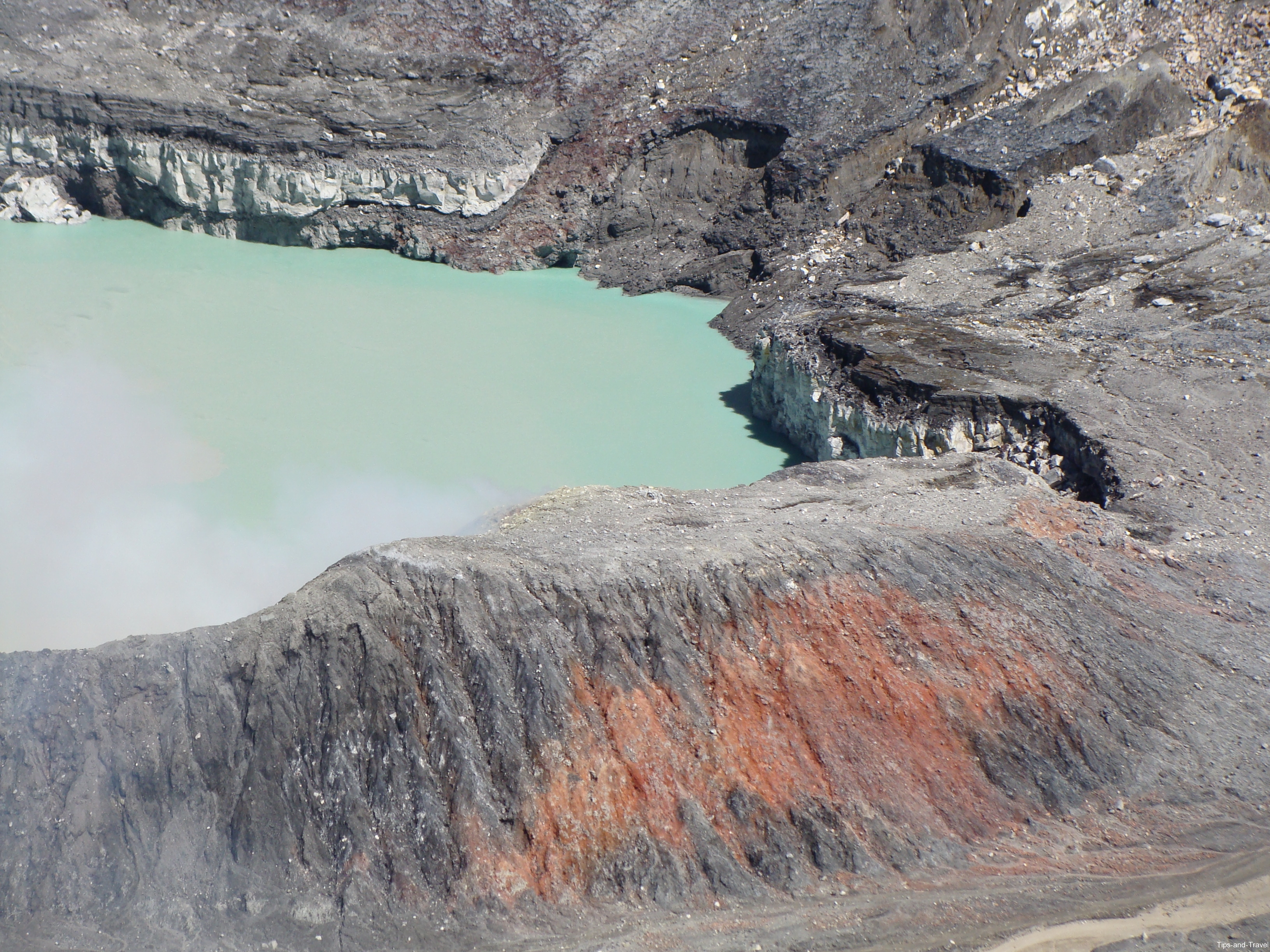
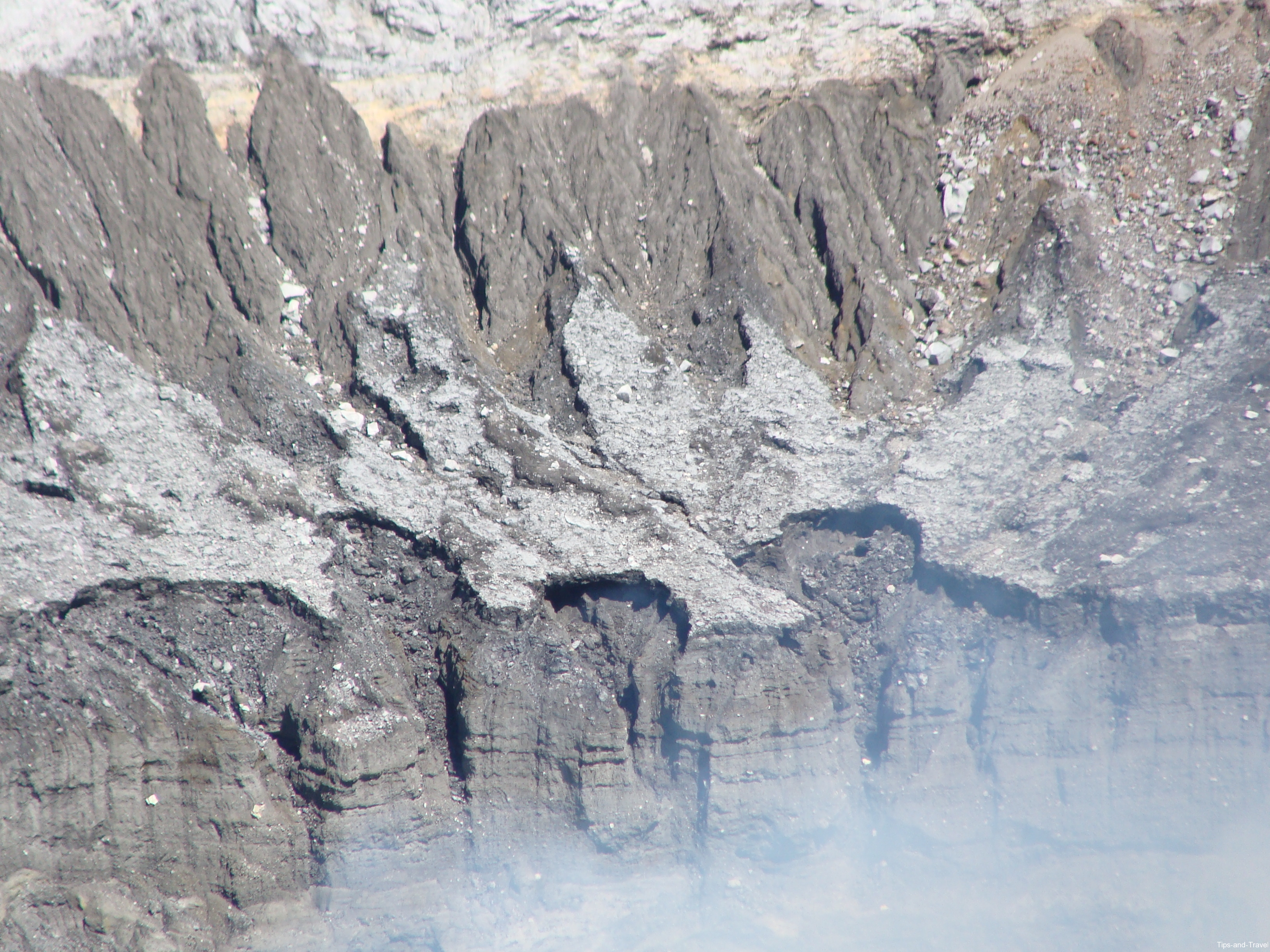
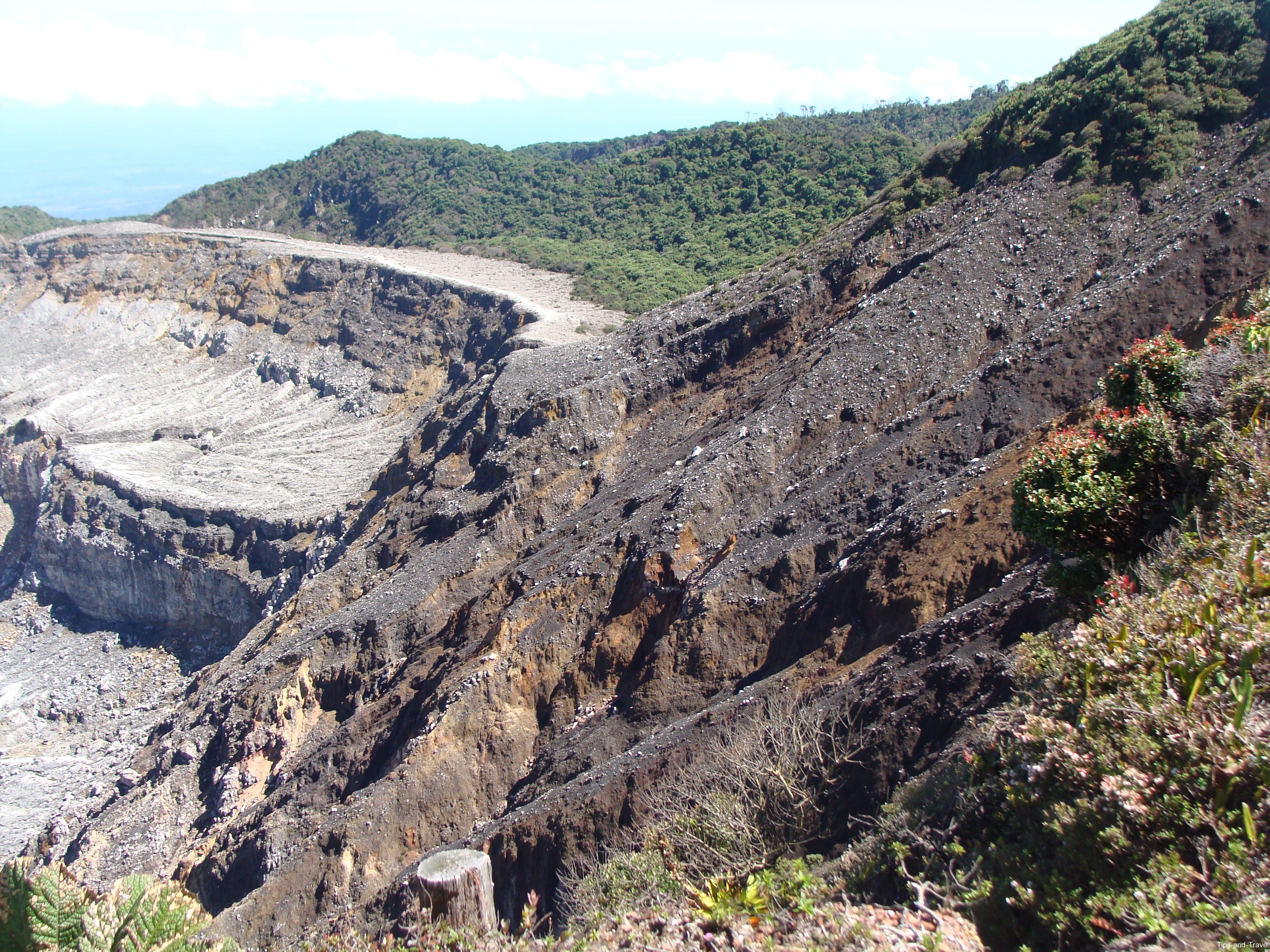
Poas Volcano is a stratovolcano in Costa Rica. Very active, he has known at least 39 eruptive episodes since 1828. It is currently experiencing moderate activity. Located 37 km northwest of the capital San José, this volcano culminates at 2,708 m altitude. It is integrated into the Poas Volcano National Park. Its main crater hosts an acidic lake which regularly produces toxic sulphurous steams. It presents several eroded calderas, volcanic cones and three craters aligned, which contain crater lakes. The main crater is about two kilometers in diameter and is 300 metres deep. The green waters of the lake that occupies the bottom (Laguna Caliente) are highly acidic sulfur and hot (up to 85 ° C). You can also see the fumaroles of sulphide in the internal slopes of the crater. On the other hand, the other crater has had its last eruption there are 7,500 years. It is called Botos and its lake has cold water (Laguna Botos) which is connected with the river Angel. Until the volcano became a national park, people went there to fill glass bottles with acidic water from the crater, and they sold it in pharmacies to relieve muscle aches and also to put it in the hole of a cavity to cause the tooth to fall or it was also used to burn the warts, and to treat wounds.
Tips
The Poas is very often covered by clouds so before going there, ask for the weather conditions. And of course, you must be at the gate at the opening (8 h 00) because the clouds come down quickly.
It is almost 1 hour from San José and its access is easy. If you go by car, the parking is near the crater and you must walk a hundreds meters through a paved driveway.
Another option is to take a half-day trip from San José. There is a regular bus to get there. The ticket costs nearly nothing and the entrance to the park is approximately $10.00.
If the weather is good, take a walk to the Botos Lake and its forest of altitude at 2,400 metres, it’s worth it.





St. Vitus Cathedral, St. Wenceslas and St. Adalbert is located in Prague, the Czech Republic and is the seat of the archbishop of the city. It is the biggest and most important church in the country, located within the Prague Castle. Henry the Fowler offered to the Duke Wenceslas 1 a relic of Saint Vit around the year 925 and to house it, the Duke Wenceslas built a church on a place of pagan site dedicated to the goddess of mythology Slavic life (Siwa). In 973 the church was chosen as the seat of bishopric and in 1060, a Roman basilica is raised instead. Through the centuries, the original church took the form of what is now a mainly Gothic church. St. Wenceslas Chapel contains the tomb of the saint, it is adorned with murals on the top, representing the saint’s life and in the lower part there are semiprecious stones. The crown jewels are locked in the chapel. There is also the burial crypt of Czech kings, which contains the tombs of Charles IV, Wenceslas IV and Rodolphe II. St. John of Nepomuk has a tomb in silver. The windows date mostly from XX century. Zygmunt Bell (the biggest Czech bell, 1548) is in the south tower. There is also a carved monumental cross, in wood, dating from 1899.
Tips
Do not leave without climbing the south tower from where you can have a beautiful panoramic view of the city. Guided tours in the cathedral are organized by the Administration of Prague Castle but you can not just buy the visit to the Cathedral, this visit will be included by purchasing one of two tours offered. Tickets are on sale in the Information Center. There are discounts for children and adolescents under 16, seniors 65 and over and families.