Lanzarote, Las Palmas, Canary Islands, Spain

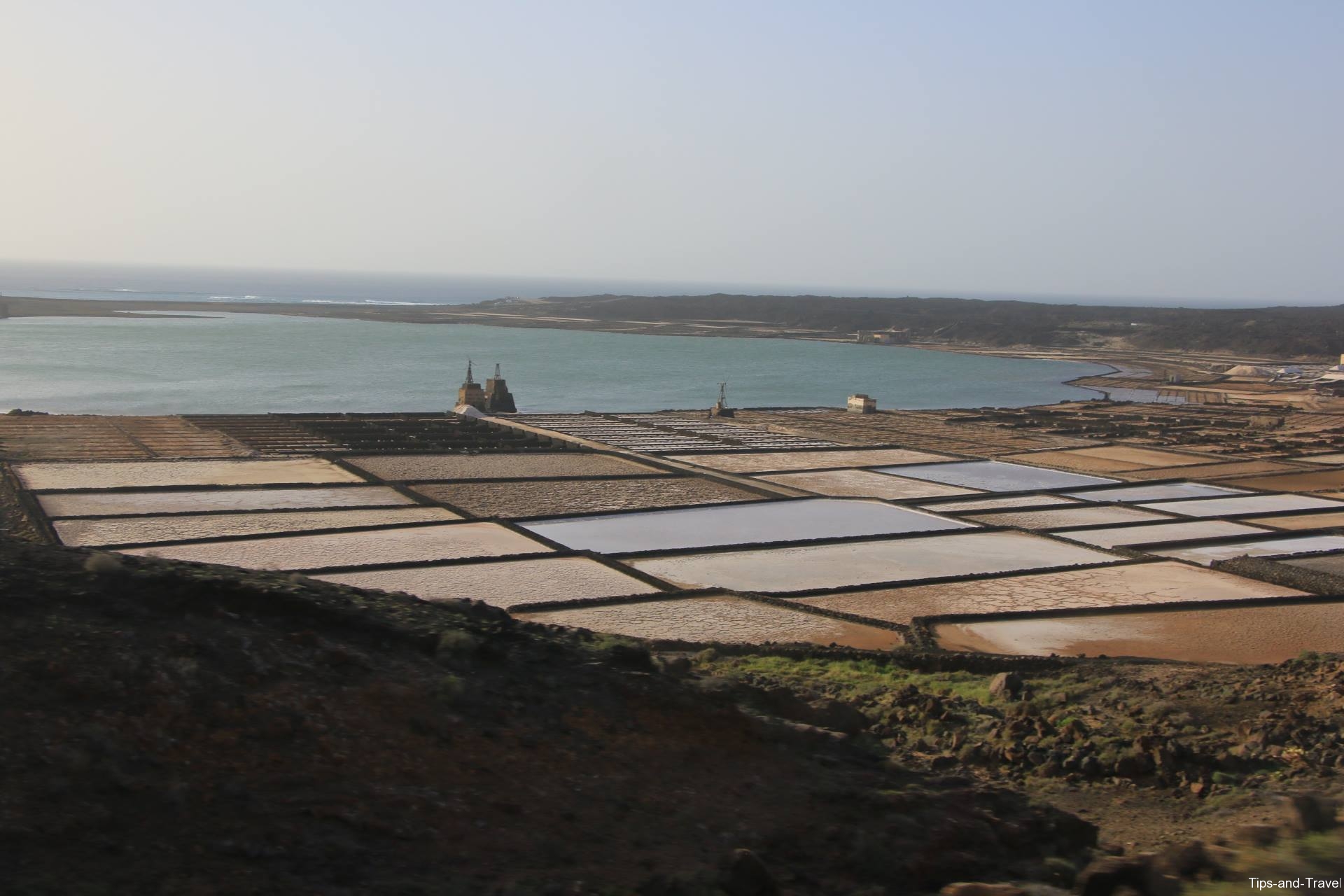
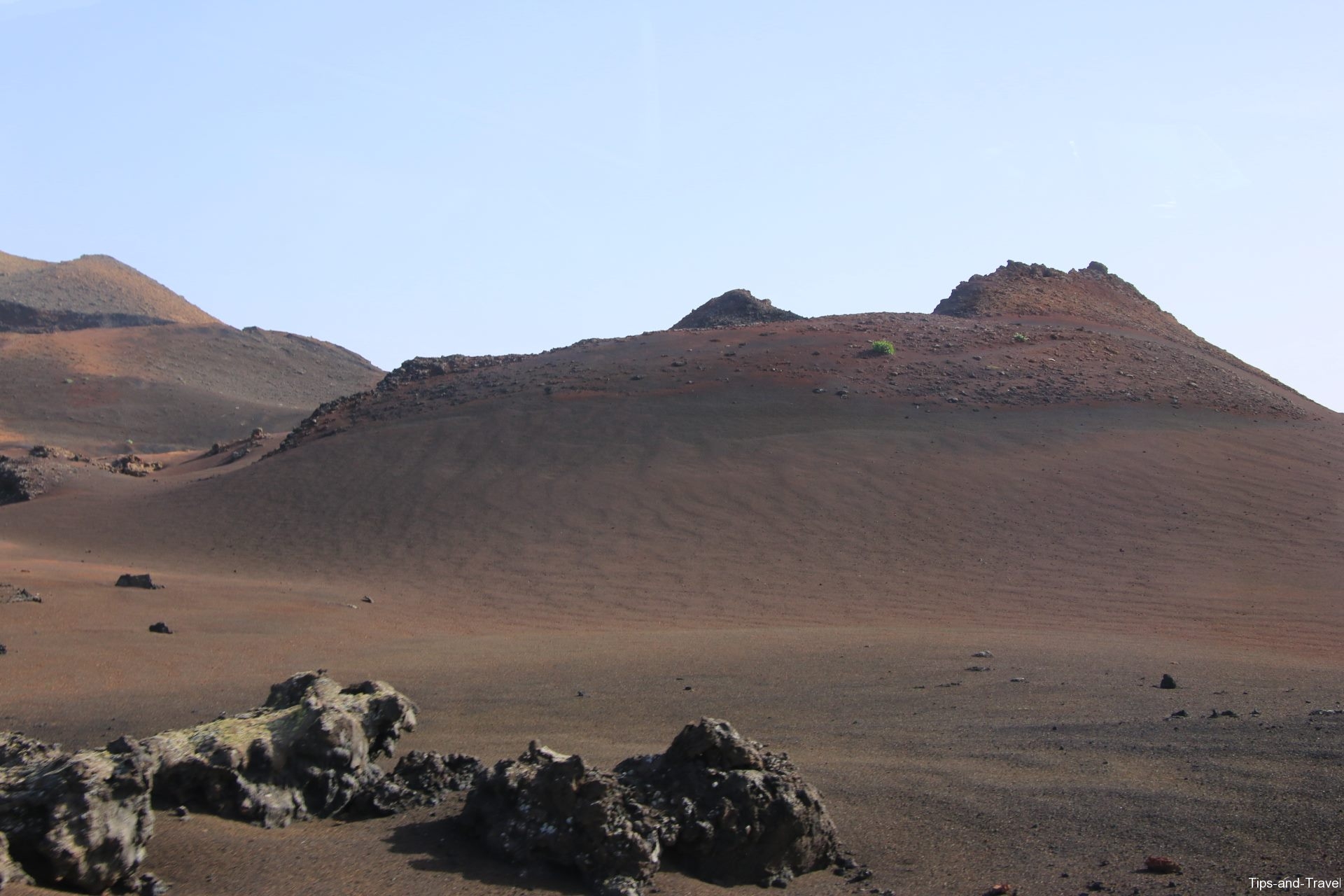
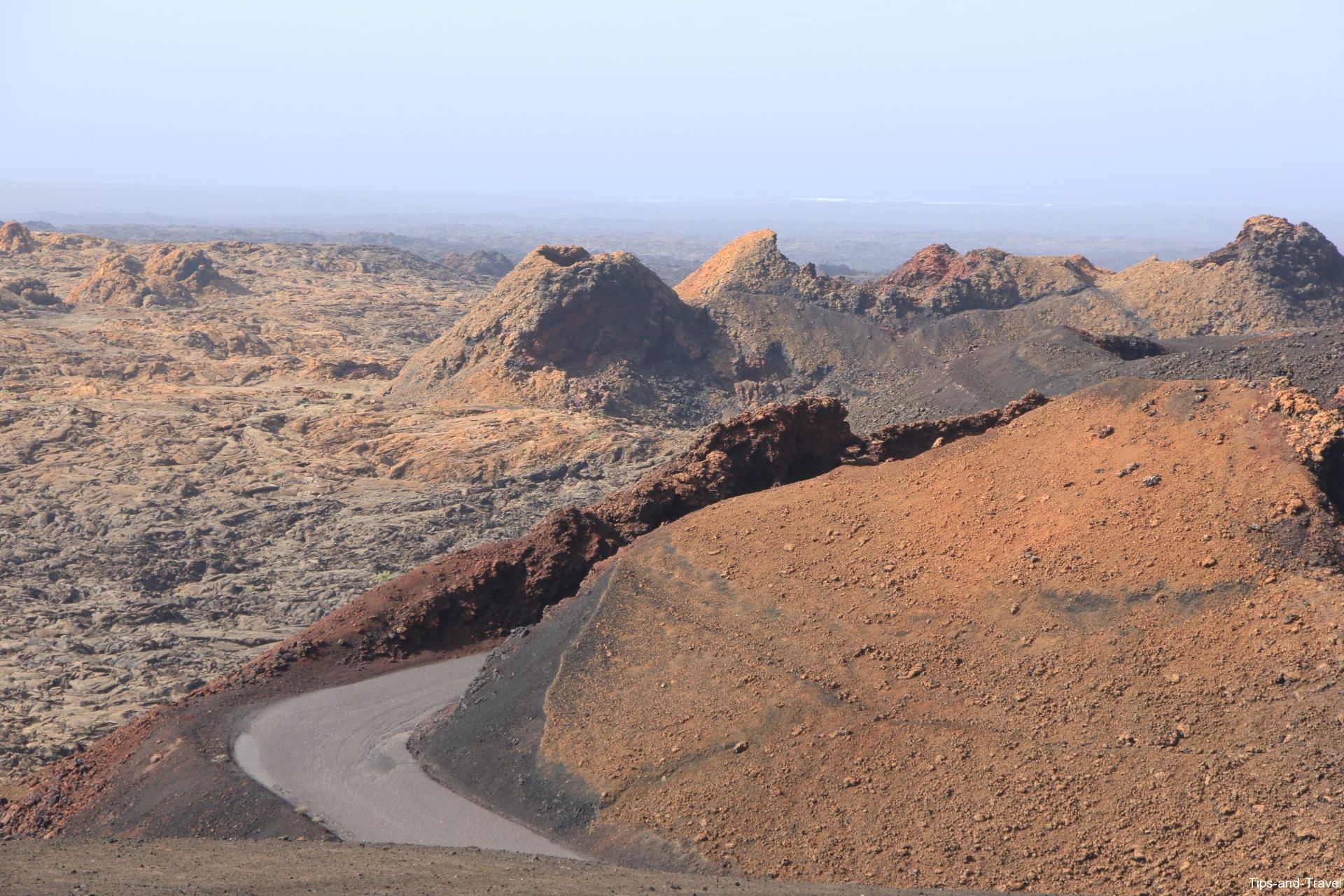
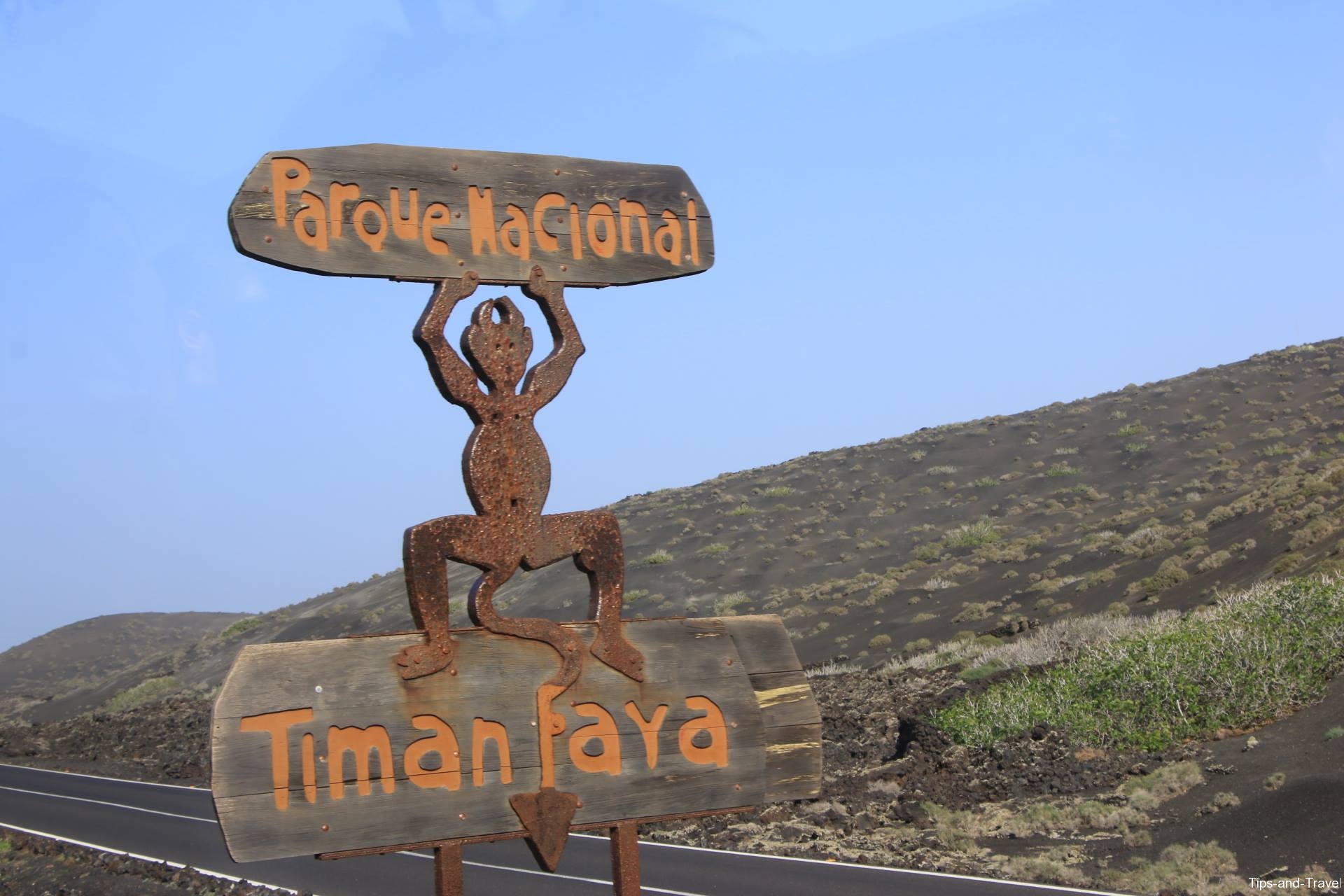
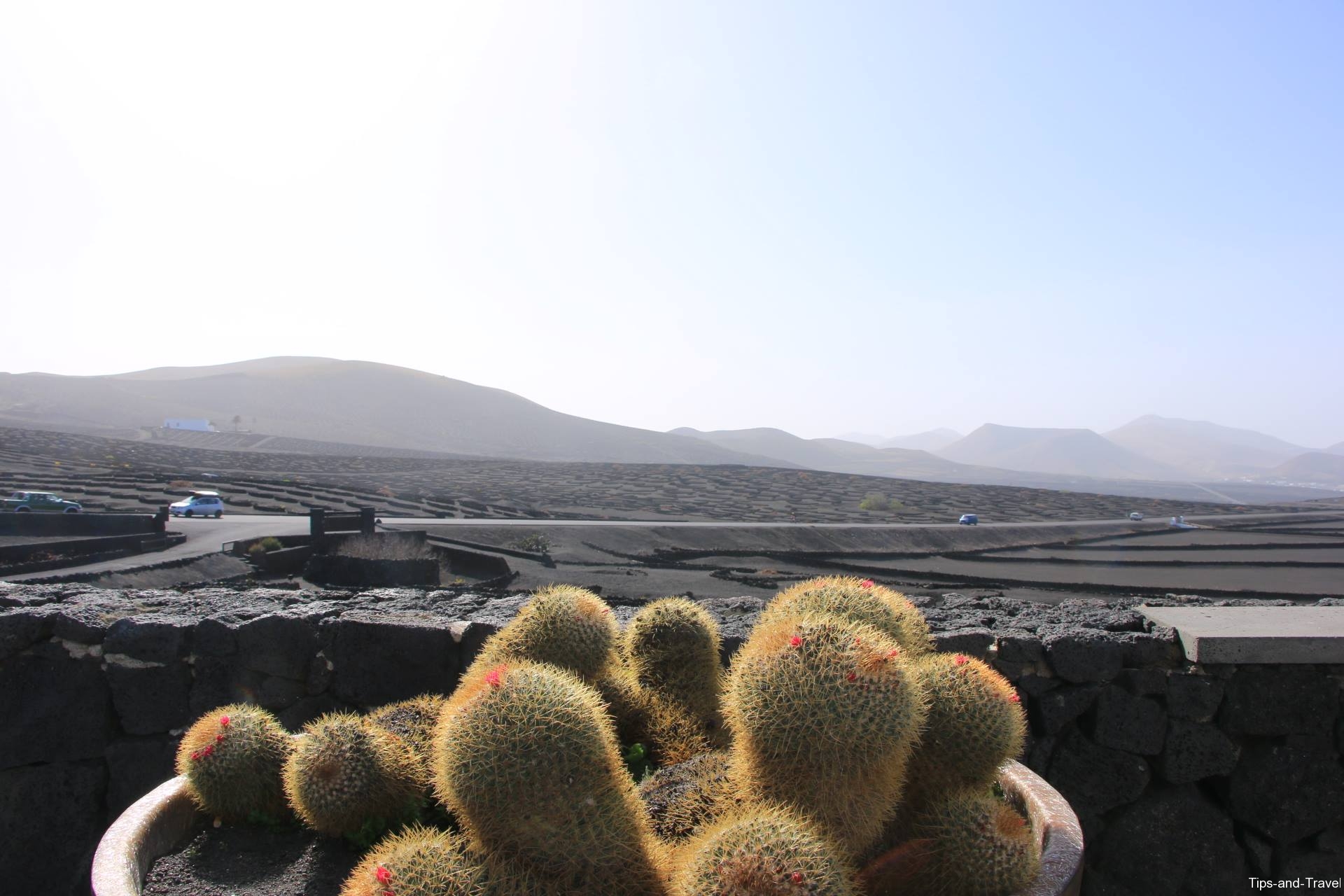
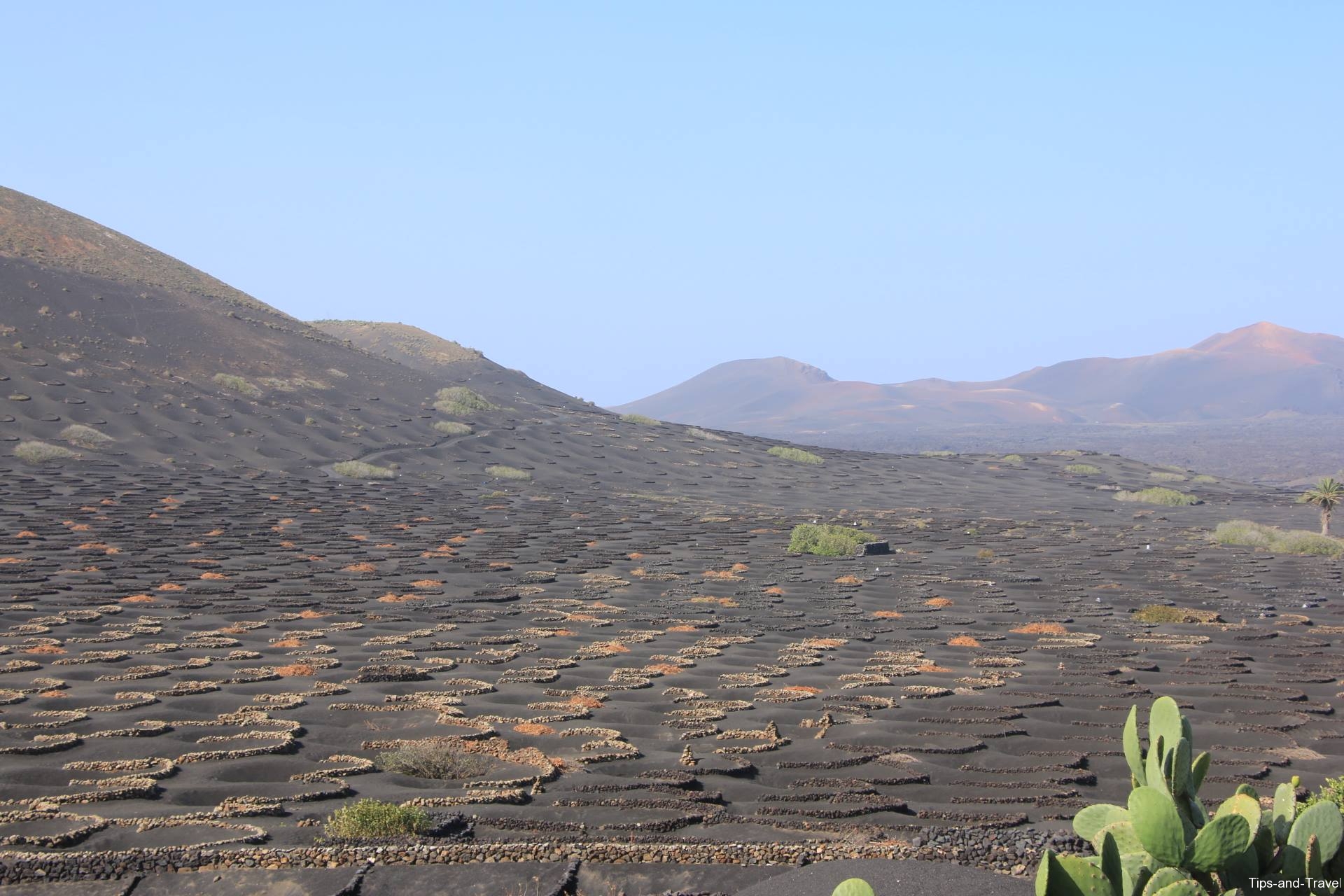
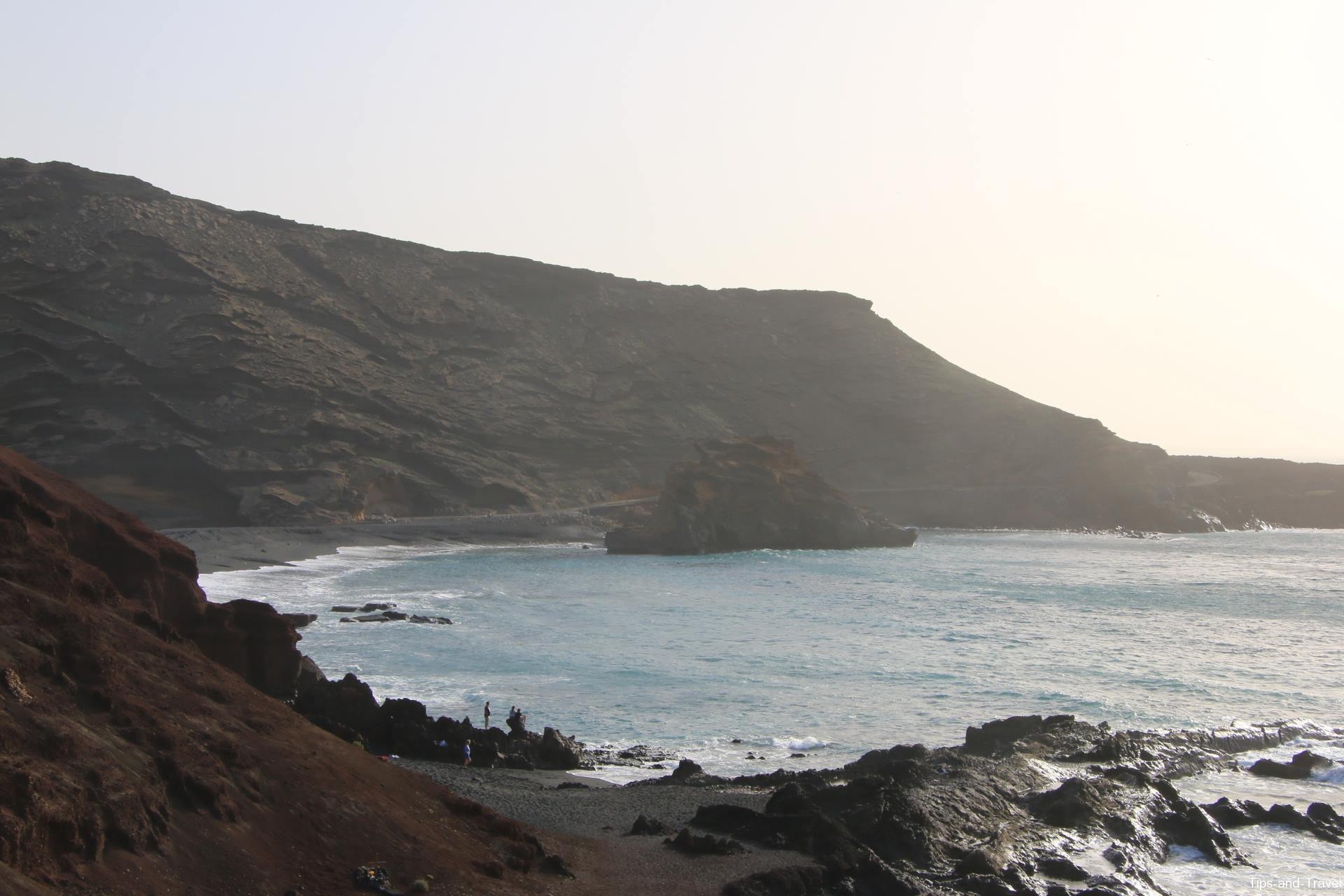
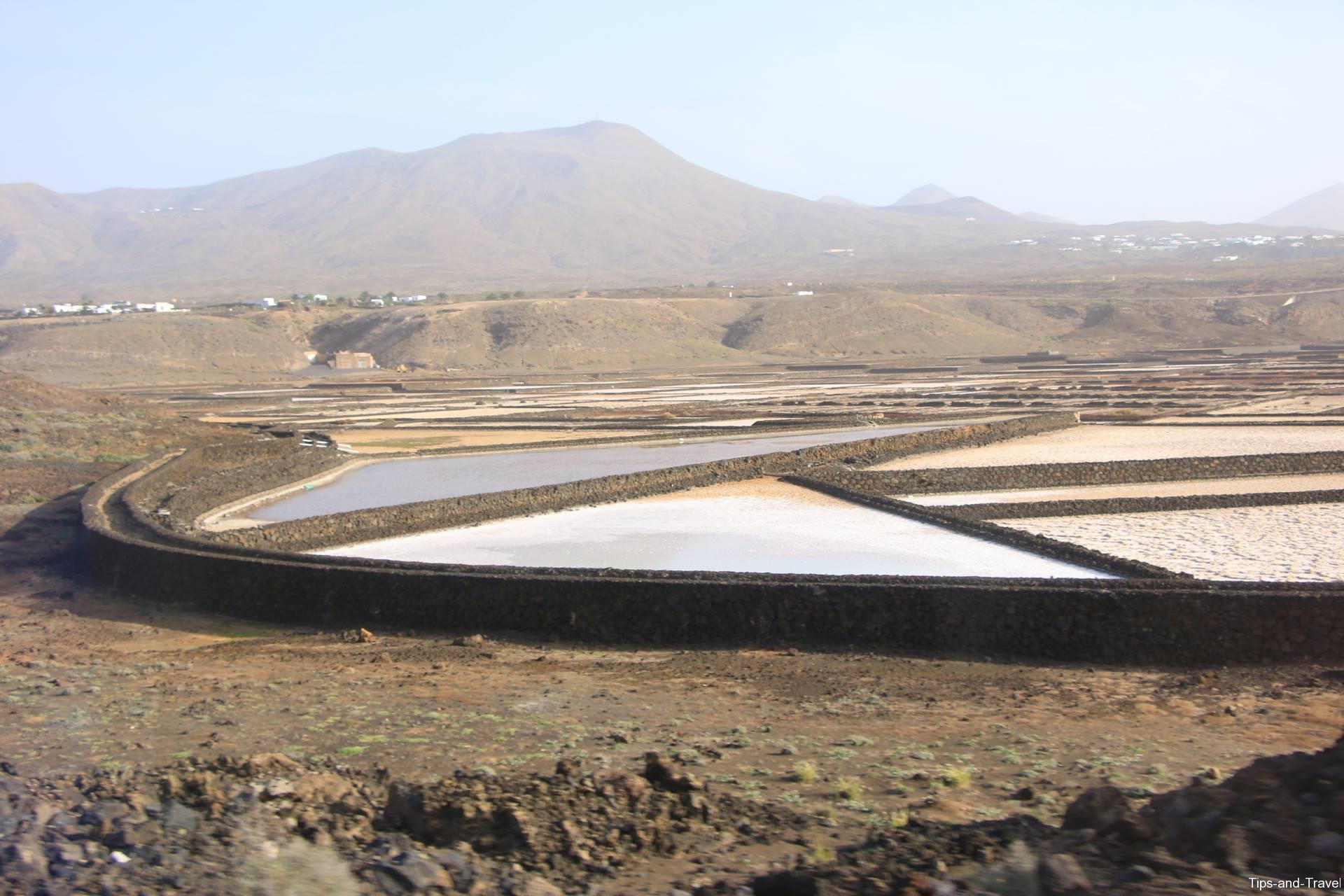
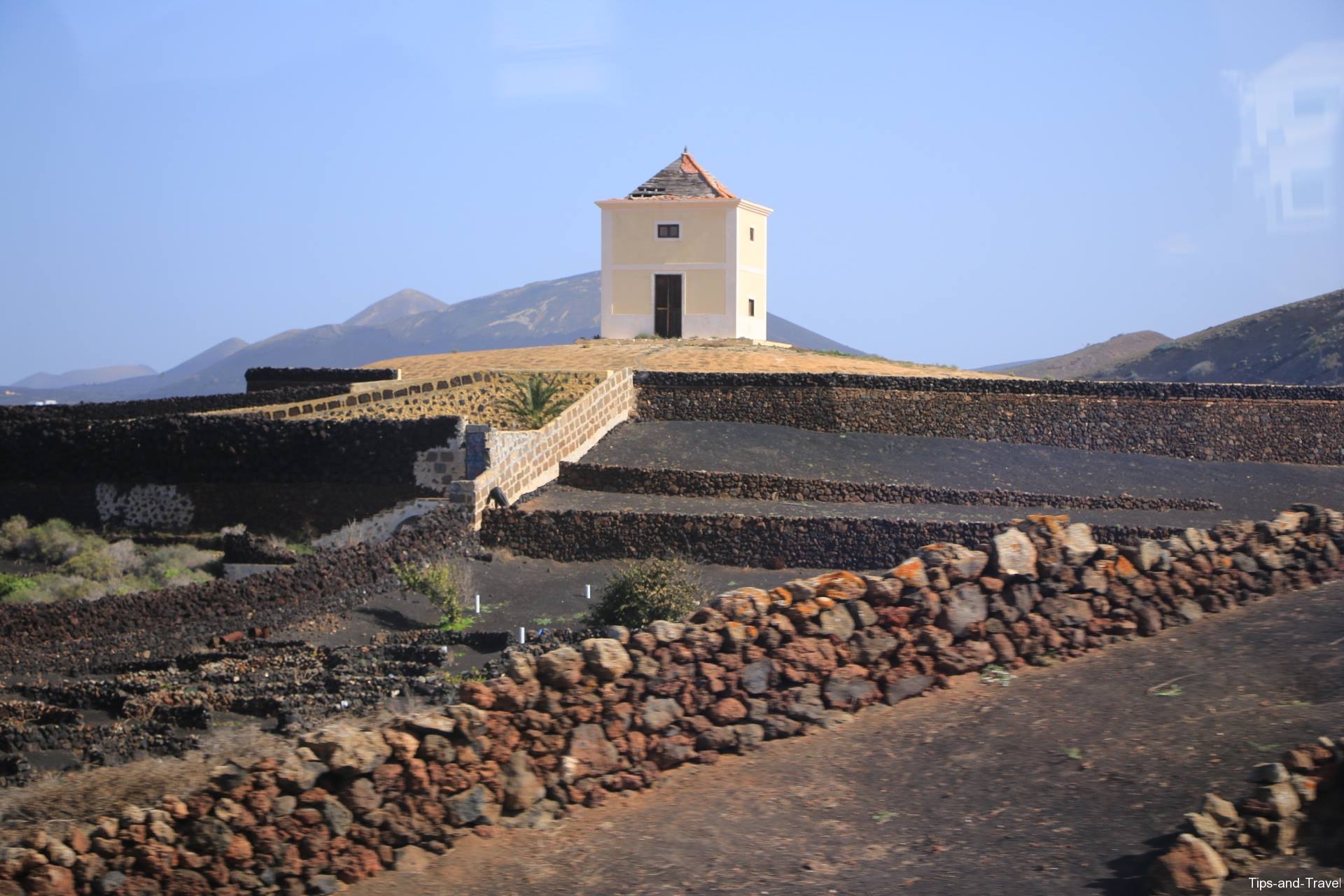
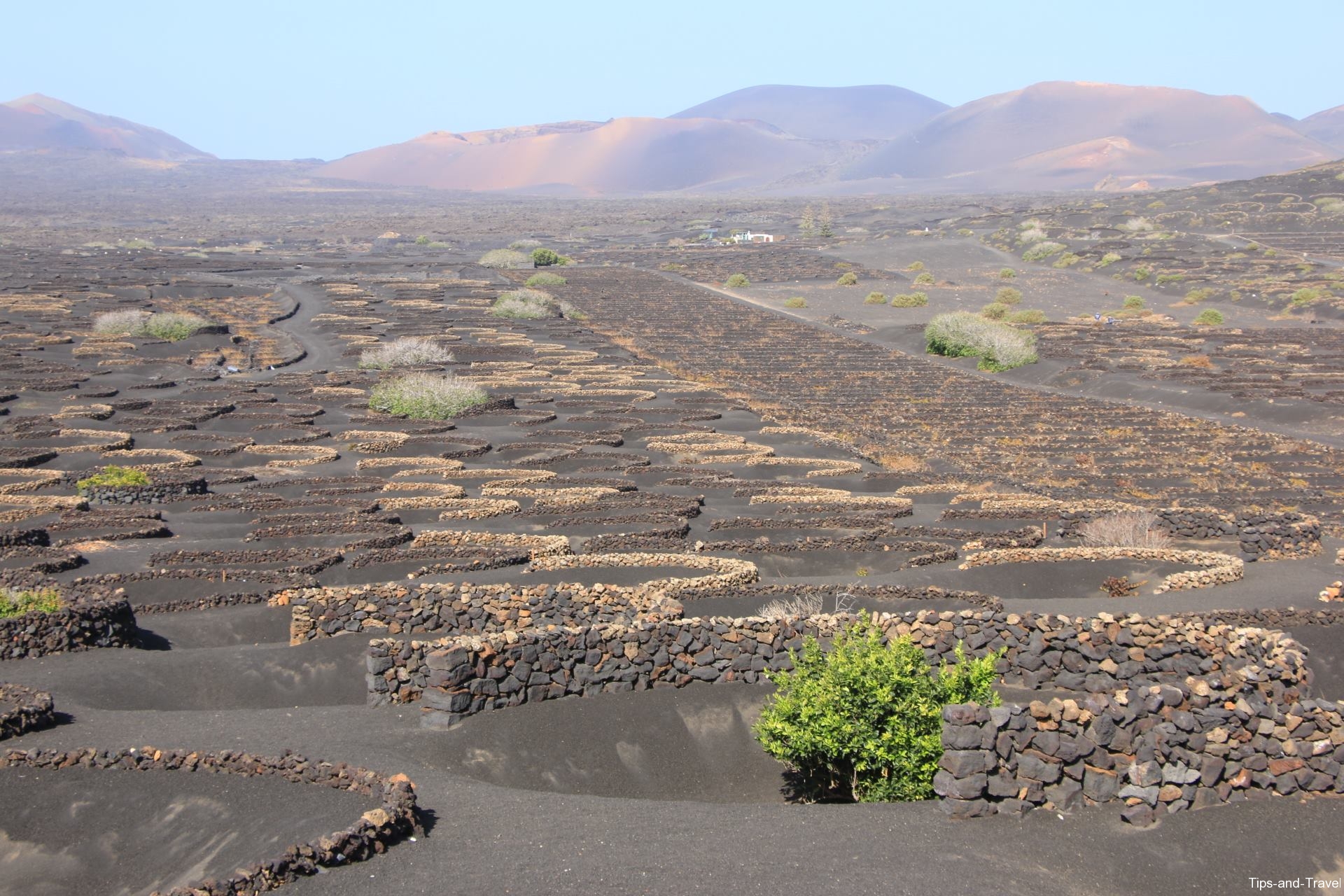
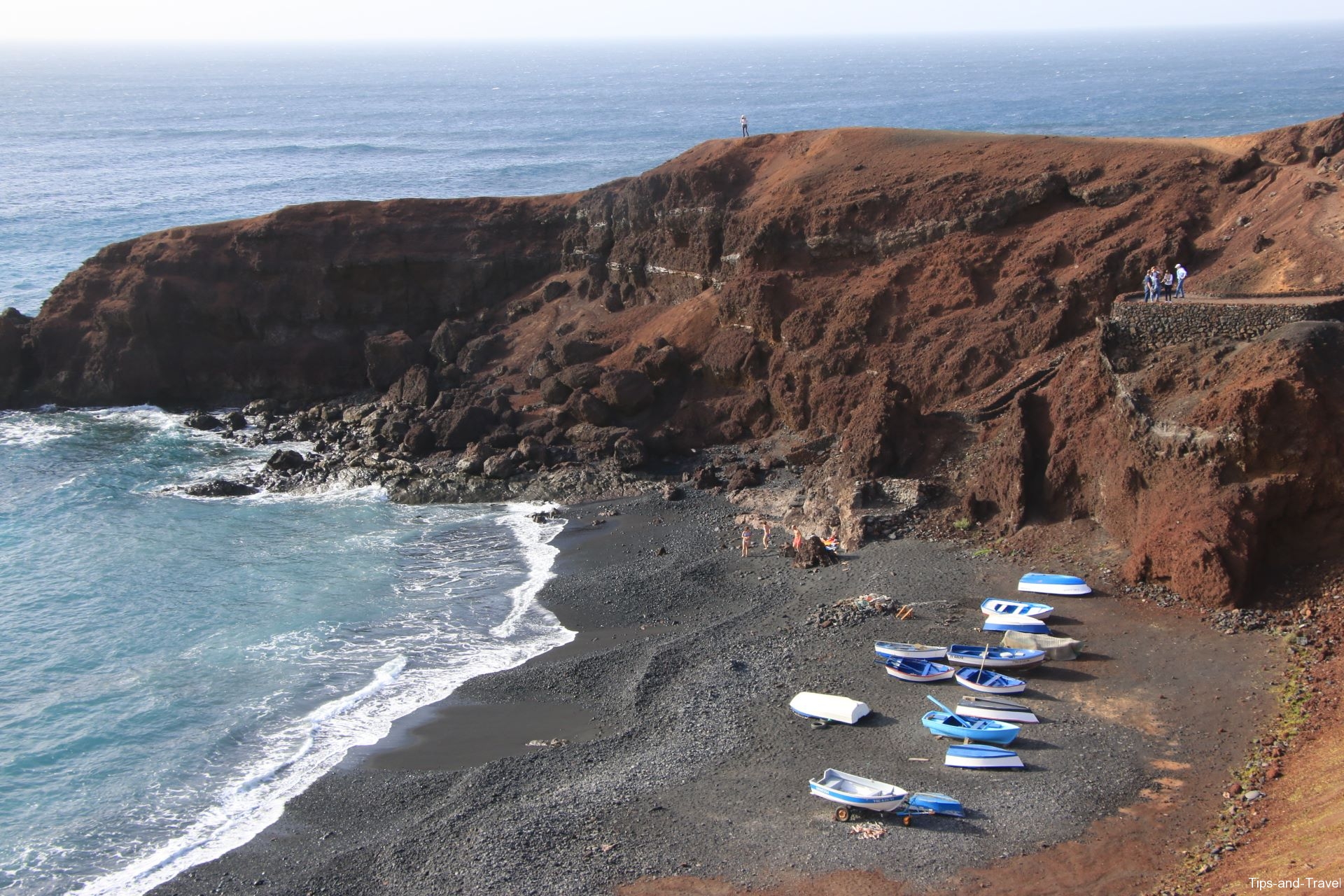
Lanzarote is a Spanish island in the Atlantic Ocean, 1.000 km of mainland Spain and 140 km from the Moroccan coast; part of the province of Las Palmas in the Autonomous Community of the Canary Islands. Its capital is Arrecife. The island is of volcanic origin and its volcanoes have been much activity in the early eighteenth century. There is the Atlantis tunnel not far from its shores and is considered the longest lava tunnel underwater world. The island is about 25 km wide by 60 km long and has 26 km of beach and it preserves its quite natural environment. Its climate is semi-desert with very little rain. The Timanfaya National Park is one of the main attractions of the island which has been recognized as a biosphere reserve by UNESCO. In addition to the National Park; there are many other interesting places to visit like Blanca and Papagayo beaches, the Port of Carmen, the viewpoint of the river (Mirador del Rio), the cactus garden, the Janubio salt lake, the Green cave (Cueva de los Verdes), among others.
Tips

If you want to get a good view of the Timanfaya National Park, climb the volcano Caldera Blanca, it is a nice place for photo enthusiasts.
If you like the serenity, go to the natural pools that are between Punta Ginés and Janubio salt lake.
If you prefer something unique, visit the National Park and its restaurant where you could taste the meat, cooked with the heat of the volcano, on the barbecue. You must pay the entrance to the park but it is worth it. You should leave the car in the restaurant parking because you will be driven in a van through the park; you will have the chance to observe the lava fields, craters, stunning scenery. If you want to deepen your knowledge, visit the visitor’s center.
The Breakers, Newport, Vermont, United States

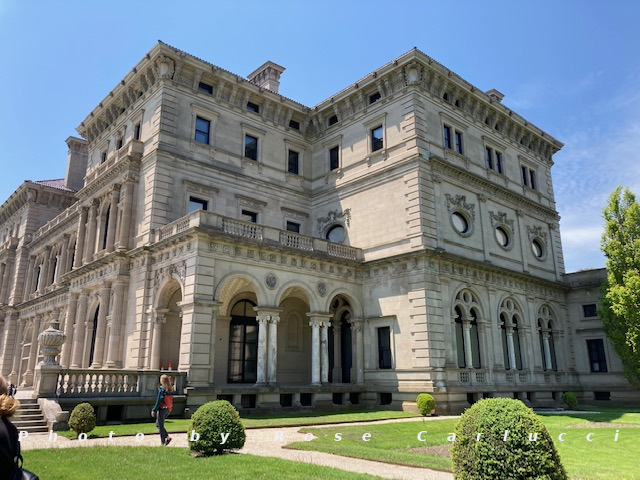
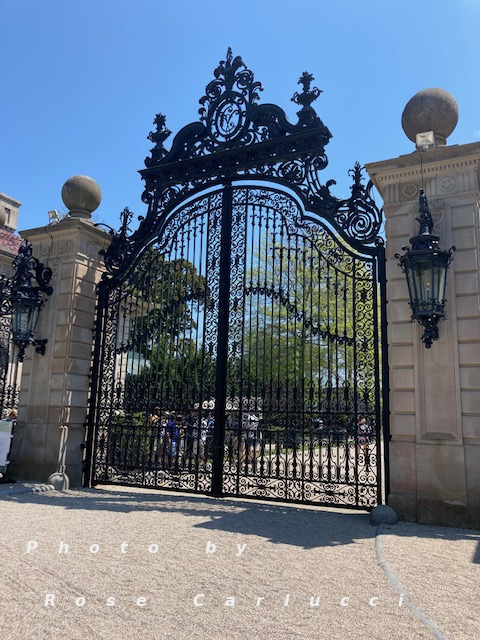
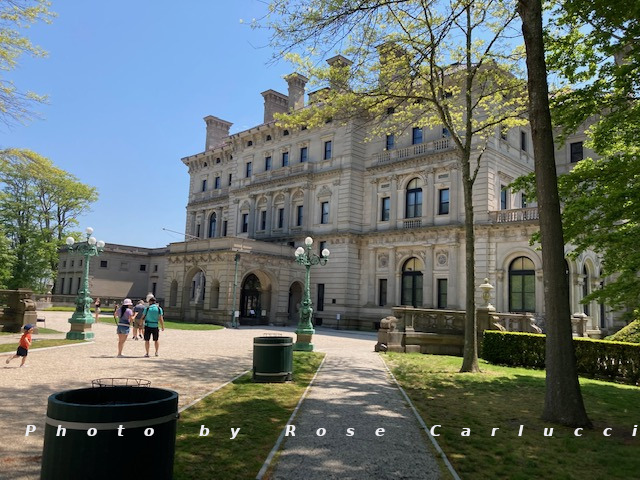
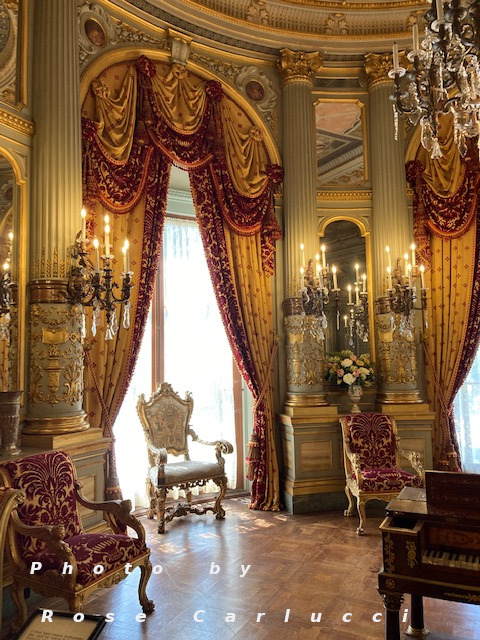
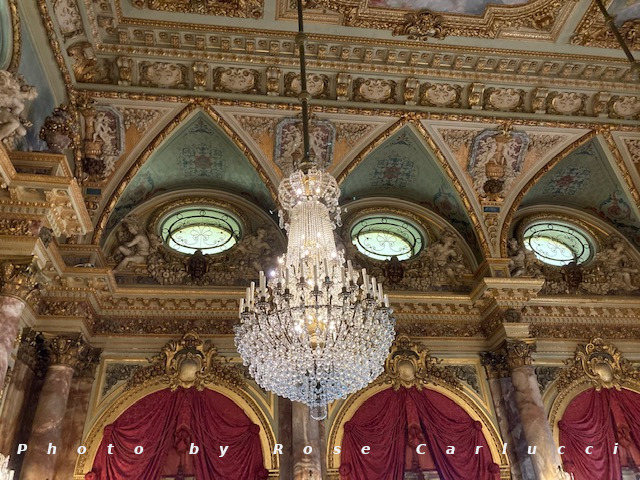
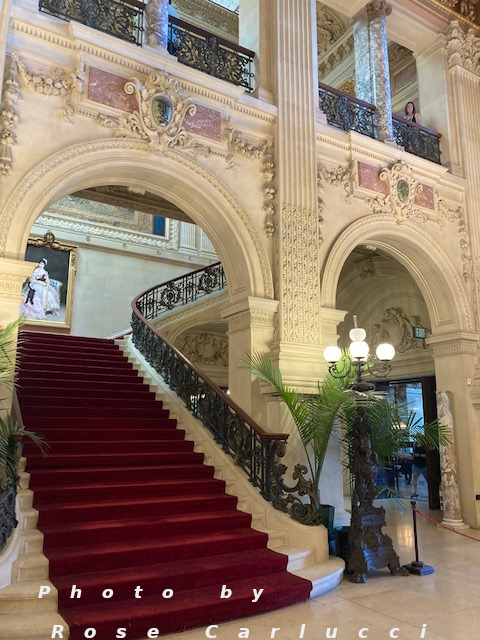
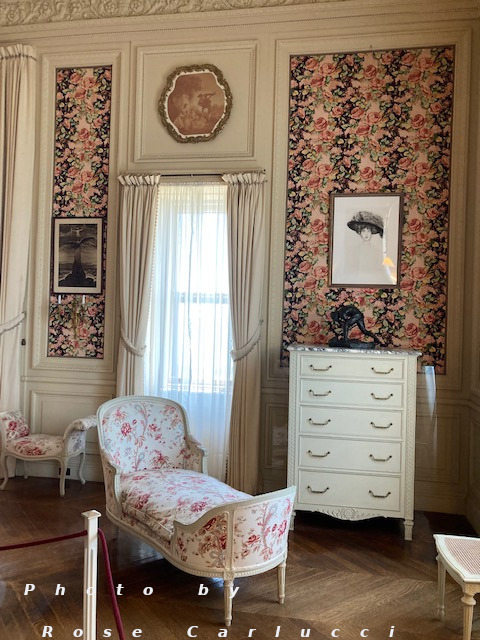
The Breakers is the grandest of Newport’s summer cottages and a symbol of the Vanderbilt family’s social and financial preeminence. Cornelius Vanderbilt II bought a wooden house called The Breakers in Newport in 1885, some years later he asked architect Richard Morris Hunt to design a villa and replace the framed house which had been destoyed by fire a year before. He built a 70 room house, in Renaissance Italian style inspired in 16th century palaces of Genoa and Turin. He had important collaborators from different countries. Gladys, the youngest daughter of the family inherited the house. She opened the house to the public in 1948 to raise funds for The Preservation Society of Newport County, in 1972 the association bought the house and designed it as a National Historic Landmark. We also found a stable and carriage house about half a mile from the house.
Tips
You can buy the tickets on line before your visit; you’ll find different combinations to save many if you take more than a visit for different houses.
You can have an audio guided visit too.
There’s also a shop to buy souvenirs.

Park Güell, Barcelona, Spain

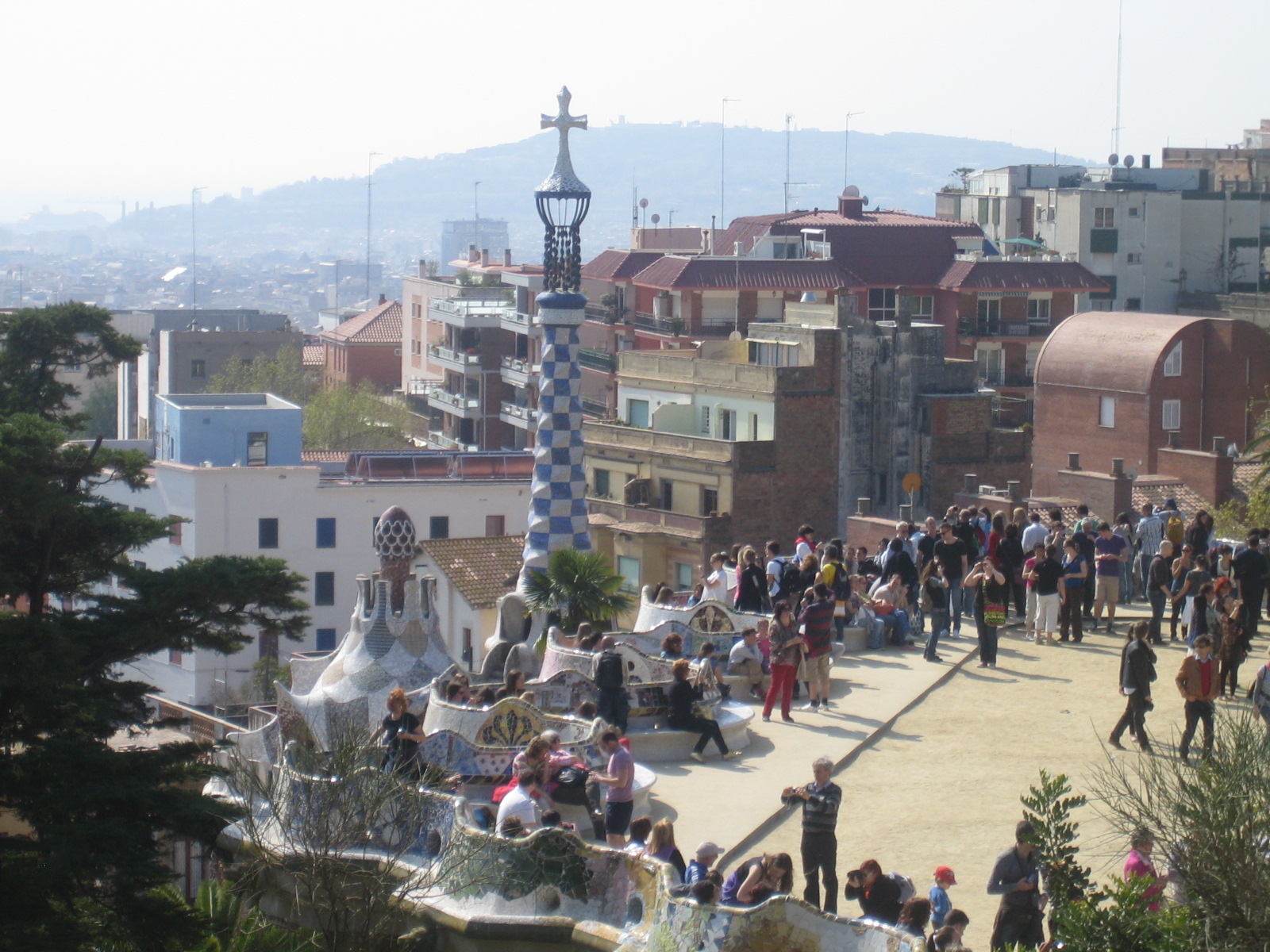
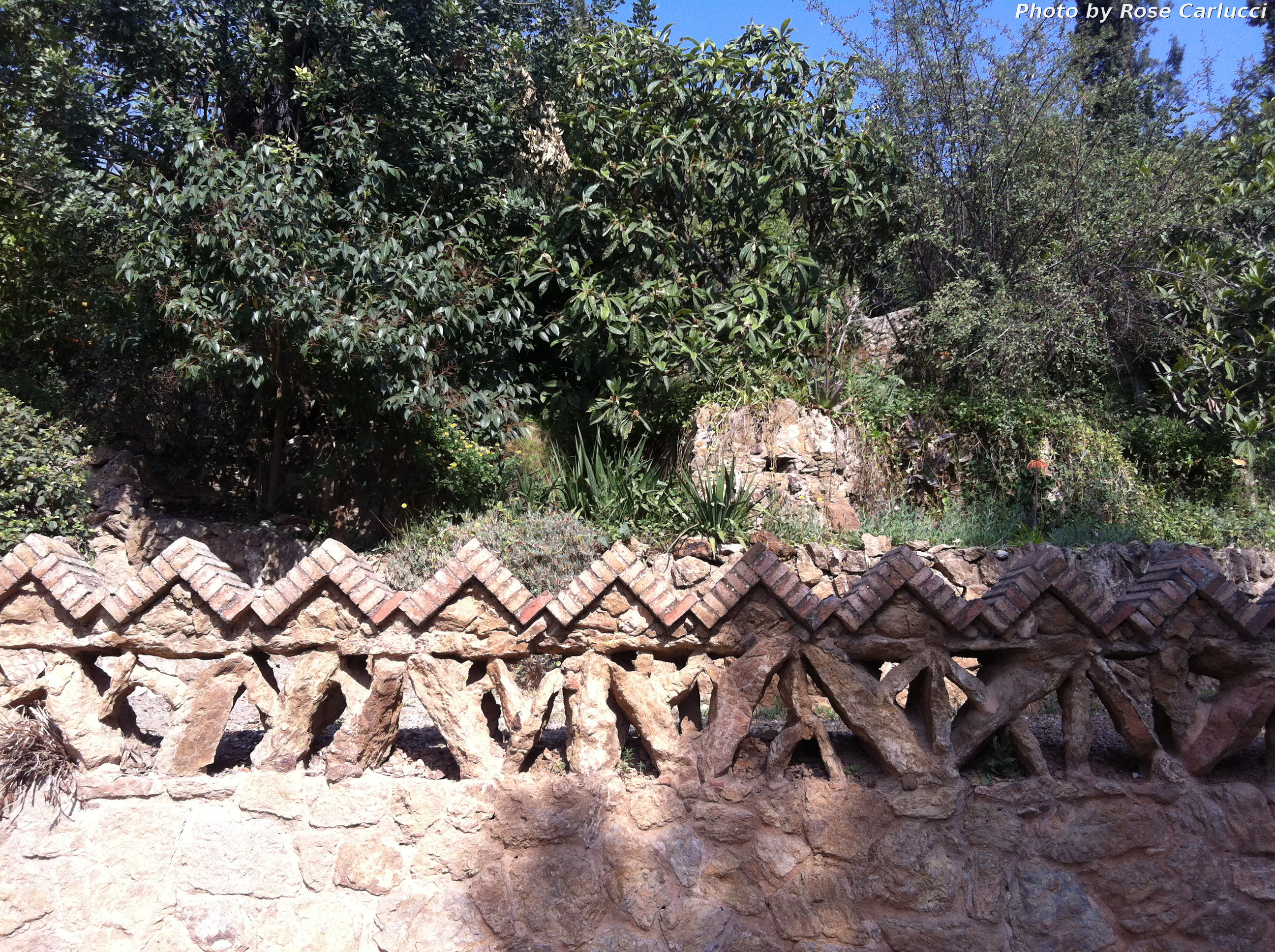
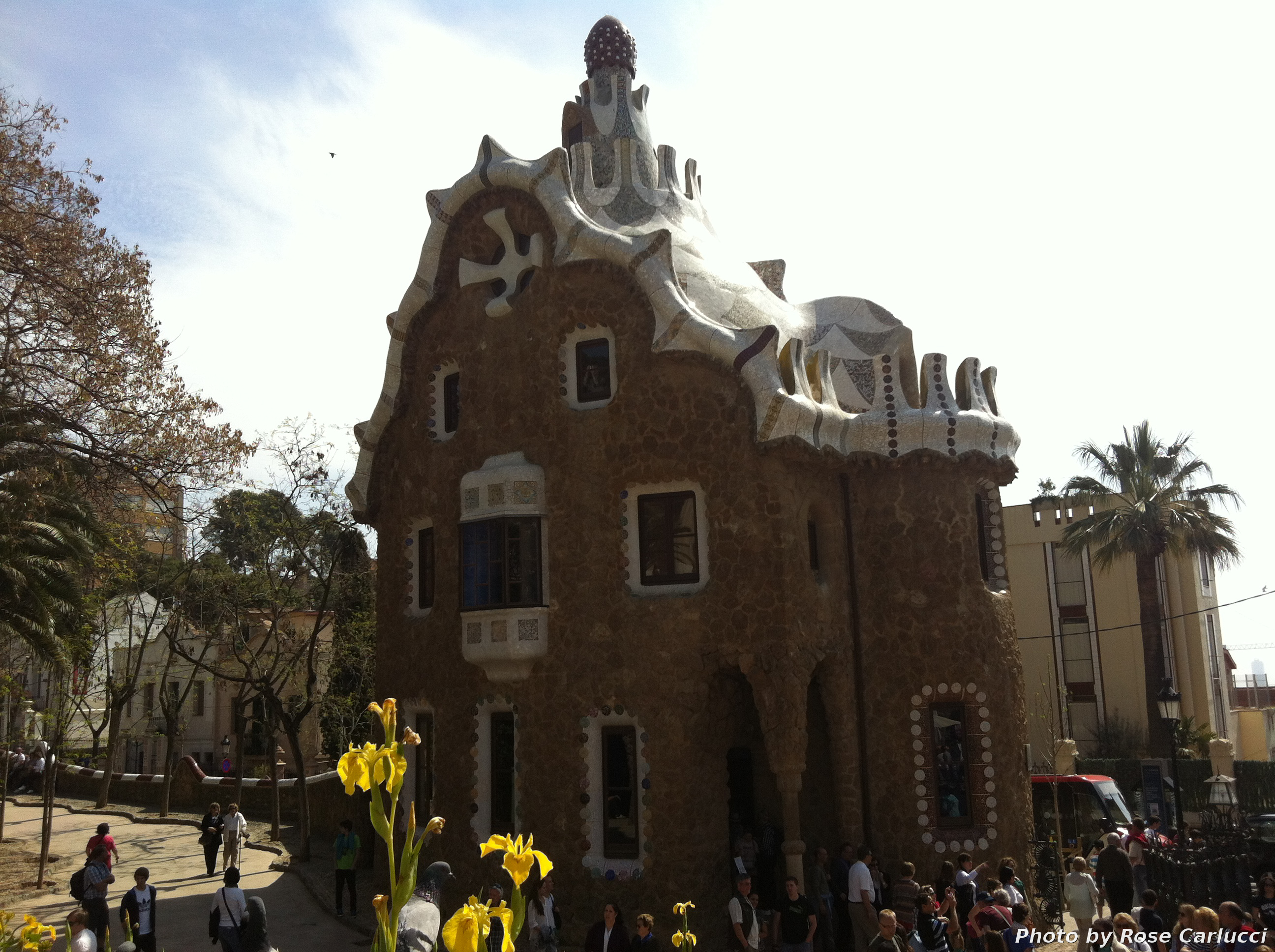
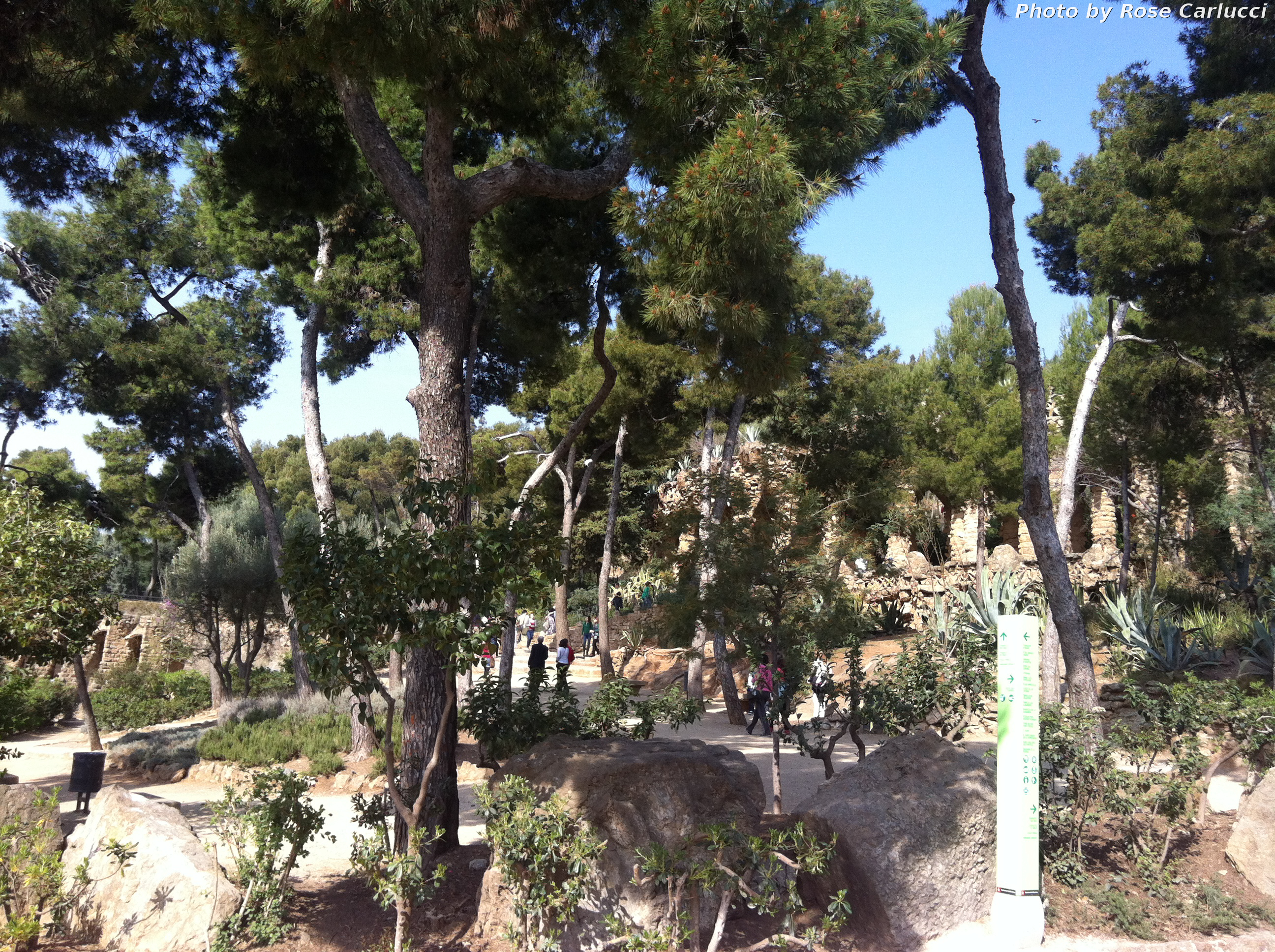
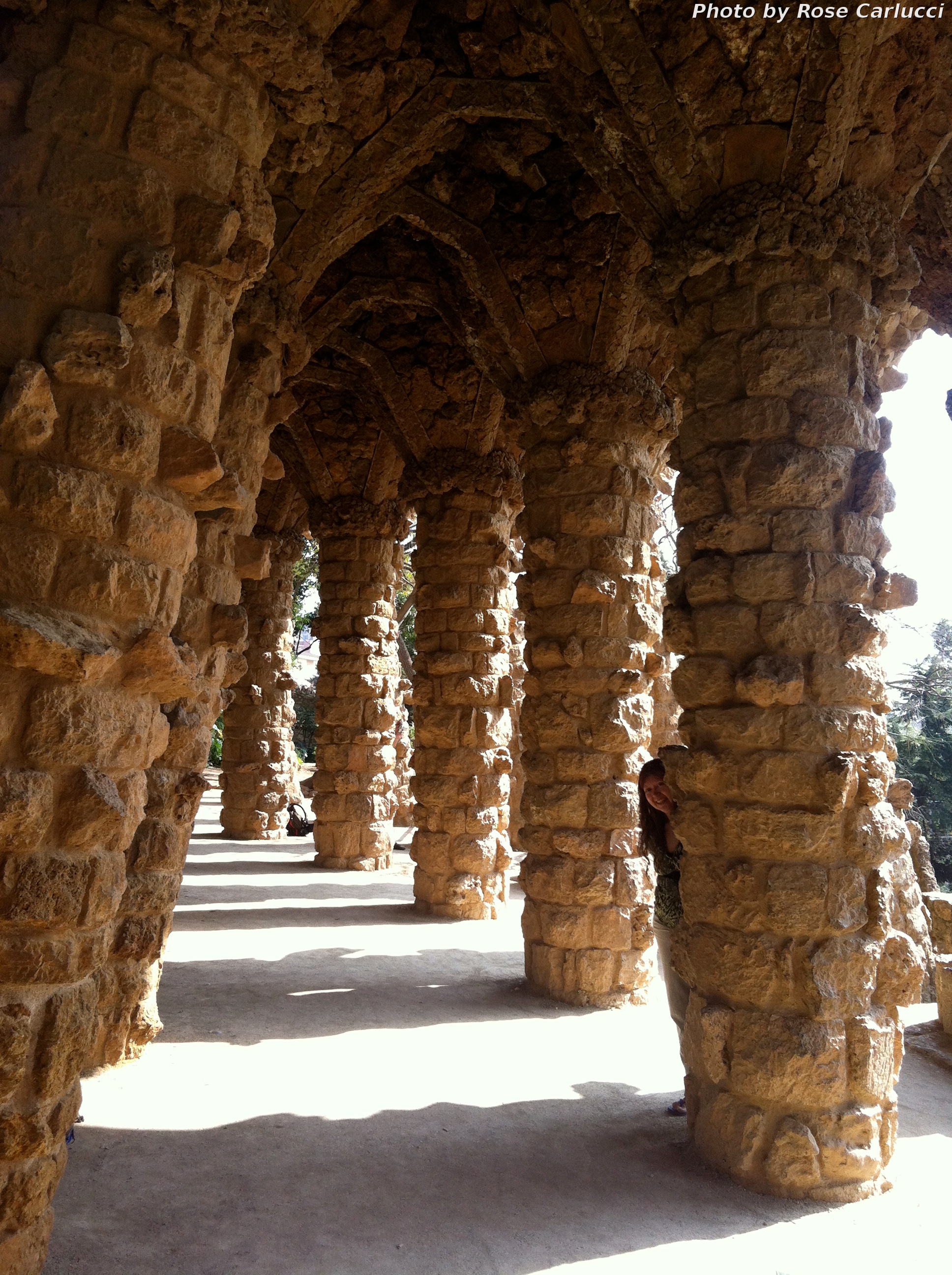
Park Güell is one of the achievements of the catalan architect Antoni Gaudí in Barcelona which is on the UNESCO World Heritage list. It was built between 1900 and 1914. Originally, it was to be a garden city that Eusebi Güell asked him to build on a hill in the South of the city (El Carmel). This should contain a chapel and 60 houses. But the cost of construction increased in big proportions that only were completed three houses and Güell Park. In 1923, the Park became property of the city of Barcelona. With his imagination, Gaudí made an original work with curves that fit with the nature like the columns in the aisles, for example, simulating tree trunks and the two houses at the entrance, in the form of fungus. There are 3 remarkable fountains and the best-known has a salamander. There are large stairs that lead to the Hypostyle Hall to the hundred Doric columns where there are actually just 84. The room had to serve as a market. The columns have 6 m high and 1.20 m diameter and the vault is built so that rain water is recovered in tanks located under the market to allow watering free and ecological gardens, as well as the power of fountains. The vault is decorated with four ceramic suns of 3 m in diameter. The central square, with the longest corrugated bench of the world (110 m); measures 86 m long by 43 m wide. The trencadís, a mosaic technique using broken and mismatched pieces of earthenware or colored glass, is used extensively on buildings, fountains, the main bench and other buildings in the park. The House-Museum of Gaudí in the Güell Park was built by one of his collaborators, Francesc Berenguer. This museum includes an important collection of works by Gaudí and of some of its employees. The Museum is spread over three floors including two dedicated to Gaudí. On the ground floor there’s an exhibition of furniture designed by Gaudí for Batlló and Calvet houses and on the first floor, the office and the house of the artist where he lived his last years.
Tips

The best way to get there is with the bus as the nearest metro station is a bit far from there and you need to walk 10-15 minutes and you’ll have an escalator on the highest part of the climb.
The park is open every day but the access to the area from the main entrance to the esplanade (part of monuments by Gaudí) isn’t free since October 2013. It is nevertheless possible to see the monuments from the tops of the park and the main entrance. You can buy the ticket at the entrancet or by Internet.
If you want to have beautiful panoramic photos of Barcelona, the park will give you this possibility.