Kutná Hora, Czech Republic

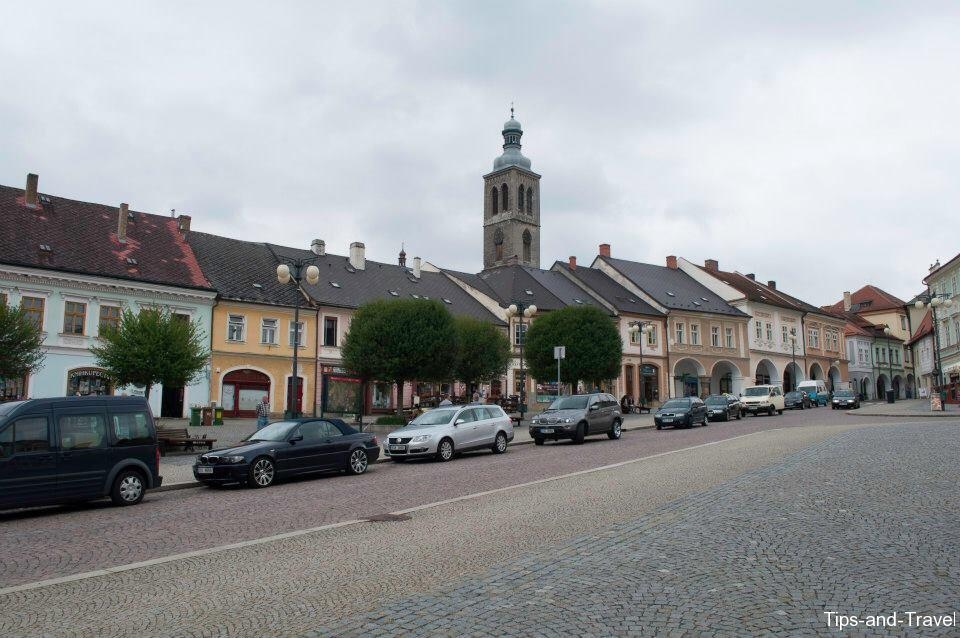
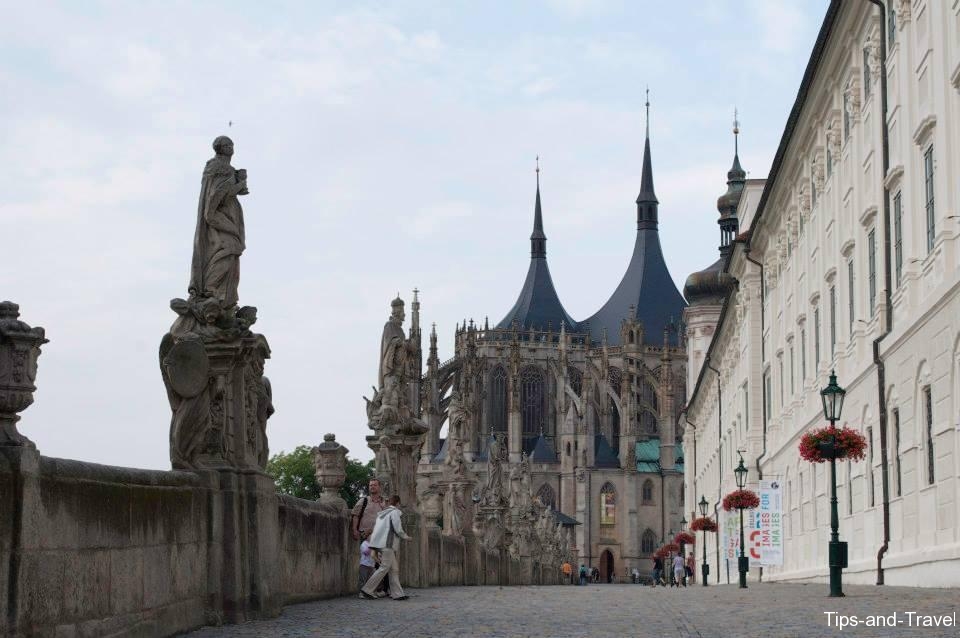
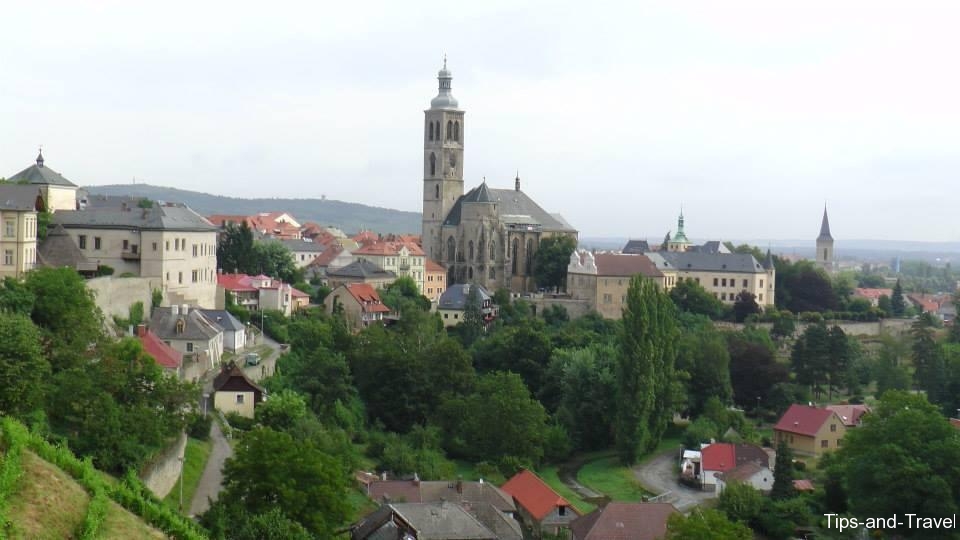
Kutná Hora is a town in the Czech Republic, famous for its silver mines, from which, in the Middle Ages, up to one third of European production came to finance the construction of churches and monuments and magnificent houses. There are several sites to visit: the Sainte-Barbe church (begun in 1388 and completed in 1905), the royal castle called Italian Court, the Ursulines cloister (1735), the Corpus Christi chapel among others. The entire historic center has been declared a World Heritage Site by UNESCO.

Tips

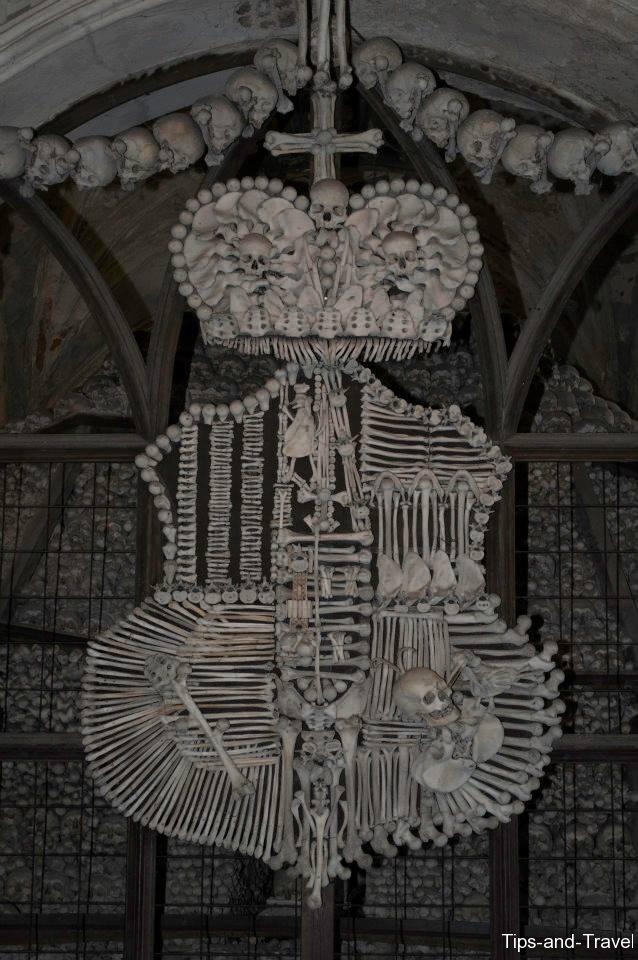
Do not miss the visit to the funerary chapel of All-the-Saints and its famous baroque ossuary. It is a former Cistercian abbey of Sedlec near Kutná Hora. Visit also the Notre-Dame-et-Saint-Jean-Baptiste Cathedral, inscribed on the UNESCO list, and the ossuary of the church of the cemetery of All Saints. If you visit these monuments late in the evening, the guides will make you a visit dressed as a Cistercian monk. The church buildings and the ossuary are lit only with candles. You can listen to Gregorian chants and the sound of the organ of the cathedral.

Vinné Sklepy is a family-run company whose goal is to renew its mature glory and rehabilitate a long-standing tradition linked to the cultivation of vines in the region of Kutná Hora. A cycling discovery route will take you from a picturesque square to the vineyards below Sukov. This 6 km route connects the historical center of Kutná Hora with the vineyards.

If you like museums, visit the Museum of Silver where an exhibition dedicated to the exploitation of silver and other subjects awaits you.

If you like art, visit the Gallery of the Central Bohemian Region (Gask), which specializes in the art of the 20th and 21st centuries, but temporary exhibitions also unfold older art. You will discover, as part of a permanent collection, how Czech art developed in the twentieth century.

You can buy a combined entrance that will allow you to visit St. Barbara’s Church, the Ossuary, the Church of the Assumption and the Art Gallery and save money.

Süleymaniye Mosque, Istambul, Turkey

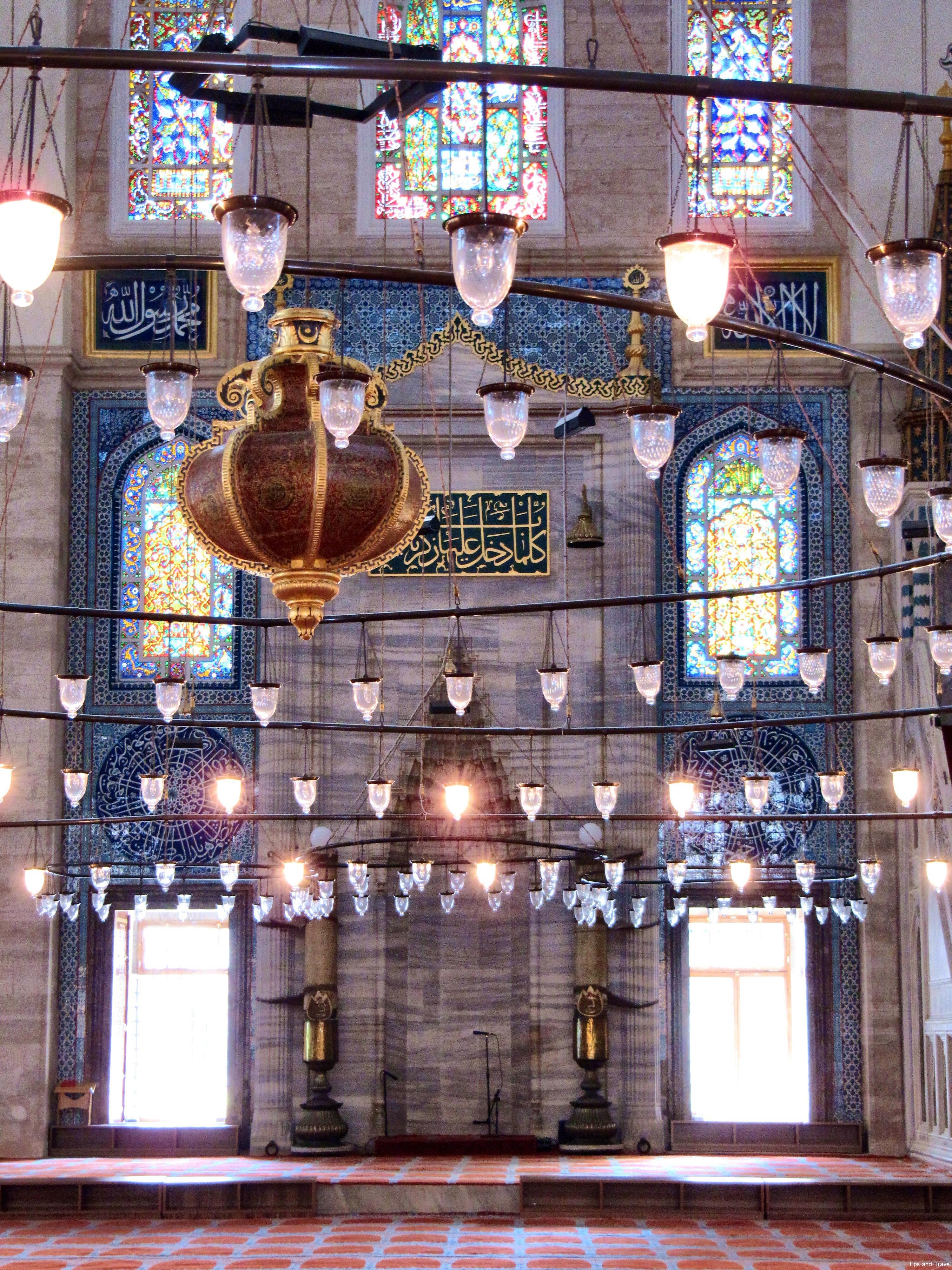
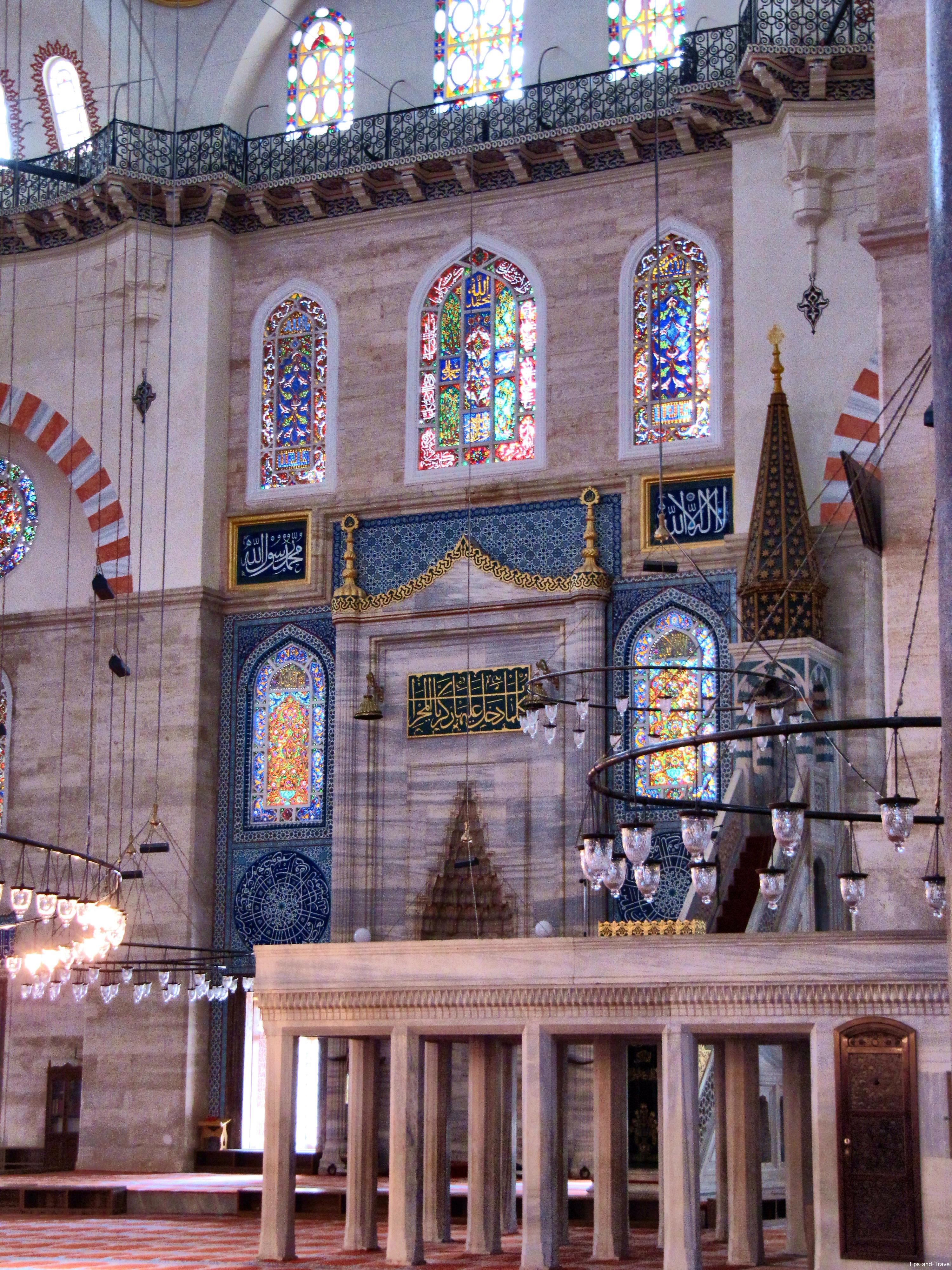
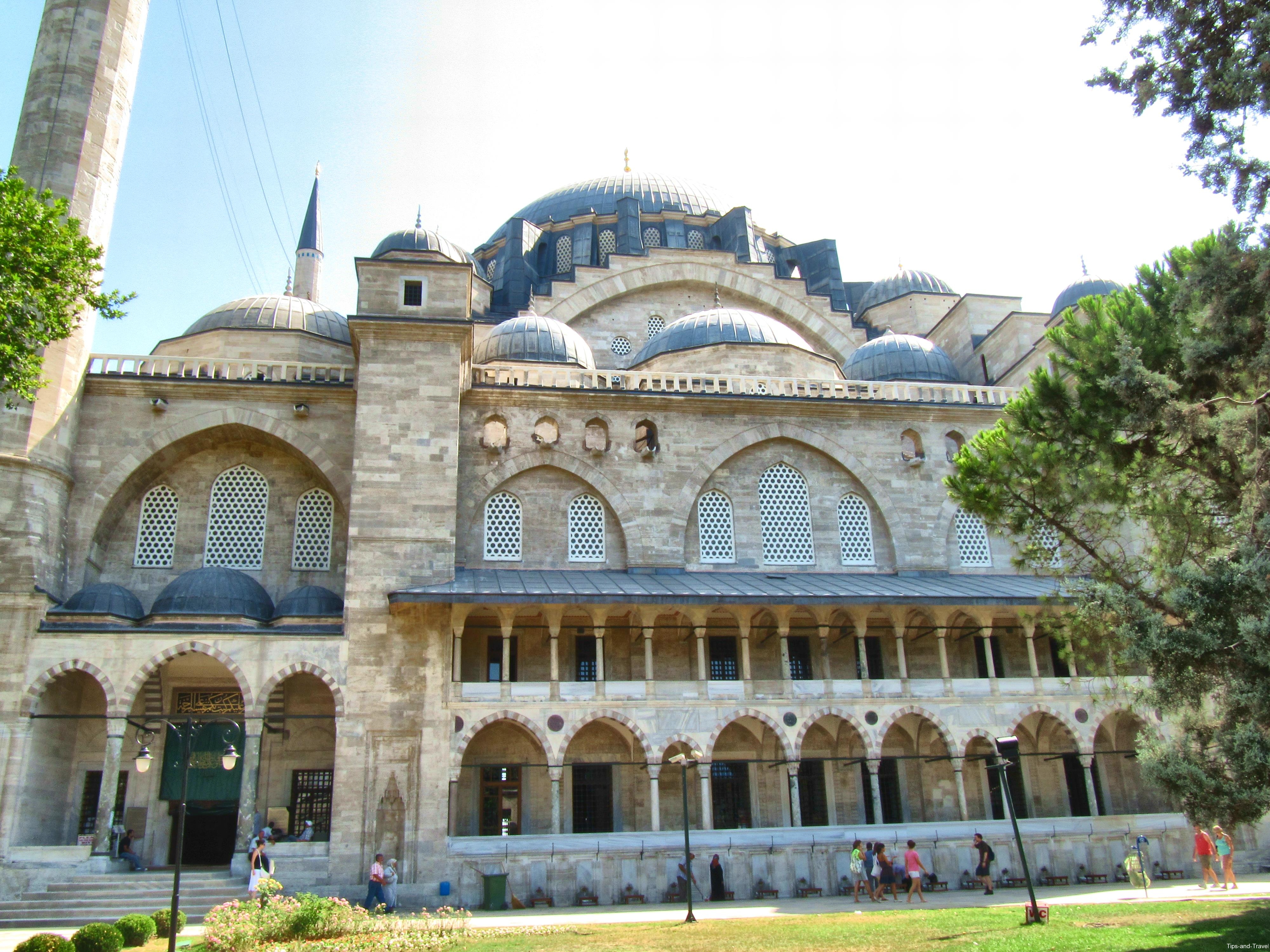
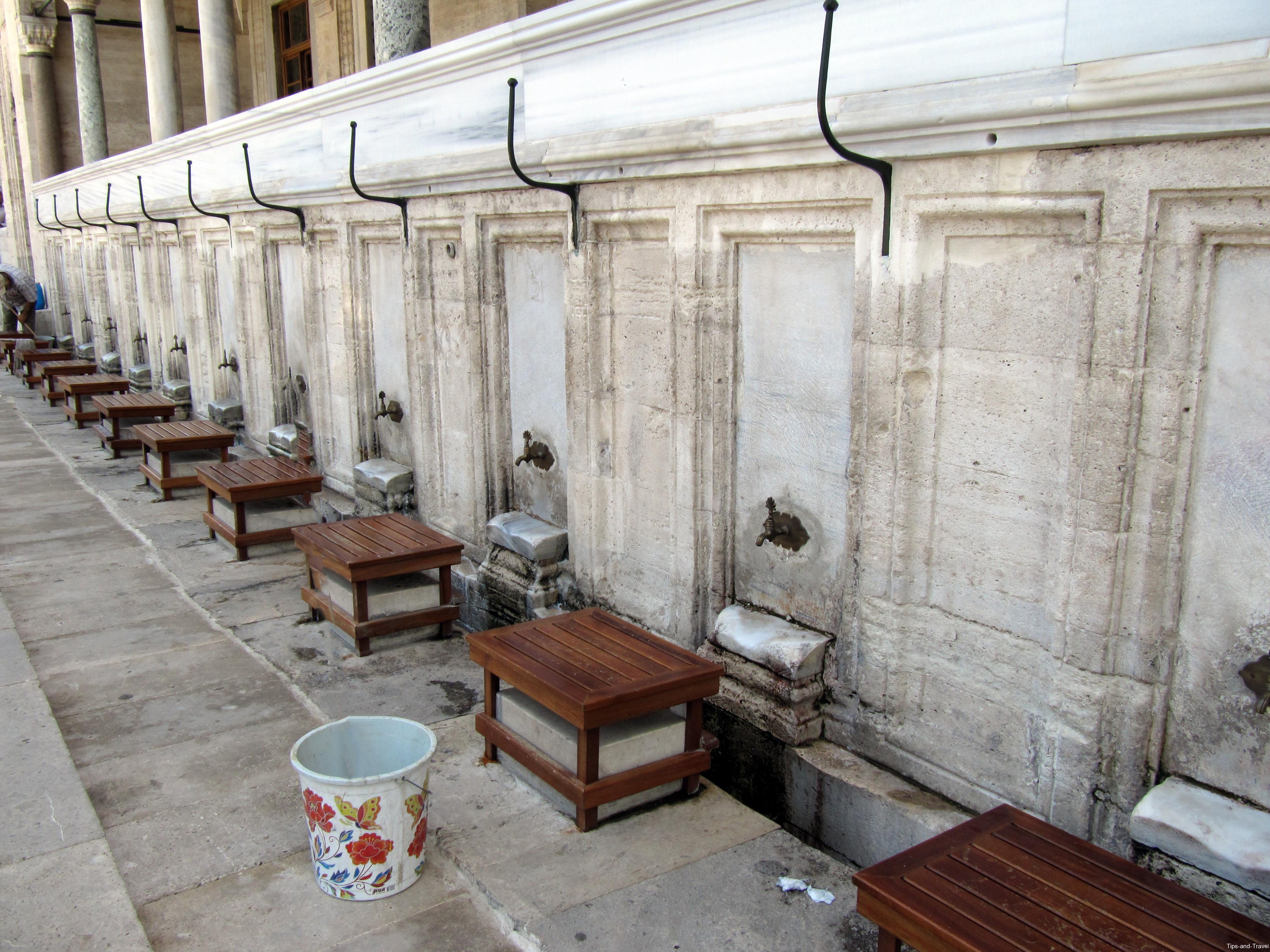
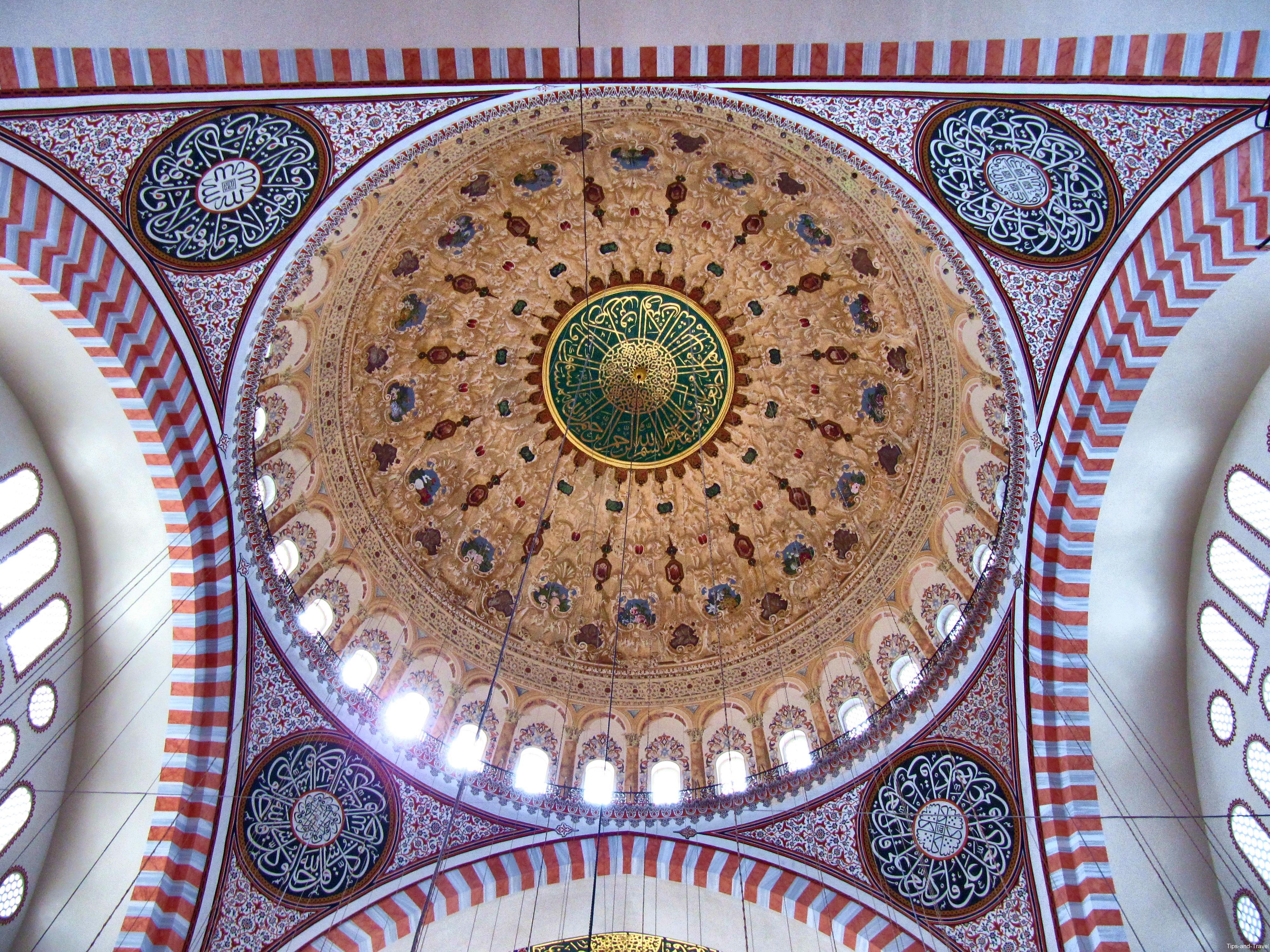
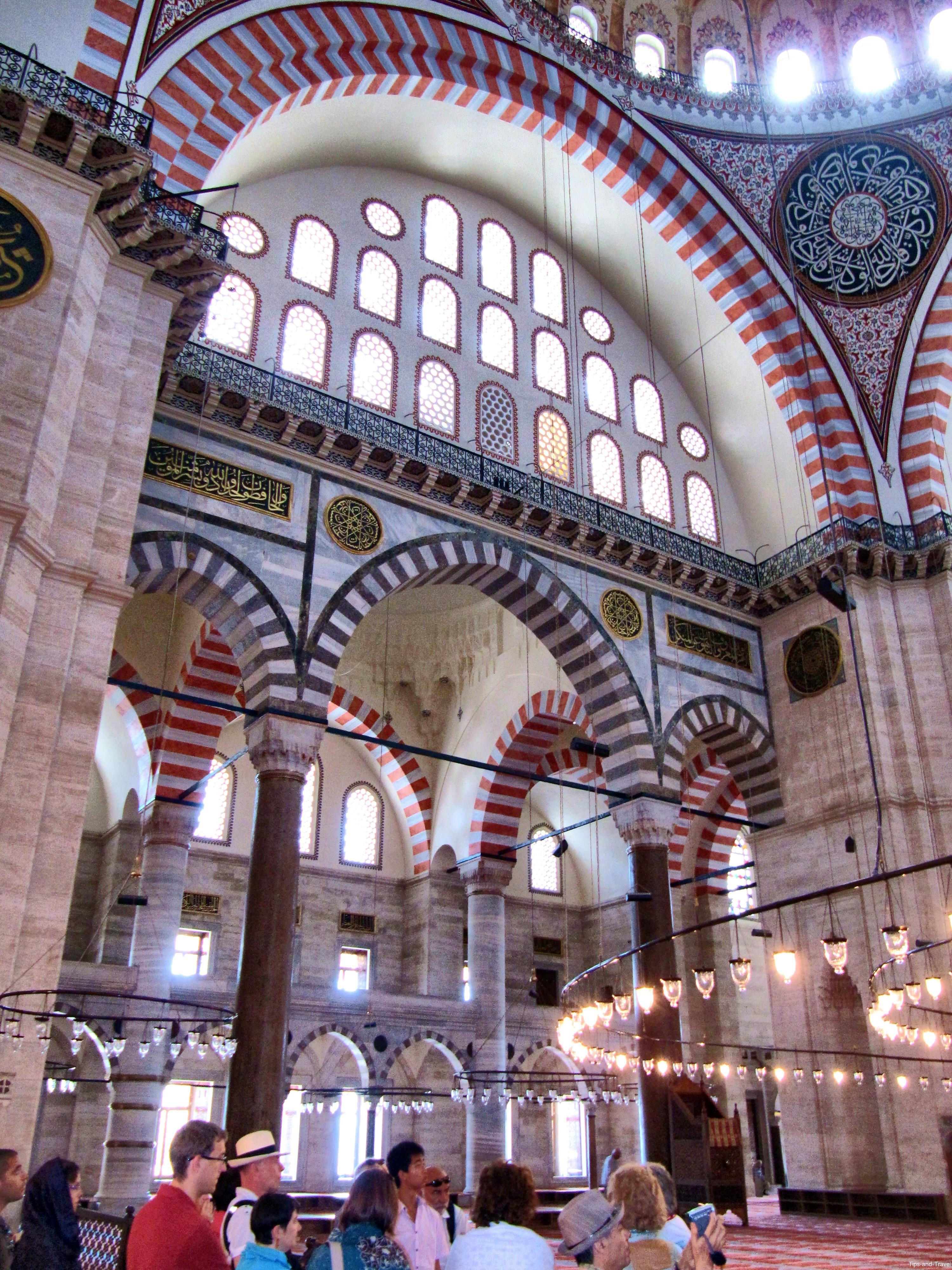
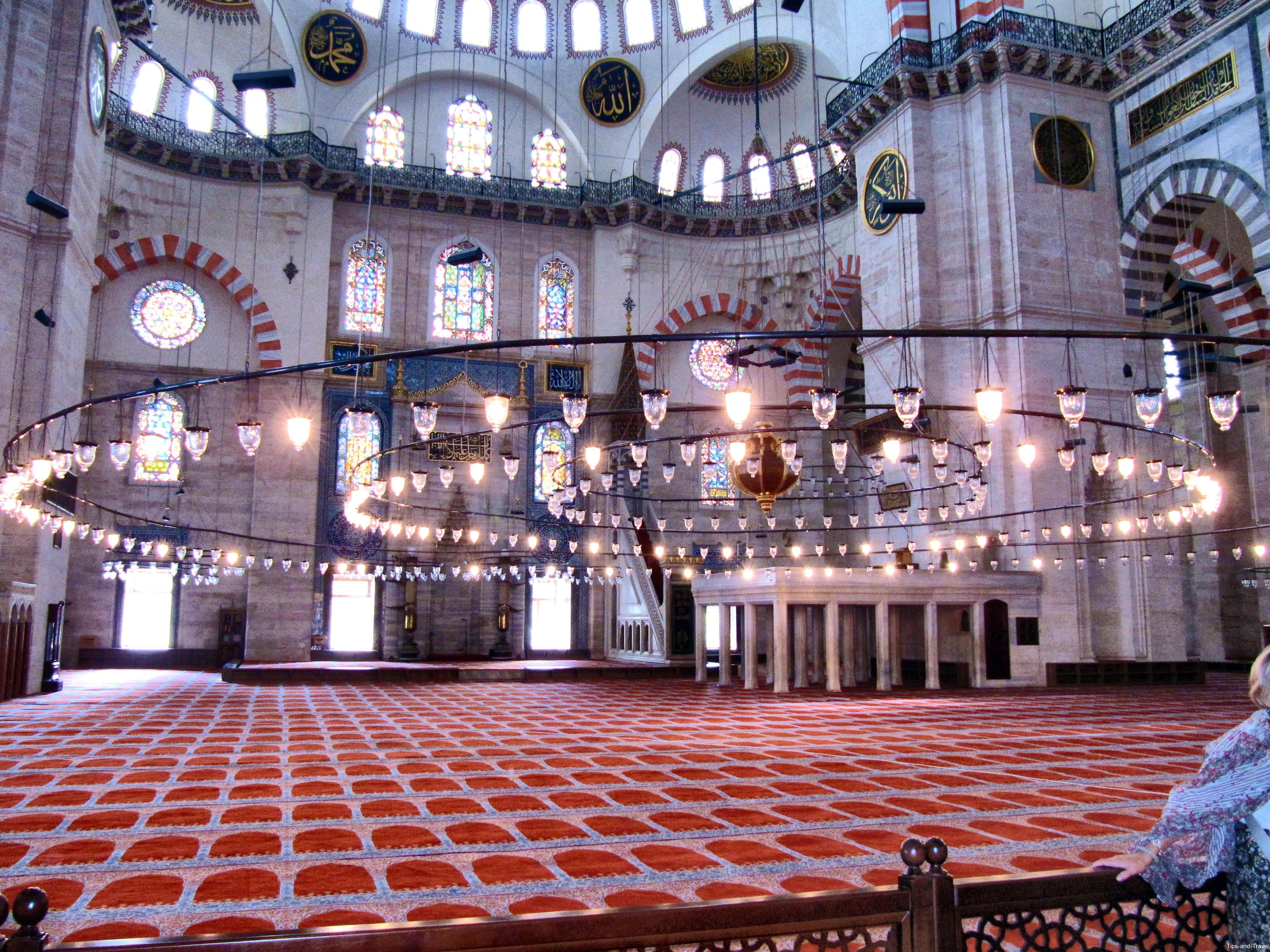
For Suleiman the Magnificent, architect Sinan built between 1550 and 1557, the Süleymaniye Mosque, on a hill in Istambul, held by Turkish poets such as the sublime expression of the splendor and joy. This Selatin mosque (so called because it has several minarets and to be the kind of those built by the sultans and their families) is considered the most beautiful of the imperial mosques of Istanbul. Its proportions are harmonious; the internal dimensions are 70 m long and 61 m wide, 138 windows, the dome itself has 32, it is supported on the sides by half-domes. There is a square portico crowned with 28 domes supported by 24 ancient monolithic columns. There is an ablution fountain in the center of the court. The silhouette of the mosque with its slender minarets 4 ringed with ten balconies (indicating that Suleiman was the fourth Ottoman sultan in Istanbul and the tenth of the Ottoman dynasty), dominates the skyline of the southern shore line of the Golden Horn.
Süleymaniye complex includes urban organization expanded in a vast area with a Koranic school, a hospital, a public bath, a hospice, six theological colleges, shops and the mausoleums of the sultan and his wife. The Turks gives social nature to religious buildings.

Tips

You can enjoy your visit to use the hammam (30 minutes) and also to have a massage (15 minutes). A moment of relaxation that many tourists enjoy. It is best to make a reservation.
The mosque is located in a park where you can have a beautiful view of the junction of the Golden Horn (name given to the channel Haliç ), the Bosphorus and the Sea of Marmara. Keep your camera in hand, it is worth it.

Butchart Gardens, Vancouver, British Columbia, Canada

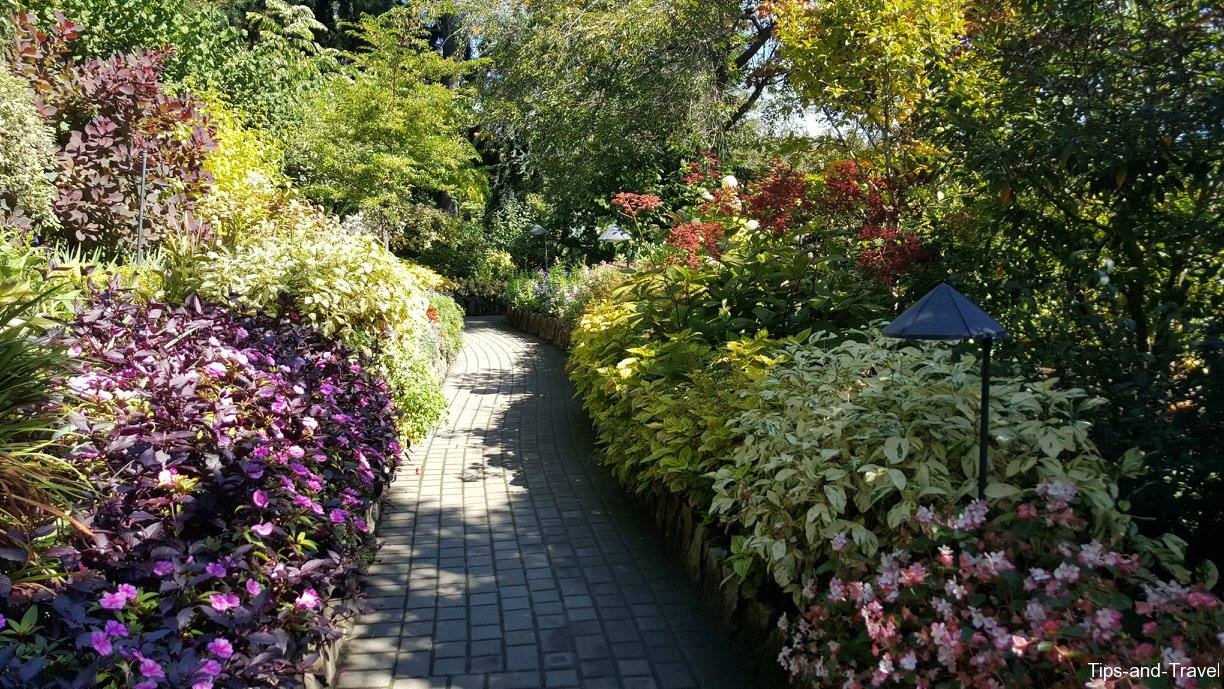
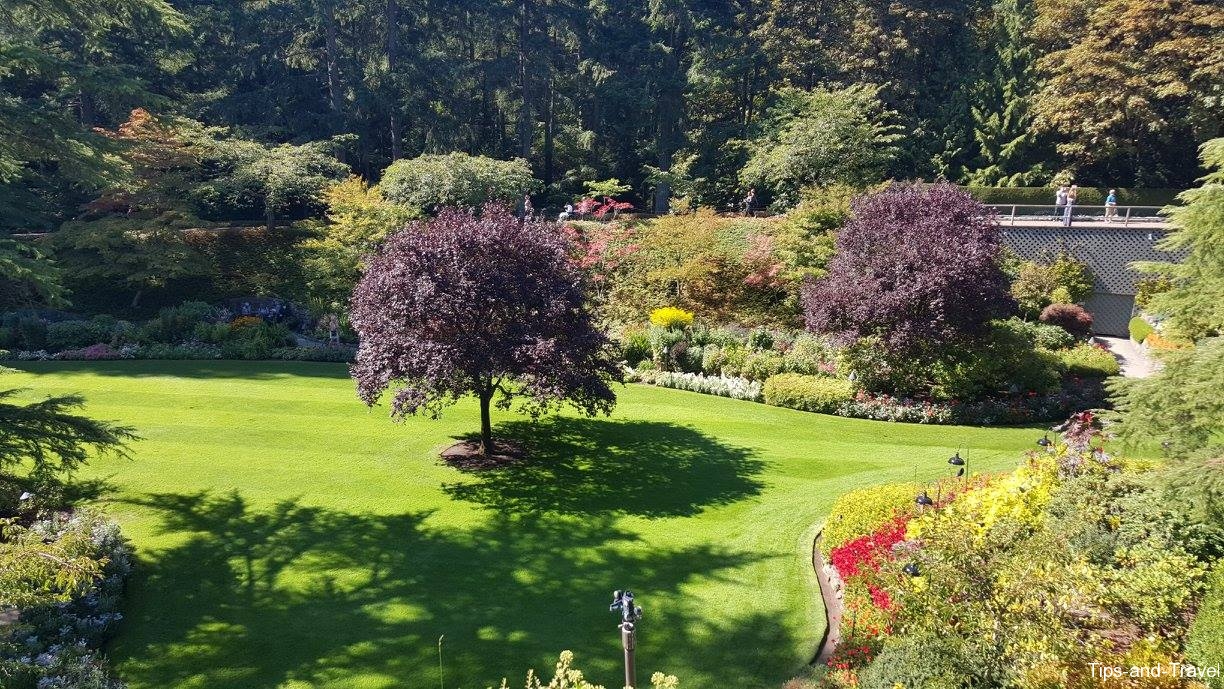
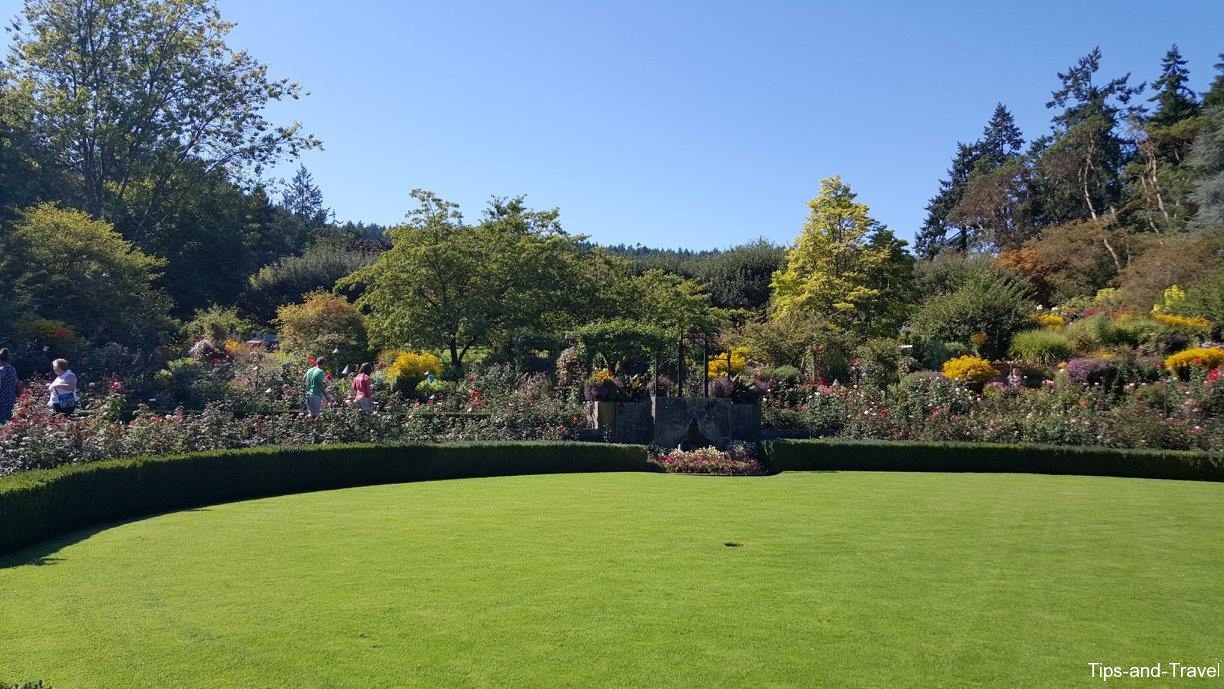
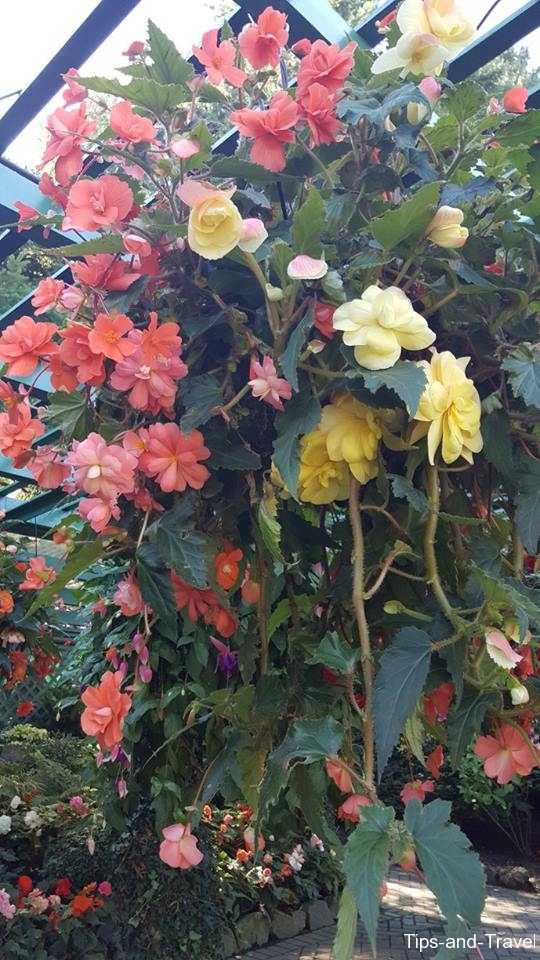
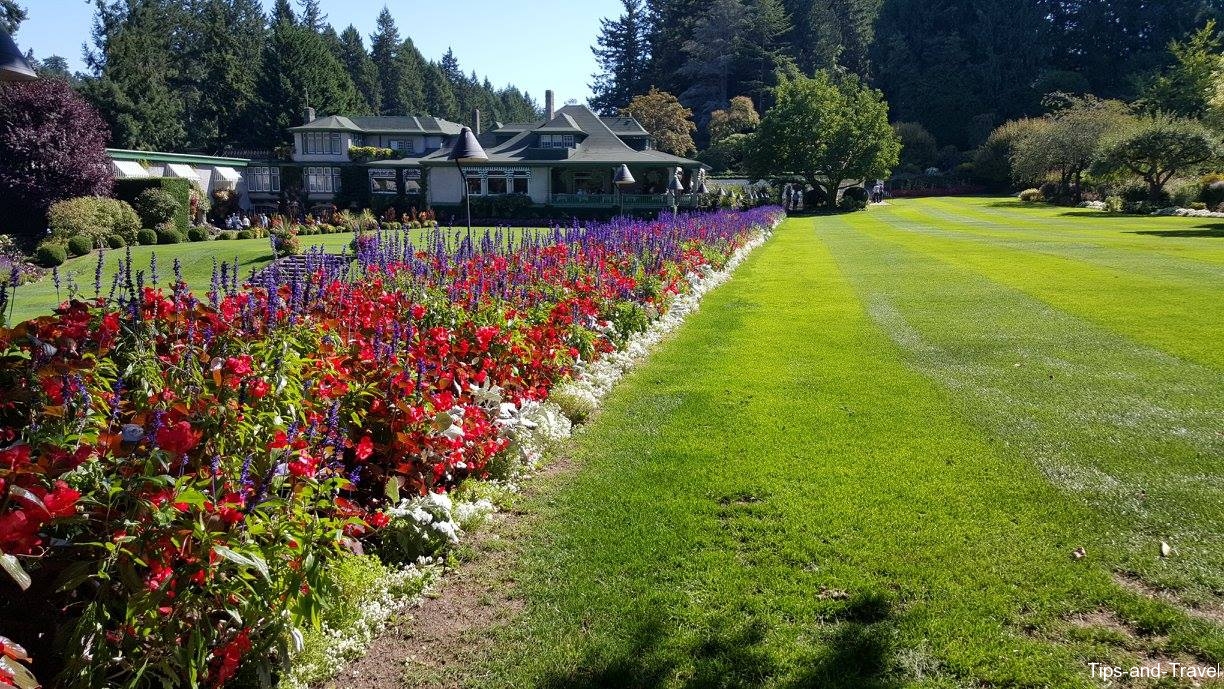
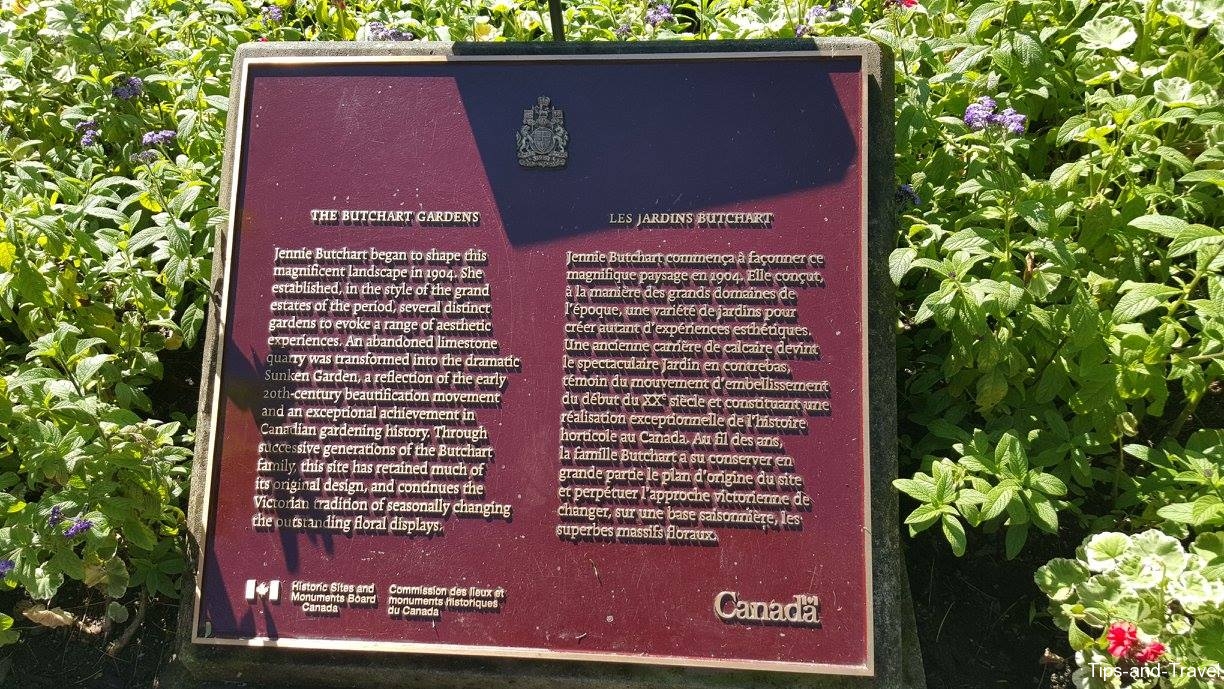
The Butchart Gardens are a group of floral display gardens in Brentwood Bay, British Columbia, on Vancouver Island in Canada. Robert Pim Butchart (1856-1943), who worked in the industrialization of cement, stood with his wife on Vancouver Island. They had a quarry on Tod cove at the foot of the Saanich Peninsula on the island and in 1904, they added a saltwater pond, a bowling alley, tennis courts and an orgue. Jennie, his wife, two years later created a Japanese garden with the help of designer Isaburo Kishida. In 1909, the quarry was exhausted and Jennie decided to turn it into a sunken garden. They chose the name of their property ‘Benvenuto’ and they began to receive visitors arriving in boats. After a few years the tennis courts has been replaced by an Italian garden and the vegetable garden has been transformed into a roserie. There we find many varied flowers, shrubs, fountains, statues and a carousel. A high quality food and entertainment service are completed the sculpted gardens. There are five gardens:  the Sunken garden, the Rose garden, the Japanese garden, the Italian garden and the Mediterranean garden. They usually receive over a million visitors a year.

Tips

If you visit the gardens in July or August, you will find a lot of visitors so if you want to make beautiful pictures without so many people go early in the morning at the opening (9:00).
Note that if you are a smoker, you must comply with the restriction of no smoking and go only on both areas intended for it.