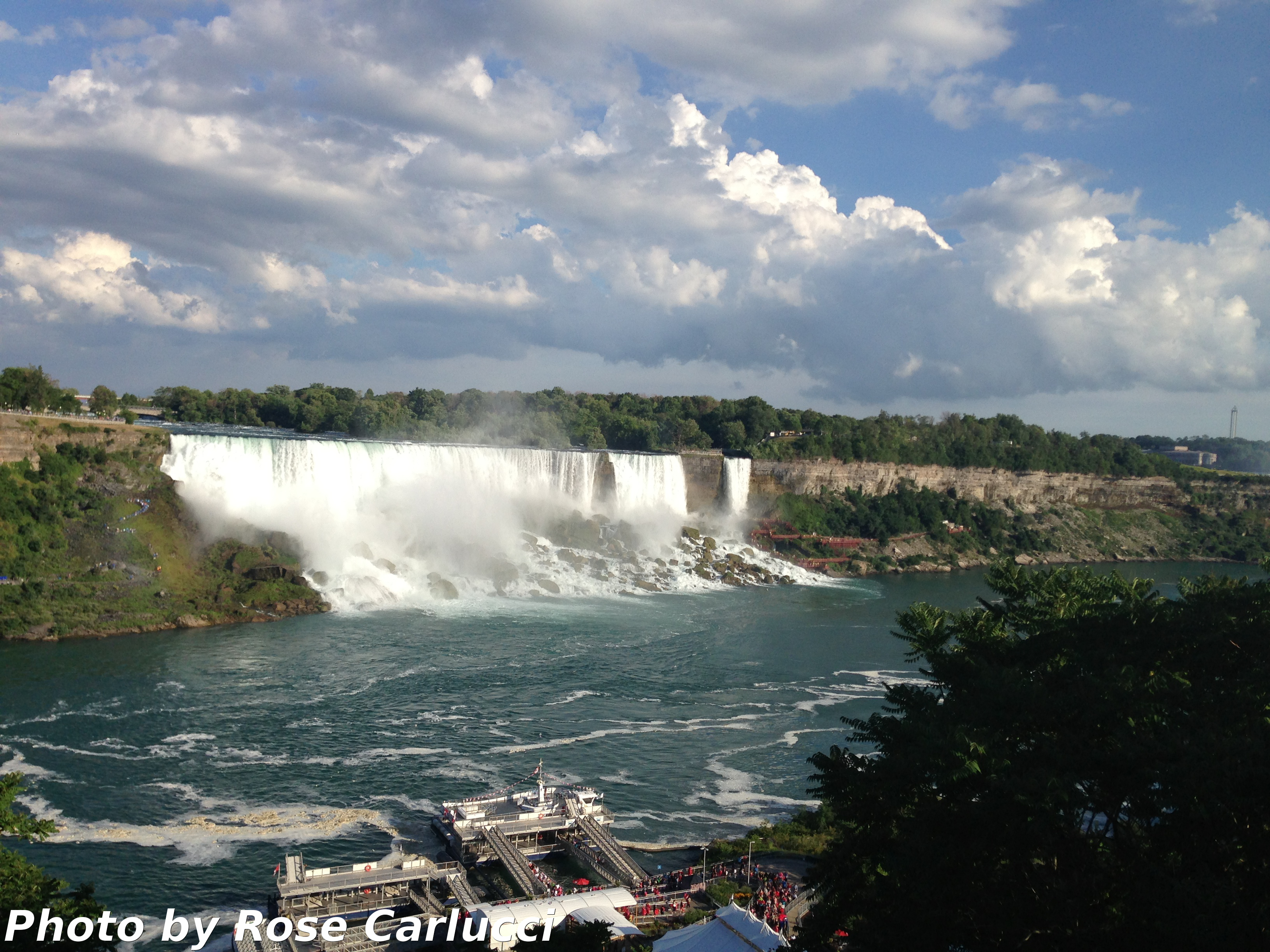
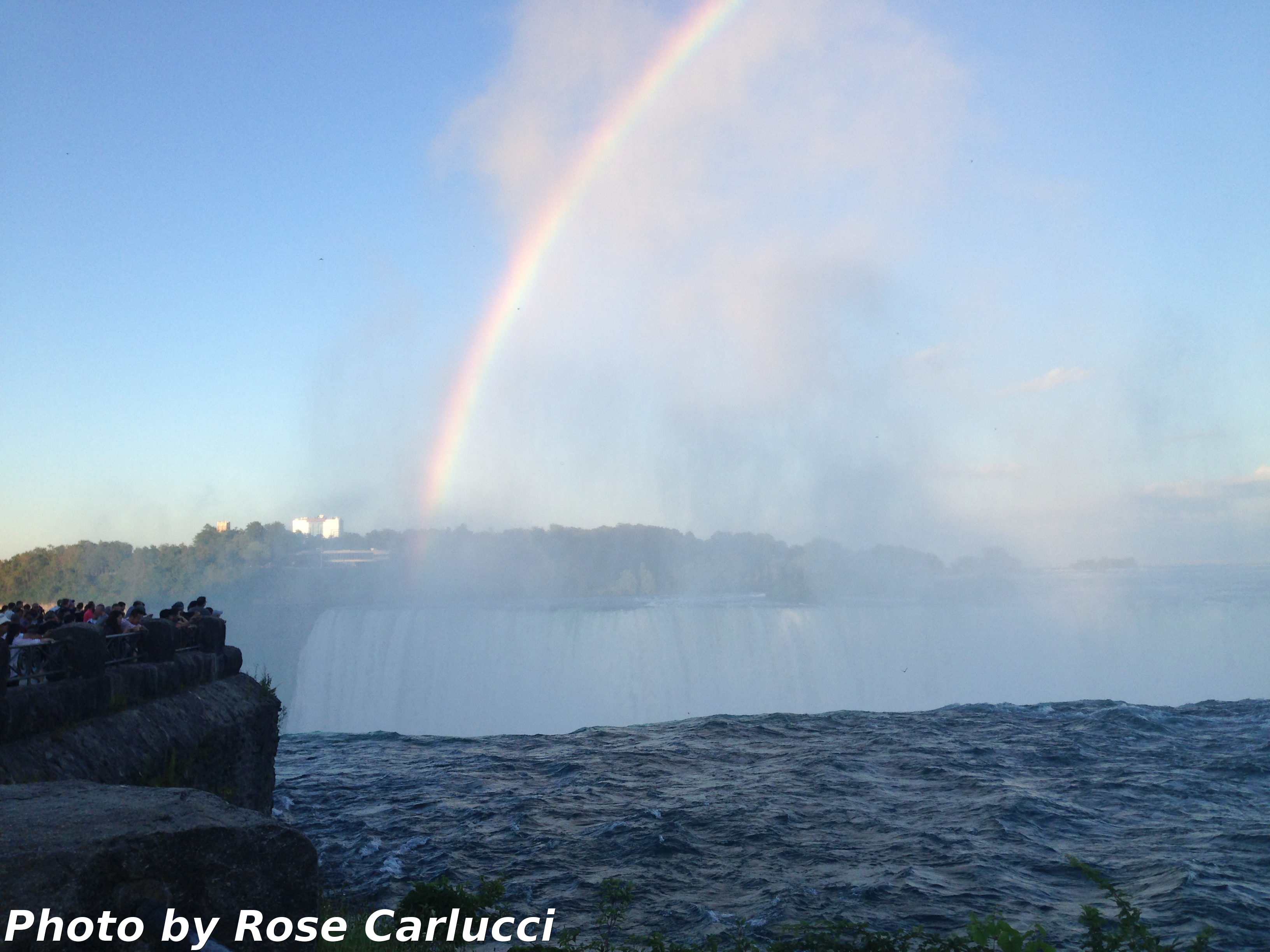
Niagara Falls, Canada-United States border

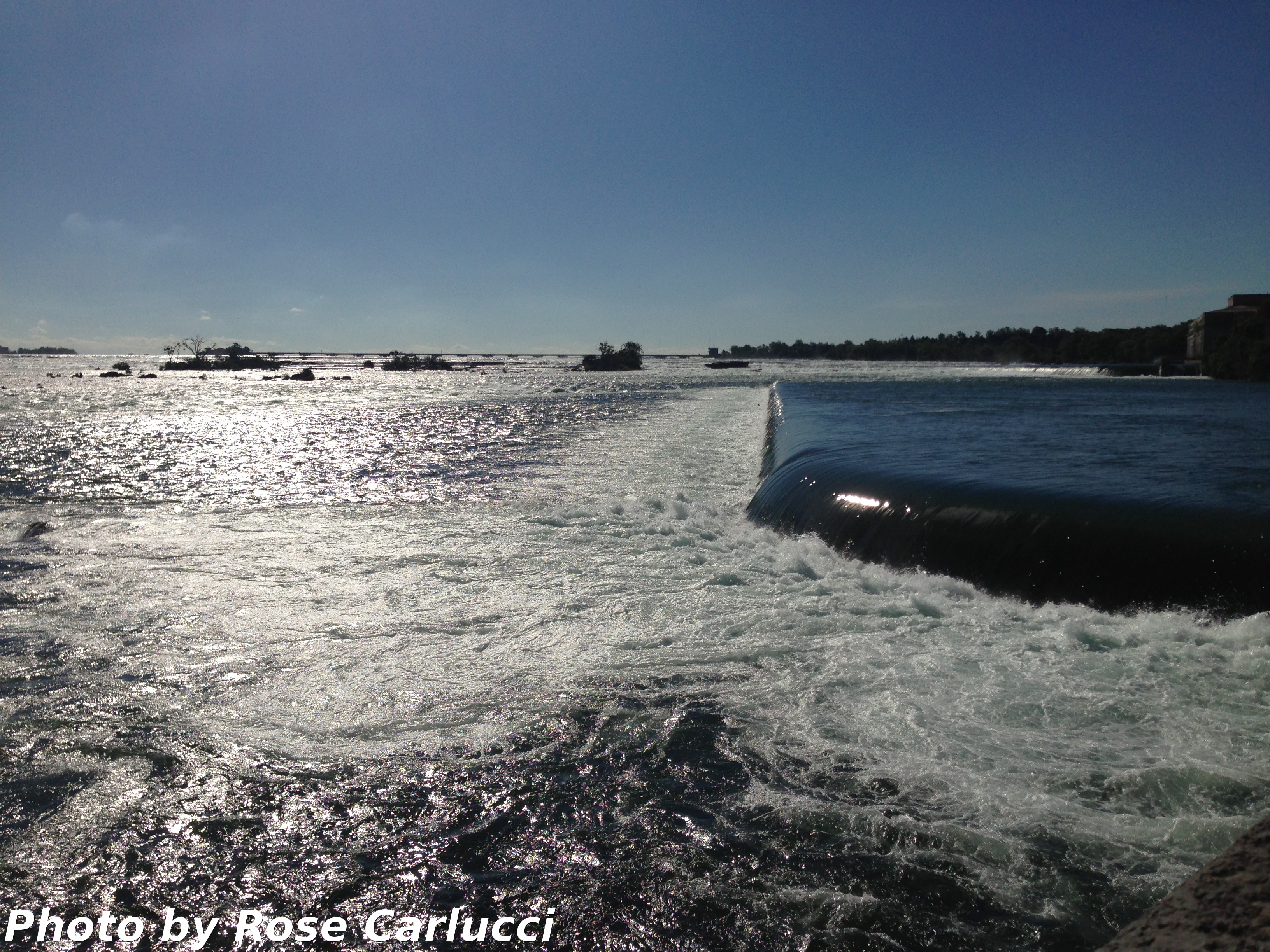
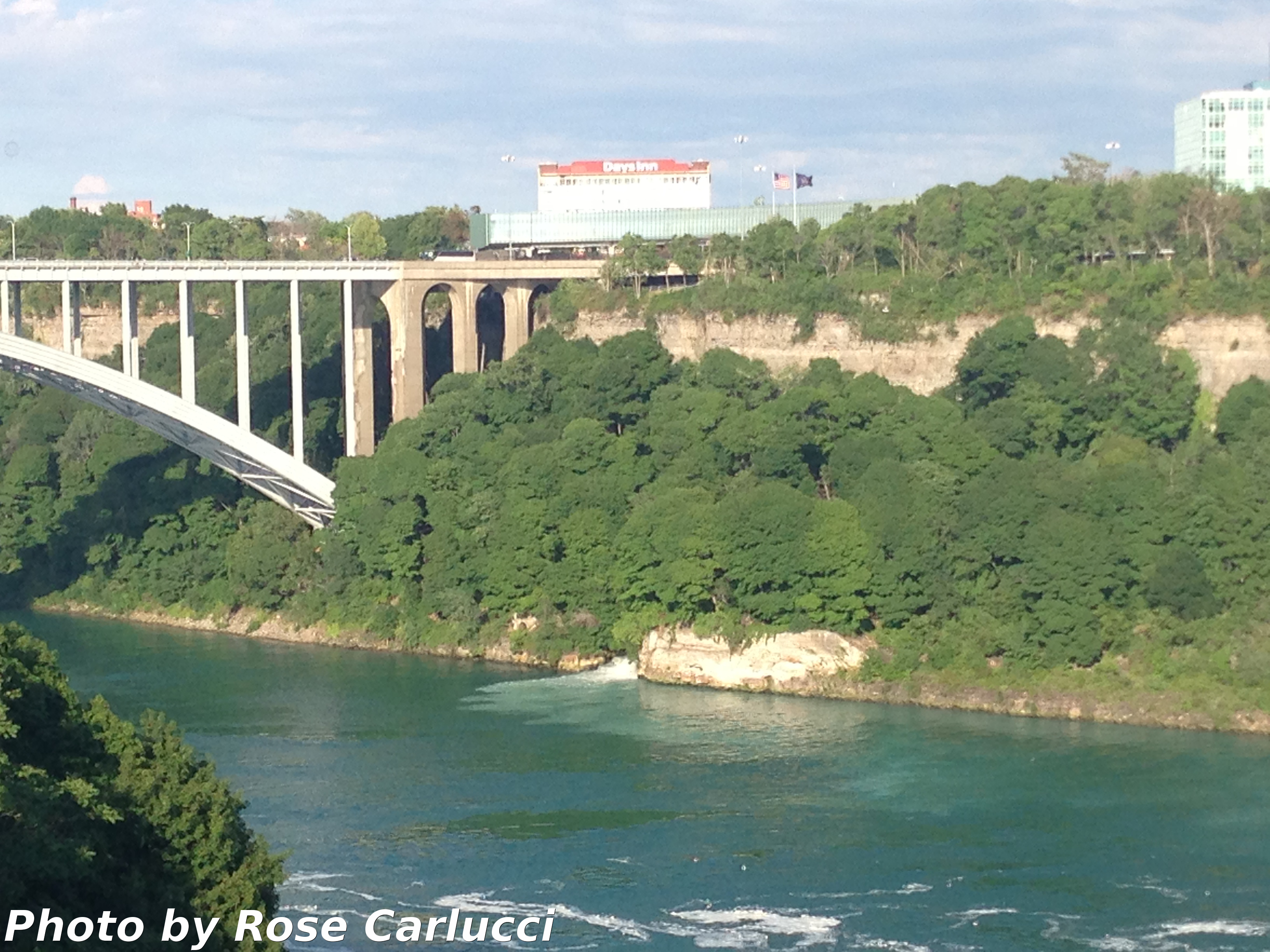
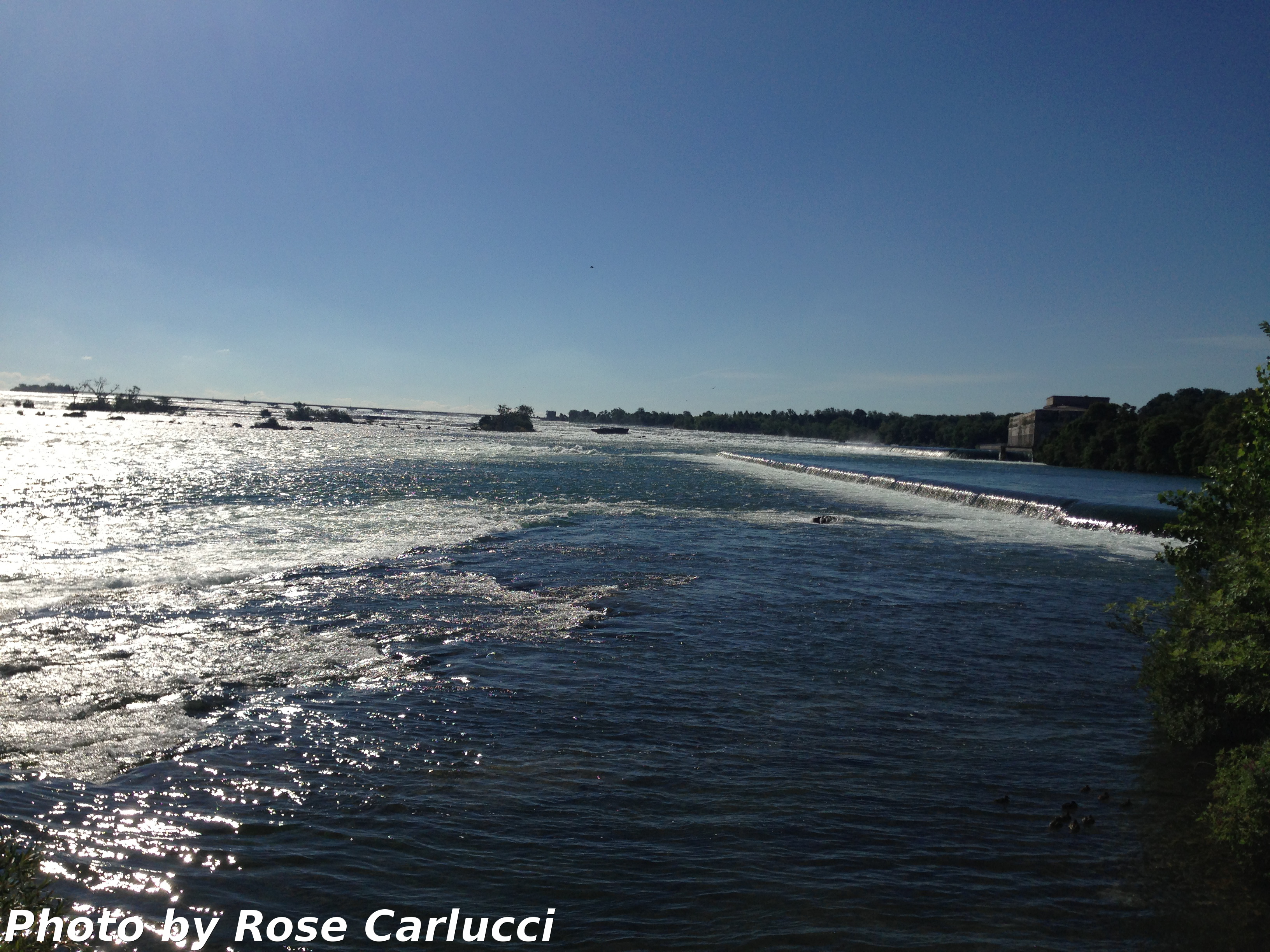
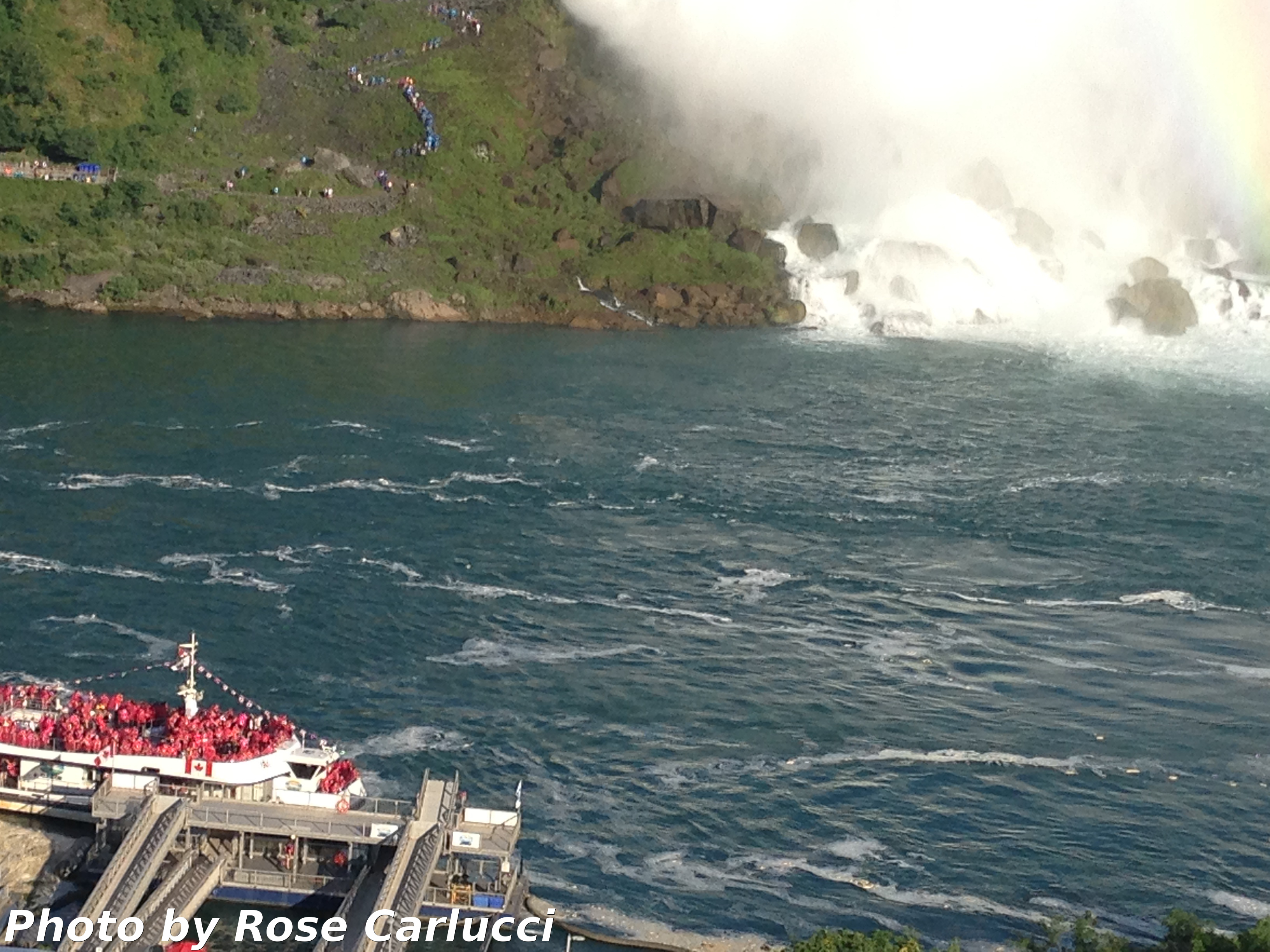
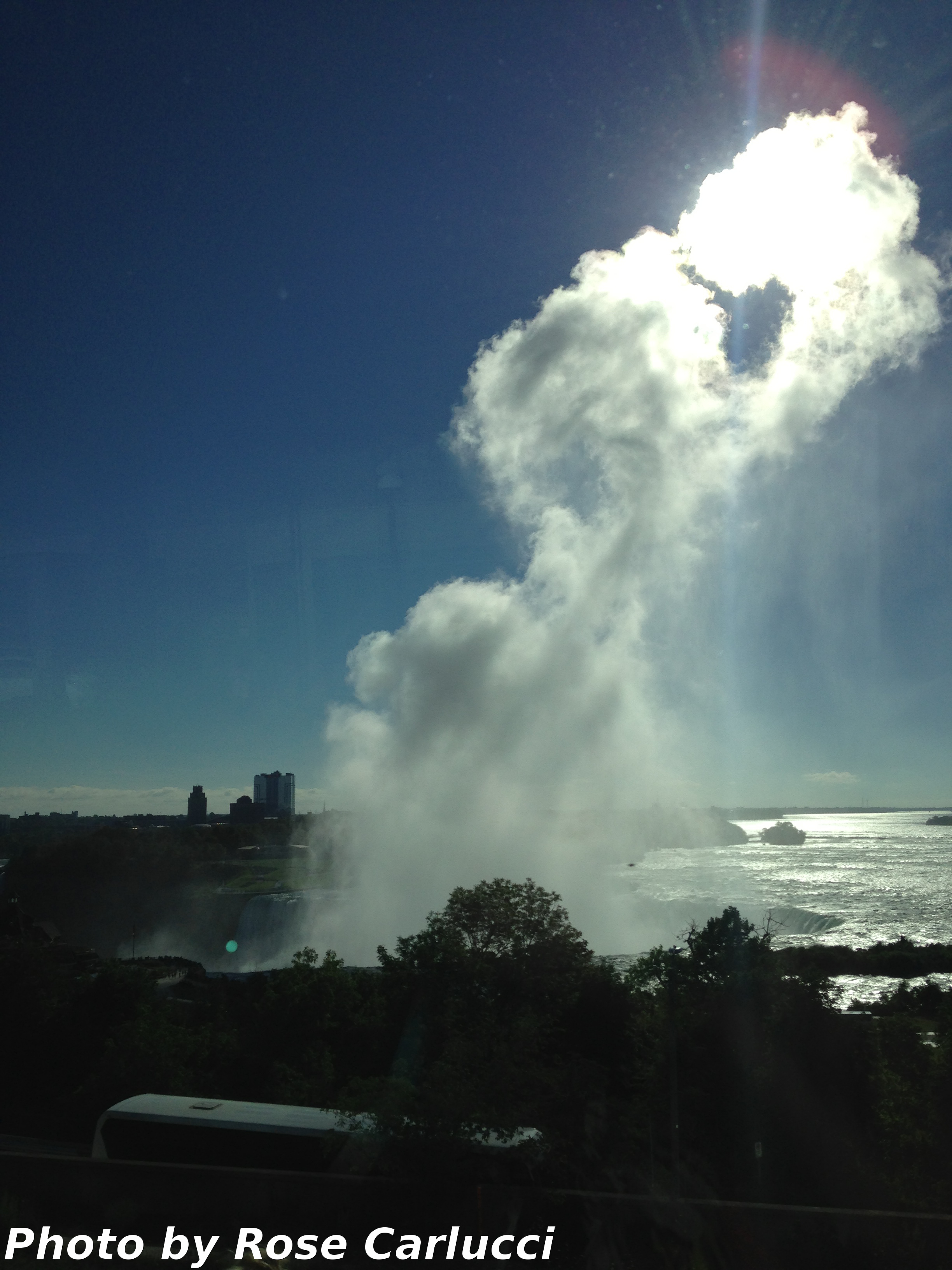
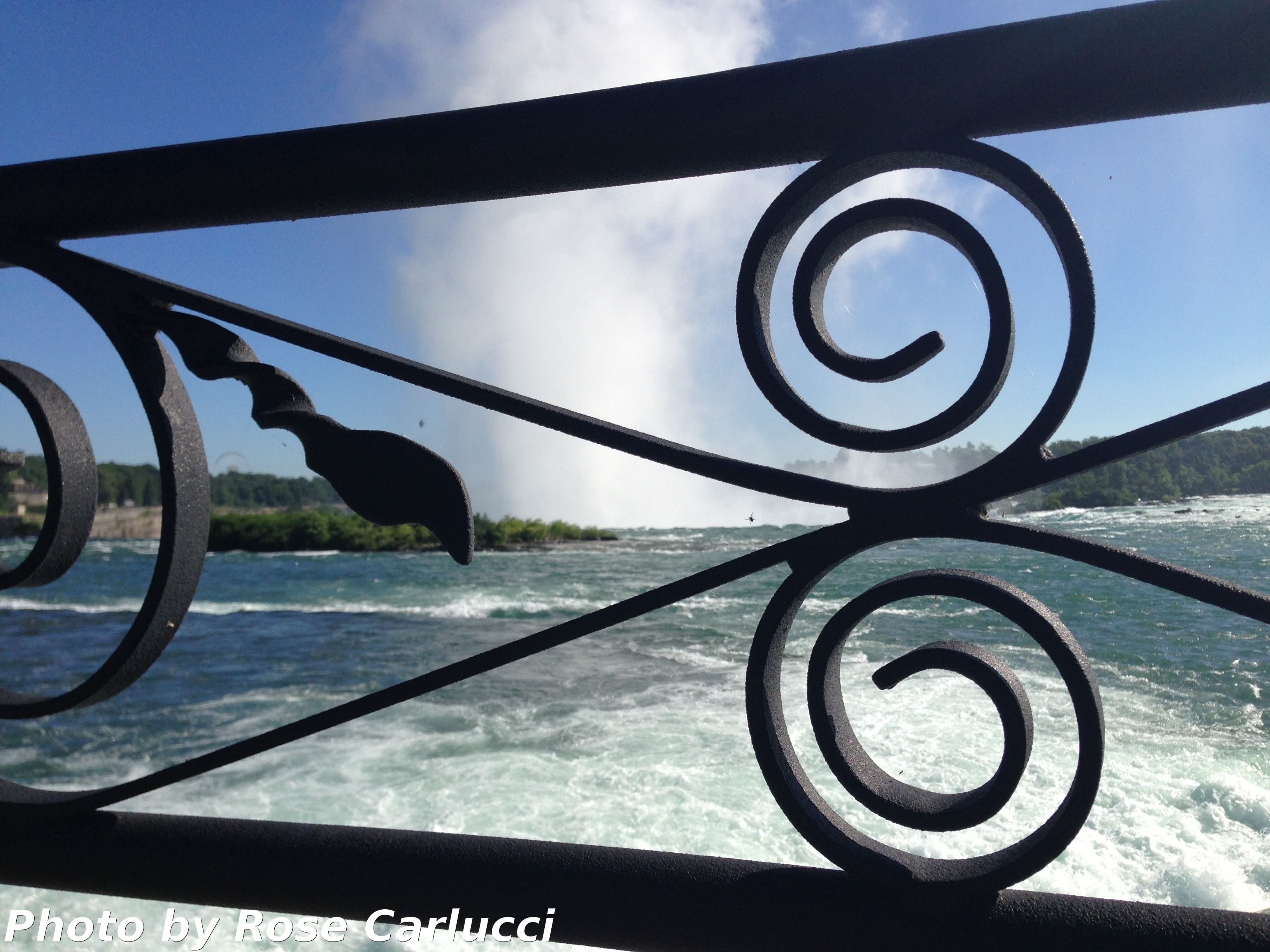
Niagara Falls is a group of three waterfalls located on the Niagara River that connects Lake Erie with Lake Ontario in eastern North America on the Canada-United States border. They are the Canadian Falls or Horseshoe, the American Falls and the Bridal Veil. They are known for their width but they are not high, they fall from a height of 52 meters. They are shared by the twin cities of Niagara Falls (New York) in the United States and Niagara Falls (Ontario) in Canada which are connected by three bridges (Rainbow Bridge, Whirpool Rapids and Lewinston Queenston Bridge). The largest Canadian falls are about 792 meters long and the American ones are only 323 meters long. The flow of falls during the high season is 5.720 m3 / s. Water has a diversion for hydroelectric production. The most powerful hydroelectric plants on the Niagara are Sir Adam Beck 1 and 2 on the Canadian side and the Robert Moses Niagara Power Plant and the Levingston Pump Generating Plant on the American side. They receive a lot of tourism especially in summer and there are spotlights that illuminate both sides of the falls from dusk to midnight.

Tips

If you visit the falls in summer, you will find several activities to do. On the American side you have hiking trails, an observation tower or the Niagara Scenic Trolley which offers guided tours. On the Canadian side, you have Queen Victoria Park with gardens and terraces that offer views of the American Falls and the Horseshoe; there is also an underground path that leads you into observation rooms that give the illusion of being inside the falls themselves. You also have the observation point of Skylon Tower.

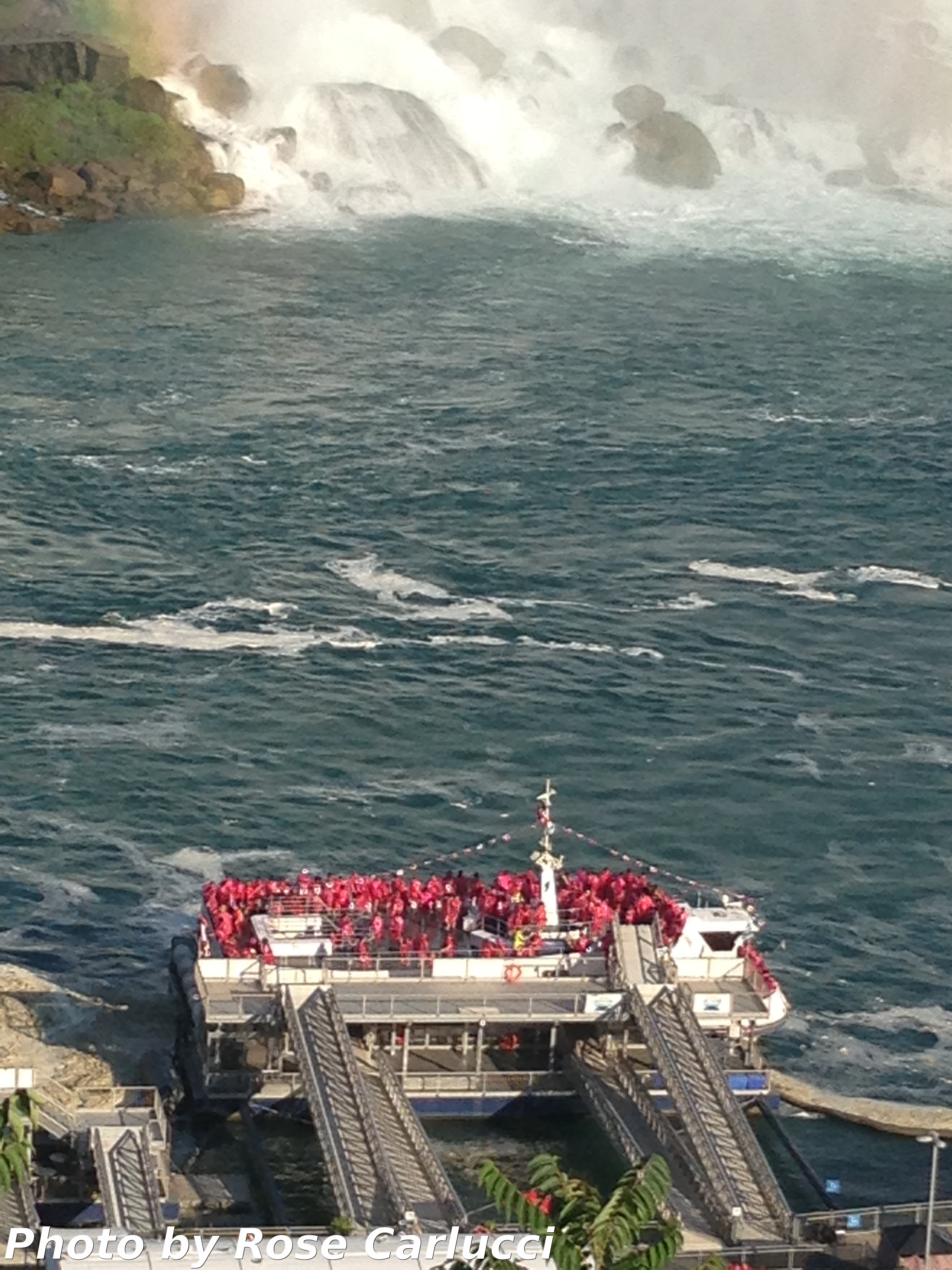
Maid of the Mist cruises will take you into the whirlpools behind the falls and the cable cars will transport you over the whirlpool behind the falls on the Canadian side.

There are also two zip lines.

On the Canadian side, you’ll find lots of shops and a lively nightlife until late as many hotels for every budget.

If you want to have a great meal all you can eat, you can go to the Casino on the Canadian side; it’s worth it.
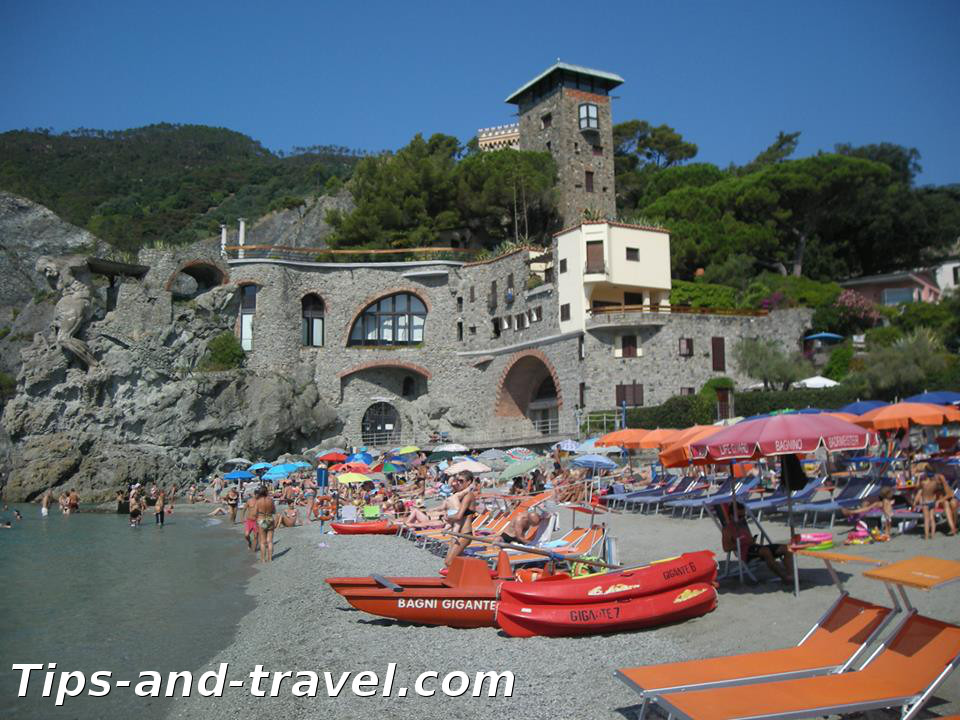
Monterosso al Mare, La Spezia, Liguria, Italy

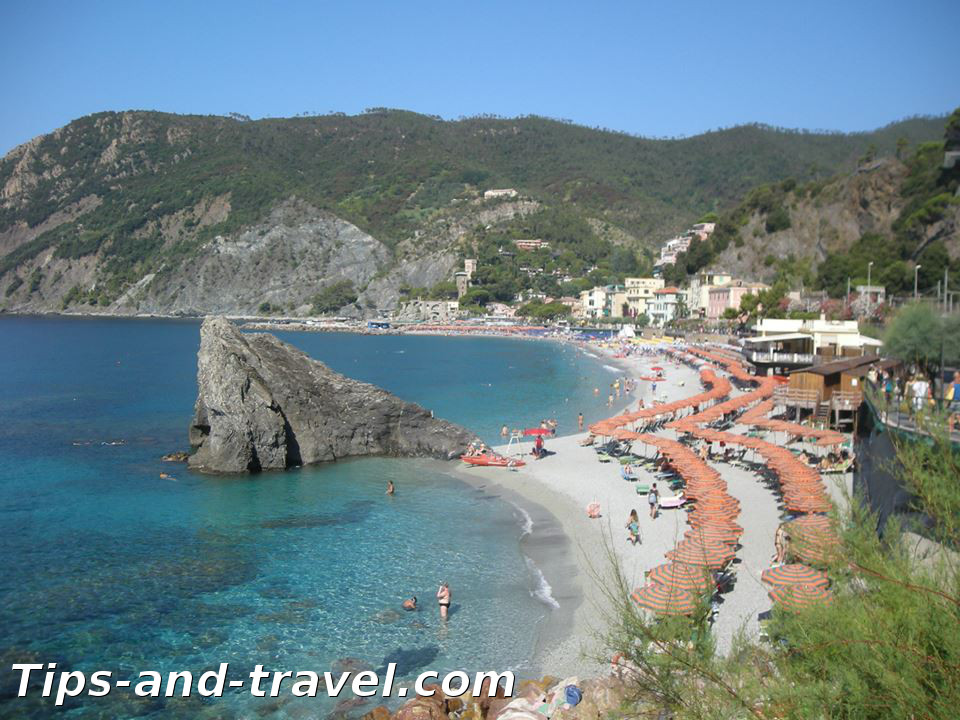
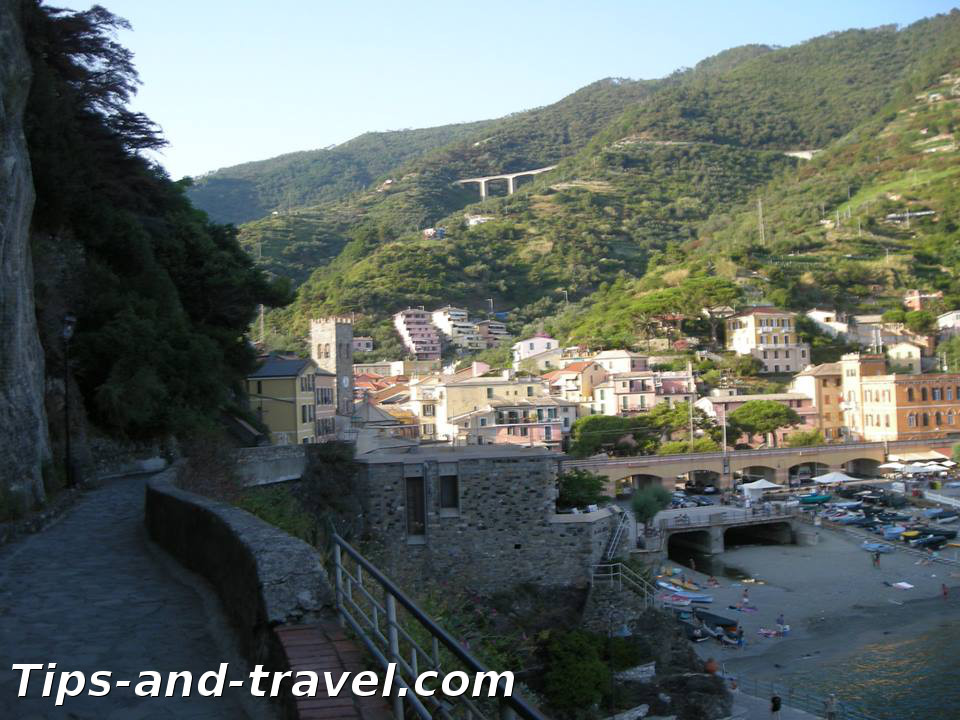
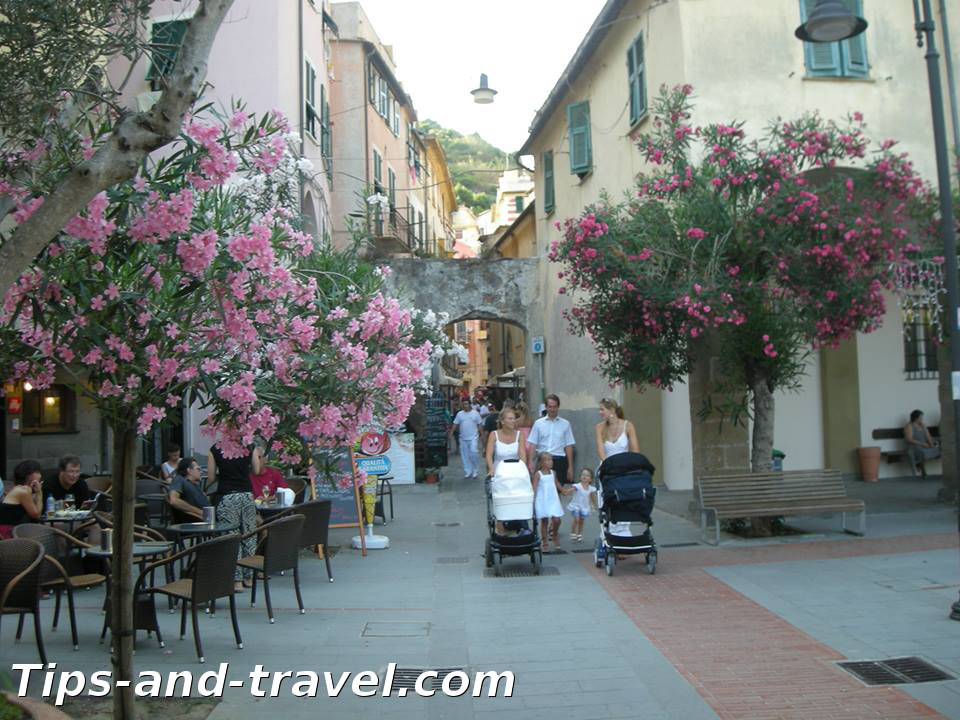
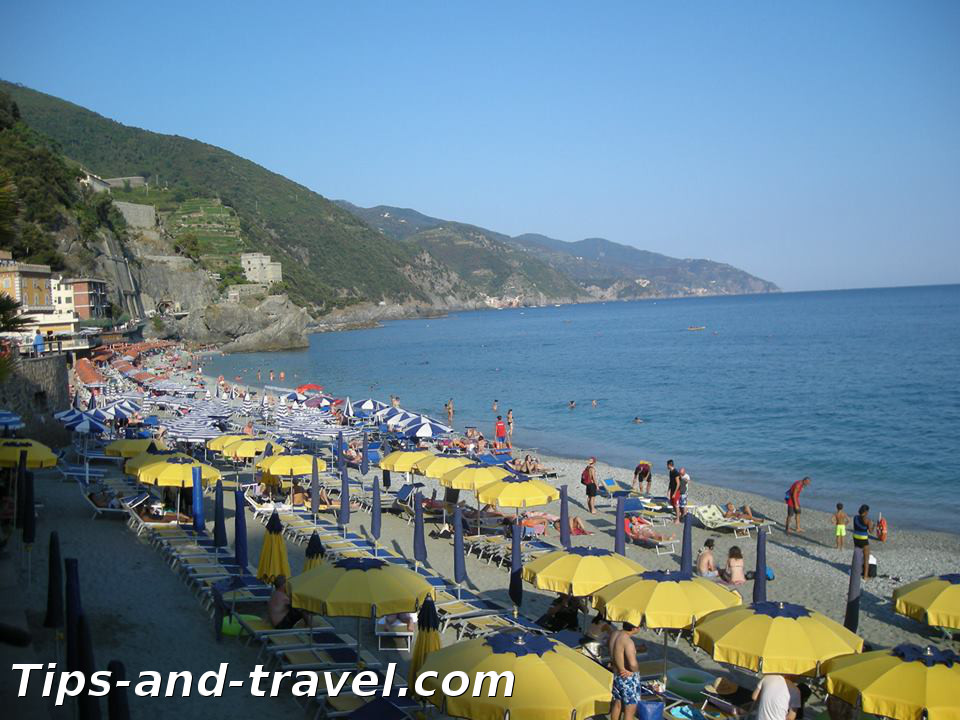
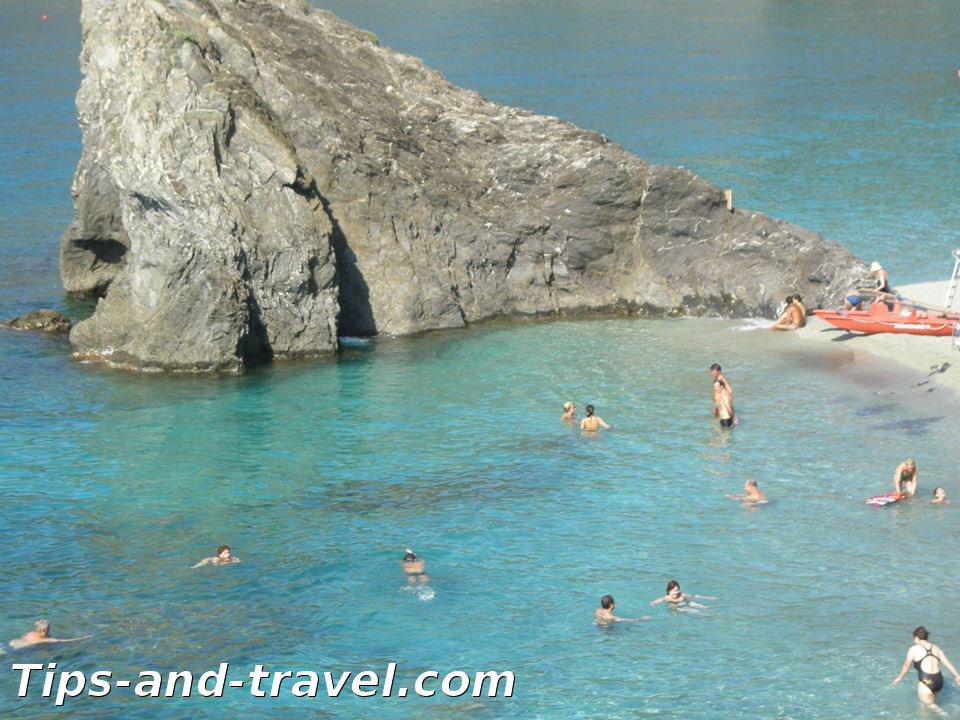
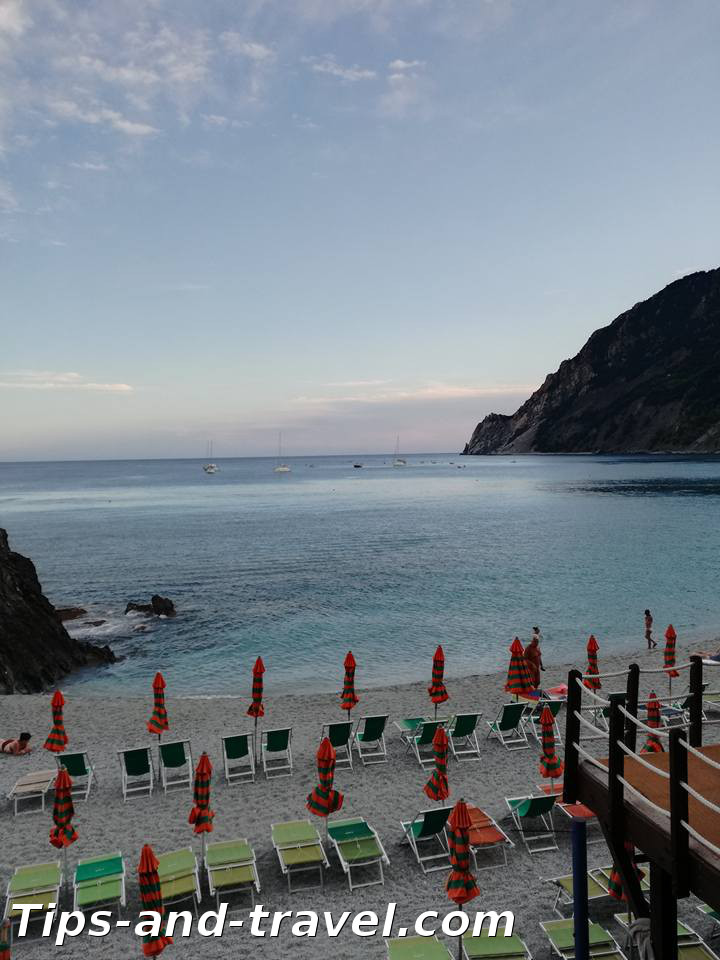
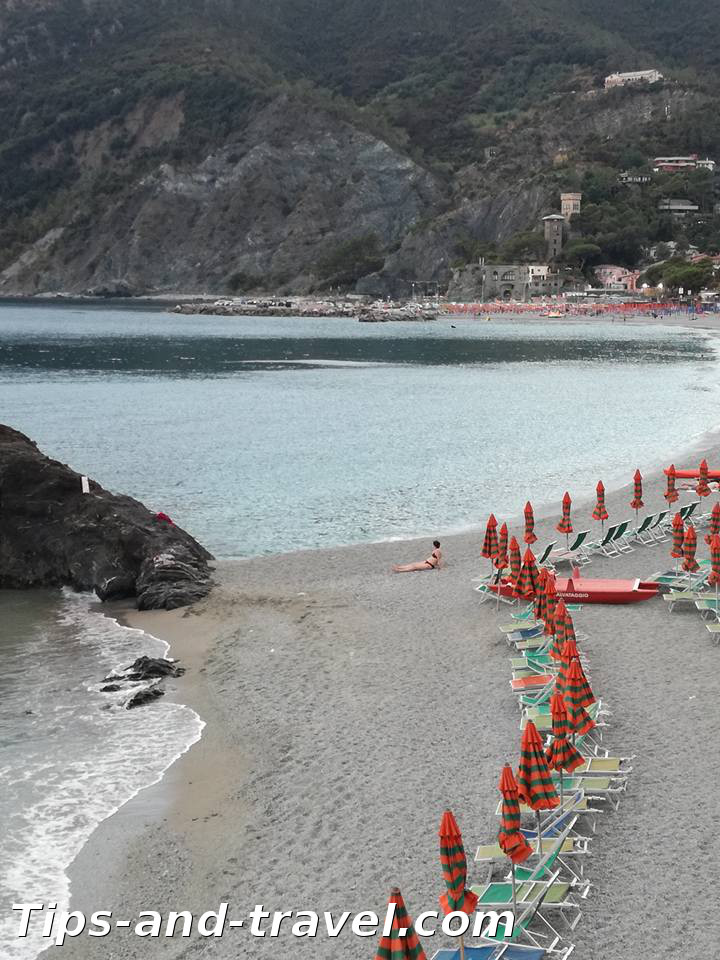
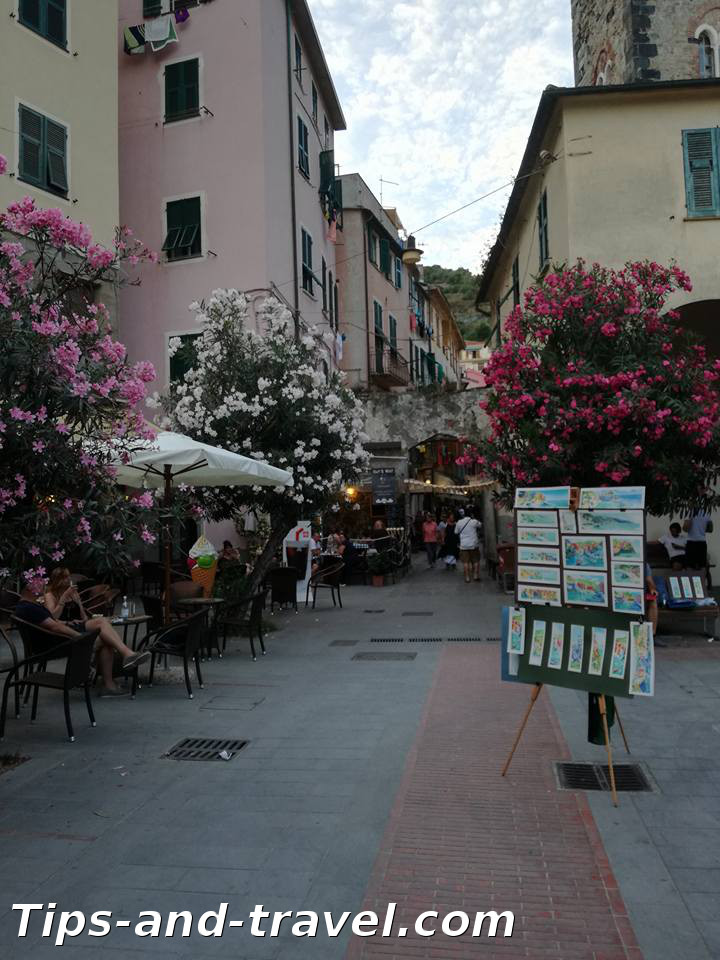
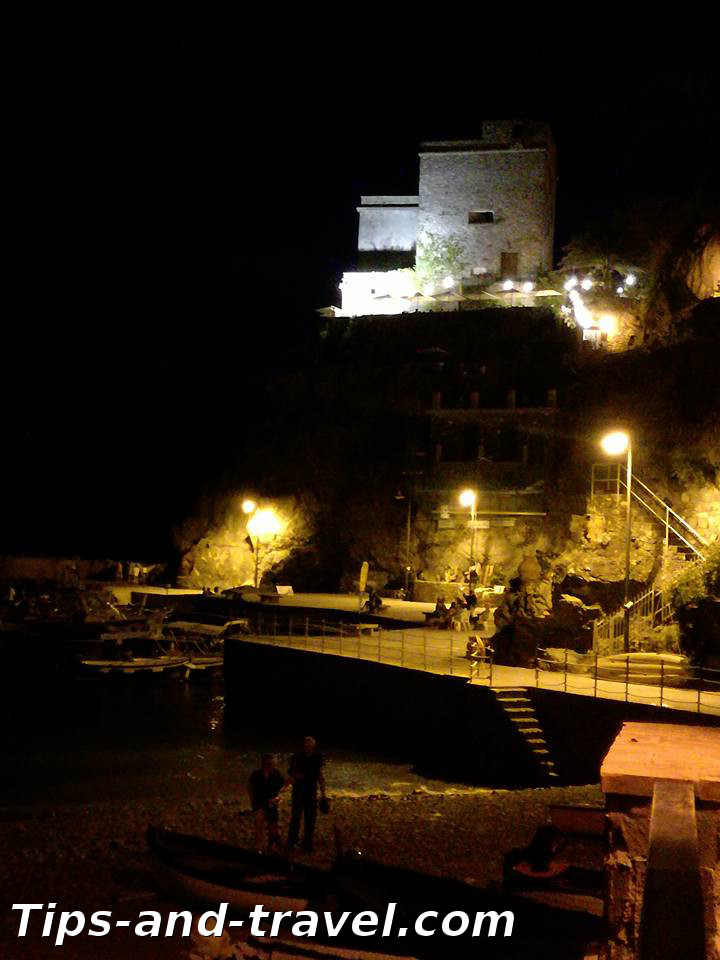
Monterosso al Mare is an Italian town of the province of La Spezia in Liguria, in the center of a small natural gulf, protected by a small artificial reef and is therefore the most western part of the Cinque Terre. To the west of the original village is the village of Fegina, natural expansion and characterized by a relatively modern tourist resort facility compared to the old town which is accessible by a tunnel of a few tens of meters. Unfortunately in October 2011 a violent disturbance has affected the eastern Liguria with flooding, damage, dead and missing at various locations of Liguria and Tuscany. To see: the statue of Neptune or the Giant (leaning against a rock); Villa Montale; Aurora Tower; the parish of St. John the Baptist; among others. The local economy is based mainly on tourism.
Tips

If you go by car, take the provincial road 38 to reach the center of Monterosso al Mare from Levanto or Vernazza. If you want to go by train, which is recommended for difficult parking, the station is located in Fegina.
If you like a nice walk, from Punta Mesco to Levanto at around 1h15, you can reach the so-called “traffic light”, an old abandoned lighthouse where you can enjoy a spectacular view of the sea. You can also visit the ruins of the hermitage of San Antonio of Mesco.

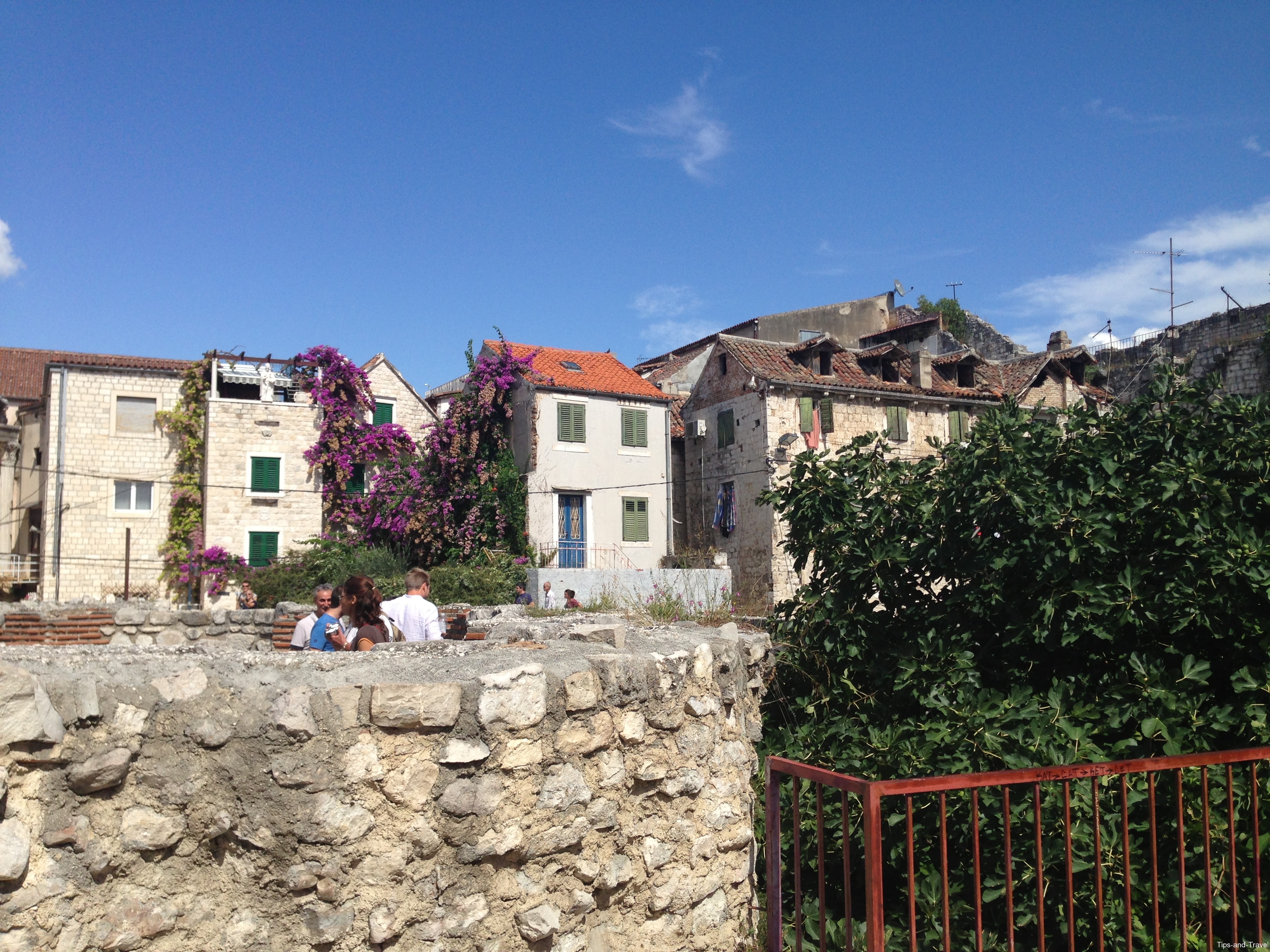
Split, Croatia

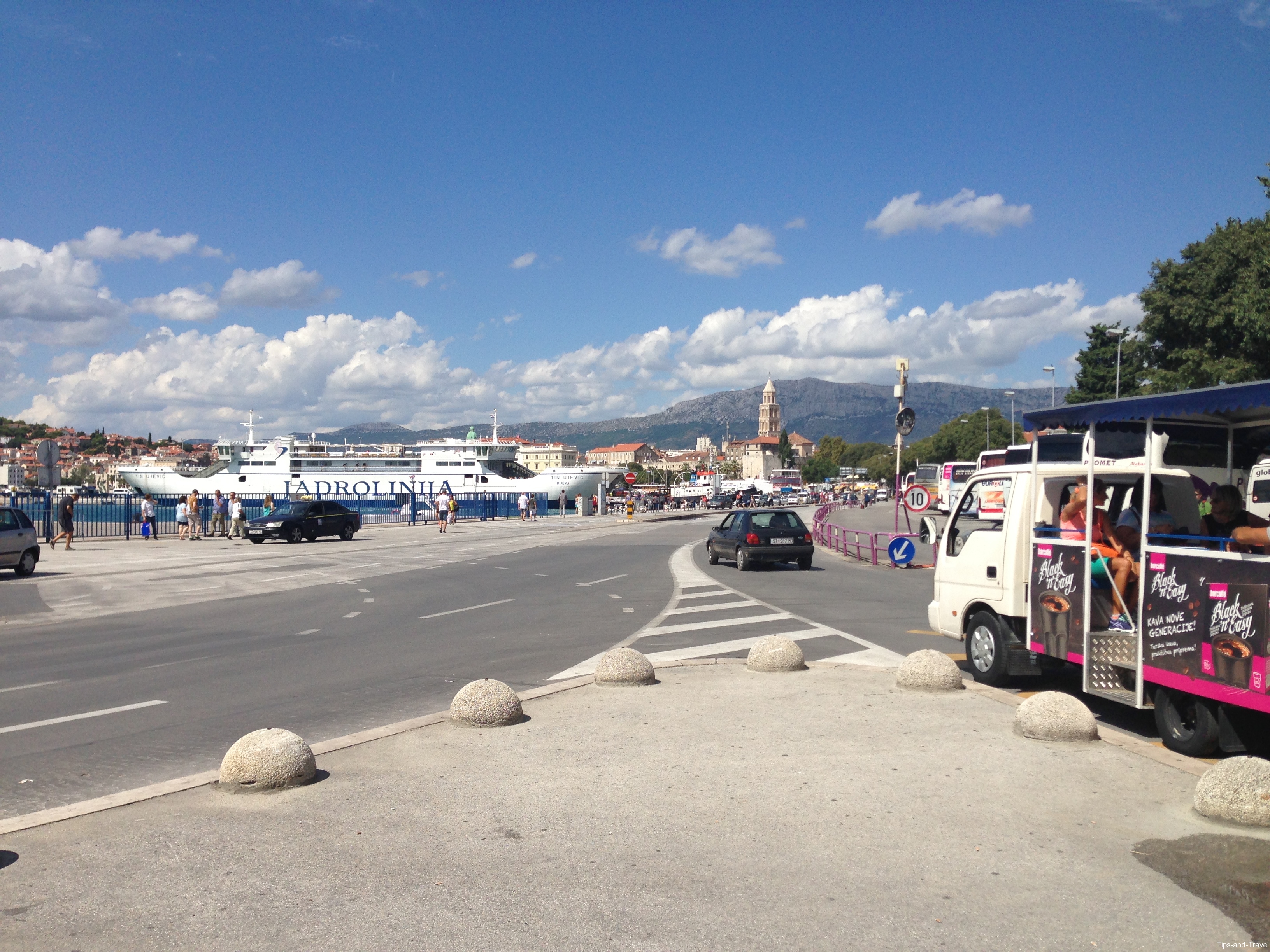
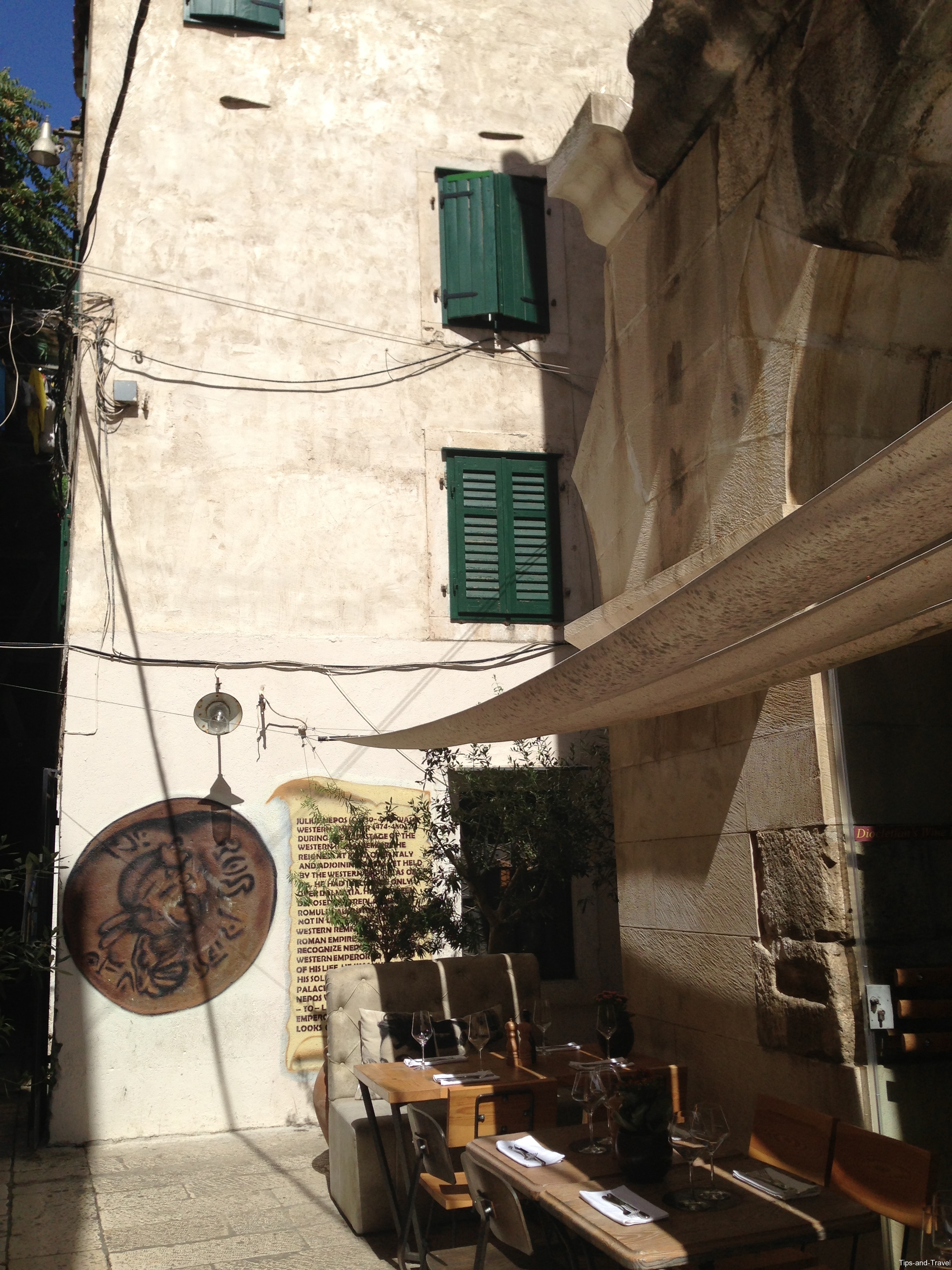
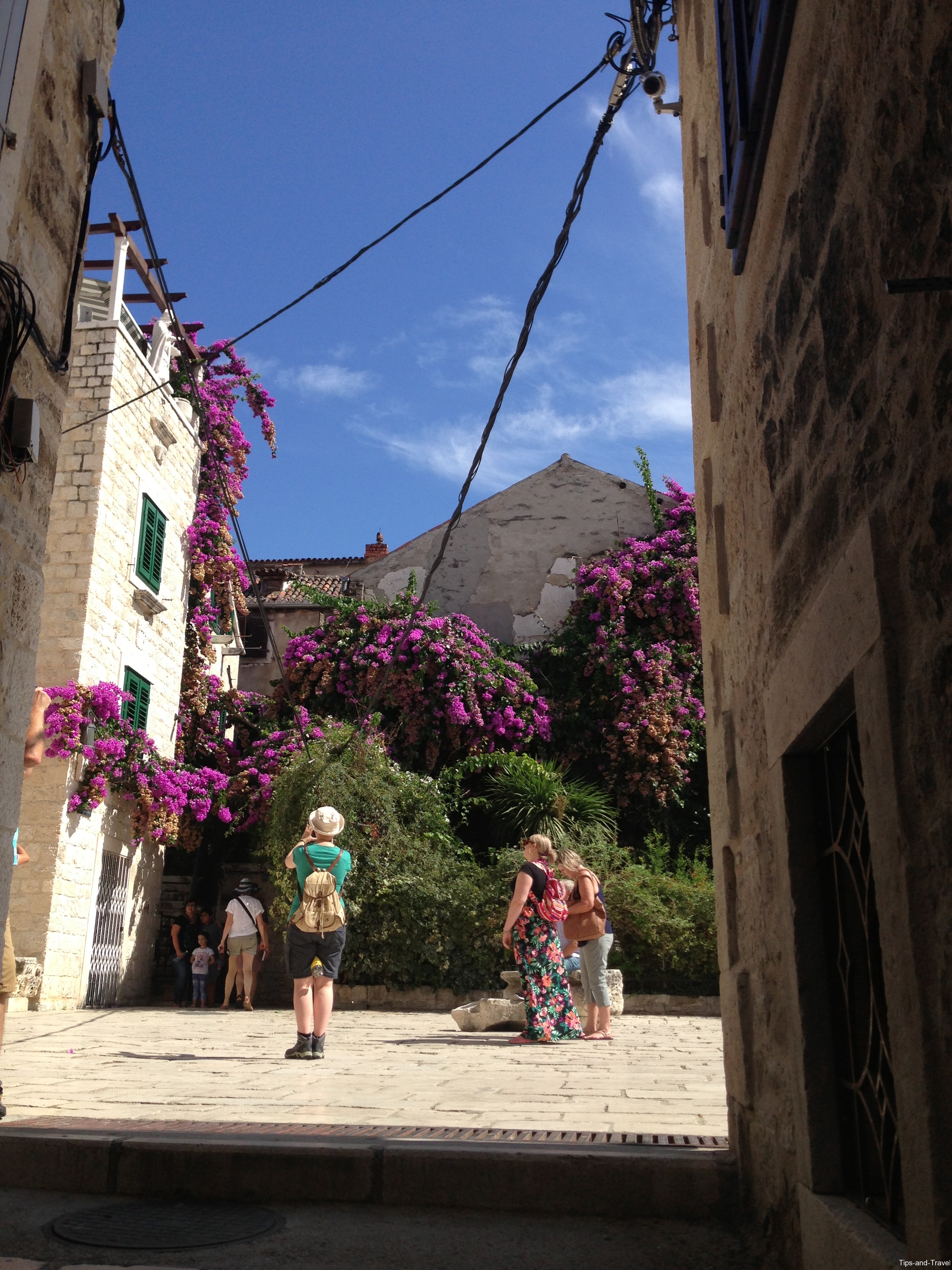
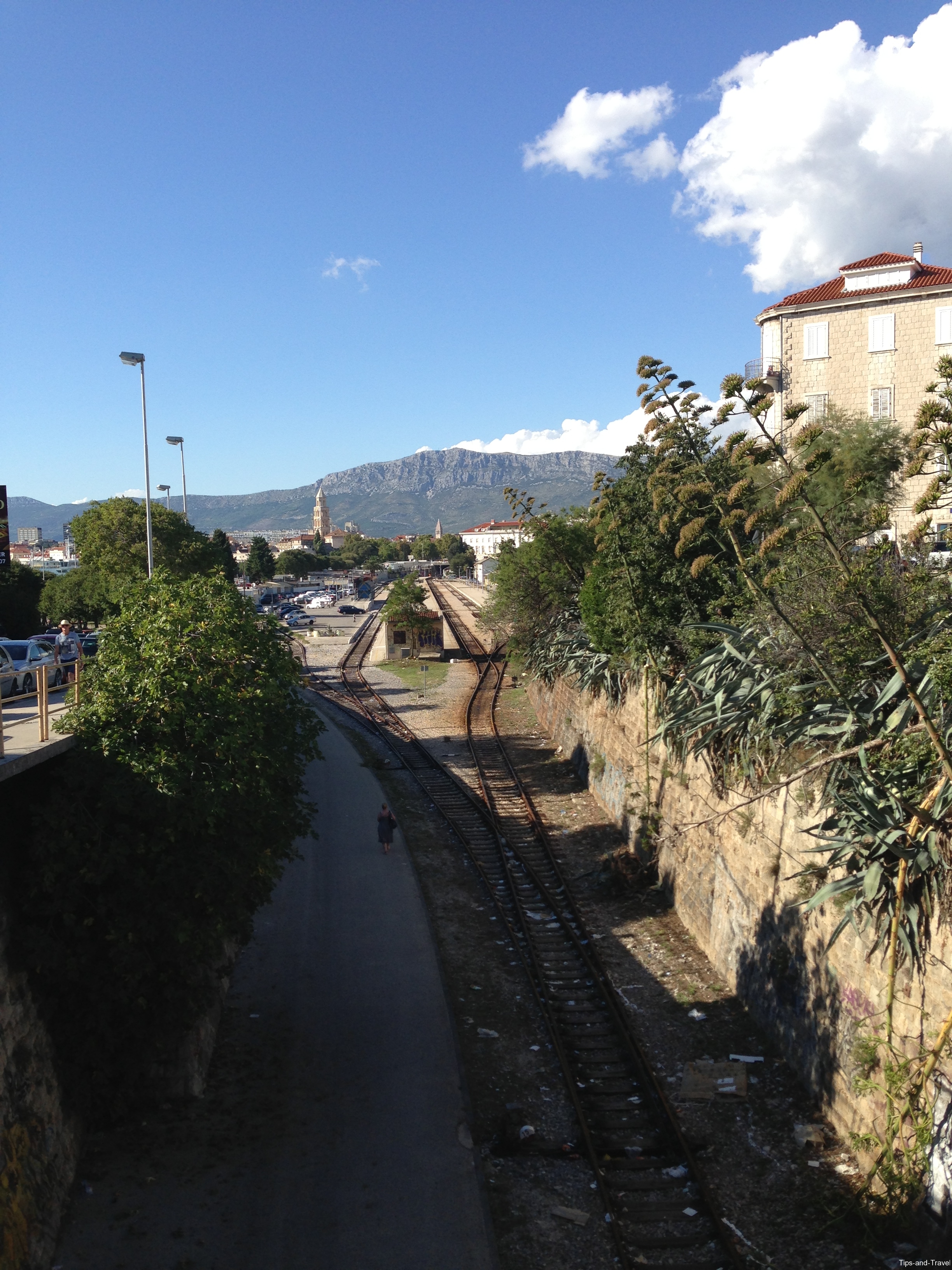
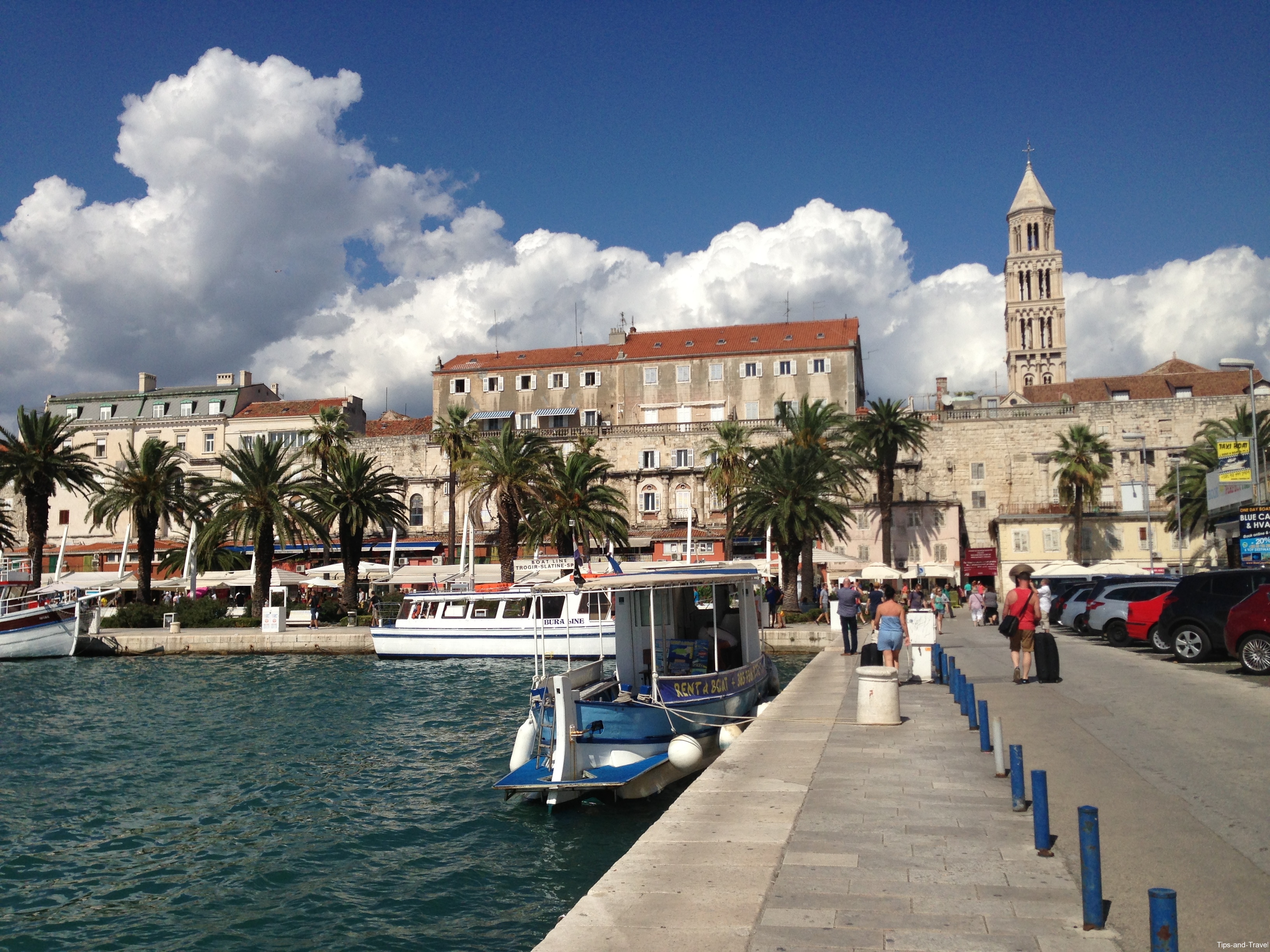
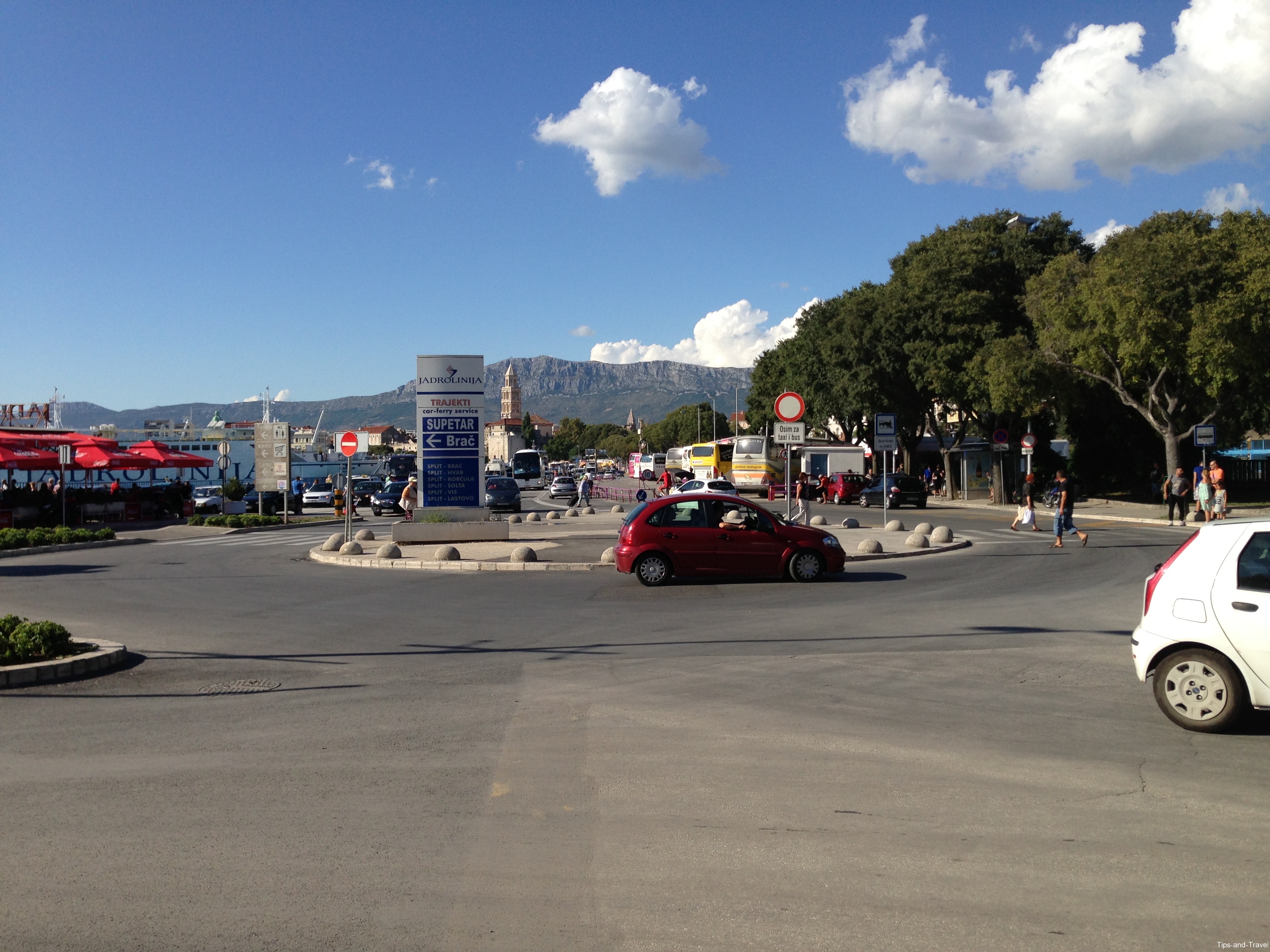
Split is the second most populated city in Croatia and the seat of Split-Dalmatia County. The city was established inside the huge palace of the Roman Emperor Diocletian (of Dalmatian origin); built between 294 and 305 and had an area of 39,000 square meters and then it continued expanding around the palace. From 1420 to 1797, Split became part of the Venetian Republic; that is why the historic center of this had Venetian-style buildings (Rector’s Palace, City Hall, Venetian tower). France and Napoleon ruled Split from 1805 to 1813. From 1815 to 1919 it was a part of Austria. After the collapse of Austria-Hungary and with the founding of the Kingdom of Serbs, Croats and Slovenes, the city was part of the Yugoslav Dalmatia. Today, Split is a major industrial and tourist port and is listed on the UNESCO list of world heritage. We find still part of the palace on the waterfront as the Maritime gate known in antiquity that allowed ships to dock directly.

Tips

The historic center is just a short walk from the harbor. Inside, there is a part that today is a big market with stands that sell souvenirs. You can also visit three museums that are located inside the old city and two other museums in the exterior. There is also a cloister that was rearranged by Rodin.