Hamburg, Germany

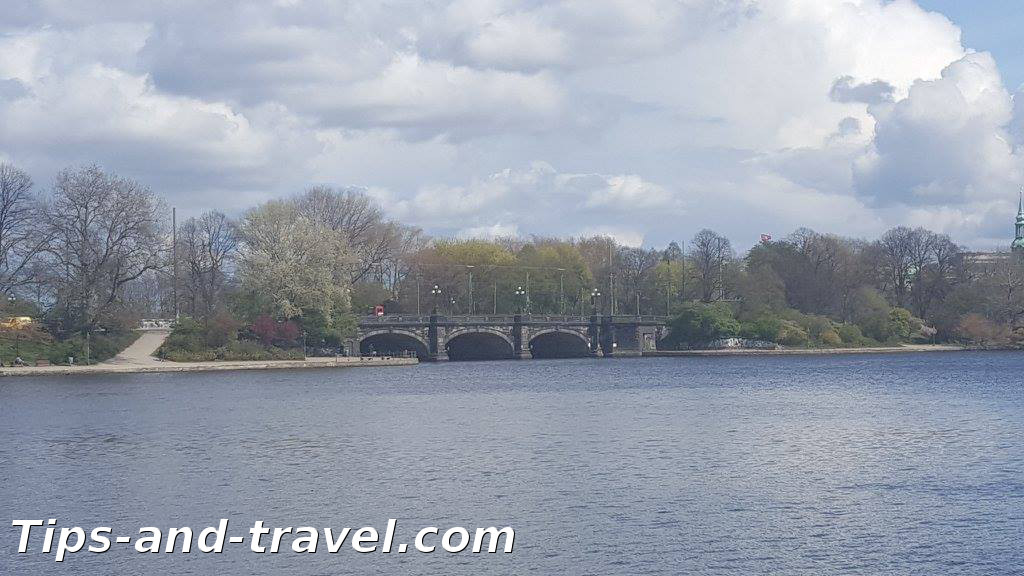
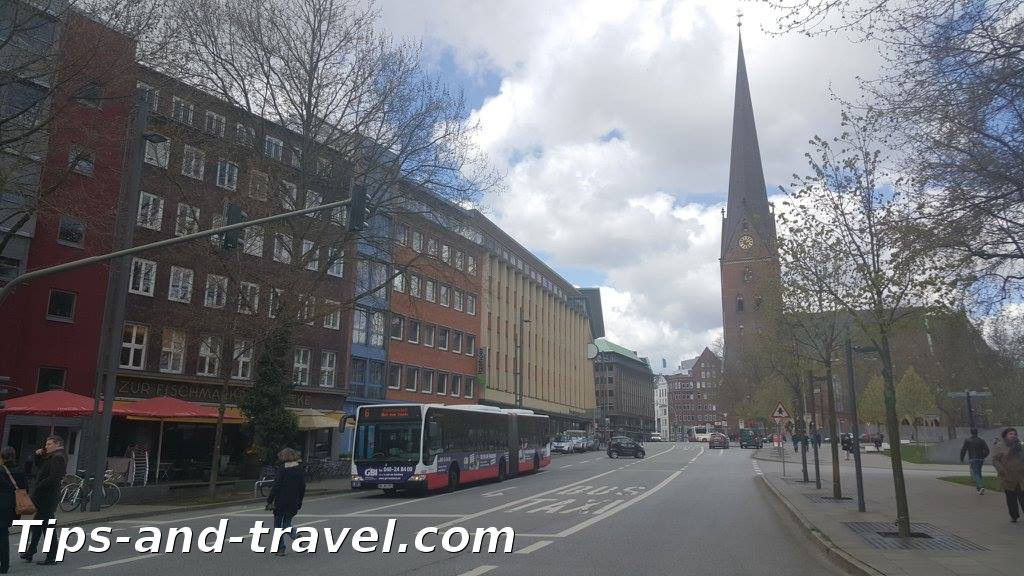
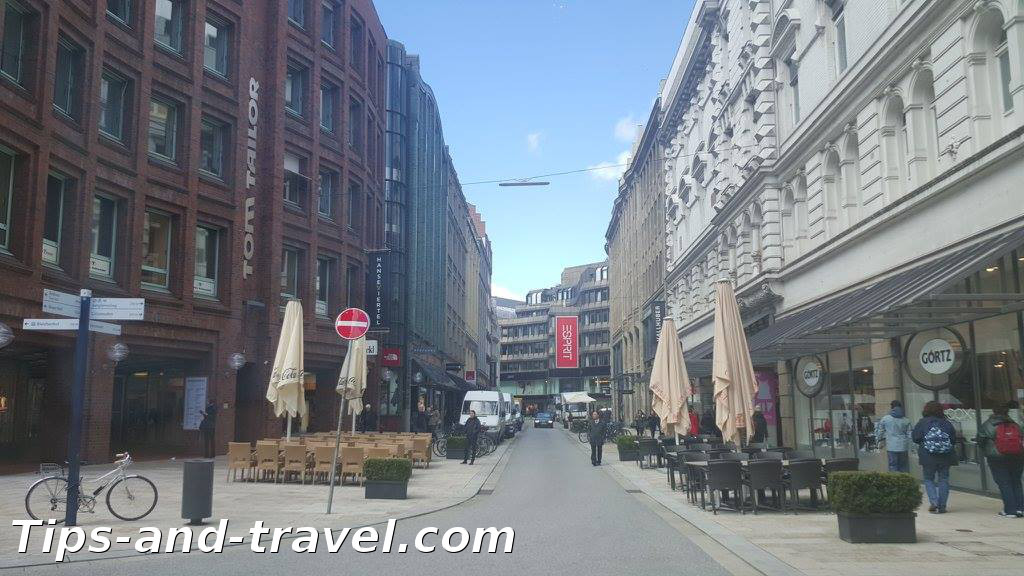
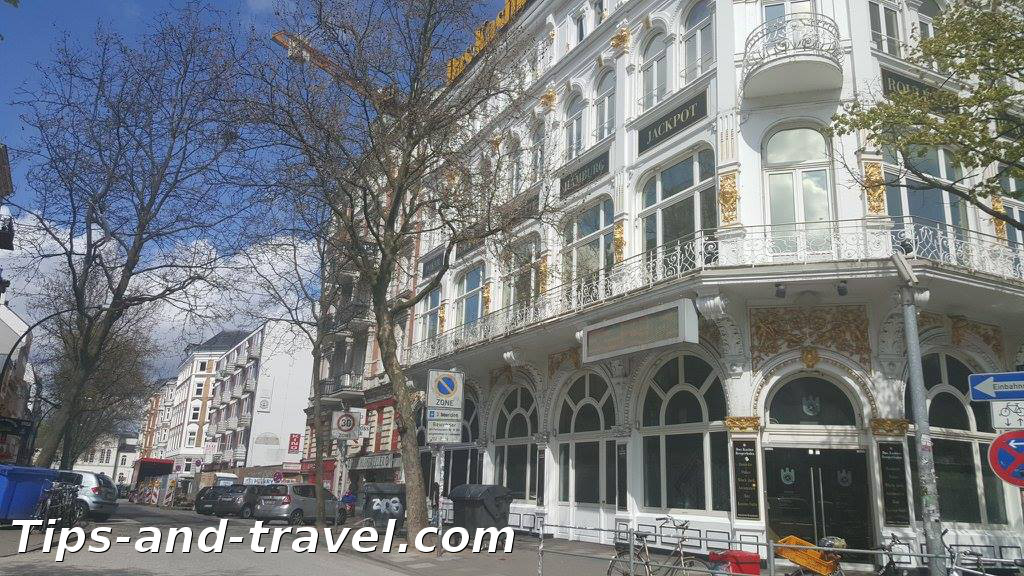
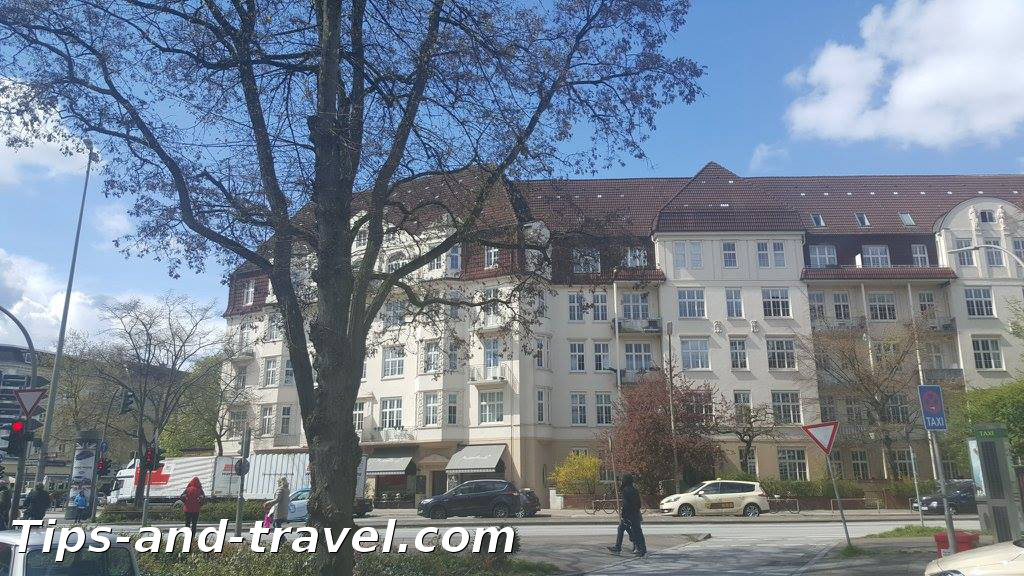
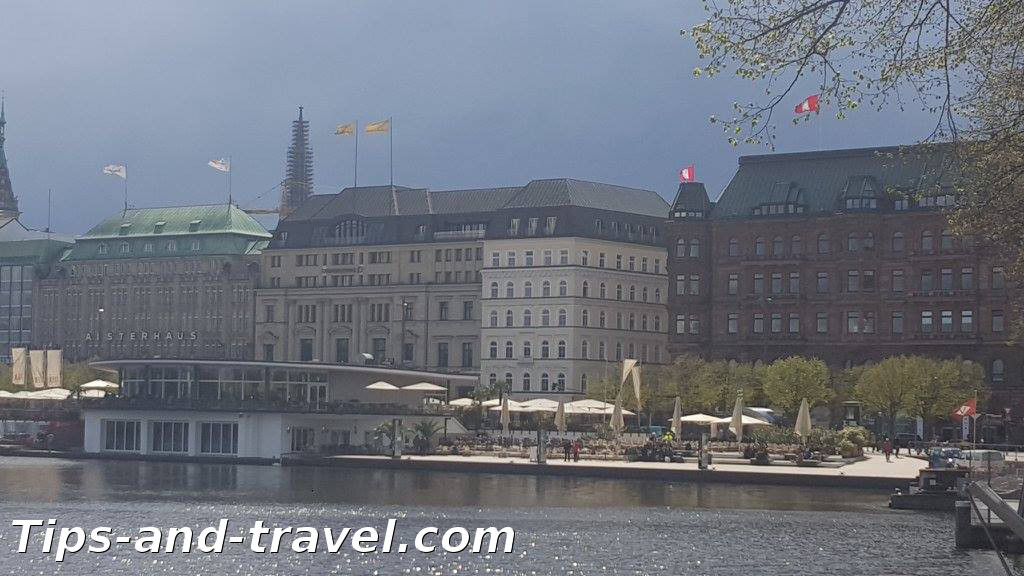
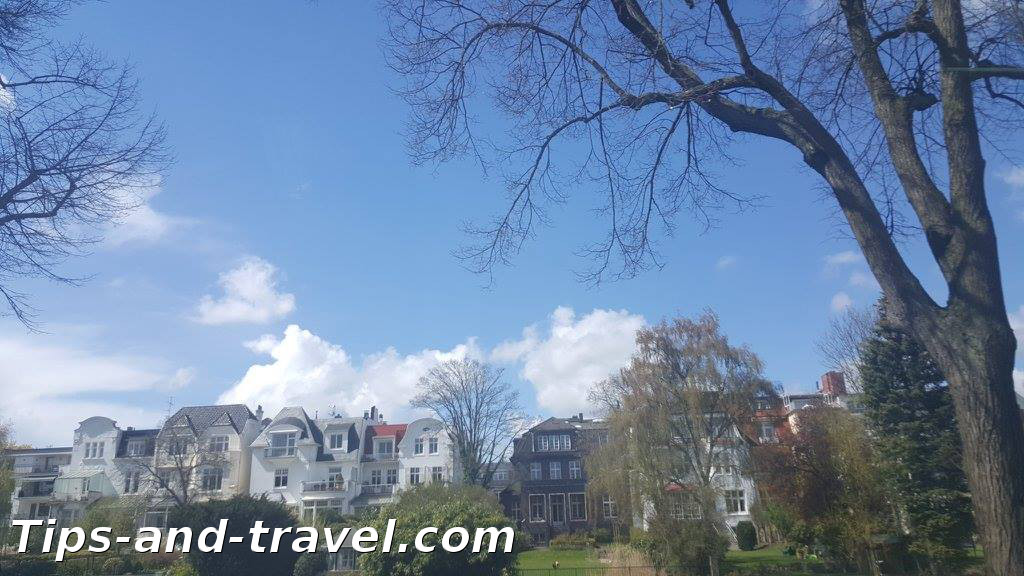
Hamburg is a large port city in northern Germany, connected to the North Sea by the river Elbe (located 110 km from its mouth). It is the second largest city in the country after Berlin and its port, very important, is equipped with more than 70 km of docks. The city is crossed by hundreds of canals and it has large parks. The old town (Alstadt) and the new town (Neustadt) are connected by the Jungfernstieg boulevard. The Alster River forms an artificial lake in the heart of the city with two basins; the Binnenalster with the Town Hall, the luxury hotels, the Jungfernstieg quays, the smartest shops and the banks; and the Aussenalster with its nautical bases and spaces to walk around. It is a very touristy city with a beautiful architecture, several theaters and museums and a district dedicated to the nightlife, Sankt Pauli. The Saint-Michel Baroque church (18th century) is well known thanks to its bell tower (the highest in Germany) with dials with a perimeter exceeding 24 meters; its 132-meter tower has a panoramic platform overlooking the harbor and the city.

Tips

It is a very easy city to travel by public transport; metro, bus, RER and there is a large network of bike paths and a bike rental system.

A great way to get to know the city is in a boat tour; public transport in the city includes shuttles on the river.

If you like walks, visit the Jenischpark with its 42 acres of forest and the Blankenese neighborhood known for its narrow alleys and stairs.

If you’re traveling with kids, go to the zoo or botanical garden.

Portofino, Genoa, Liguria, Italy

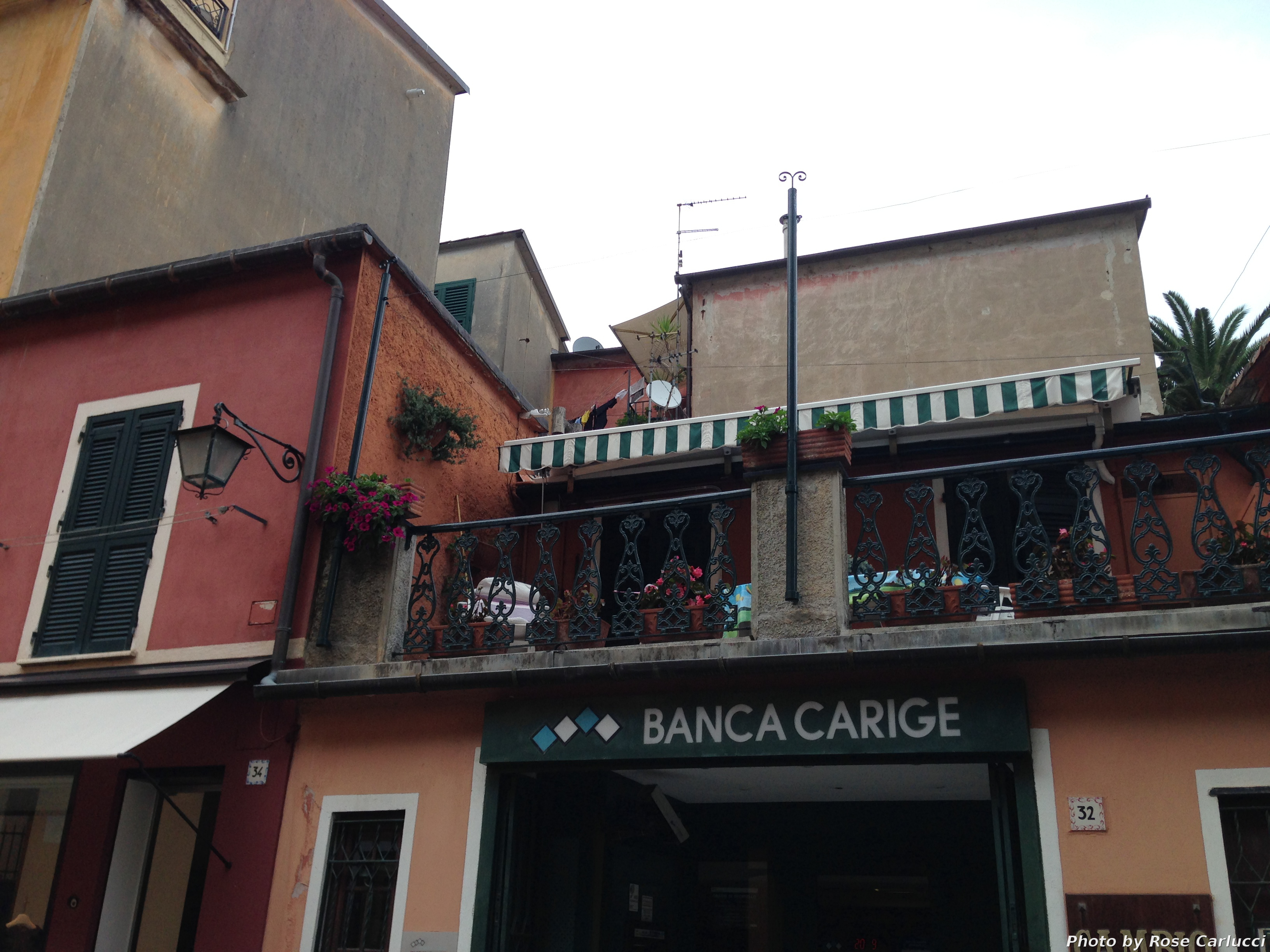
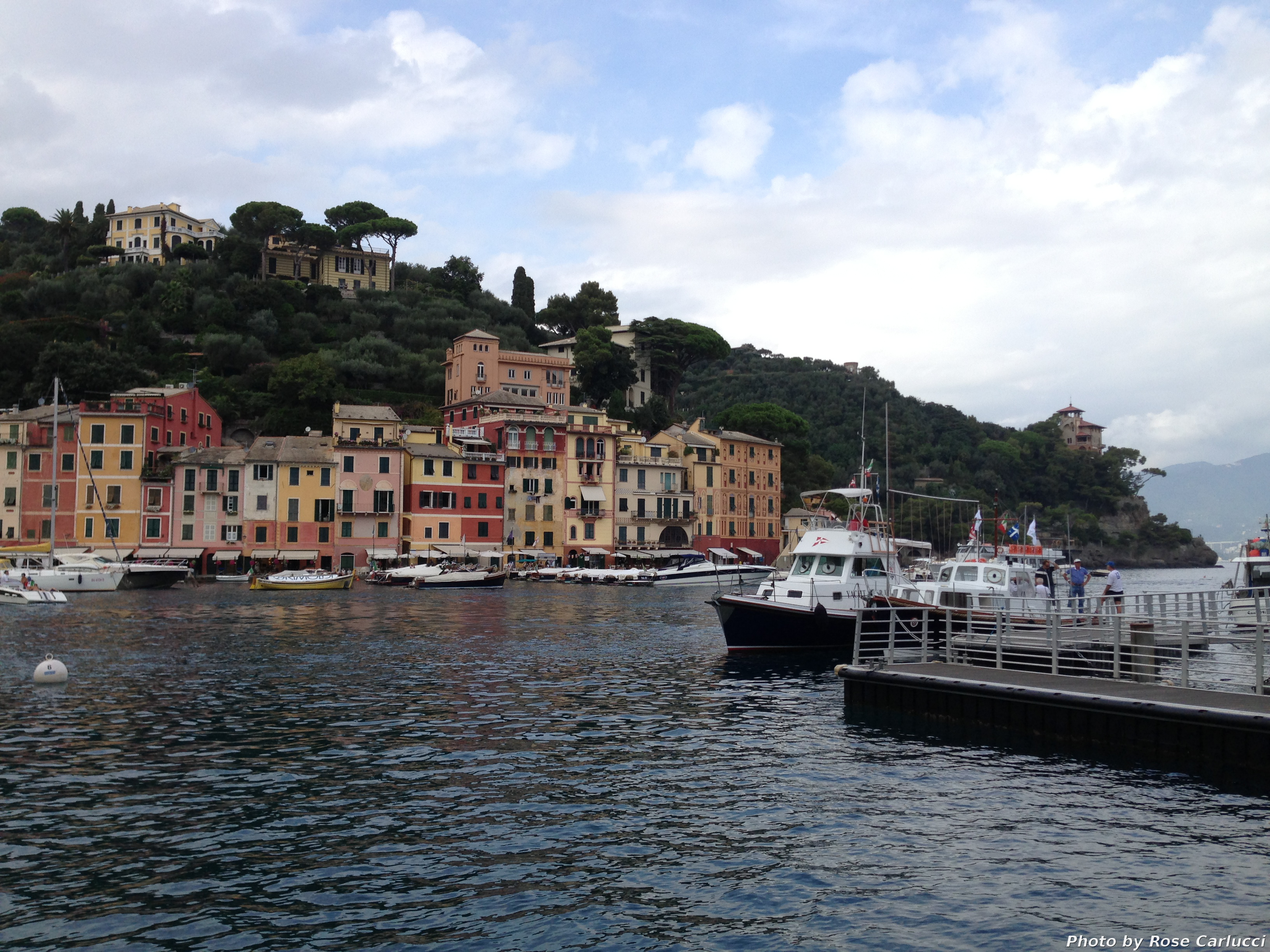
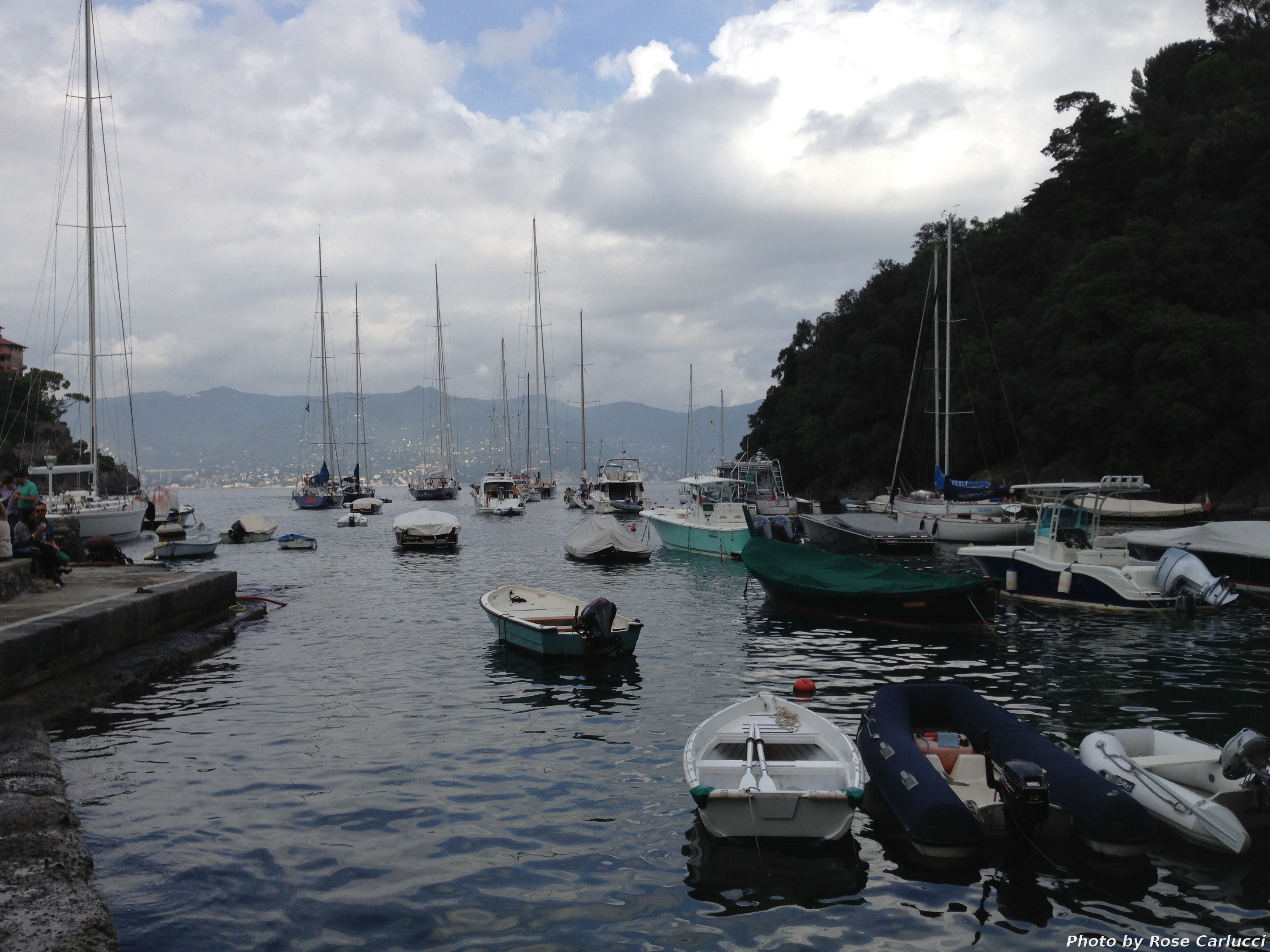
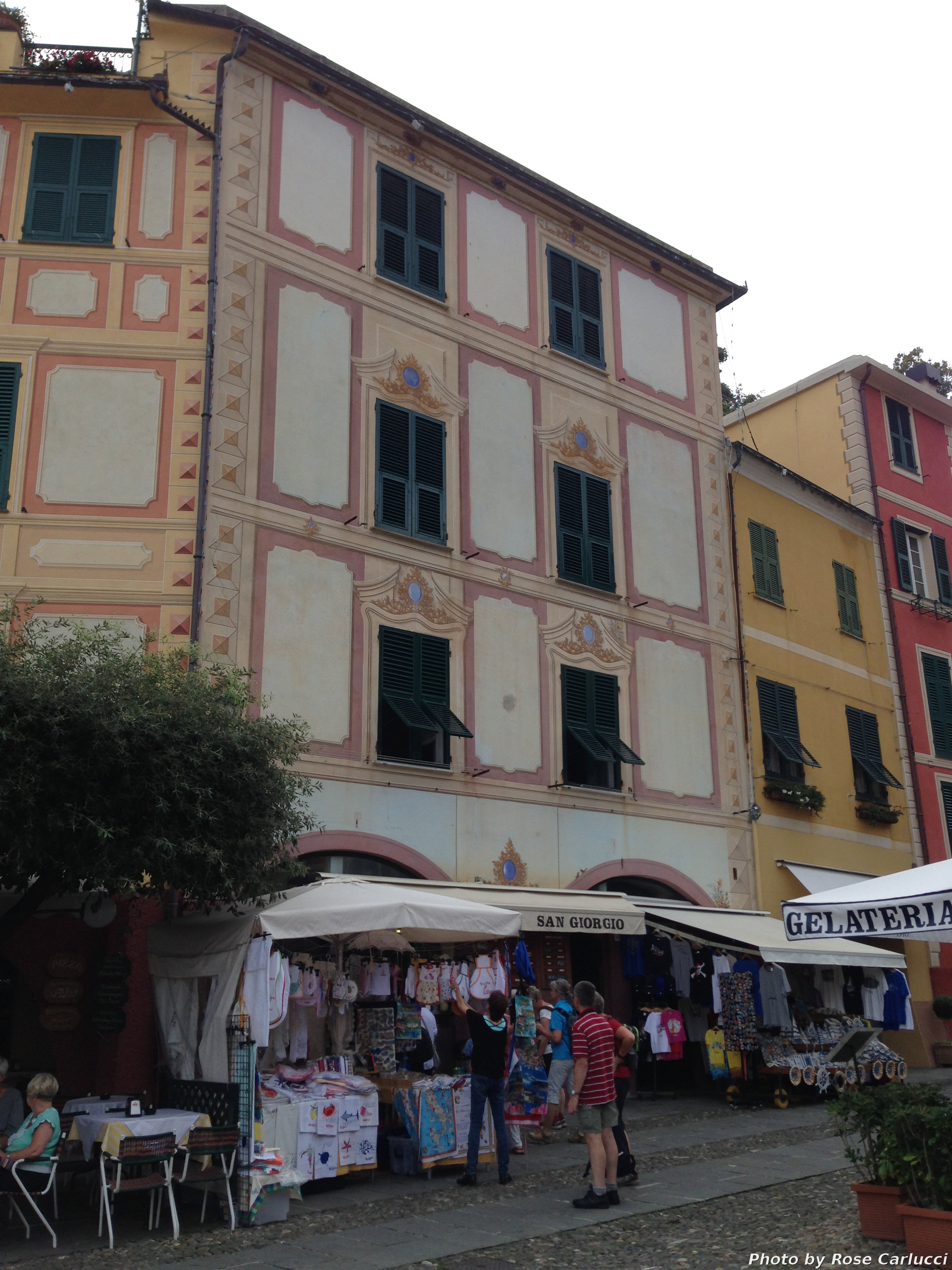
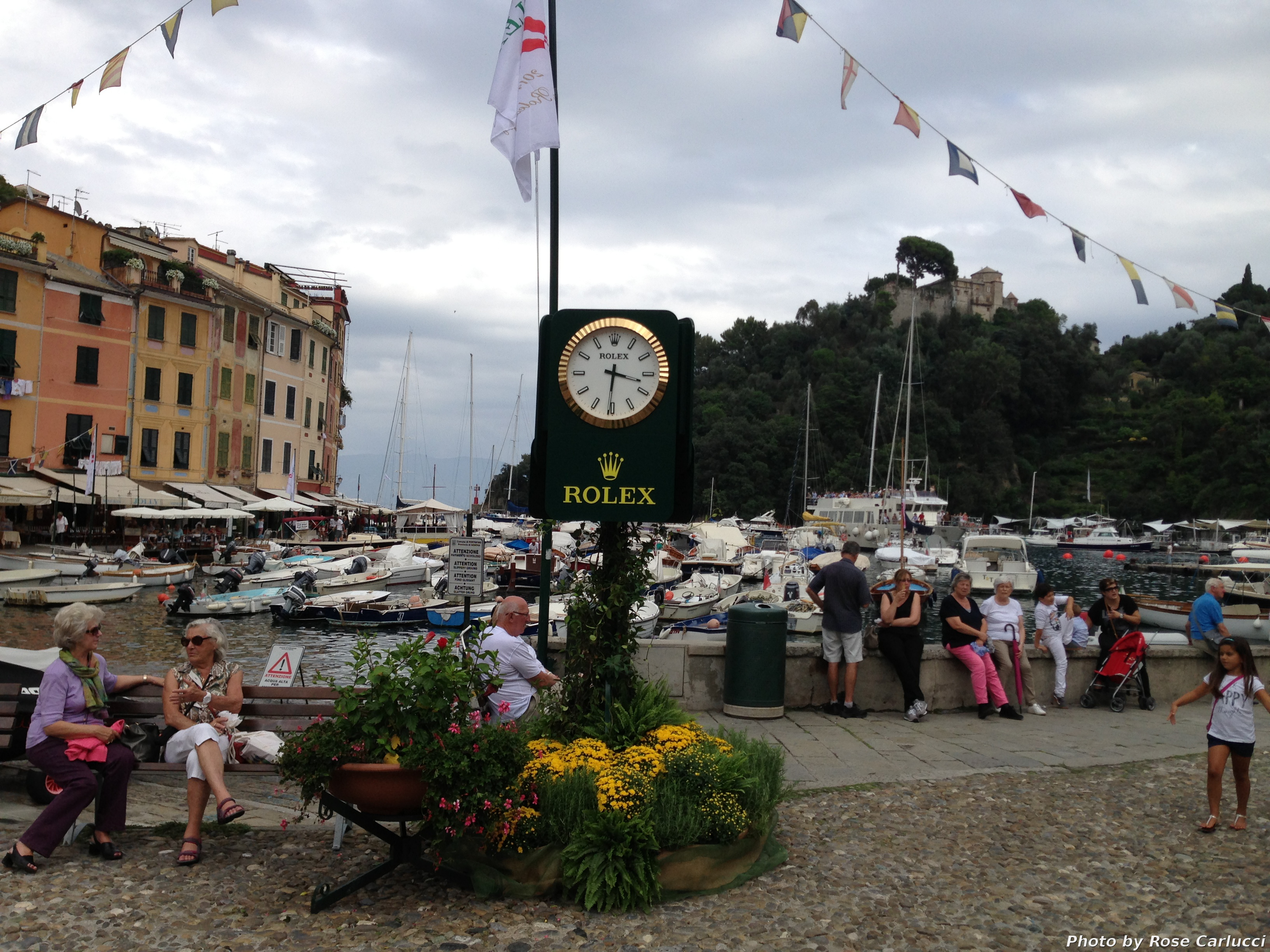
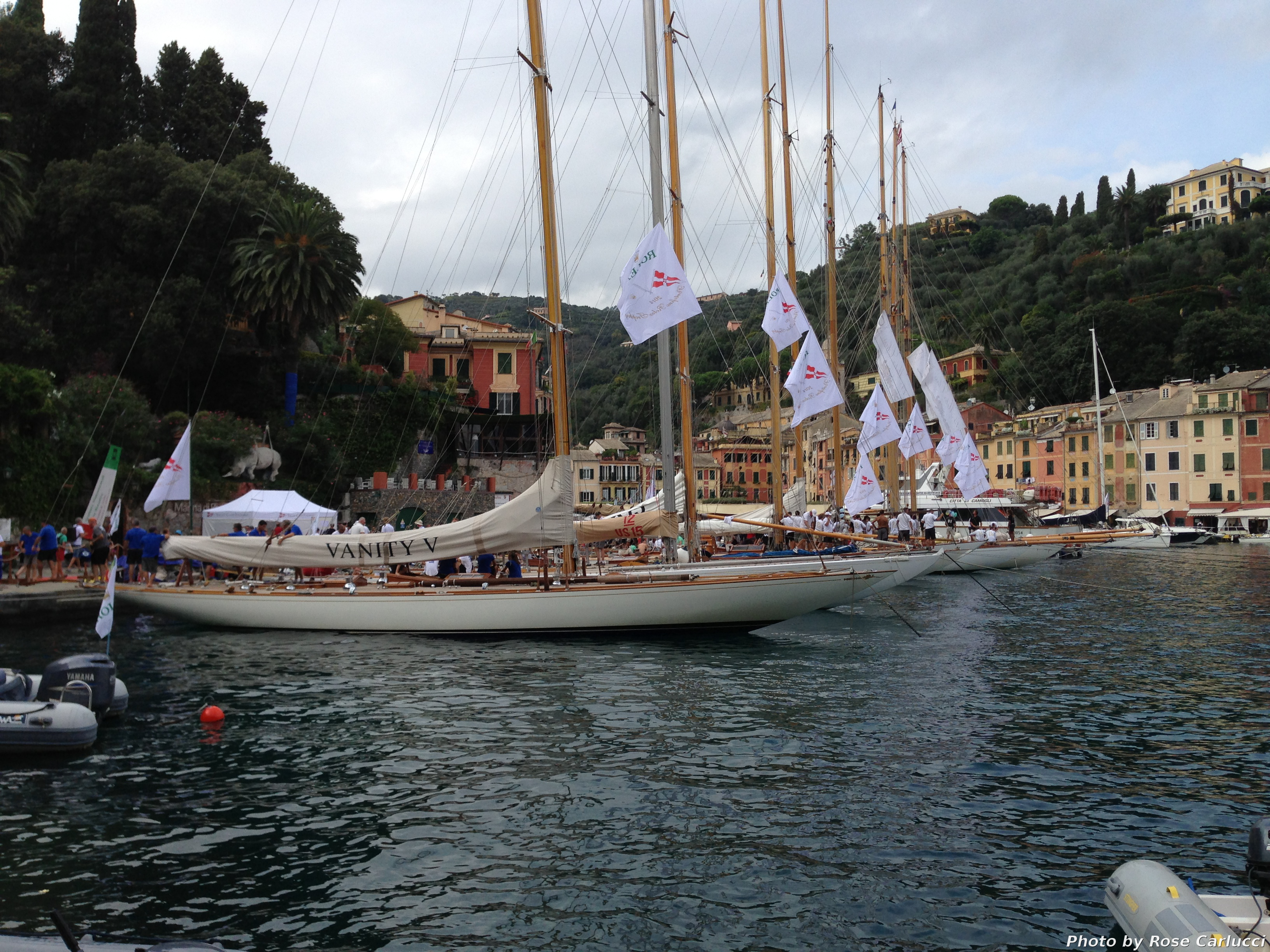
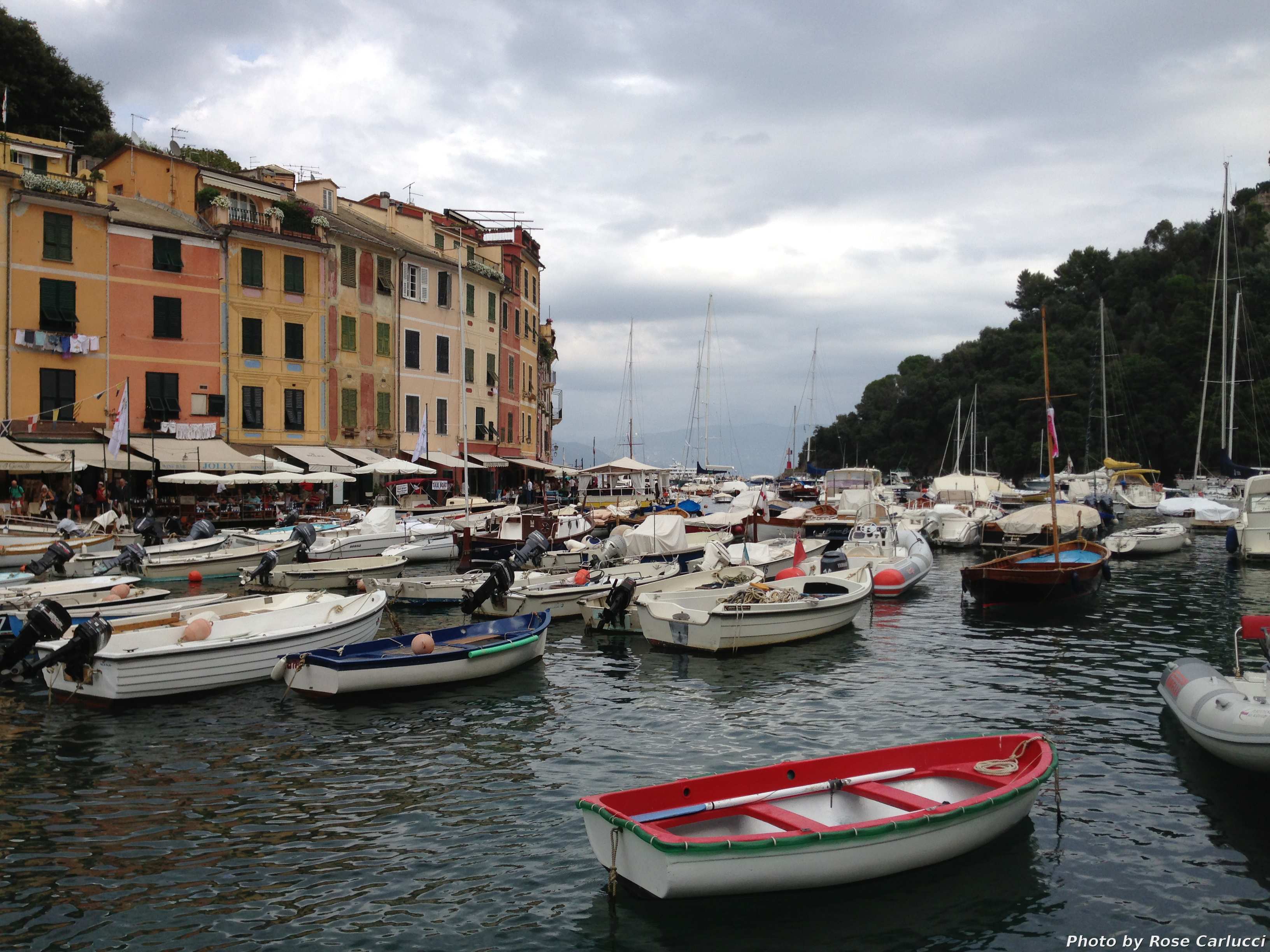
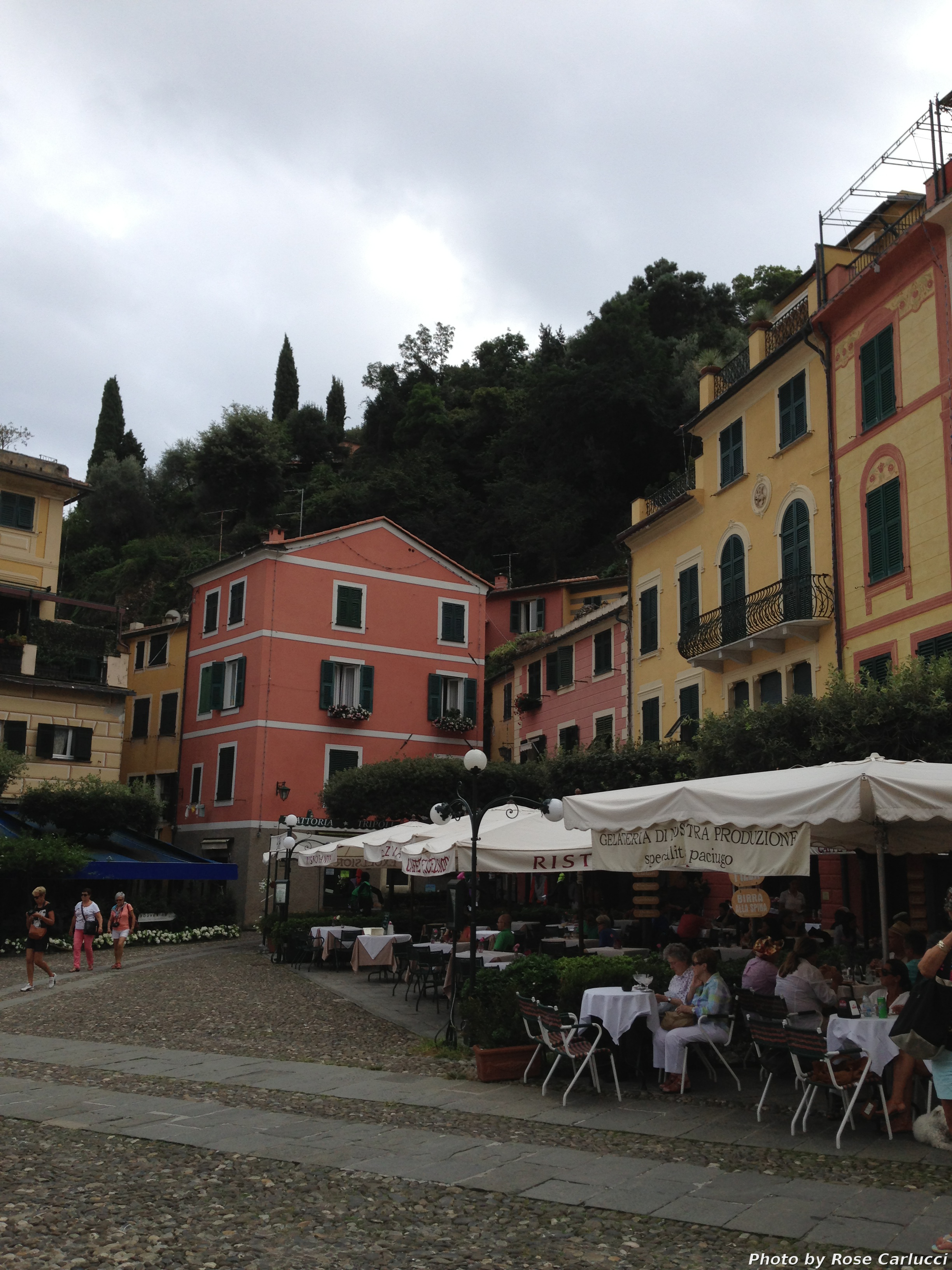
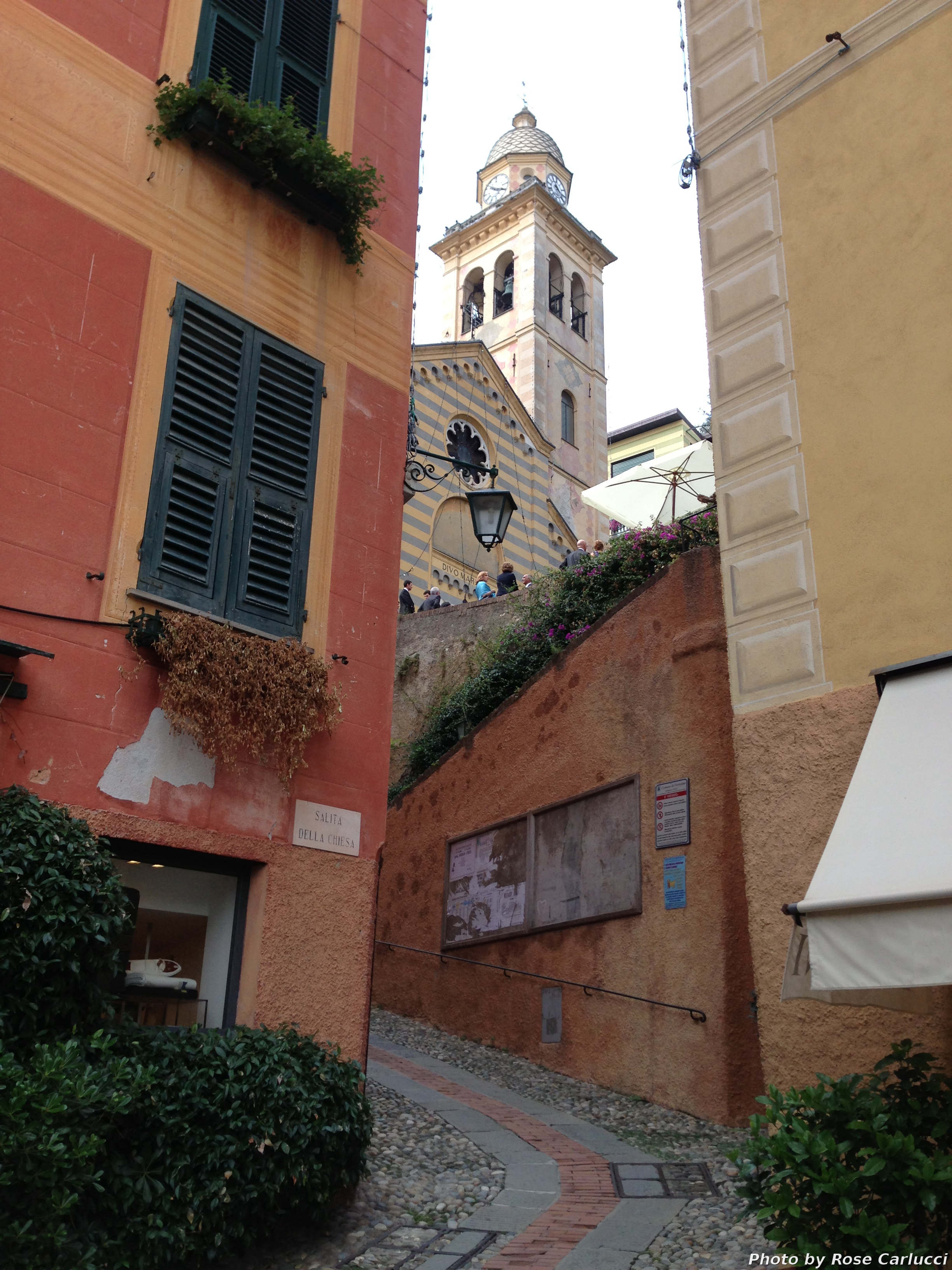
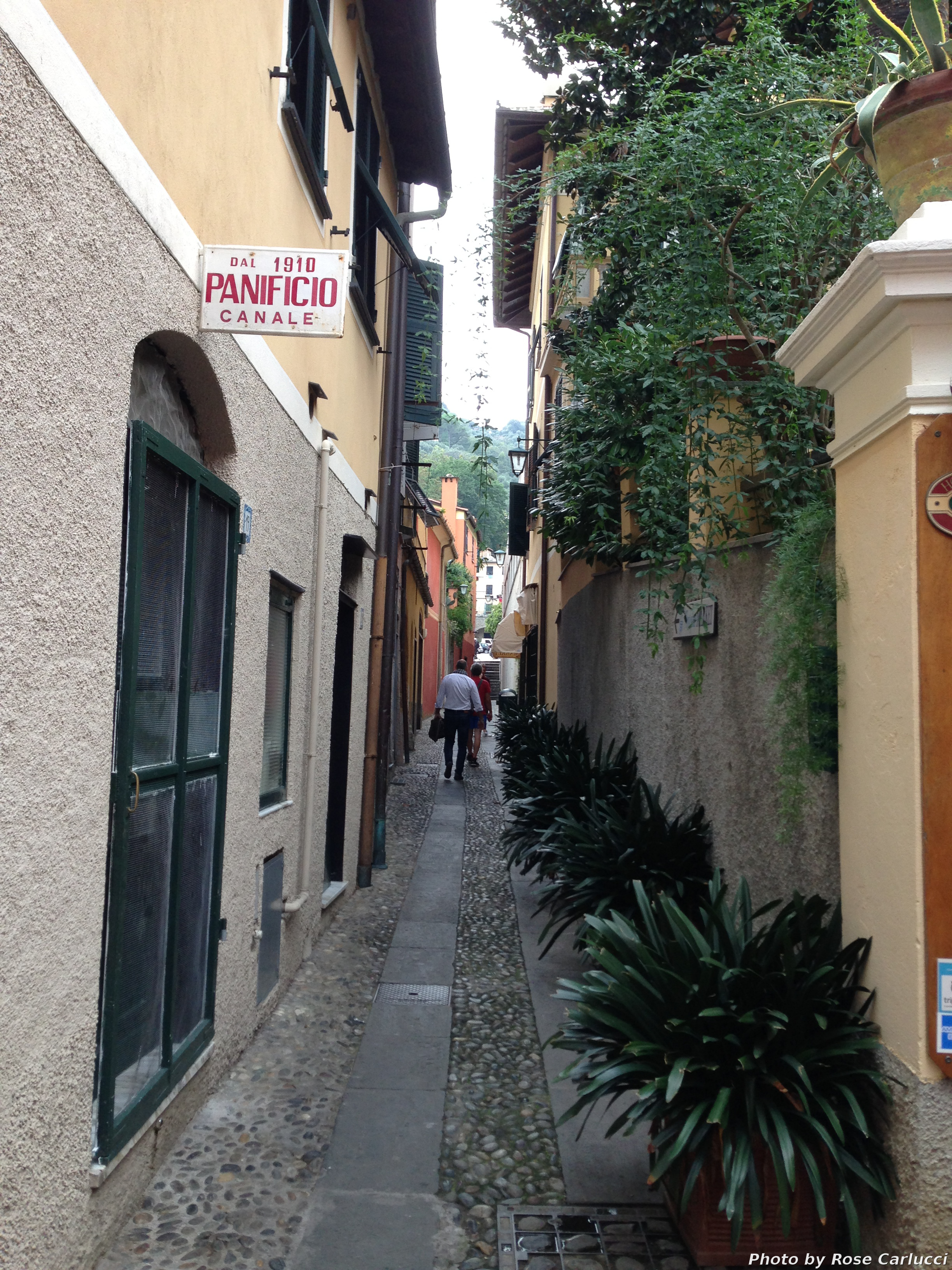
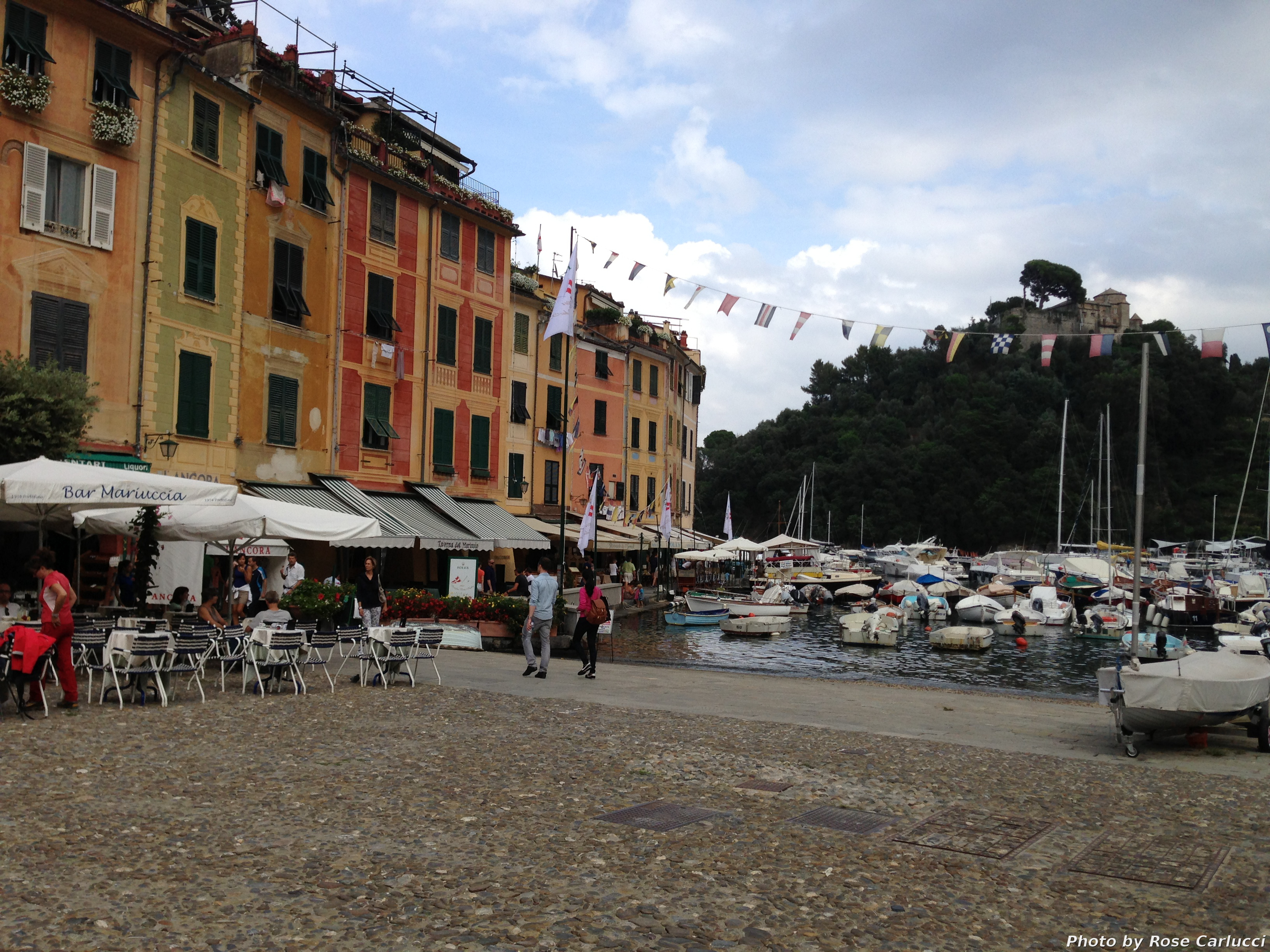
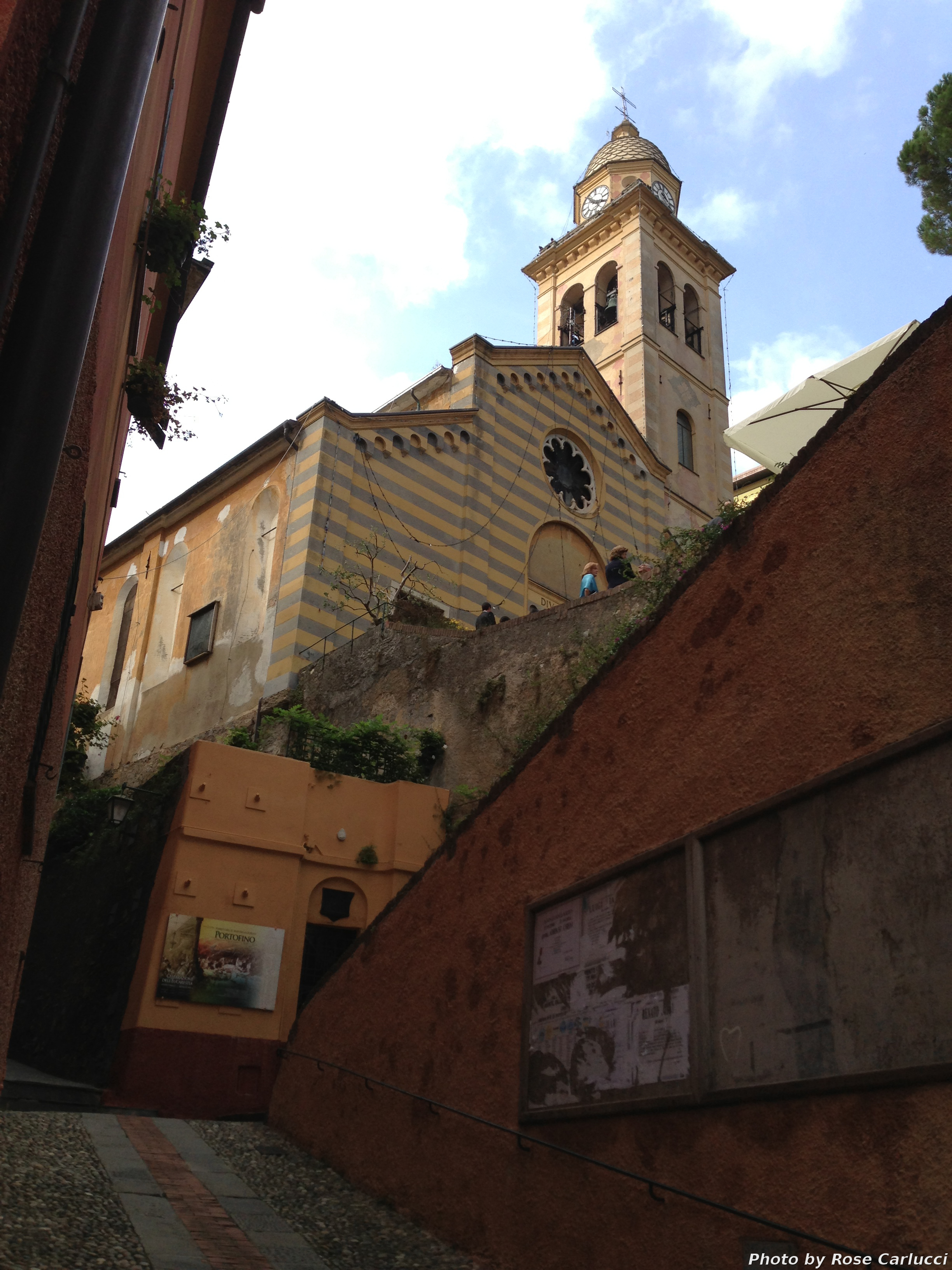
Portofino is a town with about 500 inhabitants in the province of Genoa in Liguria. For its administration, it is the smallest area of the municipality of the province. It is considered one of the most typical and most picturesque villages of the world. It is located in the western part of Tigullio, in a bay at the foot of the promontory of the same name, 36 km from Genoa. The entire municipality is in the Regional Natural Park of Portofino and the natural marine protected area. You can walk its safe paths because they are all appropriately marked. Several films have been shot in Portofino and it is a major tourist attraction and there are frequently cultural events with the participation of personalities from the world of culture and entertainment.

Tips

If you like shopping, you’ll find expensive boutiques, economic souvenir shops and even small artisan shops.
If you prefer walking, Via Roma is the busiest street; you can take it at the port and continue upward.
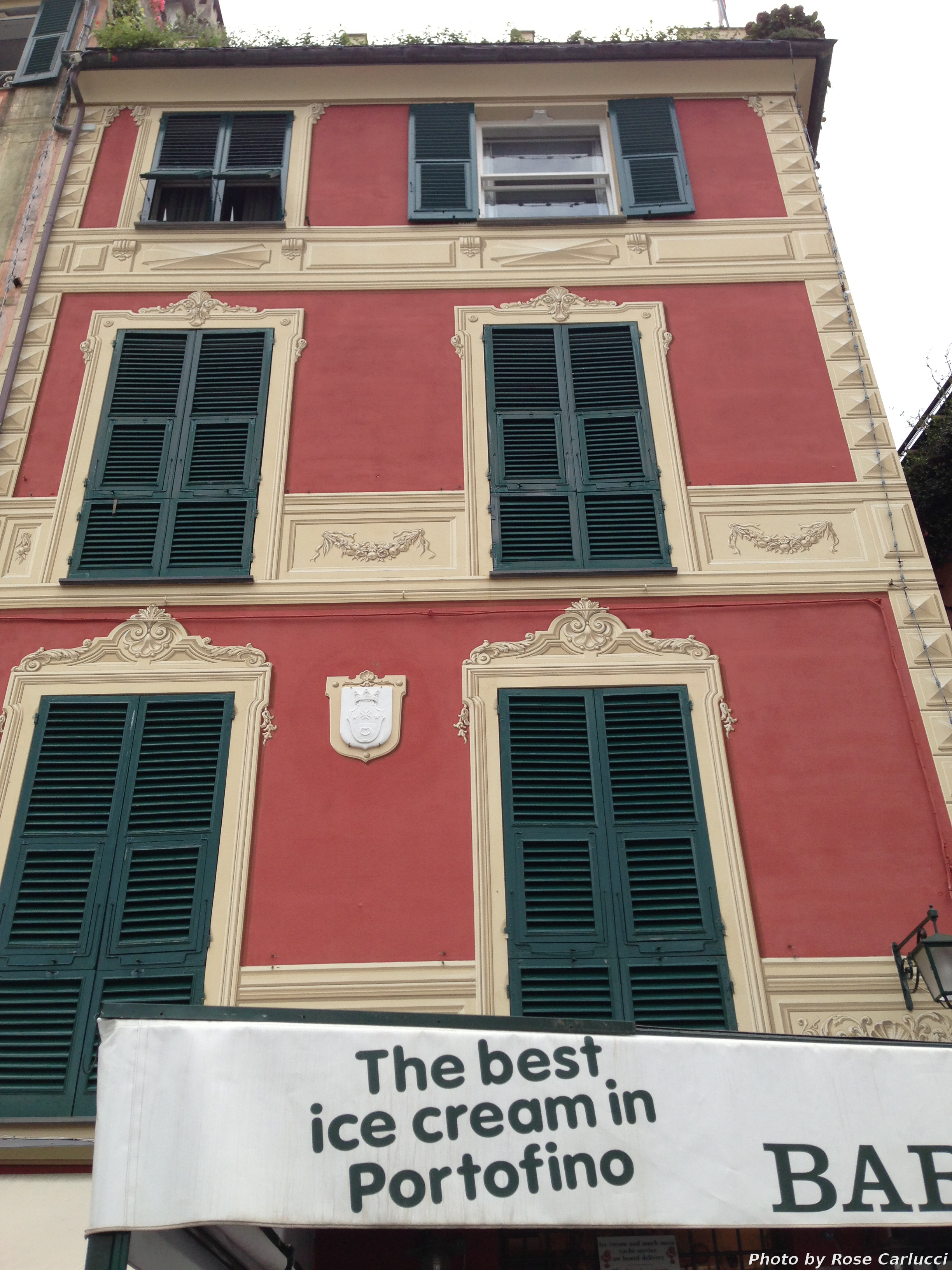
If you want to relax, there is nothing better than walking in the Piazzetta harbor and take a good ice cream or just a coffee or something to eat at an outdoor table watching the activity of the port.
Another great way to reach Portofino is by sea aboard a boat with these tourist trips organized by several neighboring localities.
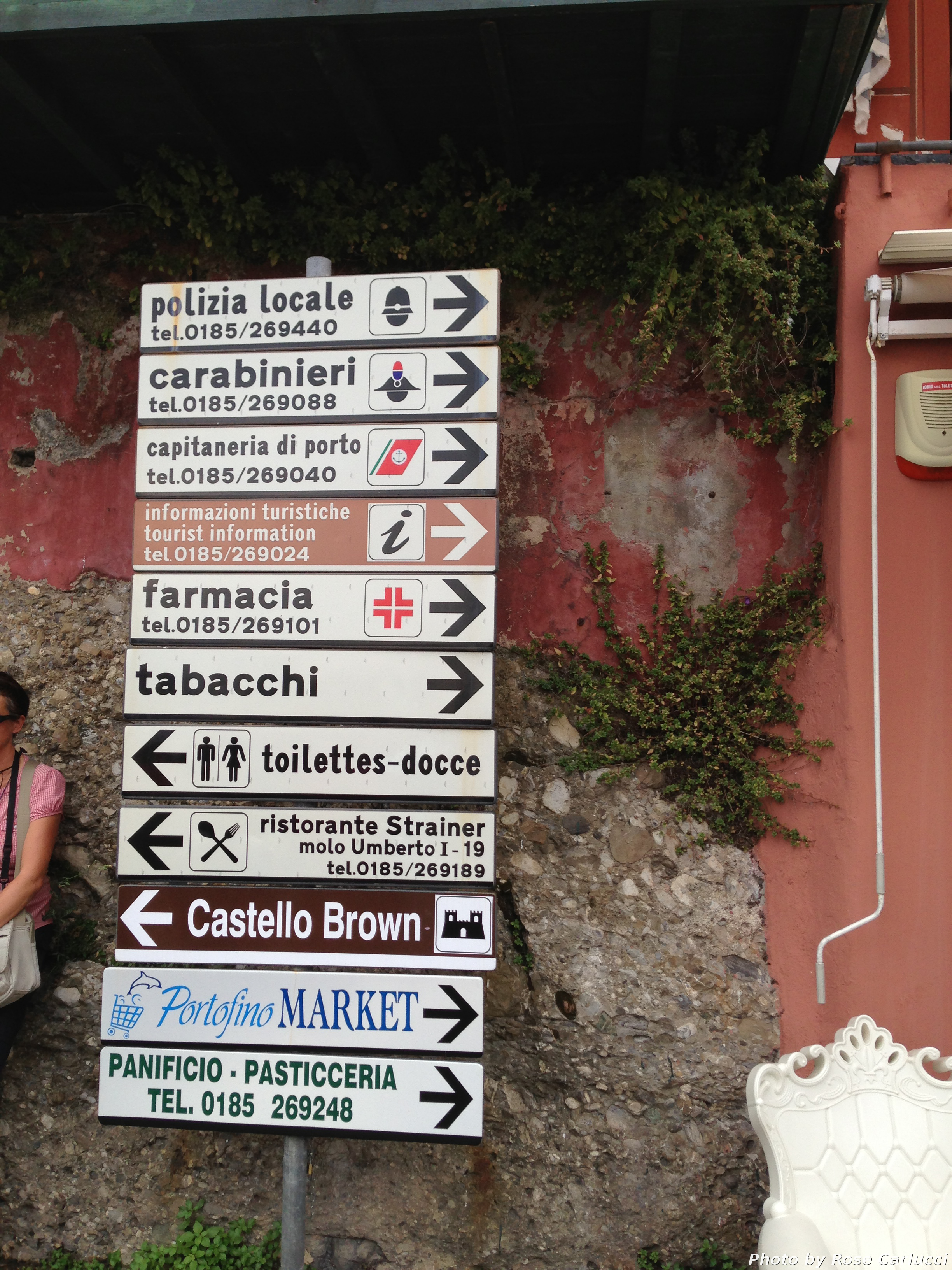
For the best views of the village, visit the Brown Castle also known as the Fortress of San Giorgio; the church of San Giorgio and Punta Portofino with its romantic lighthouse.

Teotihuacán, Valley of Mexico, Mexico

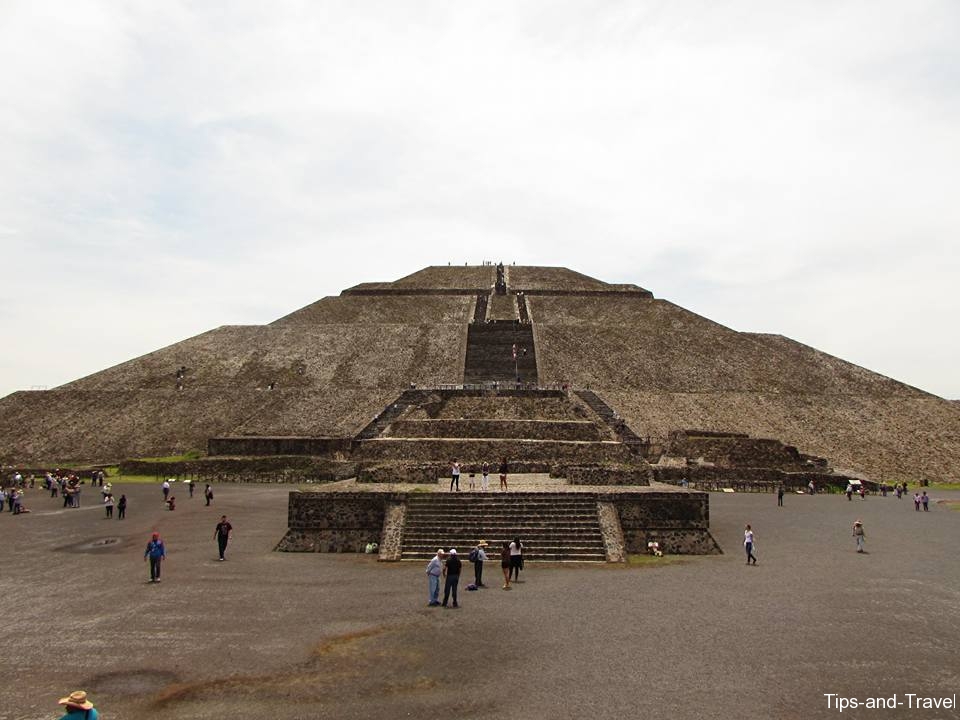
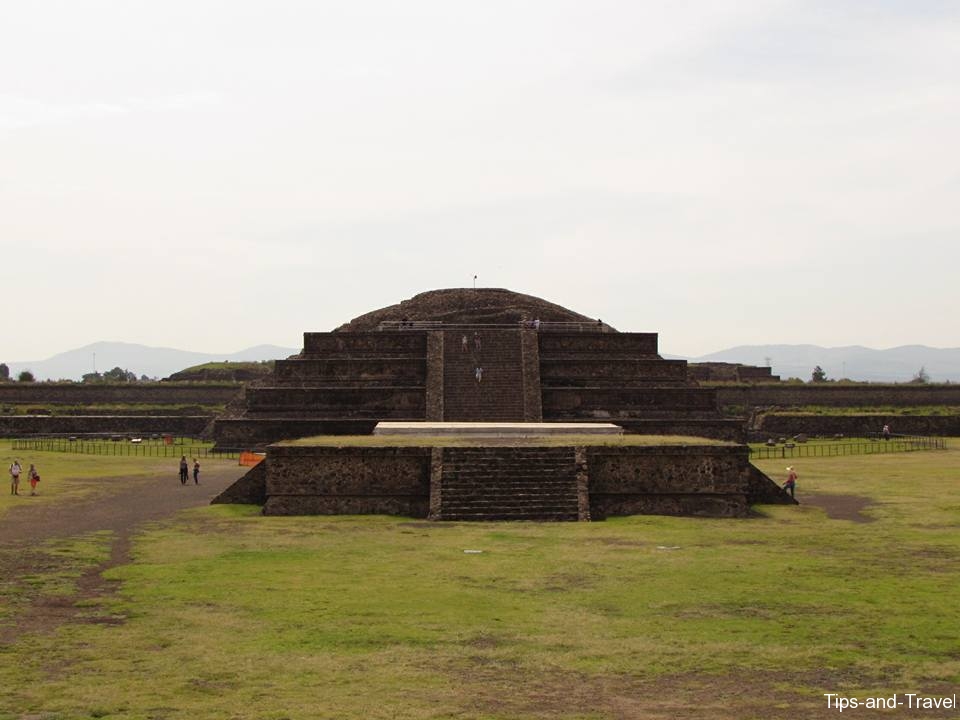
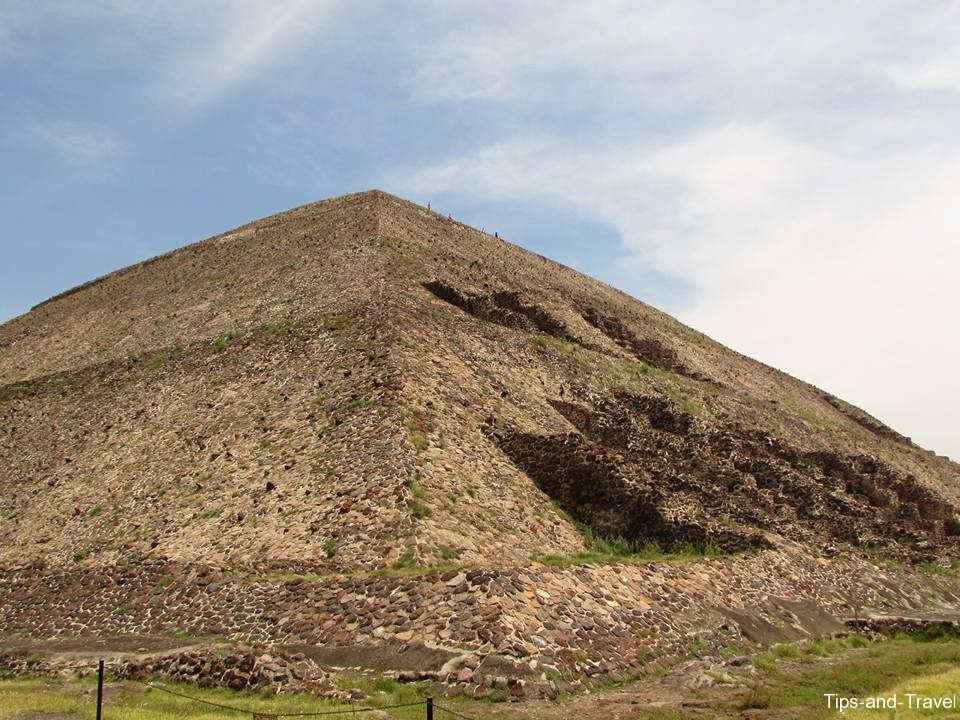
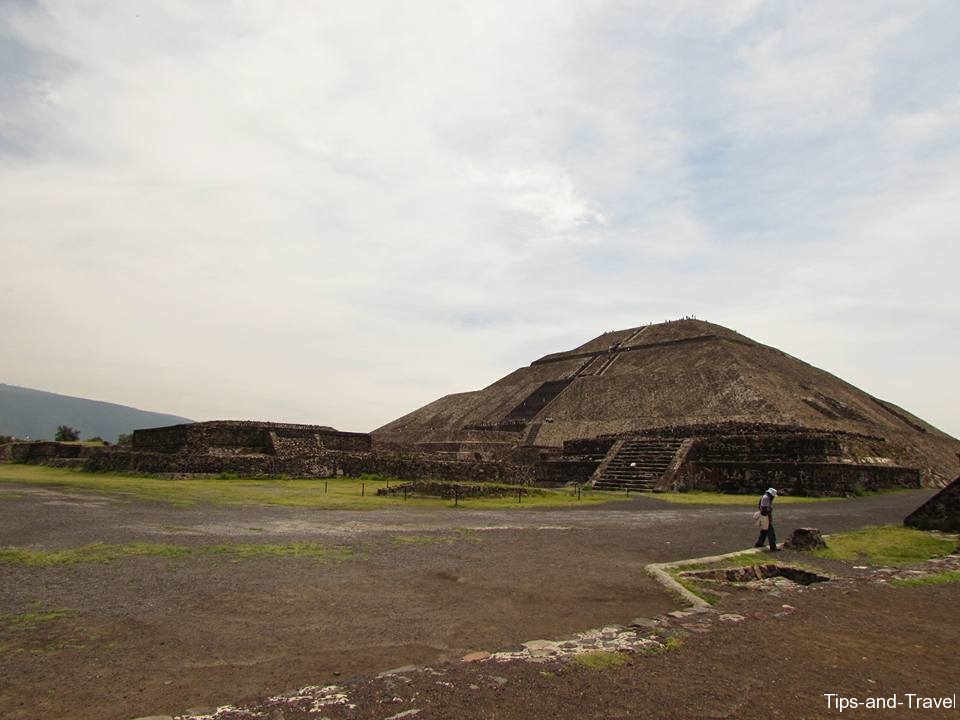
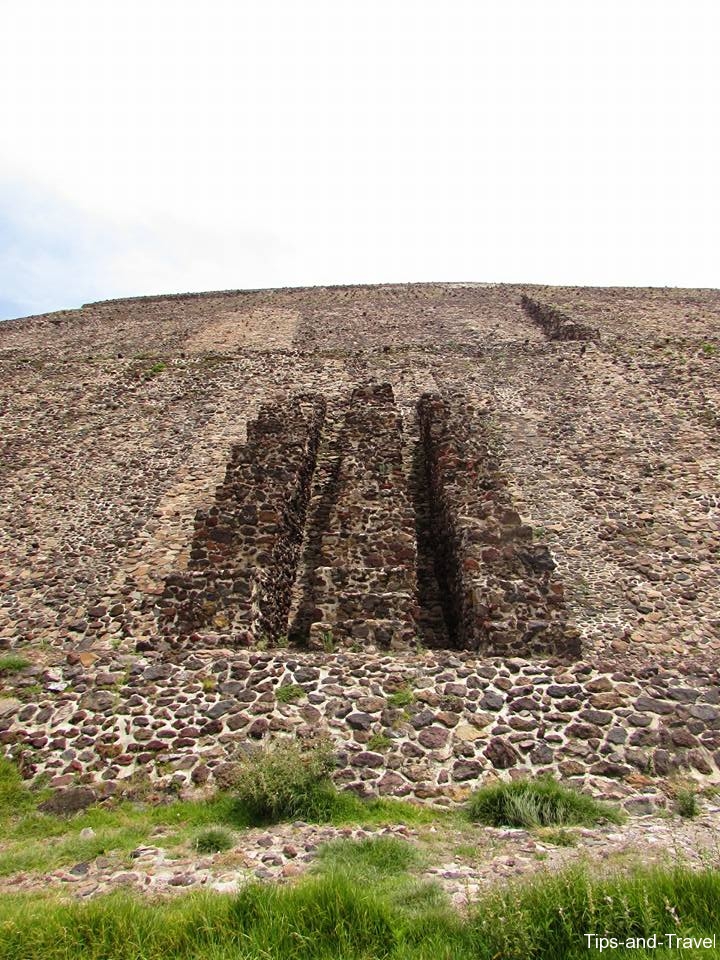
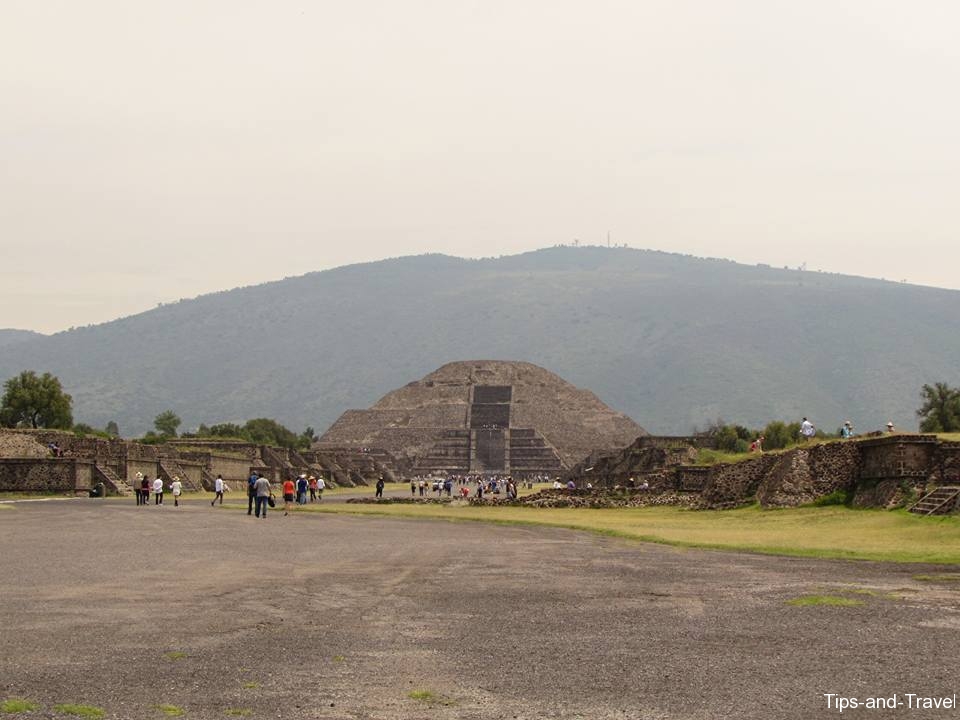
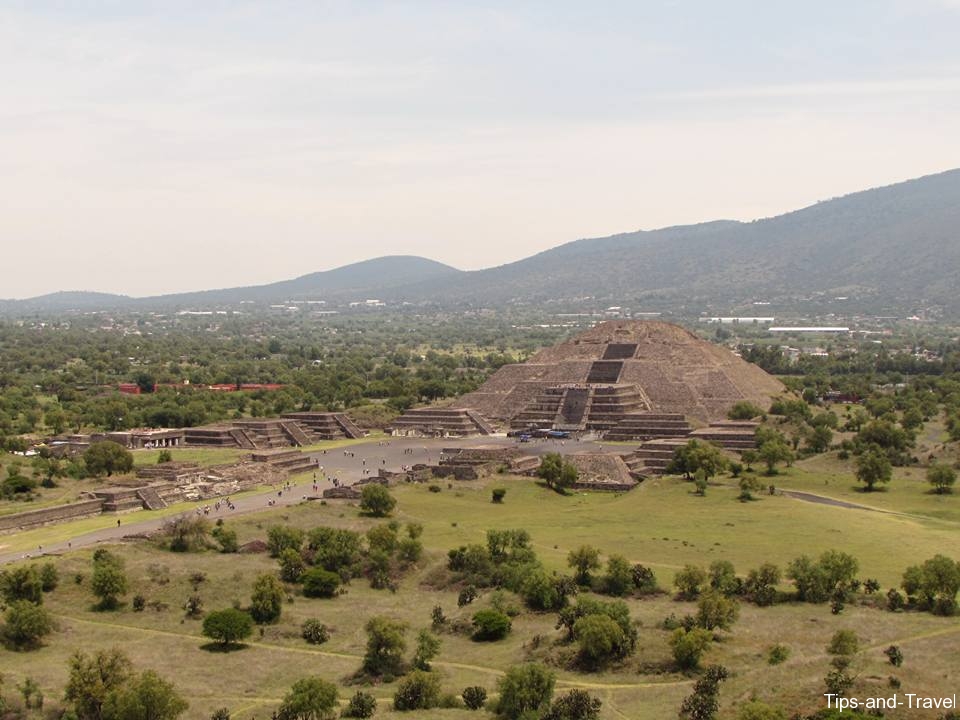
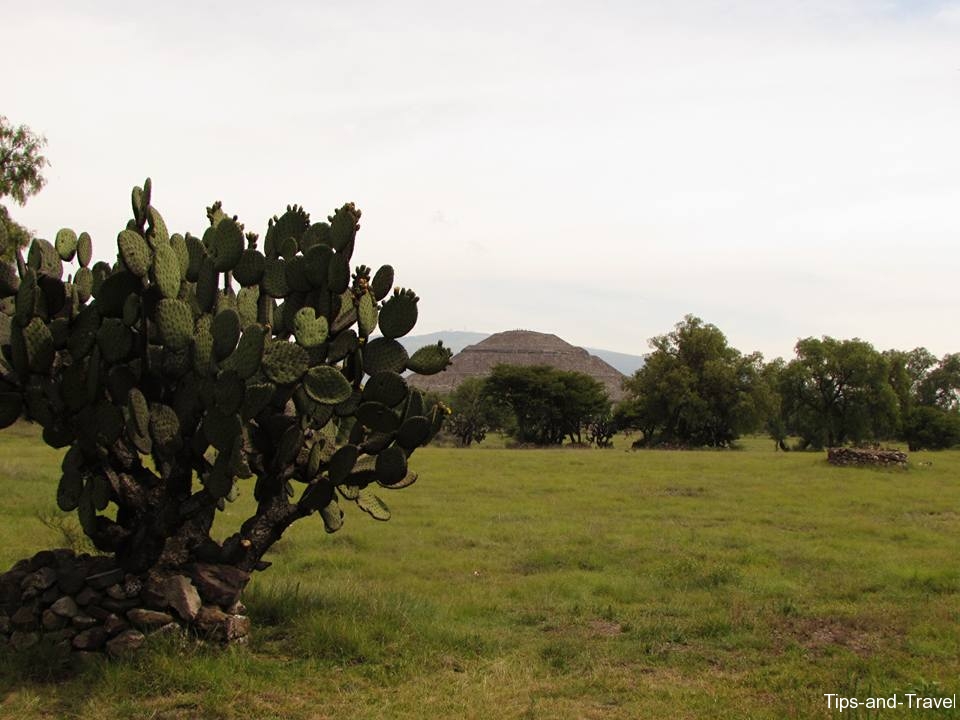
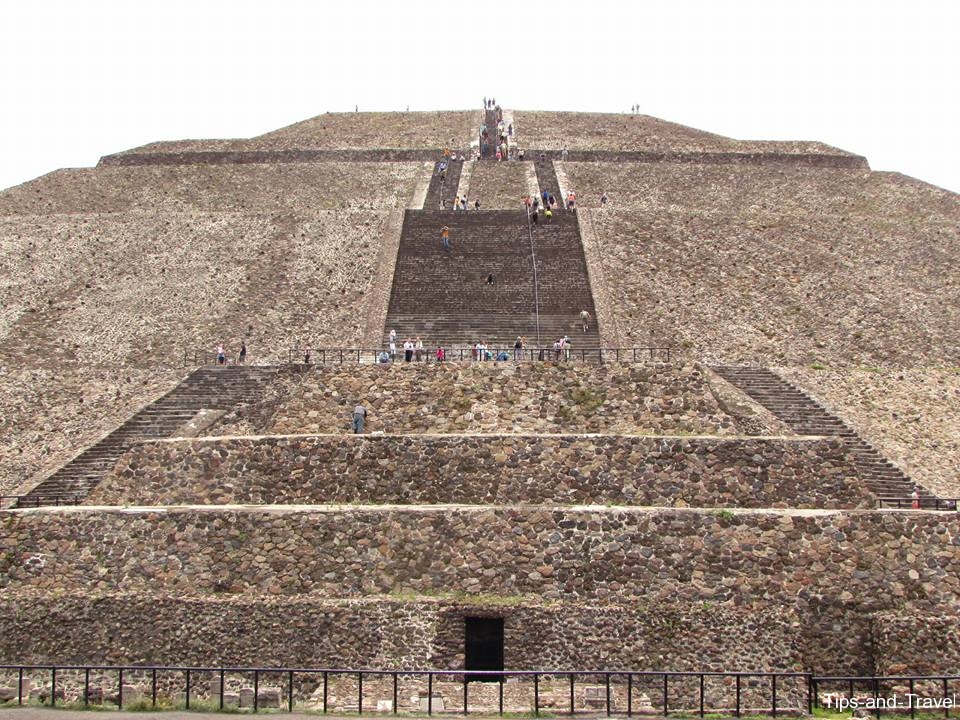
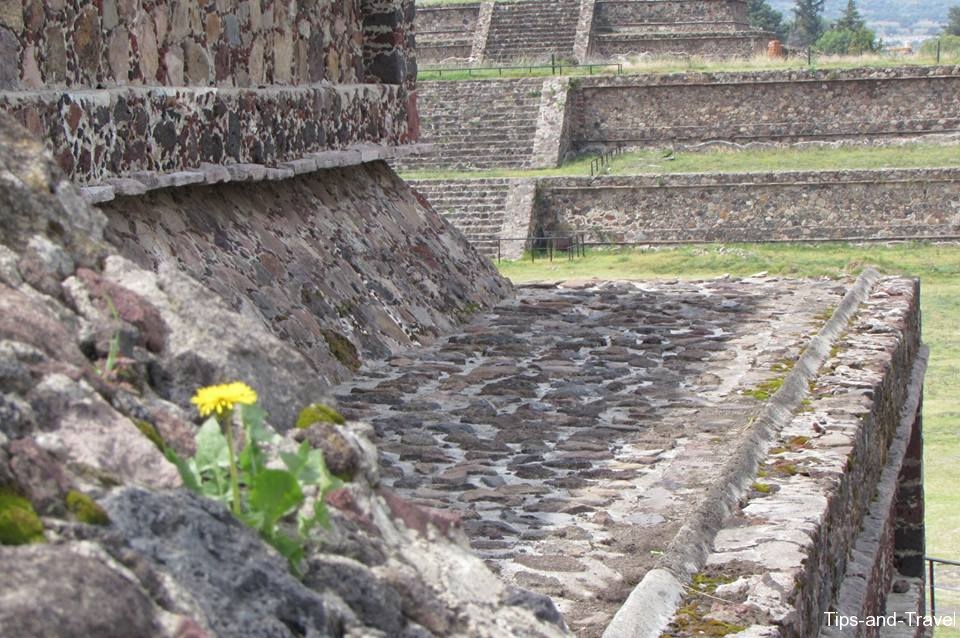
Teotihuacán is an important archaeological site of the Valley of Mexico, containing some of the largest Mesoamerican pyramids ever built in pre-Columbian America. The site also contains large residential complexes, the Avenue of the Dead, and numerous wall paintings where the colors have been well preserved. Its origin is around 200 BC. JC and researchers believe that the Pyramid of the Sun (the largest) was completed around the year 100 AC. JC. and they calculate that the city was inhabited until the VI or VII century. The city is located at the current location of the municipalities of San Juan Teotihuacan and San Martin de las Pirámides in the State of Mexico, Mexico (about 40 km from Mexico City). It contains the Avenue of the dead (the main central avenue), the pyramid of the Sun, the Pyramid of the Moon, the Temple of Quetzalcoatl (Feathered Serpent) and many palaces and lesser temples but there is no fortification or military structure in the city. Currently archaeologists continue excavation to determine more history of the city. In 2003, they discovered a tunnel, about 1,800 years 100 meters long under the Feathered Serpent Temple leading to a series of tunnels and chambers that are carved into the rock.

Tips

When you visit the site, try to visit the museum where you’ll find objects of everyday life, statues, tools, etc. that will help you to discover a little more about the history of the city.
Visit also the shops around the site where you will find crafts with different items representing this lost civilization. You will have the opportunity to taste the famous liquor cactus in different flavors, a traditional drink, always appreciated in the country.