The Dachau camp, Germany

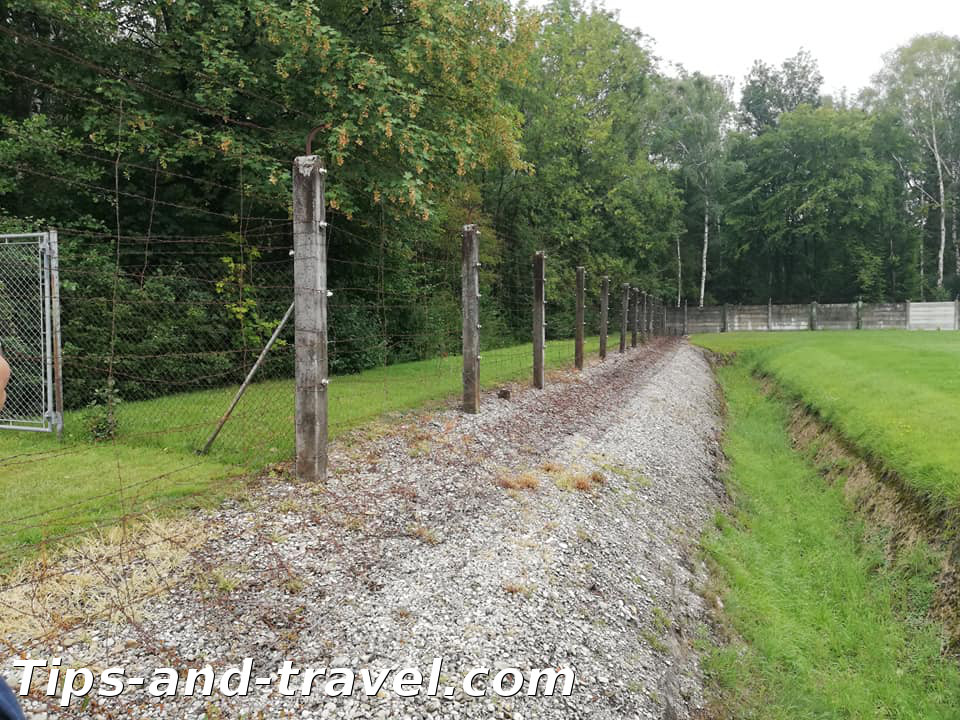
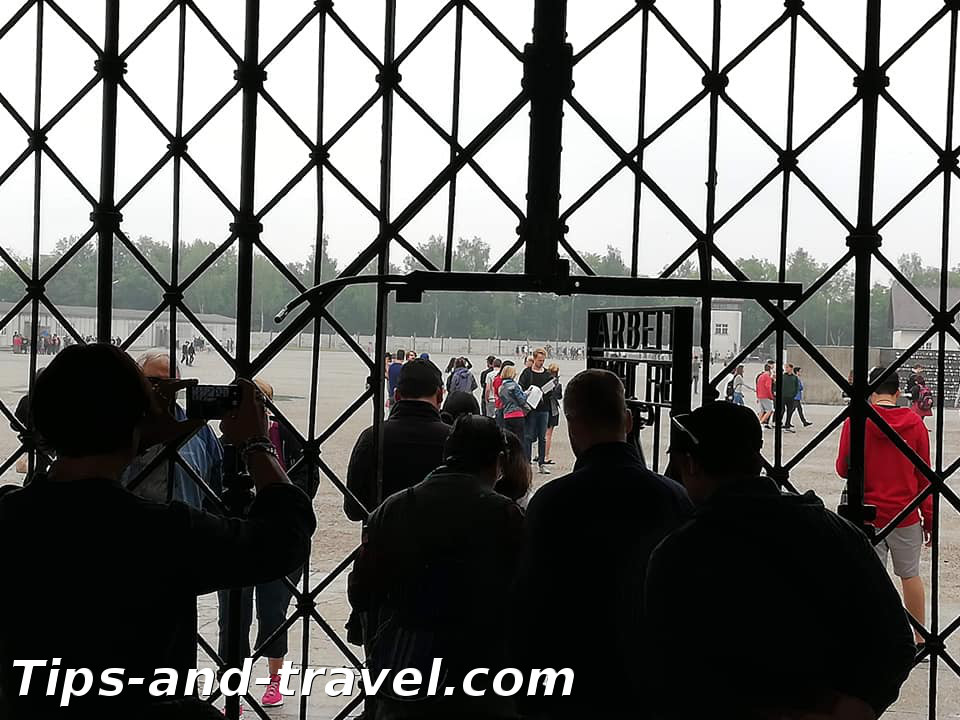
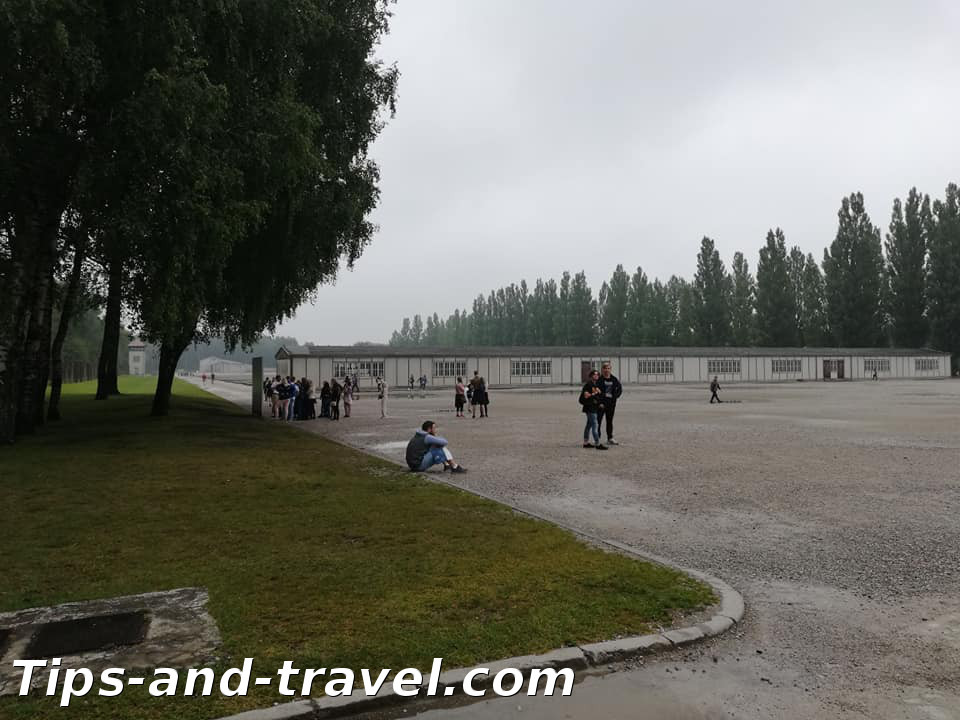
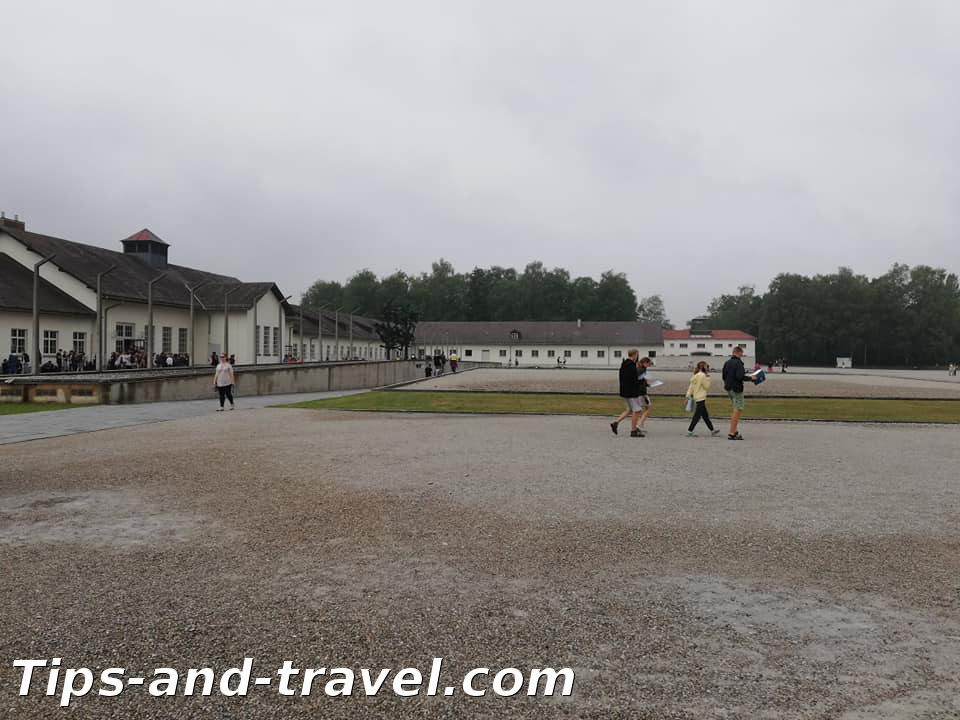
The Dachau camp was the first concentration camp set up by the Nazi regime. It was located on the site of a former munitions factory 17 km northwest of Munich. On March 20th, 1933, Heinrich Himmler announced his opening and the next day, prisoners were brought there. First it was the place where they sent the political opponents and after for the Jews of Bavaria and Soviet prisoners of war. Theodor Eicke was his chief inspector. There were 34 barracks. The living conditions of the prisoners were extremely harsh. When the prisoners were sick; they were transferred to Hartheim Castle and thousands were murdered by gas. The authorization to erect a chapel was due to the arrival of many prisoners who were members of the clergy; mostly German and Polish priests (1940). These inmates were separated from each other and treated differently. In 1944, a women’s camp was opened. On April 29th, 1945 the Americans liberate the camp. René Lévesque (former Premier of Quebec), was the war correspondent who accompanied the first American patrol who discovered the camp. Several famous prisoners have been in this camp like the royal family of Bavaria, the dukes of Hohenberg, the journalist Fritz Gerlich among others.

Tips

It is not necessary to make a reservation to visit the memorial and the entry is free but if you go by car, parking is not free.

It is open every day from 9am to 5pm except on December 24th.

You can also arrive by public transport and take a bus from the local train station.
Lenga Creek, Hualpén, Concepción, Chile

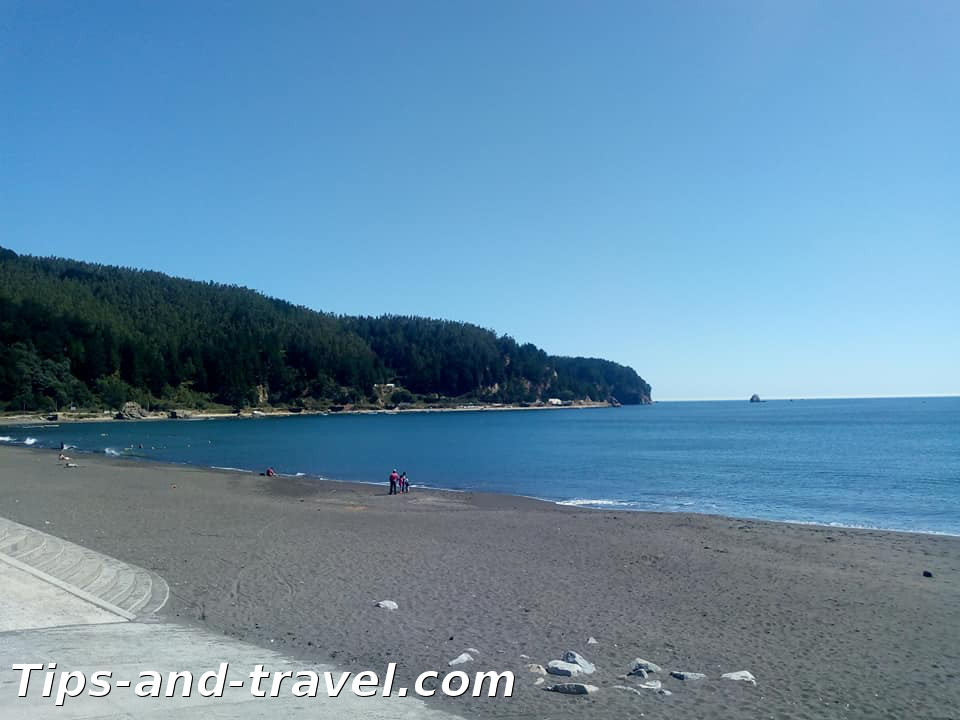
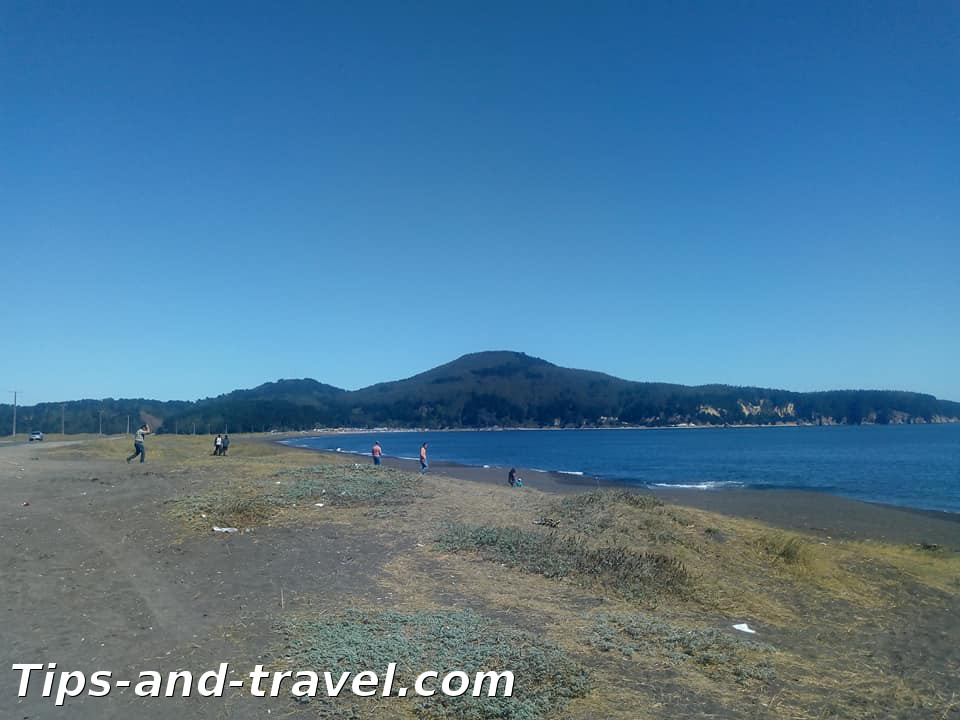
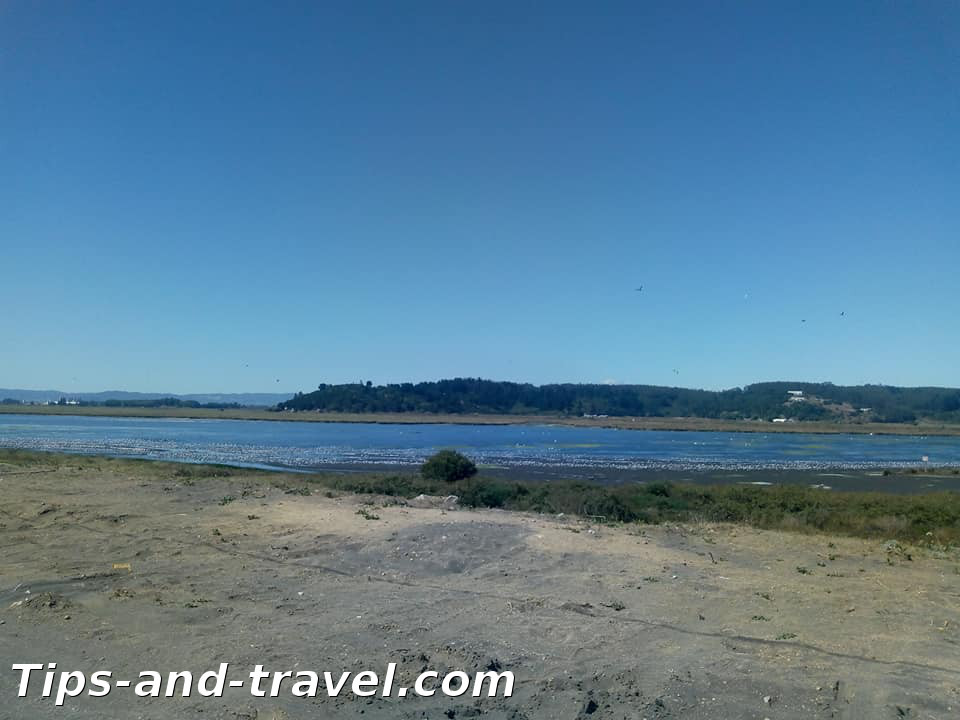
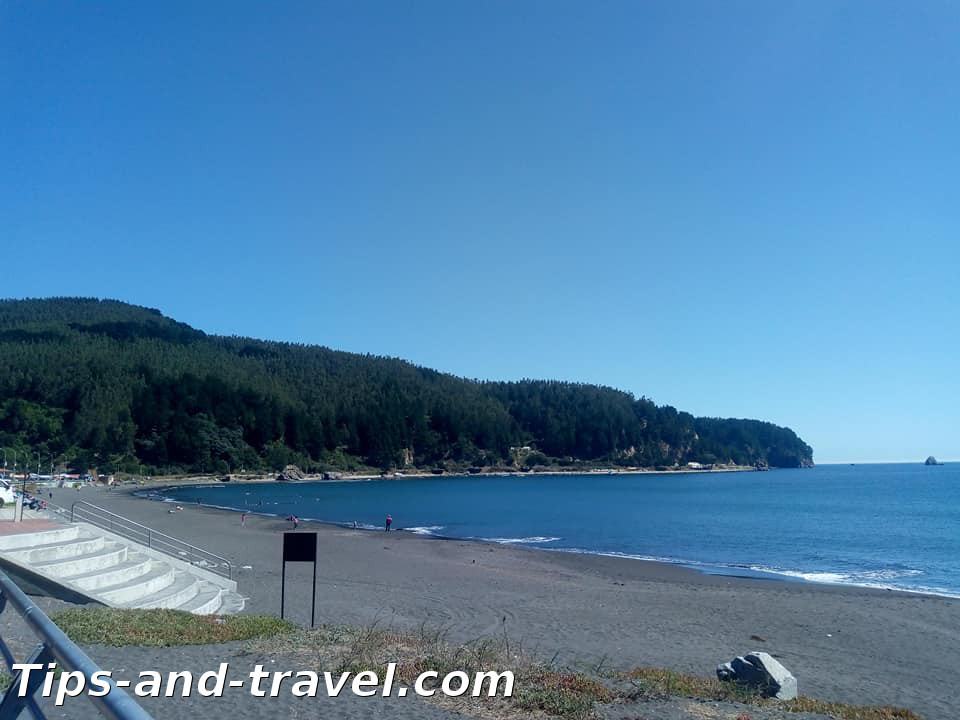
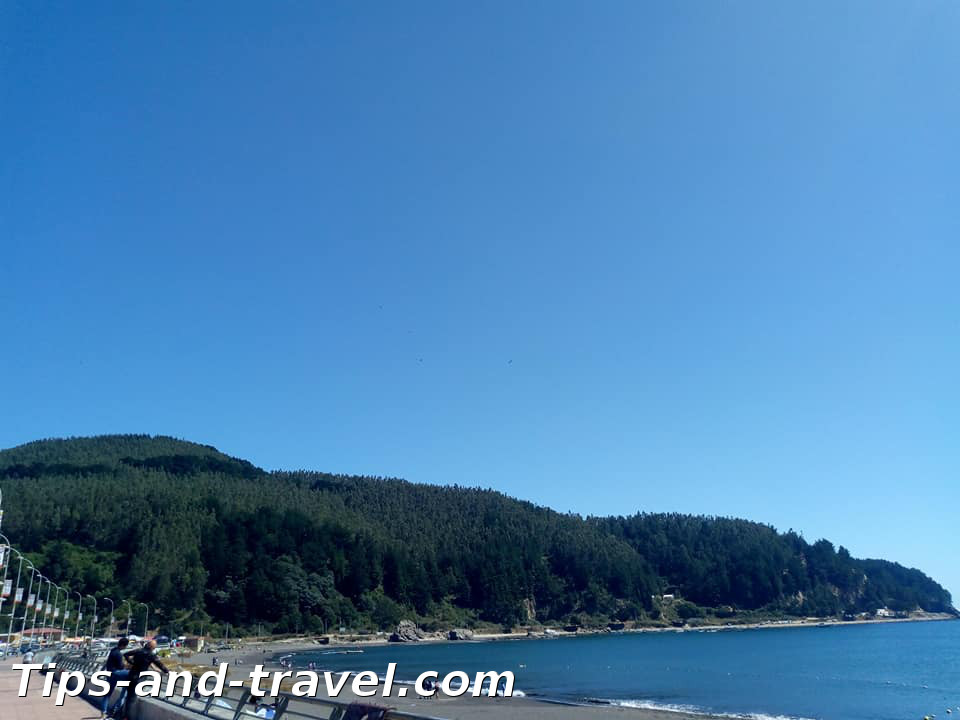
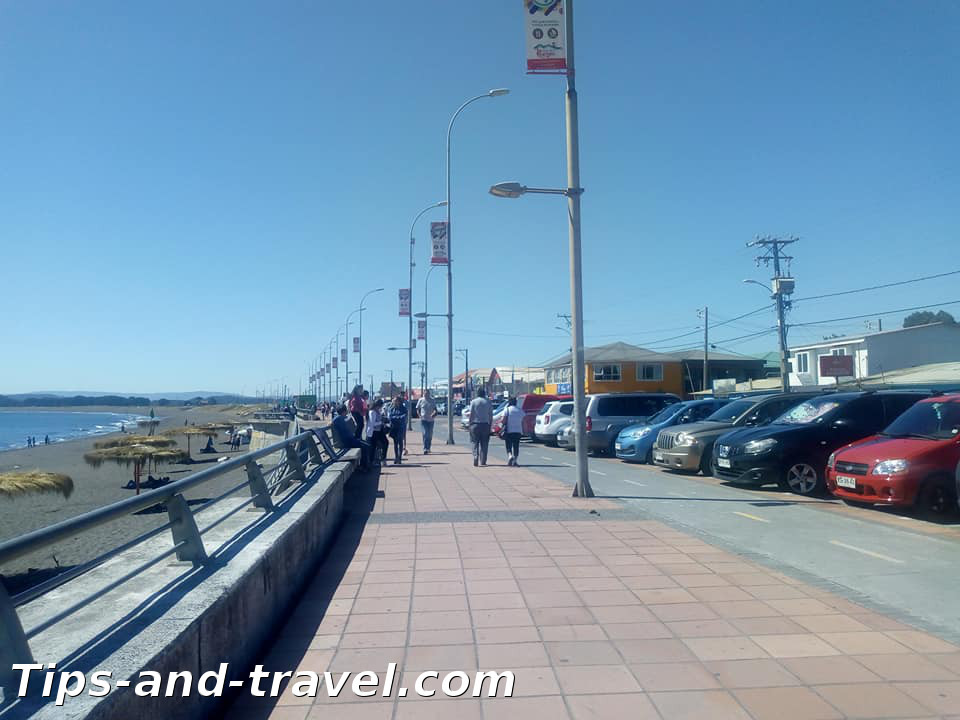
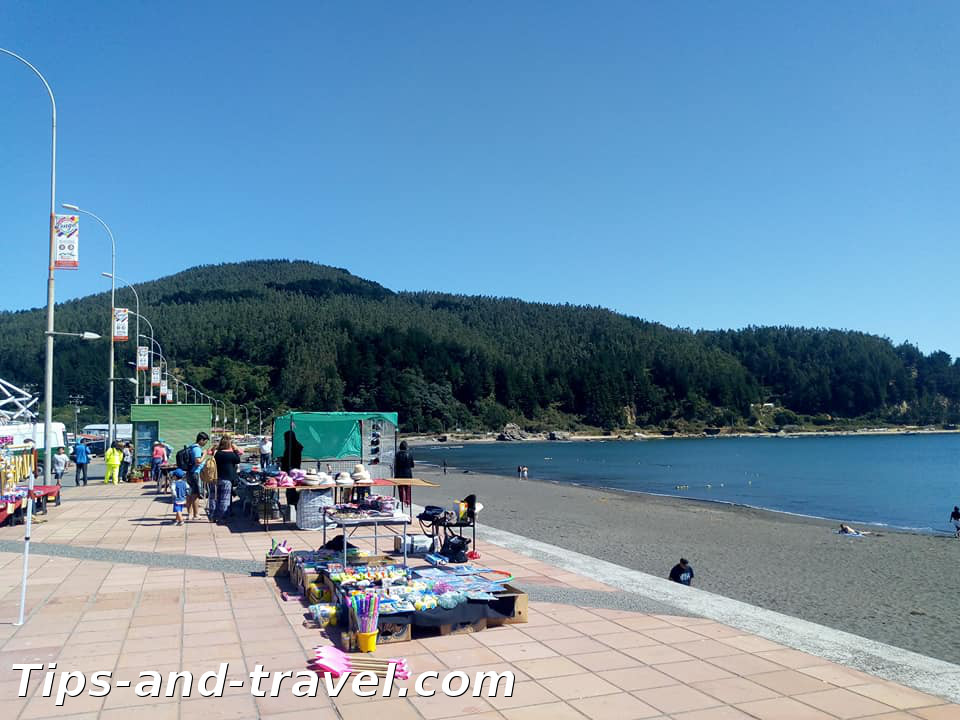
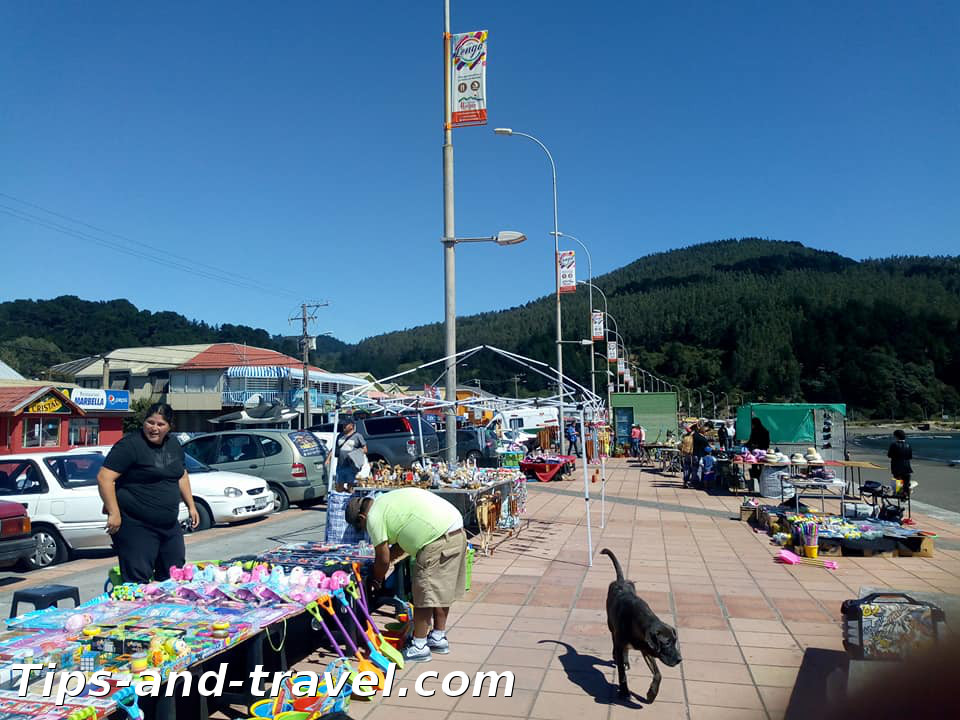
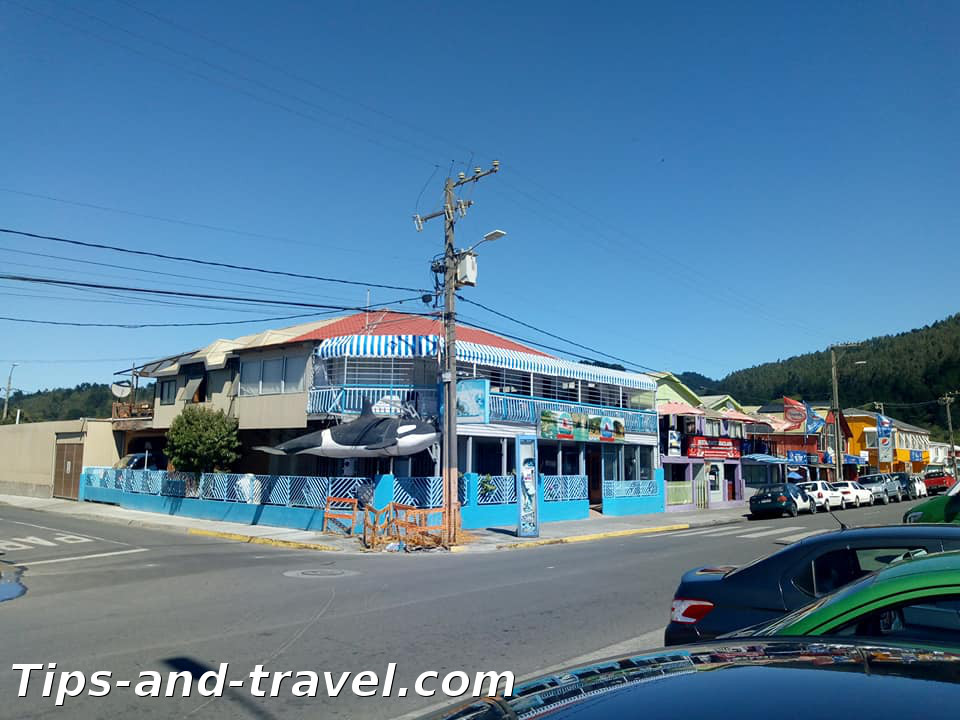
Lenga Creek is a Chilean tourist beach located on the south coast of San Vicente Bay, in the province of Concepción, in the Biobío region. It is located 15 minutes from the center of Concepción and from Talcahuano, it’s part of the municipality of Hualpén since 2004. The creek is located near the estuary that bears the same name and which is home to a large variety of birds such as the swan coscorova, the black-necked swan, pelicans and cormorants among other species. They come to the estuary to nest and procreate. Its sand is gray and its waters are not suitable for swimming but you can practice windsurfing, kitesurfing or sailing. Other activities such as cycling or horse riding can also be practiced in the area.
Tips

If you like fish and seafood dishes, try one of the many restaurants there. If you want to have a good panoramic view, you can climb Teta Norte hill (77 meters), from where you can see the Gulf of Arauco and the bay of San Vicente. The best way to get there is by car, but there is also a bus that starts in the Nonguén area.

Cliffs of Moher, Liscannor, Clare, Ireland

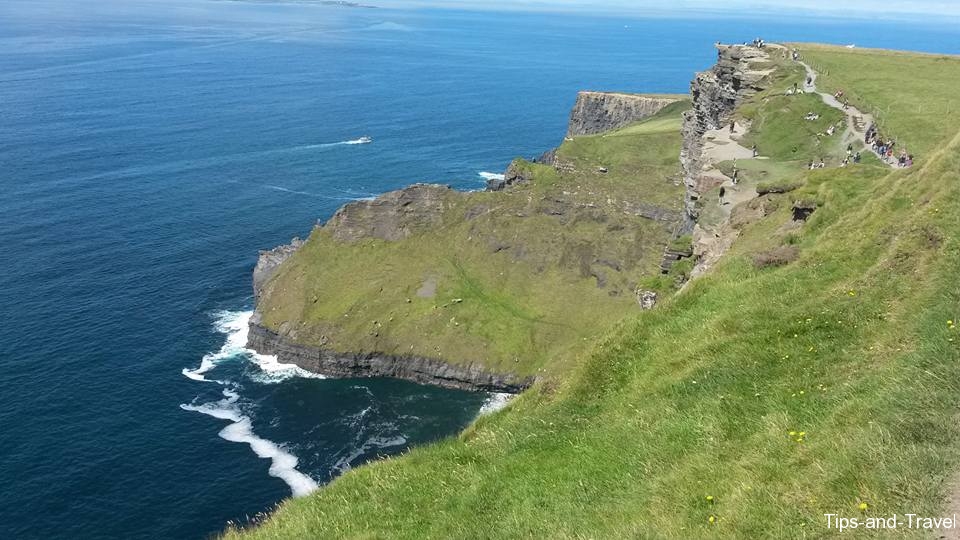
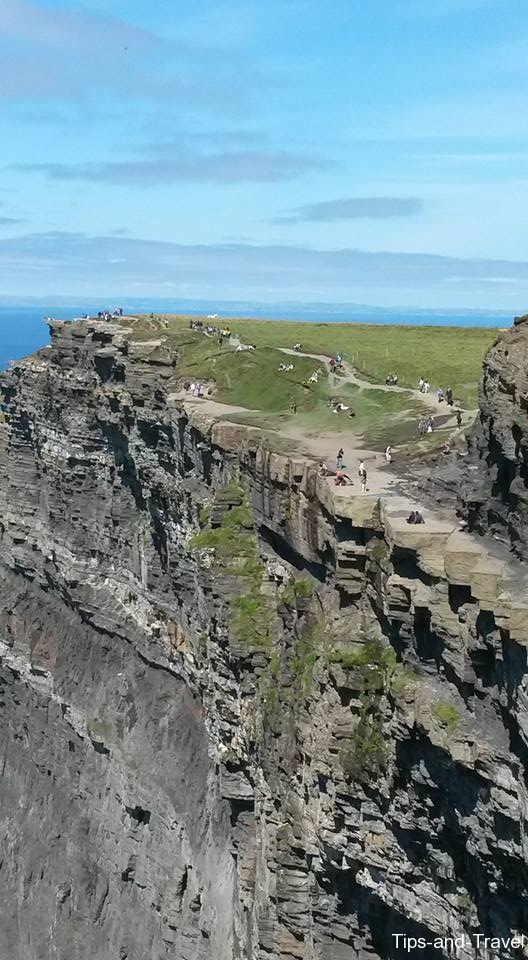
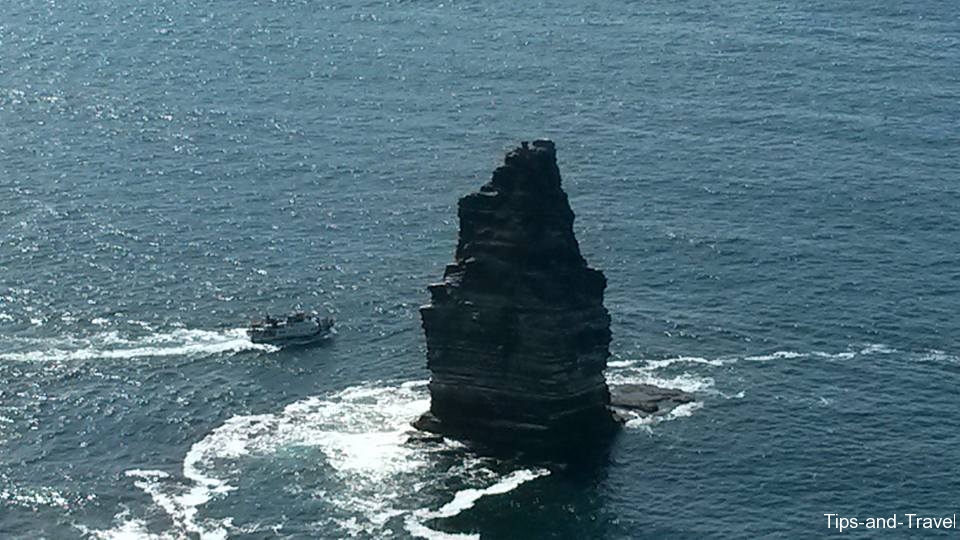
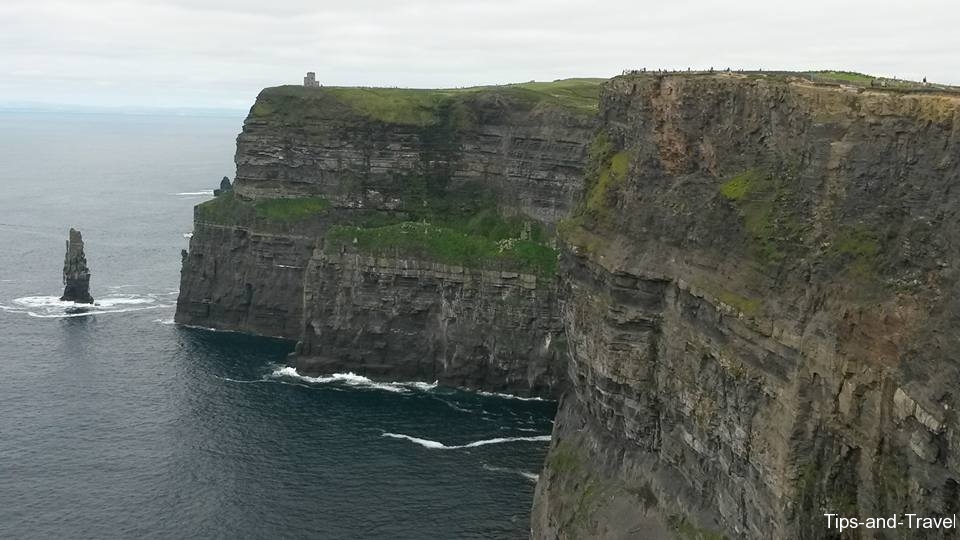
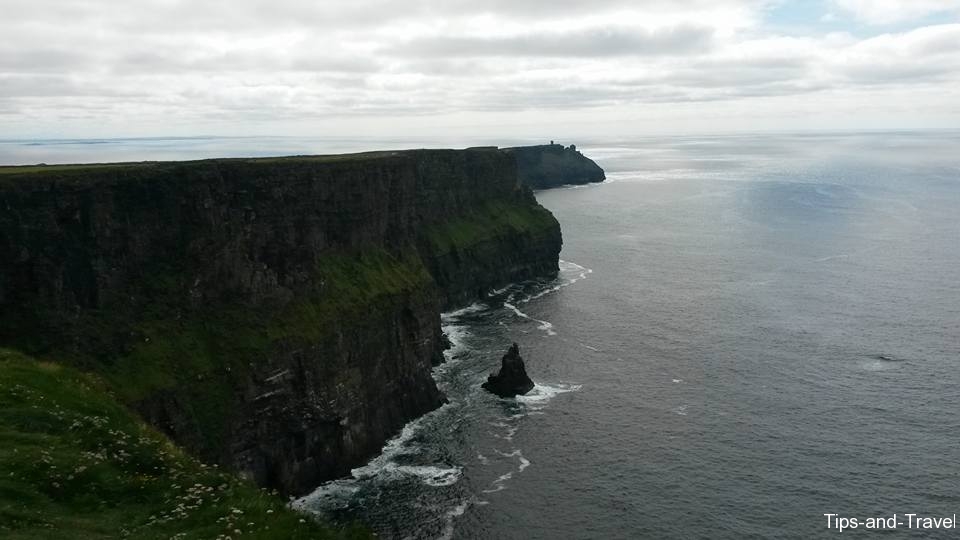
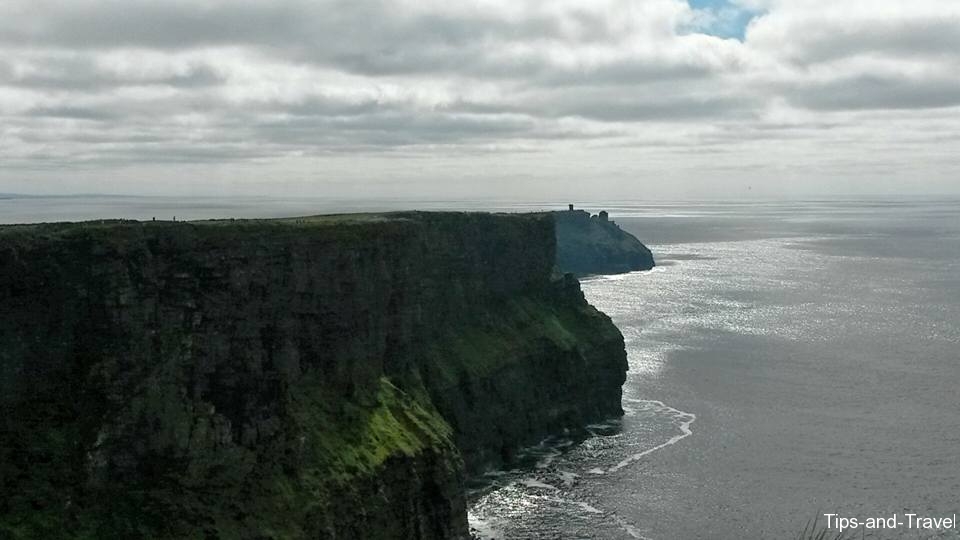
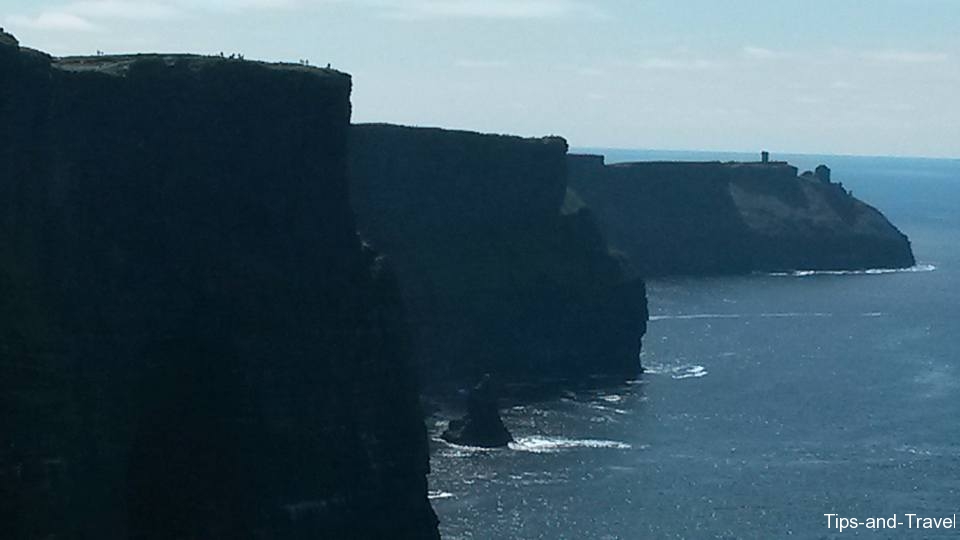
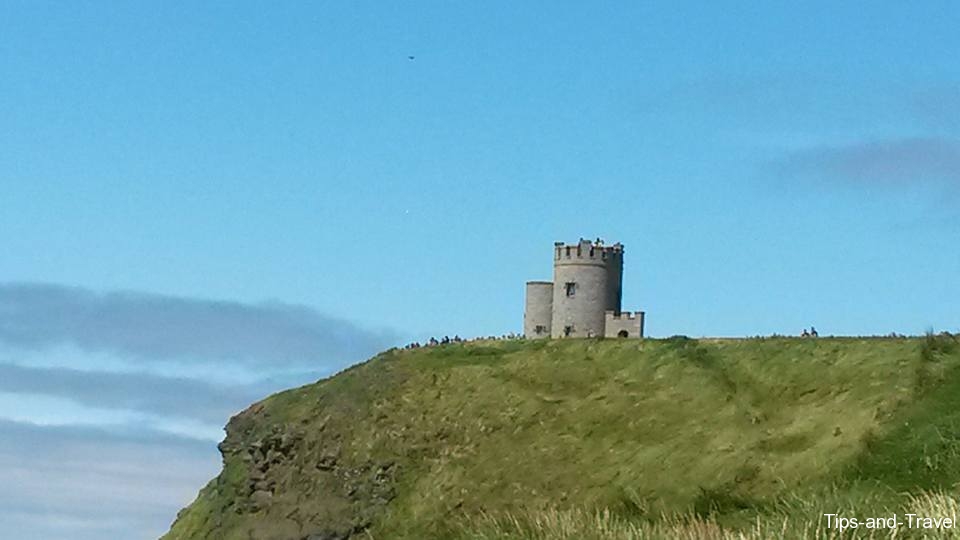
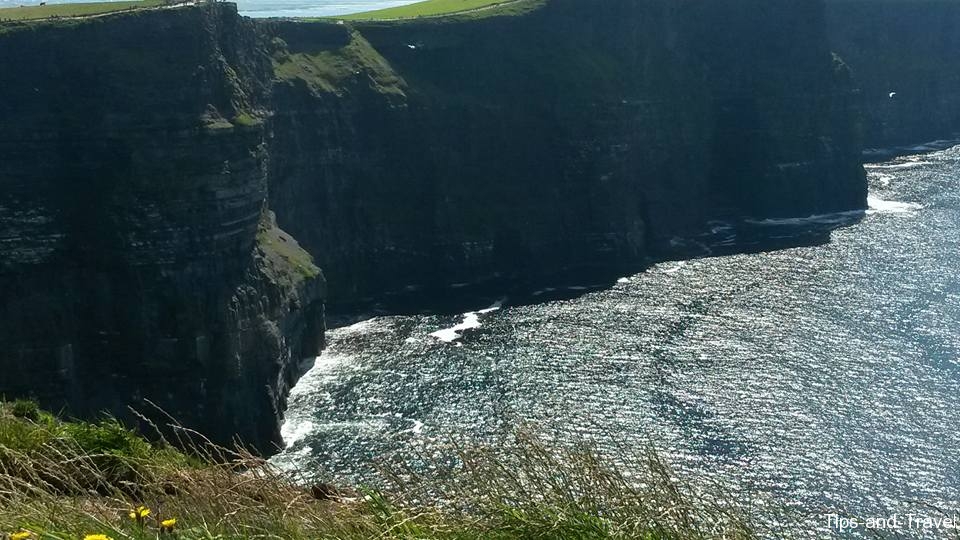
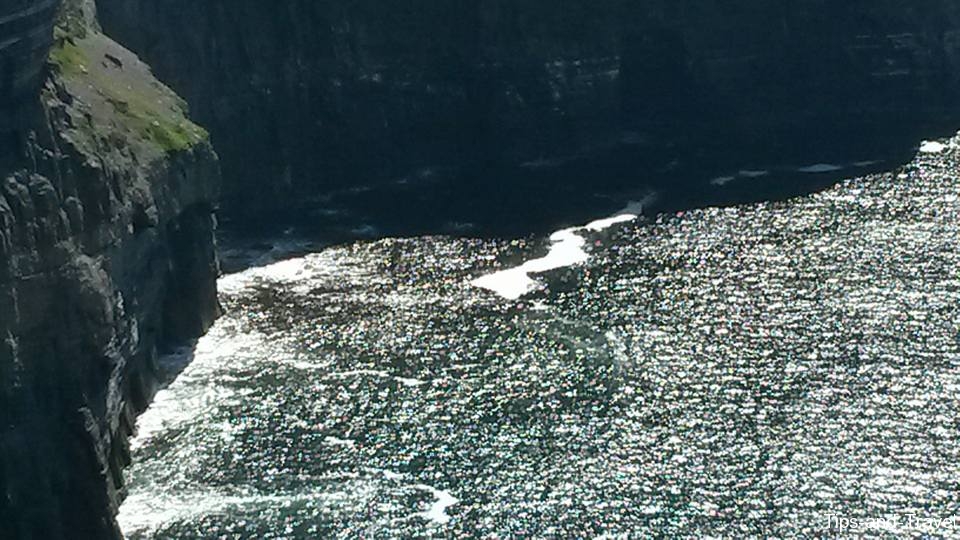
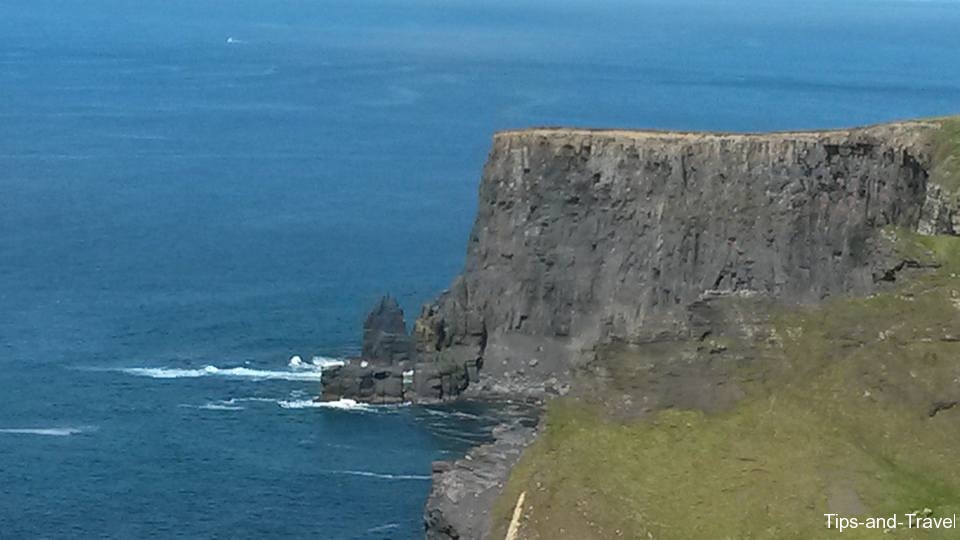
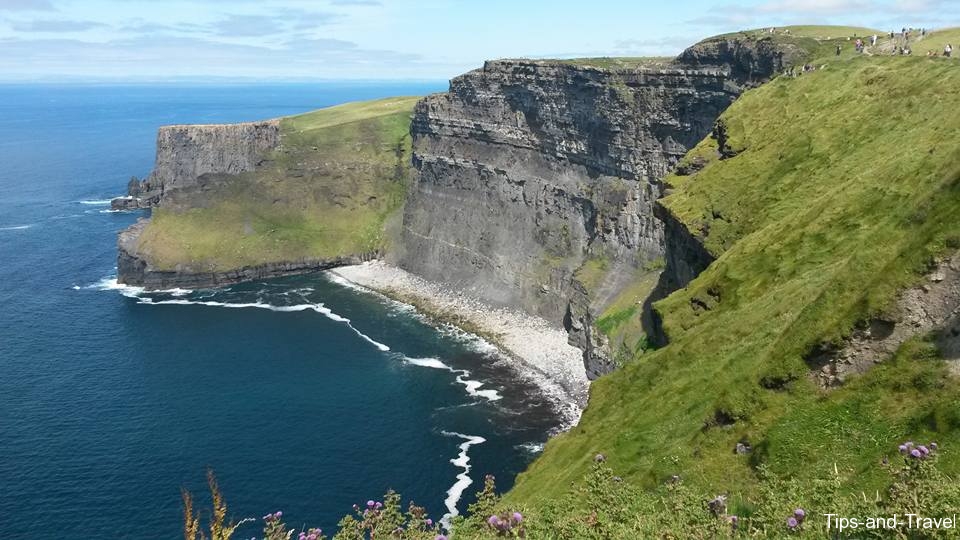
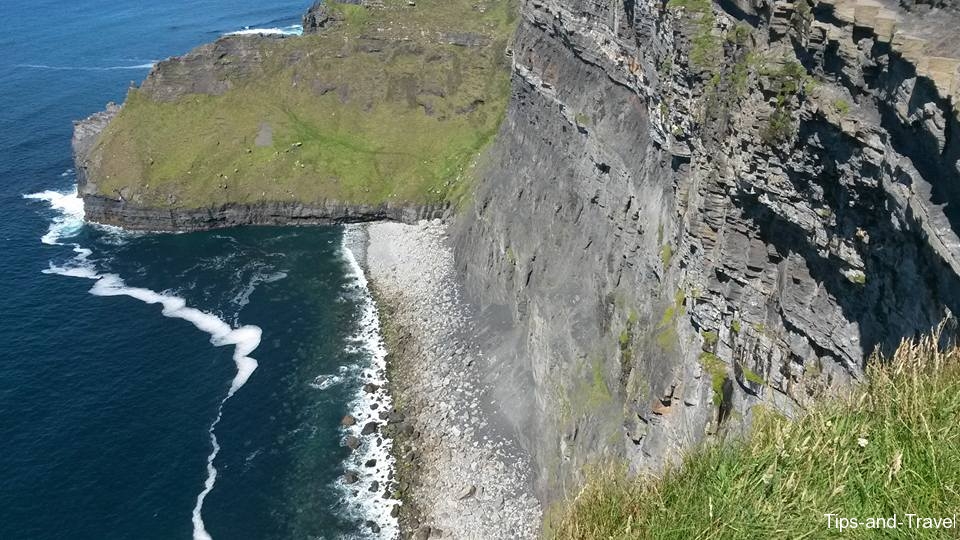
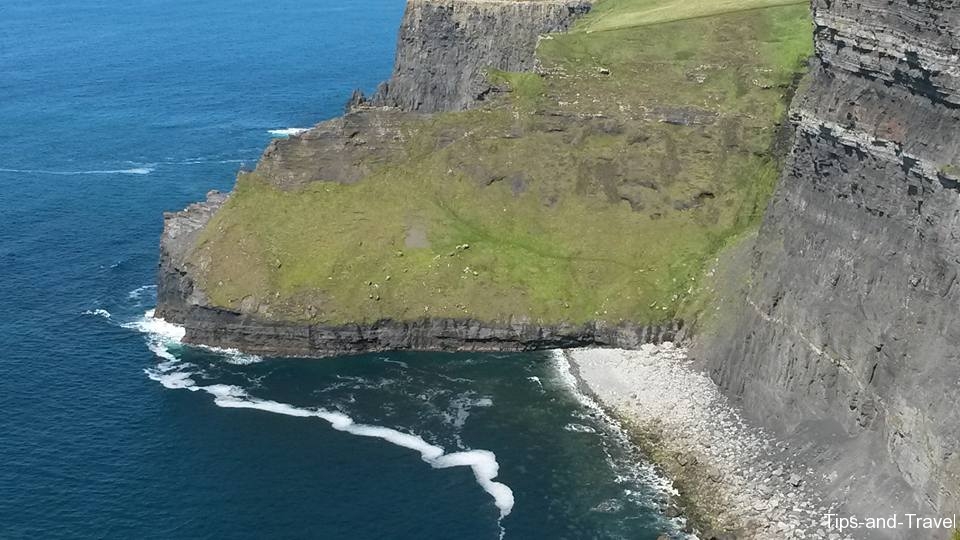
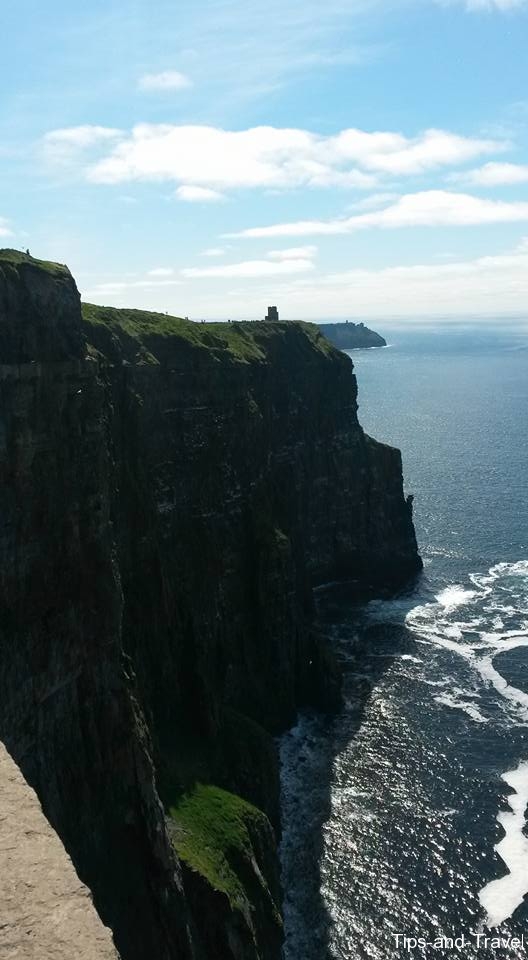
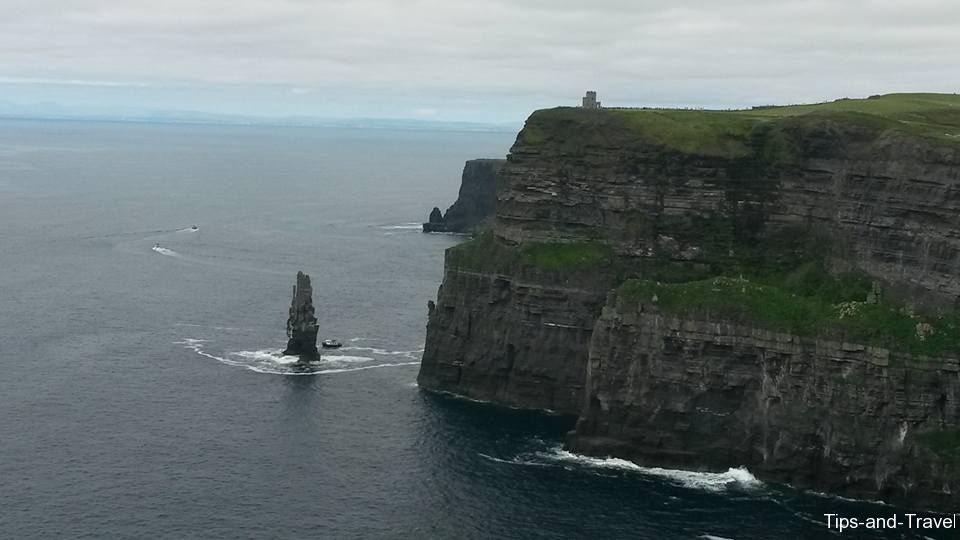
The cliffs of Moher are sets of cliffs located in the municipality of Liscannor southwest of the Burren in County Clare, Ireland. They rise up to 214 meters above the Atlantic Ocean on a length of 8 km. Sir Cornelius O’Brien, built a tower in 1835 to provide a vantage point for the many tourists who visited the place at that moment and it has his name (O’Brien Tower). The cliffs are masses of limestone and shale eroded by wind and ocean, often raging near these coasts. They say it is the most visited natural site in the country. The cliffs attract many tourists because they have very steep slopes and natural beauty breathtaking. Due to all these visitors, measures had been taken to protect the site of more than a million tourists a year. The flora and fauna are also interesting.

Tips

You can arrive by car and leave it in a pay parking close to the O’Brien Tower and from there continue walking tour. You can walk the 8 km of cliffs by small paths but be careful because the paths aren’t developed and it is dangerous to walk on the edge. With your car park ticket you have the right to enter the museum.
There is a small tourist center; Atlantic Edge, where besides the museum, you will find catering and sales of items related to the cliffs.
The place is a great one for lovers of sea birds. In the breeding season, cliffs populate with cormorants, murres, puffins and penguins Tordas.
If time permits, in clear days you can see the Aran Islands and Galway Bay, which lie off the Connemara mountains.