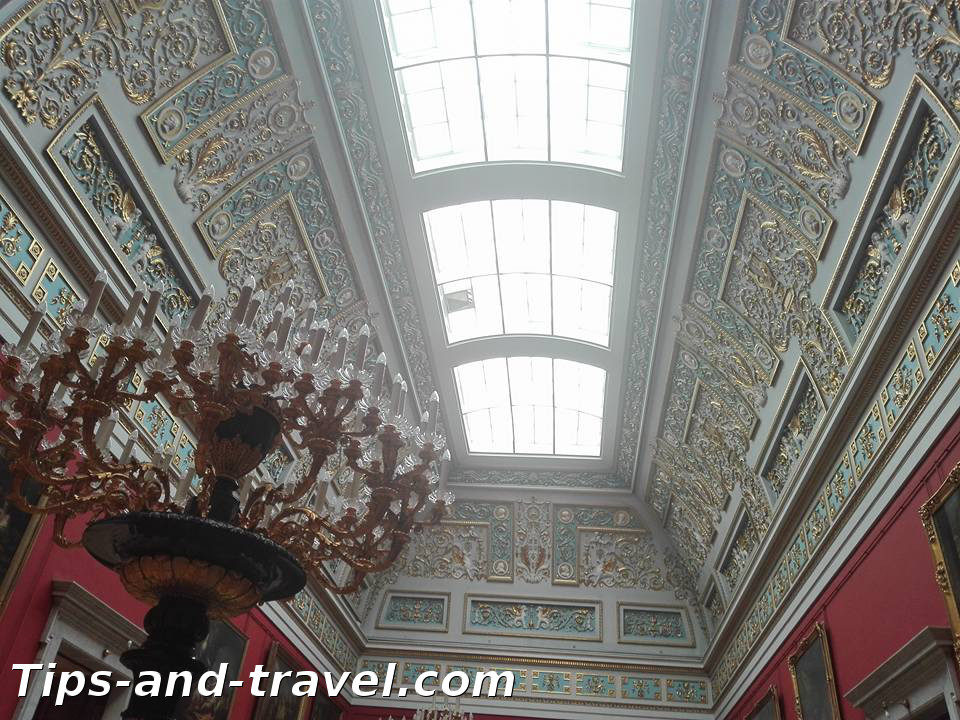
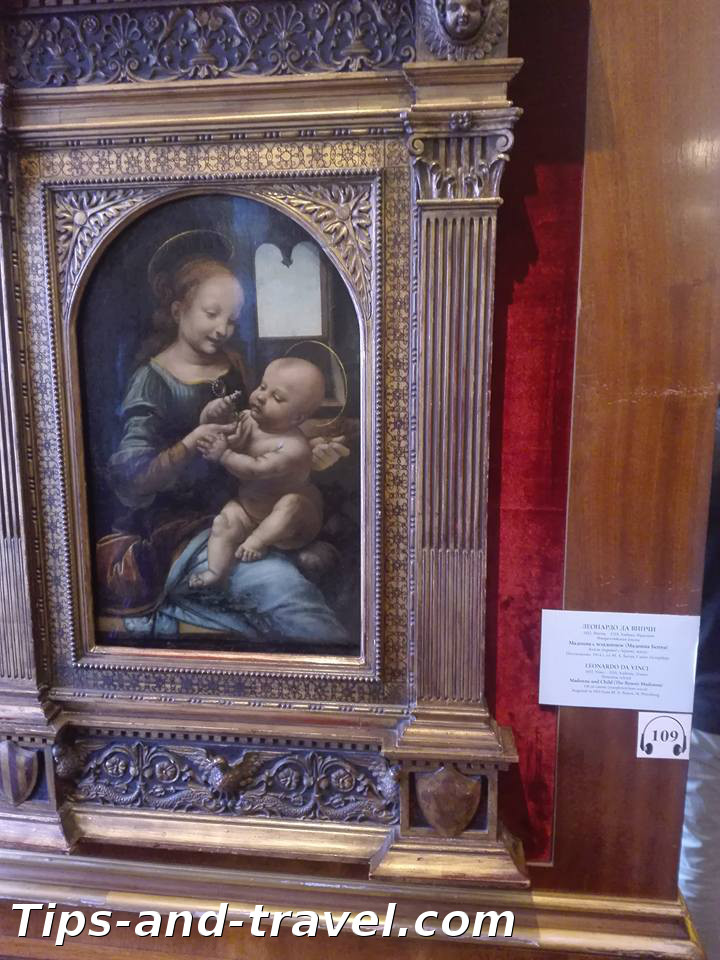
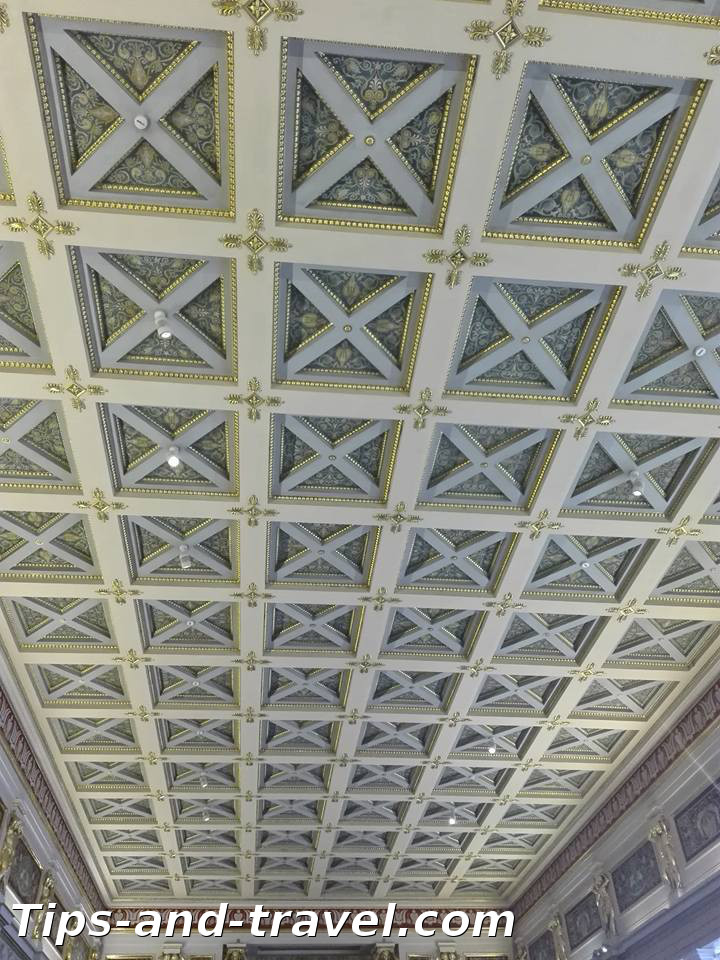
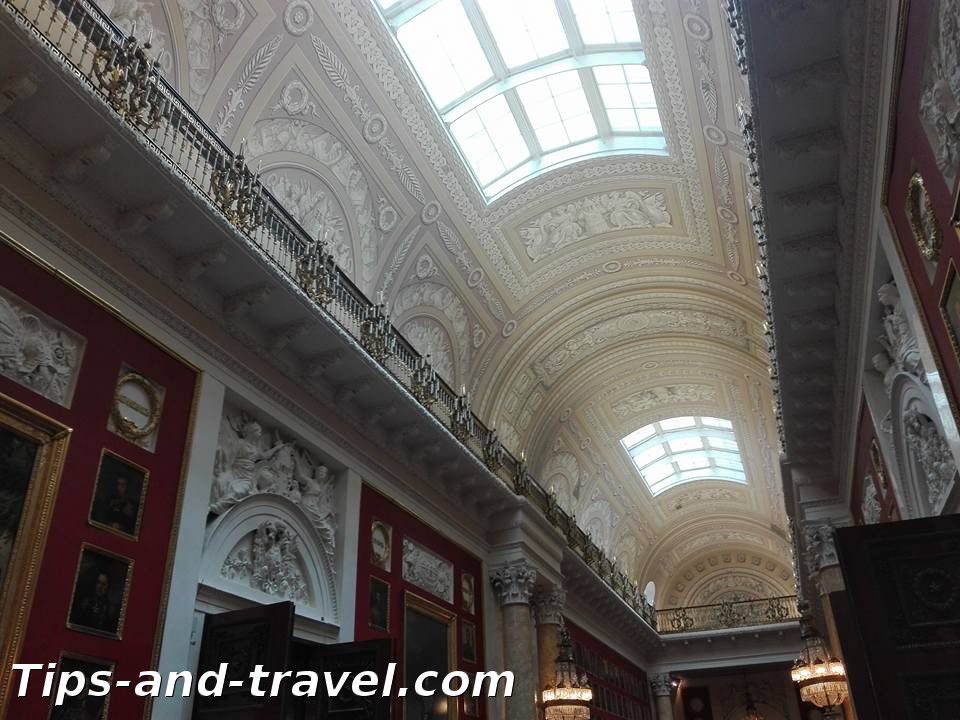
The Hermitage Museum, St. Petersburg, Russia

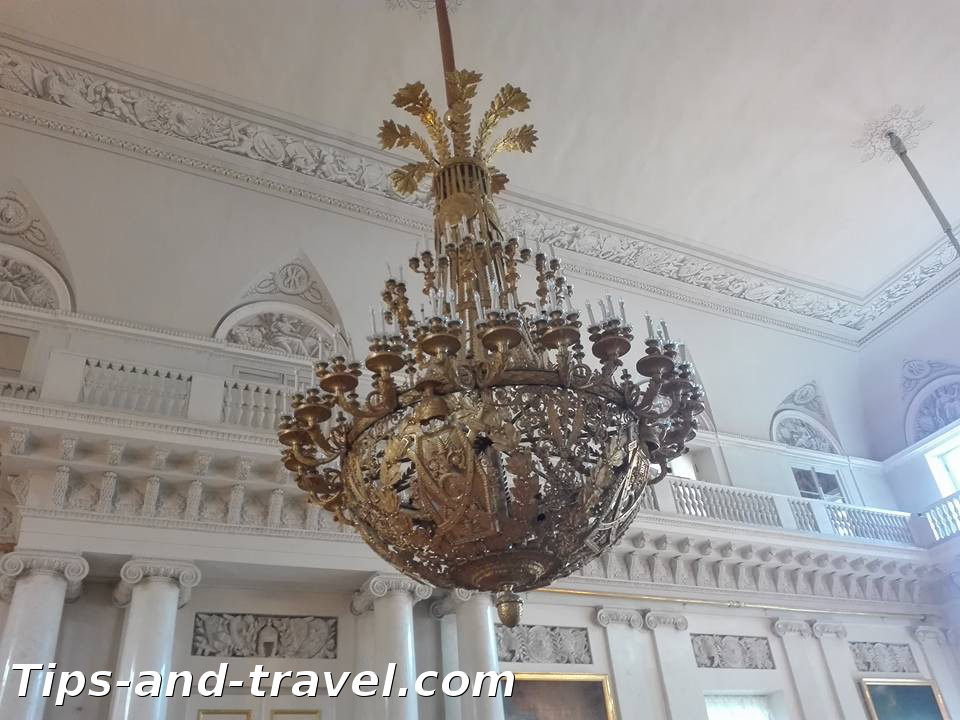
The Hermitage Museum is located in St. Petersburg, on the Neva River. It is considered one of the most famous, oldest and most important art museums in the world. There are more than 60,000 exhibits in nearly 1,000 rooms with nearly three million items kept in the reserves. Apart from the pieces of antiquity, there is an excellent collection of paintings with the names of remarkable artists such as Rembrandt, Matisse, Gauguin, Leonardo Da Vinci and Picasso among others. Several buildings, classified as World Heritage by UNESCO, built between XVIII and XIX centuries, form the museum (Small Hermitage, Old Hermitage, Theater Hermitage, New Hermitage and the Winter Palace). Part of the State Palace (on the other side of the Palace Square) and the Menshikov Palace have been added to the Hermitage complex. The museum was born thanks to the empress Catherine the Great and her collections of paintings that she began to place in the Winter Palace. Originally the Hermitage was exclusive to family members and loved ones but in 1922 was opened to the public with free admission for the first five years. Since the opening of Russia, the Hermitage has become for foreign tourists the main attraction of the country. It still has annexes in Amsterdam and Las Vegas.

Tips

You can take photos for private, non-profit purposes.

It is possible to visit the Hermitage without a guide with the existing smartphone app (Russian or English only).

The cats of the Hermitage are well known and in the spring the Party of the guardian cats takes place. For the occasion, there is an exhibition of art representing cats, visits to cat areas, games for children and adults, etc. This event is a way of collecting money to feed cats and their maintenance because this expense is not part of the museum’s budget.

On Wednesdays and Fridays, the museum has more opening hours and on the first Thursday of each month, admission is free.

The fastest way to buy the tickets is online or on the automatic machines on site. Note that children and students (regardless of age or nationality), do not pay but students will have to queue for get their entry with a student card.

Bray, Wicklow, Ireland

Bray is a town in County Wicklow south of Dublin on the east coast of Ireland; 20 km from the center of Dublin, the eighth largest city in the country. Since 1855 it is connected to Dublin and became the main resort on the east coast of Ireland, but since 1960, interest in this seaside resort decreases slowly. Bray is located at the mouth of the River Dargle. Some of its northern districts are even in County Dublin and is considered part geographically and economically of Greater Dublin. There are several Dublin urban bus lines that connect the two cities as well. In the south, the plain of Bray is closed by the Bray Head Mount (241 meters). It is a popular base for walkers, hikers and strollers. It is remarkable for its promenade stretching from the harbor, with its swan colony at the base of Bray Head at the southern end hence a well-worn trail leads to the summit. The city has a professional football team that plays in the first division, the Bray Wanderers. and also counts with several festivals. The most important is the Bray Summerfest with hundreds of free events: concerts, markets, family activities, etc. which is held for six weeks in July and August. The annual celebration for St. Patrick is as important one too with a carnival and a 5-day parade. Ardmore Studios (movie studios) are also in the city with a large production for film, TV and advertising.

Tips

If you visit Dublin, it is worthwhile to dedicate one day to Bray. It is a city with many restaurants, bars, pubs, cafes, easy transport in common access or even by bicycle. If you decide to stay in town for a few days or just a weekend, you will find any kind of accommodation from guest-rooms to hotels for all tastes.
Its long esplanade next to the beach invites walking.
If you like beer, visit the Porterhouse bar that specializes in brewing their own beers. It is considered one of the best bars in the world.
Invalid Displayed Gallery

Iguazú Falls, Argentina

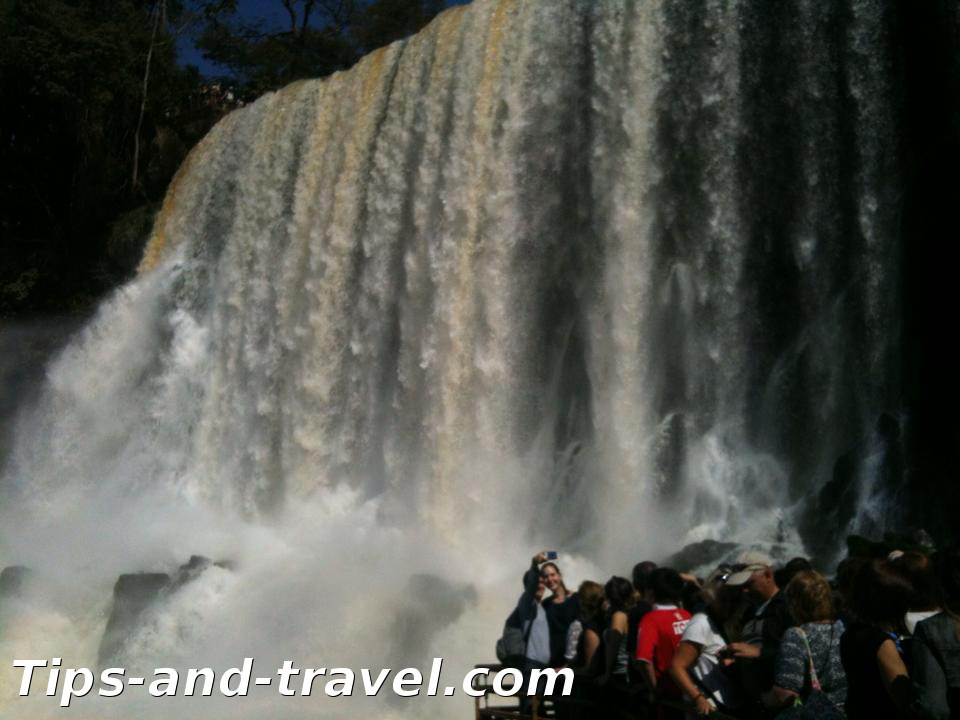
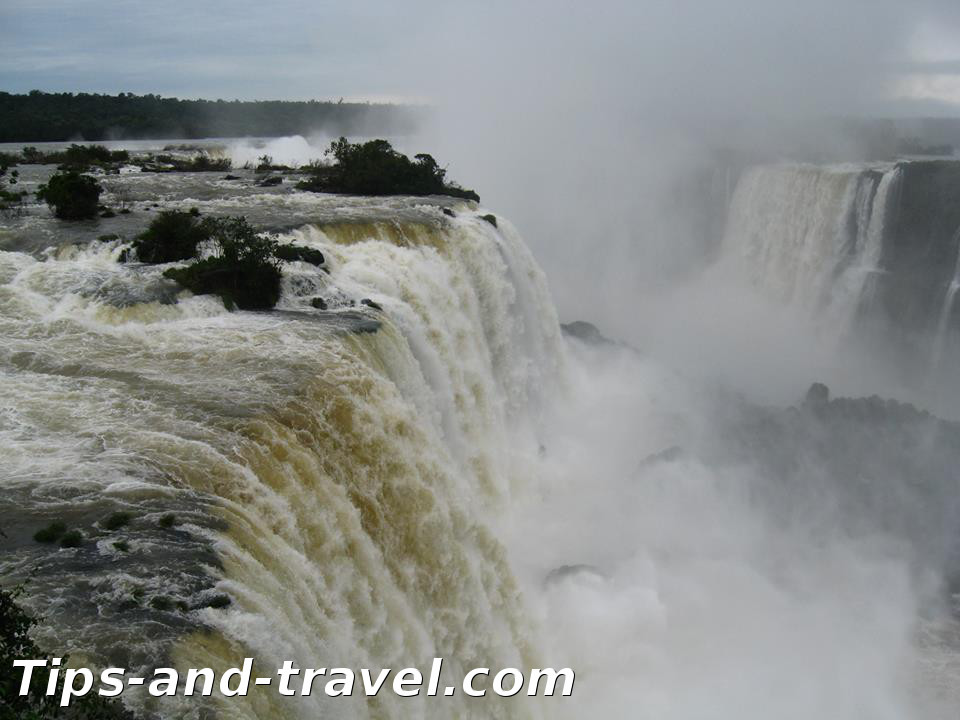
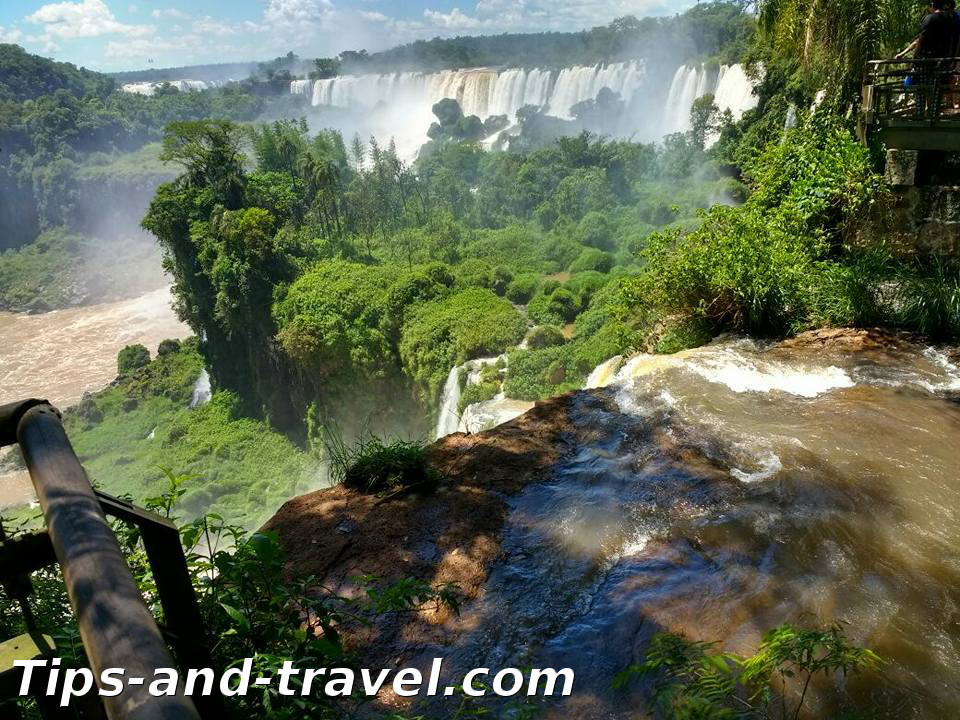
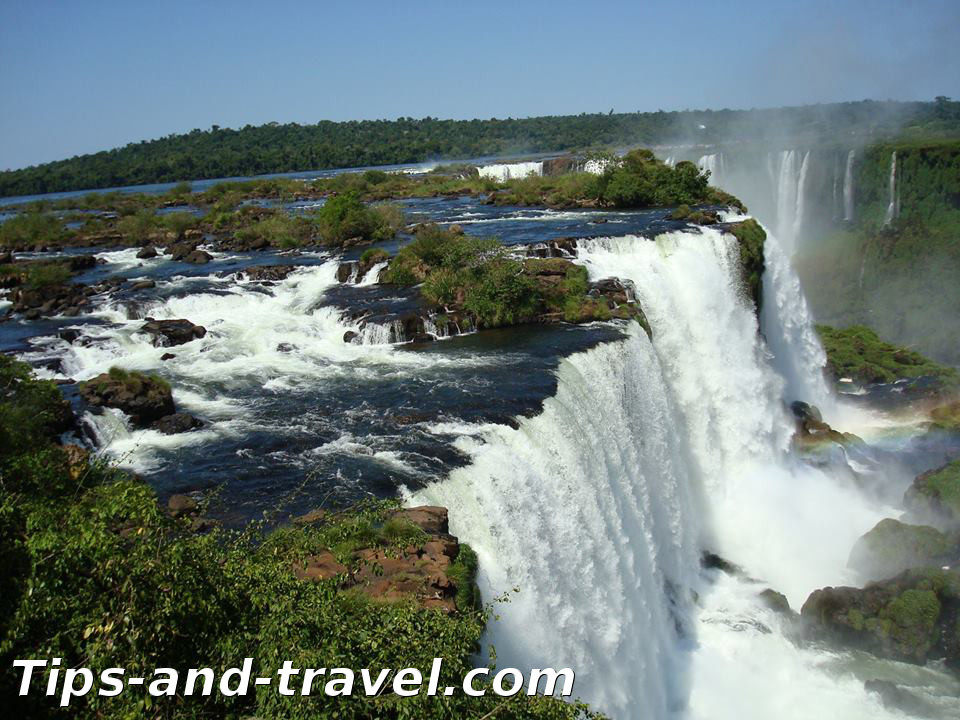
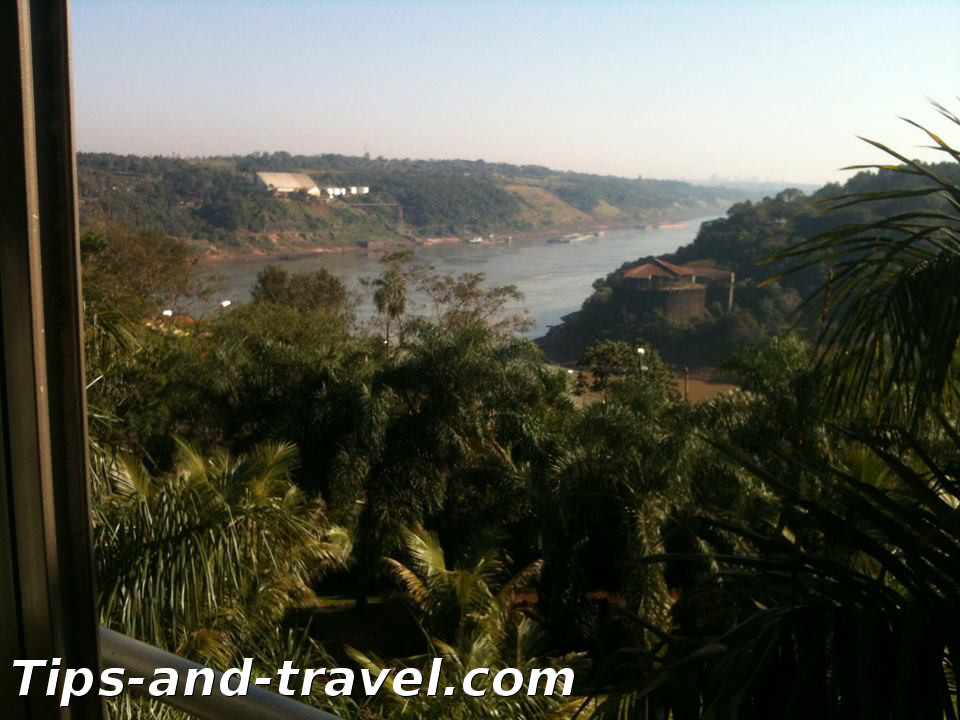
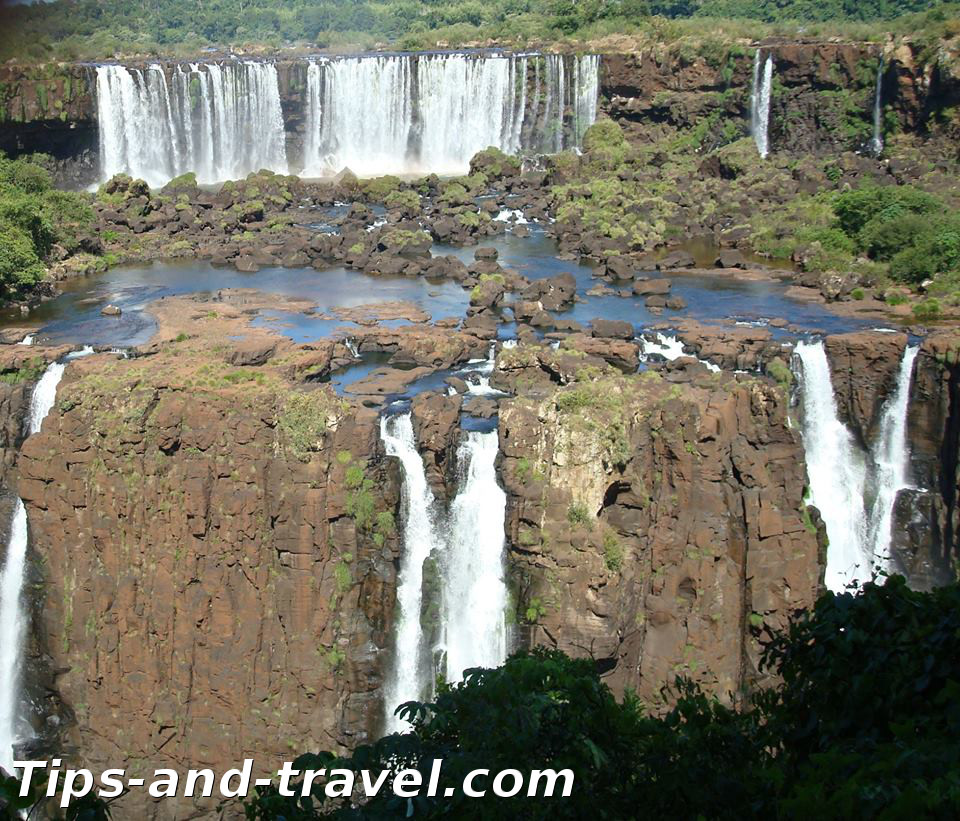
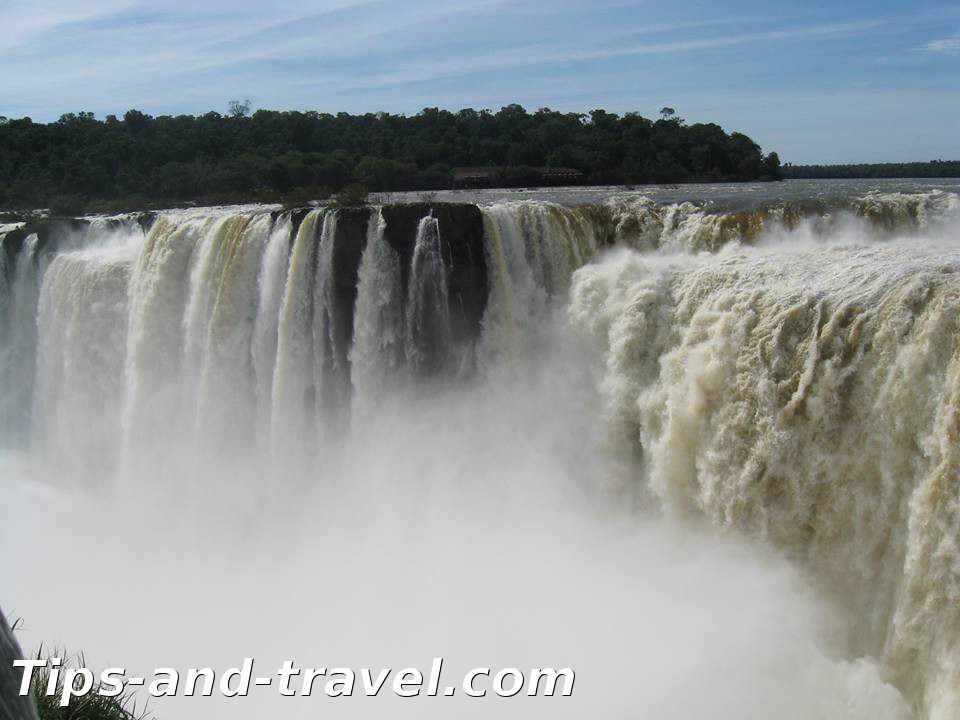
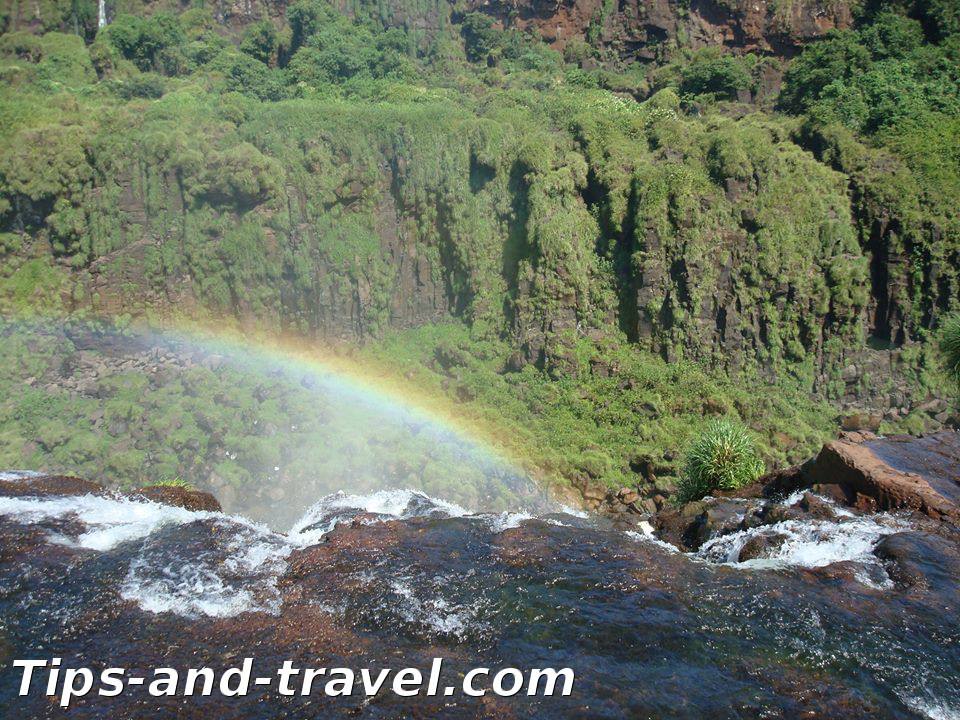
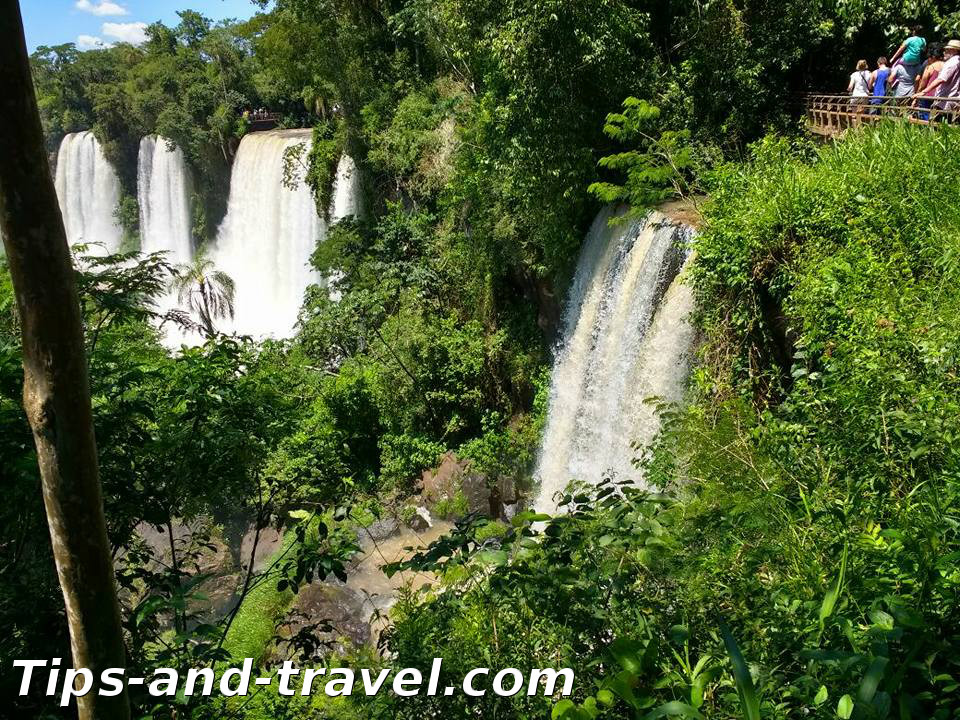
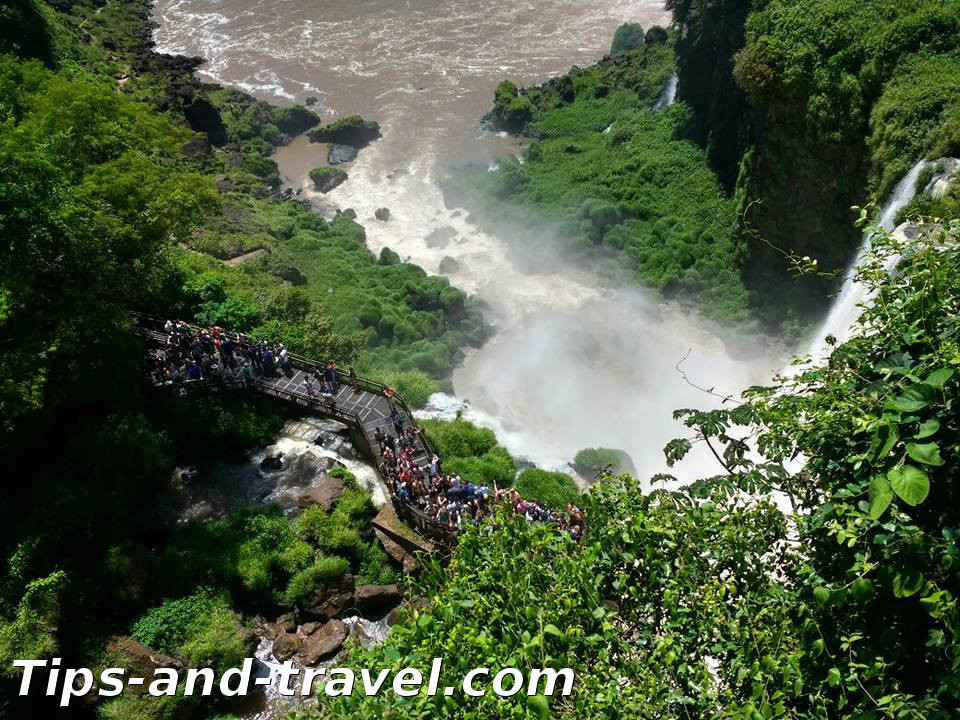
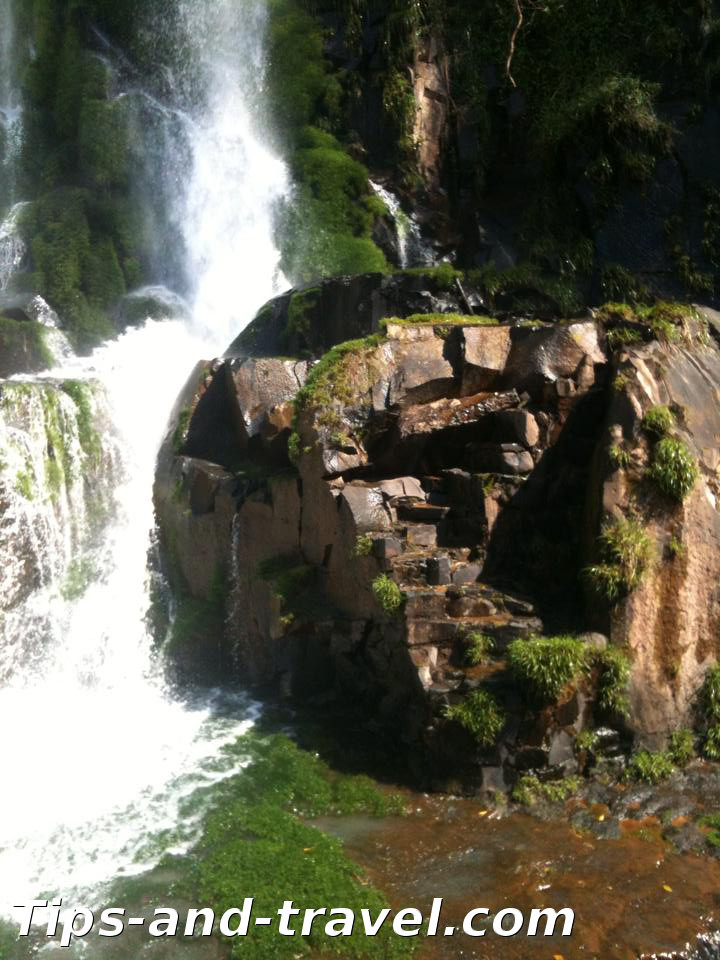
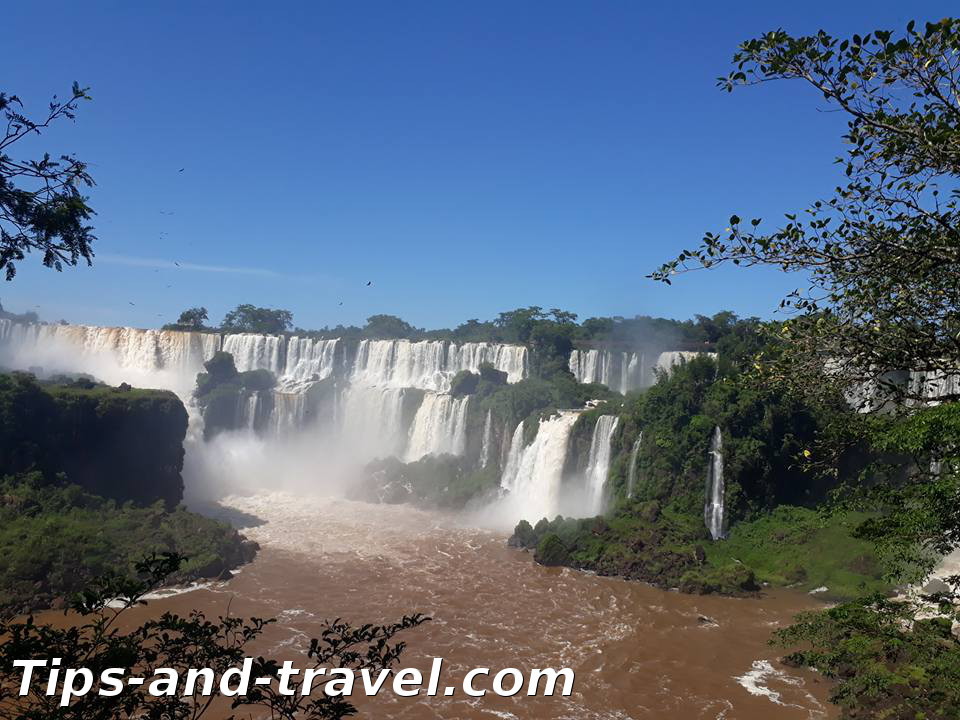
The Iguazú Falls, located in the middle of the rainforest, on the border between Argentina and Brazil, very close to the junction with Paraguay, is a UNESCO World Heritage natural wonder. In Guaraní, Iguazú means ‘great waters’. They are 17km north of Port Iguazú and 1350km from Buenos Aires. There is a national park on the Argentine side and another park on the Brazilian side. It is a set of 275 waterfalls of about 3 km, the best known is ‘The Garganta del diablo’ (Devil’s Throat) which is U-shaped and 700 meters long, 150m wide and 82 m high. The set of cascades pours up to 6 million liters of water per second. The majority of the falls are on the Argentine side and there are several tours that allow us to approach up to a few meters from the falls. The circuits were built in the middle of the forest and below the branches of the river (Paranà river whose Iguazú river is a tributary). A train takes you to different points of visit. In the parks there are over 2000 floral species, 400 bird species, and a wide variety of mammals, reptiles and insects. Many filmmakers from around the world have chosen this wonderful place to shoot their films.
Tips

It is a great place to visit in a long weekend but if you can not take several days, at least dedicated 2 full days to the falls to have the opportunity to visit both sides, it’s worth it! The bigger park is in Argentina since the falls are almost all in Argentina but the vision you can have of the whole Brazilian side is simply breathtaking.

Do not miss the boat trip to get even closer to the falls. Of course you are going to get wet but it is a beautiful feeling and the sound of the falls is sometimes deafening. You will not regret for a second this experience.

If you are allergic to insects, wear a long-sleeved shirt and pants but a cool fabric because it is almost always warm and it is quite humid. It’s best to wear sport shoes to better walk the circuits and not to slide in wet places.

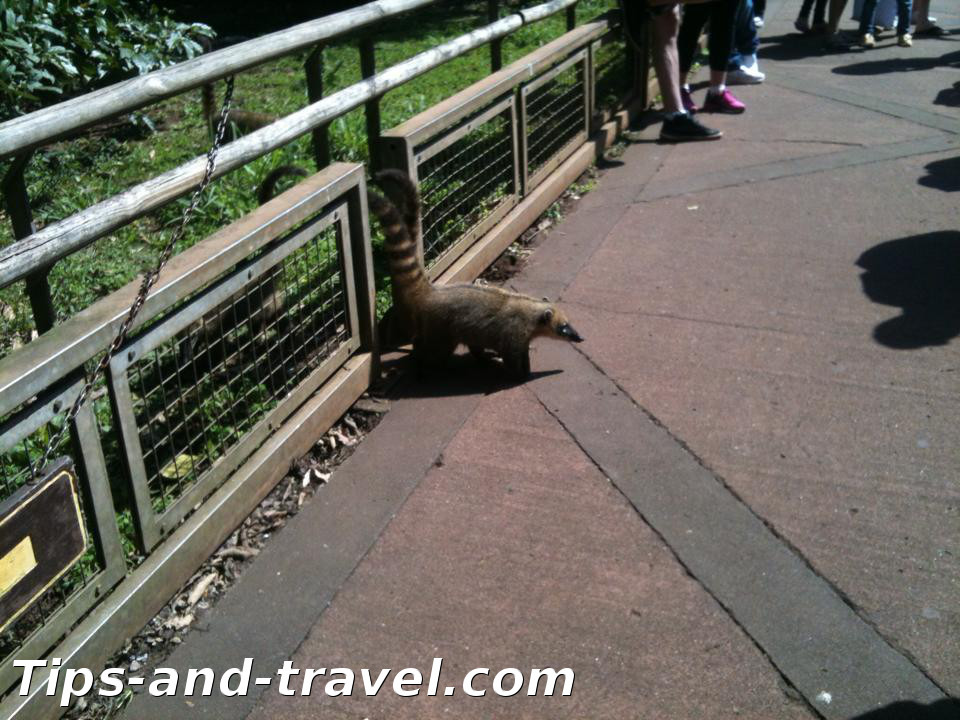
It is not recommended to feed the animals. One of them; the coati, who is quite accustomed to the tourist and always approaches knowing that people always tend to give them something. Try not to change their natural habitat.