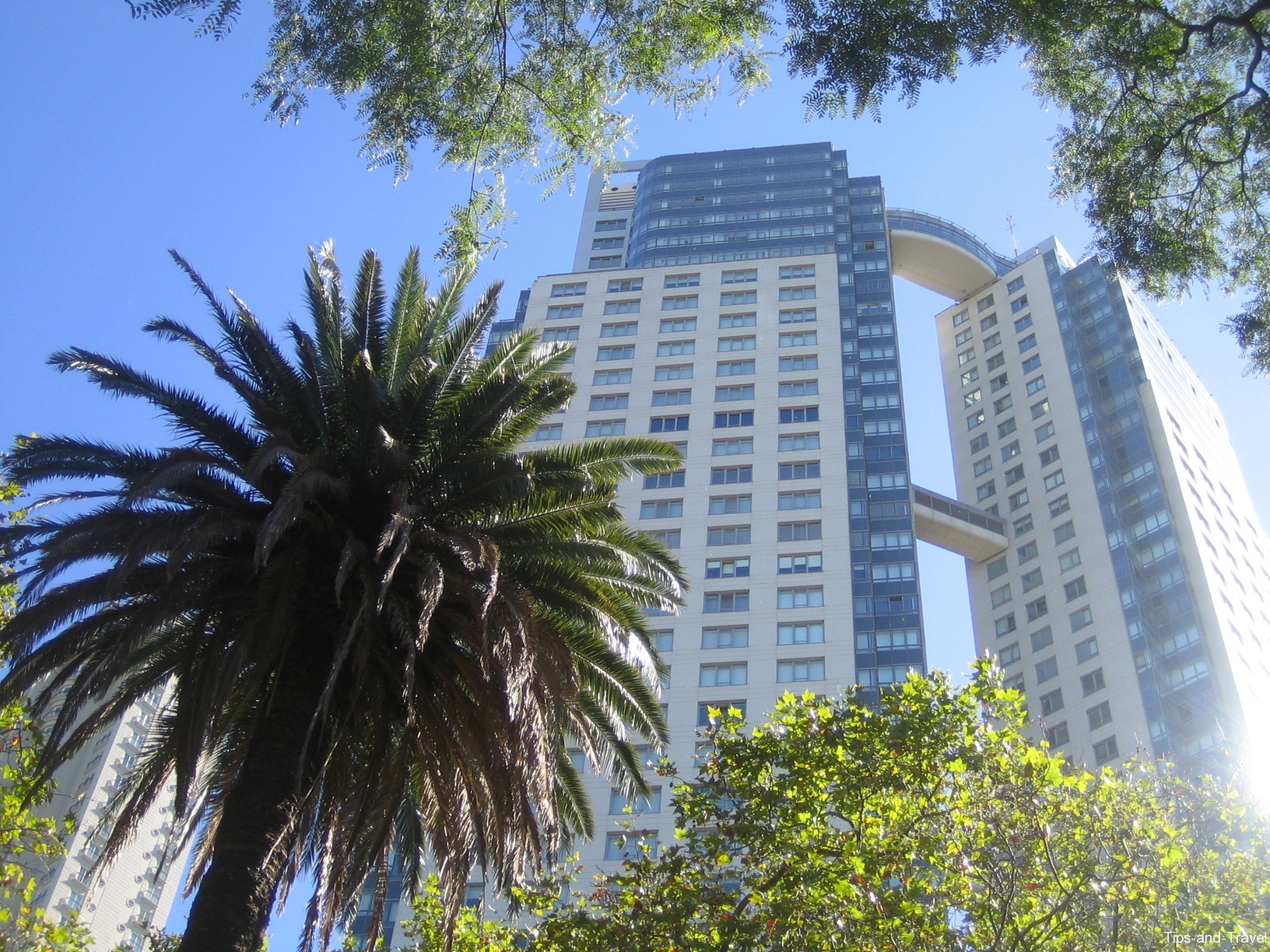
Puerto Madero, Buenos Aires, Argentina

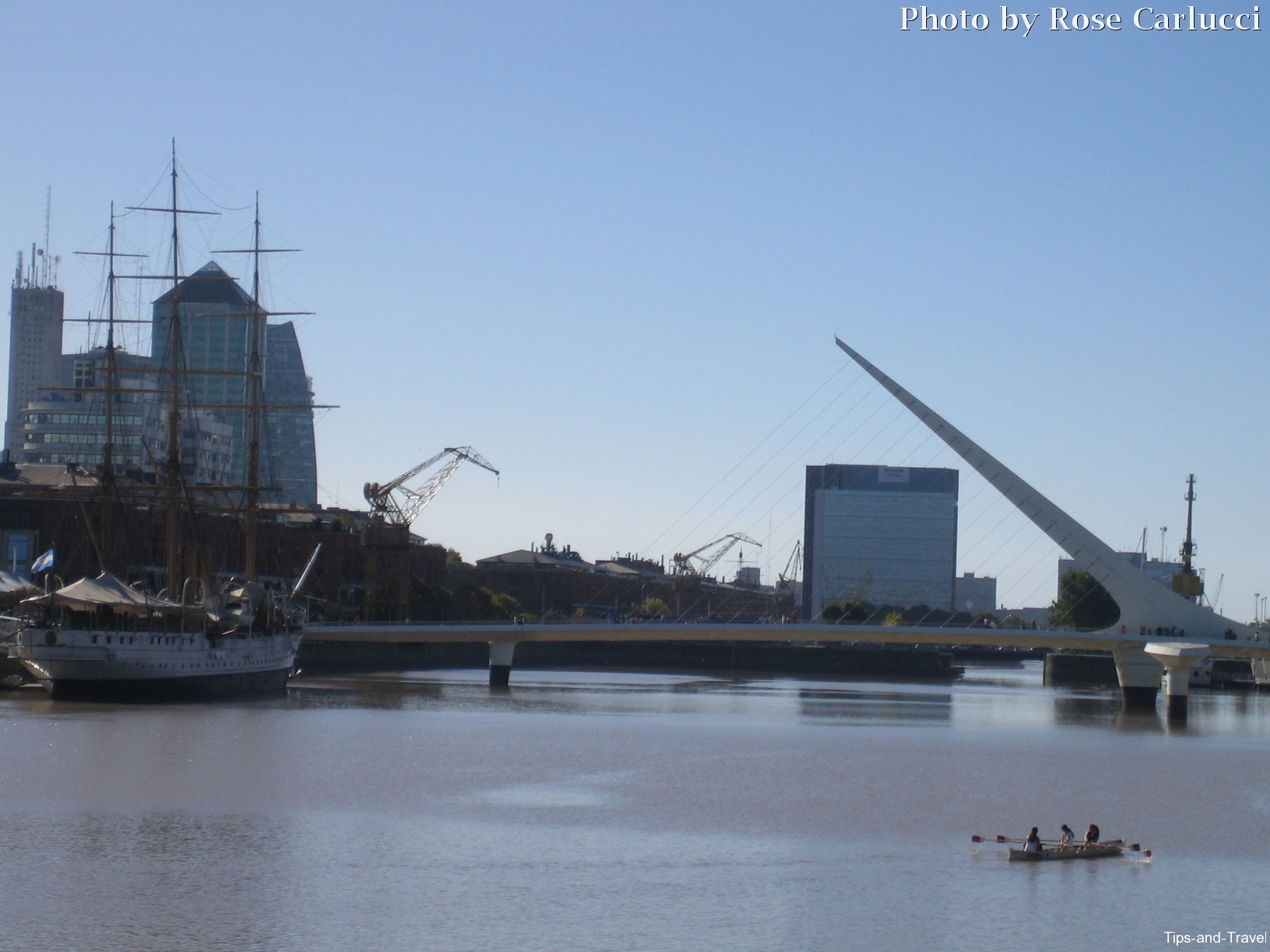
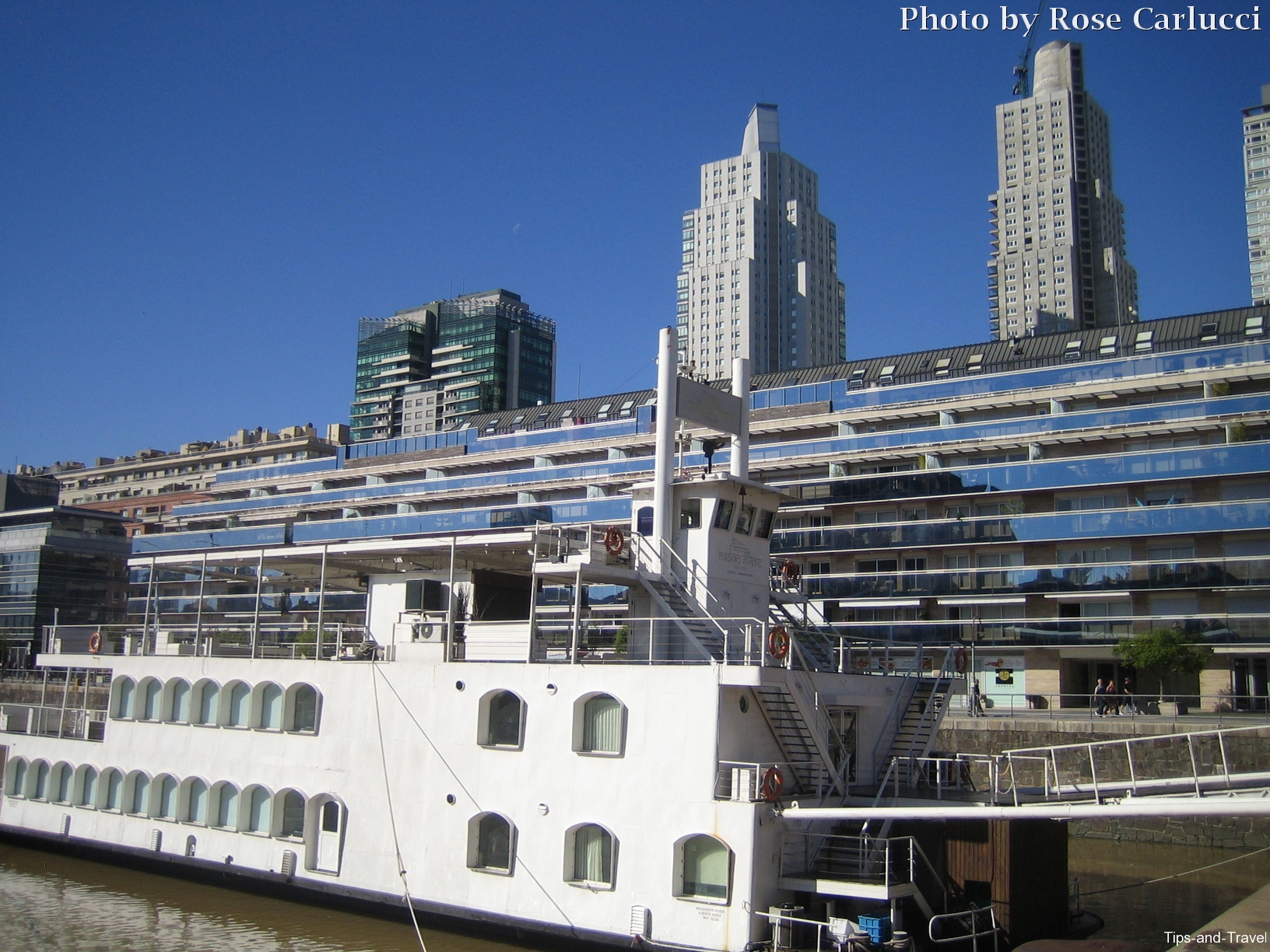
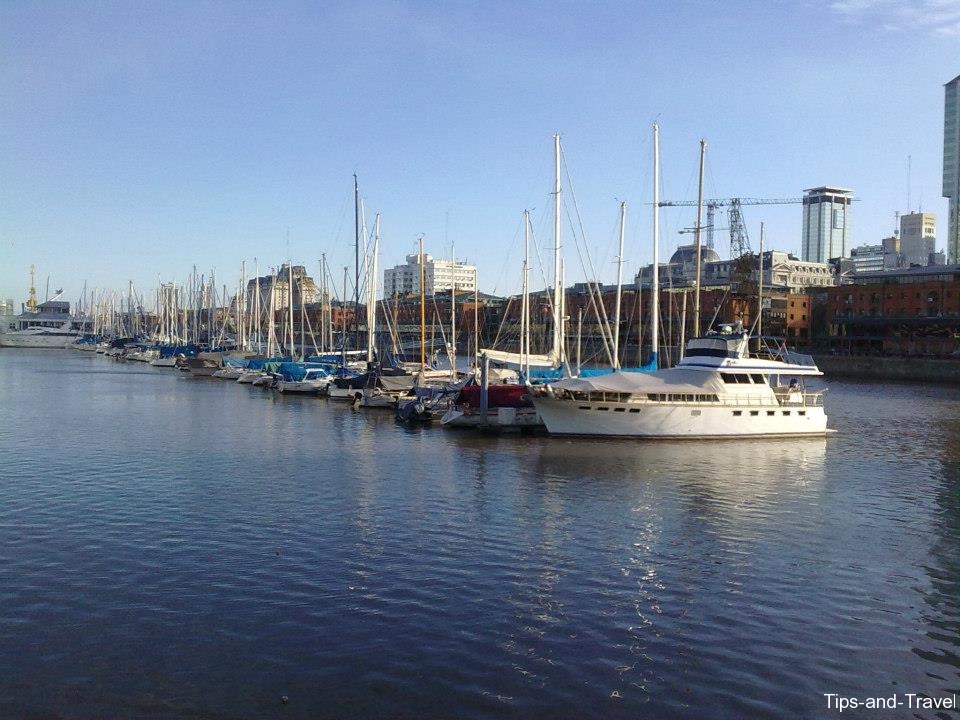
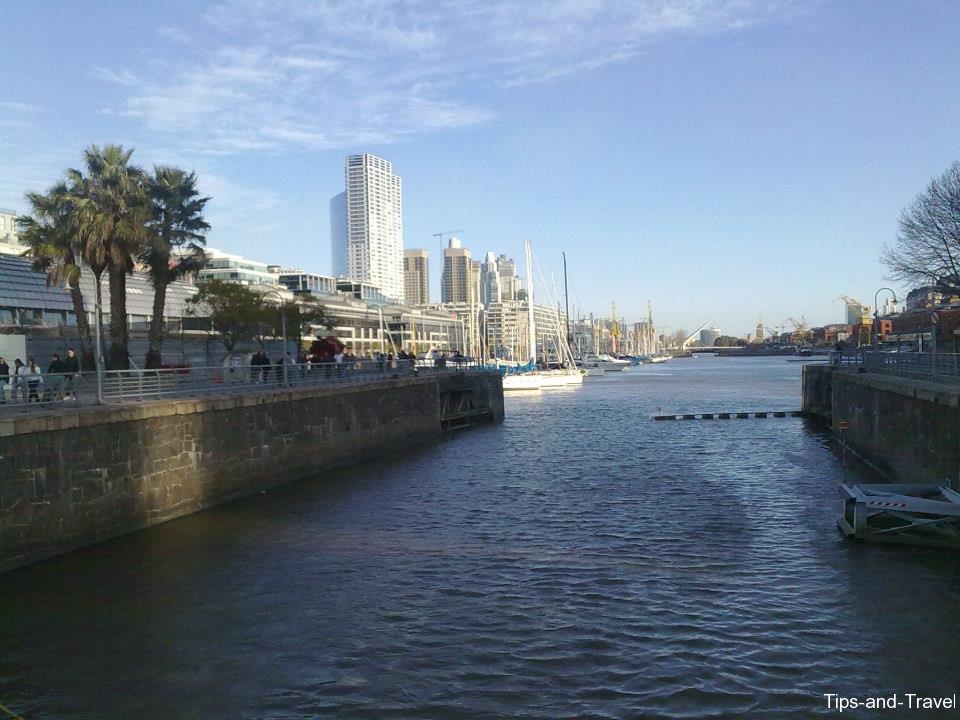
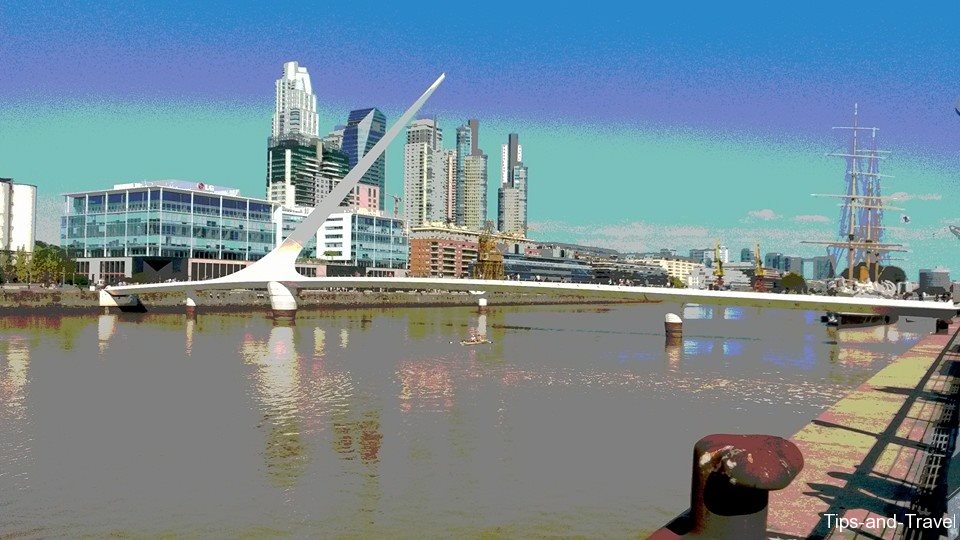
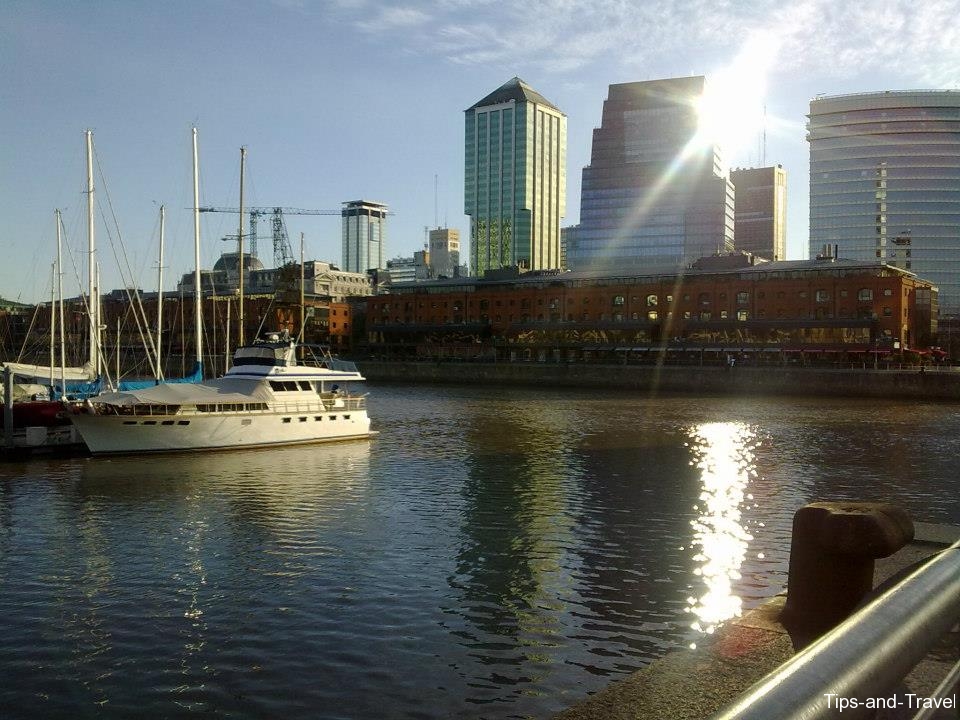
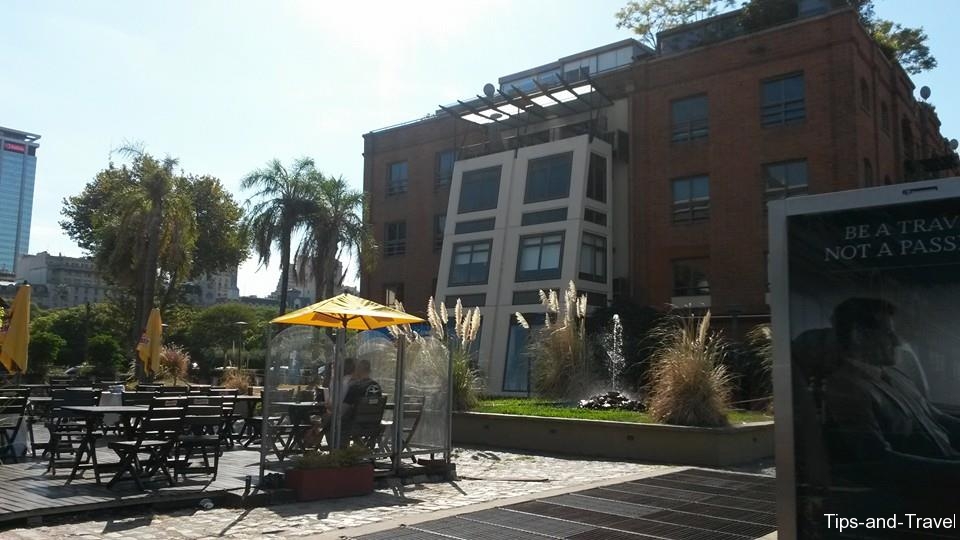
Puerto Madero is the youngest area of the city of Buenos Aires. Its location close to the city center, the major expansion of its surface and its view of the La Plata River makes this area one of the most special and loved of the city. It is named after Eduardo Madero, shopkeeper in town who presented three port projects, the last of which was approved by the then president of Argentina (1882) Julio Argentino Roca. Unfortunately, 10 years after its construction it was already obsolete because of the size of the time boats, so the industry went into decline and became one of the most degraded areas of the capital. In 1989 the Puerto Madero Old Corporation had the agreement to deal with the sector to develop a new neighborhood. They traced the streets, avenues, they created the parks, squares, they installed the monuments and restored the existing historical infrastructure. There was the construction of cultural centers and many offices and family homes settled there. Restaurants, a university and the sports field of the National College completed the new sector. Numerous towers were built in a second time raising real estate prices to the point that Puerto Madero has become the most expensive neighborhood in the capital. The Woman’s Bridge also beautifies the area. Hotels (3 five-star) and other stores were added to the project also making it a very touristy area. In the district there is also the Costanera Sur Ecological Reserve (located on land reclaimed from the river La Plata) which is covered with native vegetation.

Tips

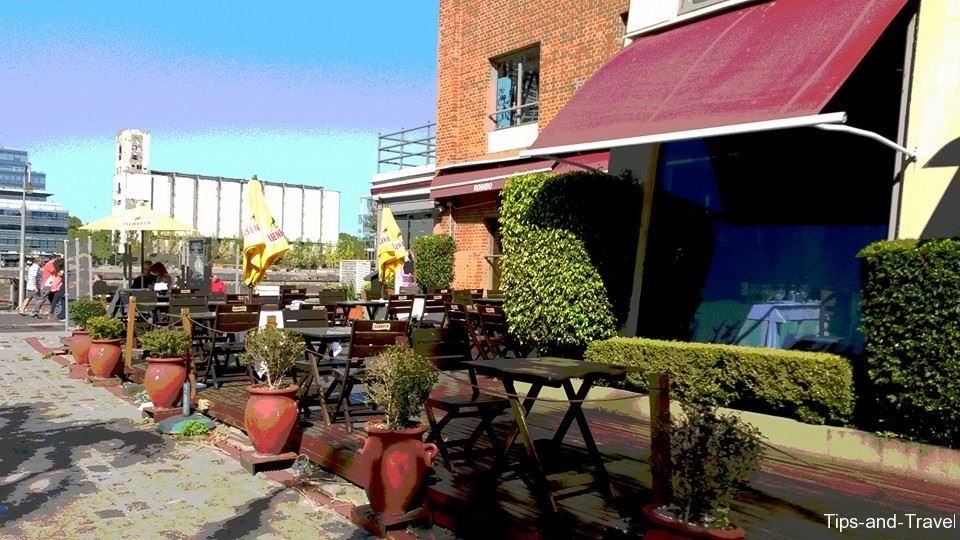
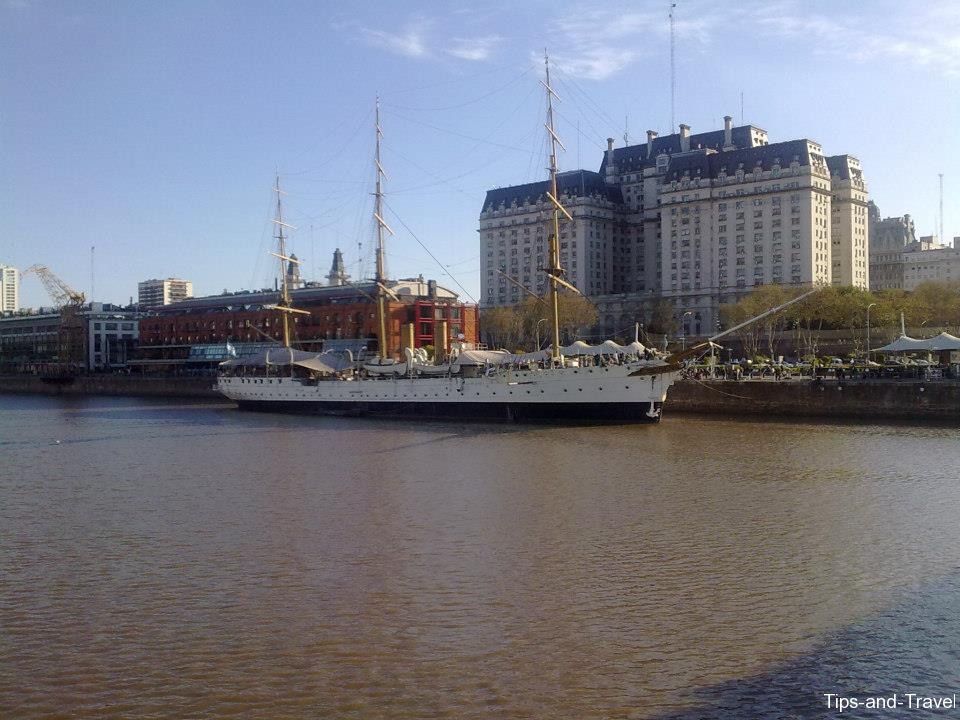
The area is the ideal place to spend a day full to walk around, especially enjoy the famous Argentinian beef with good Argentinian wine in a restaurant on the harbor promenade, as a sweet end, have an artisanal ice cream in one of its dairies and also enjoy visiting the first Argentine training ship; the frigate Presidente Sarmiento who is currently a museum.
You will also find street posts where to buy a meat or sausage sandwich with a drink on the way to the ecological reserve.

New York City, United States

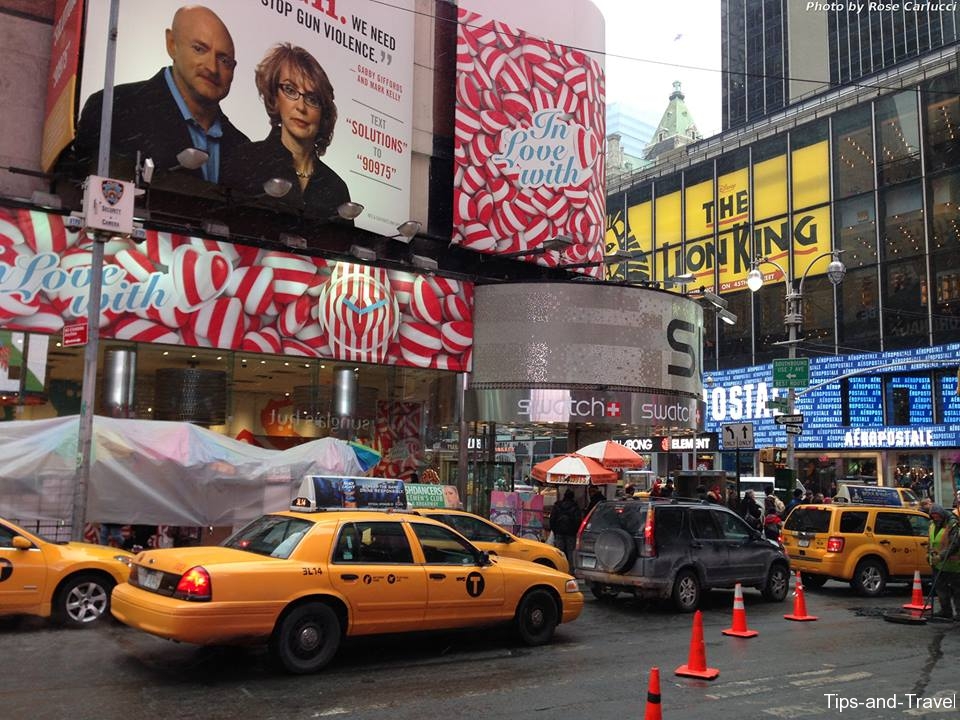
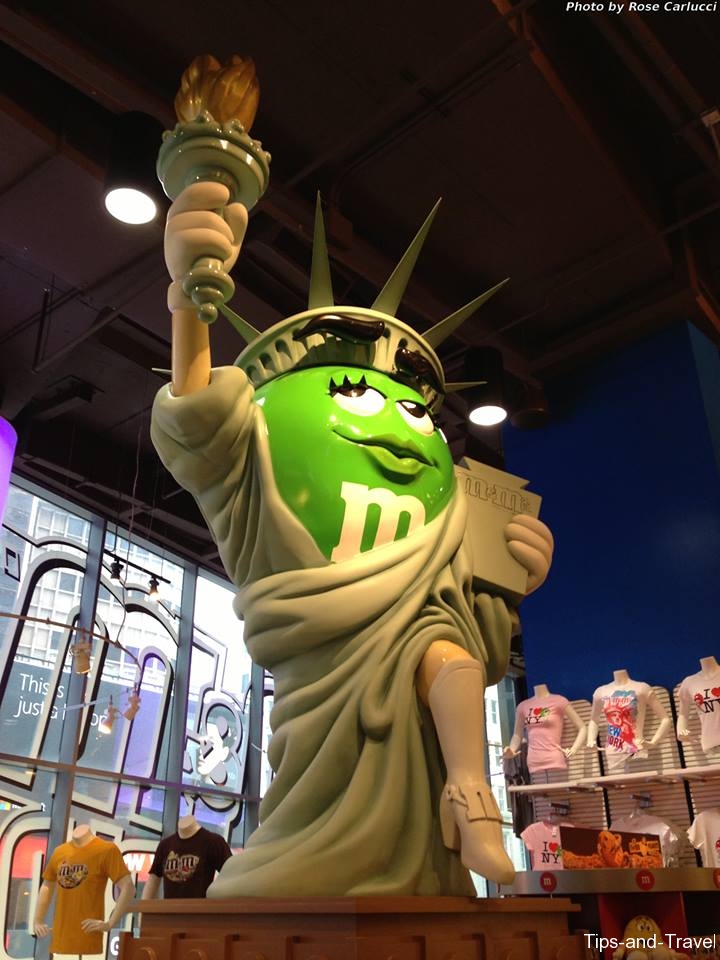
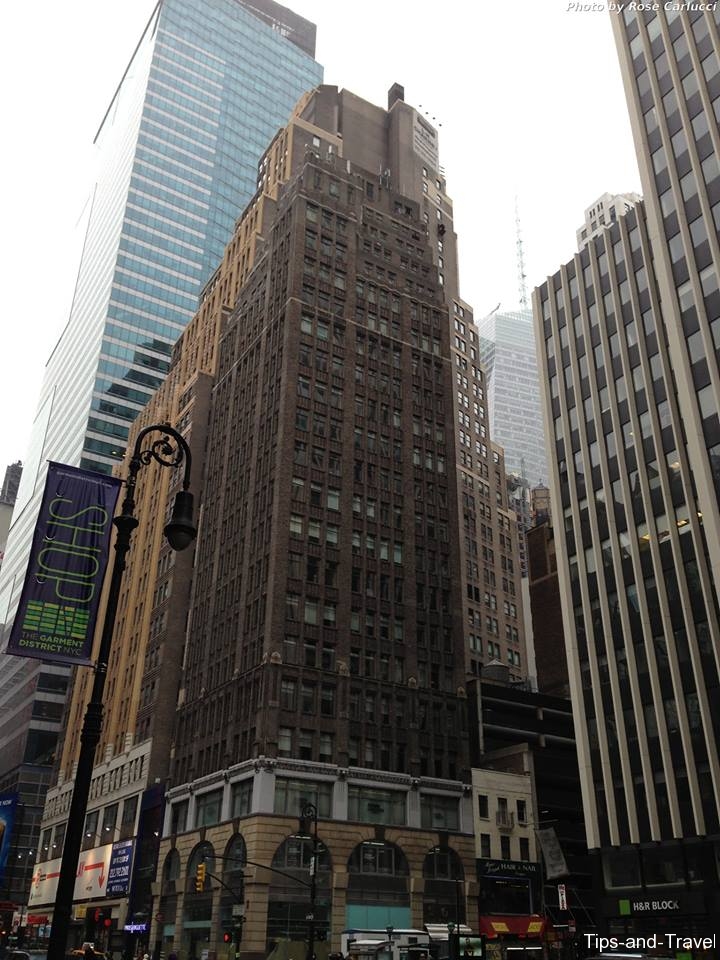
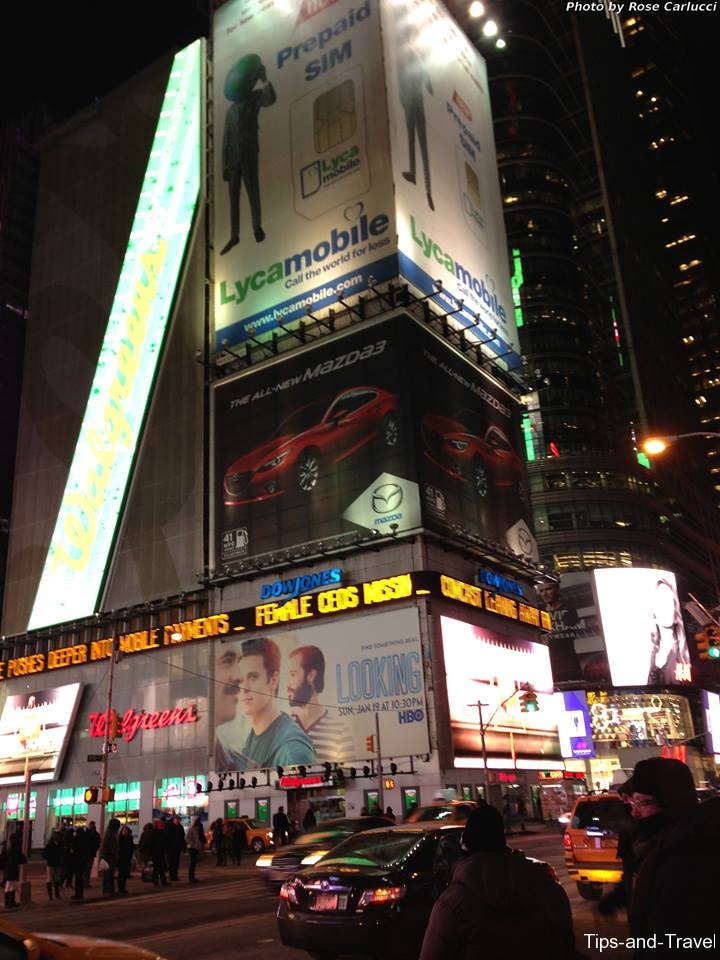
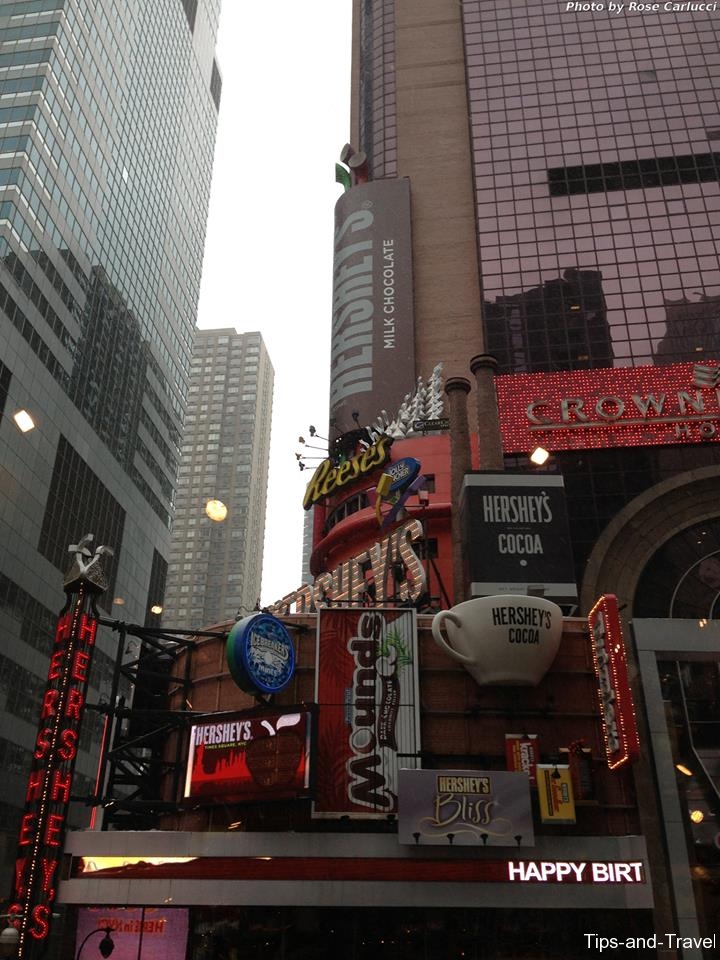
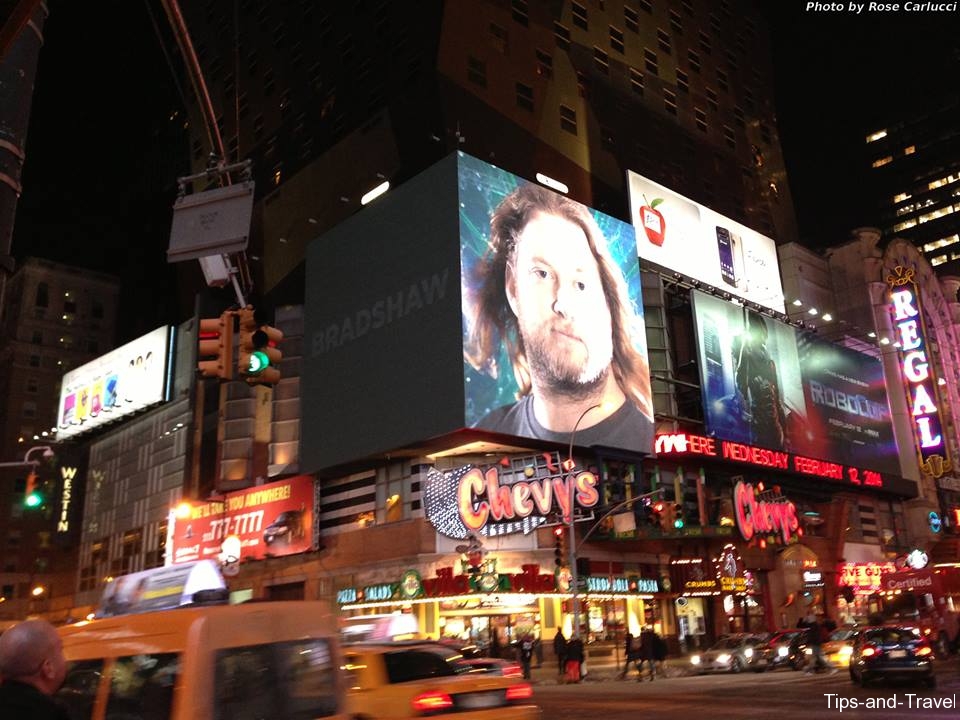
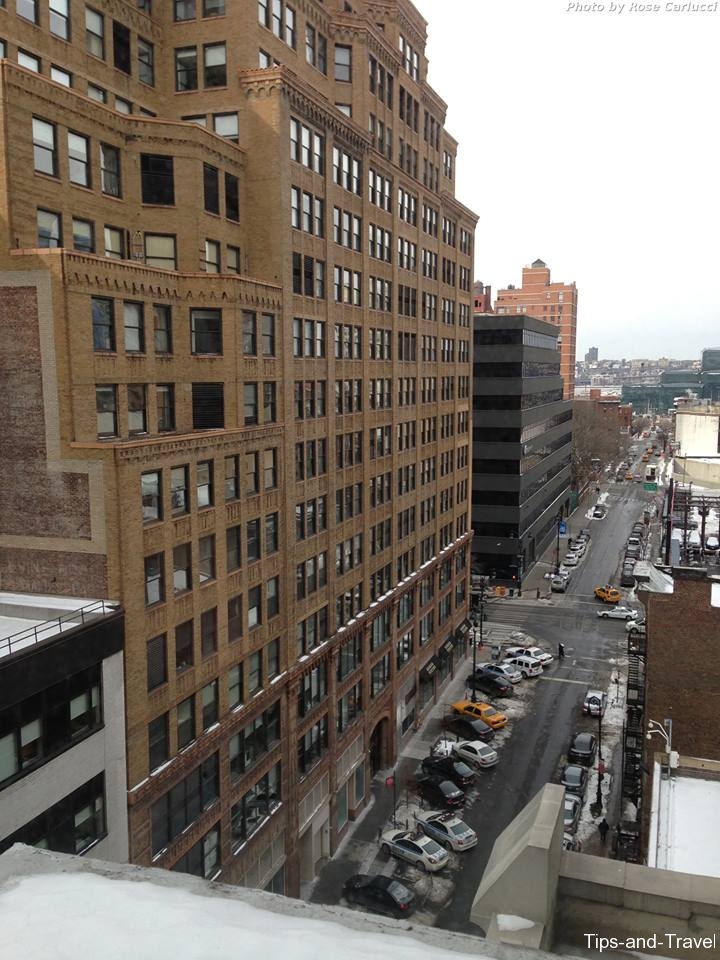
New York City, the largest city in the United States, consists of 5 boroughs: Manhattan, Brooklyn, The Bronx, Queens and Staten Island. A very important global city in the business, finance, media, technology, art, fashion, entertainment, research and education sectors. Being cosmopolitan between its ethnic neighborhoods, Little Italy and Chinatown are the best known. It receives about 50 million tourists a year and its most visited places are Times Square with its lights and shops of all kinds and Broadway with theaters, shows and restaurants. It also counts with several bridges, parks and the very famous skyscrapers. Wall Street is its financial district where we find the Stock Exchange and the One World Trade Center with the memorial.

Tips

The fastest way to travel is the metro but note that the same metro ticket can be used to catch a bus.

If you like walking, do not hesitate, the city is very easy to go and at every step you will find something to see or something to do.

A beautiful day of walking and shopping could start at Central Park and continue in a straight line to Times Suqare, you will be amazed to find so many famous brands stores and you could end the day between the lights of Times Square in one of the restaurants or cafes around.

New York City is not a city where you can really save money so one way to save would be to find a well-placed hotel and take a room with the included breakfast. You could have a great succulent meal for almost the same price as you will pay for a coffee and a pastry; that will make that right after that you should stop eating something again.

Veliko Tarnovo, Bulgaria

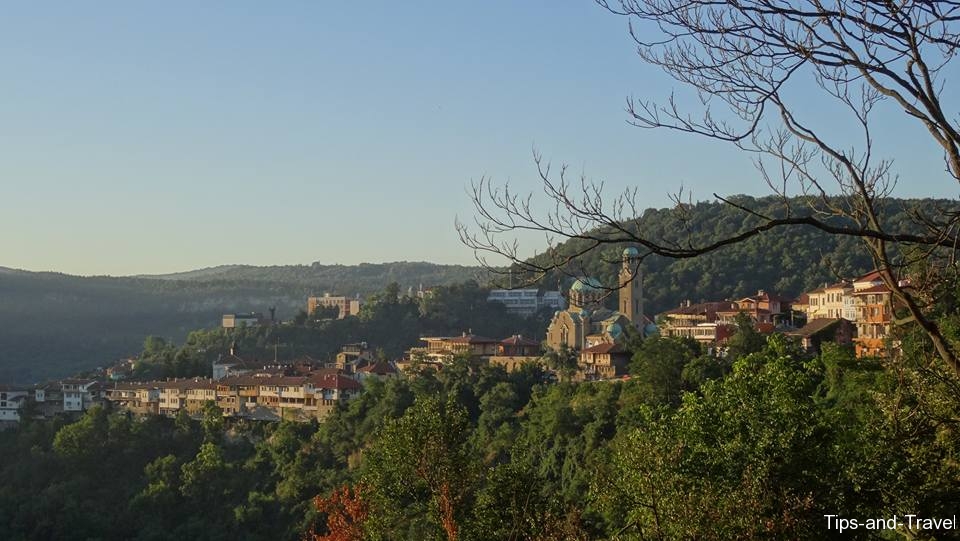
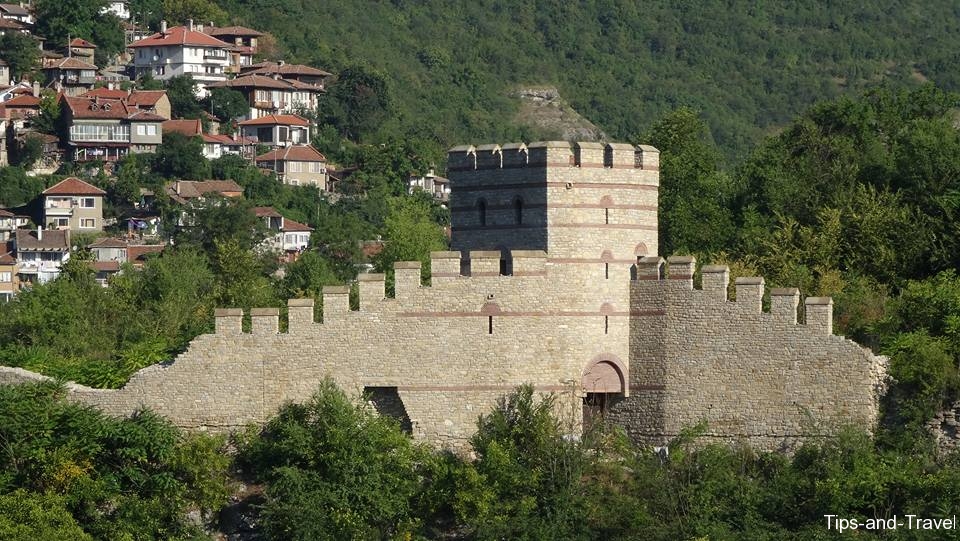
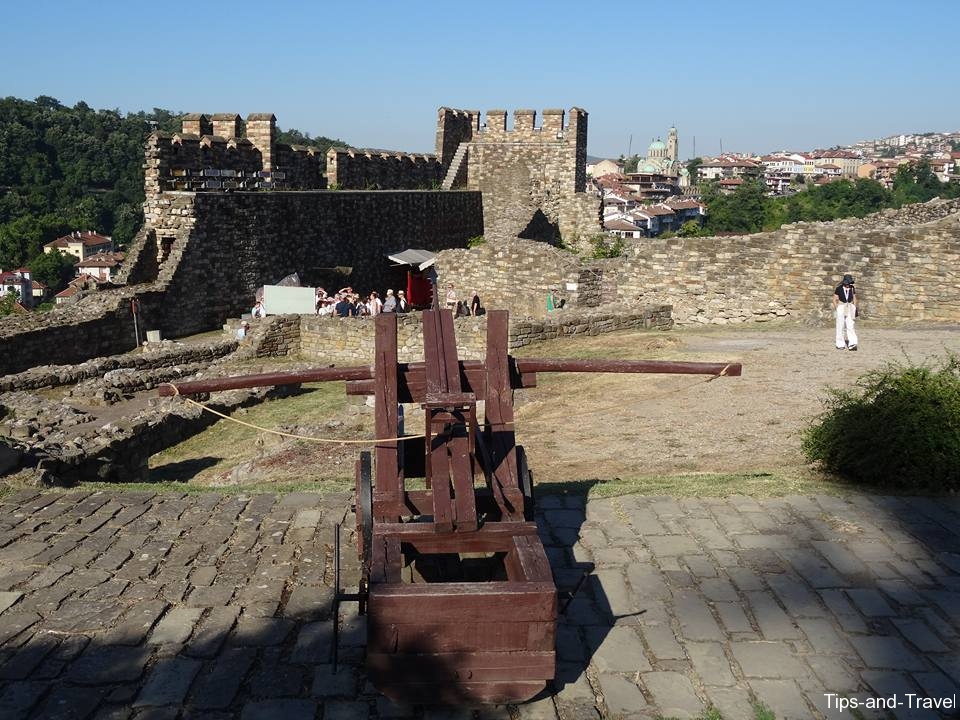
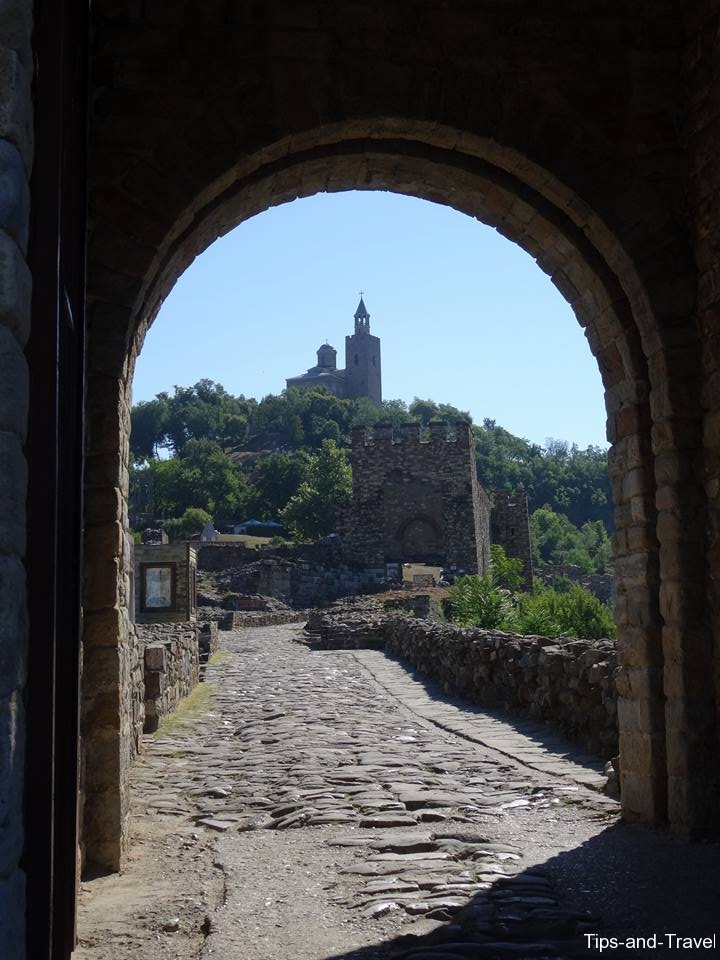
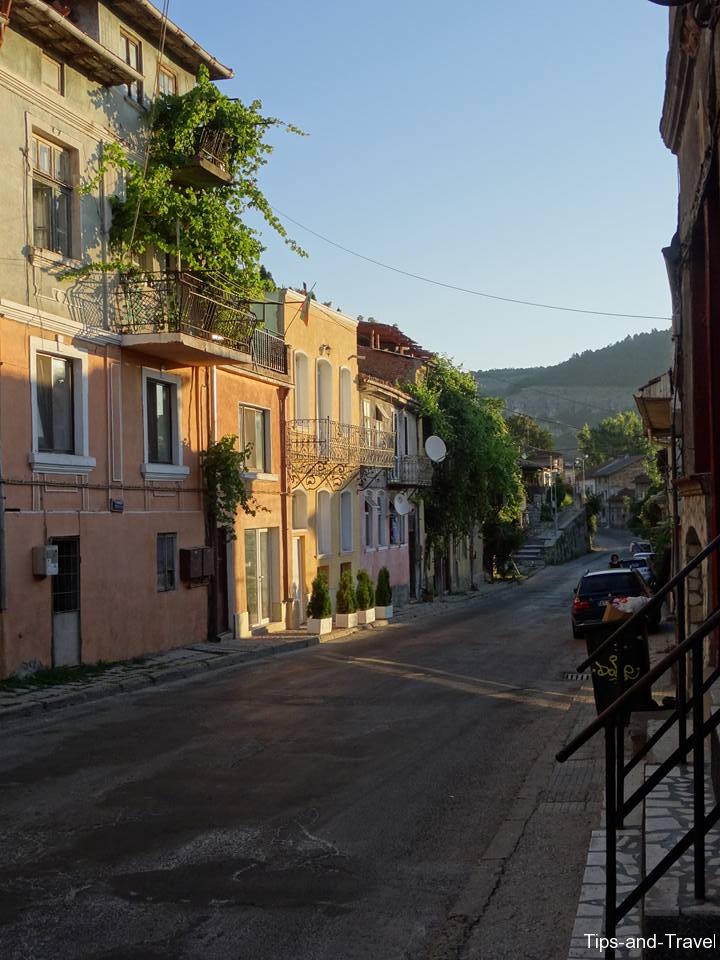
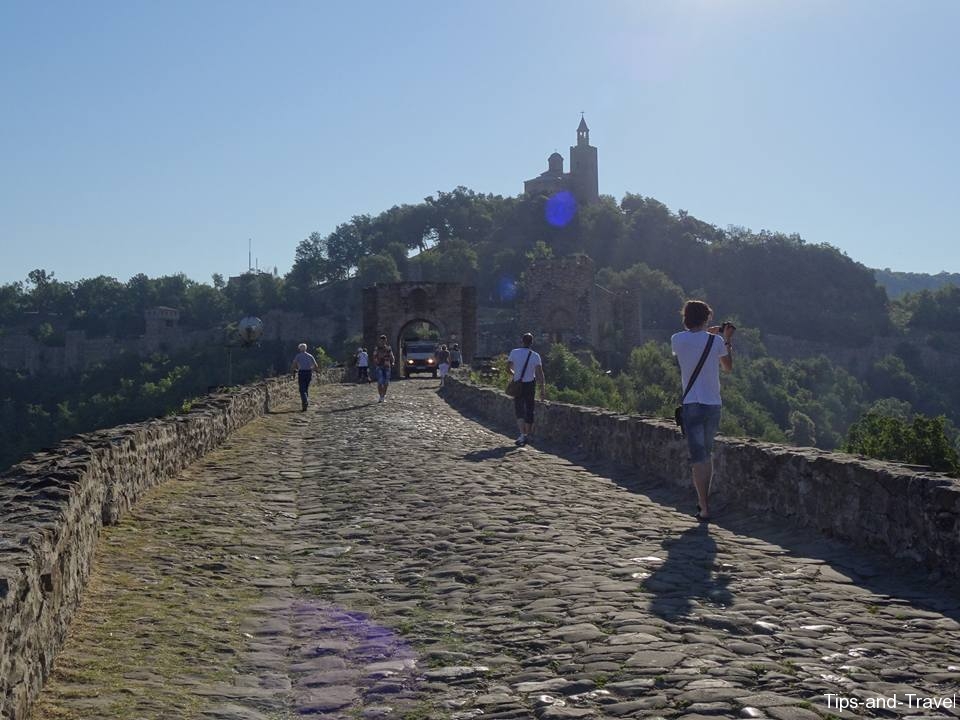
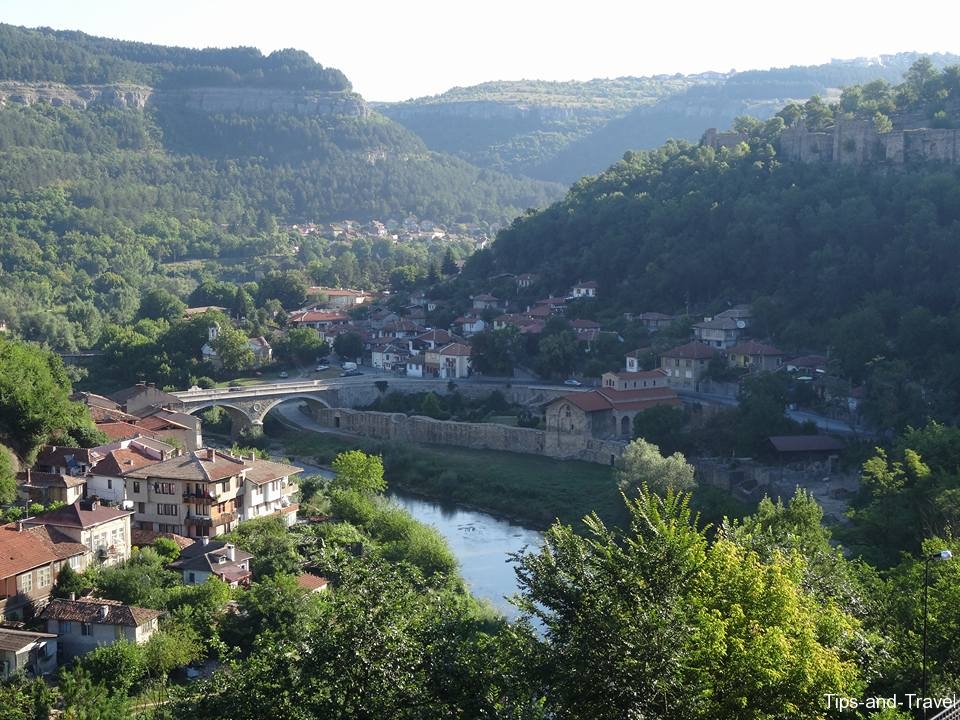
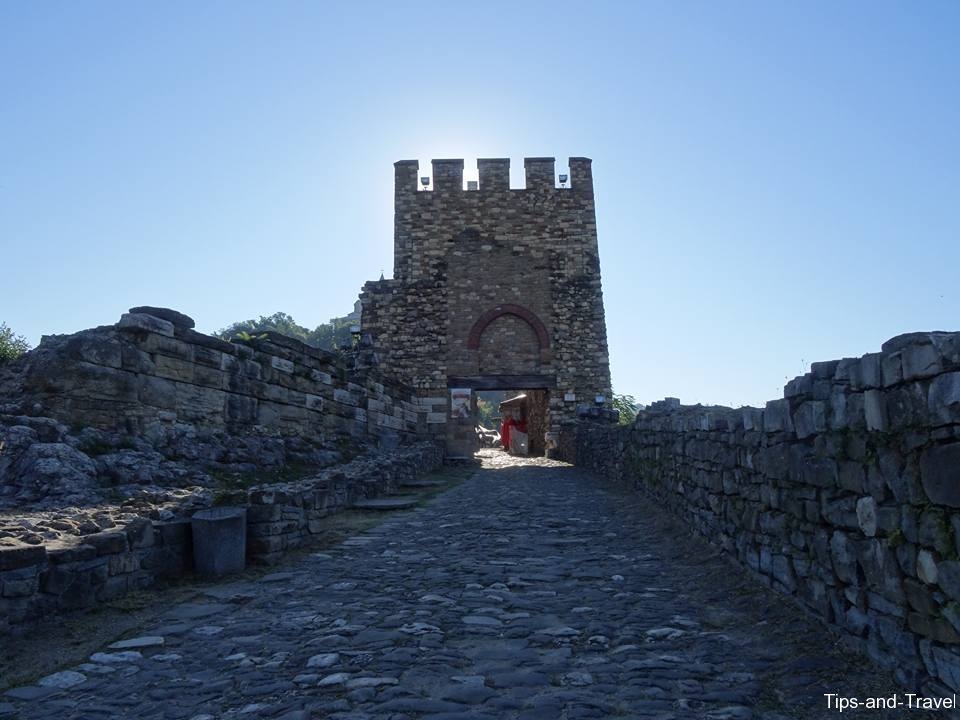
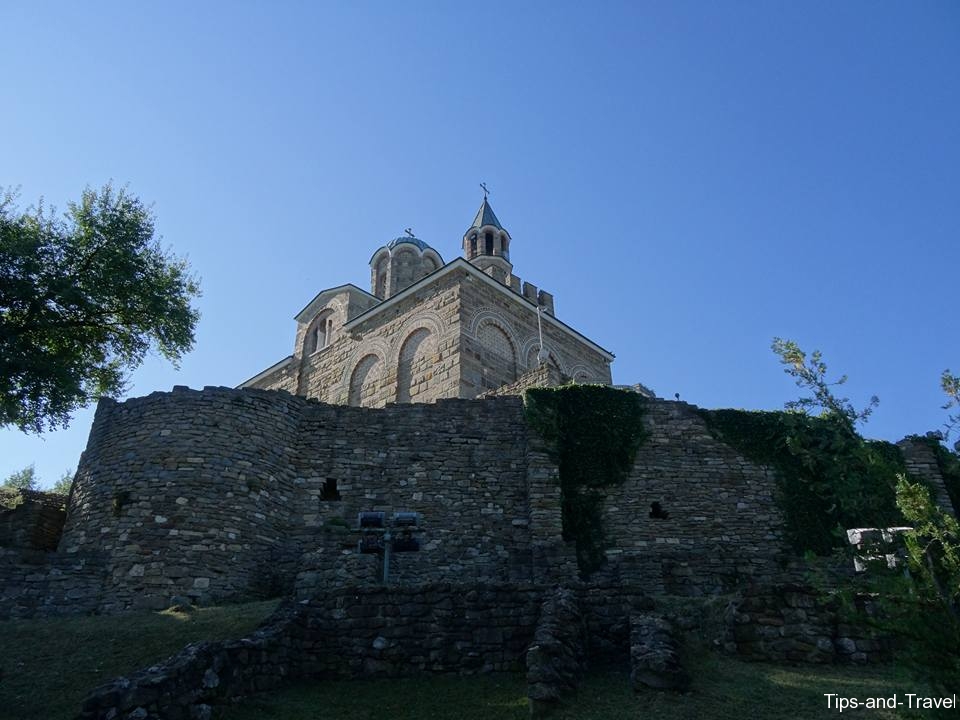
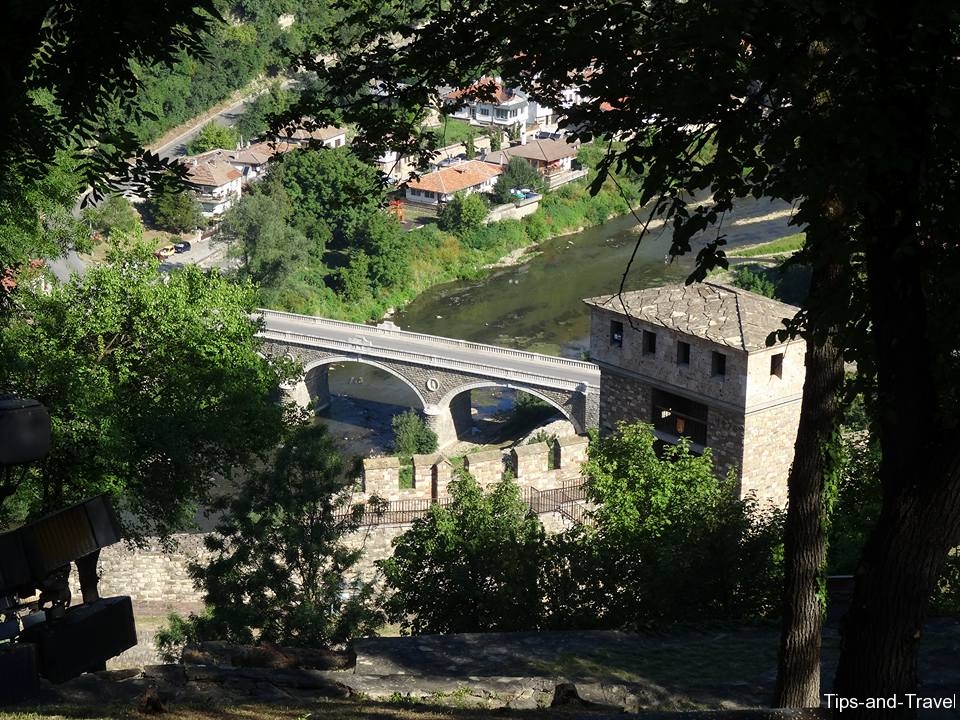
Veliko Tarnovo, known like the ‘City of the Tsars’, is a city in north central Bulgaria and the administrative centre of the province with the same name. It’s located on the Yantra River, surrounding the Balkans, famously known as the historical capital of the Second Bulgarian Empire. The old part of the city is situated on the three hills, Tsarevets, Trapezitsa, and Sveta Gora. The palaces of the Bulgarian emperors and the Patriarchate, the Patriarchal Cathedral and some administrative and residential edifices surrounded by thick walls are on Tsarevets. Trapezitsa is known for its many churches and as the former main residence of the nobility. During the Middle Ages, the city was among the main European centres of culture, it has an important architecture that attracts lots of tourists. It was a very important city with foreign merchants (Jewish, Roman Catholic, Armenian) but in 1393, the Ottoman Empire captured it. The city and the rest of present-day Bulgaria, remained under Ottoman rule until the 19th century, when national identity and culture reasserted themselves as a strengthening resistance movement (480 years under Ottoman rules). It was at Holy Martyrs Church in Veliko Tarnovo where Tsar Ferdinand declare the complete independence of Bulgaria in 1908. Today, Veliko Tarnovo is the center of one of the largest urban areas in Bulgaria and is one of the few cities in the country with a growing population.
Tips

It’s a city with a rich and interesting history, so a good way to know more about it, is to take a guided tour or a private guide. You’ll discover beautiful monuments and churches.
There are other important cities and naturals places to see near the city. You can rent a car to discover it by yourself but make attention because you’ll find people that only speak local language so if you don’t understand the signs, you’ll be in a problem. Make sure you have good maps and indications.