Pow Wow Odanak, Canada

WELCOME EVERYBODY

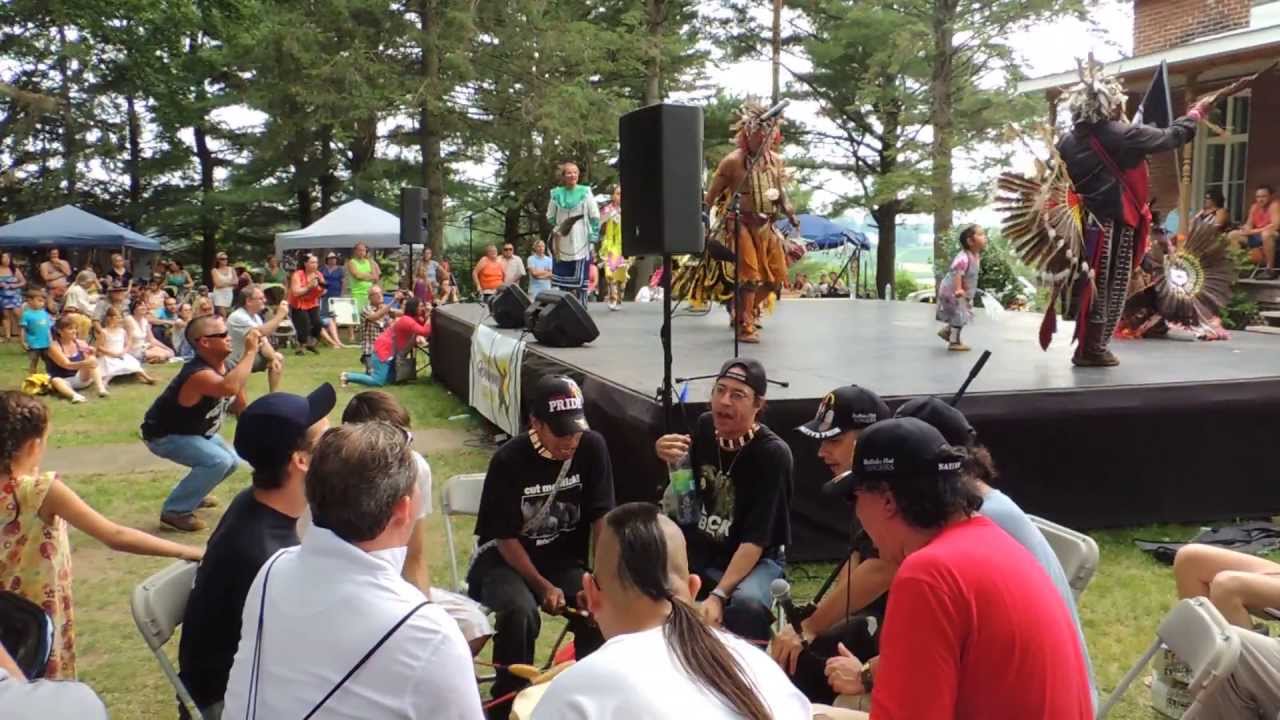
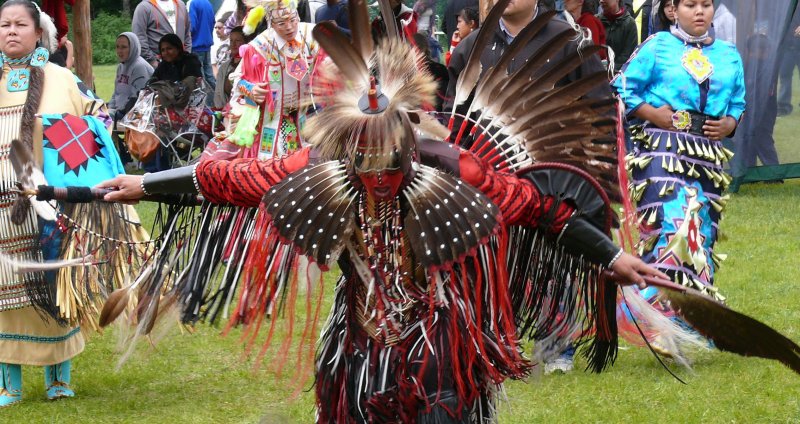
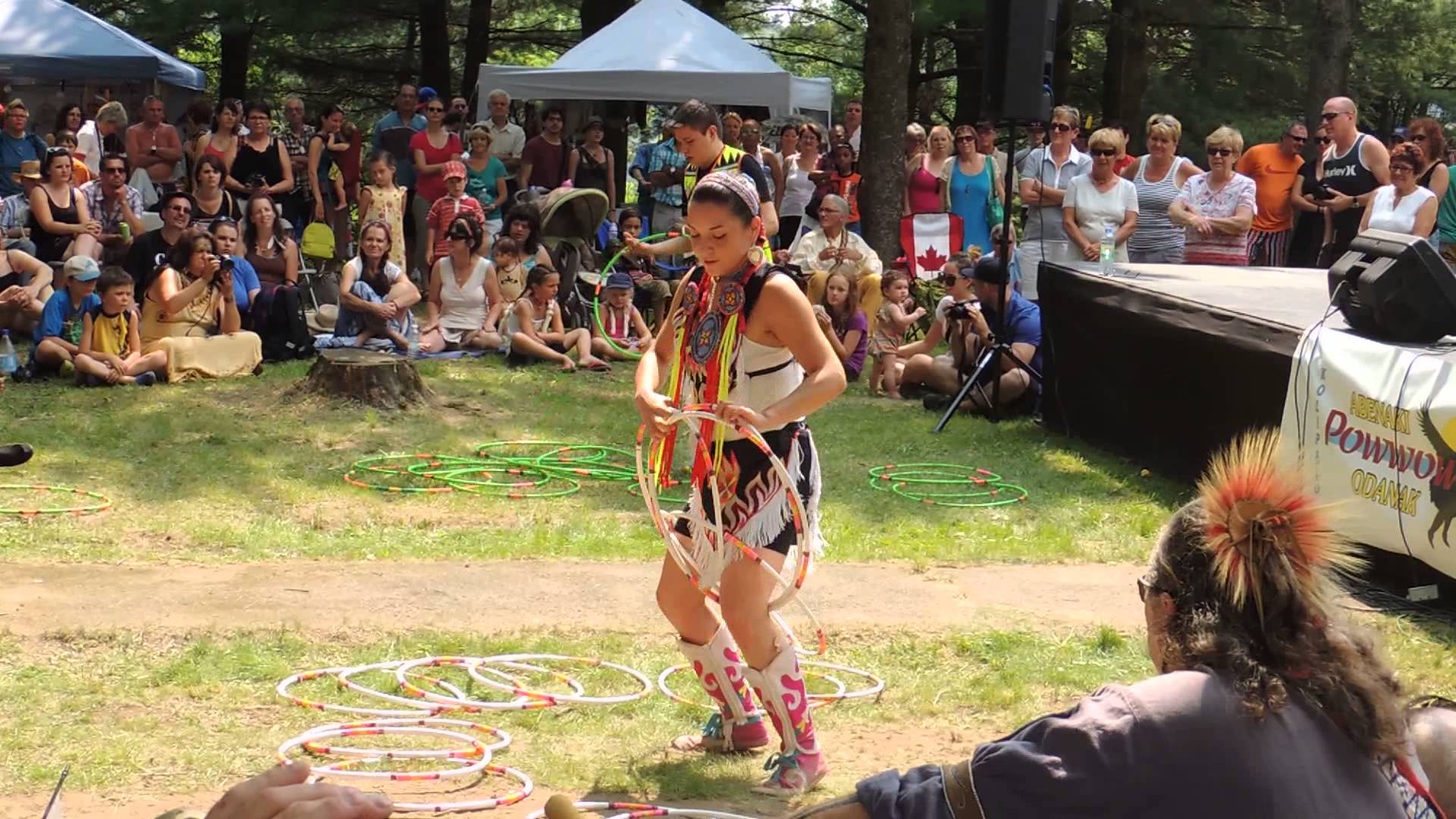
The 3rd, 4th and 5th July 2015 will be held the annual Pow Wow of Odanak Abenaki (32 km east of Sorel). Several traditional flavor events will be held these three days, such as singing and dancing benefits offered by members of different nations, as well as a day dedicated to the family. Please note that access to all Pow Wow activities is free and open to everybody at any time.

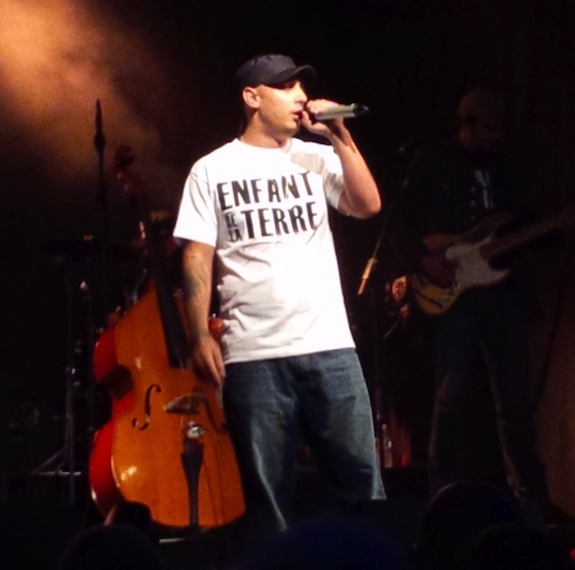
Samian on Friday night show

Always from a perspective of celebration and fun for the whole family, Pow Wow presents the free show of Aboriginal rapper Samian from 21h, Friday, July 3rd, 2015. A native of Pikogan, small Aboriginal community in Abitibi-Témiscamingue, Samian claims and compliance recognition for its origins. The documents to be presented at his show reveal the more entrenched than ever, combining a sometimes jazzy sound, sometimes more rock, for a mix of genres that will convince everyone. His performance will be followed by DJ Nicolas Langlois.

Activities on Saturday and Sunday

Several activities will take place throughout the weekend. Indeed, it will be possible to visit various craft booths and attend the benefit of traditional songs and dances, as well as demonstrations of traditional skills. This will also be the opportunity to taste typical native dishes. During the family day on Saturday, toddlers will be honored: entertainment and inflatables will be on site.

About the Pow Wow of Odanak

Although modernity has taken the place of a traditional way of life, the Abenaki never really detach their identity. That is why they try to keep a time during the year to remember the rich culture of their ancestors. The Pow Wow of Odanak is an opportunity to celebrate during this cultural exchange between contemporary and several First Nations that will be present for you to discover their culture.

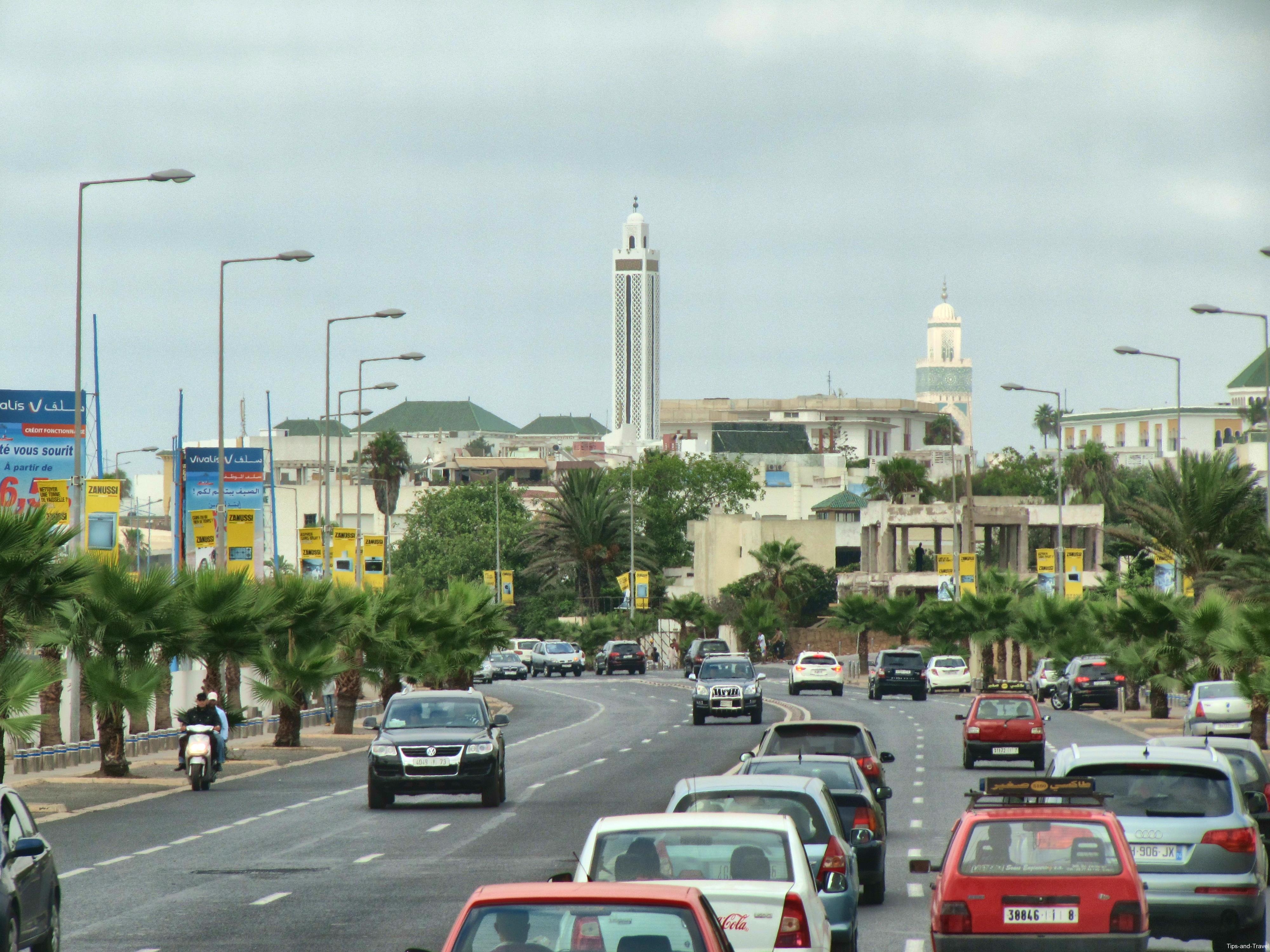
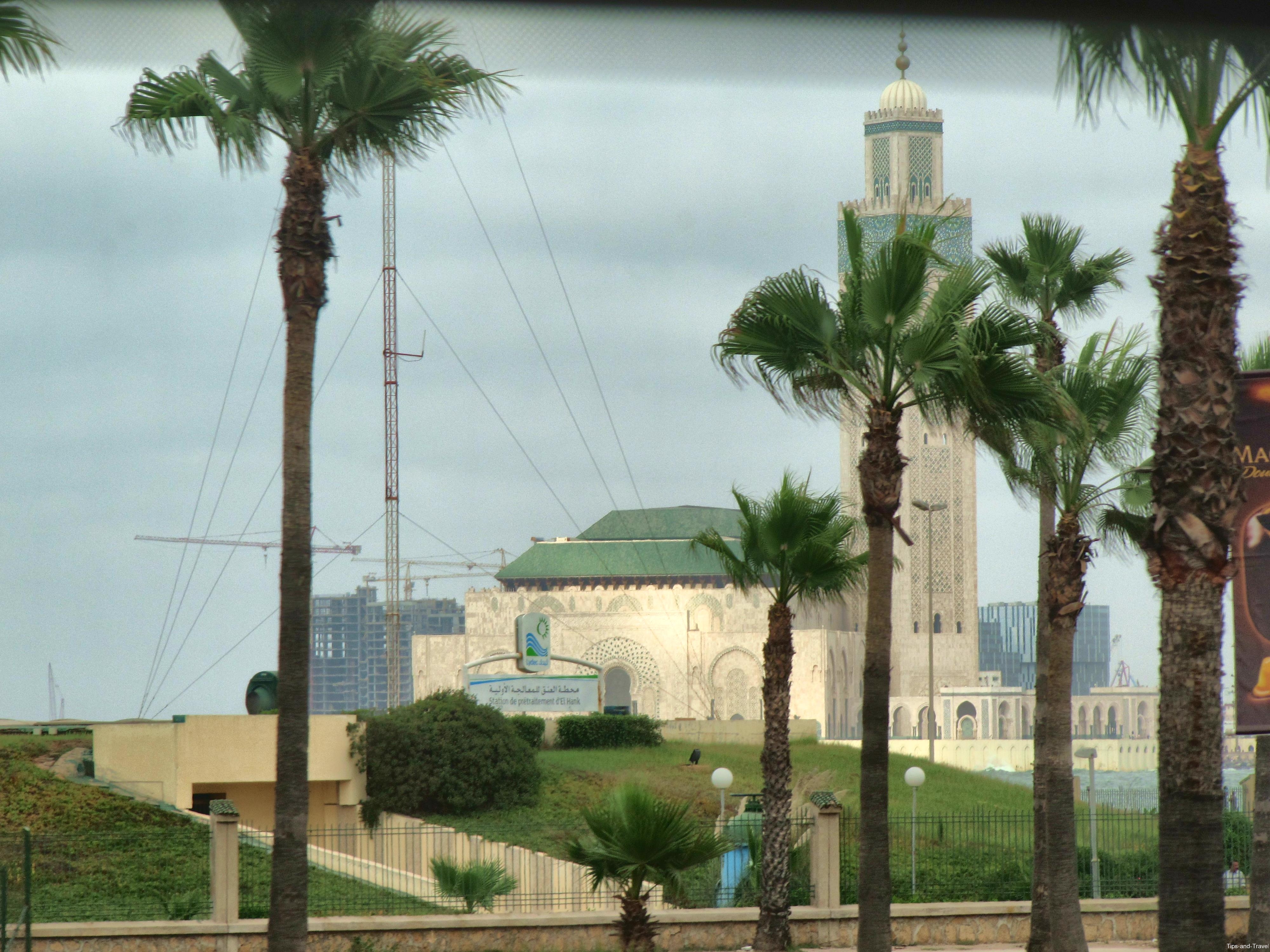
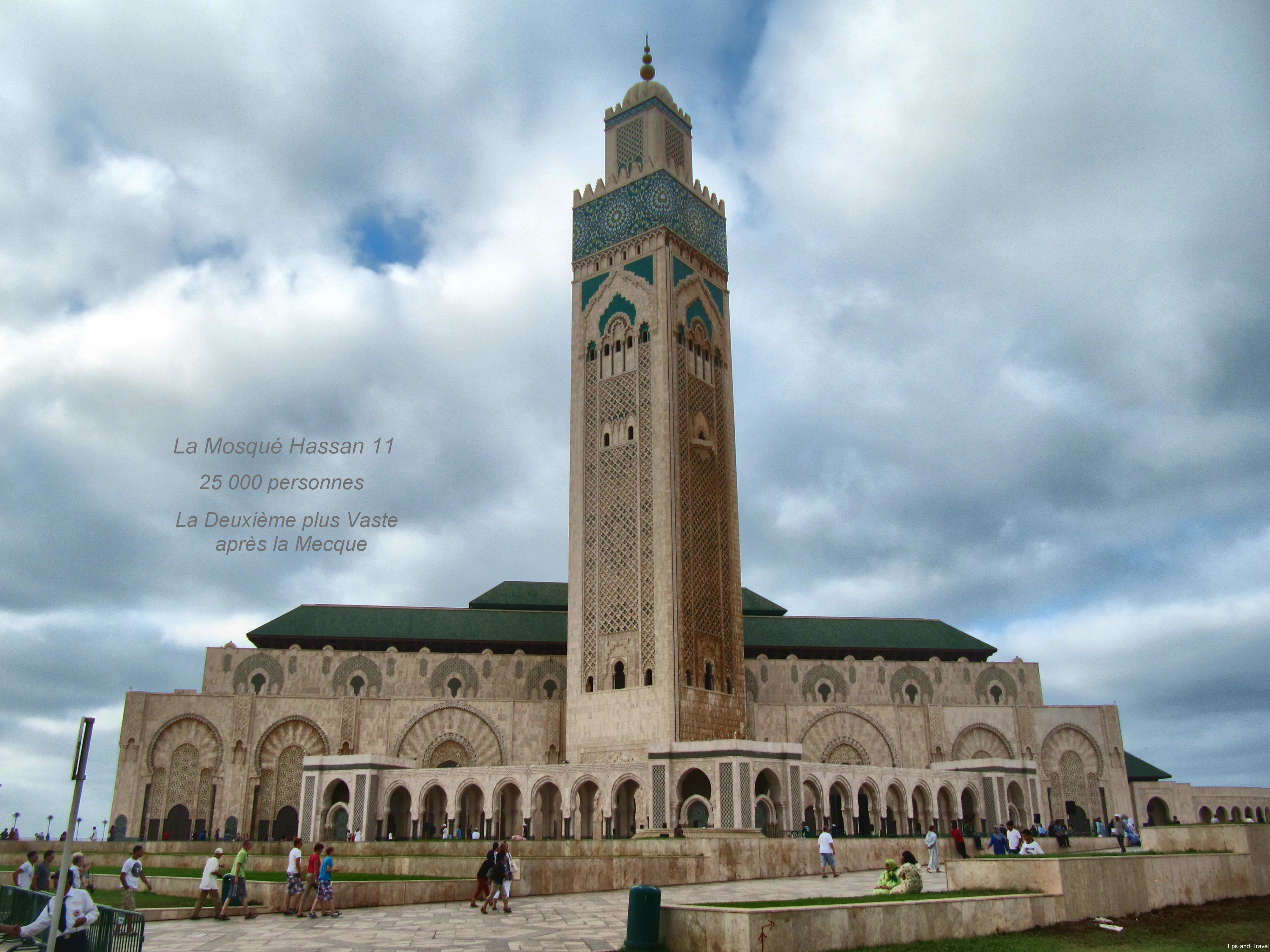
The Hassan II mosque, Casablanca, Morocco

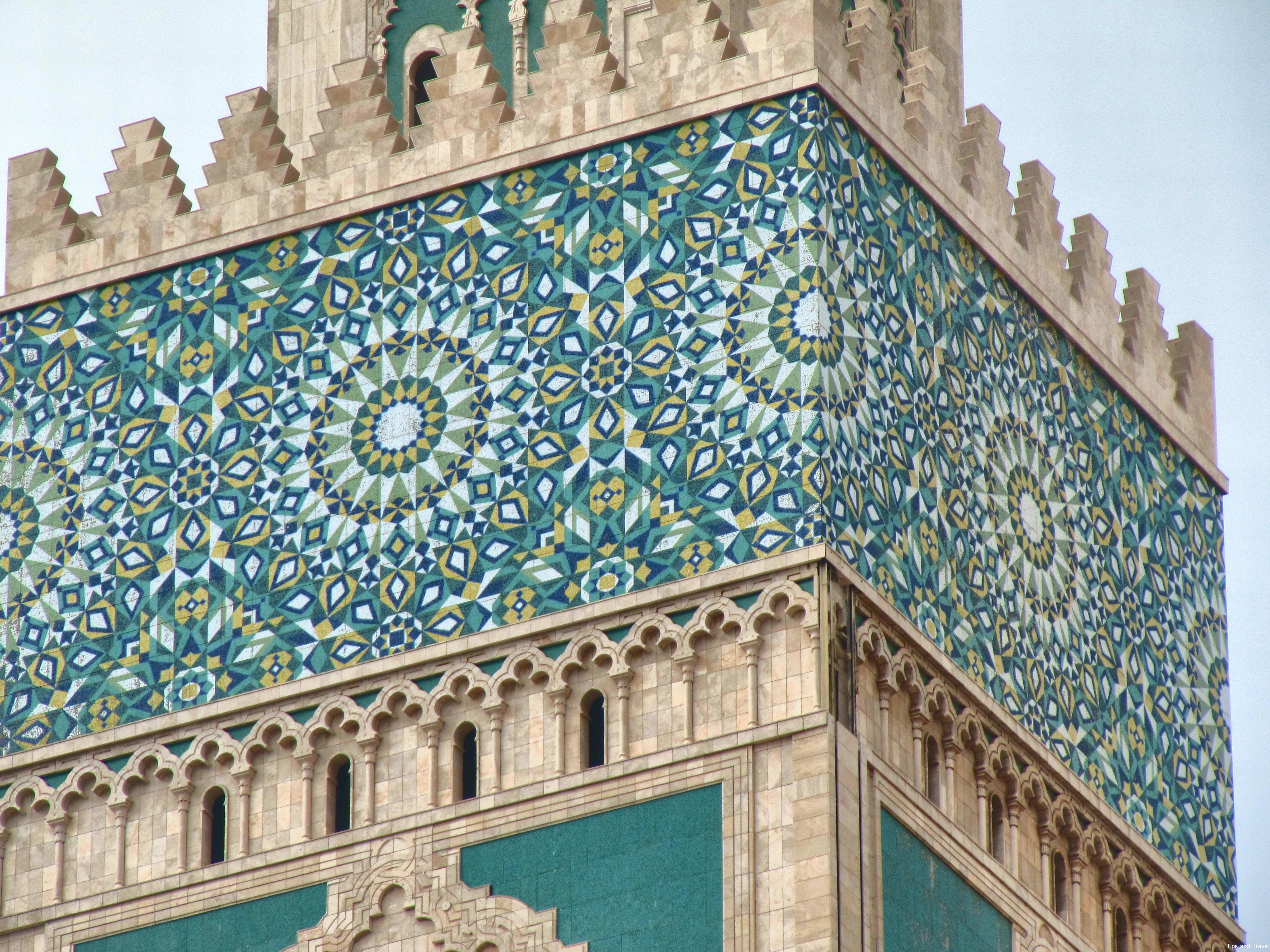
The Hassan II mosque, inaugurated in 1993, is located in Casablanca and is built partly on the sea, it is a religious and cultural complex, built on nine hectares and includes a prayer room, a room of ablutions, baths, a Koranic school, a library and a museum. It is the fourth largest mosque in the world. Its minaret is 201 meters. Hassan II had the wish to connect the building to the air, considered one of the four elements beneficial to life with earth, fire and water, that’s why there is a large sunroof that moves in five minutes thanks to a self-propelled wheel bearing system. It is adorned with 124 fountains and marble vanities, it has more than fifty chandeliers and there are some from Murano; it has 18 exterior doors and is equipped with a laser beam indicating the direction of the Mecca with a range of 30 kilometers. On one side and on the other of the central nave, there are two granite columns that have inlaid in gold lettering the pedigree of King Hassan II.

Tips

To visit the mosque, you can buy tickets on site. Removing shoes is mandatory at the entrance to the prayer room (plastic bags are available to the visitors). Video cameras, and any kind of radio receiver and / or sound equipment is forbidden inside.

Enclosure of Talavera de la Reina, Toledo, Spain

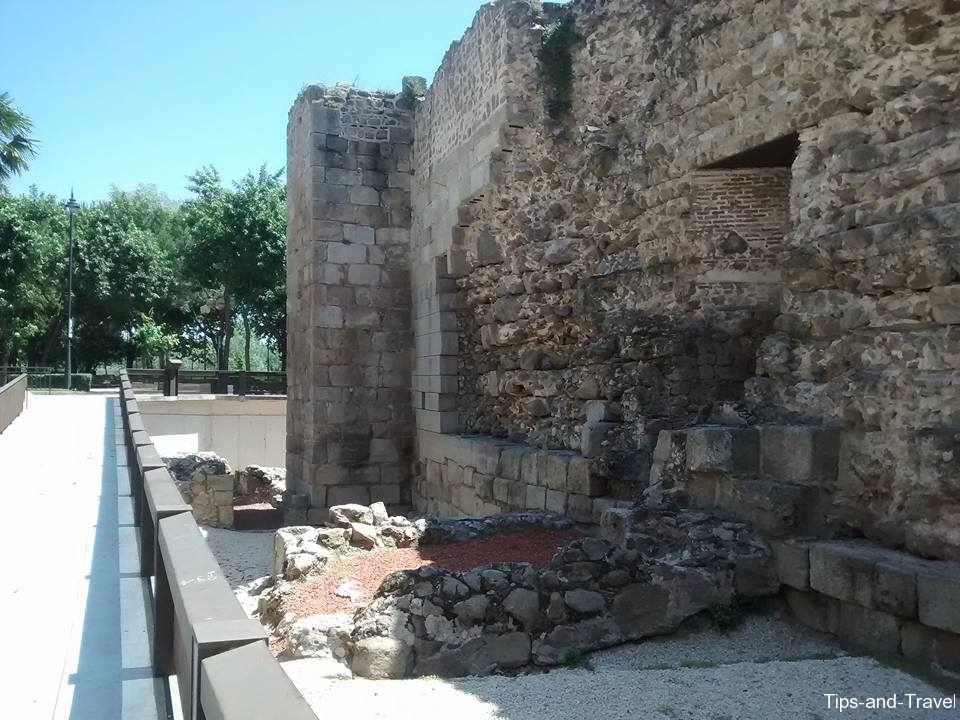
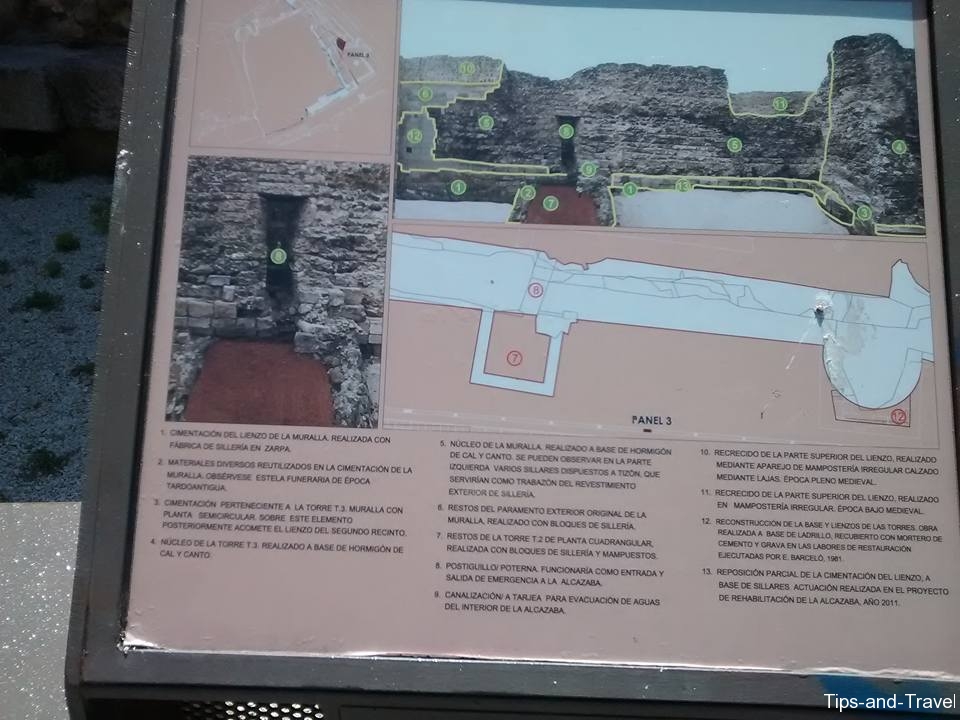
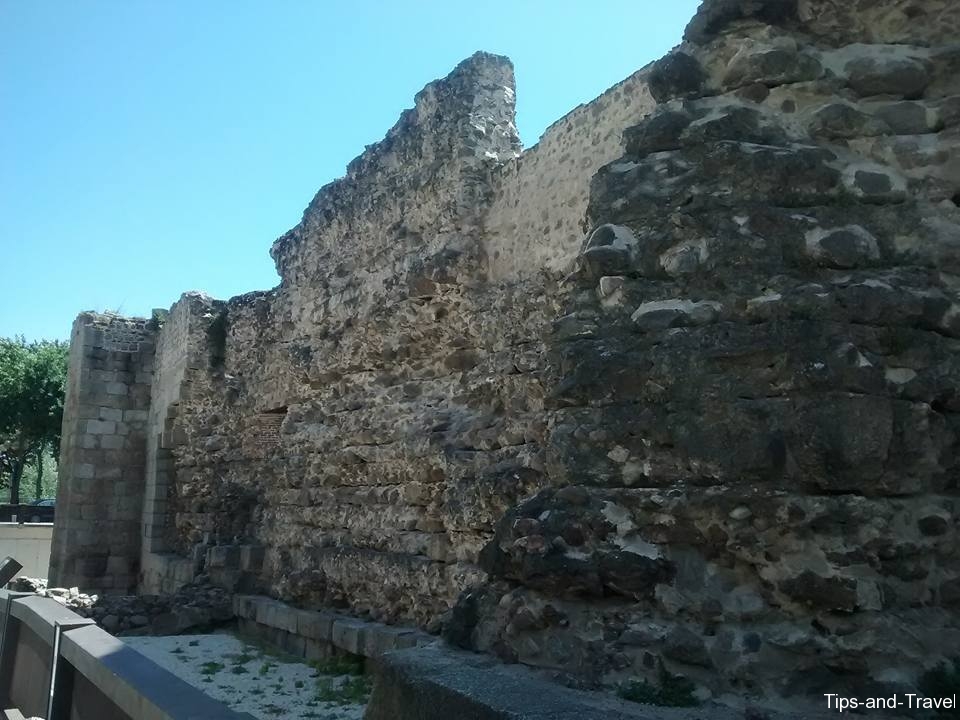
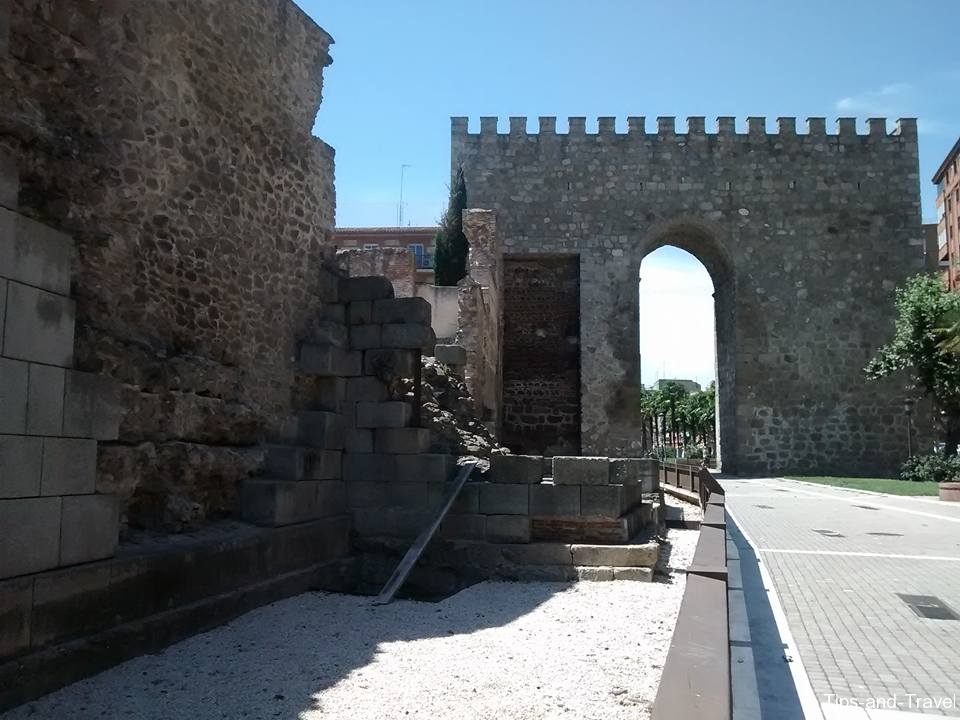
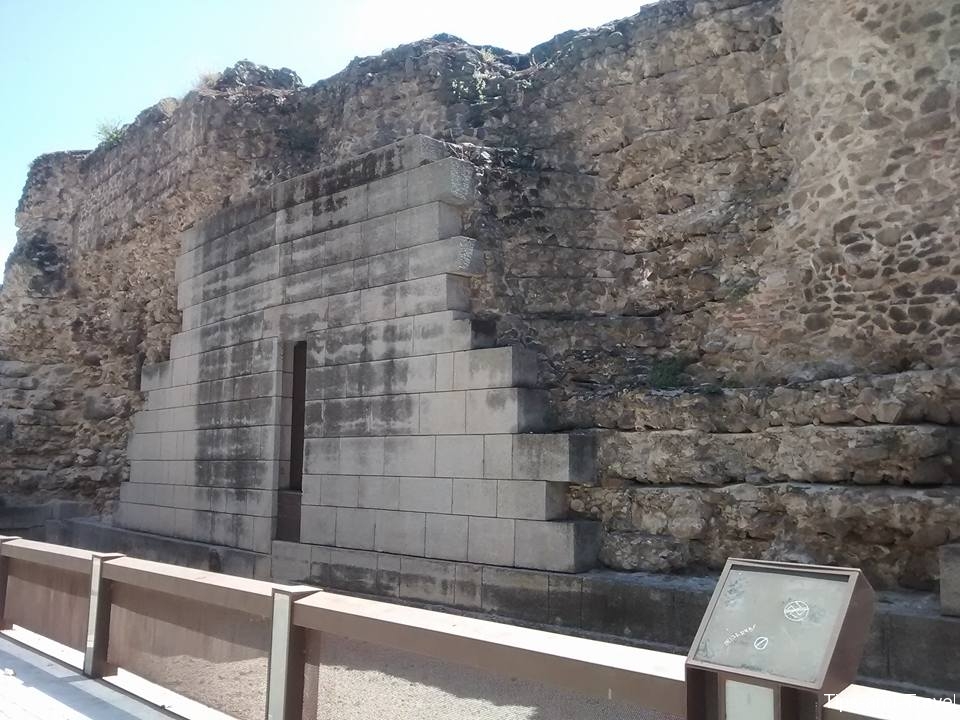
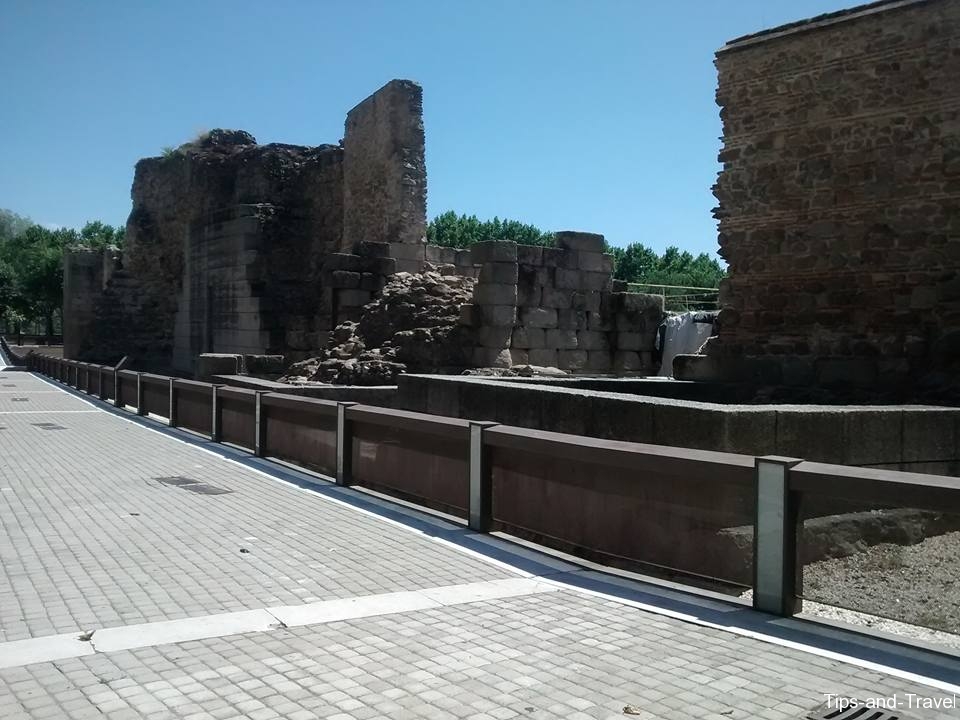
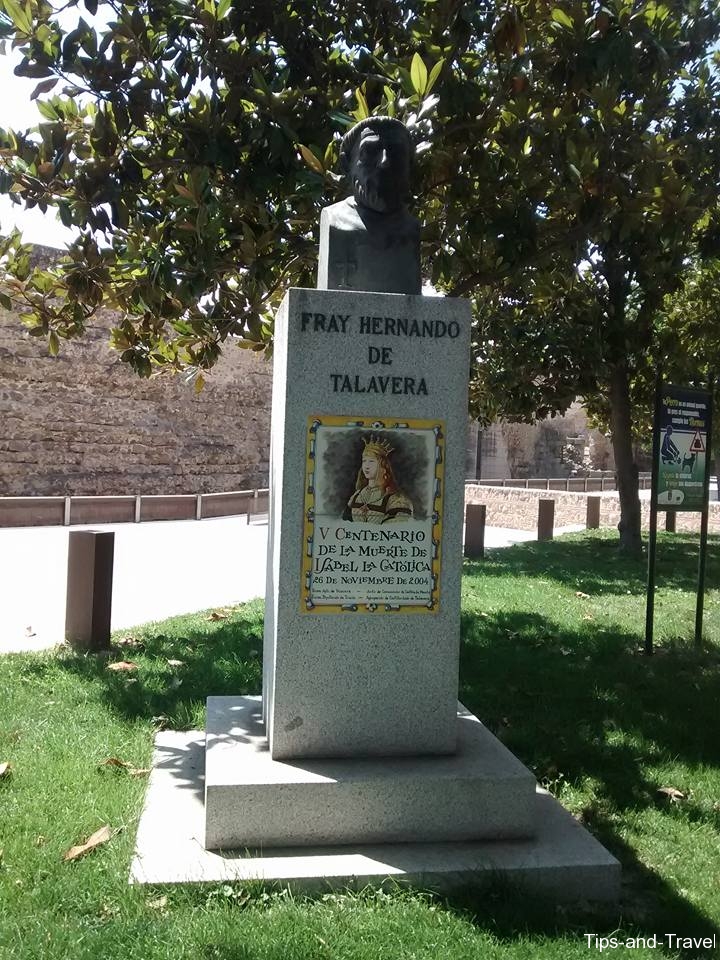
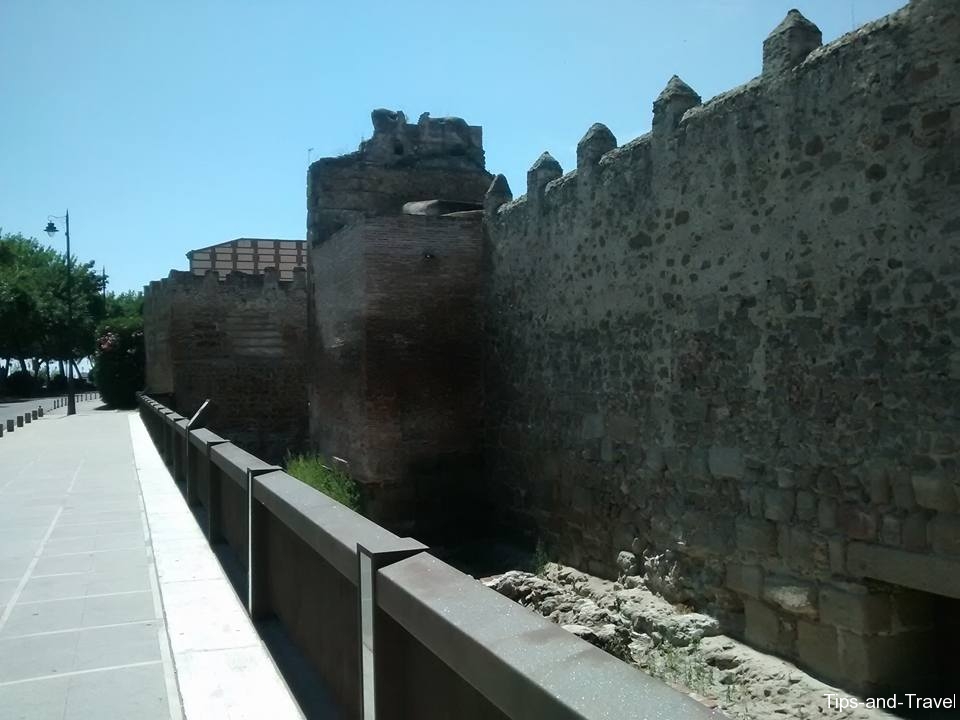
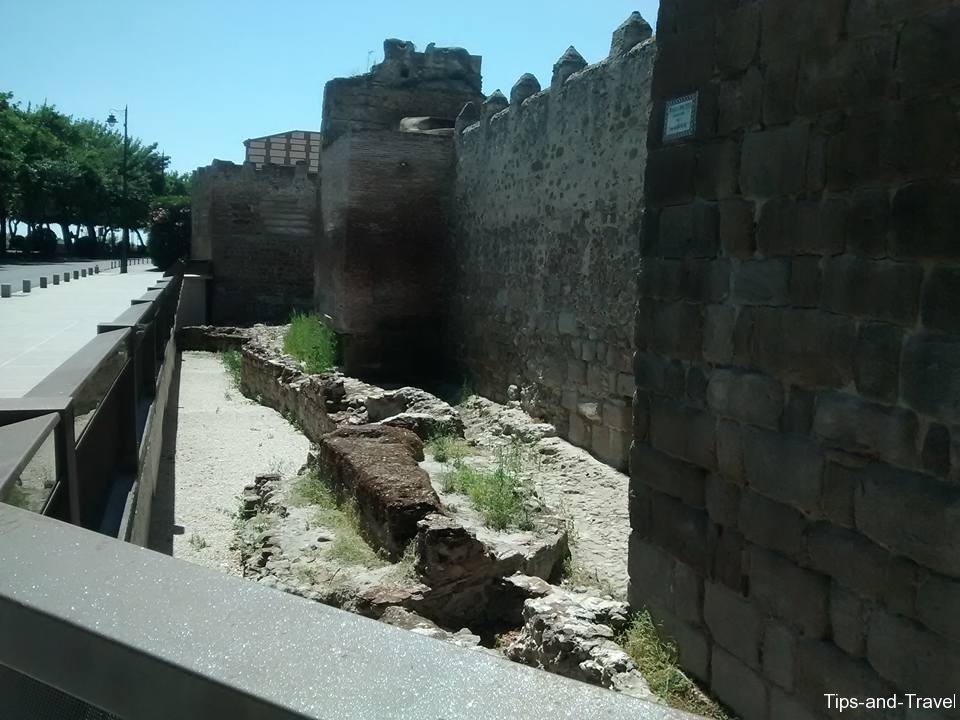
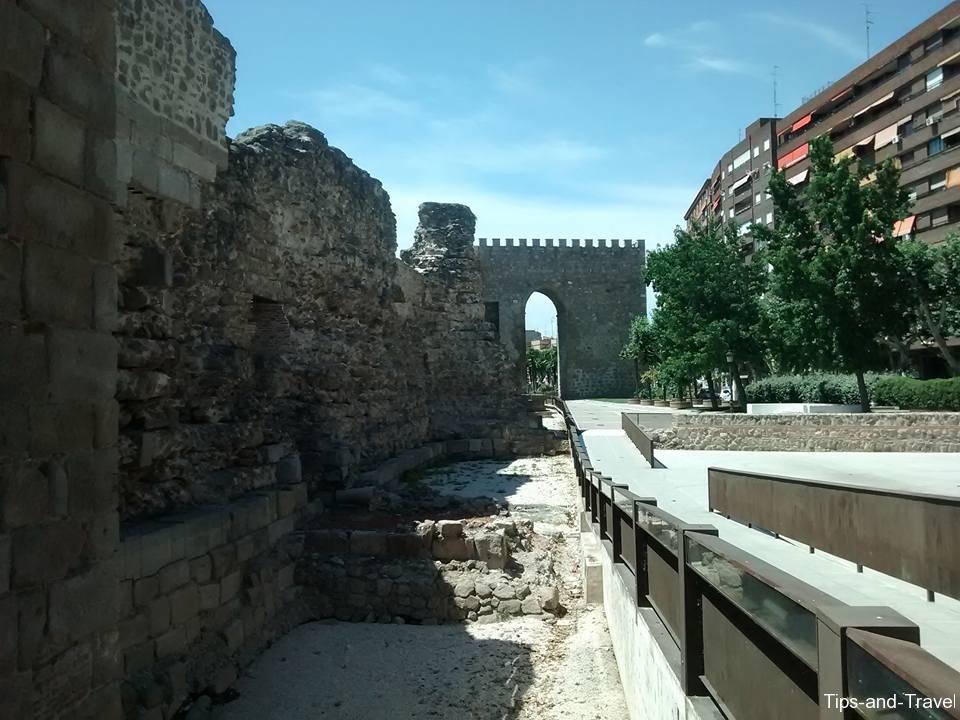
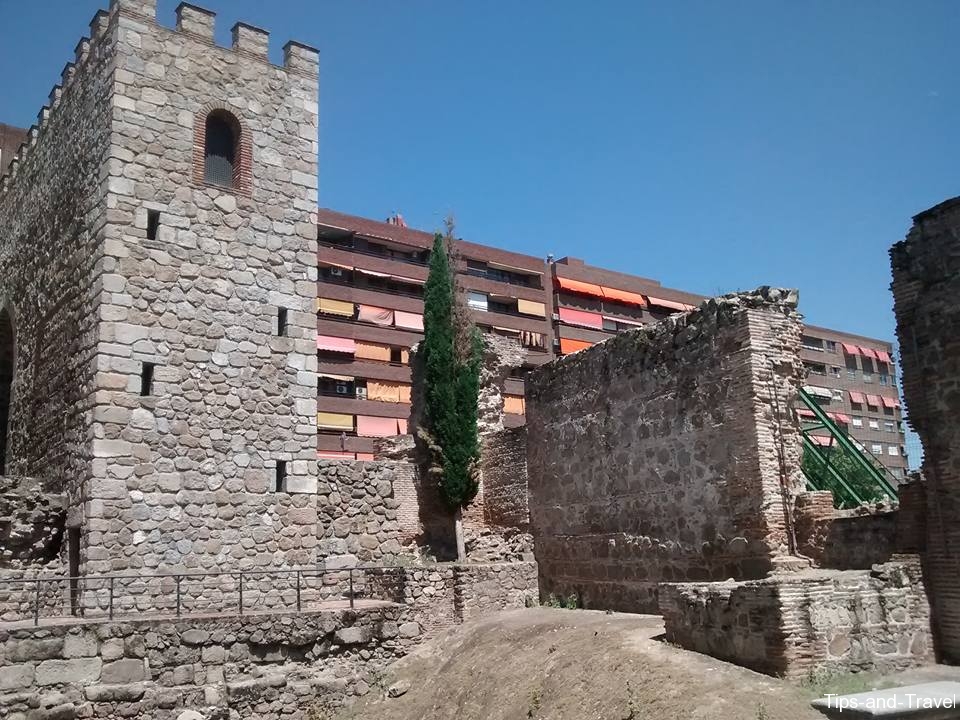
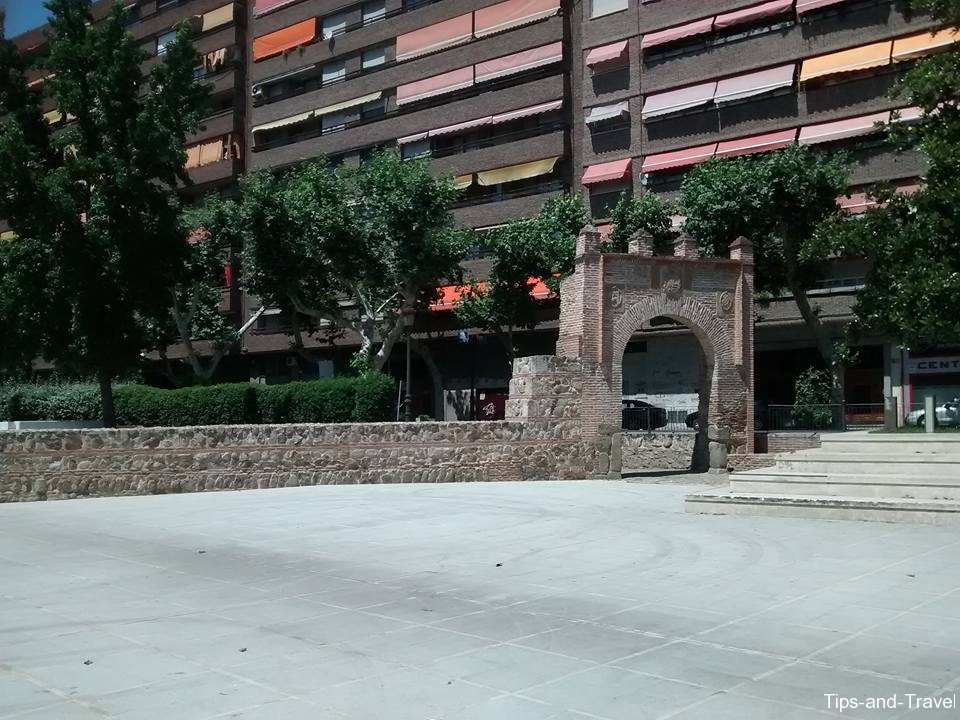
The walls and the towers ‘albarranas’ of Talavera de la Reina is a defense system that protected the town in the province of Toledo, Spain, and counted on three walled enclosures, the roads were tangential to the Arab fortress but nowadays, there is only a large part of the first enclosure, the oldest, and some remains of the second. “La Villa” (first enclosure) was built in the IX-X centuries by Arabians possibly following the path of a Roman or Visigoth wall. Its main material are stone blocks, there are a lot of reused Roman remains there, even printed stones of that time; and rough stones. We also find semi-circular and square towers; these being the oldest towers and other flanking the thirteenth and fourteenth centuries. Unfortunately, the doors do not exist except for the remains of one of the semi-circular towers of the Door of Mérida. There still has a shield and a Virgin who presided the Door of  St-Peter, but they were put in the Basilica of Prado. The second walls (XII) protected the Major cities or New ones and the third (XIII) surrounded the old towns. The second enclosure still retained some of the early ones alongside the citadel, and the door of Seville (XVI); the Powder Tower, a part of the door Zamora and a tower in San Miguel Square. The third will keep several coats of arms of the Door of Cuarto and some traces of the foundation. This kind of construction attached to the first fortifications meant that Talavera was considered one of the safest cities for centuries.

Tips

The walls and towers are on free access. It is a walk that can be done without a guide as there are indicators and panels with photos and explanations.
Talavera de la Reina has a tourist office where you can request more information.