Luxor, Egypt

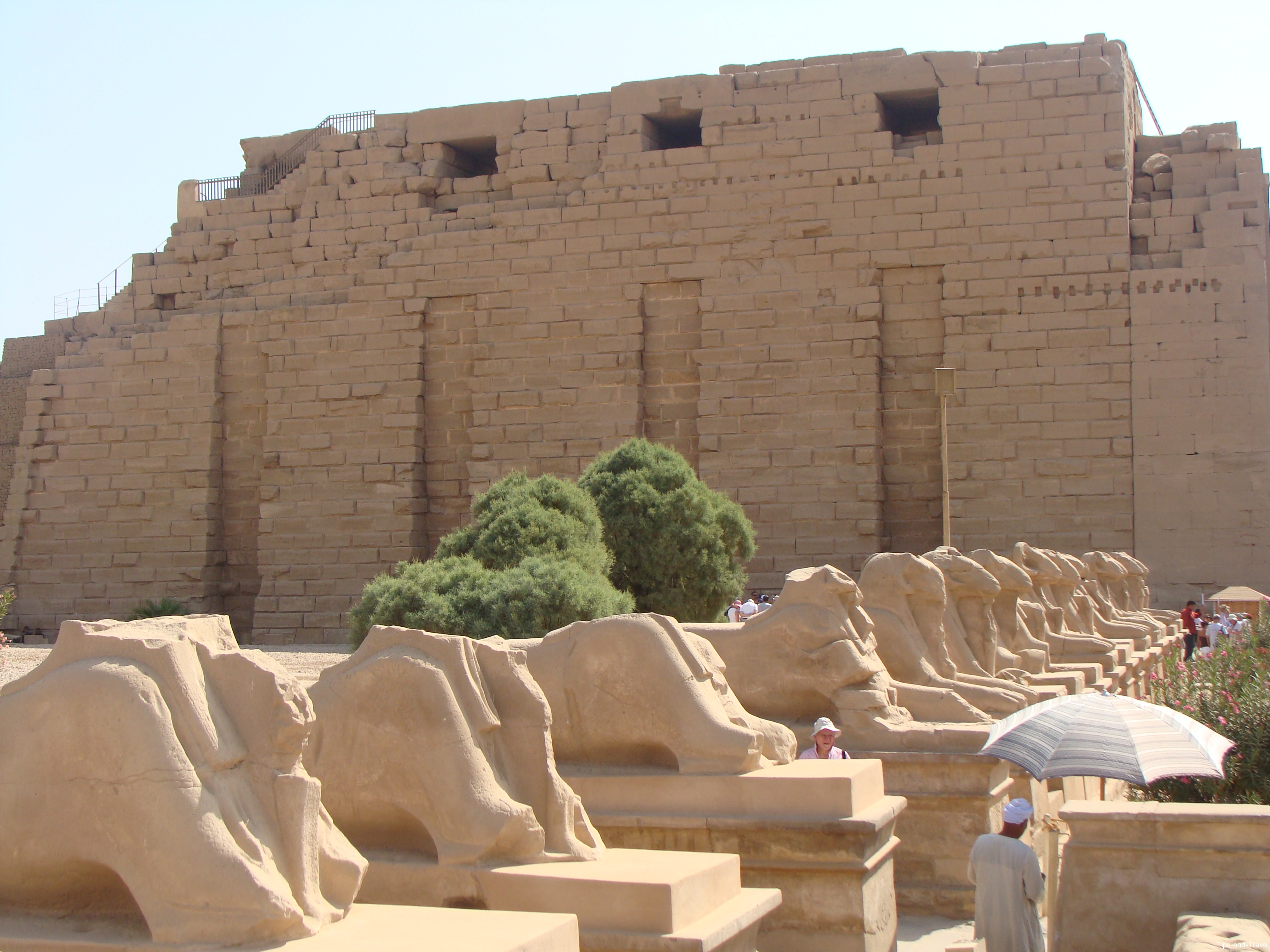
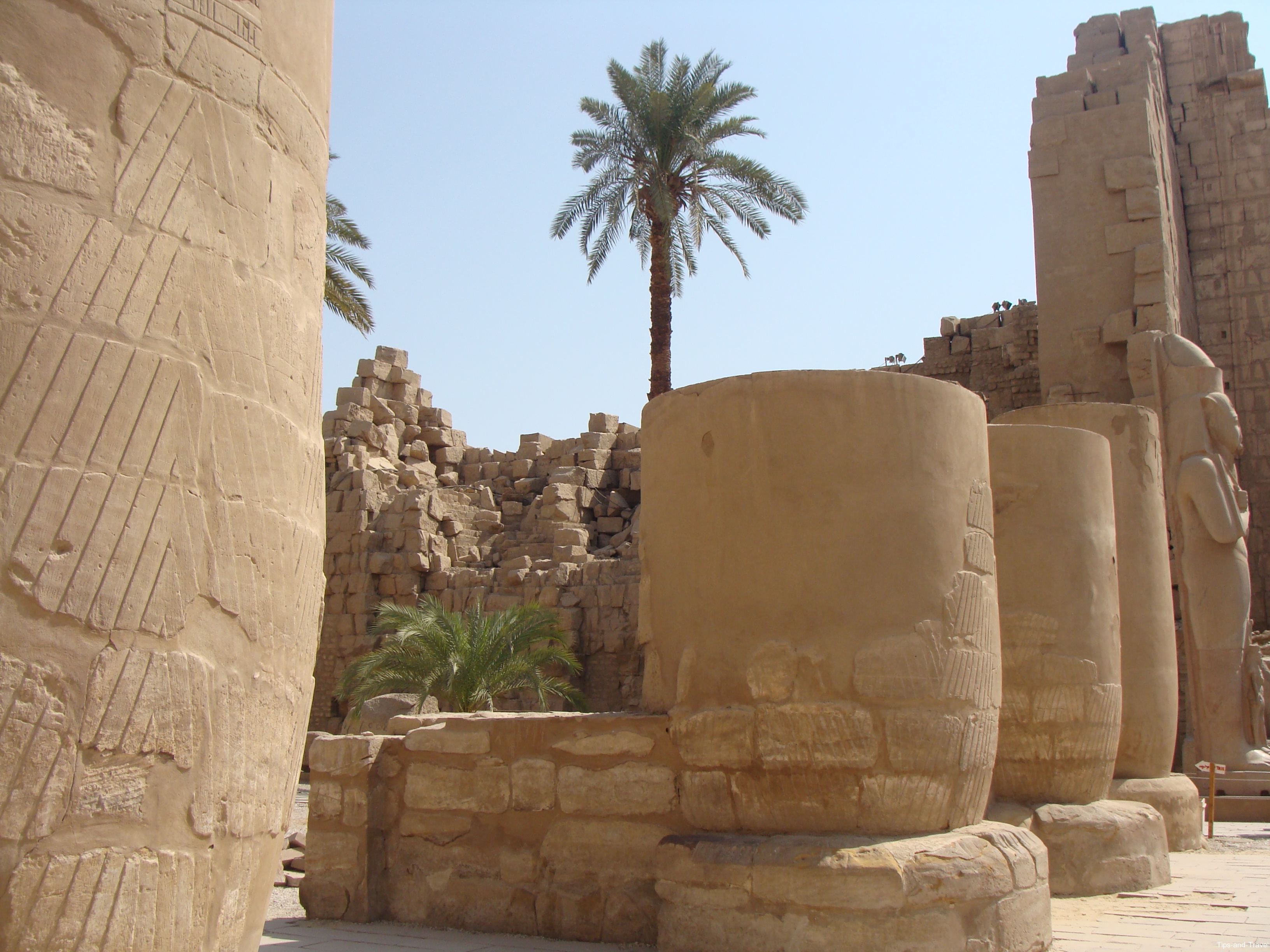
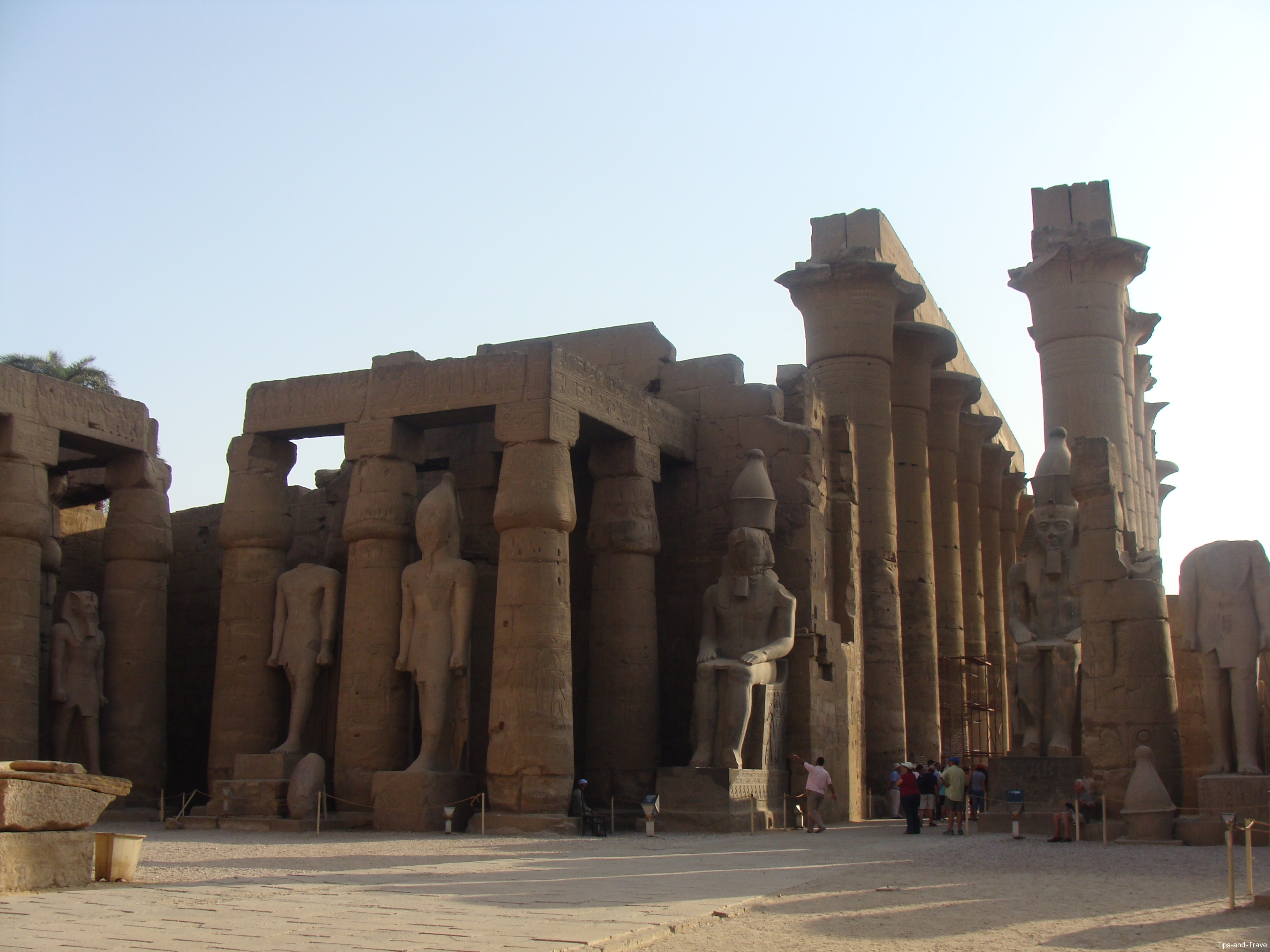
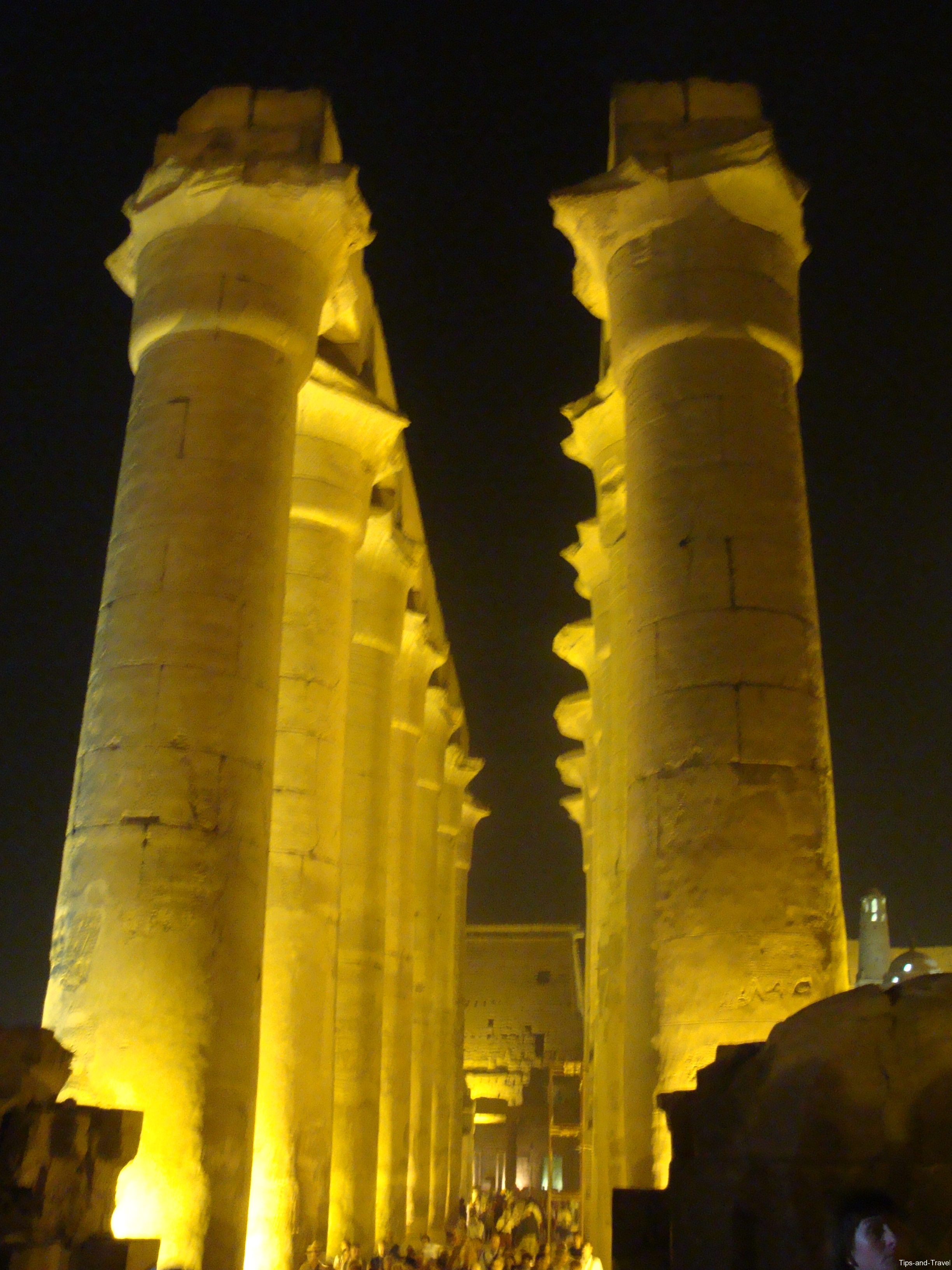
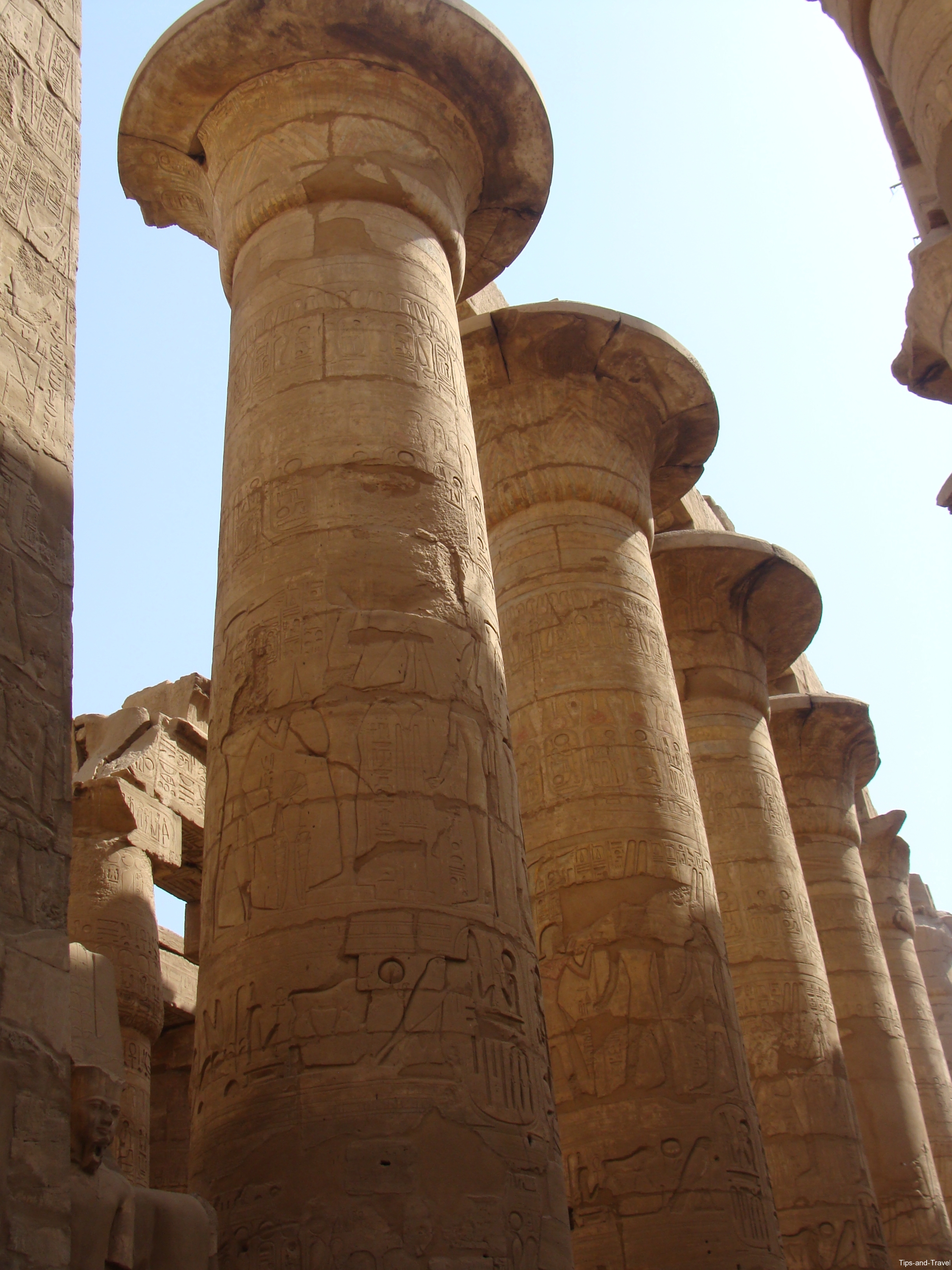
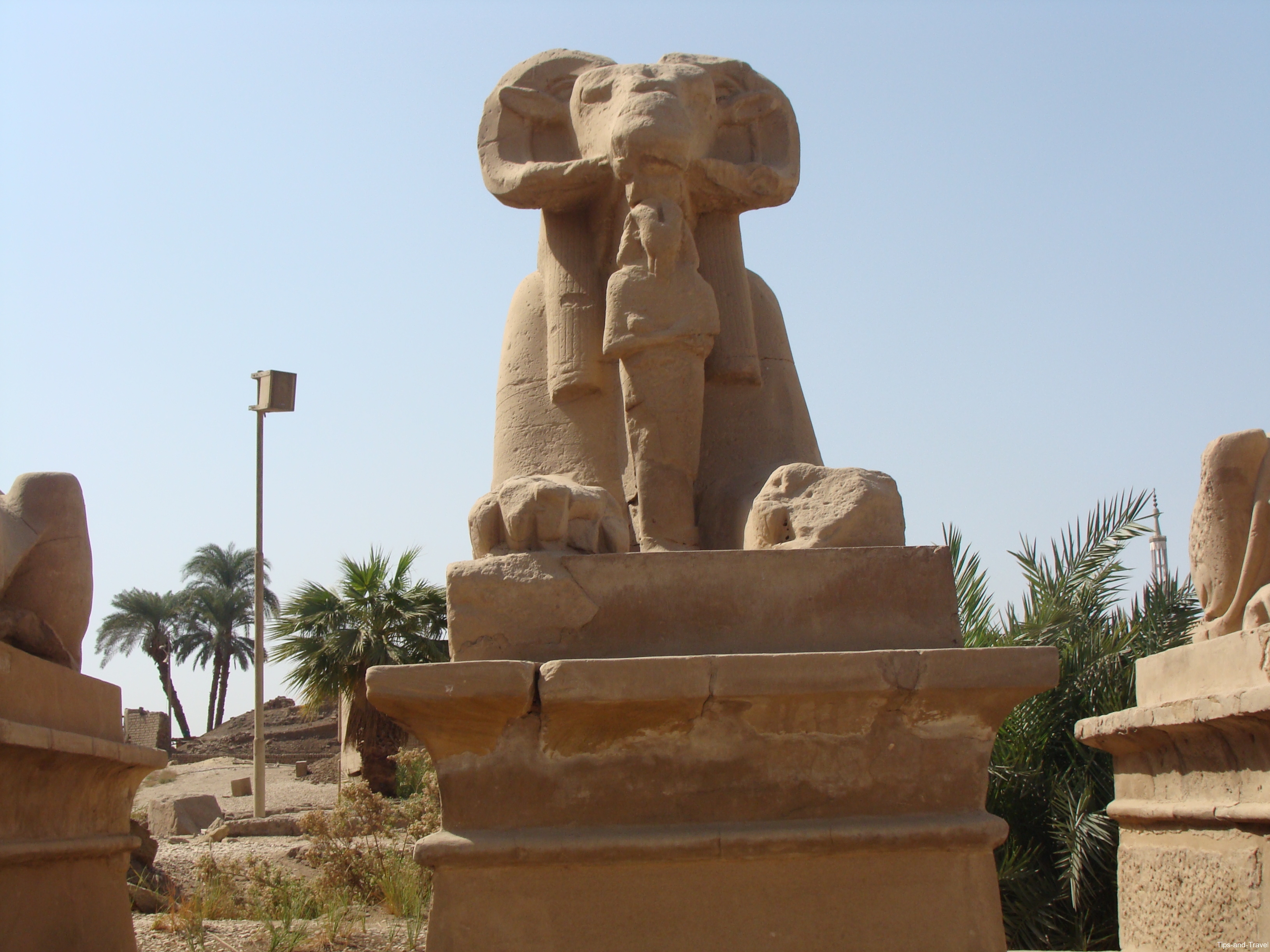
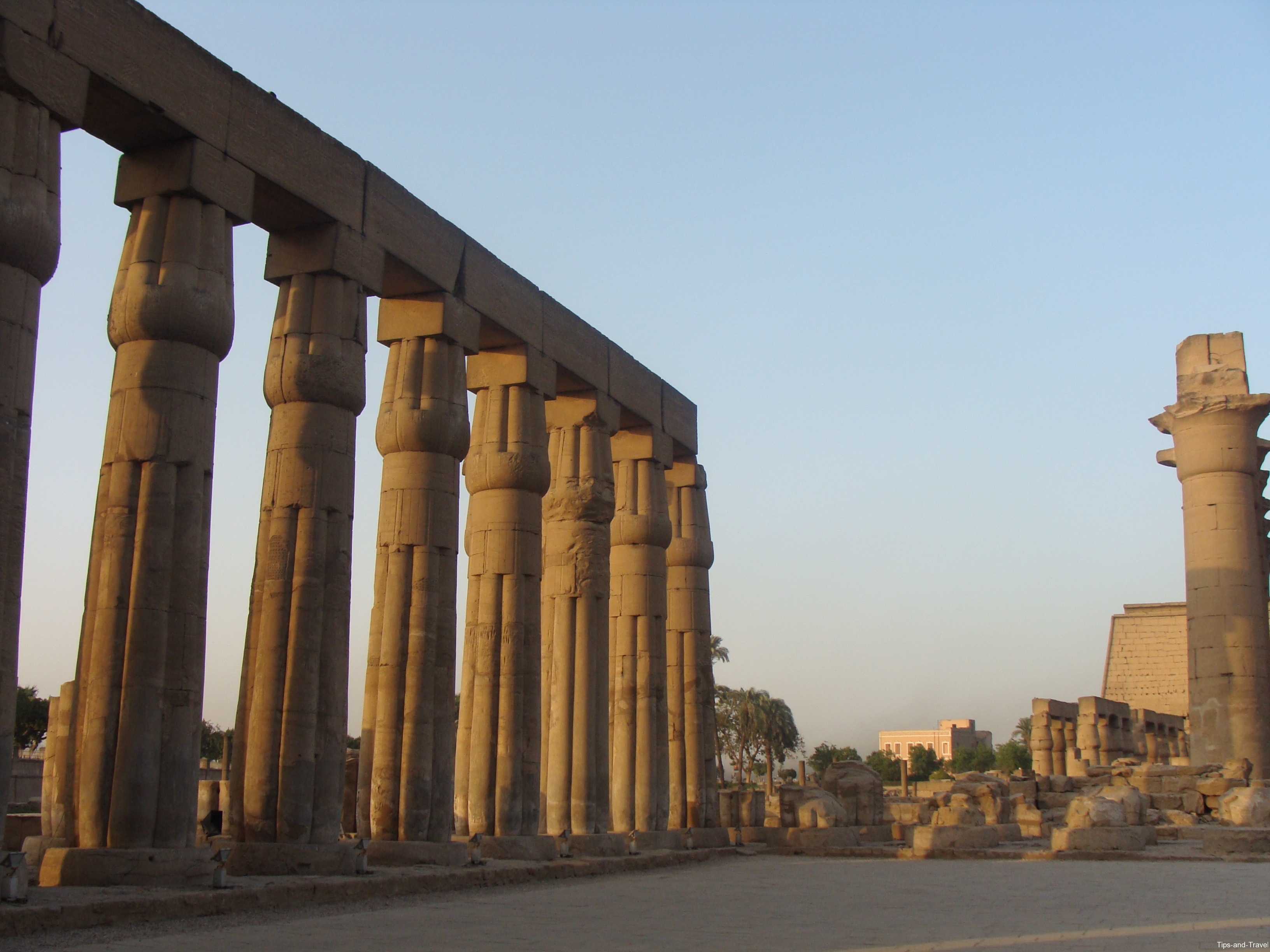
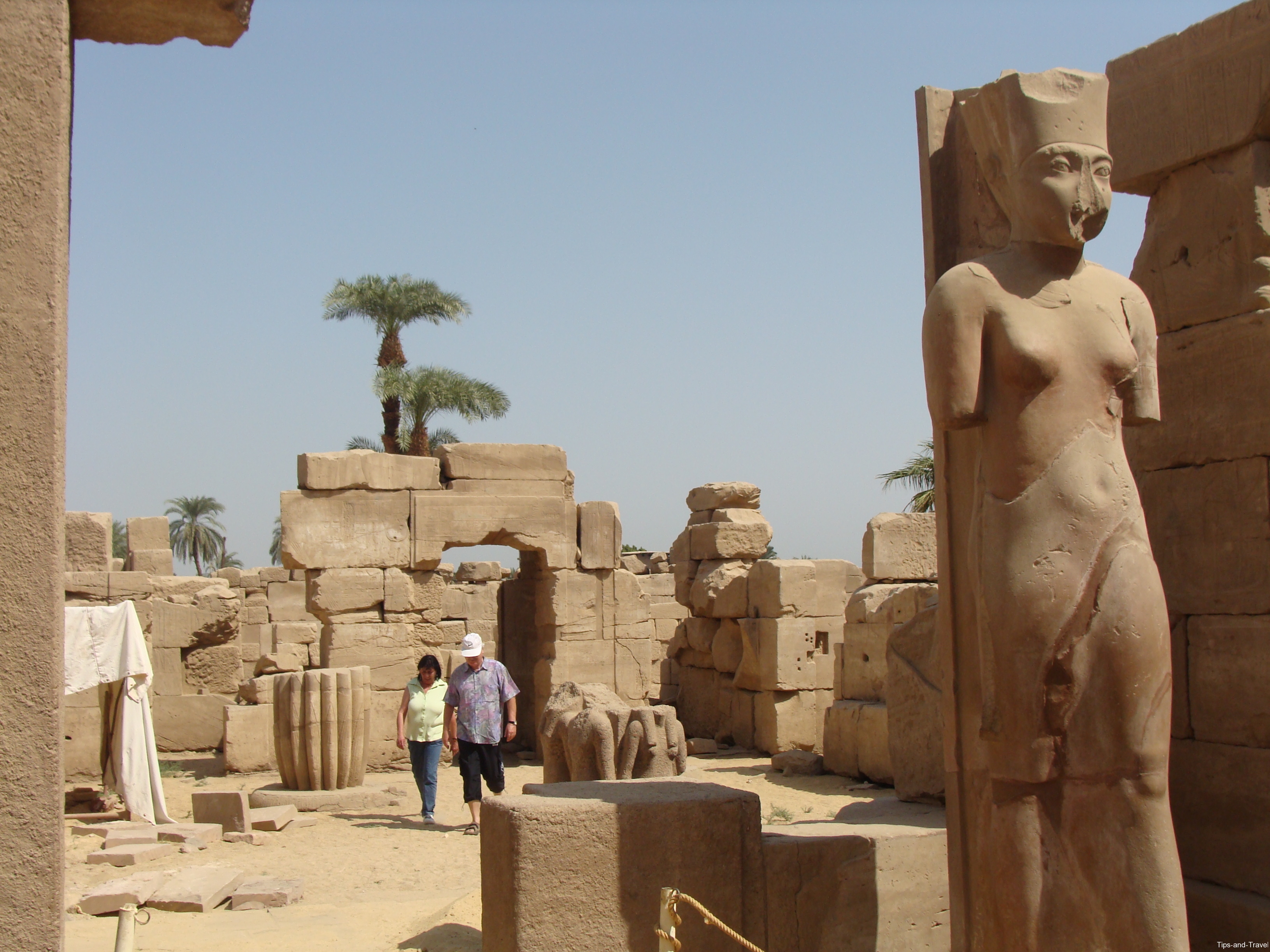
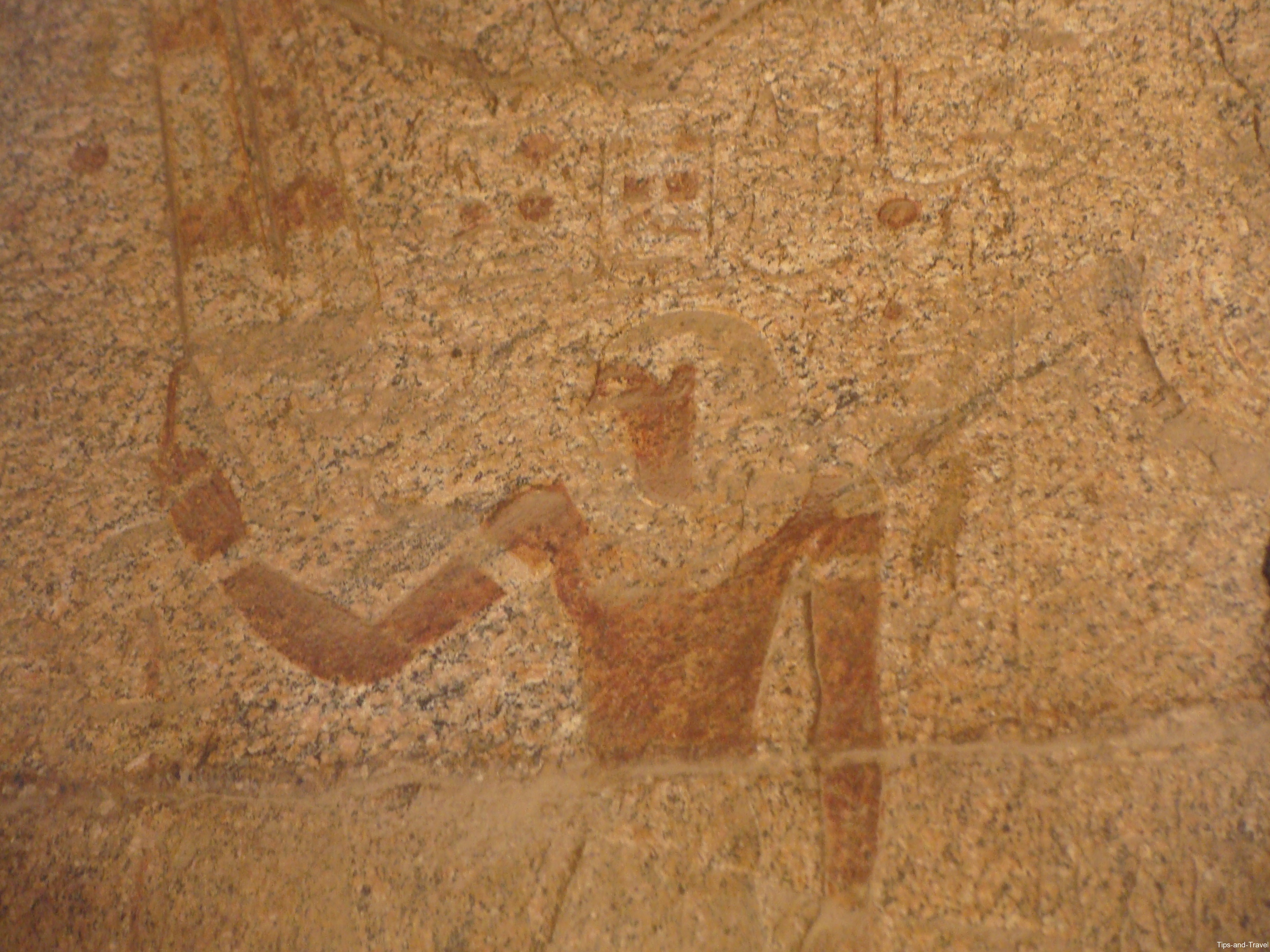
Luxor is a city located on the right bank of the Nile, in high-Egypt, located about 700 km south of Cairo and approximately 300 km north of Aswan. The site is visited by lots of visitors per year and is one of the most touristic places of the Egypt and constitutes the southern part of Ancient Thebes. The temple of Luxor, linked to Karnak by a dromos with a long line of Sphinxes, was erected in the 14th century BC during the reign of Amenhotep III. Ramses II changed it after adding six monumental statues and two obelisks, one of them is at the ‘Place de la Concorde’ in Paris (it was offered to France in 1831). The inhabitants of Luxor live directly or indirectly from tourism. To see: the temple of Luxor, Karnak, the colossi of Memnon, the temple of Hatshepsut, the Ramesseum, Medinet Habu (famous for the burial of Ramesses III temple) and the Valley of the kings, queens, nobles, and craftsmen.

Tips

If you prefer to go directly to the site without any excursion, you can go by ‘calèche’ or taxi. Do not forget to fix the price before going on.
A great way to explore the region is ballooning. You can do it early in the morning.
If you prefer, you can also do a camel ride in the fields bordering the Nile.
Go out in the evening, a nice walk throughout the Nile is very nice; you will find bars and restaurants to spend a relaxed evening.
If you like shopping, there is a market just down the street from the station, the first part is for tourists but if you continue a little further, you’ll find the real Egyptian market.
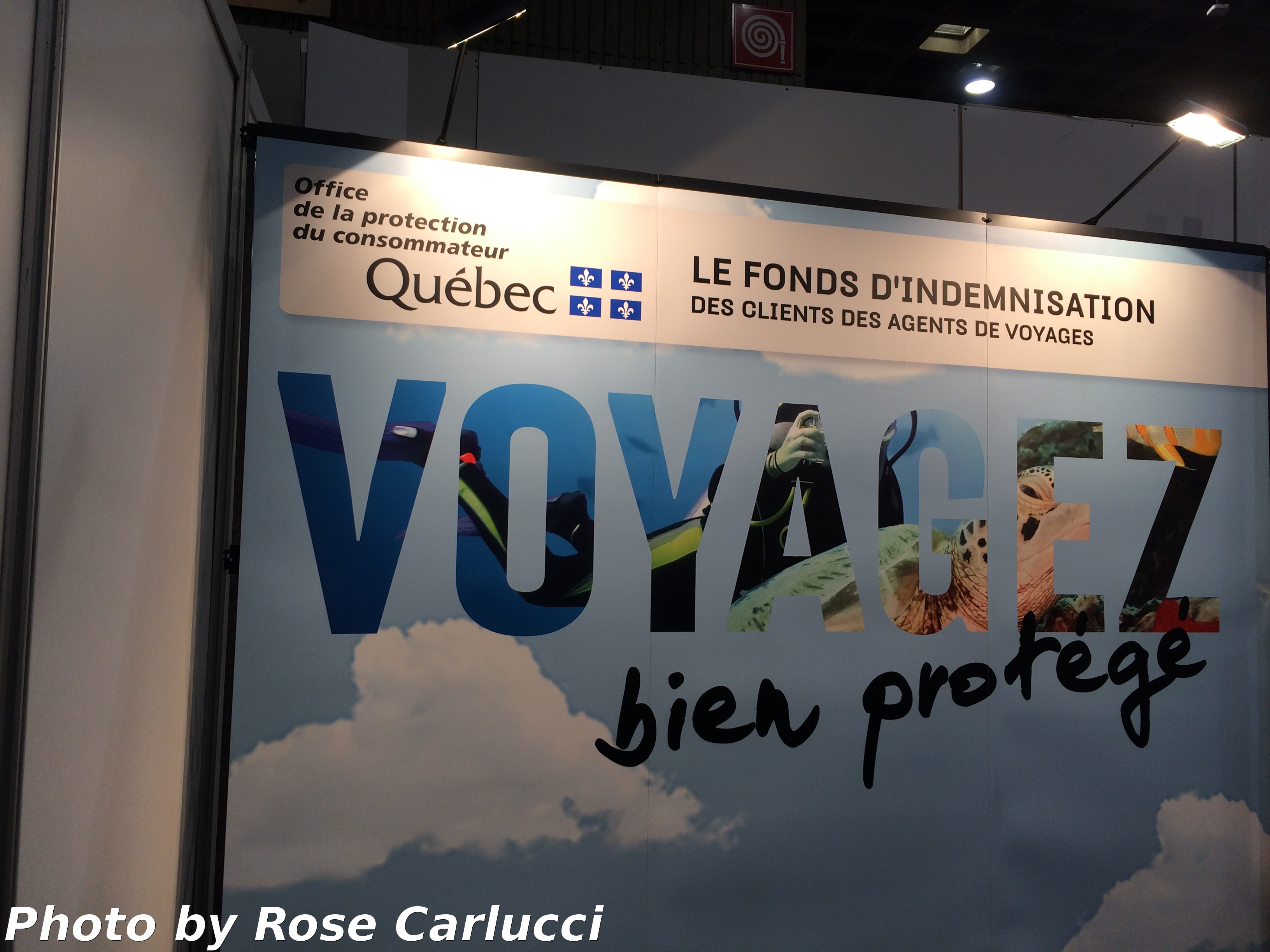
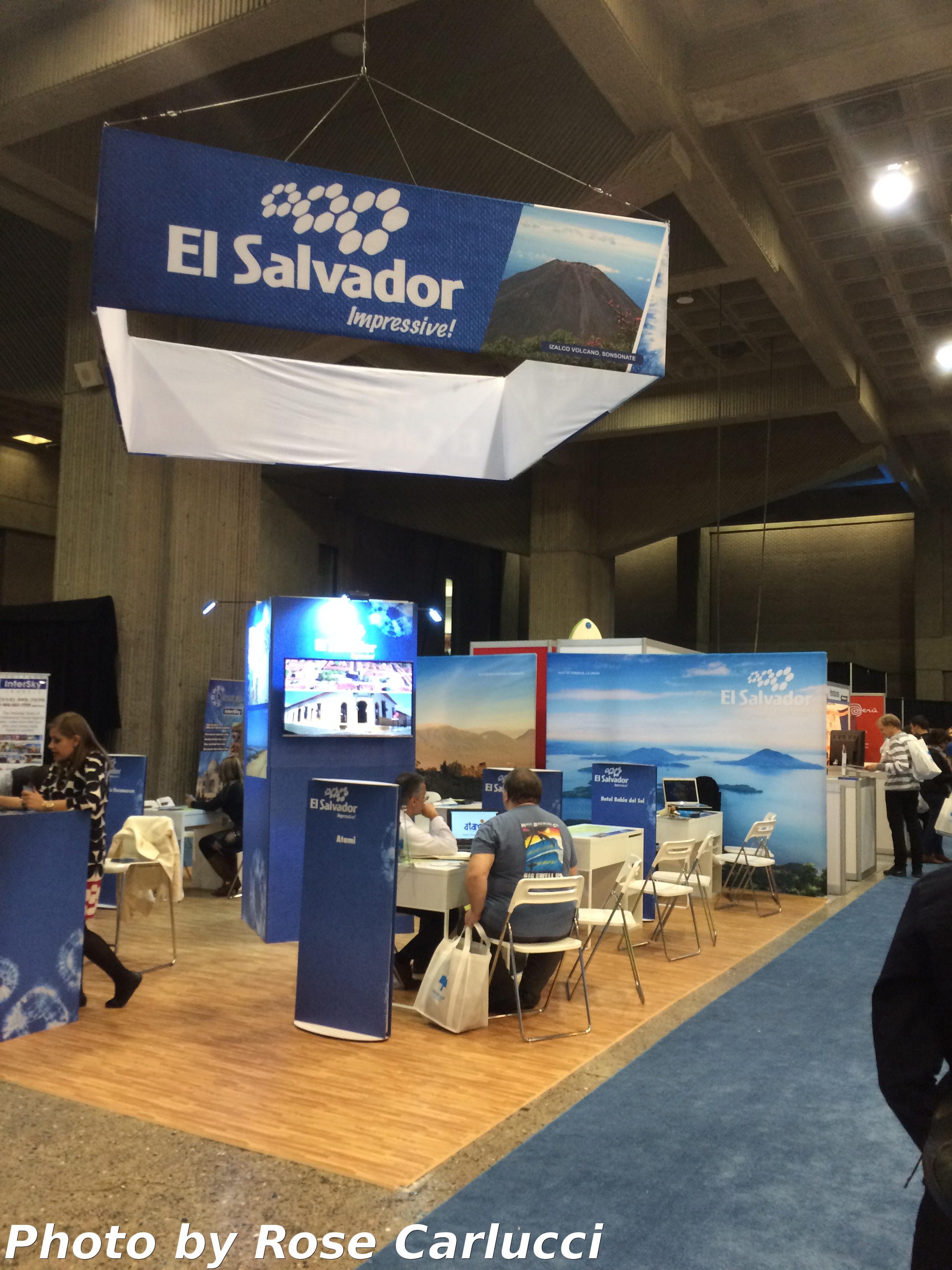
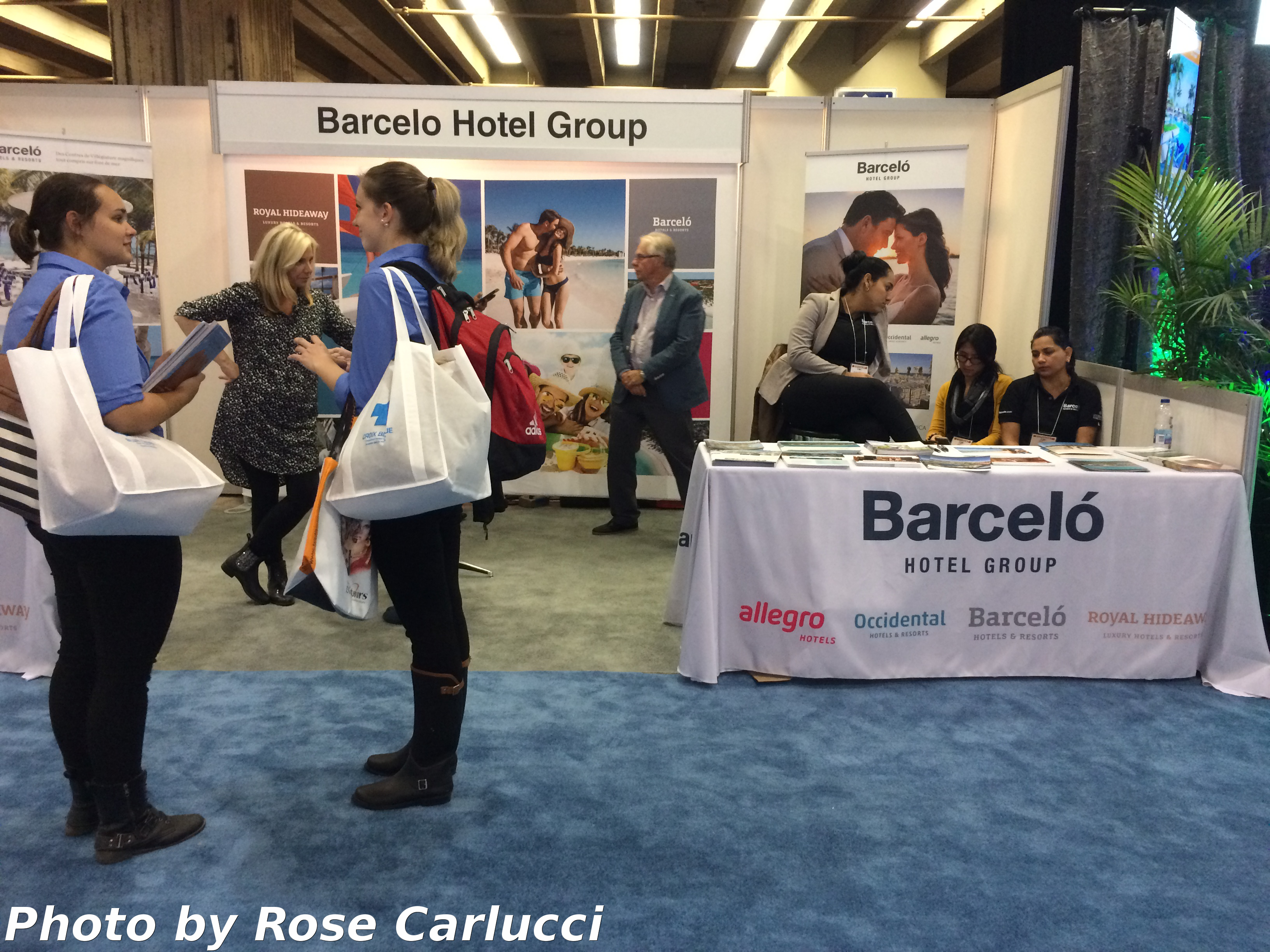
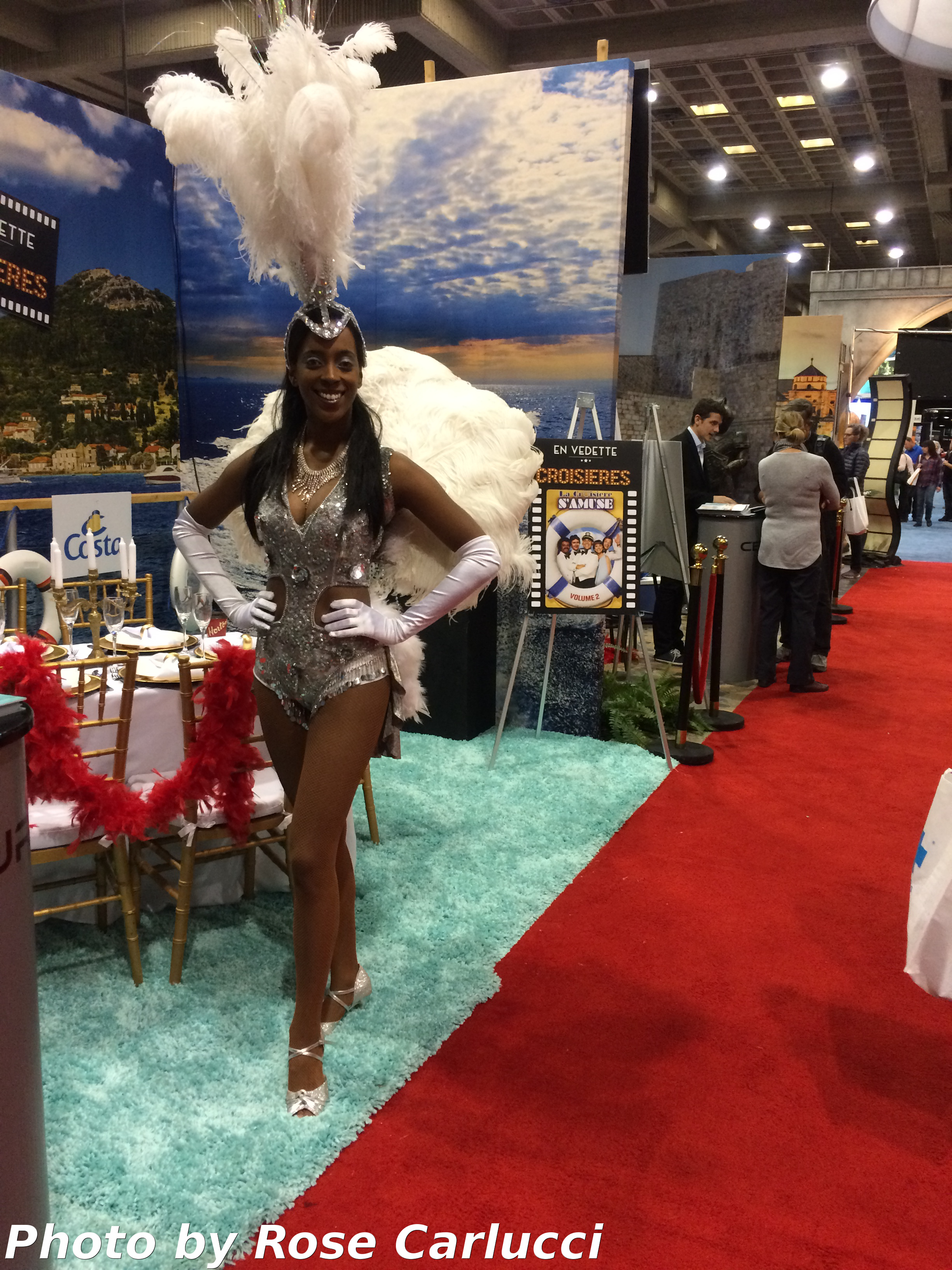
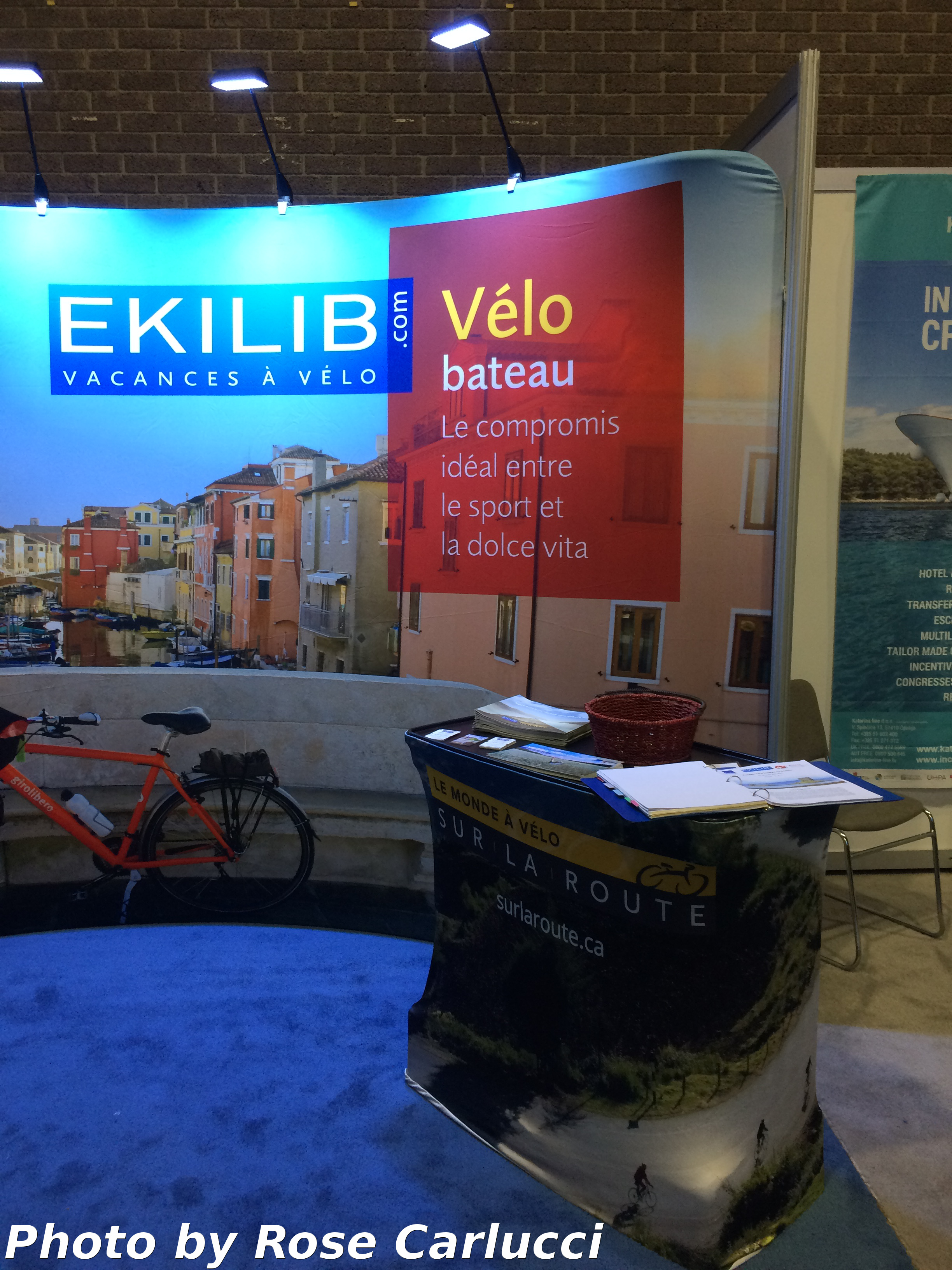
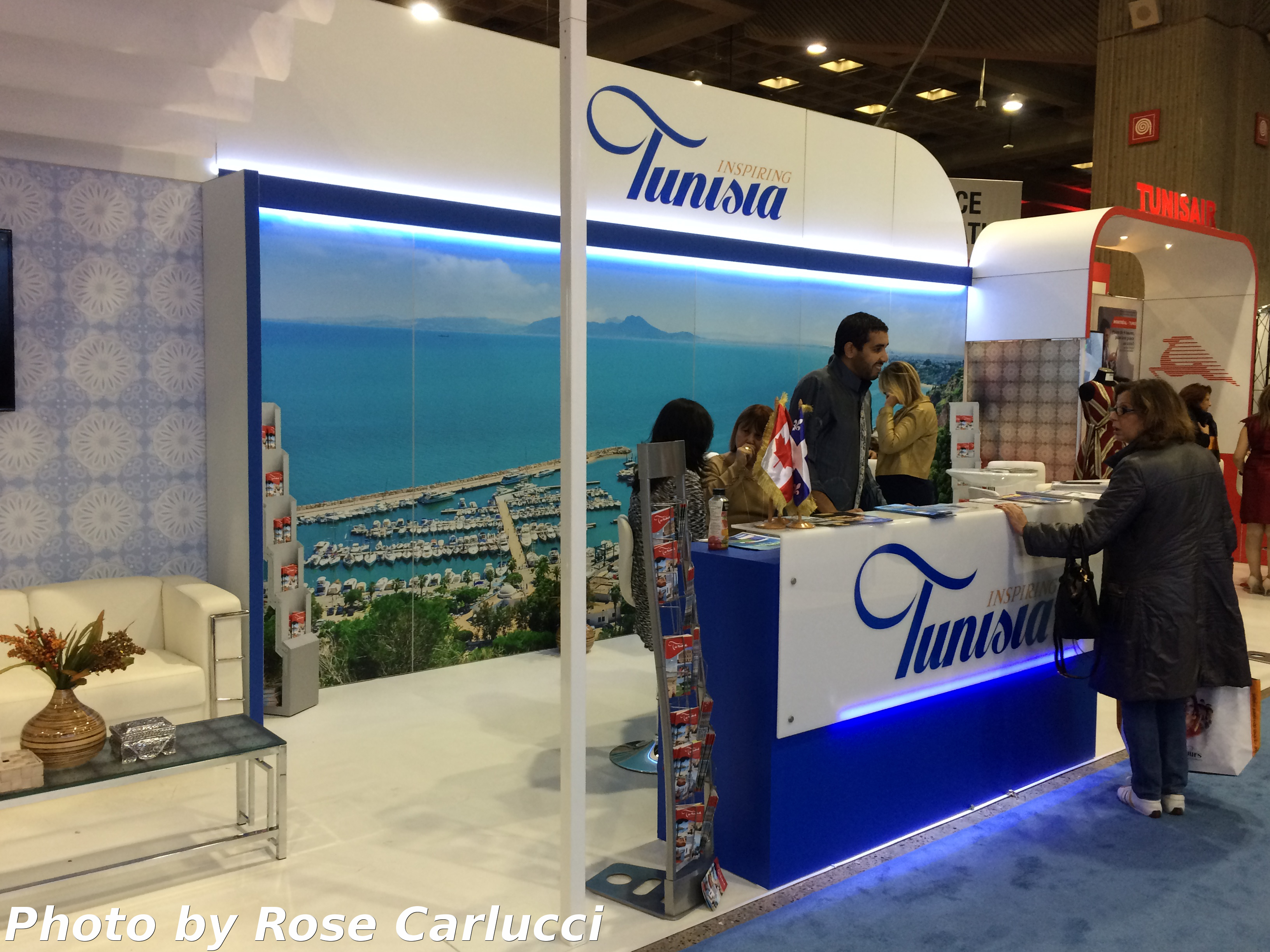
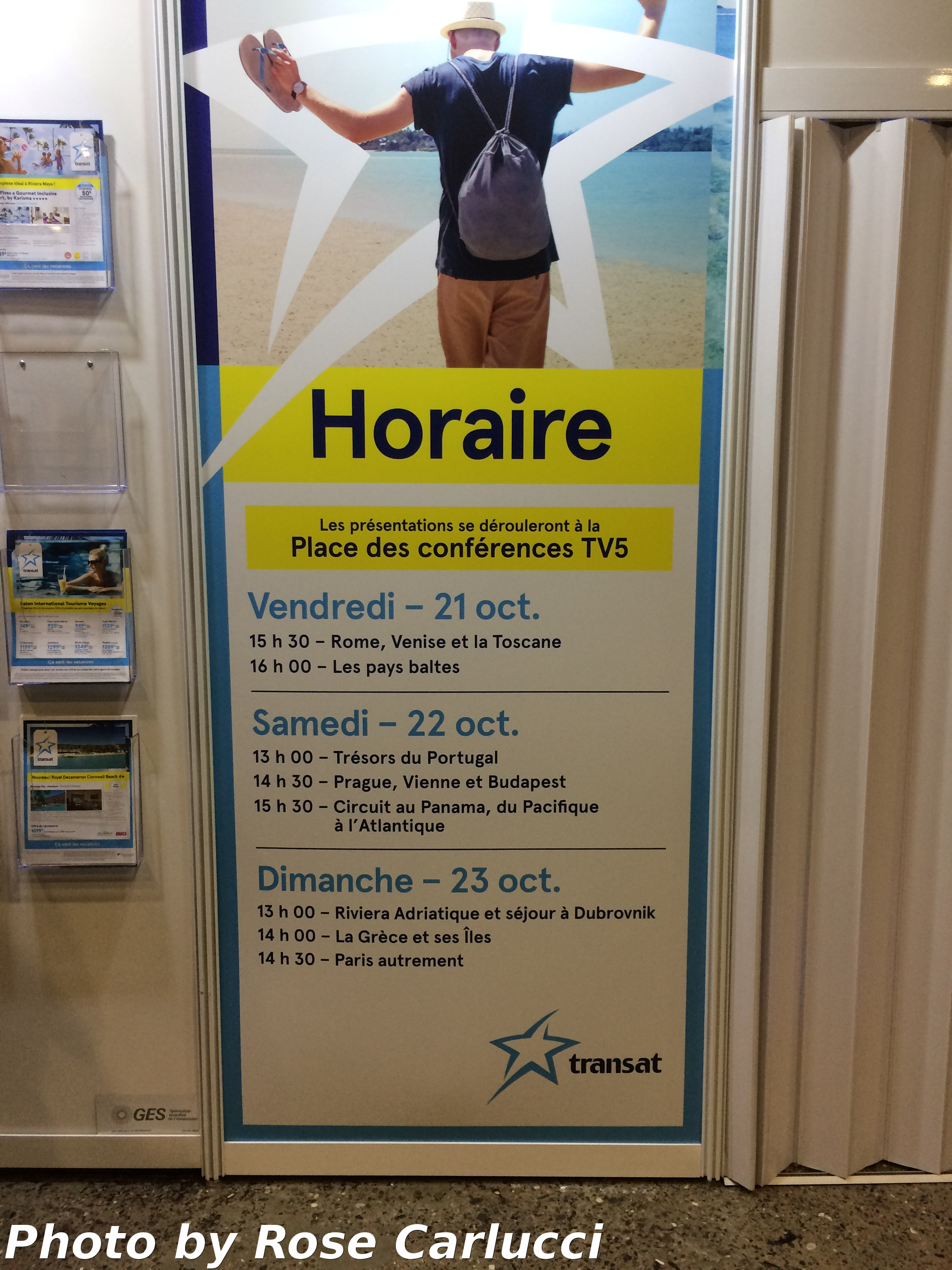
International Exhibition of Tourism Travels, Montreal, Quebec, Canada

Are you passionate about travel?

You think about your next trip, but you are not sure where to go?

You are counselor or travel agent and are looking for more information for you customers?

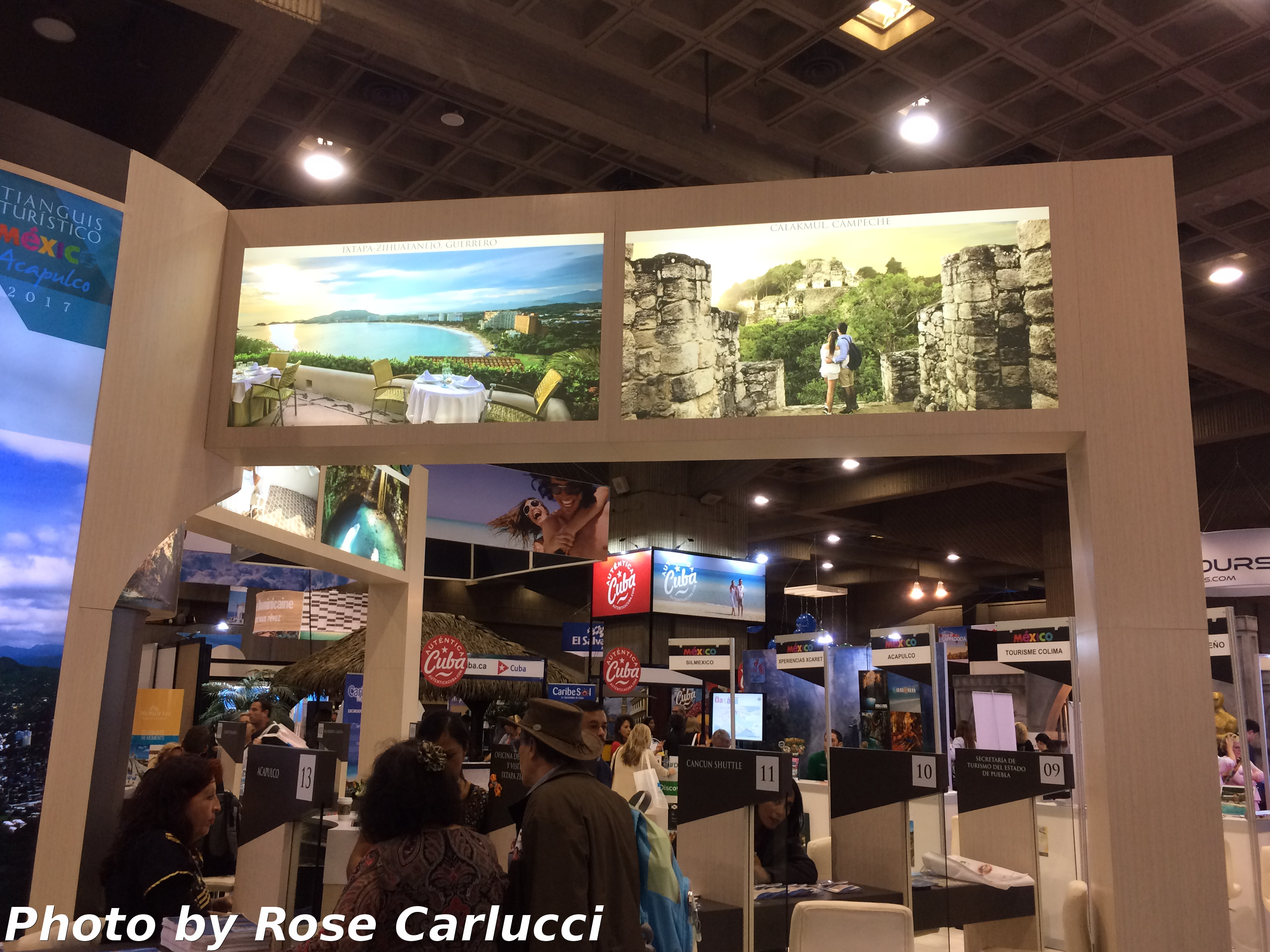
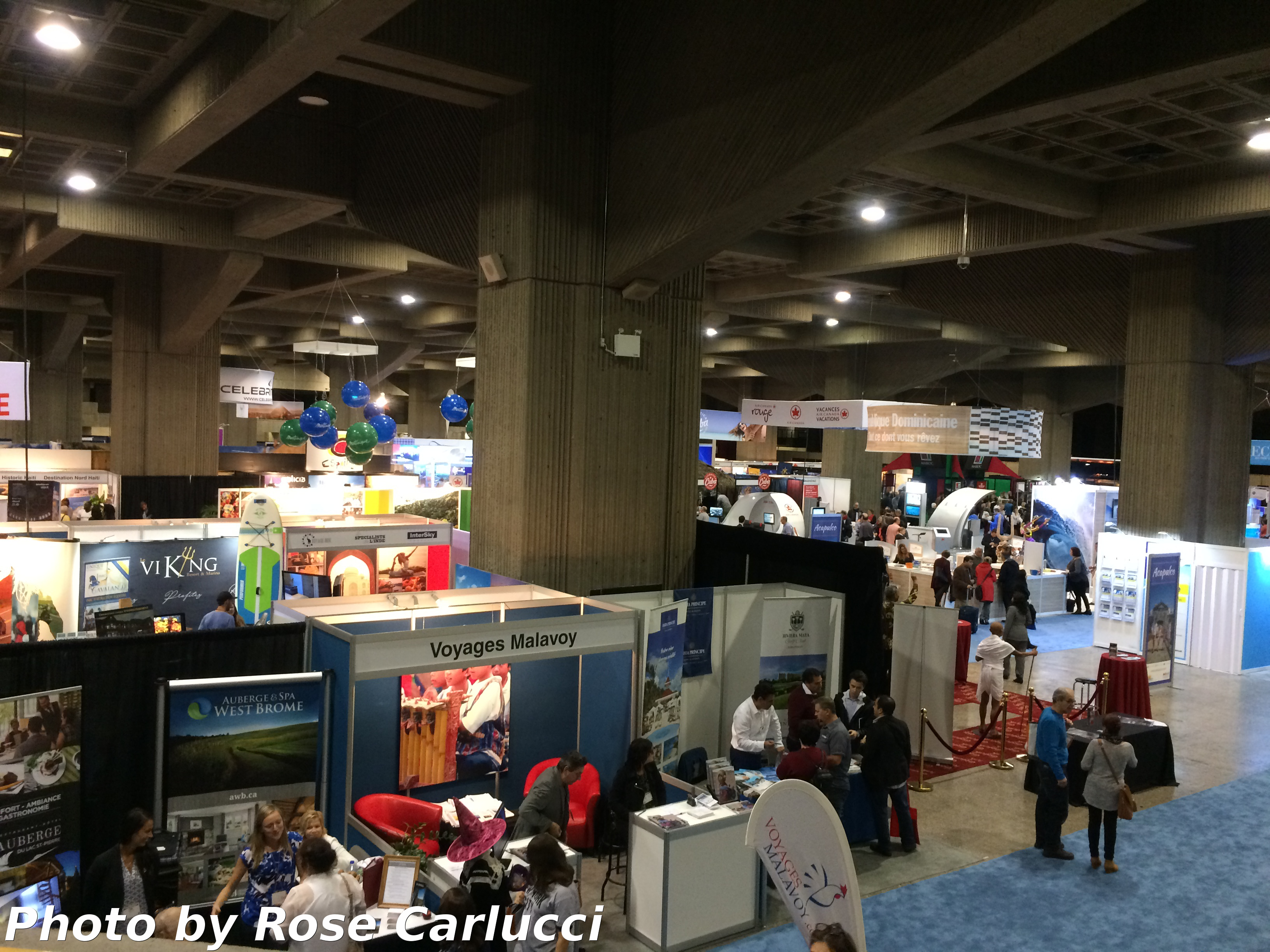
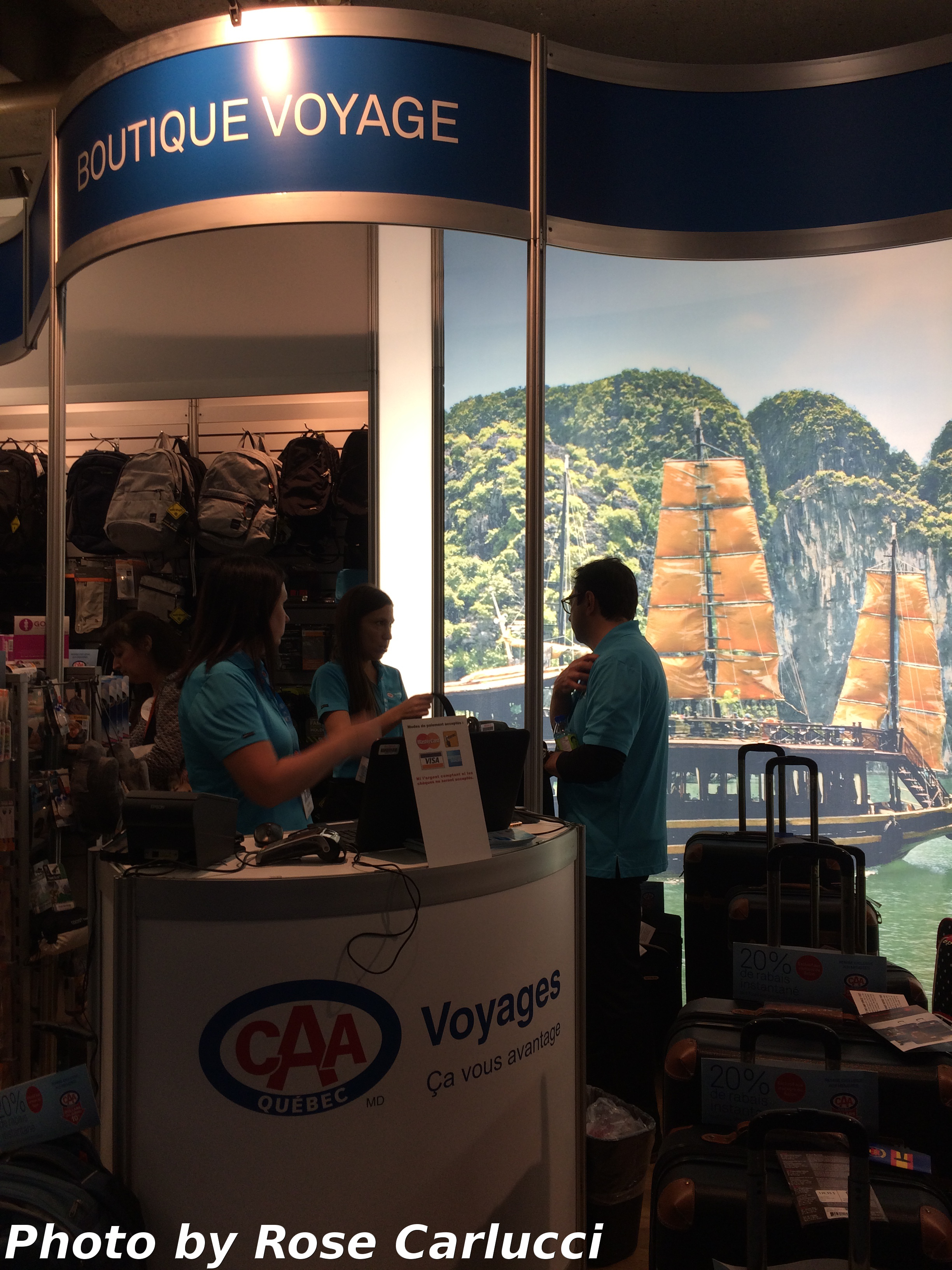
So take advantage of the International Exhibition of Tourism and Travel (SITEV) held in Montreal from 28th to 30th October 2019 at the Palais des Congrès.

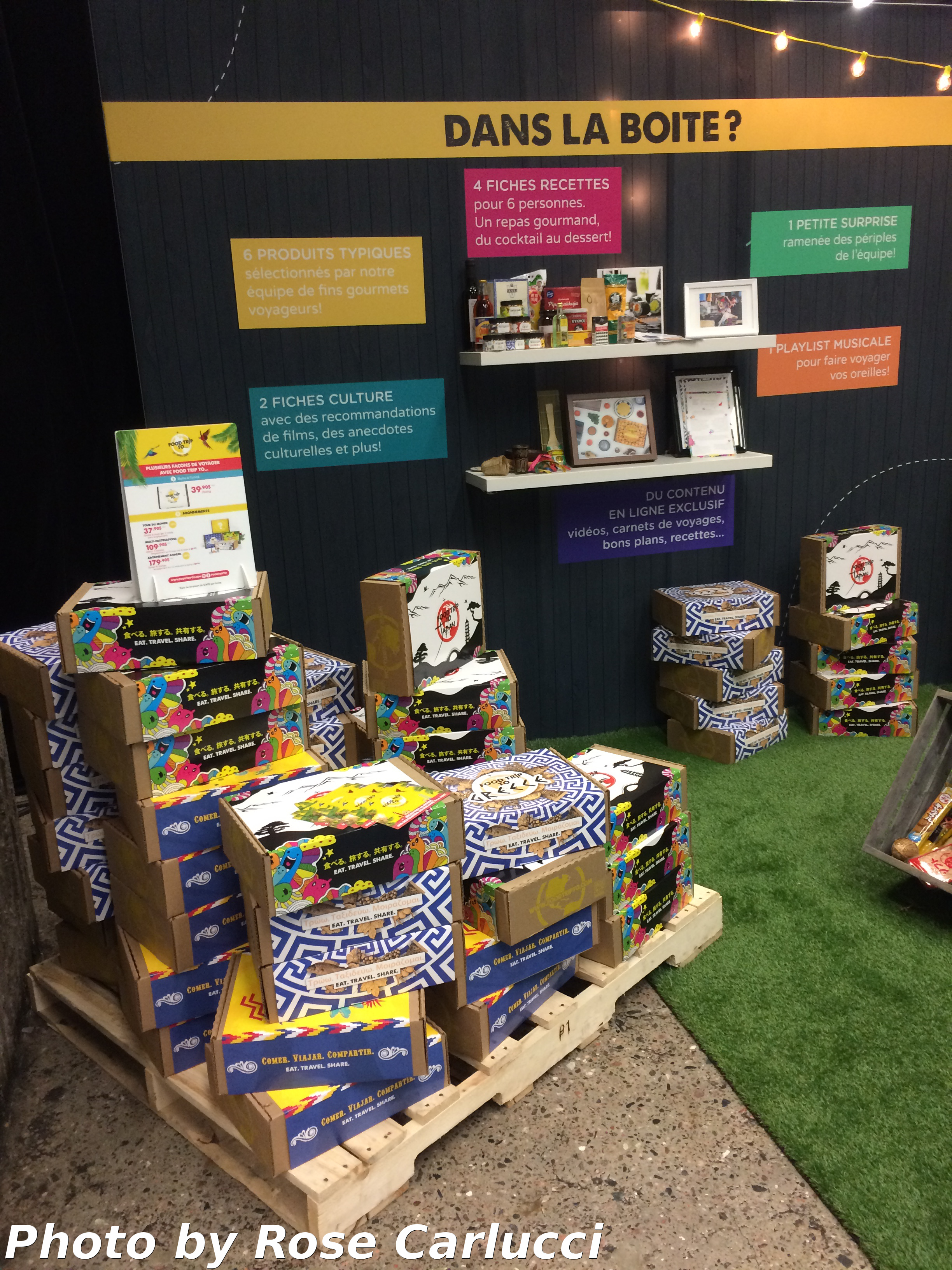
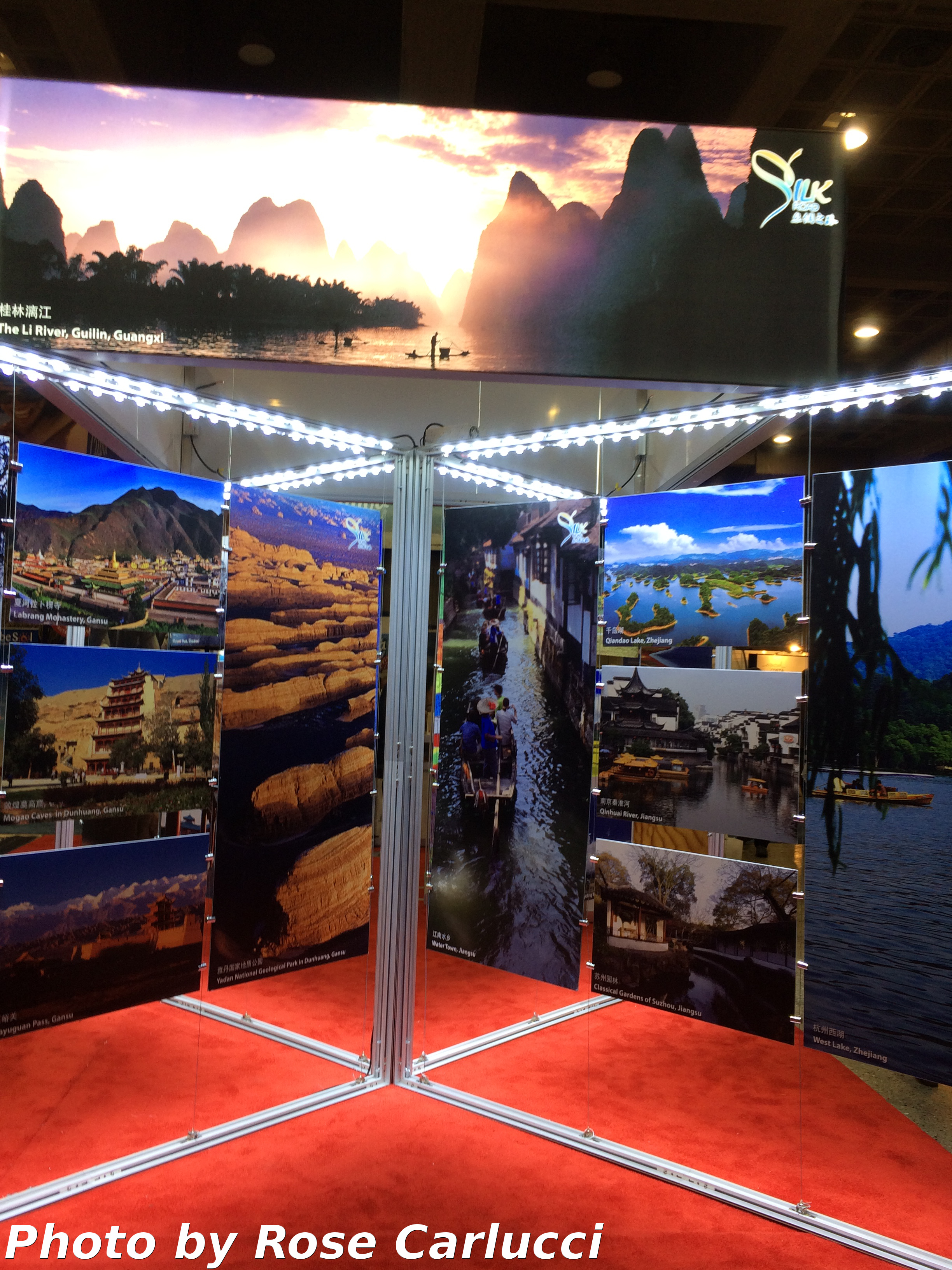
You will meet many exhibitors who will be pleased to talk to you about different destinations, travel enthusiasts like you. You can find lot of information, advice, lectures, tours, news, catalogs, etc.

Tips

Look at the programme if you want to attend conferences or presentations.

For a better visit, leave your coat in the cloakroom ($).

If you are a counselor or travel agent, present your business card to the accreditation counter and you will receive your free ticket.

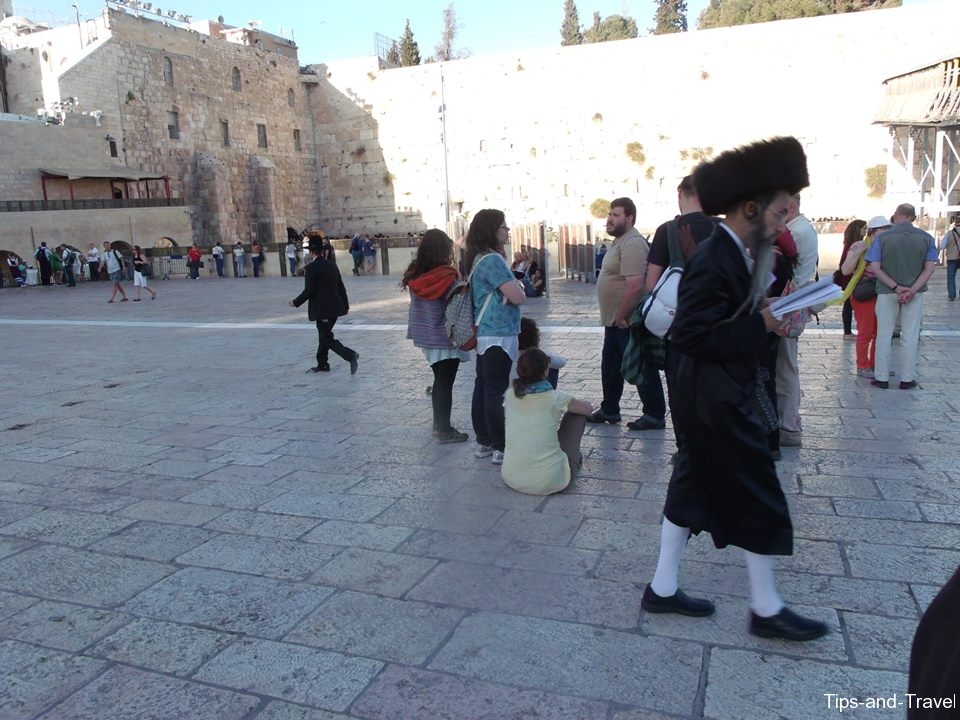
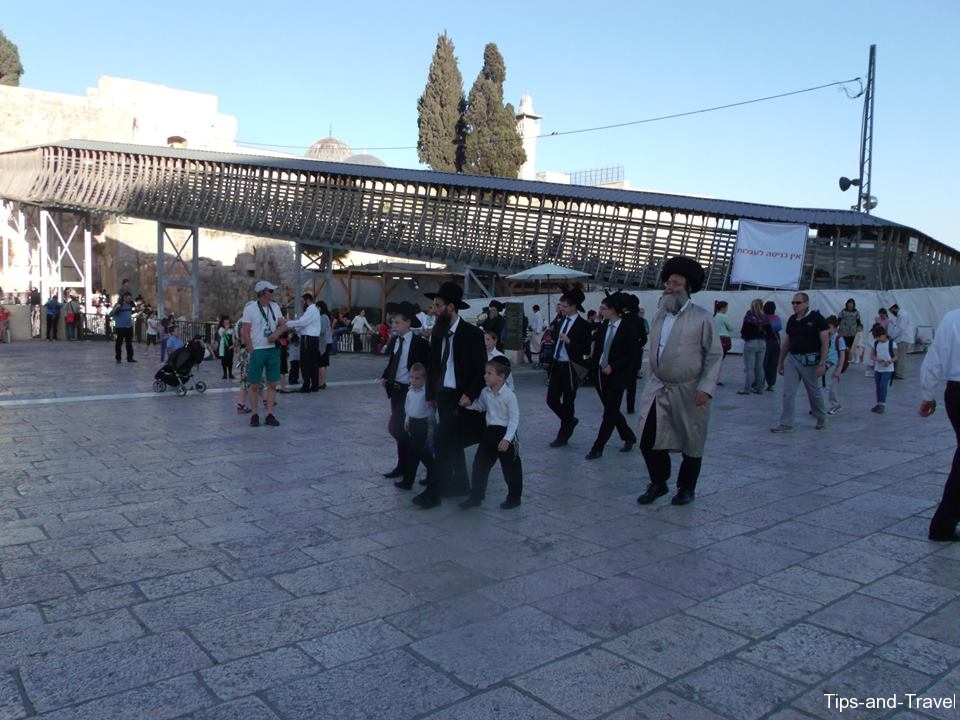
The Wailing Wall, Jerusalem, Israel

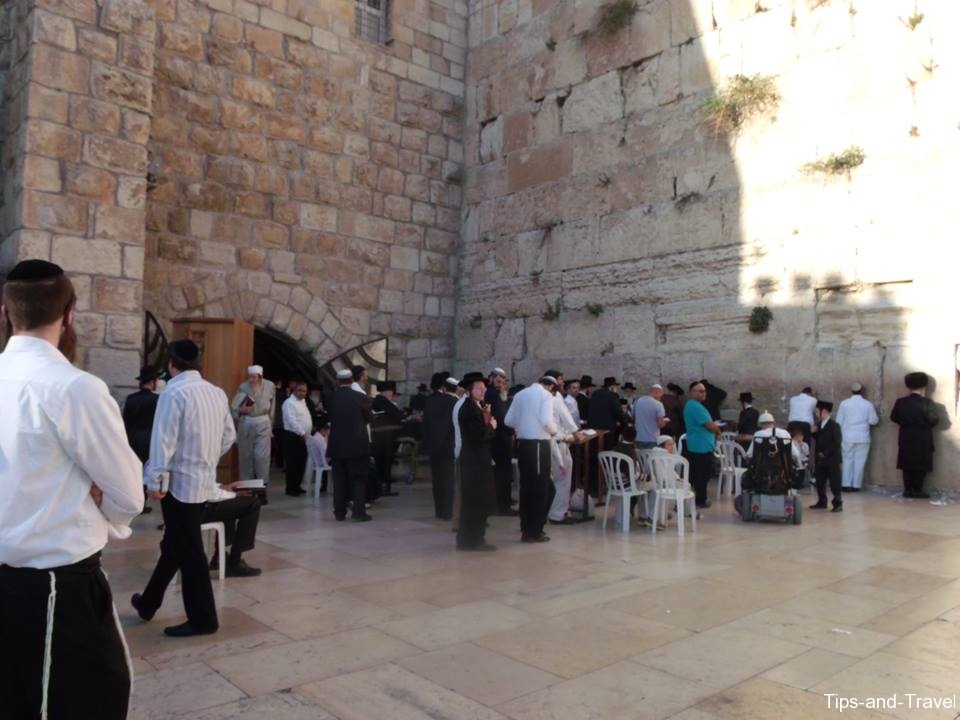
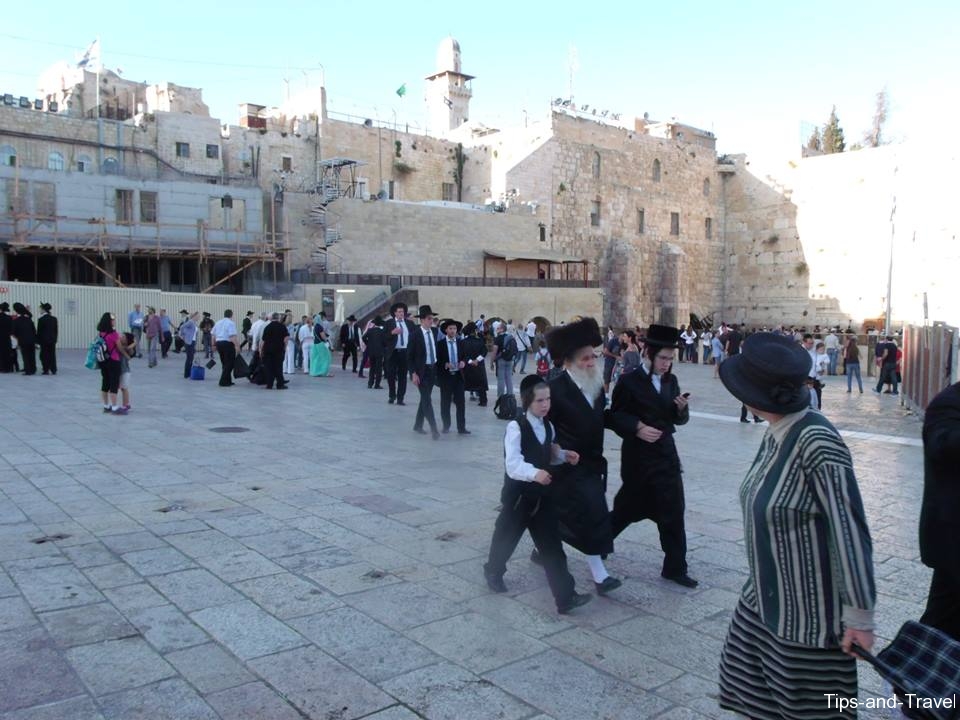
The Wailing Wall, or Western Wall or HaKotel and El-Burak, is a retaining wall of the Temple Mount in Jerusalem located in the Jewish quarter of the old city dating from I century BC and since the seventh century, it incorporates the walls of the Temple Mount, very close to the Holy of Holies (located on the Temple Mount) so that the Jews consider the holiest place for prayer. The pan (57 m long) is just a part of the western wall (497 m long). The rest of the wall is used as a fourth wall by the adjoining houses in the Arab neighborhood; the rest is underground. The Wailing Wall is an Israeli national symbol as well as a Muslim one because it supports the esplanade where are built the Dome of the Rock and Al-Aqsa Mosque (the third holiest place in Islam). You enter the square in front of the wall with a door wall, the door Mughrabi or Garbage, where police has strict controls. The esplanade has 3 parts; one that is open to the public, the other two, separated by a partition, are for people who want to approach the wall, one for men and one for women. There are holy arches in underground rooms that line the men’s section where we find the Torah scrolls that are used during prayer services that take place throughout the day.
Tips

If you want to approach the wall, or put small pieces of paper with wishes or prayers in the cracks and crevices, either to pray or put your hand on the wall, you must enter the section that suits you by walking on your front to the wall and to leave the place, walking slowly backwards because you can not give your back to the wall.

mur