Lanín National Park, Neuquén, Argentina

The Lanín National Park is a park located in the province of Neuquén in Argentina. It is very interesting because it has much wood or cold forests of the said type ‘Valdivian’ which are essentially large trees; groups of conifers and fagaceae. Many of them are present only in the region and nowhere else in Argentina and are several hundred years old. There are araucarias, lengas, coihues and cypresses of the Cordillera and others even as the Lanín volcano which gives an option of adventure tourism to the place. In its many lakes and abundant rivers, we can practice fishing for salmon and trout. The most visited lakes are the Lácar and the Huechulafquen. With national parks Nahuel Huapi, Lago Puelo and Los Alerces, Los Arrayanes, this park is part of the Andino Norpatagonica biosphere reserve. The nearest towns are San Martín de los Andes and Junín de los Andes.

Tips

The park has different areas with paths for walking, trekking even for riding on a horse or on a mountain bike. The paths are not very easy and it is necessary to have good sports shoes. You must walk carefully, you will find animals on your way also but they are not dangerous.
In the park there are no structures where tyou can stay but if you like the adventure, there are areas for free camping or organized one. There are also beautiful areas with beaches where you can spend the day, make the kayak or practise fishing.
For the more energetic, the ascent of the volcano is also possible.
You count with tourist centres in the nearby towns of Junín de los Andes and San Martín de los Andes, town where you will find ski slopes too.

Invalid Displayed Gallery
Aghia Efimia, Kefalonia, Greece

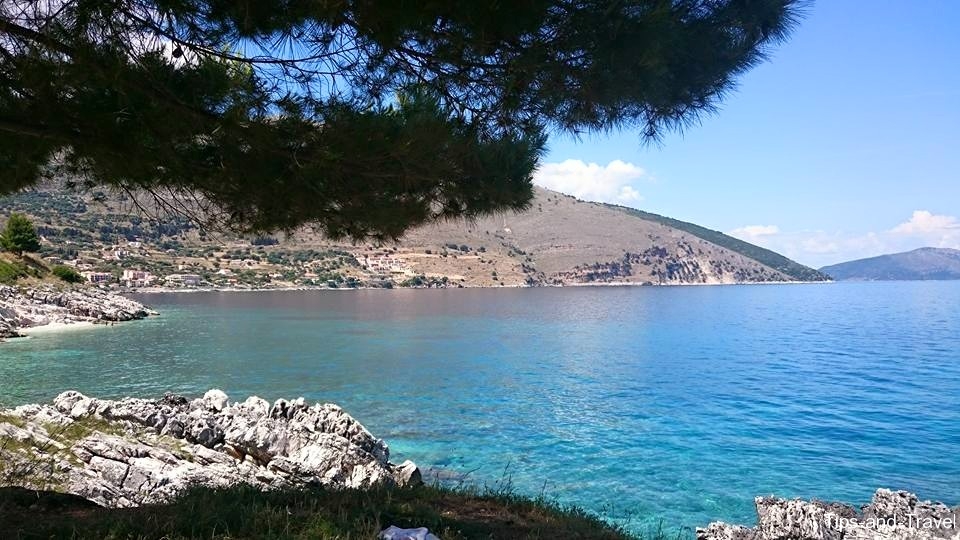
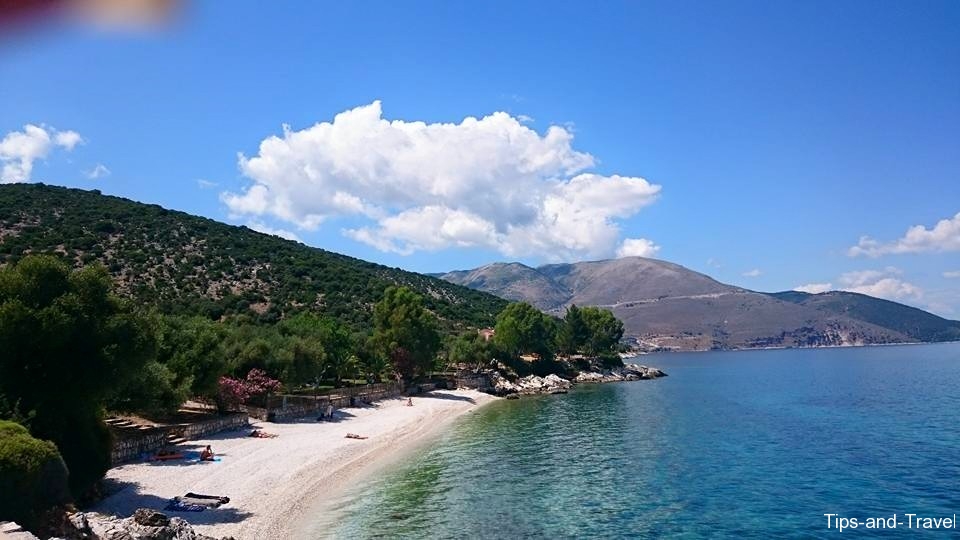
Aghia Efimia, situated 7 km north of Sami and 30 km from Argostoli, is a little fishing village on the east-coast of Kefalonia Island, surrounded by mountains to the north, west and south, which form the Pyllaros Valley. It was once one of the island’s more important centres of trade with stately homes and mansions but unluckily there was an earthquake in 1953 that destroyed the village completely; however with the help from France, they rebuilt it. From the village to Sami, the beaches are made up of white pebbles. It has a natural bay and beach and the water is really clean so it makes snorkeling a very recommended activity. The village is so centrally located on Kefalonia island, that it is also a perfect accommodation base to explore the rest of the island. It is still a very peaceful place with very friendly people taking care of you. The village offers you all you need. There are bars, cafés and taverns where you can enjoy typical food. There is also a new walkway beyond the harbour lined with benches.

Tips

There are some small pebbly coves and some beaches where the only possibility to go is by boat. You can hire a motor boat or take a taxi boat. None of the beaches have any facilities such as loungers and umbrellas for rent so you must take anything you need with you; especially bottled water.
There’s the local church of Saint Efimia who celebrates its day with a barbeacue and dancing (July, 10th).
You can also take a water taxi to visit the neighbouring islands of Ithaca and Lefkas or book a private tour too.
There’s a bus service operating among the villages nearby or from Argostoli.

Uxmal, Yucatán, Mexico

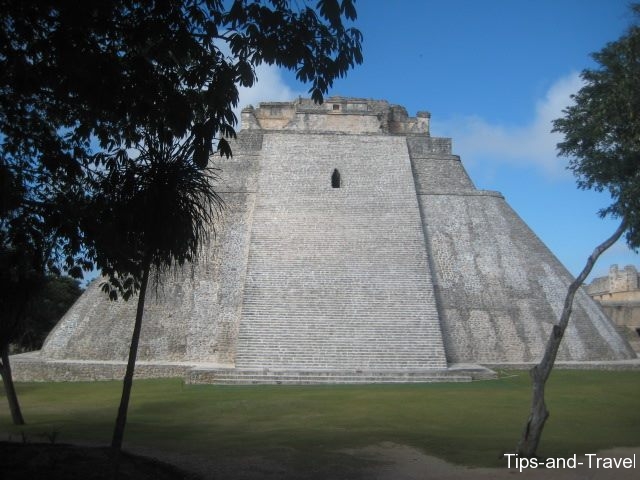
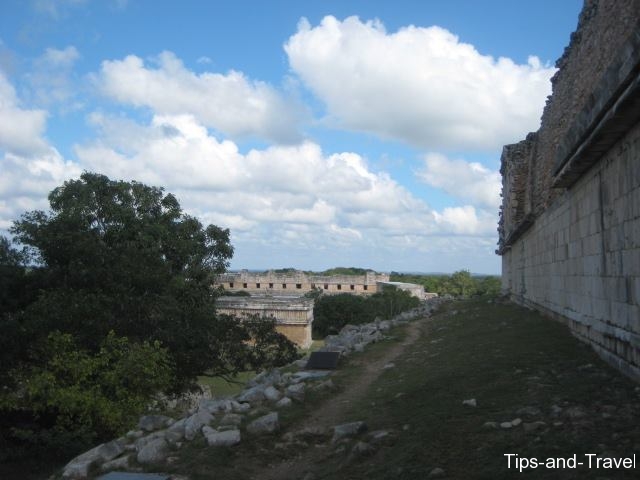
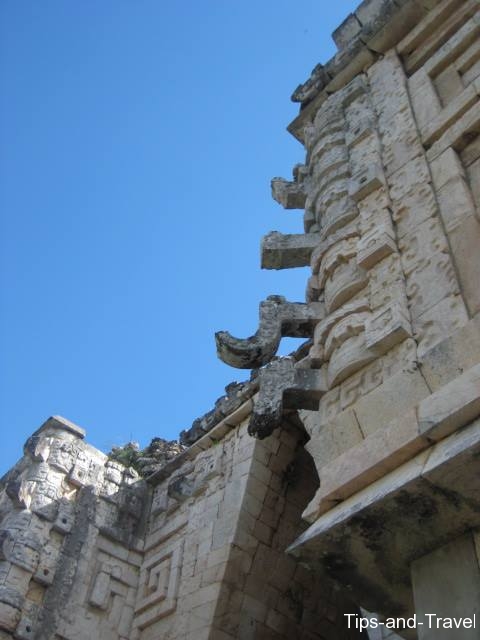
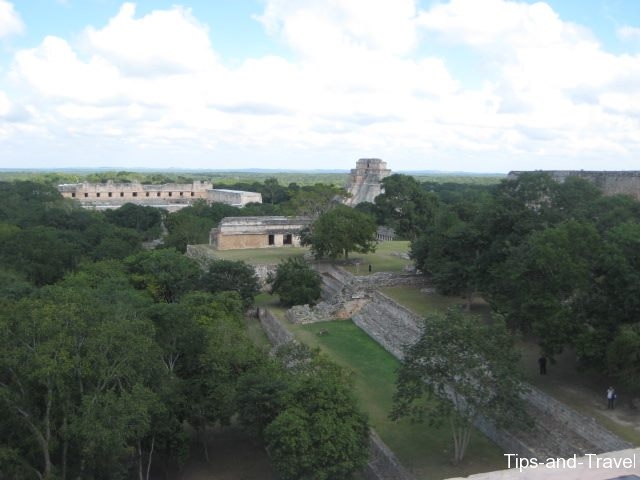
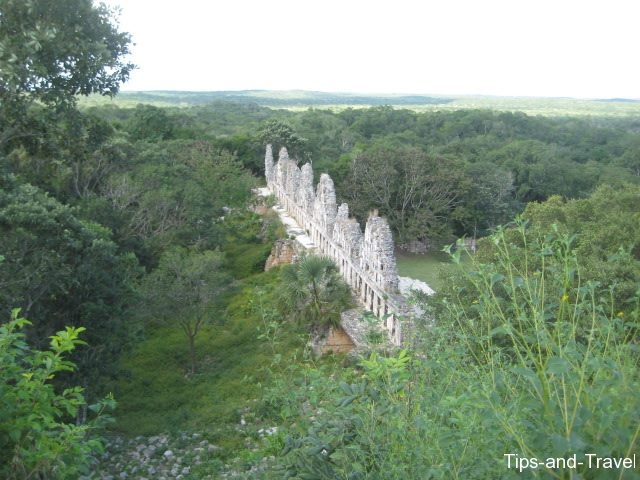
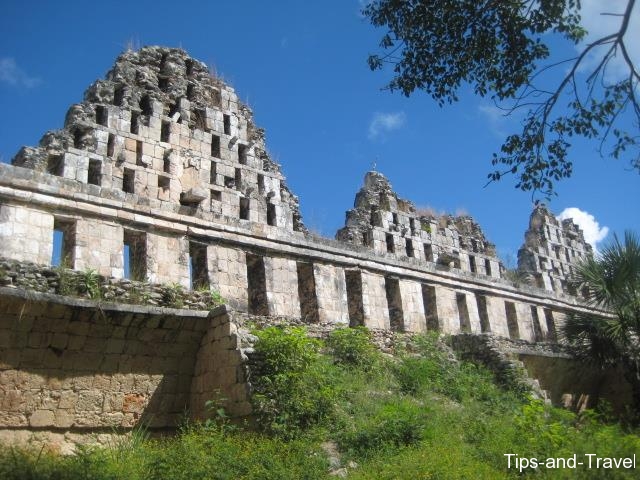
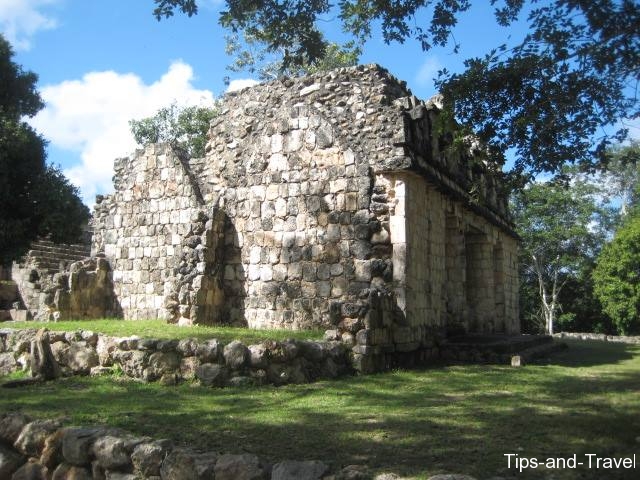
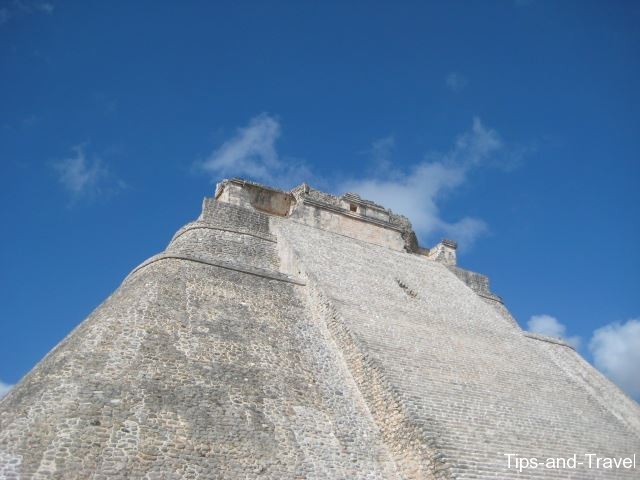
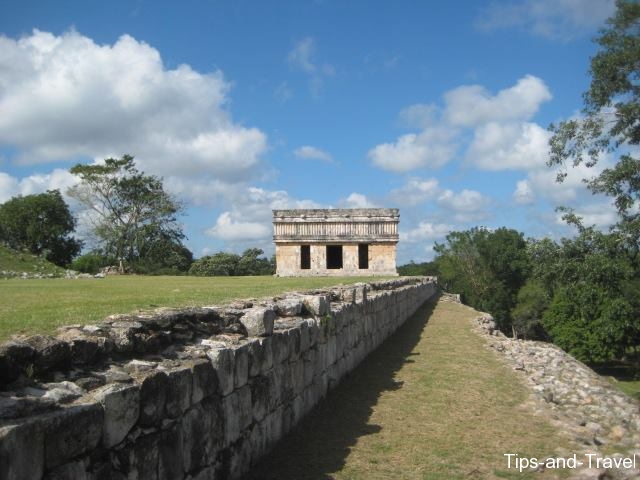
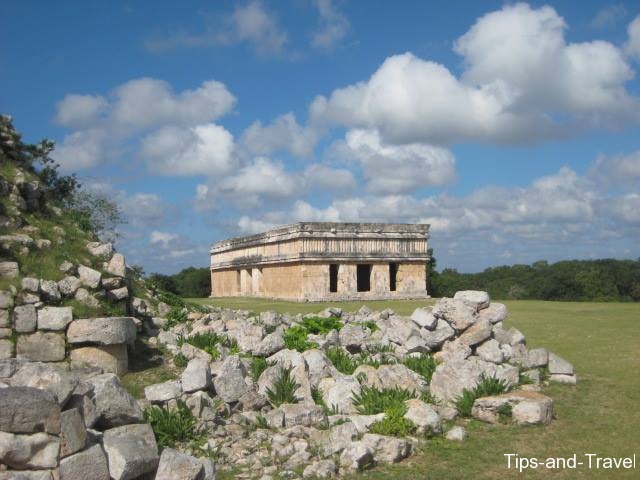
Uxmal is an ancient maya city of the classical period, located in the Mexican State of Yucatán, 78 km south of Mérida and 15 km southeast of Muna. The name means ‘Three times built’. Governed by competent leaders and stimulated by an alliance of short duration with Chichen Itza, it had an apogee of 150 years (800 to 950 ad). Built in Puuc style architecture which is characterized by very stripped lower and worked most top-level facades. The main buildings are the Pyramid of the Seer or magician, the Quadrilateral of the nuns, the Governor’s Palace and the House of turtles, dedicated to the God of rain (Chac). The ruins have been restored and maintained carefully, but to reconstruct its history, there are available ethnohistorical sources that must be interpreted with caution and we have insufficient archaeological data.Most of the buildings were built with stones carefully carved, thus avoiding the use of plaster. Thanks to its state of conservation, it is one of the few Mayan cities where a tourist can have a good idea of what might look like an ancient ceremonial center in its entirety. Maya architecture is elegant and beautiful. Two hotels and a small museum were built next to the ruins of the ancient city.

Tips

You can take a guided day trip in your language at your hotel reception or if you prefer, hire a car to take all of your time and make the visit freely.
Enjoy the spectacle of lights on the site in the evening. The entrance to the site includes the evening lights. The ruins close at 5 pm then if you do not drive, you must consider to pay a taxi or a tuc tuc (kind of economic vehicle driven by a local person with which you arrange a fixed price for a round trip).
If your budget is tight and you visit Mexico with your backpack, there is the small town of Santa Elena, 15 km from the site, with economic places to spend one or two nights to enjoy a full day at the ruins and continue your way after. You can go by bus, the bus Campeche-Merida, takes you to Uxmal.