Palio de Legnano, Legnano, Milan, Lombardy, Italy

The Palio di Legnano is a popular event that takes place every year in Legnano to commemorate the eponymous battle fought on May 29th, 1176 between the troops of the Lombard League and the imperial army of Frederick I ‘Barbarossa’. The territory of Legnano is divided into 8 districts of historic challenge, the last Sunday of May there’s a horse race that closes the event, each of the eight districts is governed by a captain, a Grand Prior and a Castellana. Captains gathered in the College of Captains and the district, which has the function of coordinating the activities, actions and intentions of those. This college is chaired by the Grand Master of the Order of the captains and district. During the year, the districts, organize festivals, cultural events and folklore. The organization of the Palio is run by the Judicial Council of the Palio, which is formed by the Grand Master of the Order of the captains and district president, the Legnanese family and the Chief of Justice; who is the mayor of Legnano chairing the sessions who decrets, through a contract, the official start of the Palio. The historical parade through the streets of the city is formed by more than 1,200 participants in medieval costume. The show opens with a procession formed by the municipal bands that play music of military nature. Their members wear the uniform of their belonging musical body and carry the banner of the local council and it’s the one from Legnano which closes this part of the parade. The central part of the parade consists of all districts in medieval outfits, each of which travels along a theme; the neighborhood that closes this part of the parade is the one who won the Palio the year before. The historical parade then ends with the passage of the Northern League and his entourage that consists, among others, the death knights, ending at the stadium Giovanni Mari. The winner of the horse race; the district; has the right to maintain, in the church that is referenced, the Cross of Aribert of Intimiano, a plaster sculpture reproducing the cross of medieval origin; maintained by the district winner until the next edition of the Palio.

 
Tips

In the morning, the celebration begins with a mass in Saint Magno Square, with the captains of the Palio, the benediction of horses and jockeys who will run the Palio .
In the afternoon, you can watch the parade through the streets of the city.
The race takes place in the evening. Adults pay a ticket, but children under 6 years do not pay .
On the evening of Friday before the race, the Provaccia occurs, it’s a race that takes place with the same regulations of the Palio, with the participation of emerging jockeys. The Provaccia is preceded by another race in which take part, the young jockeys who ride ponies.

Invalid Displayed Gallery
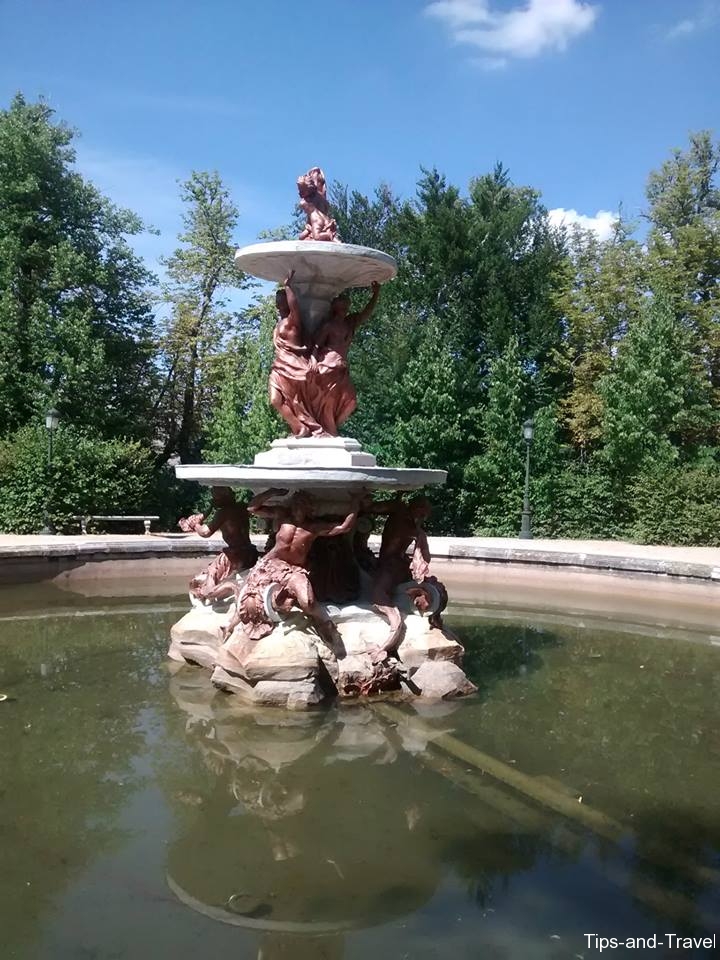
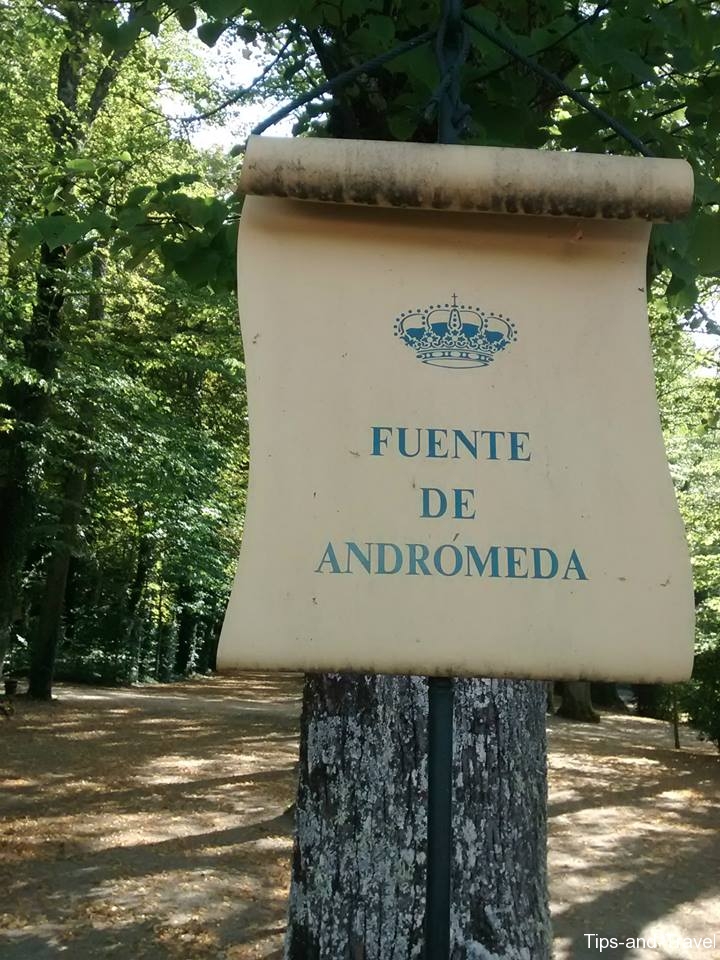
The Andromeda fountain, Segovia, Spain

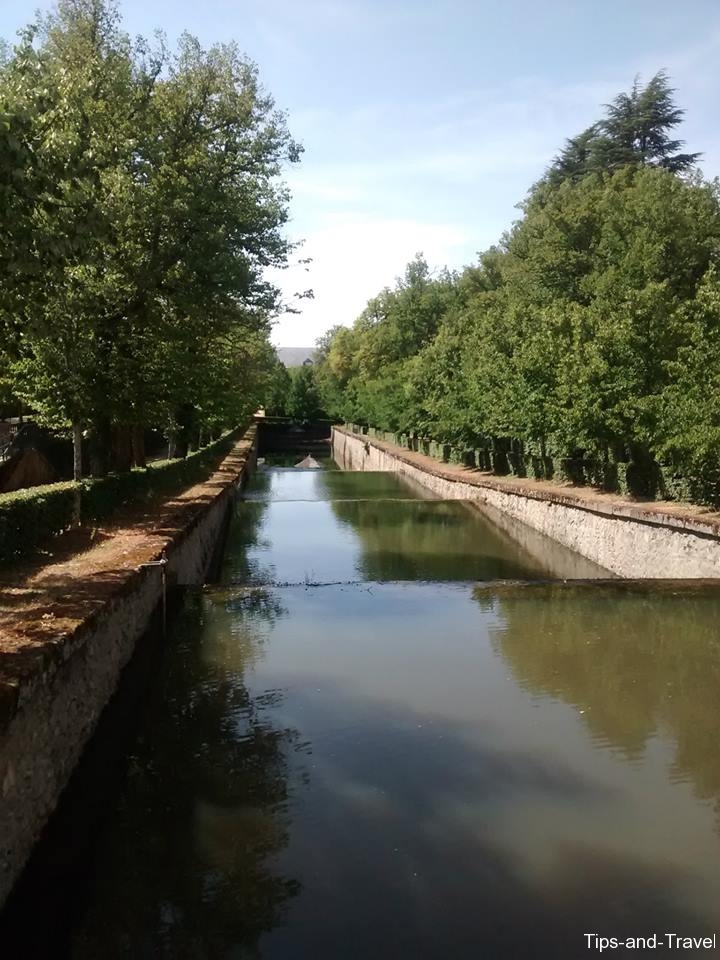
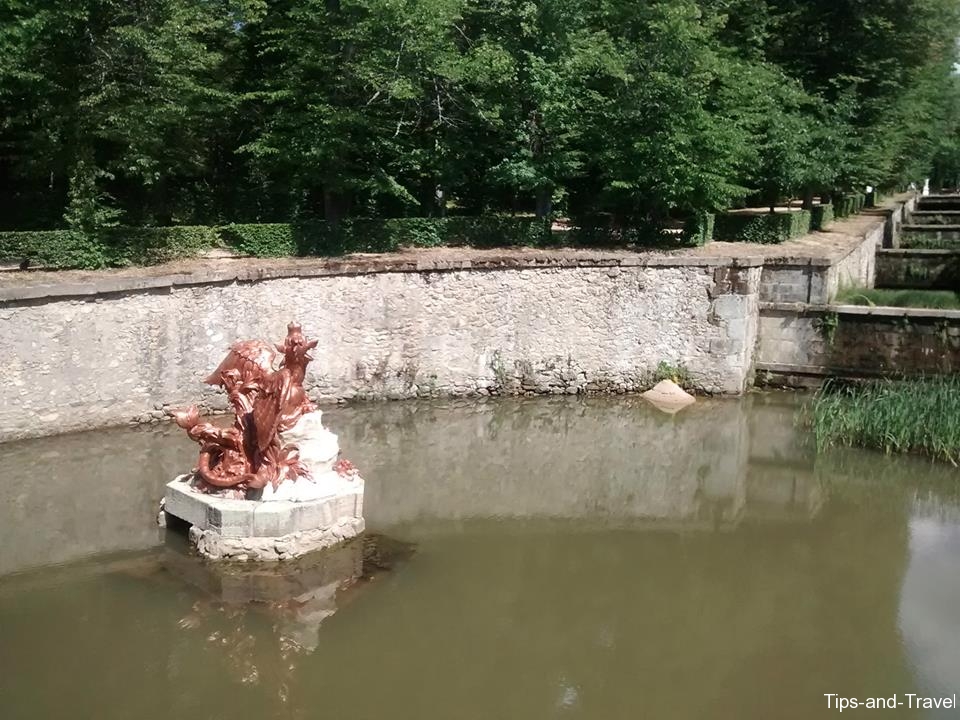
The Andromeda fountain is in the gardens of the Royal Palace of La Granja de San Ildefonso; one of the residences of the Spanish Royal Family, located in the province of Segovia in the Royal Site of San Ildefonso, with other beautiful fountains, being the highest and most important of the Horse Racing. In the middle of the pond stands a high cliff; Andromeda half naked, appears to be strongly linked to rocks and some geniuses who try to release her. There is also Perseus reducing the monster while showing the head of Medusa to immobilize him and behind Perseus, Minerva with her weapons to help if necessary. The main jet comes out of the mouth of the dying dragon and reaches a height of thirty-seven meters only a few meters less of the jet of water from the fountain of Fame. In Andromeda Square, where we find the eight streets called of Andromeda, there are some statues: Nereida with dolphins; Honor (the man in Roman costume, crowned with laurel and trumpet in the right hand); Cibeles, with a crown of towers and cornucopia; Faun crowned with ivy and a flute in his right hand; among others; all characters from Greek mythology. The fountain has its own lawn with cedars and redwoods.

Tips

To know a little more about the history of Greek mythology and learn about the exact time that was represented in sculpture, you can consult the book of Francisco Herrero, ‘Mythological Route, by the fountains of the Gardens of la Granja ‘.

Myrtos Beach, Kefalonia, Greece

Myrtos Beach is a beach in the Gulf of Myrtos, in the municipality of Pylaros, on the island of Kefalonia, Ionian Islands, Greece. It was considered the best Greek beach on many occasions and is considered one of the best in the world. It is located between the feet of Kalo Mountain (901m) and Agia Dynati (1131m). The beach is made up of round, white cobblestones and when you approach to the sea, the wave energy is very high and causes the gradation trends from cobbles to pebbles along the beach. A steep, winding road, about 2 km in length and with hairpin turns, leads down to the beach from the village of Divarata.

Tips

In summer (high tourist-season) you can arrive to the beach by bus from the harbour area in Agia Efimia. It’s convenient you check the timetables online or at the Tourist Information Office cause they don’t run all the time. You also have many taxis going and coming from the beach to the port and vice-versa but you must ask for the price before because they don’t have a calculator like in other countries to have the distance and the price so you can get it dealing with the taxi driver, if you are with other people, it could be convenient cause you don’t have to wait an hour for the bus to come and it’s always crowded.
If you go by car, you have a parking at the base of the cliffs.
You can hire beach lounges and umbrellas.
If you want to eat or drink something, you’ll find many tavernas at the top of the road leading down to the beach in the village of Divarata.

Invalid Displayed Gallery