Royalton Punta Cana Resort & Casino, Punta Cana, Dominican Republic

The Royalton Punta Cana Resort & Casino is a modern all-inclusive hotel with a beautiful white sand beach in Punta Cana, Dominican Republic. Their service called All-in Luxury, offers everything included for families or couples or groups of any age. It is a luxurious hotel with high speed wi-fi throughout the property and the possibility to make free calls to North America. You can also enjoy the access to the water park nearby. There are 8 restaurants, including 4 a la carte and a buffet, with possibility of meals 24 hours a day, and 6 bars with a choice of national and international drinks. You can also pay for an upgrade and enjoy the Diamond Club experience that gives you access to a private beach area, spa discounts, exclusive Club Diamond Lounge snacks and services, and other exclusive services that you can discover during your stay. Several activities are offered either during the day or at night. You have a choice of non motorized water sports.

Tips

You have access to most of the Memories Splash Punta Cana facilities, including the Splash Water Park. A shuttle service is available 24 hours.

If you are traveling with children or teenagers, take advantage of the Miniclub Adventure (4 to 12 years old) and the Teen Club (13 to 17 years old) service; a beautiful way to live a real family vacation.

https://www.youtube.com/watch?v=ryVlbDpe8PI&feature=share
Chichen Itza, Yucatan Peninsula, Mexico

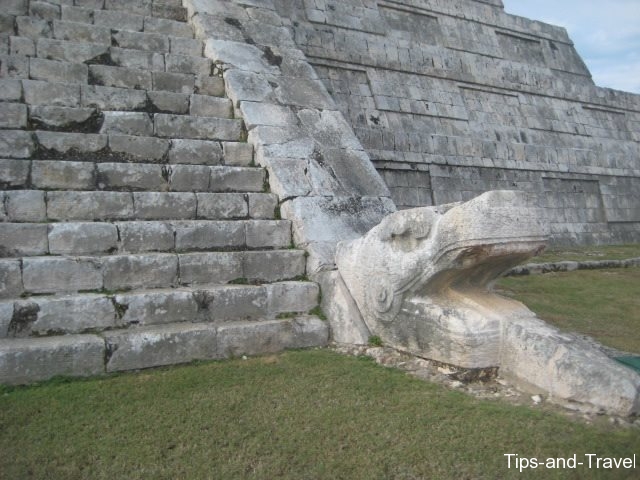
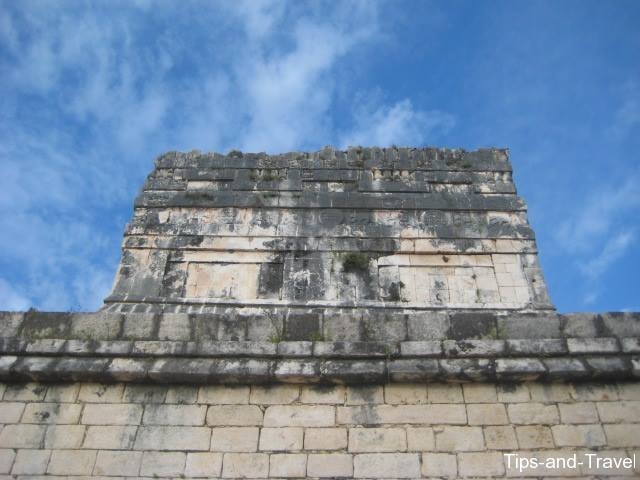
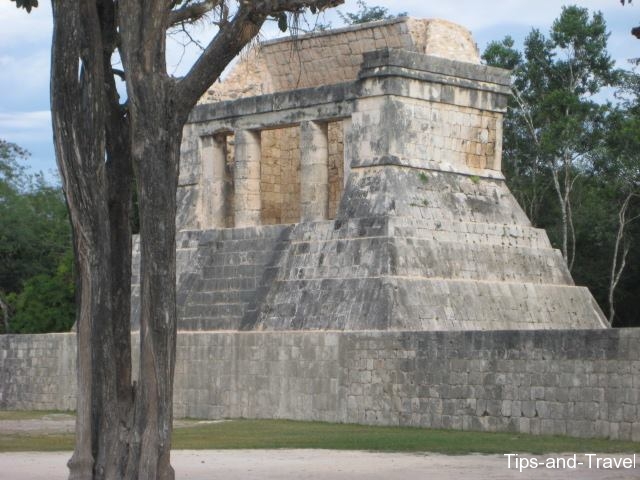
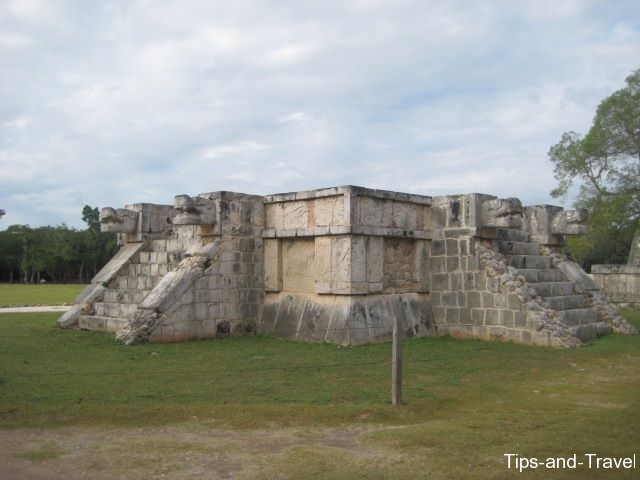
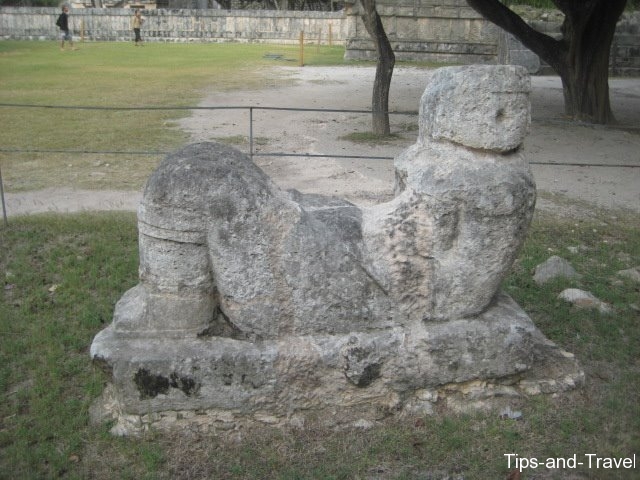
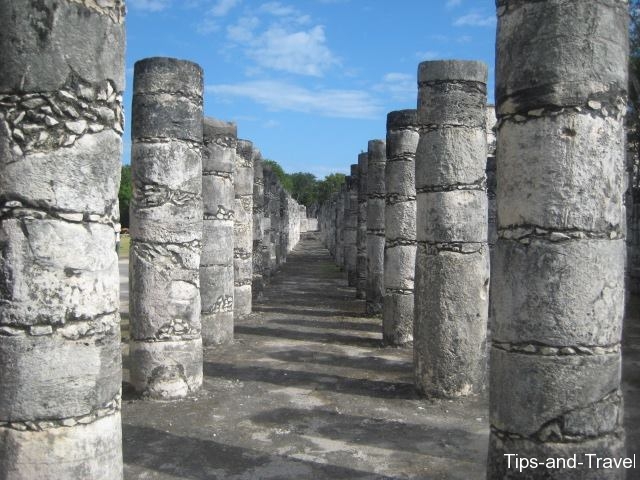
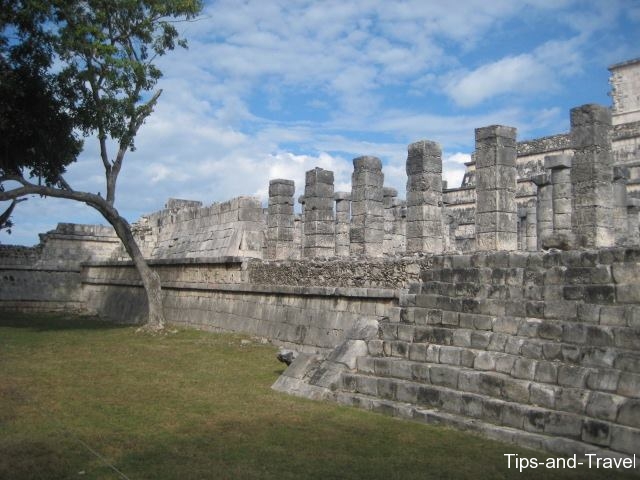
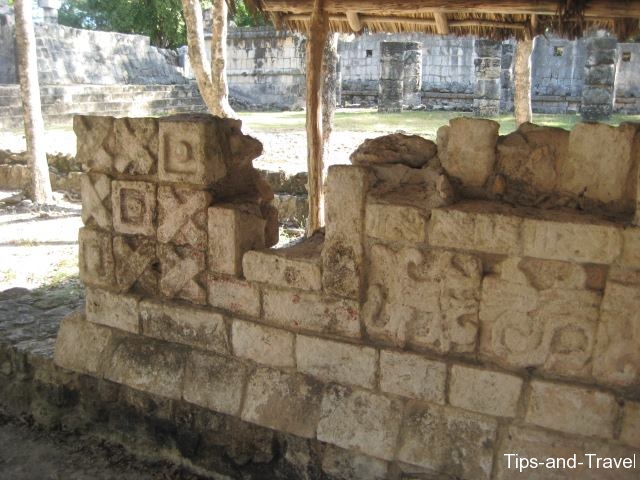
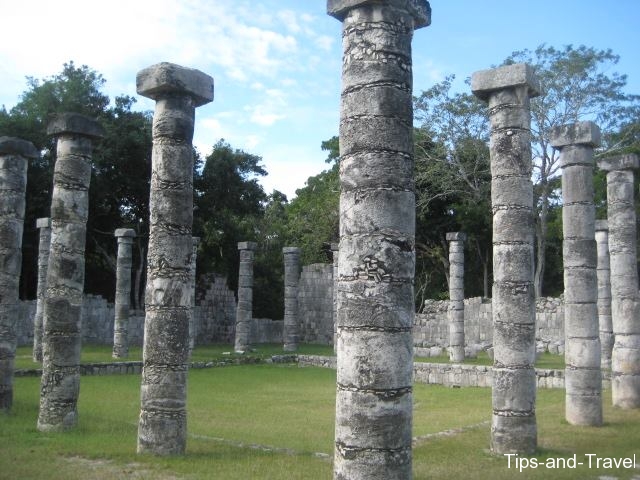
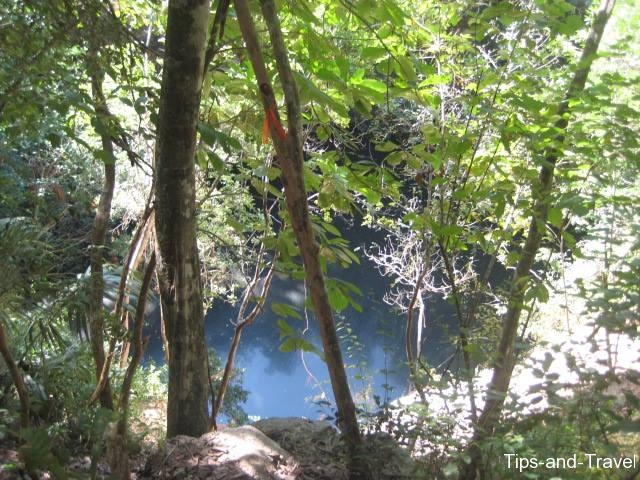
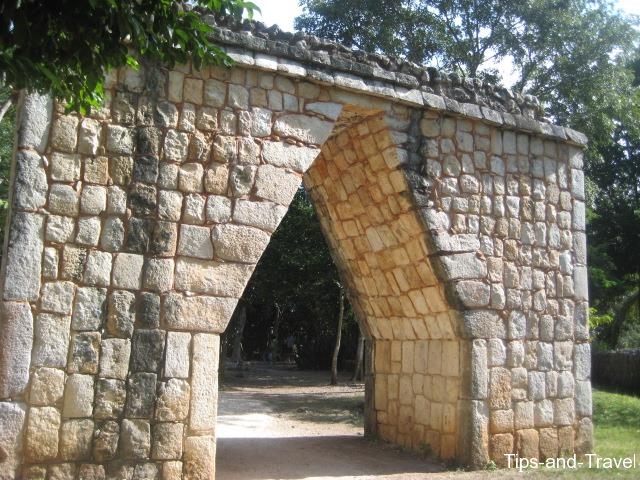
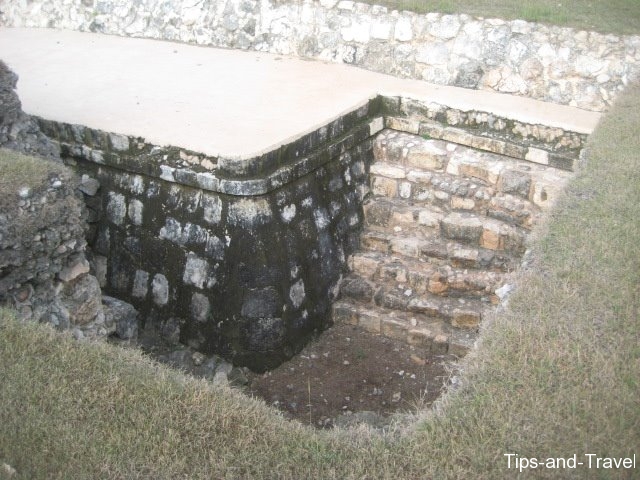
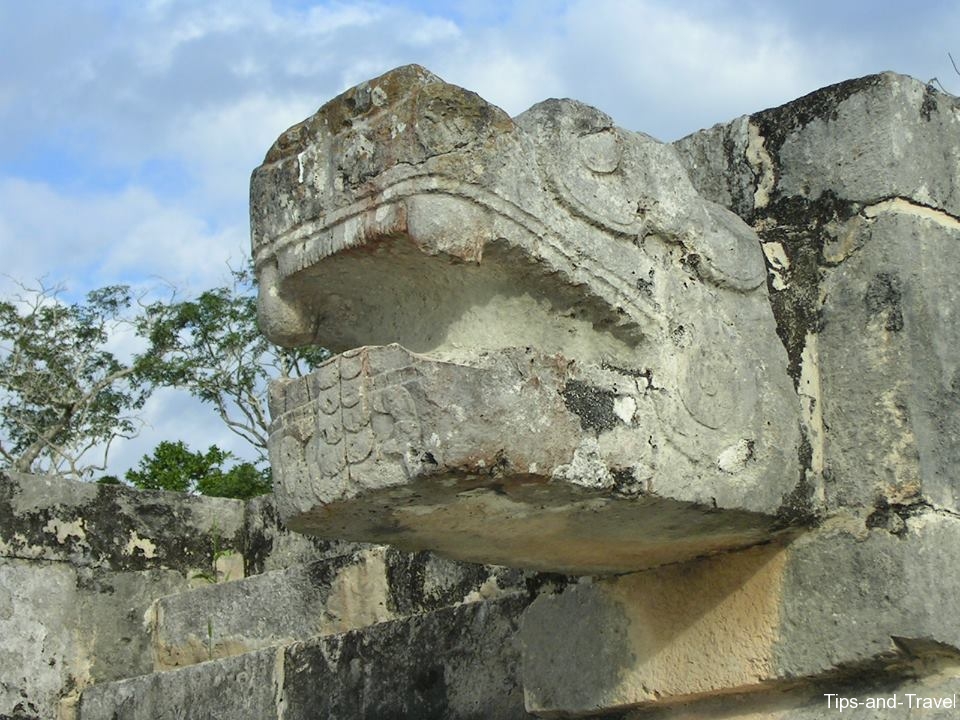
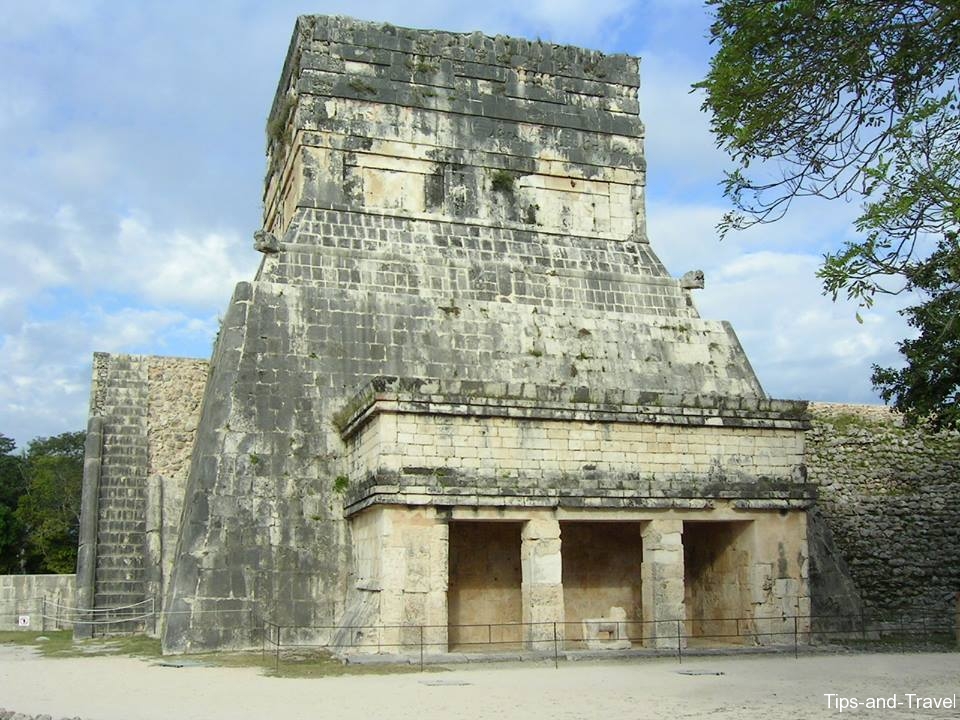
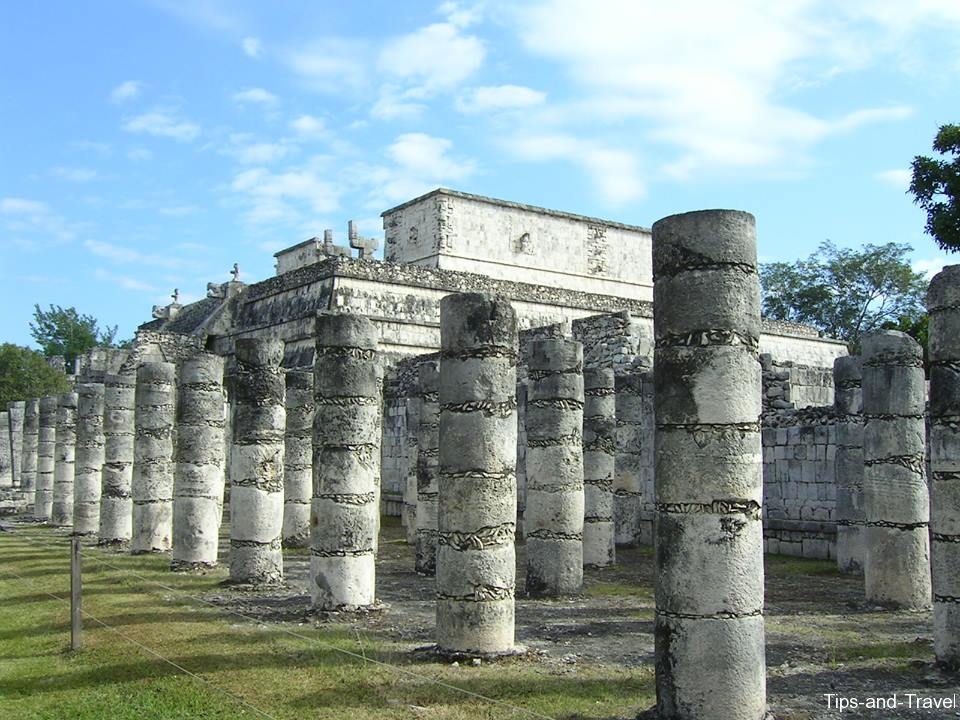
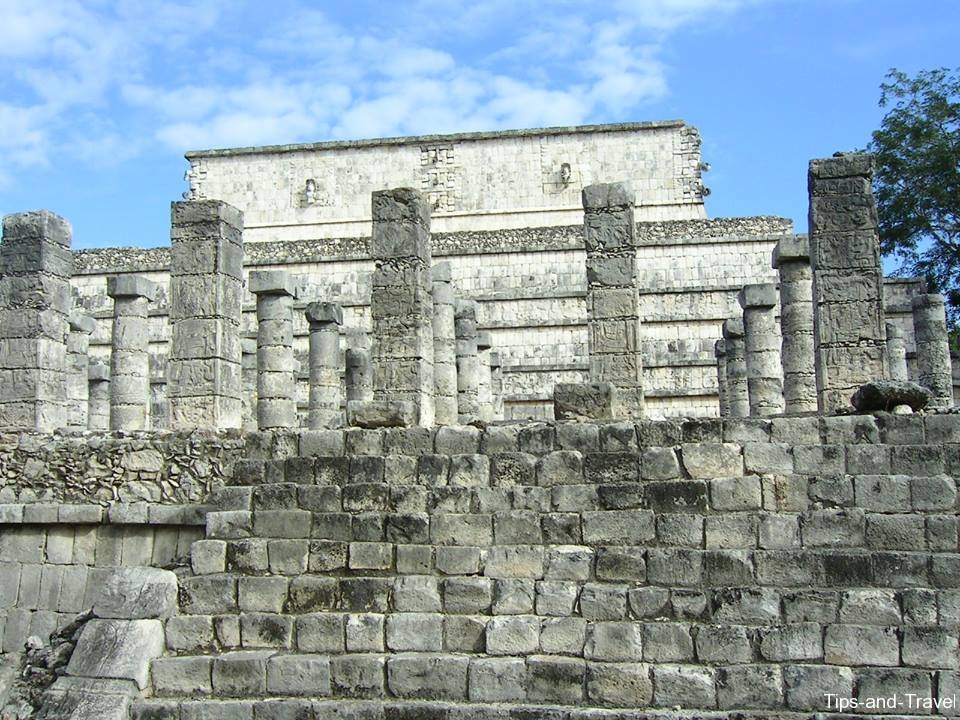
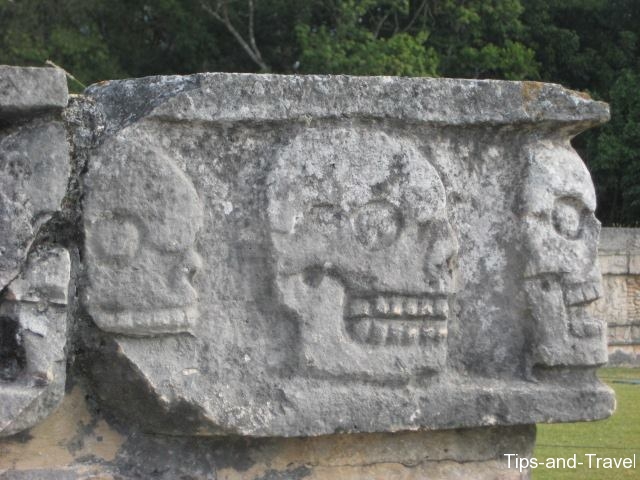
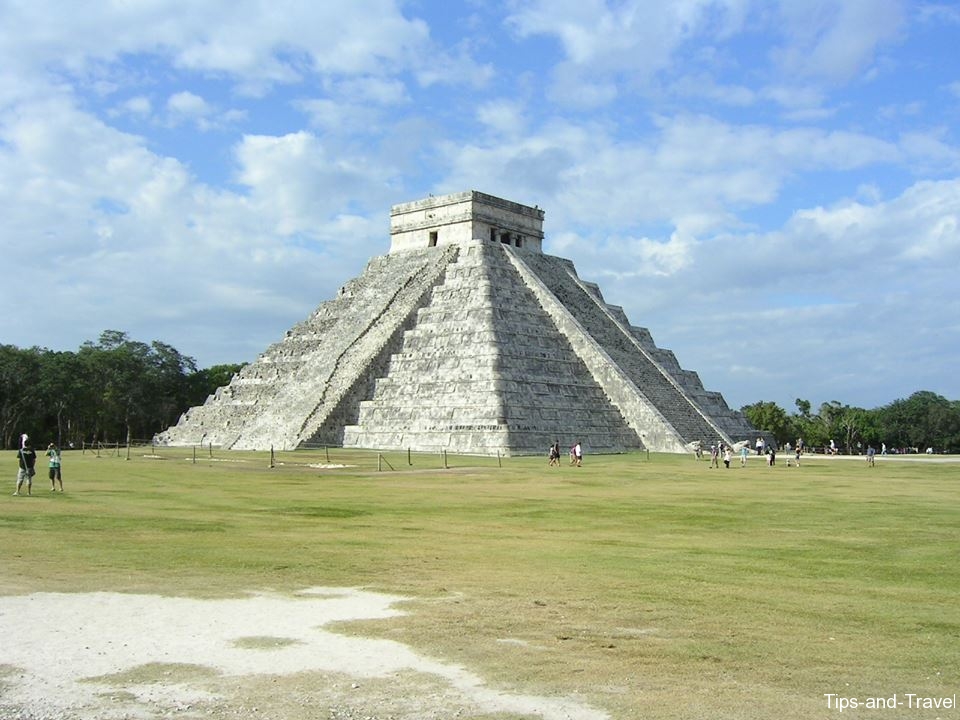
Chichen Itza is an ancient maya city located between Valladolid and Merida in the Yucatan Peninsula, Mexico. Classified world heritage of UNESCO and named as one of new 7 Wonders of the world in 2007, after a controversial vote organized by the New Seven Wonders Foundation. The presence of the city in this place is due to 2 water wells (cenotes) because it is a region devoid of water and owes its name to this source of underground water ‘Chi’ means ‘mouth’ and ‘Chén’ means ‘well’ and ‘Itzá’ means ‘water’s wizard ‘ in maya. Its history remains unclear. The first traces of occupation and construction dates from the 8th or 9th century. There are the southern sector or old Chichén, whose buildings are close to those of the cities of Uxmal, Kabah and Labná and the northern sector dedicated to Kukulkan (the feathered serpent), with larger buildings, the difference suggests that the styles have come one after the other. In the North section there is the great pyramid ‘Castillo’ (24 metres high), the observatory’Caracol’, the great field of ball game, the sacred cenote, the ossuary, the group of thousands columns and the temple of warriors. In the southern sector the buildings are more modest: the Casa Colorada (Red House), the Casa del Venado (the Deer House), the church and the nuns quadrangle. What remains is uniformly grey but there are traces that demonstrate that in another time the building were colourful. The ruins are surrounded by forest. The main building, the great pyramid, is linked to the astro-architecture, developed enough by the Maya. It has four sides each divided into nine trays with four stairs each with 90 steps, the orientation, and the construction of the pyramid are such that at the moment of the spring equinox and fall, the sun produces with the edges of the pyramid a drop shadow that makes believe that the large heads of snakes at the foot of the stairs of the pyramid are extended by the corrugated body of a snake. The great pyramid was erected over a smaller one, a very narrow tunnel whose entrance is located under the stairs can be accessed.

Tips

If you spend your holidays at Riviera Maya or nearby, you can buy an excursion at the reception of your hotel with guide in your language. Notice that depending on the location of your hotel, you should wait until they will come pick you up with the bus and it will be the same for the return.
Another possibility is to rent a car, allowing you to visit the ruins in complete freedom. Don’t forget to bring sunglasses to protect you from the sun and water or juice or fruit. Depending on the season you visit the ruins , protect yourself also with sunscreen.
Sports shoes or comfortable ones are required.

Kutná Hora, Czech Republic

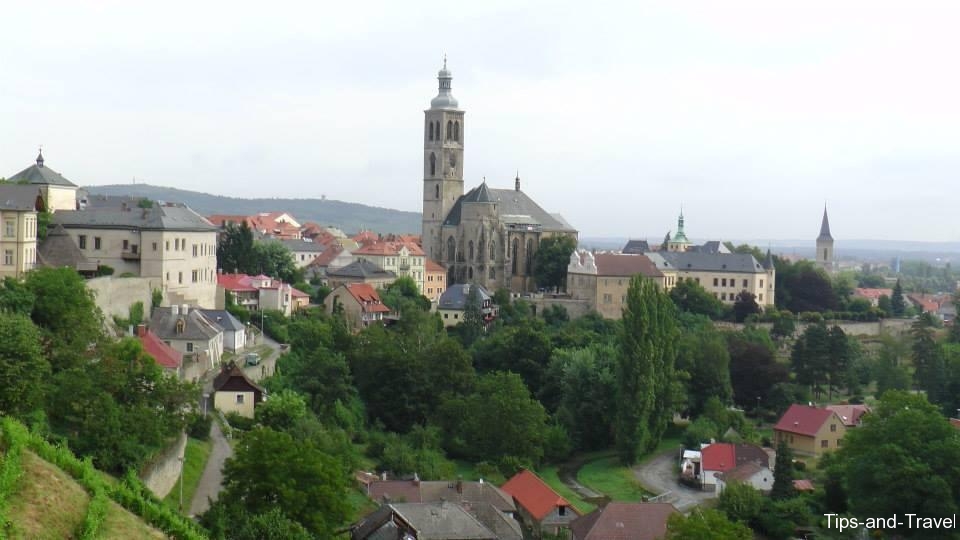
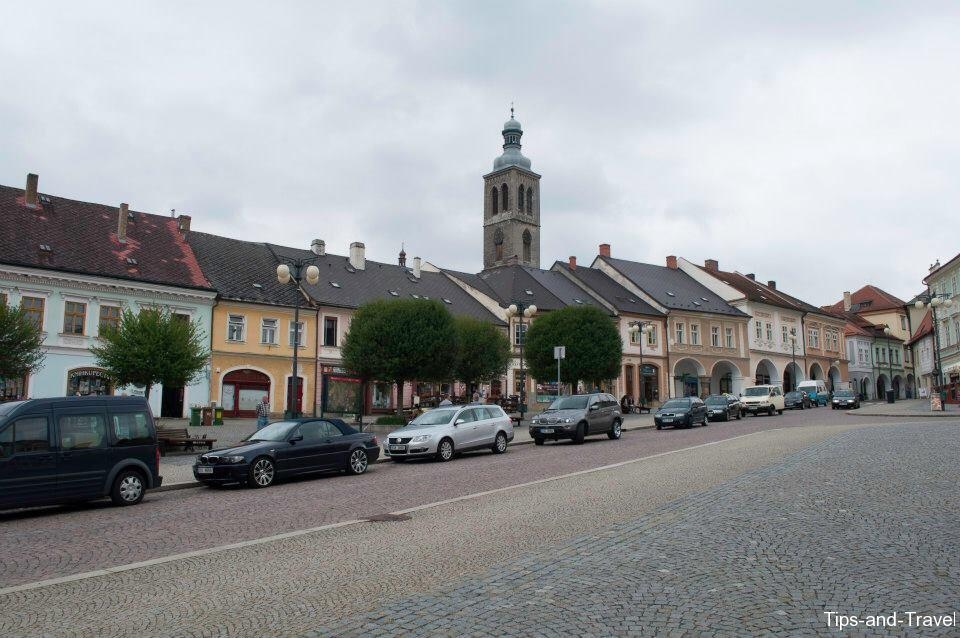
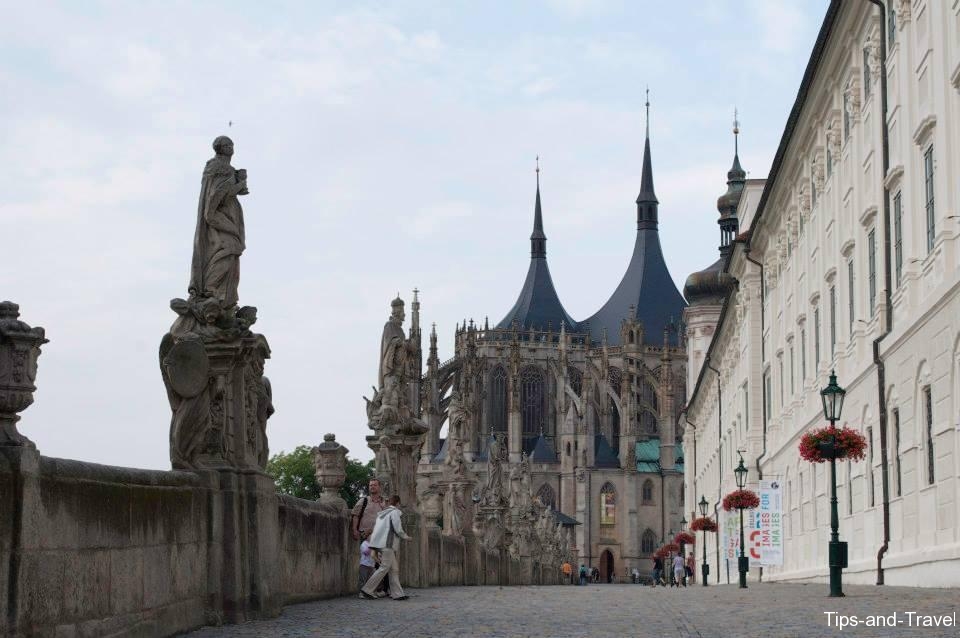
Kutná Hora is a town in the Czech Republic, famous for its silver mines, from which, in the Middle Ages, up to one third of European production came to finance the construction of churches and monuments and magnificent houses. There are several sites to visit: the Sainte-Barbe church (begun in 1388 and completed in 1905), the royal castle called Italian Court, the Ursulines cloister (1735), the Corpus Christi chapel among others. The entire historic center has been declared a World Heritage Site by UNESCO.

Tips

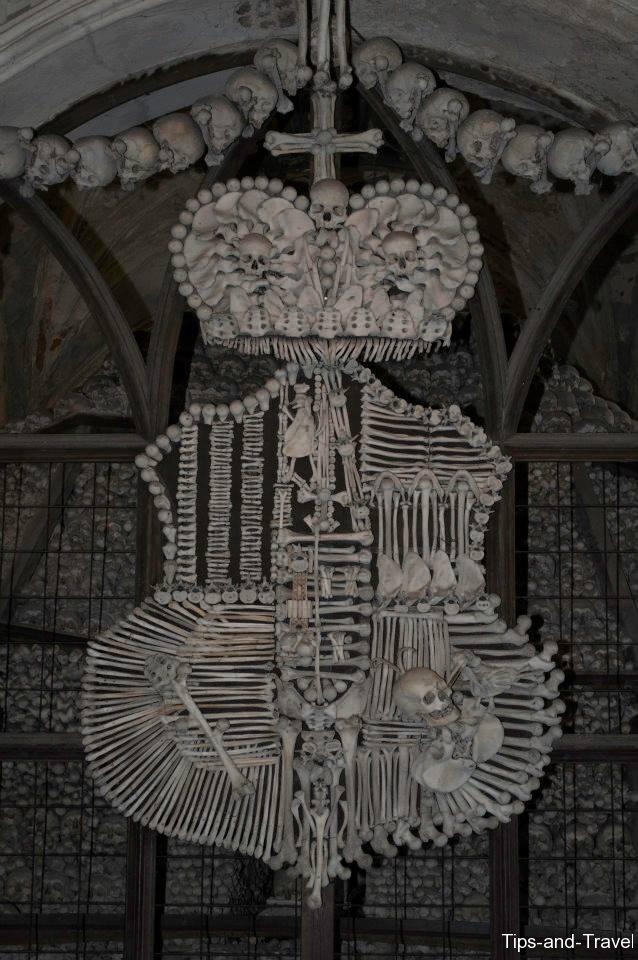
Do not miss the visit to the funerary chapel of All-the-Saints and its famous baroque ossuary. It is a former Cistercian abbey of Sedlec near Kutná Hora. Visit also the Notre-Dame-et-Saint-Jean-Baptiste Cathedral, inscribed on the UNESCO list, and the ossuary of the church of the cemetery of All Saints. If you visit these monuments late in the evening, the guides will make you a visit dressed as a Cistercian monk. The church buildings and the ossuary are lit only with candles. You can listen to Gregorian chants and the sound of the organ of the cathedral.

Vinné Sklepy is a family-run company whose goal is to renew its mature glory and rehabilitate a long-standing tradition linked to the cultivation of vines in the region of Kutná Hora. A cycling discovery route will take you from a picturesque square to the vineyards below Sukov. This 6 km route connects the historical center of Kutná Hora with the vineyards.

If you like museums, visit the Museum of Silver where an exhibition dedicated to the exploitation of silver and other subjects awaits you.

If you like art, visit the Gallery of the Central Bohemian Region (Gask), which specializes in the art of the 20th and 21st centuries, but temporary exhibitions also unfold older art. You will discover, as part of a permanent collection, how Czech art developed in the twentieth century.

You can buy a combined entrance that will allow you to visit St. Barbara’s Church, the Ossuary, the Church of the Assumption and the Art Gallery and save money.