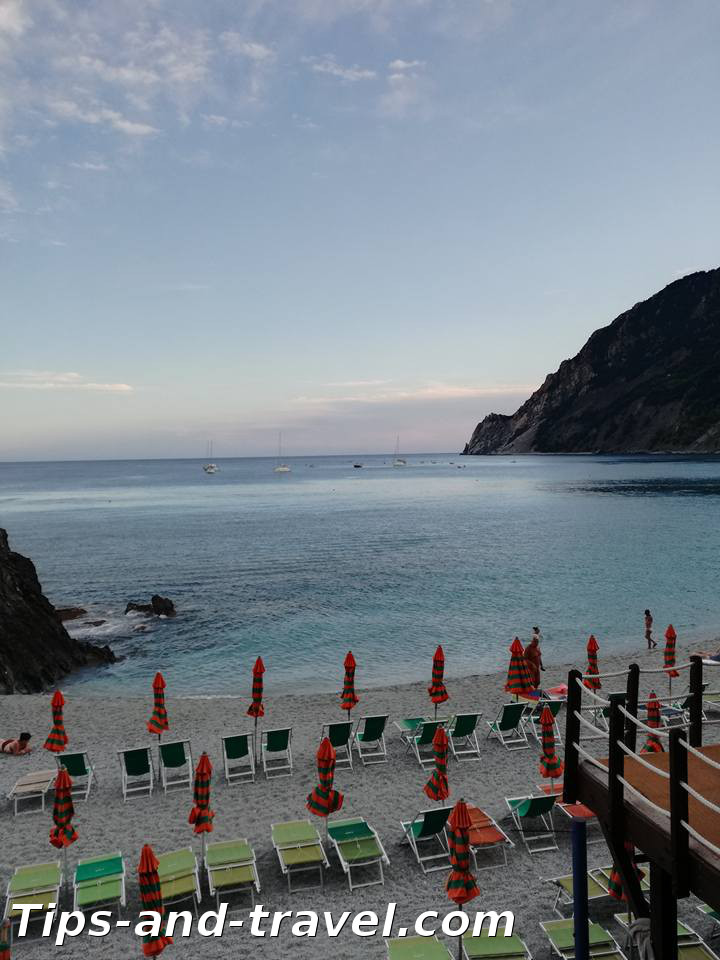
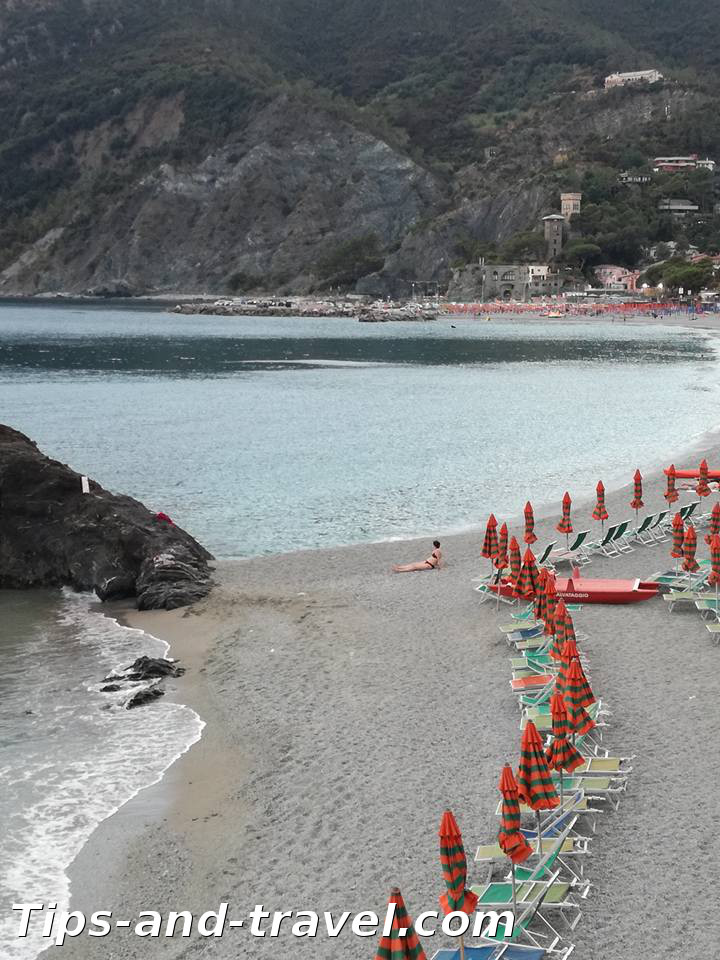
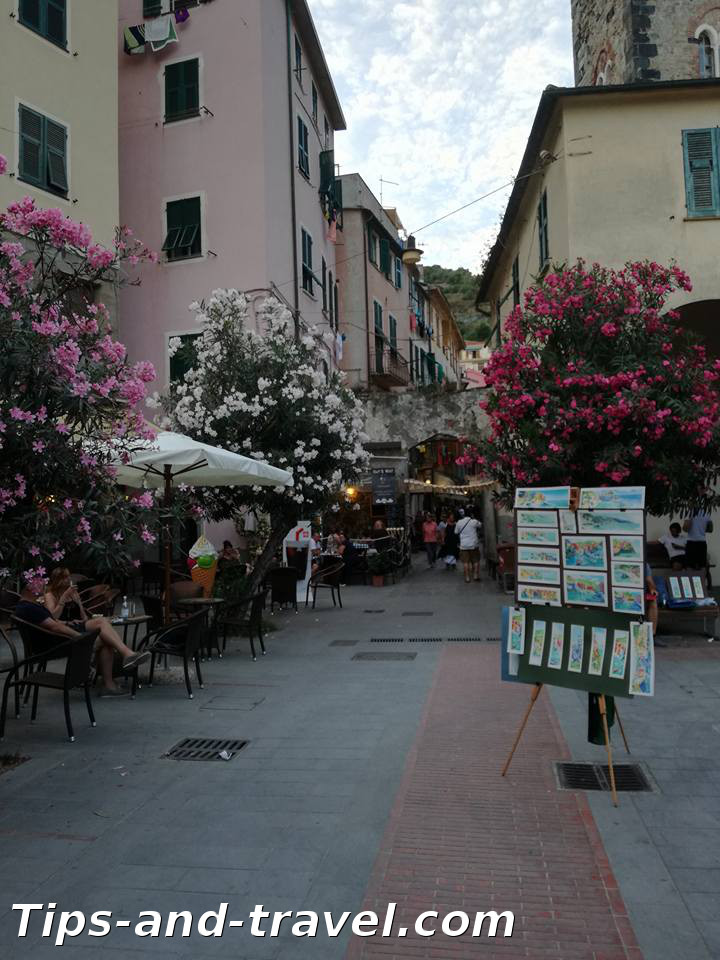
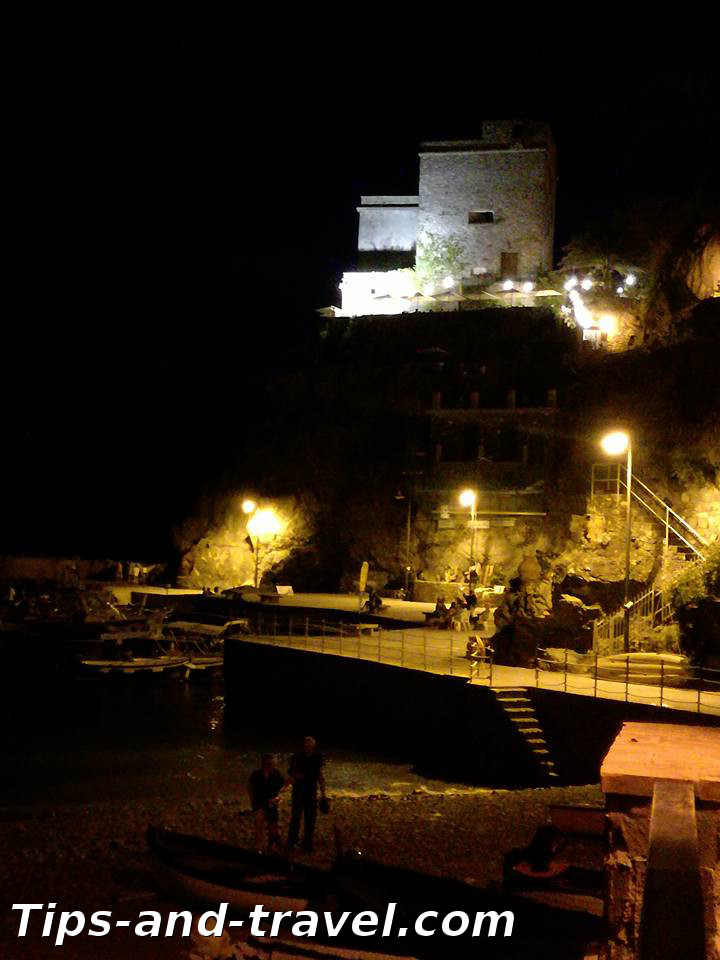
Monterosso al Mare, La Spezia, Liguria, Italy

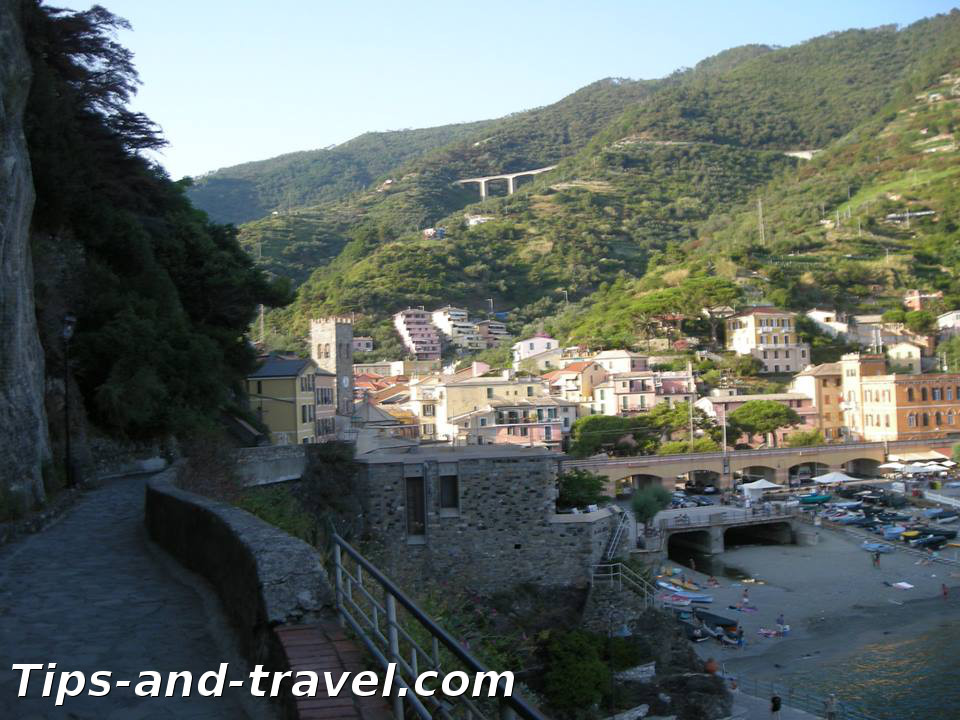
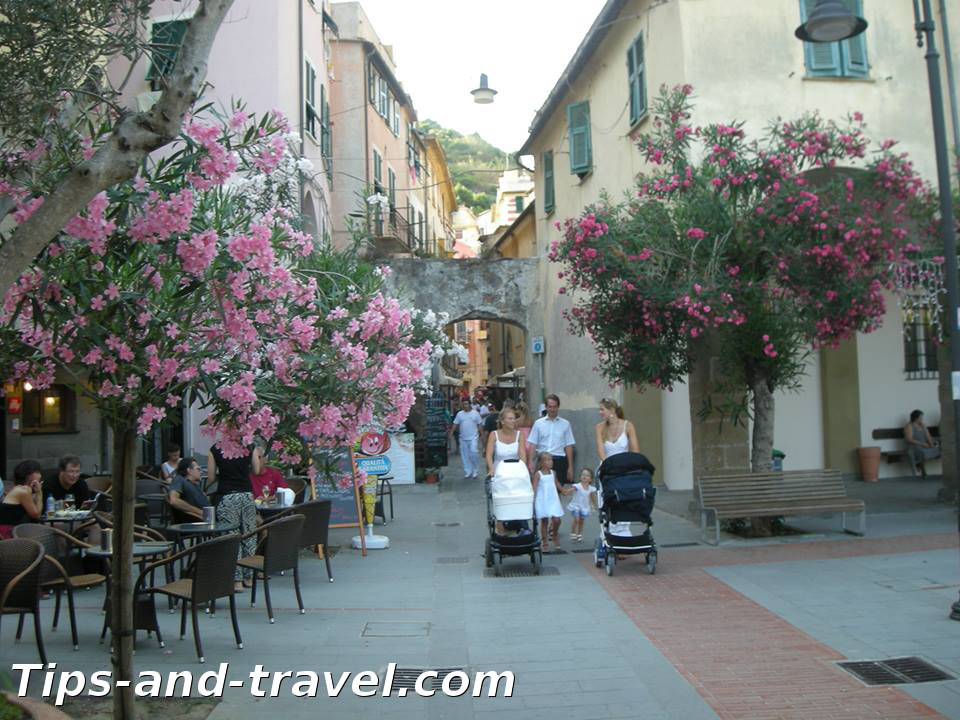
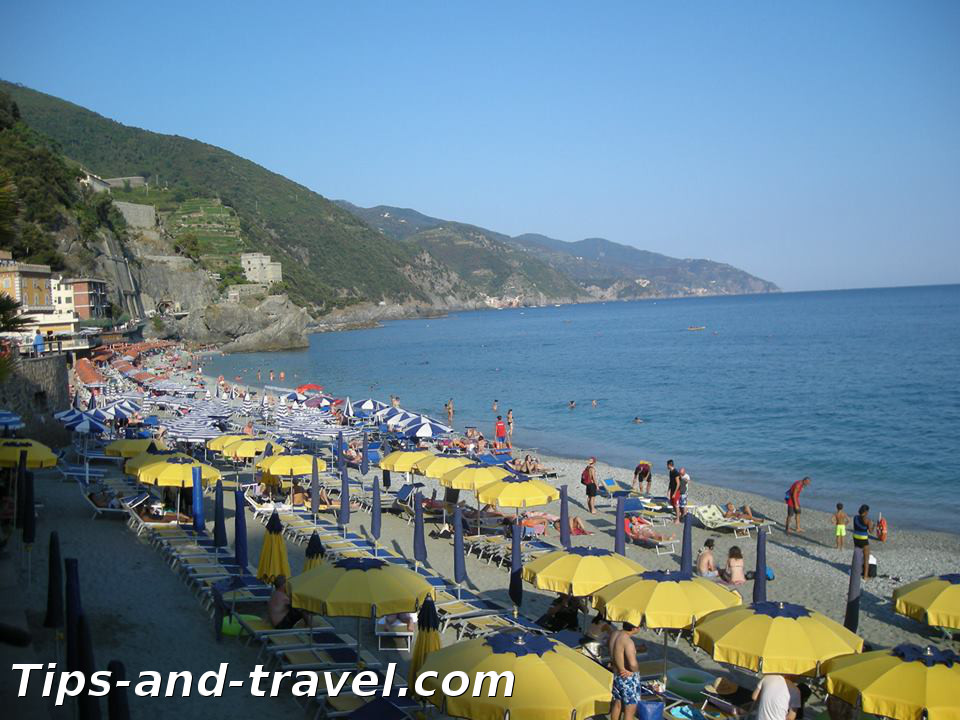
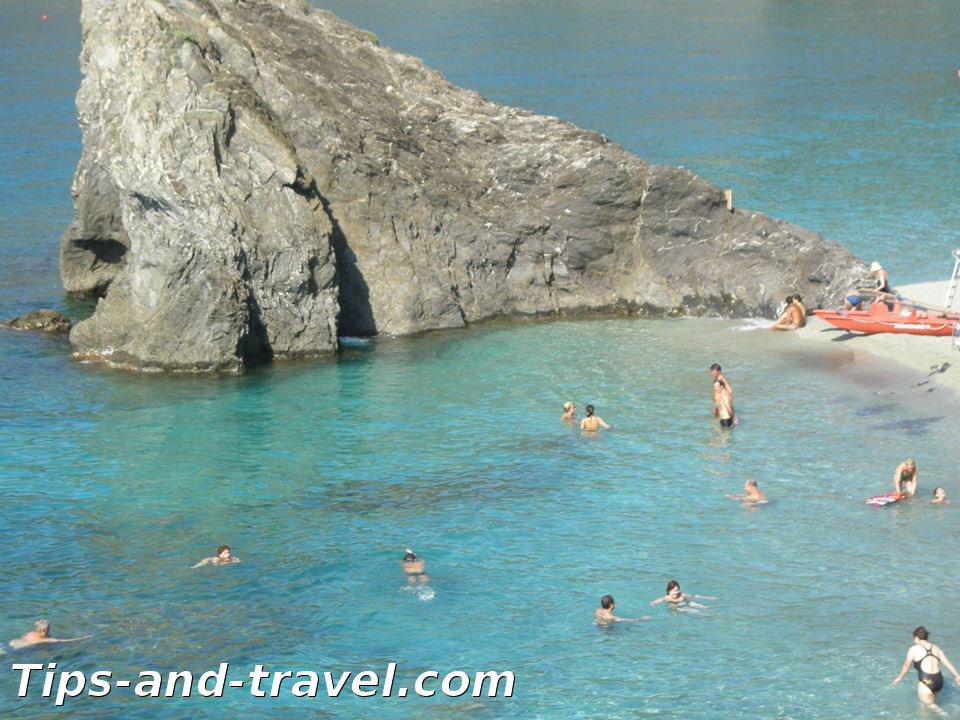
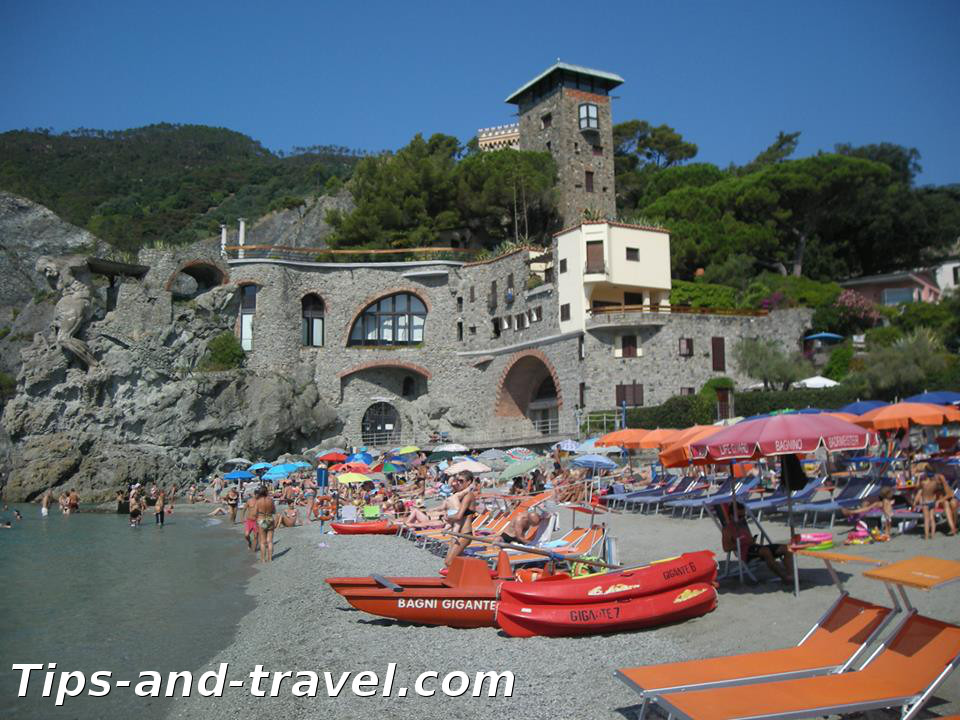
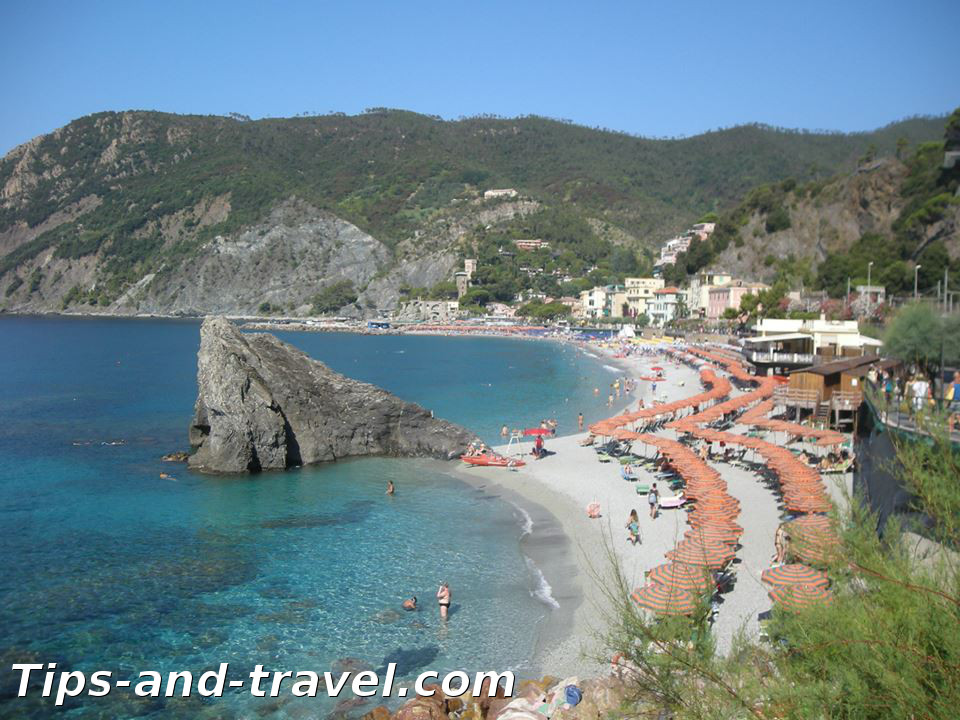
Monterosso al Mare is an Italian town of the province of La Spezia in Liguria, in the center of a small natural gulf, protected by a small artificial reef and is therefore the most western part of the Cinque Terre. To the west of the original village is the village of Fegina, natural expansion and characterized by a relatively modern tourist resort facility compared to the old town which is accessible by a tunnel of a few tens of meters. Unfortunately in October 2011 a violent disturbance has affected the eastern Liguria with flooding, damage, dead and missing at various locations of Liguria and Tuscany. To see: the statue of Neptune or the Giant (leaning against a rock); Villa Montale; Aurora Tower; the parish of St. John the Baptist; among others. The local economy is based mainly on tourism.

Tips

If you go by car, take the provincial road 38 to reach the center of Monterosso al Mare from Levanto or Vernazza. If you want to go by train, which is recommended for difficult parking, the station is located in Fegina.
If you like a nice walk, from Punta Mesco to Levanto at around 1h15, you can reach the so-called “traffic light”, an old abandoned lighthouse where you can enjoy a spectacular view of the sea. You can also visit the ruins of the hermitage of San Antonio of Mesco.
Split, Croatia

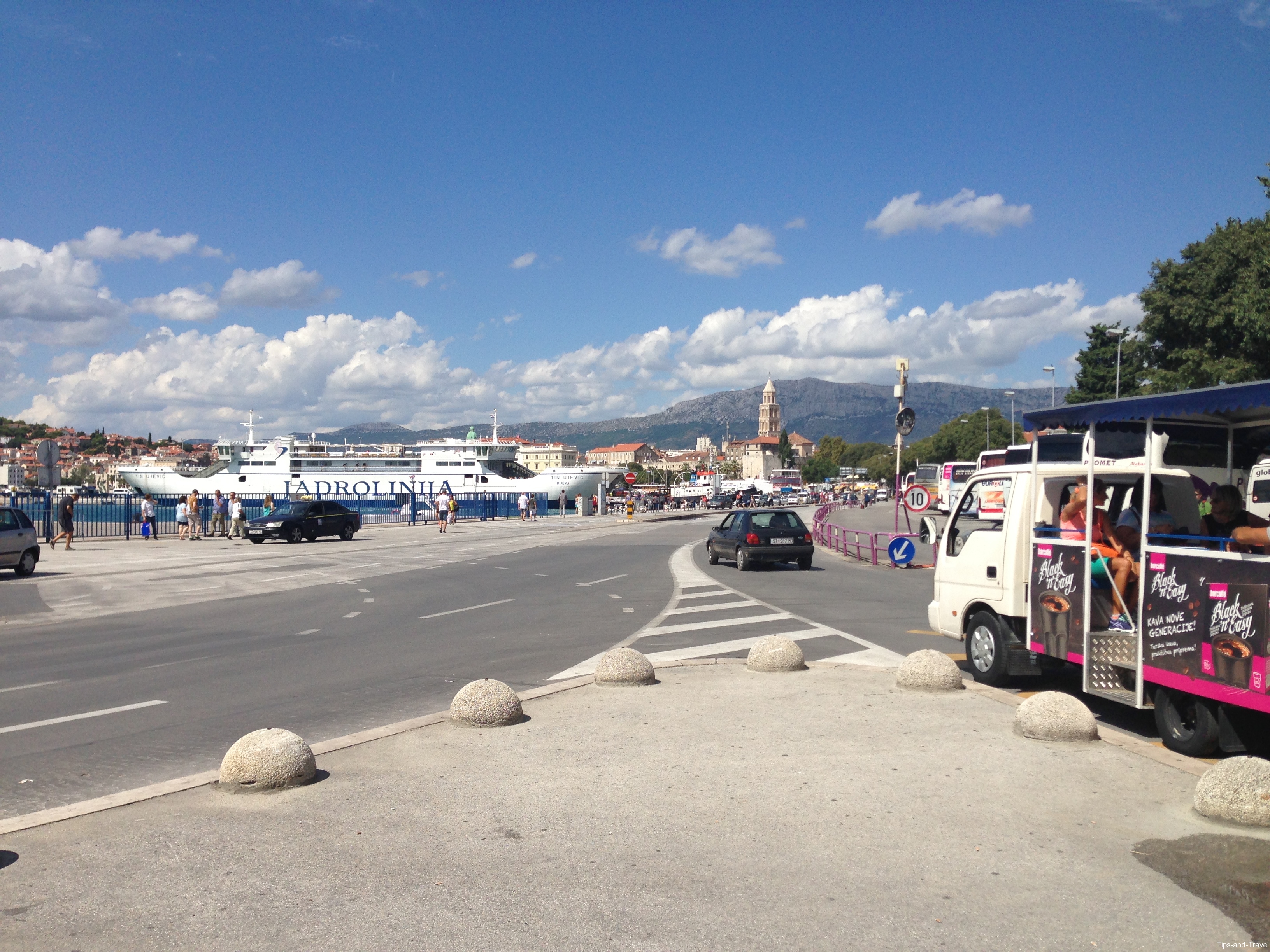
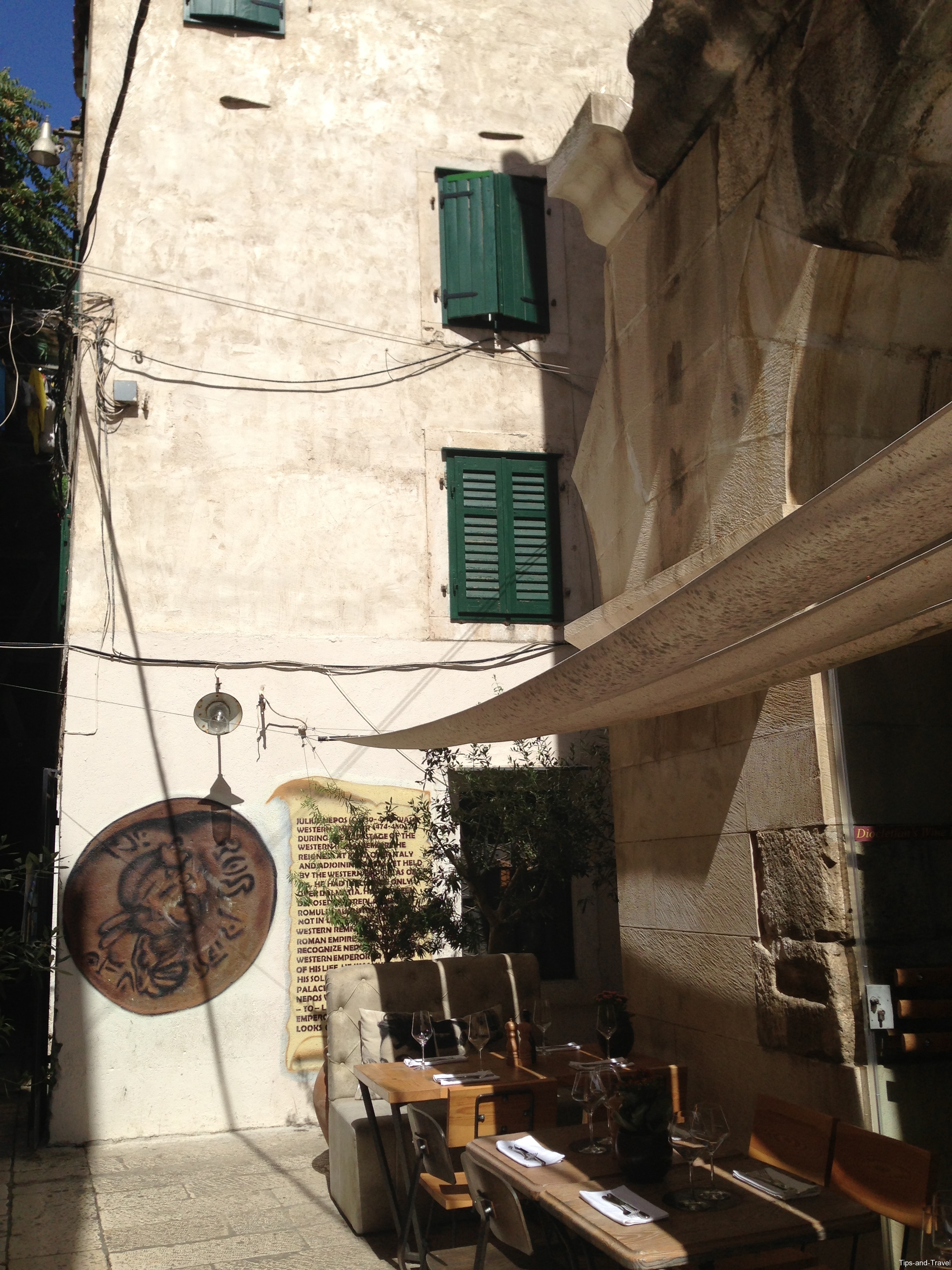
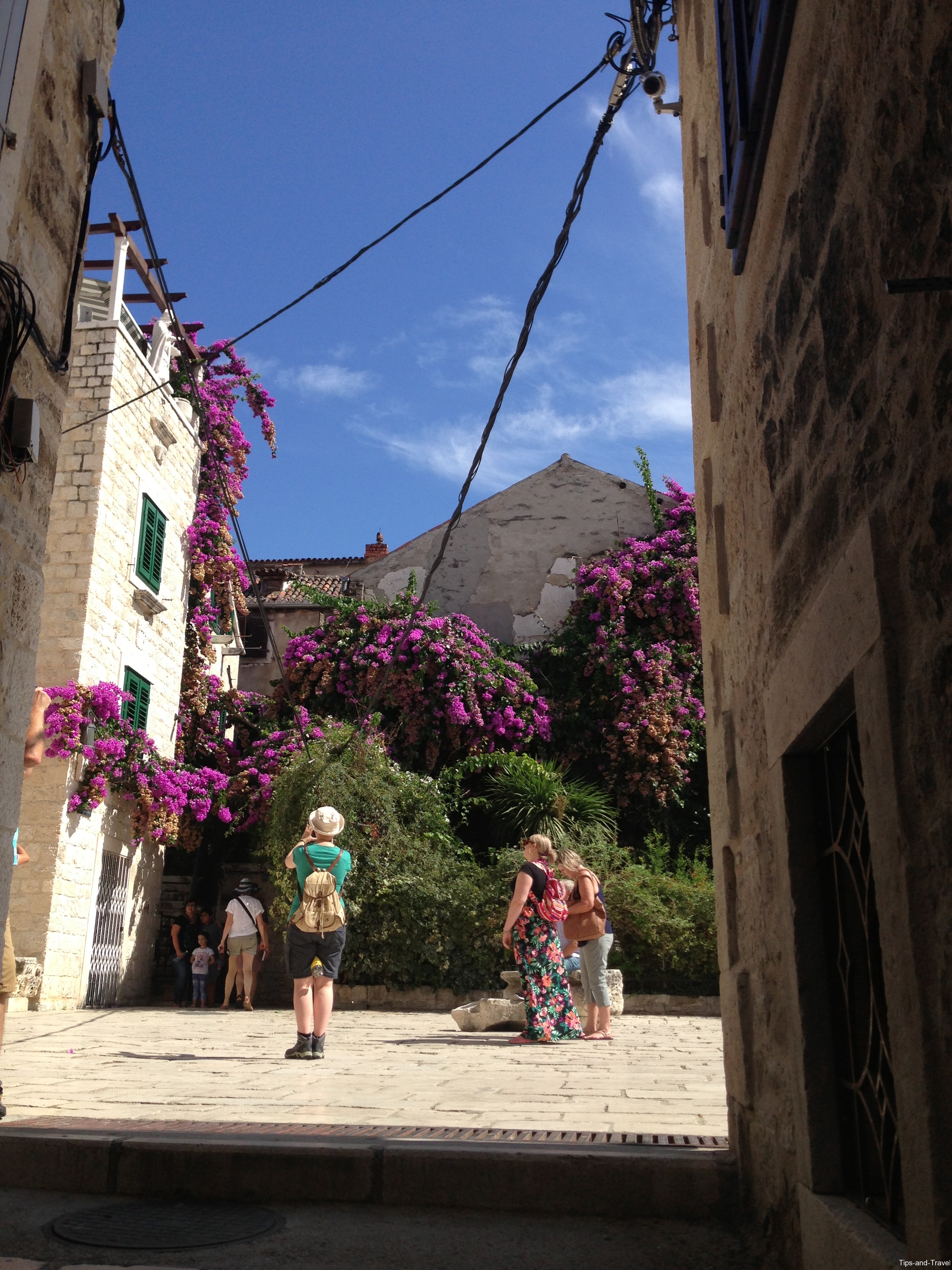
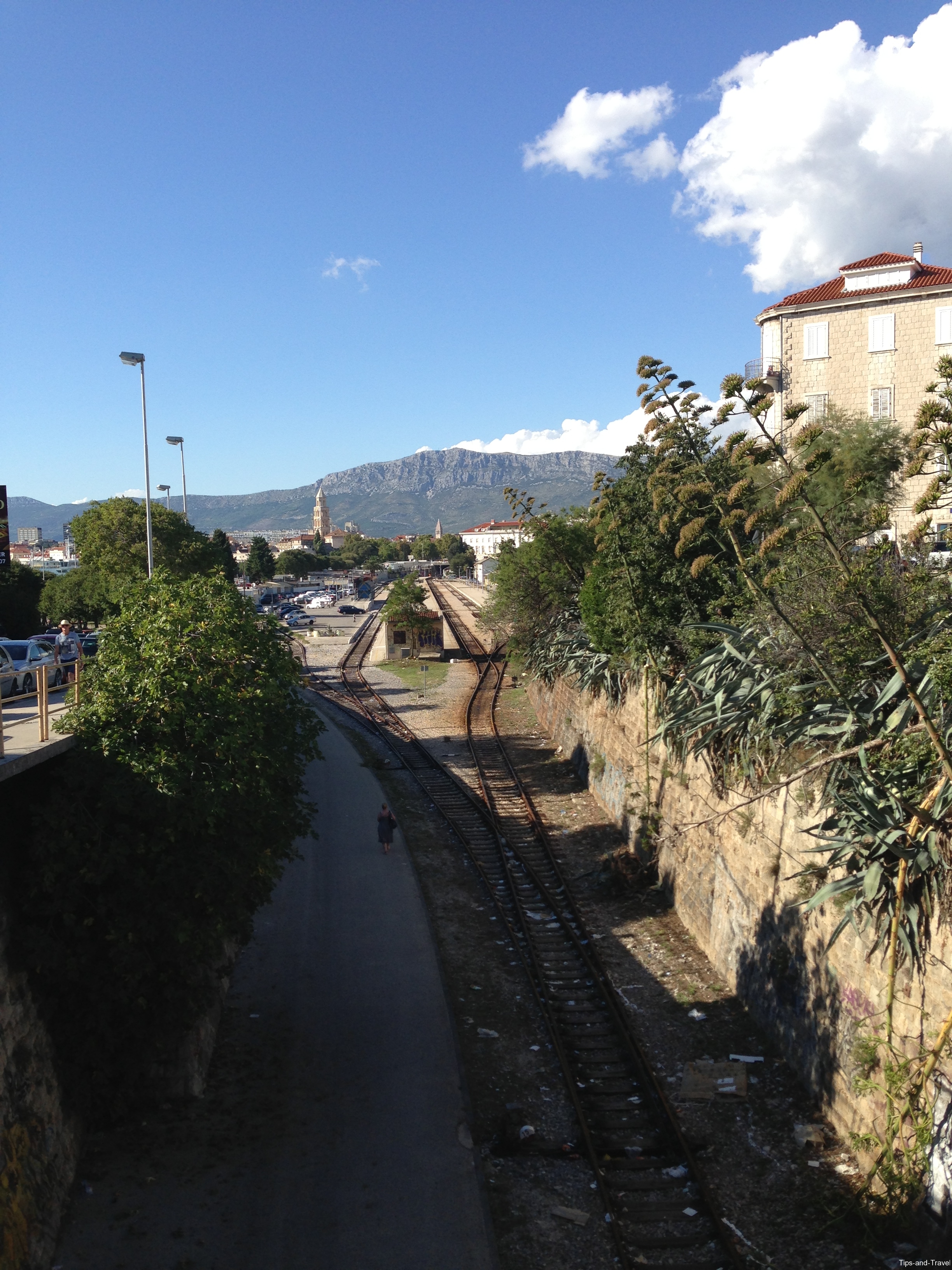
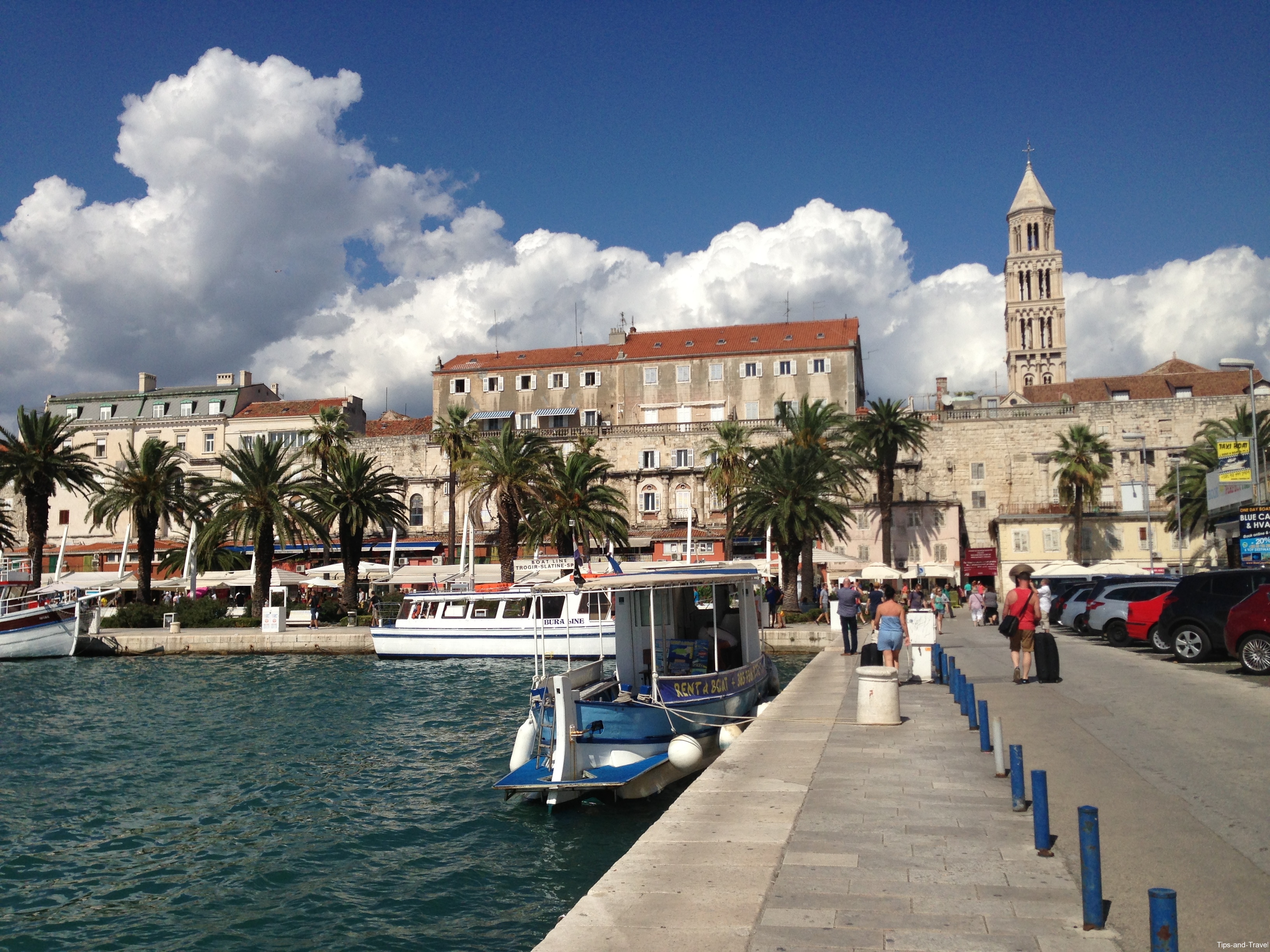
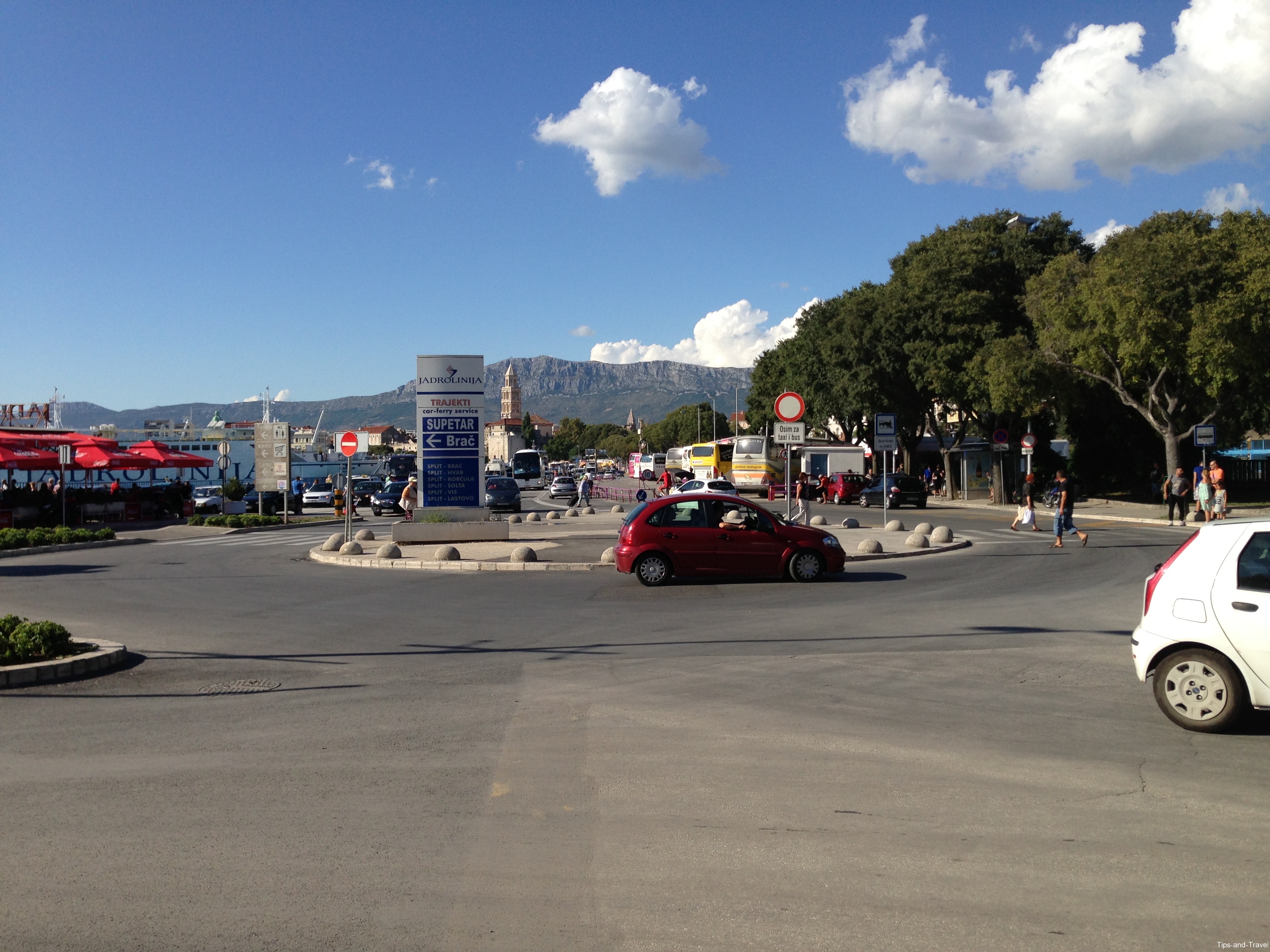
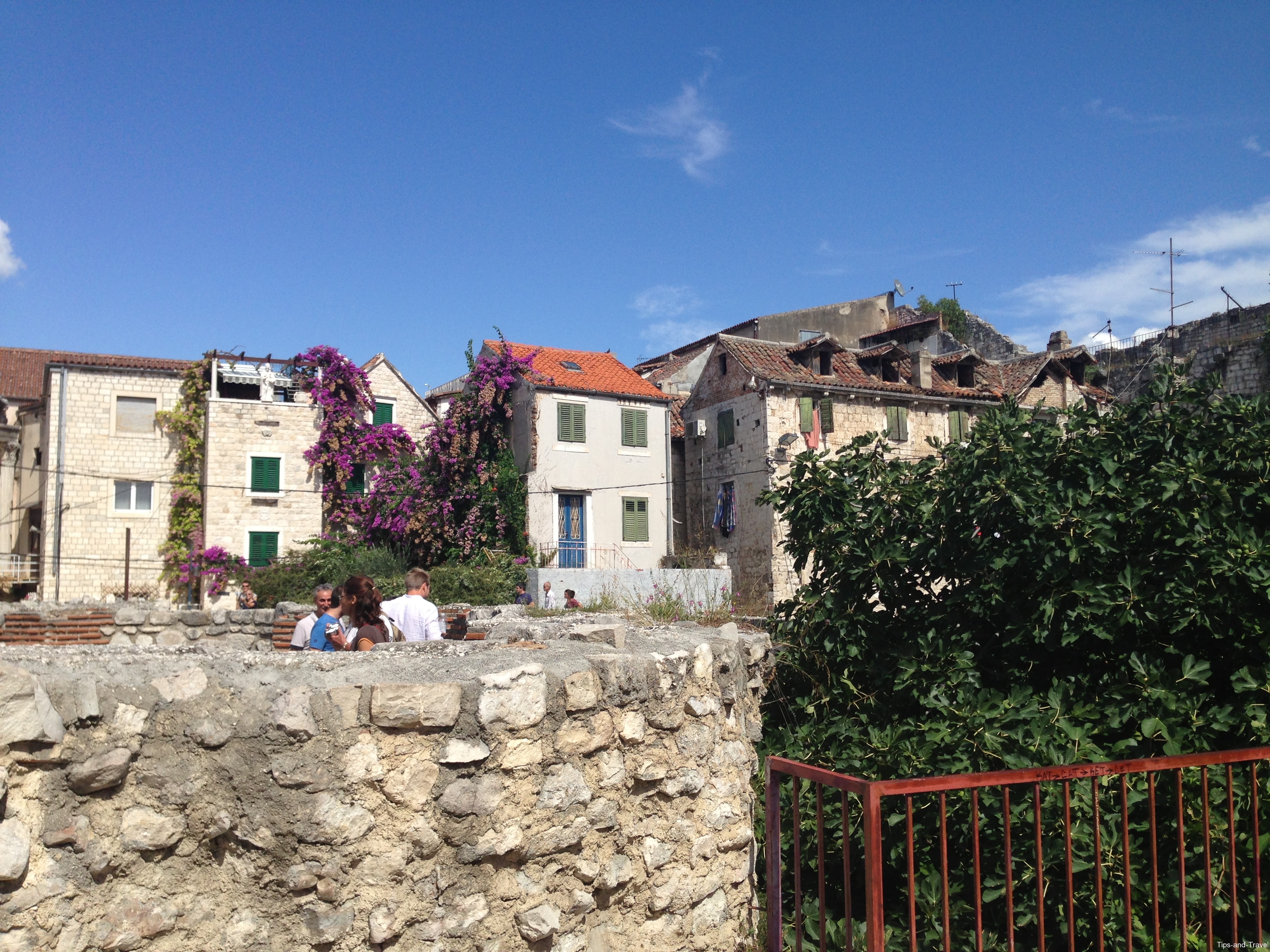
Split is the second most populated city in Croatia and the seat of Split-Dalmatia County. The city was established inside the huge palace of the Roman Emperor Diocletian (of Dalmatian origin); built between 294 and 305 and had an area of 39,000 square meters and then it continued expanding around the palace. From 1420 to 1797, Split became part of the Venetian Republic; that is why the historic center of this had Venetian-style buildings (Rector’s Palace, City Hall, Venetian tower). France and Napoleon ruled Split from 1805 to 1813. From 1815 to 1919 it was a part of Austria. After the collapse of Austria-Hungary and with the founding of the Kingdom of Serbs, Croats and Slovenes, the city was part of the Yugoslav Dalmatia. Today, Split is a major industrial and tourist port and is listed on the UNESCO list of world heritage. We find still part of the palace on the waterfront as the Maritime gate known in antiquity that allowed ships to dock directly.

Tips

The historic center is just a short walk from the harbor. Inside, there is a part that today is a big market with stands that sell souvenirs. You can also visit three museums that are located inside the old city and two other museums in the exterior. There is also a cloister that was rearranged by Rodin.

Bolton East, Memphremagog, Estrie, Quebec, Canada

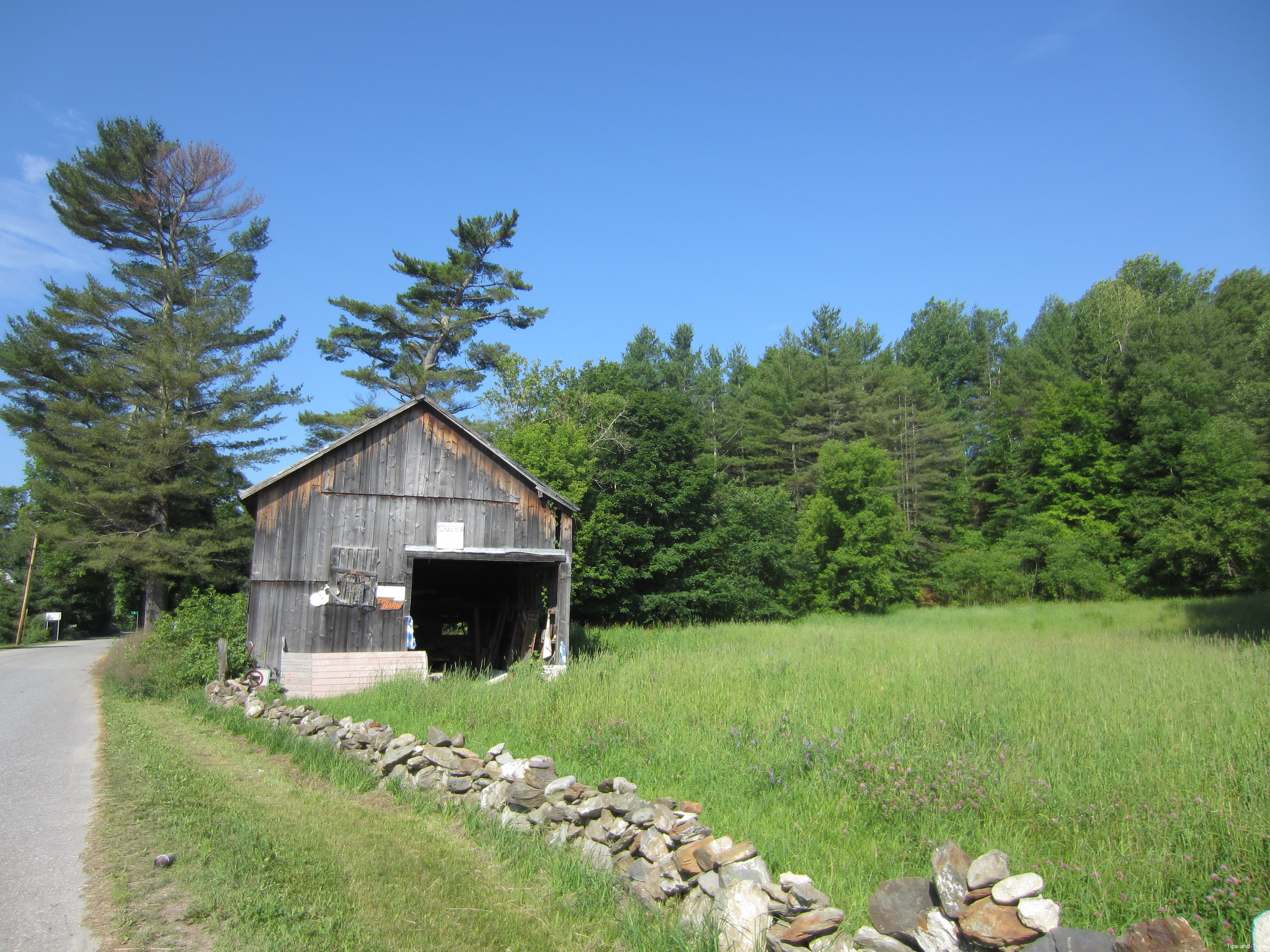
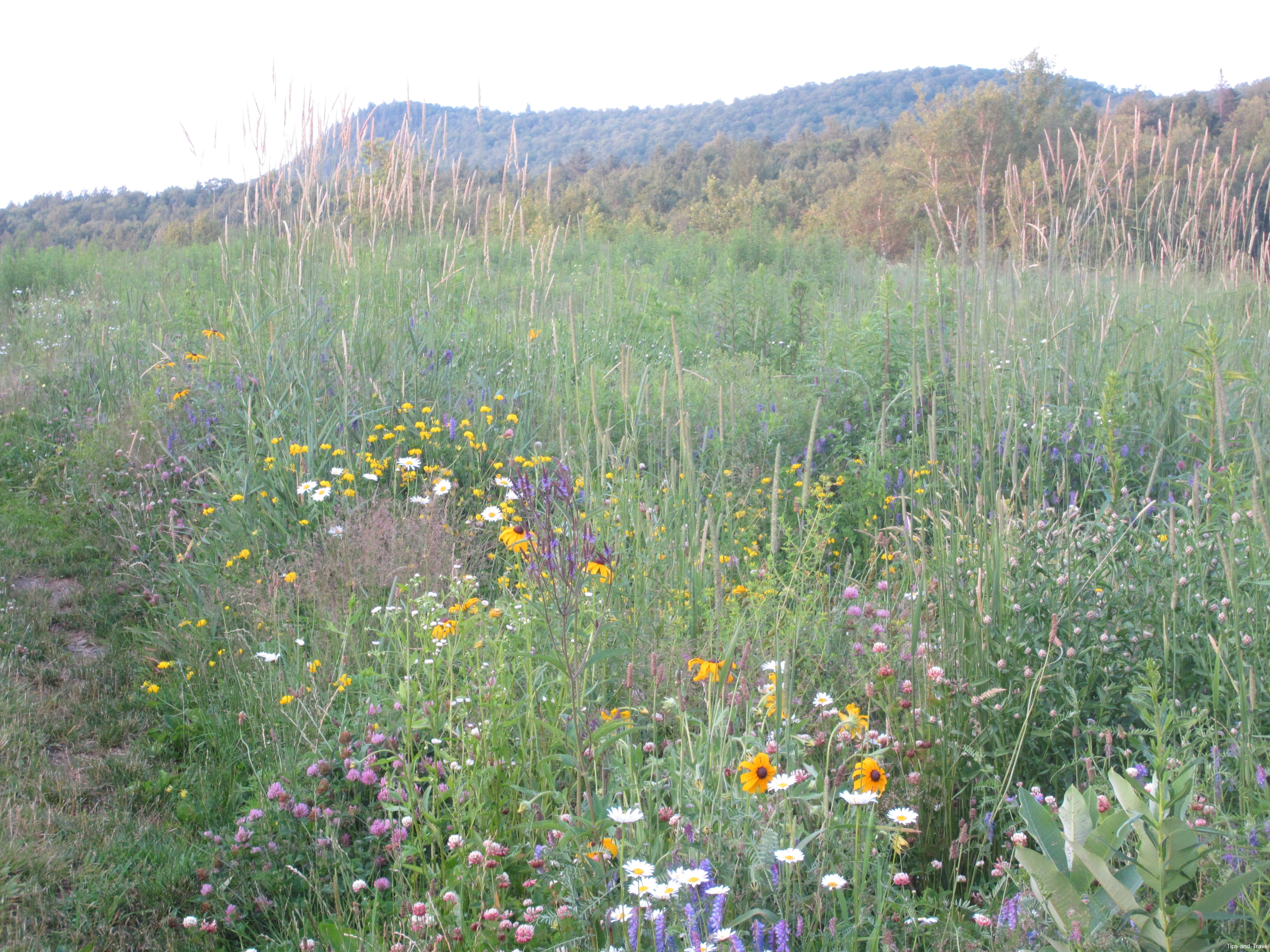
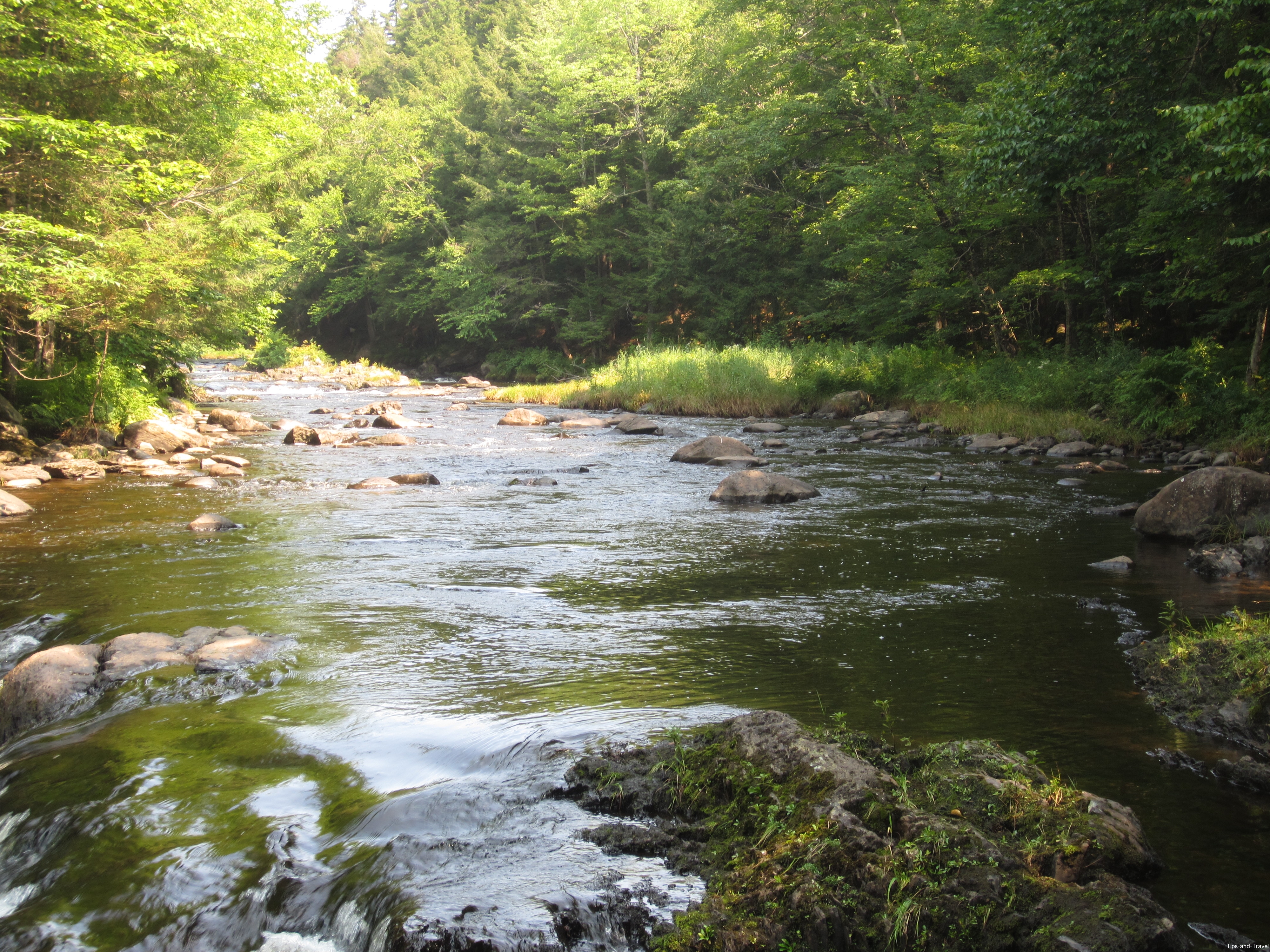
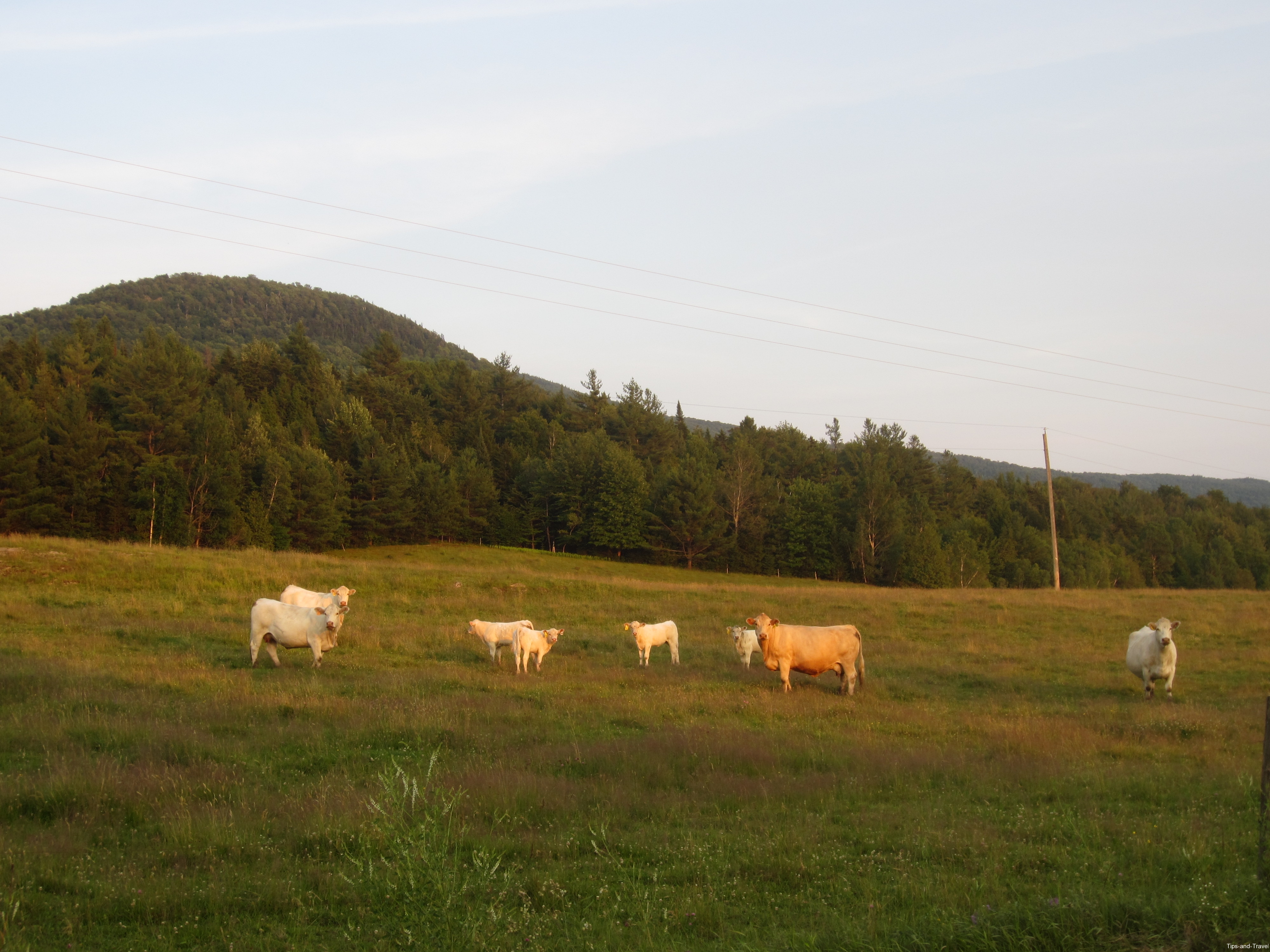
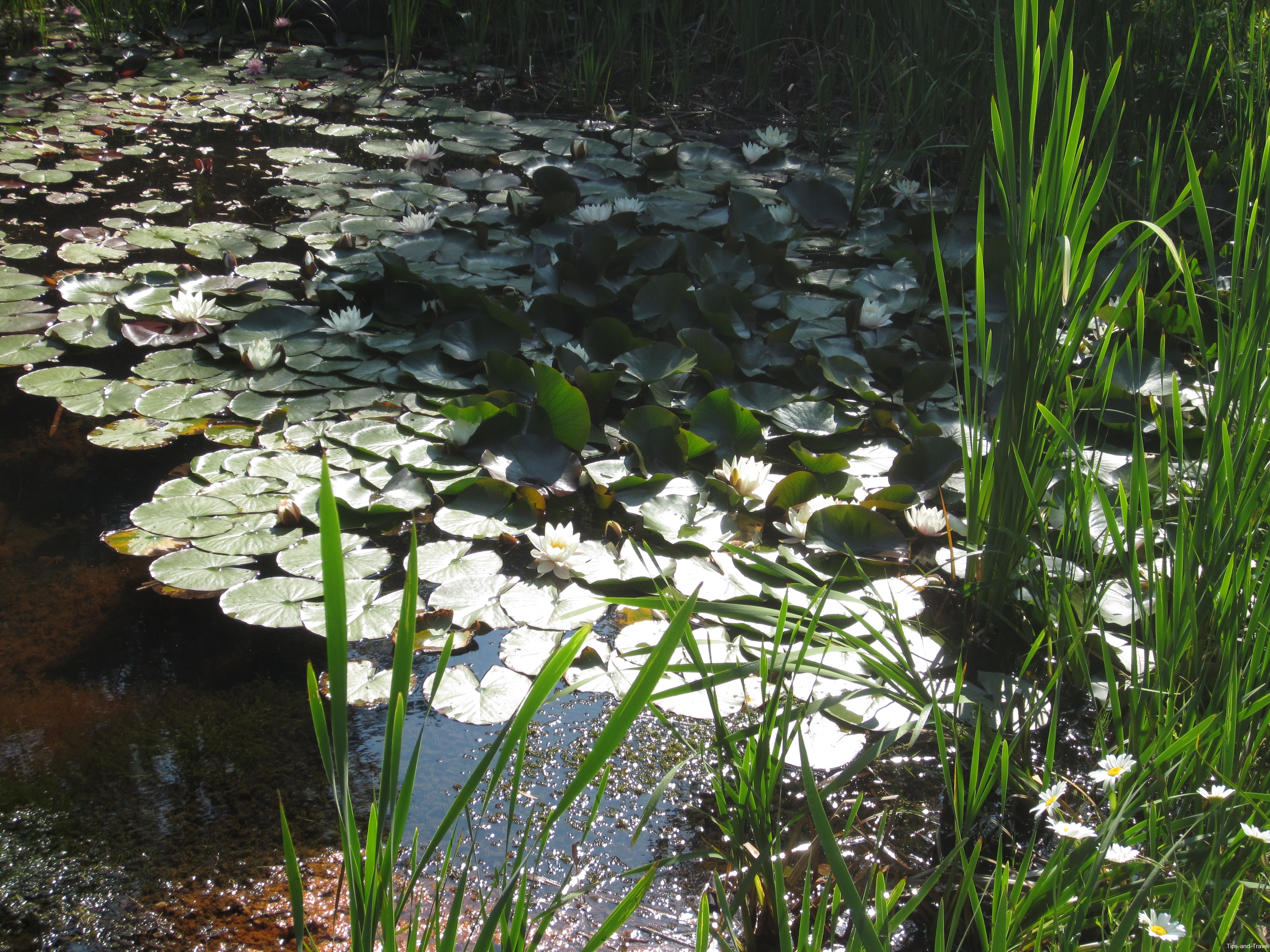
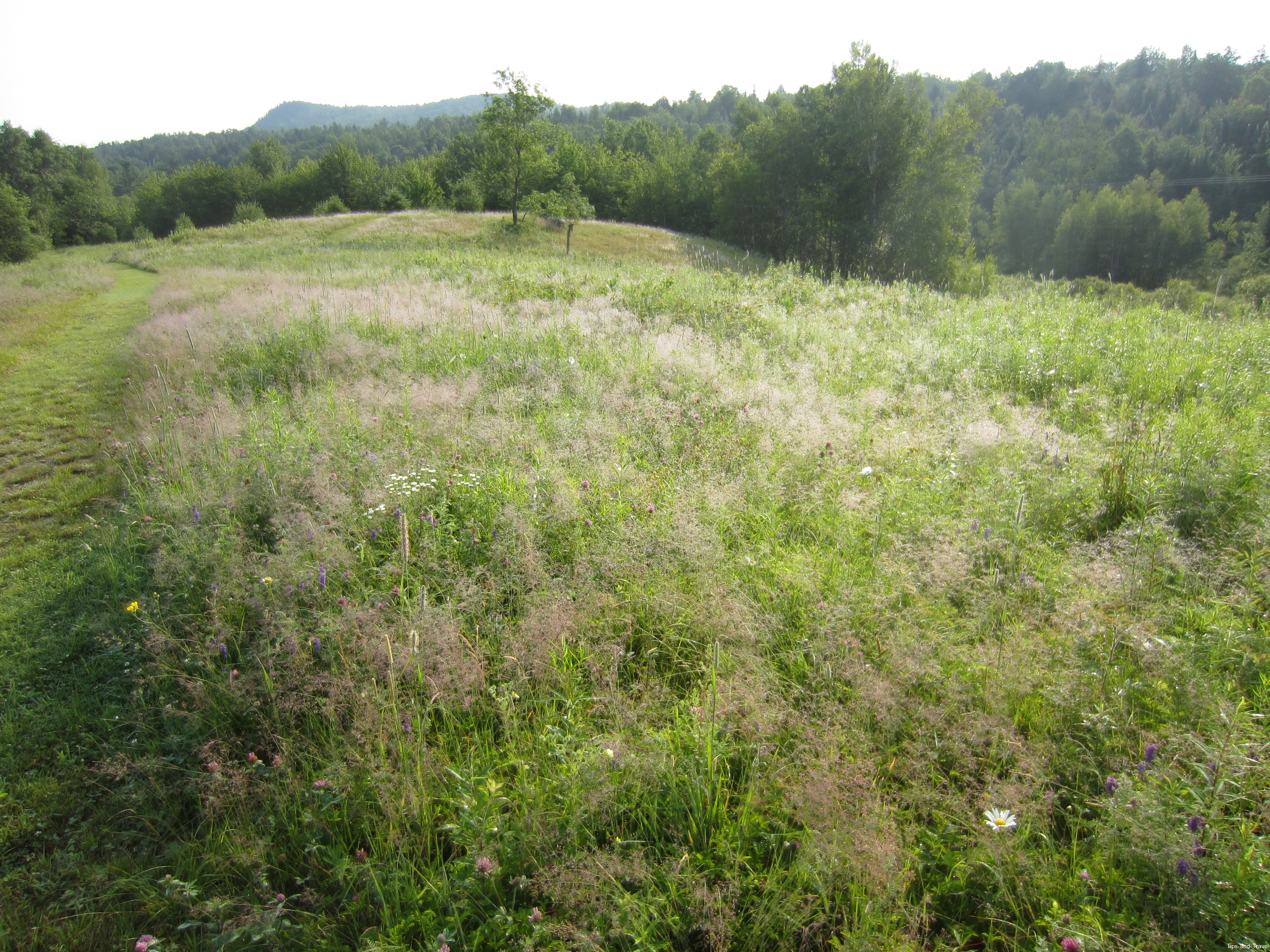
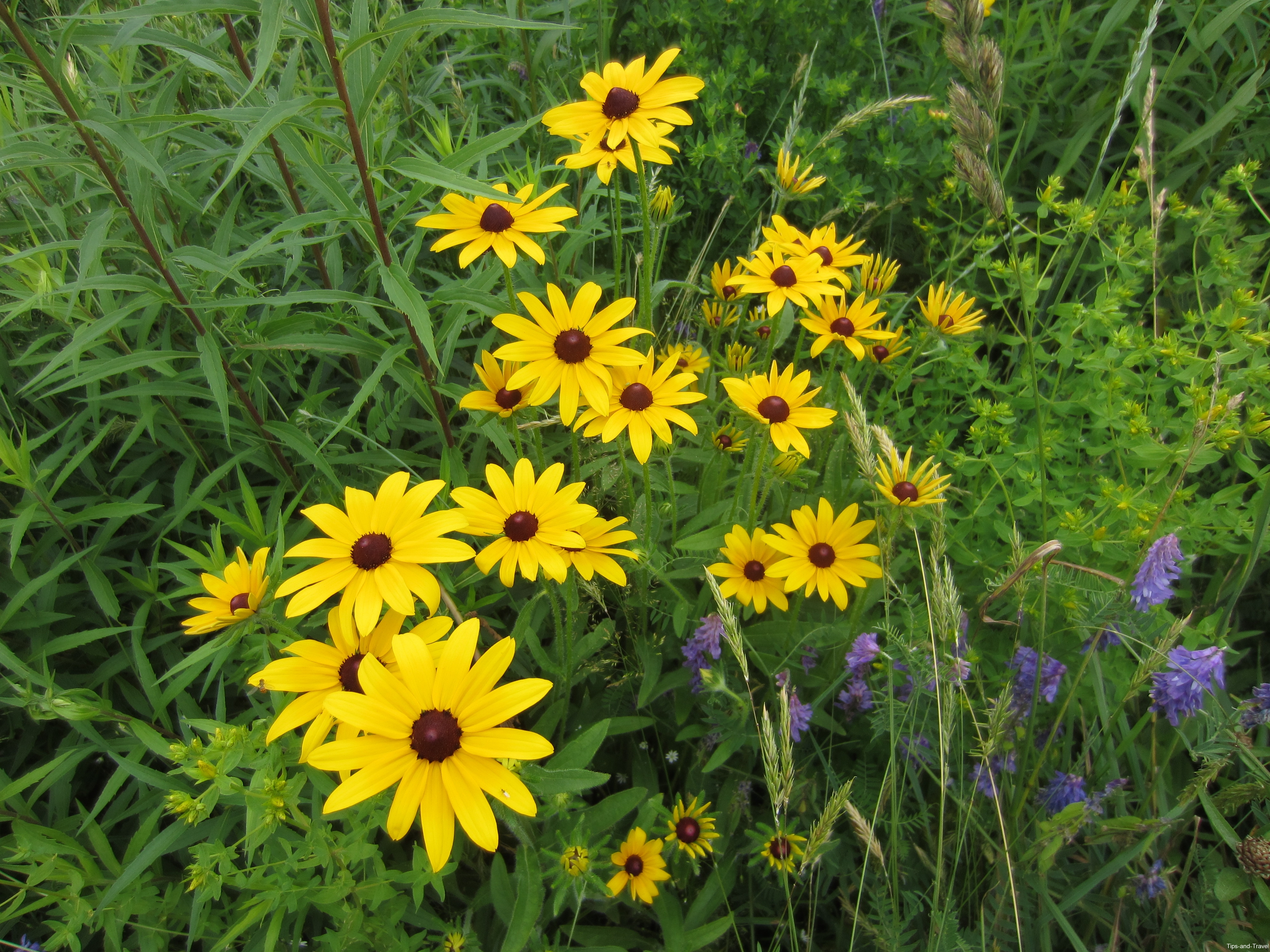
East Bolton is a Quebec municipality located in the municipality of Memphremagog in Estrie, 120 km from Montreal and 65 km from Sherbrooke. There is a chain of hills that runs through the municipality diagonally where several rivers and streams originate. It includes Mount Glen, the Missisquoi River Bolton Falls, many lakes, streams, valleys, ponds and wetlands. The first settlers (1808) established in the area that is called Bolton Centre, after there was a dismemberment, when Magog was formed as the West Bolton region, that is why the municipality of East Bolton now occupies just a quarter of the territory of the original territory of the canton, 81 square km. To see: St. Patrick’s Anglican Church (1874), rhe municipality Bolton-Est building (1867), Holy Trinity Anglican Church (1859) among others. It is a very quiet area, ideal for hiking, biking, fishing, camping and skiing. There are also many artists who settled in the region.

Tips

It’s a nice place for a family outing and to enjoy activities such as agritourism, visit the national parks you find in the area, visit the producers and taste local products such as cheese, ice ciders, wines and chocolates.
For a relaxing or romantic outing, enjoy the Bolton Falls Spa.