The Algarve, Portugal

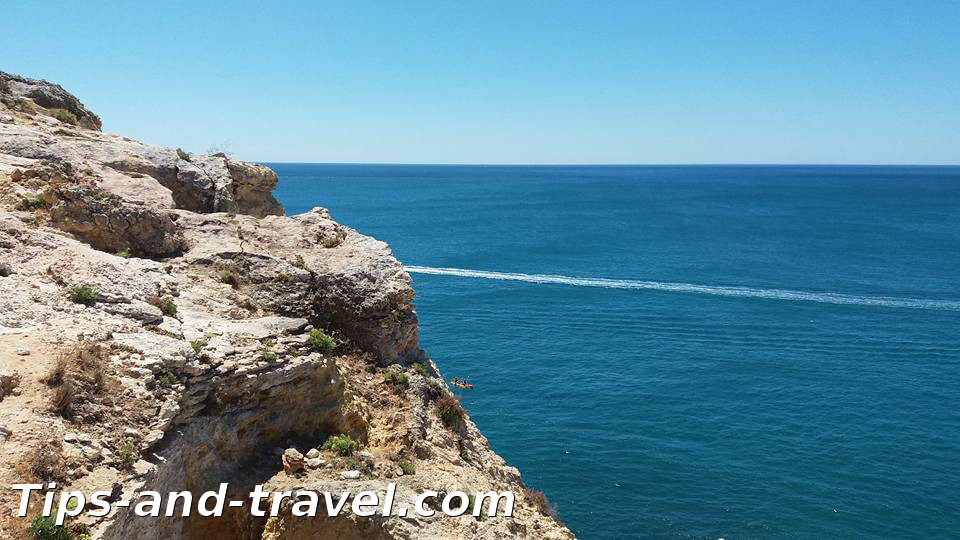
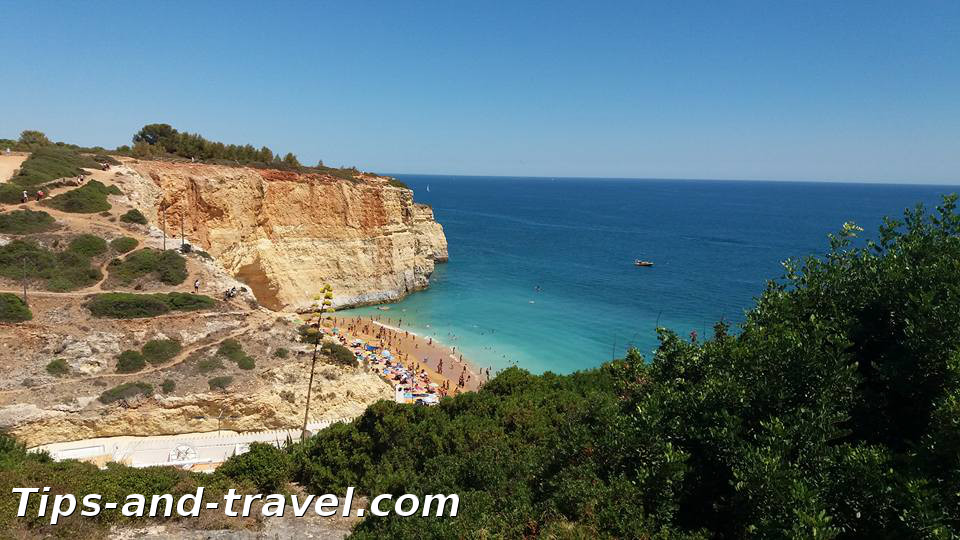
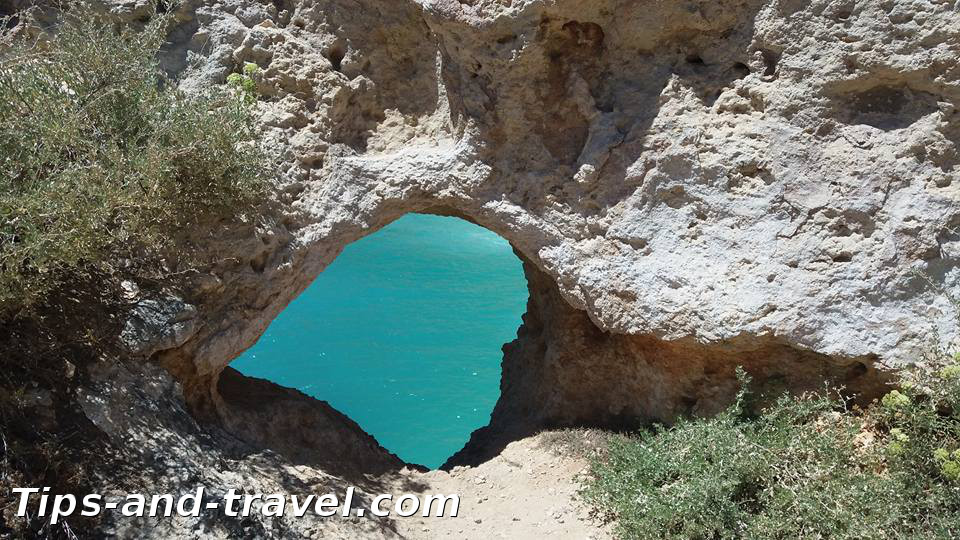
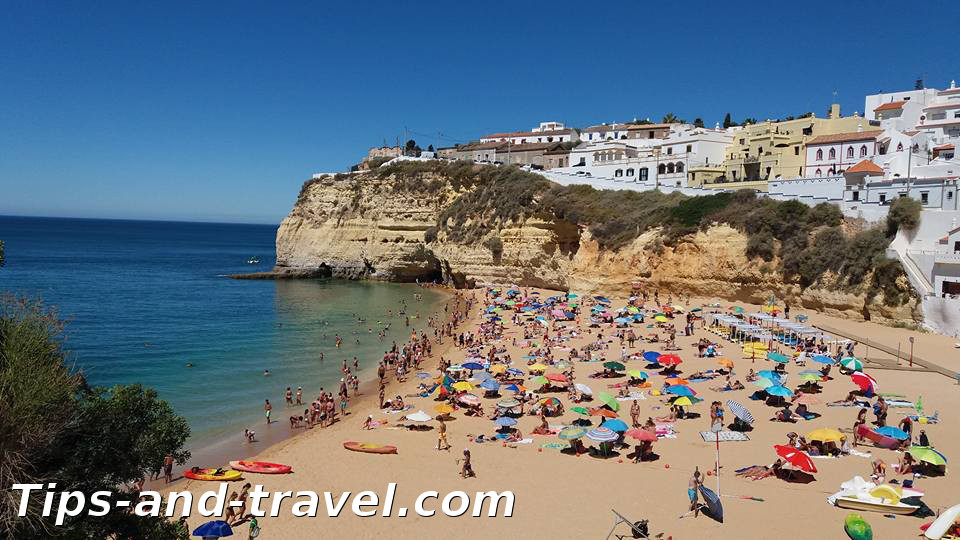
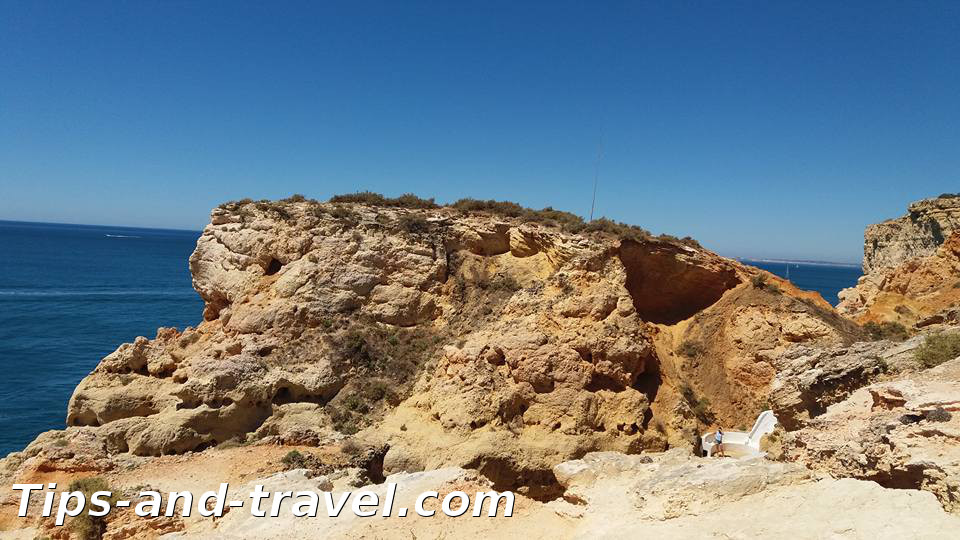
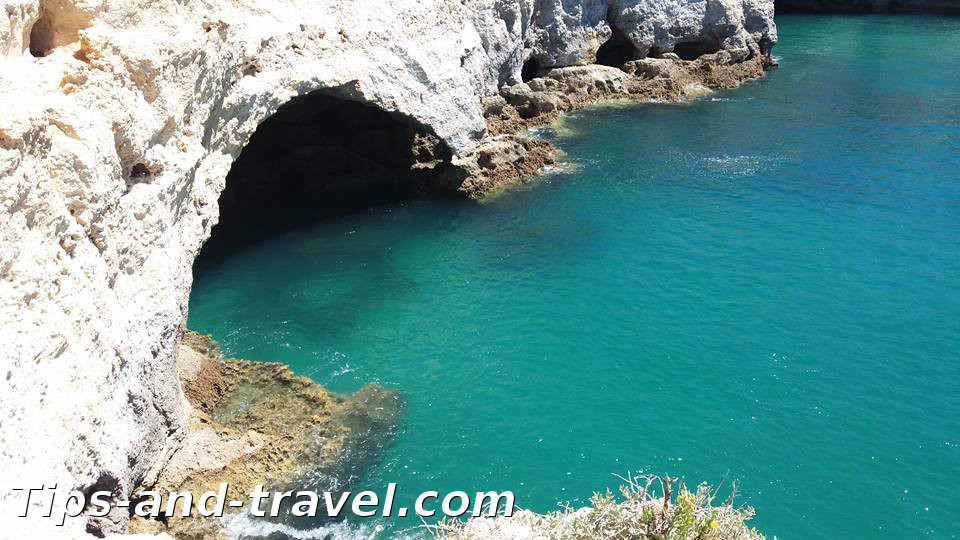
The Algarve is a region located to the south of mainland Portugal having Faro as the administrative capital. The river Guadaiana separates it from the Spanish region of Andalusia. There are two regions Barlovento (the western part), which largest municipality is Faro and Sotavento (the eastern part) having Portimao as its main municipality. The coast of the region is about 155 km long and has open caves in the limestone rock near the town of Lagos. It is a region very appreciated by tourism because there are beautiful beaches and its Mediterranean climate makes it even more attractive and many Europeans own their second home here especially the inhabitants of Great Britain so it is quite common to hear English speak and watch TV and read newspapers in English in hotels or restaurants. Apart from the beaches, there is also a natural bath; Caldas de Monchique. We find ruins and monuments dating from different periods, such as the Roman period or the period of Muslim rule. The region’s gastronomy is rich in seafood and fish, figs and almonds are widely used in pastries and there are vineyards that produce the wine of the region quite appreciated for wine lovers.

Tips

If you want to explore the region, the best time of year is between June and September. Frequent rainfall is between October and February.

Enjoy to taste one of the typical dishes of the region; sardines.

You can rent an apartment or choose a hotel in a touristy city like Albufeiras and from there visit the area.

You can also make excursions to visit vineyards and enjoy tastings.
Athens, Greece

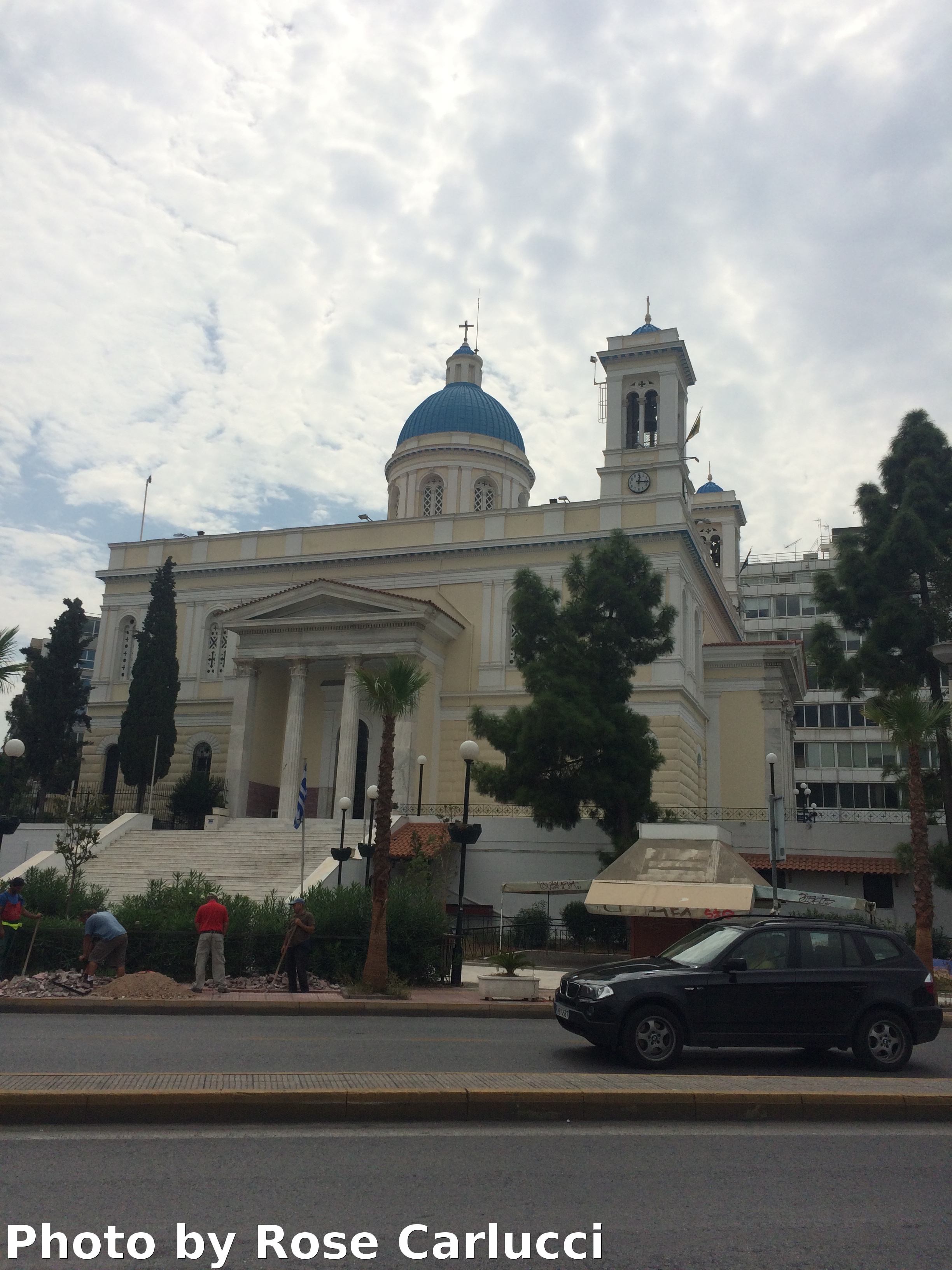
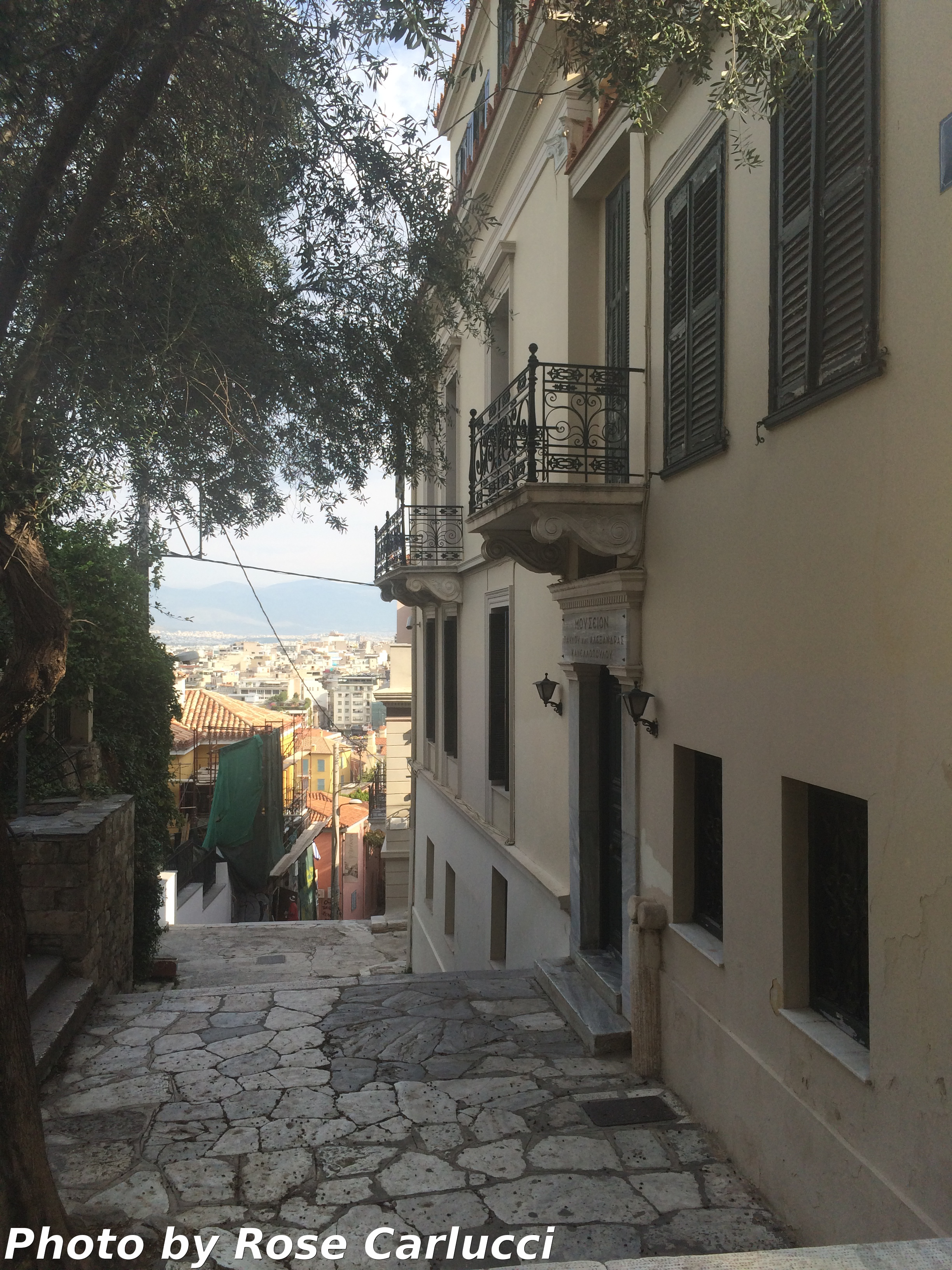
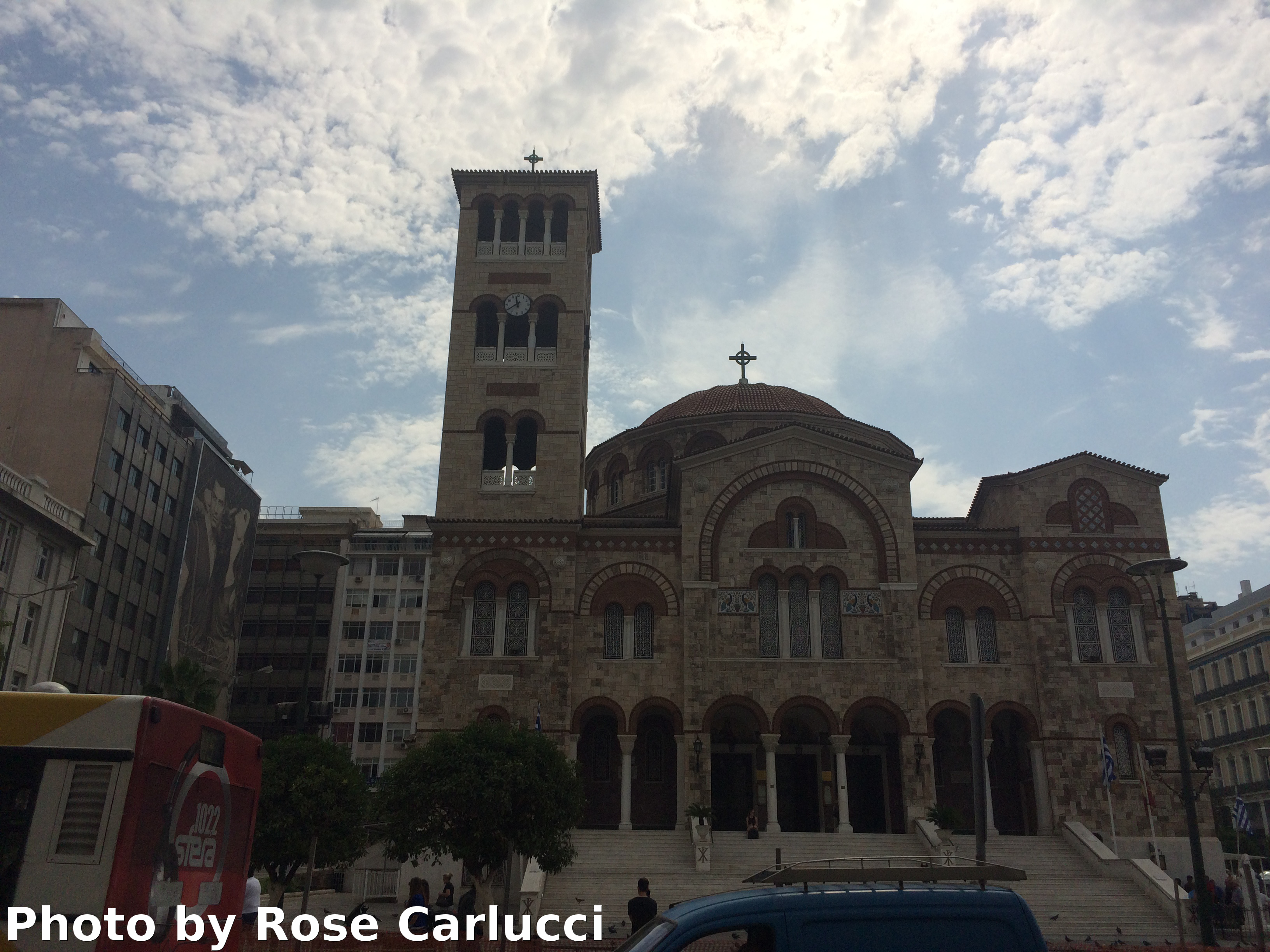
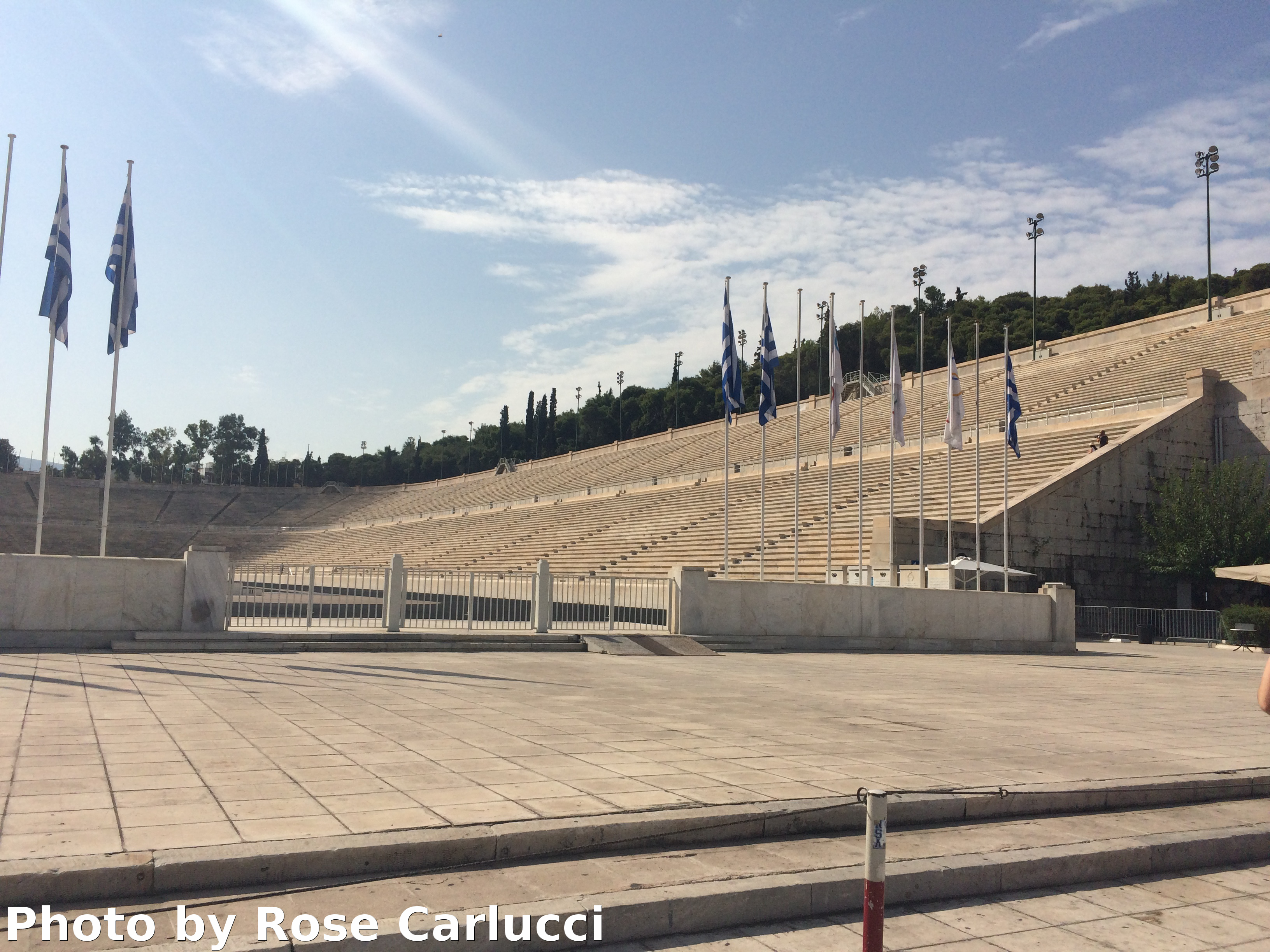
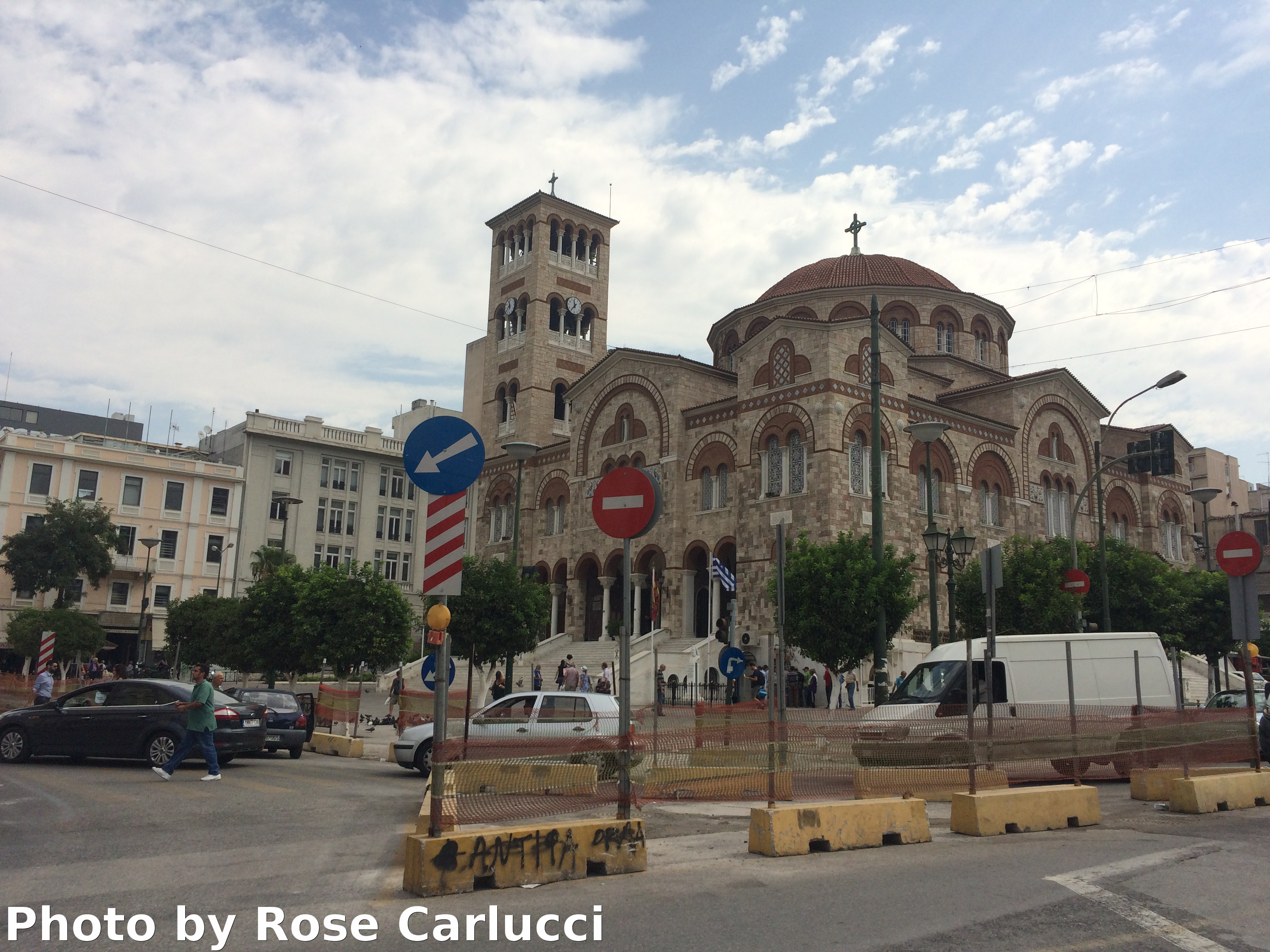
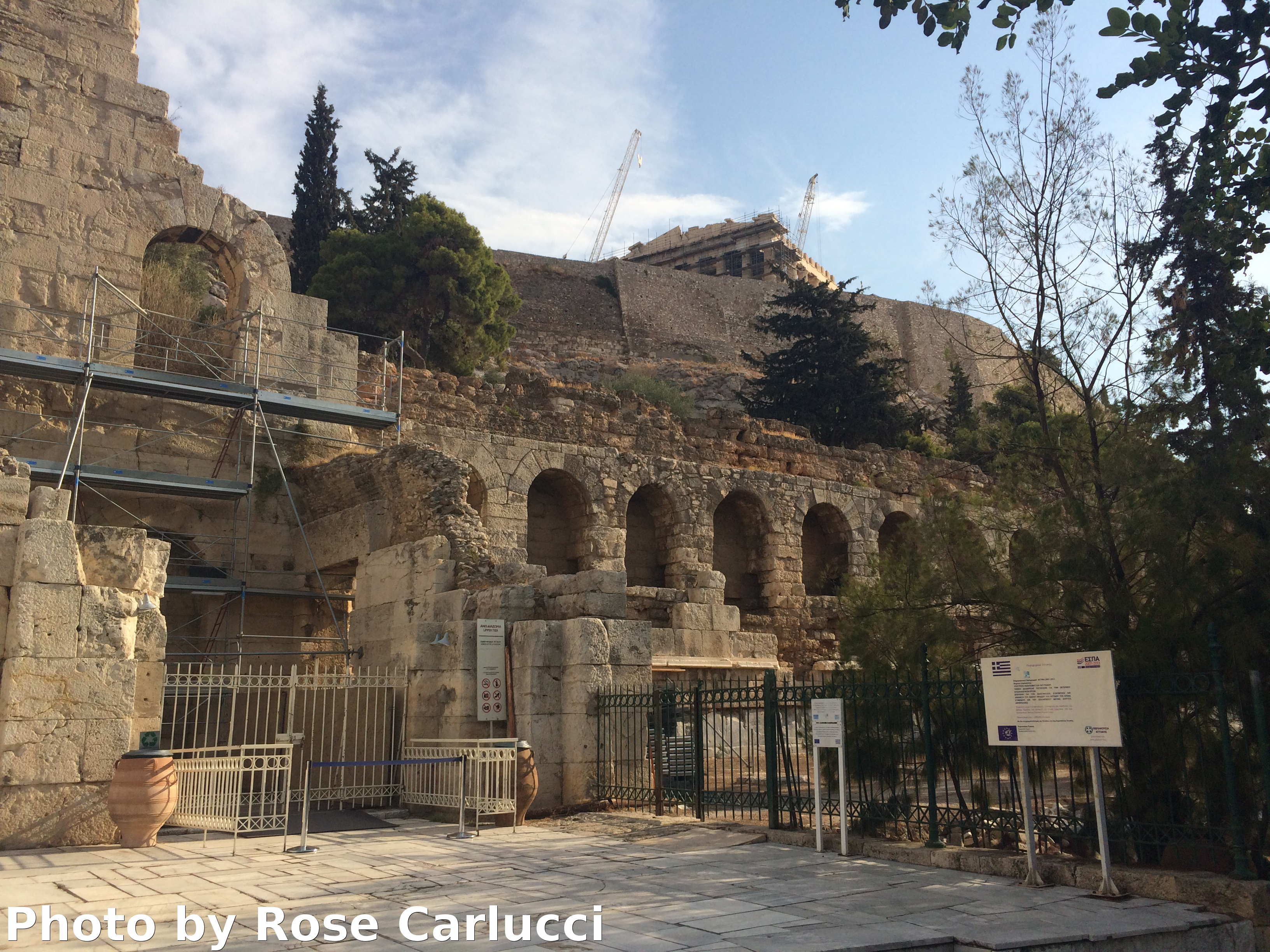
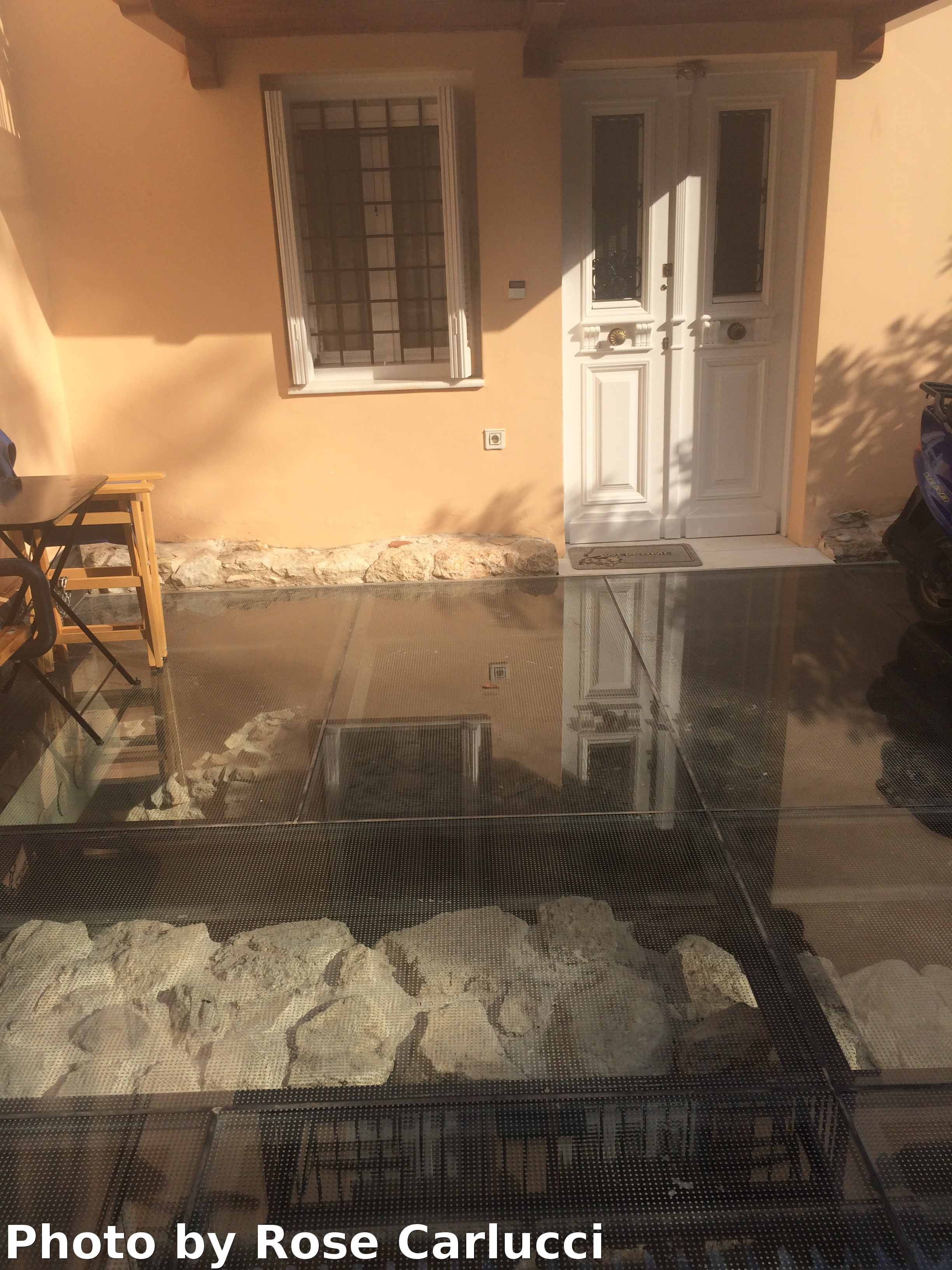
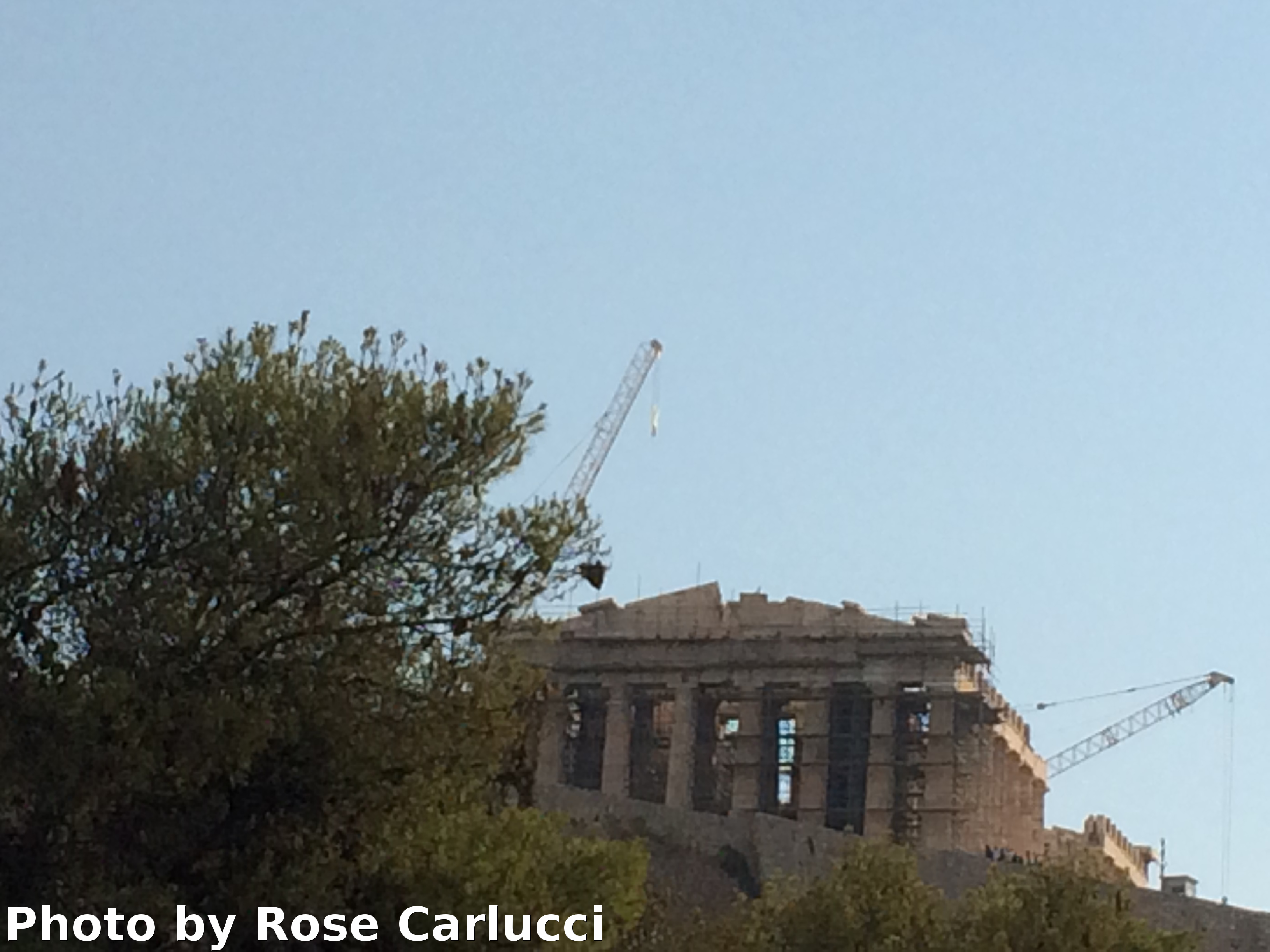
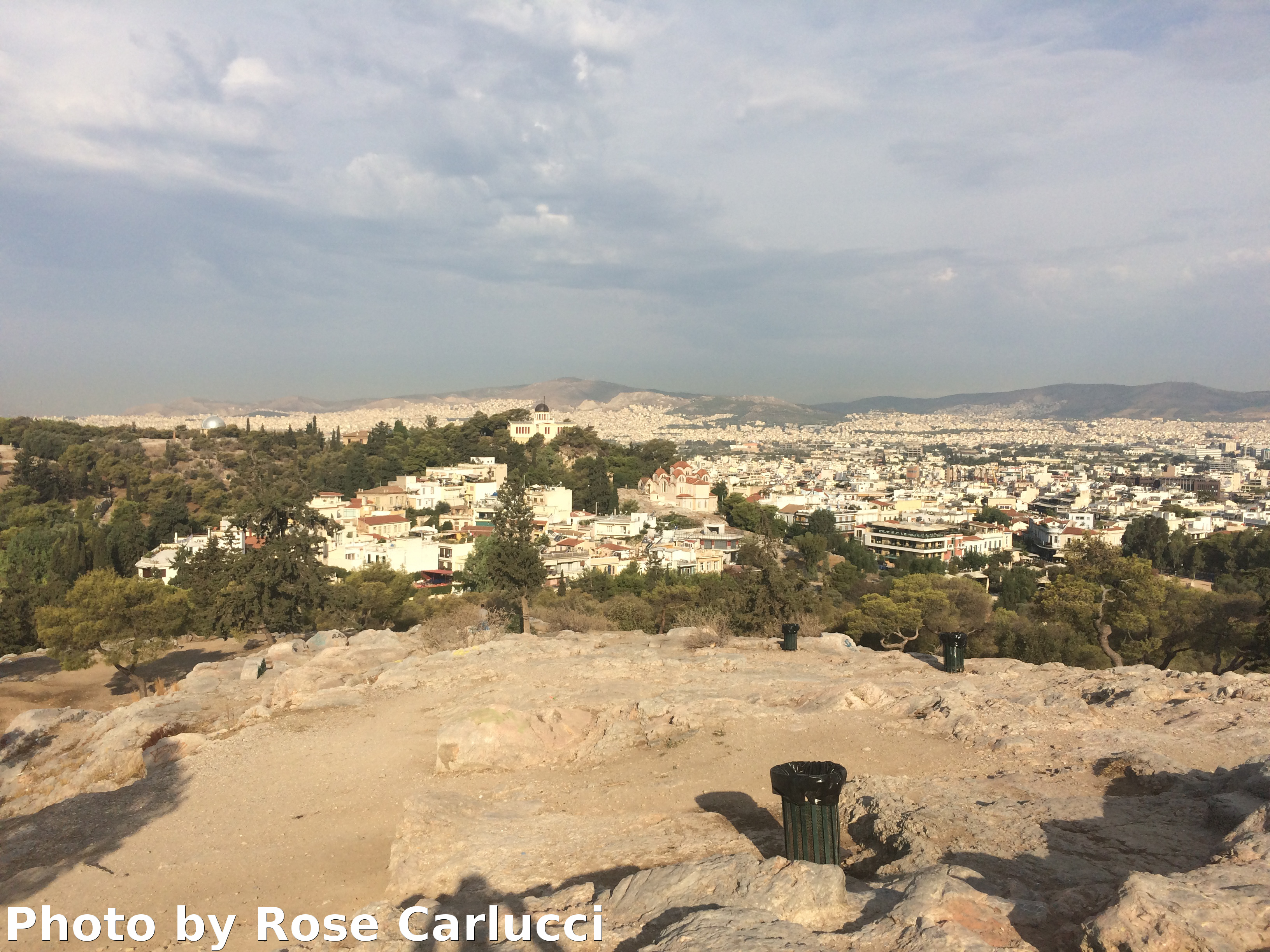
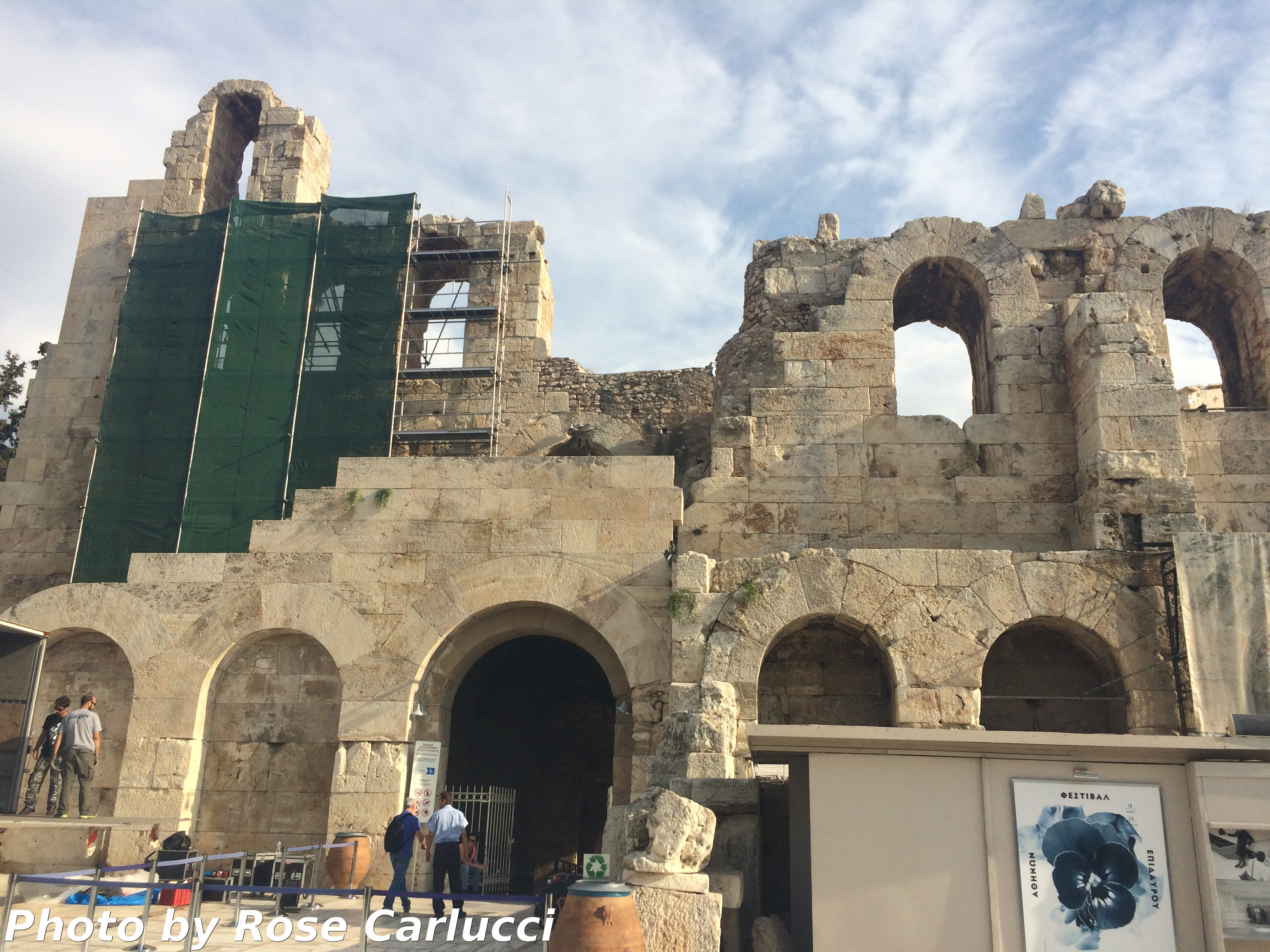
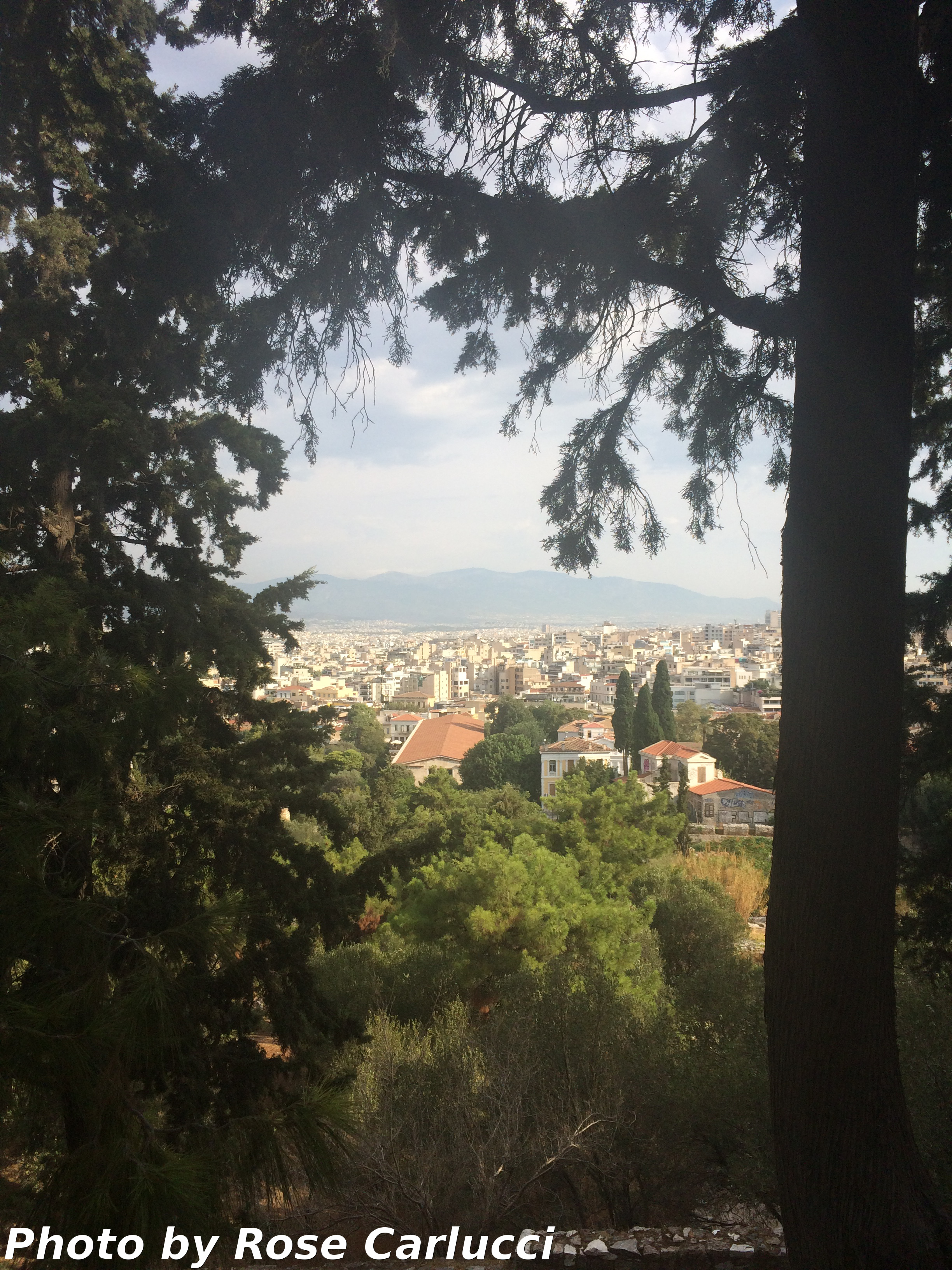
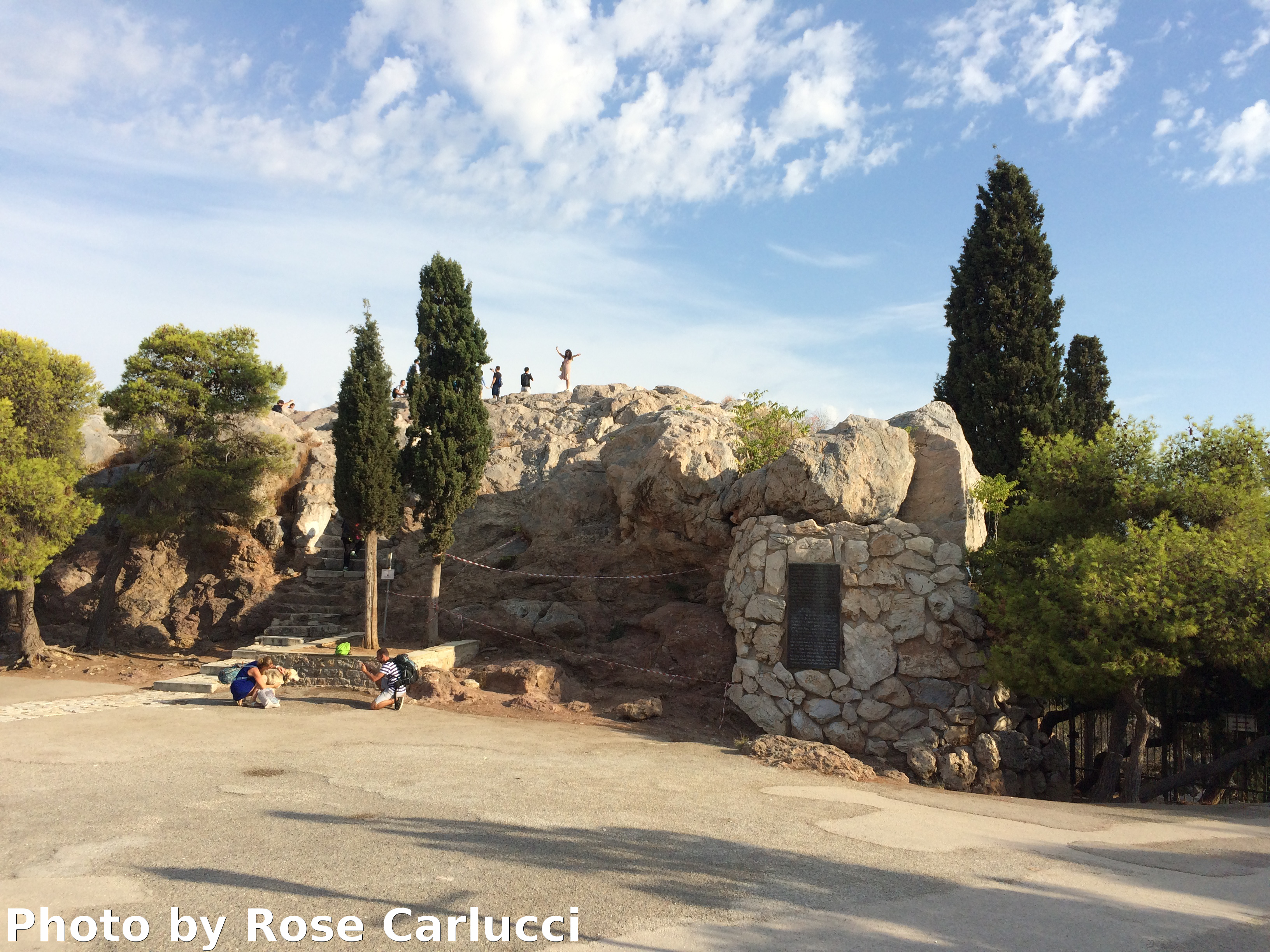
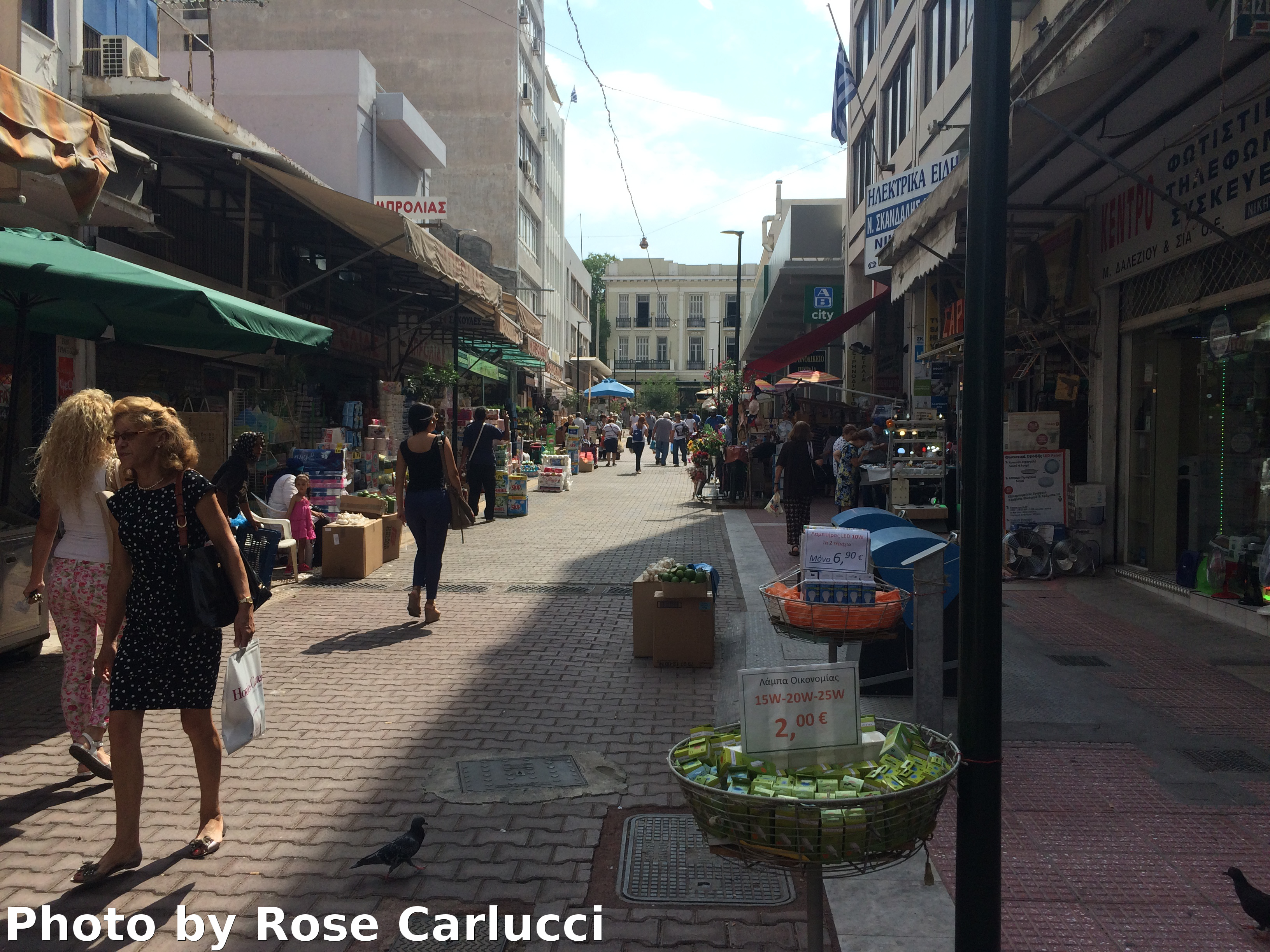
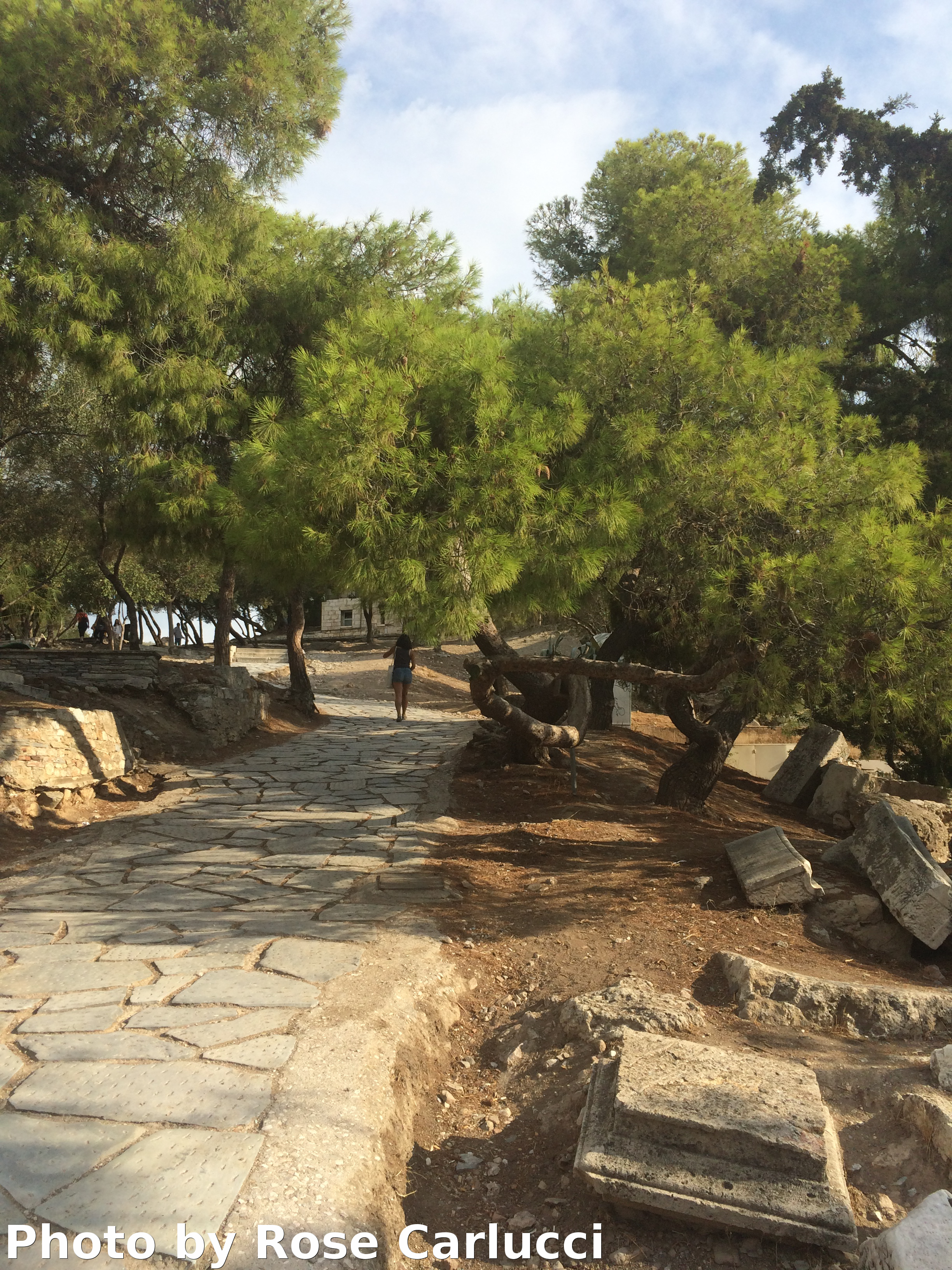
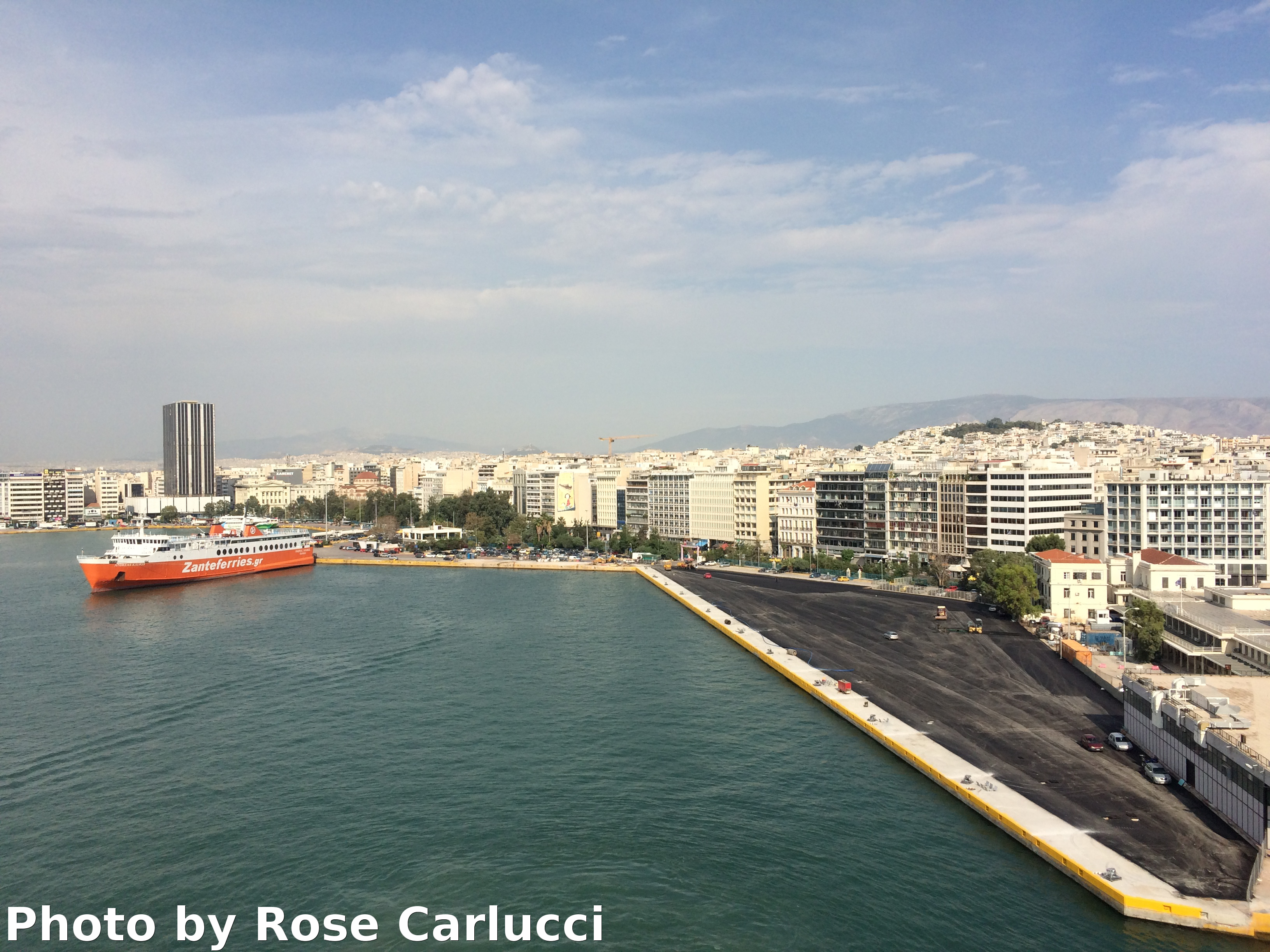
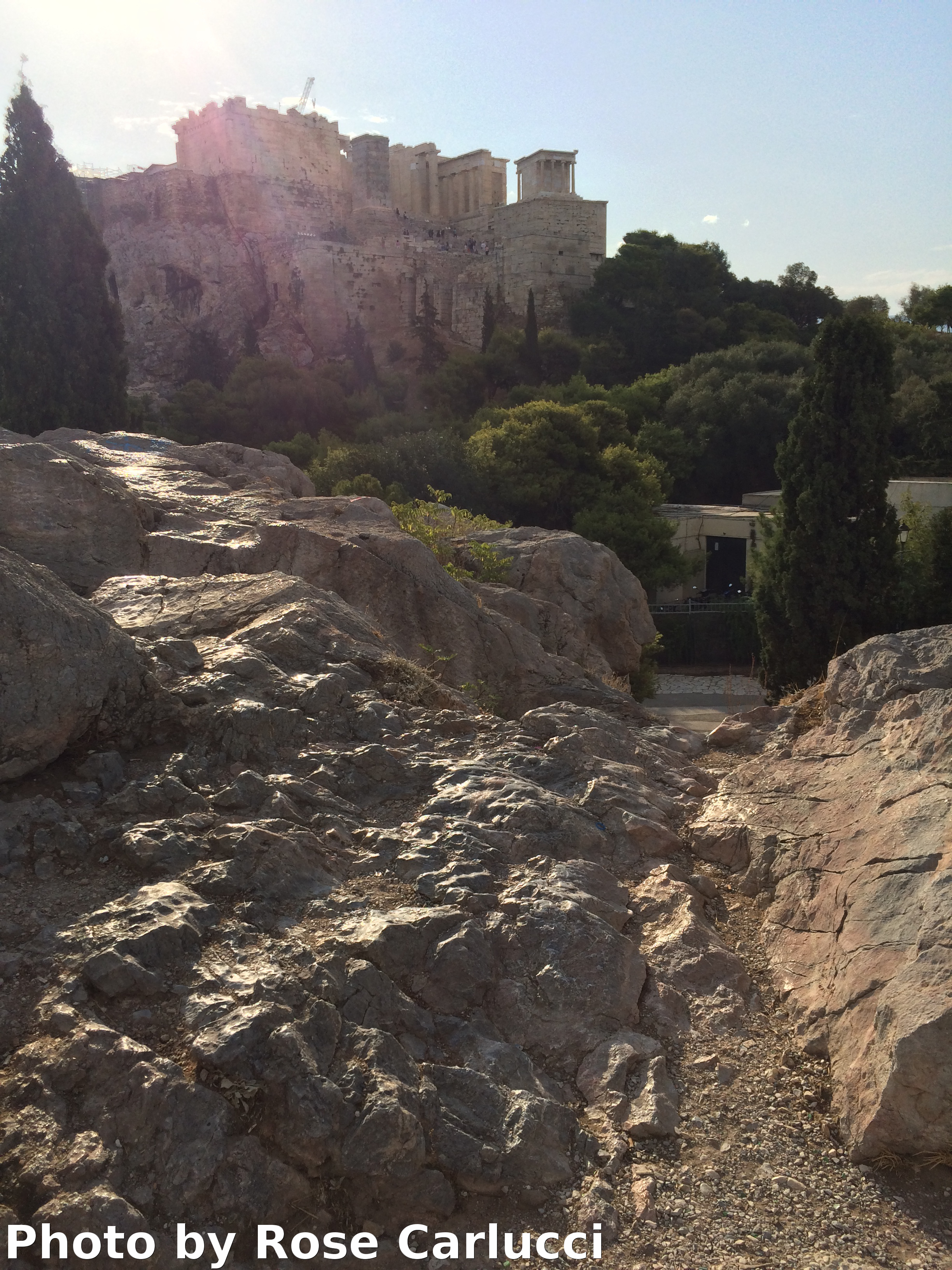
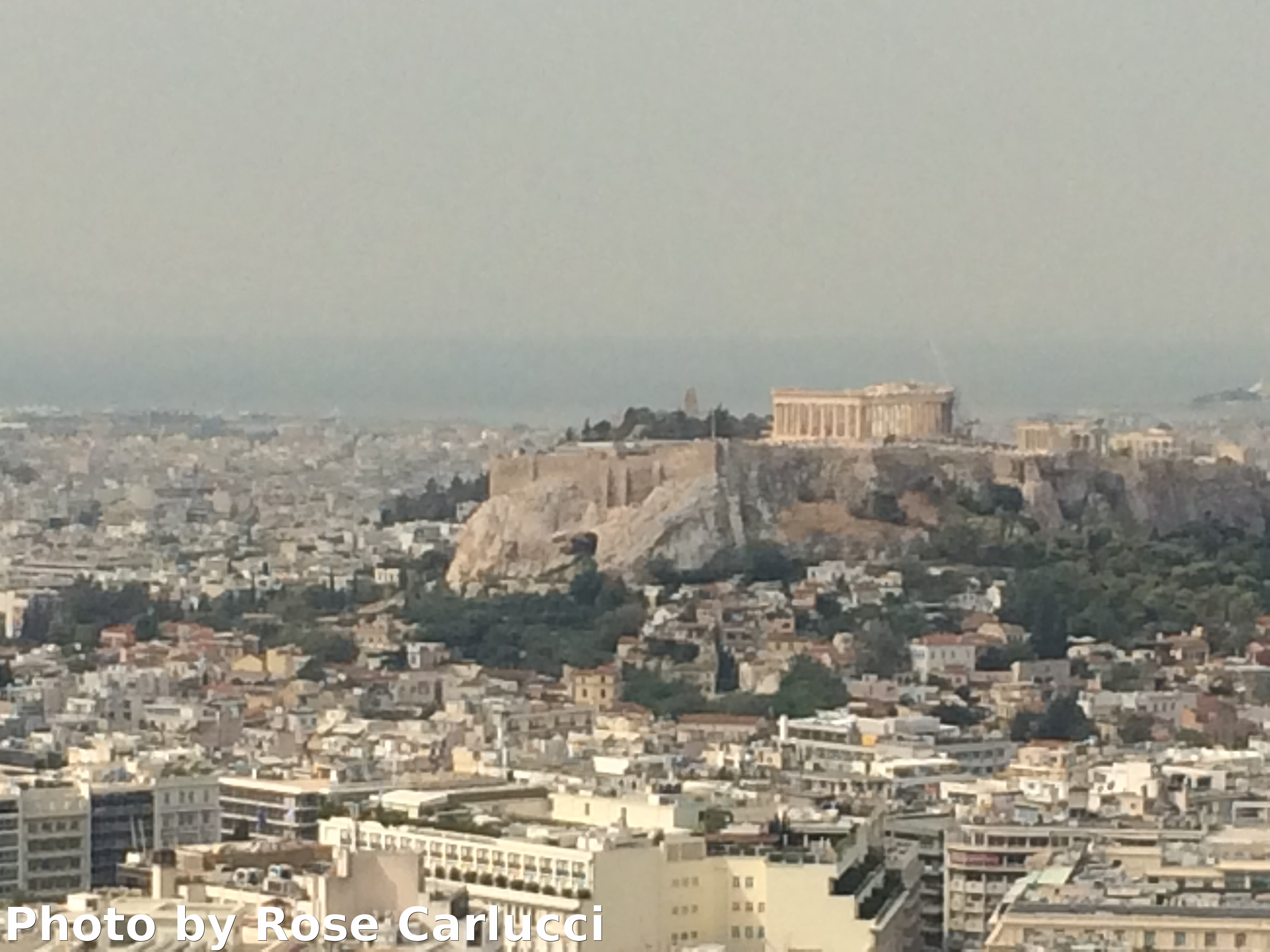
Athens is the capital and largest city of Greece; popular for being one of the oldest cities in the world with its history of almost 3400 years. The ancient city was at the foot of the Acropolis. The Port of Piraeus is part of the Greater Athens. Numerous testimonies of its glory were preserved like the Parthenon, the Agora and the Temple of Hephaestus, the Olympeion, among others. The city extends on the plain of Attica, on the shores of the Aegean Sea. Plaka is the oldest headquater and Kolonaki is the upscale neighborhood. Because of its geographical position, the city suffers pollution and there is also a lack of green space. Unfortunately, since 2009, the city lost many inhabitants because of the economic crisis.
Tips

There are Sundays when you can visit archaeological sites such as the Acropolis for free, ask the calendar where you are staying.

Wear comfortable, flat shoes like sneakers especially in archaeological sites because there are lot of marble and is quite slippery.

For a great view of the city, go to the Lycabettus Hill.

You can tour the city by public transport without problems: metro, bus, train. You have the subway that arrives at the airport too. The tram (line 4), connects Piraeus to Syntagma Square. Regarding taxis, they take several passengers who go more or less in the same direction.

If you do a multi-day stay in the city, visit the Museum of the Acropolis and the National Archaeological Museum, it is worth it!

Hamburg, Germany

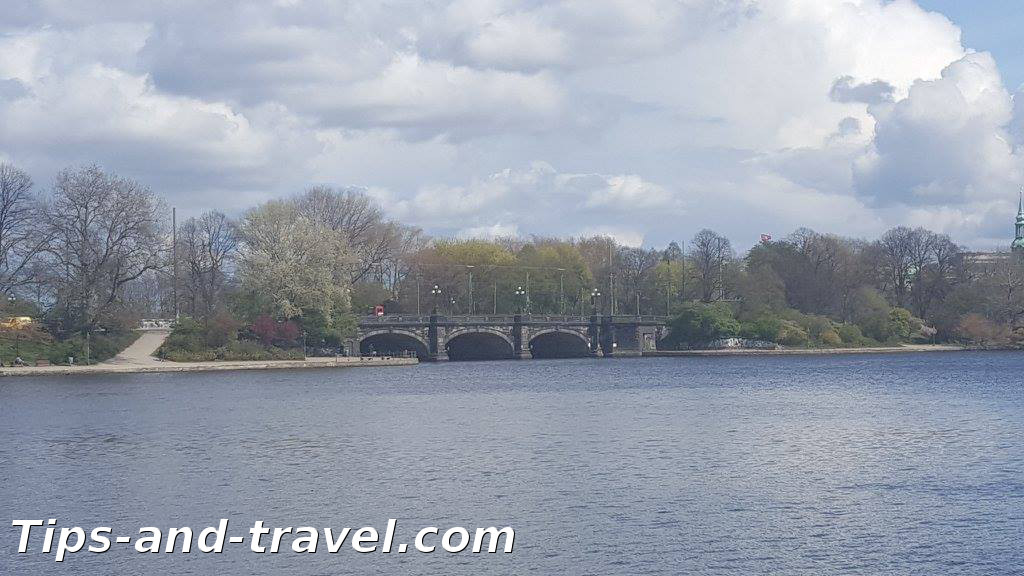
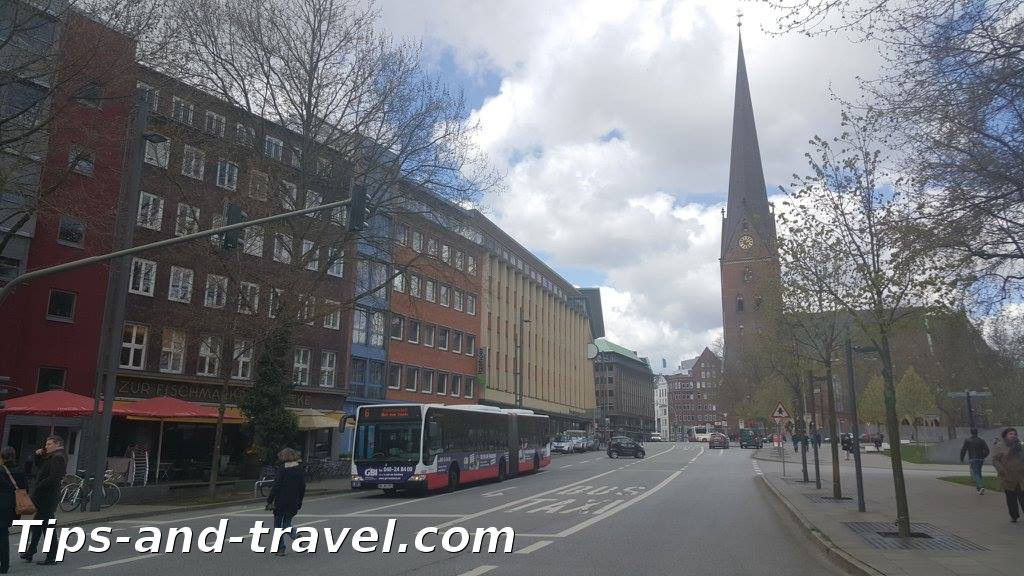
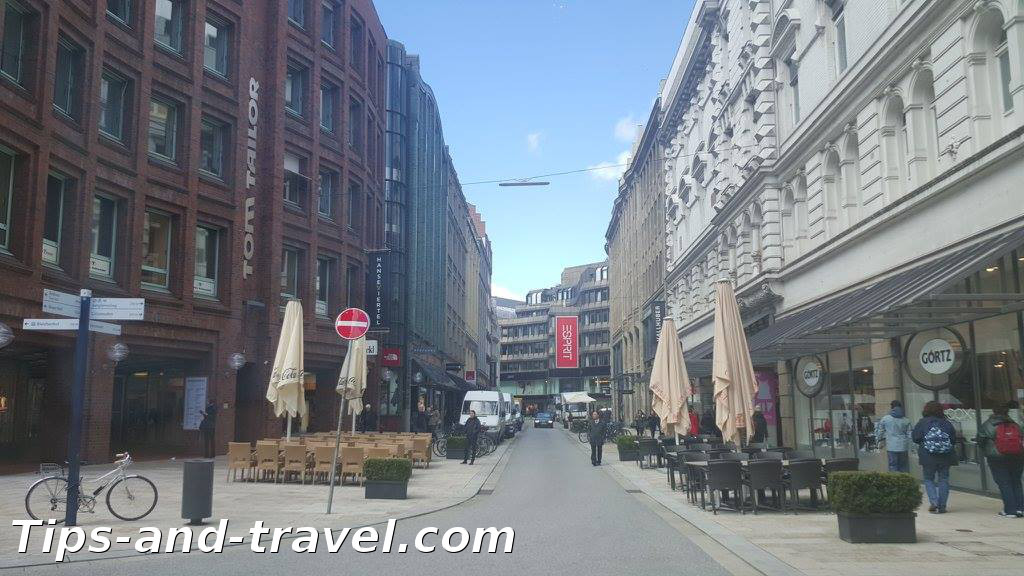
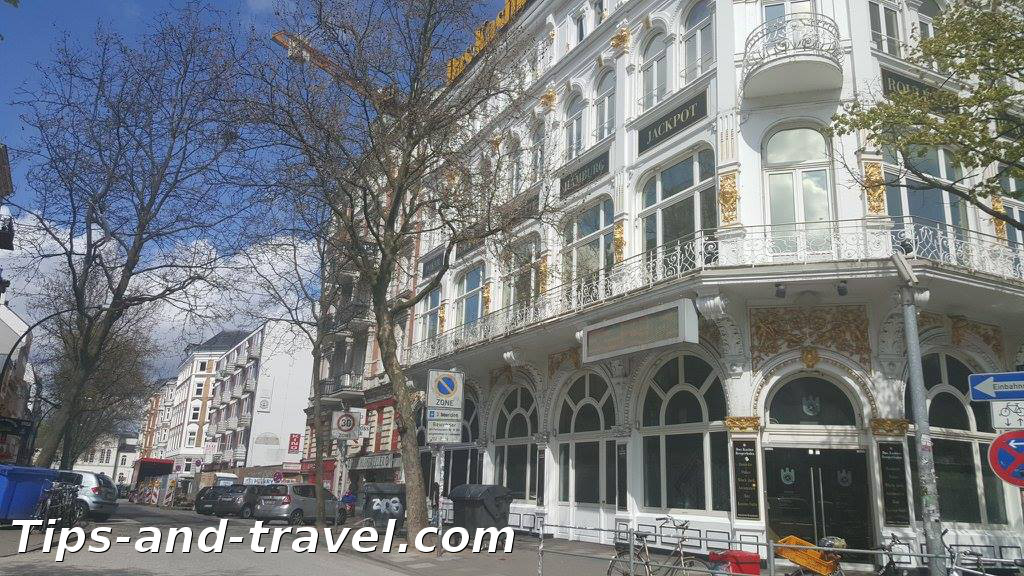
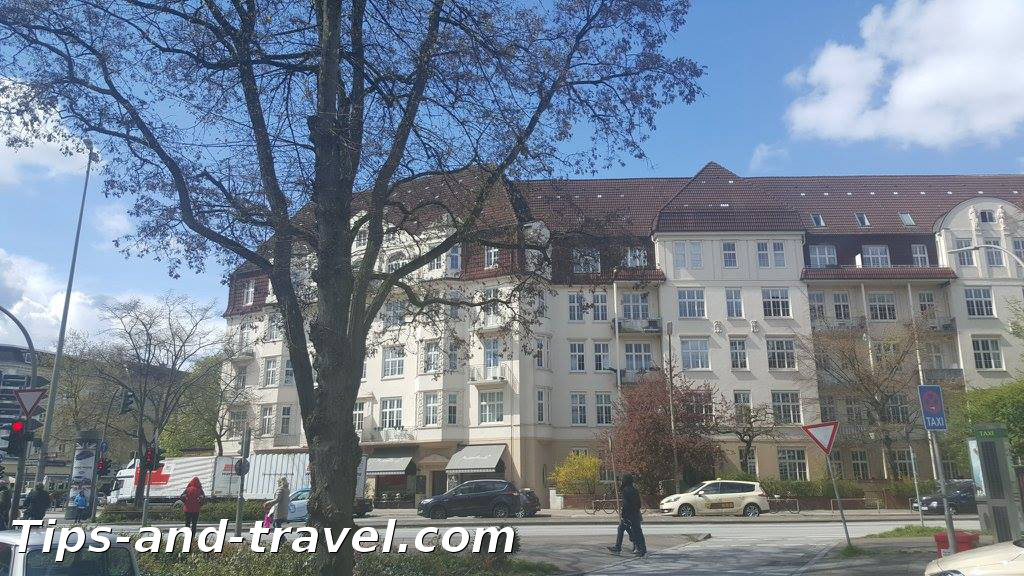
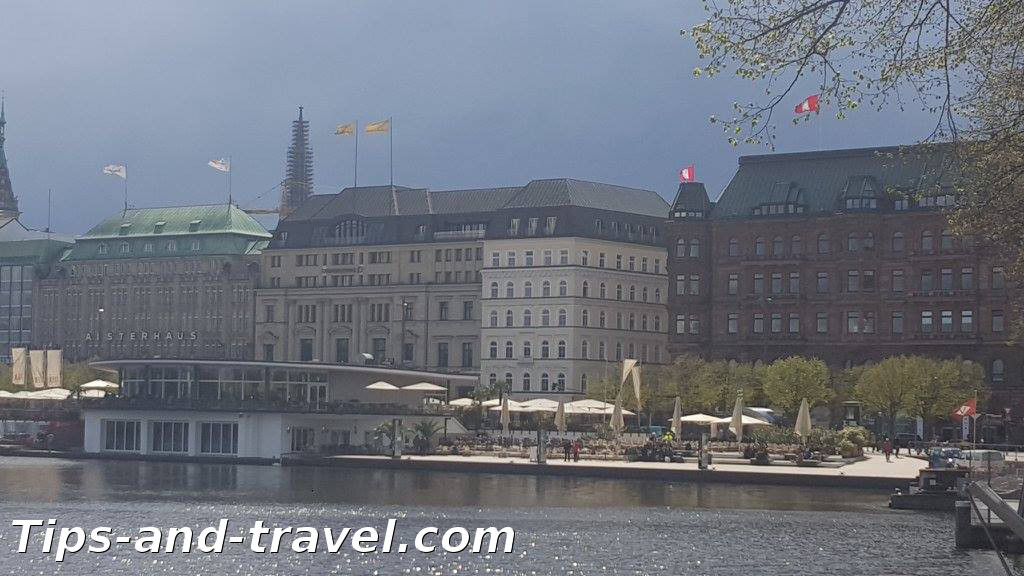
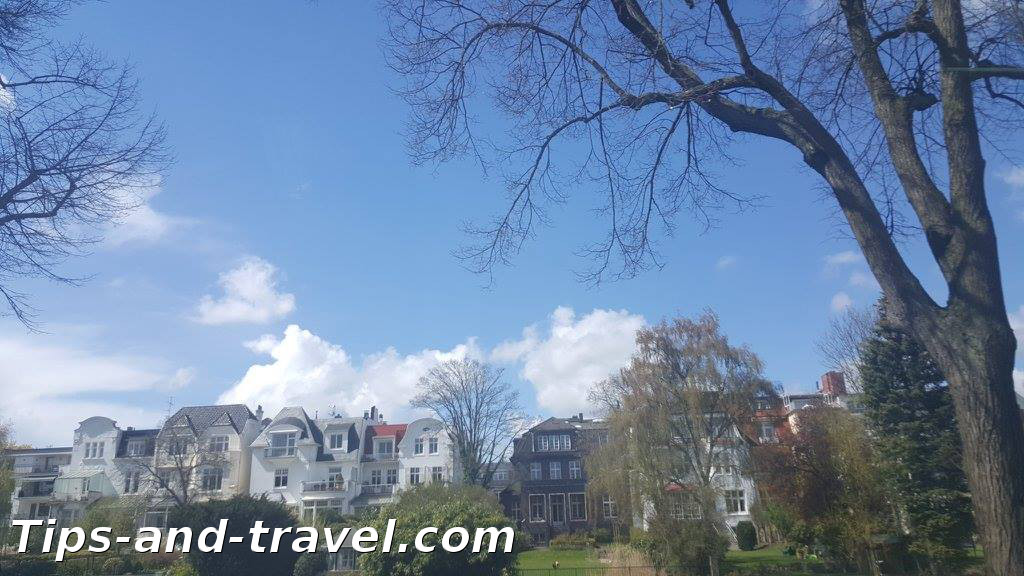
Hamburg is a large port city in northern Germany, connected to the North Sea by the river Elbe (located 110 km from its mouth). It is the second largest city in the country after Berlin and its port, very important, is equipped with more than 70 km of docks. The city is crossed by hundreds of canals and it has large parks. The old town (Alstadt) and the new town (Neustadt) are connected by the Jungfernstieg boulevard. The Alster River forms an artificial lake in the heart of the city with two basins; the Binnenalster with the Town Hall, the luxury hotels, the Jungfernstieg quays, the smartest shops and the banks; and the Aussenalster with its nautical bases and spaces to walk around. It is a very touristy city with a beautiful architecture, several theaters and museums and a district dedicated to the nightlife, Sankt Pauli. The Saint-Michel Baroque church (18th century) is well known thanks to its bell tower (the highest in Germany) with dials with a perimeter exceeding 24 meters; its 132-meter tower has a panoramic platform overlooking the harbor and the city.

Tips

It is a very easy city to travel by public transport; metro, bus, RER and there is a large network of bike paths and a bike rental system.

A great way to get to know the city is in a boat tour; public transport in the city includes shuttles on the river.

If you like walks, visit the Jenischpark with its 42 acres of forest and the Blankenese neighborhood known for its narrow alleys and stairs.

If you’re traveling with kids, go to the zoo or botanical garden.