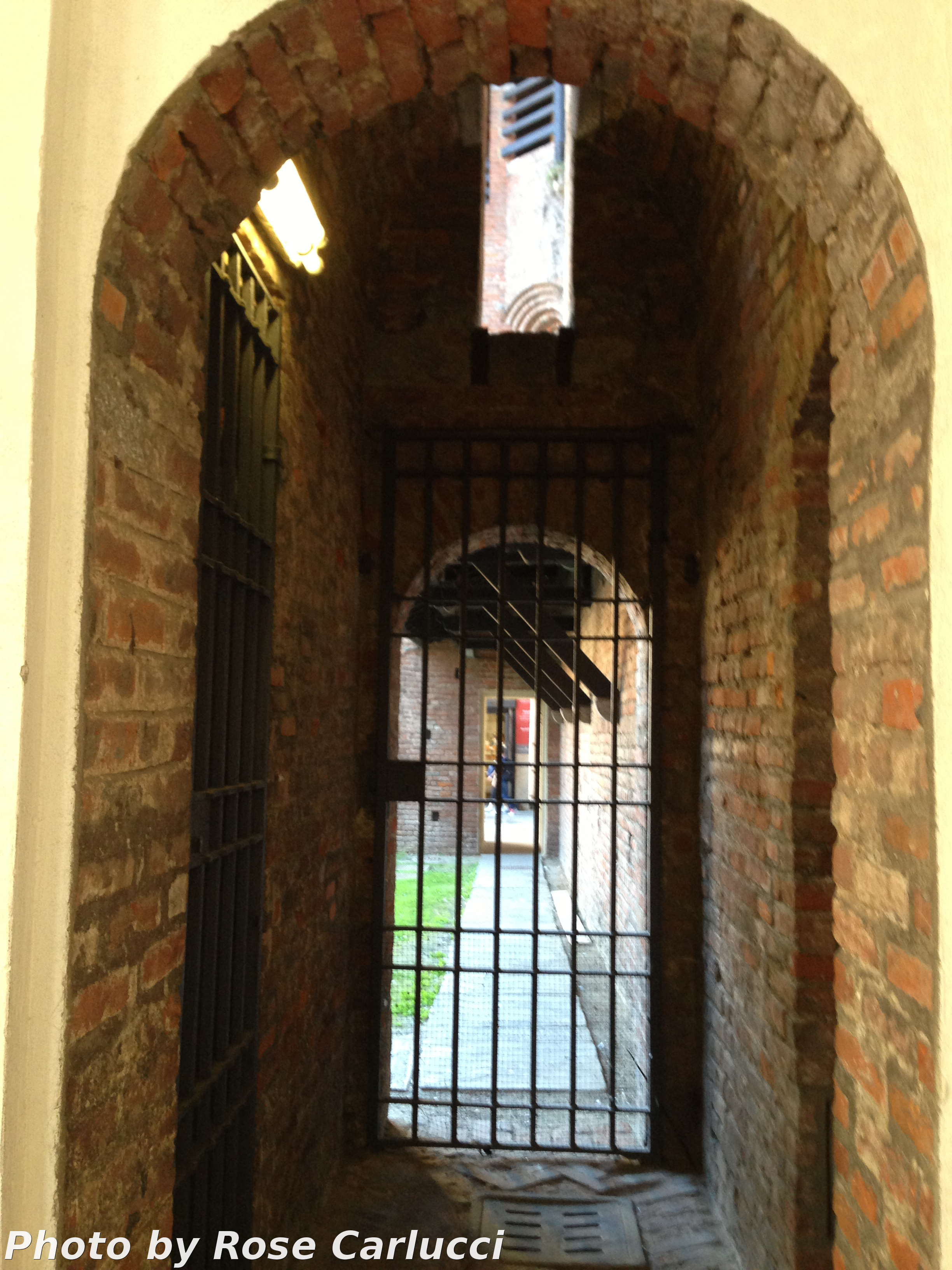
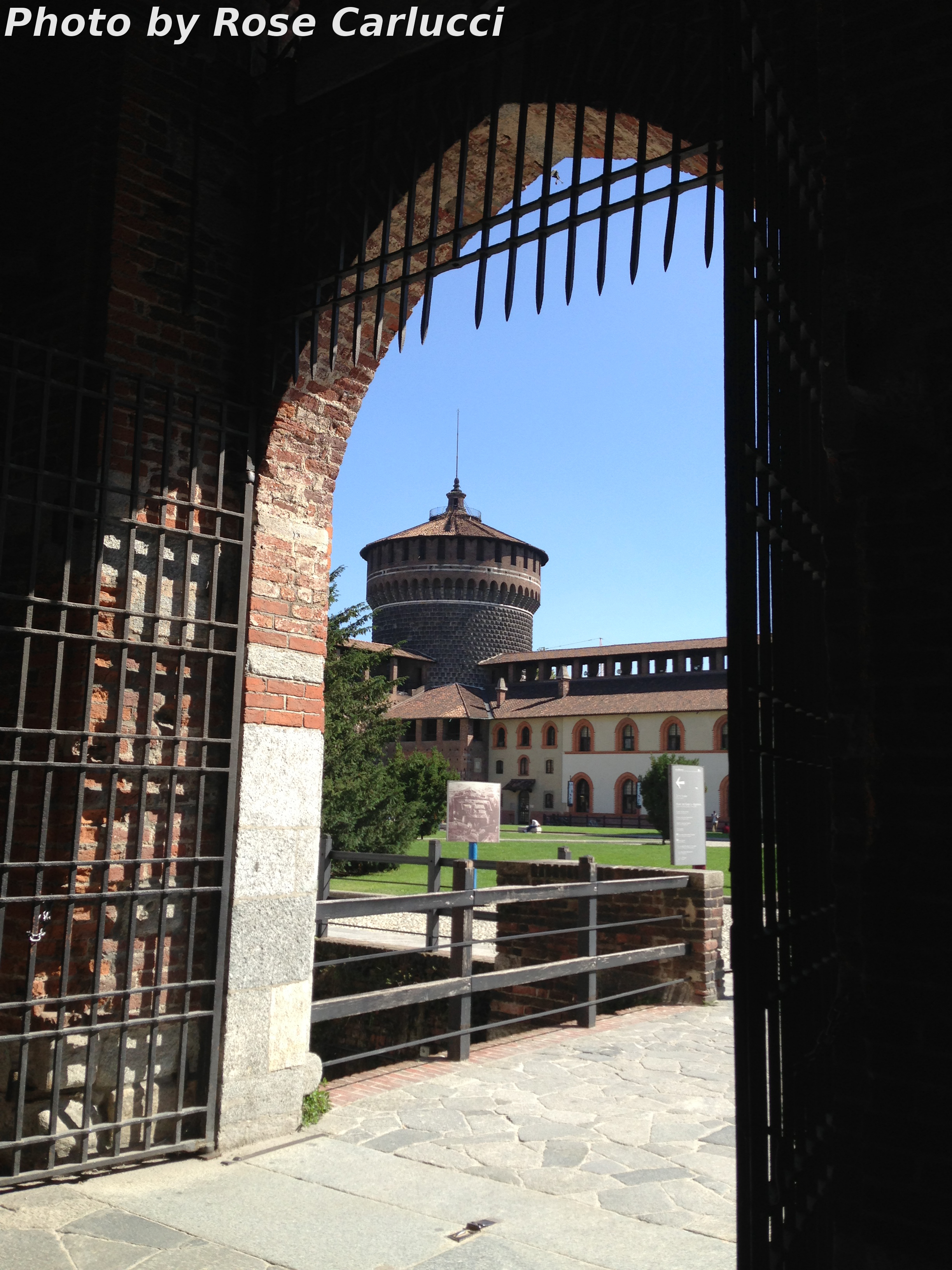
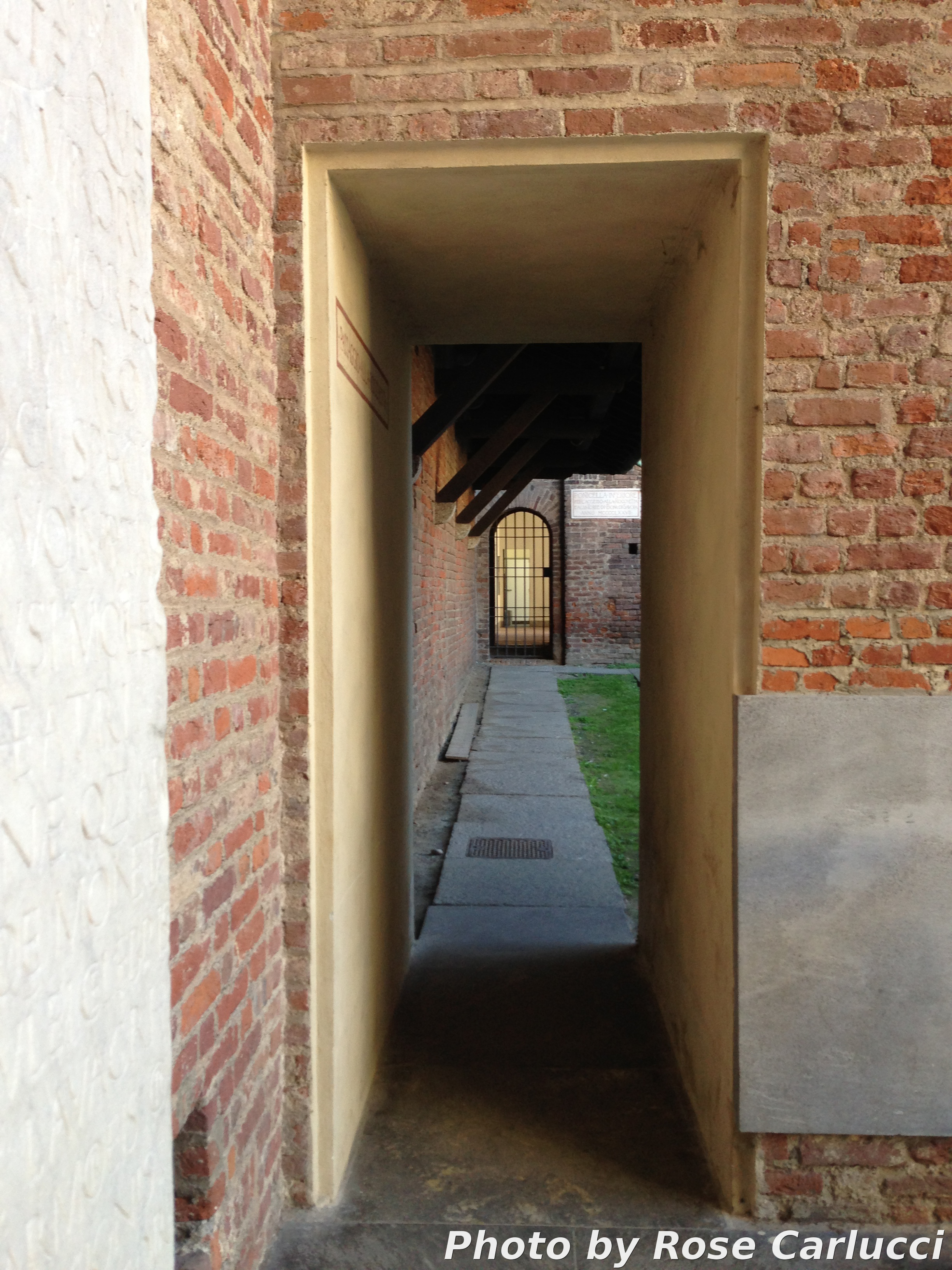
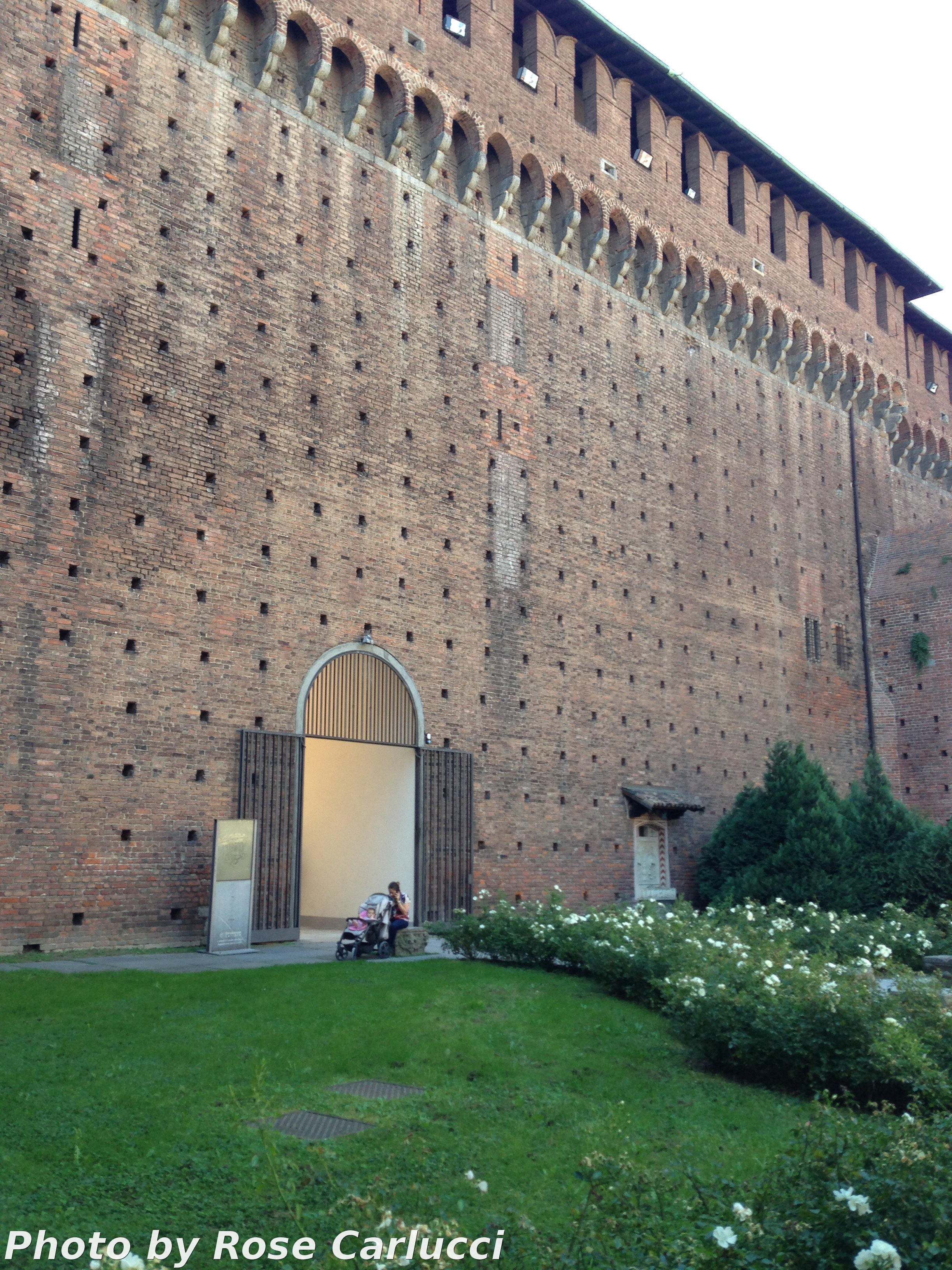
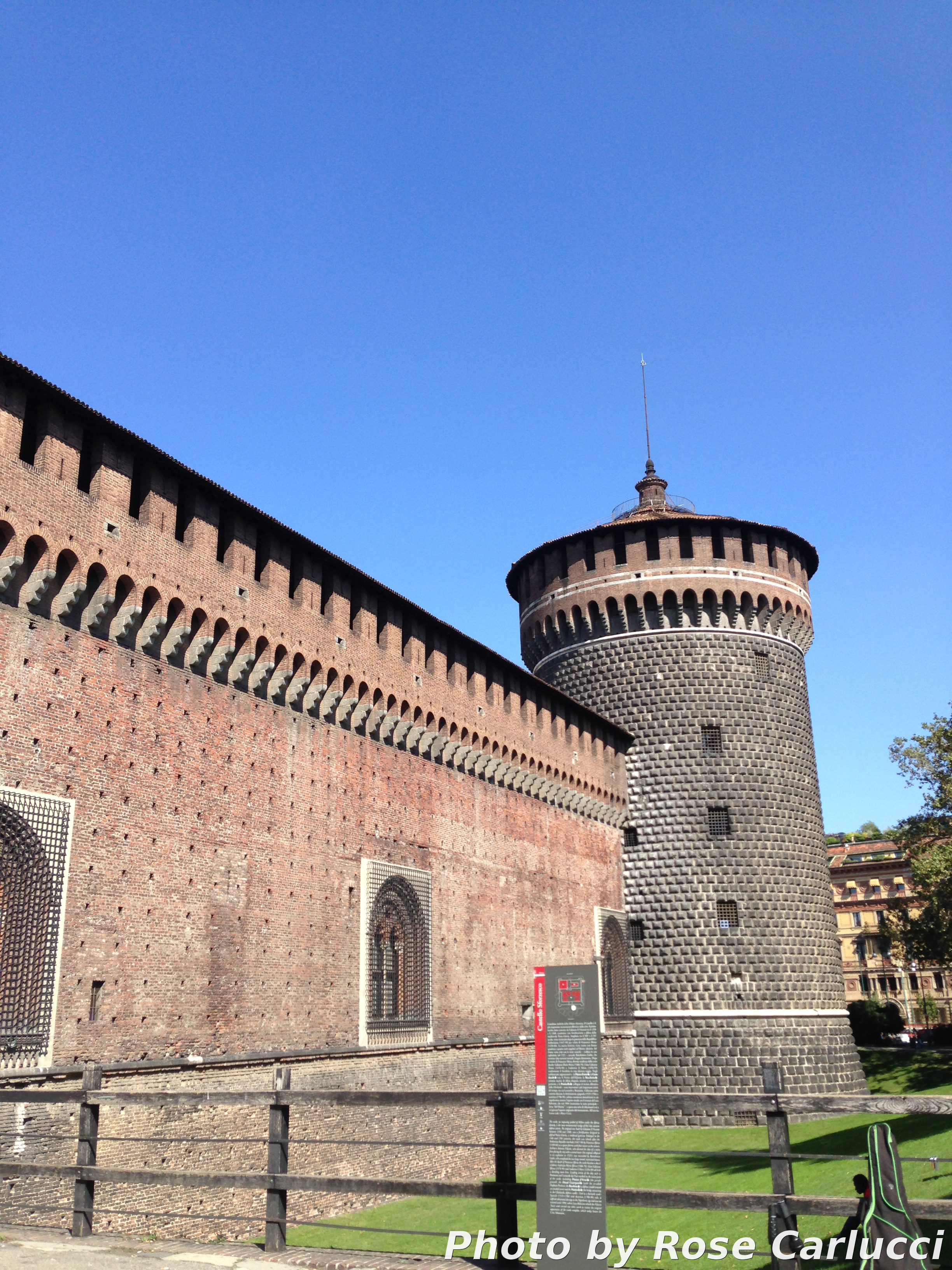
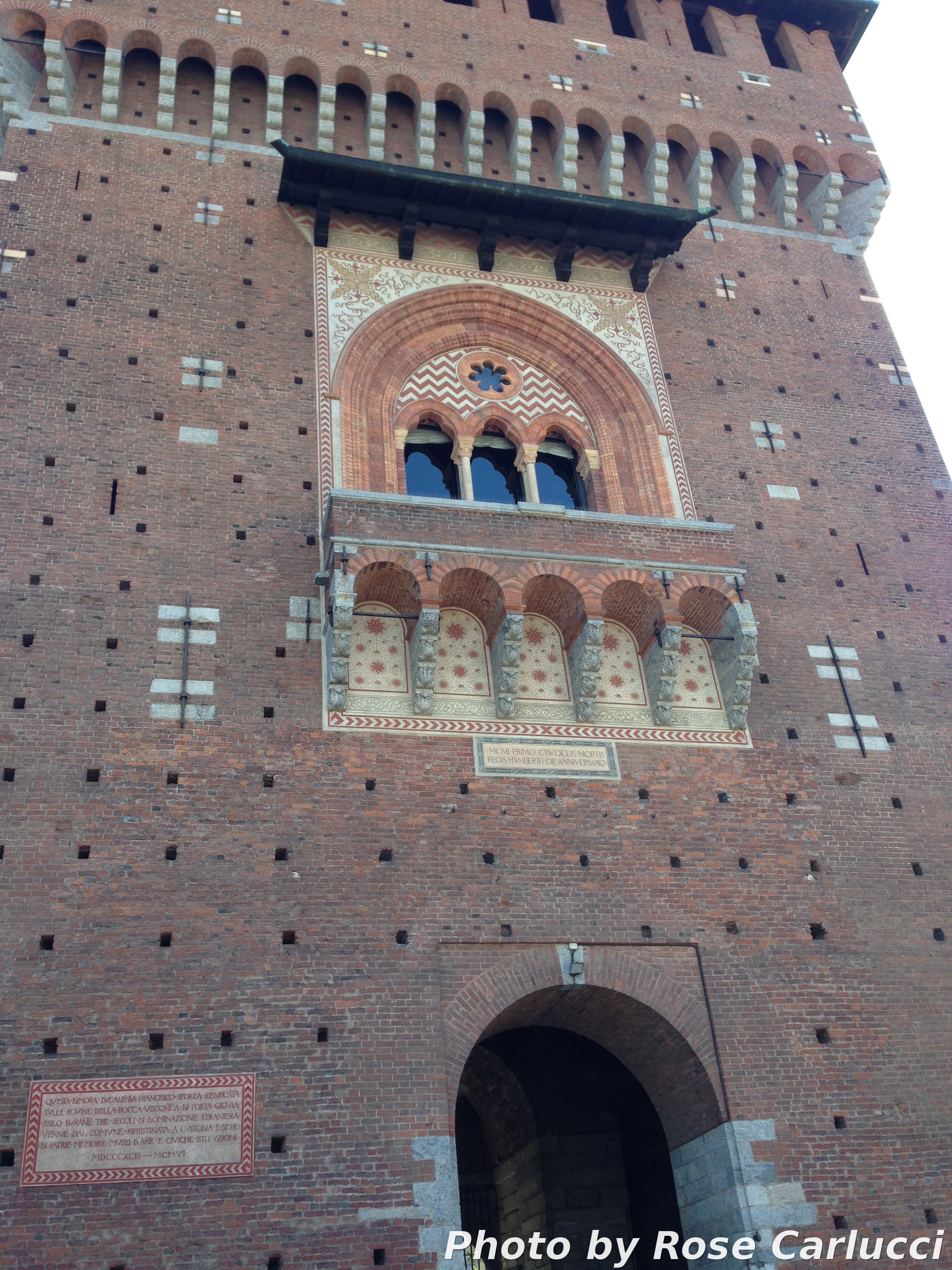
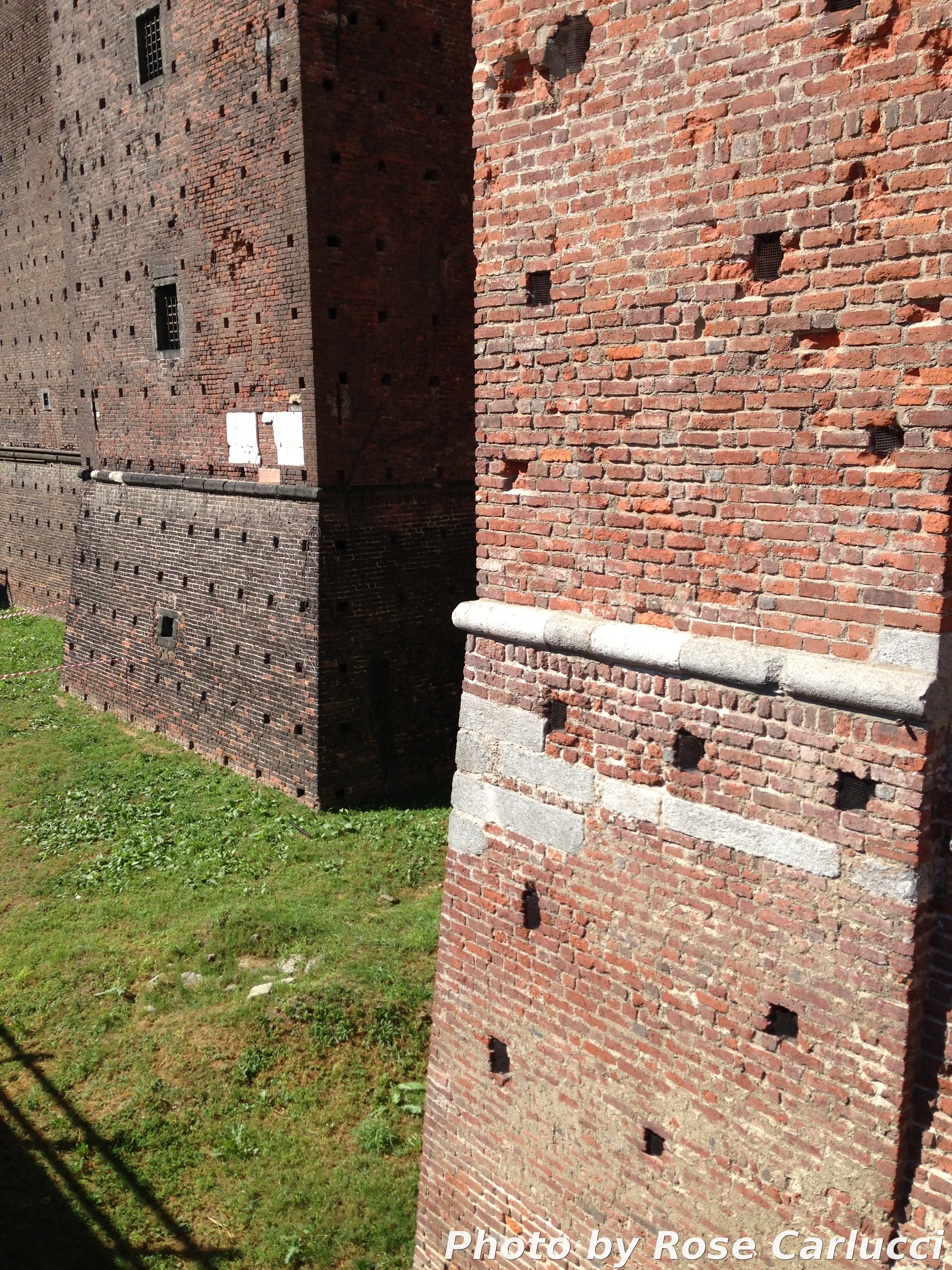
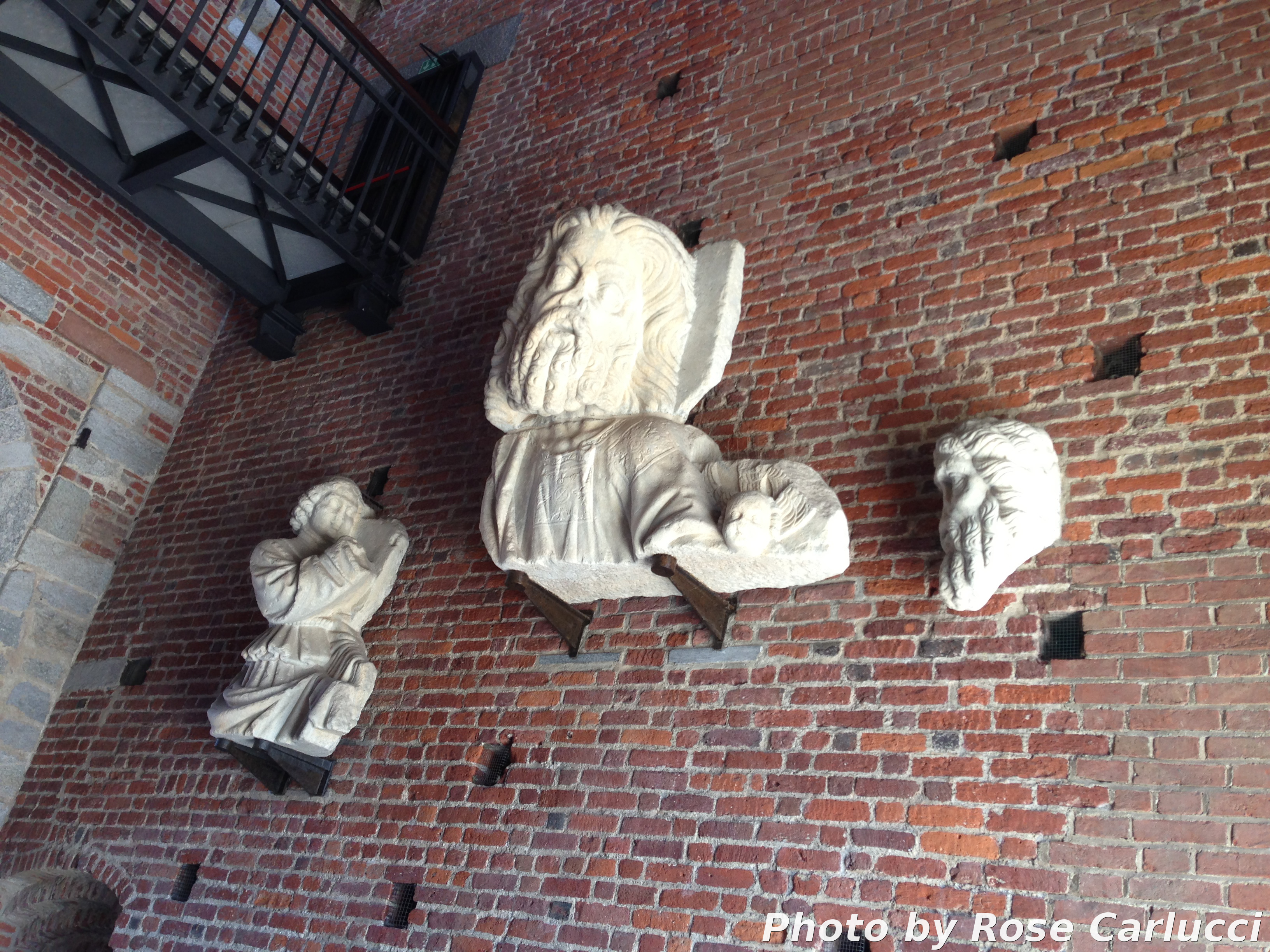
Sforza Castle, Milan, Italy

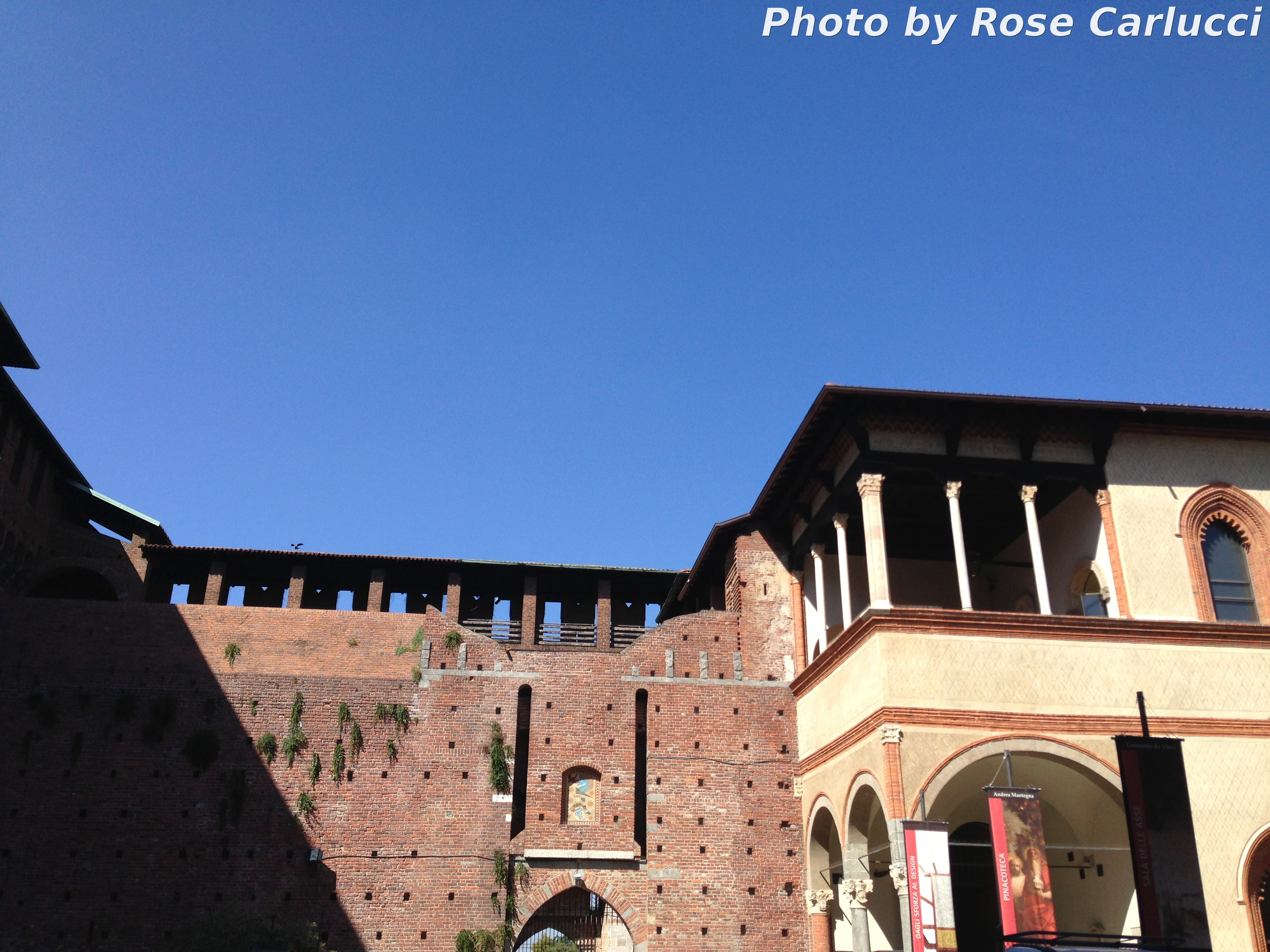
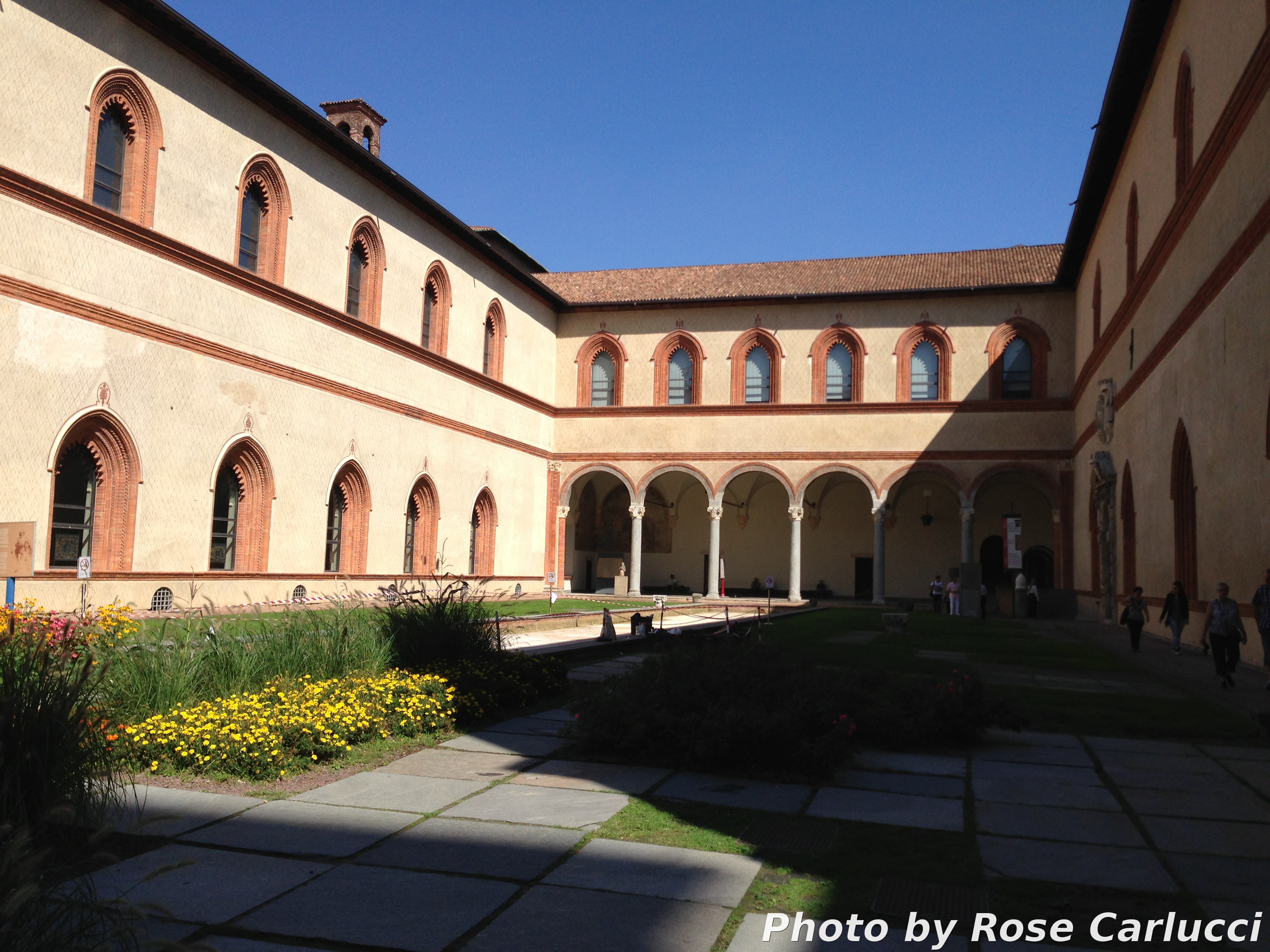
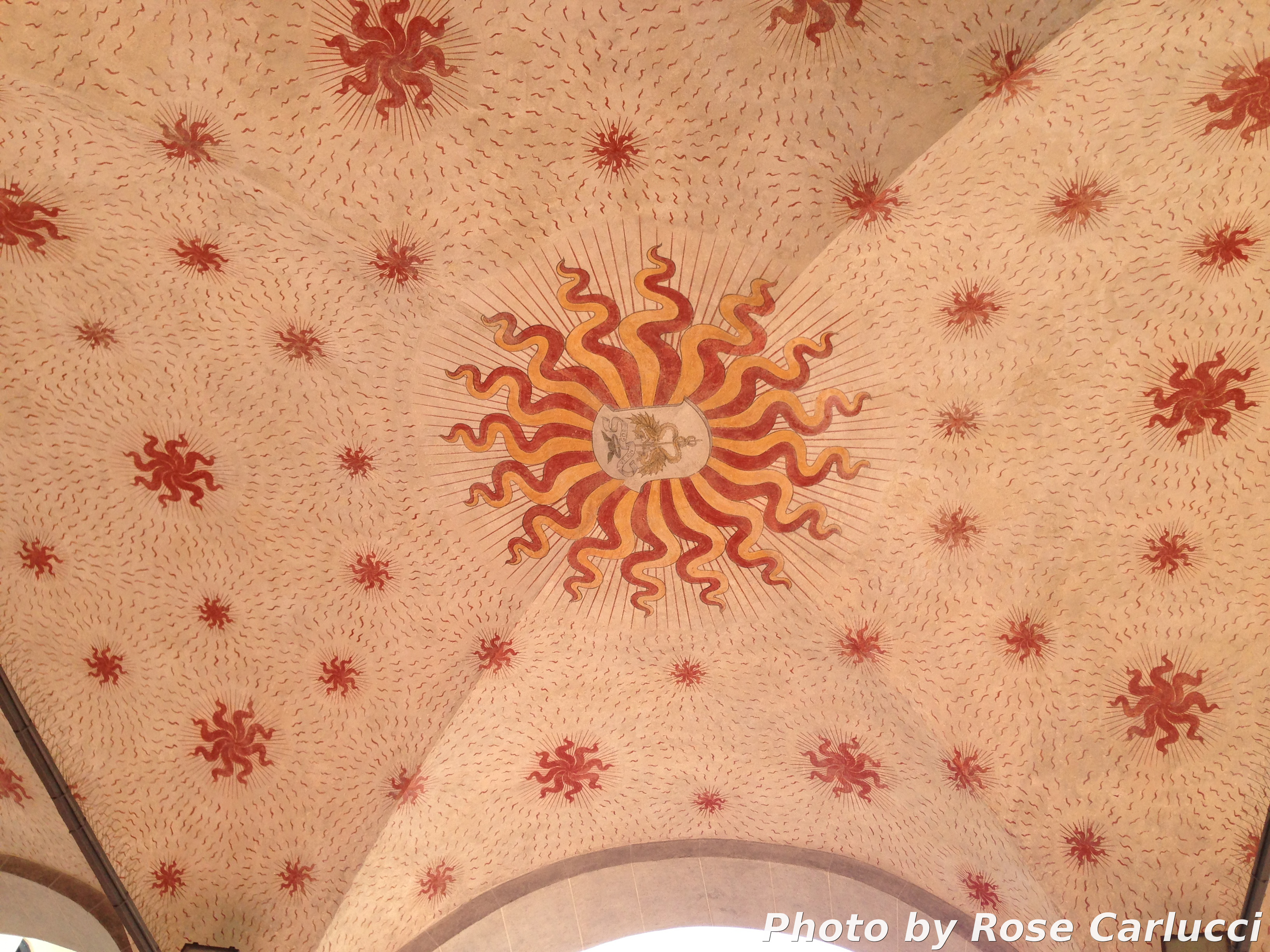
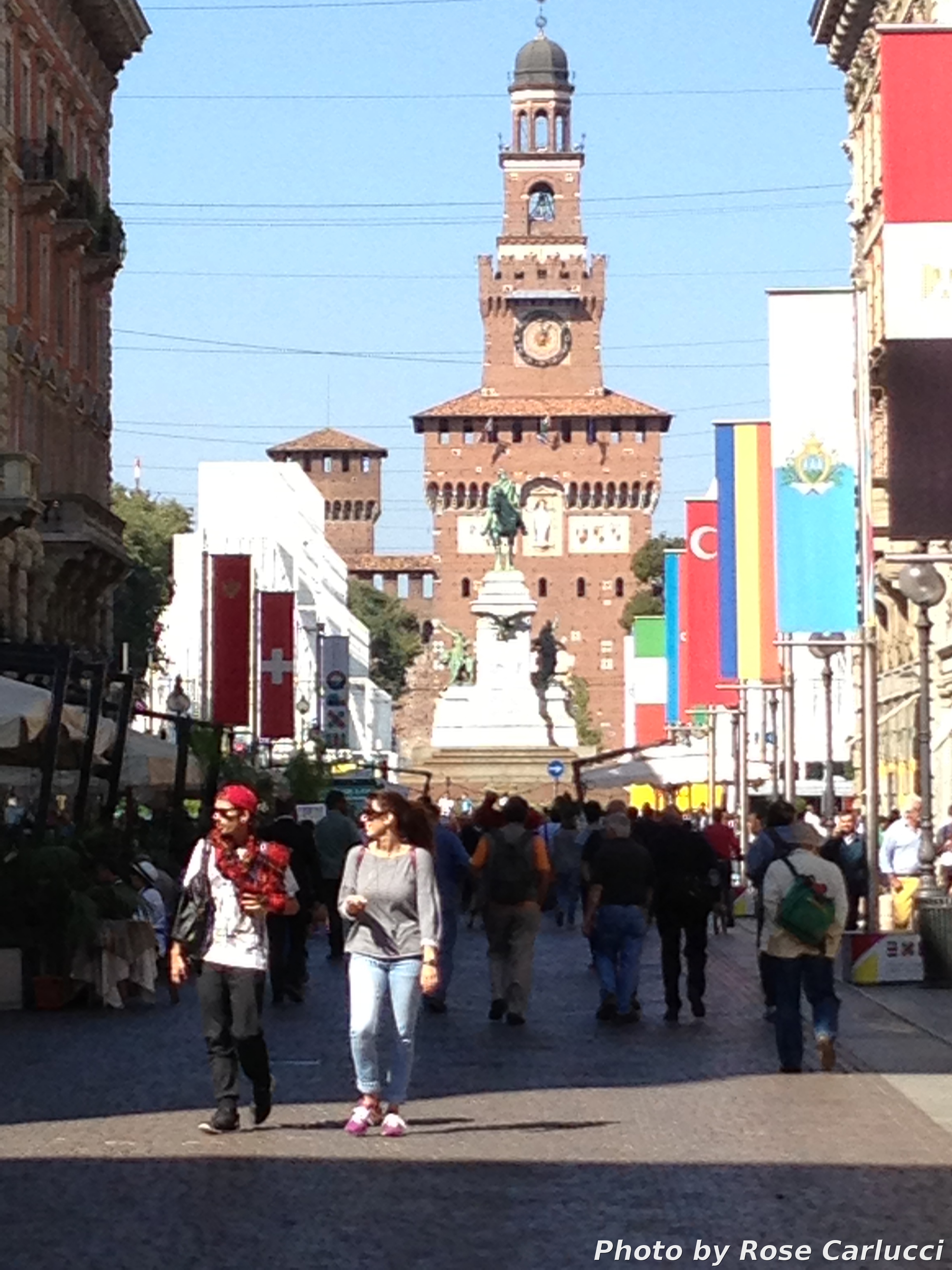
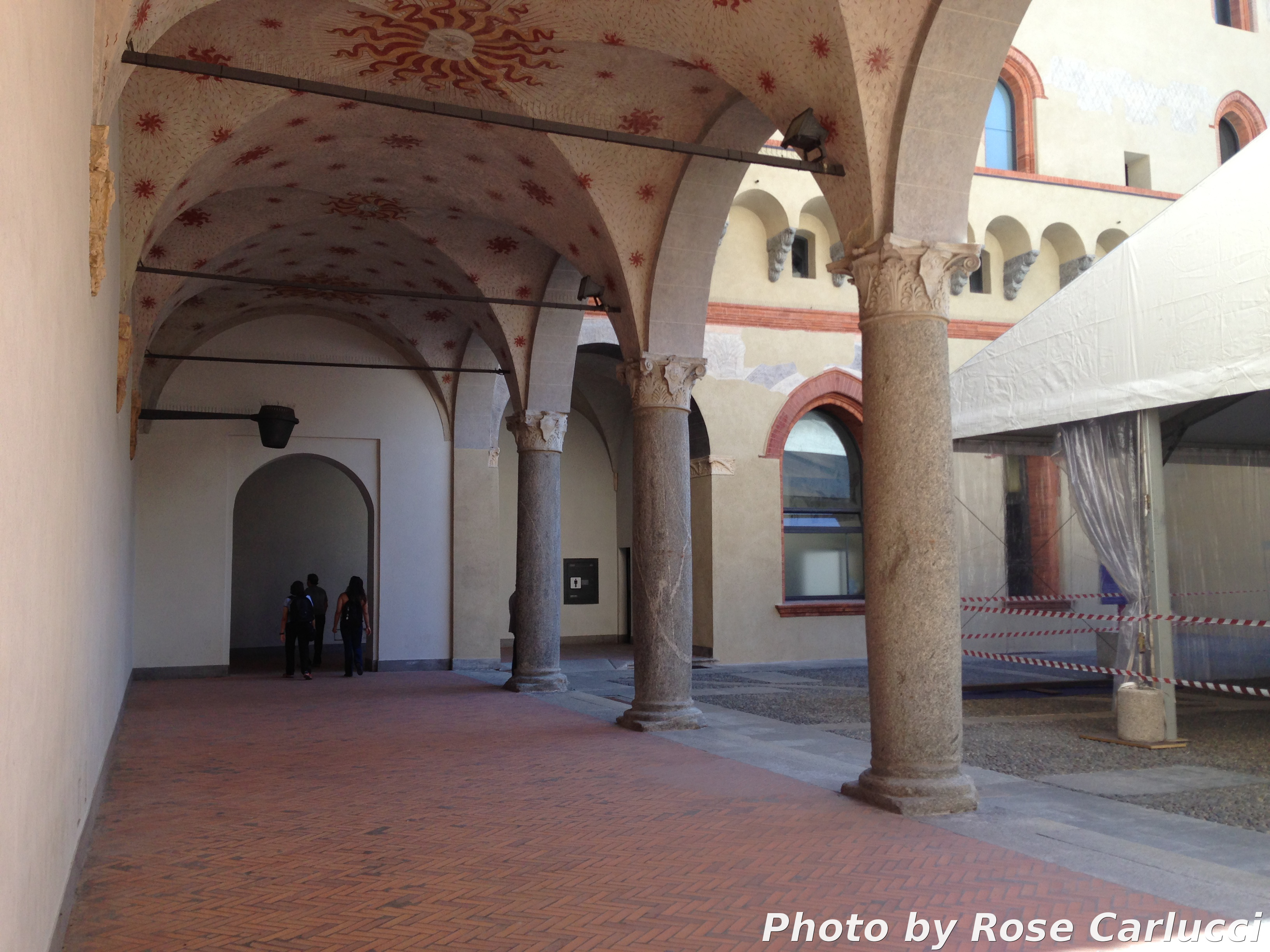
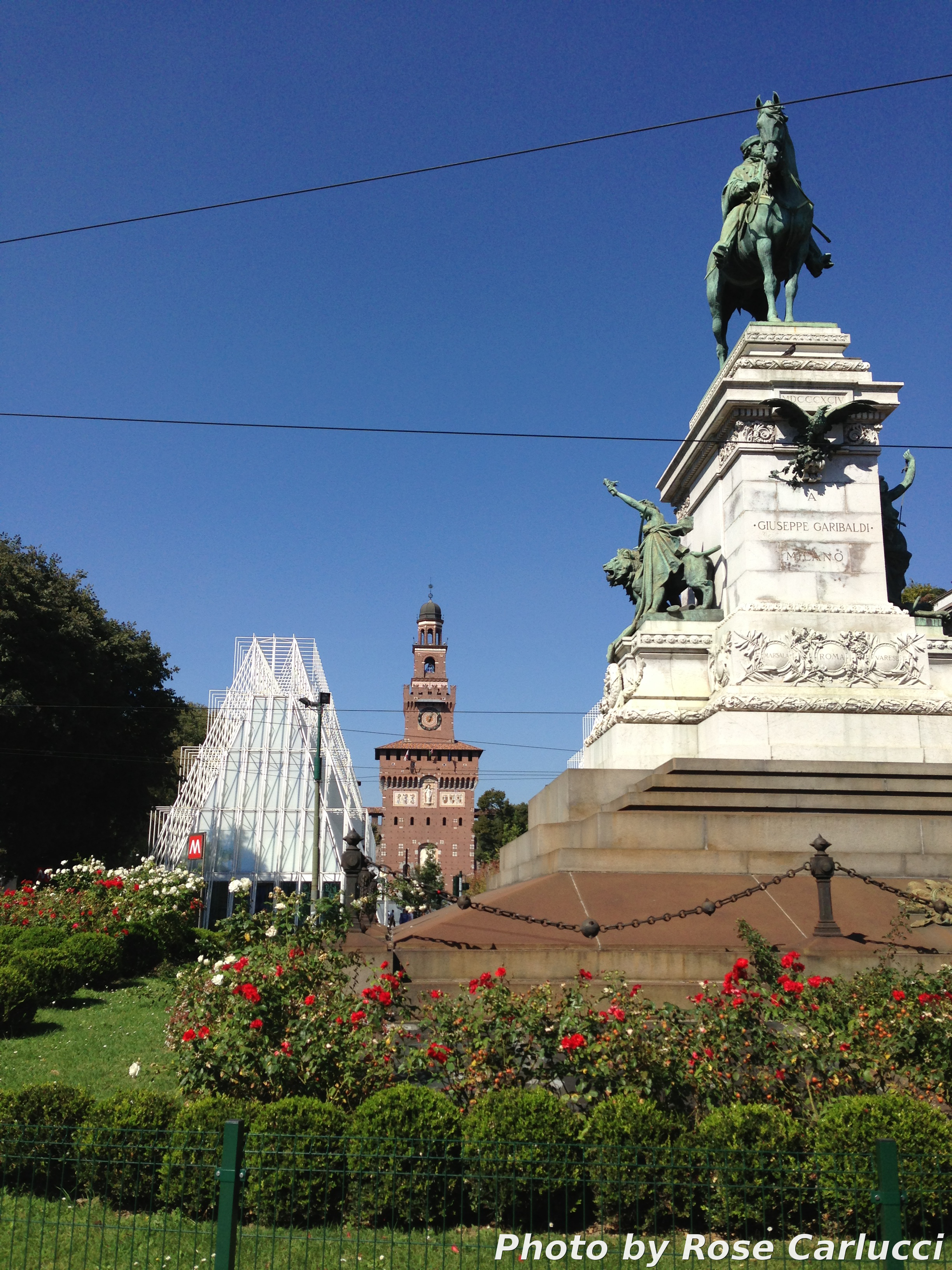
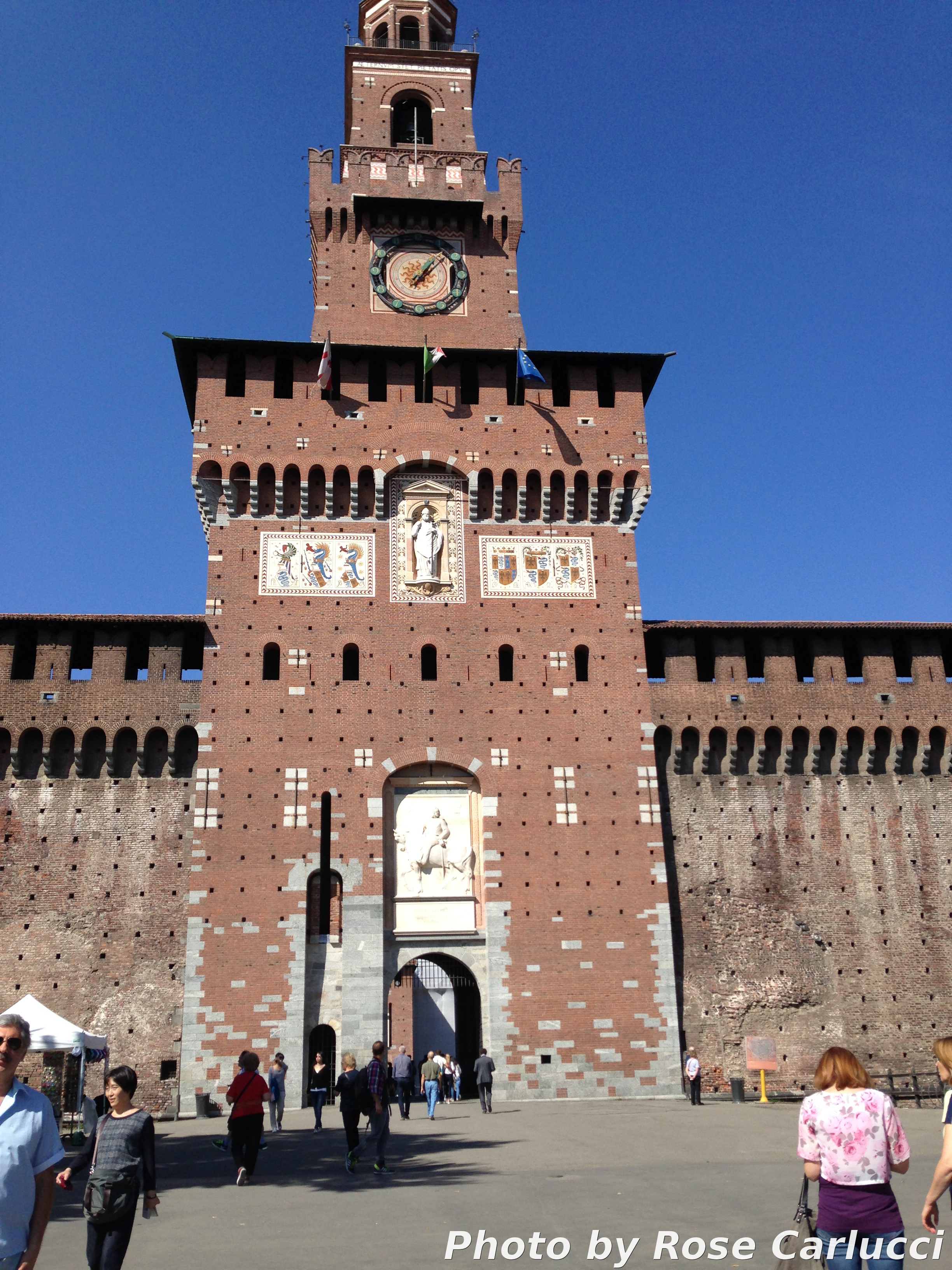
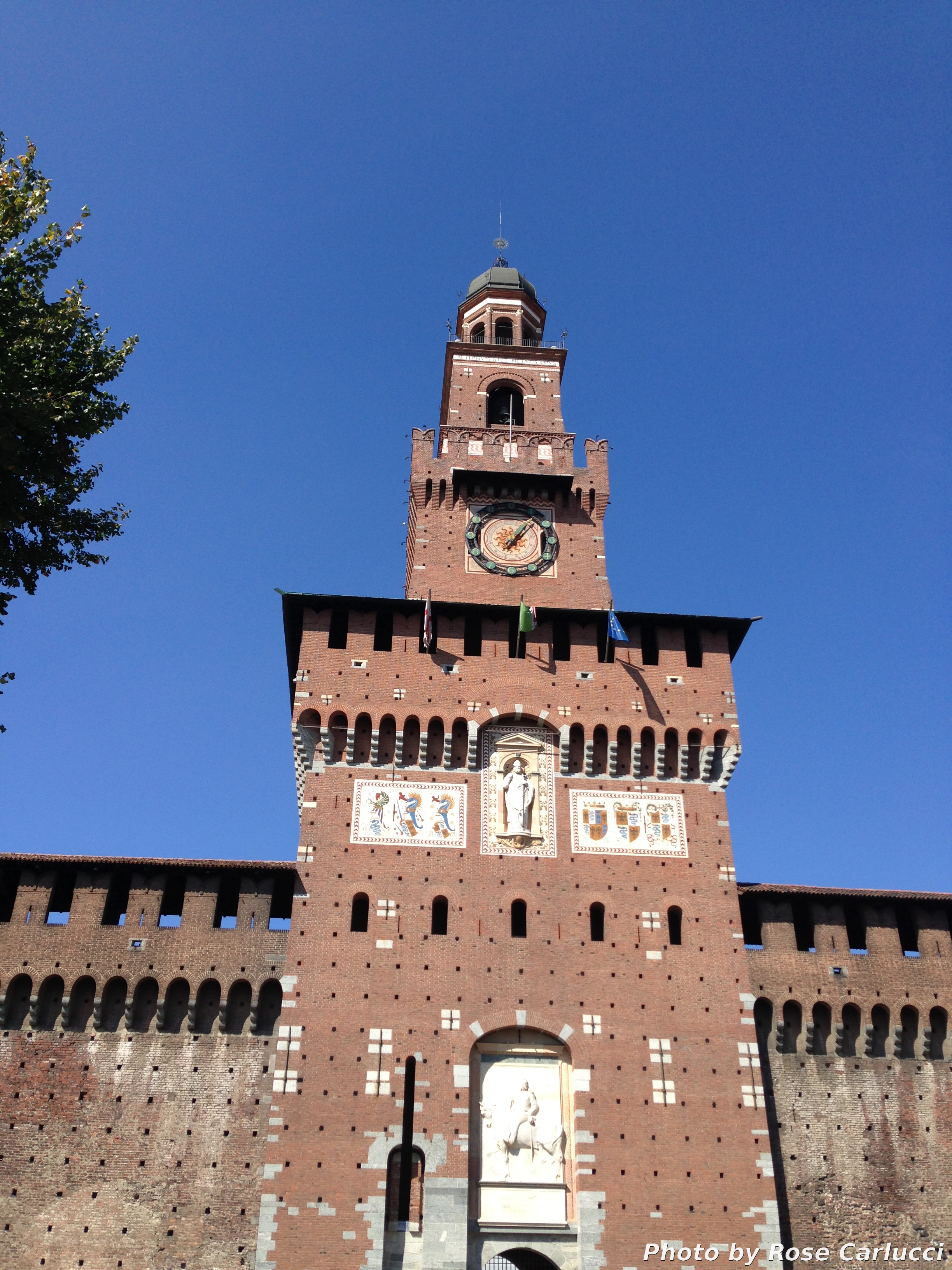
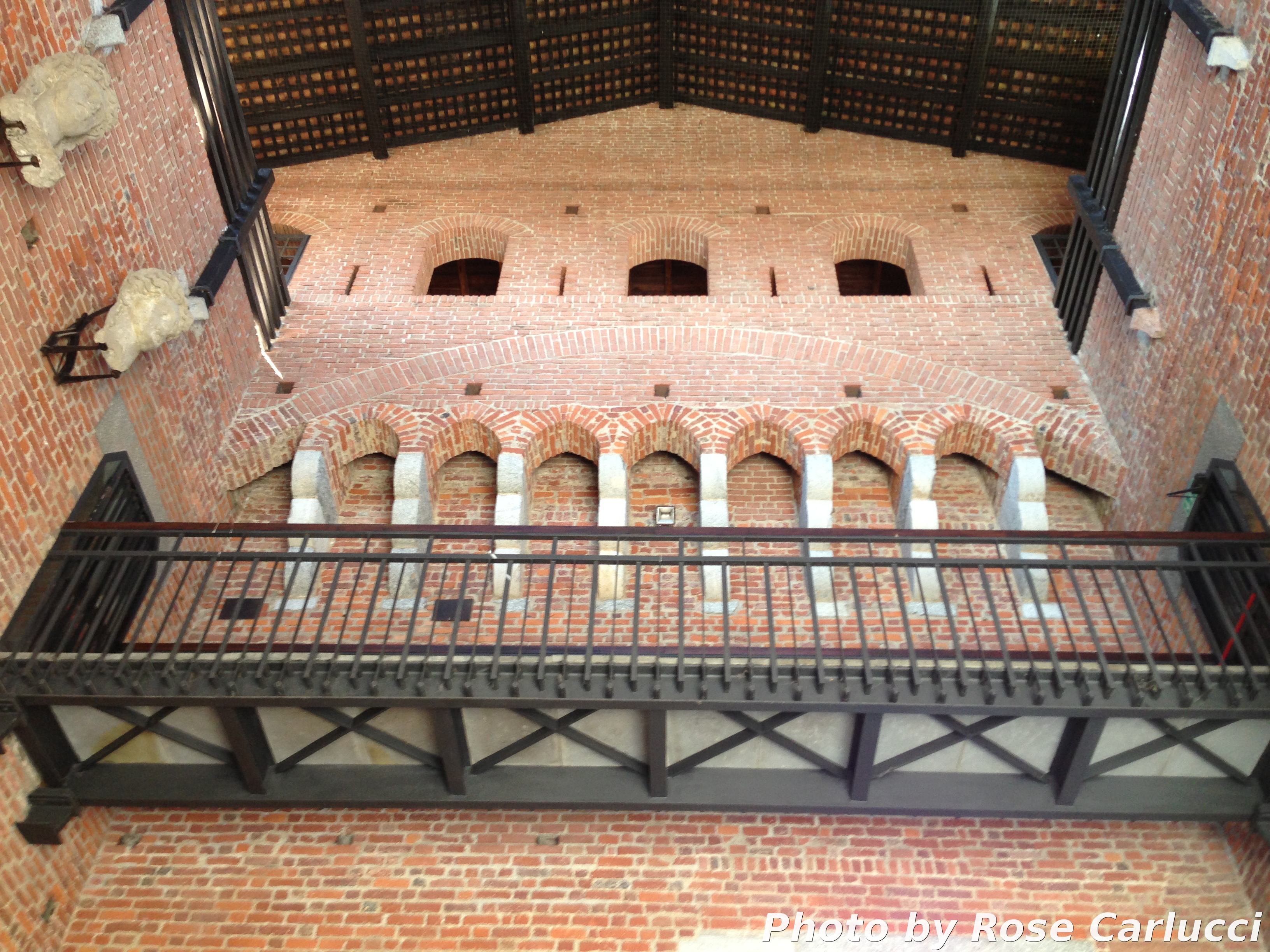
The Sforza Castle, located in the centre of Milan in Italy, is a fortress built by Francesco Sforza, Duke of Milan, on the ruins of a citadel built in the same place by Galeazzo Visconti in the XVcentury. It’s a square, surrounded by moats, and flanked on the side of town, of two round towers, which housed tanks of water with a vast field of maneuver for which they were joined and on the campaign side (at that time) of the Ducal Court and two square towers and the Rocchetta, a fortress inside the fortress, where the Duke lived. The castle was divided into two parts, separated by a ditch (fosso morto). It retained the ducal Treasury in the Tower Castellana and in the Filarète Tower, they stored gunpowder but in 1521 it was destroyed by an explosion. The great artists of the time embellished the castle; Leonardo da Vinci painted the tangle of trunks of trees of the Asse room; Bramantino with its ‘Argos’ for the treasure room and Bramante designed a covered walkway linking the apartments of the Duke to the external walls (Ponticella di Ludovico the Moro). In 1535, after the death of Francesco II Sforza, Milan came under Spanish domination. A star-shaped fortification was built around the castle. It was destroyed during the Napoleonic occupation (1802-1814). From 1815, the Sforza castle served as barracks for the Austrian troops. During the five days of the insurgency against the Austrian occupation (18-22 March 1848), the Austrian general Radetzky opened fire on insurgents from the castle. In 1893, the military authorities gave the Sforza castle to the municipality of Milan, which had planned to demolish it but thanks to Luca Beltrami, the castle was saved. The restoration he undertook was intended to make the castle a museum and a cultural institution. The funds of the museum consisted of donations made by rich Milanese families and the communal fund. Following a bomb in 1943, the castle has been restored again.
Today it houses the ‘Sforzeschi’ museums, including the Museum of musical instruments, the sculpture Museum and the Pinacoteca. Thanks to Trivulziana library, the castle is a unique repository of archives, manuscripts and books.

Tips

Access is free but if you want to enter to the museums, you will have to pay a ticket.
As it is located in Milan downtown, you can easily walk to visit it. It is in line with the Duomo (Cathedral).
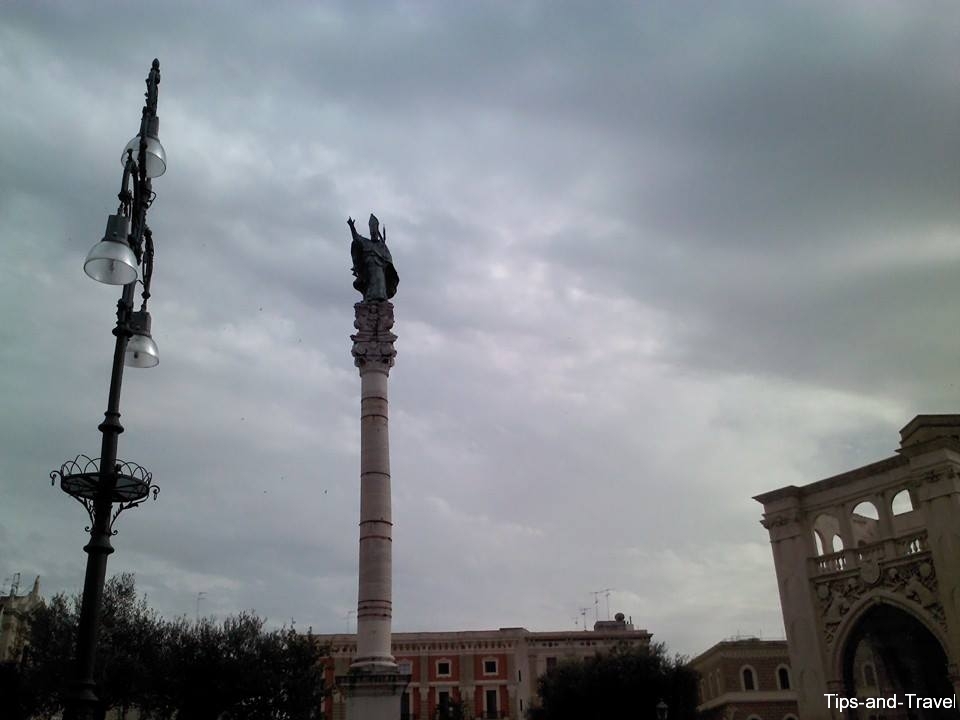
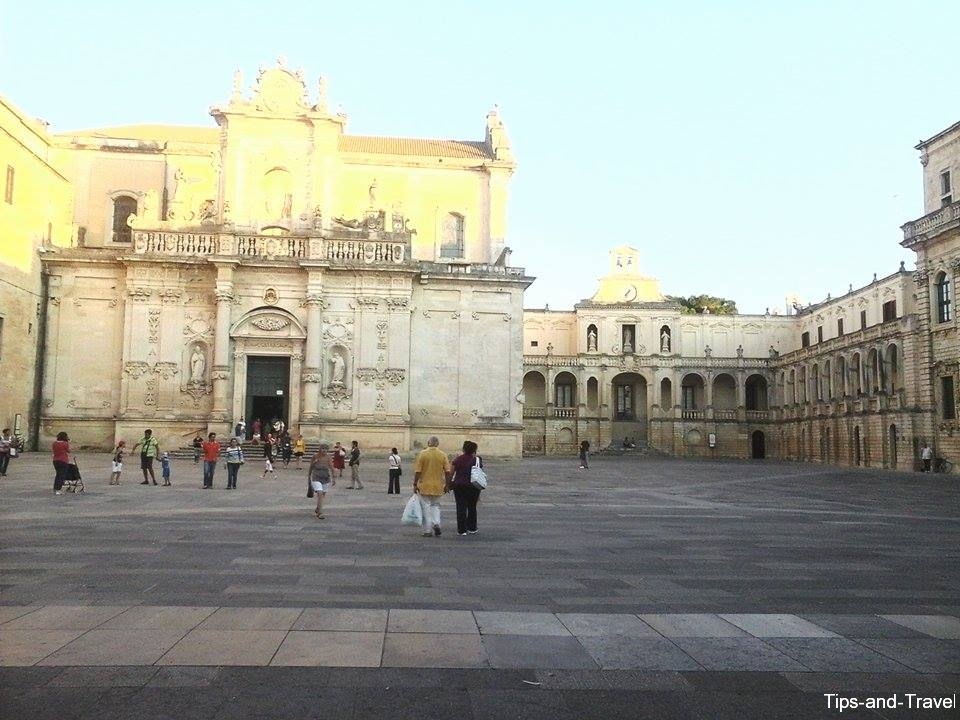
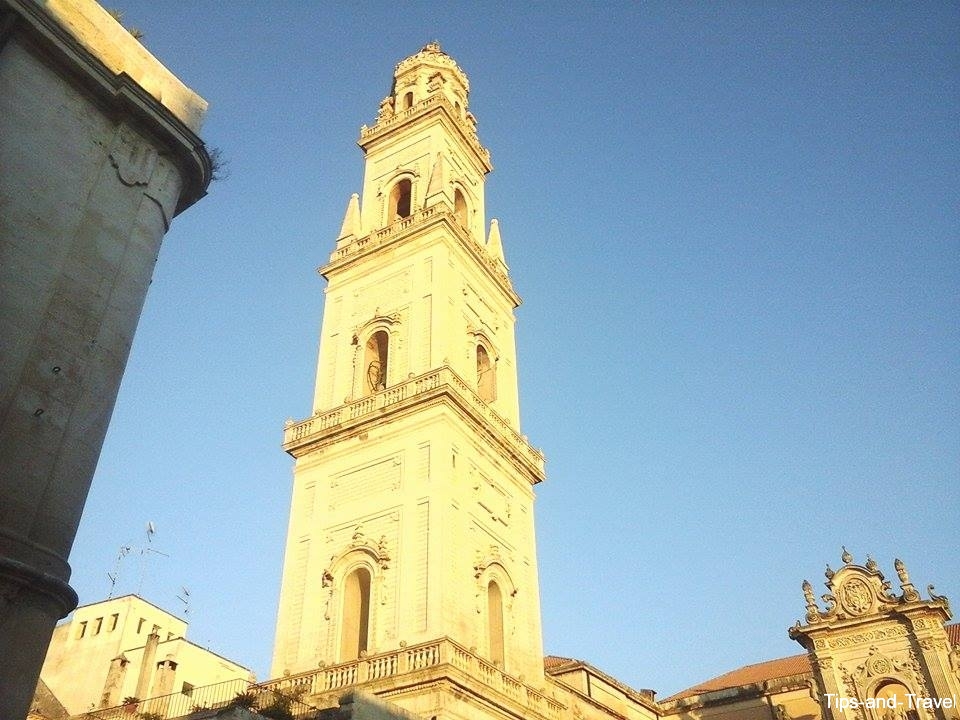
Lecce, Puglia, Italy

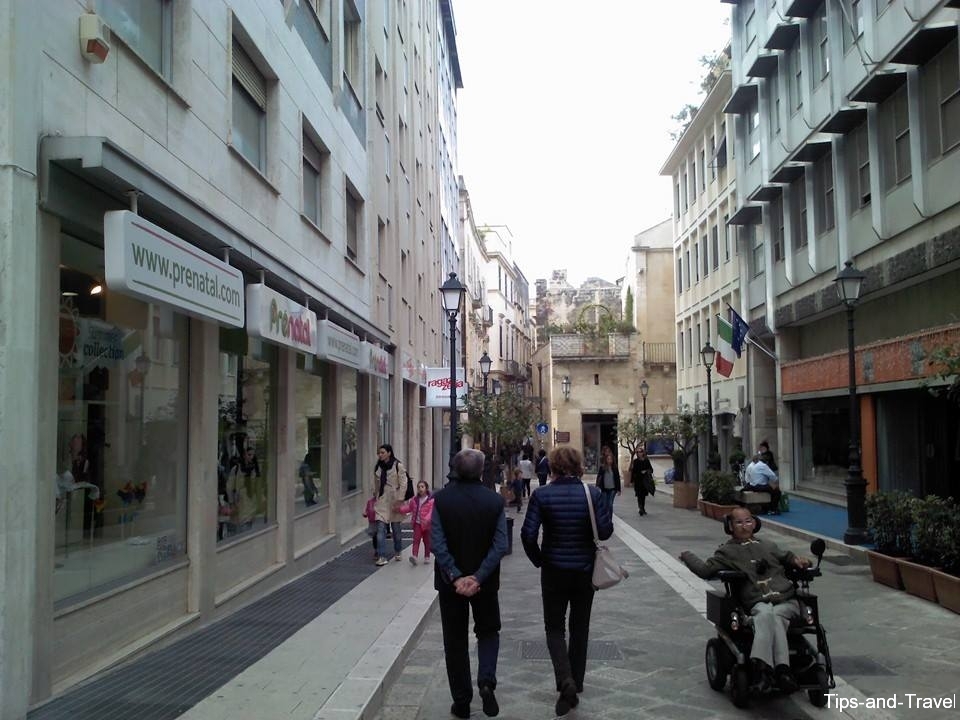
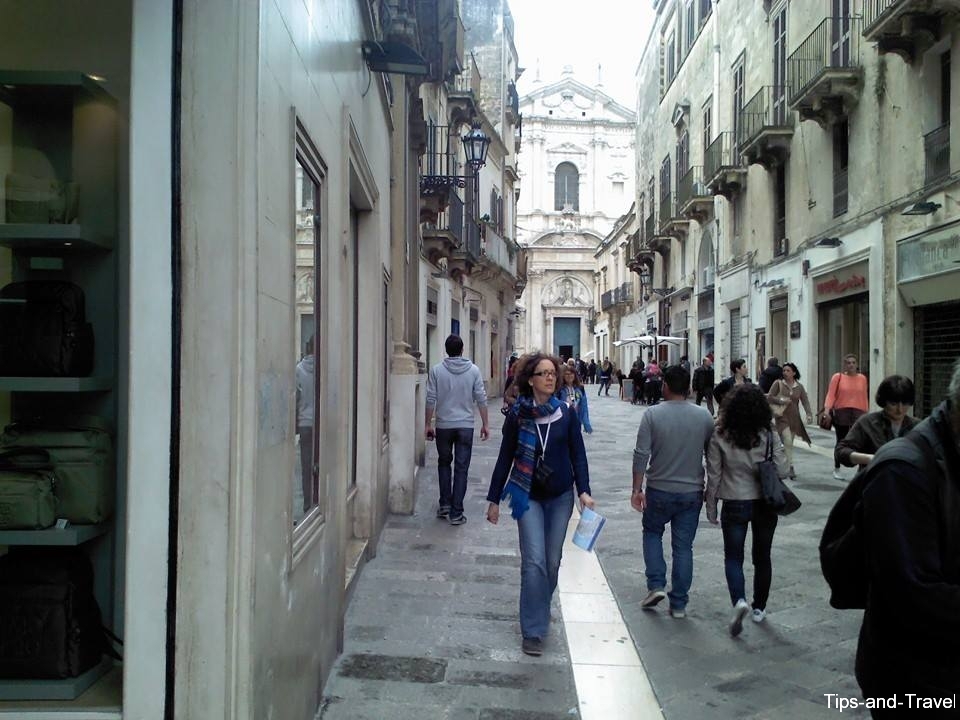
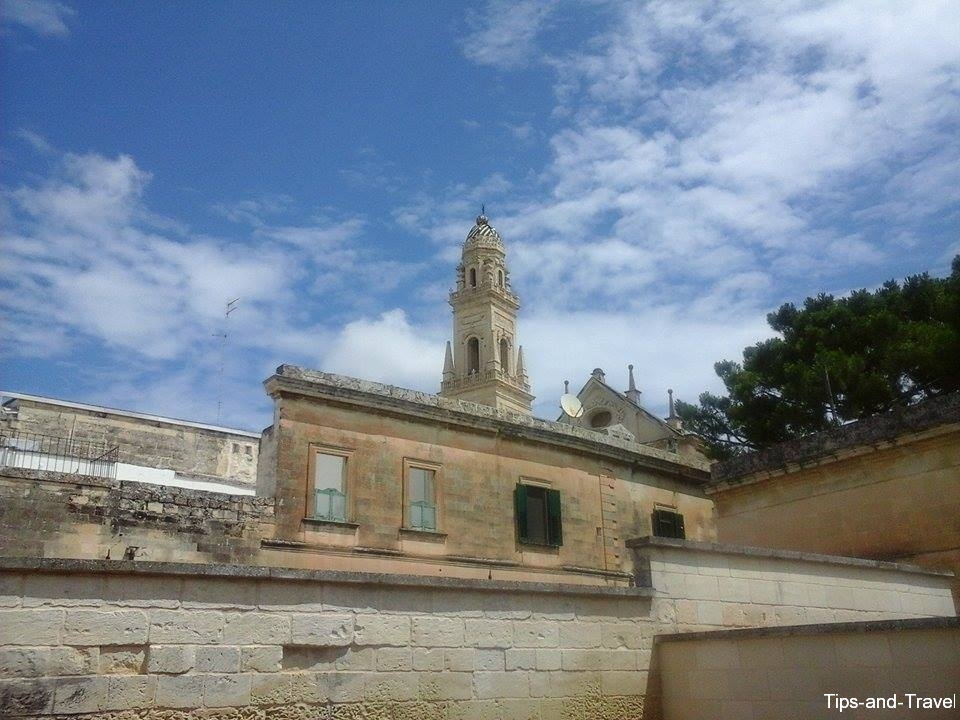
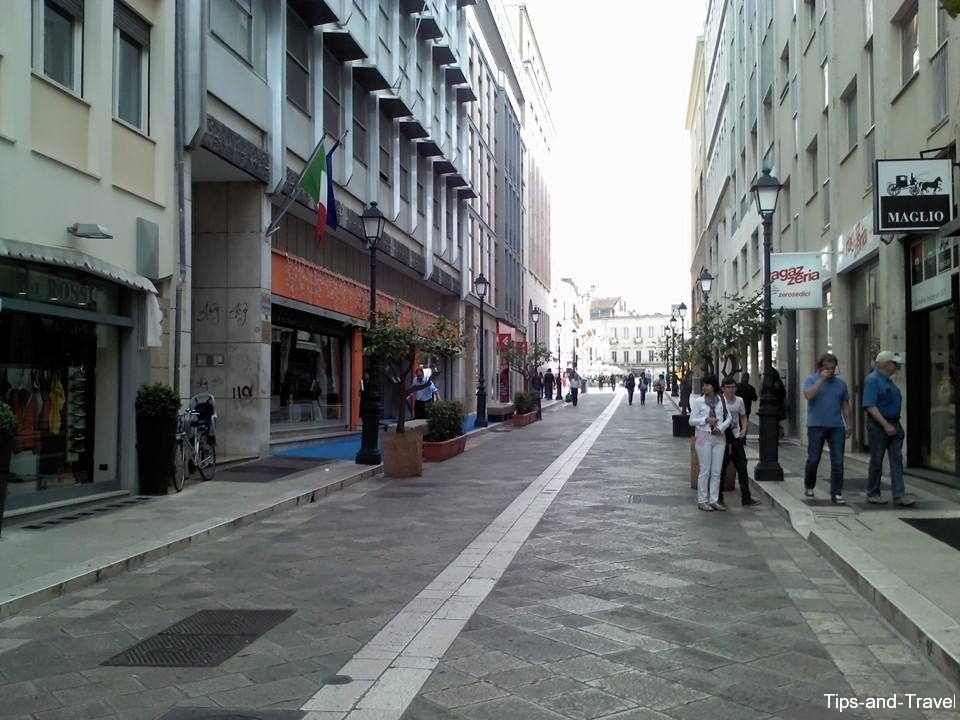
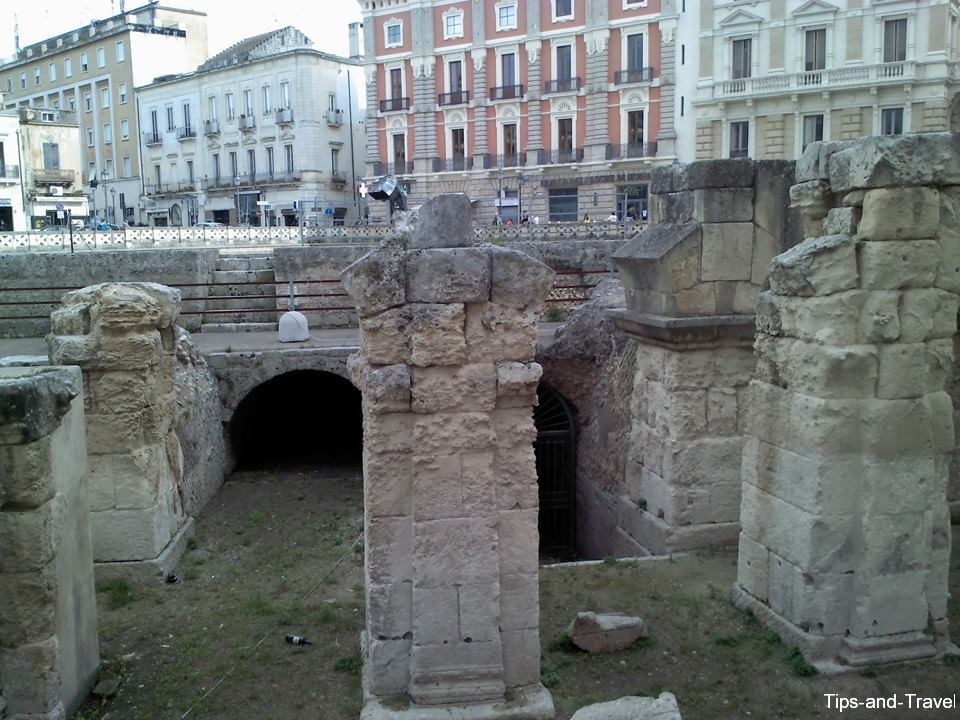
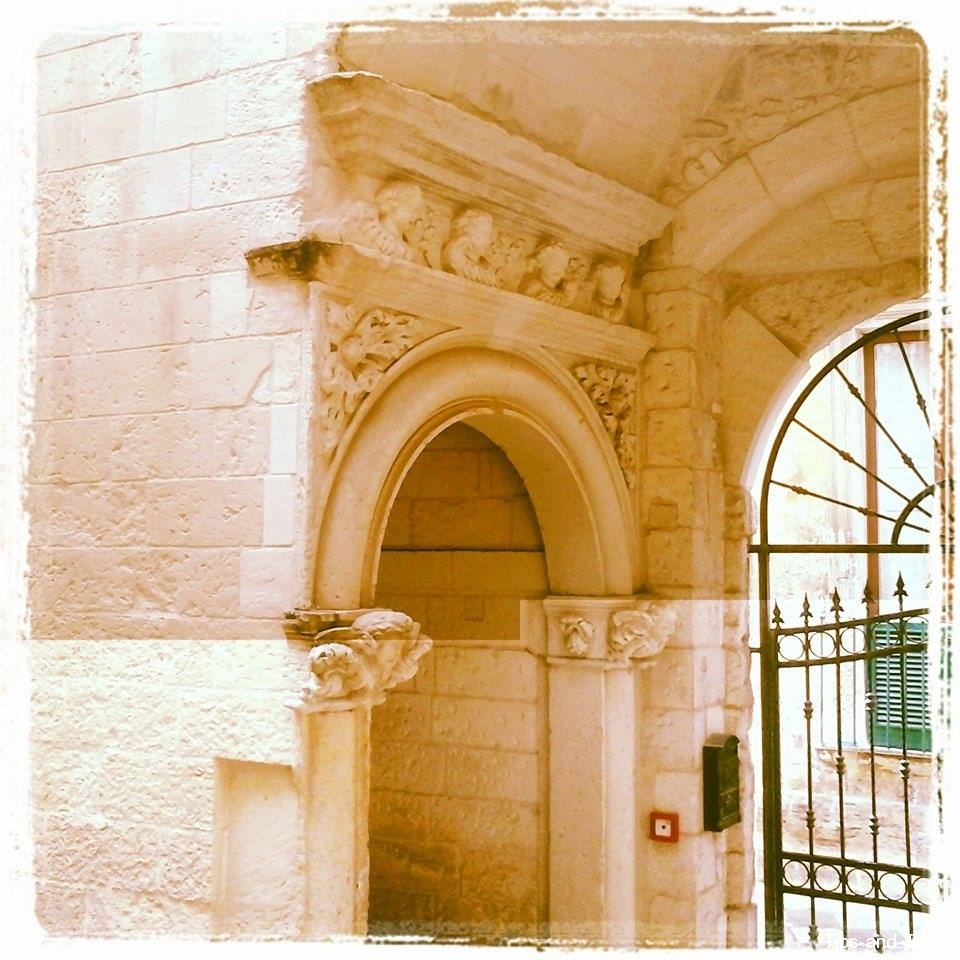
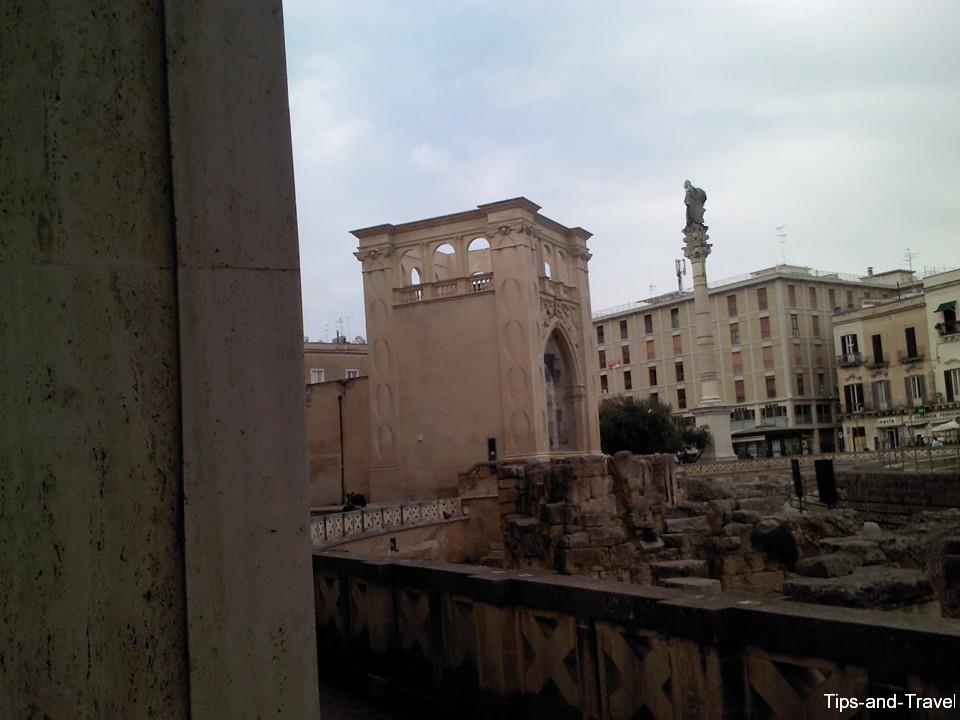
Lecce is a town in Puglia in southern Italy, located in the center of Salento (the peninsula which forms the heel of the boot). With a rich artistic heritage well preserved, it is considered one of the capitals of baroque architecture, made possible thanks to the malleability of the local limestone, with a baroque style that belongs to it. You can visit the Basilica of the Holy Cross, the Duomo Square, the Palace of the Seminary, the Roman Amphitheater, the Tower of the Park, the Napoli Gate, the University of Salento and other places of interest.

Tips

Take a walk both day and night, you will understand why the city is very often called the Florence of the South. It is also a great pleasure to be amongst its inhabitants by feeling that you are part of an open-air museum. If you are traveling around the area or staying more than one day in town, buy the Lecce City Card which will allow you access to several museums and have discounts on tourist services including shops, restaurants and bars. It is valid for 3 days in Lecce, Otranto and Gallipoli. If you like to make tastings, ask about it, because there is the possibility of visiting wineries and producers in the region. You could try various products such as pecorino cheese, tarelli (small pretzels), olives and of course wine. If you are interested in cooking, Lecce also offers cooking classes ranging from half a day to several days depending on your needs.

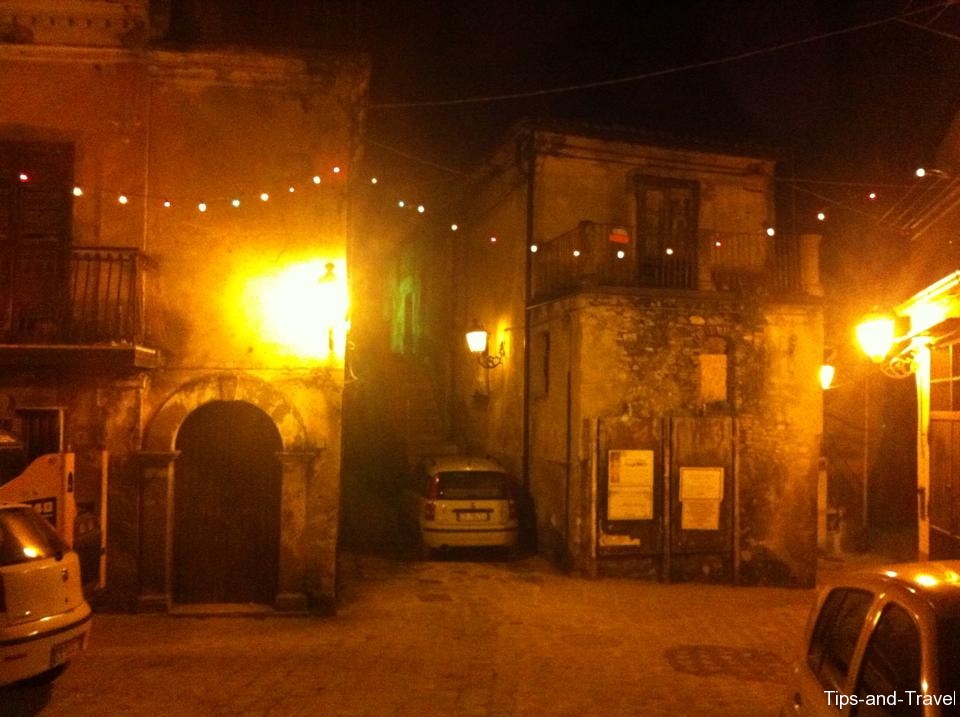
Francavilla in Sinni, Potenza, Basilicata

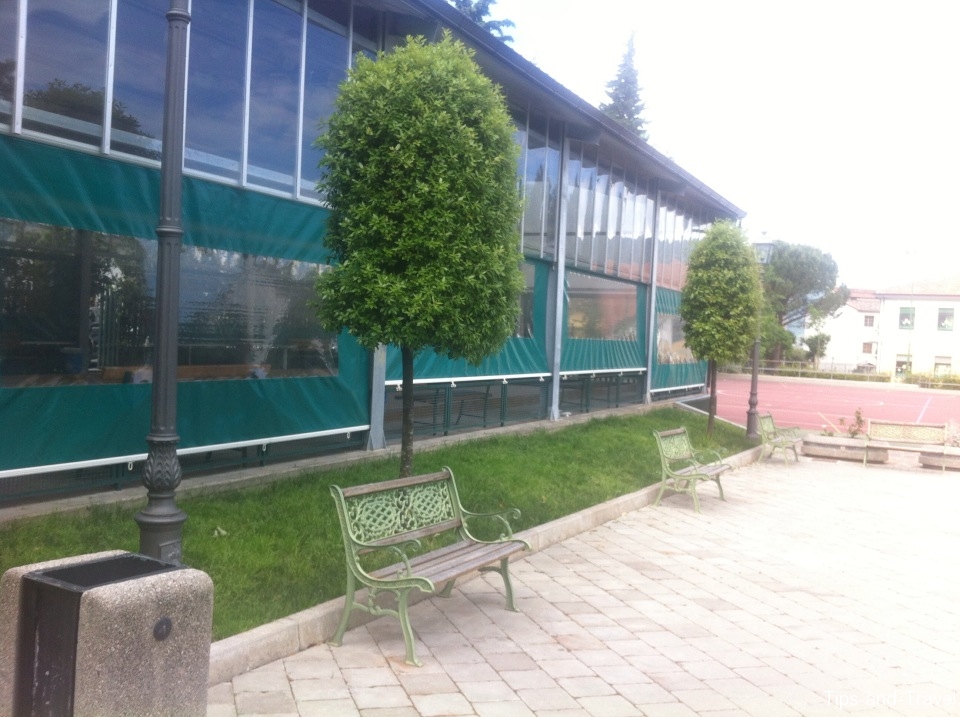
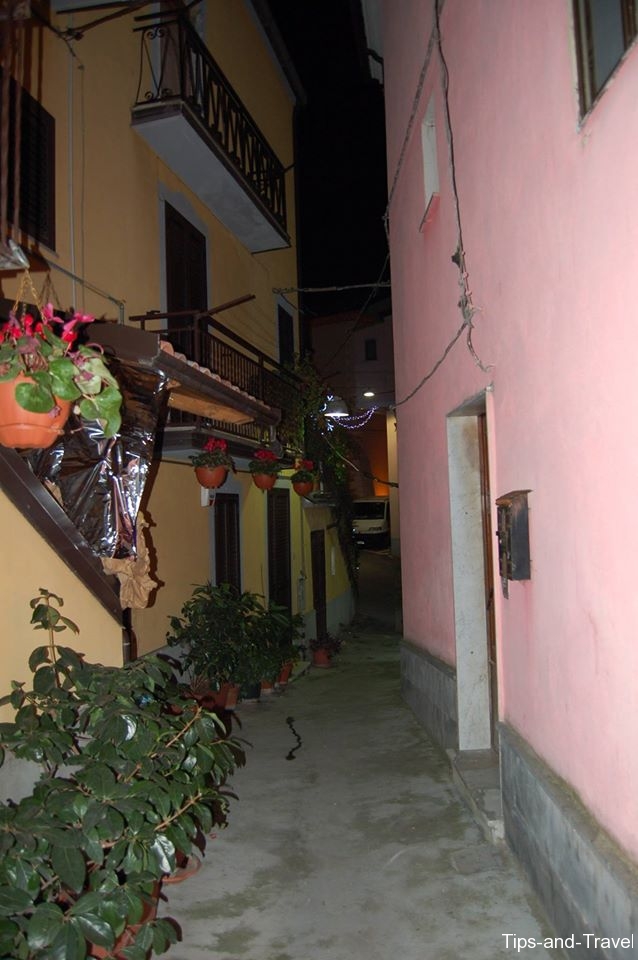
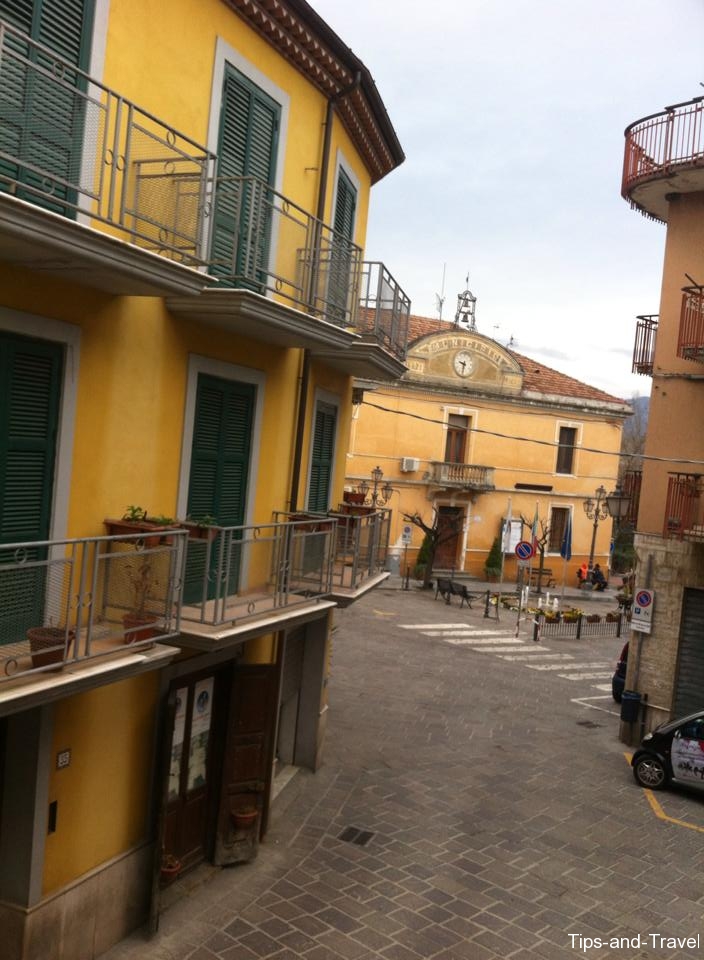
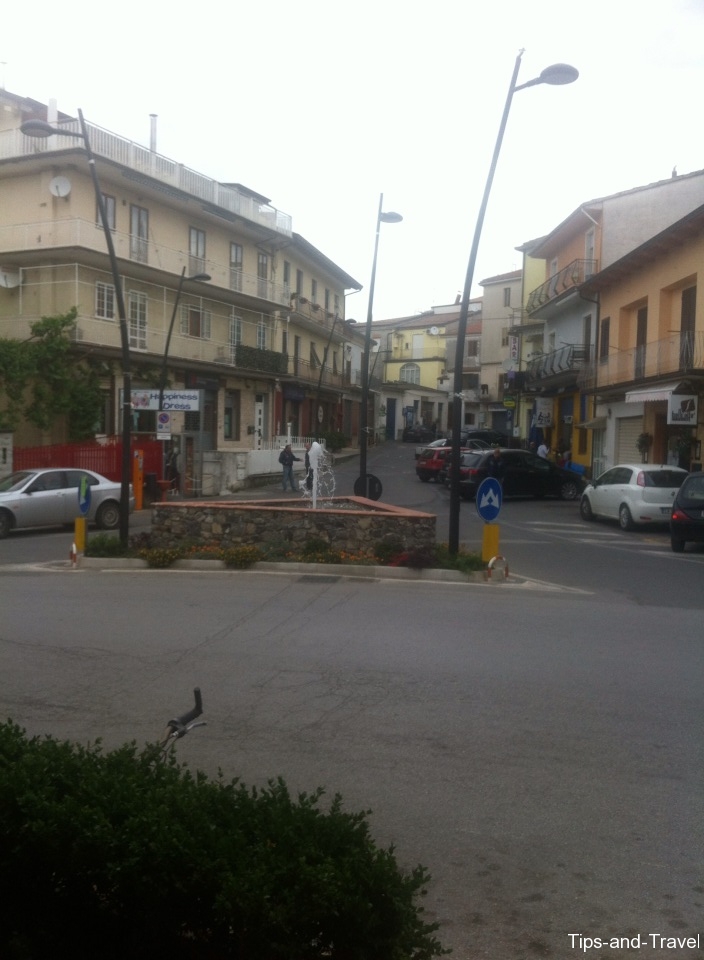
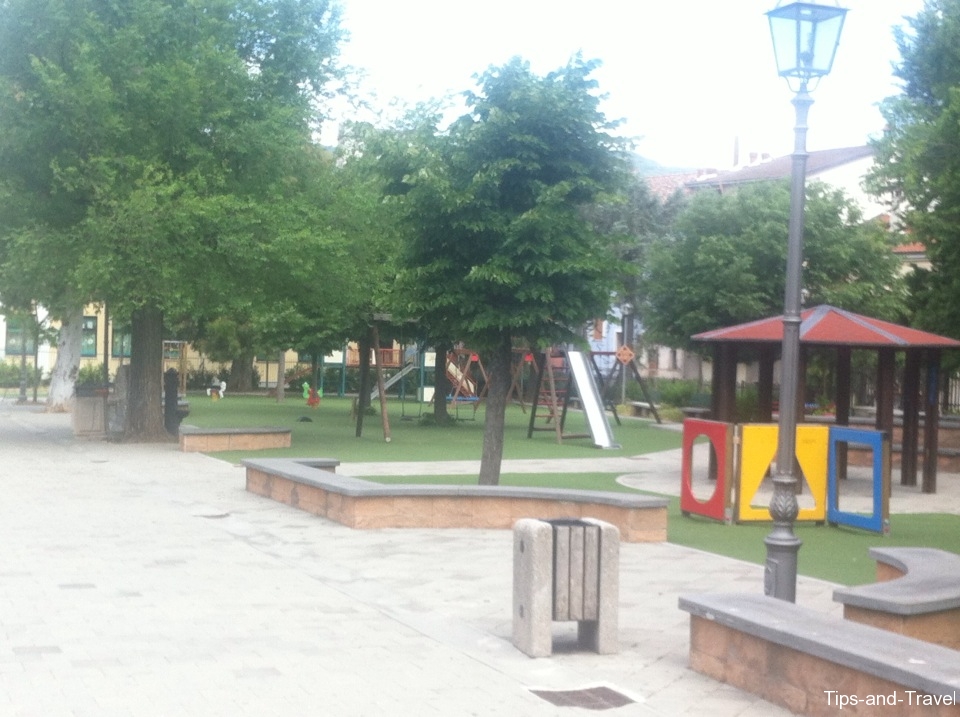
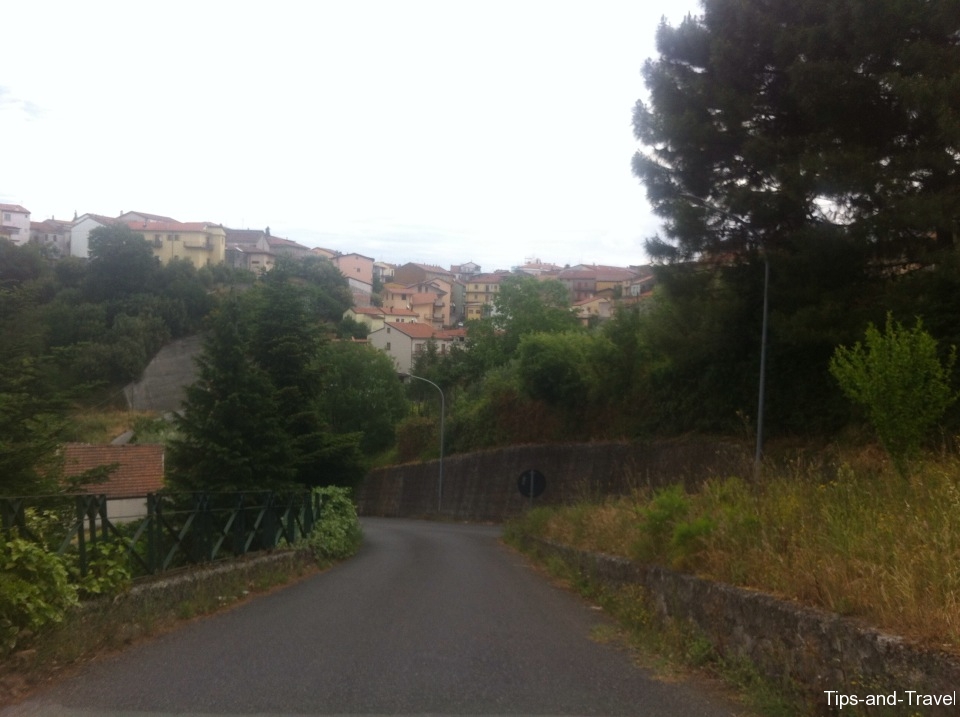
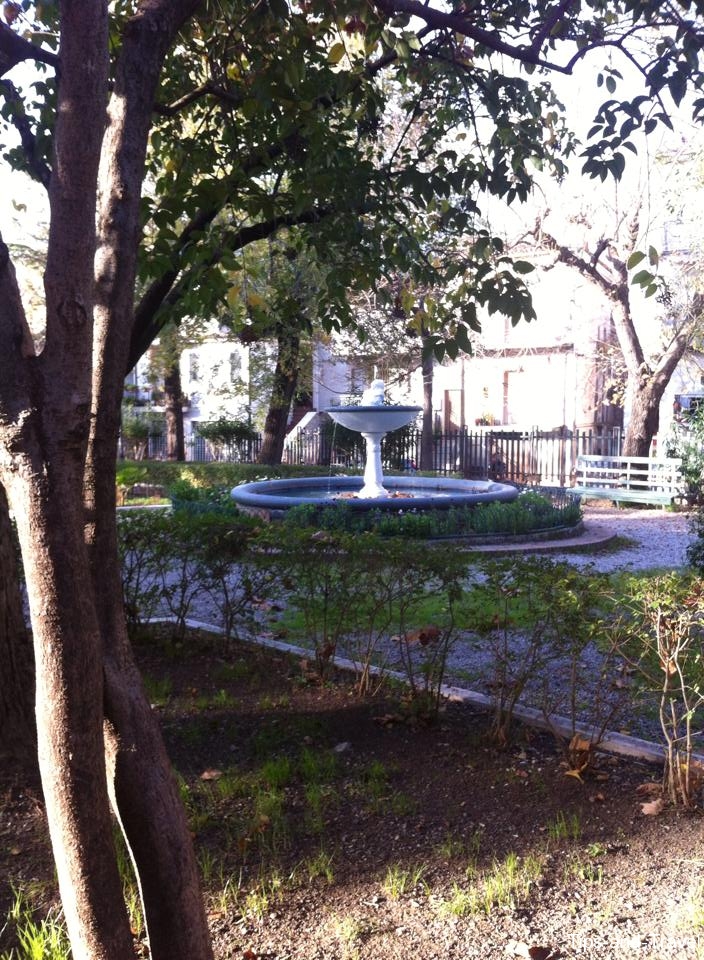
Francavilla in Sinni or Francavilla sul Sinni is an Italian commune in the province of Potenza, Basilicata. It is at 421 m, in the southern part of the province. The area, enclosed between the rivers Sinni and Frida alternates mountainous areas (Caramola), and areas of hills and mountains, forests of beech, oak and fir trees. We also find three small lakes: Lake Viceconte, Fish Lake and Lake Erba. In the region Piano Lacco there are remnants of fortified structures that possibly date back to the Middle Ages. On the hill of Mount Catarozzo are the remains of the medieval Rubbio Castel. Nearby are the possible destinations for excursions and walks: the Rifugio Acquafredda, the source Catusa, the field of House of Count, scenic spots of Pietra Sasso from Palladoro and heights of Mount Catarozzolo and Timpa Altosana. Part of the land is included in the Pollino National Park. To see: the Sanctuary of the Madonna of Pompei (XIX), the Certosa of Saint Nicolas, dedicated to the saint of Bari, the chapels of St. Anthony, St. Joseph and the Assumption, and the parish church of San Felice and San Polycarp, dedicated to the patron saints of the country, among others. The main Francavilla in Sinni soccer team is the Football Club Francavilla. We also find the stadium Nunzio Fittipaldi, for soccer and also for other activities.

Tips

If you like traditional festivals of the country, visit Francavilla on December, 8th, where it is celebrated the wine festival, called Madonna di Pertusavutte, during which you bleed the barrels and you taste the new wine.
Gonfalone Square offers panoramic views of the Sinni River valley. A nice place to enjoy and take pictures.

Antonio Grimaldi’s photos