Iguazú Falls, Argentina

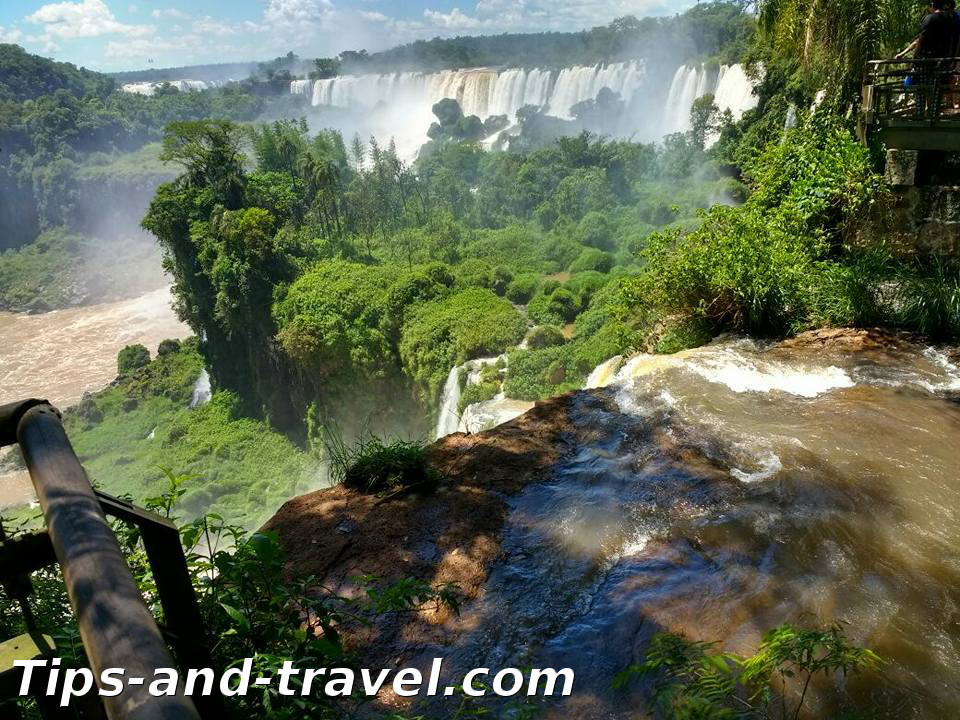
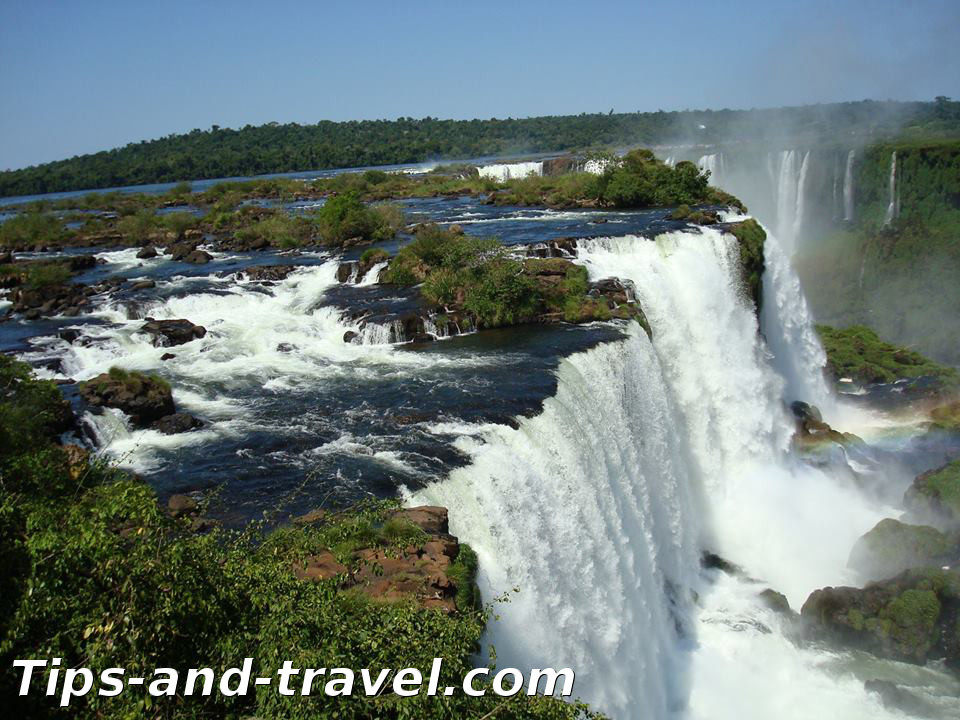
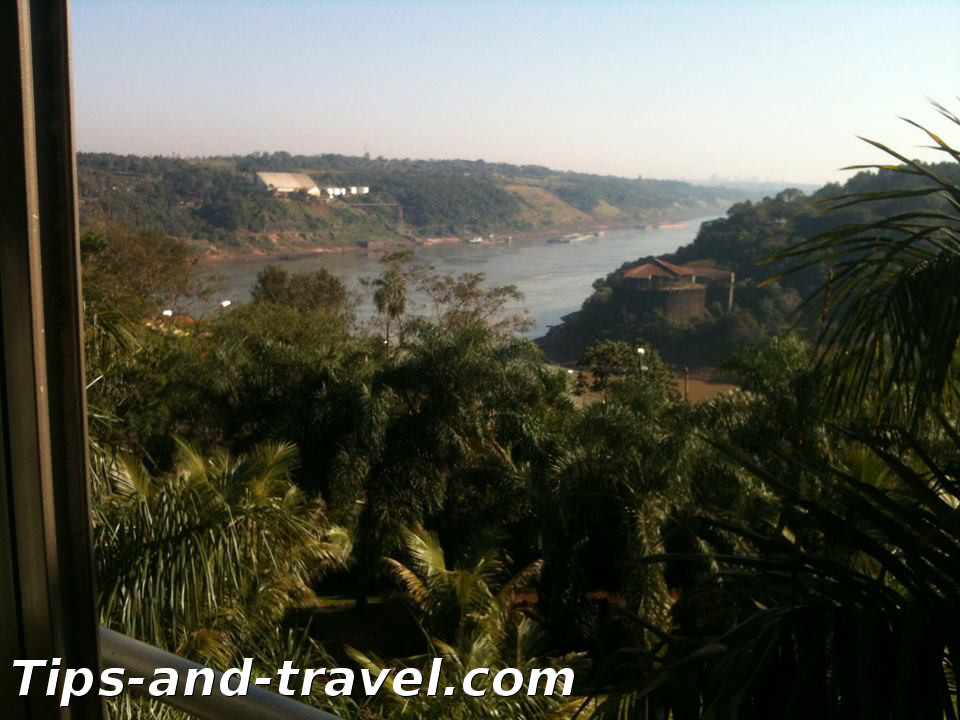
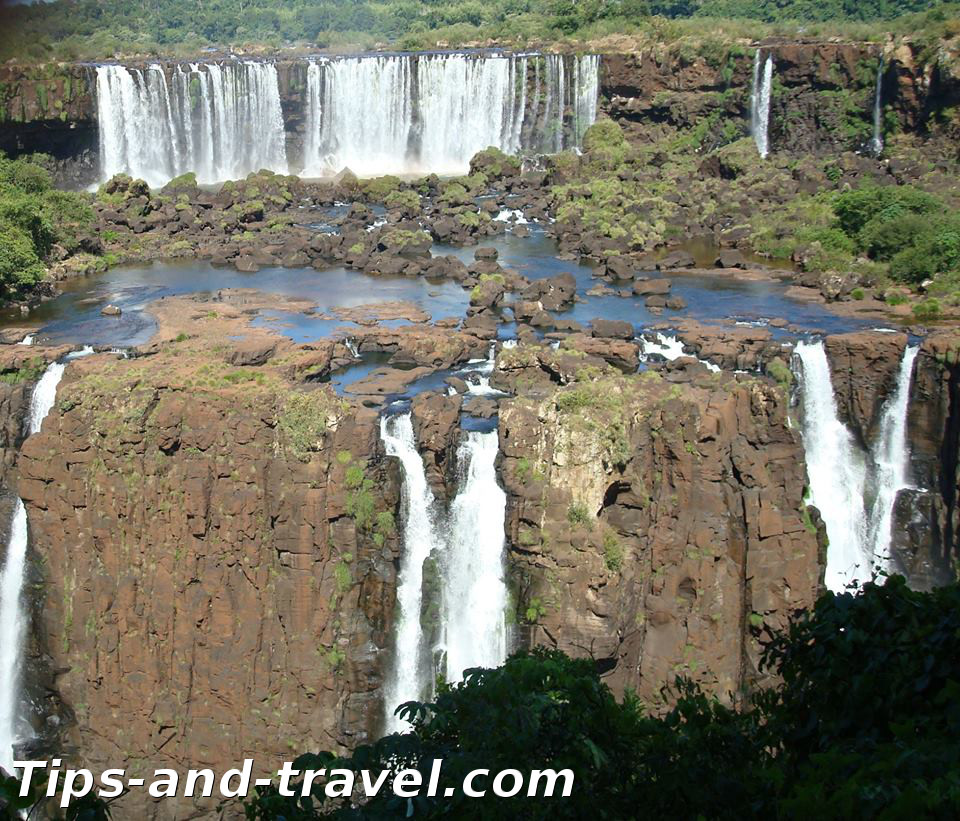
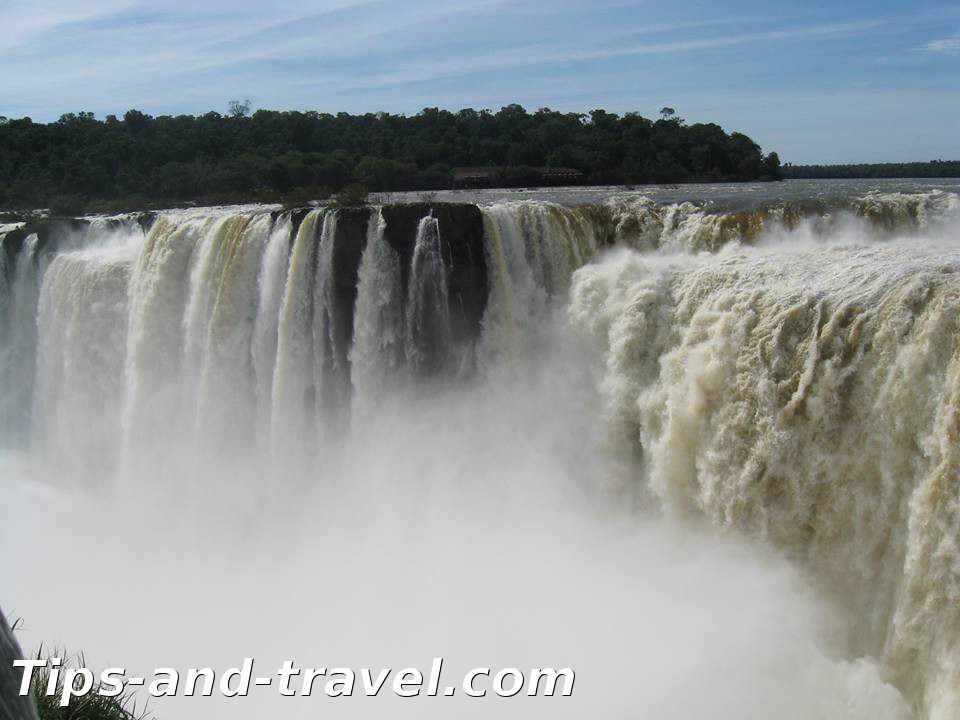
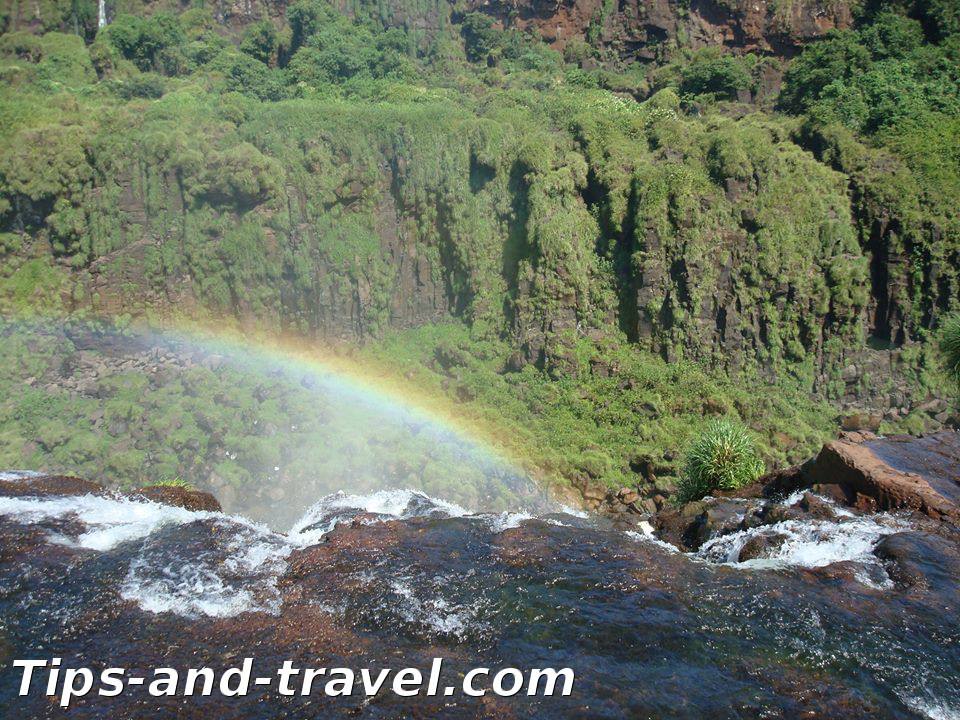
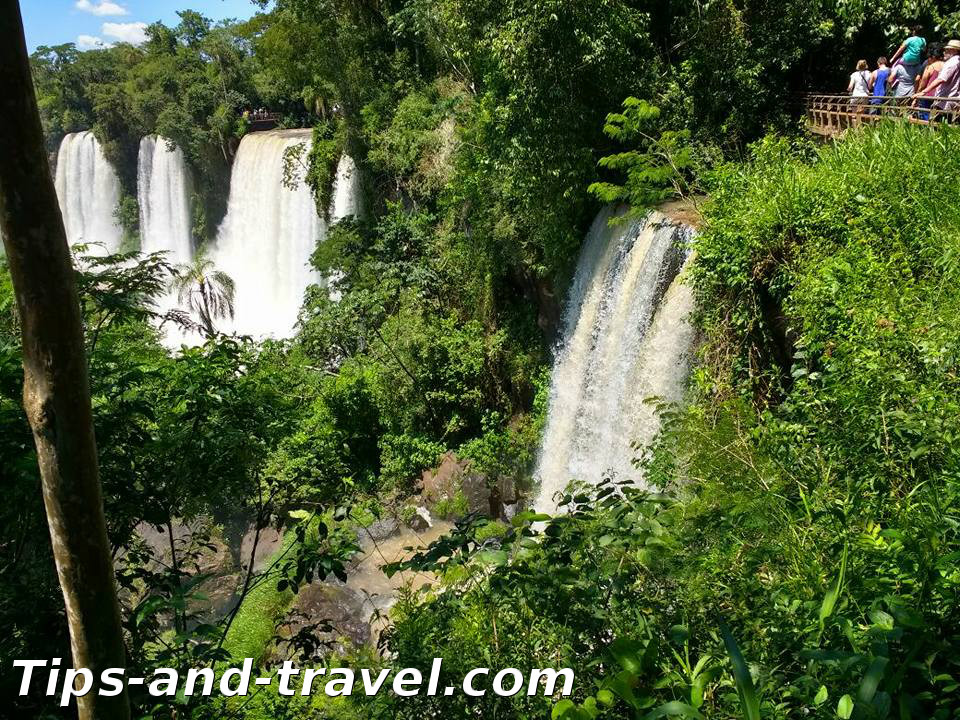
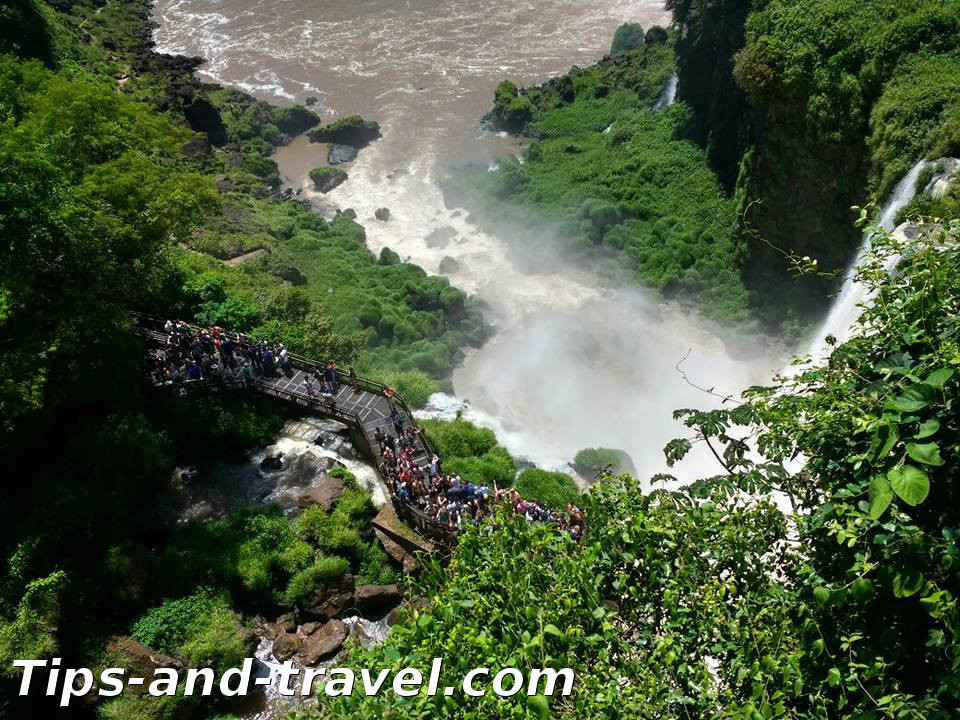
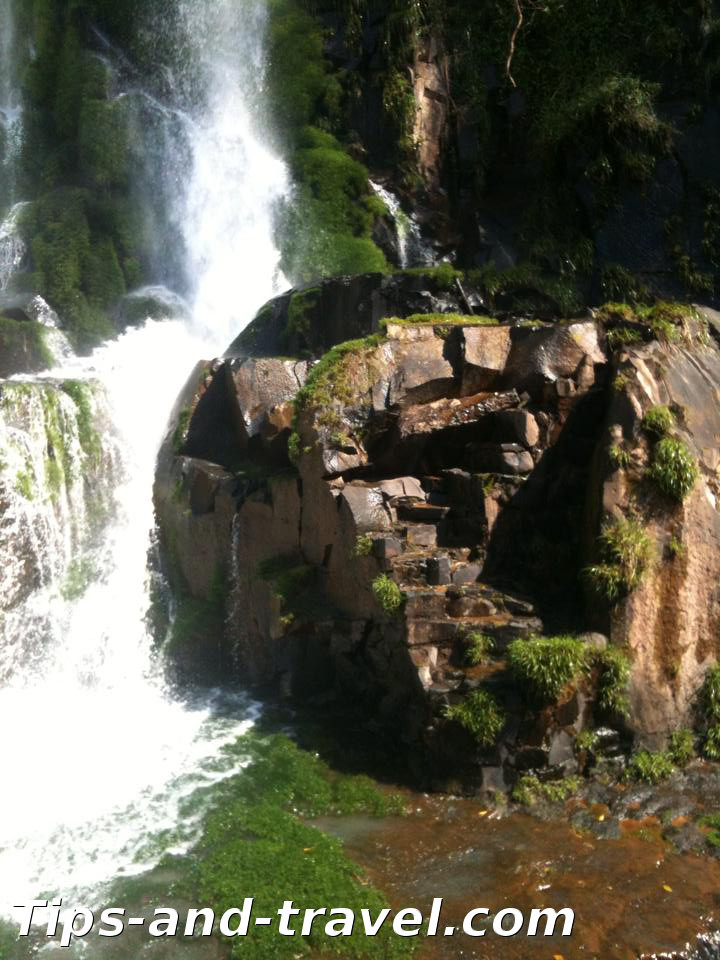
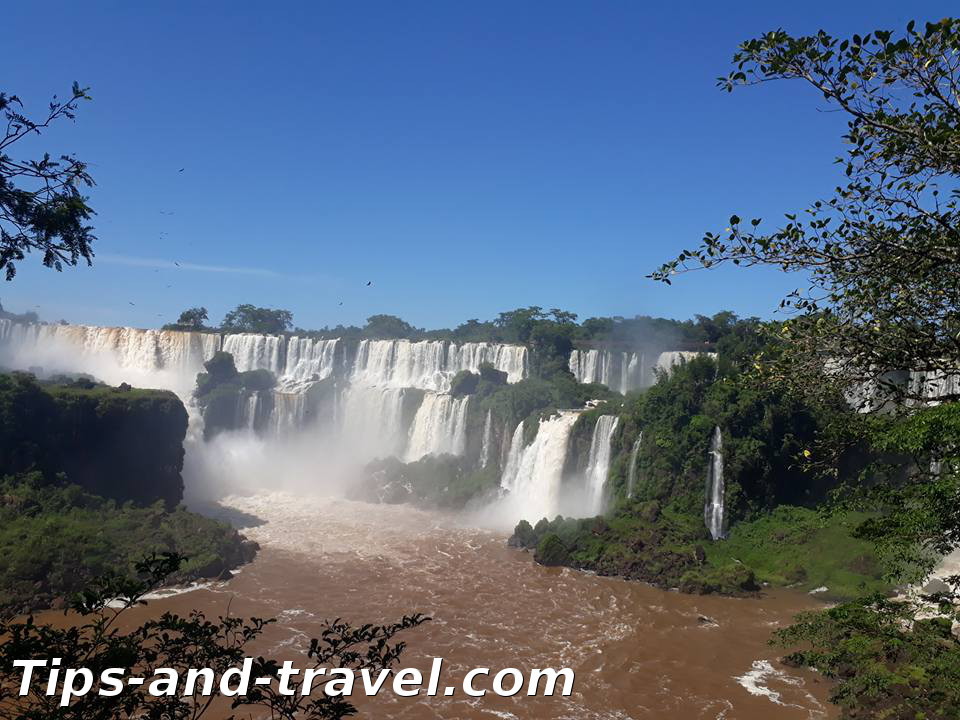
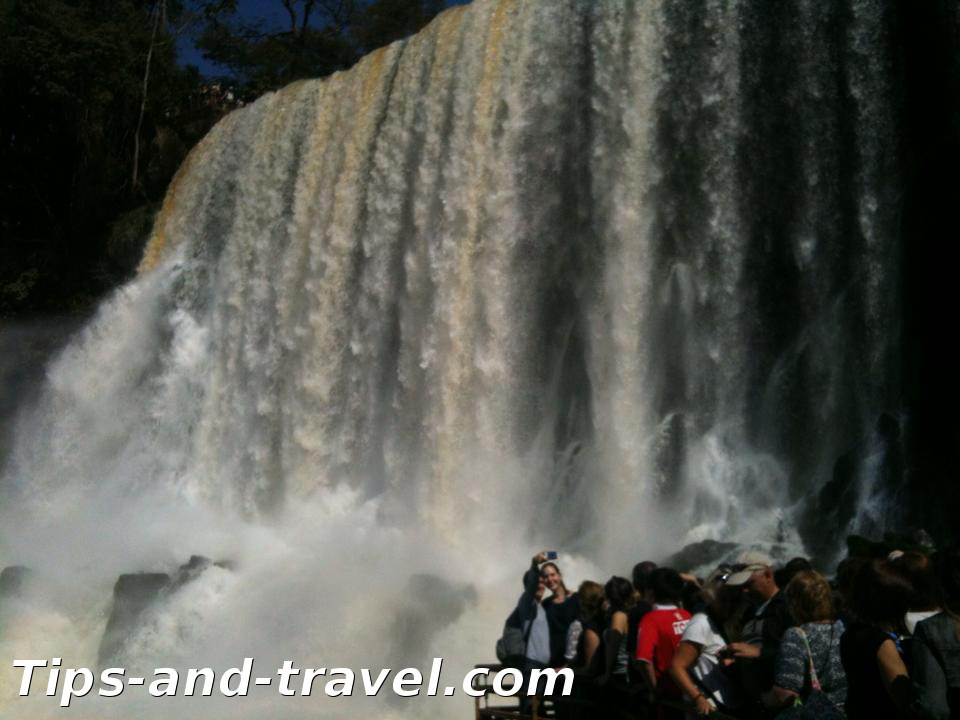
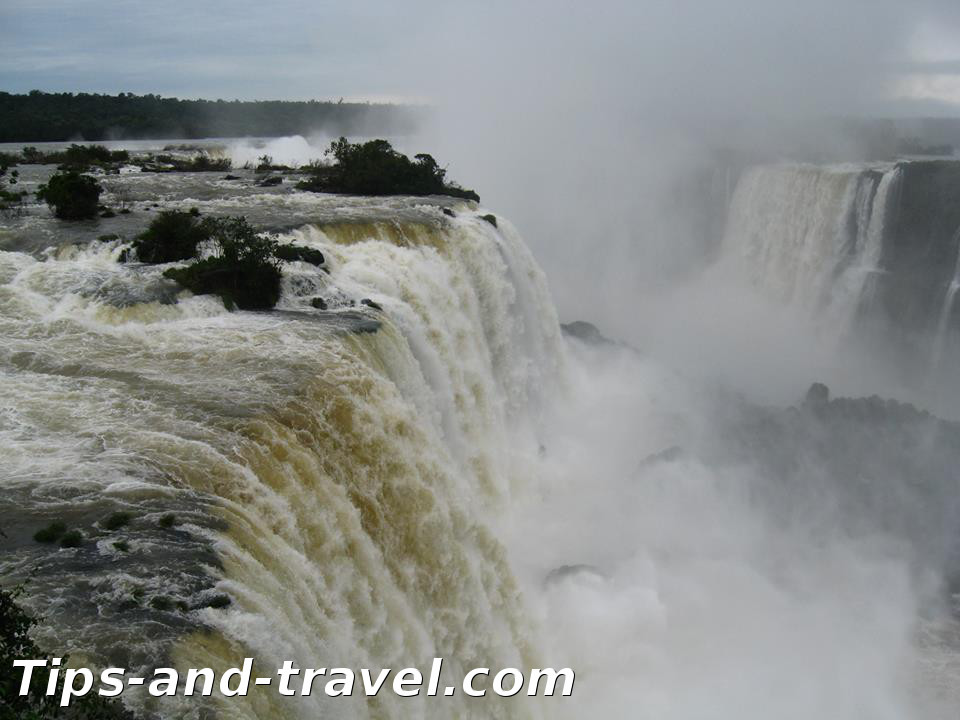
The Iguazú Falls, located in the middle of the rainforest, on the border between Argentina and Brazil, very close to the junction with Paraguay, is a UNESCO World Heritage natural wonder. In Guaraní, Iguazú means ‘great waters’. They are 17km north of Port Iguazú and 1350km from Buenos Aires. There is a national park on the Argentine side and another park on the Brazilian side. It is a set of 275 waterfalls of about 3 km, the best known is ‘The Garganta del diablo’ (Devil’s Throat) which is U-shaped and 700 meters long, 150m wide and 82 m high. The set of cascades pours up to 6 million liters of water per second. The majority of the falls are on the Argentine side and there are several tours that allow us to approach up to a few meters from the falls. The circuits were built in the middle of the forest and below the branches of the river (Paranà river whose Iguazú river is a tributary). A train takes you to different points of visit. In the parks there are over 2000 floral species, 400 bird species, and a wide variety of mammals, reptiles and insects. Many filmmakers from around the world have chosen this wonderful place to shoot their films.

Tips

It is a great place to visit in a long weekend but if you can not take several days, at least dedicated 2 full days to the falls to have the opportunity to visit both sides, it’s worth it! The bigger park is in Argentina since the falls are almost all in Argentina but the vision you can have of the whole Brazilian side is simply breathtaking.

Do not miss the boat trip to get even closer to the falls. Of course you are going to get wet but it is a beautiful feeling and the sound of the falls is sometimes deafening. You will not regret for a second this experience.

If you are allergic to insects, wear a long-sleeved shirt and pants but a cool fabric because it is almost always warm and it is quite humid. It’s best to wear sport shoes to better walk the circuits and not to slide in wet places.

It is not recommended to feed the animals. One of them; the coati, who is quite accustomed to the tourist and always approaches knowing that people always tend to give them something. Try not to change their natural habitat.
Bridgetown, Barbados

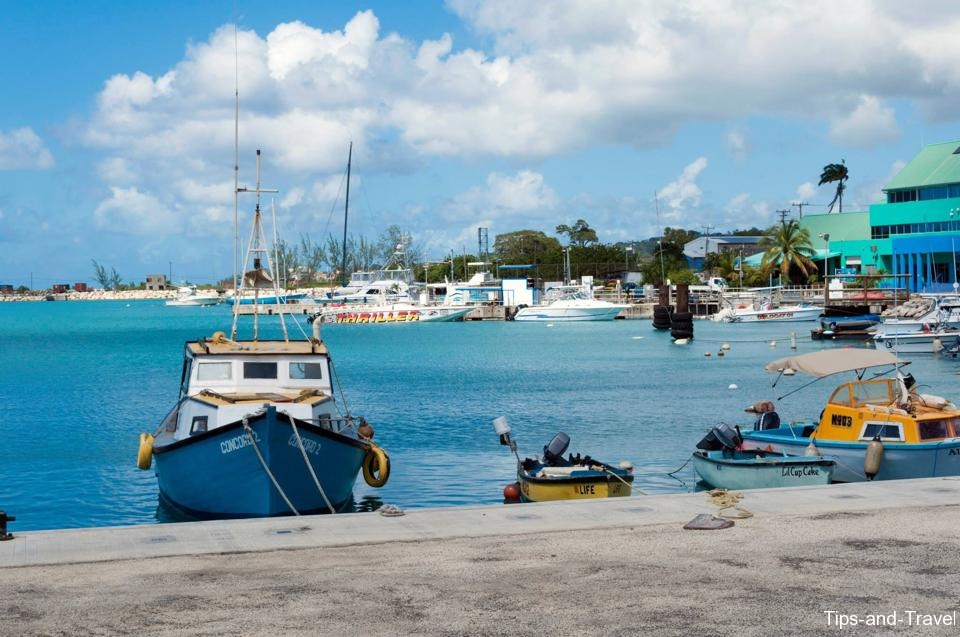
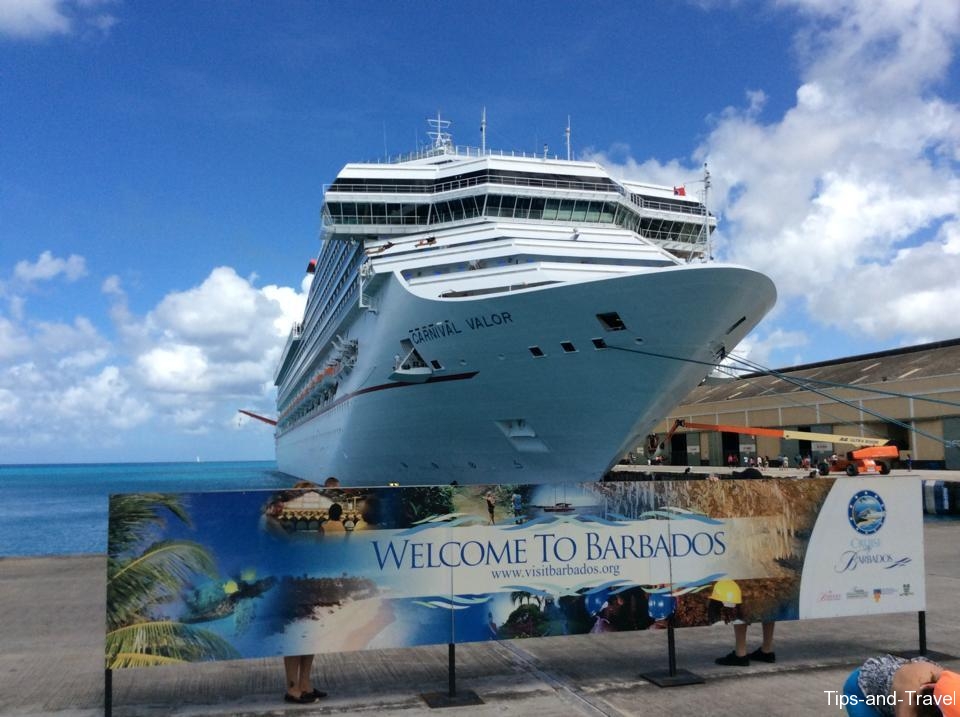
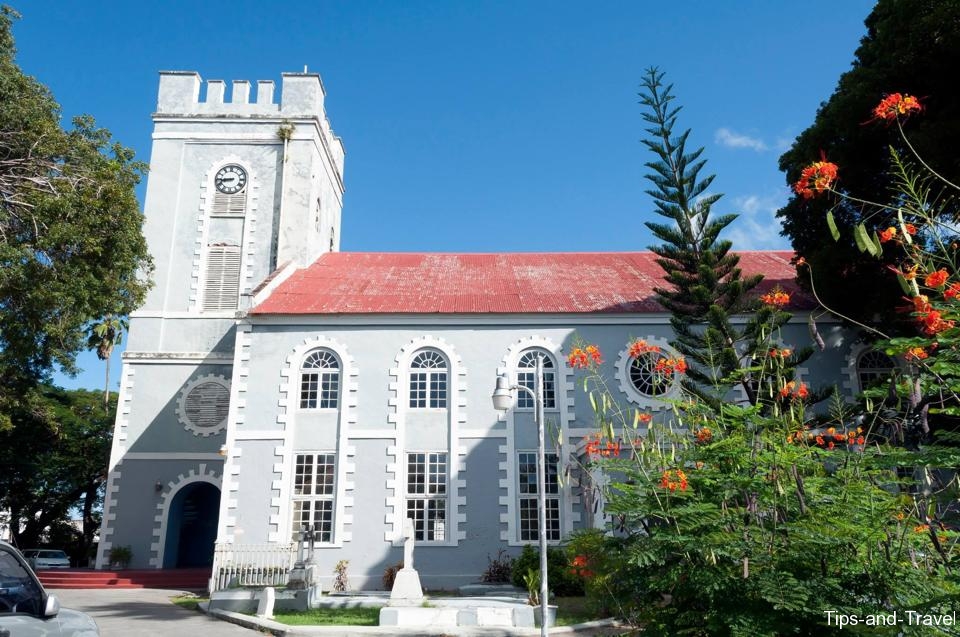
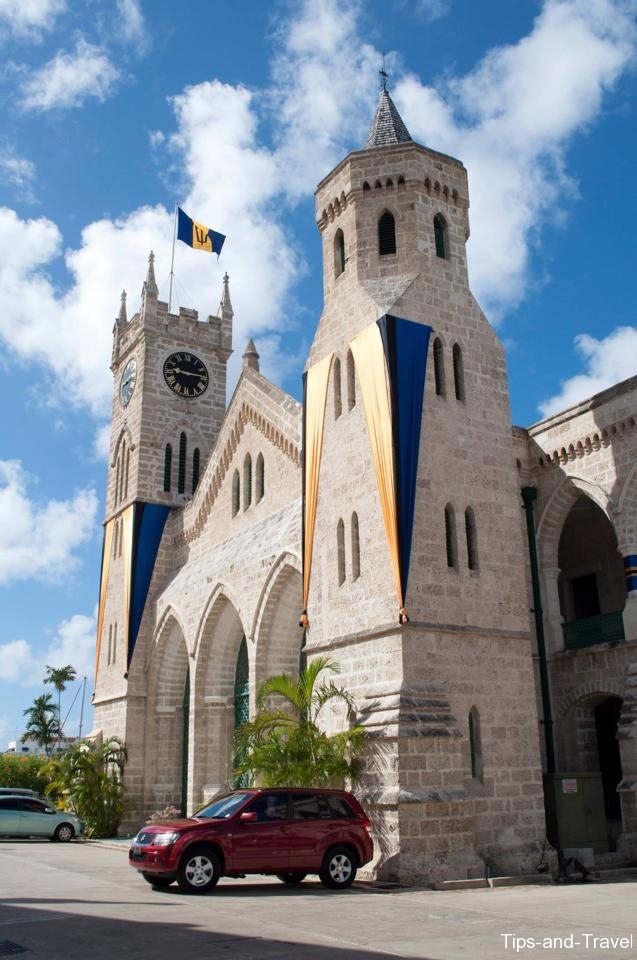
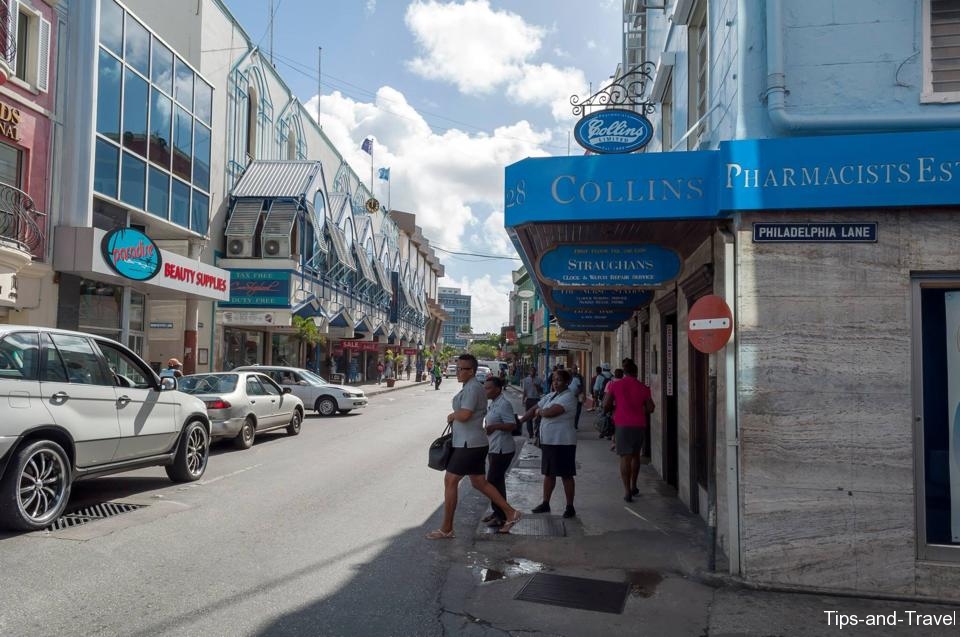
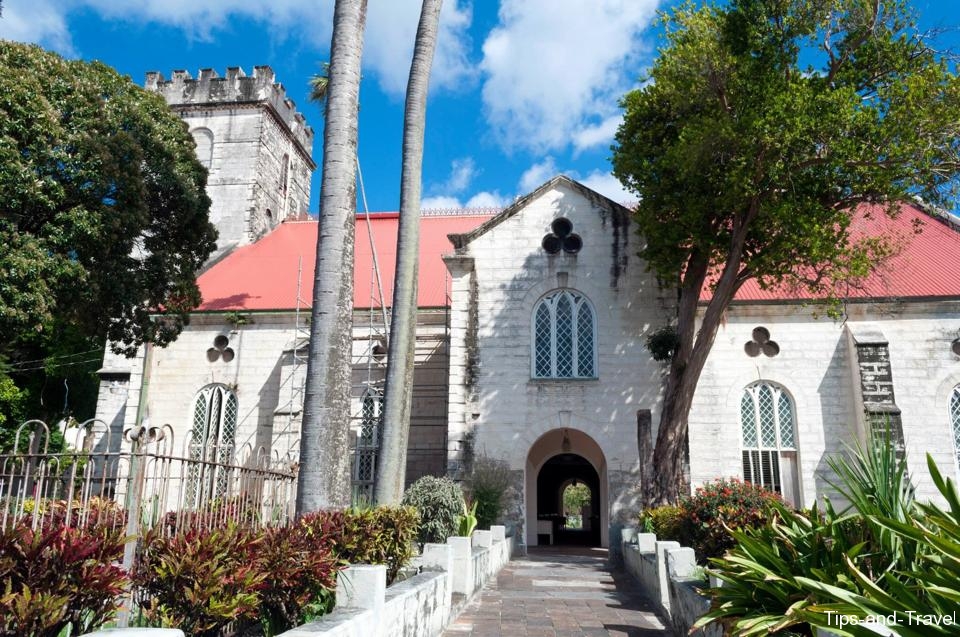
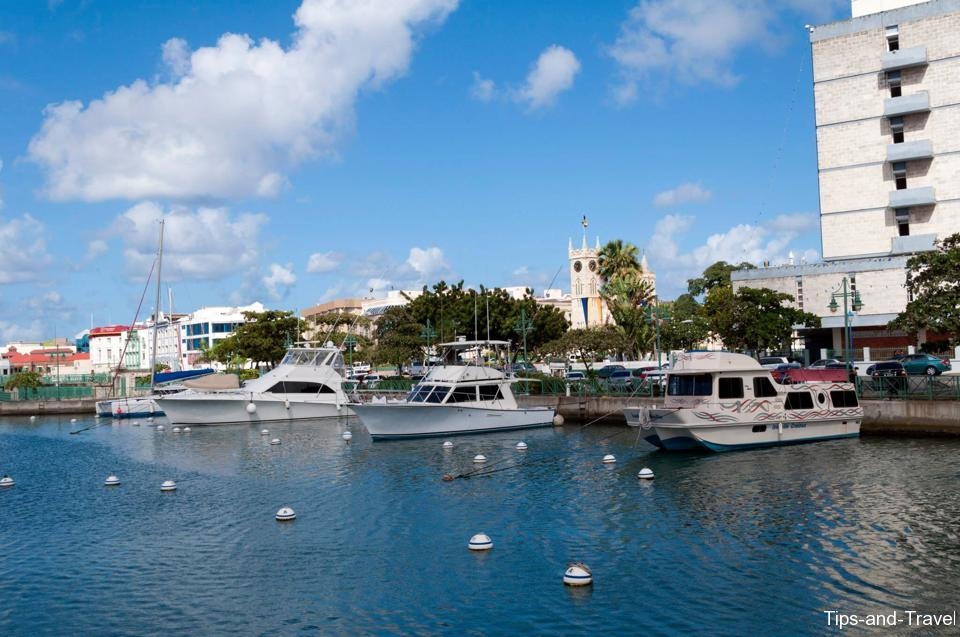
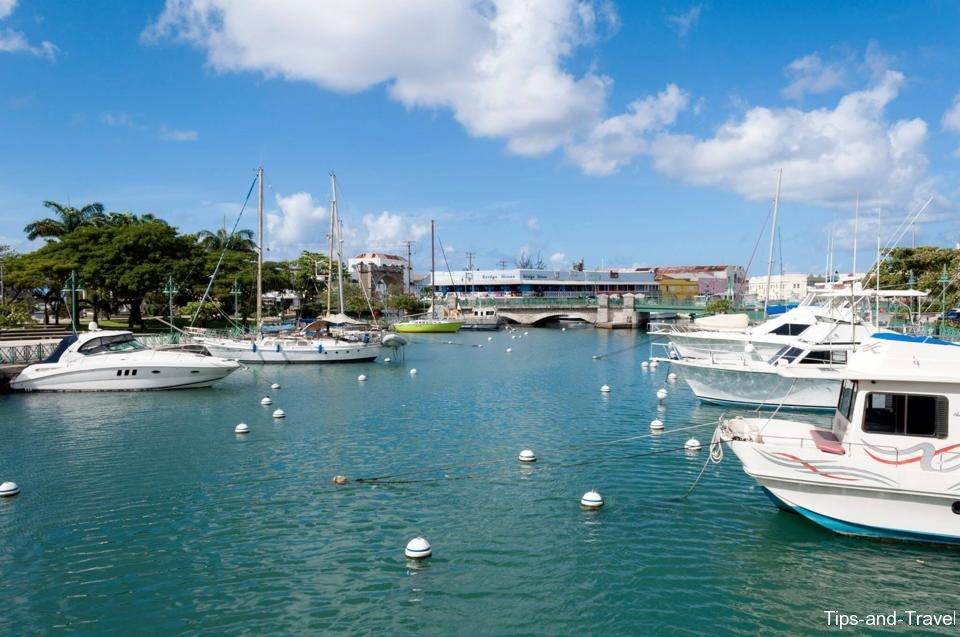
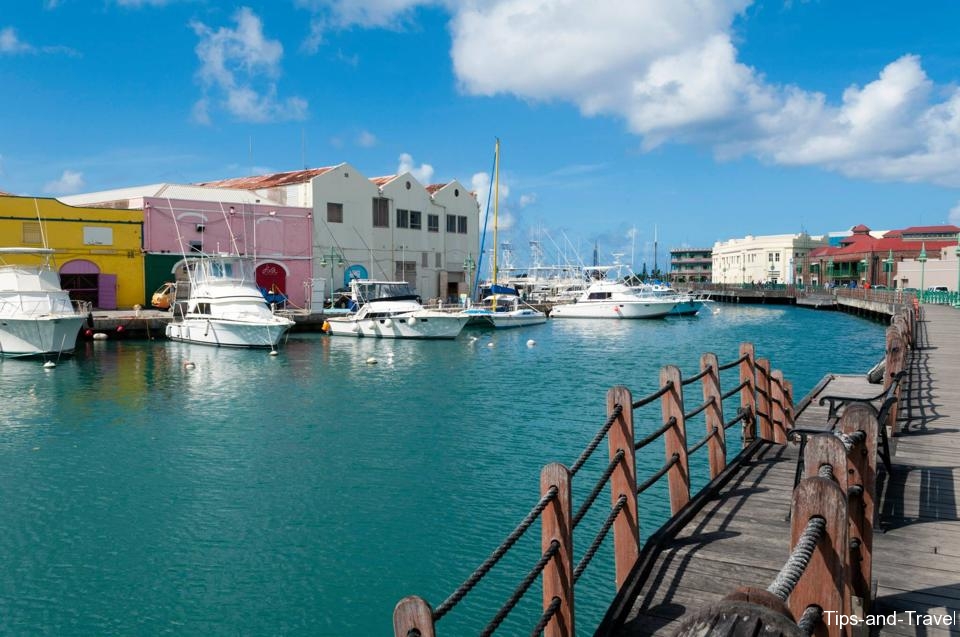
Bridgetown is the capital and the largest city in Barbados, founded in 1628 by British settlers; located on the southwest coast. With a population from different nationalities, 80% are of African origin. Bridgetown is a very important tourist destination of the Caribbean, it is very often a destination for the congress. Its warm but not arid climate where the monthly average temperature does not fall below 18 ° C. Its port is located on the southwest coast of the island and welcomes numerous cruise ships. The main products exported from the island and through the port are sugar, molasses and rum. To visit: the Anglican cathedral (18th century), the houses of Parliament, Trafalgar Square with the statue of Admiral Nelson (based on the one in London), the Royal Park, the colonial garrison and the stadium Garrison Savannah which hosts international cricket matches. The Garrison Sainte Anne de Bridgetown, known simply as the garrison, is a historical area which contains buildings such as the barracks and fthe ort St. Ann. The historic moment for the last lowered flag of the United Kingdom and the first survey of the flag of Barbados, marking its independence, took place in this area.

Tips

If you visit the city by making a cruise stopover, you will find many people who will try to sell you a tour or they will offer you a taxi, it is your decision if you wish to accept their offer, but if you only want to visit the beach, the public beach is 20-30 minute walk and it’s worth a little walk to relax under the sun later.
If you like museums, the historical Museum has interesting collections in geology, history, decorative arts, as well as important material on the flora and fauna marine.
If you like orchids, you can visit Orchid World, it is at the centre of the island of Barbados with more than 30,000 orchids as well as other flowers of tropical climate. You can go by bus, it takes 1 hour to get there.

Festival des Neiges of Montreal, Quebec, Canada

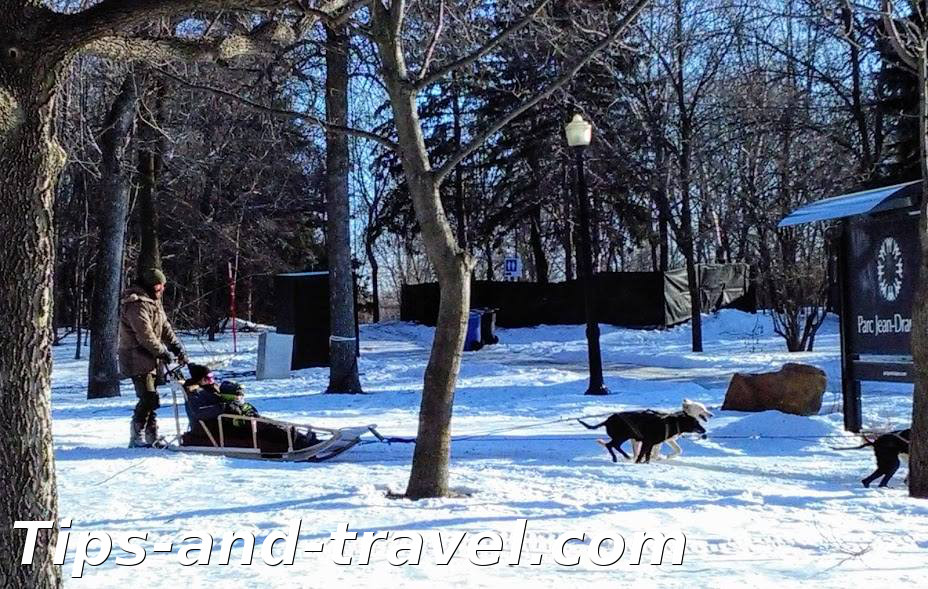
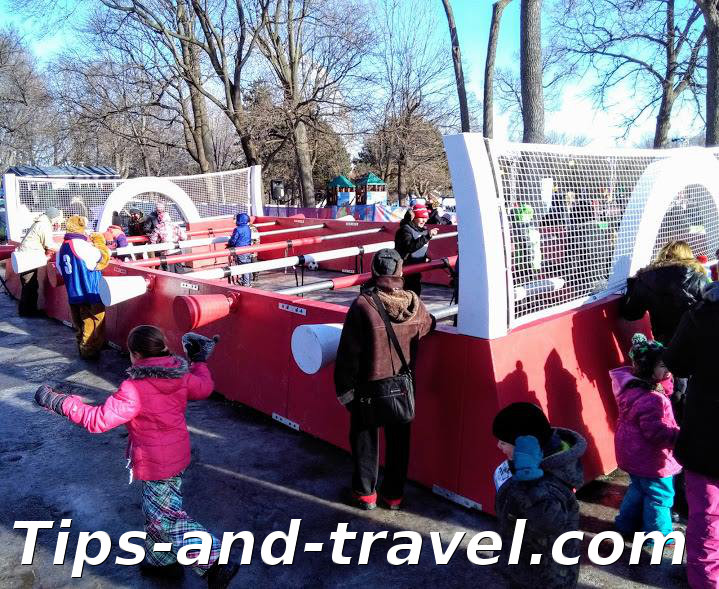
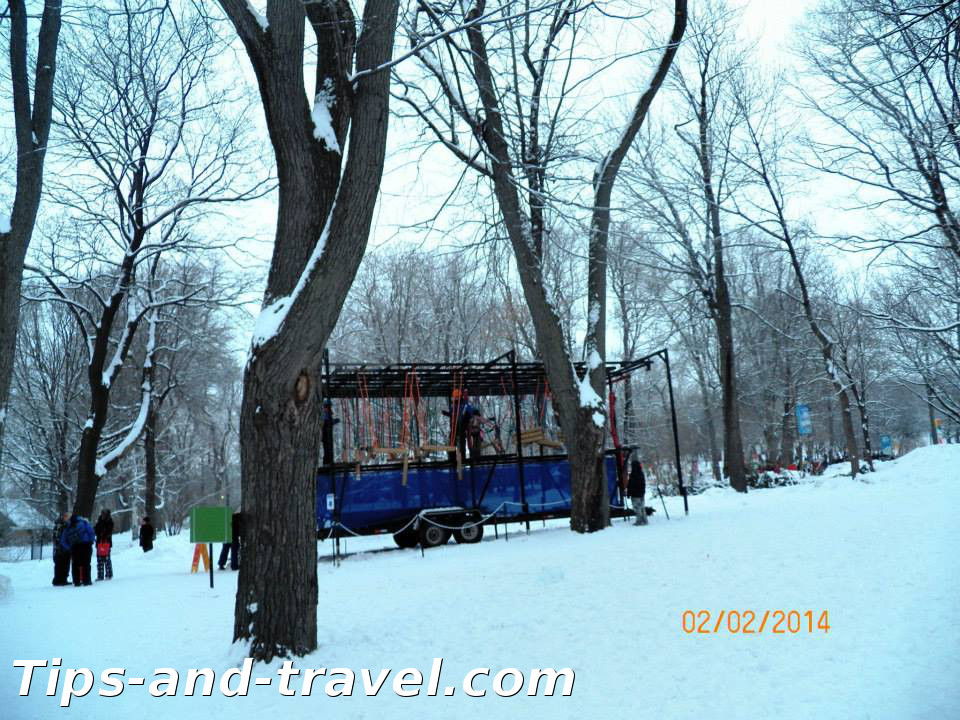
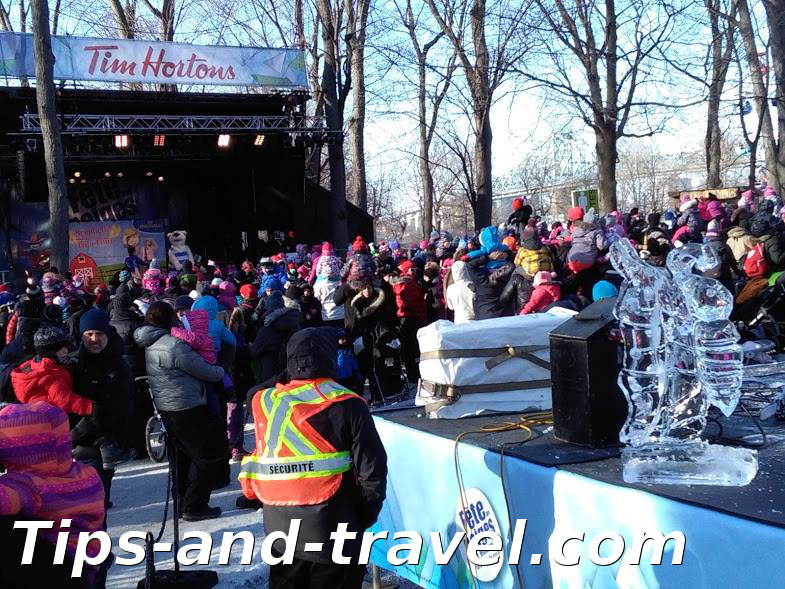
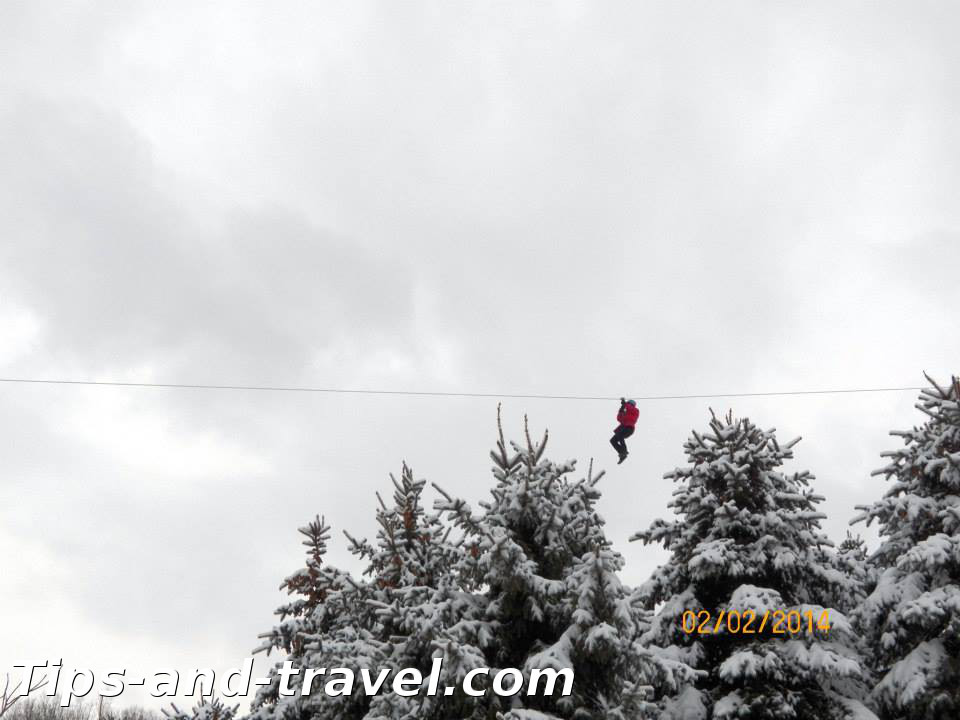
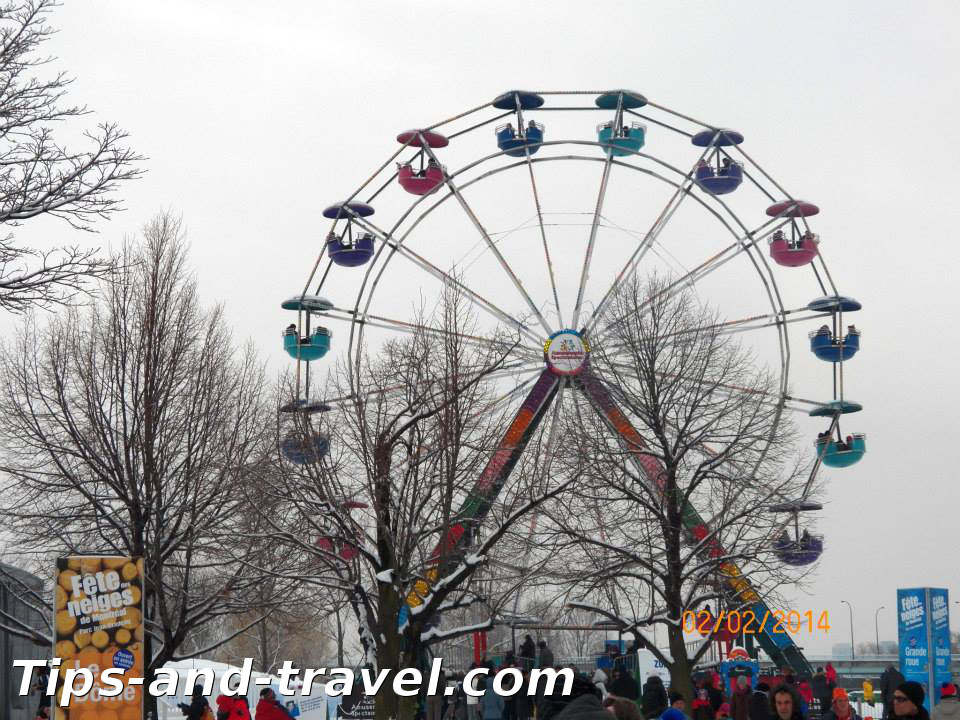
The Fête des Neiges de Montréal is an event that takes place every year over several weekends. This time, it will be done at Espace 67, the new field for events at Parc Jean Drapeau, from January, 18th to February, 9th. There are a lot of winter activities there: slides, dog sleds, skating, ice sculptures and shows, among others. There is a gourmet space with several restaurateurs but you can also bring your lunch and have it at the chalet in the space reserved for that.
Tips

The best way to get there is by metro and get off at Jean-Drapeau station. If you prefer to go by car, you have to pay for the parking.
Purchasing your pass will give you unlimited access for the duration of the event. Children 2 and under do not pay and there is the possibility of buying a little bit cheaper family package for 4 people (2 adults-2 children).
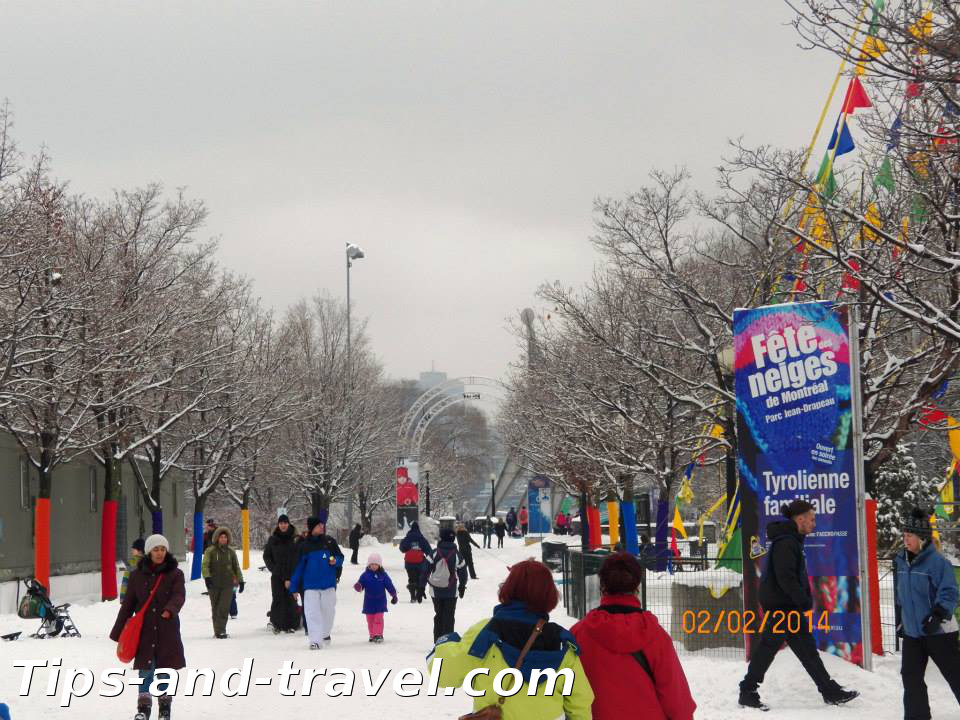
You can bring your skates, your utility sledge or your snowshoes or simply rent them on site.
Open Saturday and Sunday from 10 a.m. to 6 p.m.