Galerías Pacífico, Buenos Aires, Argentina

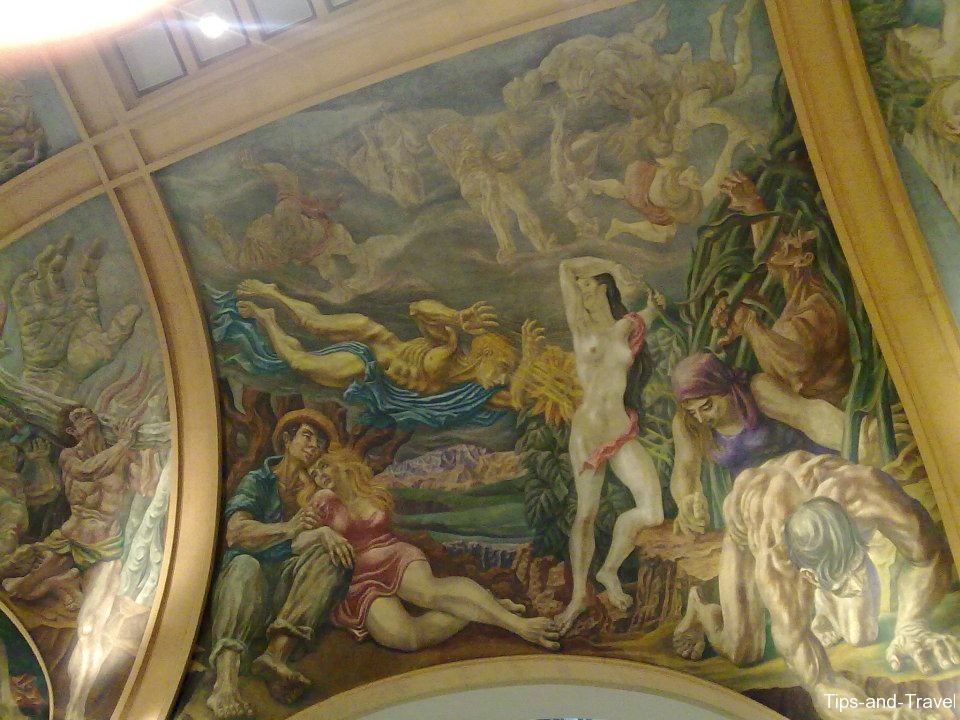
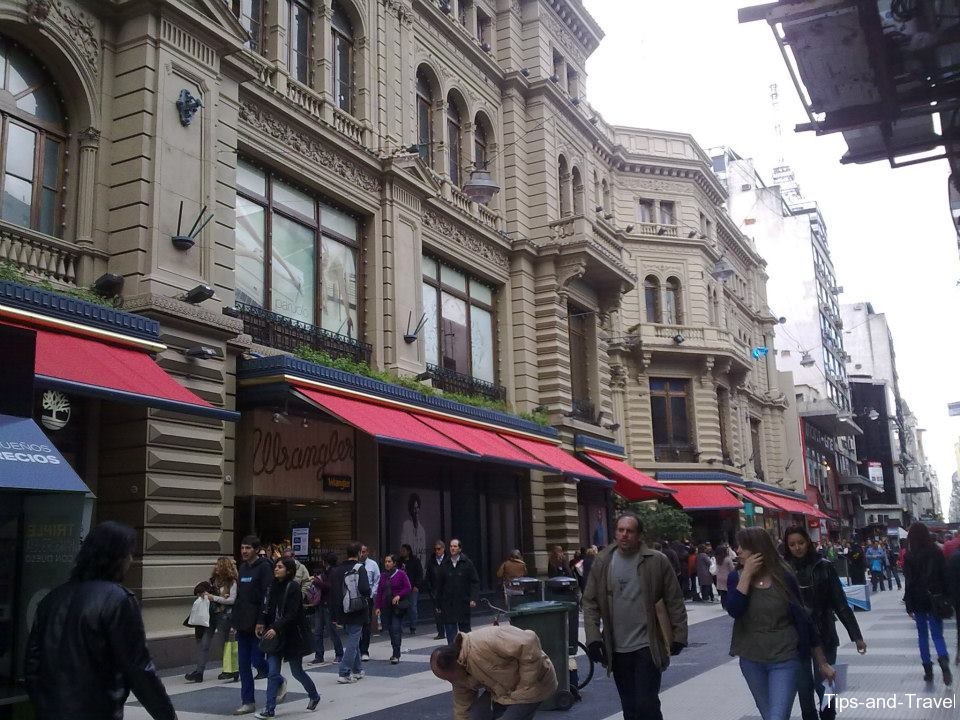
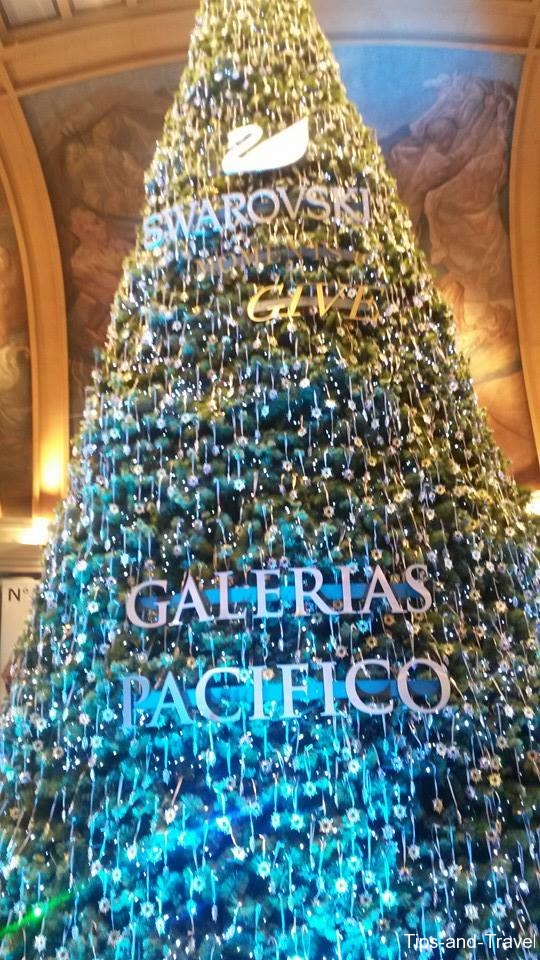
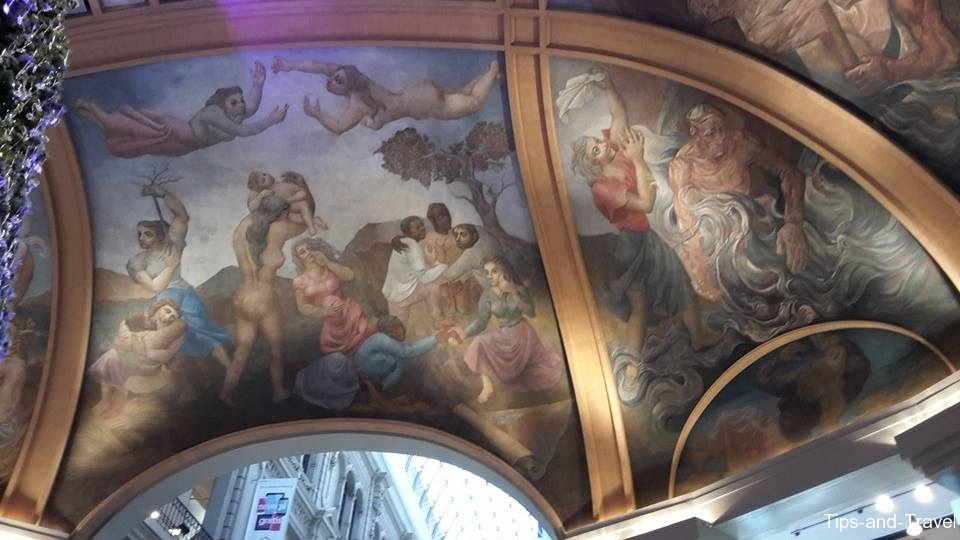
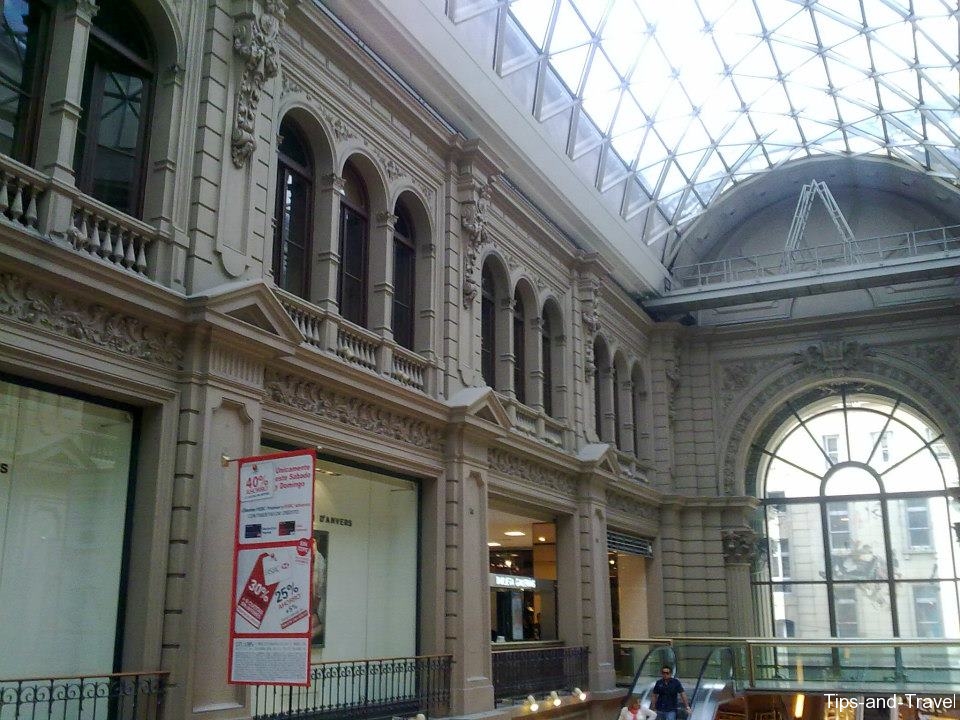
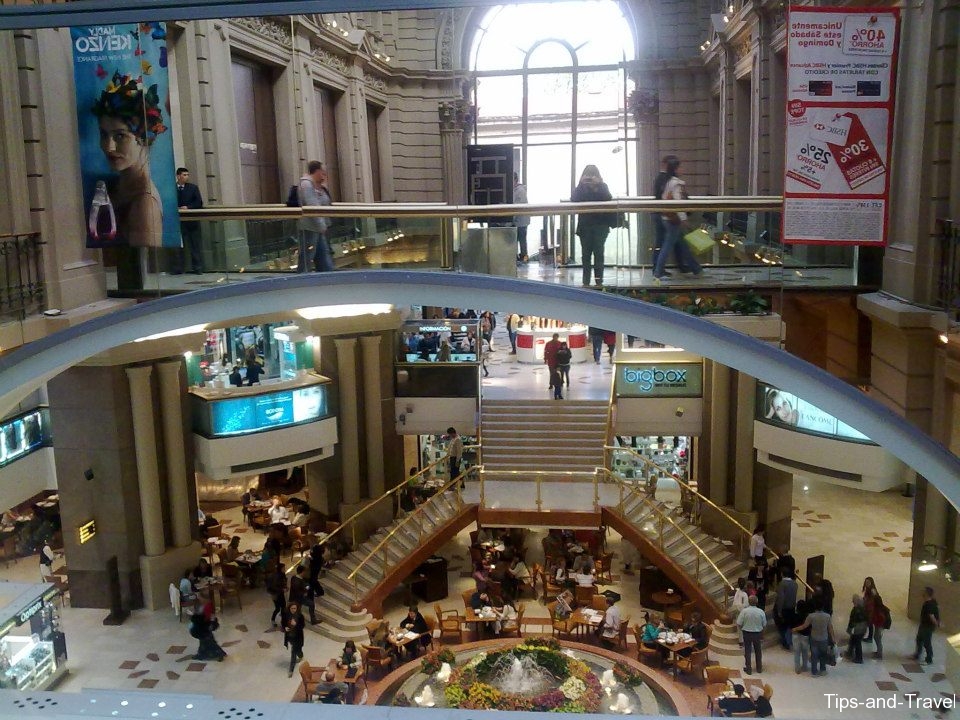
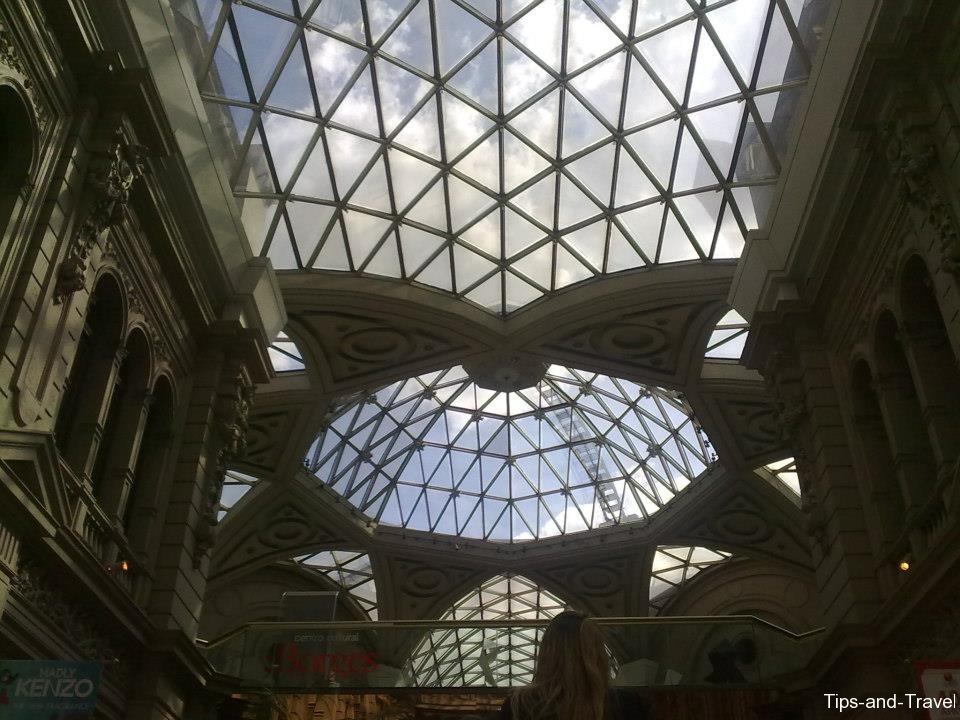
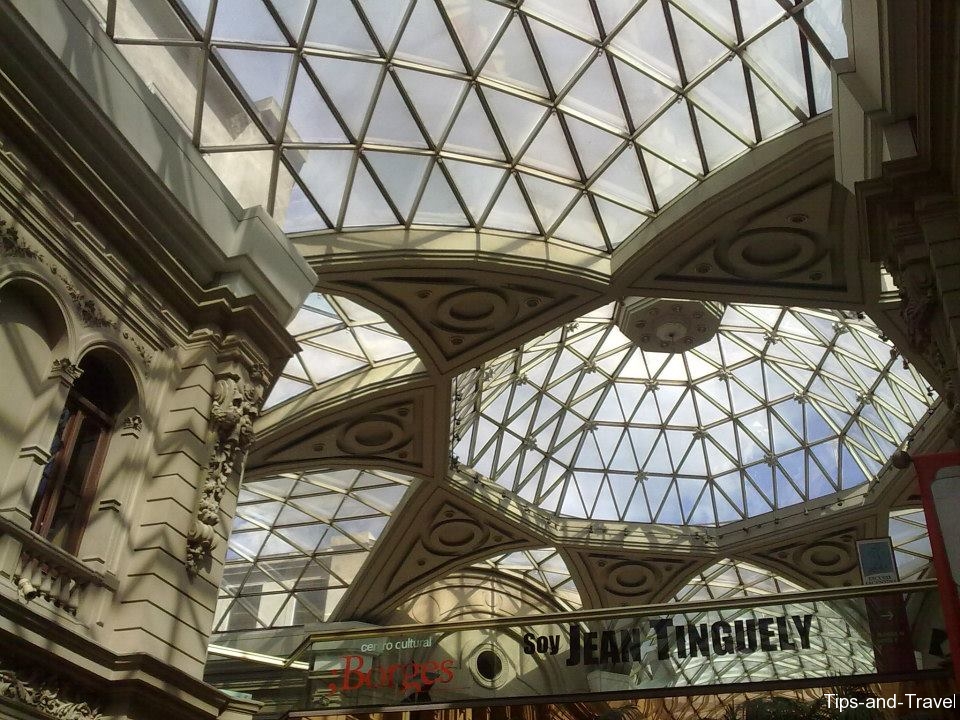
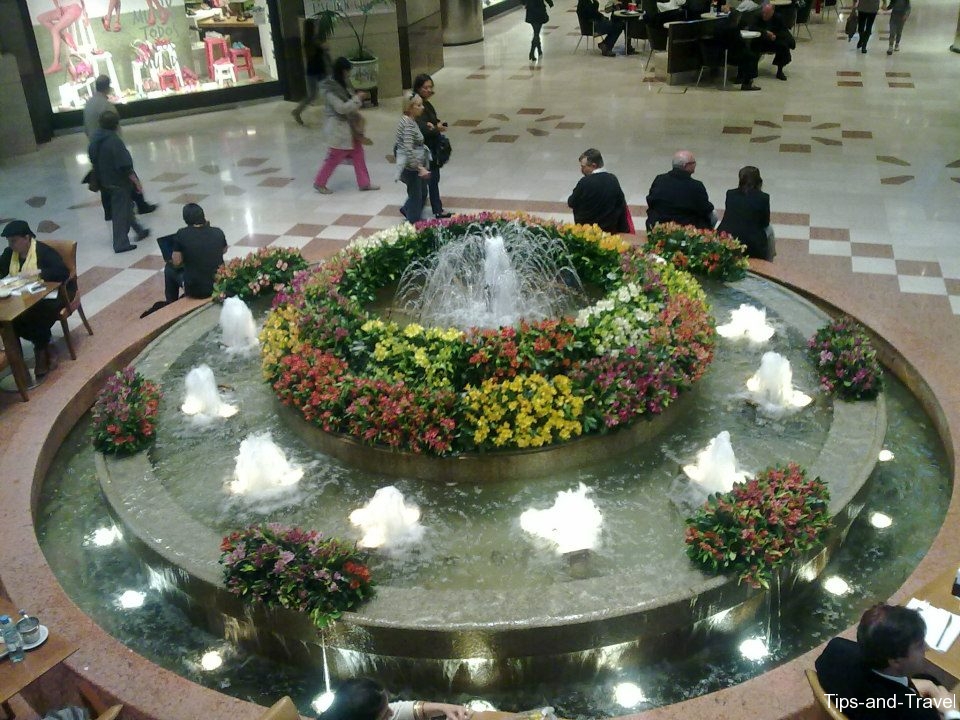
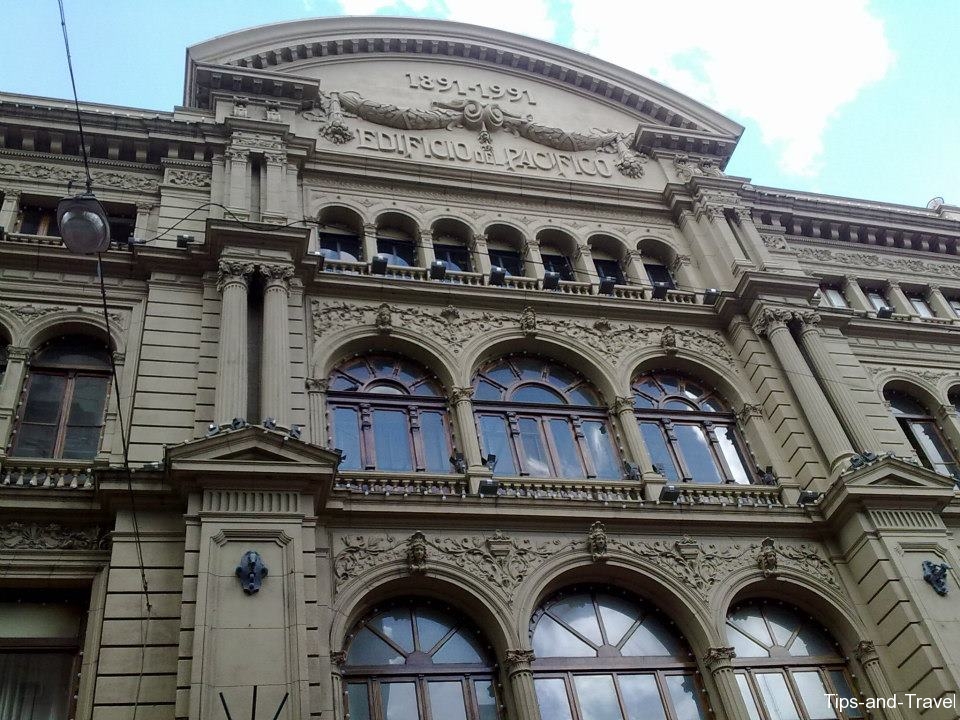
Galerías Pacífico is one of the largest and most traditional shopping centers in Buenos Aires. This is the most frequented by tourists, the shopping center is home to the prestigious international brands, has a major restoration and the prestigious Borges Cultural Centre is located in an area of the building. It occupies an entire block and the streets surrounding it are Florida, Córdoba, San Martin and Viamonte. The building was built in 1881 as a commercial place to a shop by departments ‘Au bon Marché’, at this time, one of the most important in the Argentinian capital, it welcomed since 1896 the Museum of fine arts, today located in another place. In the year 1908 a part of the building was sold to the Buenos Aires Pacific Railway, from whom it took its current name. The emblem of the Galerías Pacífico was established in 1945 and at the same time they built the magnificent Dome with murals of the prestigious masters, Antonio Berni, Lino Spilimbergo, Juan Carlos Castagnino, Demetrio Urruchúa, and Manuel Colmeiro, being this last one the only foreigner one. In 1989 the building was declared a National Historic Monument and it was completely renovated and transformed in a luxury Mall. The project was made by the architect Juan Carlos López. At this time, four murals of Argentinian artists have been incorporated: Roux, Alongo and Josefina Robirosa. Its beautiful architecture and works that contains make that tourists consider it one of the most beautiful malls in the world.

Tips

Do not forget your camera when you visit this mall because you will regret it deeply. It is one of the few commercial places where buy remains the second option before such artistic beauty.
You can take advantage of the visit to several things that also have nothing to do with shopping. This shopping centre has a concert hall and an exhibition room, then go to the information centre for more information on what is happening at the time of your visit especially if you like tango because tango shows are very demanded by tourists.
You will also find ATMs if you need to withdraw money from your bank account even as places to make international calls or Internet connection.
If you do not already know the “alfajores” (Argentinian typical pastry), take your time and enjoy one with a good coffee, at the cafe called “Havanna” (also one of the trademarks of the alfajores) which, according to the majority, are the best.

Costa Rica wildlife parks – Part 2

More than 25% of Costa Rica’s terrain is contained in national park, reserves, and refuges, protecting the country’s diverse wildlife and preserving the nation’s ecological heritage. Currently, 25 national parks, 58 wildlife refuges, 15 wetlands & mangrove reserves, 11 forest reserves, 8 biological reserves, and other protected areas comprise 161 total parks and 3,223,010 acres (1,304,306 hectares). here is the most visited park.


manuel_antonio_punta_catedralManuel Antonio National Park

Established in 1972, Manuel Antonio is one of the most visited national parks in Costa Rica due to its incredible wildlife viewing and pristine white sand beaches. Here, the rainforest meets the ocean–something one must see in person to truly appreciate.


Arenal-VolcanoArenal Volcano National Park

The Arenal National Park is on every tourist’s must list and while its perfect cone is sometimes hidden away under the clouds, no one ever leaves this area disappointed, quite the opposite. The park protects sixteen reserves that are located between the Tilaran and the Guanacaste mountain ranges. The Arenal Volcano is said to be one of the most active volcanoes of the world.


corcovado-national-parkCorcovado National Park

Corcovado is a true wonder of the world, a magical place in the southern part of the Pacific Coast of Costa Rica, in the Osa Peninsula. It was declared by National Geographic to be one of the most biologically diverse places on Earth.


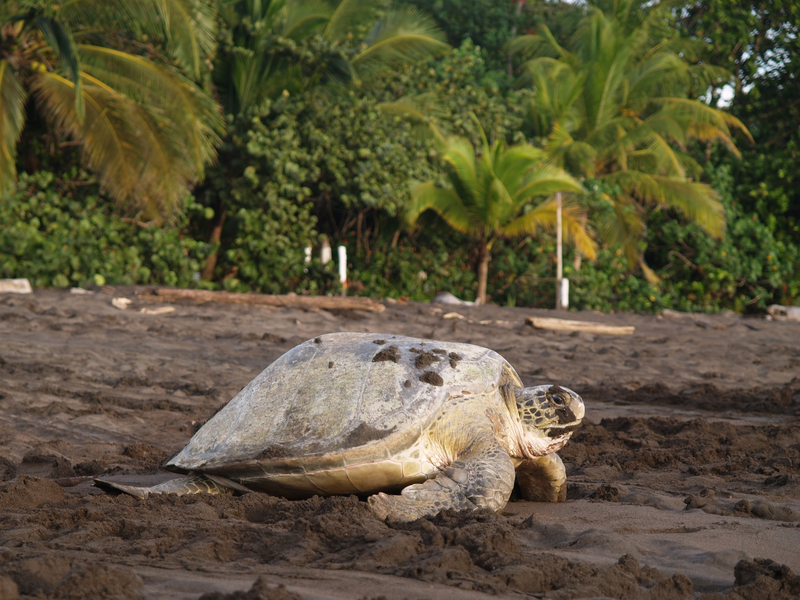
Sea turtle in Tortuguero National Park, Costa RicaTortuguero National Park

Located in the northeastern region of Costa Rica, Tortuguero National Park is the third most popular park in the country. This park is part of the larger Tortuguero Conservation Area whose aim is to protect endangered species in the region.


CararaCarara National Park

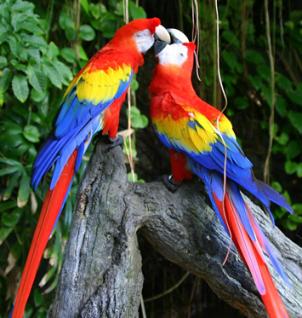
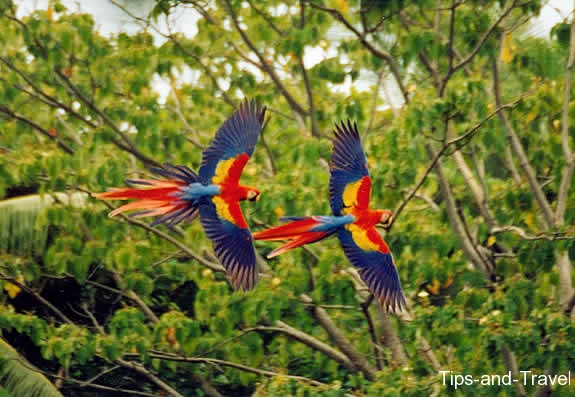
Carara National Park sits near the Costa Rican Pacific coast, in the Central Pacific Conservation Area. Carara lies just about 30 miles west (about an hour) of San José and is home to one of the largest populations of wild Scarlet.


Wildlife of Costa Rica – Part 1

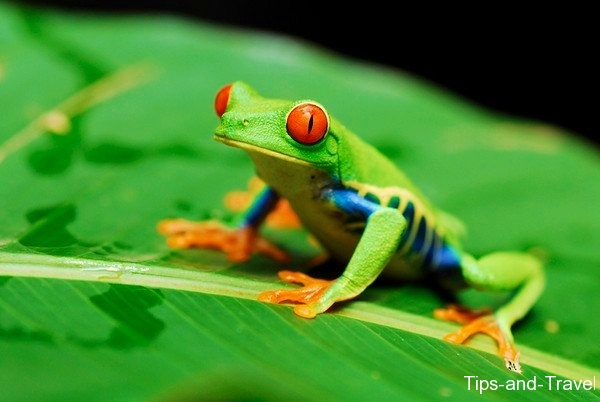
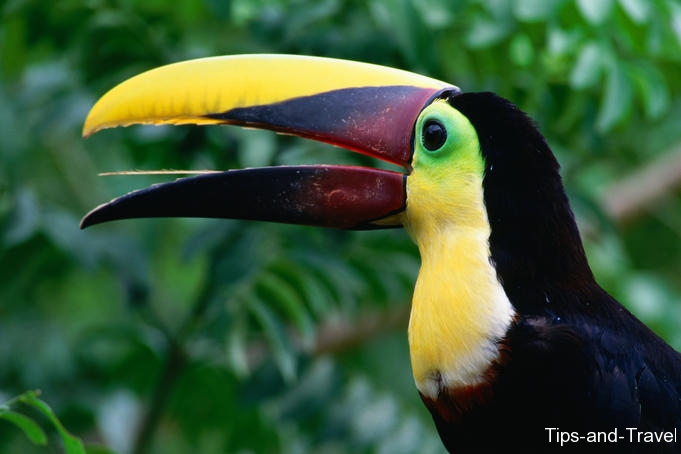
The Wildlife of Costa Rica comprises all naturally occurring animals, fungi and plants that reside in this Central American country. Costa Rica supports an enormous variety of wildlife, due in large part to its geographic position between the North and South American continents, its neotropical climate, and its wide variety of habitats. Costa Rica is home to more than 500,000 species, which represents nearly 4% of the total species estimated worldwide, making Costa Rica one of the 20 countries with the highest biodiversity in the world. Of these 500,000 species, a little more than 300,000 are insects.

One of the principal sources of Costa Rica’s biodiversity is that the country, together with Panama, formed a bridge connecting the North and South American continents approximately three to five million years ago. This bridge allowed the very different flora and fauna of the two continents to mix.

On the next post we will make some park suggestion to see wildlife in Costa Rica.