
More than 25% of Costa Rica’s terrain is contained in national park, reserves, and refuges, protecting the country’s diverse wildlife and preserving the nation’s ecological heritage. Currently, 25 national parks, 58 wildlife refuges, 15 wetlands & mangrove reserves, 11 forest reserves, 8 biological reserves, and other protected areas comprise 161 total parks and 3,223,010 acres (1,304,306 hectares). here is the most visited park.
 Manuel Antonio National Park

Established in 1972, Manuel Antonio is one of the most visited national parks in Costa Rica due to its incredible wildlife viewing and pristine white sand beaches. Here, the rainforest meets the ocean–something one must see in person to truly appreciate.
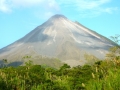 Arenal Volcano National Park

The Arenal National Park is on every tourist’s must list and while its perfect cone is sometimes hidden away under the clouds, no one ever leaves this area disappointed, quite the opposite. The park protects sixteen reserves that are located between the Tilaran and the Guanacaste mountain ranges. The Arenal Volcano is said to be one of the most active volcanoes of the world.
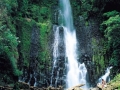 Corcovado National Park

Corcovado is a true wonder of the world, a magical place in the southern part of the Pacific Coast of Costa Rica, in the Osa Peninsula. It was declared by National Geographic to be one of the most biologically diverse places on Earth.
 Tortuguero National Park
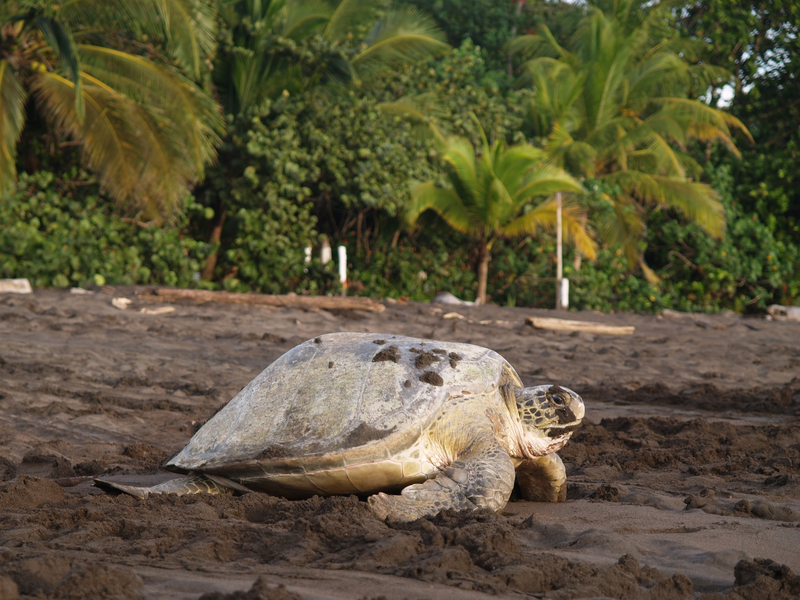
Located in the northeastern region of Costa Rica, Tortuguero National Park is the third most popular park in the country. This park is part of the larger Tortuguero Conservation Area whose aim is to protect endangered species in the region.
 Carara National Park
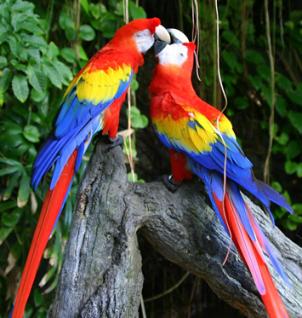
Carara National Park sits near the Costa Rican Pacific coast, in the Central Pacific Conservation Area. Carara lies just about 30 miles west (about an hour) of San José and is home to one of the largest populations of wild Scarlet.