Lisbon, Portugal

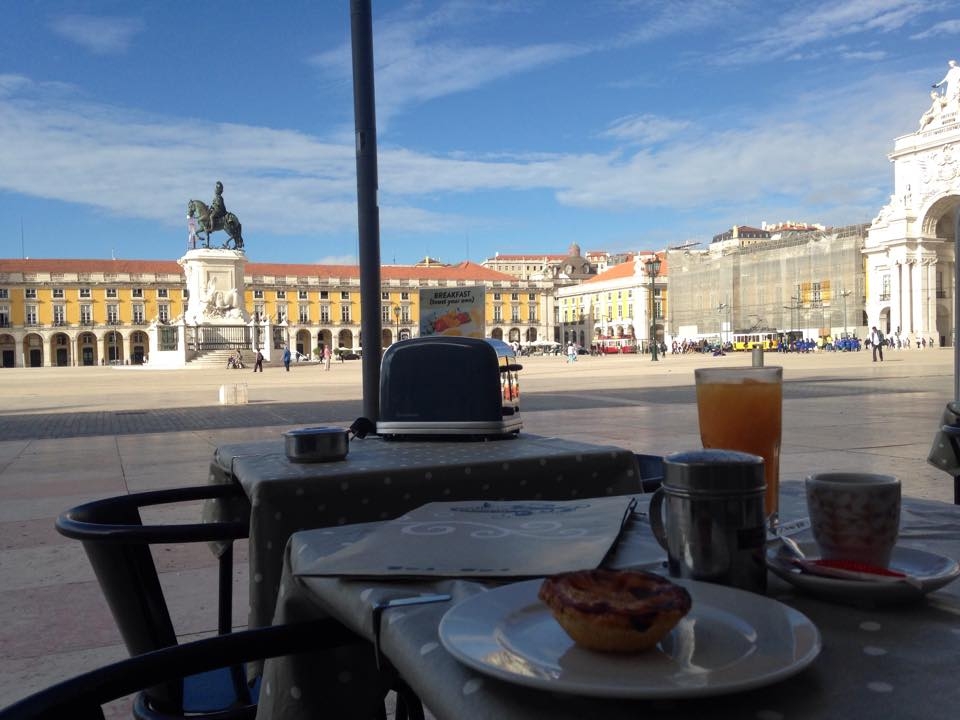
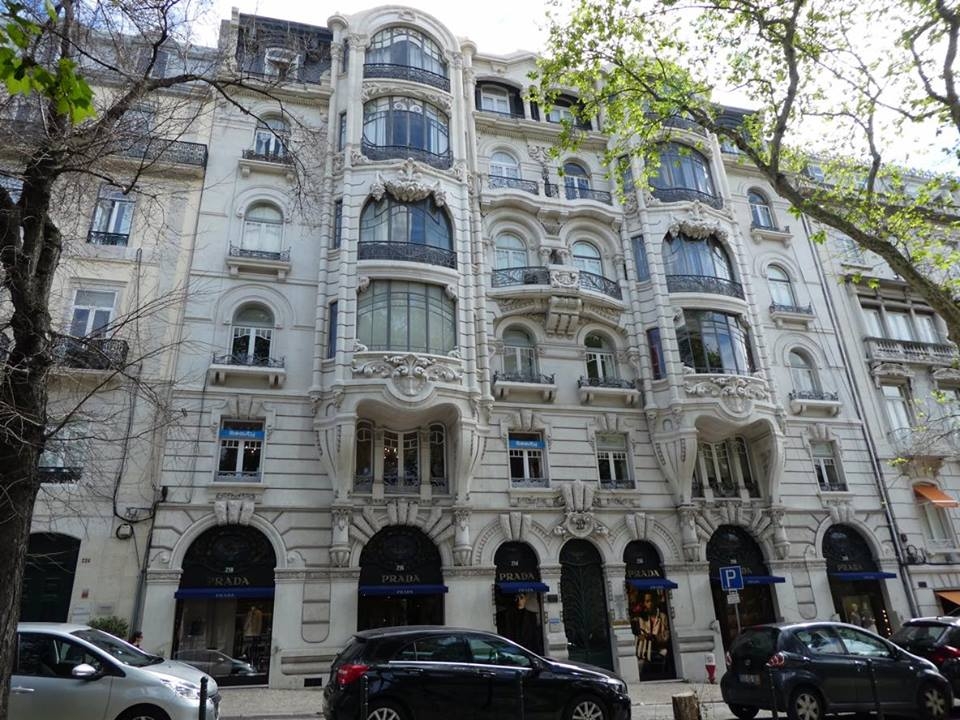
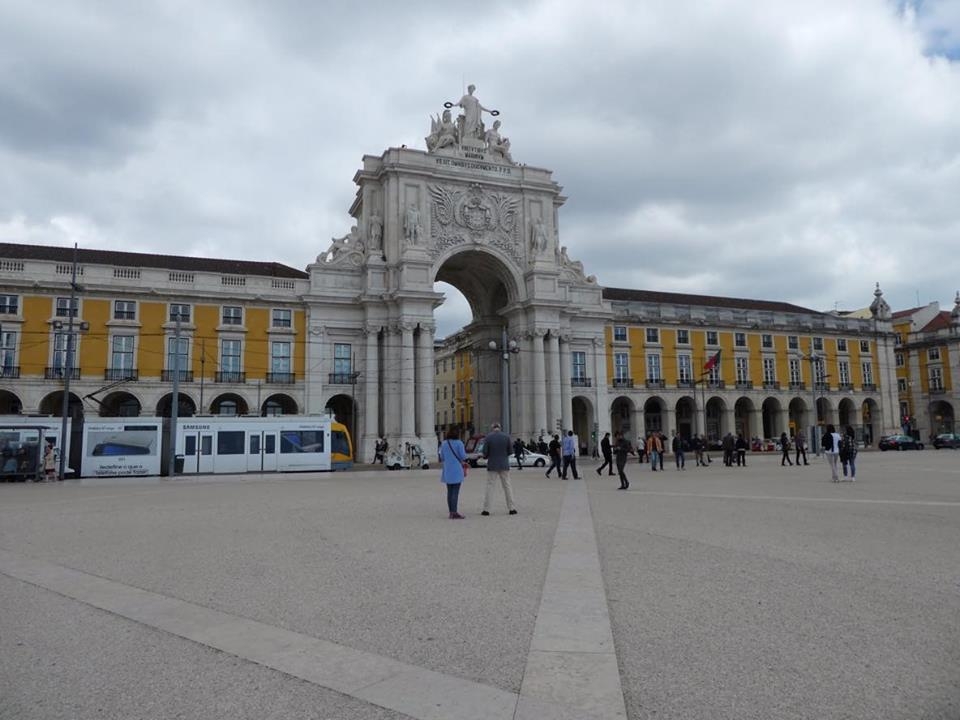
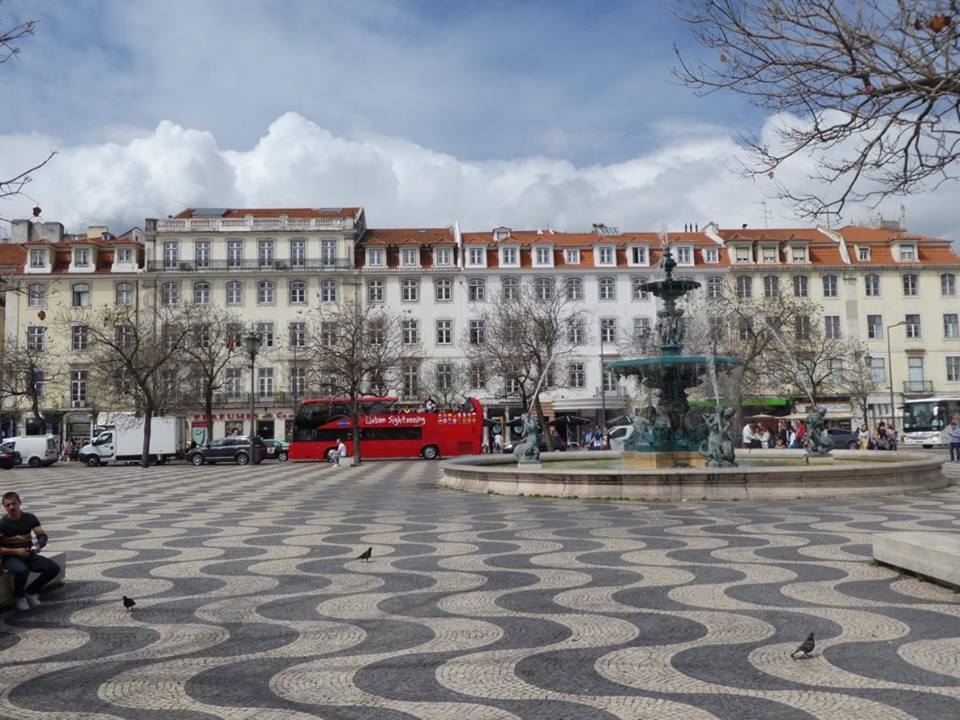
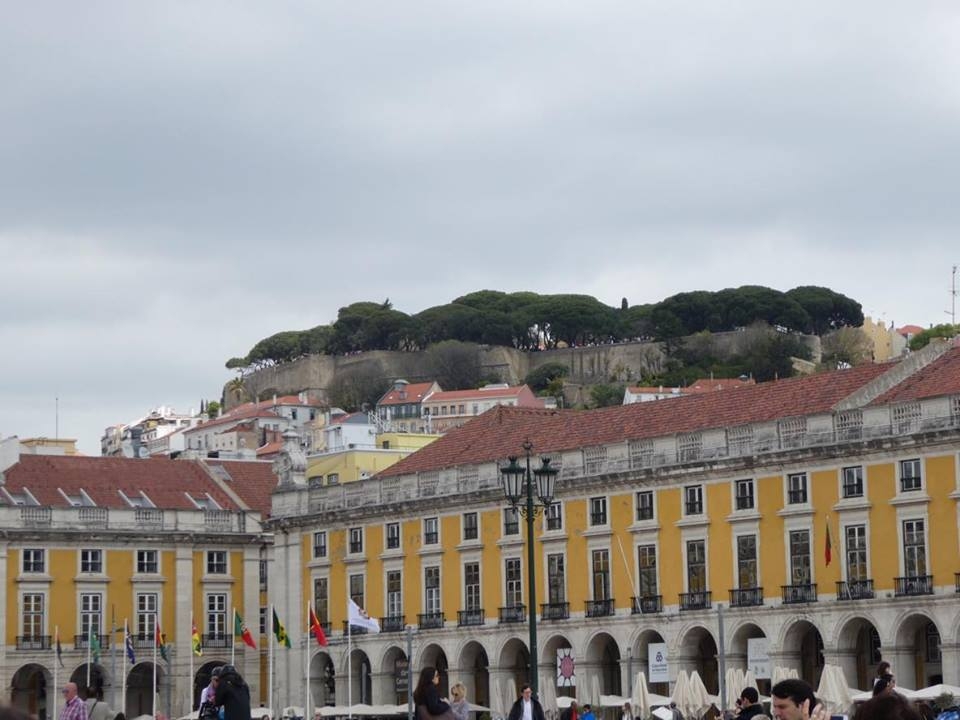
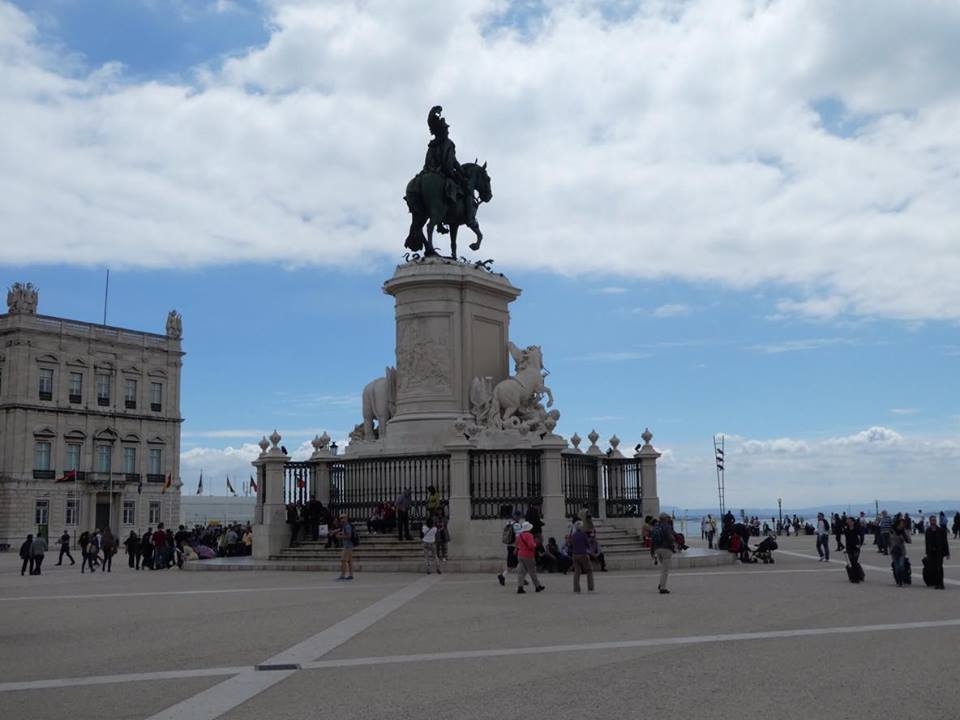
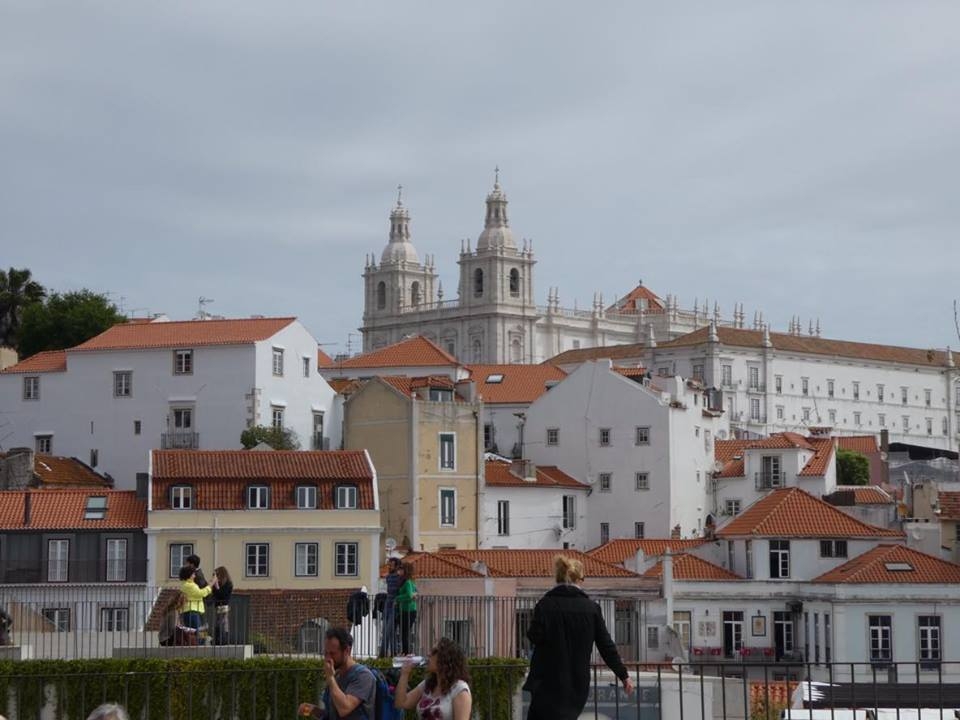
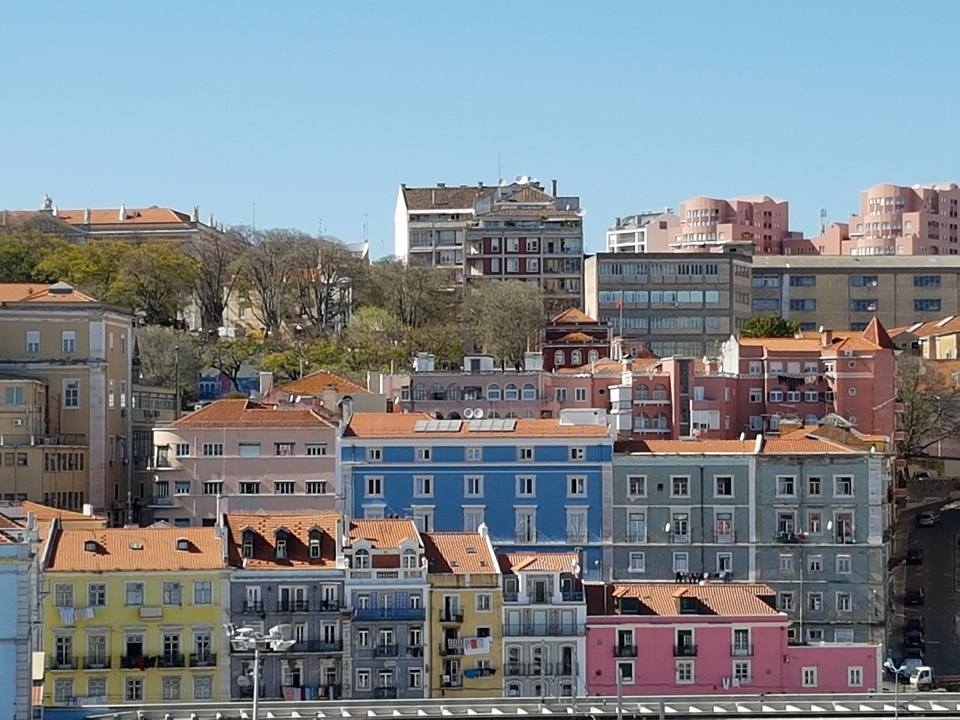
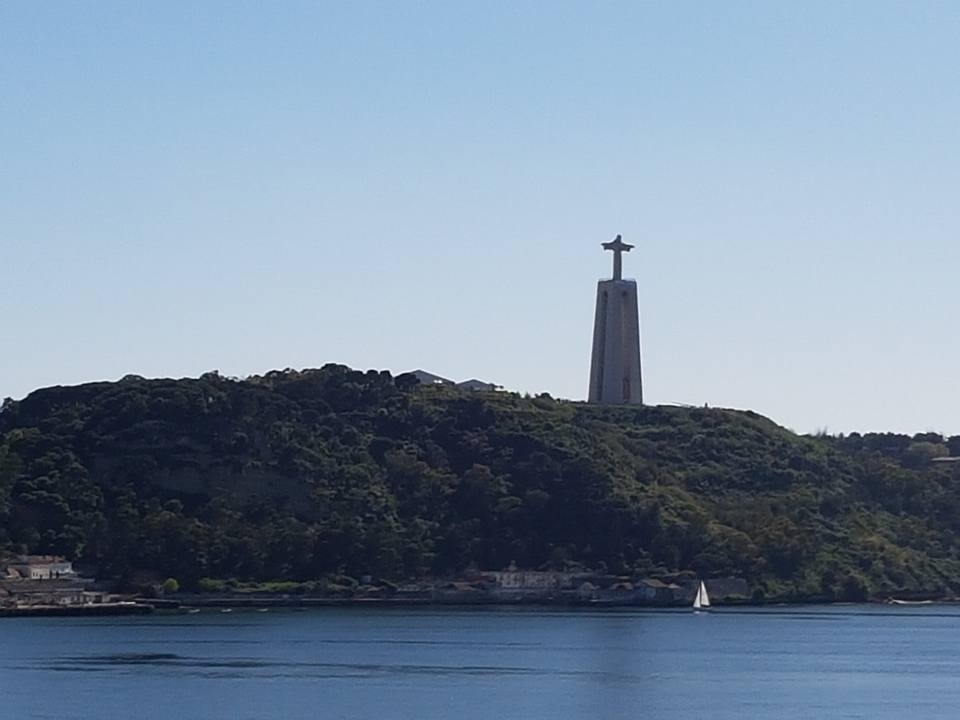
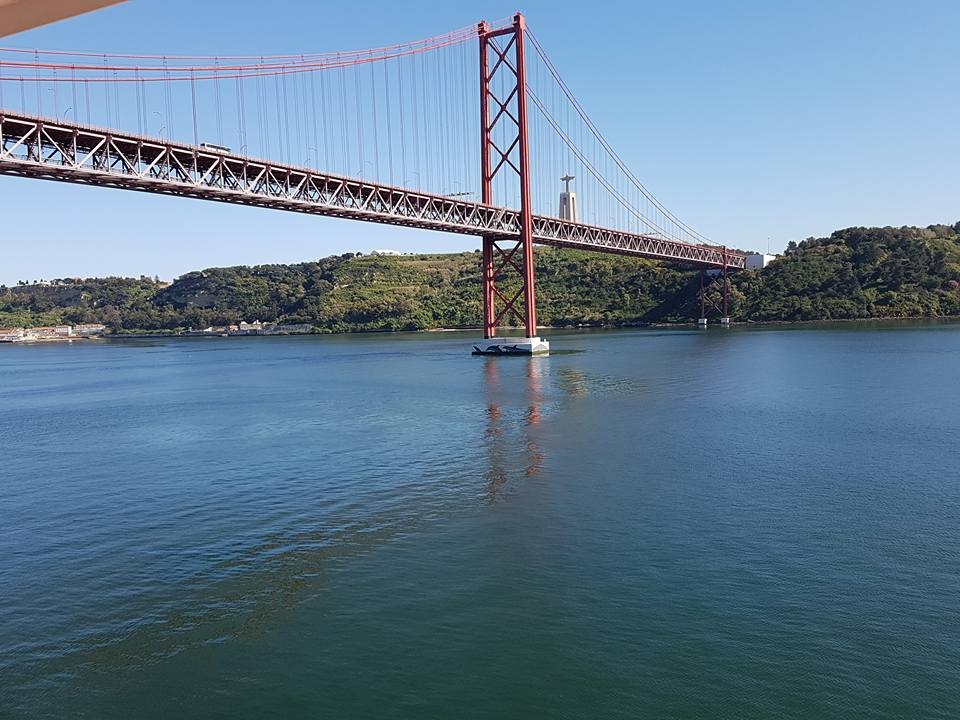
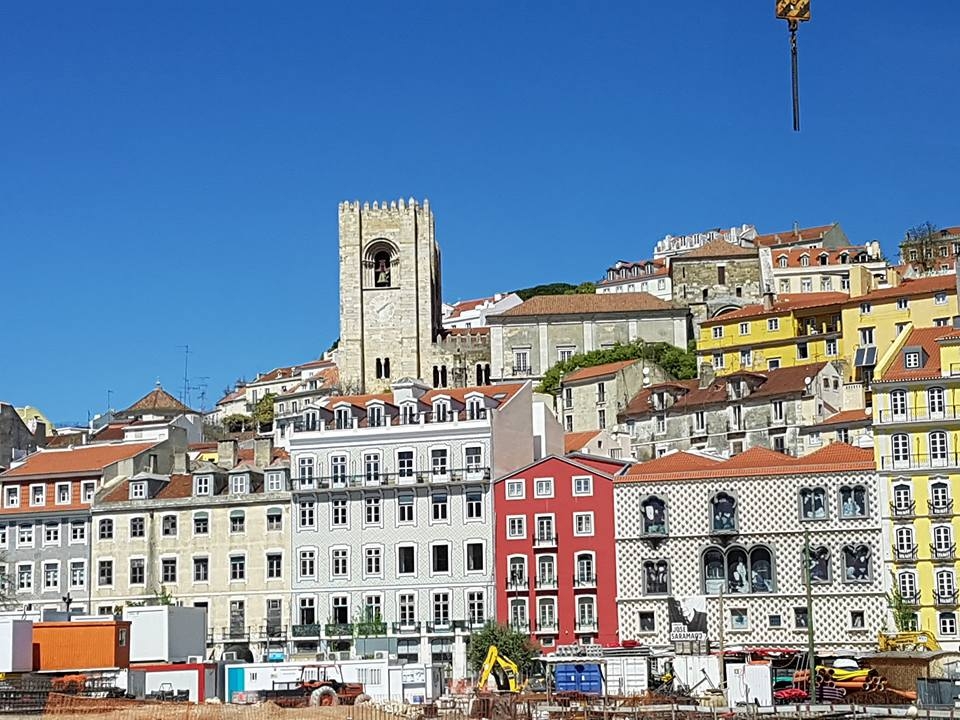
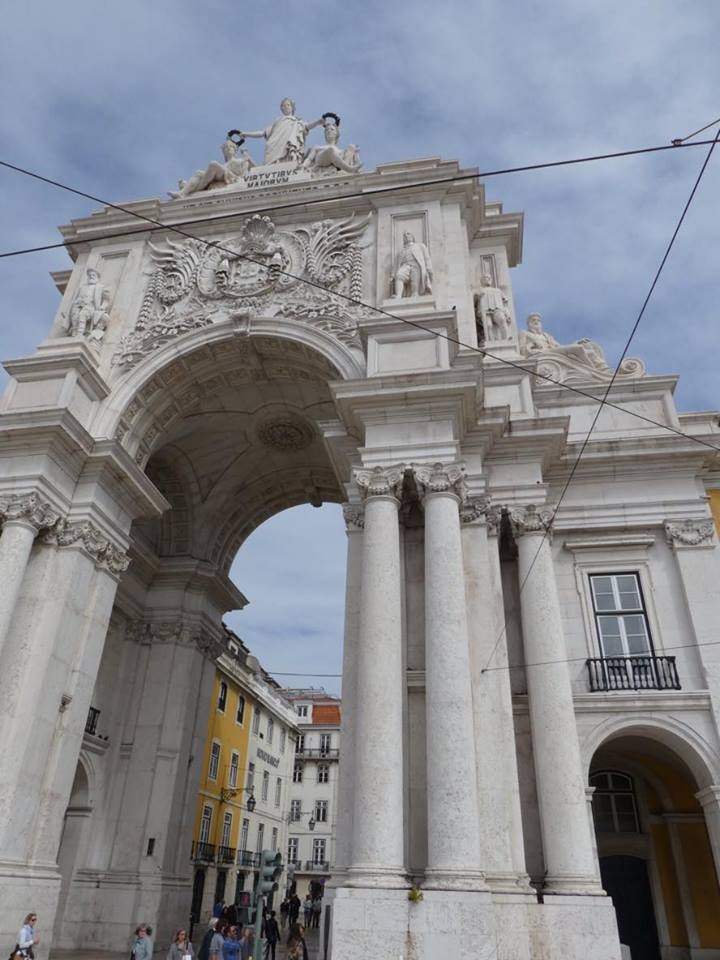
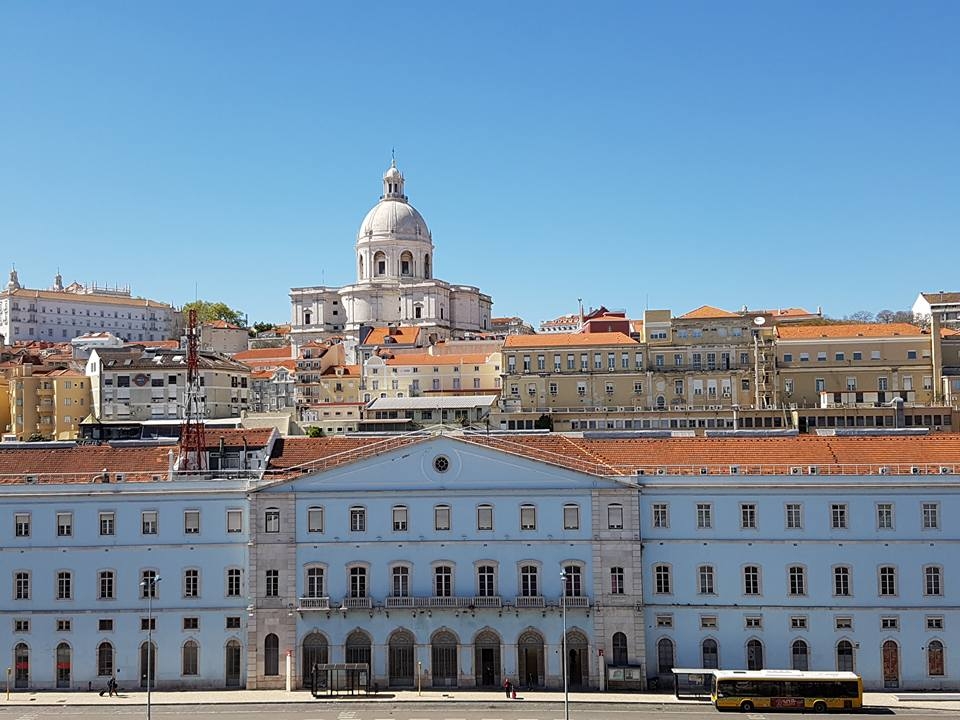
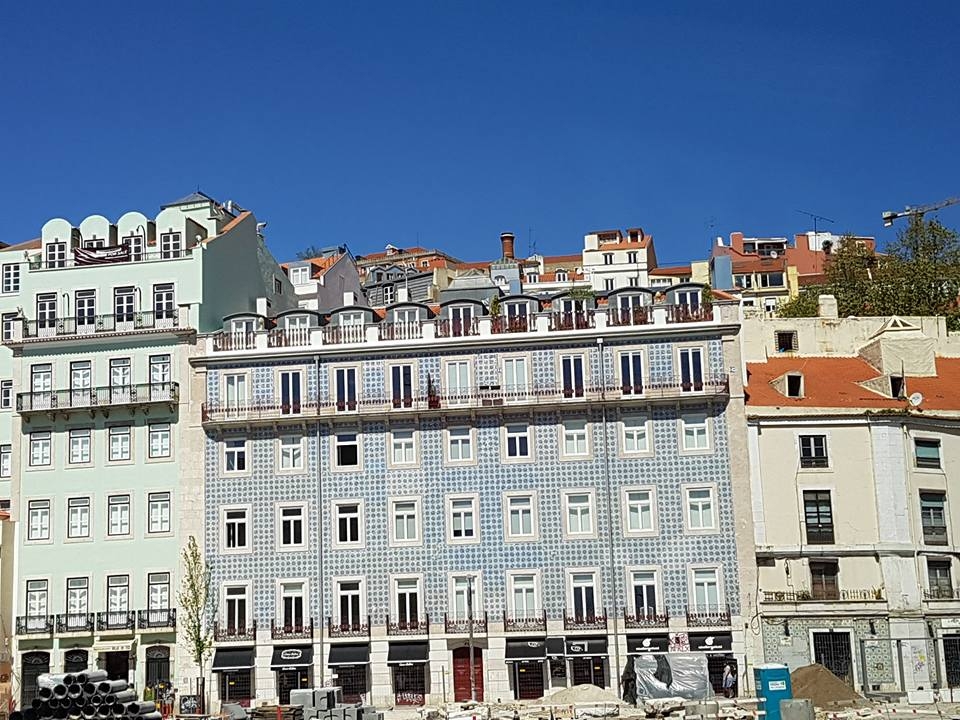
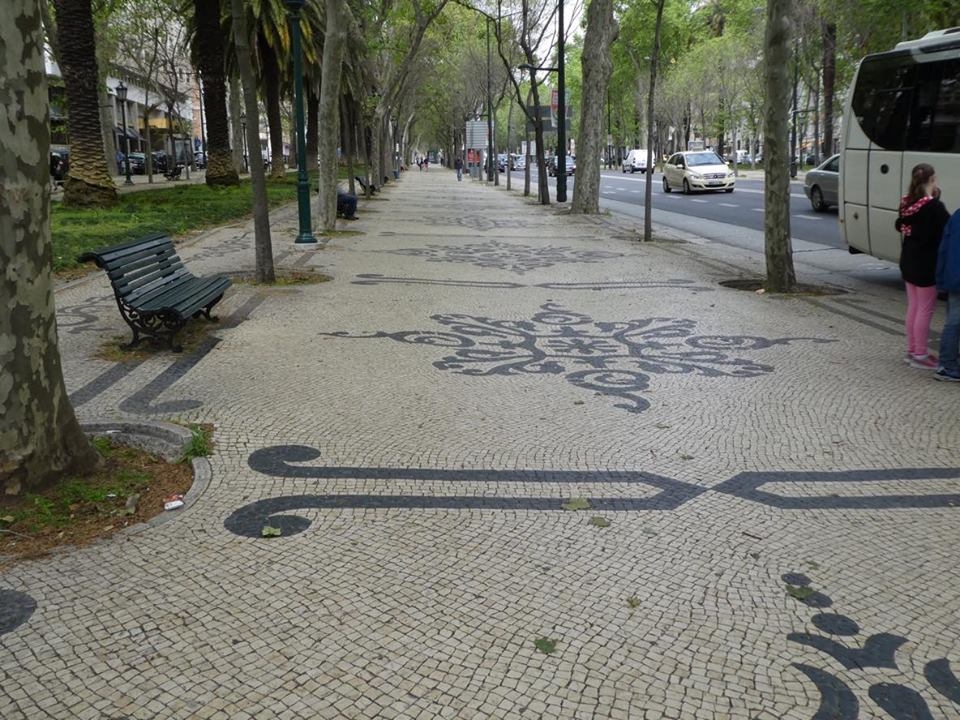
Lisbon is the capital and largest city of Portugal, having the most active port of the European Atlantic coast. Its Old Center is in decline demographic but they work hard to renovate the palaces and the museums because there are many unhealthy housing. Avenue De la Liberdade is considered one of the most expensive streets on a world scale. The city is known for its typical trams and funiculars.
Tips

You can buy a rechargeable card and ask for the Pass 24 to have unlimited access to public transport for 24 hours.
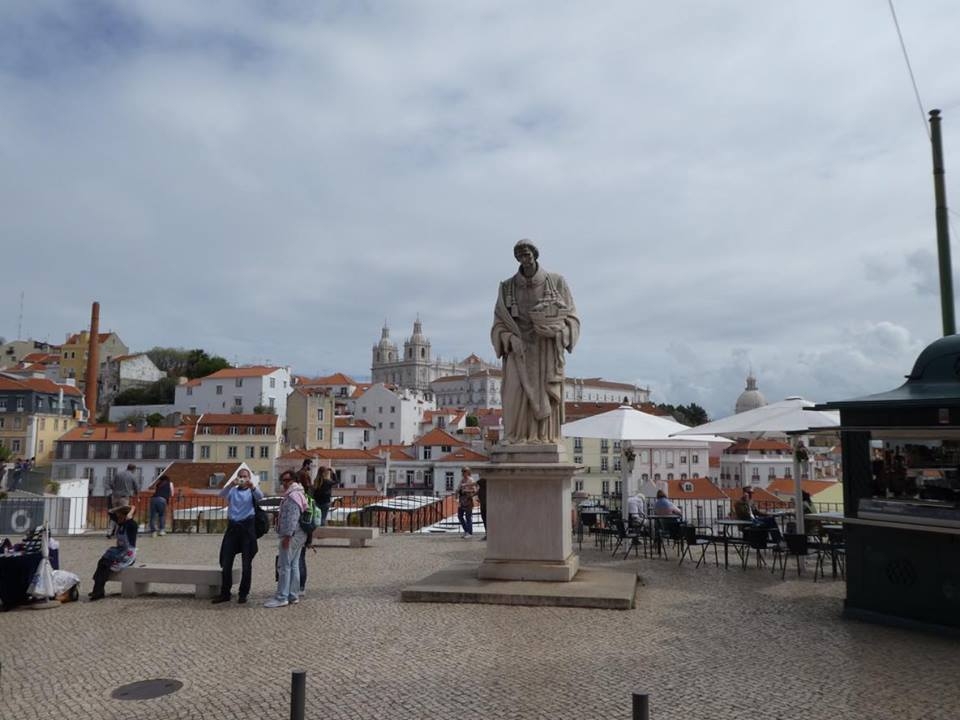
Do not forget to visit the Alfama district with its winding and steep alleys and its Moorish heritage: a jewel.

To have one of the most beautiful views of the city, visit the St-George Castle.

You can take the elevator from the castle which is free.

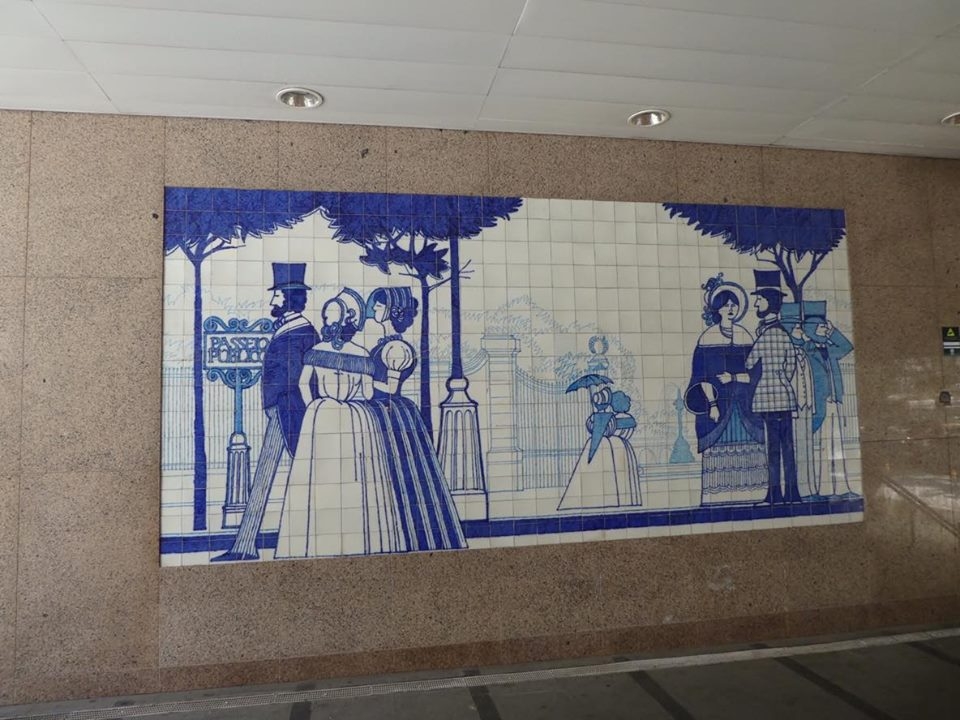
If you are there on a Tuesday or Saturday, visit the Feira da ladra, where you will find typical handicrafts, azulejos, clothes, etc.

Cathedral of St. James of Compostela, Spain

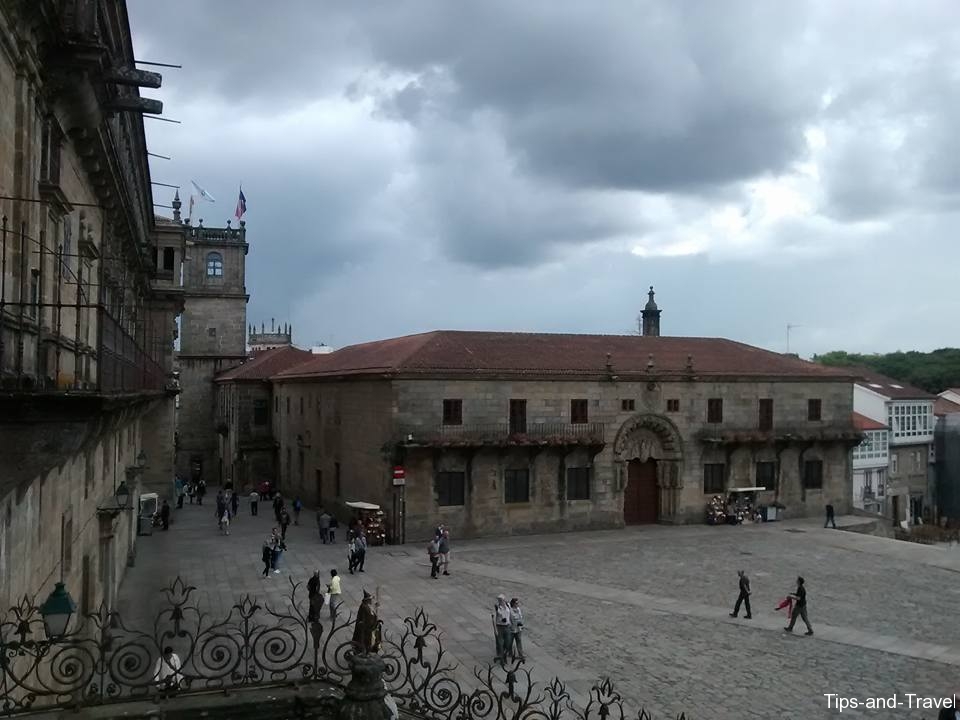
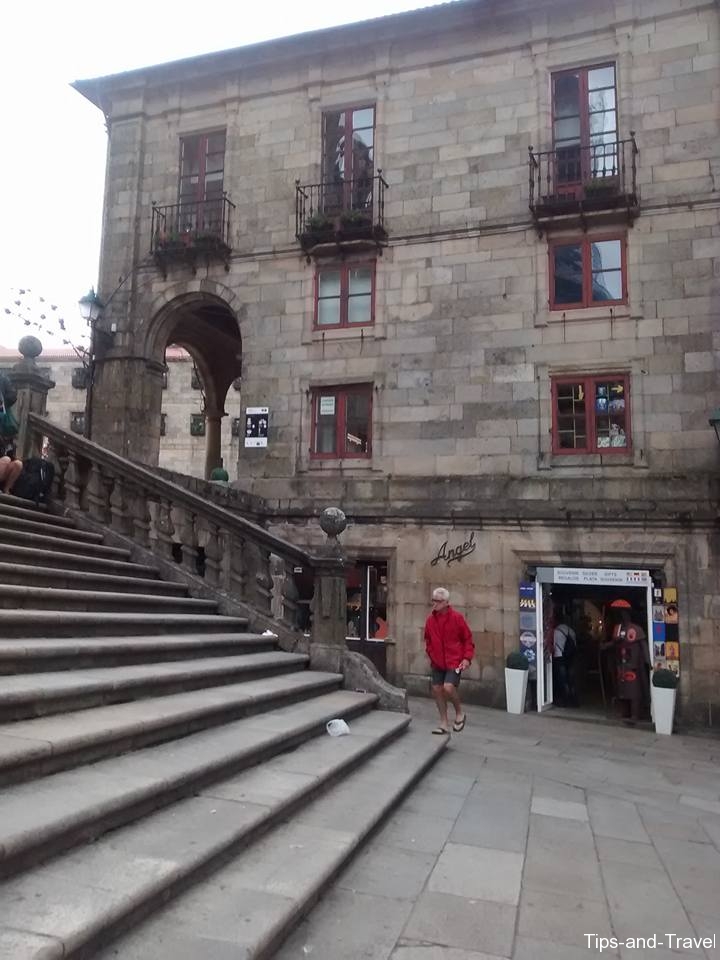
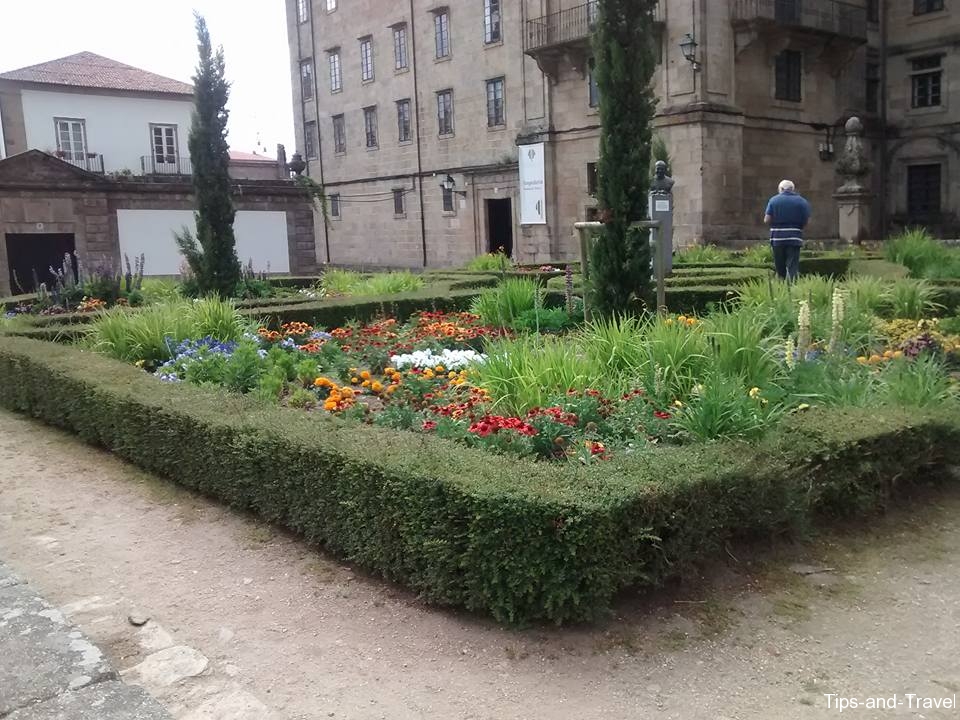
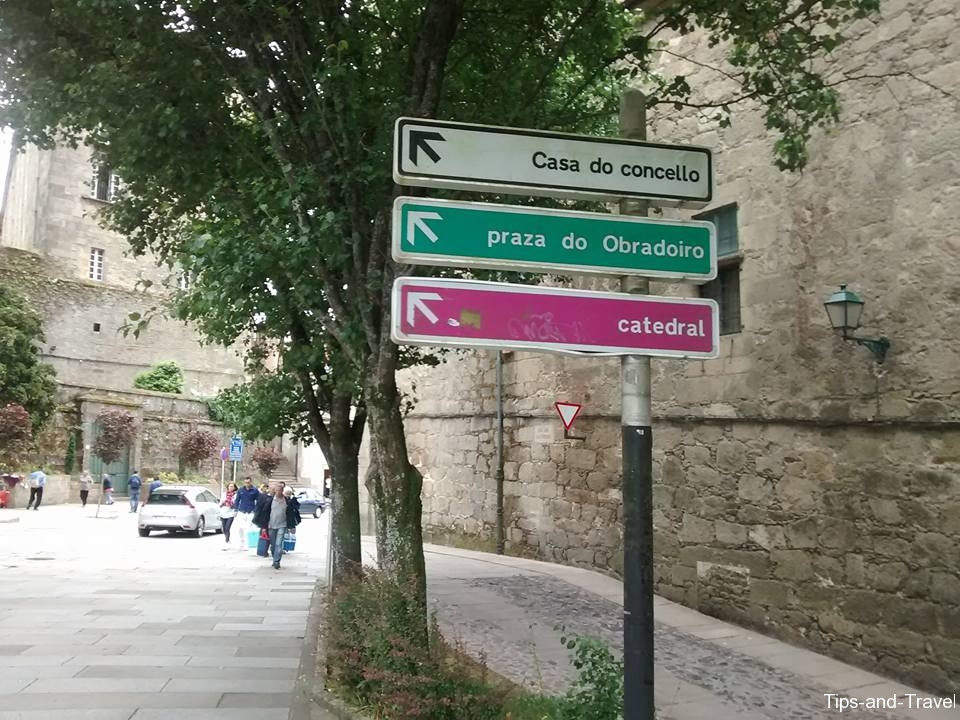
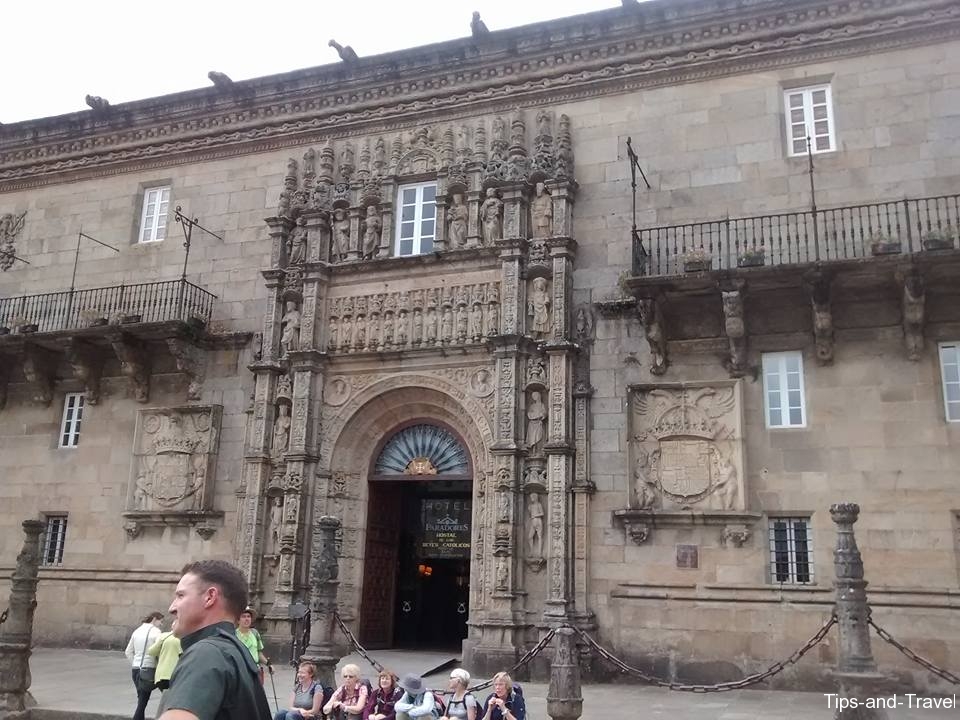
The cathedral of St. James of Compostela, dedicated to the Apostle James of Zebedee (saint patron and protector of Spain) is a cathedral located in the historical center of the city of St. James of Compostela, purpose of one of the great pilgrimages of medieval Europe; initiatory way in which people followed the wake of the Milky Way. At the beginning of the ninth century, Alfonso II had built the first church; in 899, Alfonso III replaced it for a greater pre-Romanesque church. The present cathedral is a Romanesque building built in granite, which work began in 1075 and was finished in 1211. It is dedicated to the relics and pilgrimages. The two towers of the western façade (Baroque churrigueresque) are from the Middle Ages and its monumental staircase of 1606. Its chapels form a museum of paintings, sculptures, reliquaries and altar pieces accumulated over the centuries. The cathedral has a plan of three naves, a large transept with aisles and stands and a sanctuary with ambulatory surrounded by a ring of chapels. The original plan had additions of the Renaissance and Baroque. A sumptuous statue of St. James is in the main altar; the crypt is below with the remains of St. James and his disciples, St. Theodore and St. Athanasius. The ambulatory, the beautiful gates, the vault of the Chapel of Mondragón, the Renaissance door of the sacristy and the cloister are the most outstanding items. Above the transept of the cathedral stands a lantern tower from whose summit is hung by steel cables a brass censer of 54 kilos which is used in special ceremonies as in Compostelan years. The treasure is housed in a Gothic chapel in the south transept of the cathedral; it has a tympanum representing the equestrian figure of the Apostle (XIII century). The King of France, Charles V had made a very important gift for it to be celebrated daily a mass for the prosperity of France, so the San Salvador chapel is also known as the Chapel of the King of France; this is where the pilgrims after confessed, received the Compostela; certificate of pilgrimage.

 
Tips

Pilgrims can go to kiss the holy mantle by a staircase behind the altar.
You can also visit the library which displays the censers and tapestries (it’s part of the cathedral museum), even as the pieces found in the excavations .
The archives of the cathedral has a copy of the Codex Calixtinus (set of texts dated around 1140); in the texts you can find practical advice for pilgrims.

Erbonne, San Fedele Intelvi, Como, Italy

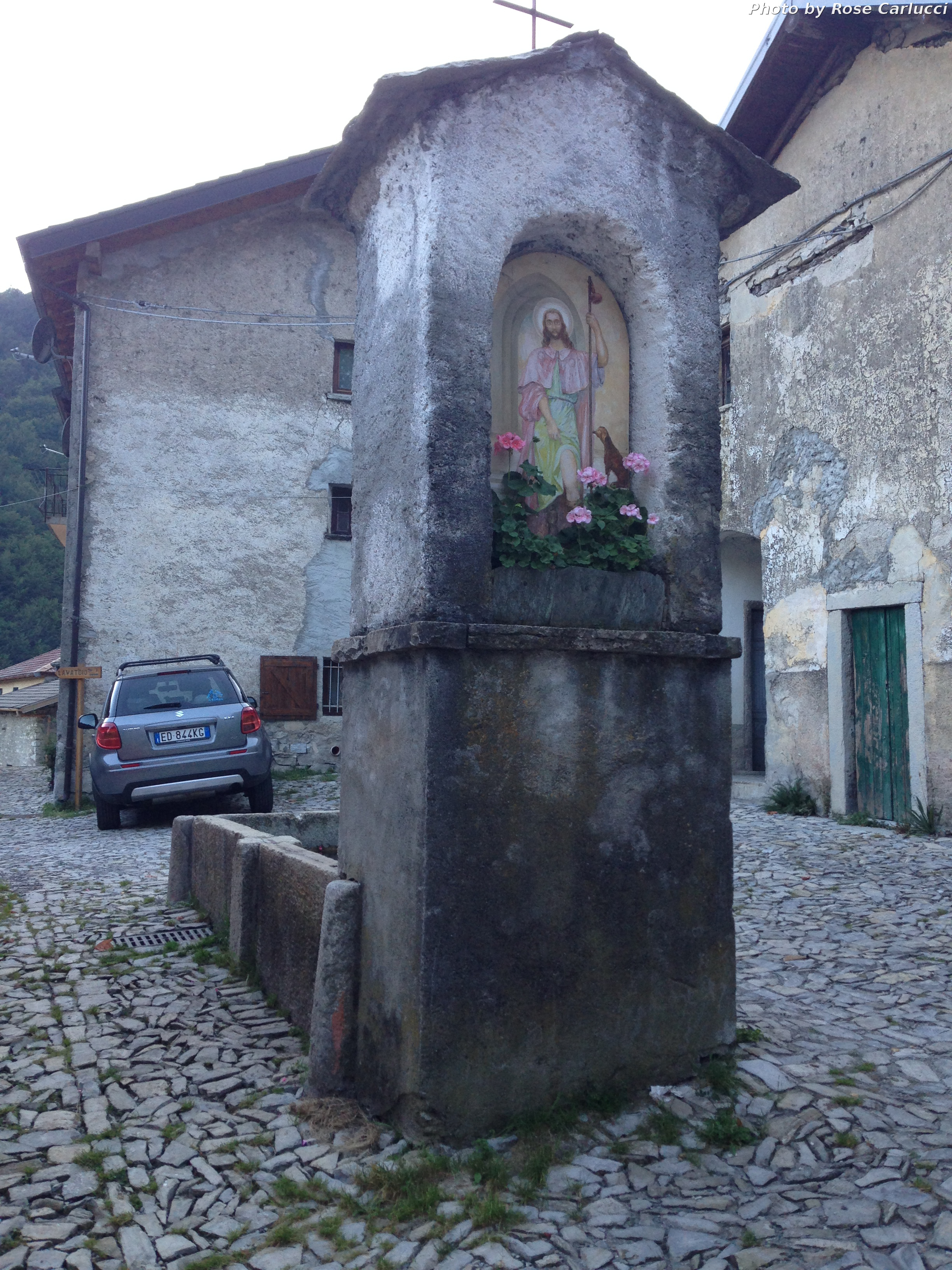
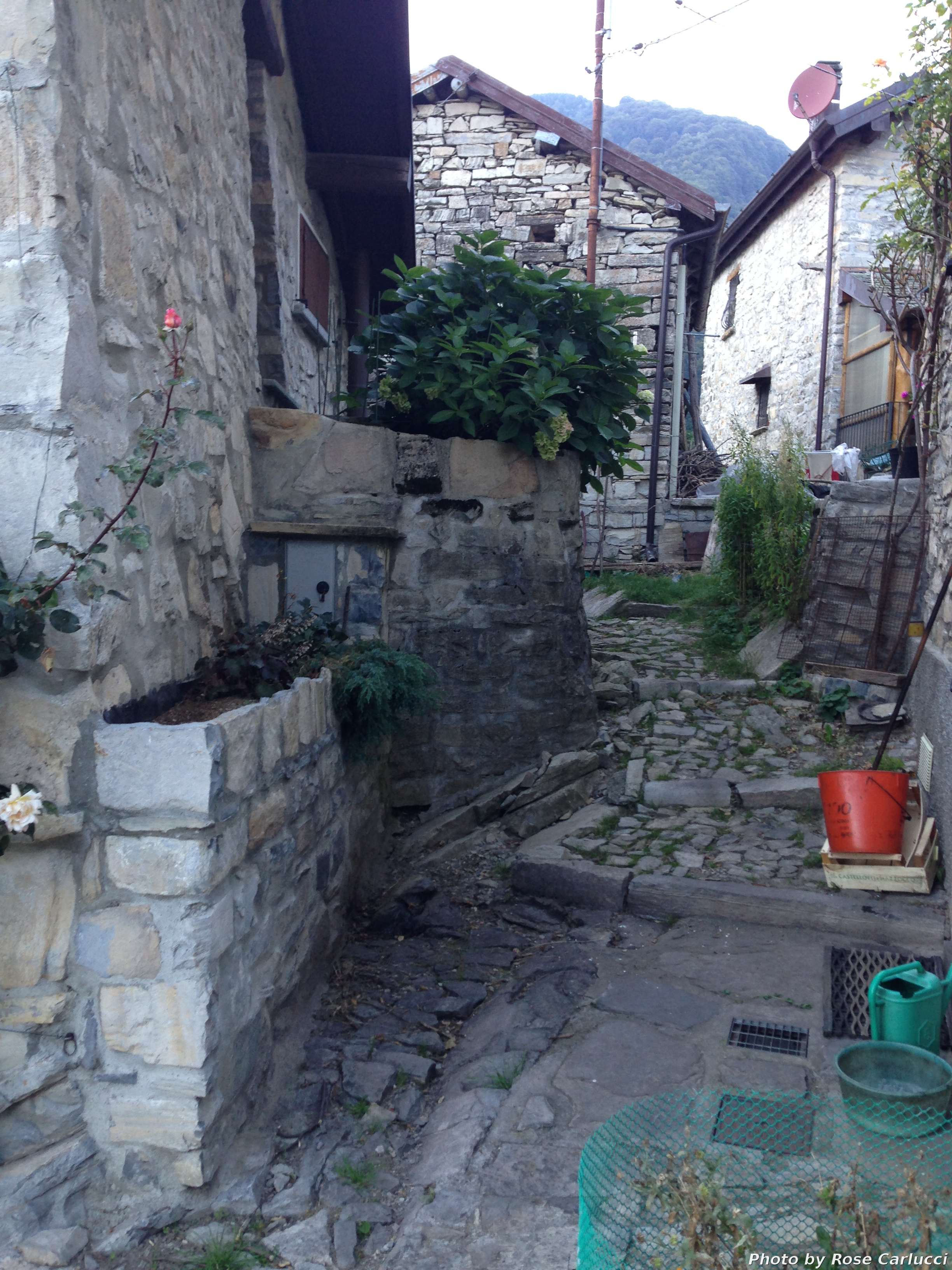
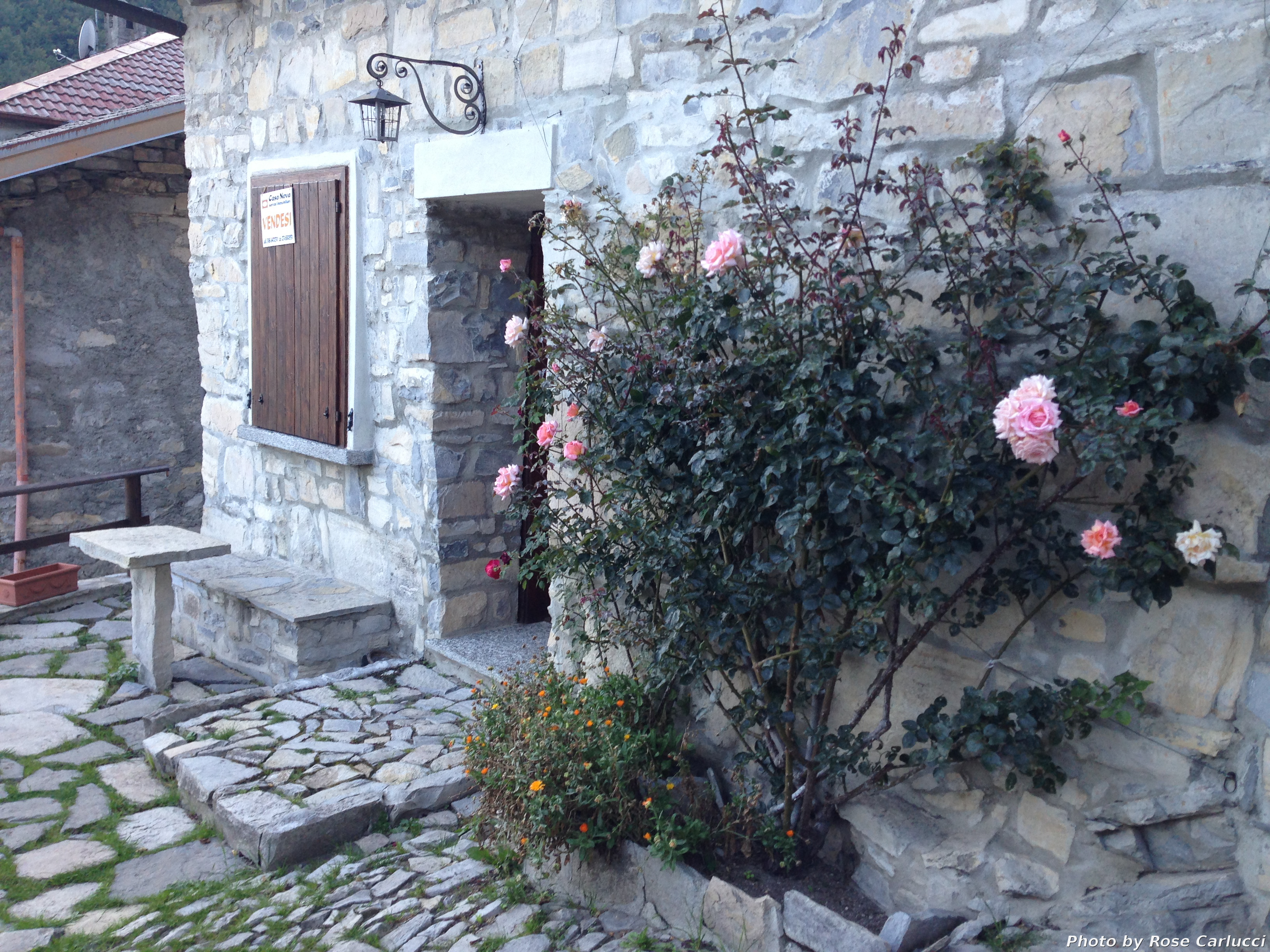
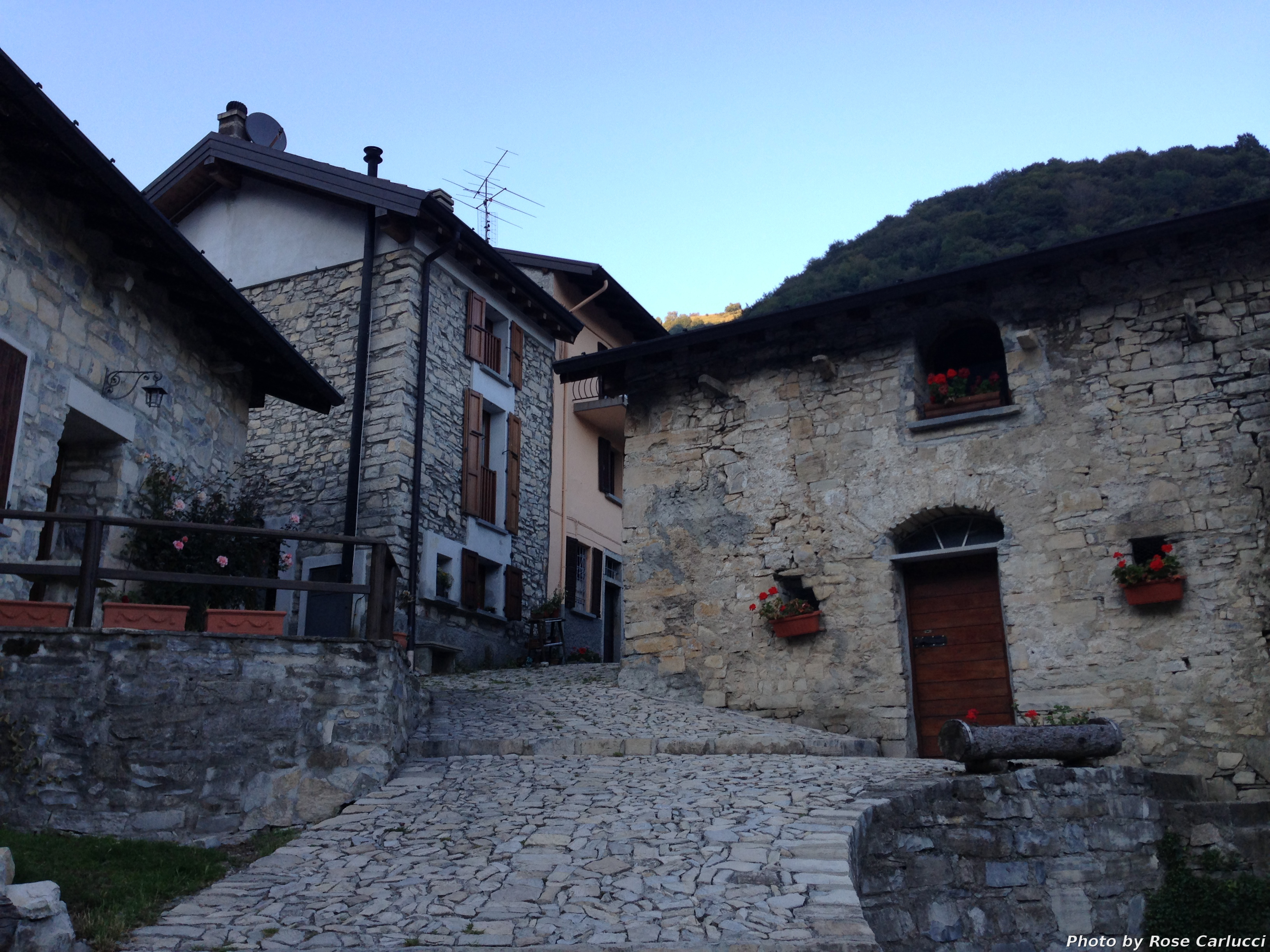
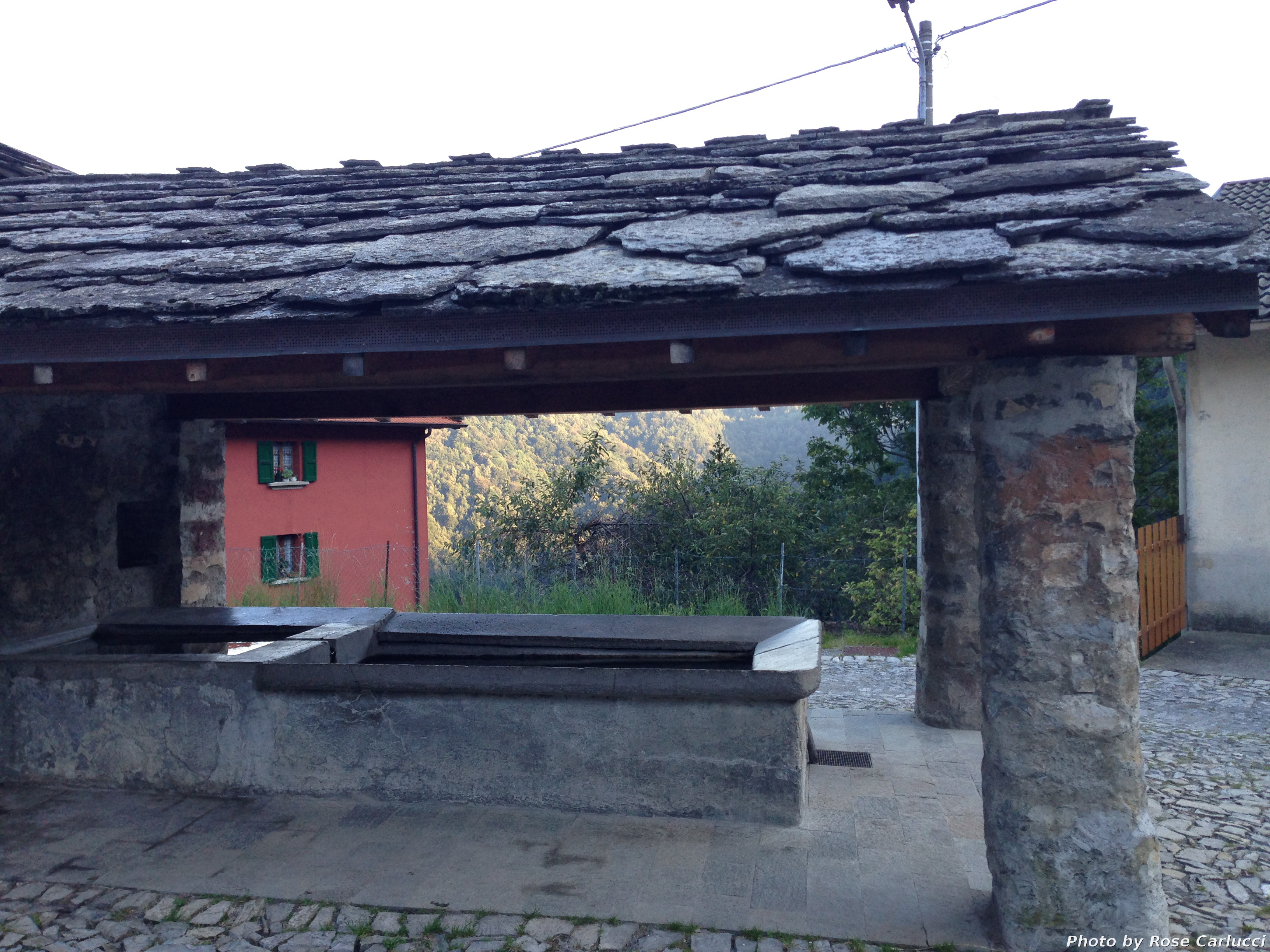
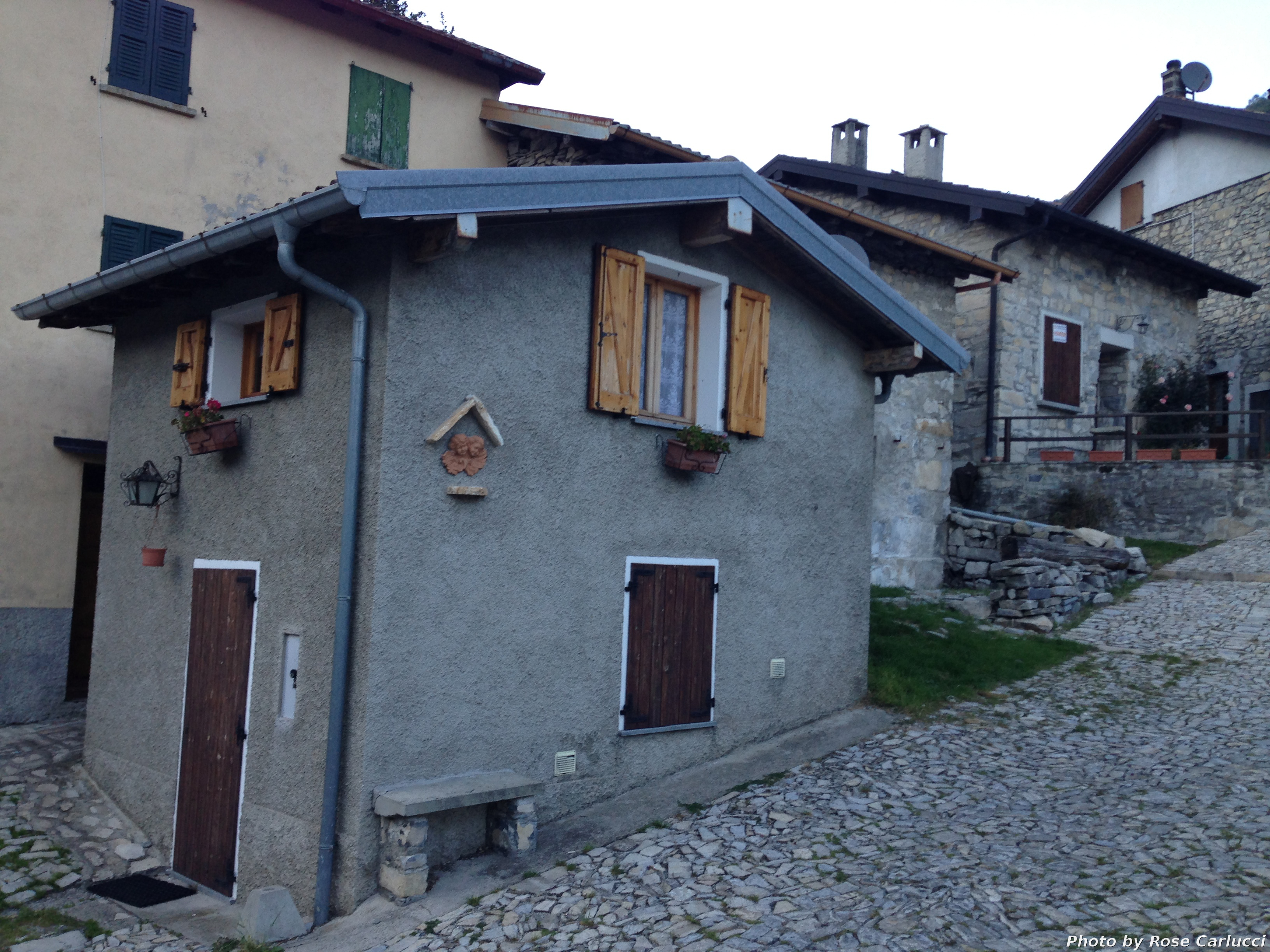
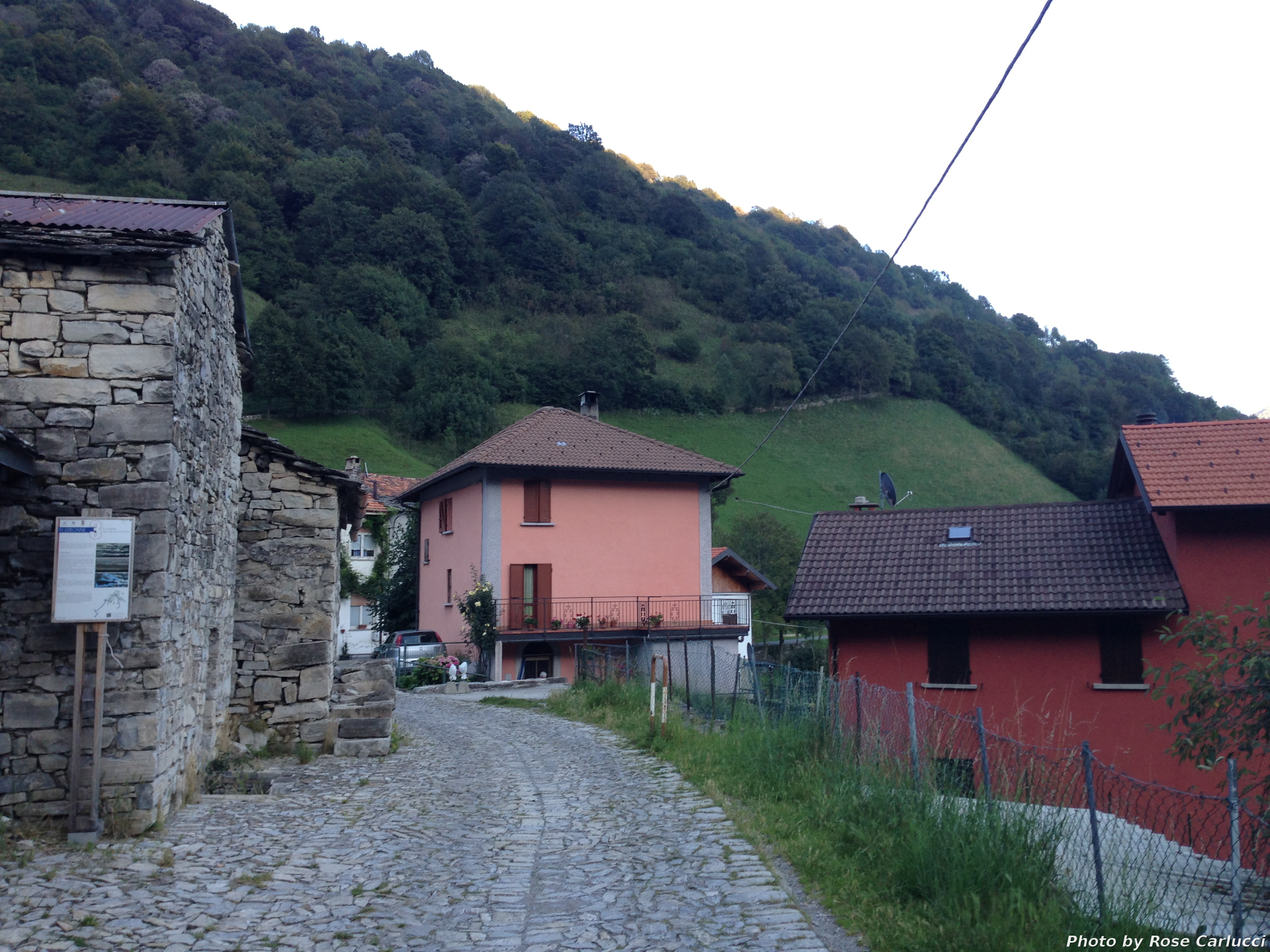
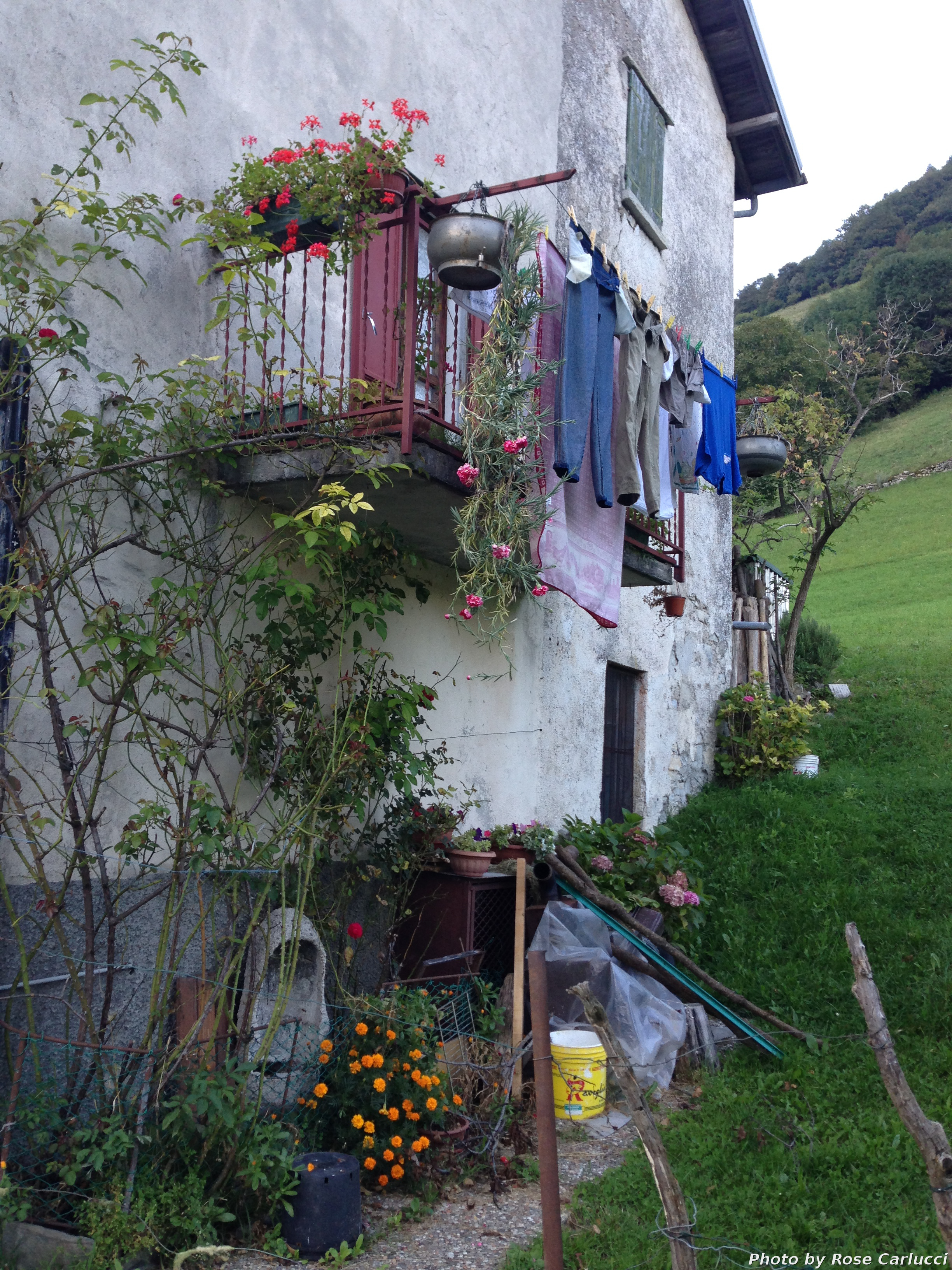
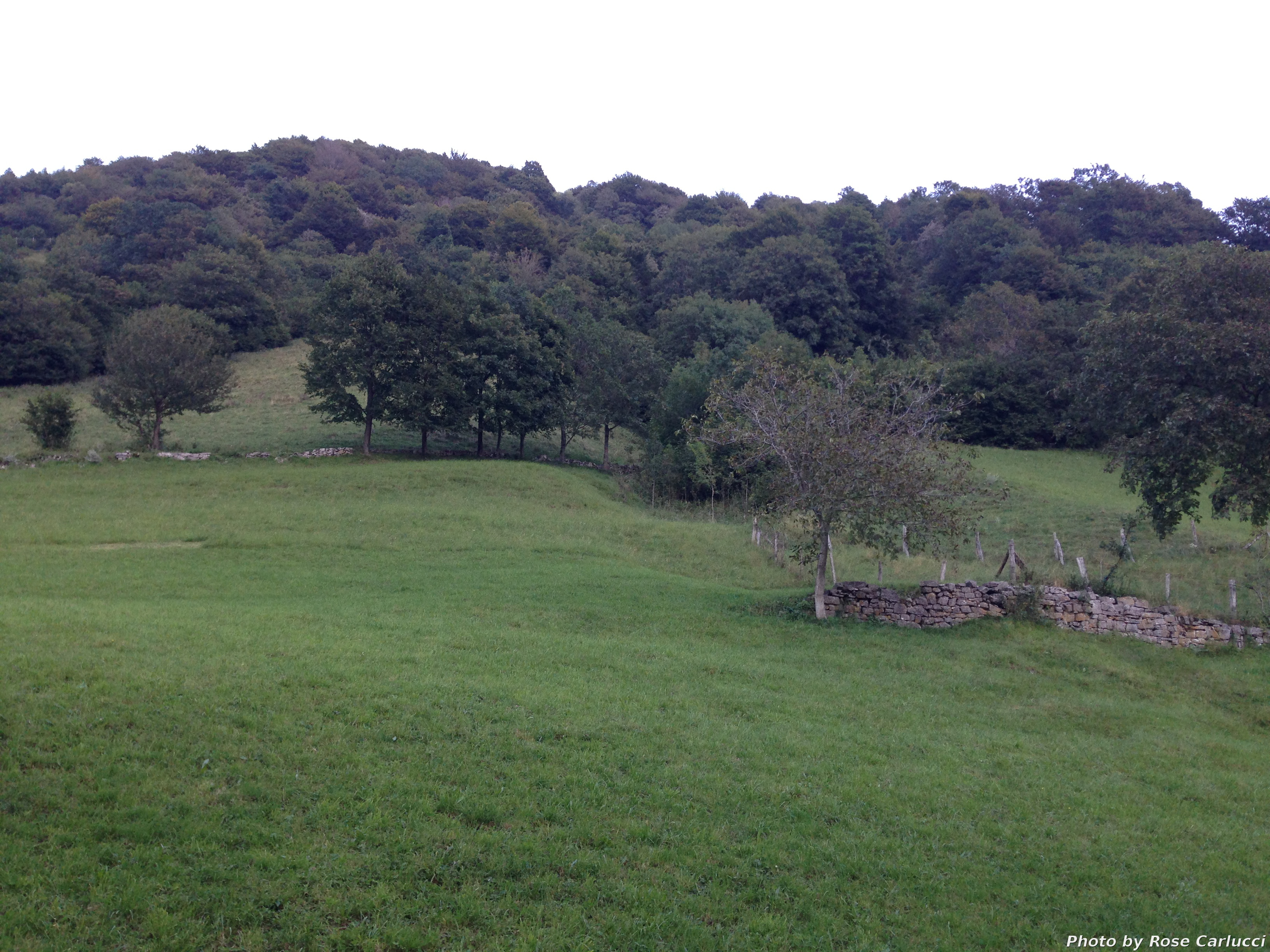
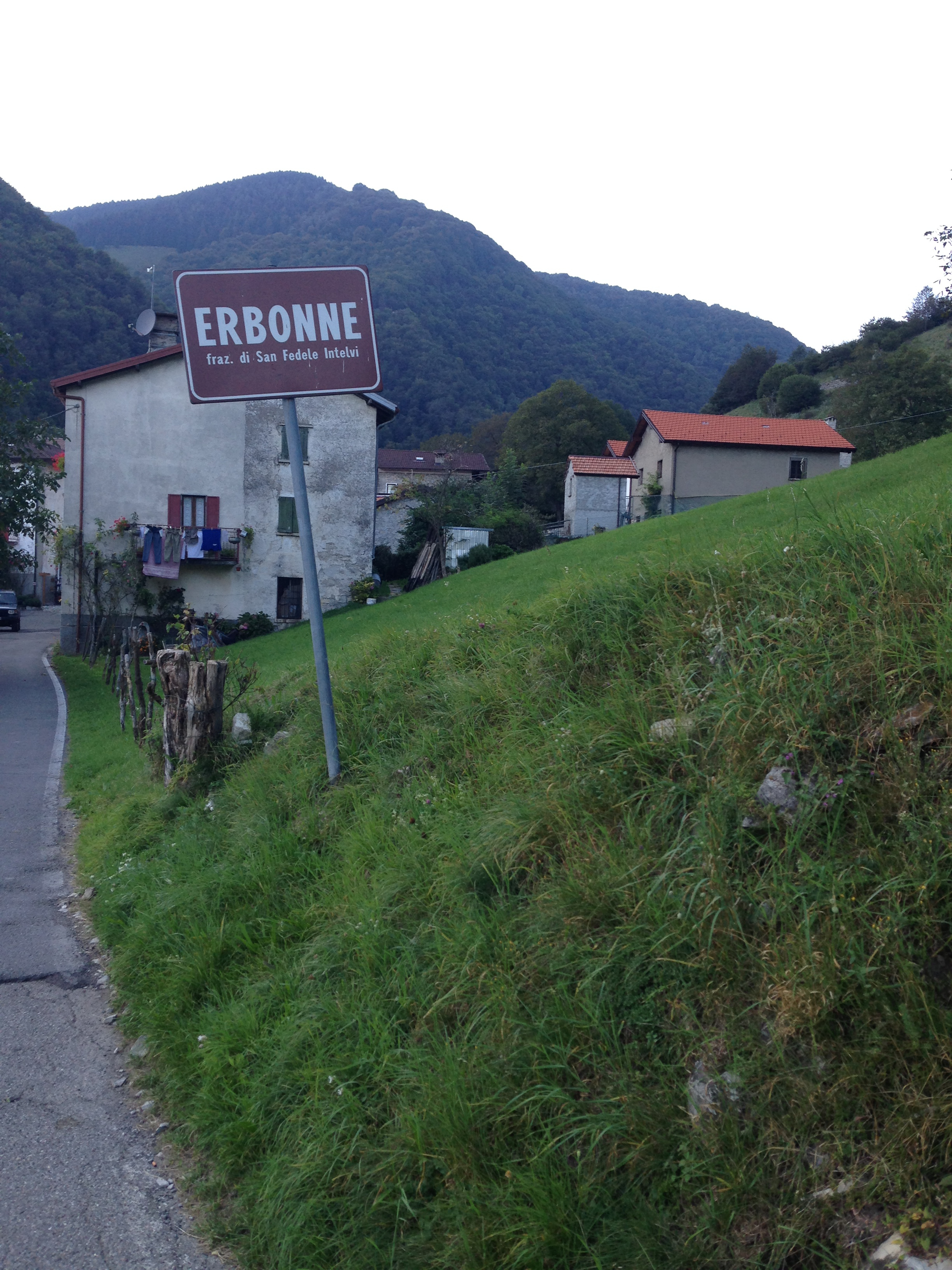
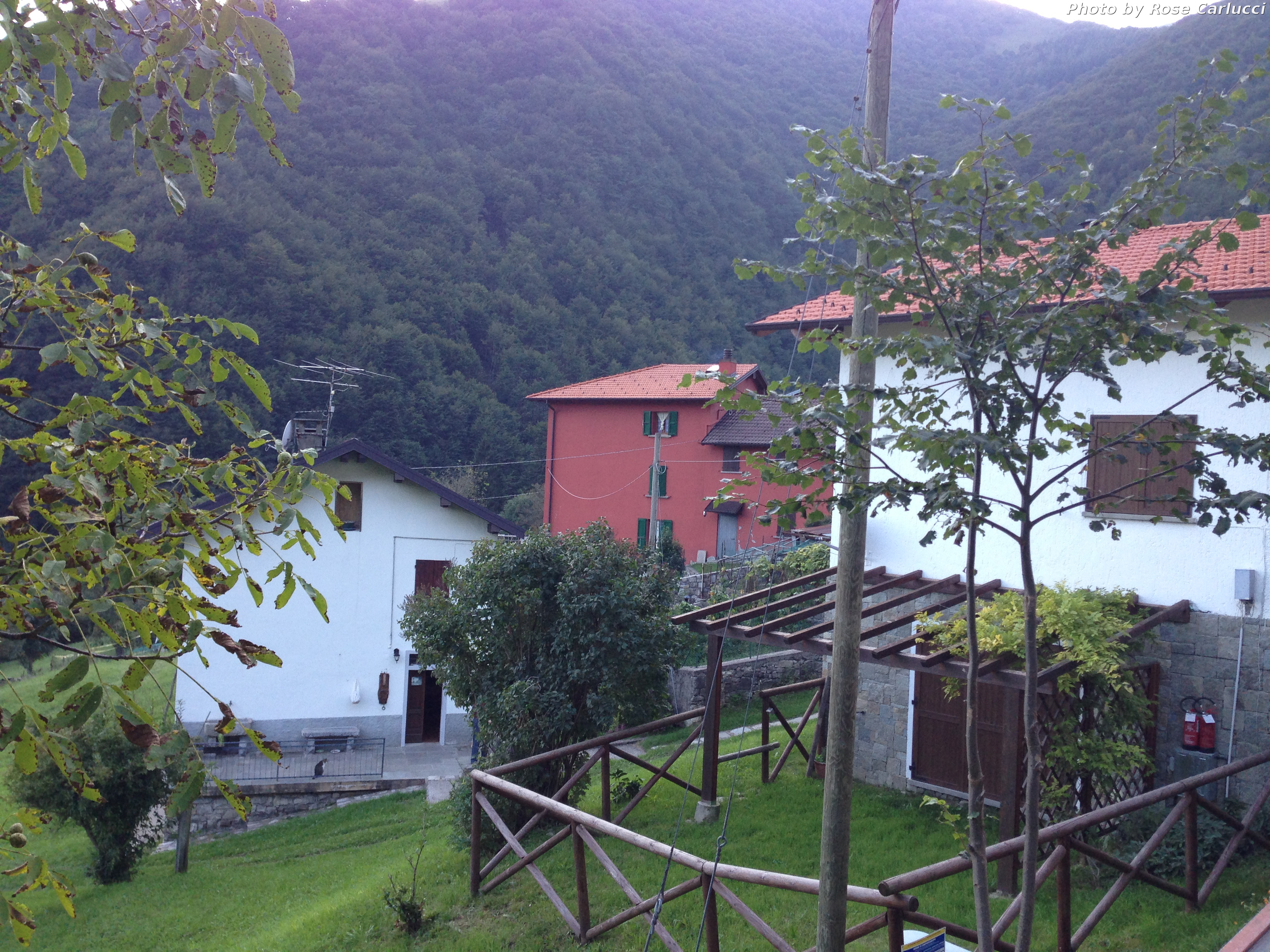
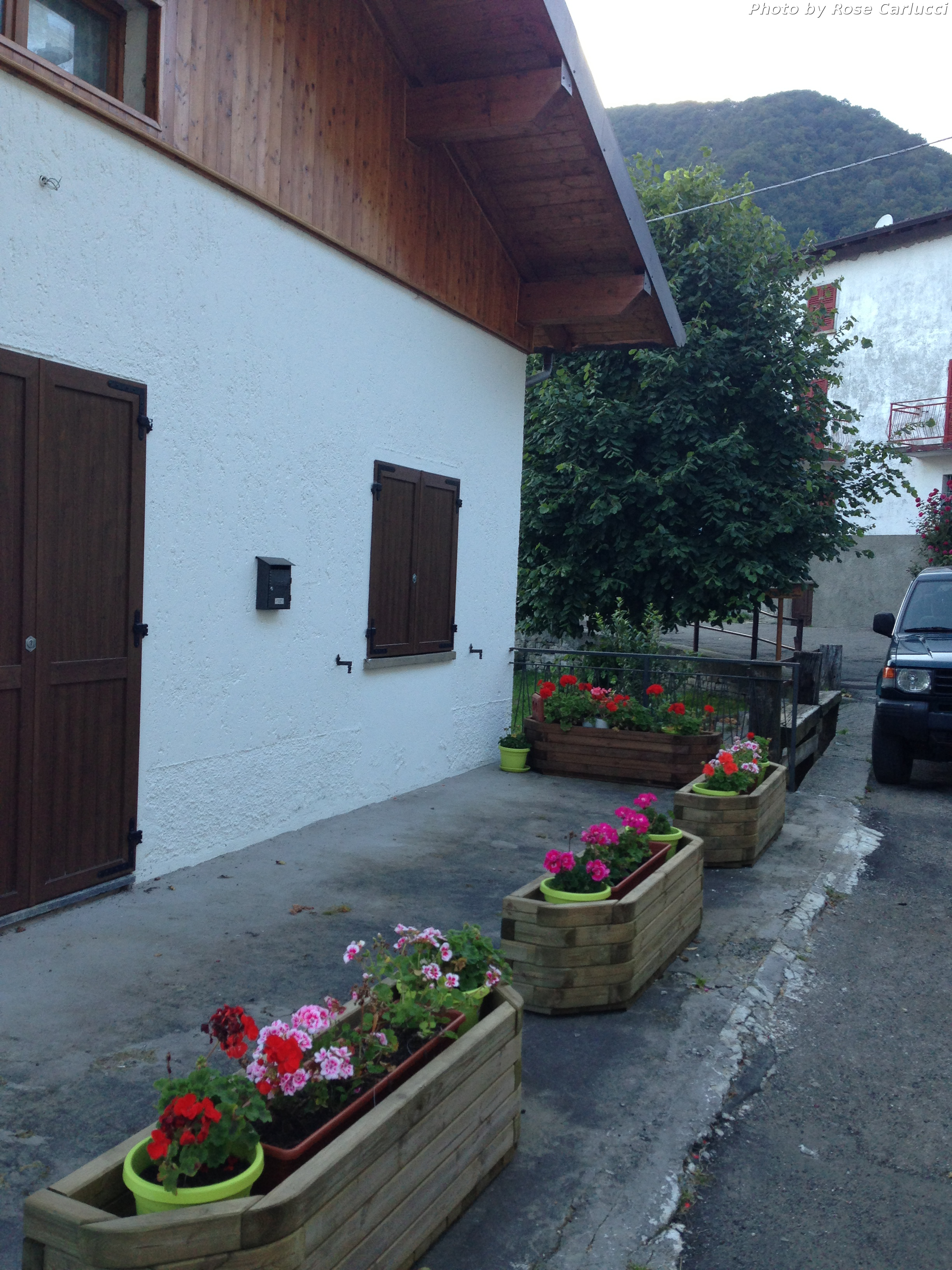
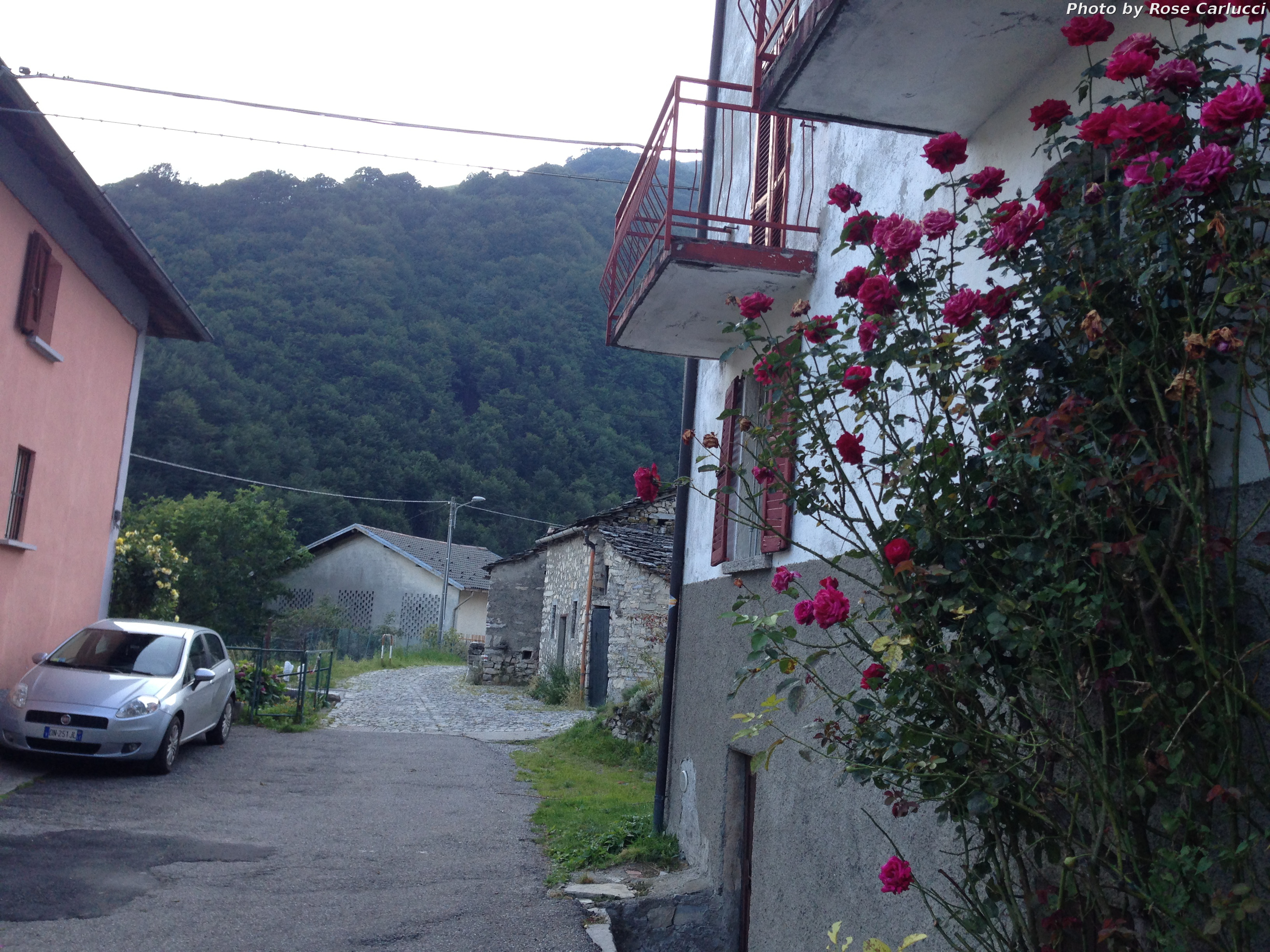
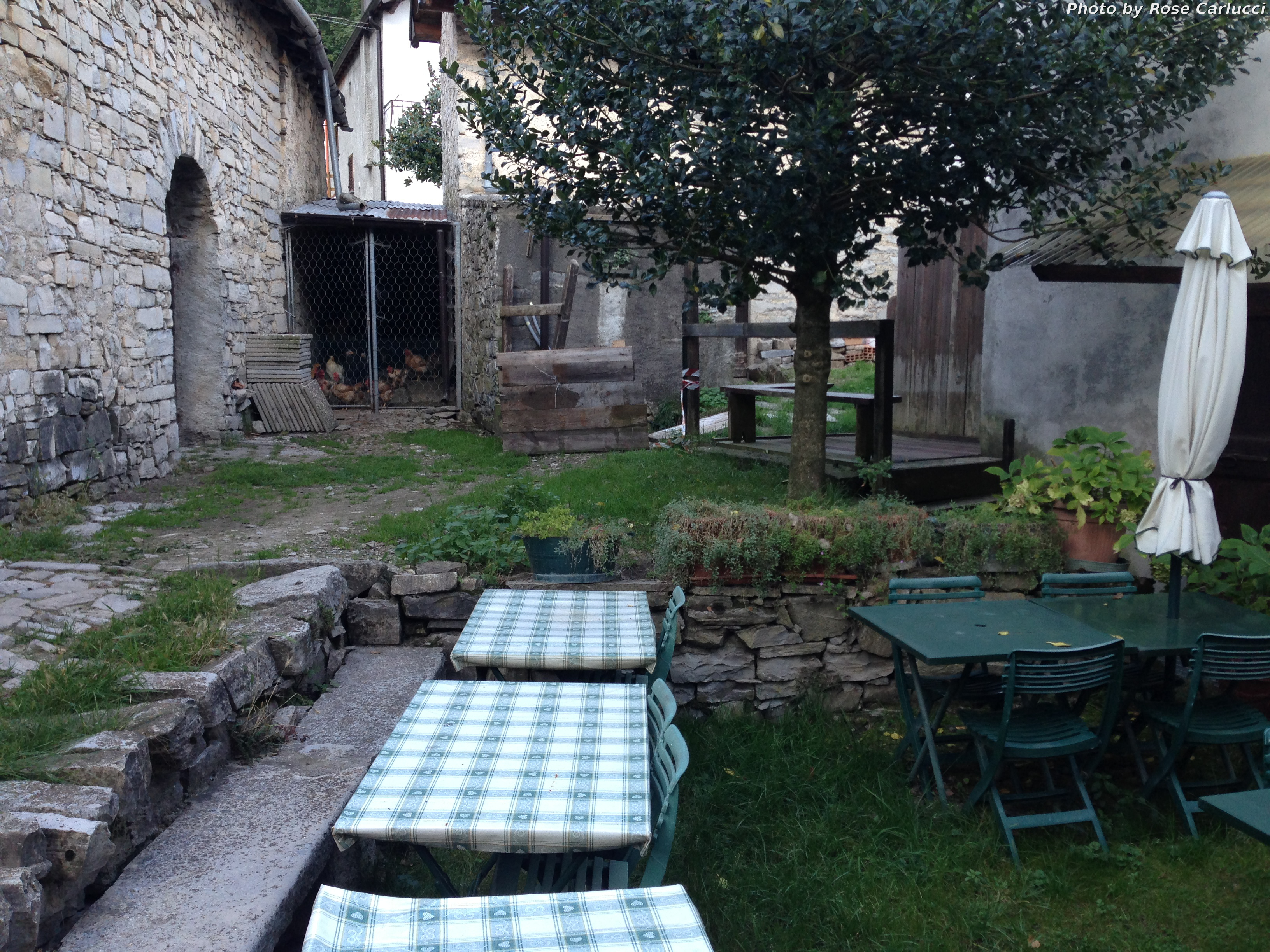
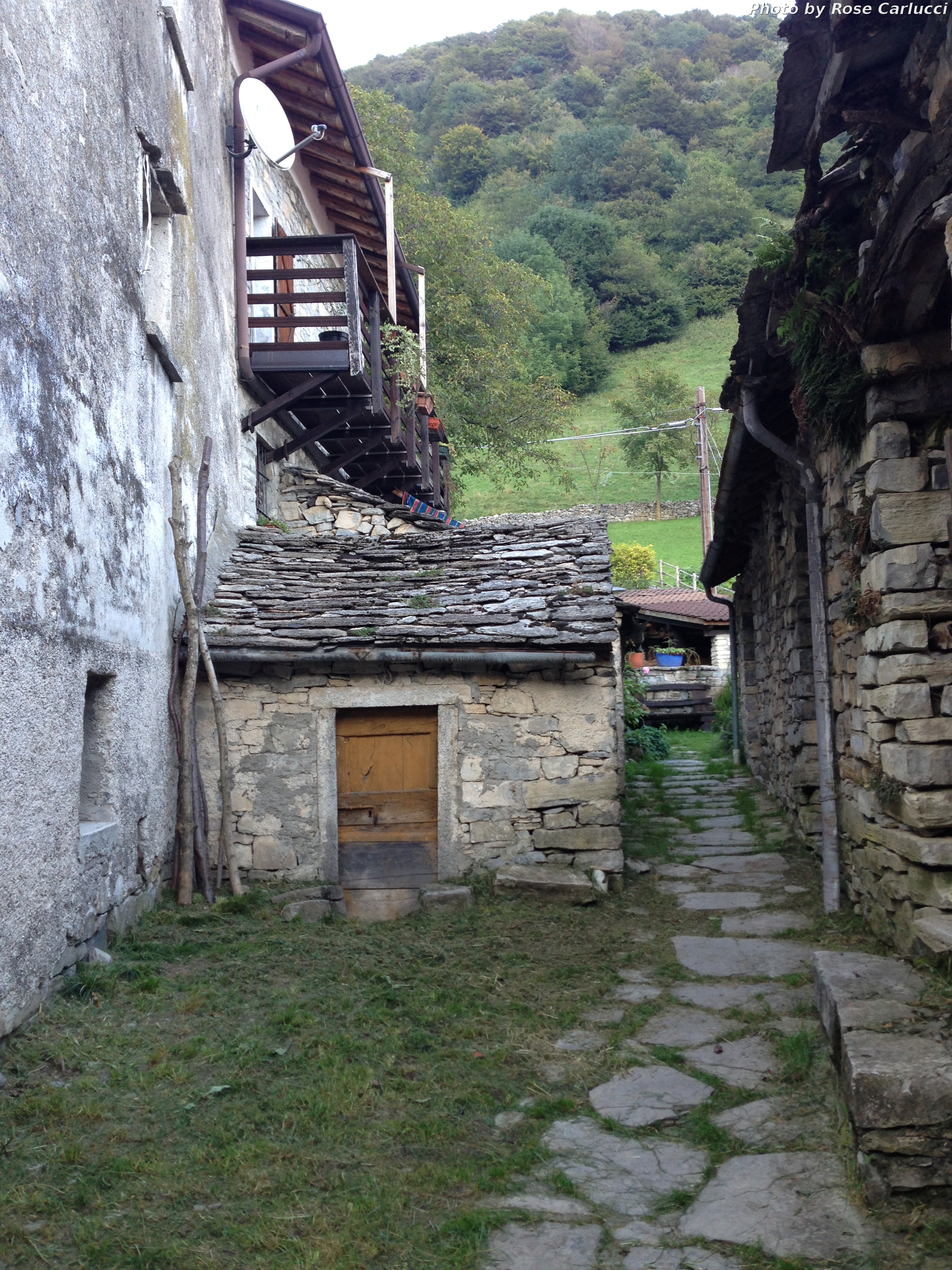
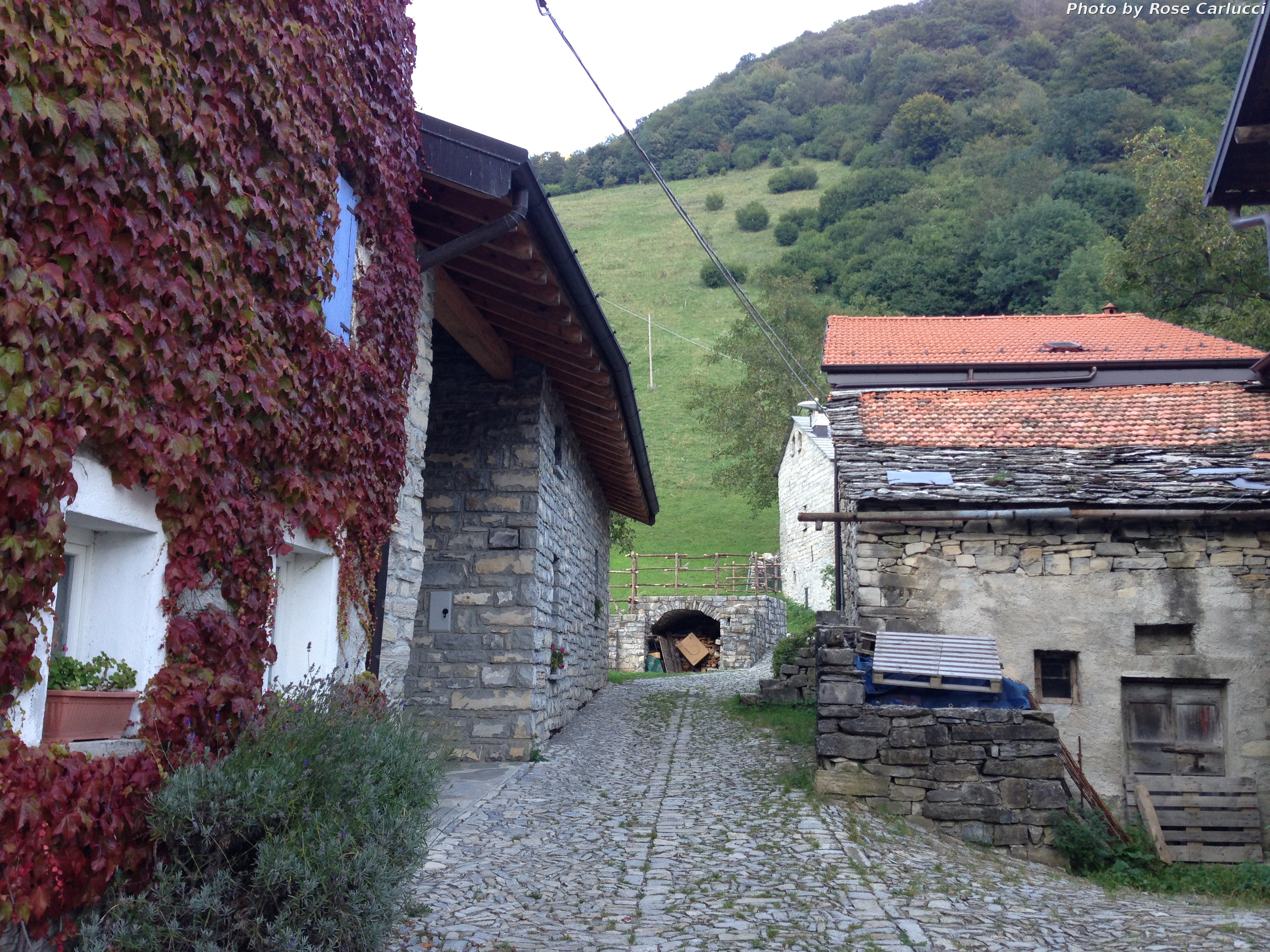
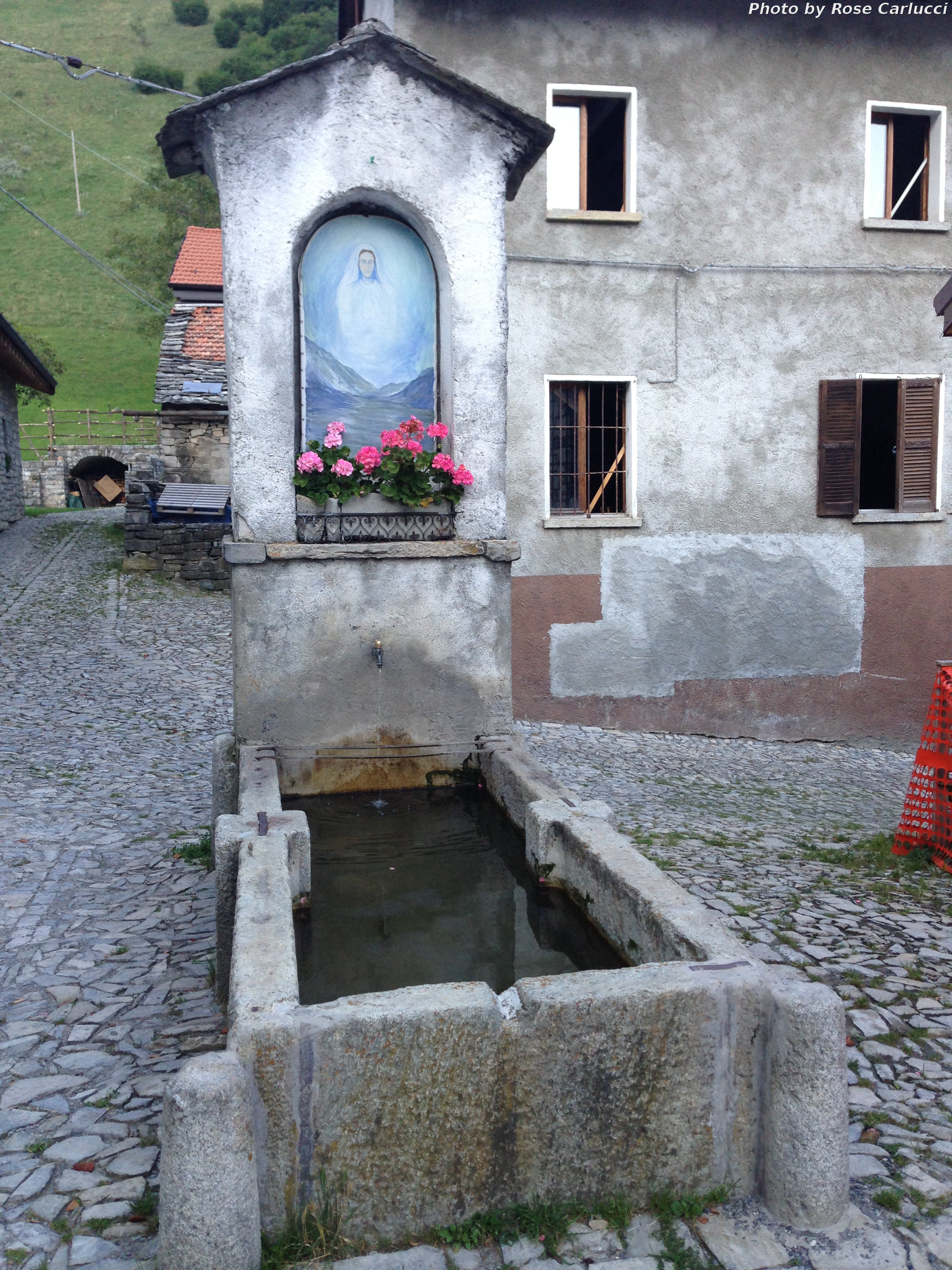
Erbonne is a part of the comune of San Fedele Intelvi, in the province of Como. The village is located at 940 meters above sea level and is located on the left side of Breggia River, on the highest portion of the Breggia, which in Switzerland it’s called the Valle di Muggio. It consists of 52 buildings and a few other farmhouses, other buildings housing use to protect animals in winter and typical stone houses of the Alpe: Squadrina Erada, Ca’s Monda, Genzago ‘s, Pesciò ‘s and Orimento ‘s, are all enclosed in the Valley. From Erbonne it’s easy to access to Switzerland on foot or by mountain bike over a bridge, which leads to Scudellate, village which is about 1 kilometer far. The nearest Italian country is Casasco d’Intelvi (6 miles by road). In Erbonne area and more exactly in the cave Generosa (known as bear’s Cave for the discovery of remains of the extinct cave bear dating back to 40,000 years ago) have been found pieces attributed to Neanderthals dating between 50 and 60,000 years ago. You can visit the small Museum of the Guardia di Finanza and smuggling which is located in the tiny barracks outside the town on old route which communicates with the Swiss settlement Scudellate. You can’t enter to the Museum physically, cause of its small size, but through small windows items can be observed from outside from the time when smuggling was a livelihood for local people. In August 2012, there were only 9 inhabitants.

Tips

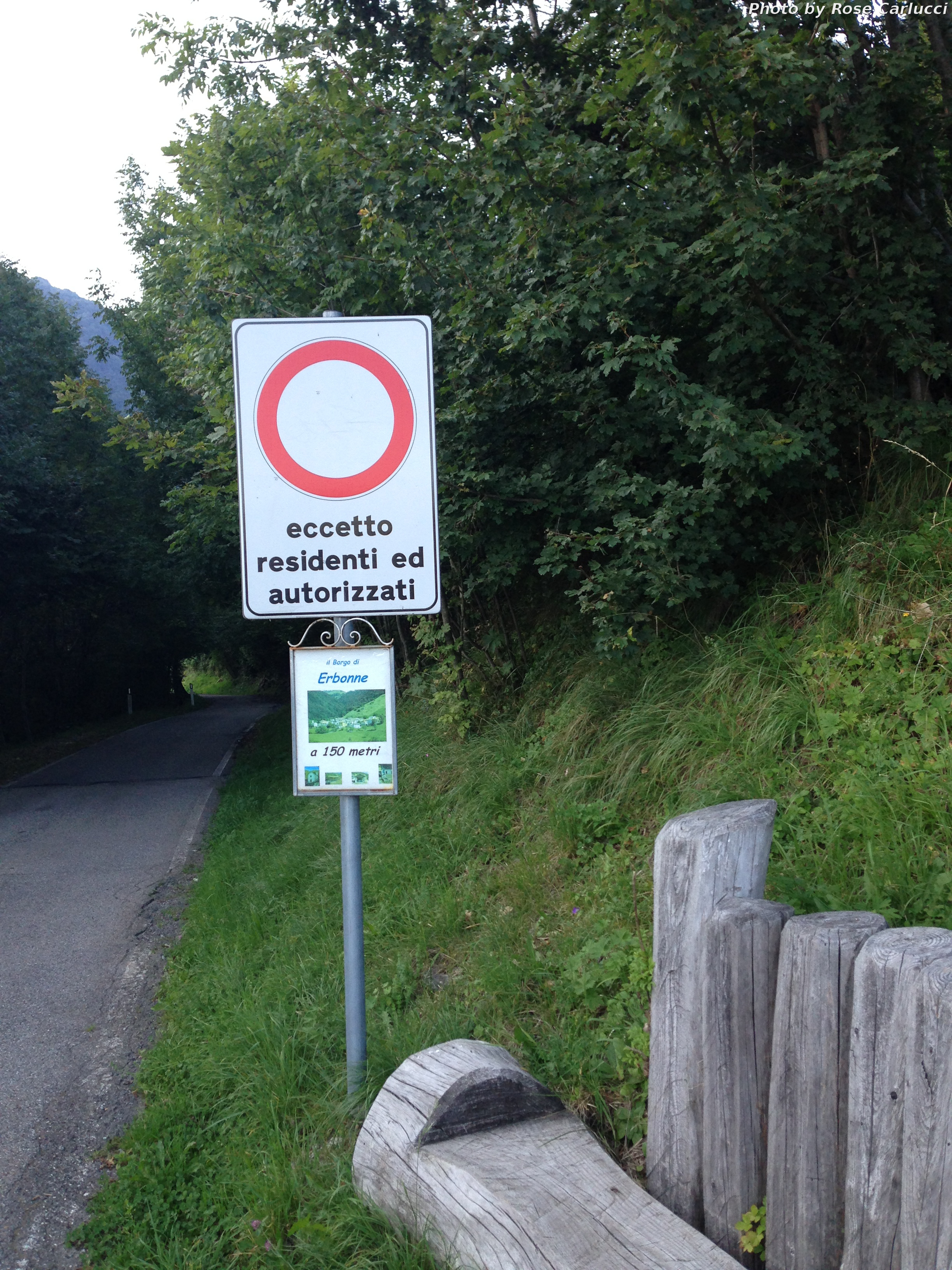
The only way to get there is by car or mountain bike but you can’t enter the village, you’ll have to park your car at the entrance of the village and go to 500 meters walk.

It is advisable to bring sports shoes to avoid slipping on the stone or on the lawn because if you want to go to the bridge that communicates with Switzerland you have to do it coming down the mountain on the lawn, in full nature.

It is advisable to make the visit during the day because the road is very winding and in some places is difficult to pass if you find yourself with a car in the opposite direction. The use of the horn is strongly recommended.

Bring a sweater because the temperature will be cooler in the mountains.