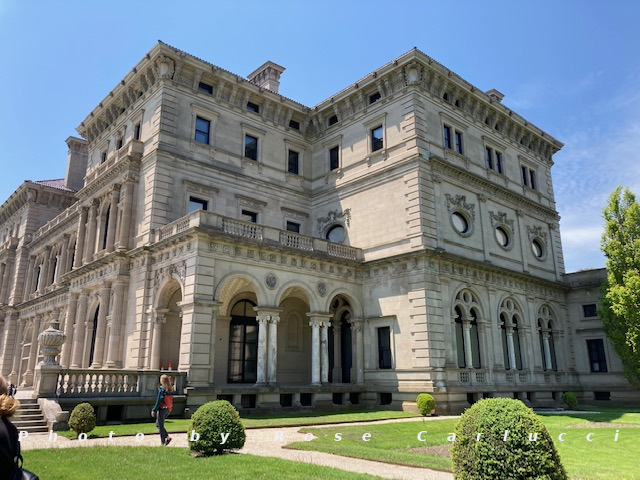
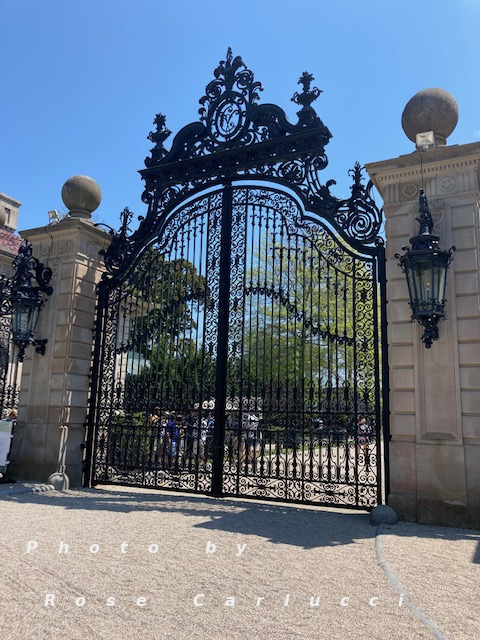
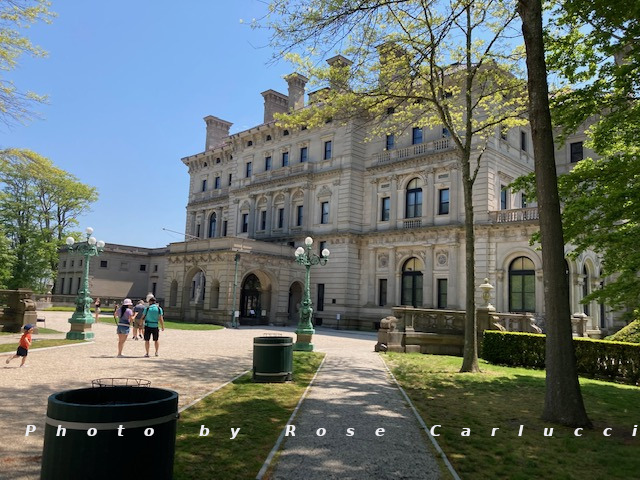
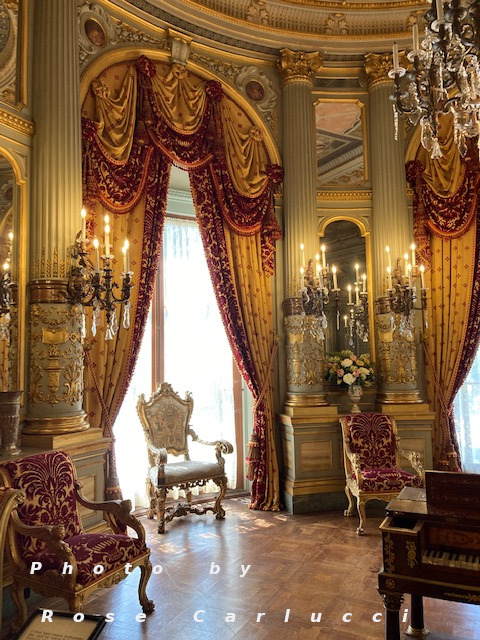
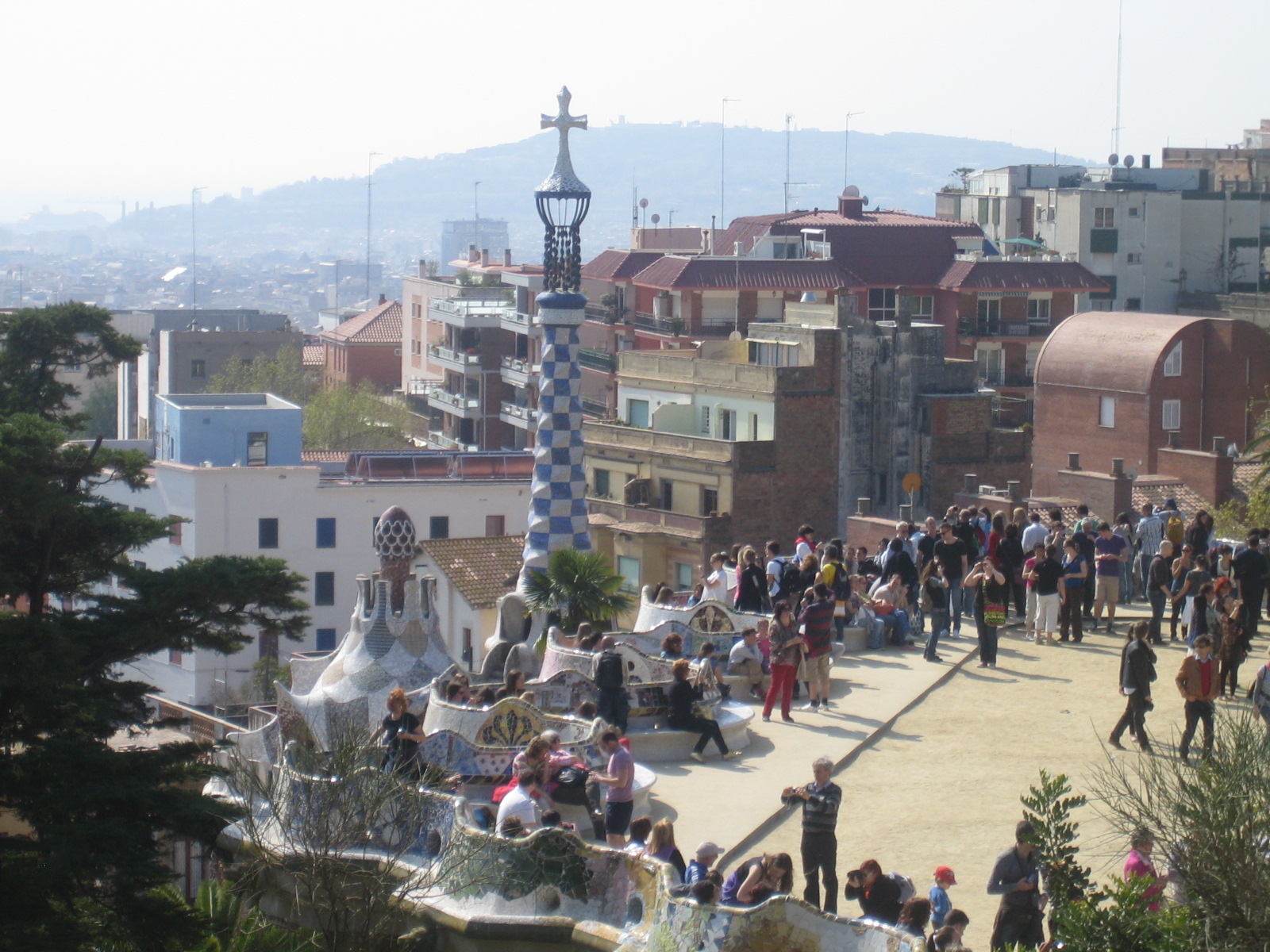
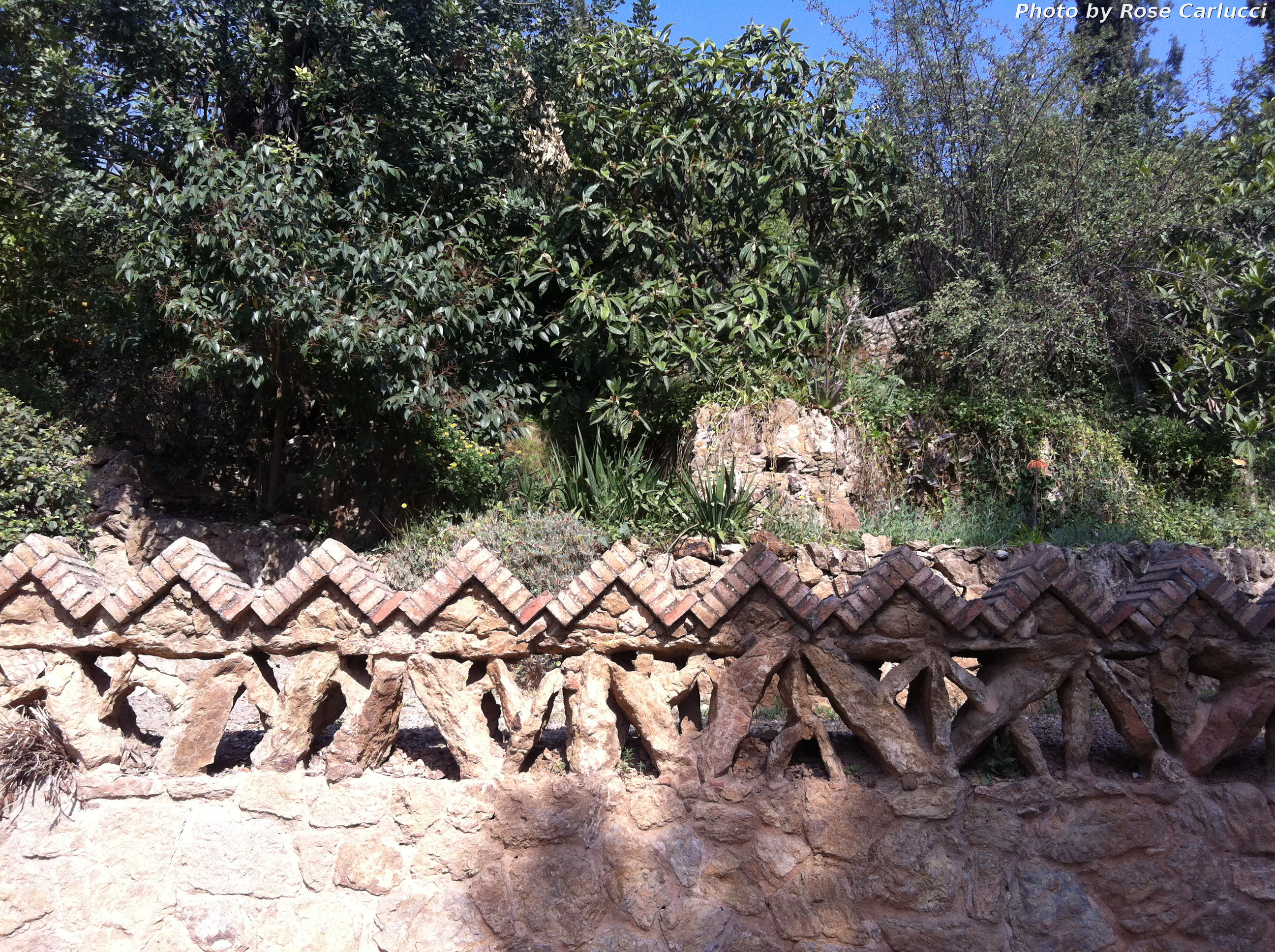
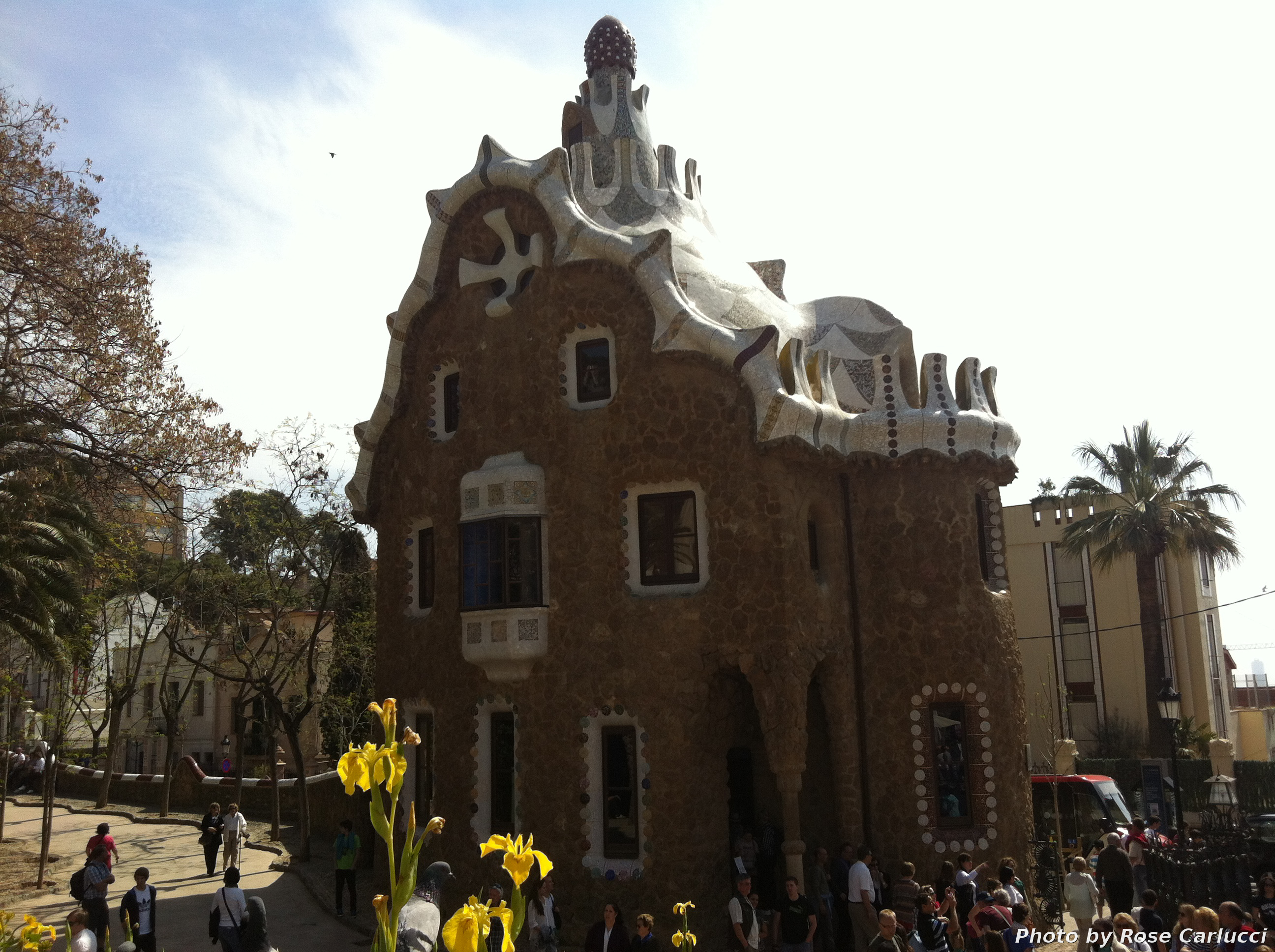
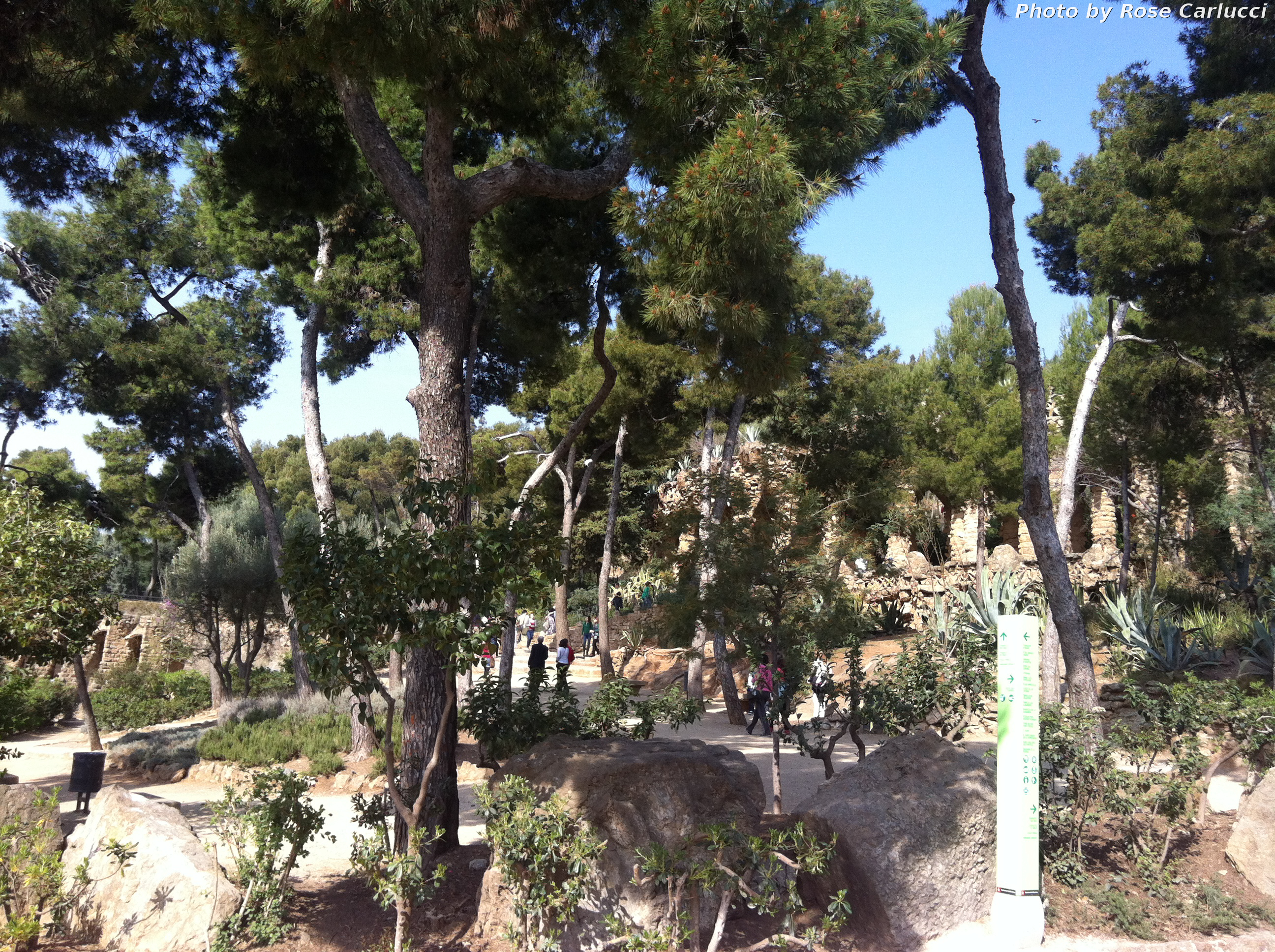
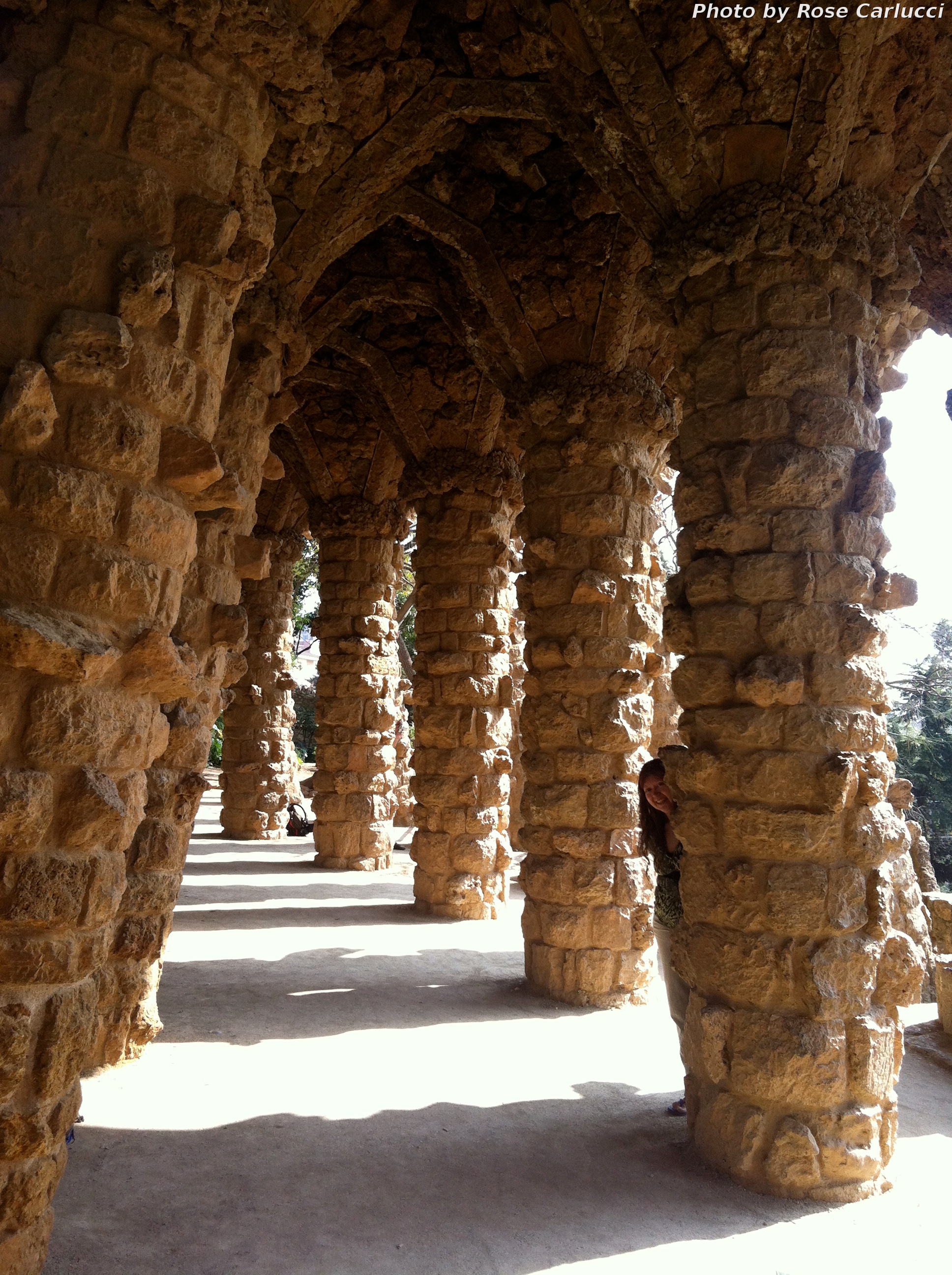
Park Güell is one of the achievements of the catalan architect Antoni Gaudí in Barcelona which is on the UNESCO World Heritage list. It was built between 1900 and 1914. Originally, it was to be a garden city that Eusebi Güell asked him to build on a hill in the South of the city (El Carmel). This should contain a chapel and 60 houses. But the cost of construction increased in big proportions that only were completed three houses and Güell Park. In 1923, the Park became property of the city of Barcelona. With his imagination, Gaudí made an original work with curves that fit with the nature like the columns in the aisles, for example, simulating tree trunks and the two houses at the entrance, in the form of fungus. There are 3 remarkable fountains and the best-known has a salamander. There are large stairs that lead to the Hypostyle Hall to the hundred Doric columns where there are actually just 84. The room had to serve as a market. The columns have 6 m high and 1.20 m diameter and the vault is built so that rain water is recovered in tanks located under the market to allow watering free and ecological gardens, as well as the power of fountains. The vault is decorated with four ceramic suns of 3 m in diameter. The central square, with the longest corrugated bench of the world (110 m); measures 86 m long by 43 m wide. The trencadís, a mosaic technique using broken and mismatched pieces of earthenware or colored glass, is used extensively on buildings, fountains, the main bench and other buildings in the park. The House-Museum of Gaudí in the Güell Park was built by one of his collaborators, Francesc Berenguer. This museum includes an important collection of works by Gaudí and of some of its employees. The Museum is spread over three floors including two dedicated to Gaudí. On the ground floor there’s an exhibition of furniture designed by Gaudí for Batlló and Calvet houses and on the first floor, the office and the house of the artist where he lived his last years.
Tips
The best way to get there is with the bus as the nearest metro station is a bit far from there and you need to walk 10-15 minutes and you’ll have an escalator on the highest part of the climb.
The park is open every day but the access to the area from the main entrance to the esplanade (part of monuments by Gaudí) isn’t free since October 2013. It is nevertheless possible to see the monuments from the tops of the park and the main entrance. You can buy the ticket at the entrancet or by Internet.
If you want to have beautiful panoramic photos of Barcelona, the park will give you this possibility.