Agadir, Souss, Morocco

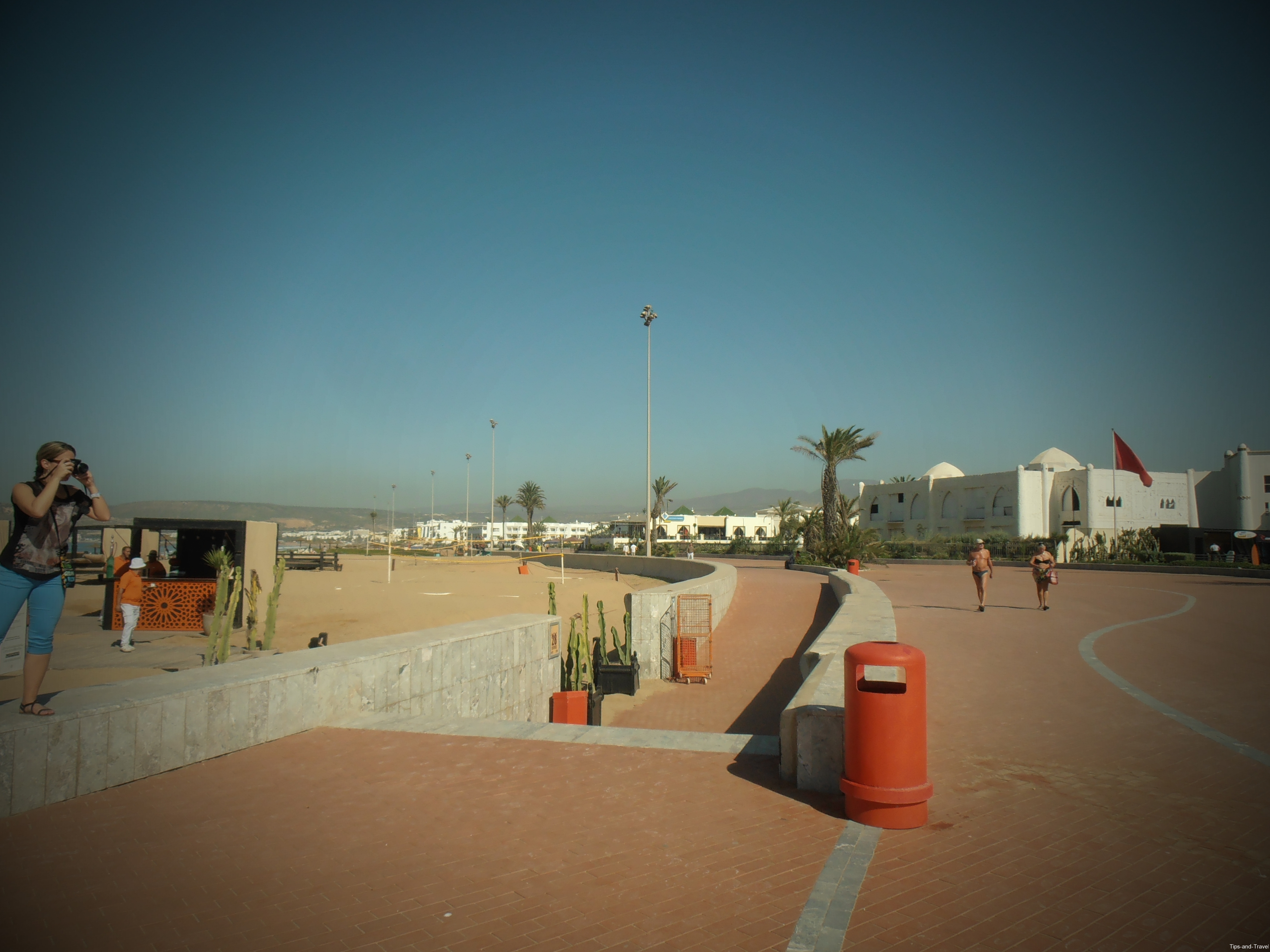
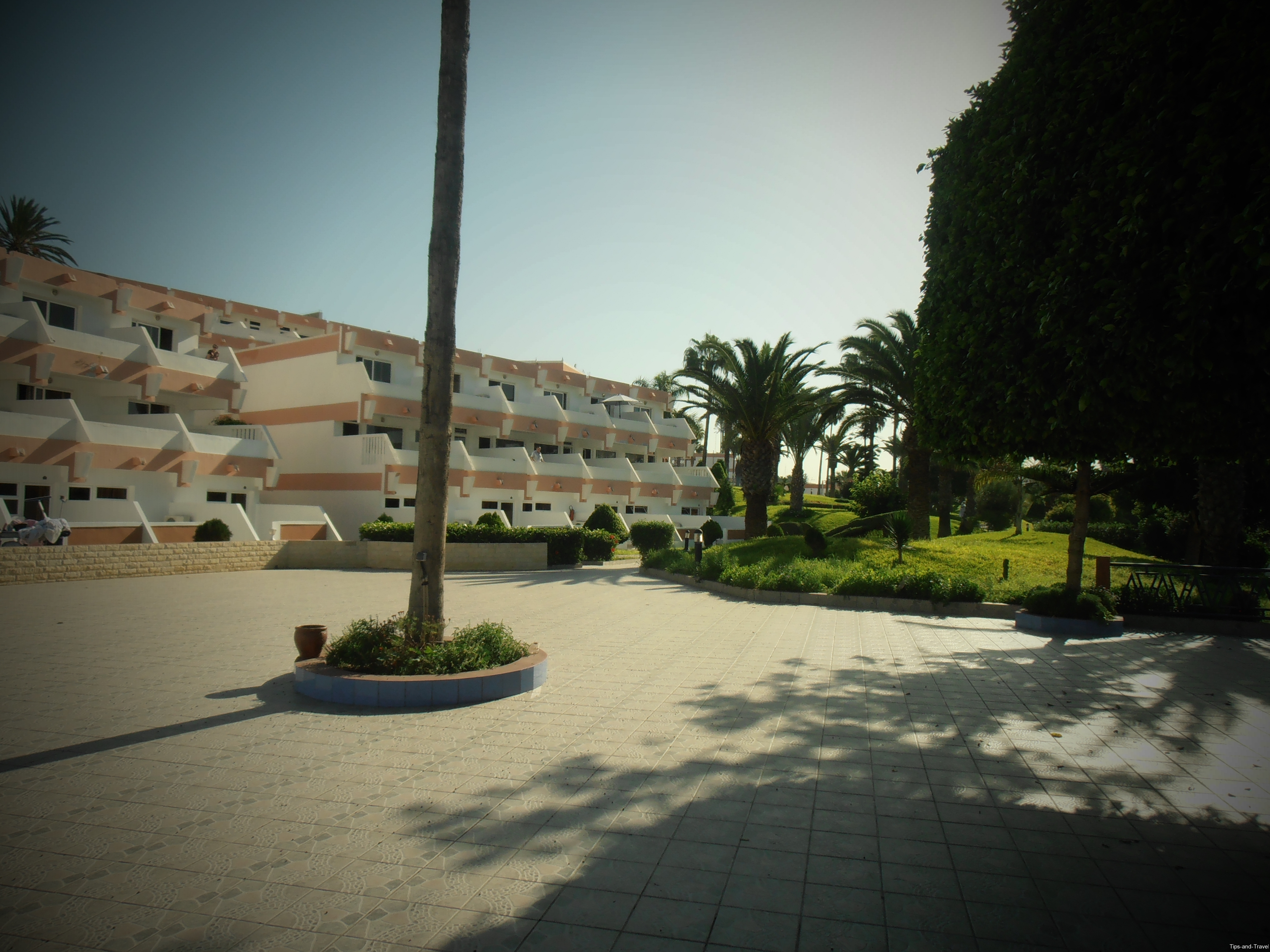
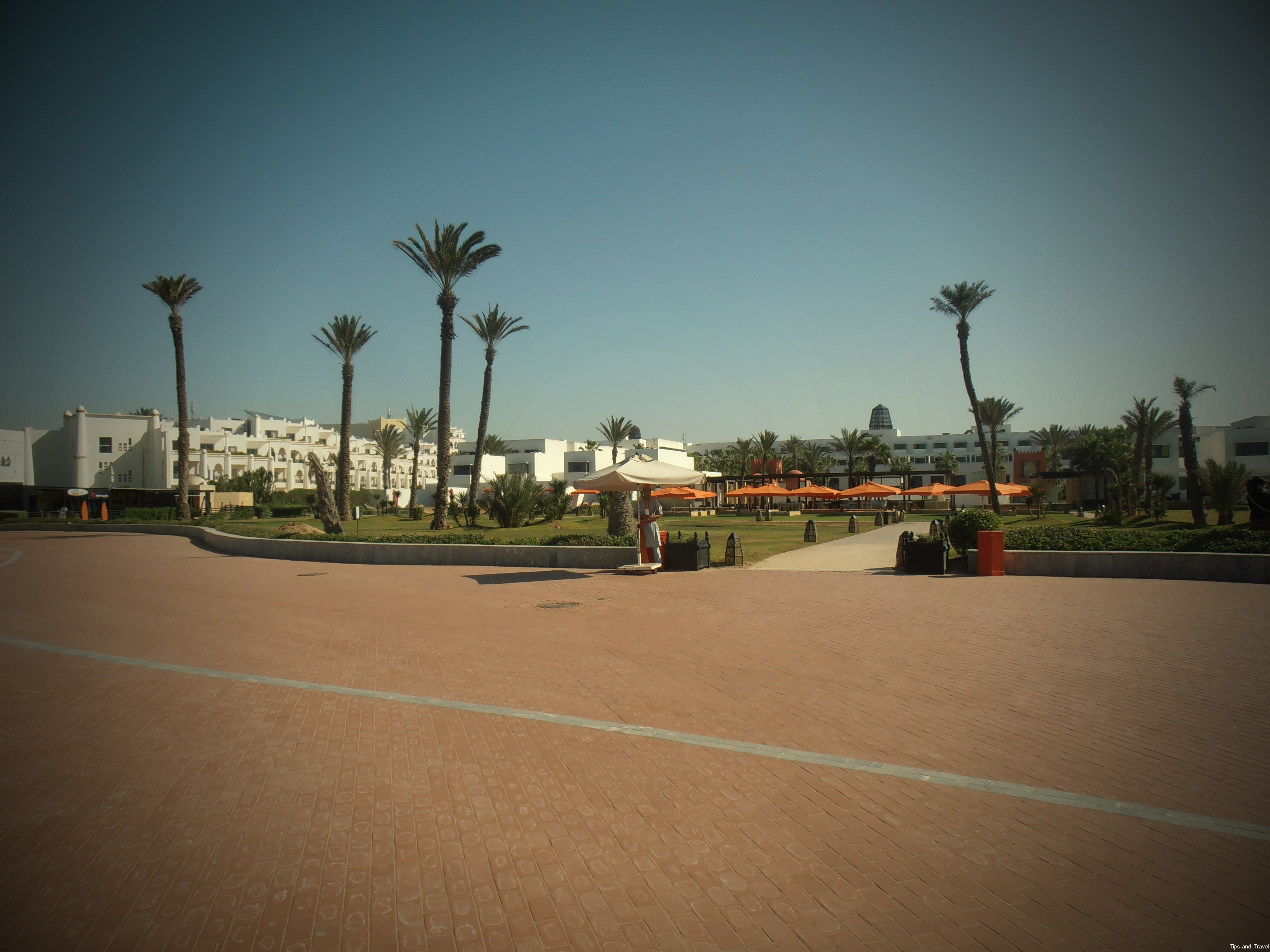
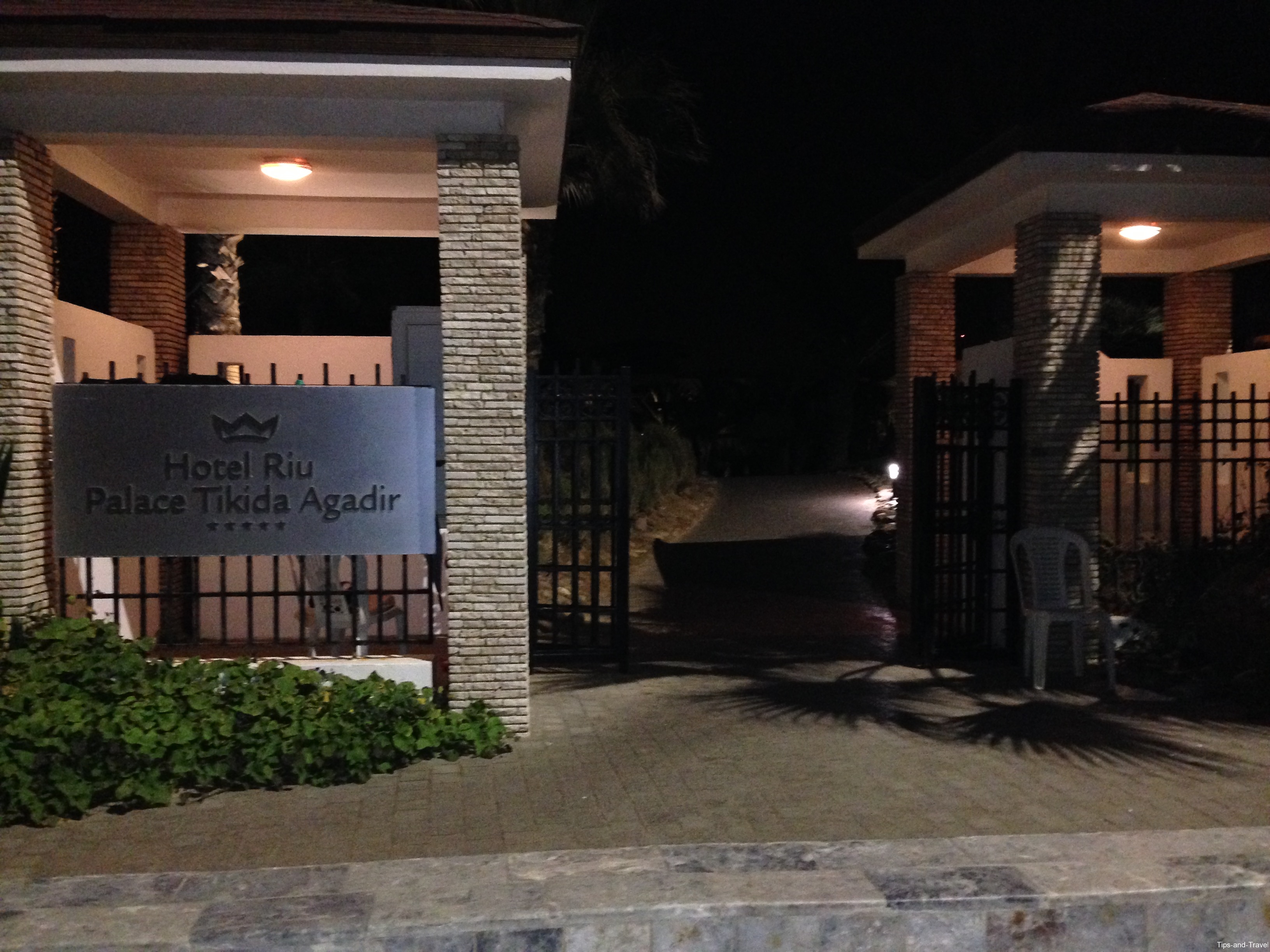
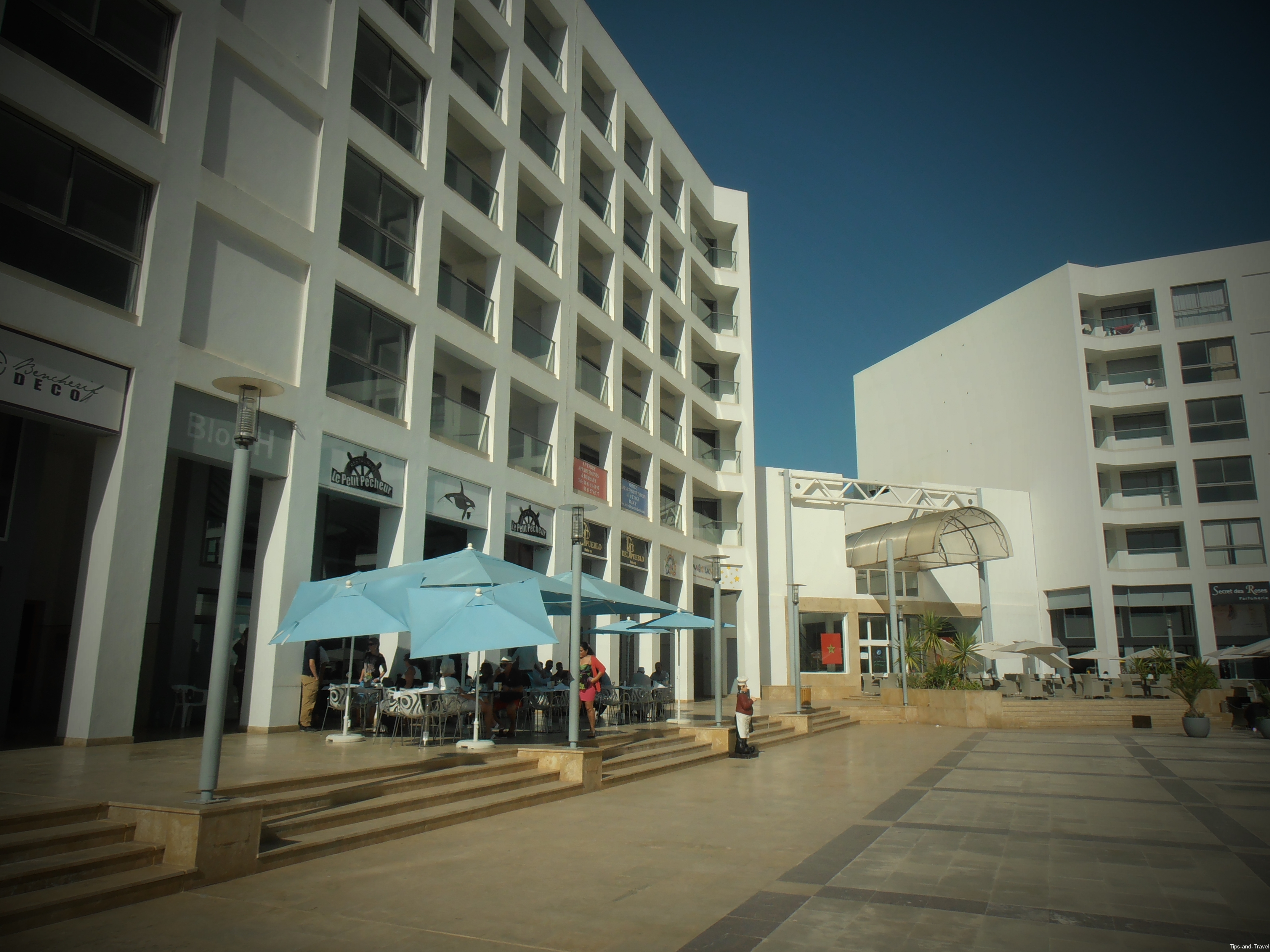
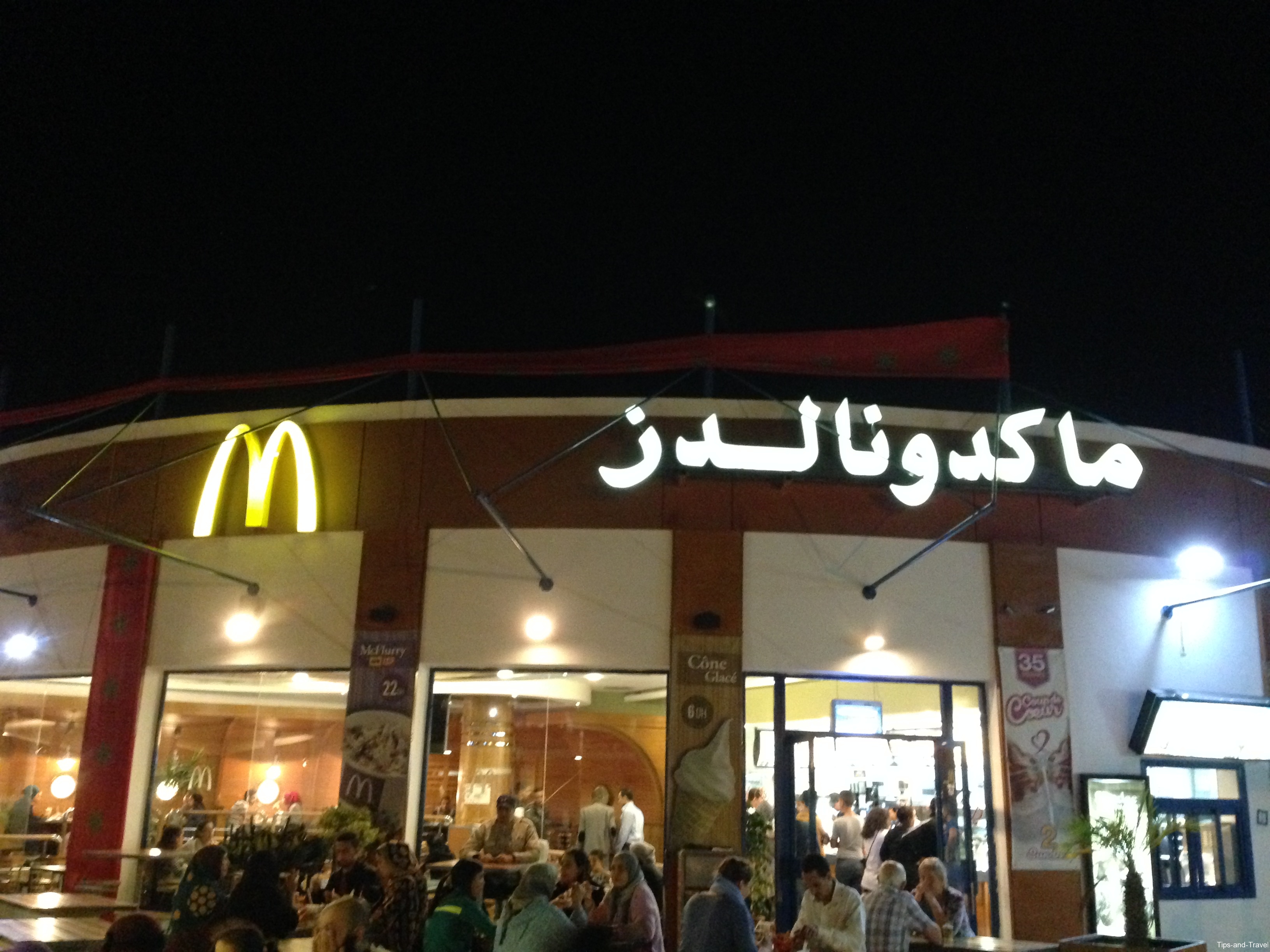
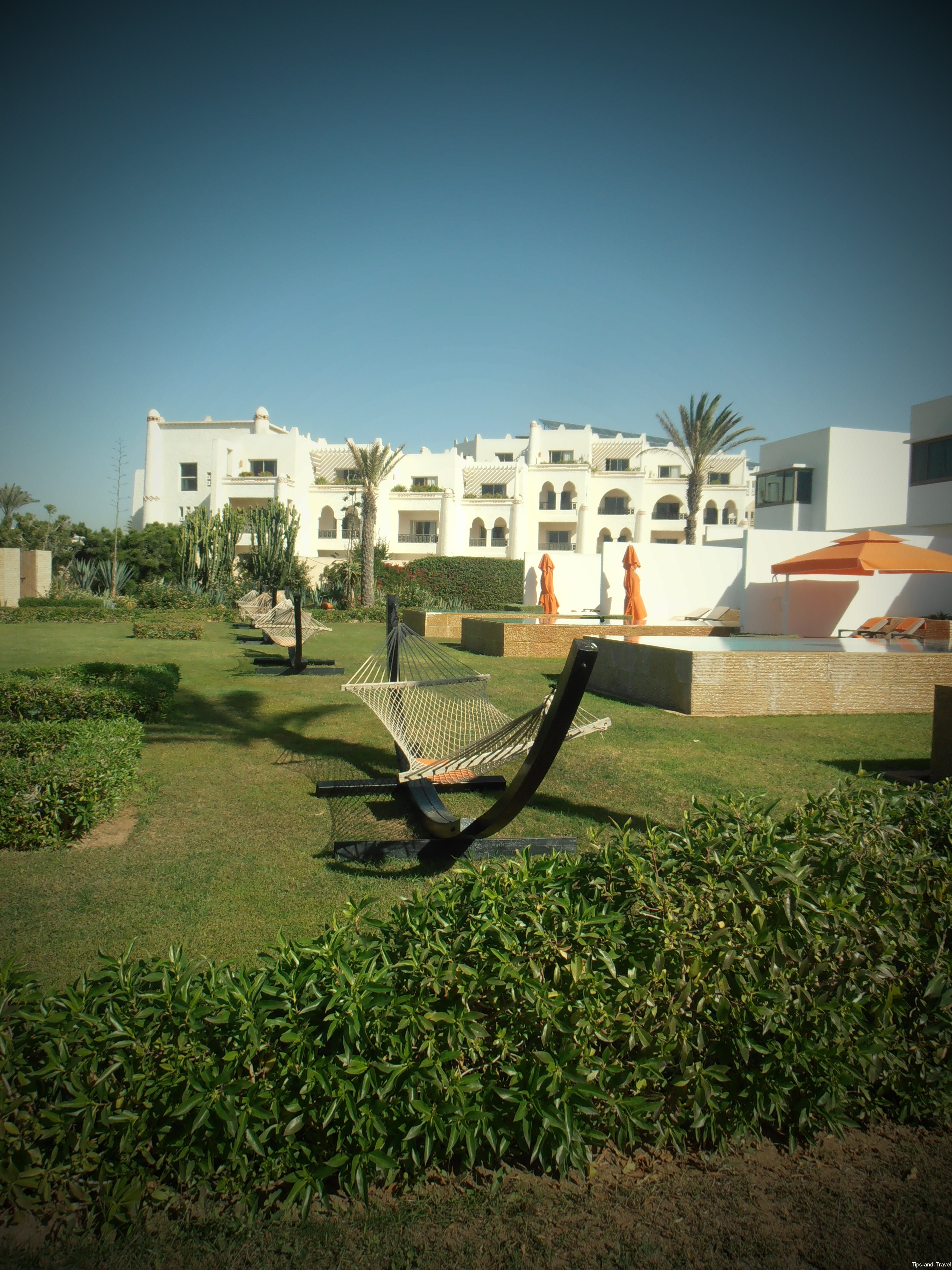
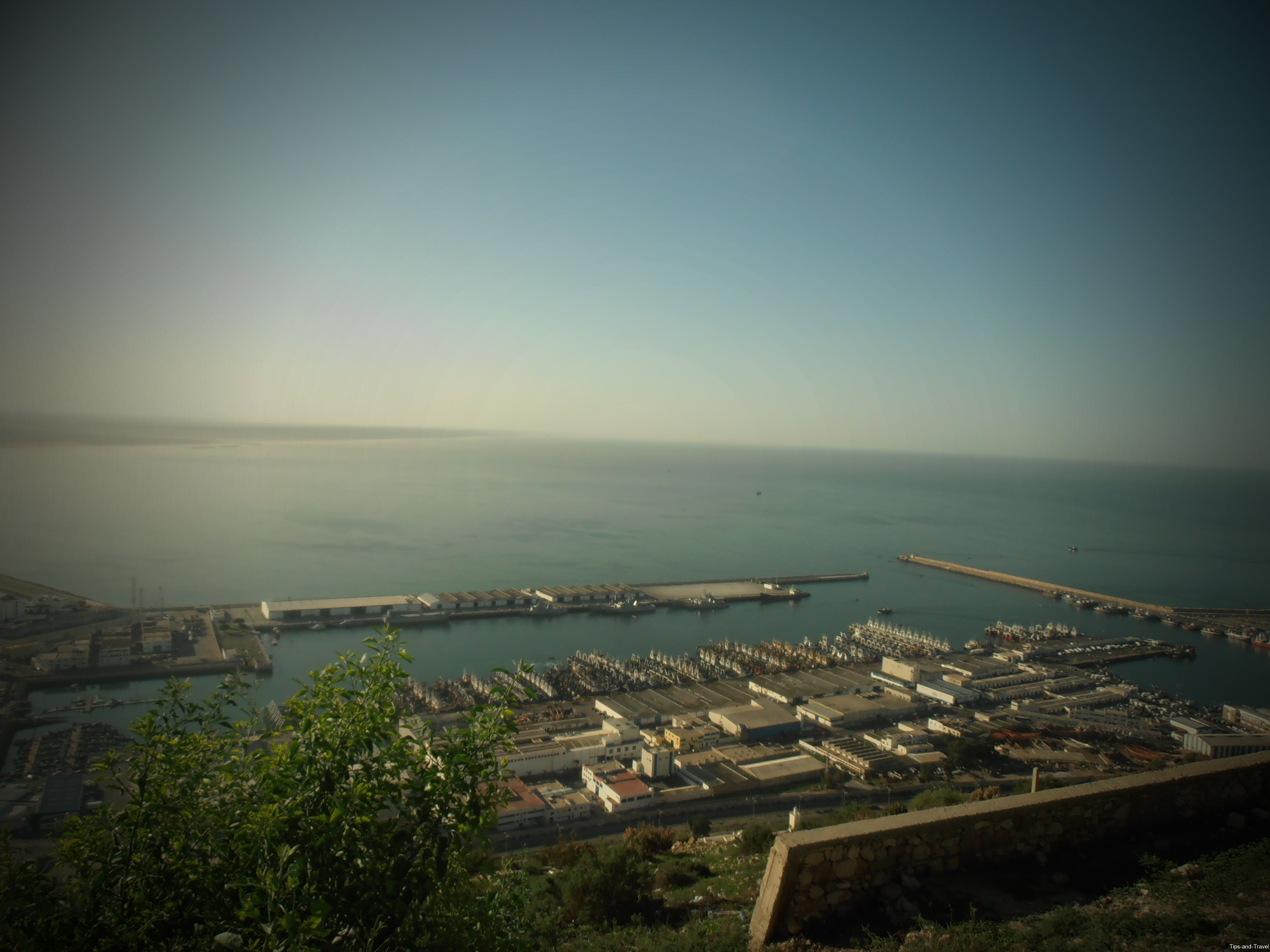
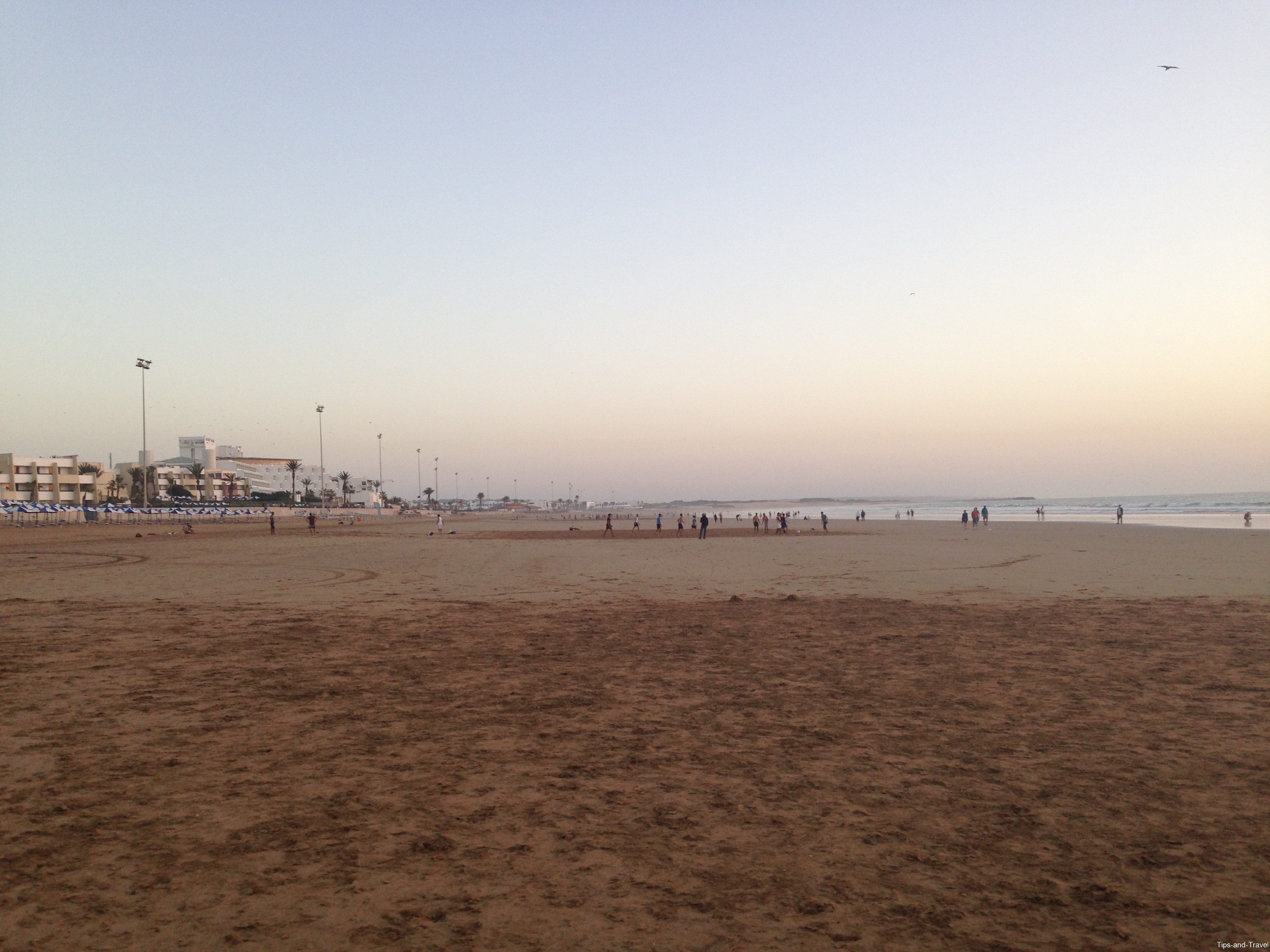
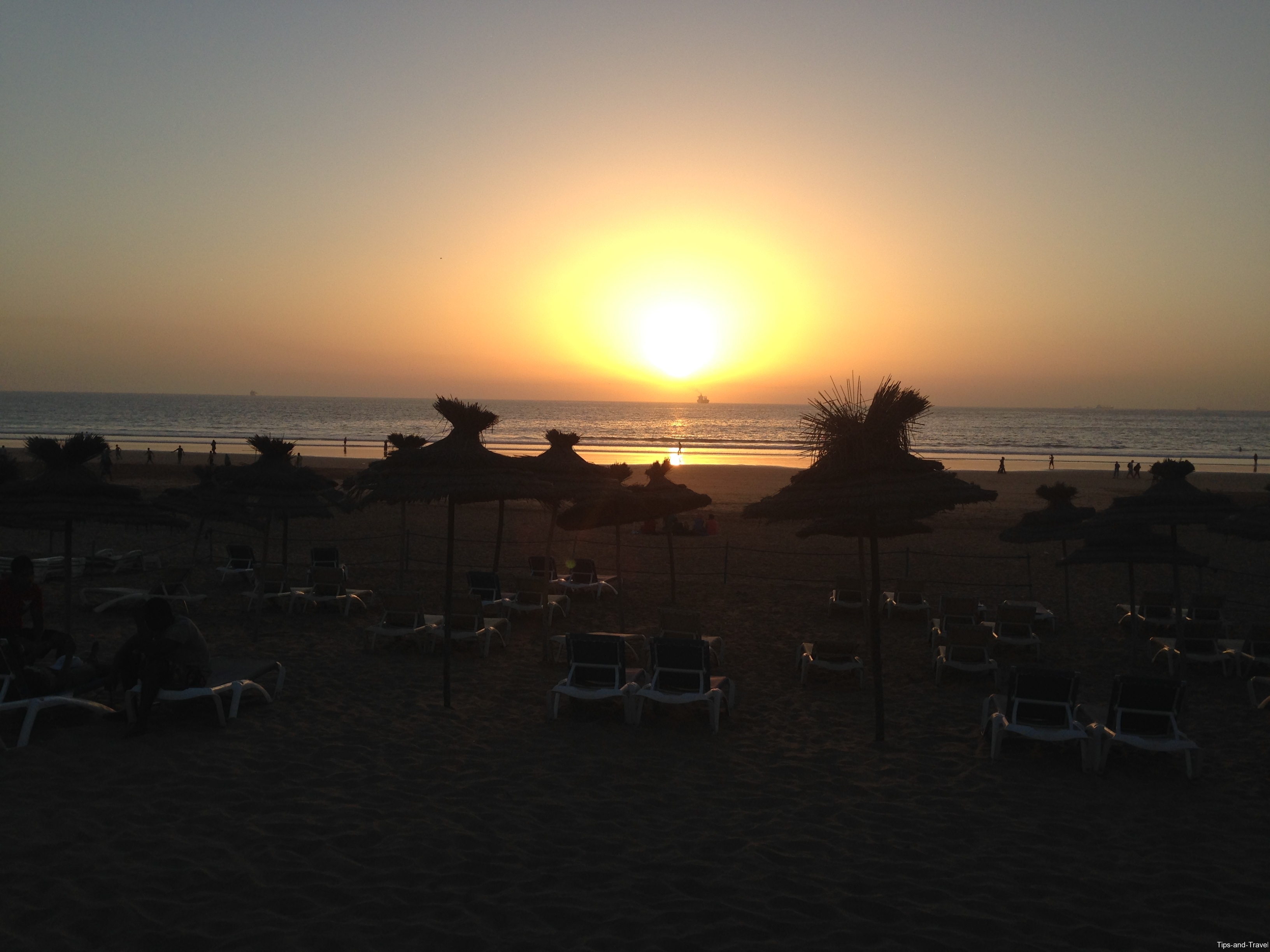
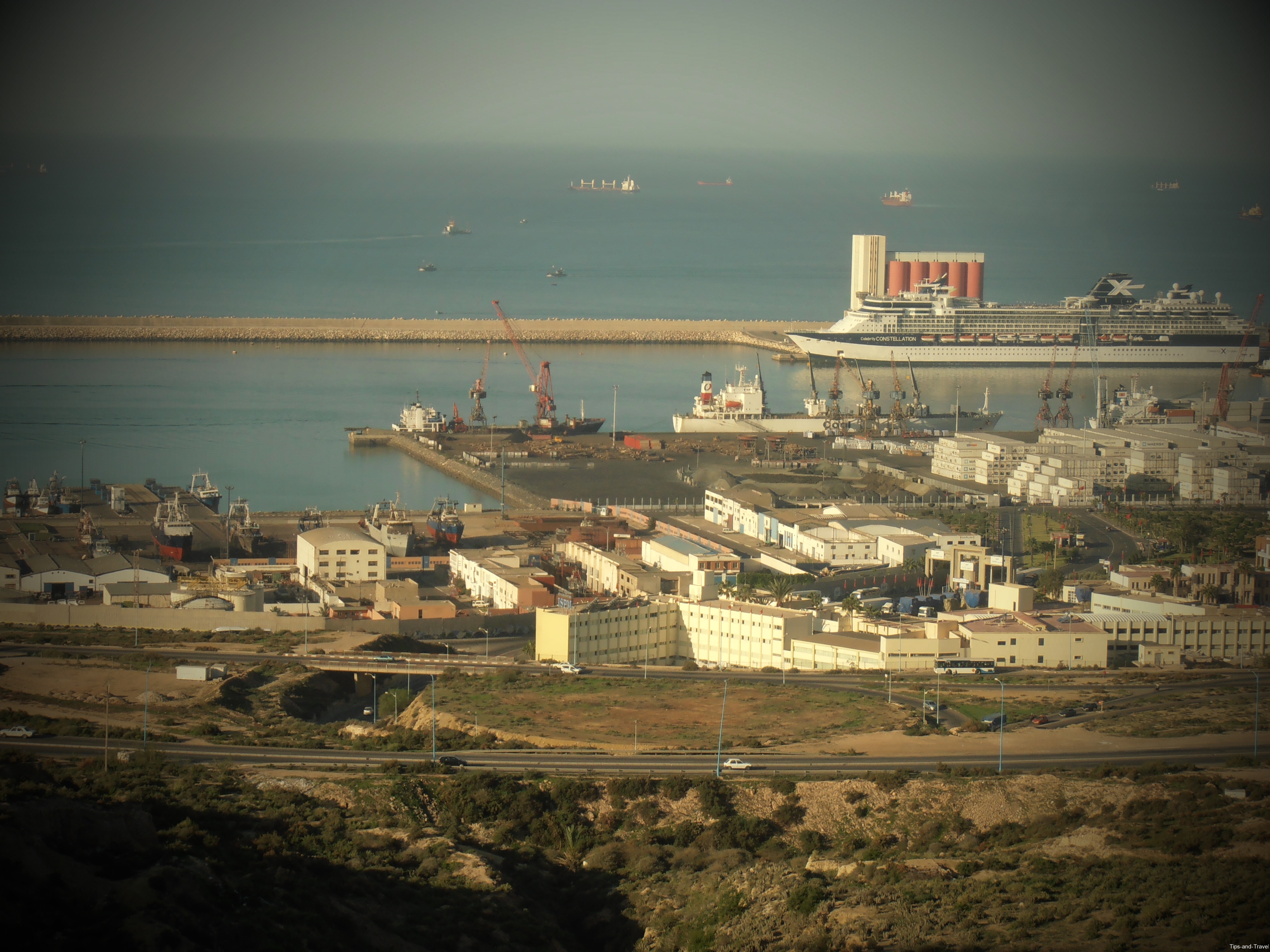
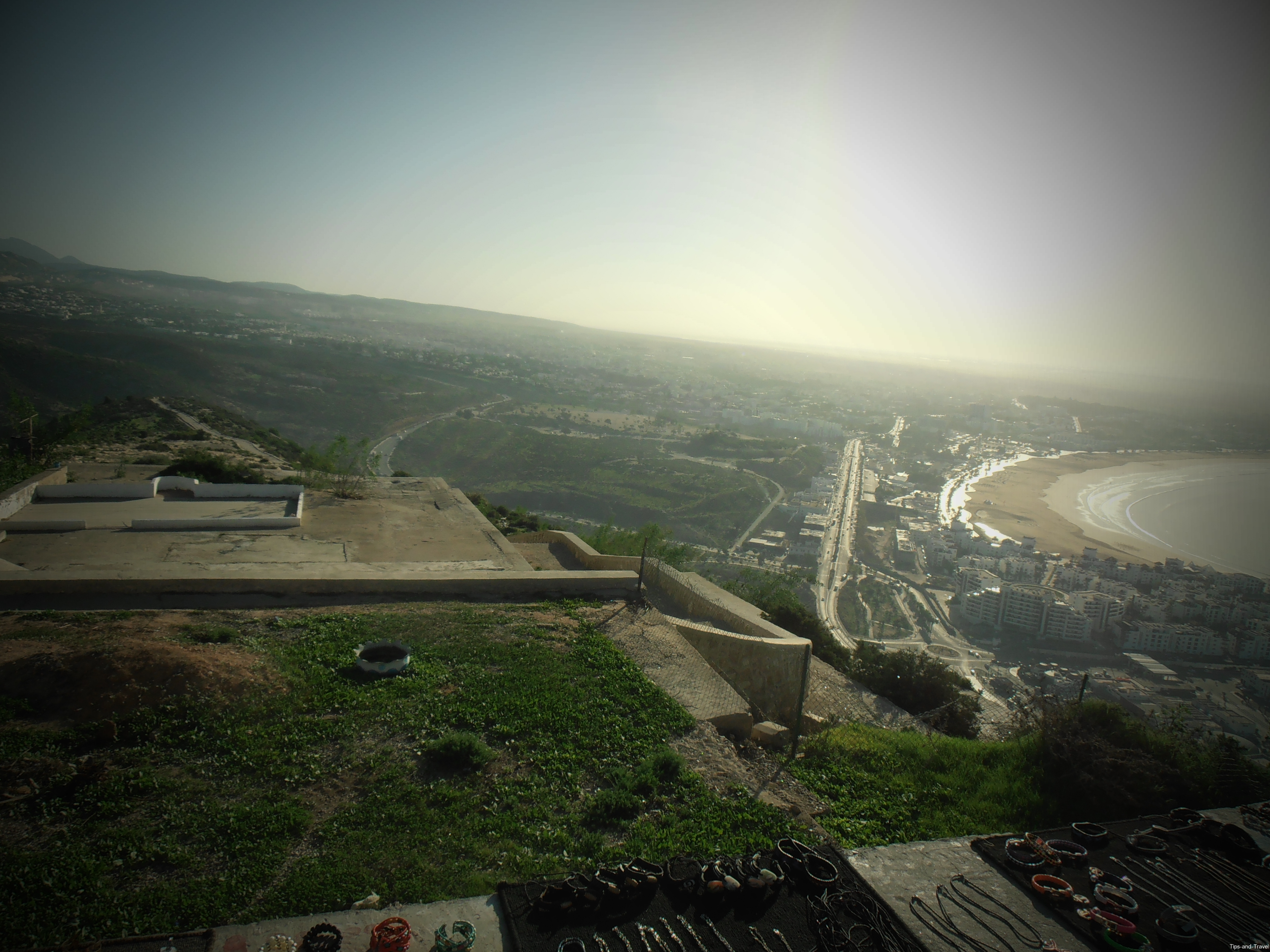
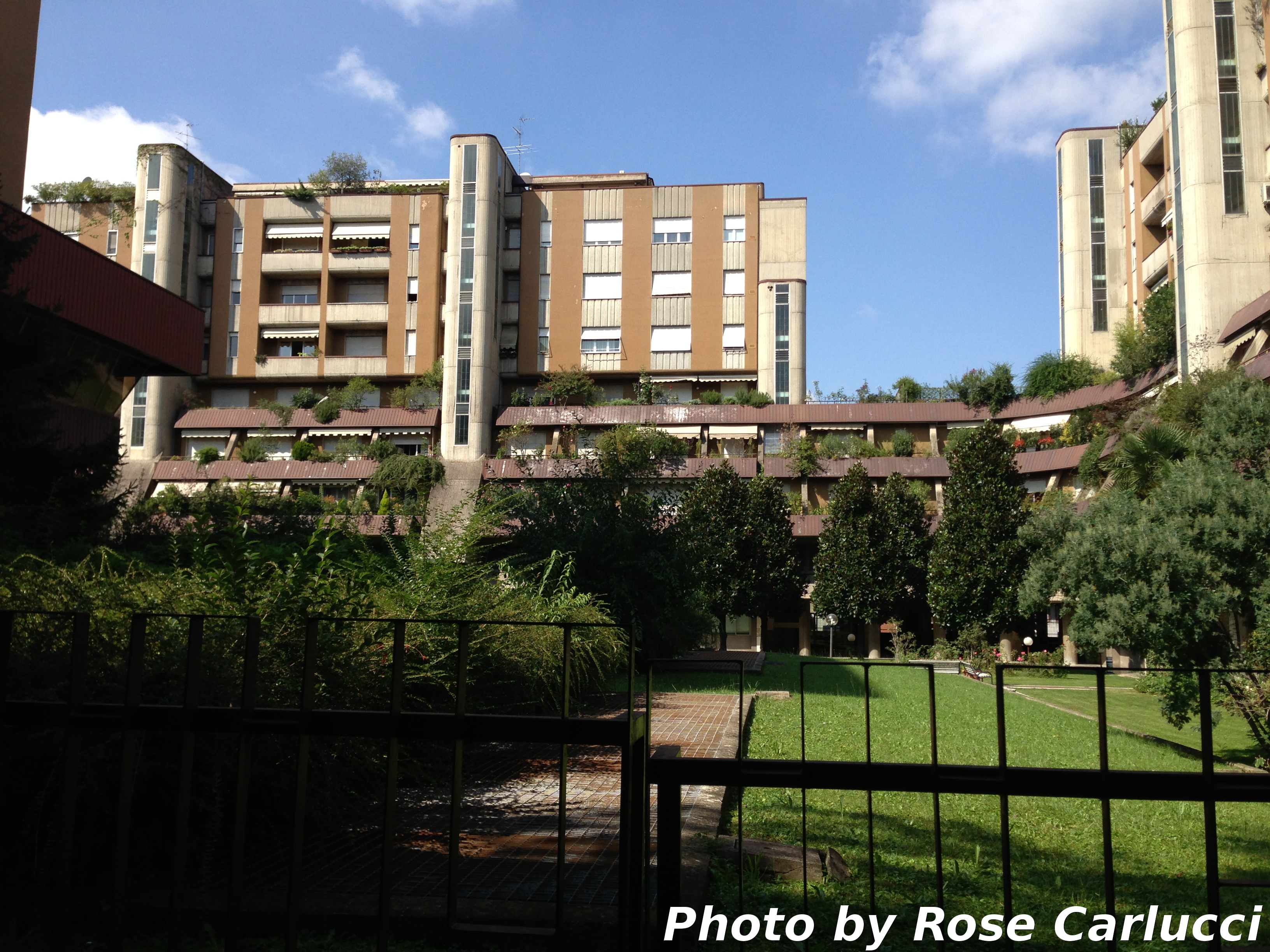
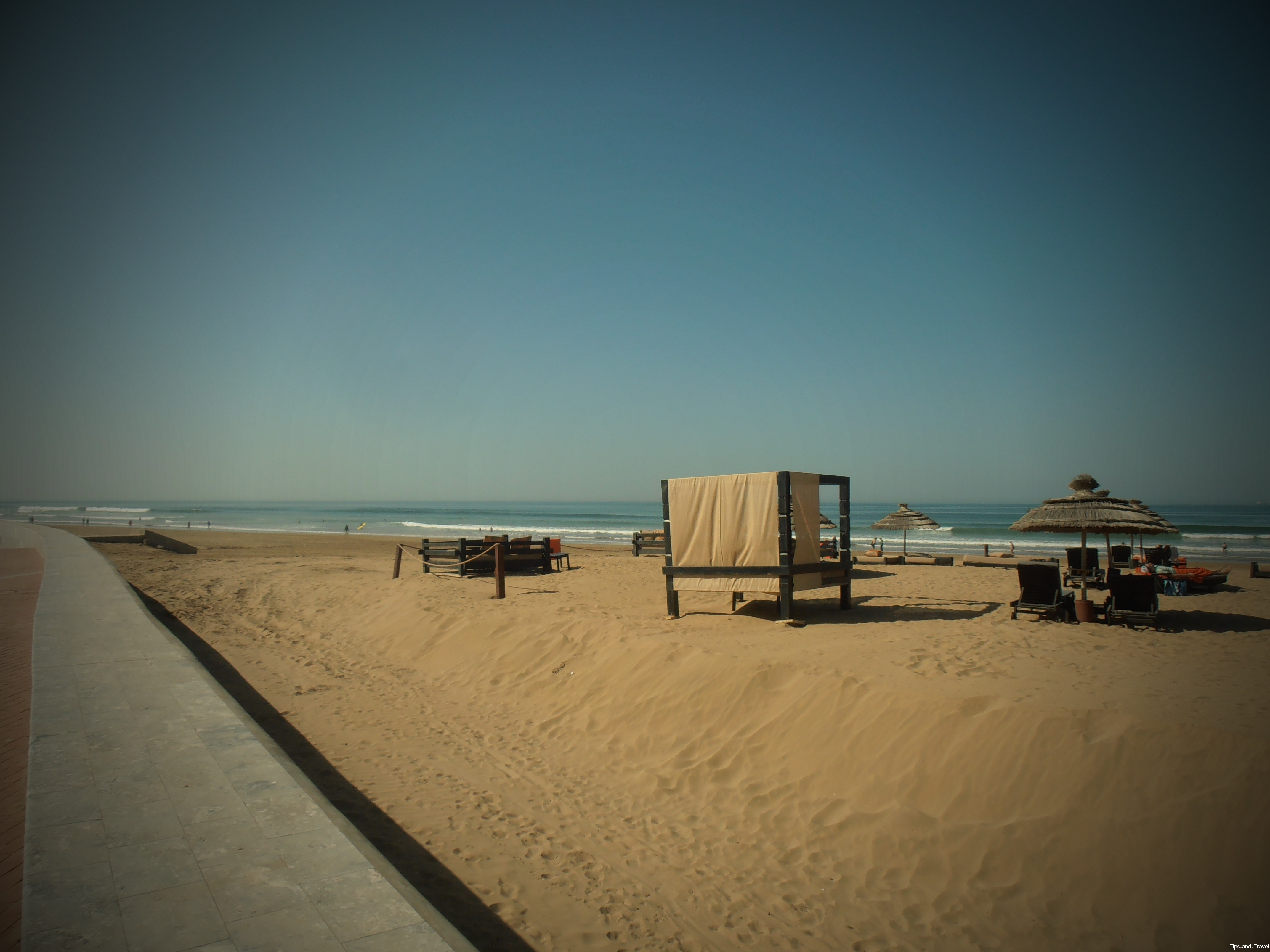
Agadir is a city in southwestern Morocco, located on the Atlantic coast, in the Souss region, 508 km south of Casablanca, 173 km of Essaouira and 235 km west of Marrakech. It is a city where there are three languages; Arabic, Berber and French. From 1950, Agadir is a dynamic city with the aperture of a new commercial port and good activities such as fishing, agriculture, canning, mining and tourism course which feels attracted by its mild climate throughout the year and its beautiful hotels. In 1952, the Grand Prix of Agadir was held and after the Grand Prix of Morocco. In 1960, there was a great earthquake that has ravaged the city and it was completely rebuilt with mandatory earthquake standards. The beach is over 10 km with a beautiful seafront promenade of 5 km with the best hotels, shops, restaurants, cafes,white houses or buildings of condominiums, etc. There are 340 sunny days per year and the temperature let you swim at any time, with mild winters and a summer heat that does not choke. Agadir is also the first port of Morocco and it has the role of argument to be the first tourist site in the country with Marrakech. It is a modern, dynamic city with tourists throughout the year.

Tips

It is an ideal city to spend long stays, rent an apartment, there are even with food service and cleaning, staying in a hotel with just breakfast or all inclusive. There are lots of activities to do but it is more pleasant to walk along the sea; the promenade is very wide and you have plenty of shops, cafes and restaurants if you prefer to stop a little bit at any time of day. For the best view of Agadir, go to the Casbah, where the old fortress was. A visit to the souks is also the discovery of a culture. You can buy your souvenirs, spices, typical handicraft products, etc., there.
The St. Antthony Hermitage, Bouchette Lake, Saguenay–Lac-Saint-Jean, Quebec, Canada

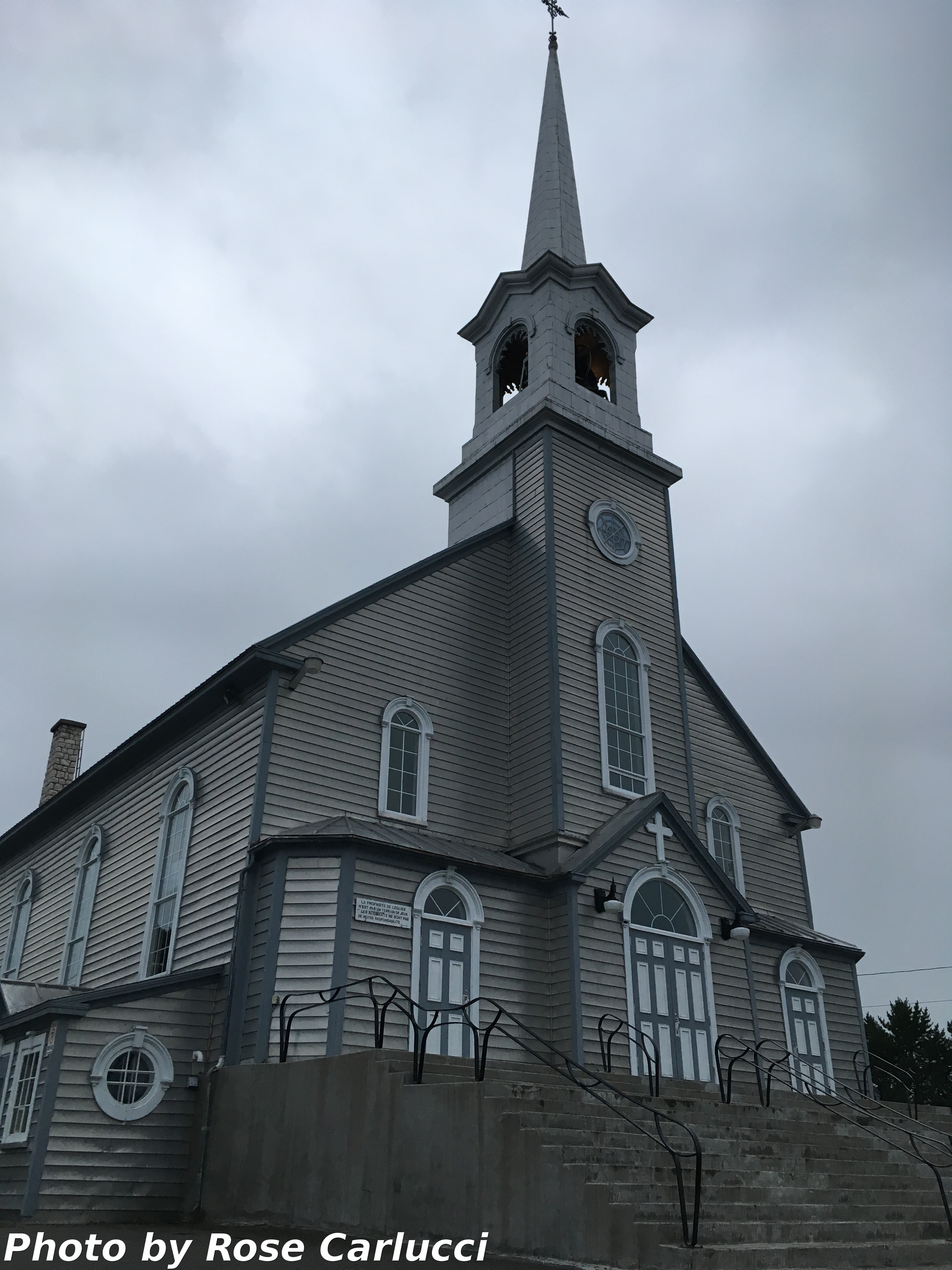
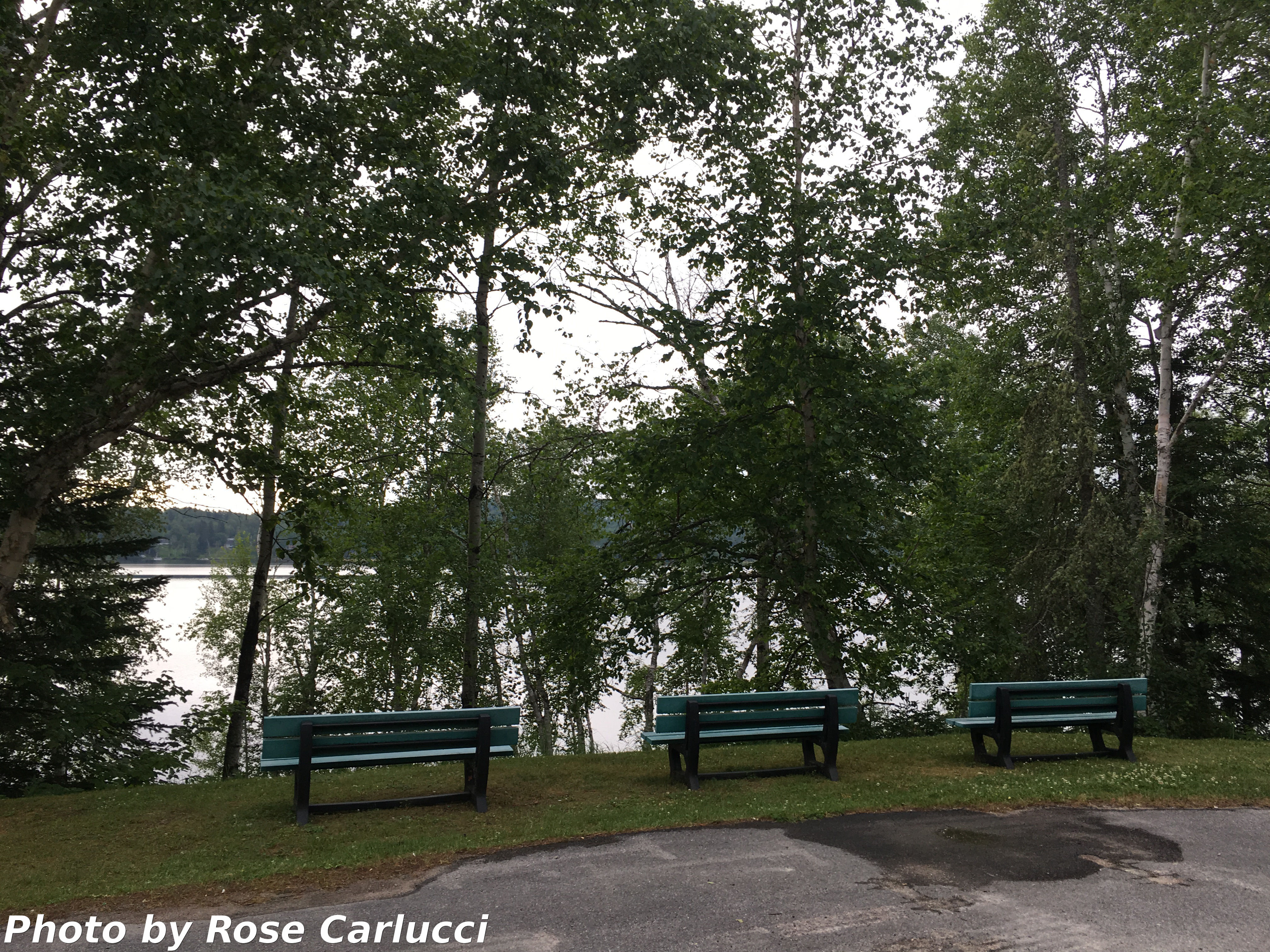
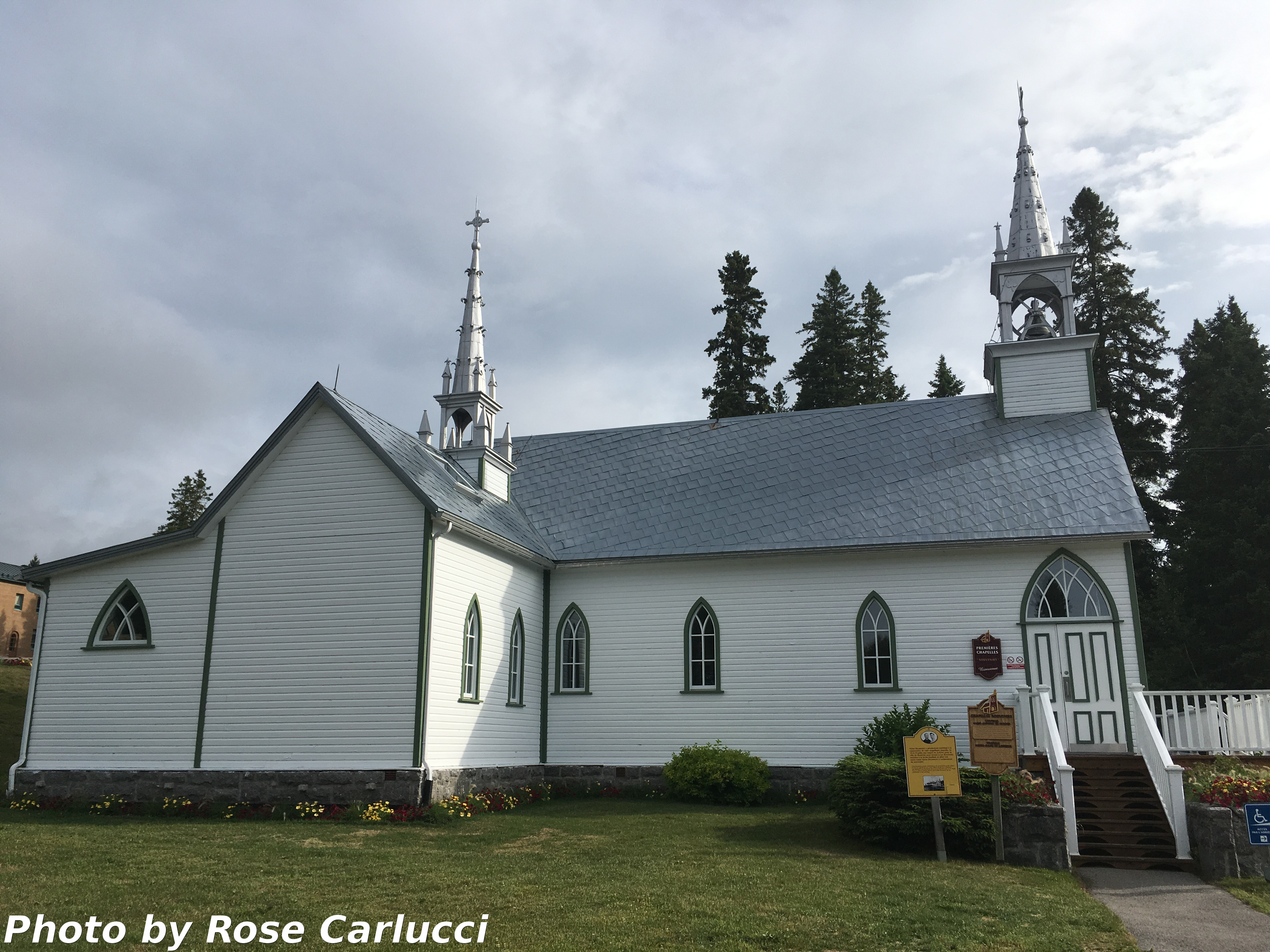
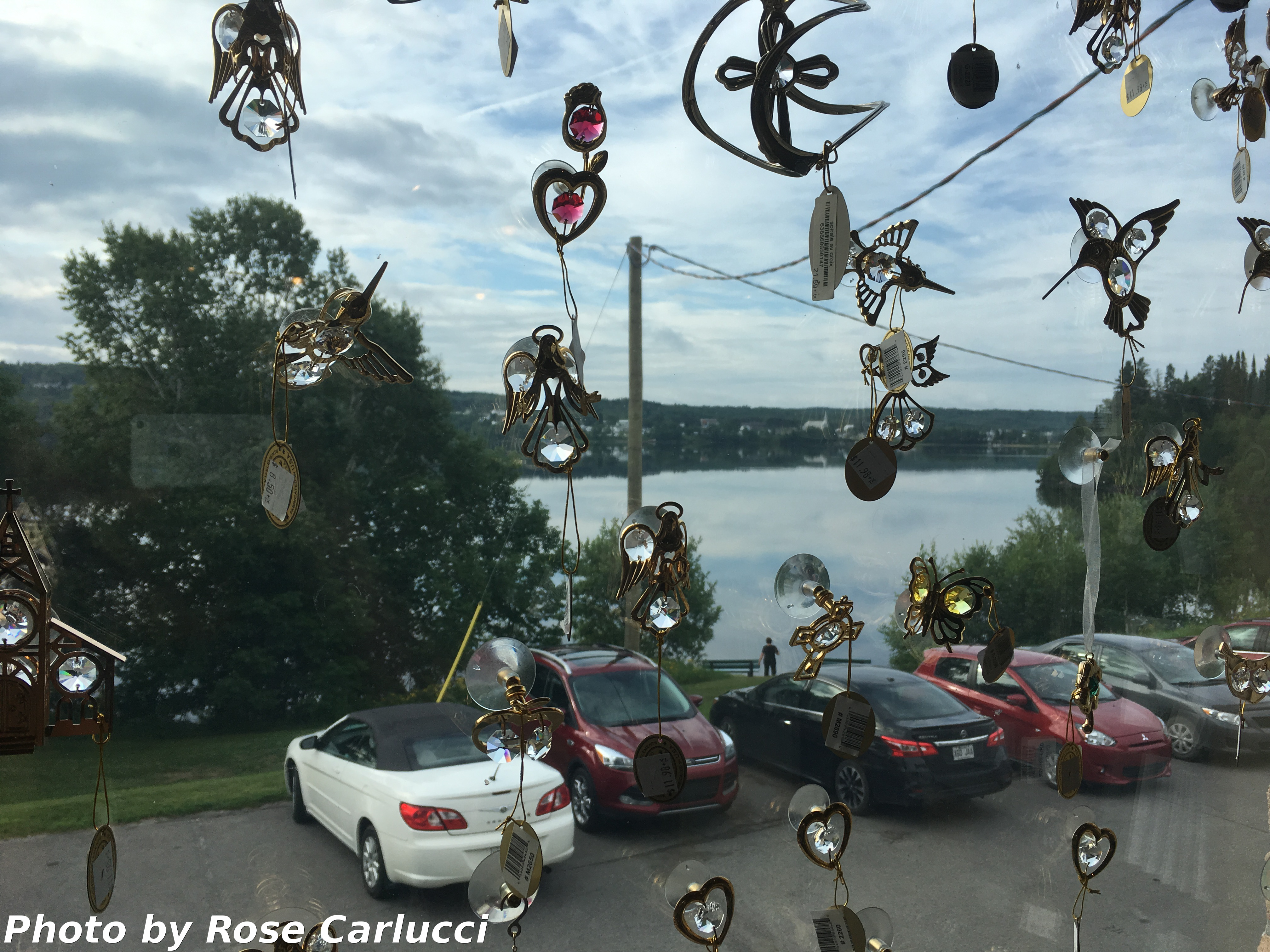
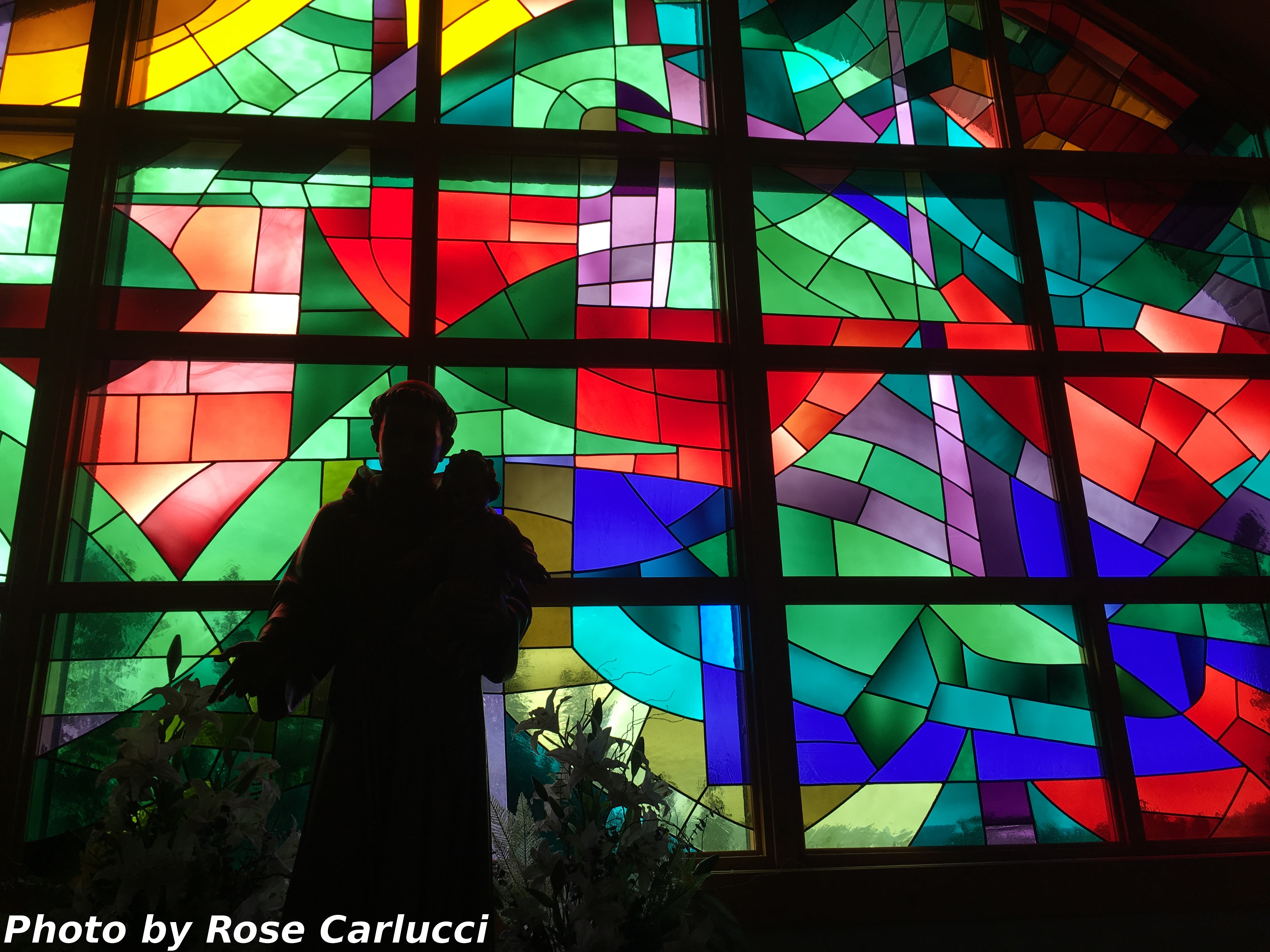
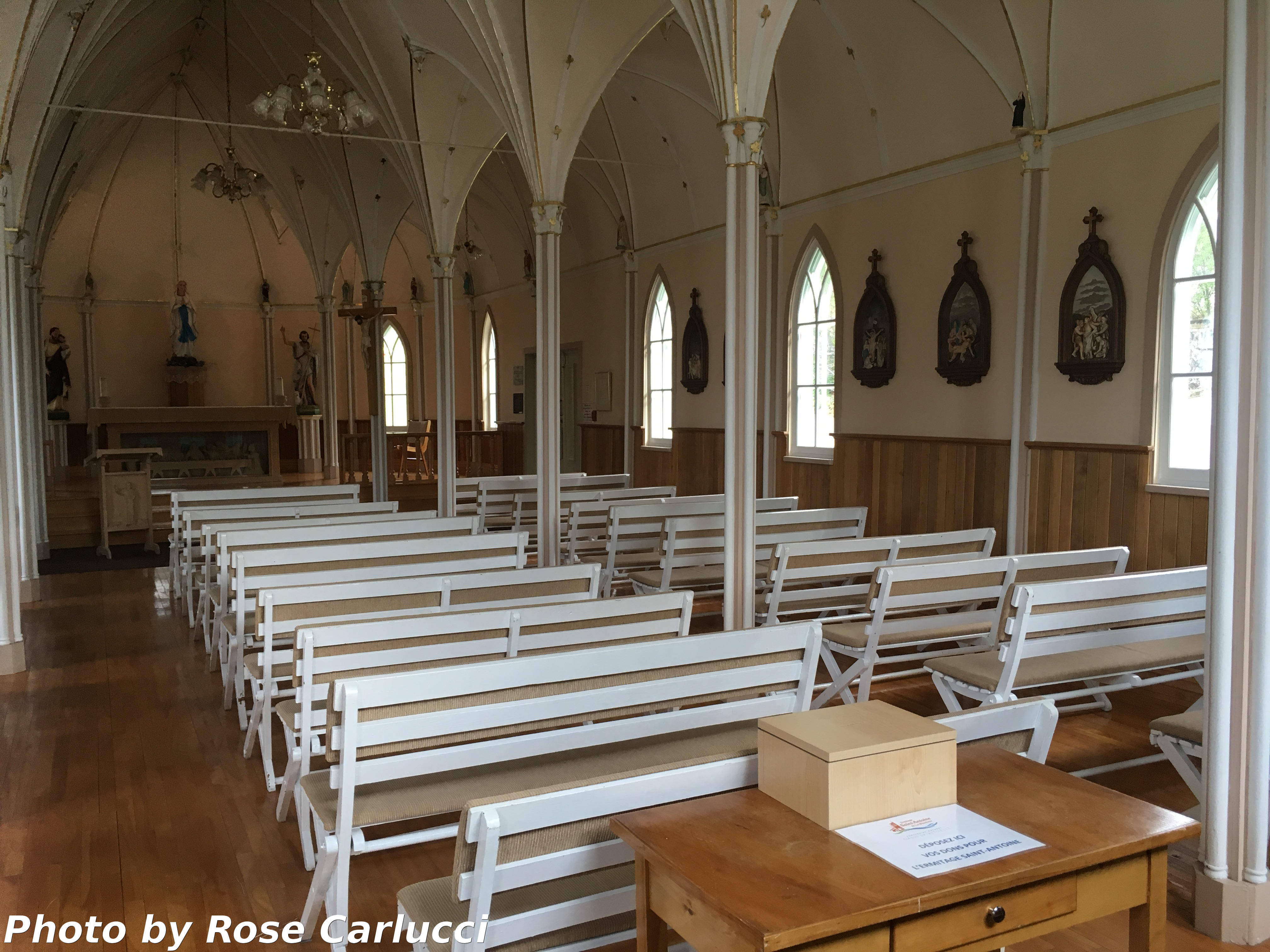
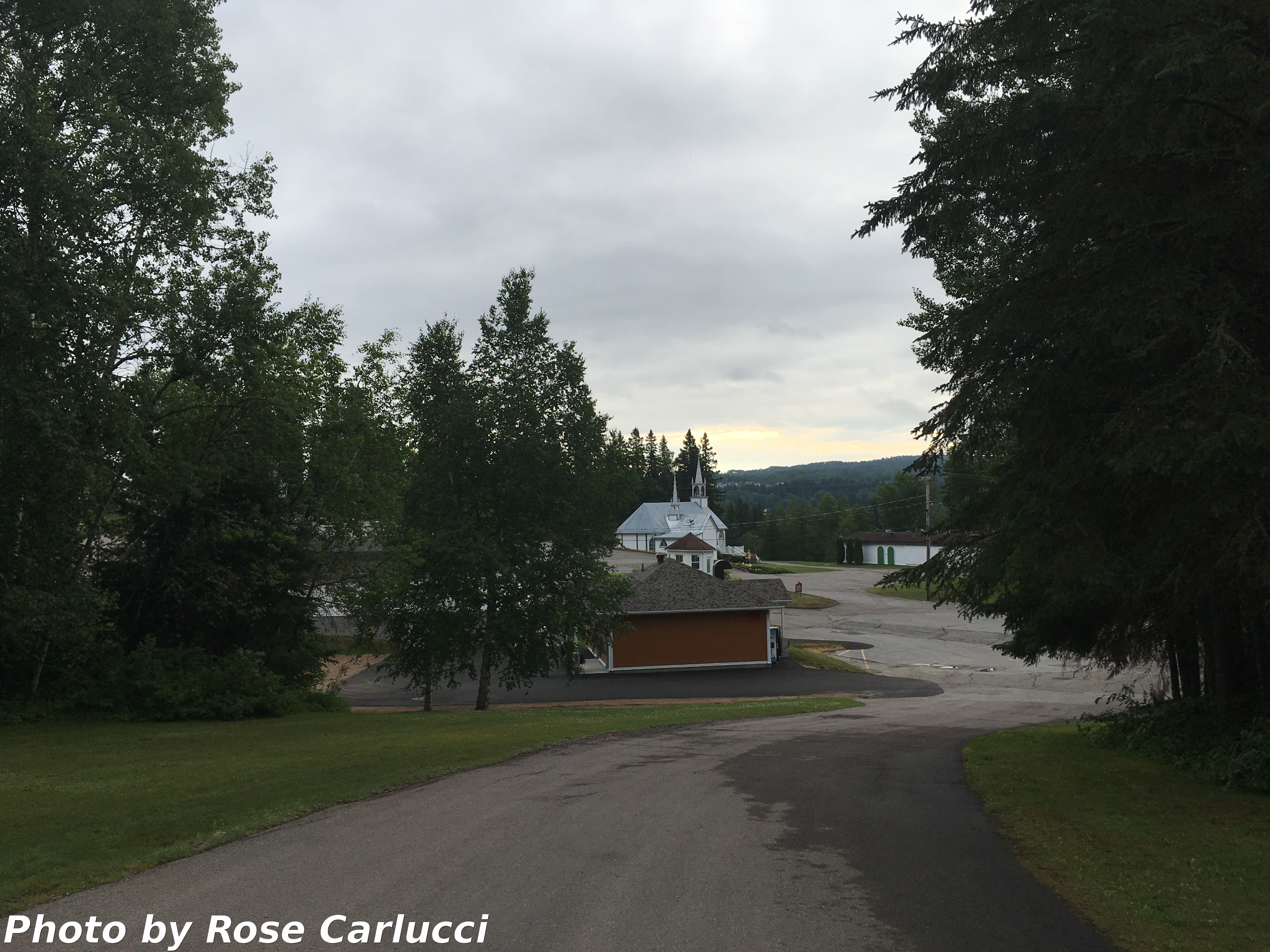
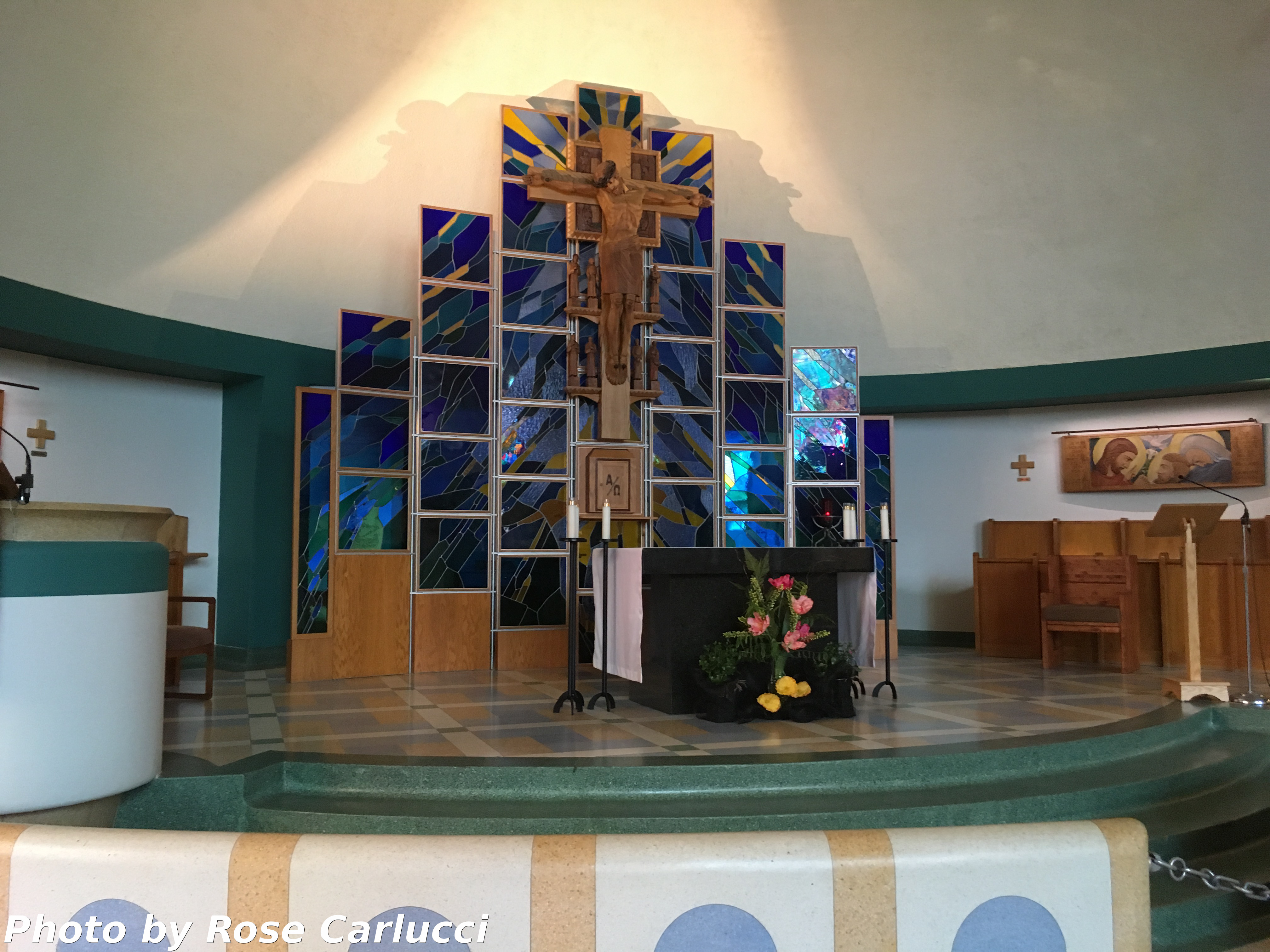
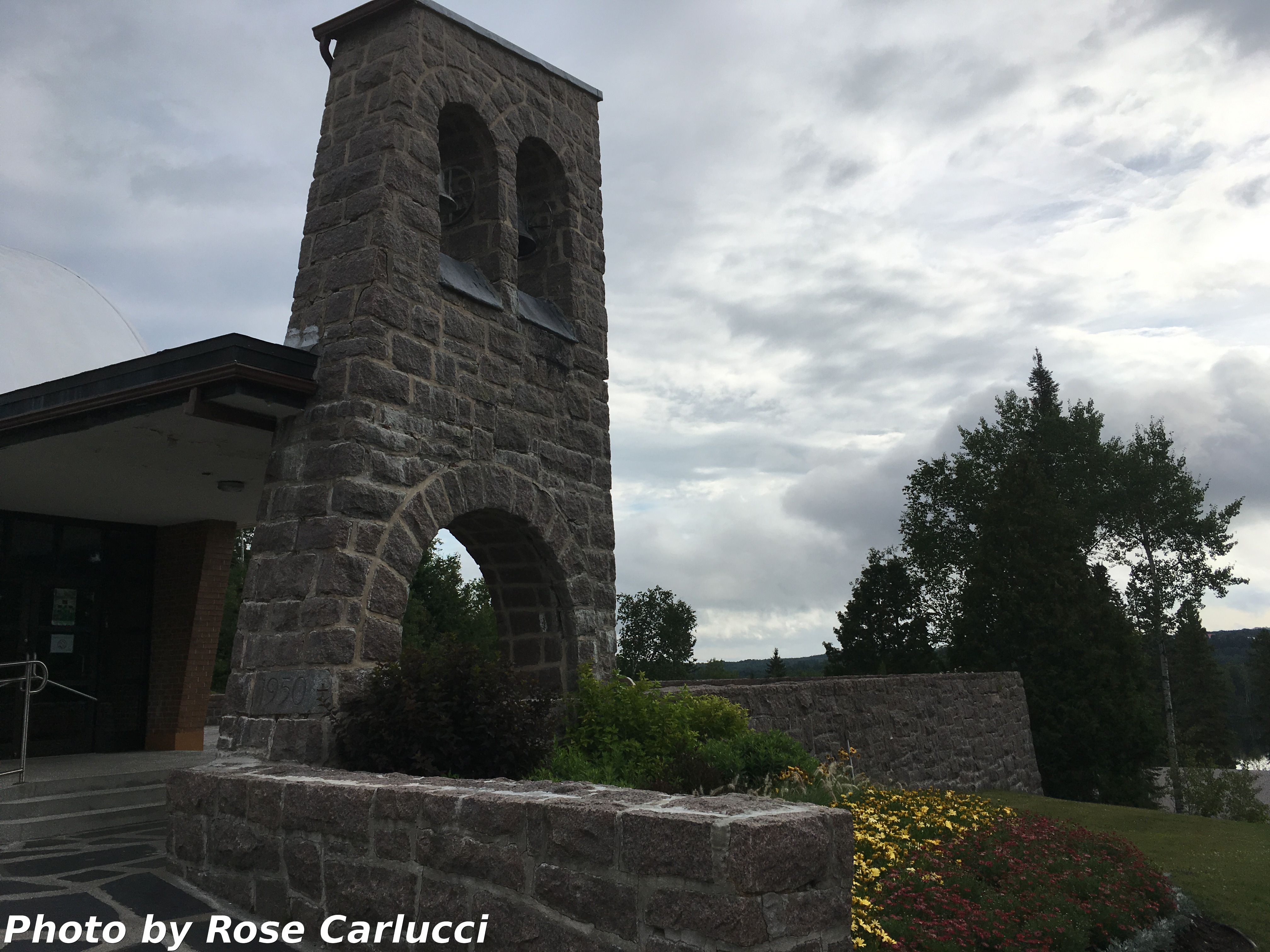
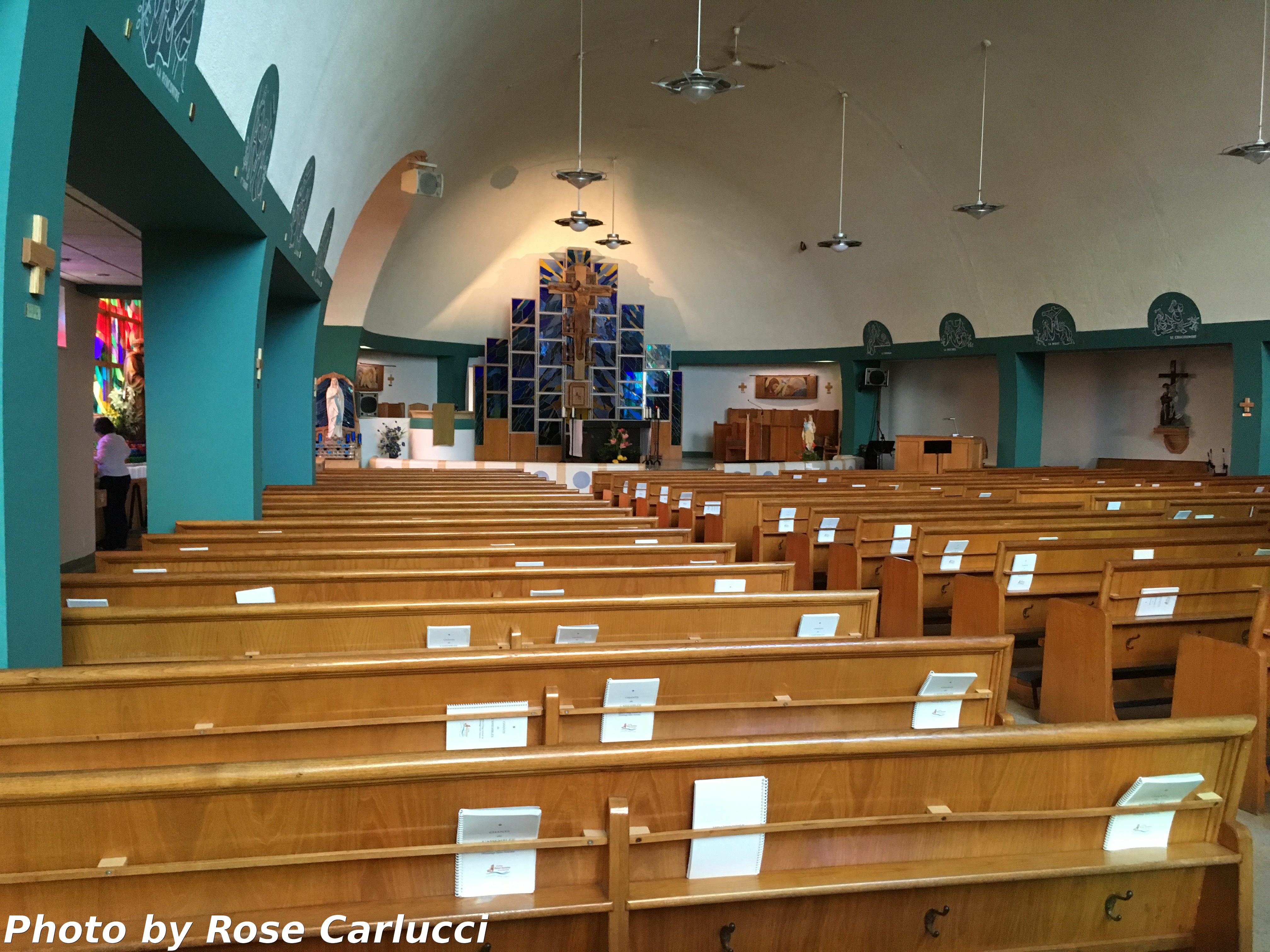
The St. Anthony hermitage of  Bouchette Lake was founded by Father Elzéar Delamarre in 1907 with the construction of a second home and a chapel dedicated to St Anthony of Padua. The place became a pilgrimage site and the abbot was building a larger chapel to accommodate the visitors. In 1925 the site was taken in care by the Capuchin Minor Brothers who built a monastery and a church dedicated to the Virgin. Today the place has also a hotel with a large dining-room with terrace overlooking the lake and an excellent gastronomic choice with local products and typical menu of the Lac St-Jean region as the famous pie called ‘tourtière’. There is also a wooden observation tower, a pedestrian path, a souvenir shop, a bakery, a camping area with parking for trailers and the warm welcome of the Brothers and staff who make of this place a beautiful option for a relaxing holiday, solo, with family, friends or couples. To see: the St. Anthony of Padua chapel (neo-Gothic country), the frescoes of the Quebec painter Charles Huot, the monastery (neo-Romanesque), the Marian Chapel, among others and of course the natural environment that is really beautiful!

Tips

You can book your accommodation with or without breakfast but it is good to take it even as the supper cause the site is in nature and there are no restaurants very near.

You have a small beach nearby, on the way to the village, and there are some games for children on the site next to the lake.
Taste the bread and buns baked at the bakery on site, it’s worth it.

There are many activities around Lac St-Jean; so staying at the monastery would be economical and comfortable to come and visit the area.

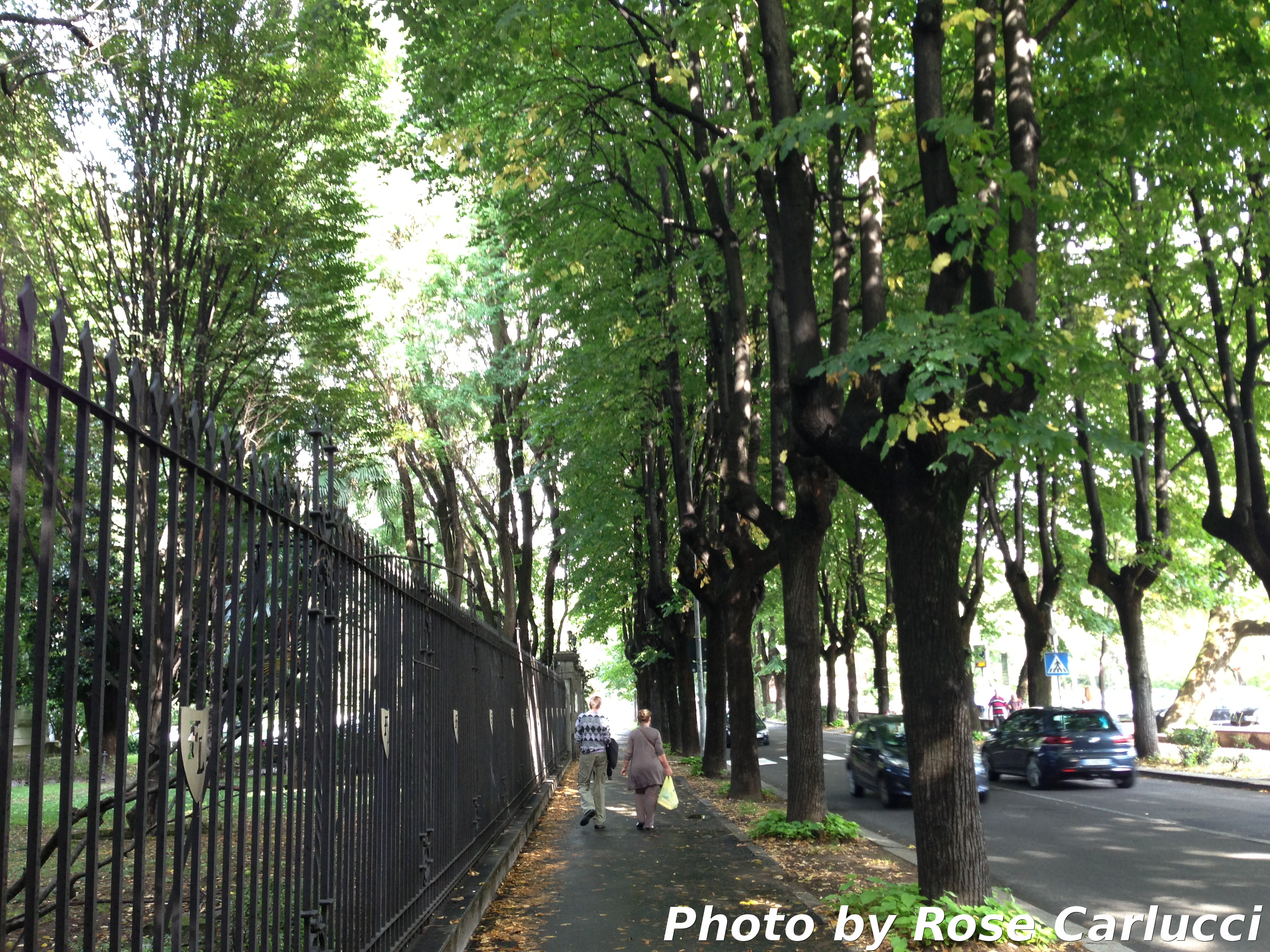
Legnano, Milan, Lombardy, Italy

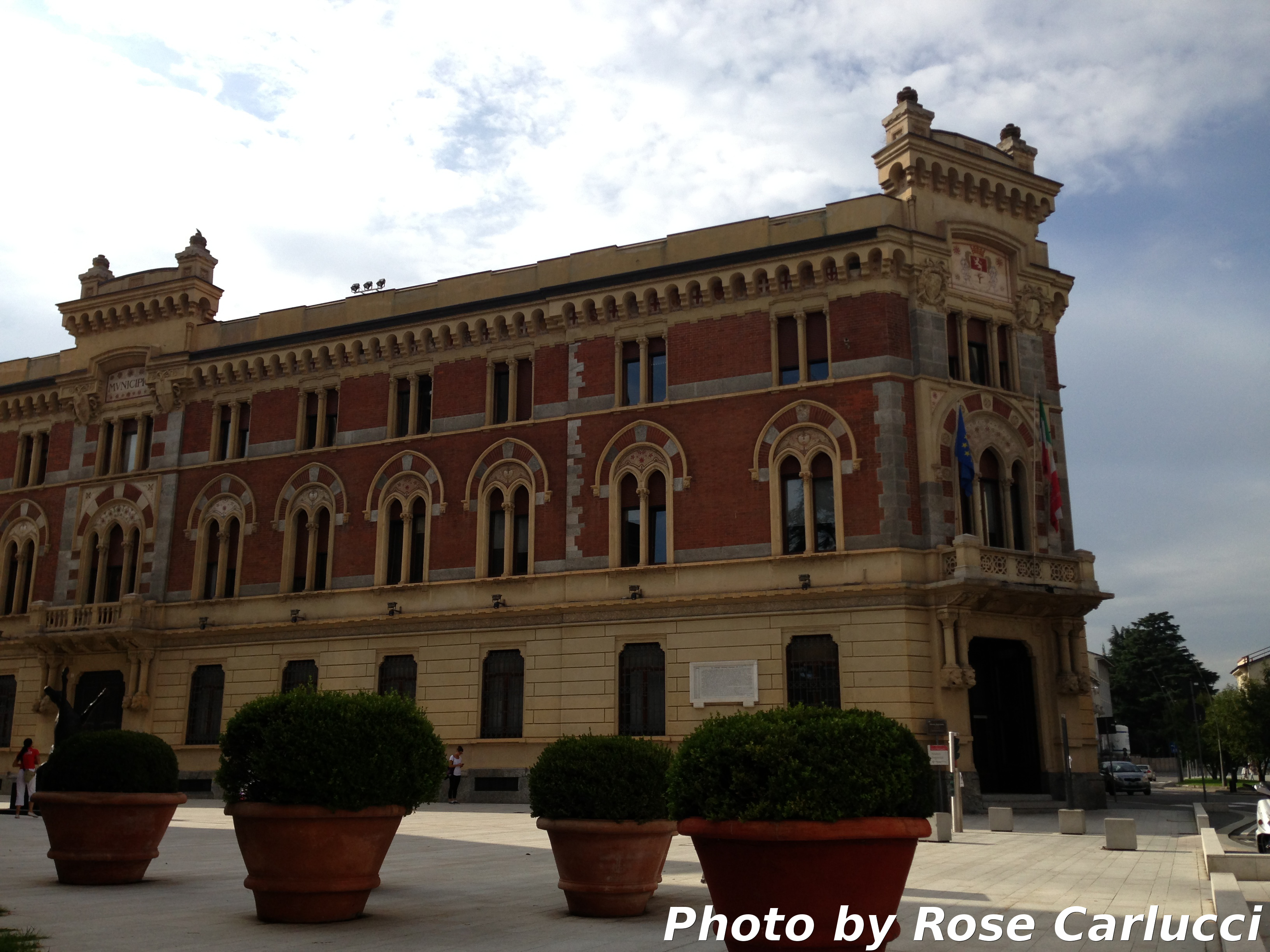
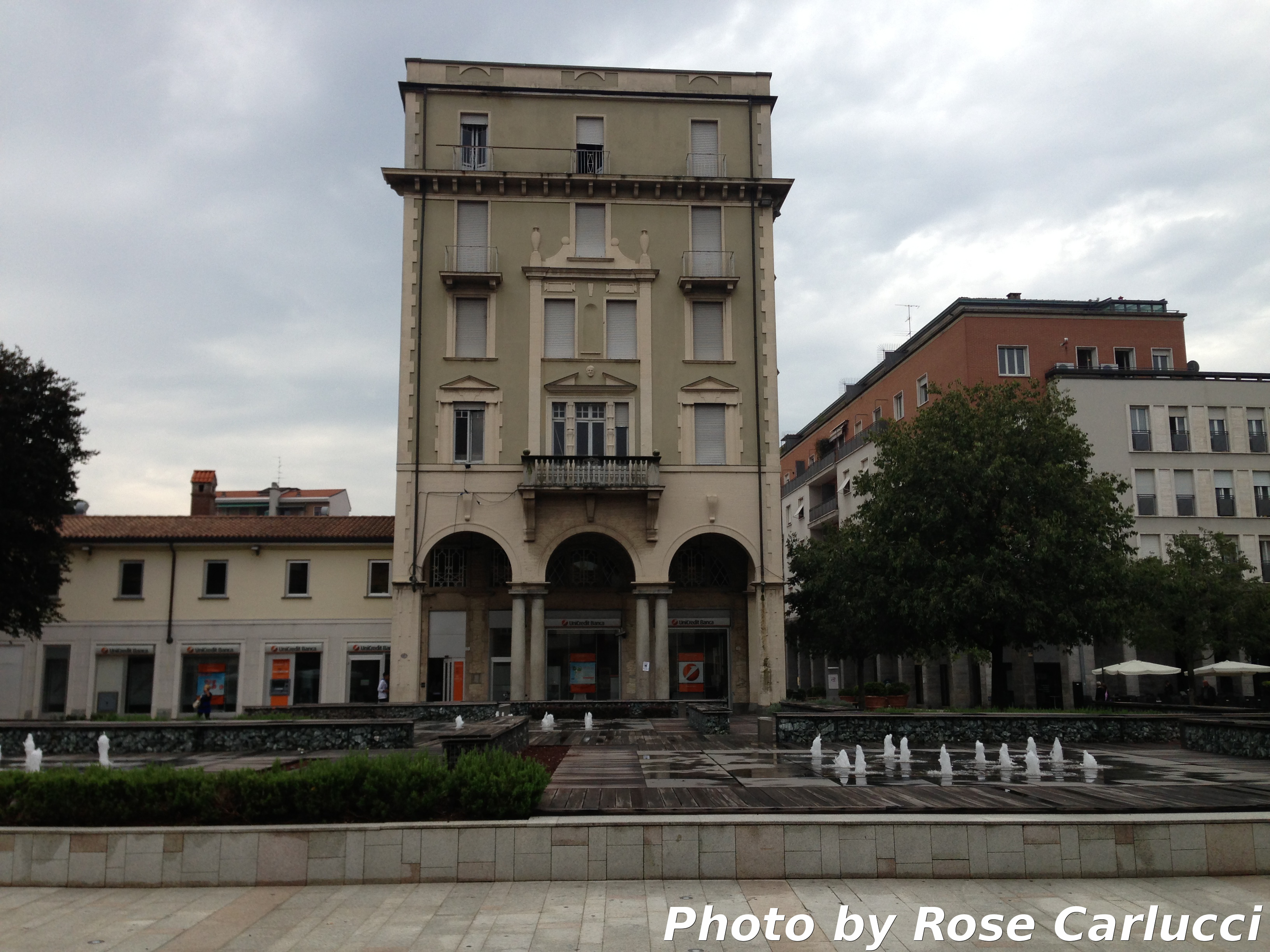
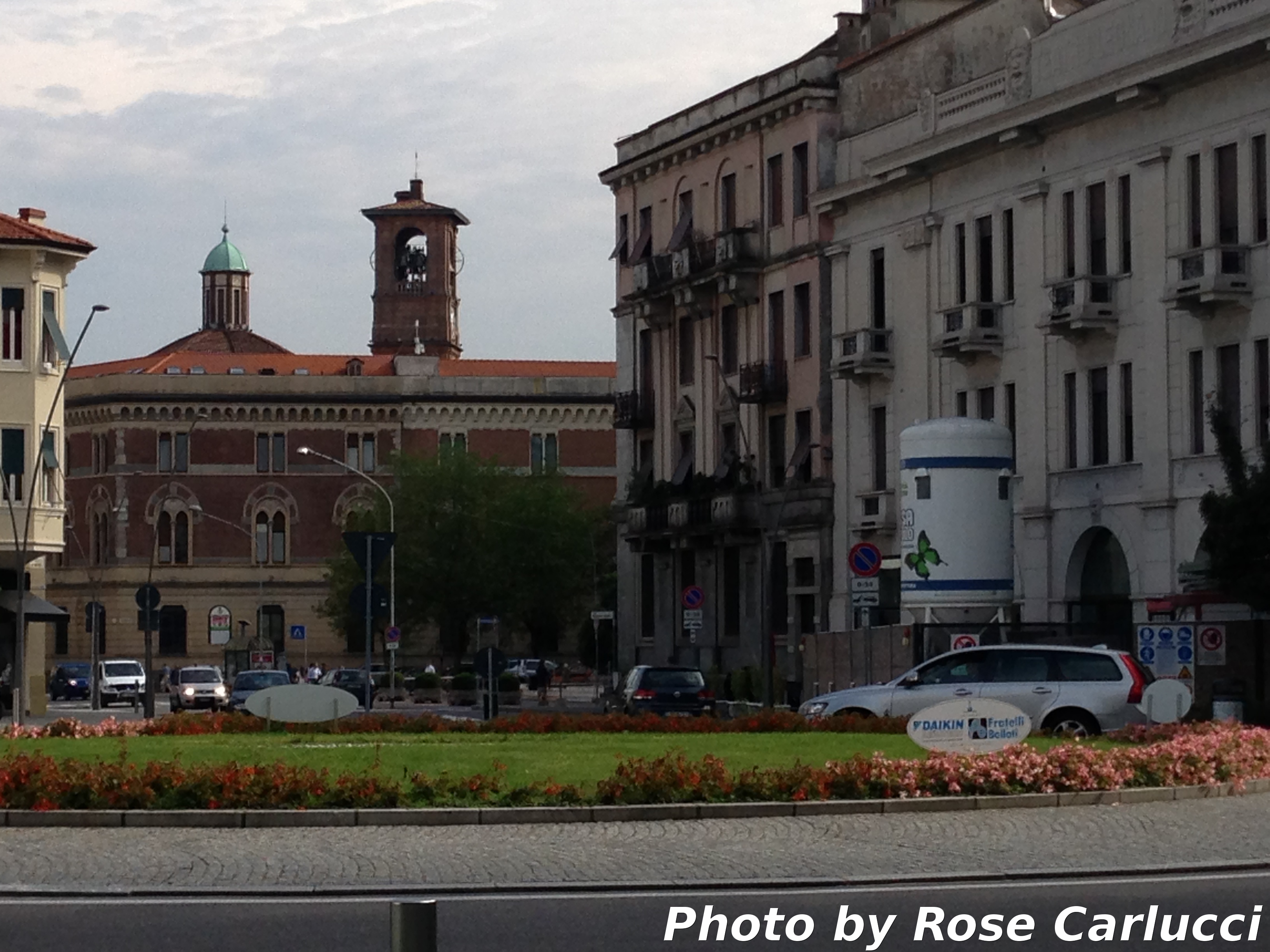
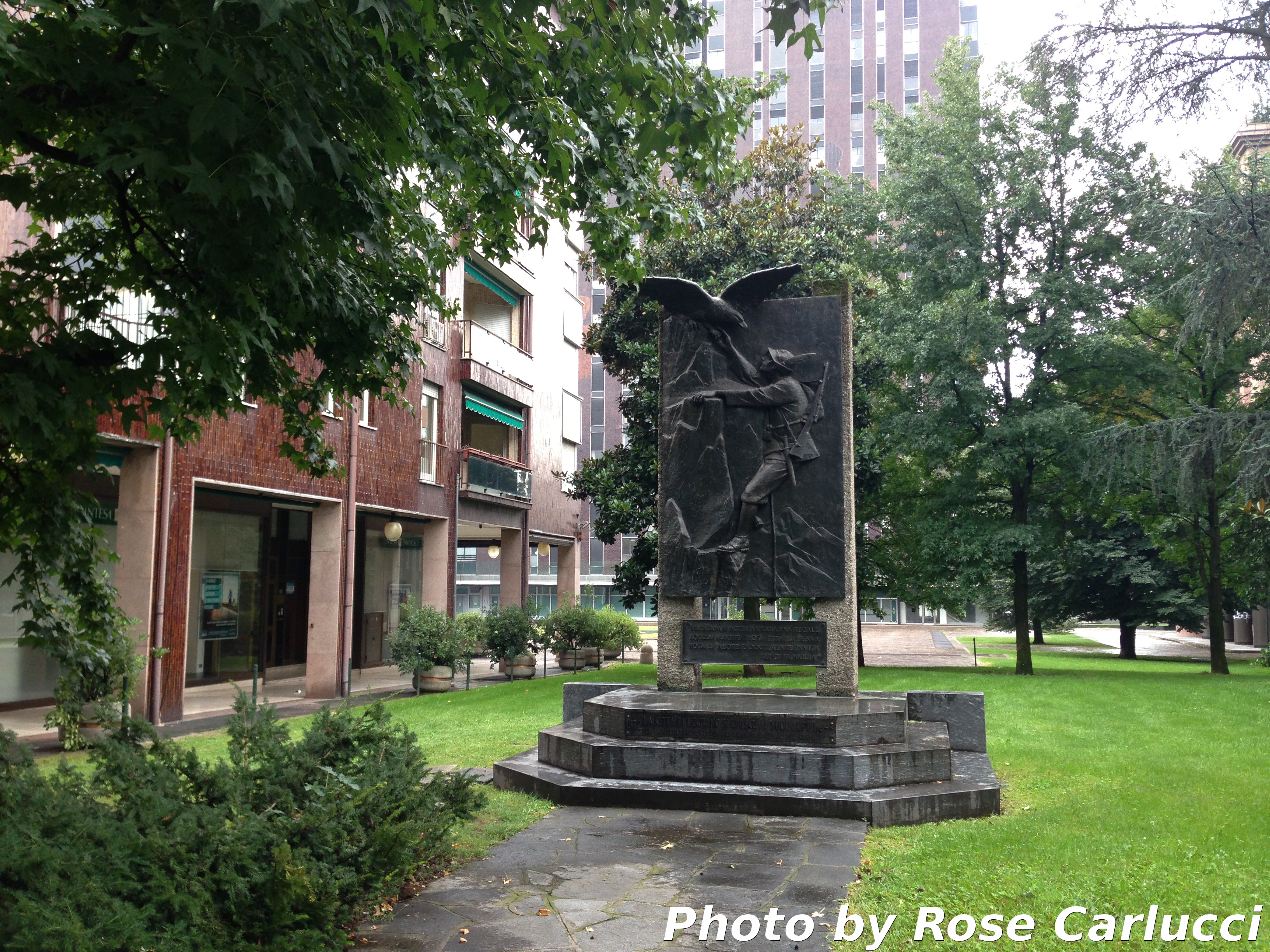
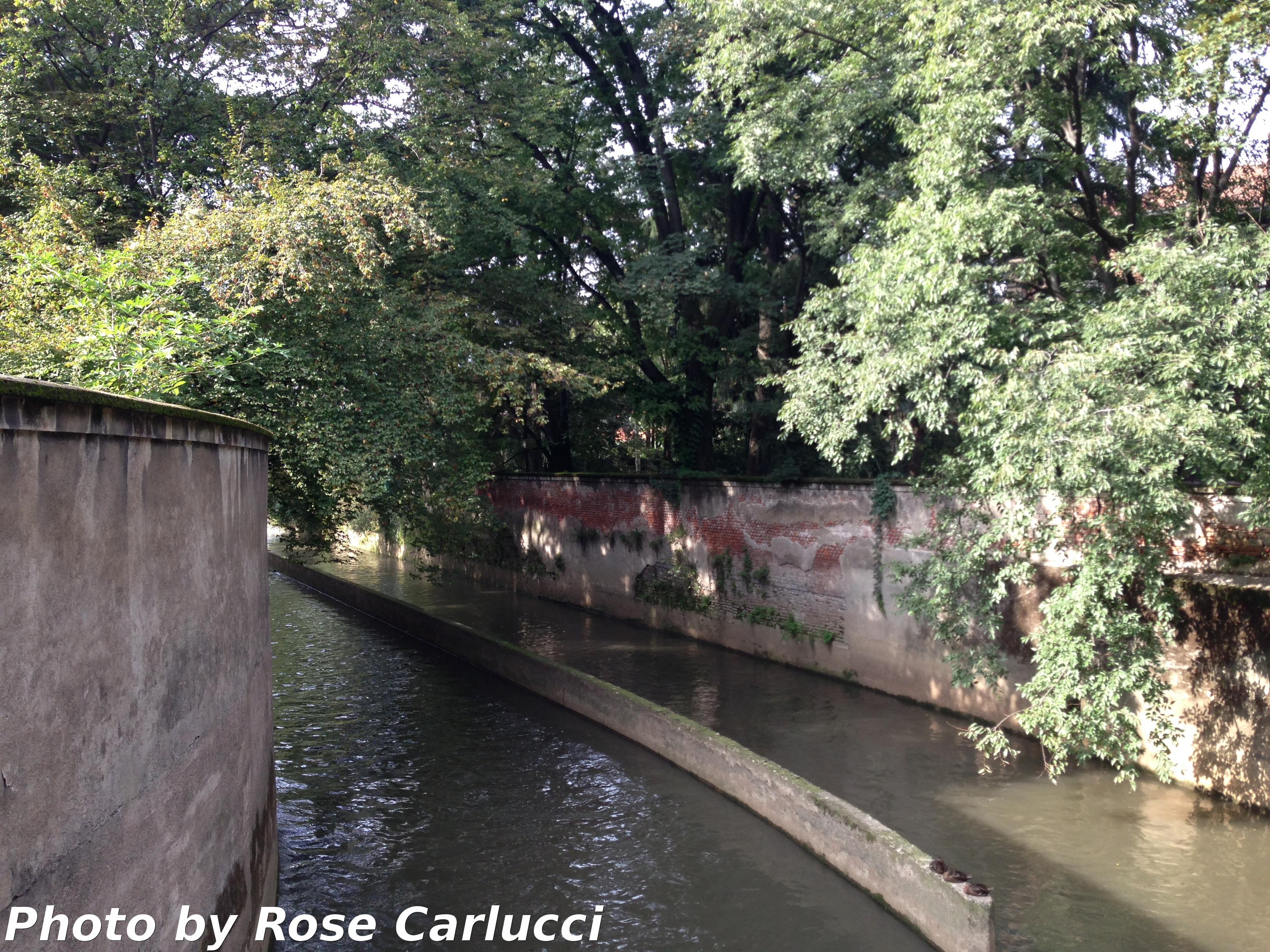
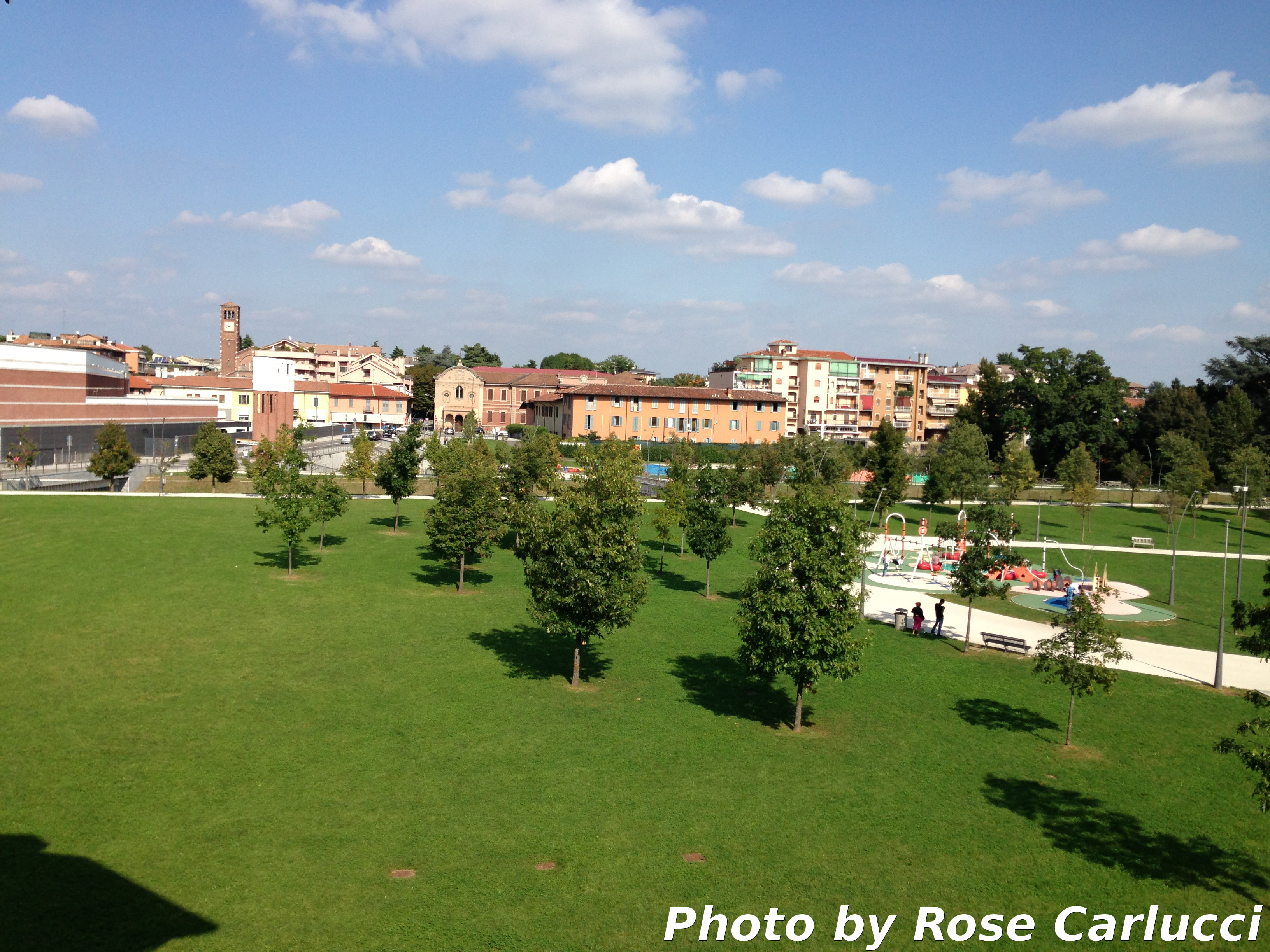
Legnano is a city in the Milan metropolitan city, in Lombardy, in the High Milan, crossed by the Olona river (which cuts the municipal territory into two almost equal parts), south of the Pre-Alps of Varese. The river was channeled to prevent flooding. With a historic battle, Legnano is the only city in addition to Rome, which is quoted in the Italian national anthem and every year there is the Palio of districts to commemorate the battle. In 1862, Giuseppe Garibaldi encouraged people of the city for the construction of a monument in memory of the famous battle, the statue erected at that time, was replaced in 1900 by a monument to the Warrior of Legnano. The city has beautiful parks, like the park of the local forest or Legnano Castle Park, the Park of Mills, the Park of High Milan, the forest park of Ronchi, among others. The city also has very large statues in the streets, especially in downtown and in the streets nearby, there are many shops, restaurants, shopping center, etc. The most important streets are Corso Italia and Sampione. To see: the Basilica of St. Magnus, the Church of St. Mary Magdalene, the Castle of Legnano, the Church of the Three Saints, Guido Sutermeister museum, the Colombera Tower, the Church of St. Dominicus, the Palace Leone da Perego, among others.

Tips

If you want to see the Palio of districts, you should visit the city in the last week of May, it’s held the last Sunday of the month. This event is the reenactment of the Battle of Legnano, with a costumed parade through the streets, followed by a horse race where the eight districts of the city are fighting. The city is a good option if you wish to travel by the Milan area, as there is no parking problem as in Milan and you can move easily by train to visit other nearby places and also Milan. The airport of Milan -Malpensa is 10 minutes by motorway.