Dog sledding in Canada

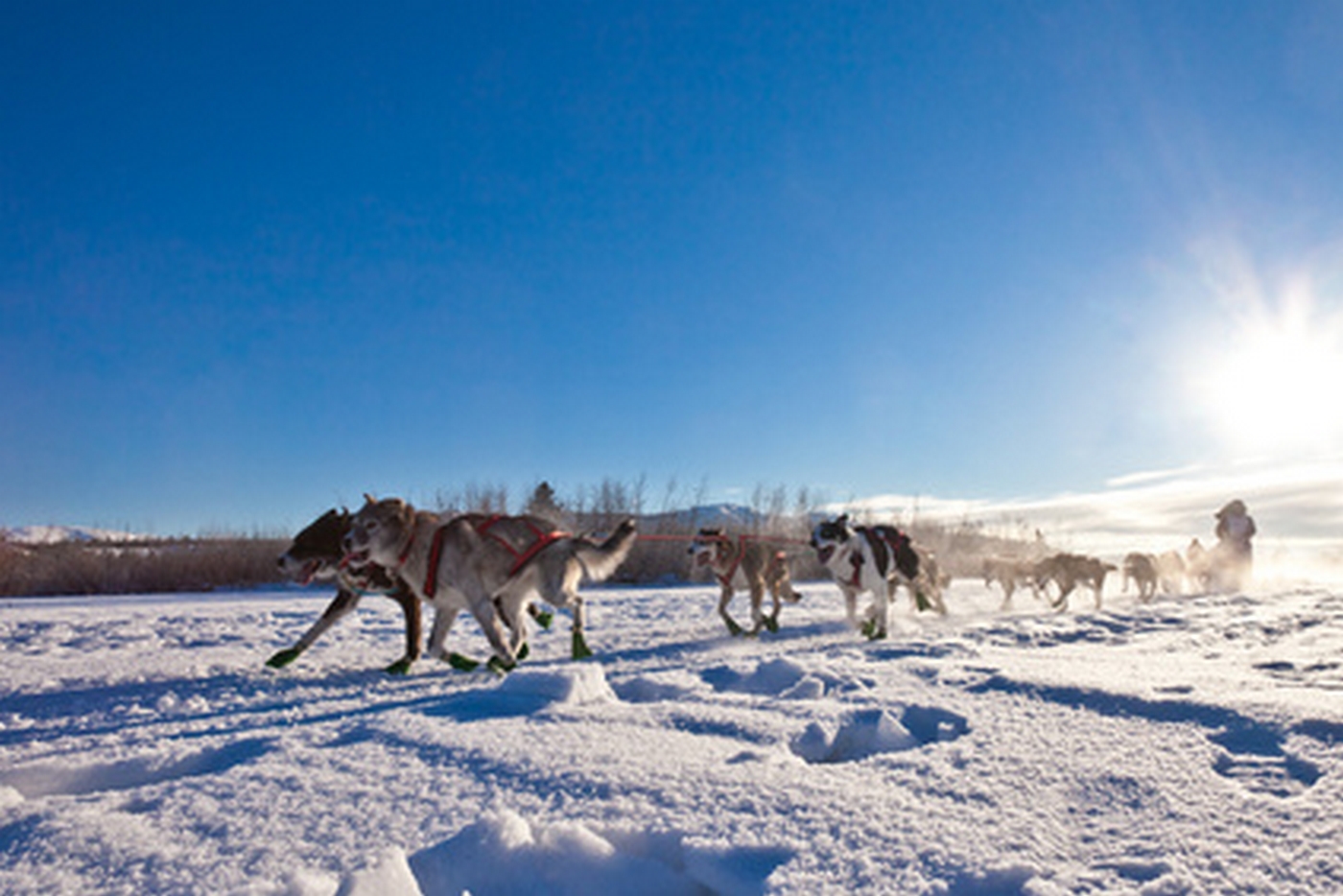
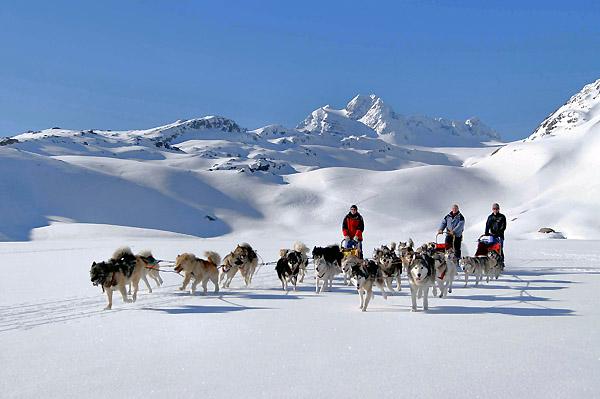
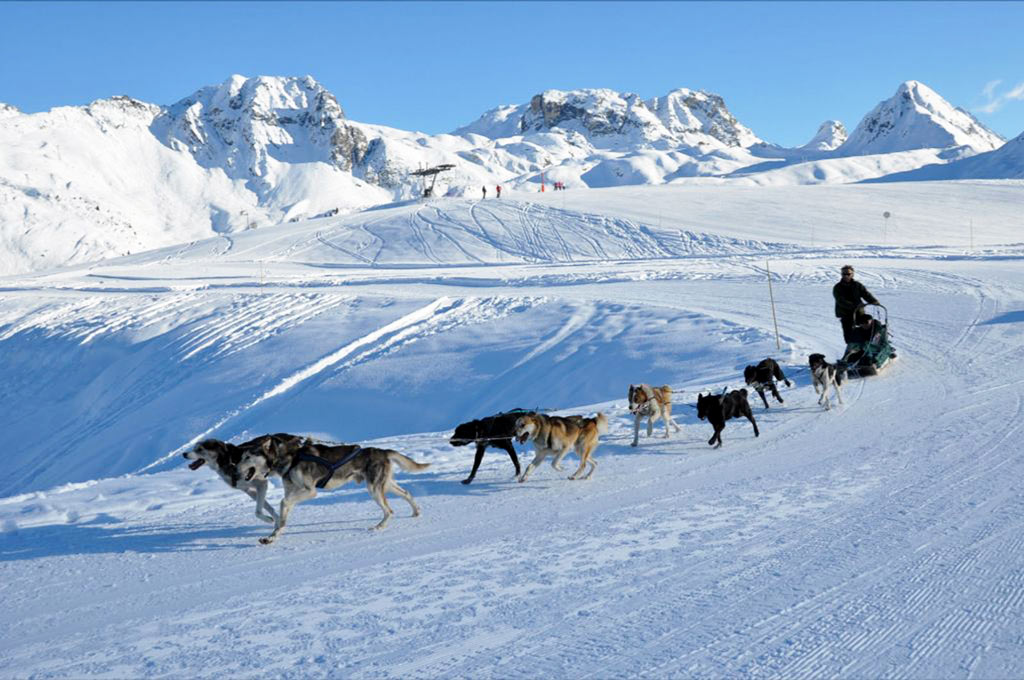
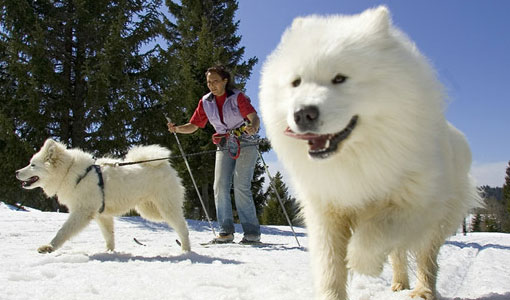
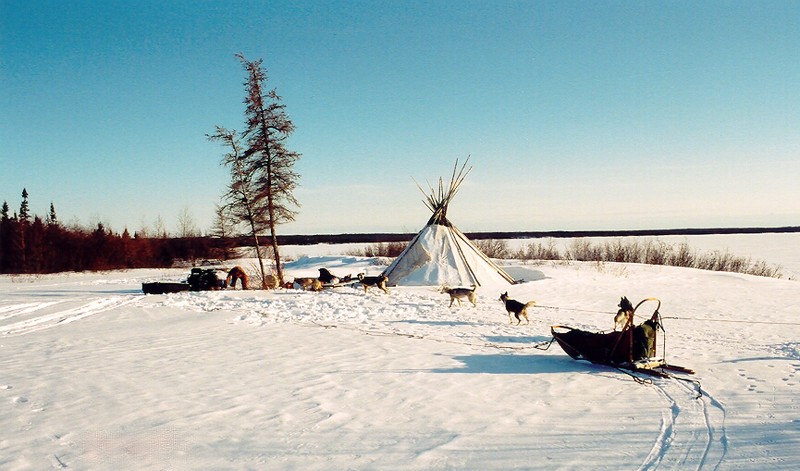
Dog sledding is a traditional mode of transport in Canadian winter. Grab a harness and help tie the dogs. Put on your coat, cover up with a blanket and hold on tight as the lead sled will speed through the snowy and hilly landscape. Leave the track and roll in the snow untouched on a winding forest path. You can admire the waterfalls and huge glaciers. Slip on a frozen sea. Make a stop to picnic amid the spectacular peaks. You can even see the caribou. Warm your hands from the heat a wood stove. Listen to the howling Arctic wolves. Learn how to lead yourself sled dogs. Make dog sledding in the moonlight. Encourage professionals during the Yukon Quest, one of the toughest sled dog race in the world. Make dogsledding with Inuit and taste caribou stew and bannock bread on. Try heli-dogsledding or skijoring, which is to put on skis and harnessed to a pack of dogs. You can go dog sledding for half an hour, a whole day or even two days sleeping in igloos, yurts, in the tents of former gold miners, cottages or luxury cabins. Finish the day by listening to local talk about how they live in the winter around a fondue or a glass of mulled wine, watching the light show provided by Mother Nature, the northern lights in shades of green and red .


Sibiu-Hermannstadt, Transylvania, Romania

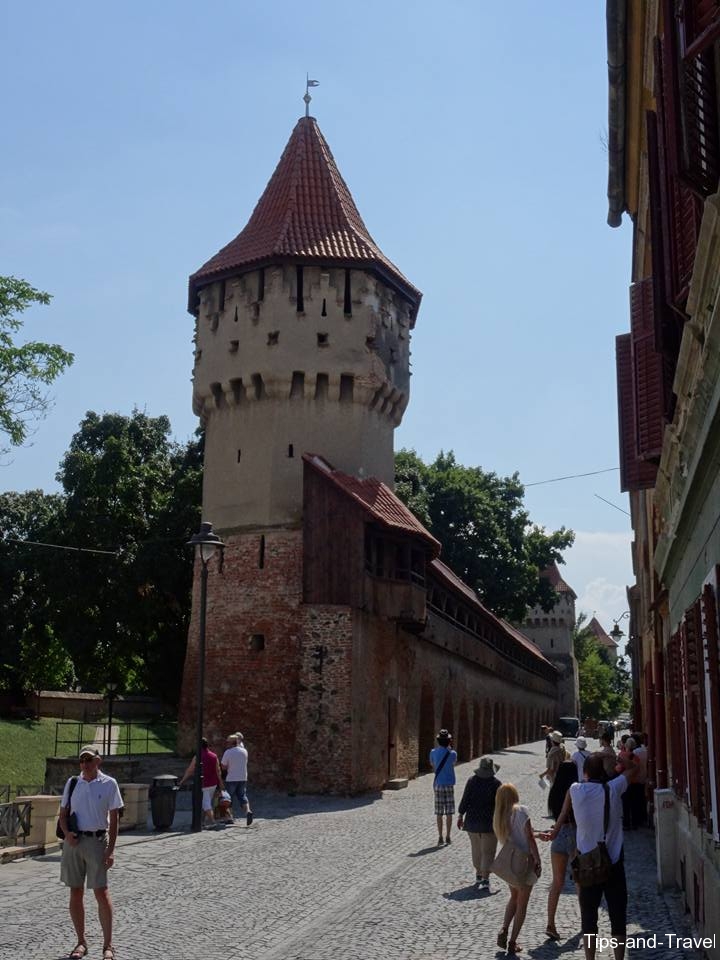
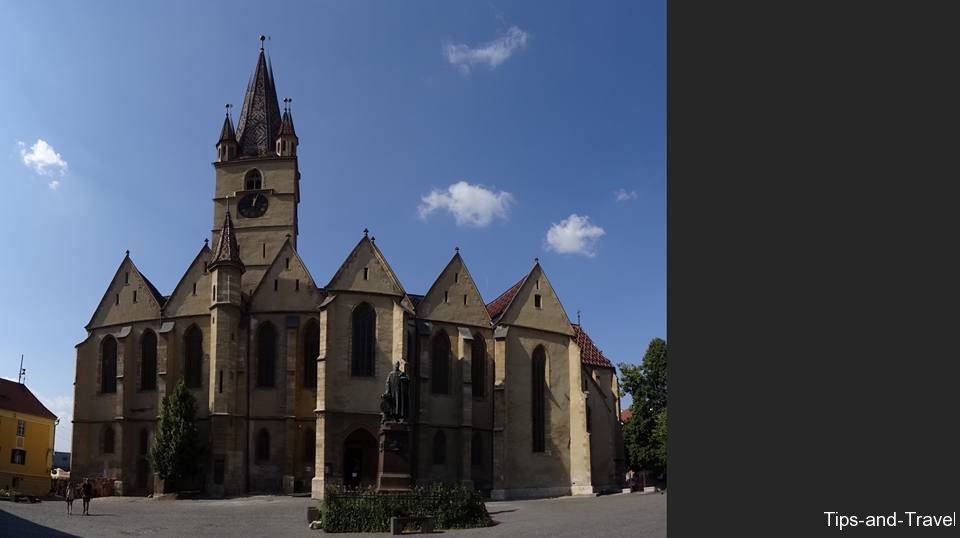
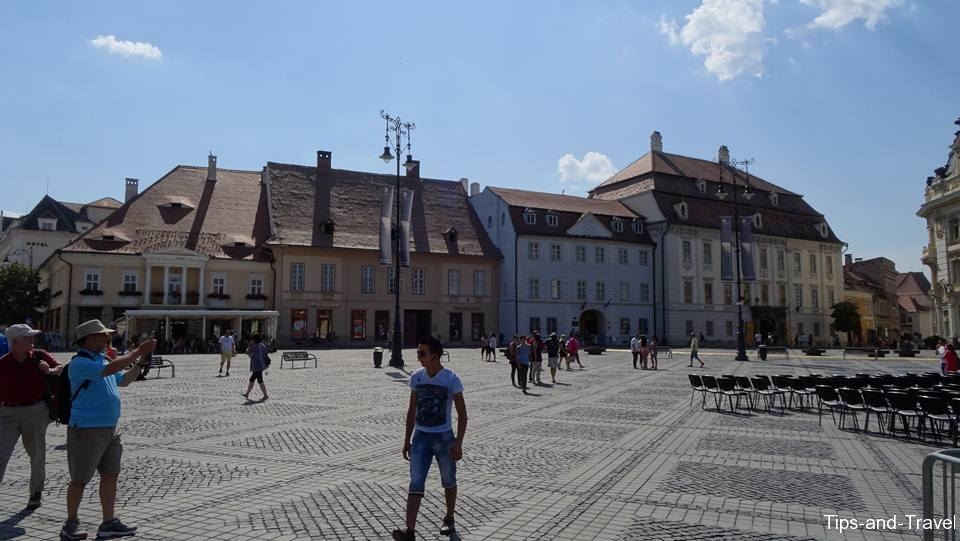
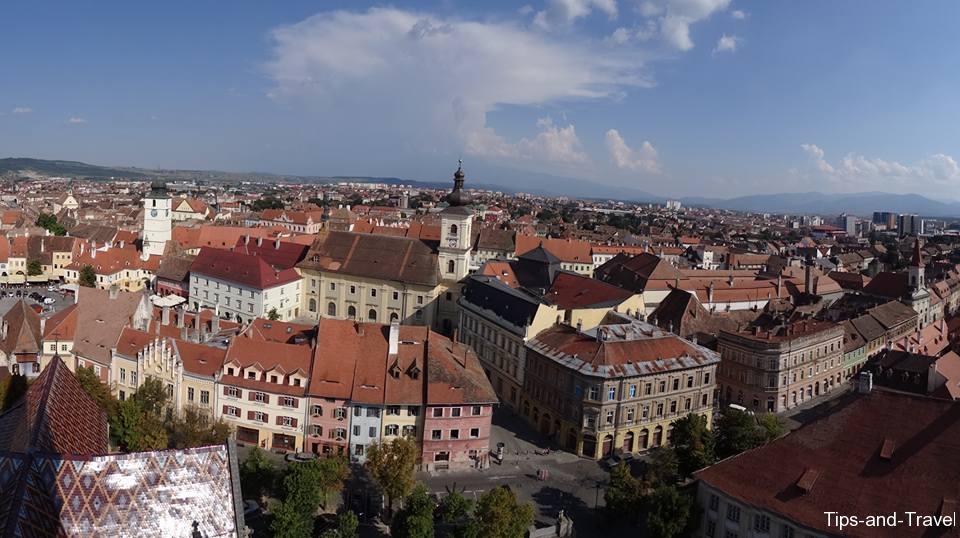
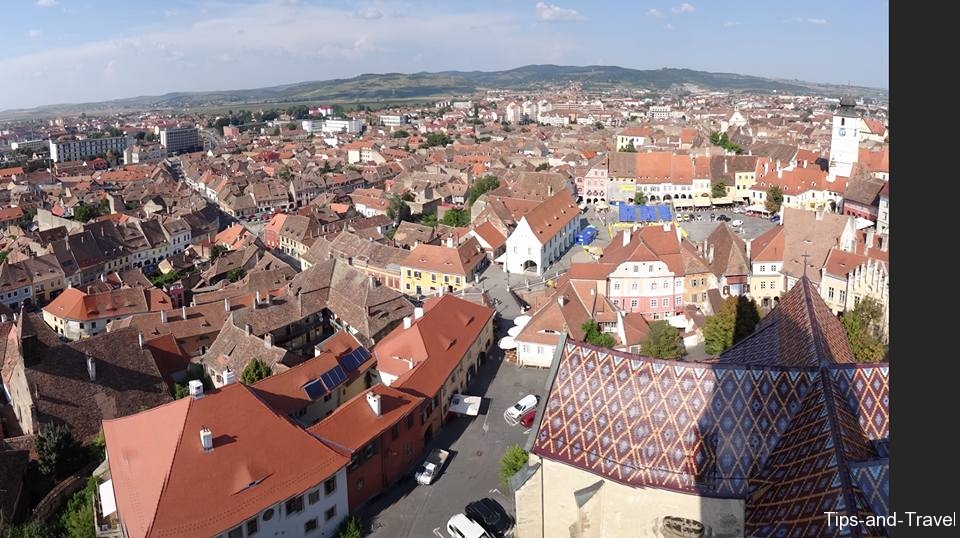
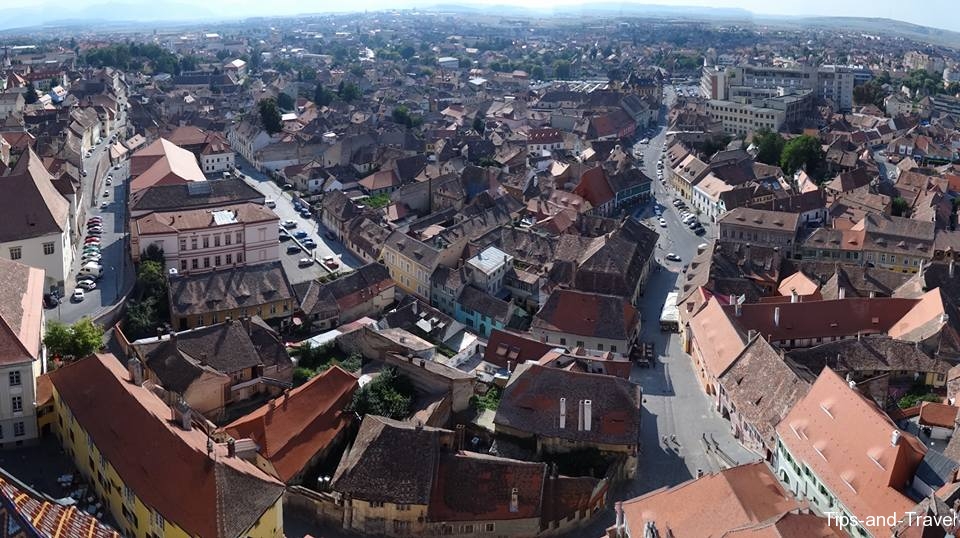
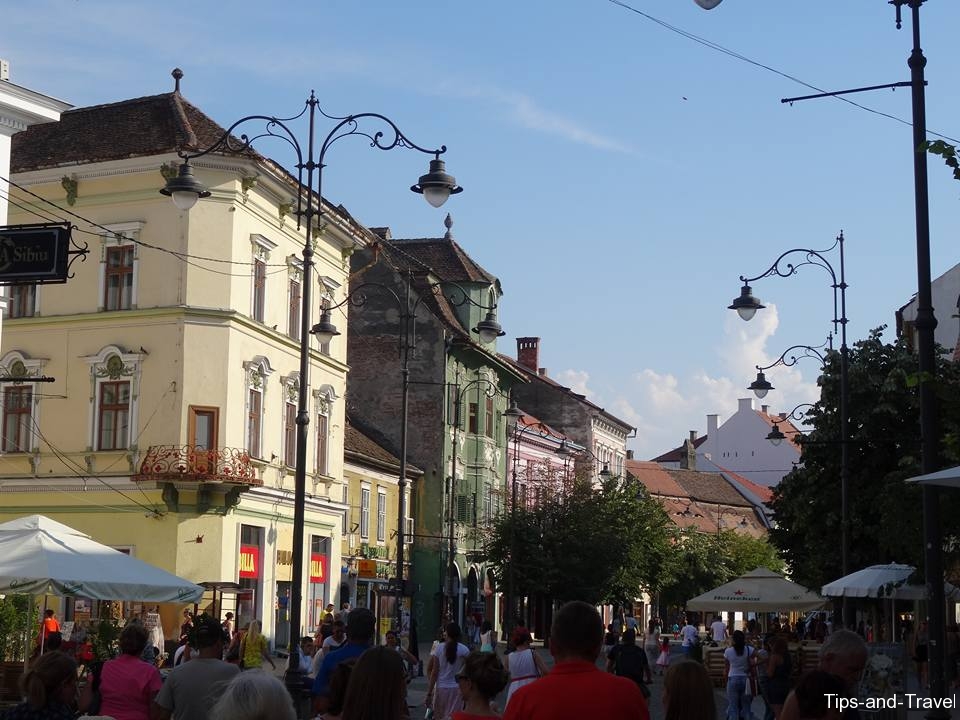
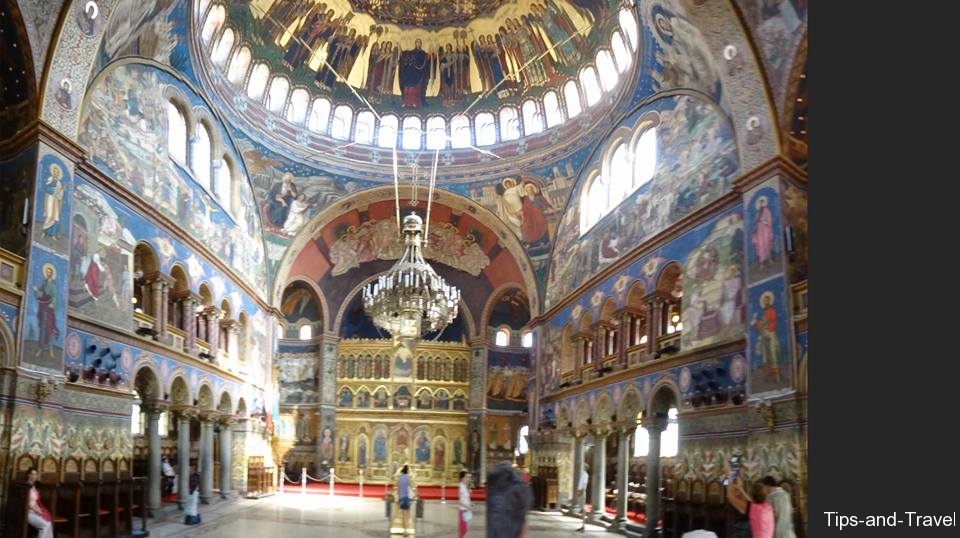
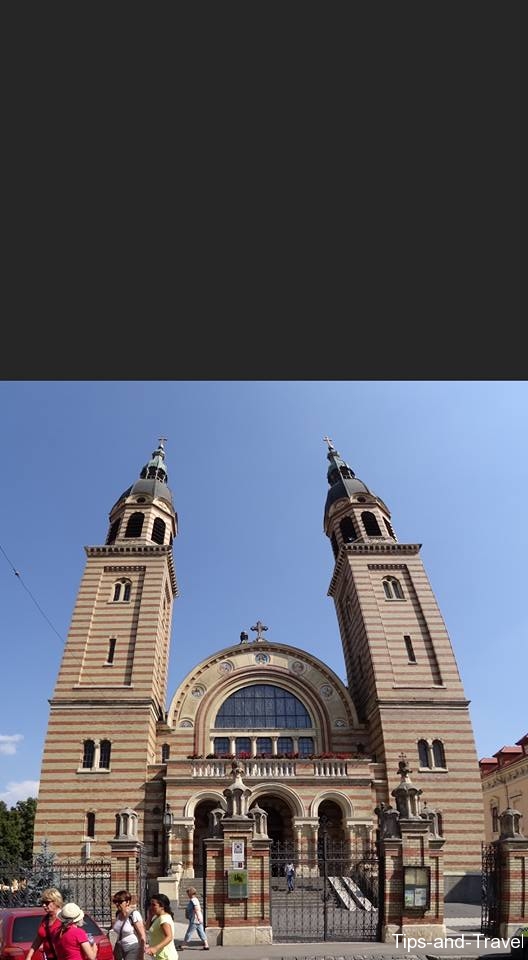
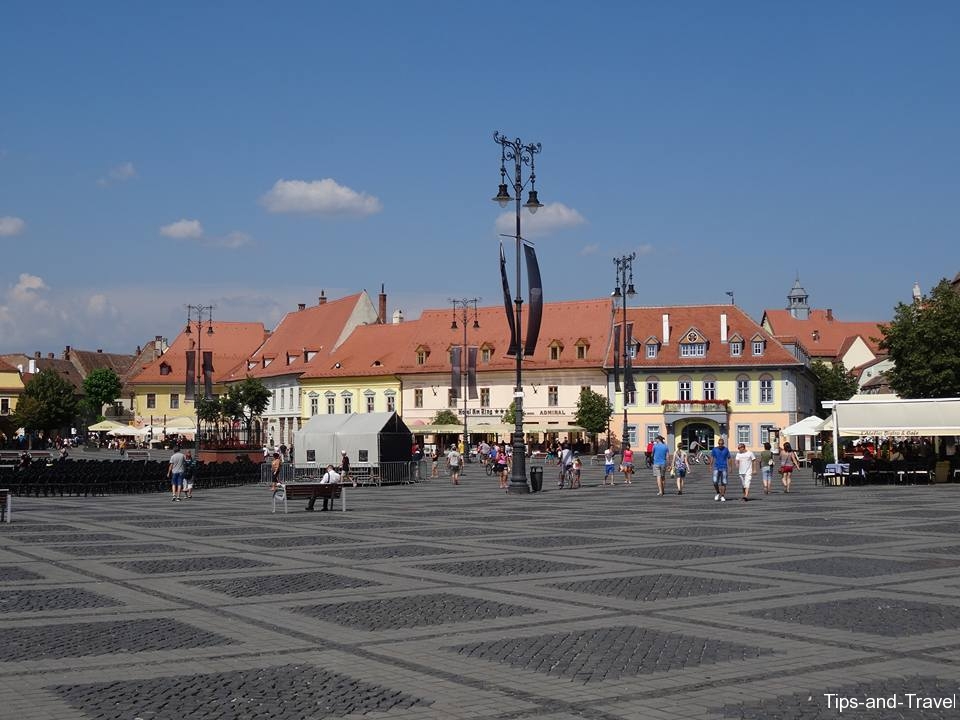
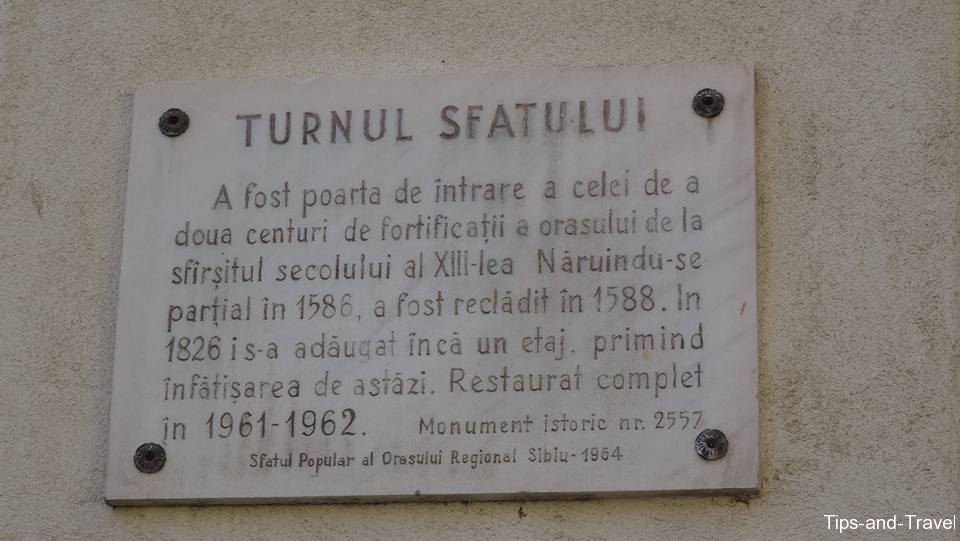
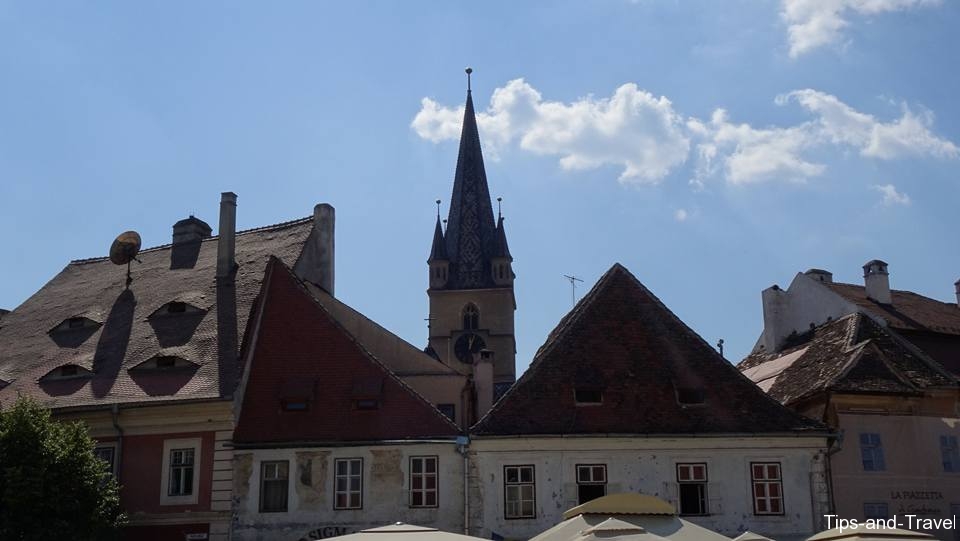
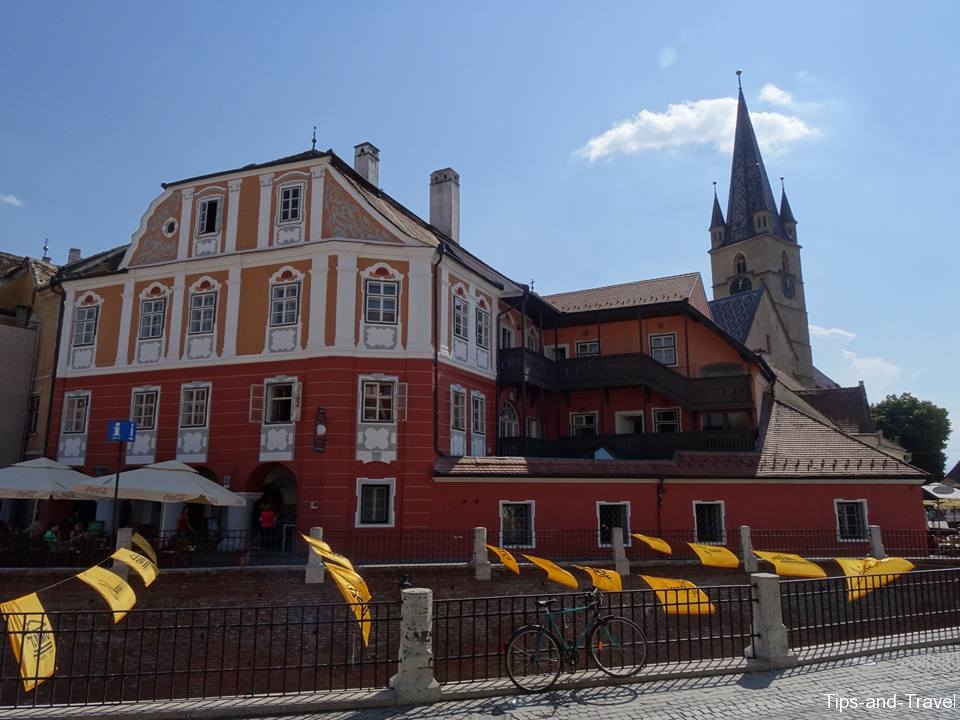
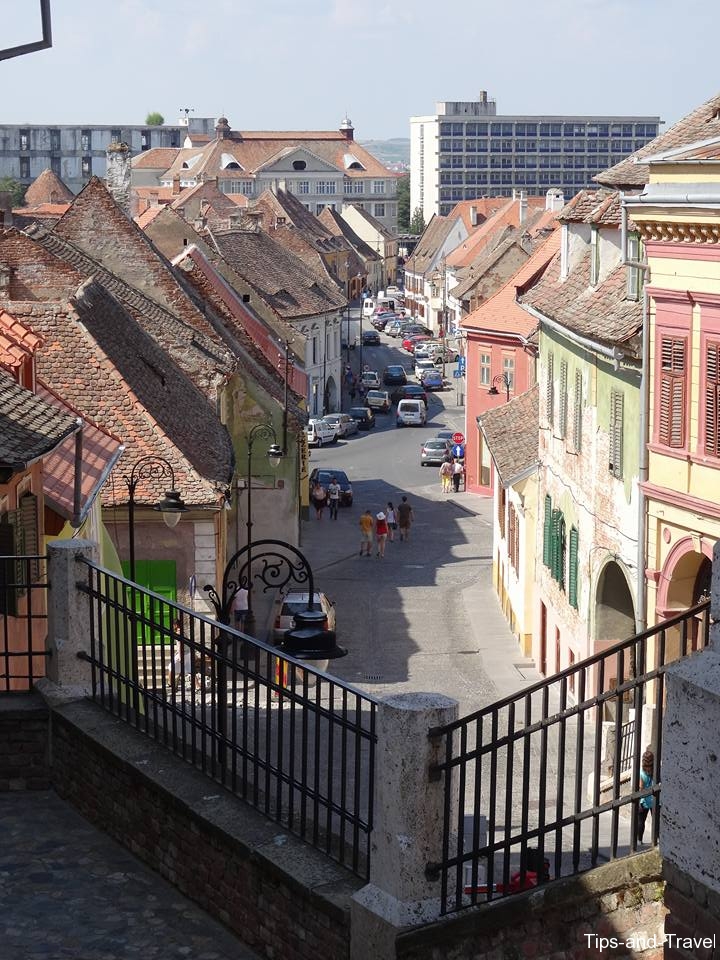
Sibiu-Hermannstadt is the capital of the district of Sibiu and one of the largest cities in Transylvania, crossed by the small river Cibin. Founded by German settlers in the twelfth century, it was the traditional cultural center of the Saxon; German exclusively to the middle of the nineteenth century, but then it became gradually Romanian being majority in the 1930. There are monuments of Gothic, Baroque and Renaissance and it has several very important museums that make it a city of cultural interest. There are still walls of enclosures with towers and big gates that were built to defend it against Turkey. The city is bilingual and there is signing and tourist information in Romanian and German. In the lower city, you can see 18 buildings with medieval elements from the fifteenth to seventeenth century; Dragoner Square, considered the center of the lower city; the Passage of Goldsmiths, some picturesque steep streets and stairs which communicate upper town and lower town; Passage of Stairs; among others. In the upper town you can see 3 squares: the Very Small, the Small and the Big, the central point of the city; there are houses with two or three floors, the attic dormers are drilled almond shaped with their center of small windows, which make them look like eyes; the Brukenthal palace; the Catholic Church; the tower of the Board; among others.

Tips

A tram made several times a day trip (8km) between Sibiu and Rasinari, a small town at the foot of the Carpathians.
From the airport, you have several trolleybus lines.
You will get an overview of Sibiu from the Council Tower.