Bellver Castle, Mallorca, Spain

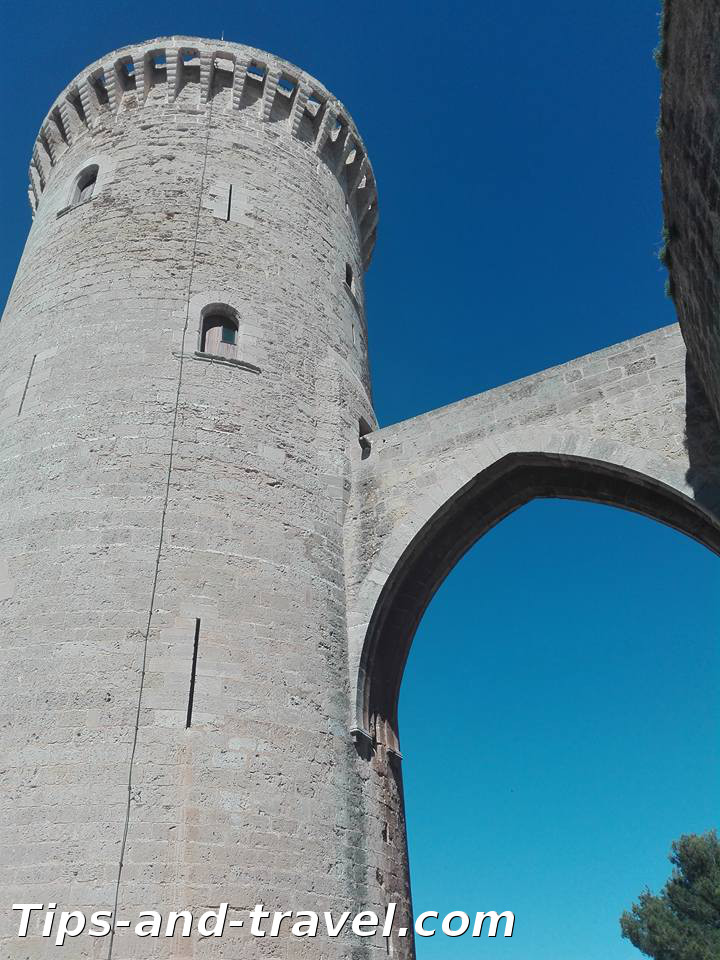
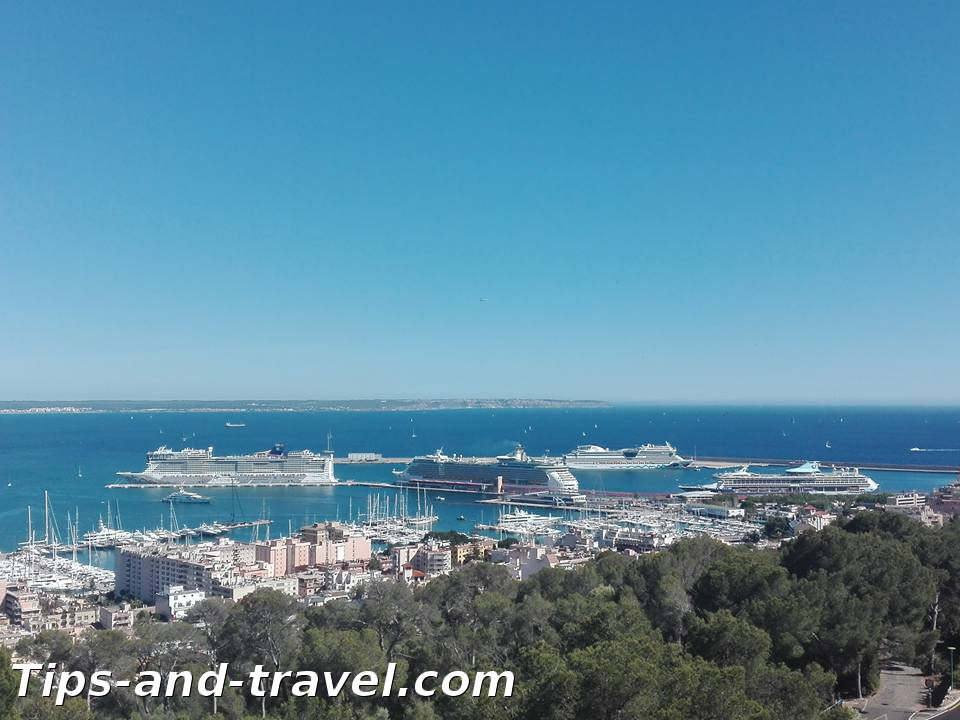
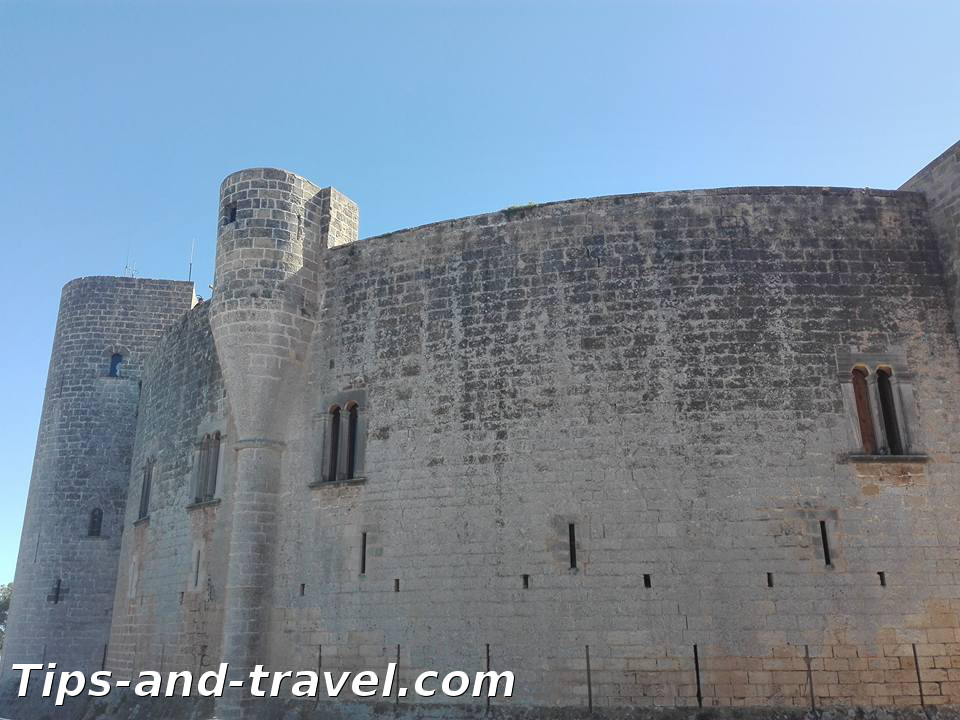
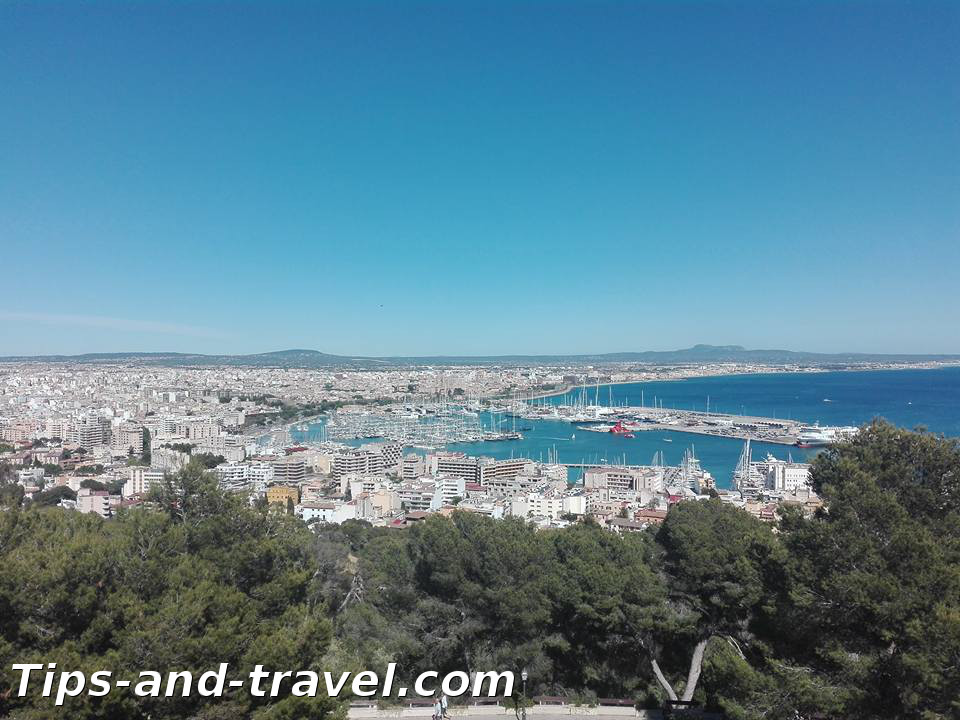
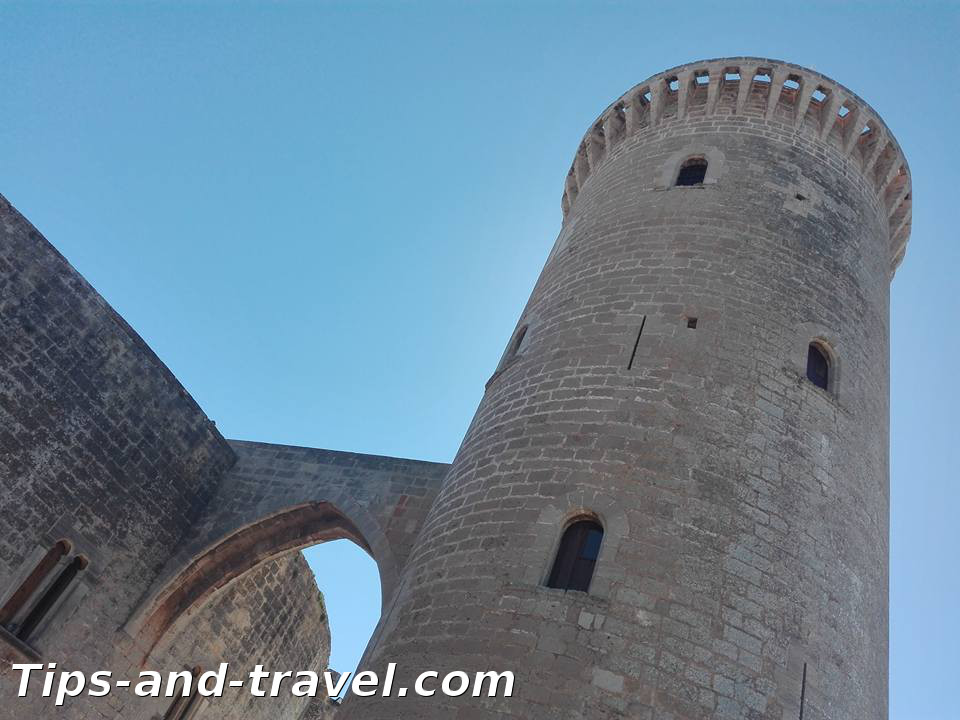
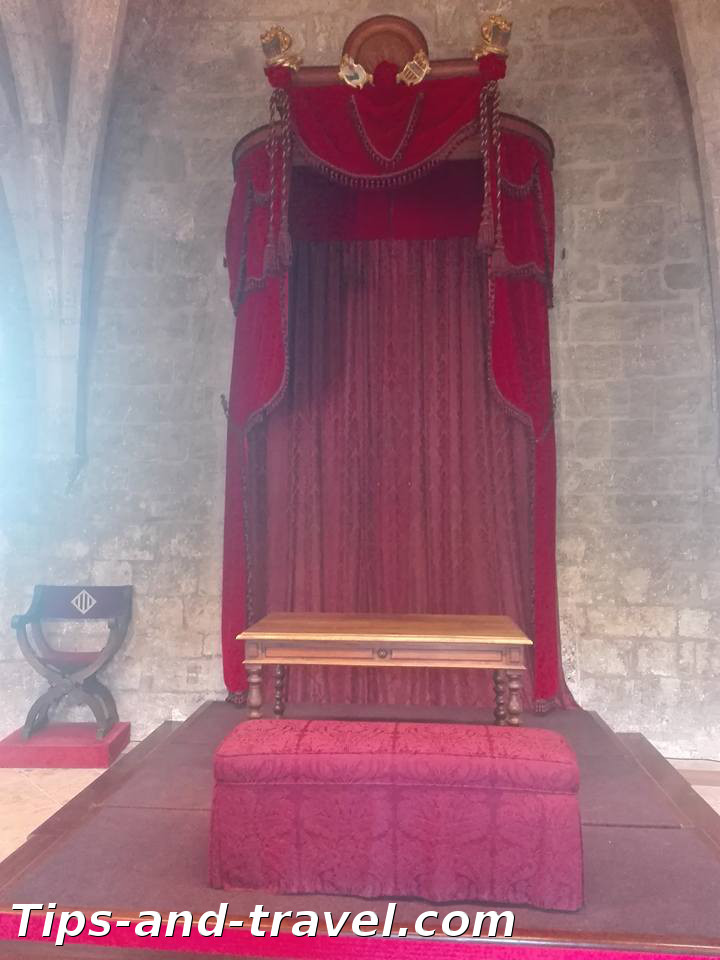
Bellver Castle (14th century) is located on the island of Mallorca, Spain; three kilometers from the historic center of Palma de Mallorca, on a pine-covered hill of 112 meters, at Bellver wood. Its name comes from ancient Catalan and means beautiful sight. King James II ordered his construction to live there and the architect Pedro Salva directed this construction which took almost 40 years. It is of Mediterranean Gothic style in circular form with rounded towers; also in circular form. The castle was occupied by the kings of the island but it also served as a prison. From 1947, being already owned by the Municipality of Palma, they began to reform it to be able to use it as a cultural building and it was in 1976 that it was inaugurated as the Museum of History of Palma. The castle has a patio in the center and all the facilities on the two floors of the building overlook it, with a gallery of Gothic arches. Since it is visible from the sea and from the city, it is considered one of the symbols of Palma.

Tips

There is an indoor cafeteria open according to public visiting times.

Consult the calendar during your visit as there are concerts or civil weddings taking place on the castle’s patio.

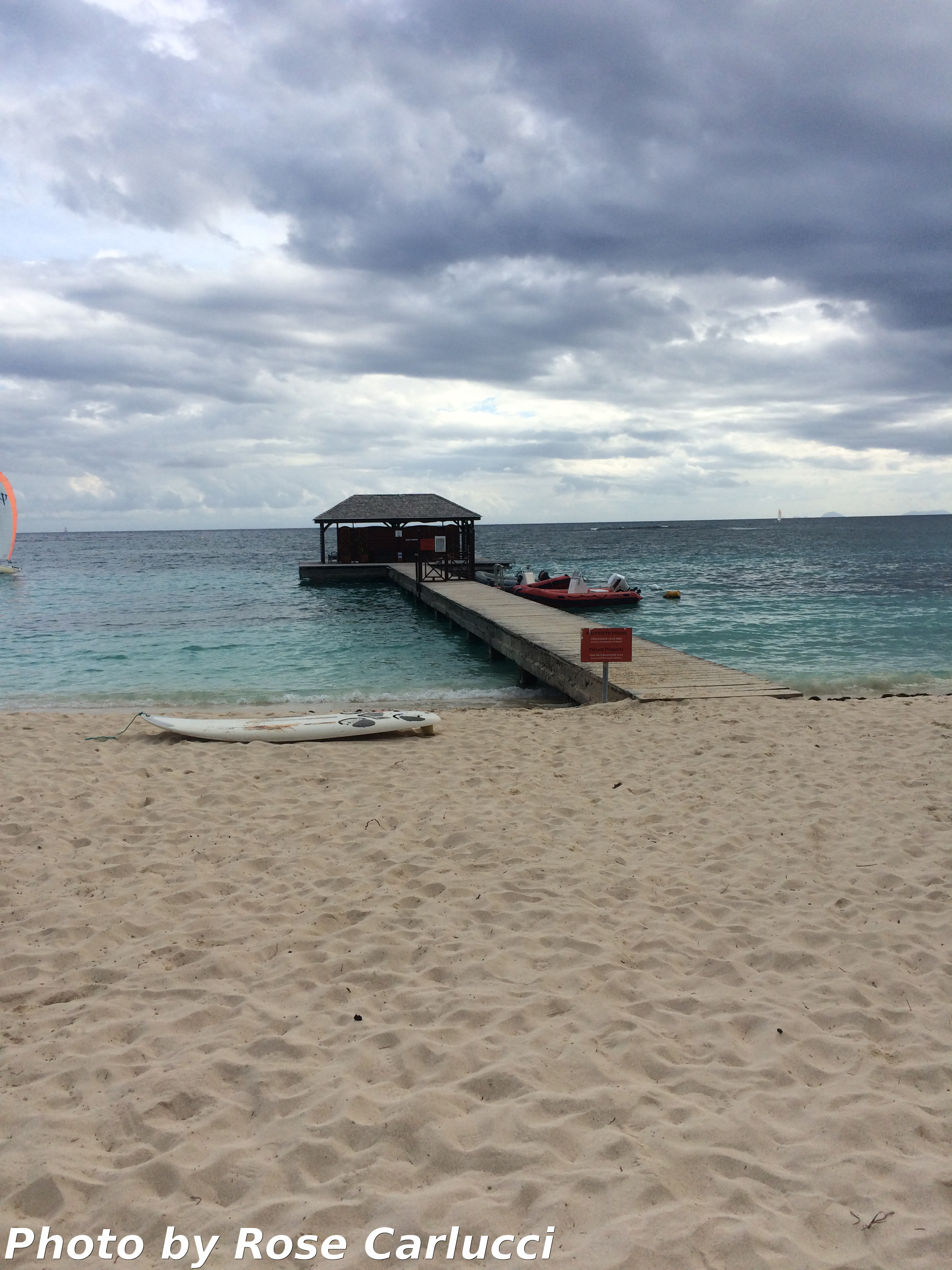
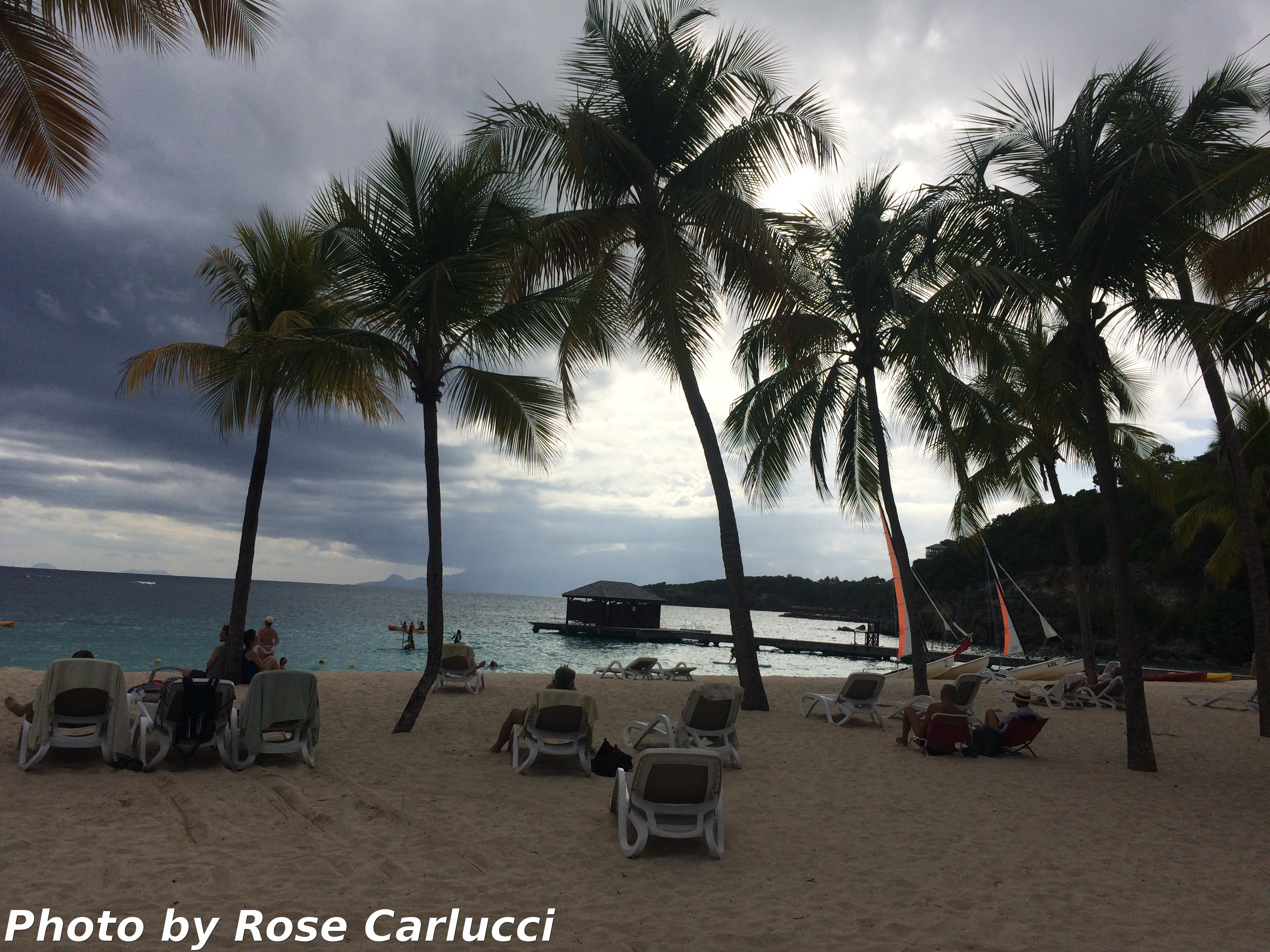
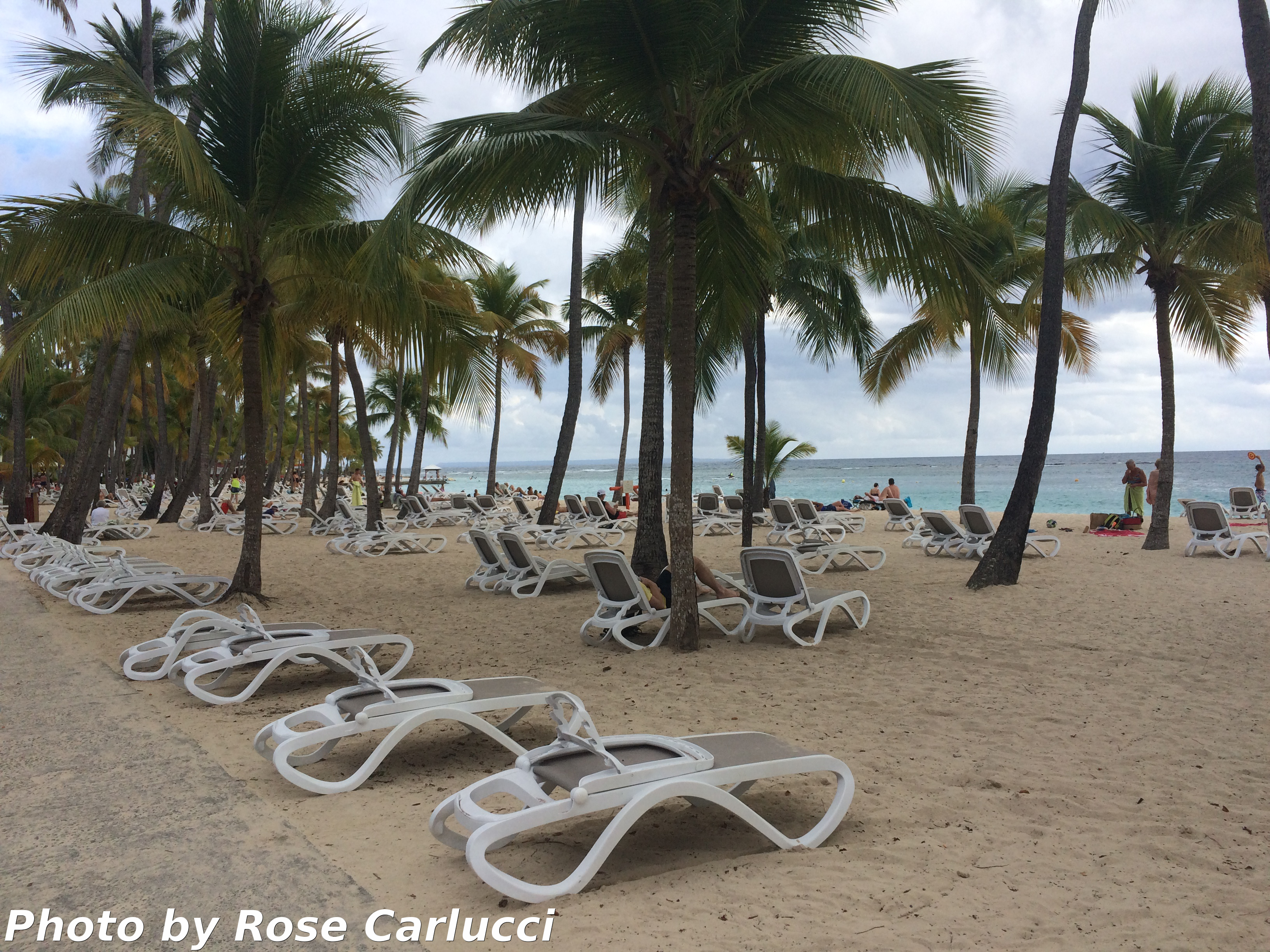
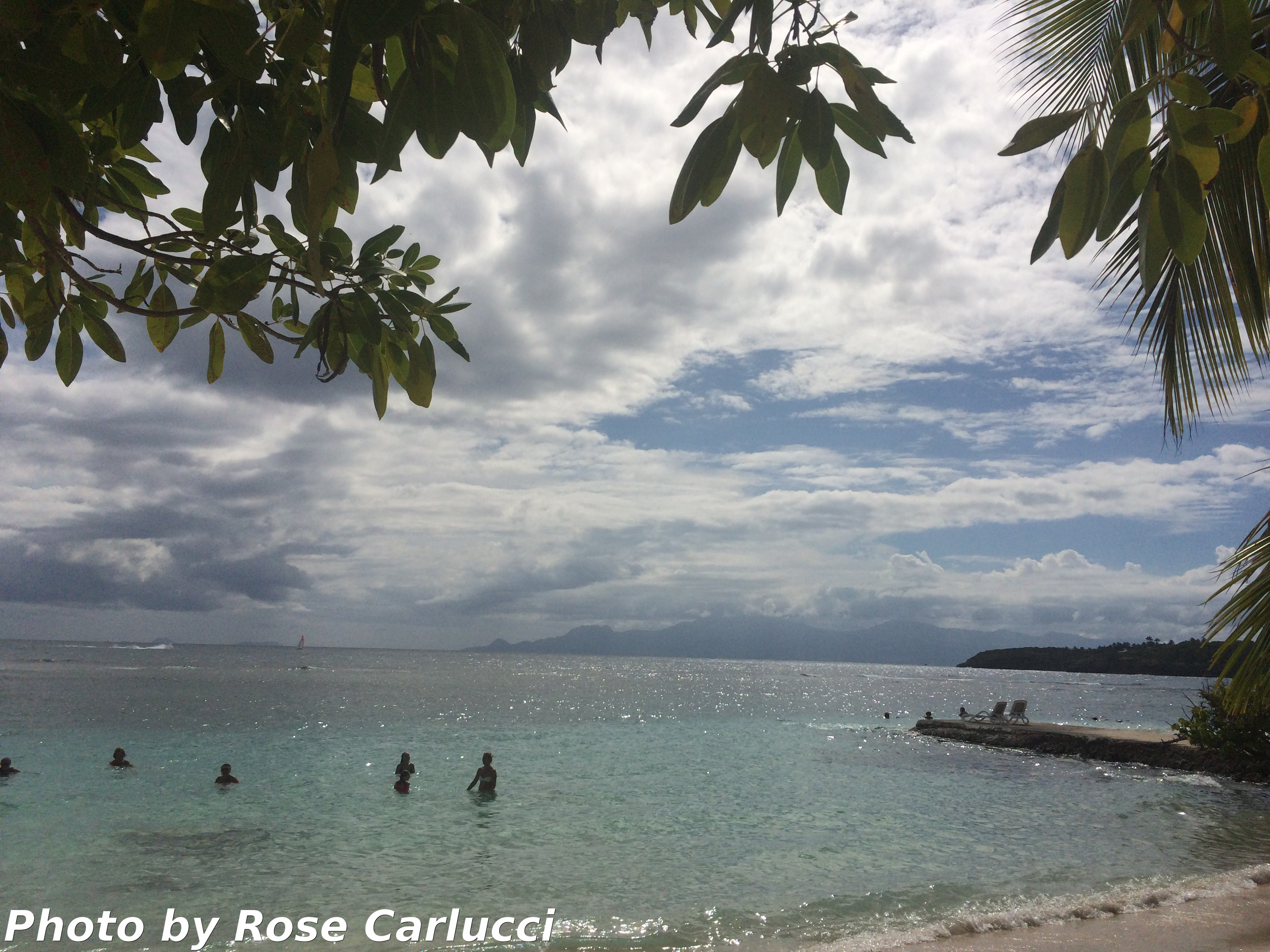
Beach of the Caravelle, Sainte-Anne, Grande-Terre, Guadeloupe

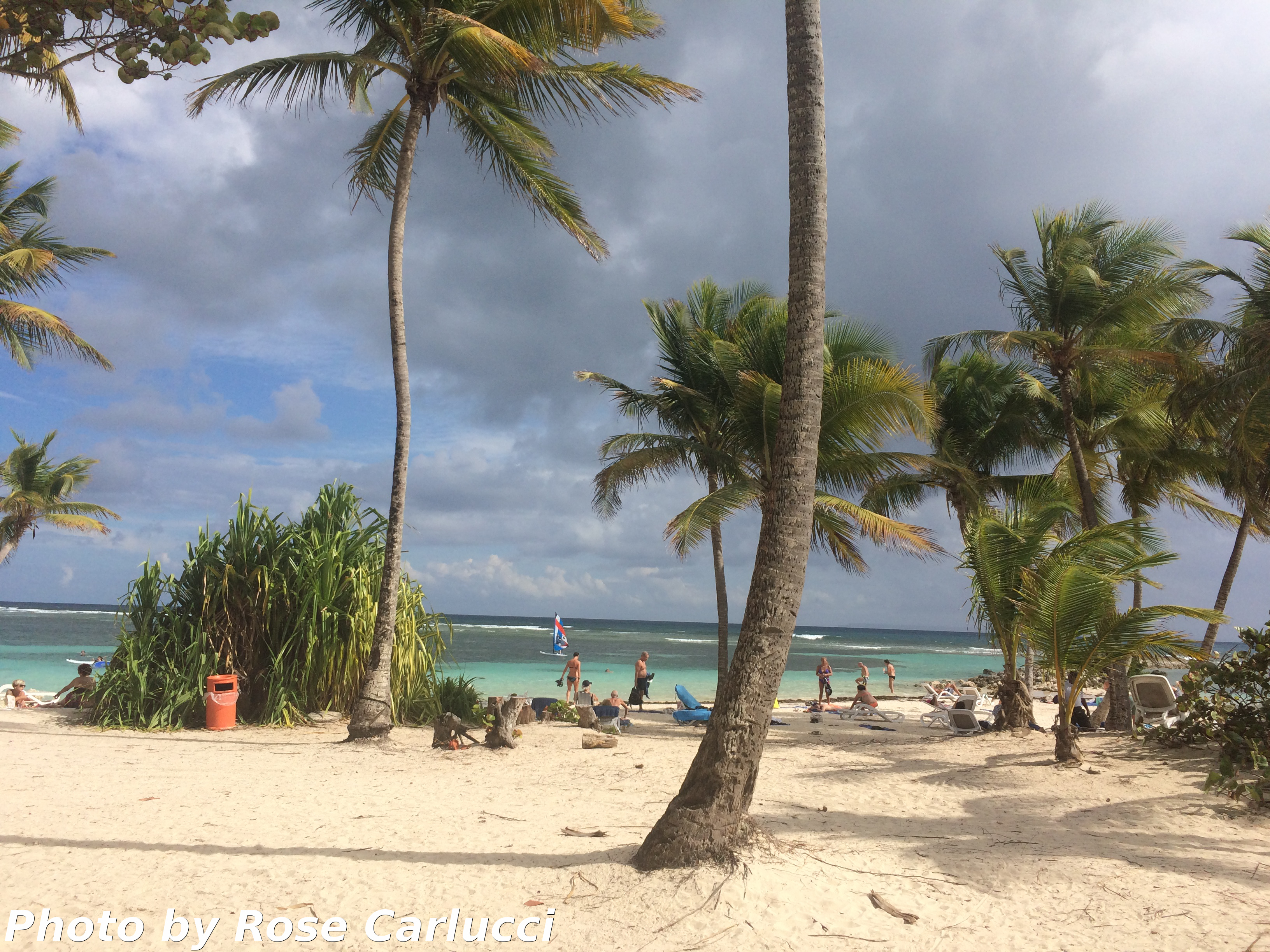
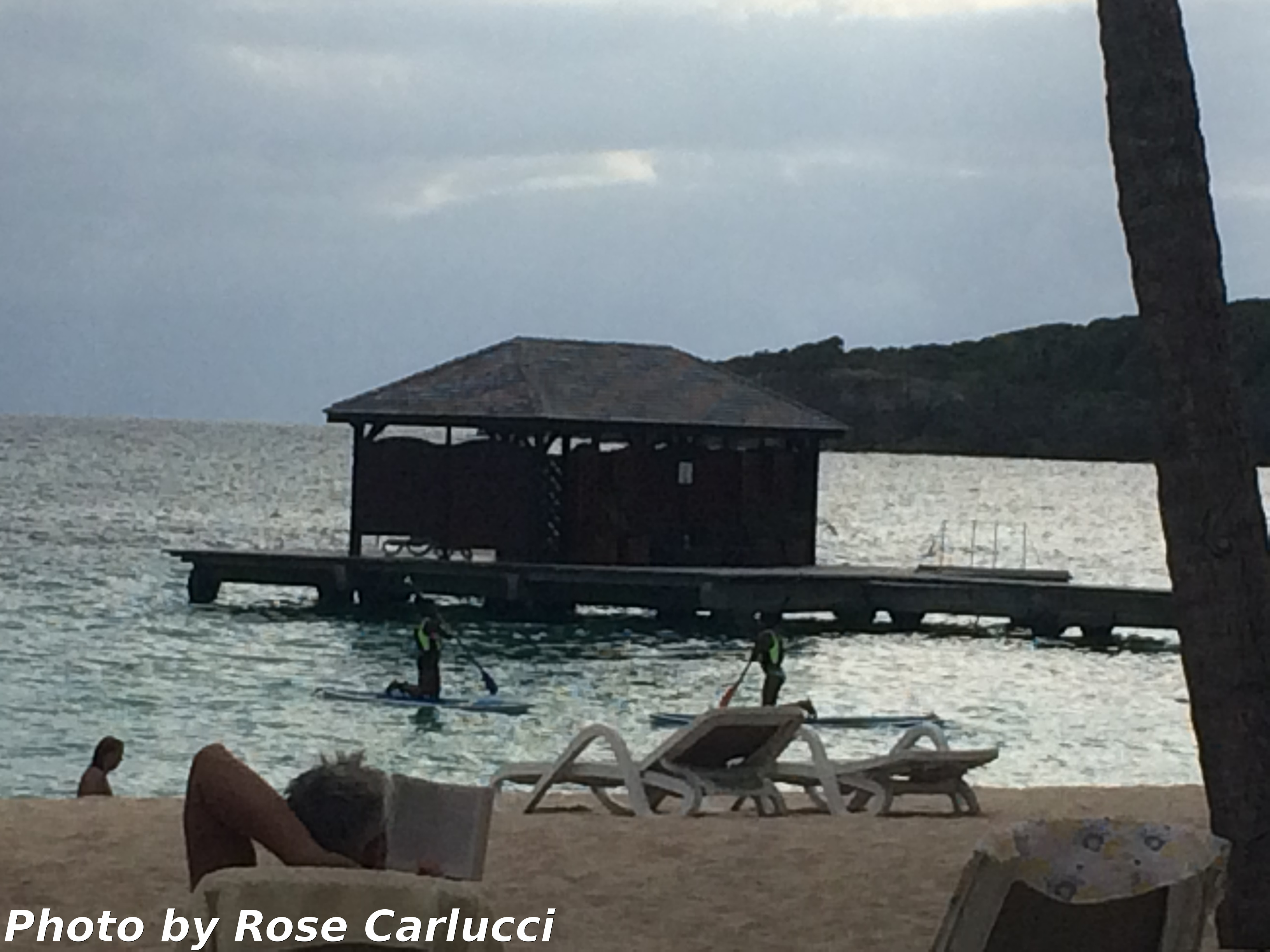
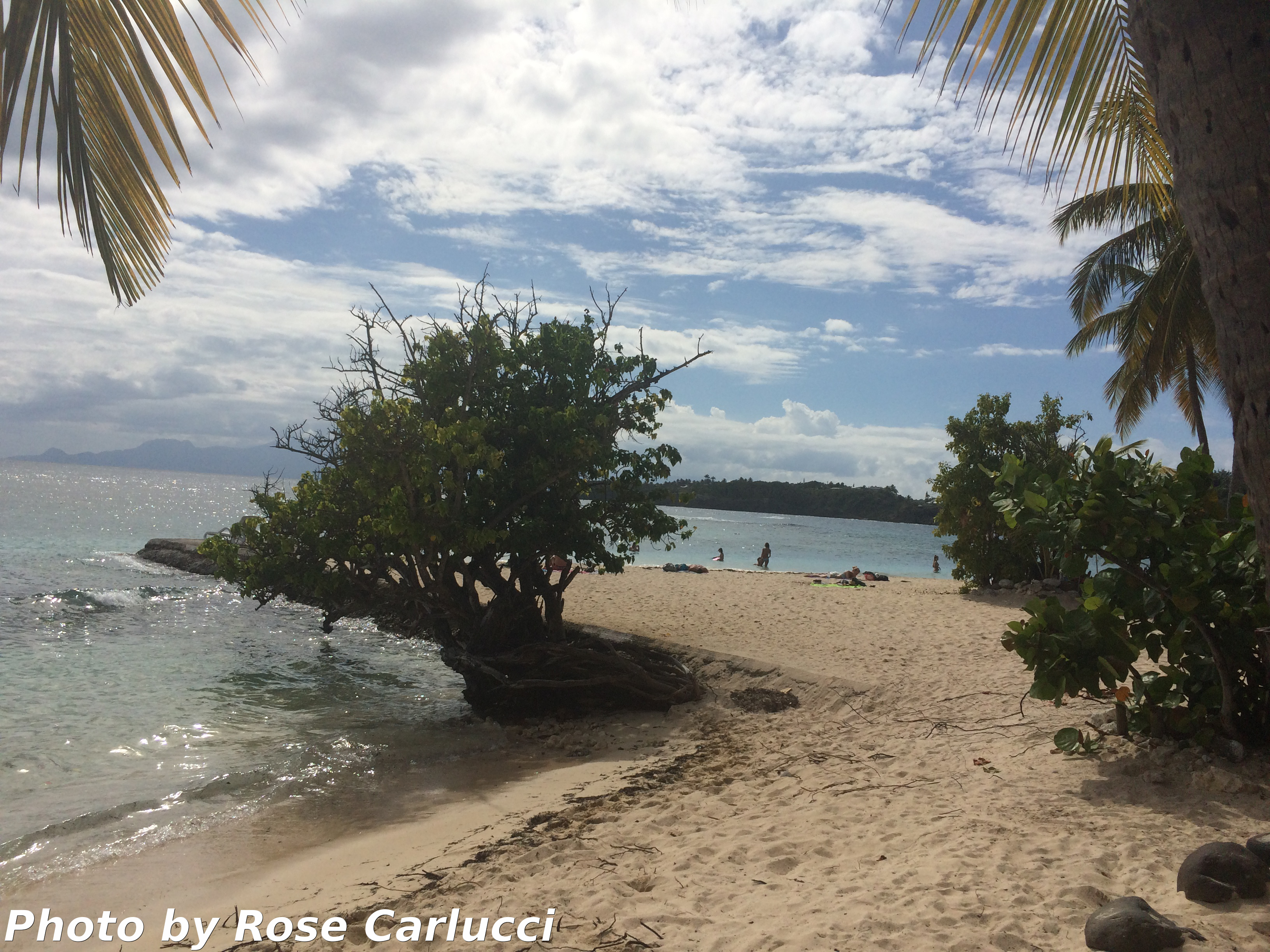
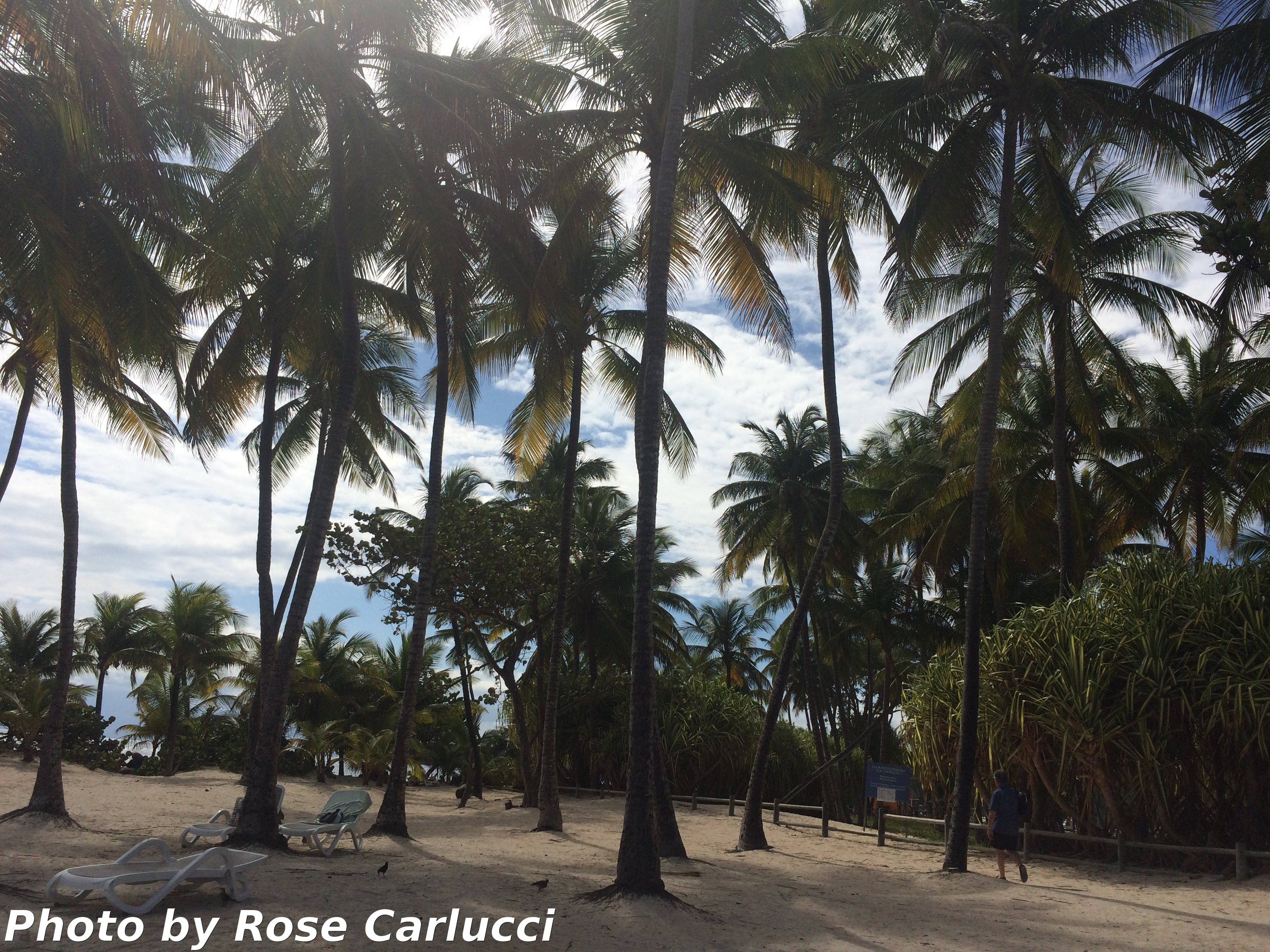
The beach of the Caravelle is a beach adjoining the Club Med in Guadeloupe and of course it is well maintained. But to get to it you have to go a long way by the beaches that are not maintained at all and sometimes it’s a bit difficult if you go with the kids or if you have difficulty walking on a completely irregular path. Once you arrive, you will feel that you are in a place like the beaches you see on the postcards. White sand beach, crystalline water, with plenty of trees to protect from the sun. You can not access to the Club Med but there is a beach bar that is accessible to everyone. There are several aquatic activities to do and it is okay if you go with children as there is not a big slope or big waves, it’s more like a natural pool.

Tips

There is no parking so you will have to leave the car at about a fifteen minute walk. You can also leave the car at Pointe-à-Pitre, take the ferry and walk.

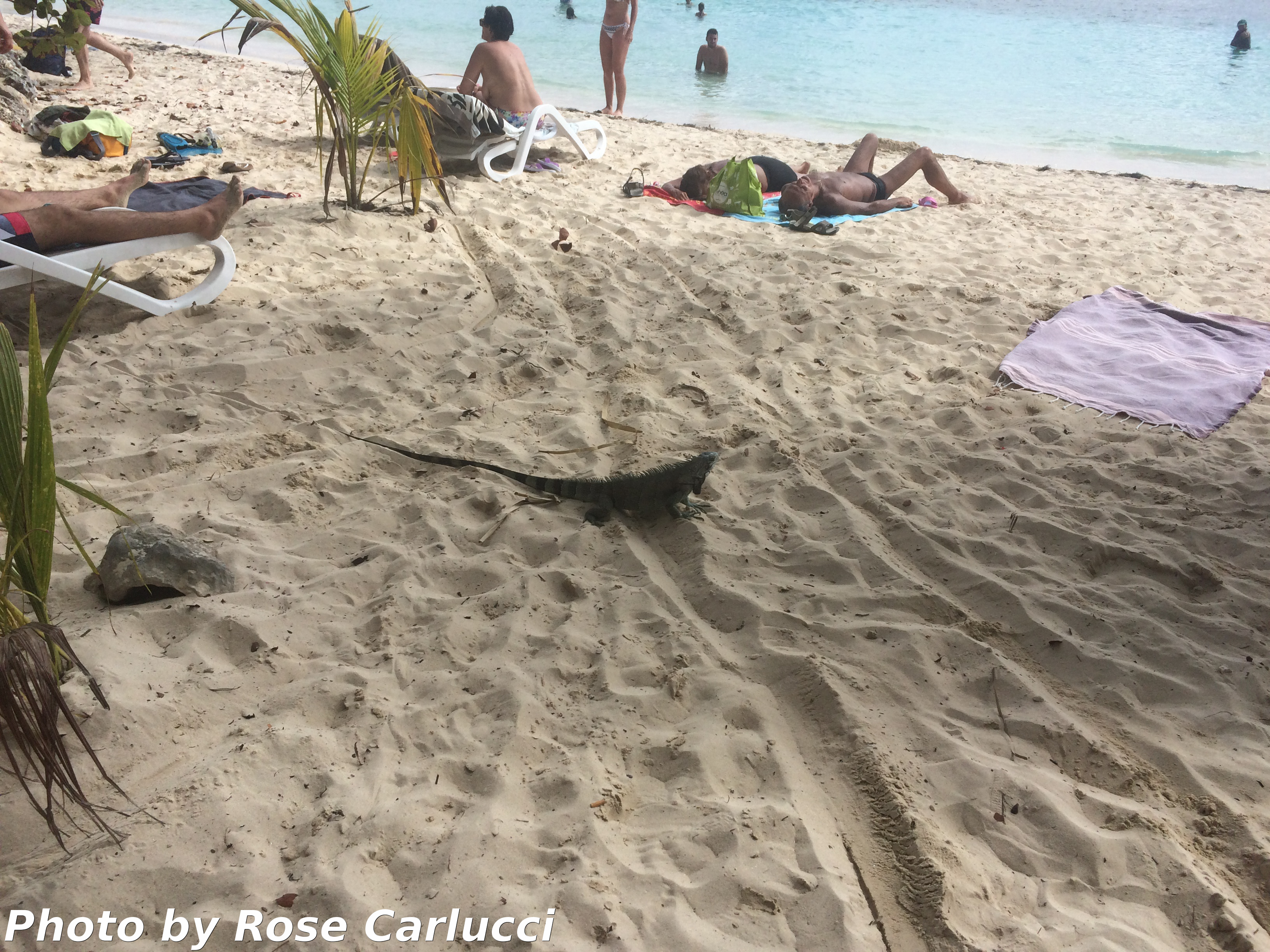
If you do not like bugs, be careful as the iguanas walk between people and pass on your towel without any inconvenience.

Copenhagen, Denmark

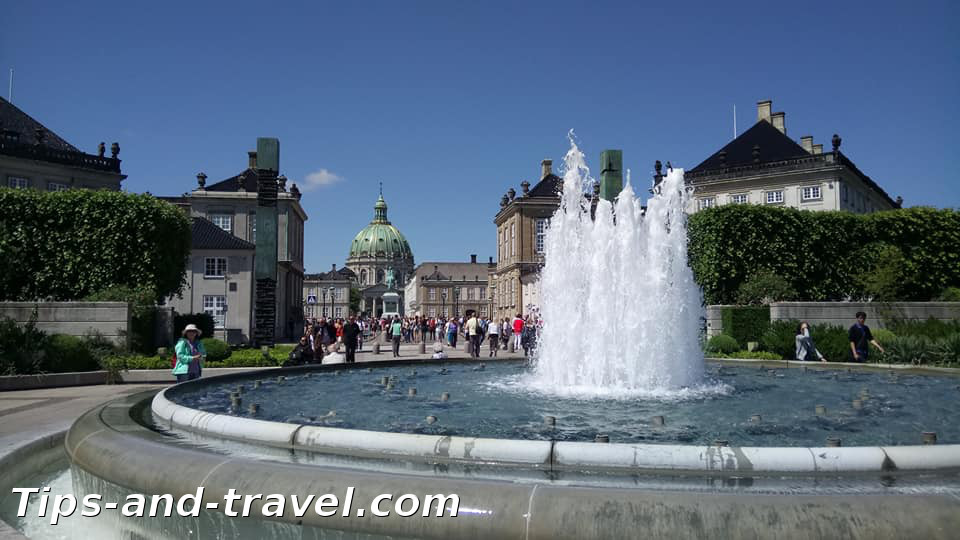
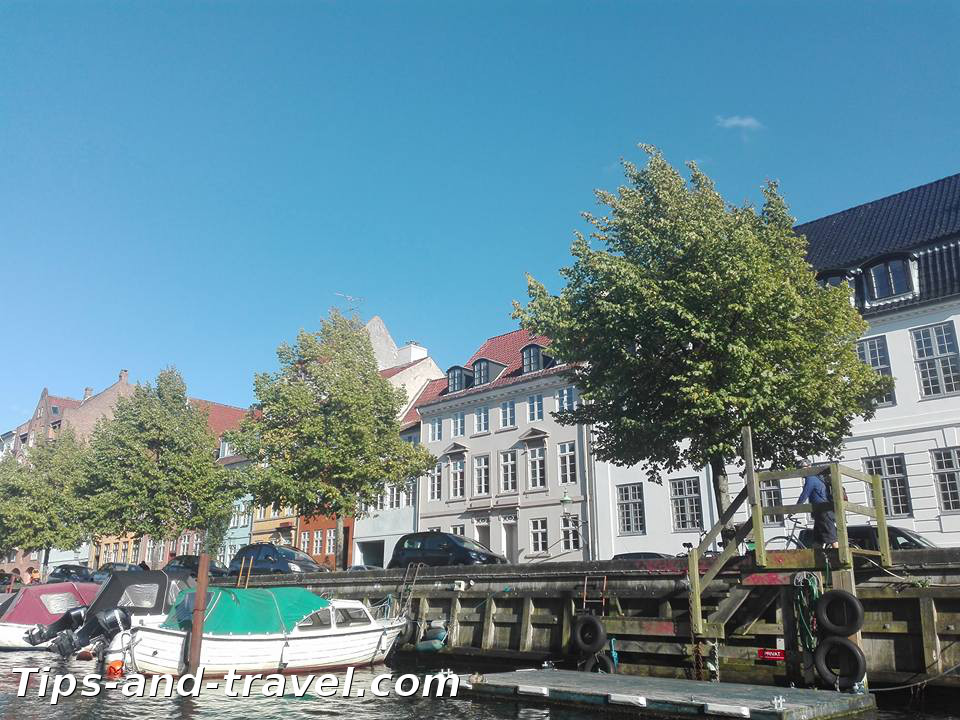
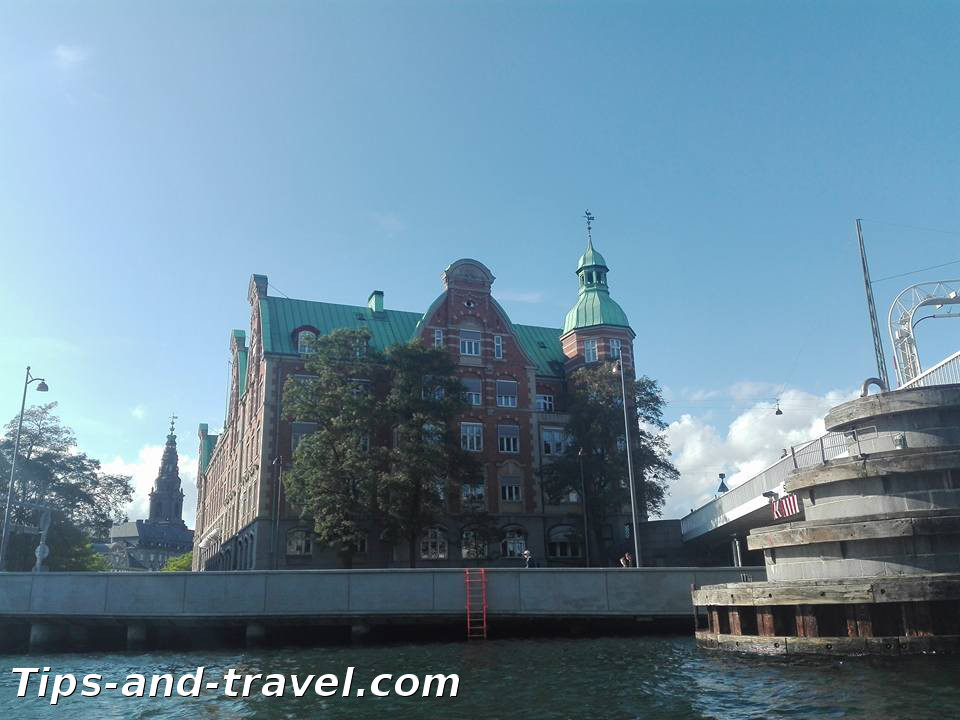
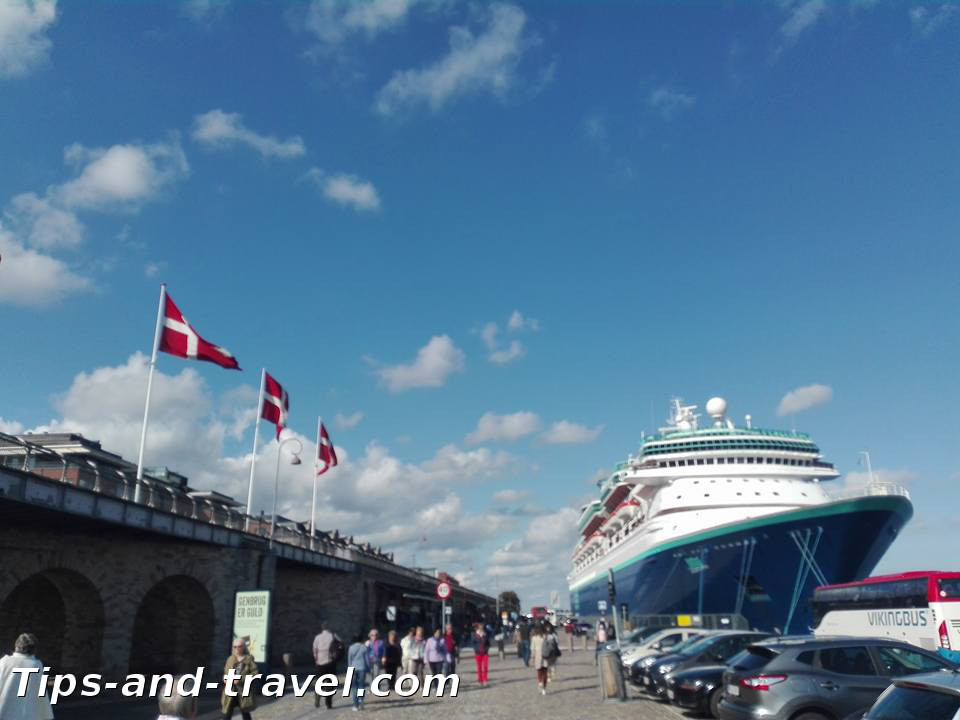
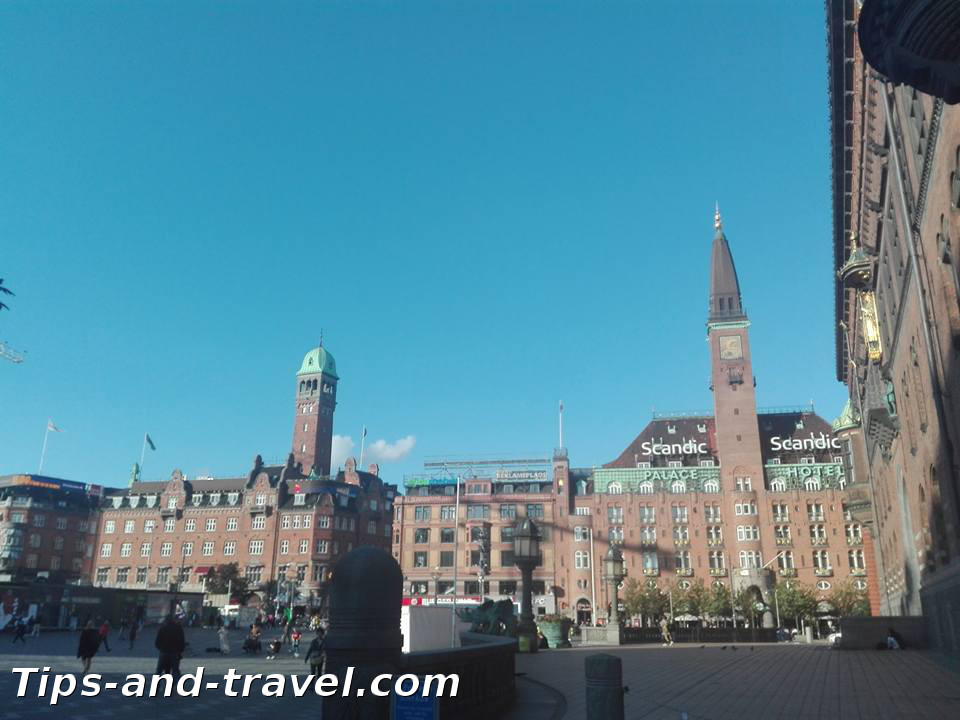
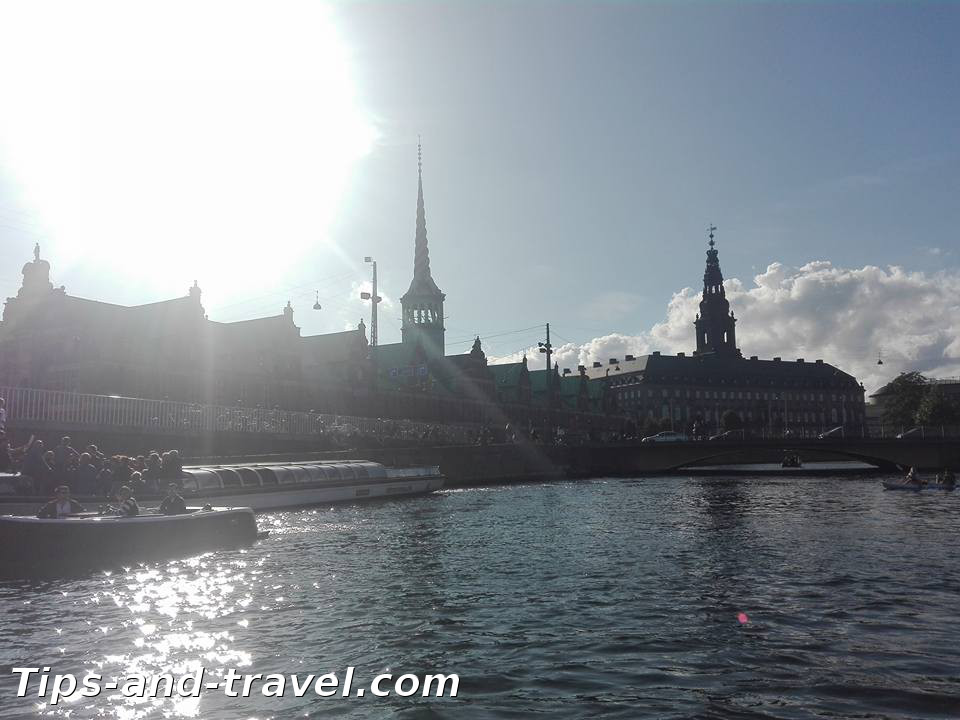
Copenhagen is the capital and largest city of Denmark, located on the east coast of the island of Zealand facing the Øresund Strait that separates it from Sweden. At its origin the city was a fishing village; founded by the Vikings in the 10th century. Today, the city is the seat of the government, the National Parliament and the Danish monarchy and Christiansborg Castle is home to several institutions. The standard of living is very high. Vesterbro (trendy area), Rosenborg Castle and the Latin Quarter are in the historic center. One of the most famous symbols of the city, the statue of the Little Mermaid, lies to the east, on the coast. There are several bridges and the port of Nyhavn is very picturesque with its colorful wooden houses. It is also a city that promotes cycling with many kilometers of bike paths. Several cruise lines have chosen Copenhagen in their itinerary. To see: Kronborg, Rosemborg, Frederiskborg, among the castles; the Amalienborg Palace, the statue of the Little Mermaid, the Danish Museum of Fine Arts, the National Museum, the Tivoli Gardens, the Cathedral of Our Lady, among others.

Tips

If you are taking the public transport, ask about it as you can travel with the same ticket in different areas.

You can also take a ferry to Oslo (Norway) or Swinoujscie (Poland).

If you visit the city in July, you can enjoy the Jazz Festival.