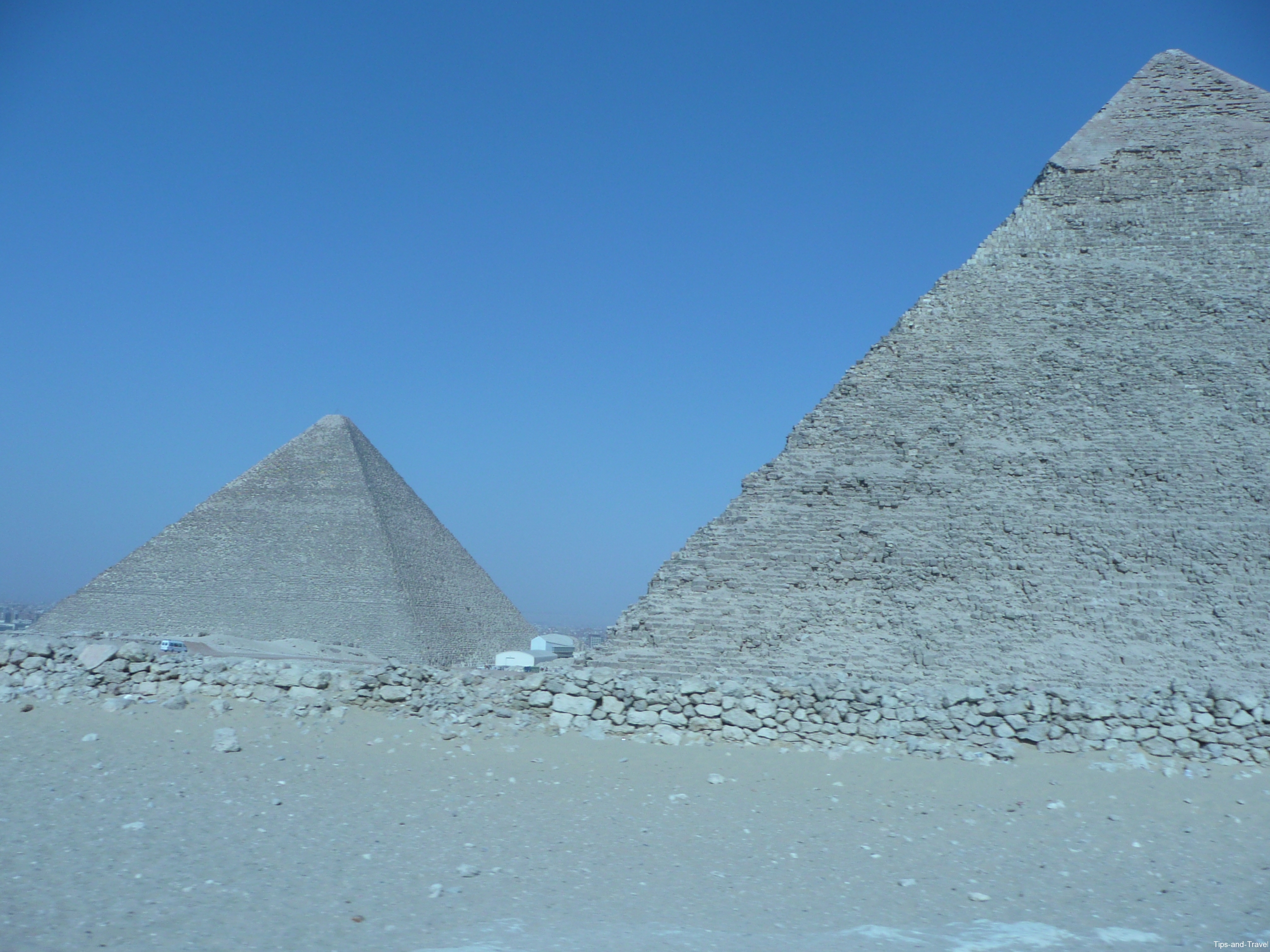
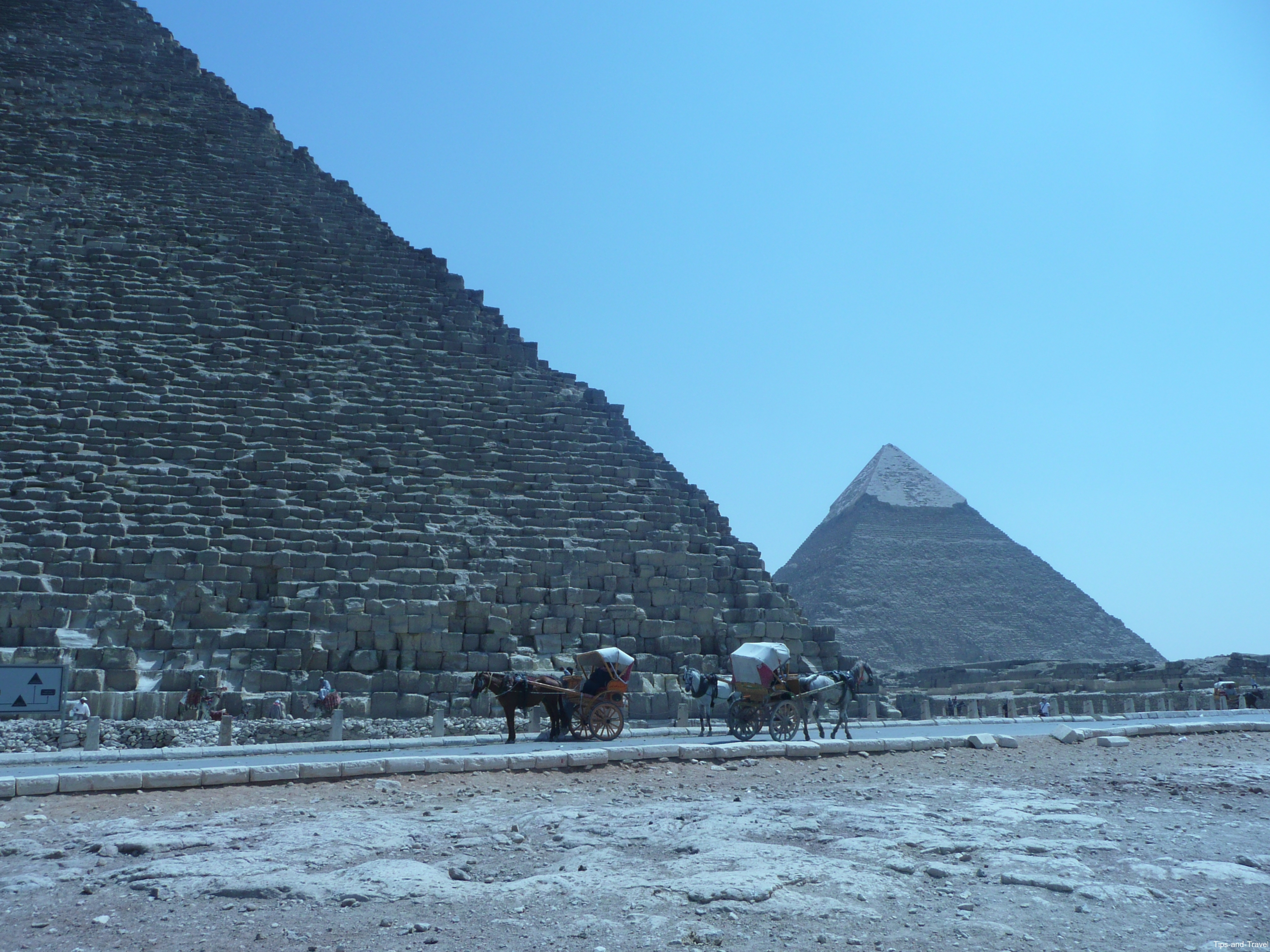
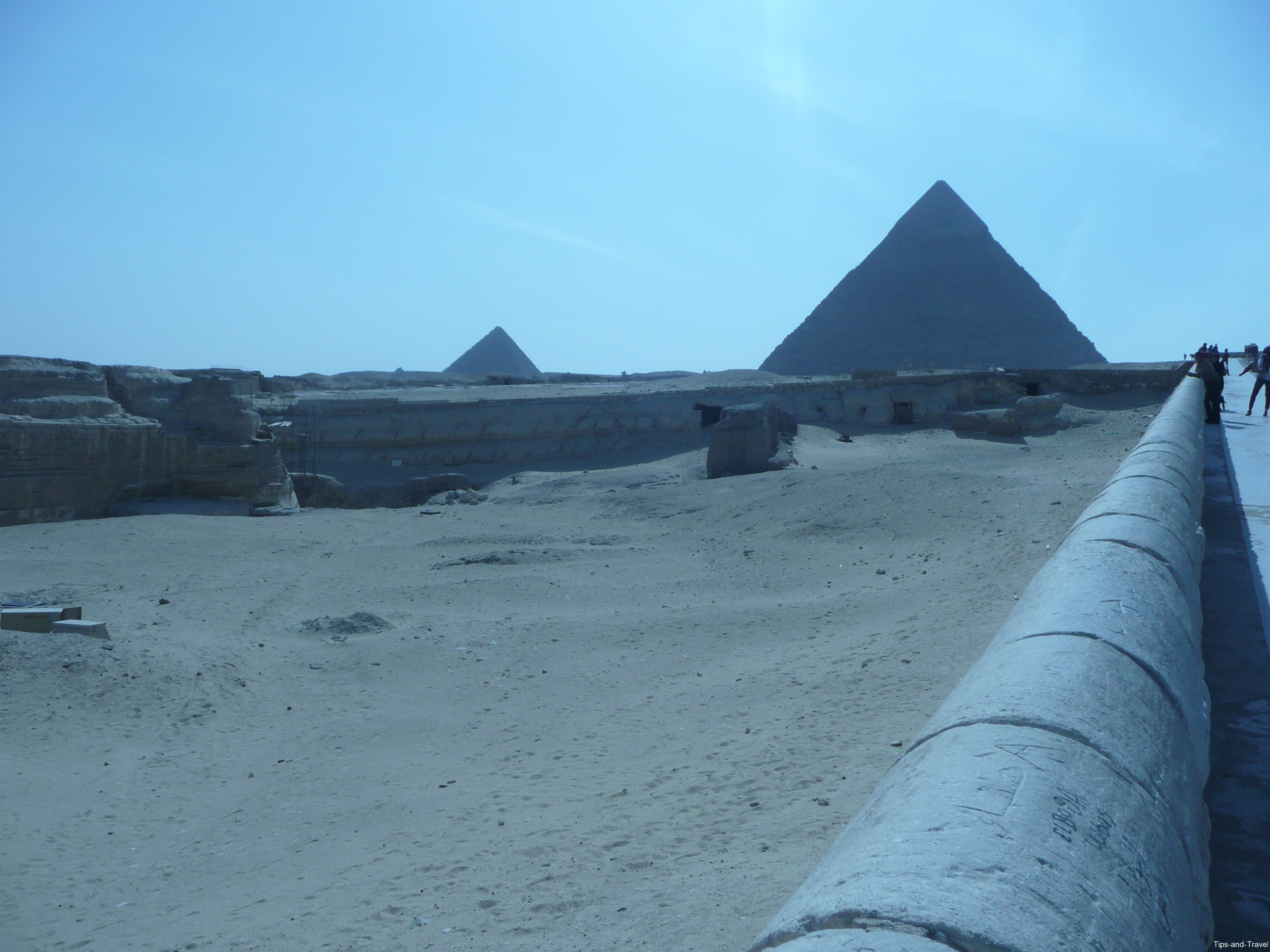
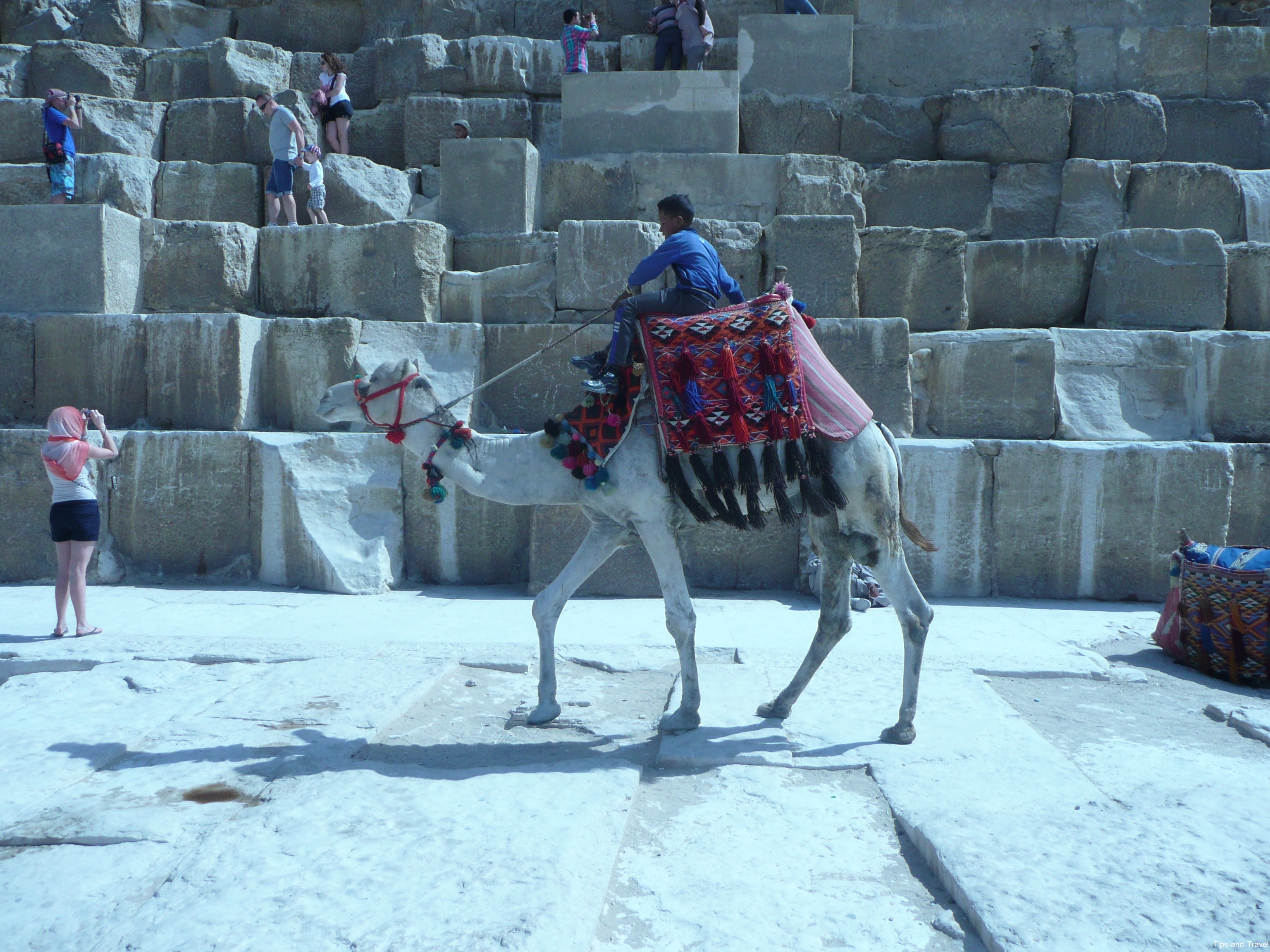
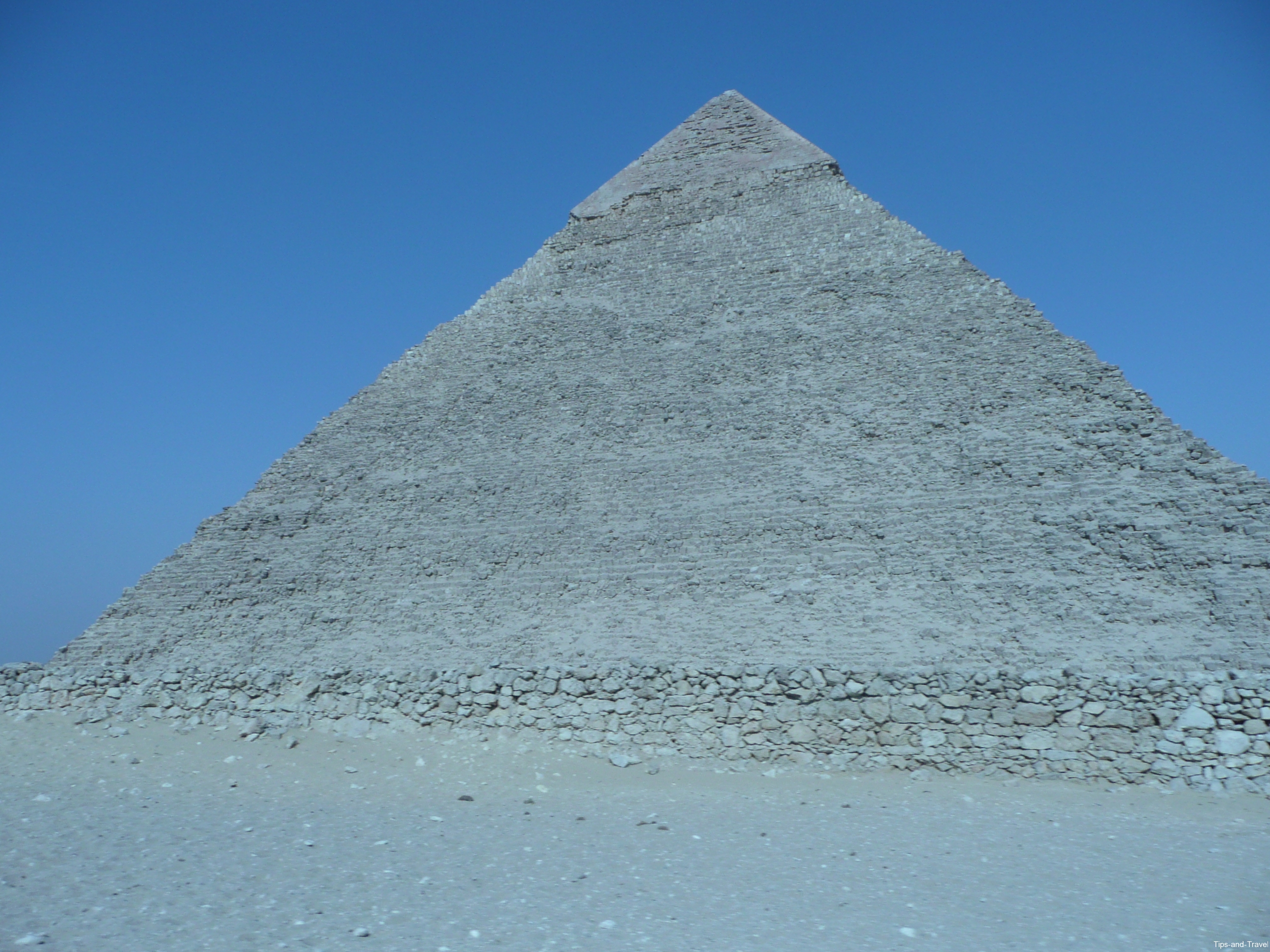
Pyramid of Cheops, Giza, Egypt

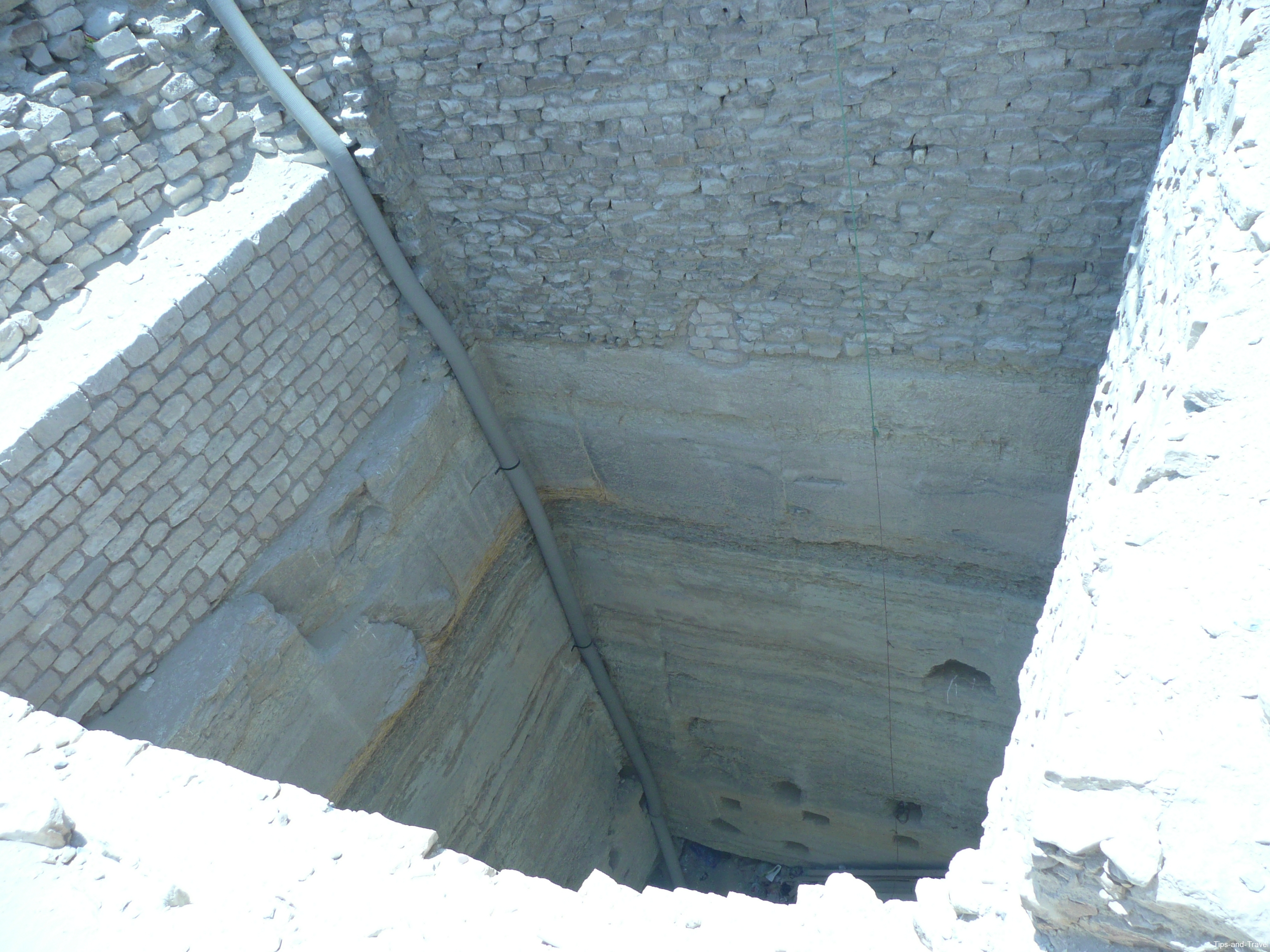
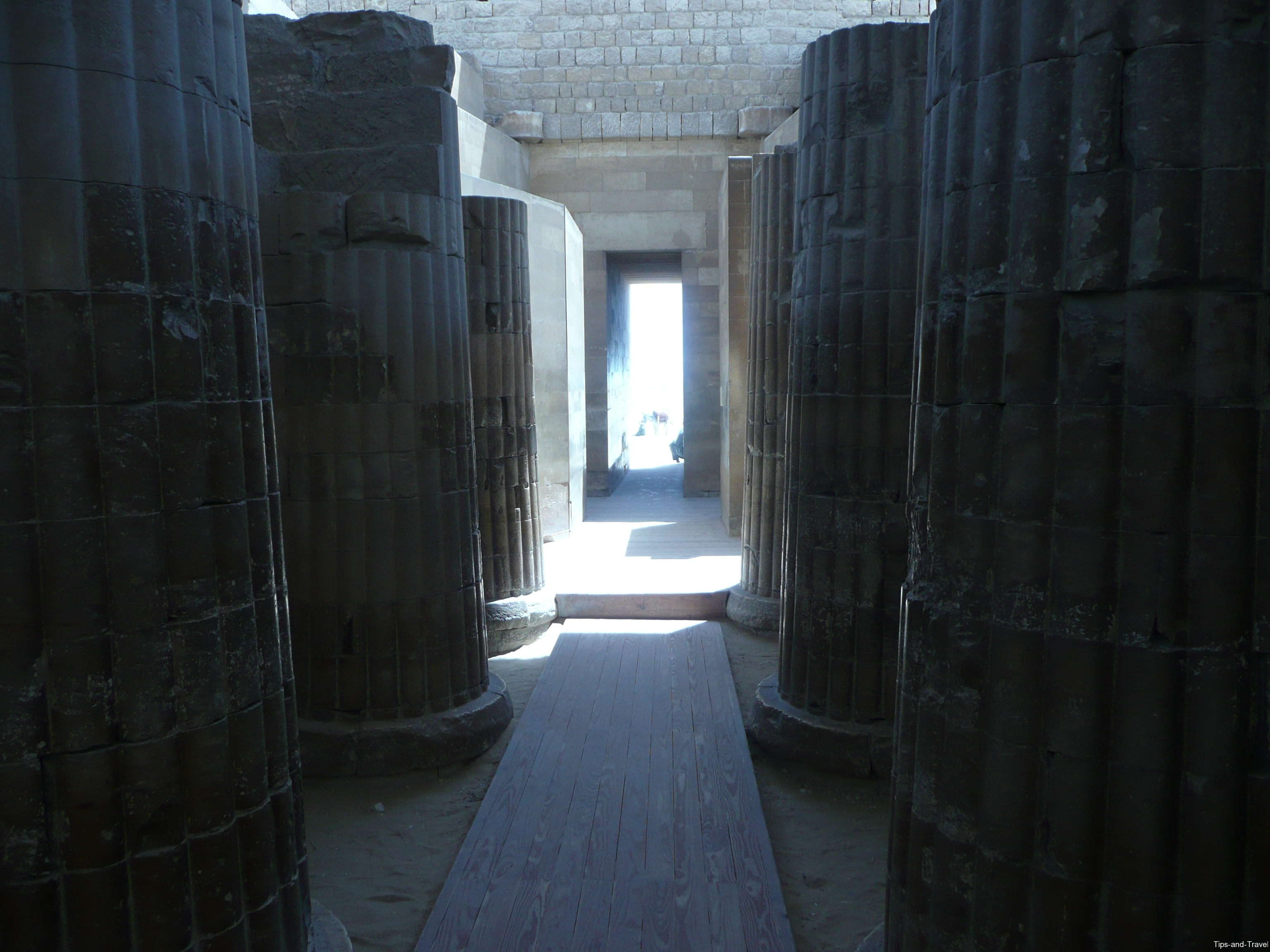
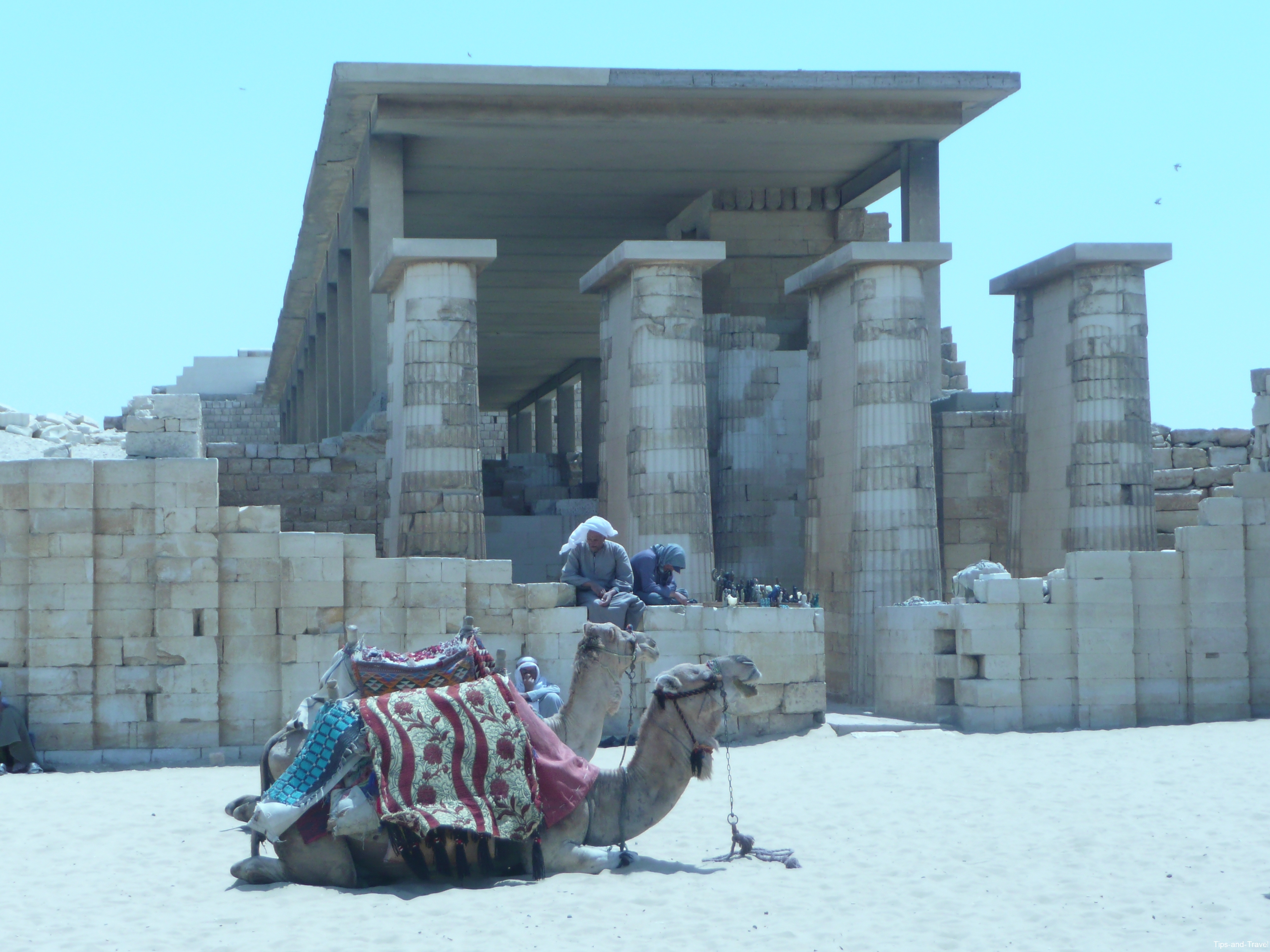
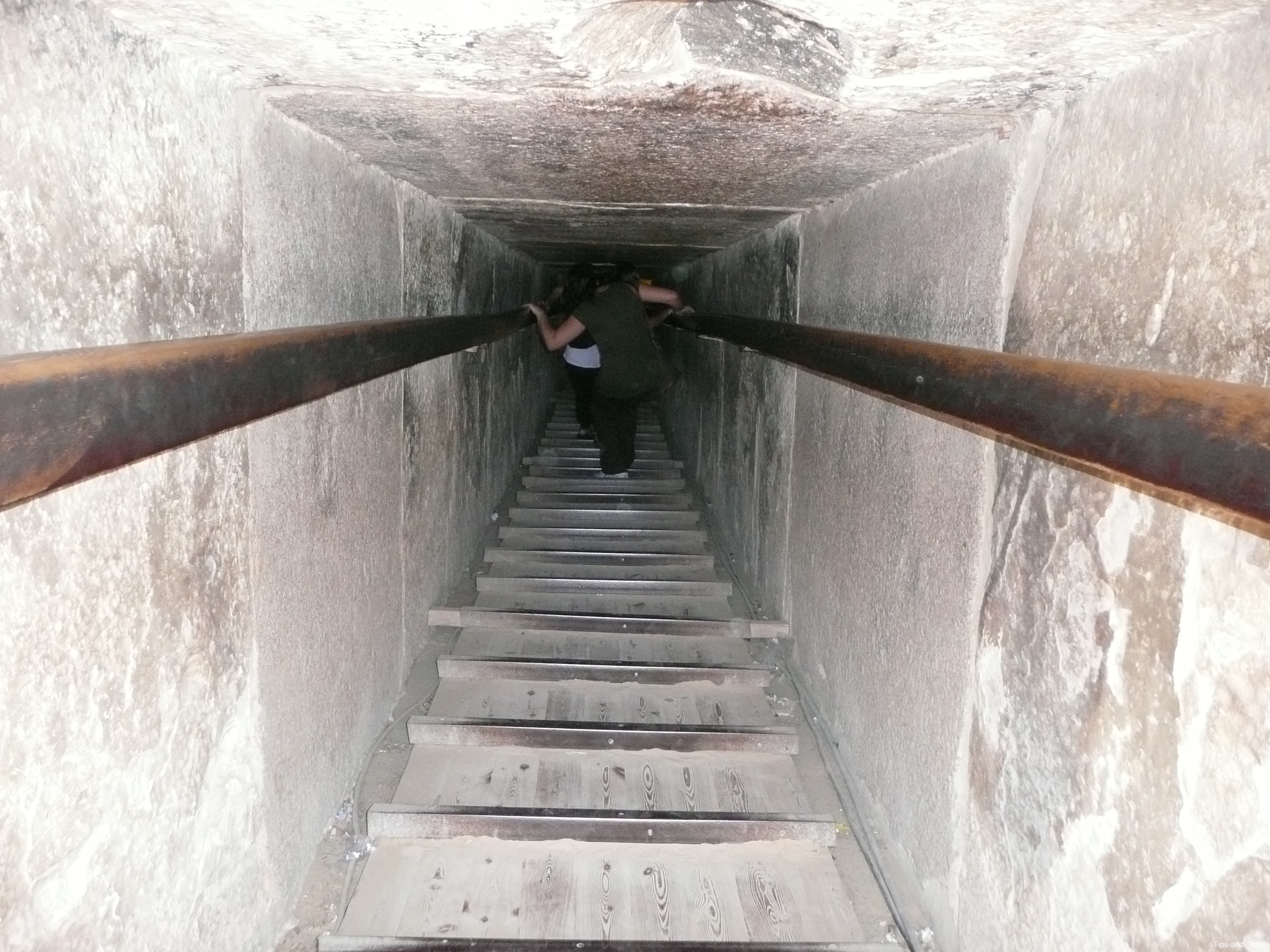
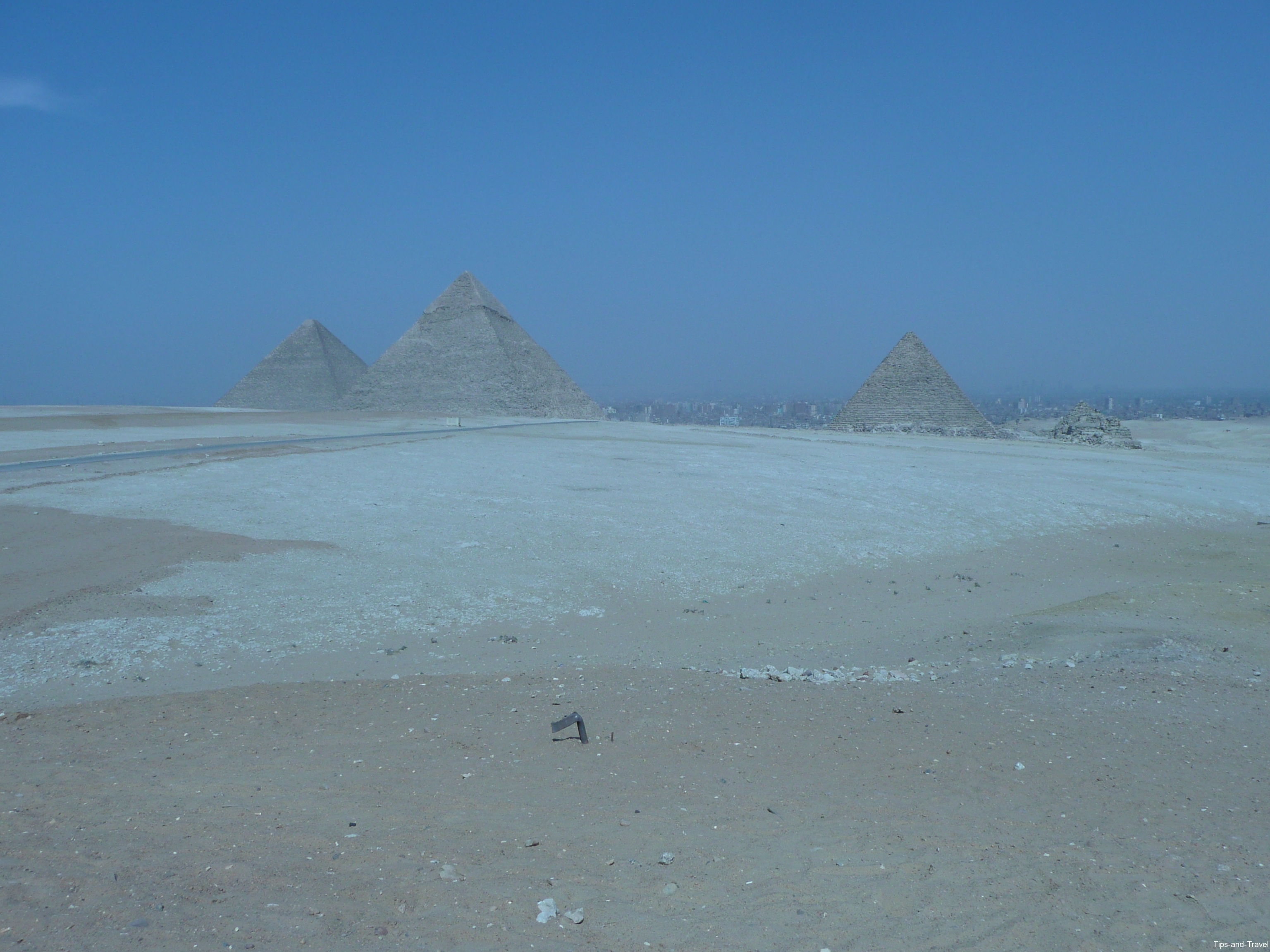
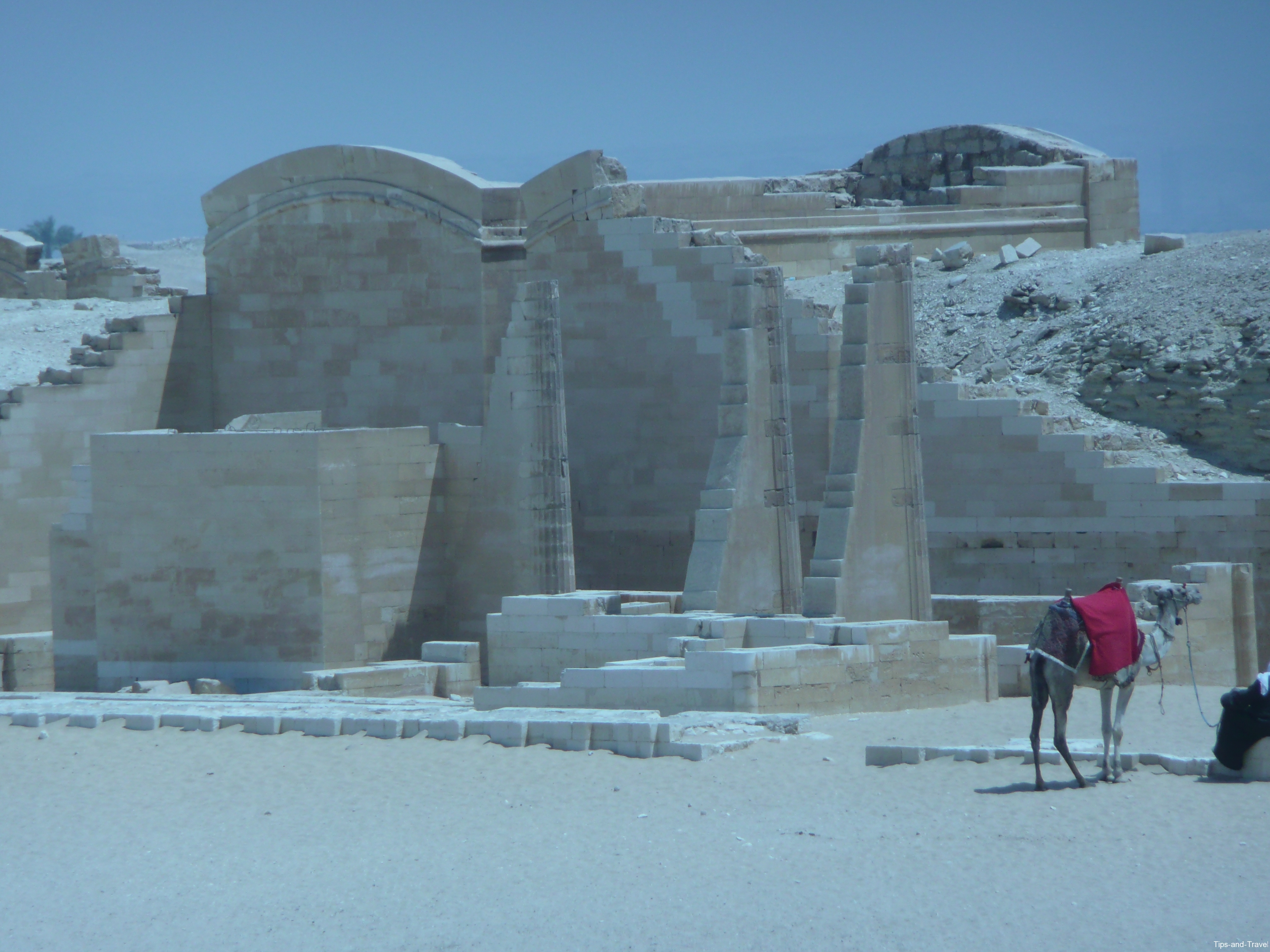
The Pyramid of Cheops or Great Pyramid of Giza is a monument built by the ancient Egyptians; more than 4,500 years ago, forming a pyramid with a square base of 230 m and 137 m in height; presumed tomb of Pharaoh Khufu. It is the only of the seven wonders of the world of antiquity to have survived until today, as being also the oldest. The pyramid is part of a complex where there is a funerary temple of two parts: valley temple or bottom (associated with a harbor jetty on the edge of the cultivated land) and an upper or top temple (tchapel where clergy deposited daily offerings), located near the pyramid. There is a monumental tiled corridor serving as connecting gallery between the parties. There are also three pyramids of queens, a satellite pyramid, surrounded by a wall, connected to the communication gallery and multiple mastabas (funeral buildings) grouped into three cemeteries located to the east behind the queens pyramids at south of the Great Pyramid, and on the west of the pyramid of King.

Tips

It is recommended to do business with a local guide accredited by the Ministry of Tourism to ensure that there is room for a domestic tour inside.
You can do a carriage ride to take pictures and see the pyramids and the countryside. Remember to negotiate the price.
There are many sellers on the site that can be quite pushy but if you are showing any interest they will not insist too much.
You can also visit the site at night to watch the spectacle of sound and light.
Piazza Ducale, Vigevano, Pavia, Lombardy, Italiy

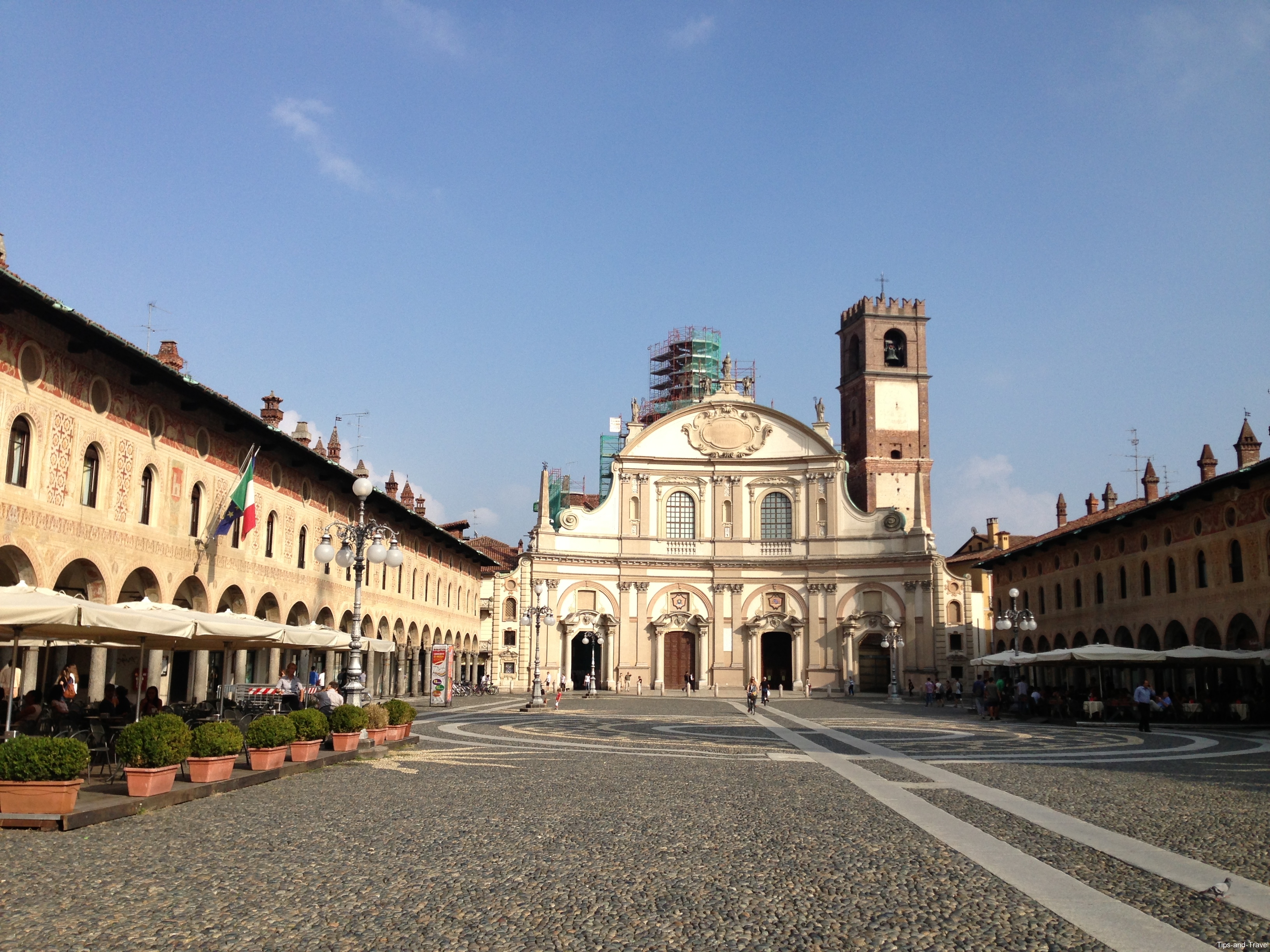
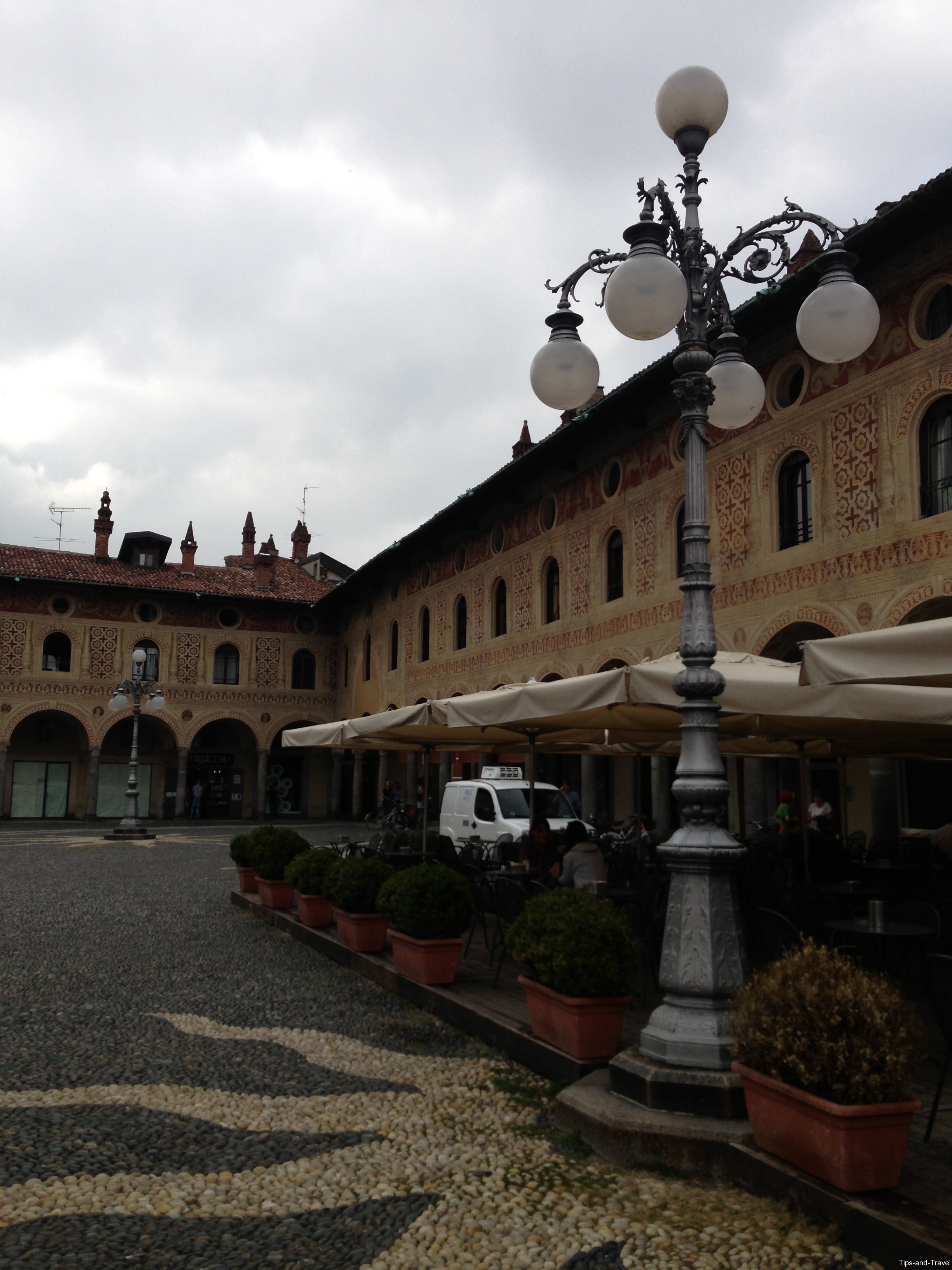
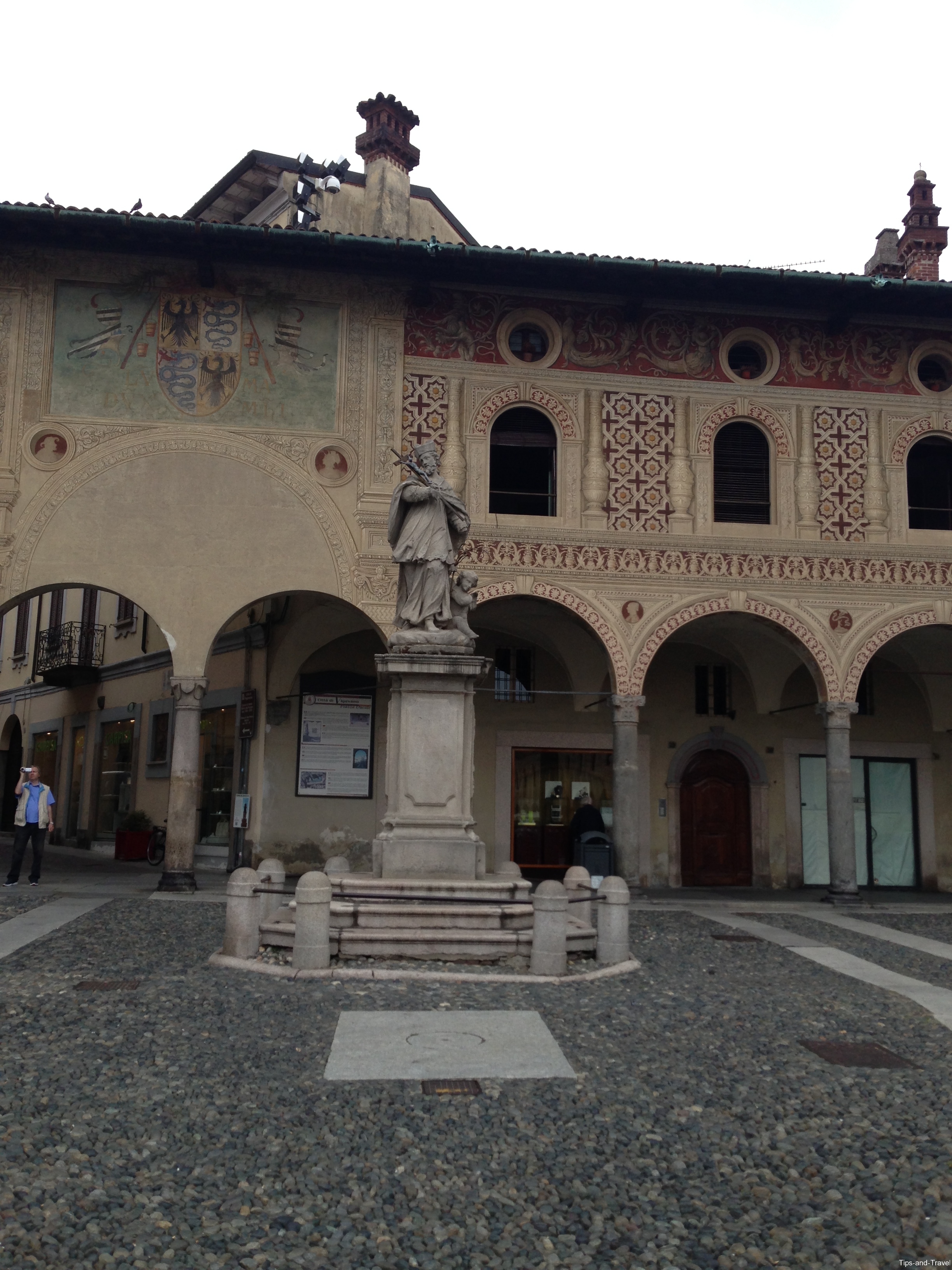
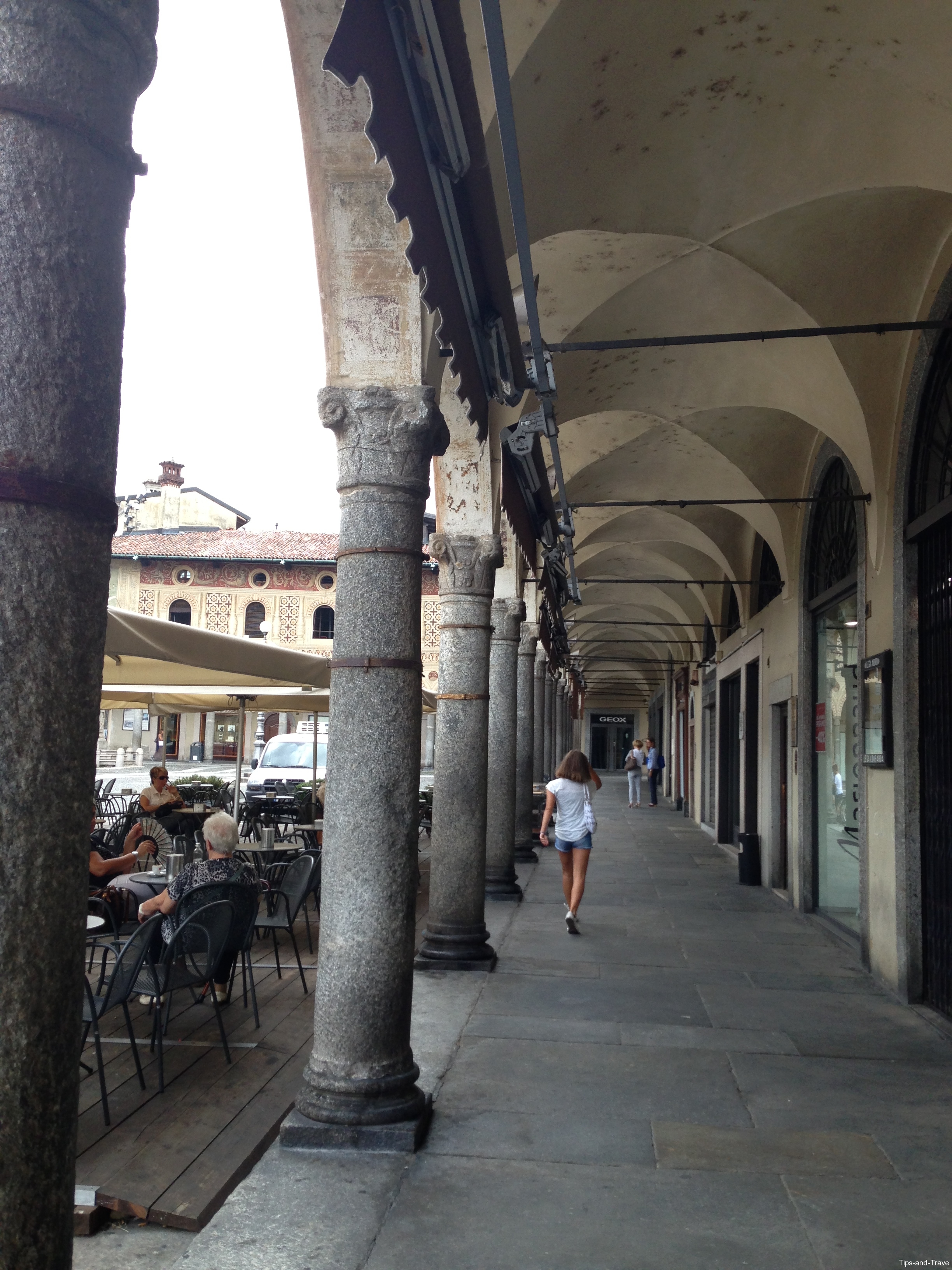
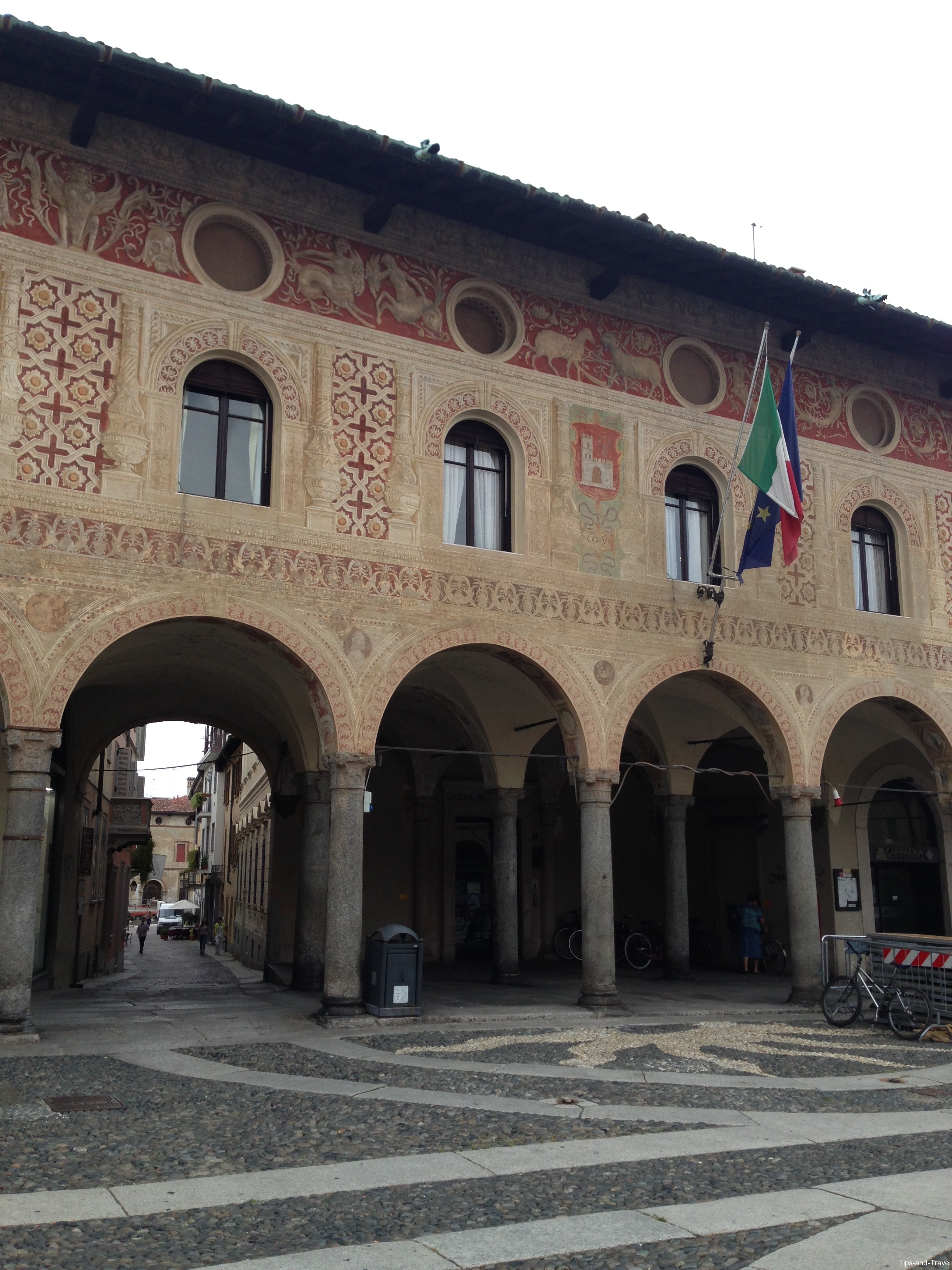
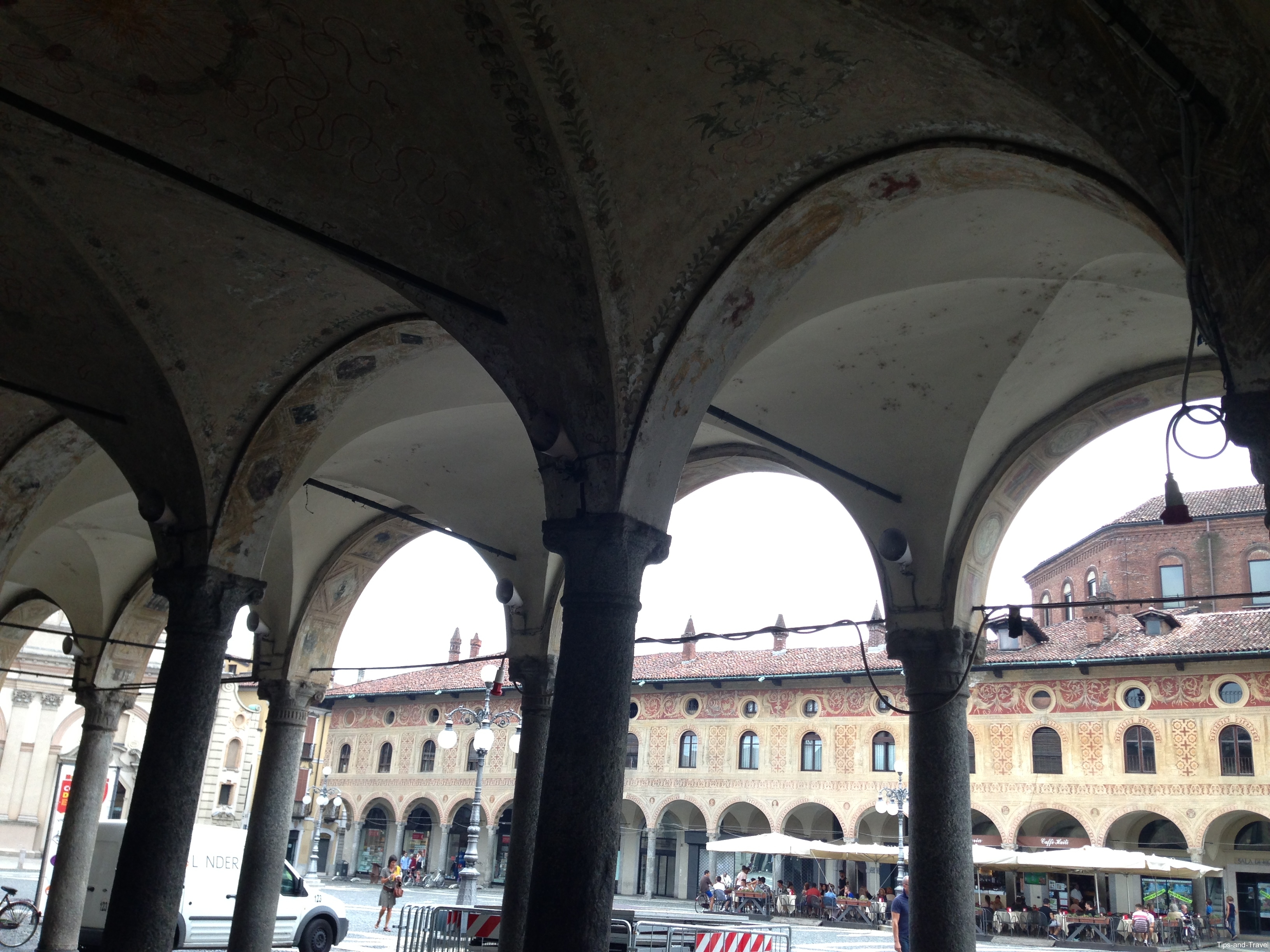
Piazza Ducale is the main square of the town of Vigevano, a town in the Italian province of Pavia in the Lombardy region of Italy. It is a real jewel of the Renaissance, built on the rule of Ludovico Sforza, the Moro (1492-1494), who considered it like the hall of his castle. Originally, it was 138 meters long and 46 meters wide, project in which the architect Donato Bramante involved. At the time of Ludovico Sforza, the square was already closed on three sides by palaces with porches and facades painted fresco, arcades supported by 84 columns with capitals each different. The fourth side was occupied by two triumphal arches at the intersection of the current Via del Popolo and Via Silva, while a long ramp stone, which started from the center of the square, allowing riders and carriages the access to the castle.
The current architectural shape is drawn by the architect Juan Caramuel Bishop Lobkowitz in 1680. The Duomo facade extends curving across the width of the square. It continues to be surrounded by arcaded porticoes and palaces, with arched windows topped by an attic with an open oculus. The ramp to the castle or the triumphal arches disappeared. All the buildings are covered with a bright pictorial decoration. During the Austrian occupation (eighteenth century), they install the statue of St. John of Nepomuk. The paving of the square is formed with tiles of white and black granite from the Ticino River.
Between 1903 and 1910 there has been a big restauration where they found frescoes from the sforzesque time; so they were discovered and restaured. In 1911, they added the cast iron street lamps.
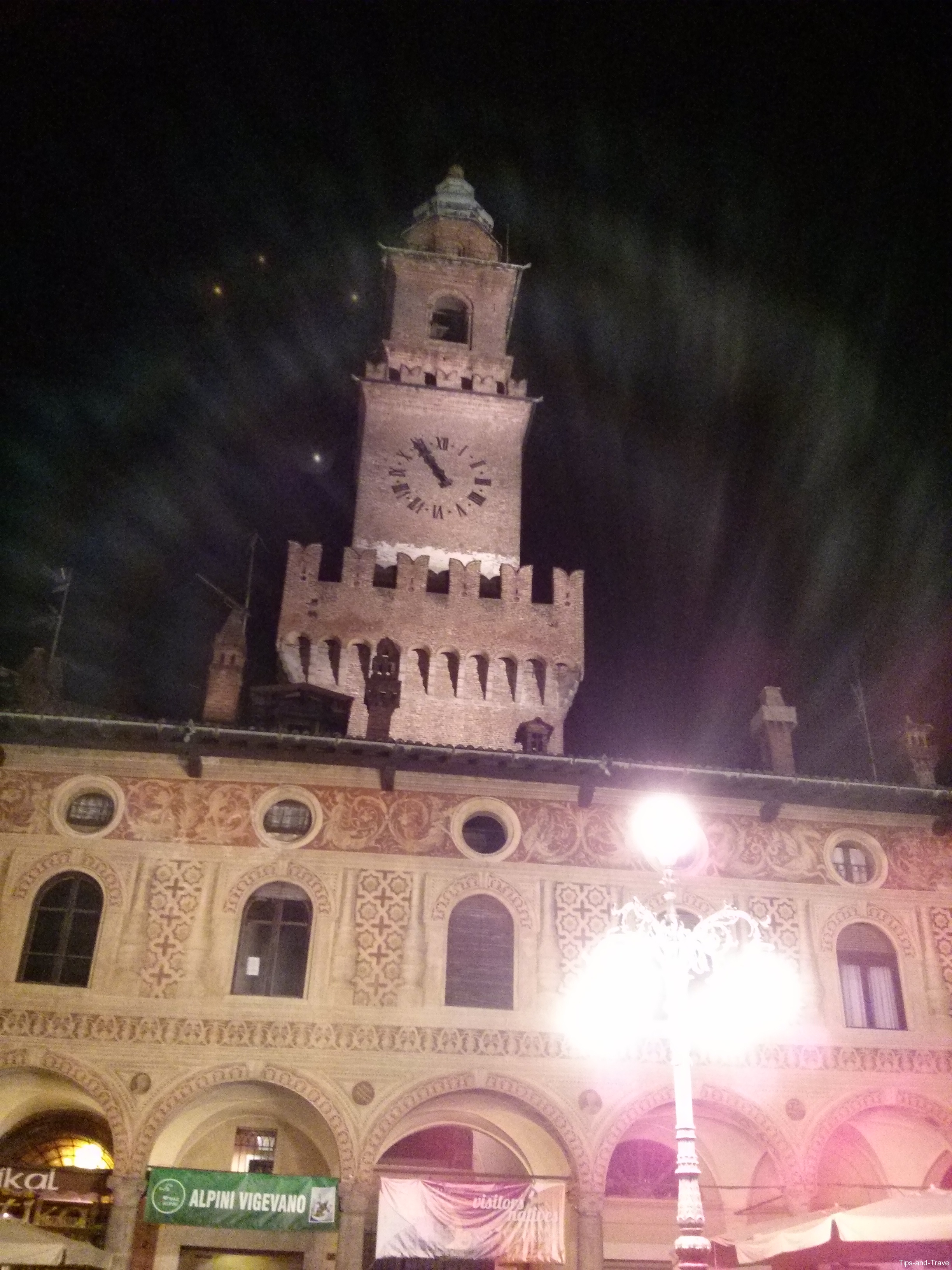
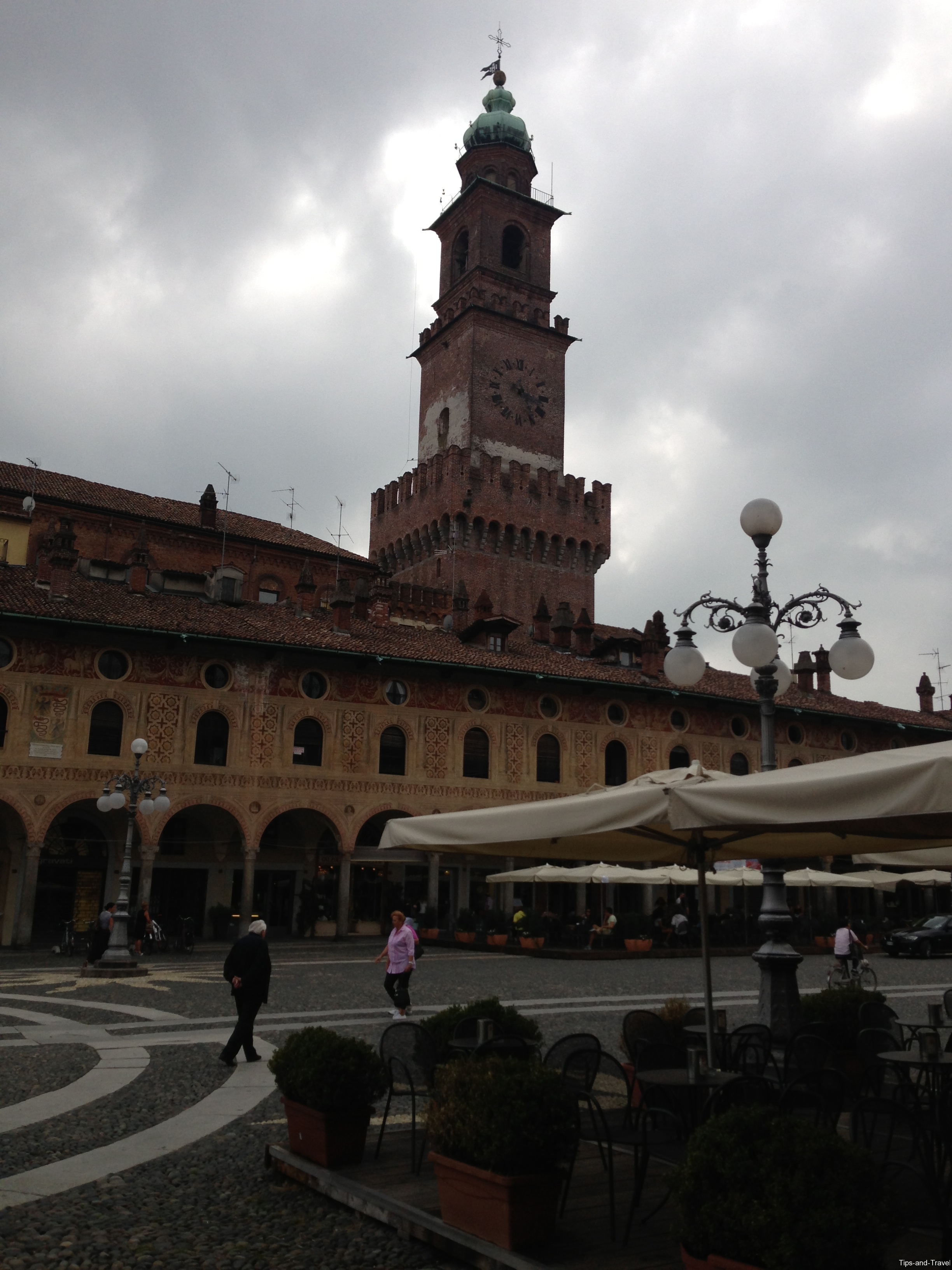
Even today, it is the main access to the Sforzesco Castle and the imposing crenellated Bramante tower .

Tips

Enjoy your visit and go up the Bramante tower to enjoy a panoramic view of the city.
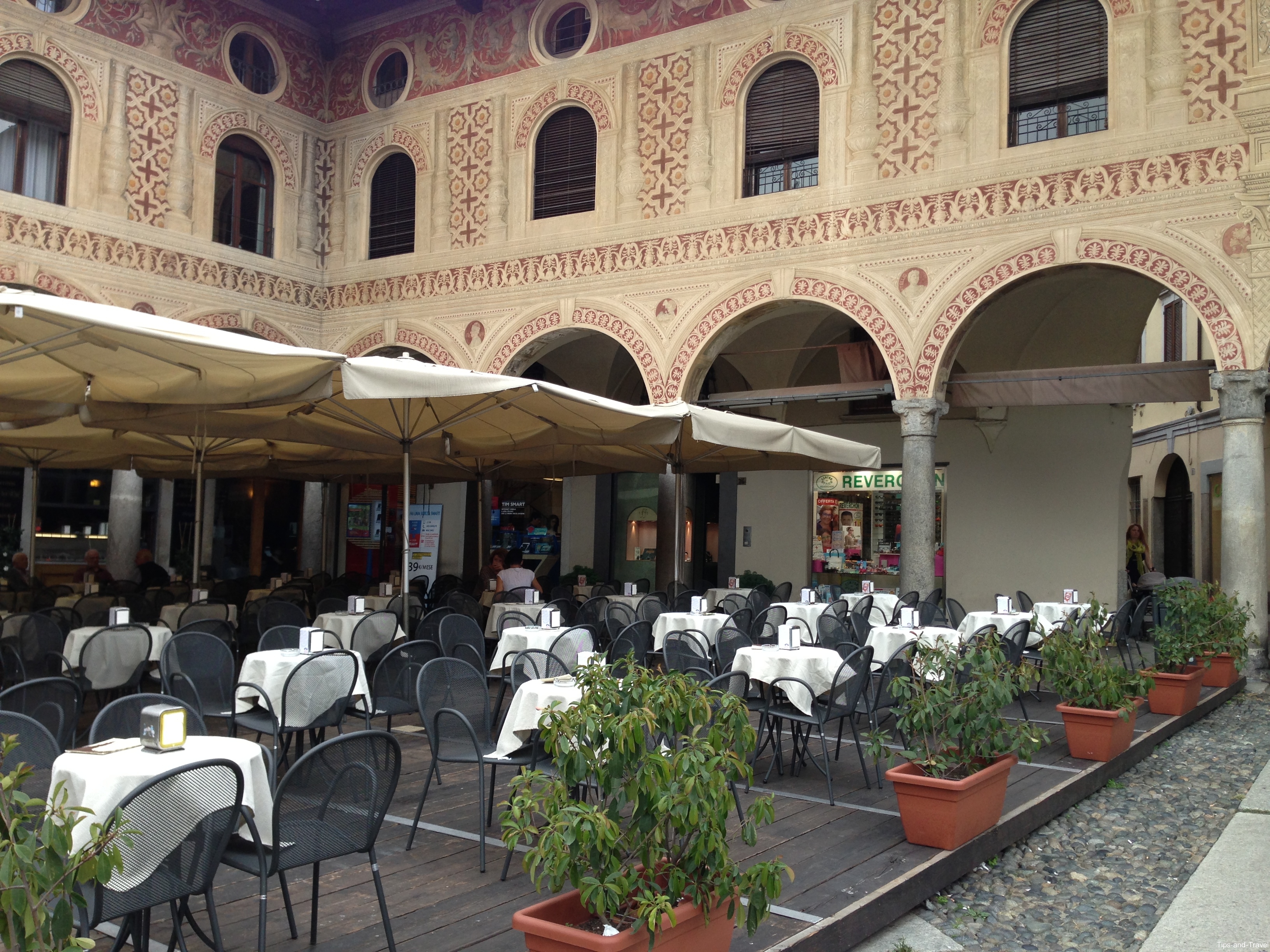
In addition there are many cafes, restaurants and ice cream shops around the square that allow you to sit outdoors to admire the beauty of the place while having something to eat or drink.

Nahuel Huapi Lake, Provinces de Neuquen & Rio Negro, Argentine

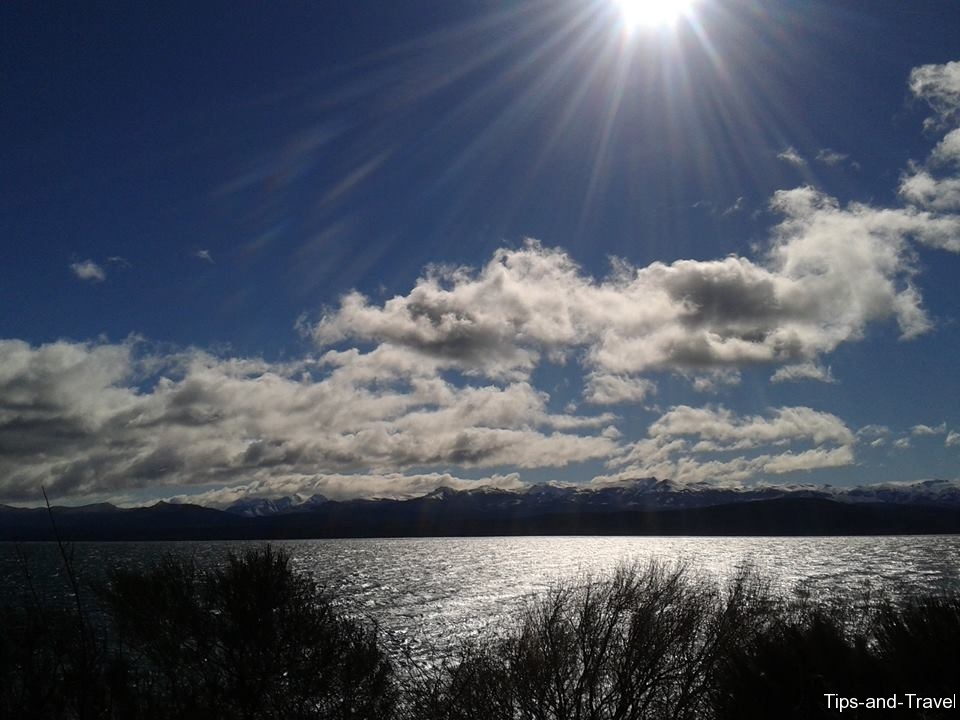
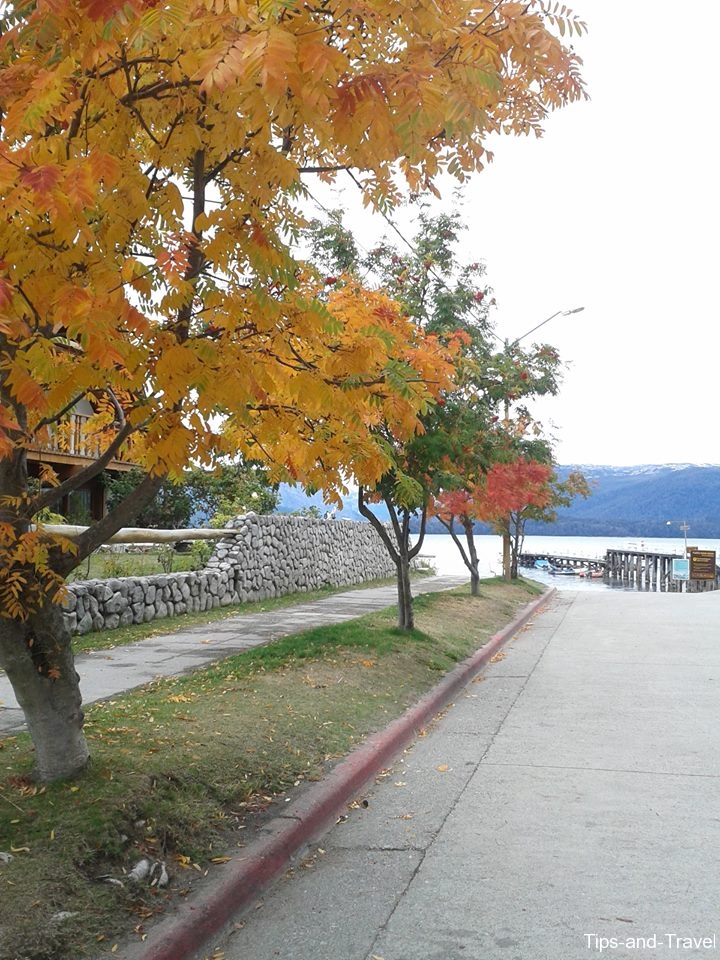
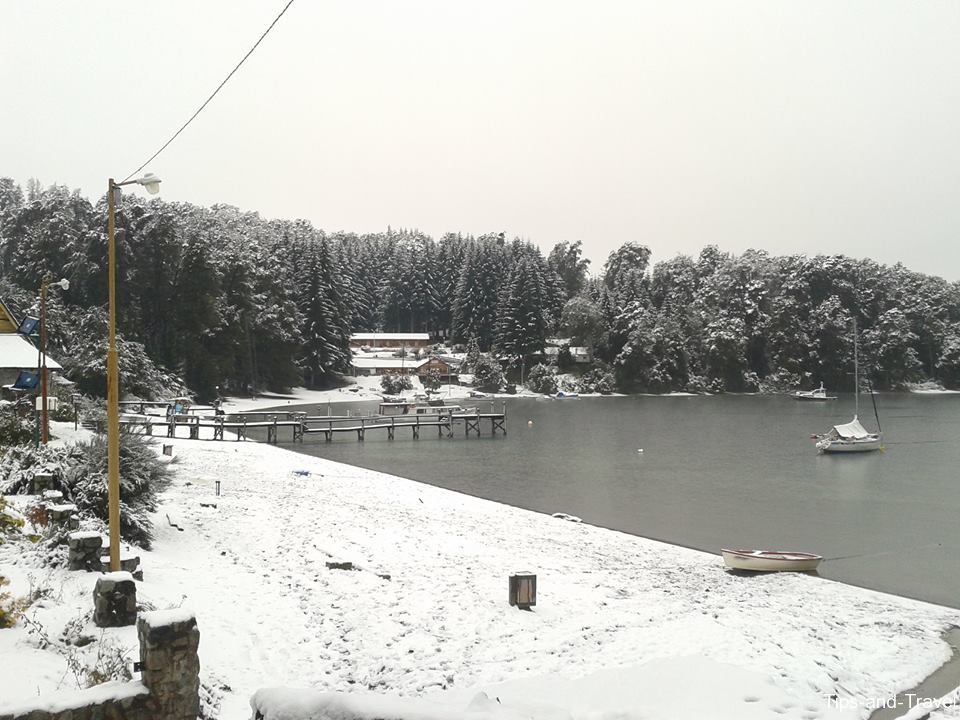
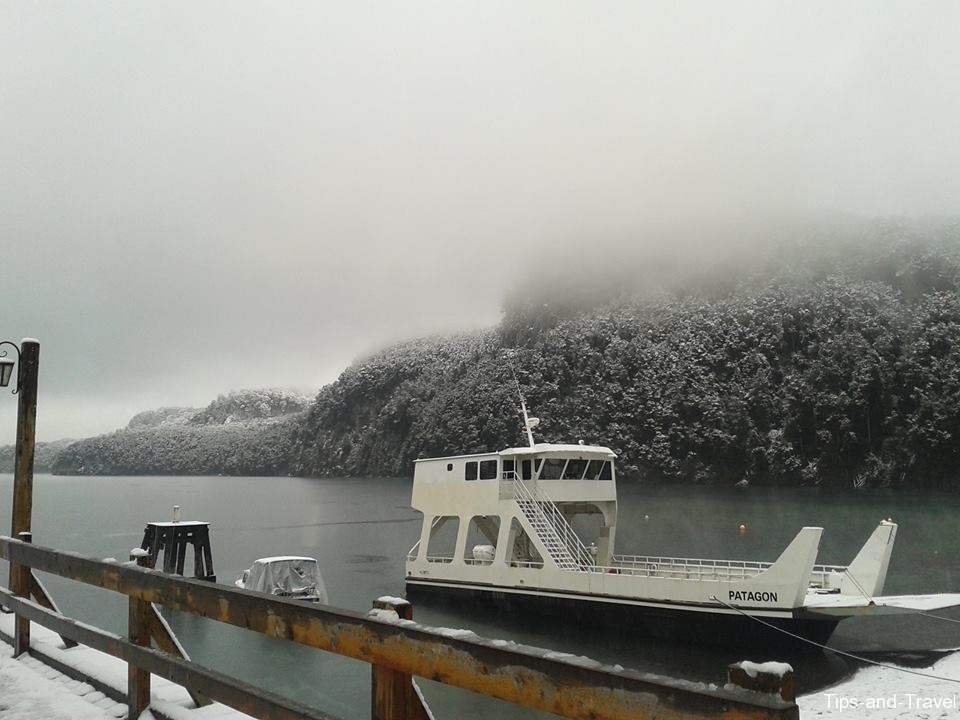
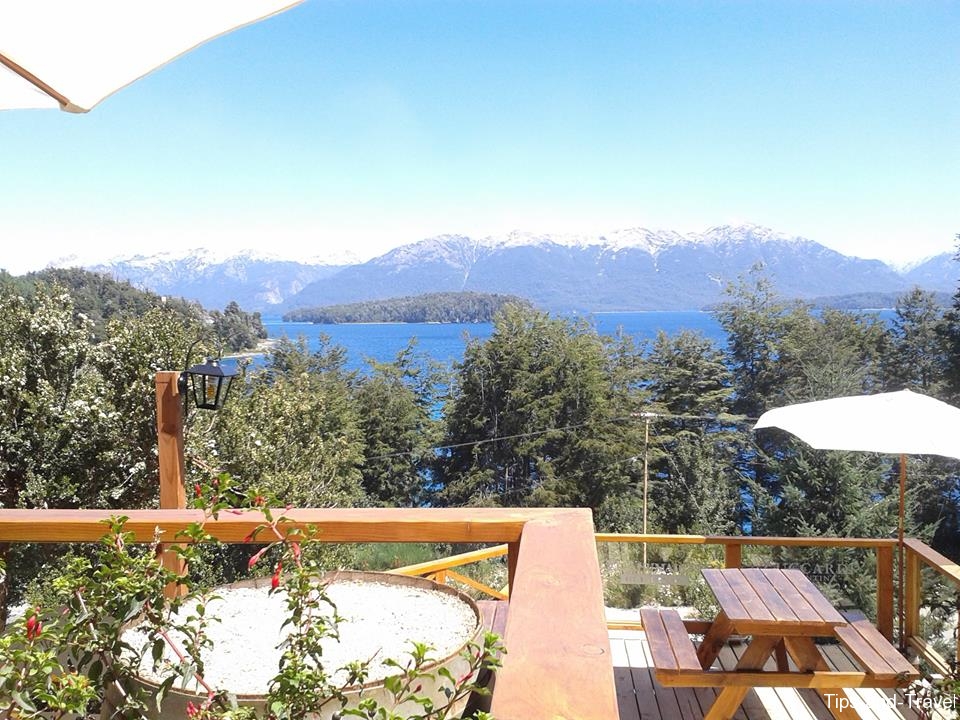
Nahuel Huapi is a lake of glacial origin located in the Cordillera of the Andes which extends in the Provinces of Neuquen and Rio Negro in the park of the same name. Its original name Mapuche (aboriginal language) means Islands of jaguars. It is located at 768m of altitude with an area of 557 km². It is renowned for its 7 branches and its depth (the maximum is 464m). One of the most important cities of southern Argentina is built on its southeast shore: San Carlos de Bariloche. The Nahuel Huapi is located in an area where there are many lakes and there are also many islands, the most important of which is Victoria.

Tips

If you like to ski, the area has several trails and the best option is to stay in San Carlos de Bariloche as you will find a very beautiful city with everything you need and lots of options for accommodation and catering.

If it’s fishing that interests you, you’re in the right place. The sport fishing season runs from November to April. You will find brown trout and salmon.

If you like hiking, mountain biking or horseback riding, sailing, everything is possible depending on the season of your stay. On the protected area of the park, you will find many free or organized camps as well as hotels, inns or huts.

There are several local tourist agencies that will offer a variety of excursions, one more interesting than the other, to places full of nature and magic like Los Arrayanes National Park, Port Blest, Victoria Island, Villa Angostura, Mount Tronador, the Enchanted Valley and the seven lakes among others.