Porto Ceresio, Varese, Lombardy, Italy

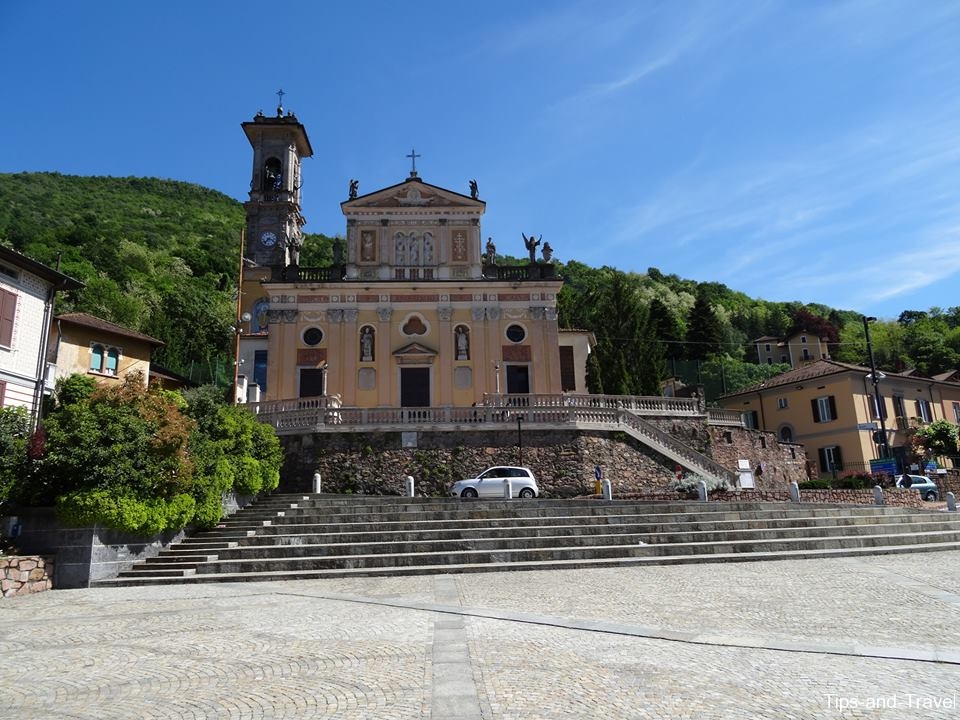
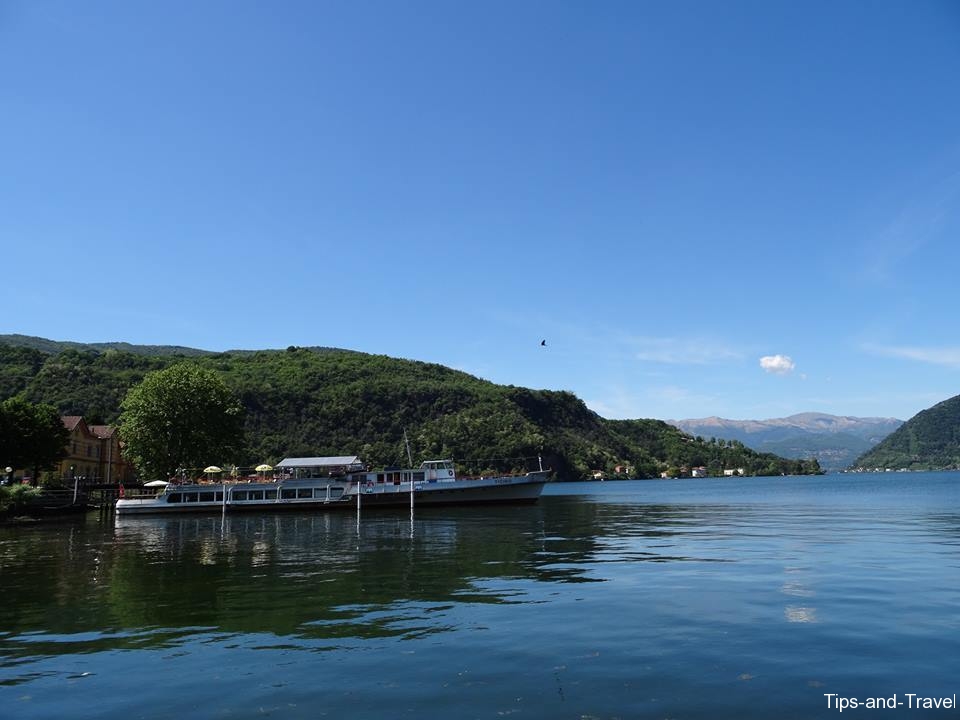
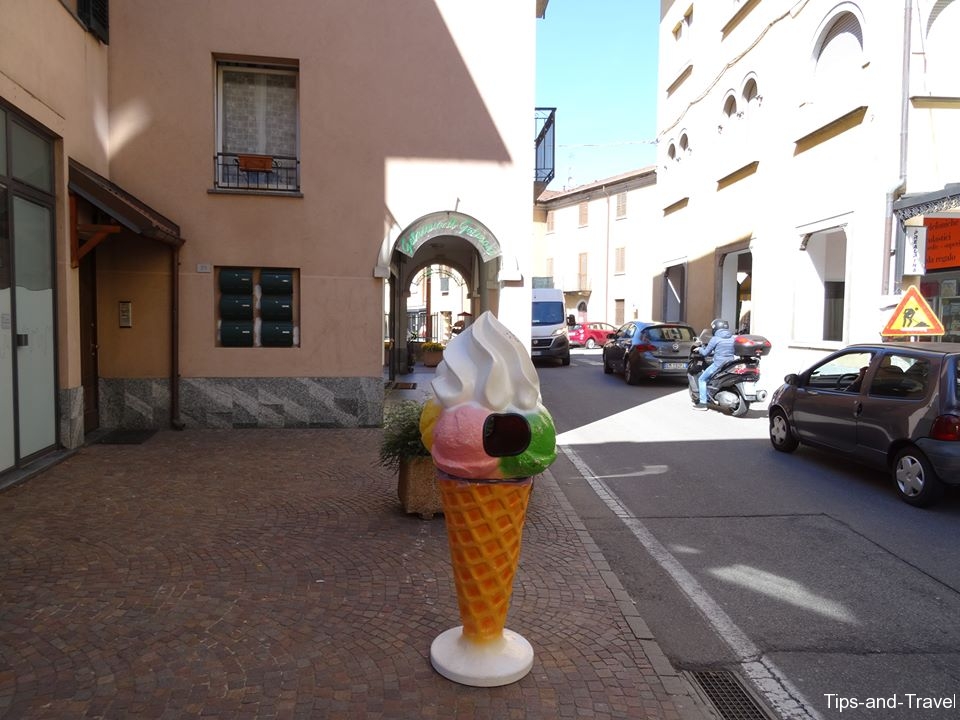
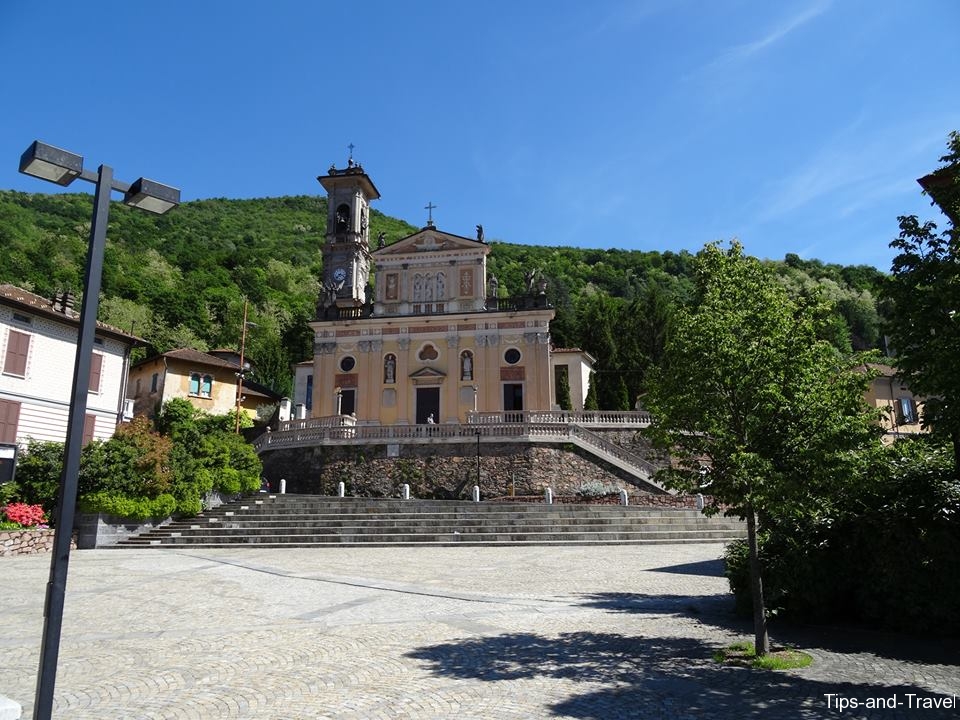
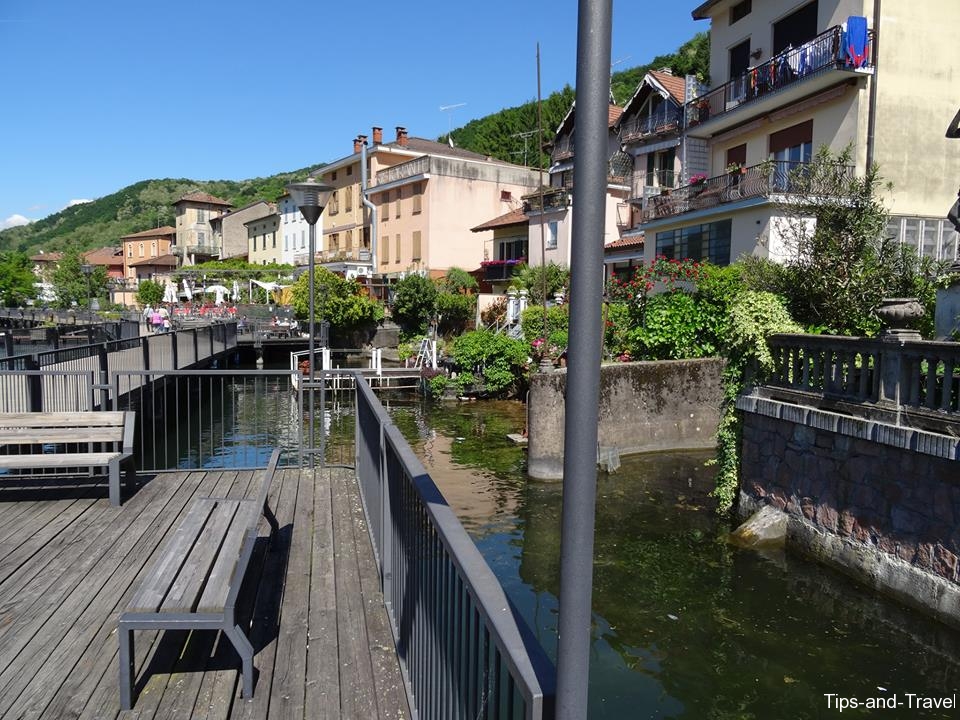
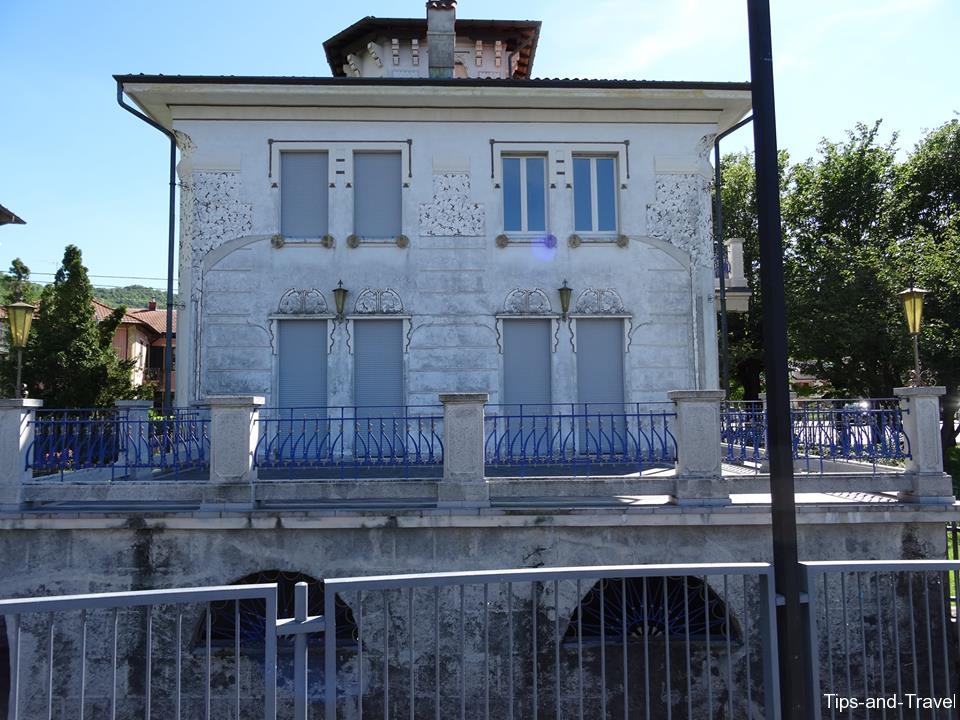
Porto Ceresio is an Italian town on Lake Lugano in the Province of Varese in Lombardy. The city is located 280 meters above the sea level. This town is known and visited enough because it is between the green mountains and the blue lake. There is a walk along the lake more than two kilometers, partially suspended above the water, surrounded by gardens and old houses of the historical center that takes you almost to the Swiss border. There are restaurants, cafes, shops, everything invites you to spend a beautiful day, there are also small squares and beautiful gardens. This is an ideal place for those who like boating, sailing, boat cruises and also go trekking or just walking the mountain trails. As Porto Ceresio offers a central location, from there you can visit other towns along the lakes of Lugano, Como and Maggiore. This is a nice place for a relaxing holiday to enjoy the activities, museums, in reality all together: nature, art, culture and history.

Tips

You can arrive by train or car. There is a tourist office where you might have general information of all the interesting places to see in the city and neighboring towns; also several tours or visits that are offered with or without a guide. If you like museums, visit the Ethnographic Museum Appiani Lopez.
Toscolano-Maderno, Brescia, Lombardy, Italy

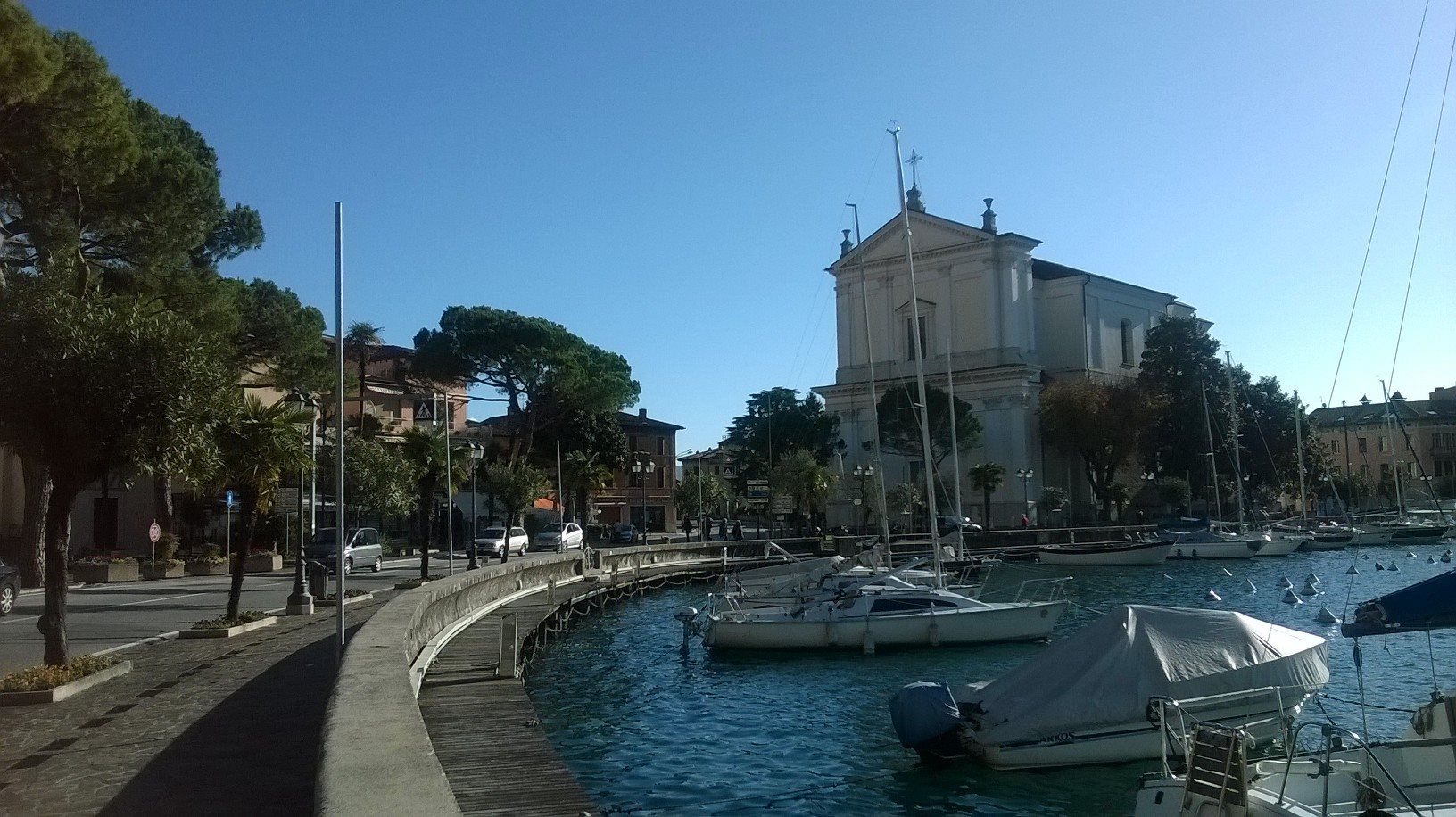
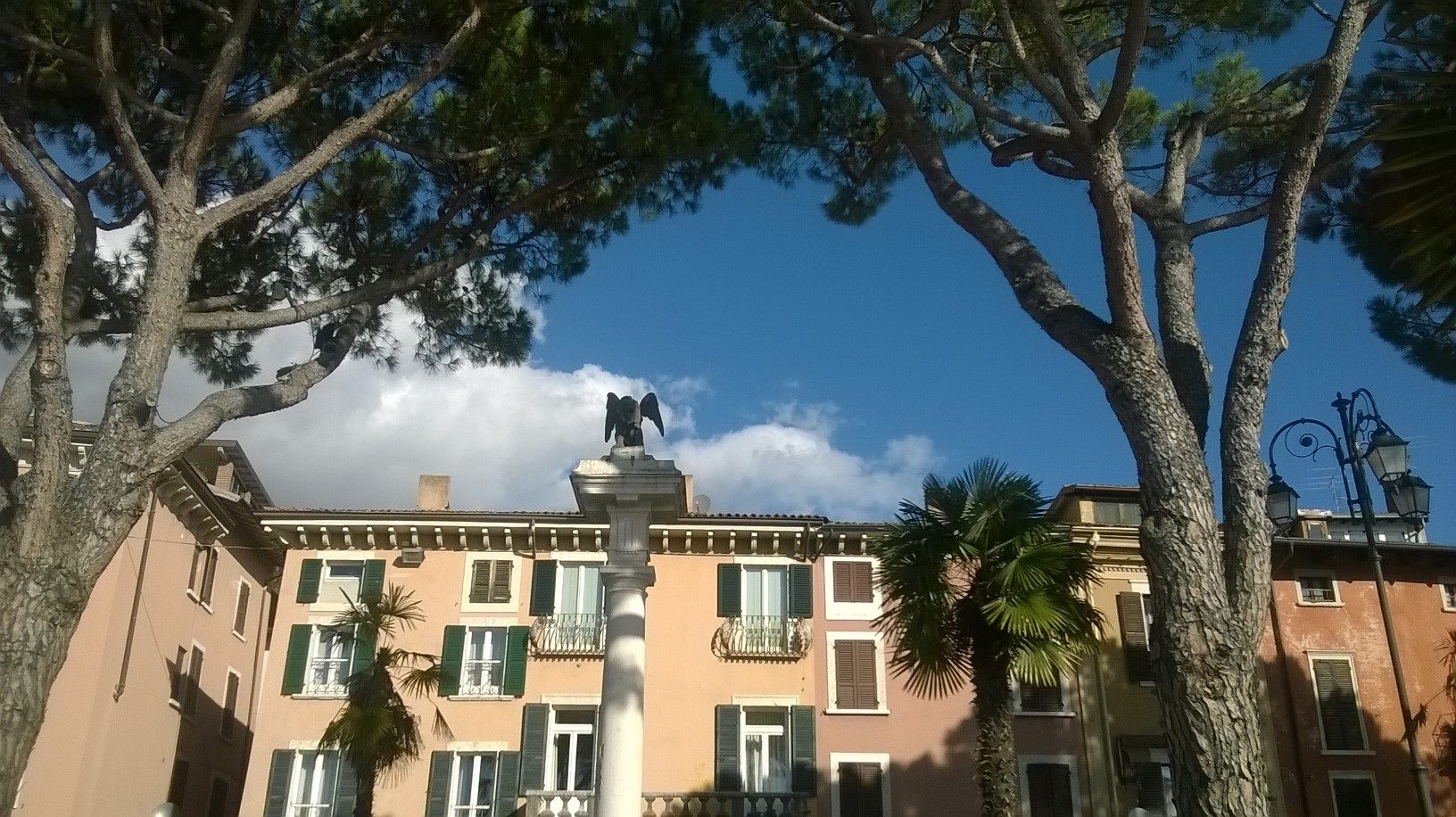
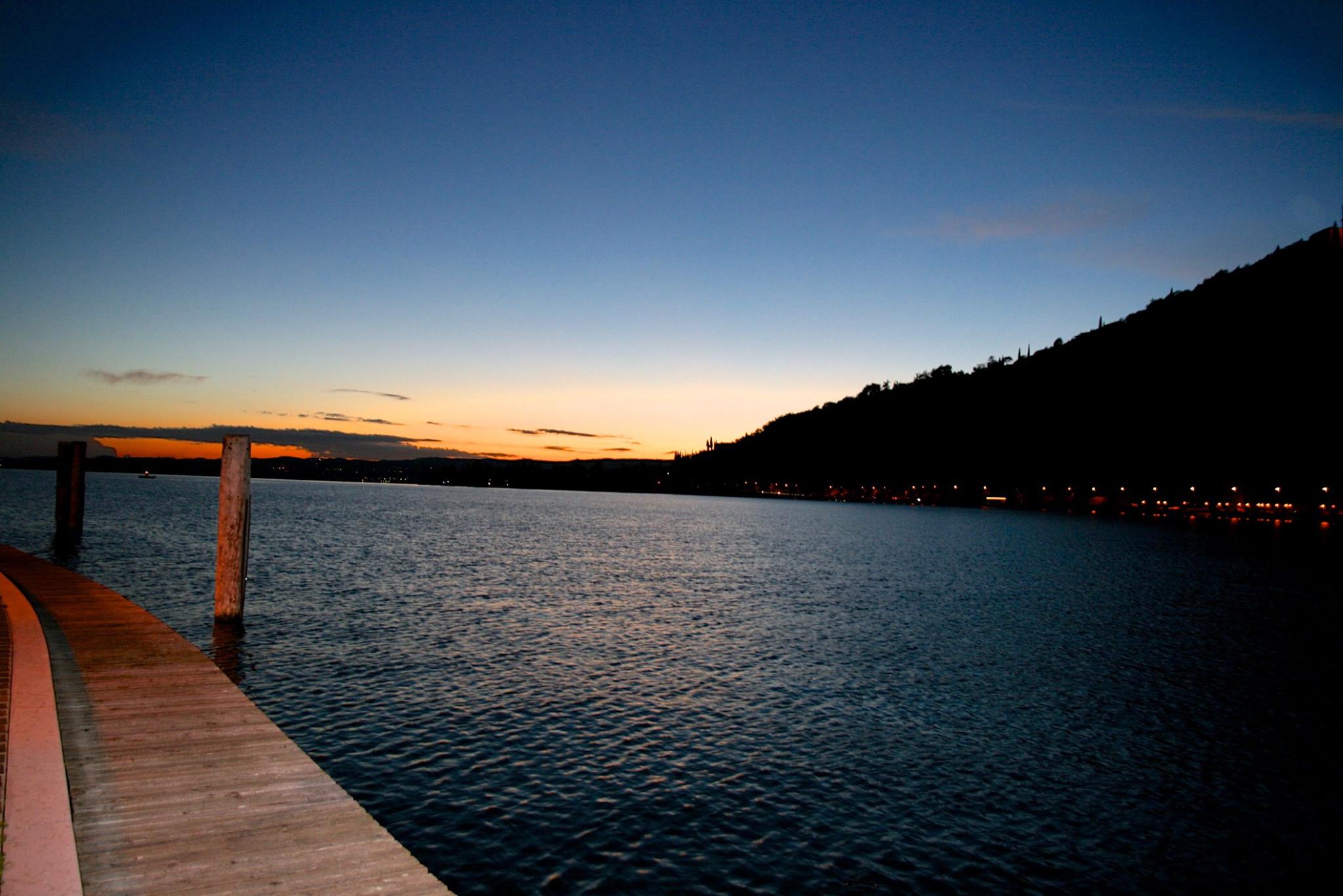
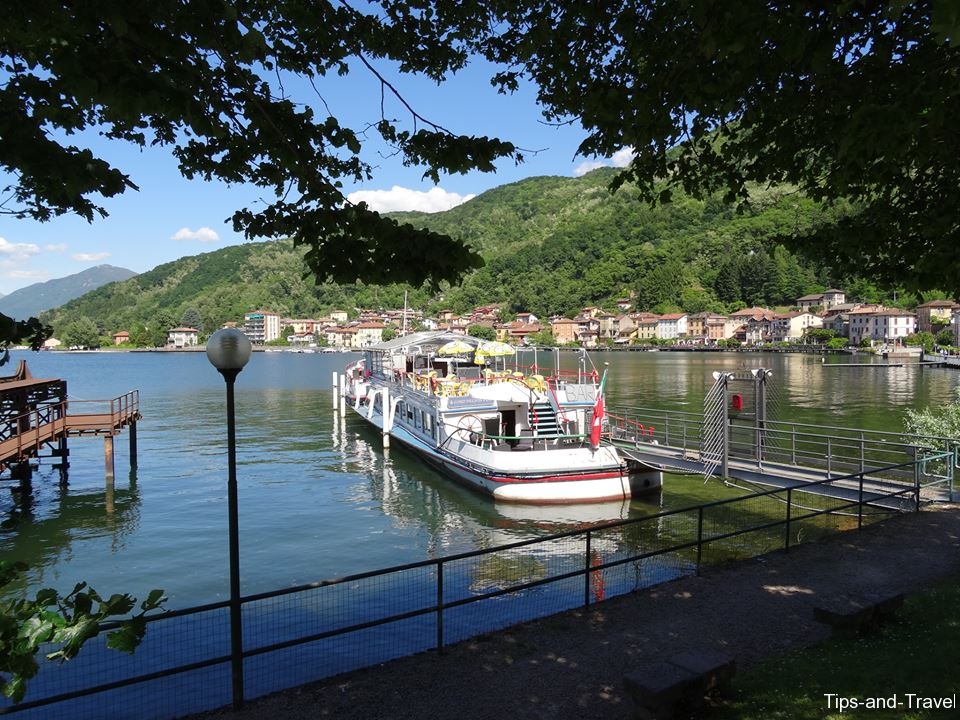
Toscolano-Maderno is a town in the Italian province of Brescia, in Lombardy. It is located in the western part of Garda Lake. It’s part of the regional park of Garda Bresciano. Mount Pizzocolo is located in this municipality. Toscolano Maderno are two different centres, divided by the Toscolano River, they were autonomous municipalities until 1928. Toscolano, in particular, has Roman origins, witnessed by the remains of a large villa where you can still see parts of the mosaic-decorated floor. The parish church of Toscolano, founded in 1571, is dedicated to saints Peter and Paul and contains an important pictorial cycle of Venetian artist Andrea Celesti. In the final part of the Toscolano River Valley, starting from 1300, the paper industry grew, among the first and most important places in Europe. For this reason this part of the Valley is called “Valley of Mills of paper”. As testimony there is a document dated from 1381 that has as its object the Convention between Maderno and Toscolano (divided at that time) which are fixed in nine points for standards and the use of the waters of the river. Today the main activity is tourism. Currently there are about more than fifty accommodations divided among hotels, holiday cottages, campsites and bed & brekfast. Tourism, especially in Maderno, is frequent in summer, thanks to the beautiful landscapes offered by the Lake. To visit: the Basilic of Saint Andrew (Maderno Square, 12th century, the Beautiful Italy Monument (St. Mark Square, 1909), the Golfo Hotel, Villa Bianchi before, the Republican fascist party headquarters and the command of the Black Brigades; among other places.
Tips

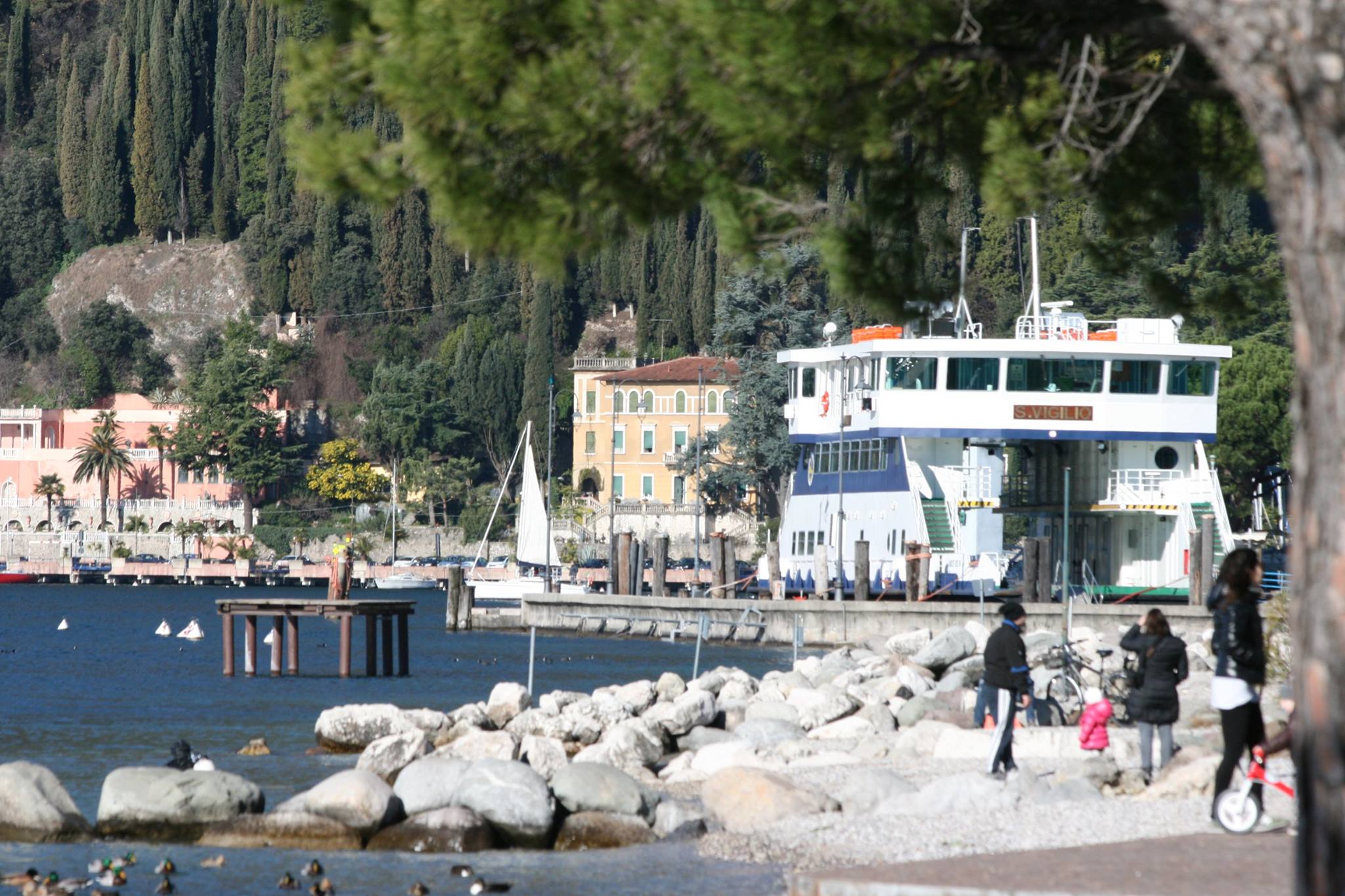
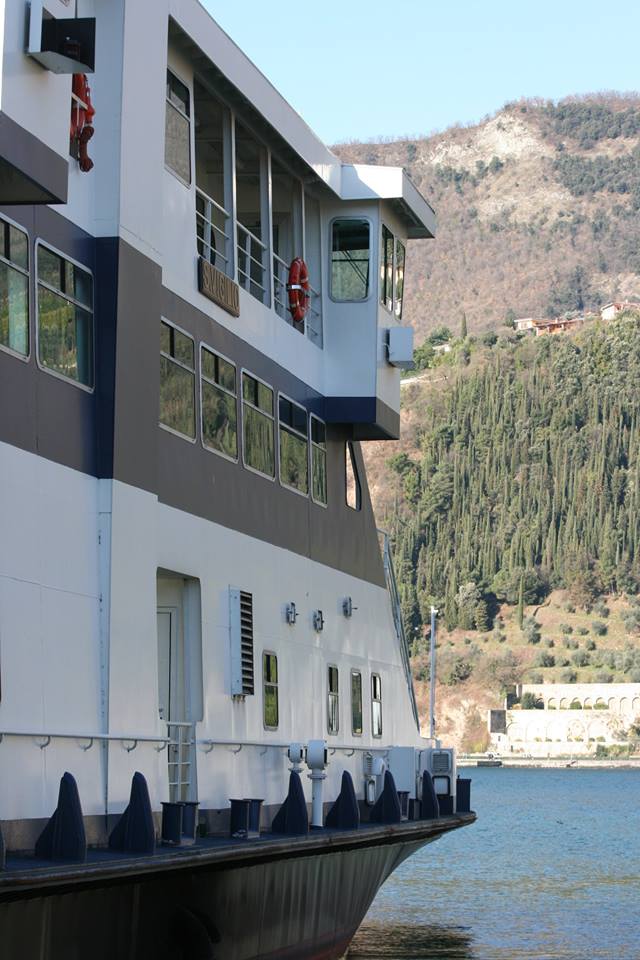
There is a ferry and boats service for passengers and cars serving various ports on the lake from Maderno to Torri del Benaco on the veronese coast.
If you are staying staying at Toscolano Maderno with children, you can take the ferry and then continue for about 30 minutes by car to reach Gardeland, a famous entertainment park.
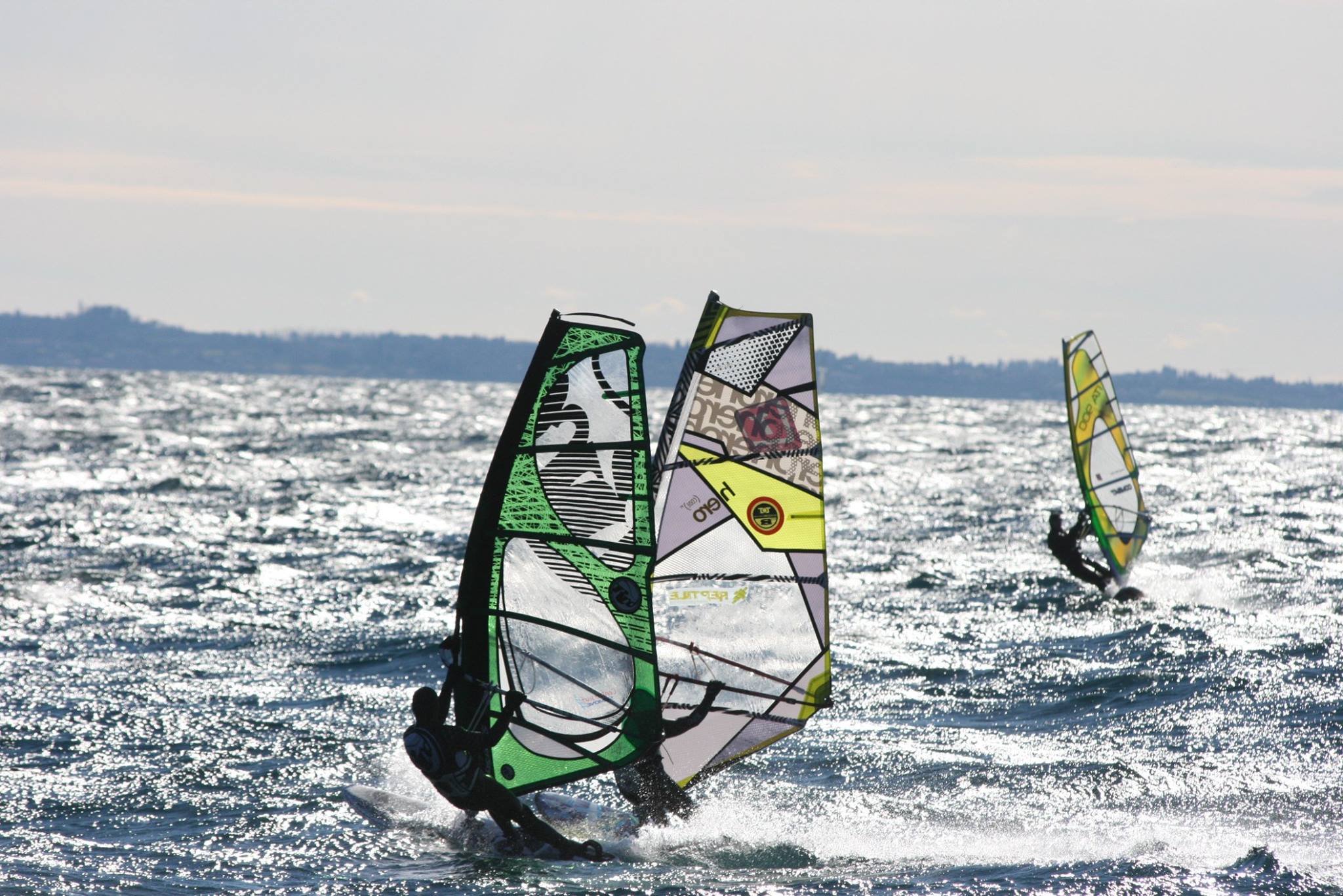
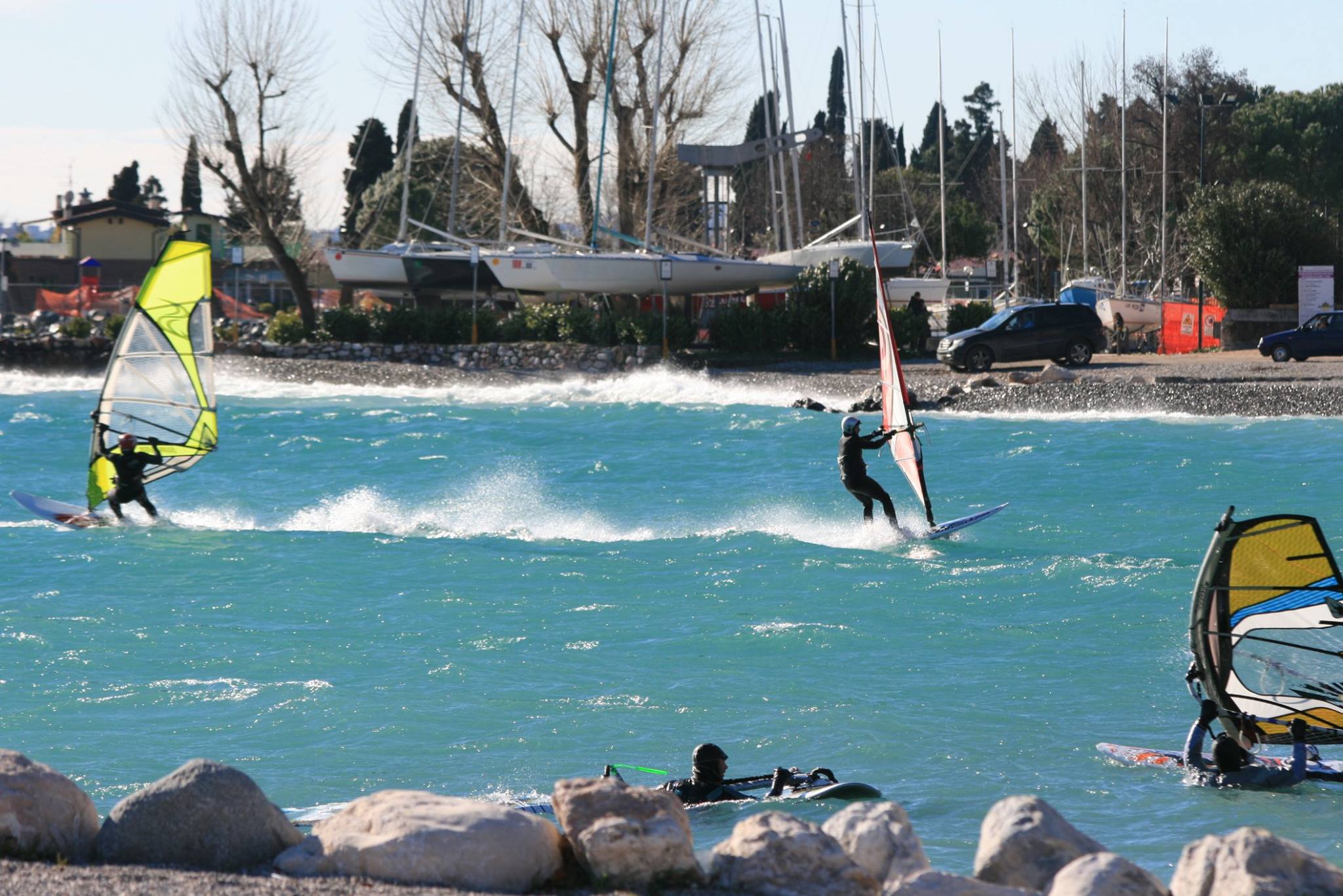
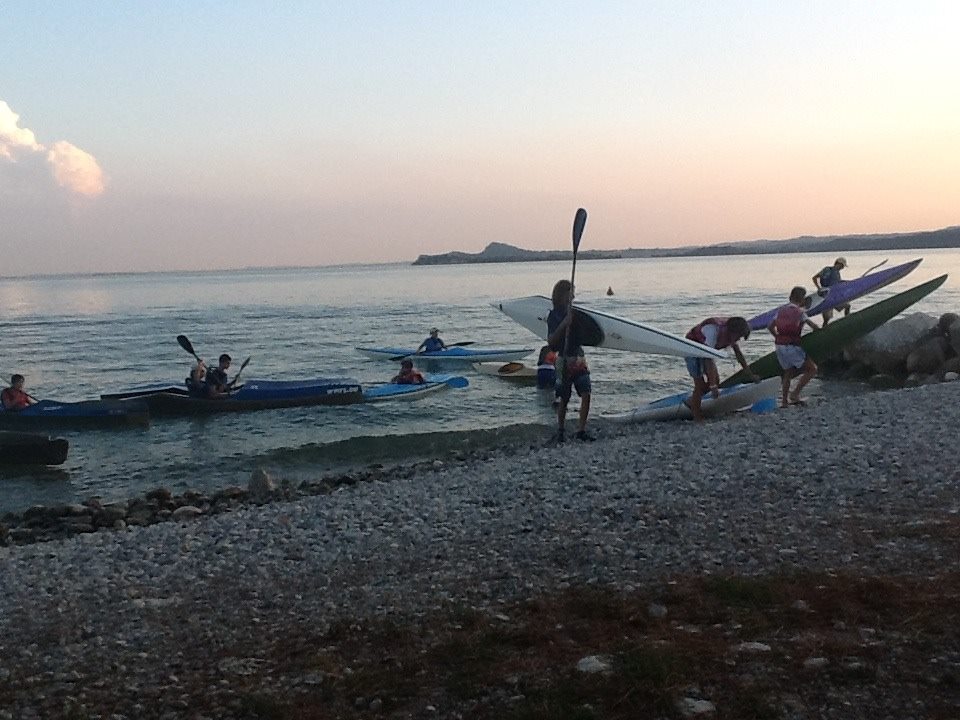
Toscolano Maderno offers the possibility to practice different sports, trekking and mountain biking on the surrounding hills, canoeing, rowing,, the dragon boat (boat with 20 seats) and sailing in the lake waters.

Agropoli, Salerno, Campania, Cilento, Italy

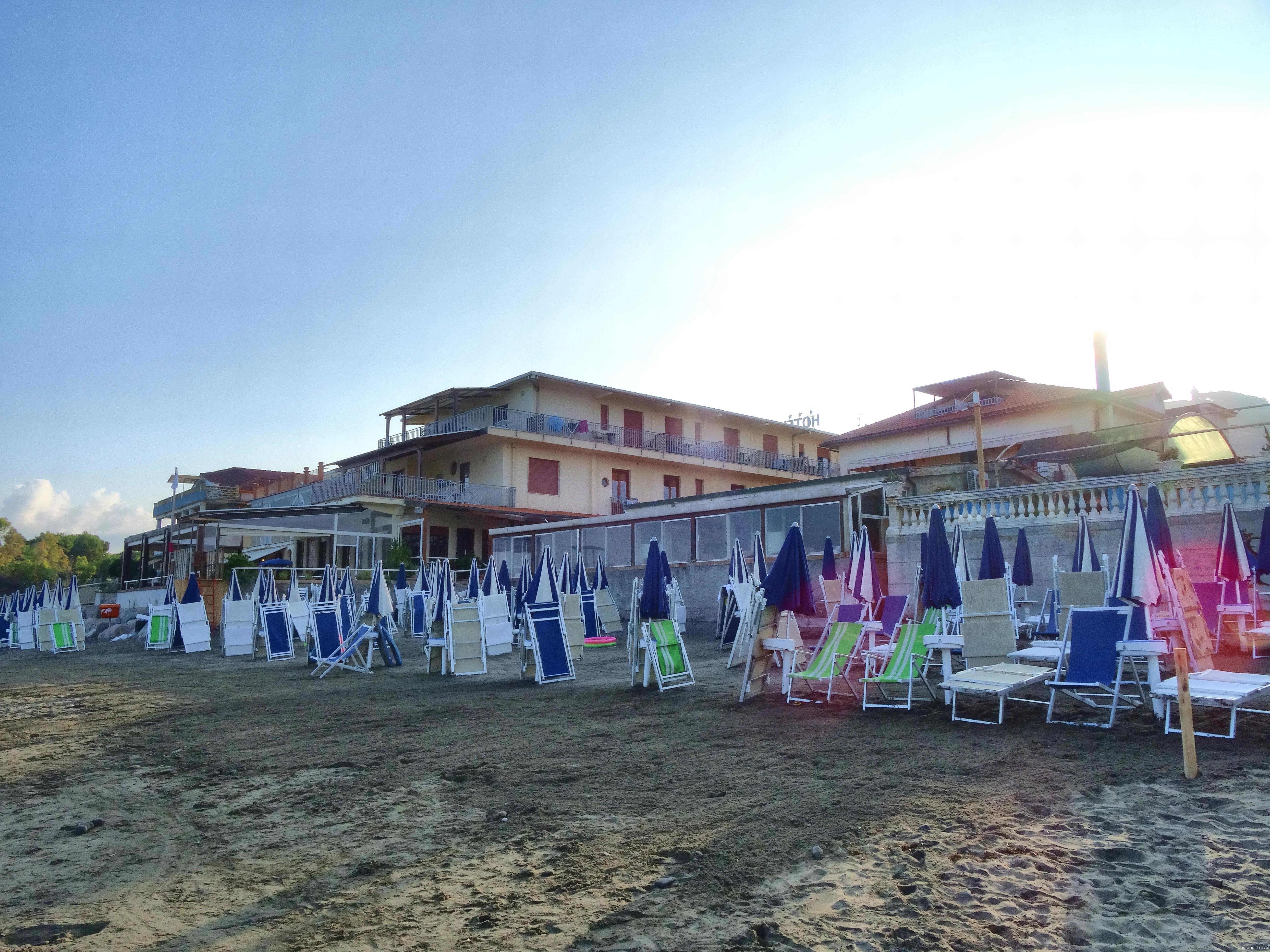
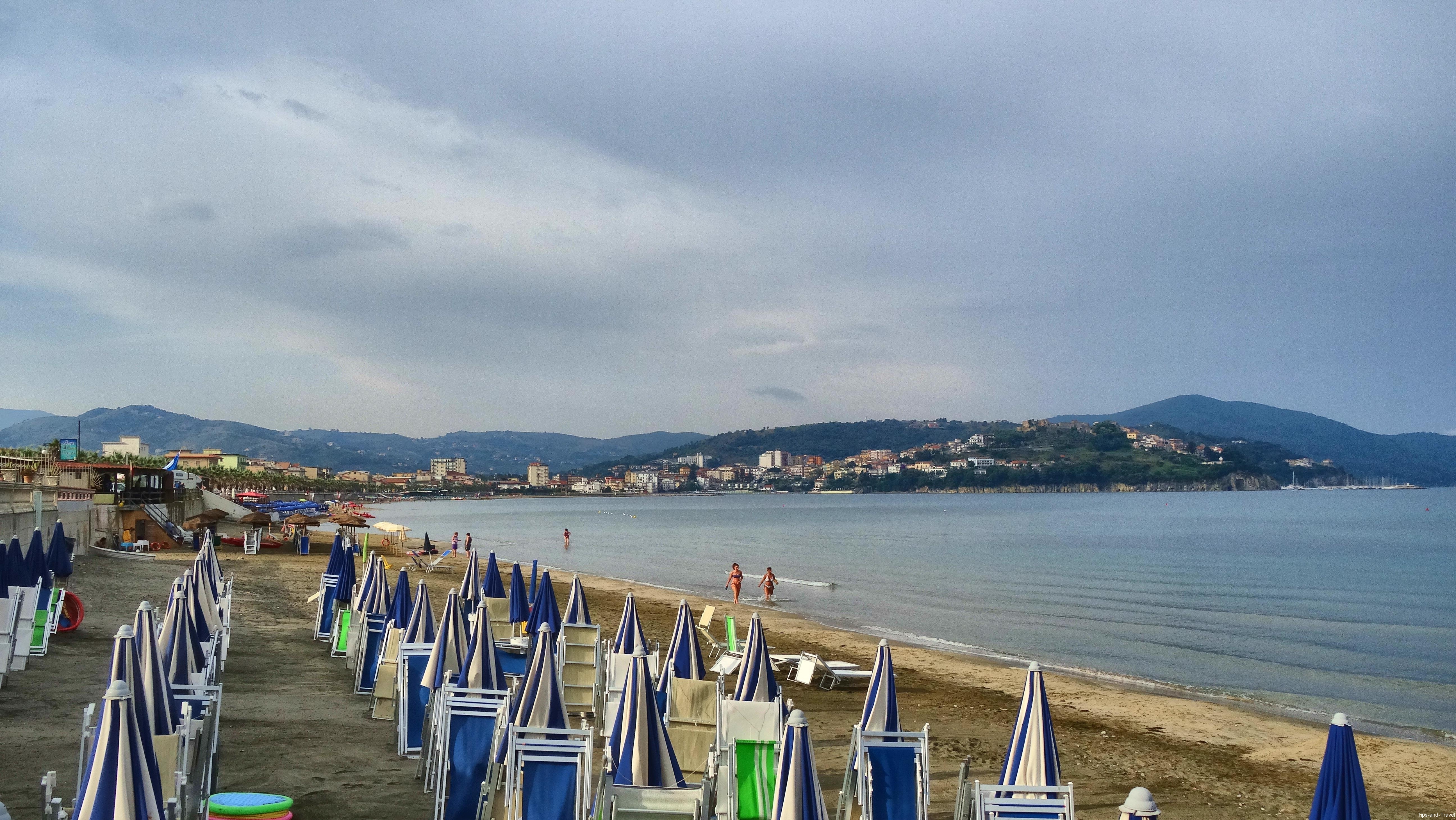
Agropoli is a town in the Italian province of Salerno in Campania; coastal and tourist town in the Cilento, on the outskirts of the national park of western Cilento, Diano and Alburni Valley, the Tyrrhenian Sea, at the southern end of the Gulf of Salerno and the south of the plain of Sele.
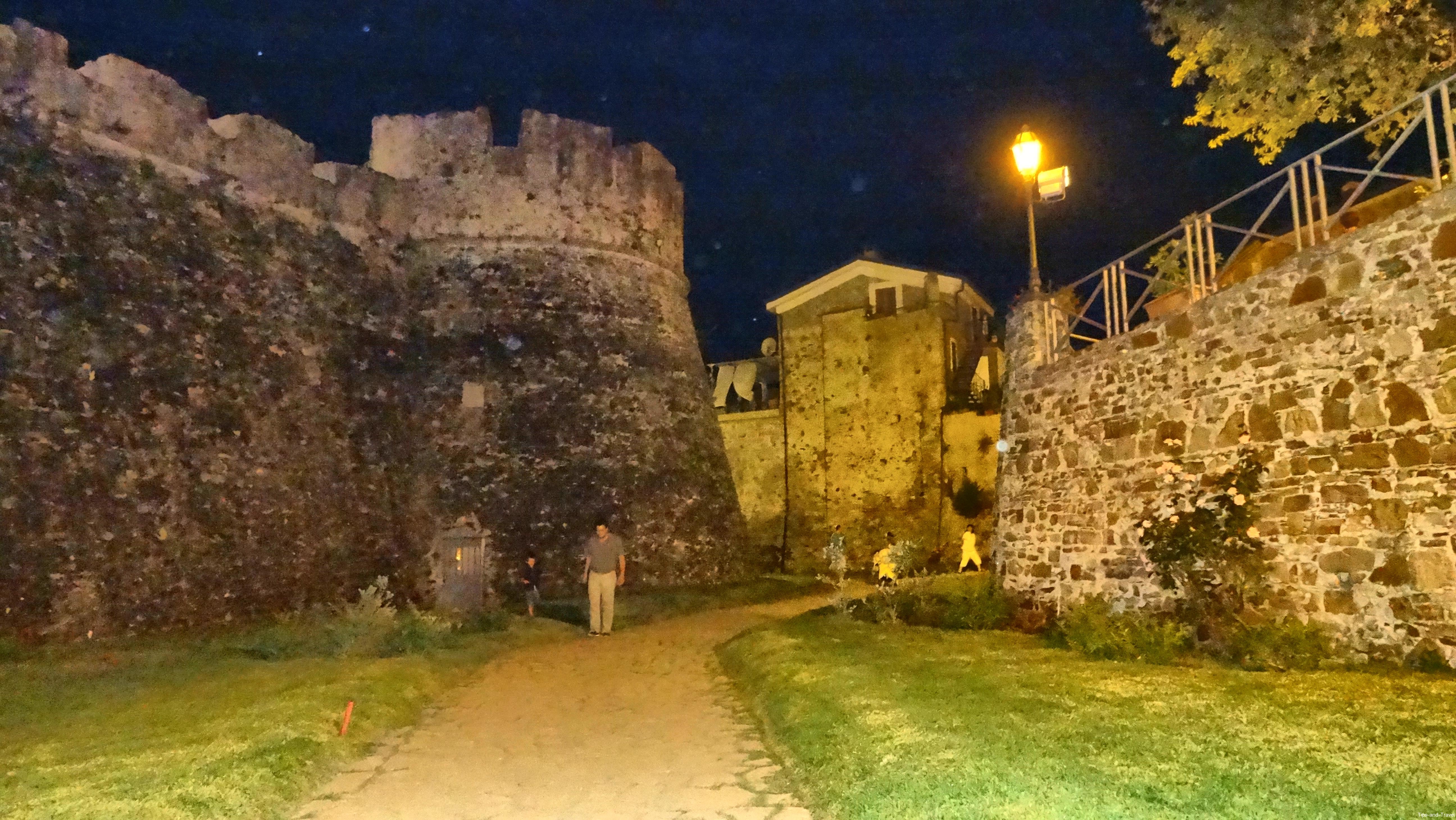
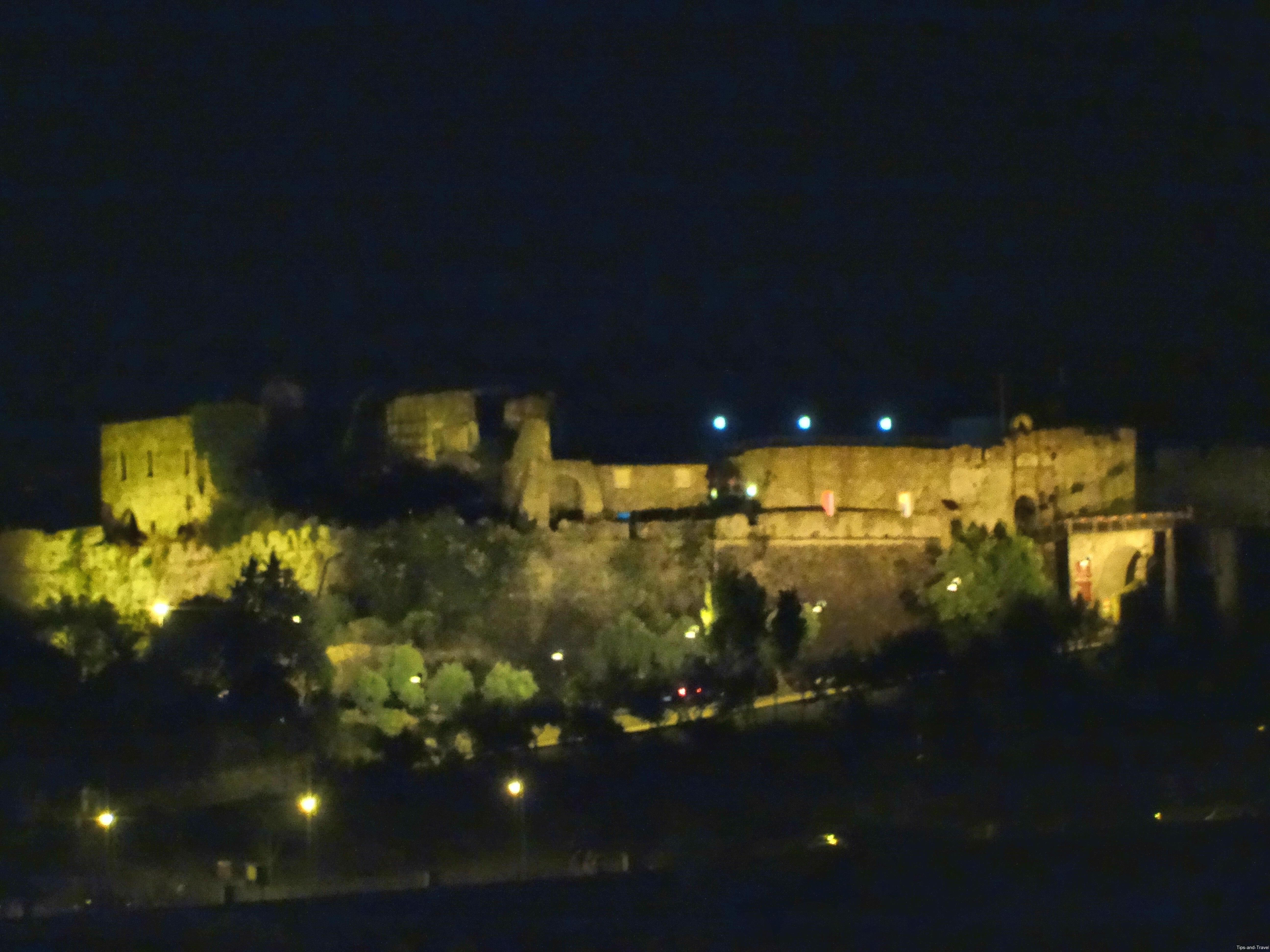
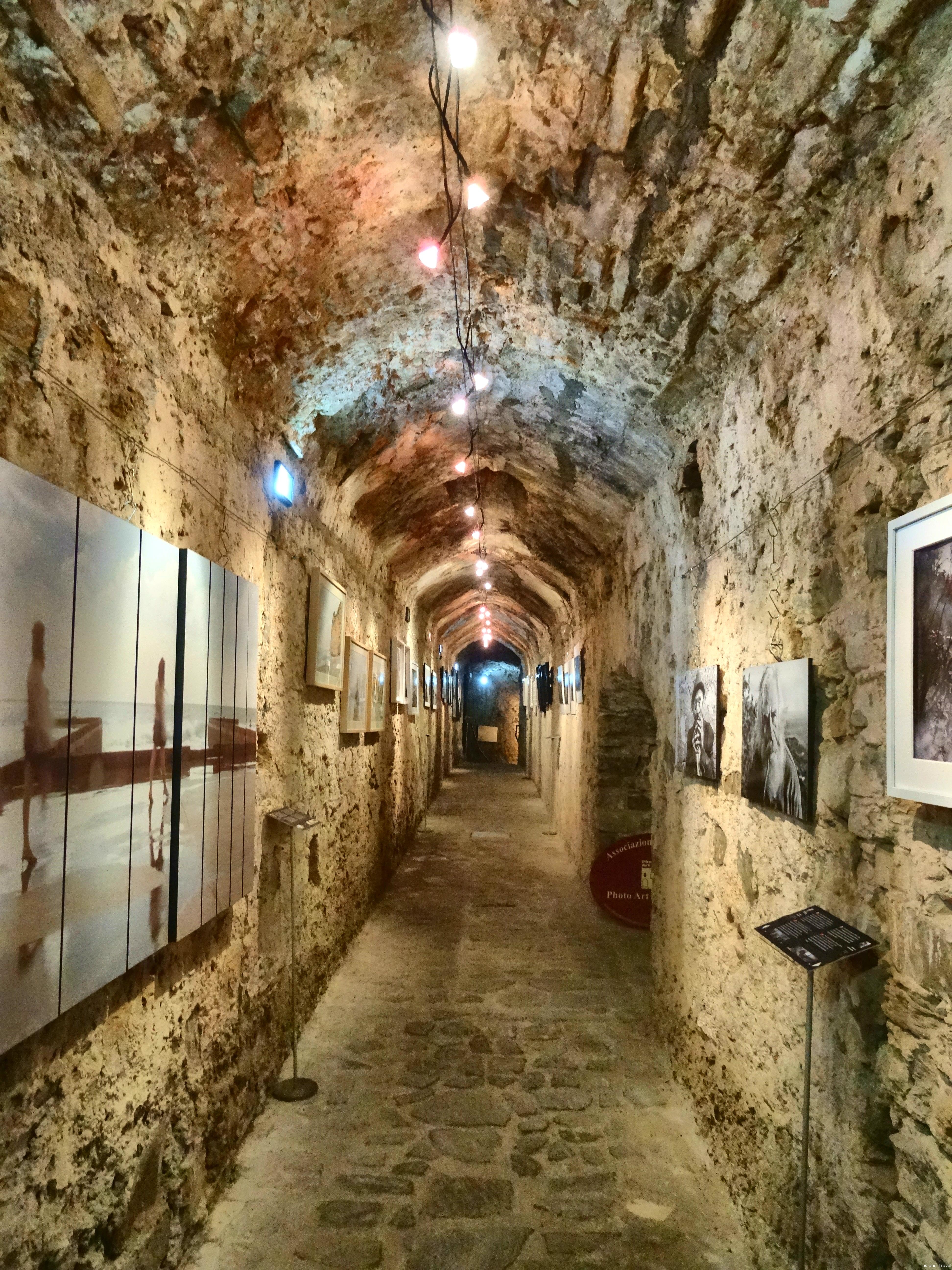
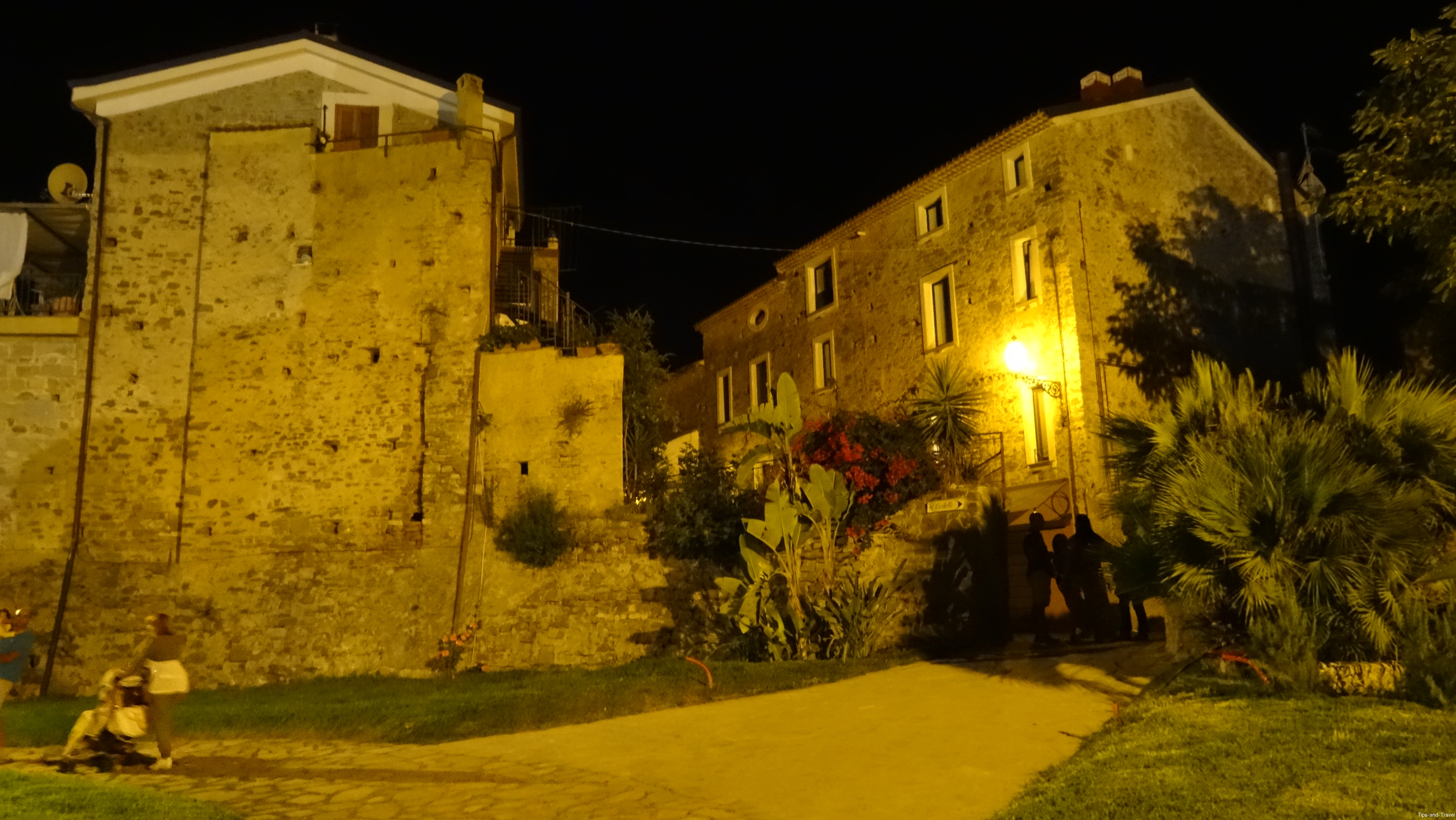
The city is crowned by the historical center, which houses the old city, most of the walls and the seventeenth-century portal. Along many streets and among the monuments, there are shops, bars and clubs that serve local cuisine, including agropolese pizza served in a wicker basket. It is reached by the slope characteristic of stairs, one of the few examples of steps to climb (characterized by wide shallow steps, for centuries the only access to the village) and the monumental gate that is well preserved. The door is topped with five slots, two of which support so many stone balls alternating with other cement and there is an iron cross indicating the year 1909, in memory of the sacred missions, decorating the wall on the edge of the cliff. Above the front door you will notice the marble emblem of the Dukes of Monti Sanfelice, the last feudal owners of the city. For local residents there is a street behind, a driveway with limited traffic. To see: the castle, the lighthouse Punta Fortino, the towers, the oven, the mother church of Peter and Paul, St. Mary of Constantinople church, the statue of St. Francis, among others.

Tips

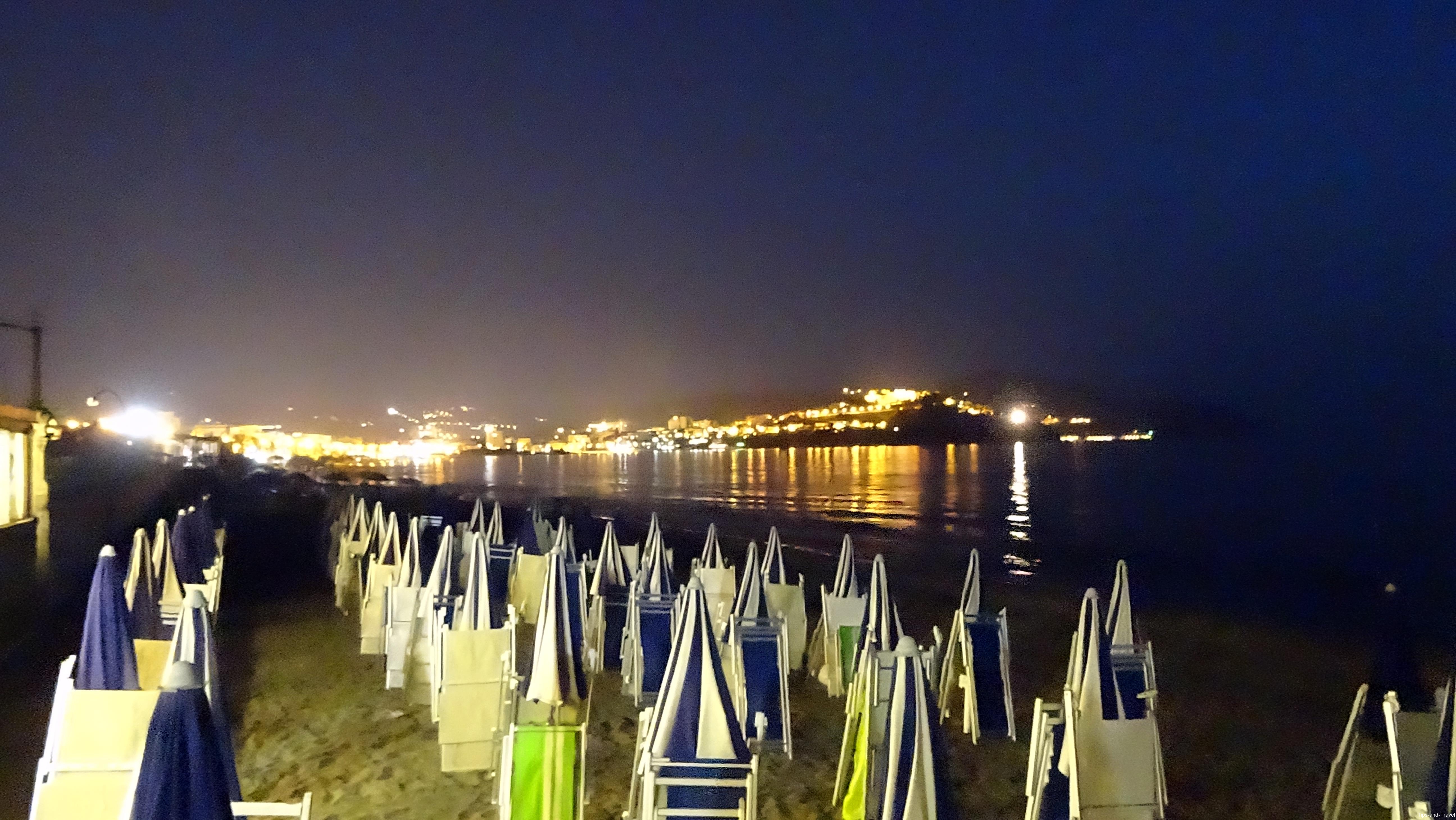
The coastal zone to visit extends over a length of about 3 km which includes rock Trentova, known for the panoramic view that let see the connection to the mainland by a thin strip of land, the rock of St. Francis and a series of small coves which continue to the beautiful beach of Vallone. Wear comfortable shoes or sport shoes. On the coast there are bars, beaches and tourist facilities.
If you like the beach, there is a very long and beautiful one that arrives to the archaeological site of Paestum.