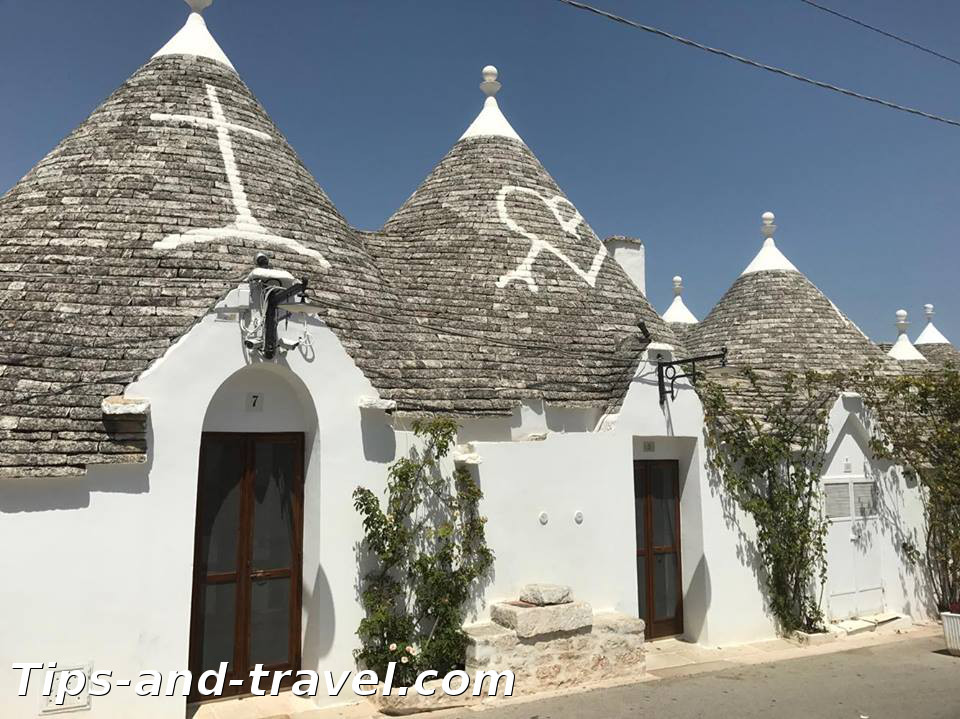
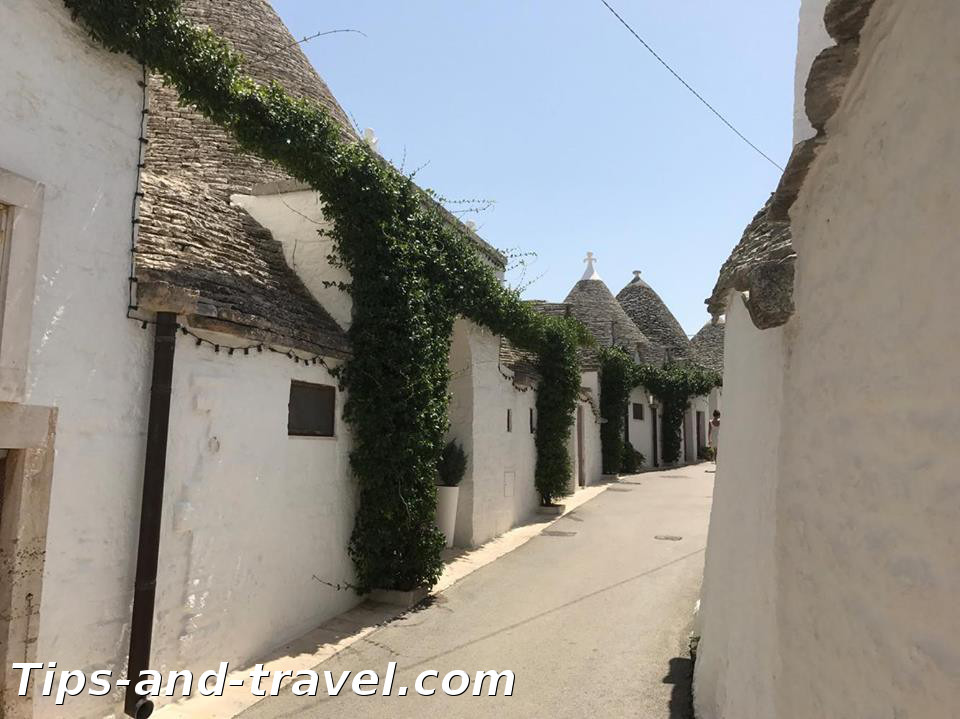
Alberobello, Bari, Puglia, Italy

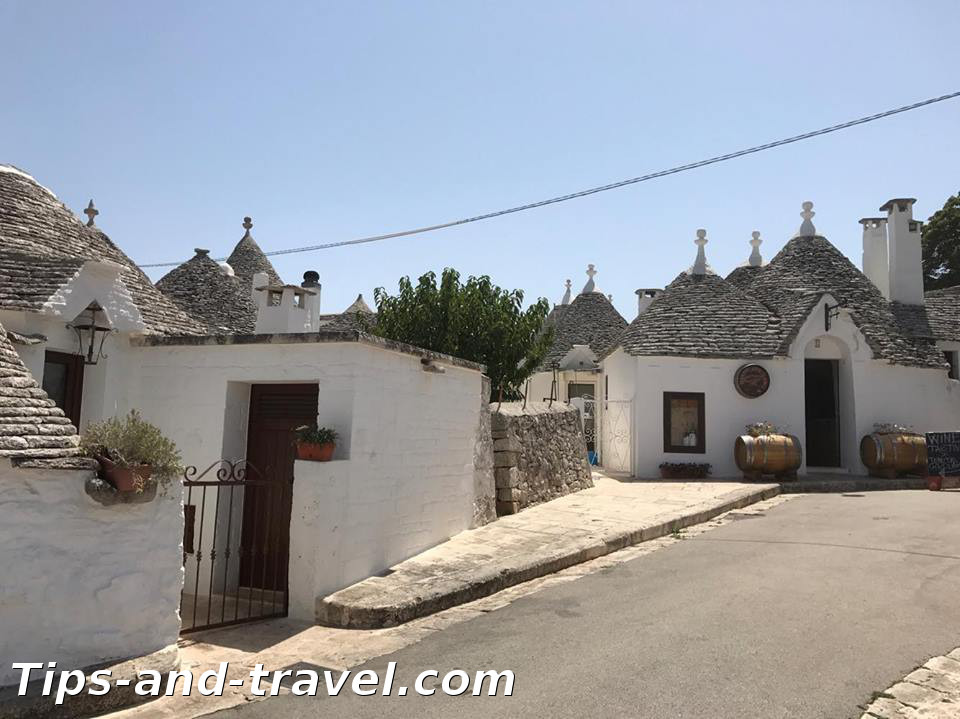
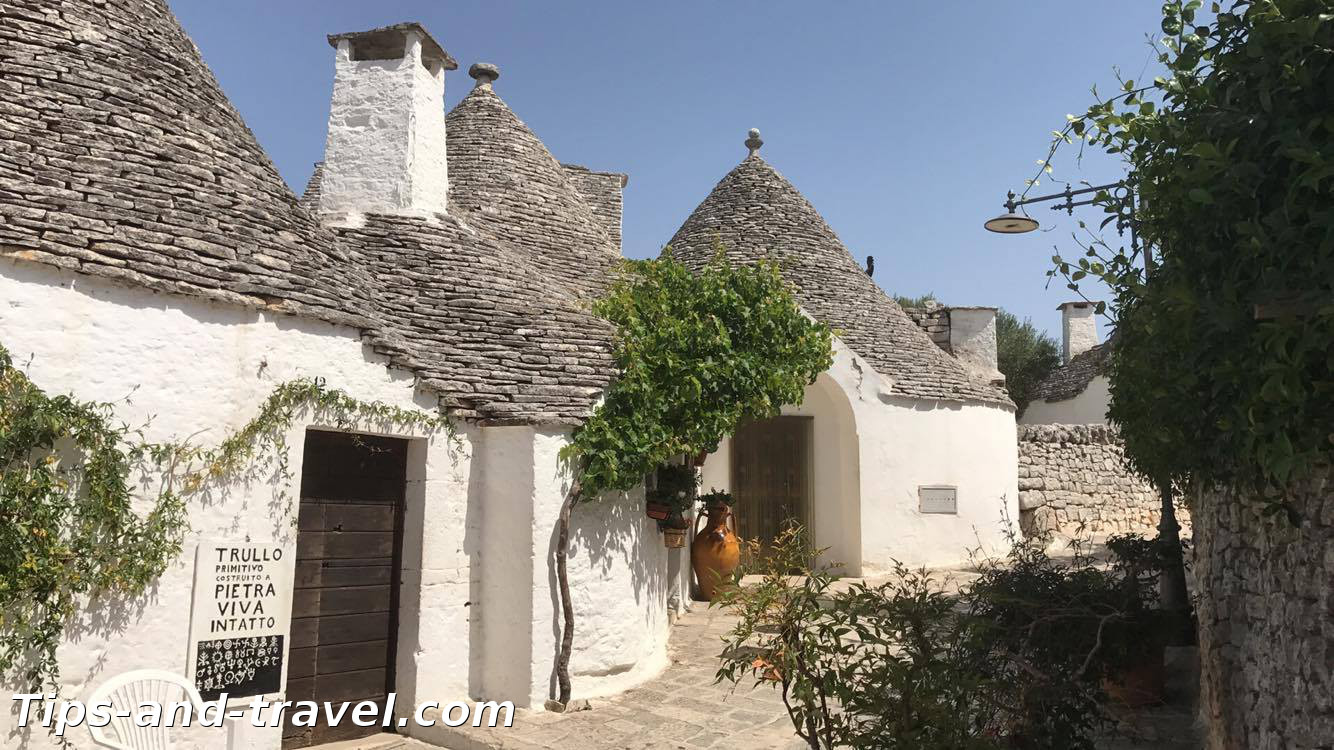
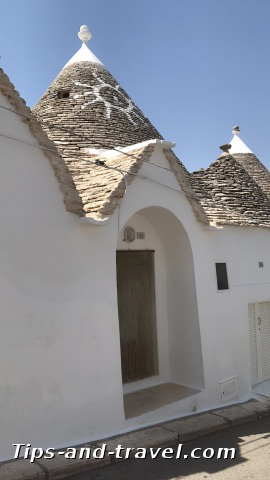
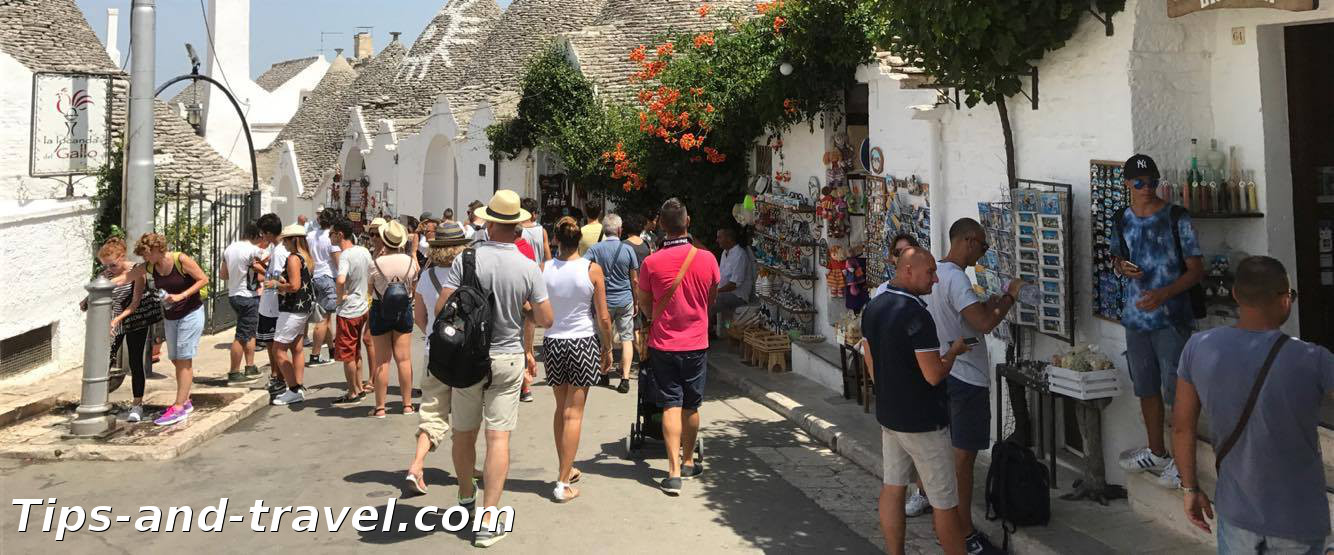
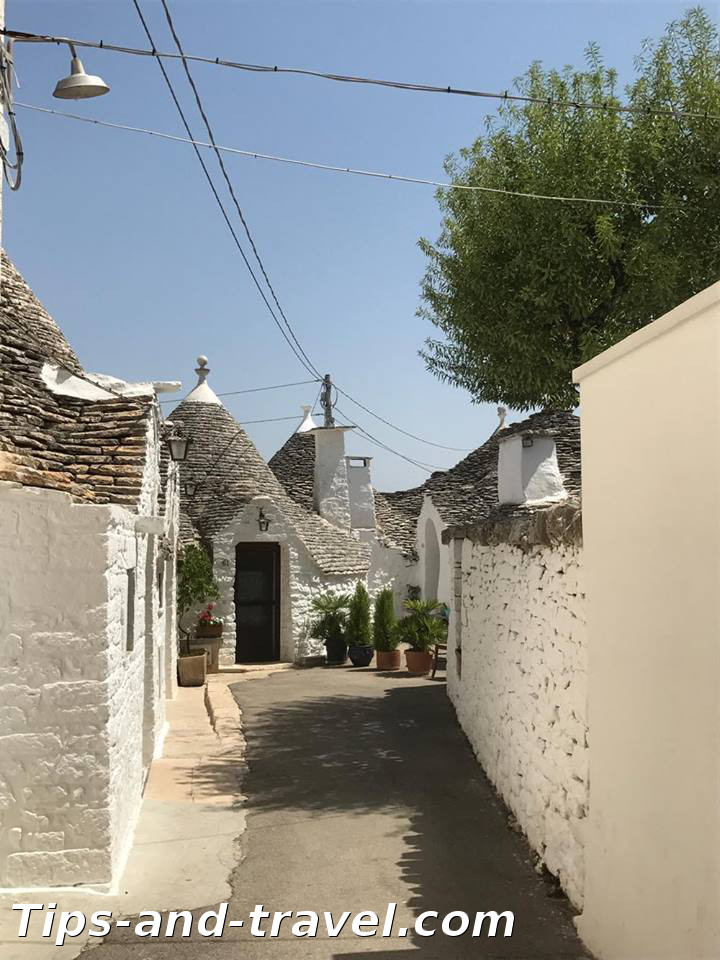
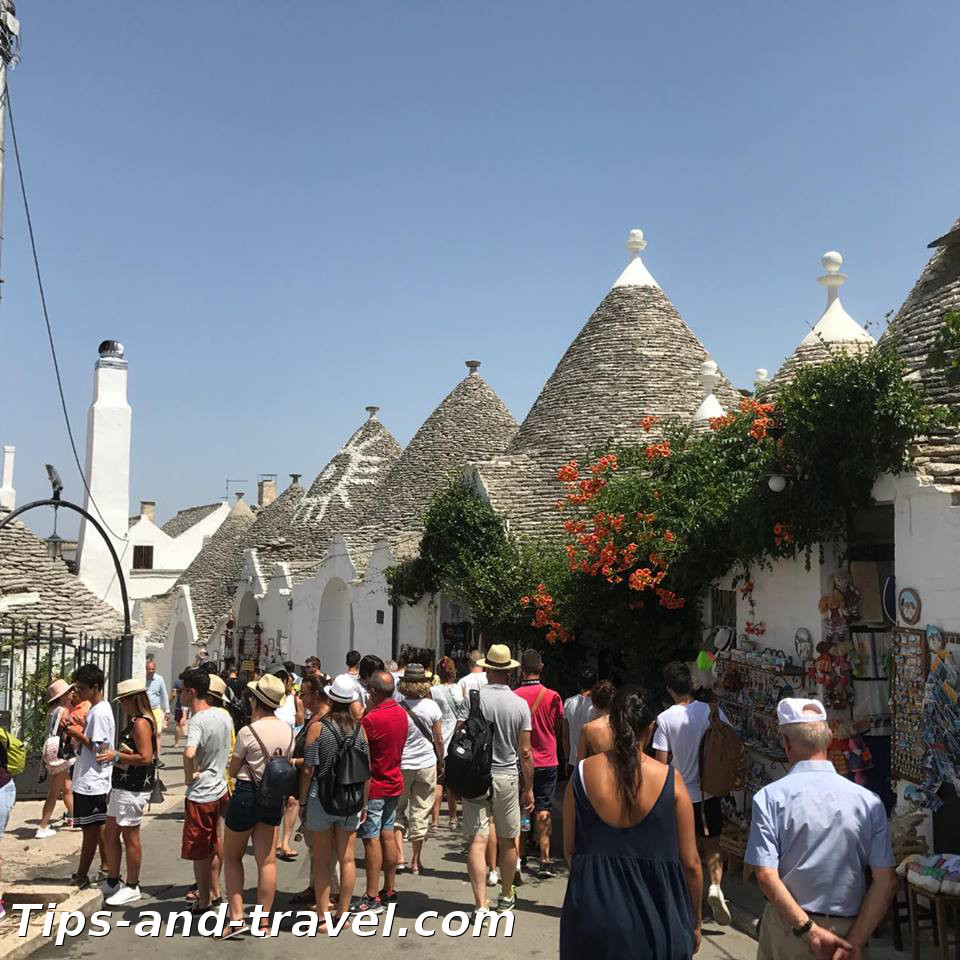
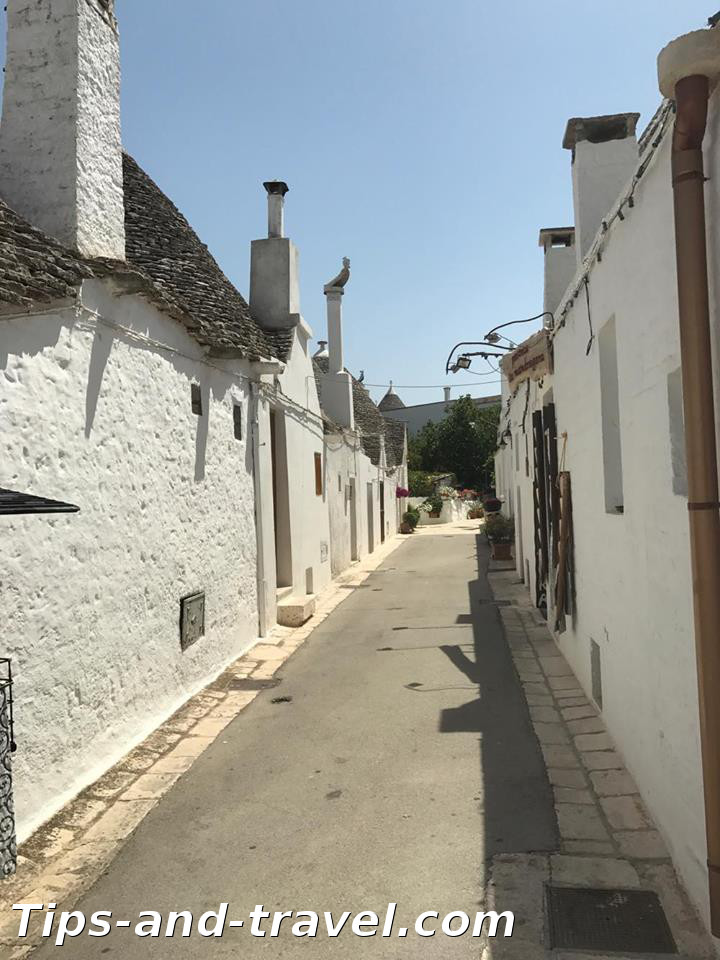
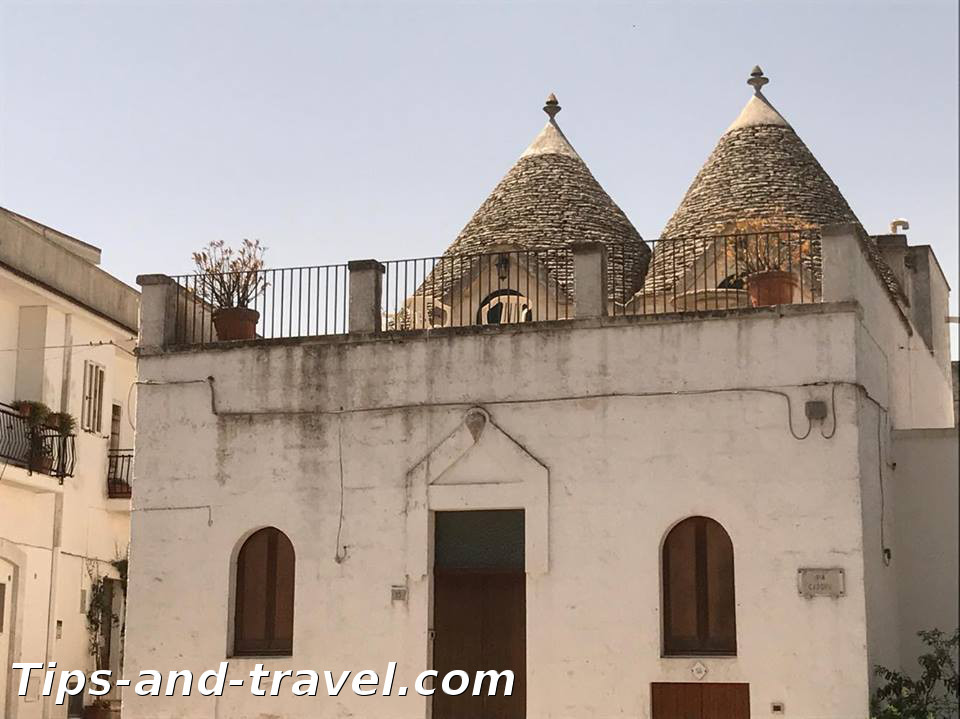
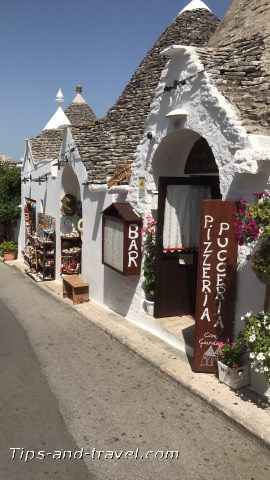
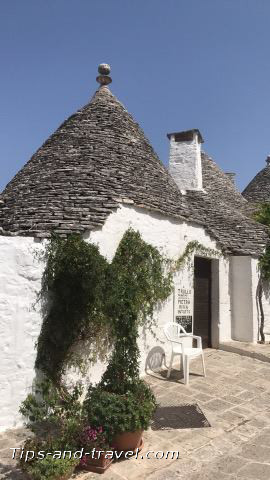
Alberobello is a small Italian town in the province of Bari, in Puglia. The place is well known for its typical houses called trulli (trullo in singular), which have been classified as a World Heritage Site by UNESCO (1996). The houses are built mainly with calcareous limestone and sedimentary limestone with stone walls without the use of mortar, because in the 15th century there was an edict of the kingdom of Naples, which required payment at each new urban settlement. The owners of the land on which Alberobello is today, the Counts of Conversano, forced the farmers to build in dry and in this way their constructions were therefore considered as precarious houses, easy to demolish and not to pay taxes. The dome-shaped roofs of the trullo are decorated with decorative bells, which are inspired by mystical and religious symbols. At the entrance of some trulli there are images referring to devotion or favors received, there are images such as the Virgin of Carmine, Jesus or the Holy Doctors. Sovrano is the largest trullo with almost 14 meters in height on two floors. Also to see: the Basilica of the Holy Doctors and the parish church of St. Anthony of the Guanelliani fathers and nuns.

Tips

If you visit Alberobello in Easter time, you can see Palm Sunday, palms are placed on the trulli and on the ground as a sign of blessing. Do not miss the visit of Trullo Sovrano and if you go in the summer period, you will find different cultural events taking place there. You also have a belvedere to make beautiful pictures.
The Colosseum, Rome, Italy

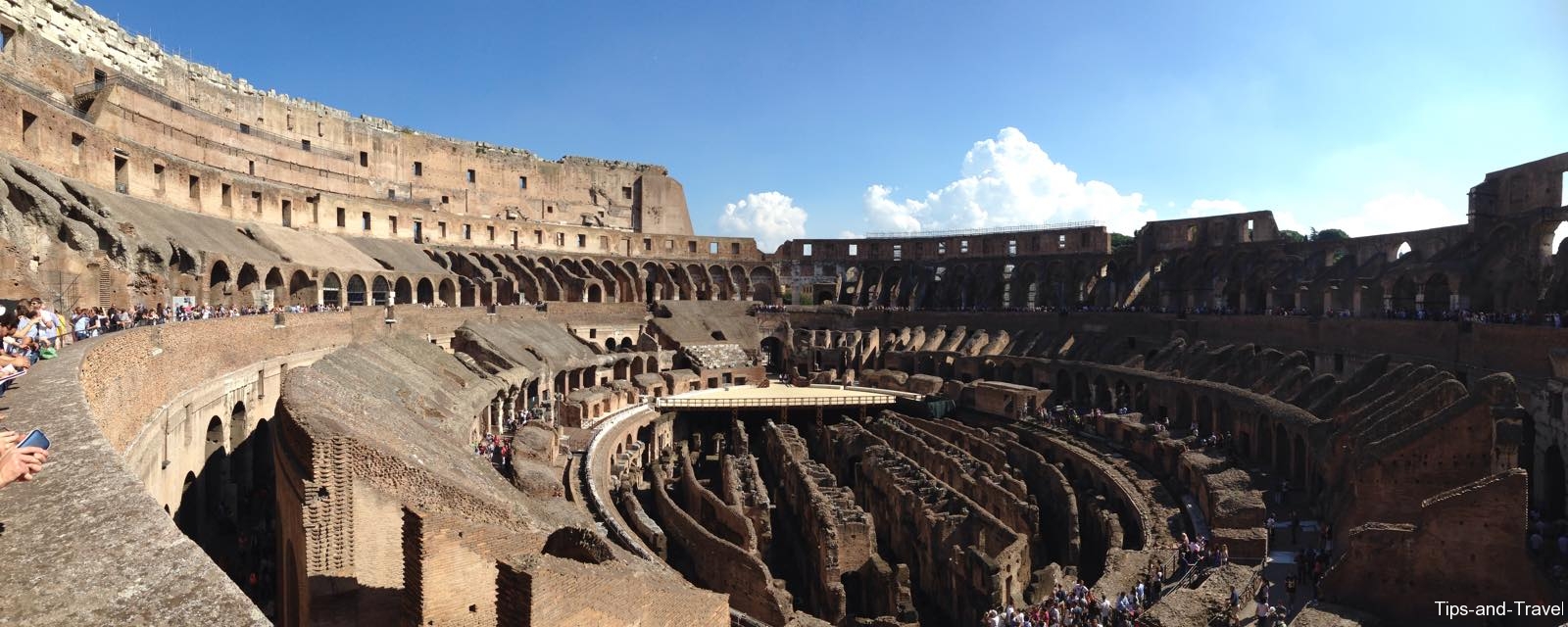
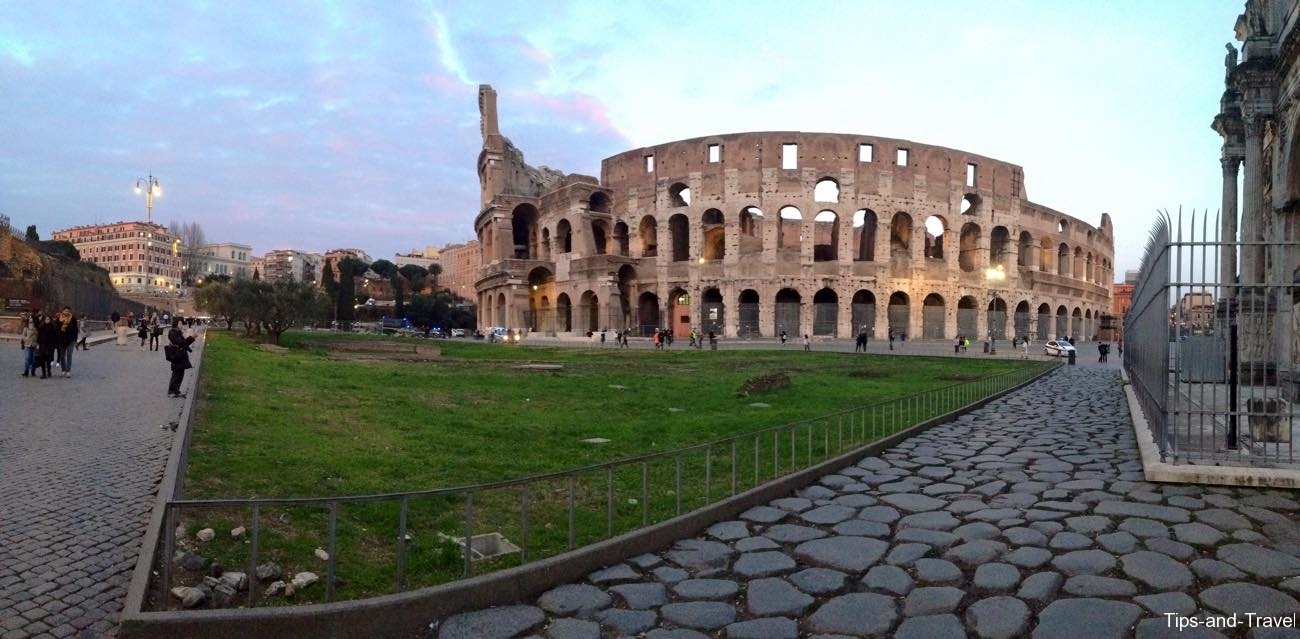
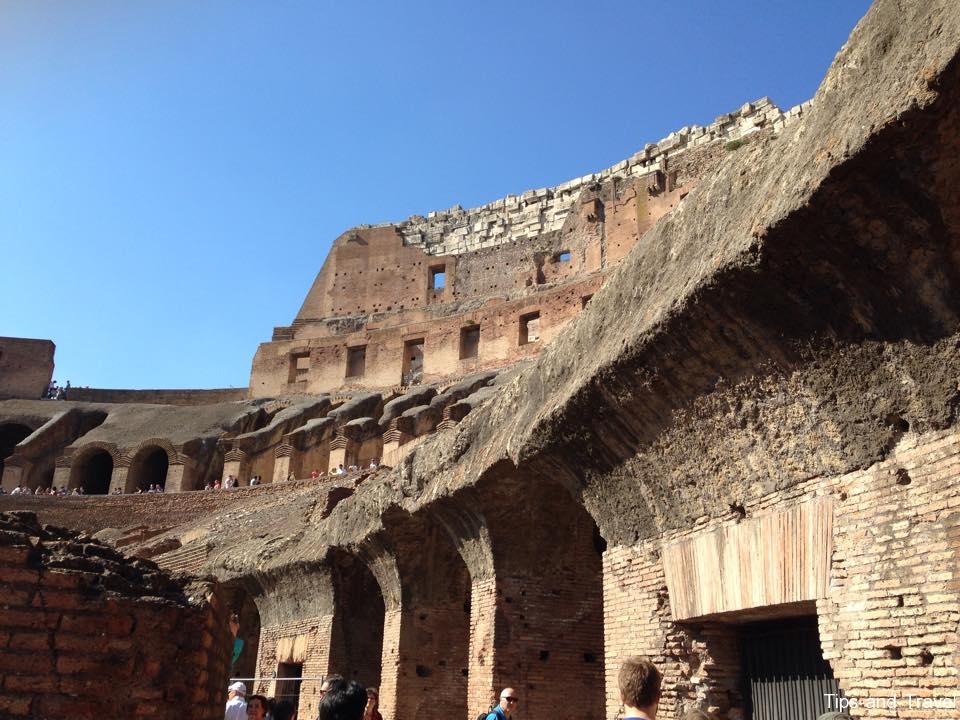
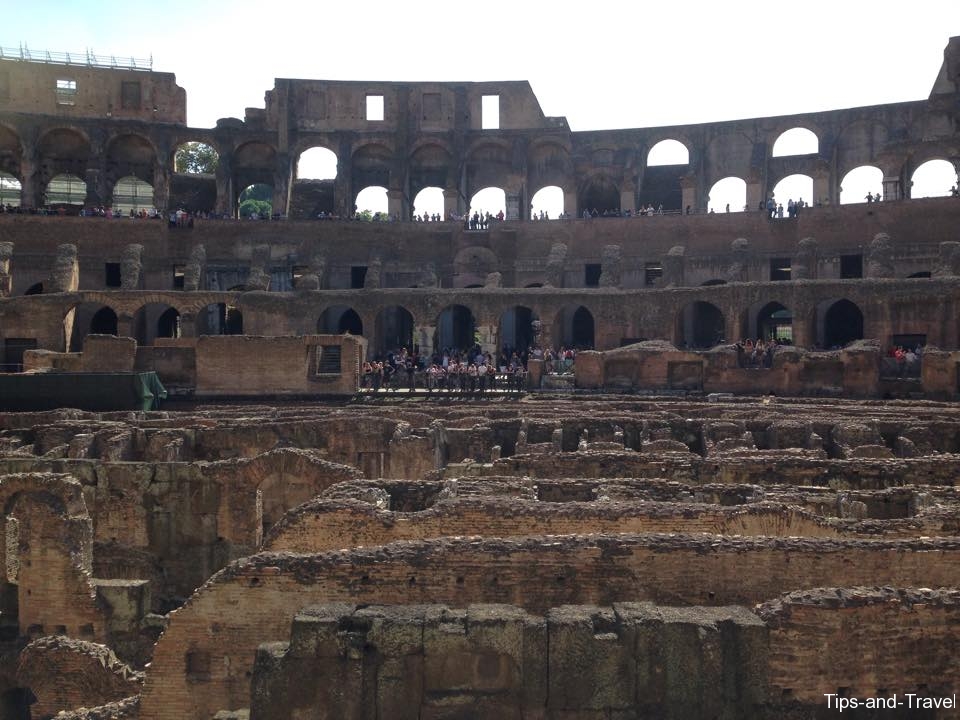
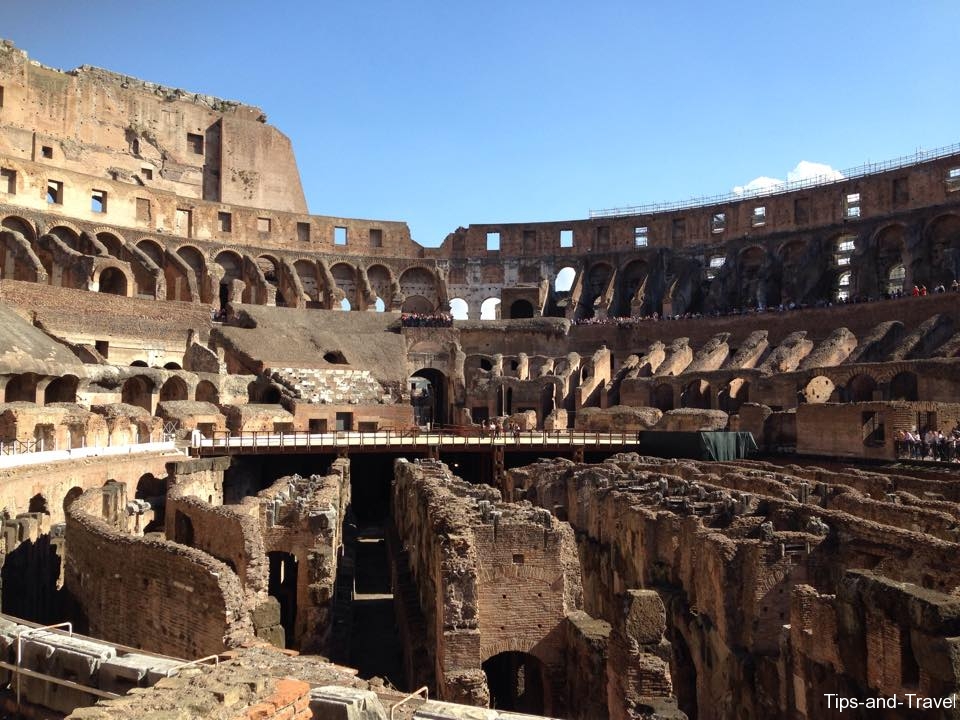
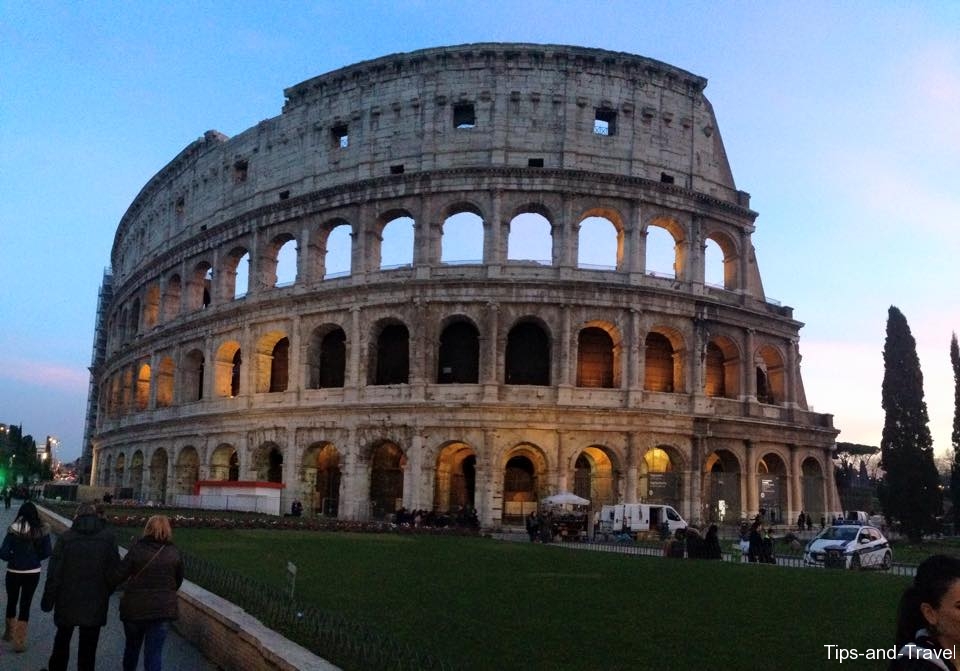
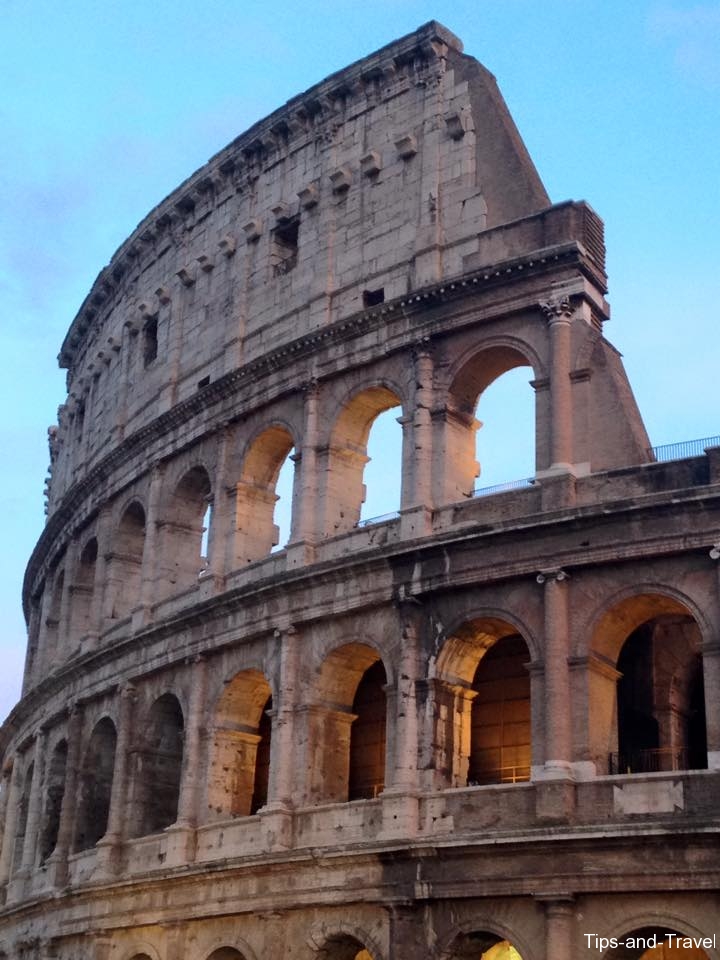
The Colosseum or Flavian Amphitheatre in origin, is a huge oval amphitheater in the center of the city of Rome, between the Esquiline and Celio, the largest ever built in the empire; one of the greatest works of Roman architecture. It was built between 70 and 80 AD. JC. He was used to fighting wildlife, gladiatorial combats, death row executions, re-enactments of famous battles and dramas based on Classical mythology, which could accommodate between 50,000 and 75,000 spectators. It stopped being used in the early Middle Ages but it had other uses such as housing, artisan workshops, the seat of a religious order, a fortress, a quarry and a Christian Catholic shrine. Schools of gladiators and other outbuildings were built nearby. He suffered several earthquakes that caused the partial destruction of some walls and its stones were reused to build other buildings like churches or palaces. The surviving part of the outer wall of the monumental façade consists of three levels of overlapping arches topped by a platform on which there is an attic with tall windows at regular intervals and there are also 31 arches of the outer ring which has remained intact. Each level has 80 arches framed by half-columns and the attic is decorated with pilasters. The arena measures 83 × 48 m and its floor was covered with sand wood which avoided fighters to slip easily absorbed bloodshed and could be quickly replaced.
Tips

The first Sunday of each month, the entrance is free.

The ticket includes admission to the Colosseum, the Roman Forum and the Palatine. It is valid for 2 days.

The price is reduced for people in the European Union between 18 and 24, and for EU teachers.

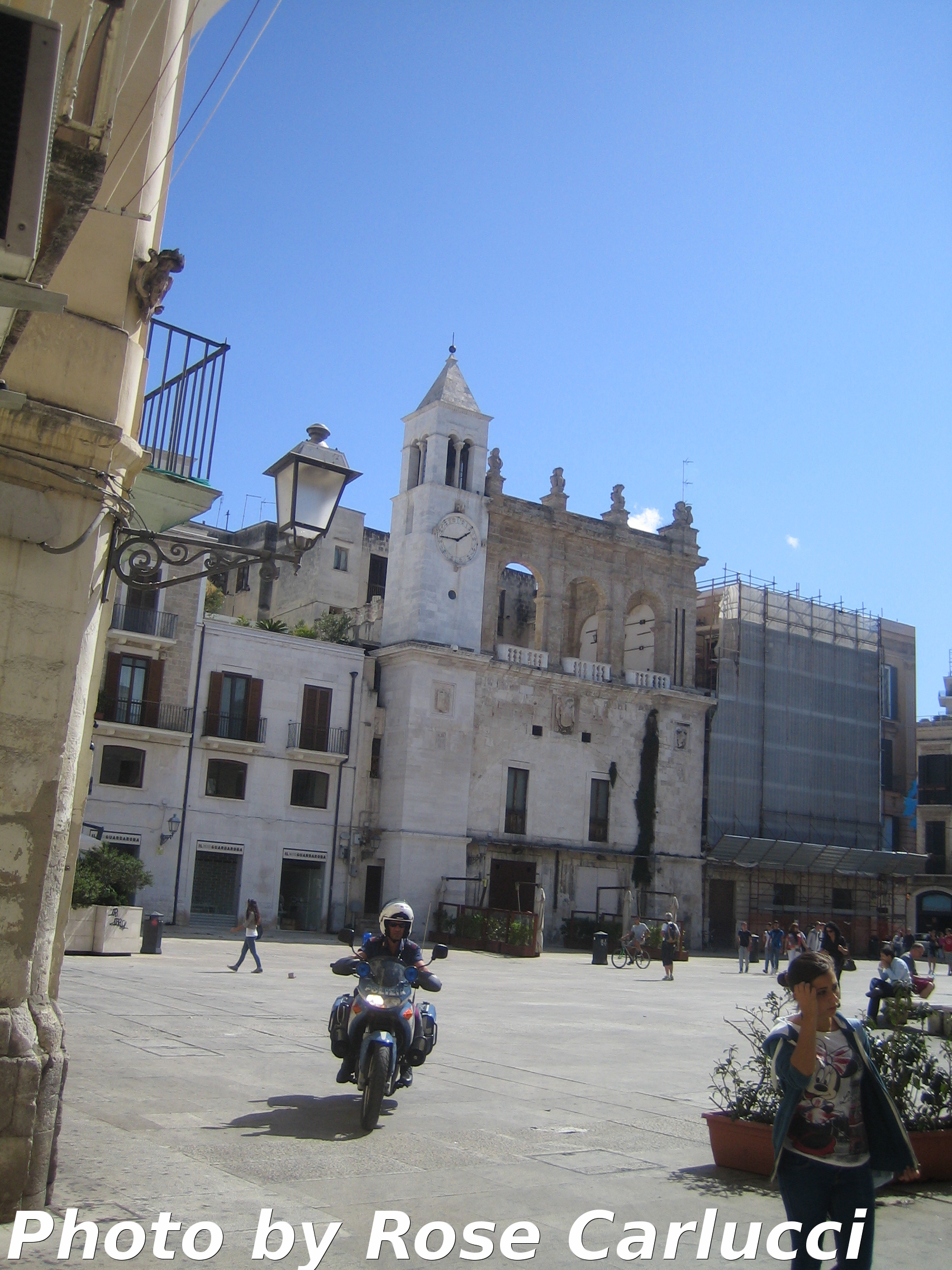
Bari, Puglia, Italy

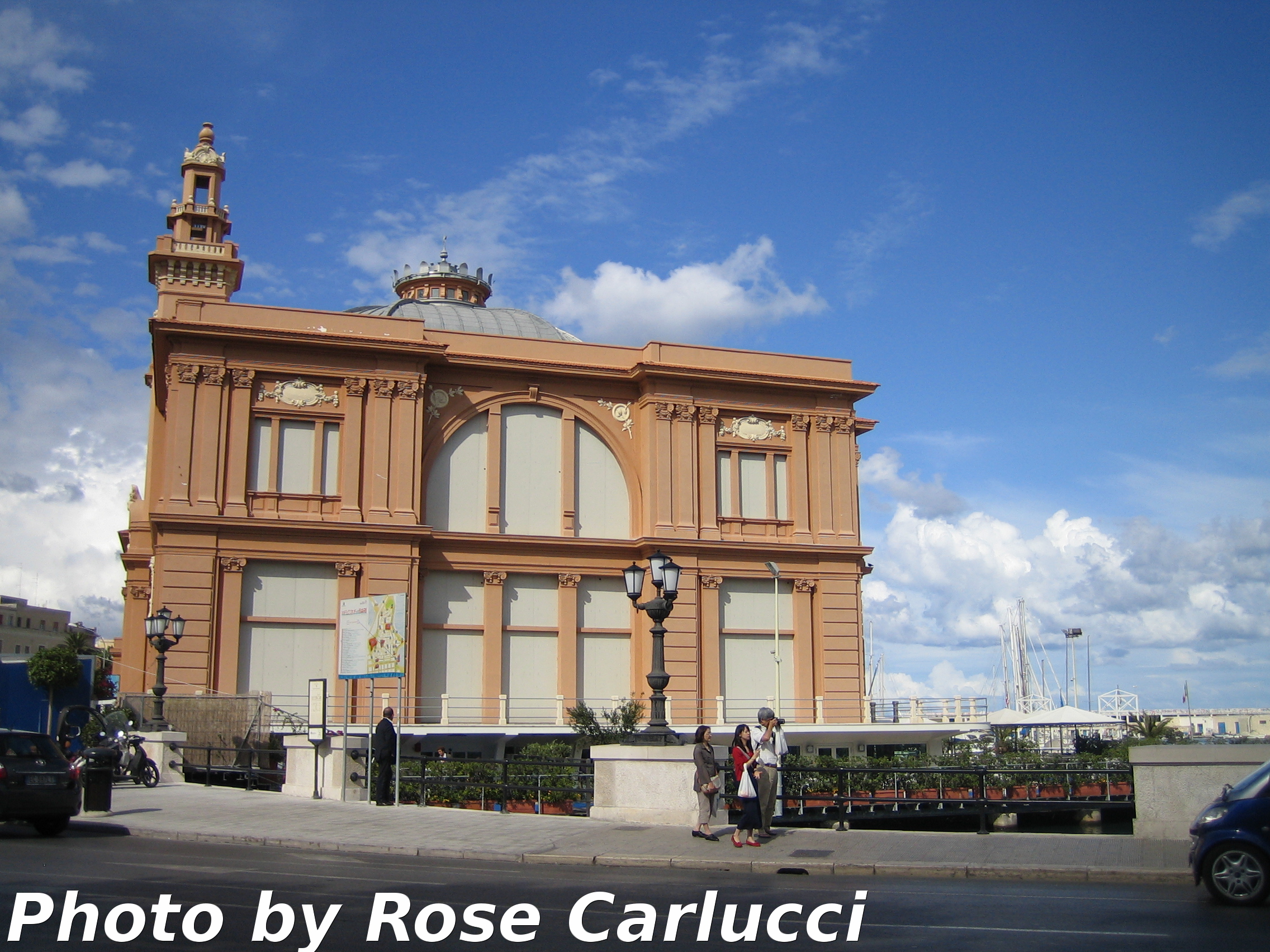
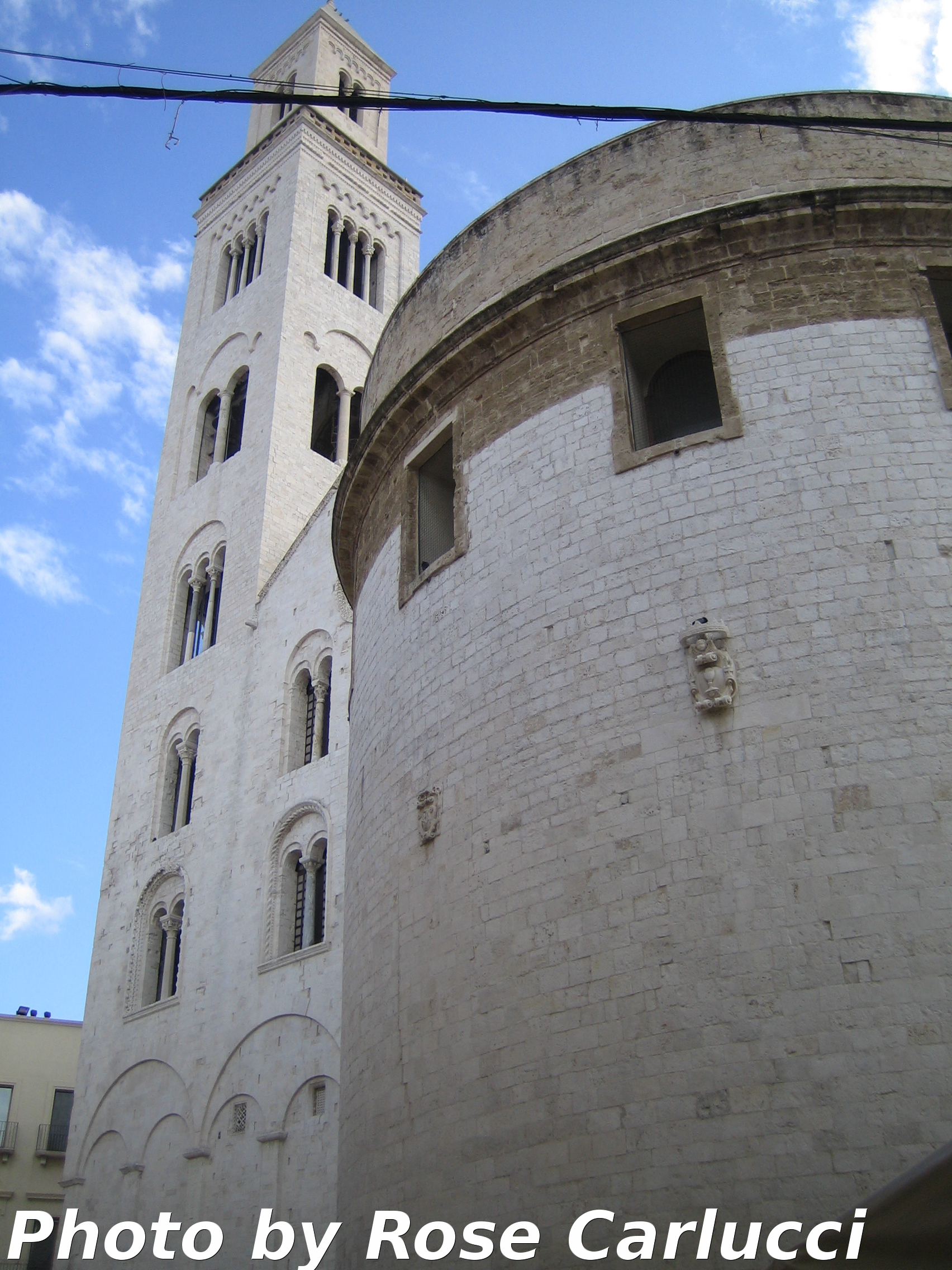
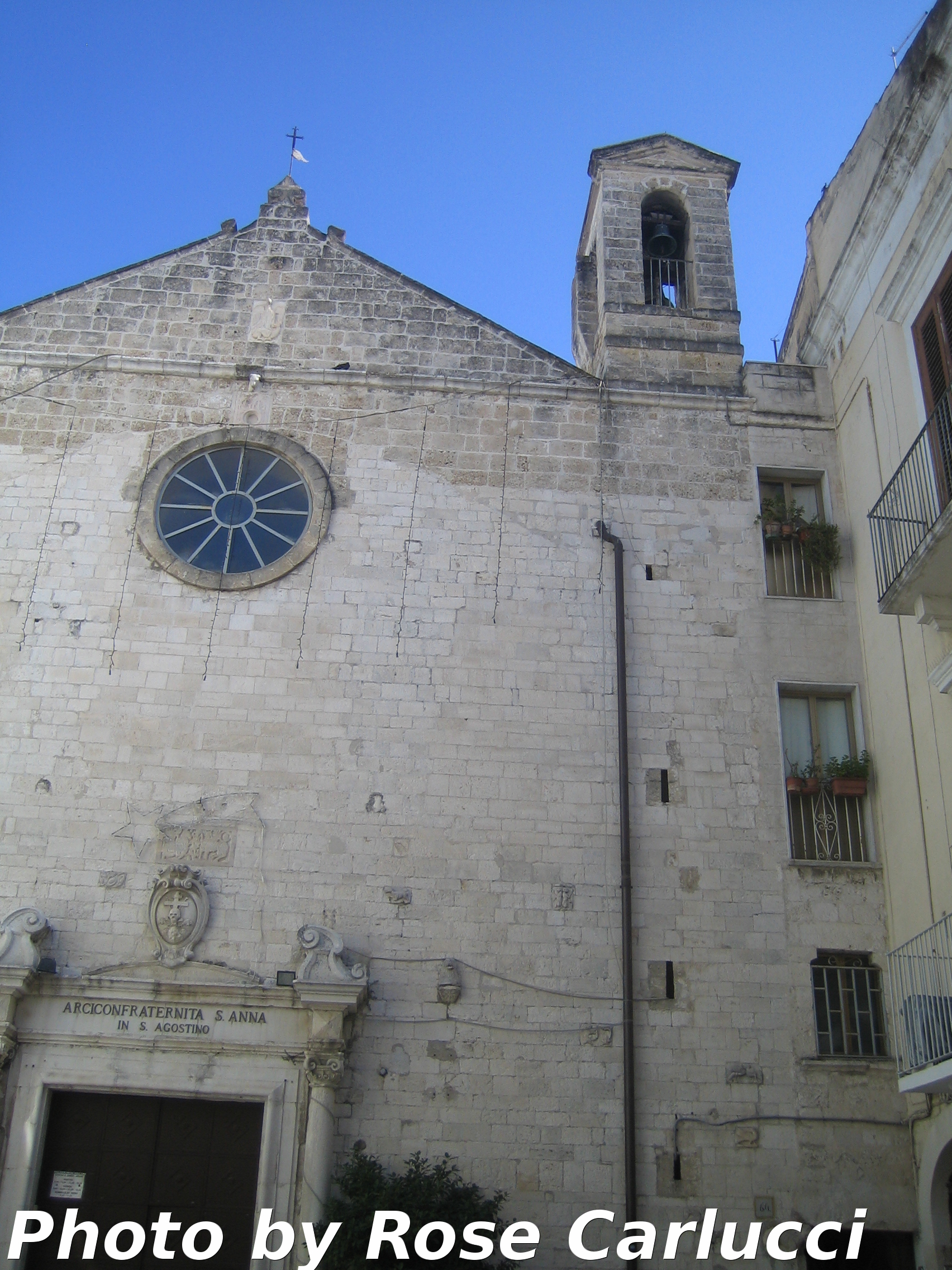
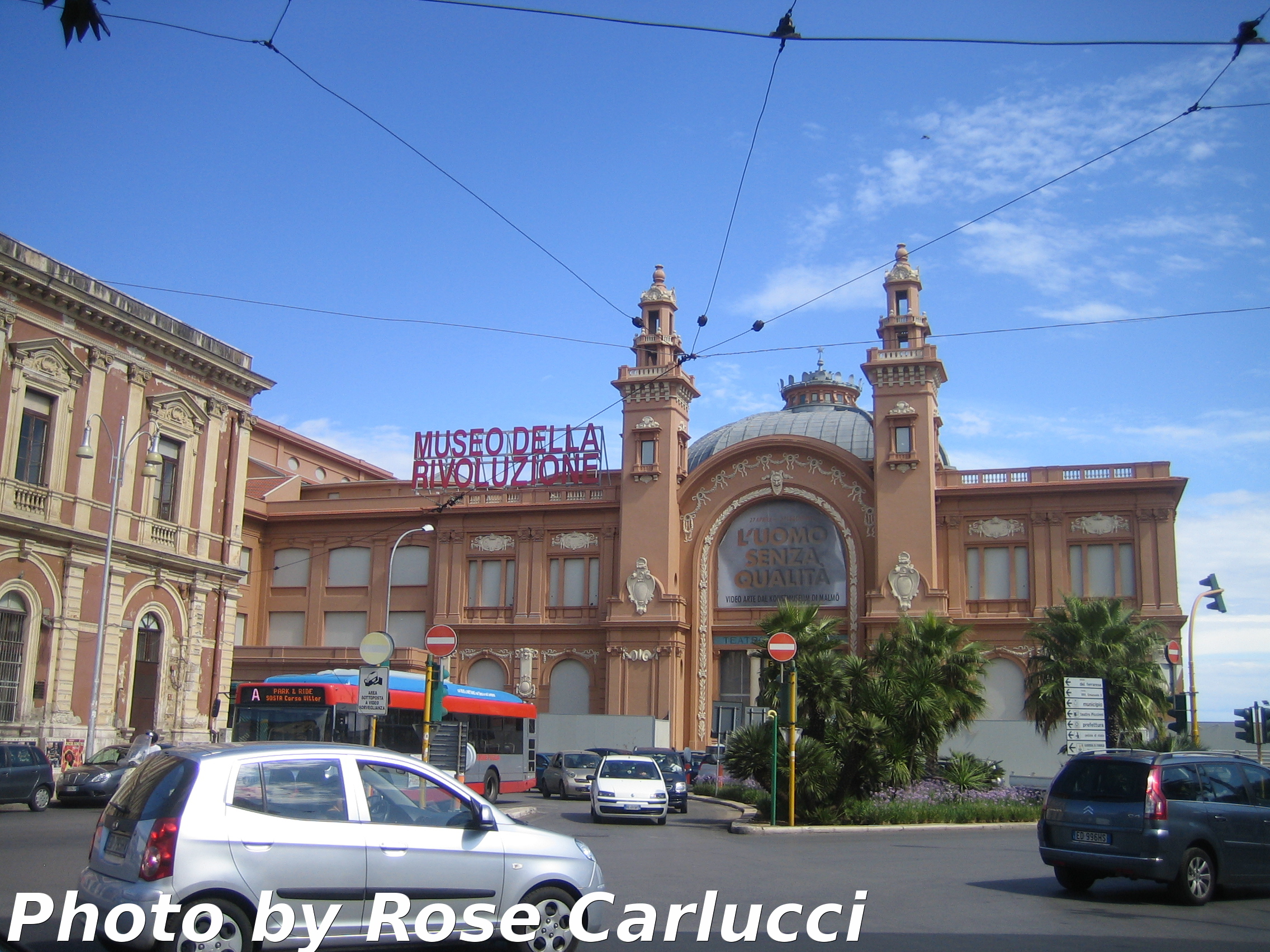
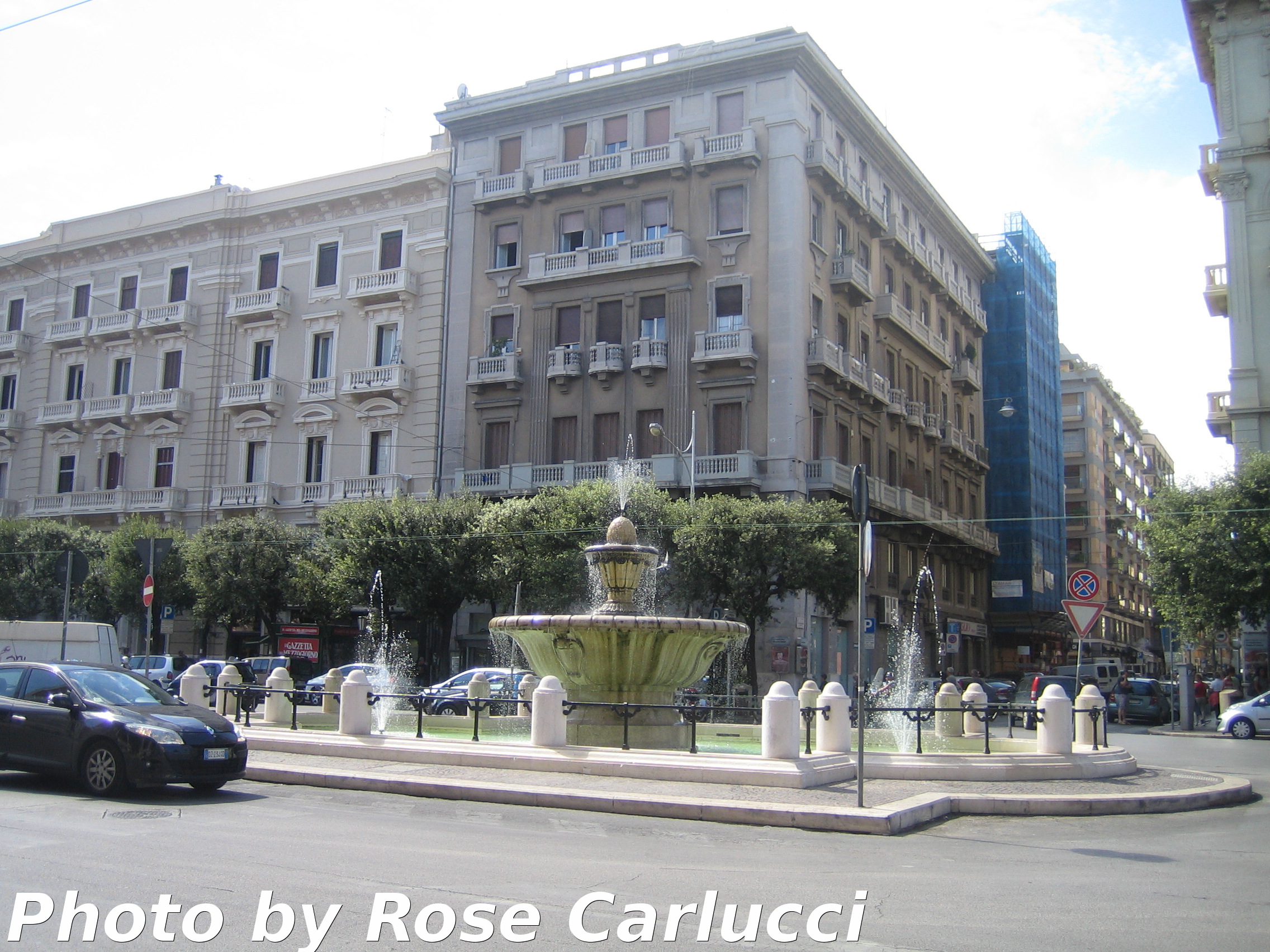
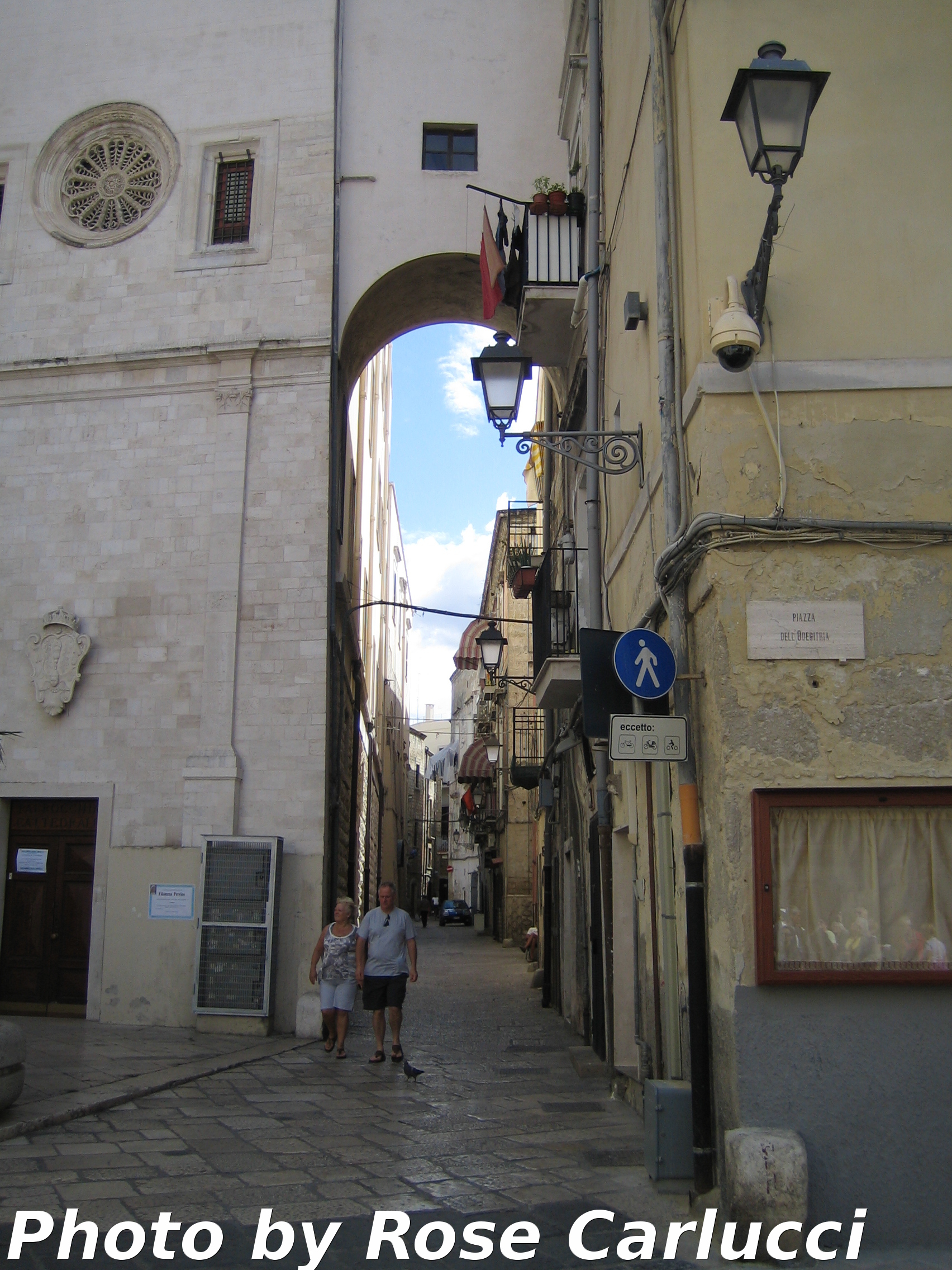
Bari is an Italian city, capital of the metropolitan city of Bari and the Puglia region on the Adriatic coast. She is well known as St-Nicolas relics are there. It is also a hub of trade and political and cultural exchanges between Europe and the Middle East; having the largest passenger port in the Adriatic Sea. There are two interesting areas to visit, Bari Vecchia, or old town with its narrow winding streets; designed to minimize the entry of enemy soldiers inside the walls and the Murat quarter (XVIII) which is organized in a checkerboard pattern and represents the commercial tradition of the city. The city has several churches and palaces built between the Middle Ages and the eighteenth century. Being a city to the sea, there are several public and private beaches. To see: the Basilica St-Nicolas de Bari, St. Sabin Cathedral, Norman-souève castle, the fort of St. Anthony Abbot, the palace of the Apulian Aqueduct, the Atti palace, the Colonna Palce, the Mincuzzi Palace, the Archaeological Museum, among others. The city also became an important stop for cruise ships also giving special importance to tourism, they have restored the old town and many buildings and monuments. Also recognized by its rich cuisine that uses many products from the region, based on the three main agricultural products of Puglia: wheat, oil and wine.

Tips

If you do the one-day visit to Bari because you are on a cruise, you can explore the city on foot because all the attractions are close to the port.
If you want to relax on the most important public beaches (Pane e Pomodoro beach and Torre Quetta beach), you find them at the east of the city and you can take a taxi, they are about 10 km away.
If you stay longer than a day, there are many beautiful cities nearby like the famous trulli of Alberobello (70 km), Polignano a Mare (40 km), the city of art of Conversano (40 km) among others. You can also visit the major cities in the region, Foggia, Lecce, Brindisi and Tarente and the easiest way would be to rent a car.