Panama City, Panama

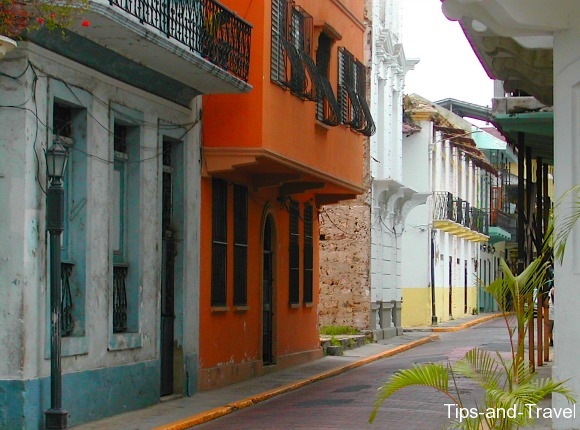
Panama City is the capital and largest city of the Republic of Panama, It has a population of 880,691, with a total metro population of 1,440,381 and is located at the Pacific entrance of the Panama Canal, in the province of Panama. The city is the political and administrative center of the country, as well as a hub for international banking and commerce.

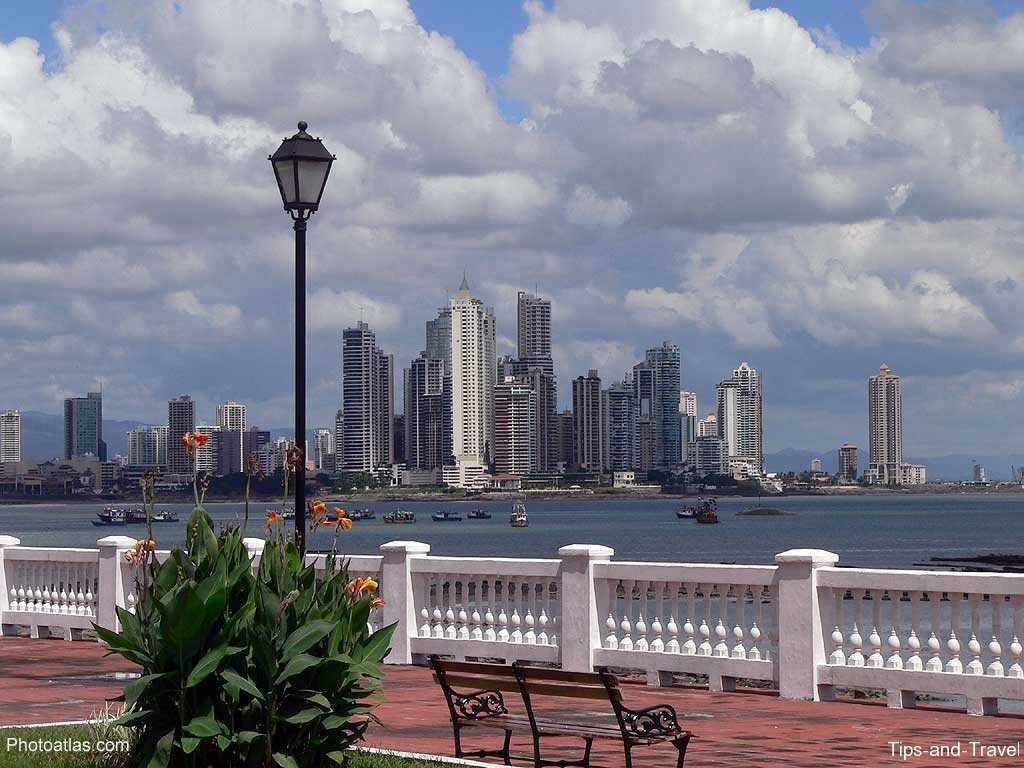
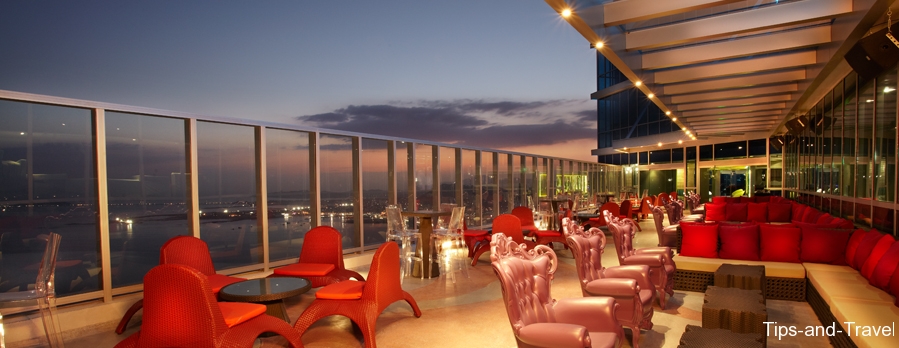
The city of Panama has a dense skyline of mostly high-rise buildings, and it is surrounded by a large belt of tropical rainforest. Panama’s Tocumen International Airport is the largest and busiest airport in Central America, offers daily flights to major international destinations. Panama was chosen as the 2003 American Capital of Culture jointly with Curitiba, Brazil. It is among the top five places for retirement in the world, according to International Living magazine.

Tips

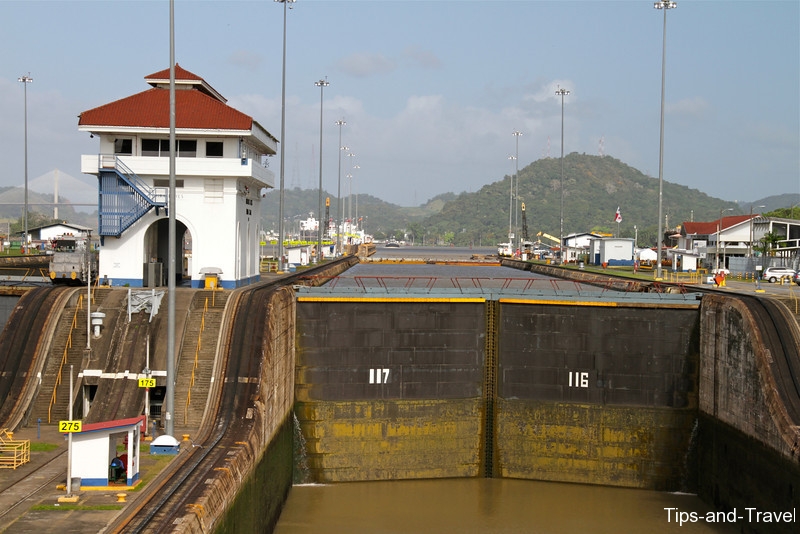
The Canal Zone is impressive, it offers many possibilities for excursions. We recommend the trans-isthmus train, this charming train runs along the Canal for great views of the locks, Gatun Lake, and the rainforest.

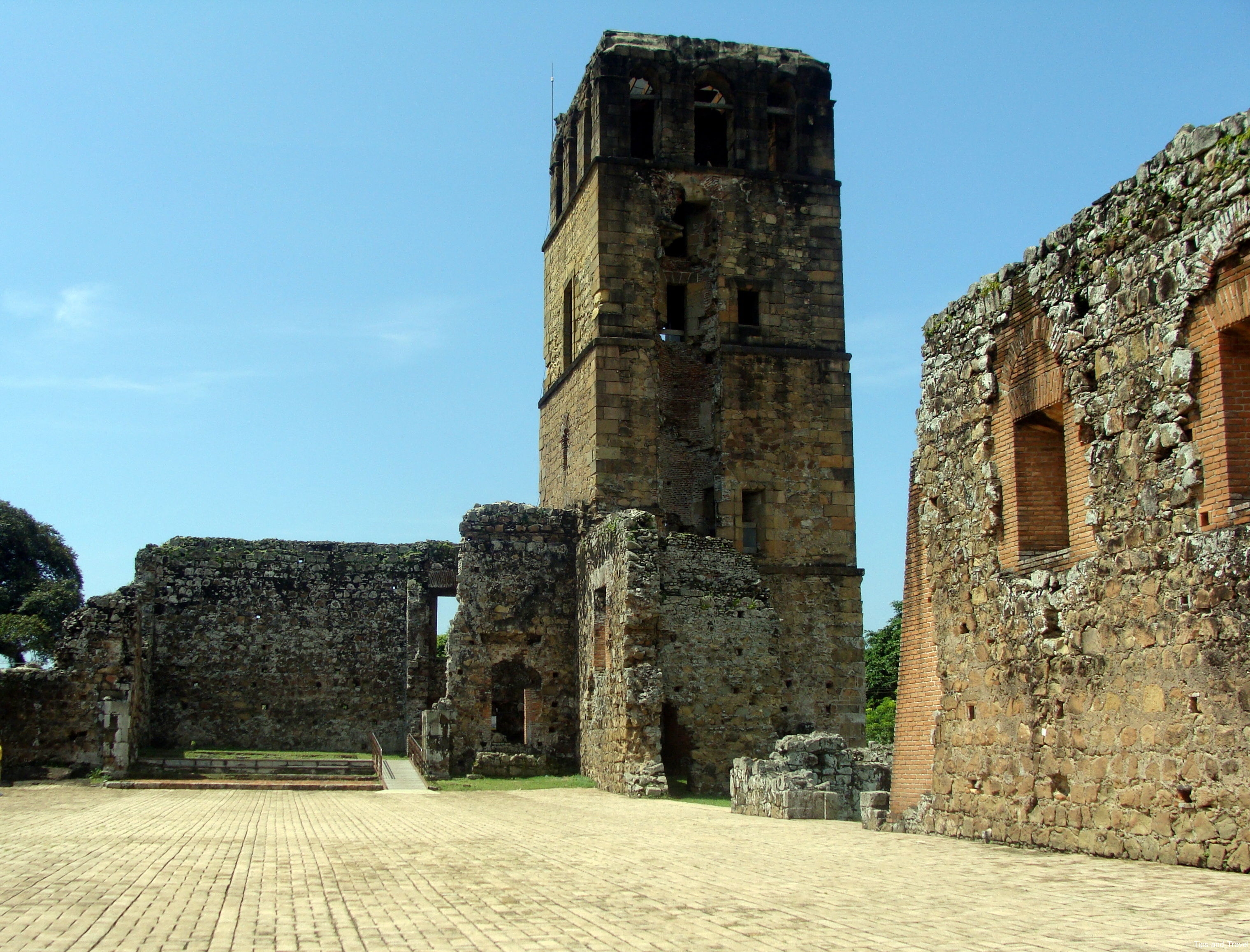
Panamá Viejo (“Old Panama”) is the name used for the architectural vestiges of the Monumental Historic Complex of the first Spanish city founded on the Pacific coast of the Americas by Pedro Arias de Avila on August 15, 1519. This city was the starting point for the expeditions that conquered the Inca Empire in Peru in 1532. It was a stopover point on one of the most important trade routes in the history of the American continent, leading to the famous fairs of Nombre de Dios and Portobelo, where most of the gold and silver that Spain took from the Americas passed through.

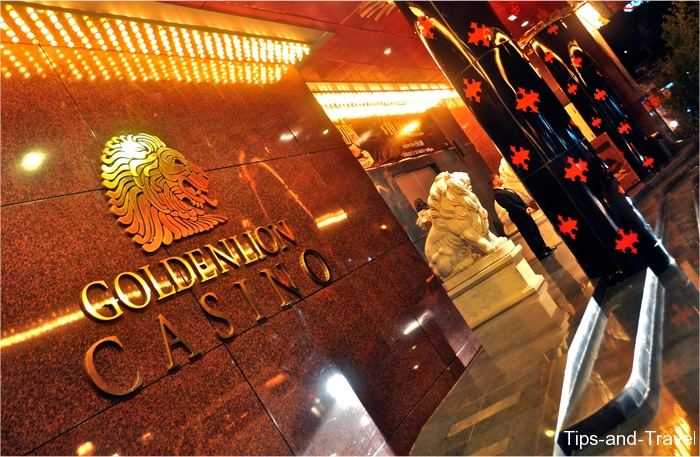
Panama City is known as the Las Vegas of the Central America whit 22 superb casinos all offering great restaurants and shows.

The town have many museums we recommend the Biomuseo (Biodiversity Museum) the architecture is surprising on a multicolored metallic structure, the museum presents the Latin American biodiversity and threats to it.

Cachi, Salta, Argentina

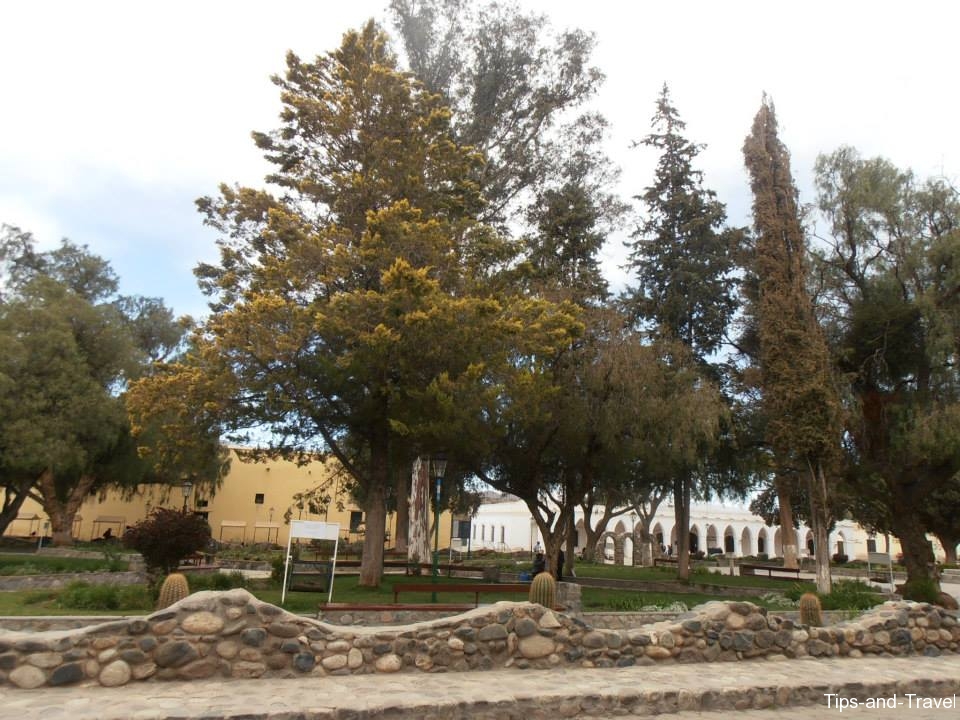
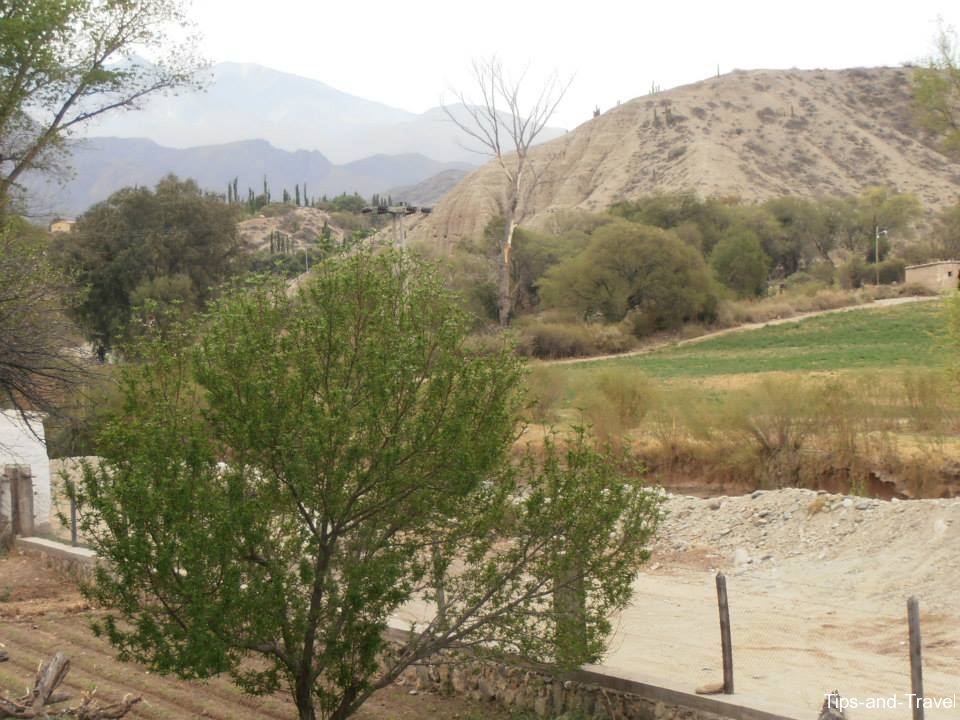
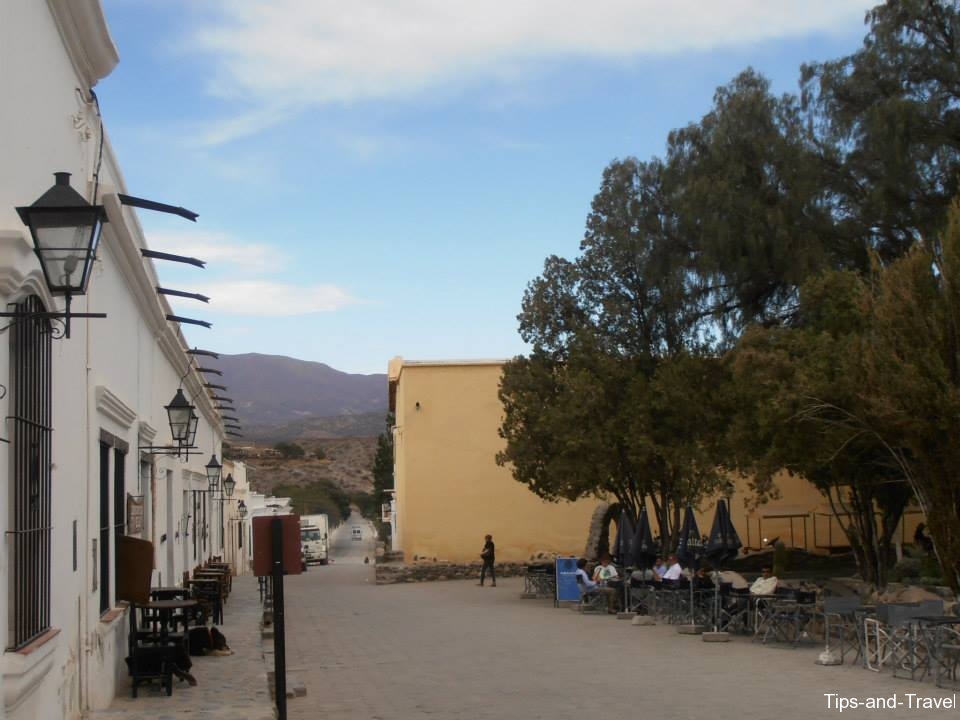
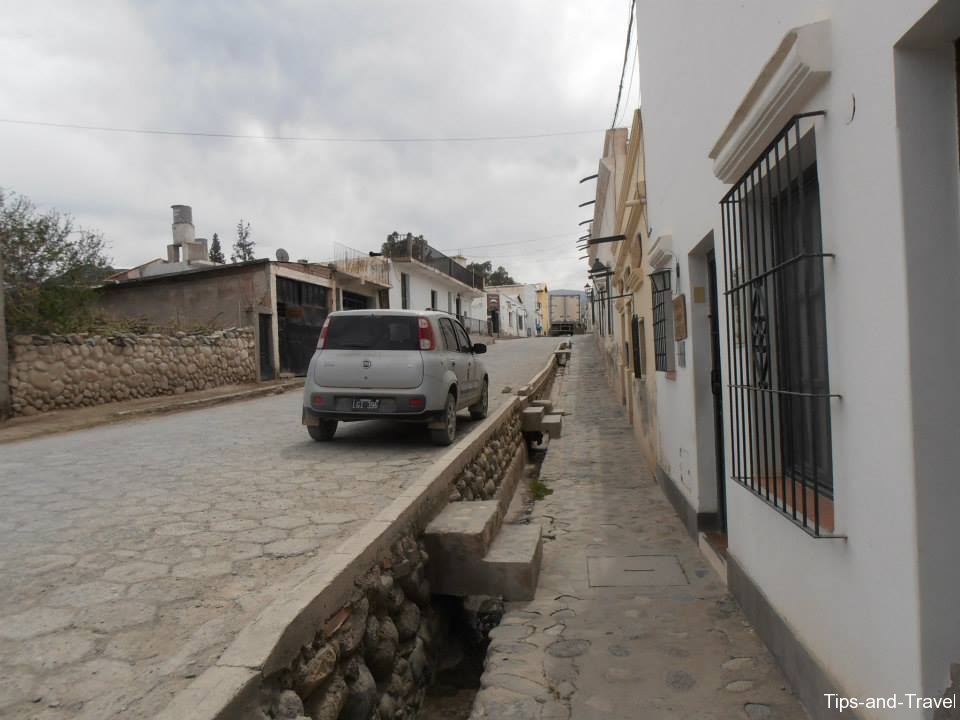
Cachi is a small town in northwestern Argentina, located in the province of Salta at an altitude of 2,280 meters, on the banks of the Calchaqui River. The town is located in a mountainous setting dominated by the Nevado peak of Cachi which culminates at 6,320 meters. The mountains are red, gray, pink, green with a few touches of different colors depending on the position of the sun and the minerals that contain; they seem to be the work of an artist … Part of the town is colonial style, with white houses built of clay on a stone base, with straw roofs. The windows are decorated with wrought iron gates. To see, the Central Square with its two monuments: the church of Cachi, nineteenth century neo-Gothic style with some parts that were built of cactus wood, including the roof, altar and confessionals and the Archaeological Museum Pio Pablo Diaz which houses more than 5,000 pieces that go mainly from 800 BC to 1600 AC. The square of July, 9th is surrounded by stones that reproduce the ancestral meeting center of the Chicoanas Indians with entrances in triple arches.

Tips

If you like to taste the local food, there are very good dishes to be enjoyed starting with empanadas with meat cut with knife and fat, fried; a total delight but make attention because they contain juice. You can continue with humita which is a cream corn and there are even empanadas stuffed with. Another specialty of the region are the tamales (a kind of pancake that is covered with a corn leaf). A visit to Pio Pablo Diaz Museum is very interesting because you will have the opportunity to see a mummified body covered with leather, wrapped in straws, tied with a rope made of vegetable fibers and wool; a symbol of the cult of the dead. In addition, it costs only a few cents. If you stay a few days, visit Los Cardones Park. It is a unique place where you will find giant cactus, there are even some that arrive at 9 meters in height. This park was on the road that the Incas crossed from the Bolivian valley to the Argentine lands. If you like adventure tourism but organized and safe, there are excursions in a kind of glass truck, which will allow you to know the area with experienced guides. You can find yourself suddenly in the clouds, in the middle of nature and with landscapes that will really charm you.

Irazú Volcano, Cartago, Costa Rica

The Irazú is an active stratovolcano located in the ‘Cordillera Central Volcánica’, in Costa Rica. It peaks at 3,432 meters. It is located inside the national park of the same name about thirty kilometers from San Rafael de Oreamuno, in the province of Cartago. It is sometimes called the twin volcano of Turrialba because they rest on the same base. The crater hosts an acid lake. The intra-crater area consists of three main structures: the active part with a diameter of 1 km and a depth of 180 m that hosts a colorful lake; Diego de la Haya Fernández crater (inactive) is located north of the volcanic crater with a depth of 80 m and to the side a large semi-planar structure that corresponds to the remains of an old terrace called Playa Hermosa and we also find remains of an edge of an ancient volcanic crater. Northeast of the main crater are lava flows and south of the main peak is found the pyroclastic cone of Mount Noche Buena, Mount Pasqui and Mount Guardián. The last eruption took place en1963 but frequent earthquakes indicate that magma is still moving under the volcano. There is also a fumarole field that maintains assets northwest in the outer wall of the main crater.

Tips

You can climb to the top of the volcano by car or bus; it will take you 1 hour to 1 hour 30 minutes from San José. The only problem is that the cloud layer begins to get thick around 10:00, so you must arrive early; the park opens at 8:00. By the way, there is only one bus that leaves San Jose at 8:00 am arriving at the summit at 9h30-10h00 and departs around 12:30. At the top, the temperature drops a lot and usually there is a strong wind, thick fog and a small cold rain then it is better to bring warm clothes and waterproof if possible. There is no accommodation or camping in the park, just a small reception center where you can have a coffee to warm you after the visit and toilets. The best season to visit is the dry season, between January and April. If possible do not go on weekends or public holidays to be able to visit out of the crowd. Because of the altitude, you may feel that you lack a little oxygen, stay calm because this is normal.

Invalid Displayed Gallery