Orta San Giulio, Novara, Piedmont, Italy

Orta San Giulio is a town in the province of Novara in the Italian region Piedmont, a small town located at the lake of the same name with picturesque streets that all lead to the old market square where the Communal Palace is located, renaissance style dating back to 1582. The only island in Lake Orta is San Giulio that is part of the municipality of Orta (located 400 meters from the shore of the lake). The village is one of the most beautiful Italian villages and is 45 km from Novara. The center of Orta, completely closed to traffic, is characterized by very picturesque narrow streets: the main tracks parallel to the lake shore and intersects with some steep streets that run from the lake leading to the Sacred Mount (World Heritage UNESCO) and the wide area of lot of parking. In the center of the city we found Piazza Motta, real lounge overlooking the lake, from which boats leave the island of San Giulio; surrounded on three sides by buildings with arches.
To see: Villa Bossi (the current municipality office), St. Mary’s Assumption Church (1485 and rebuilt in the eighteenth century), the Gemelli Palace, the Palace of Fortis Penotti, among others.

Tips

When arriving you will find carparks top of the village where you will have to leave the car.
Bring comfortable shoes for the visit of the medieval village cause you must do it on foot on steep cobbled streets.
This is the perfect place to enjoy a sunny afternoon in any season of the year. Several cafés, restaurants and small creameries especially in the central square will allow you to sit in the sun watching the quiet course of the village.
You can also enjoy your visit to take a boat and visit the island just opposite.

Mausoleo di Elena, Rome, Italy

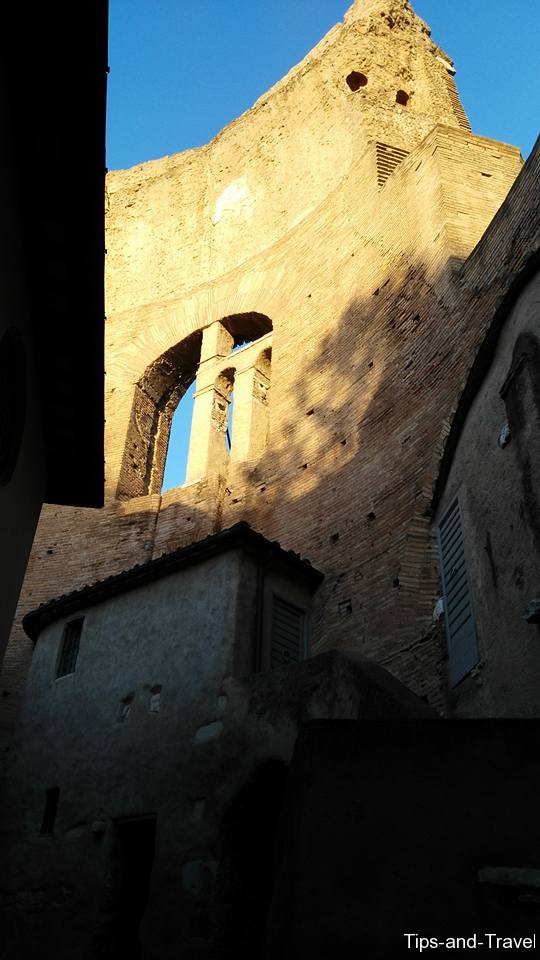
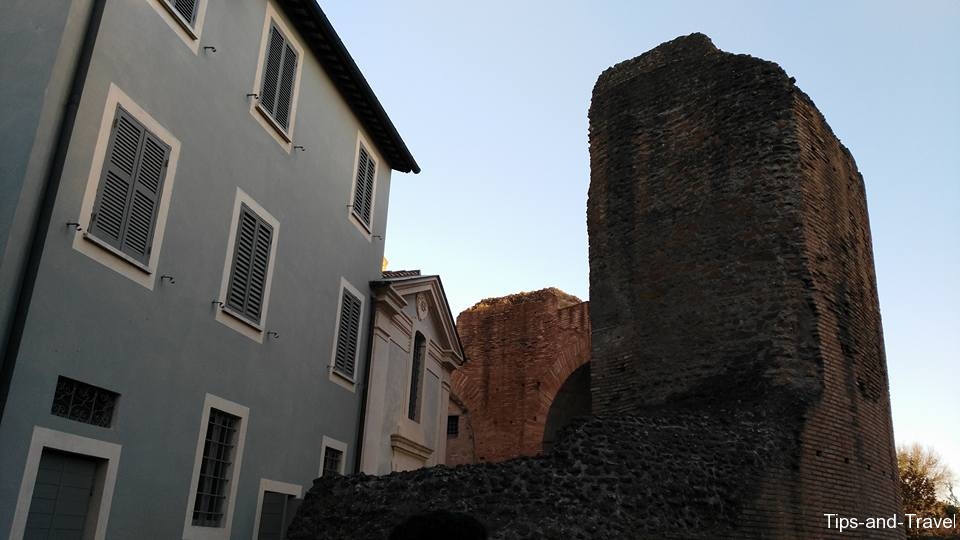
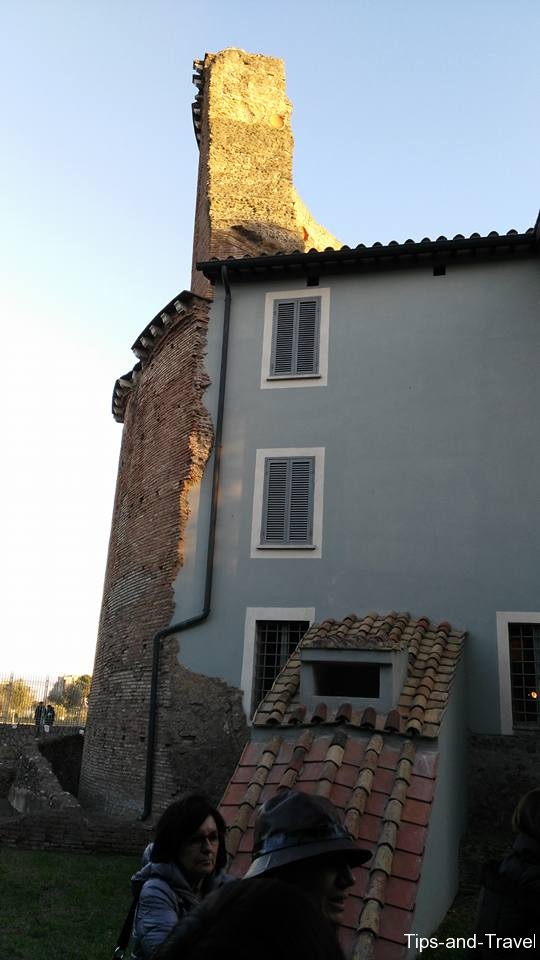
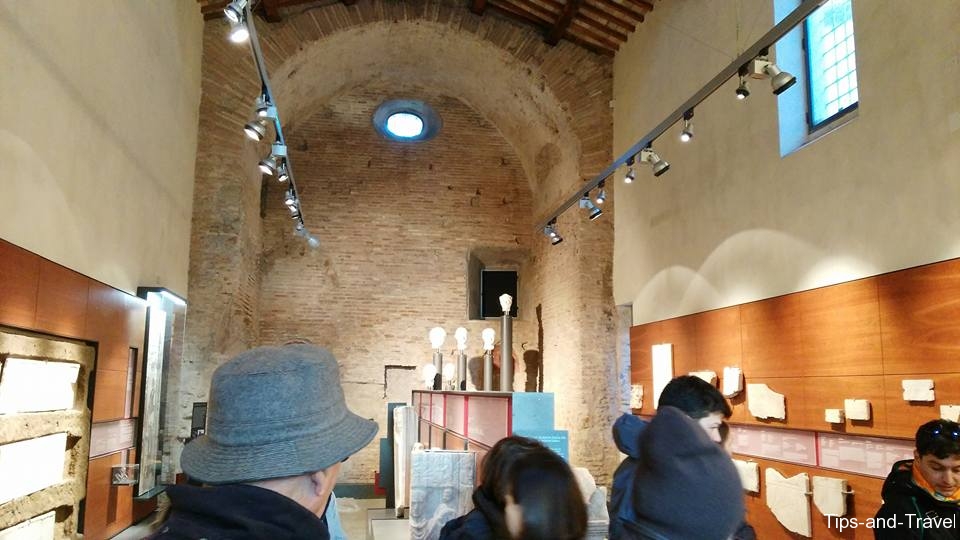
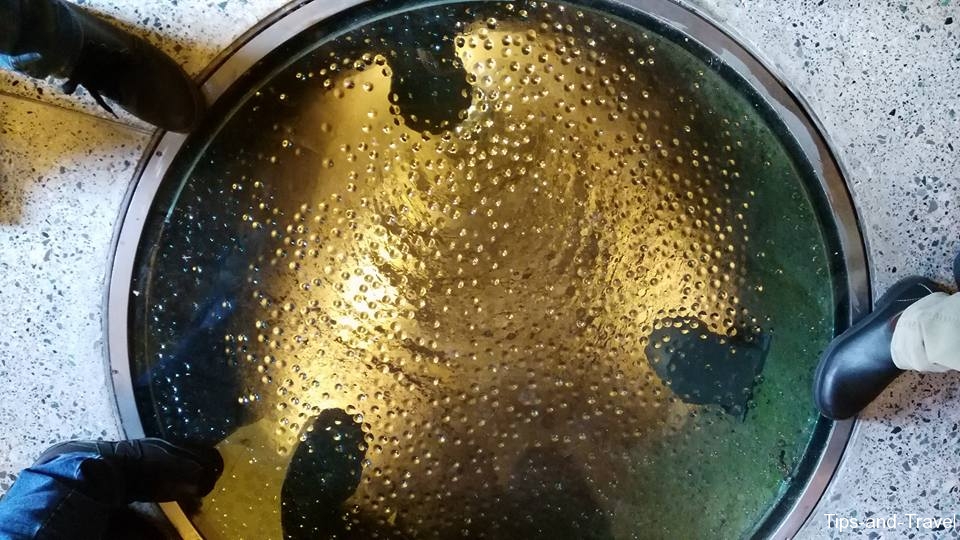
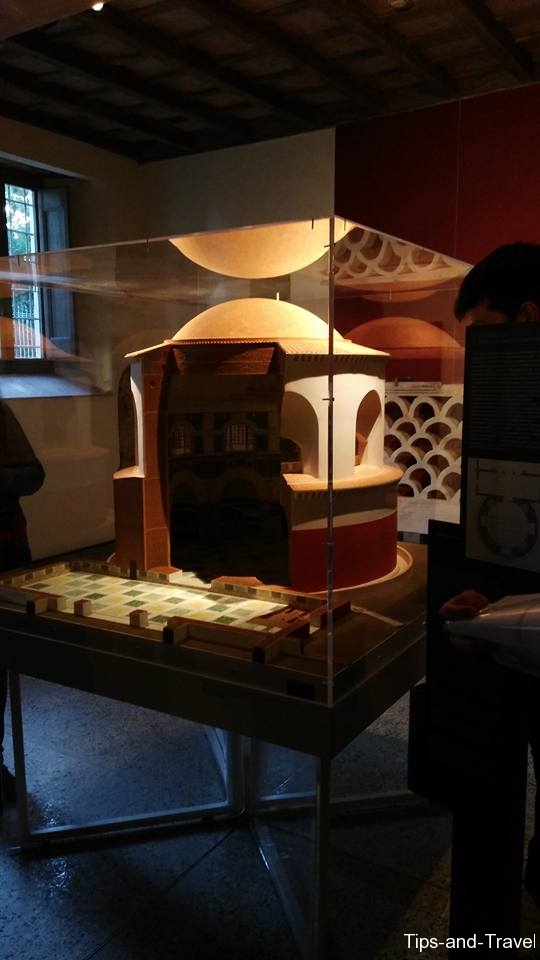
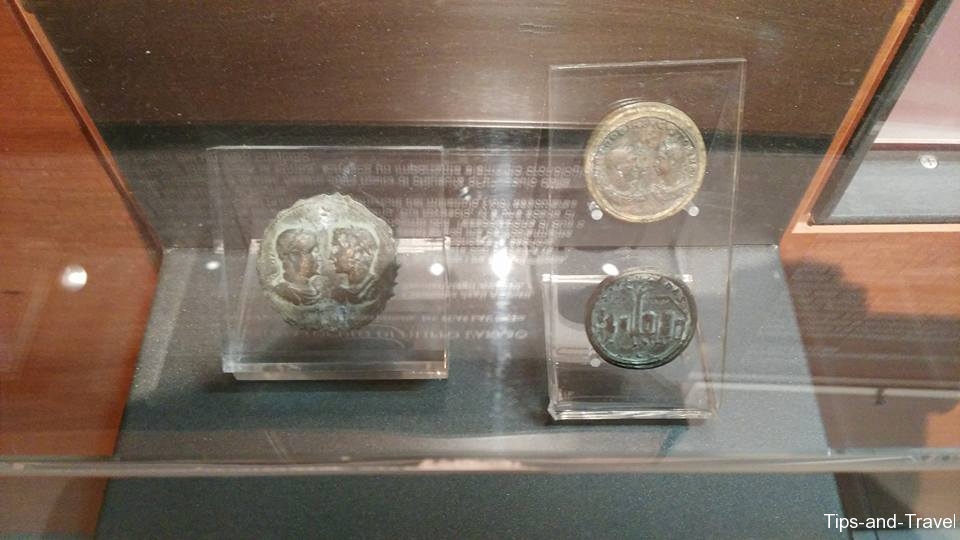
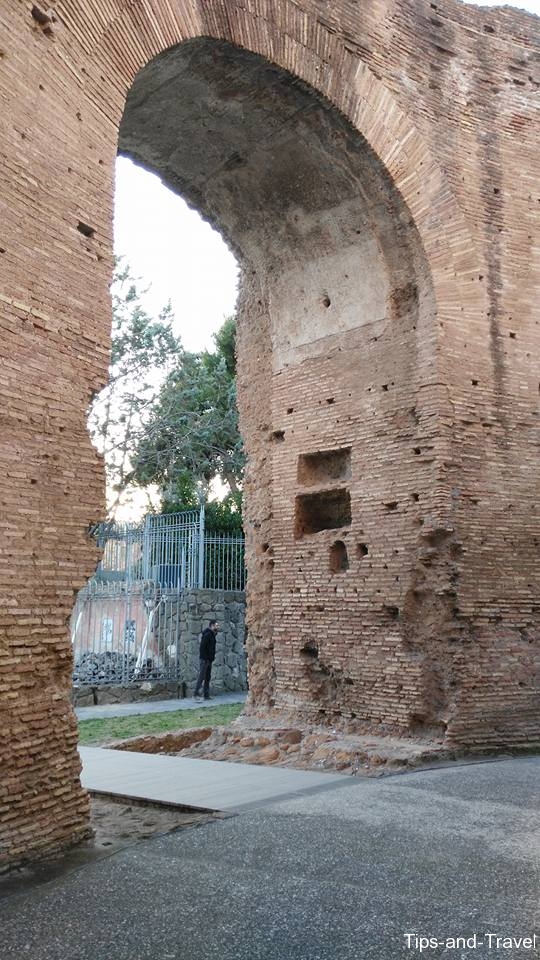
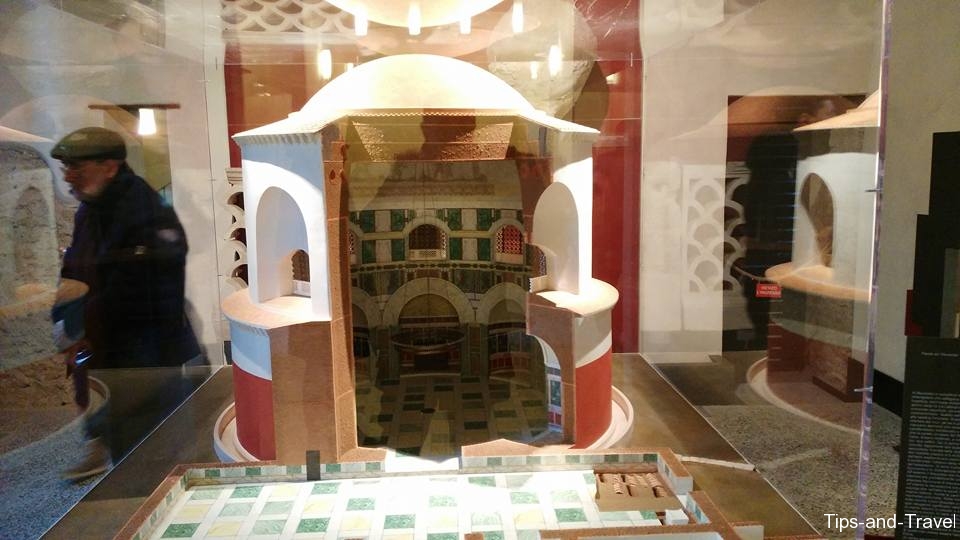
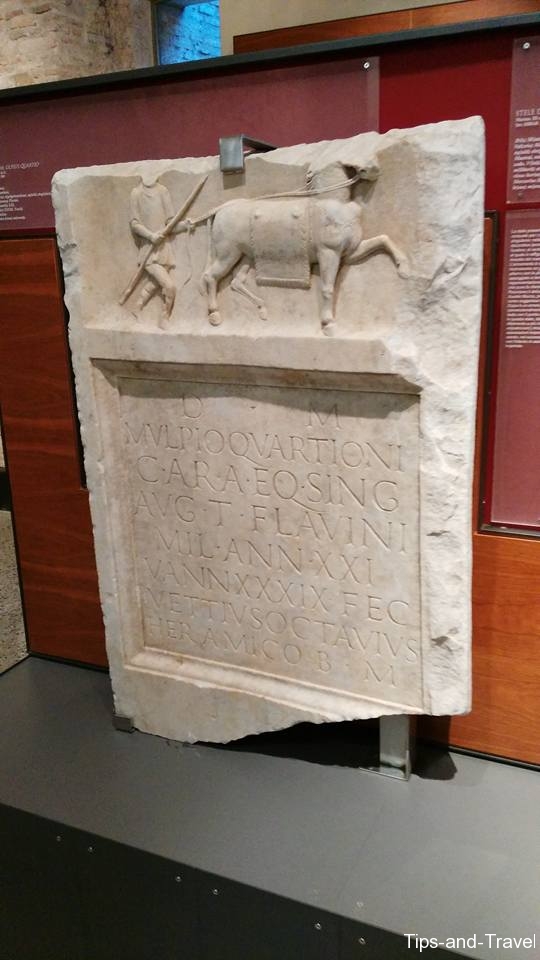
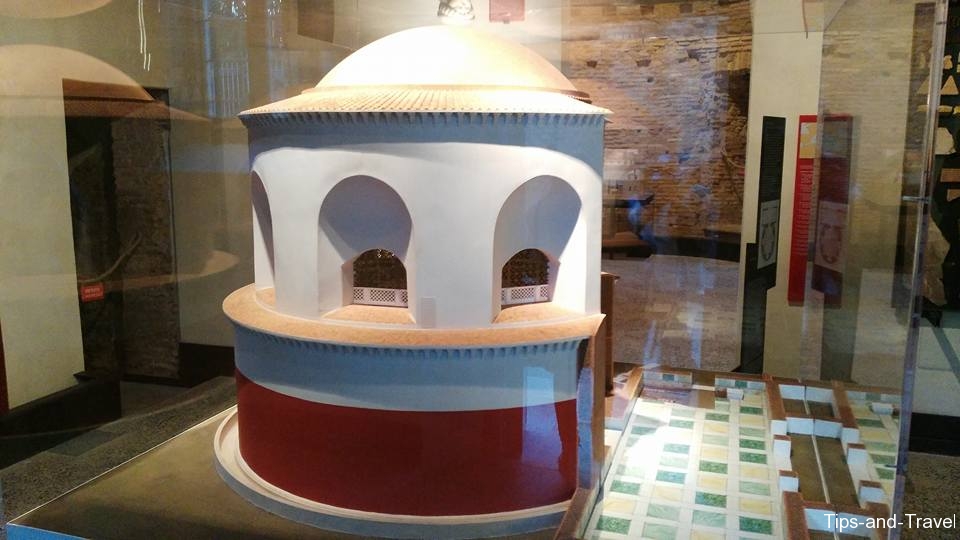
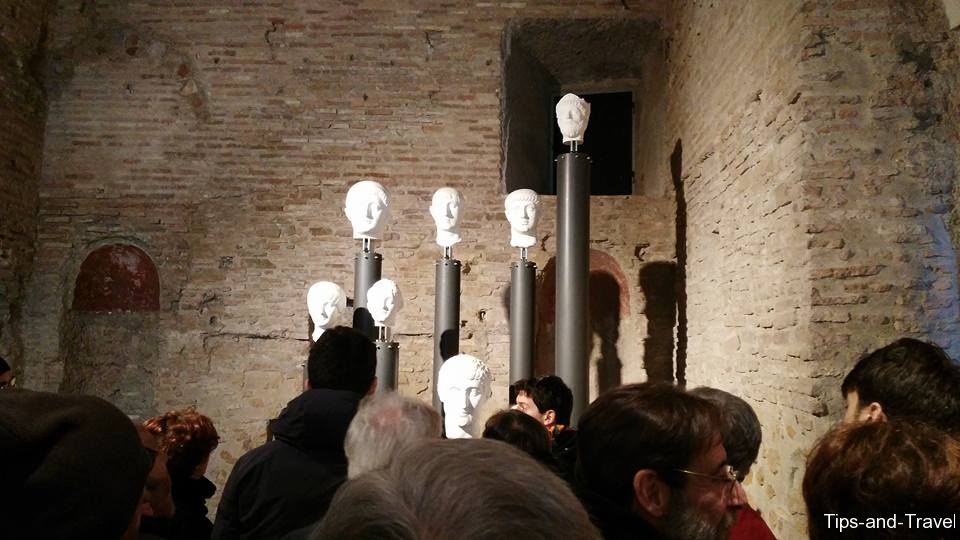
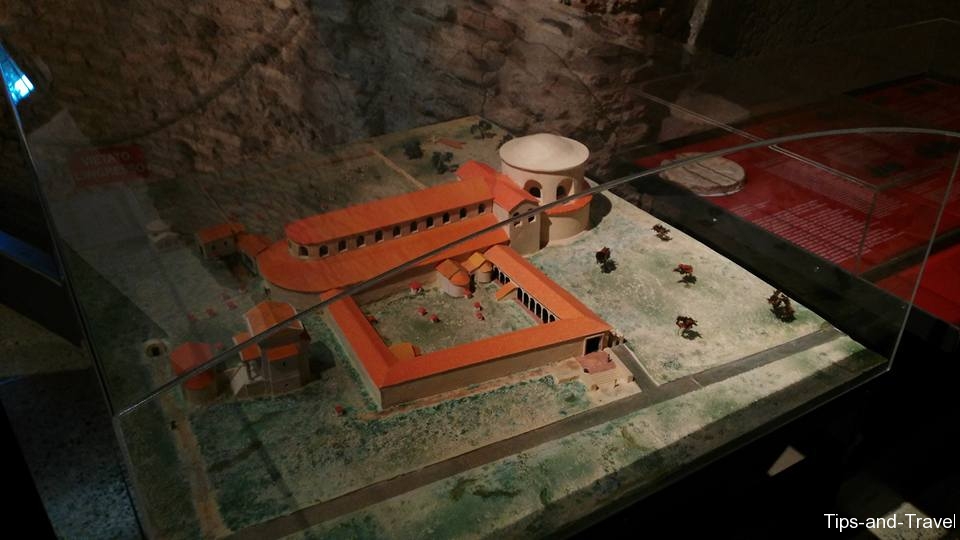
The Mausoleum of Elena is a monument of Roman times, which is along the Via Casilina in Rome and is the third mile of the ancient Via Labicana; part of a complex of historic buildings from the late imperial times. Built between 326 and 330 in the time of Emperor Constantine I, it was supposed to be his own tomb, but it was eventually used for his mother Elena, who died in 328. This area was a cemetery of the Singulares Equites (cavalry corps of the Roman army). The monument has kept the grave of Elena until the eleventh century, when the coffin was carried into the church of the Lateran (now preserved in the Vatican Museums). The original height of the monument was 25 meters, but today it is only 18 meters; it is a building with a circular plan. There is a lower cylinder of octagonal shape with recesses; one of which was the entrance, and an upper cylinder, smaller, with eight arched windows and a dome that to lighten its weight, empty amphoraes were included in the construction(in Italian ‘Pignatte’) now visible due to the collapse of time and this is why it is called Tor Pignattara (meaning Tower of amphoraes) and the surrounding area is also known under this name.
Tips

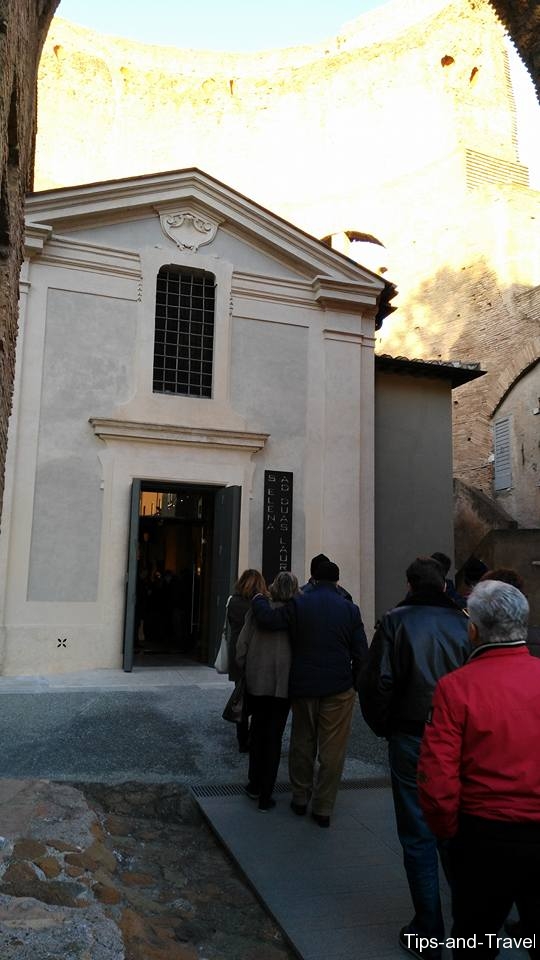
You can get to the mausoleum by the street of San Marcellino (adjacent to the church of Saint Peter and Marcellinus in Duas Lauros).
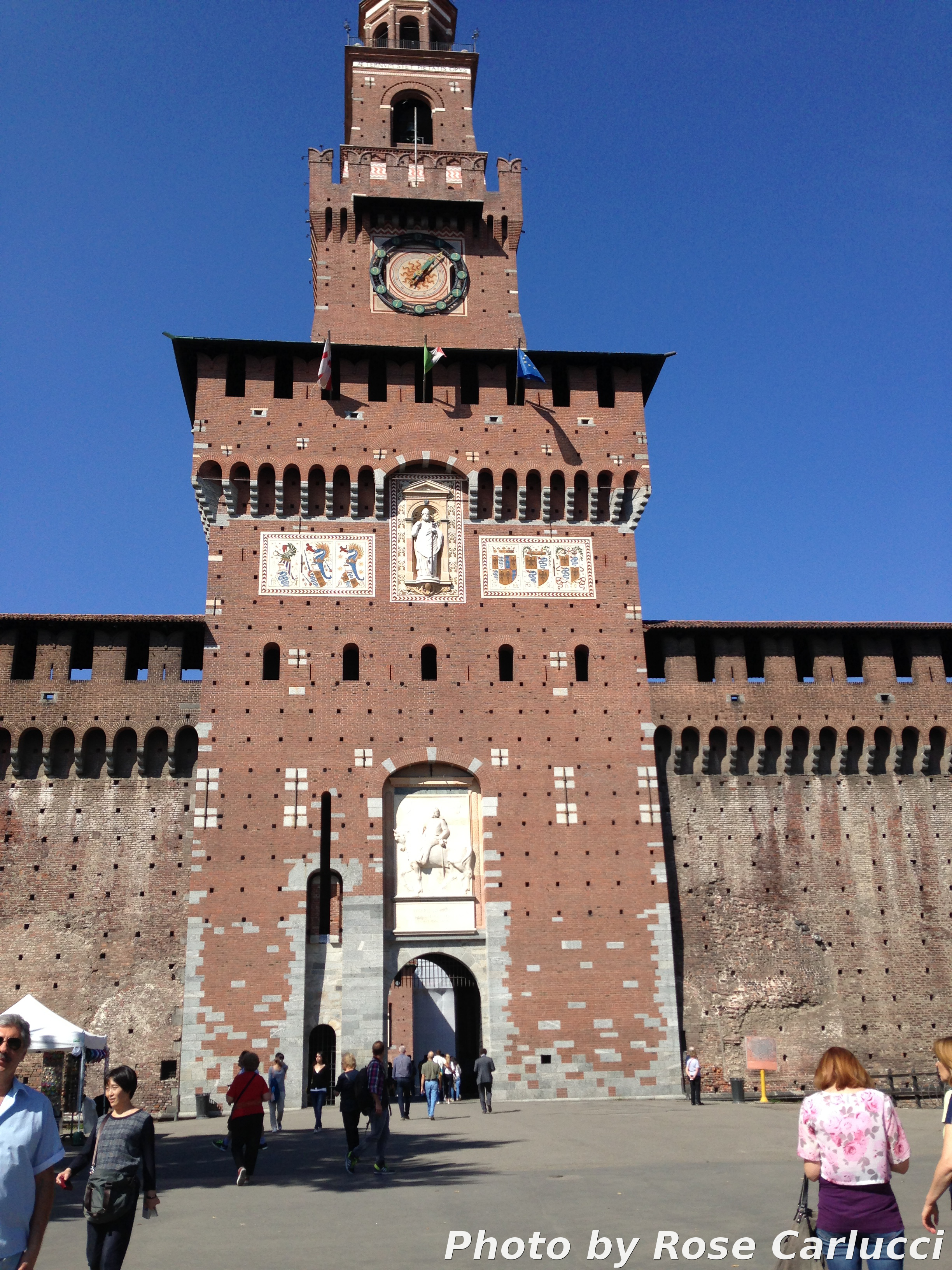
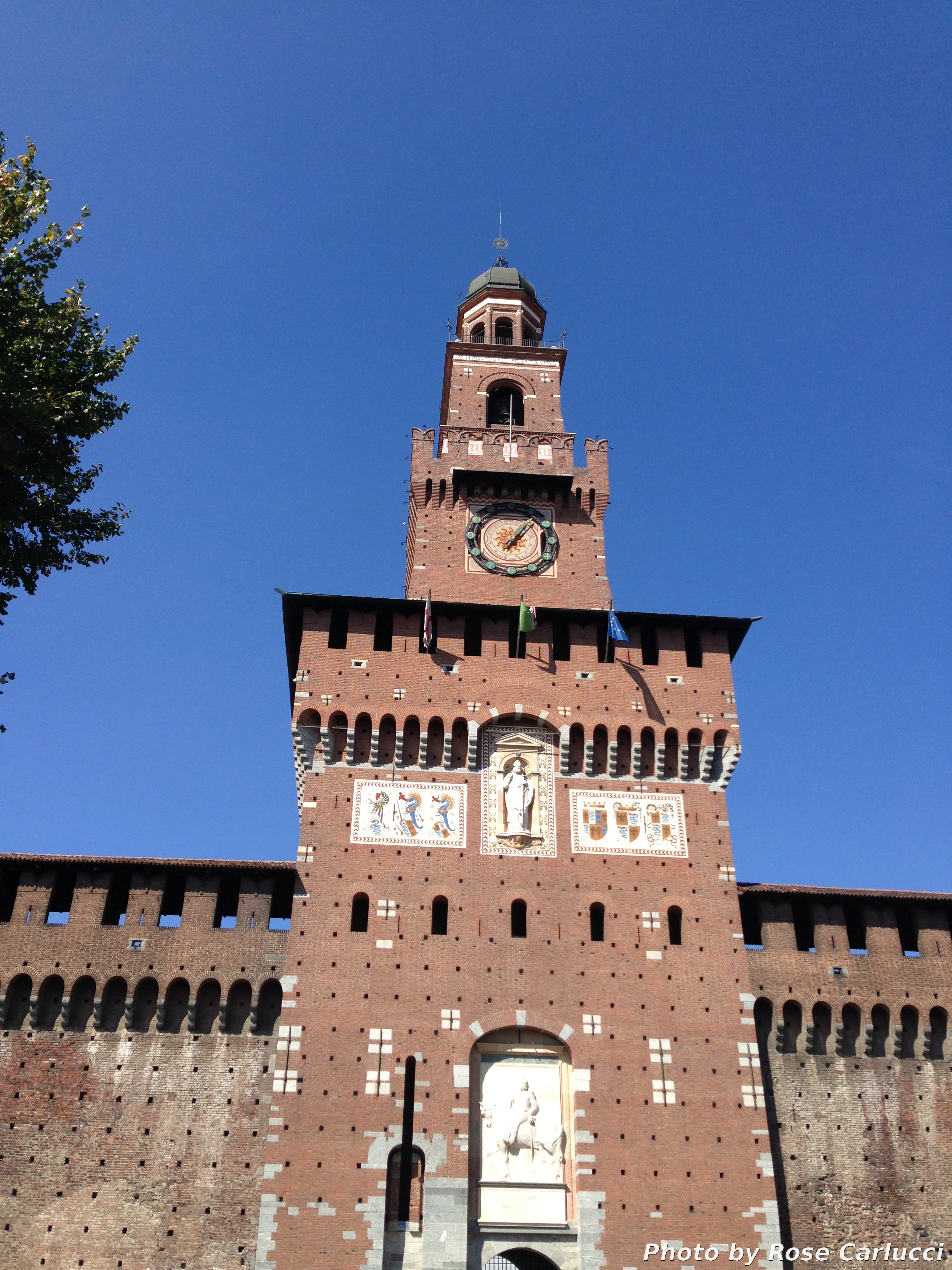
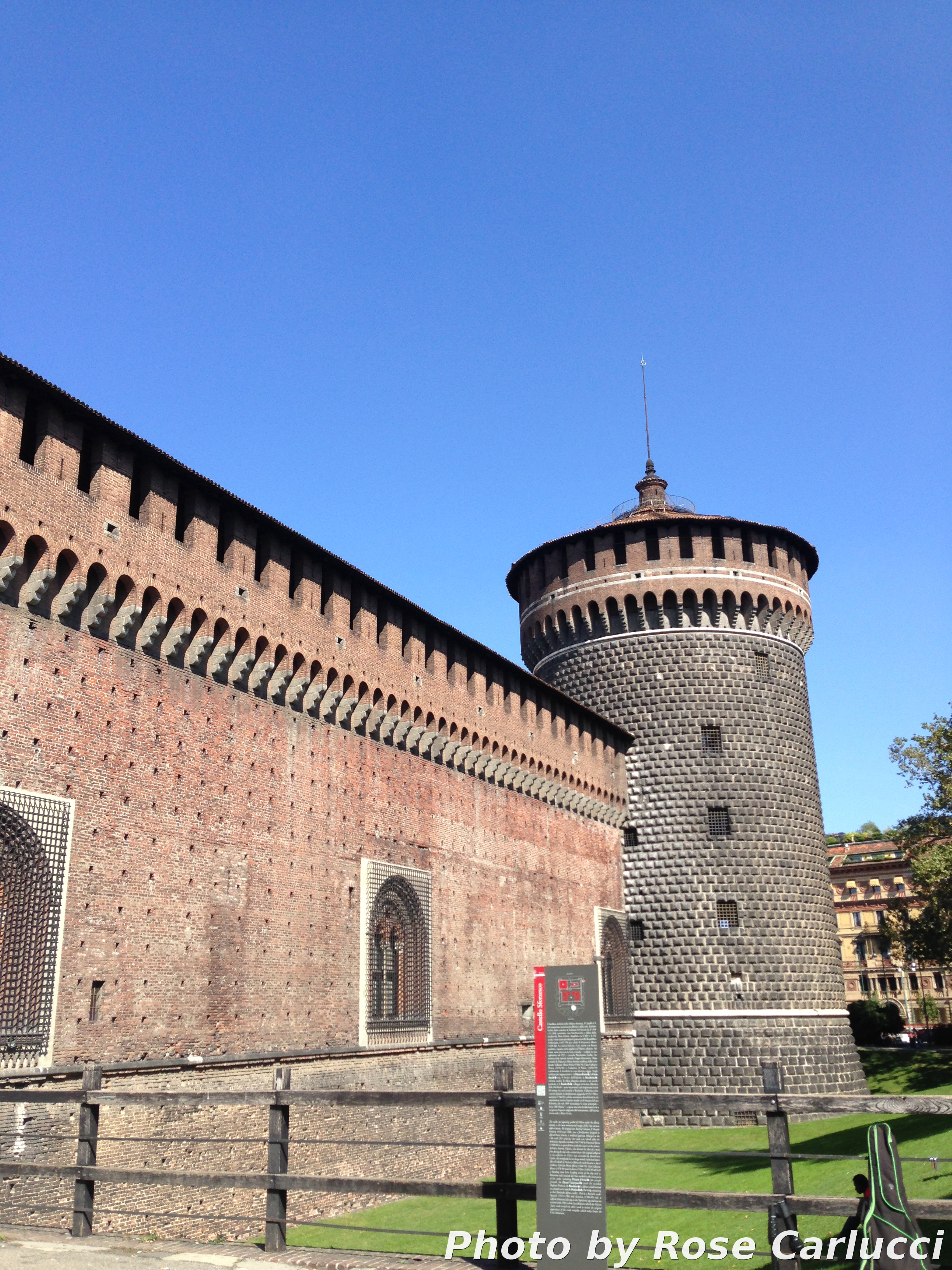
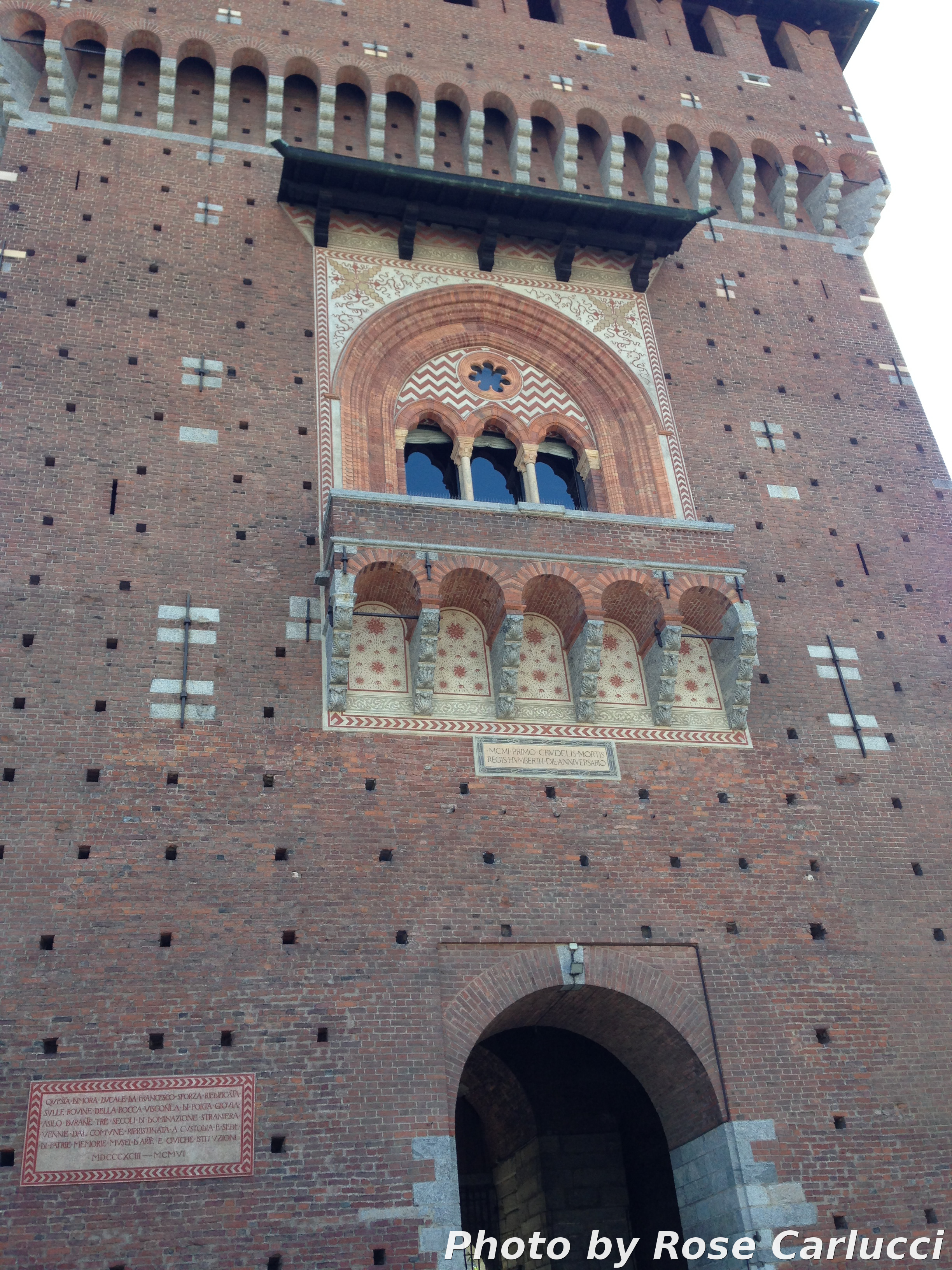
Sforza Castle, Milan, Italy

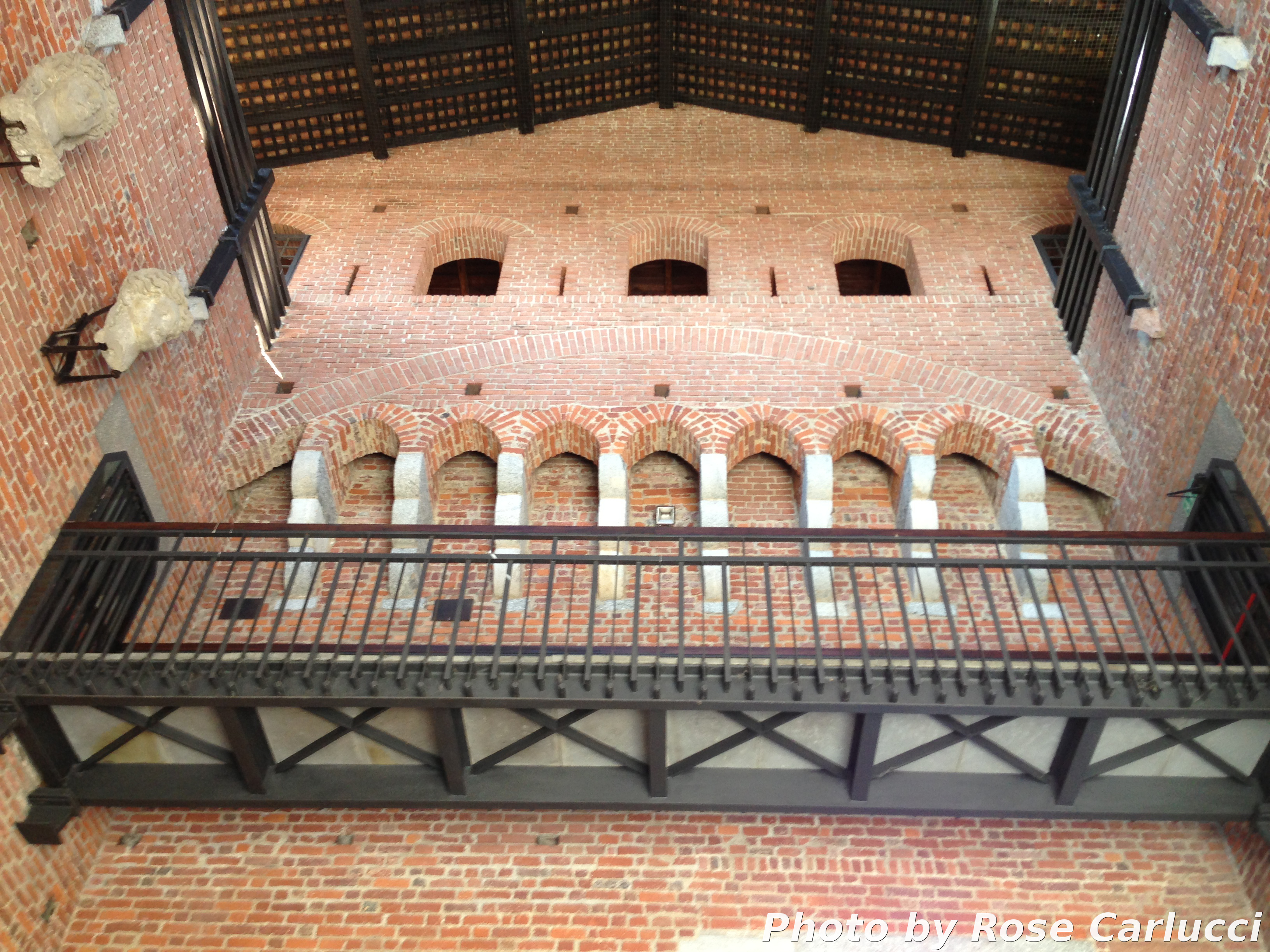
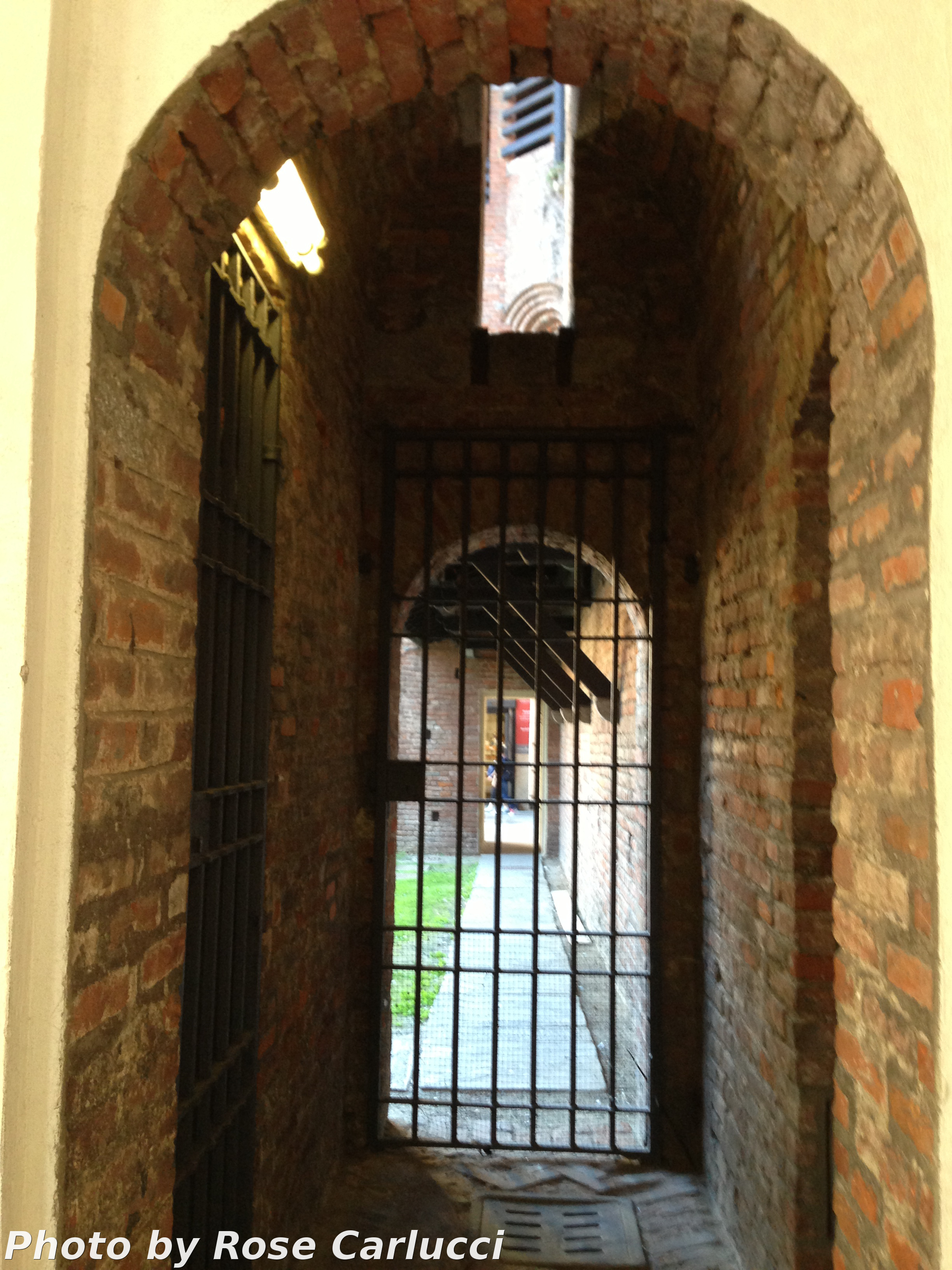
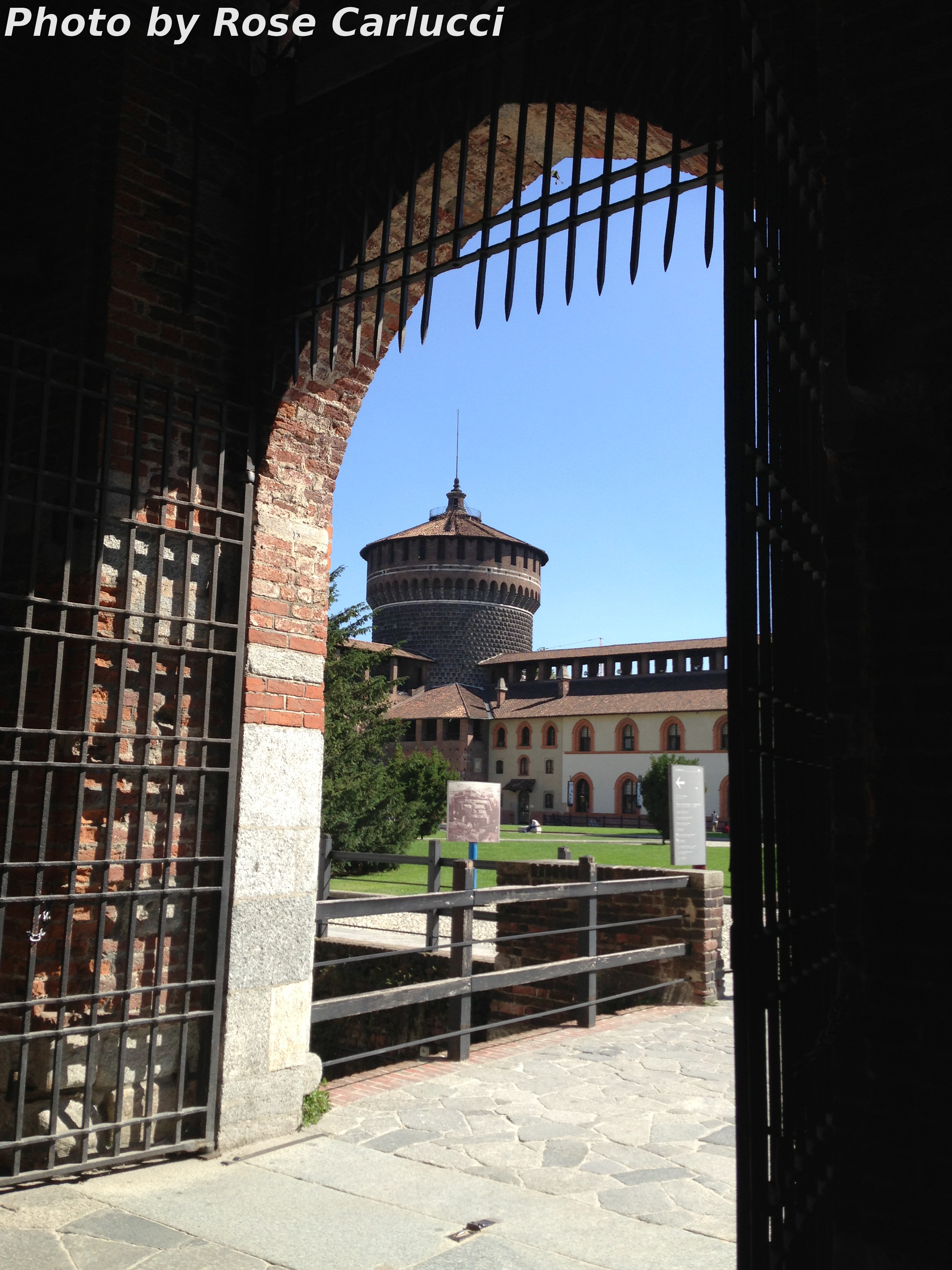
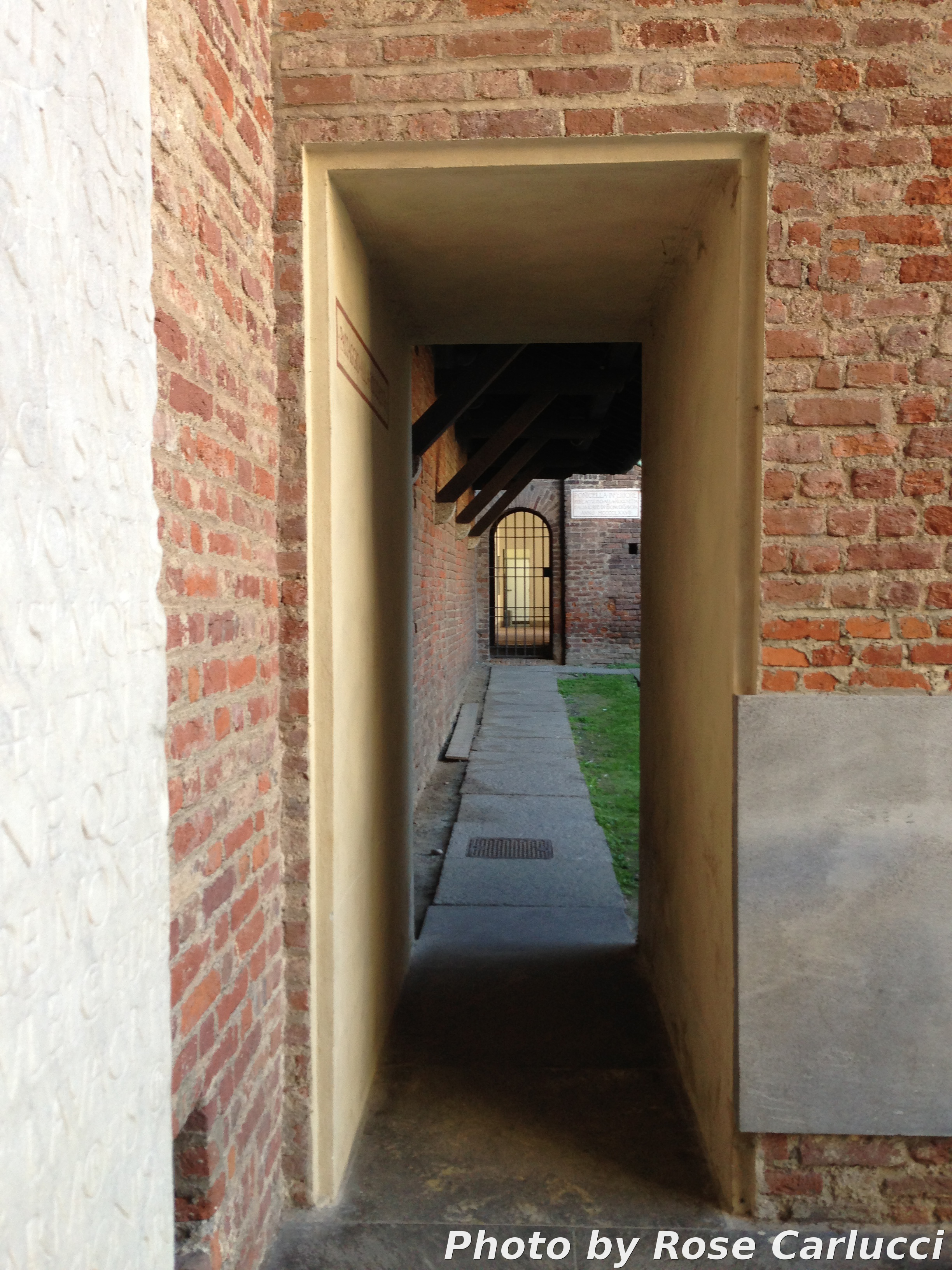
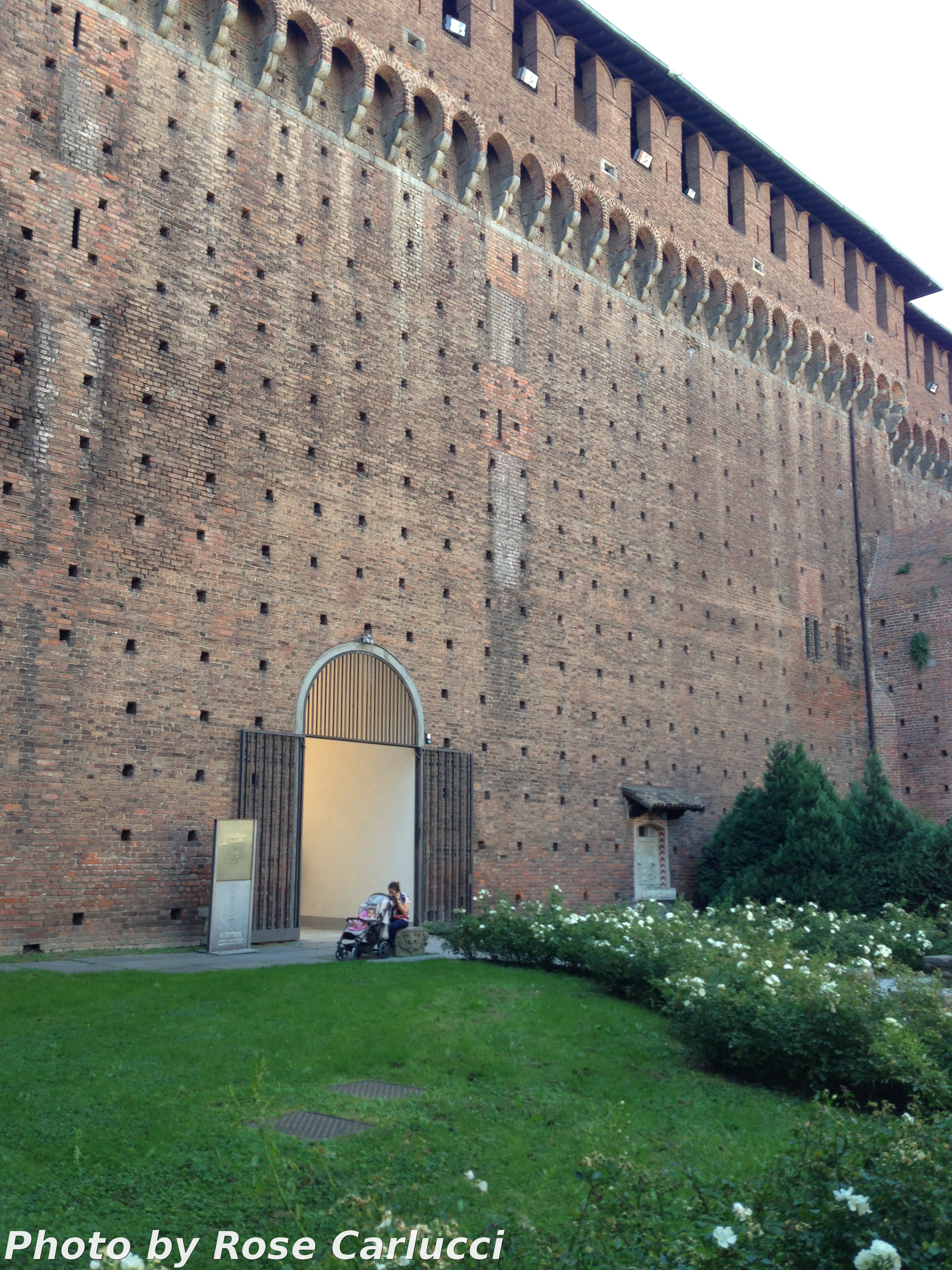
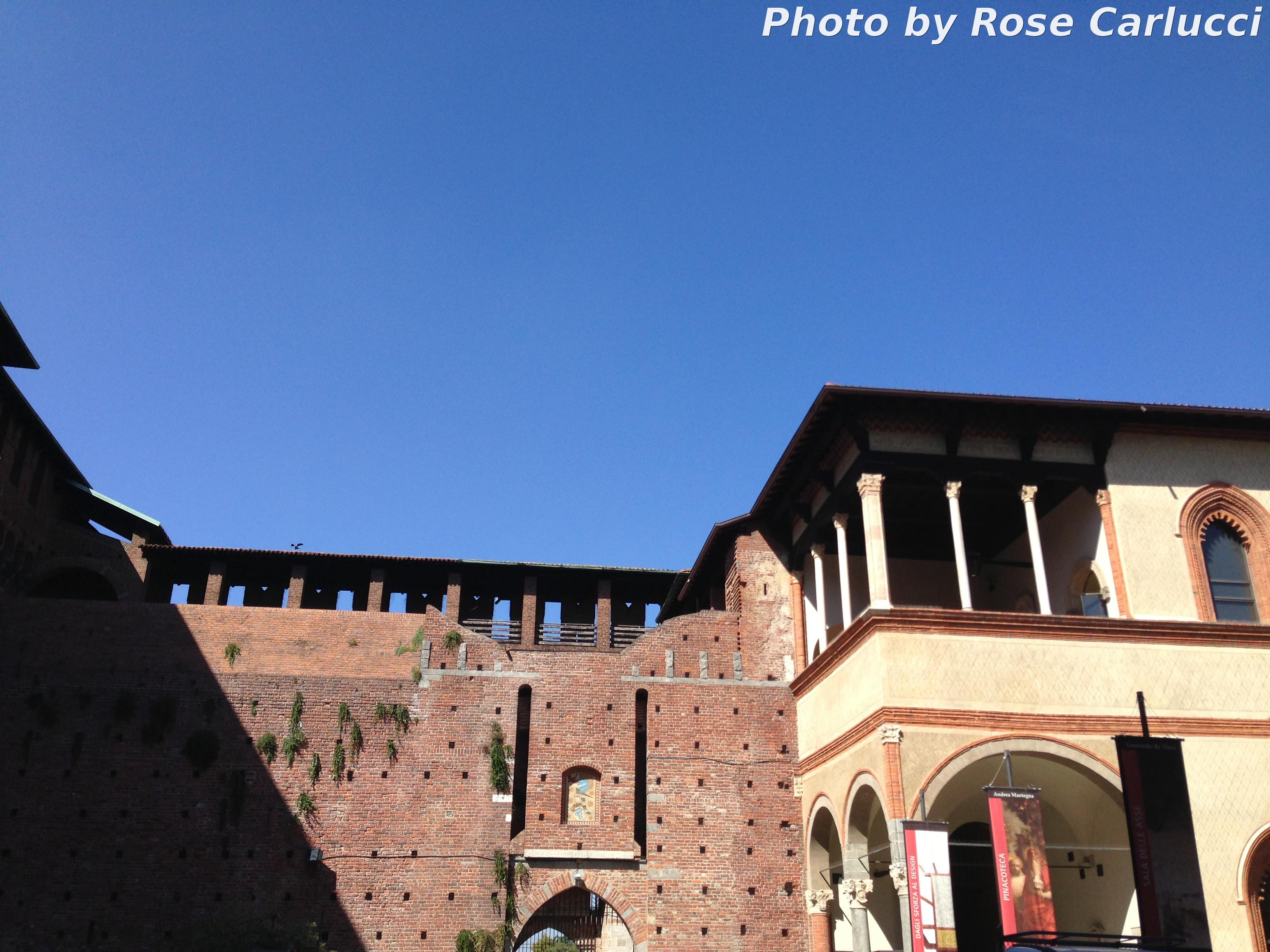
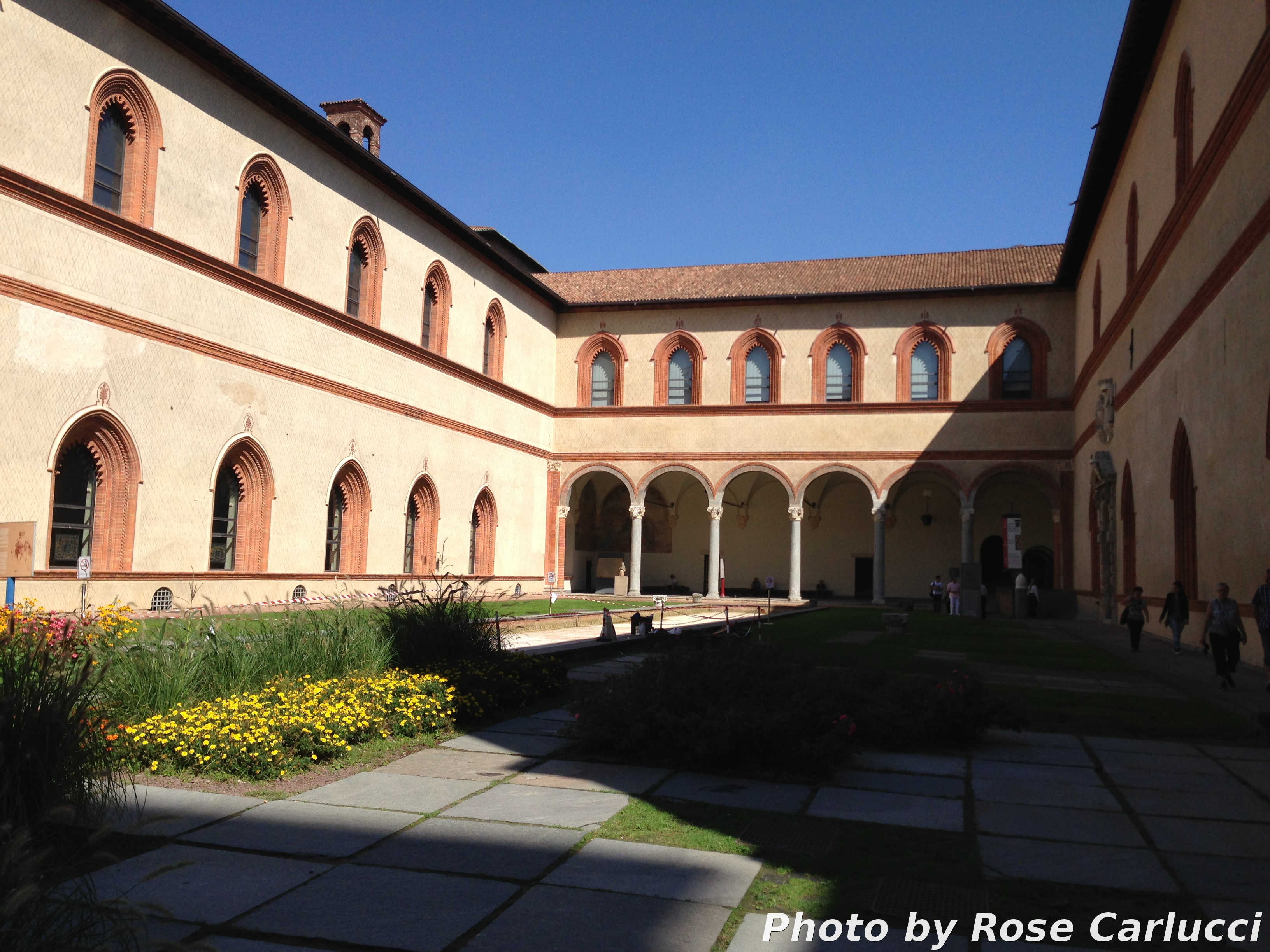
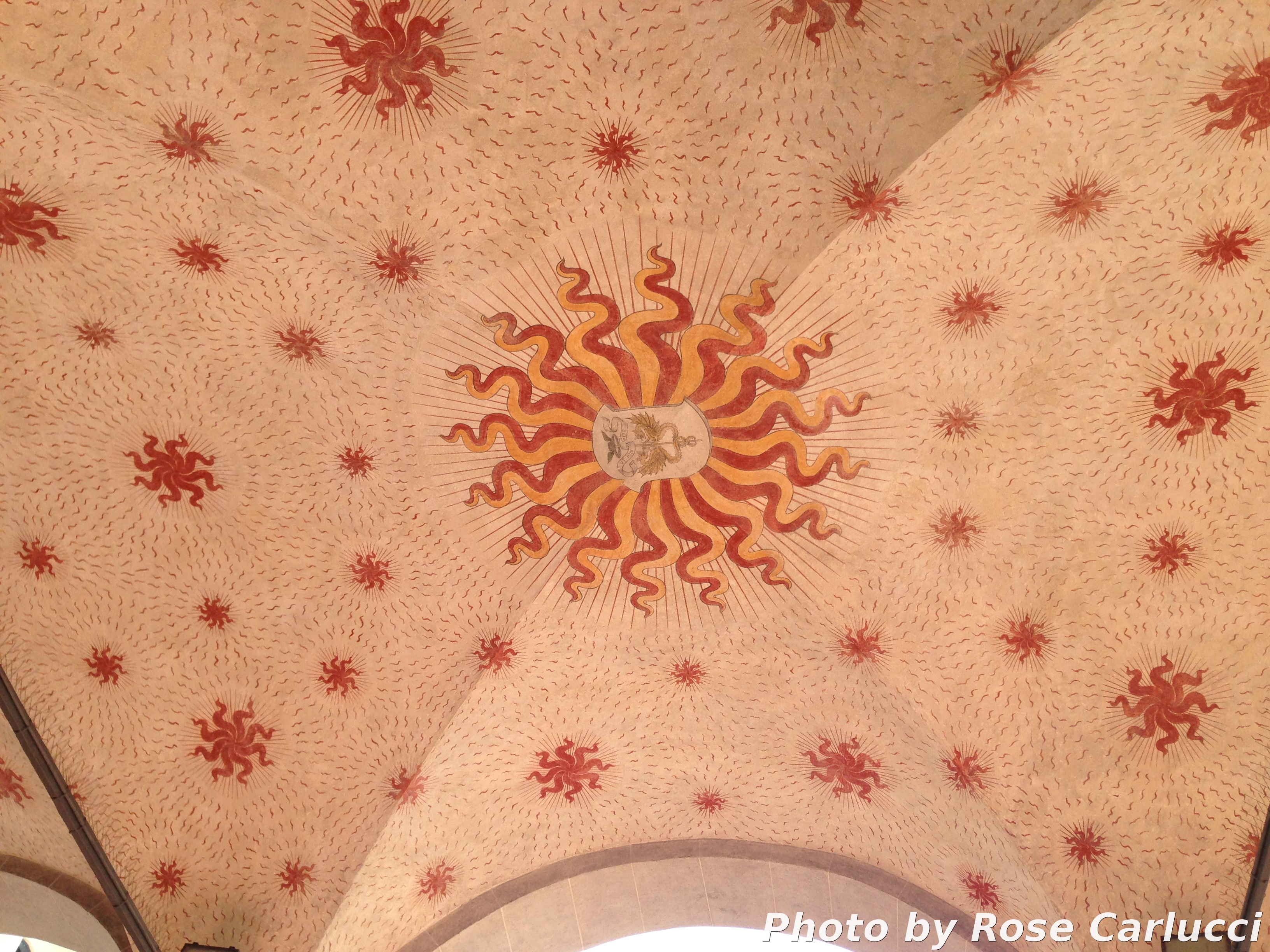
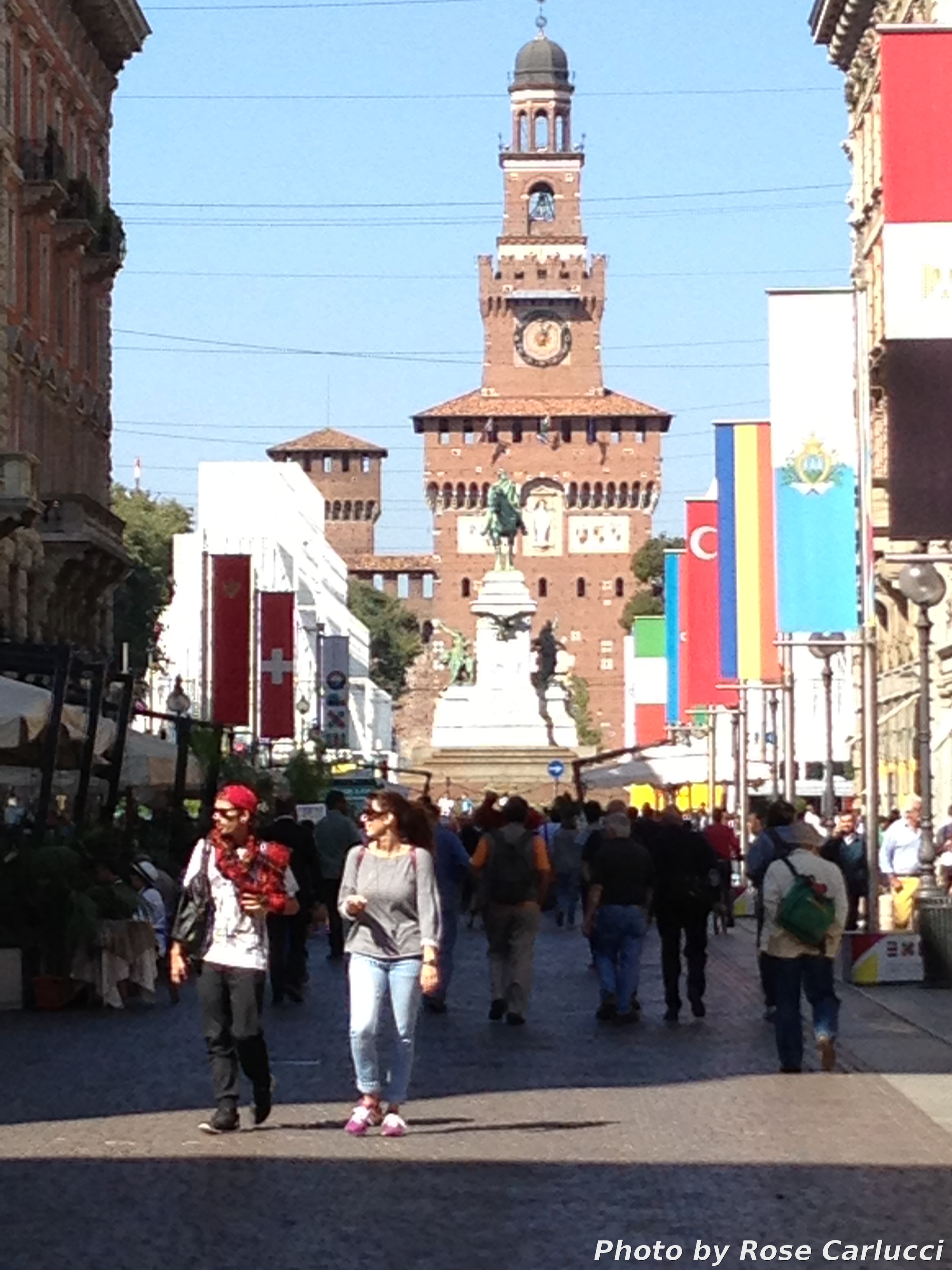
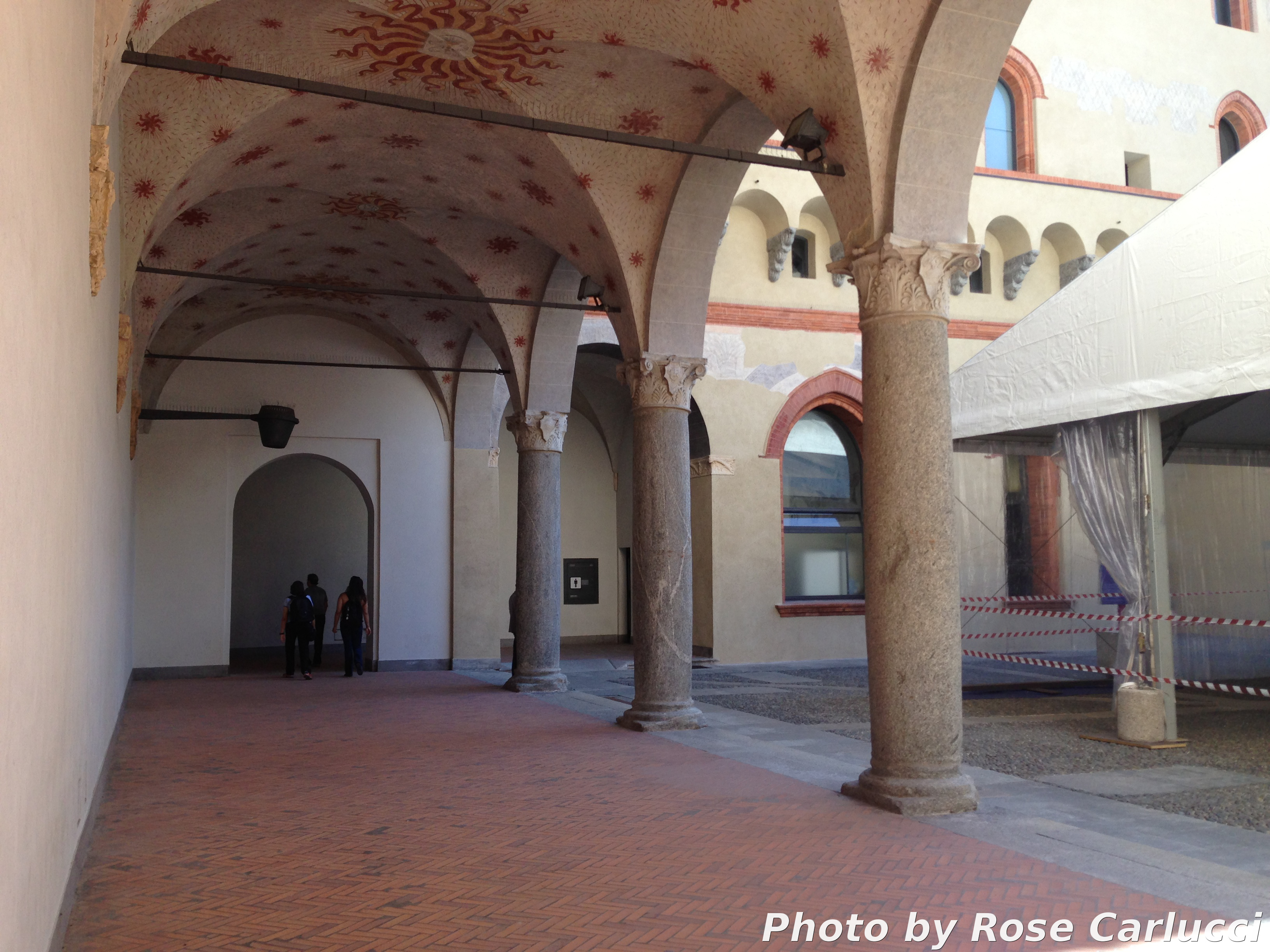
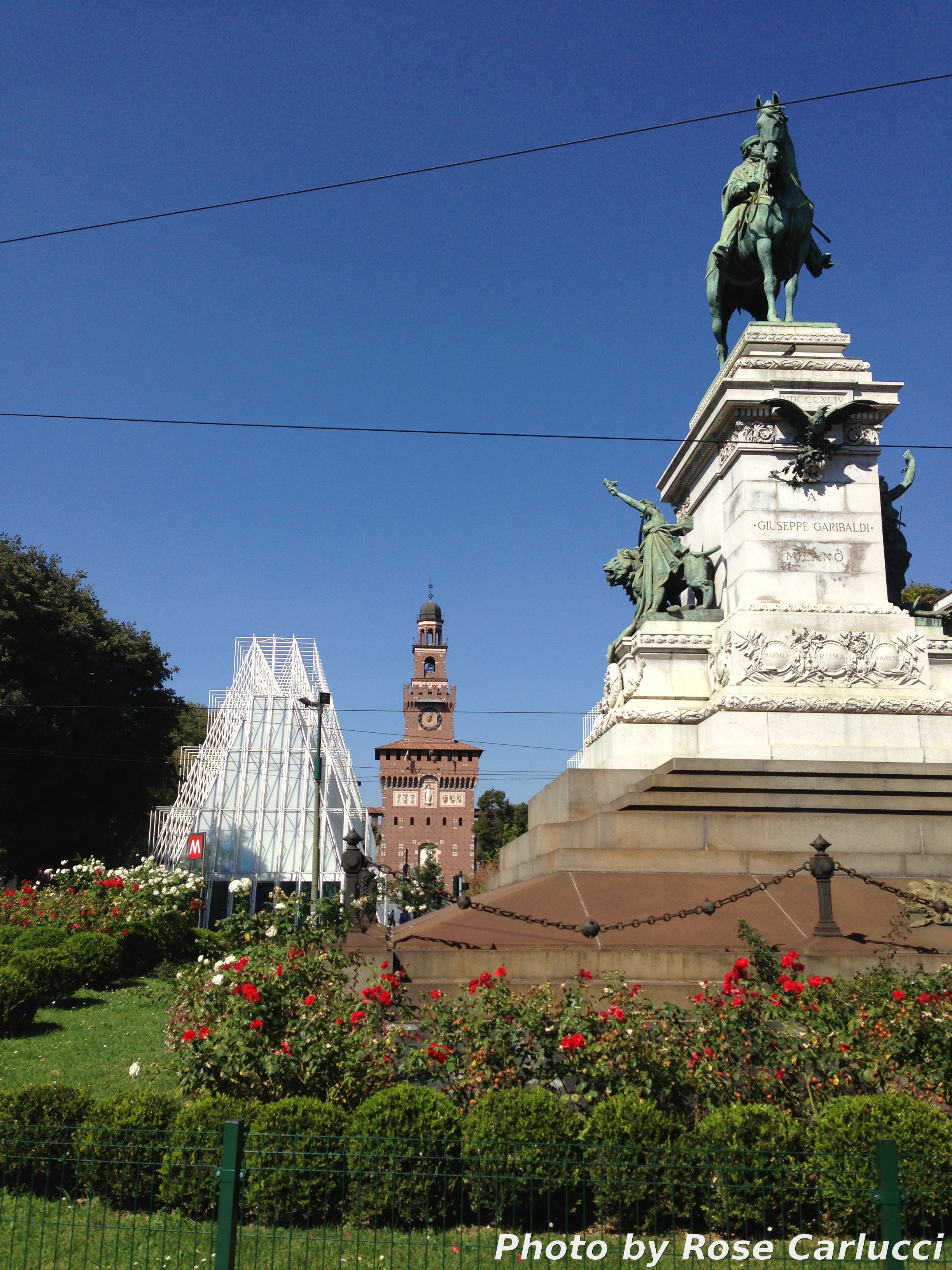
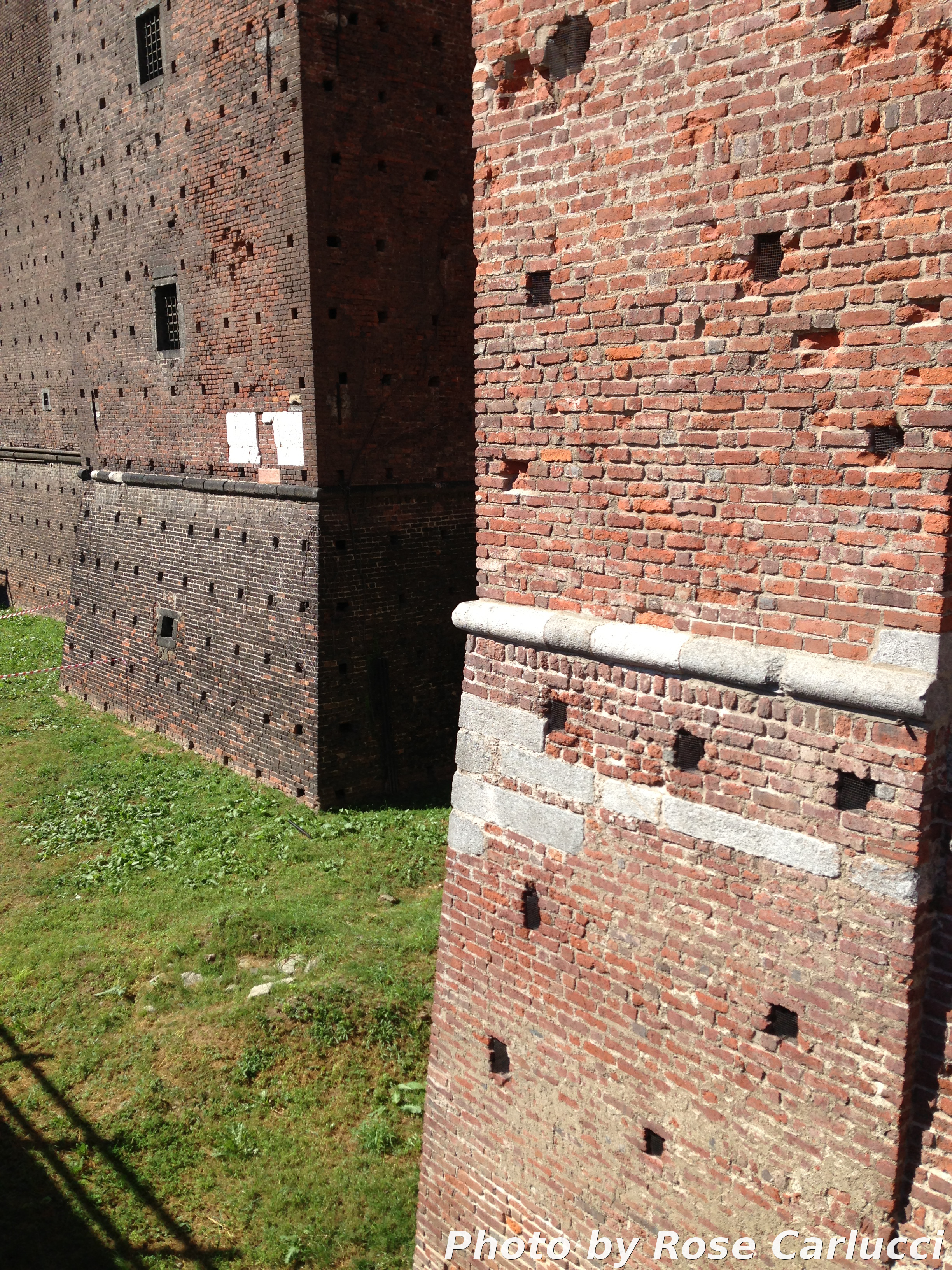
The Sforza Castle, located in the centre of Milan in Italy, is a fortress built by Francesco Sforza, Duke of Milan, on the ruins of a citadel built in the same place by Galeazzo Visconti in the XVcentury. It’s a square, surrounded by moats, and flanked on the side of town, of two round towers, which housed tanks of water with a vast field of maneuver for which they were joined and on the campaign side (at that time) of the Ducal Court and two square towers and the Rocchetta, a fortress inside the fortress, where the Duke lived. The castle was divided into two parts, separated by a ditch (fosso morto). It retained the ducal Treasury in the Tower Castellana and in the Filarète Tower, they stored gunpowder but in 1521 it was destroyed by an explosion. The great artists of the time embellished the castle; Leonardo da Vinci painted the tangle of trunks of trees of the Asse room; Bramantino with its ‘Argos’ for the treasure room and Bramante designed a covered walkway linking the apartments of the Duke to the external walls (Ponticella di Ludovico the Moro). In 1535, after the death of Francesco II Sforza, Milan came under Spanish domination. A star-shaped fortification was built around the castle. It was destroyed during the Napoleonic occupation (1802-1814). From 1815, the Sforza castle served as barracks for the Austrian troops. During the five days of the insurgency against the Austrian occupation (18-22 March 1848), the Austrian general Radetzky opened fire on insurgents from the castle. In 1893, the military authorities gave the Sforza castle to the municipality of Milan, which had planned to demolish it but thanks to Luca Beltrami, the castle was saved. The restoration he undertook was intended to make the castle a museum and a cultural institution. The funds of the museum consisted of donations made by rich Milanese families and the communal fund. Following a bomb in 1943, the castle has been restored again.
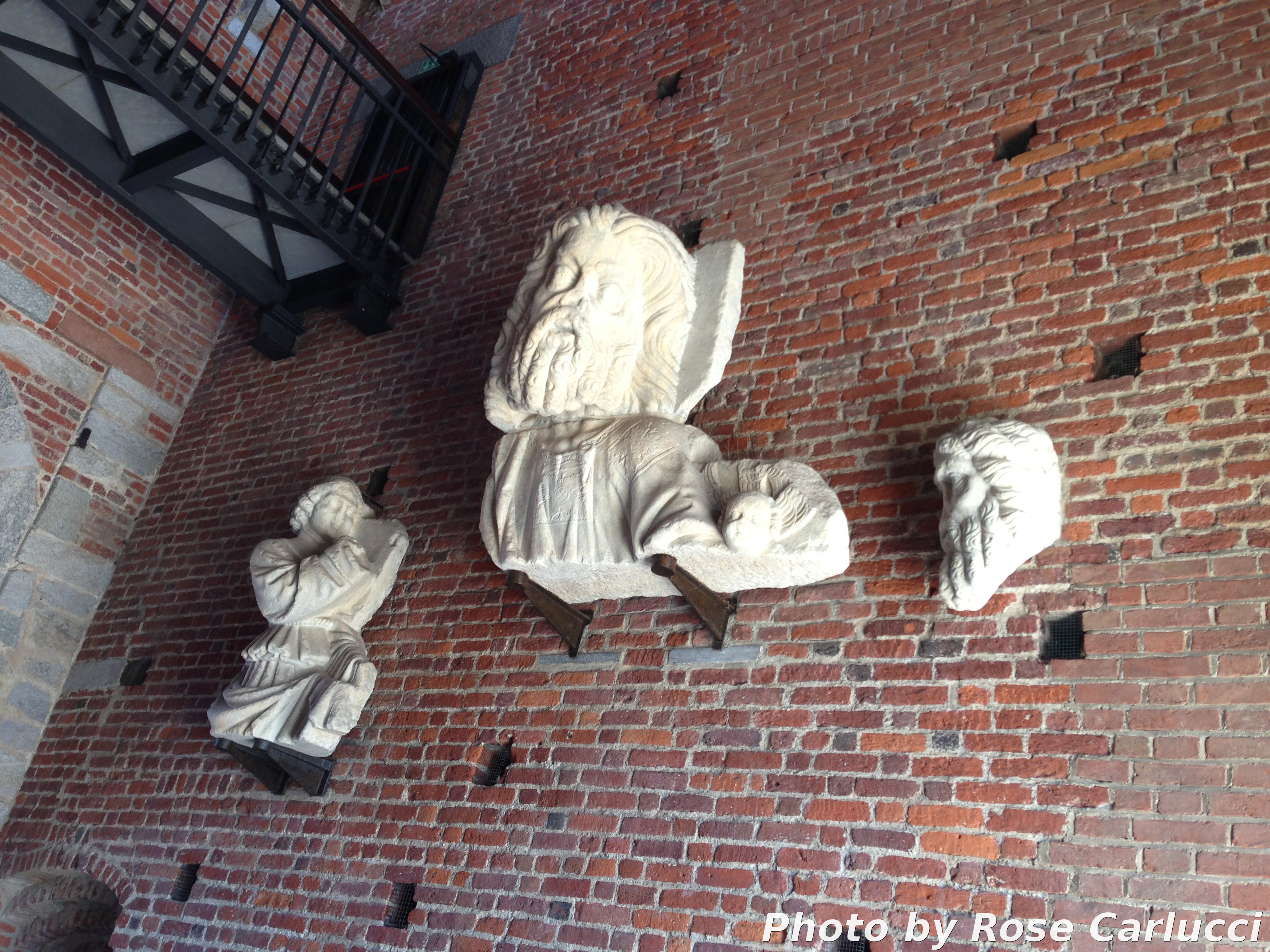
Today it houses the ‘Sforzeschi’ museums, including the Museum of musical instruments, the sculpture Museum and the Pinacoteca. Thanks to Trivulziana library, the castle is a unique repository of archives, manuscripts and books.

Tips

Access is free but if you want to enter to the museums, you will have to pay a ticket.
As it is located in Milan downtown, you can easily walk to visit it. It is in line with the Duomo (Cathedral).