Colossus of St. Charles Borromeo, Arona, Italy

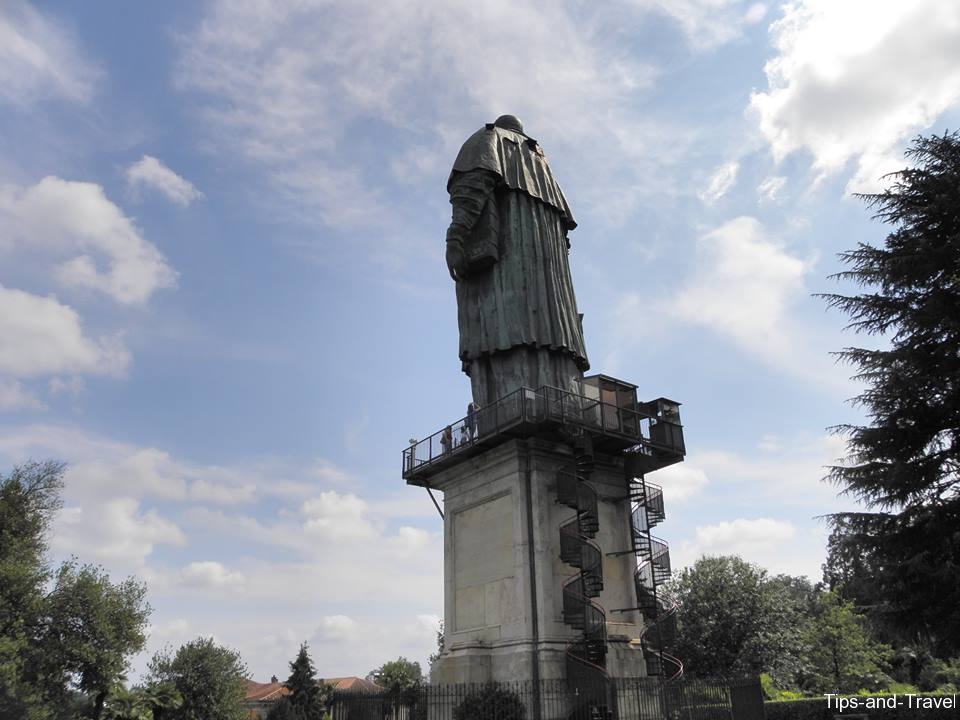
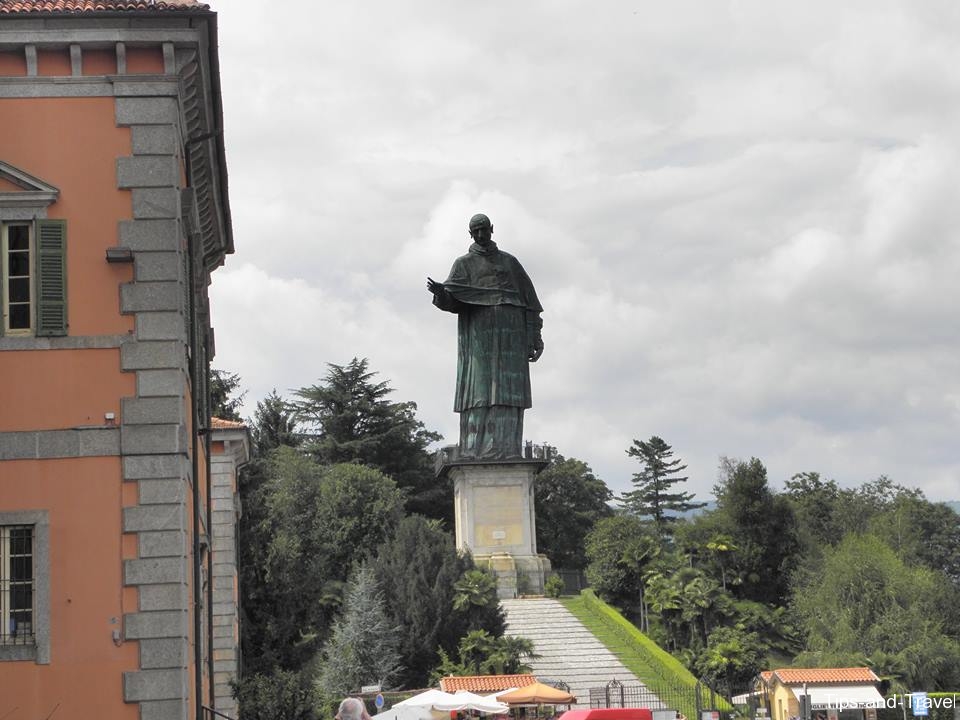
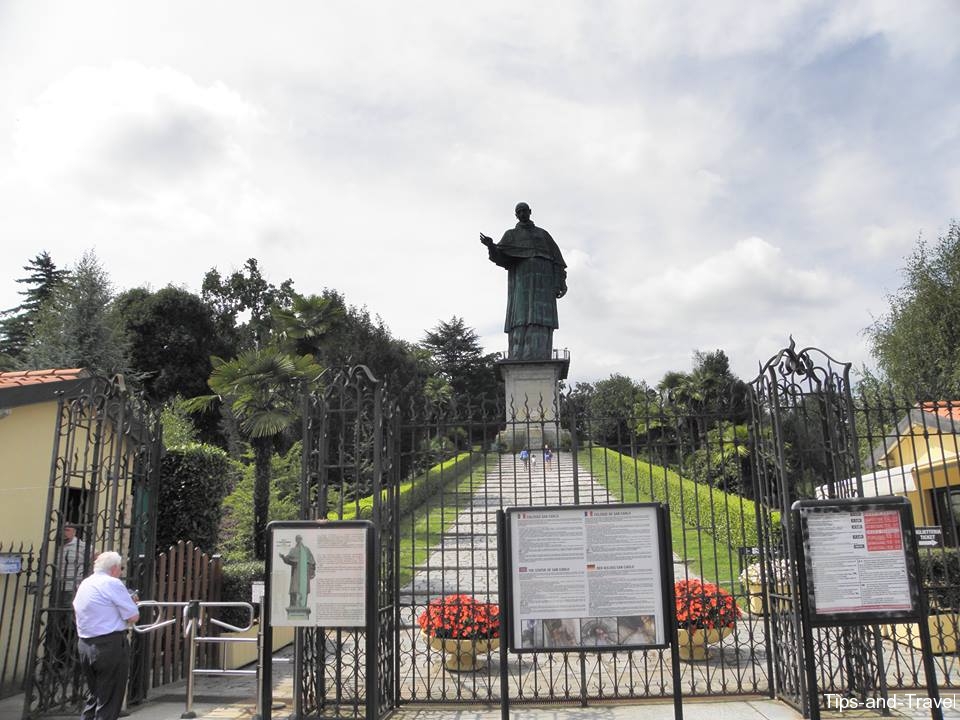
The Colossus of St. Charles Borromeo (said Sancarlone) is a statue of over 30 meters high located in Arona on the Sacro Monte of San Carlo, considered a symbol of the city. San Carlo Borromeo was born on October, 2nd, 1538 in Rocca di Arona and in 1565 he became archbishop of Milan and he gave material and spiritual assistance especially during calamities such as famine and plague. He died in 1584 and was beatified in 1602 and canonized in 1610. In 1624 the works for the construction of a sacred hill and also a huge statue visible from Lake Maggiore which celebrates the memory of the saint, were started. It was designed by Giovanni Battista Crespi and was built with copper sheets hammered and assembled with nails and iron rods while the head and hands were made of bronze; being Bernardo Falconi of Bissone and Siro Zanella of Pavia, the sculptors. In 1698 it was finished and blessed. The statue is 23.40 meters tall, but it has a granite pedestal of 11.70 meters which make it one of the largest statues in the world and the monument can be visited inside. With this statue they wanted to represent the “gigantism in faith.”

Tips

The statue is open to the public, you can climb through a first spiral staircase and then another right as a stepladder to get inside the head of St. Charles. You can pay general access to get to the foot of the statue and enjoy a beautiful panoramic view that it is really worth or add a few euros to go up to the interior top. For children under 6 it’s free.
From Milan you can reach Arona by train on the Milan-Domodossola line.
If you have to wait a few hours to catch a plane, it is a good opportunity to go to know the statue because Malpensa airport is located only 23 km from Arona.

Lake of Orta, Novara, Italy

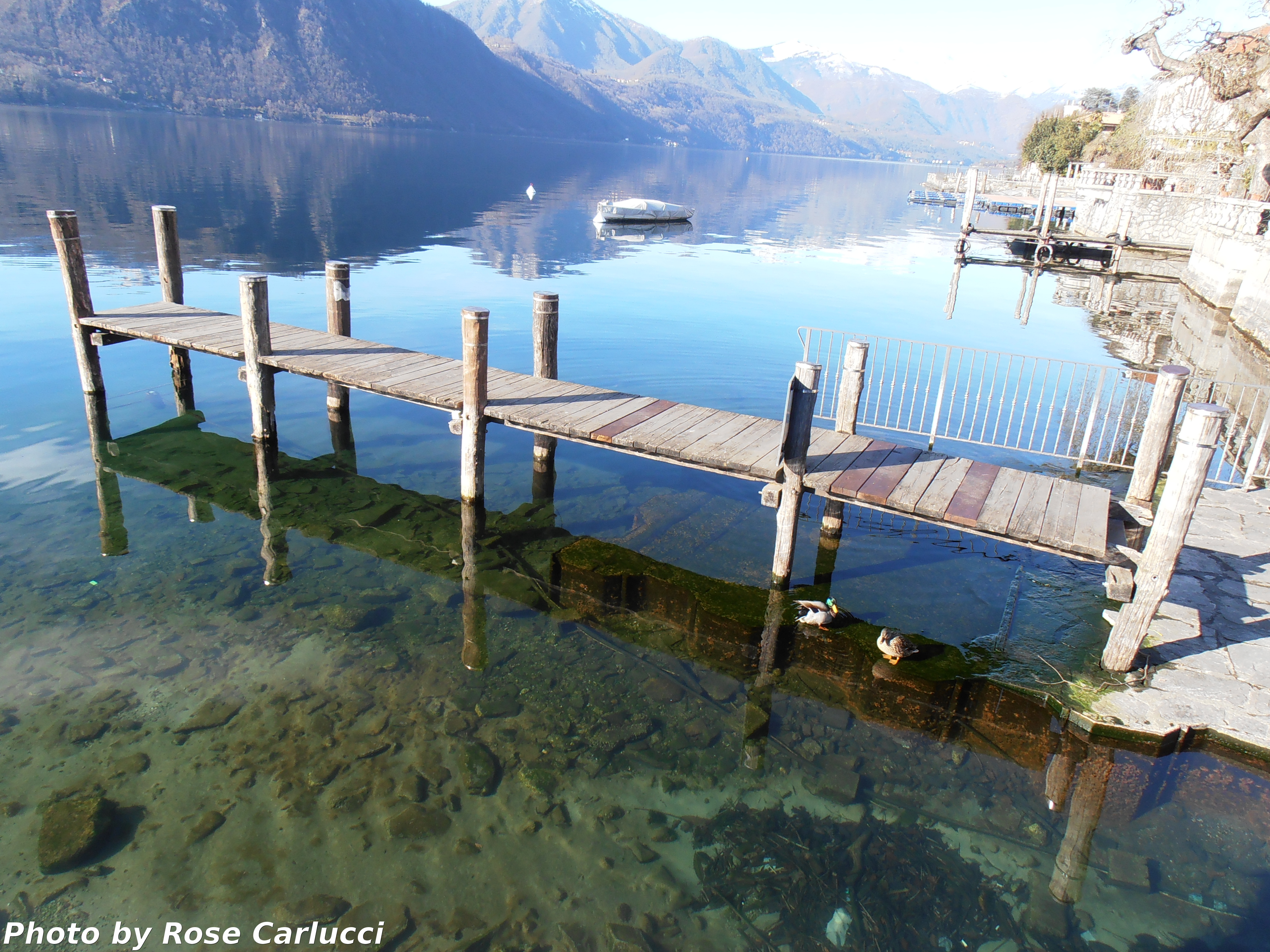
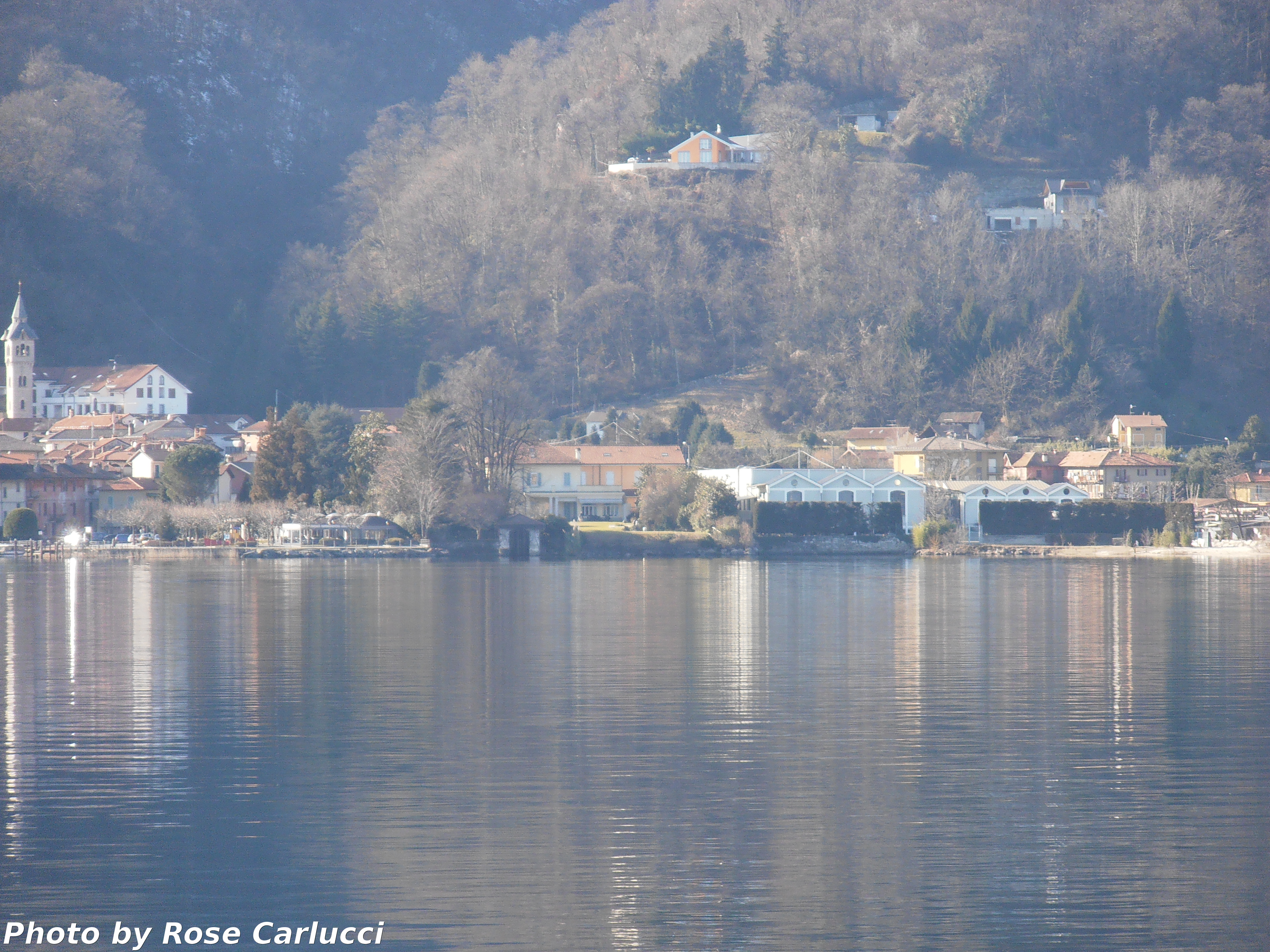
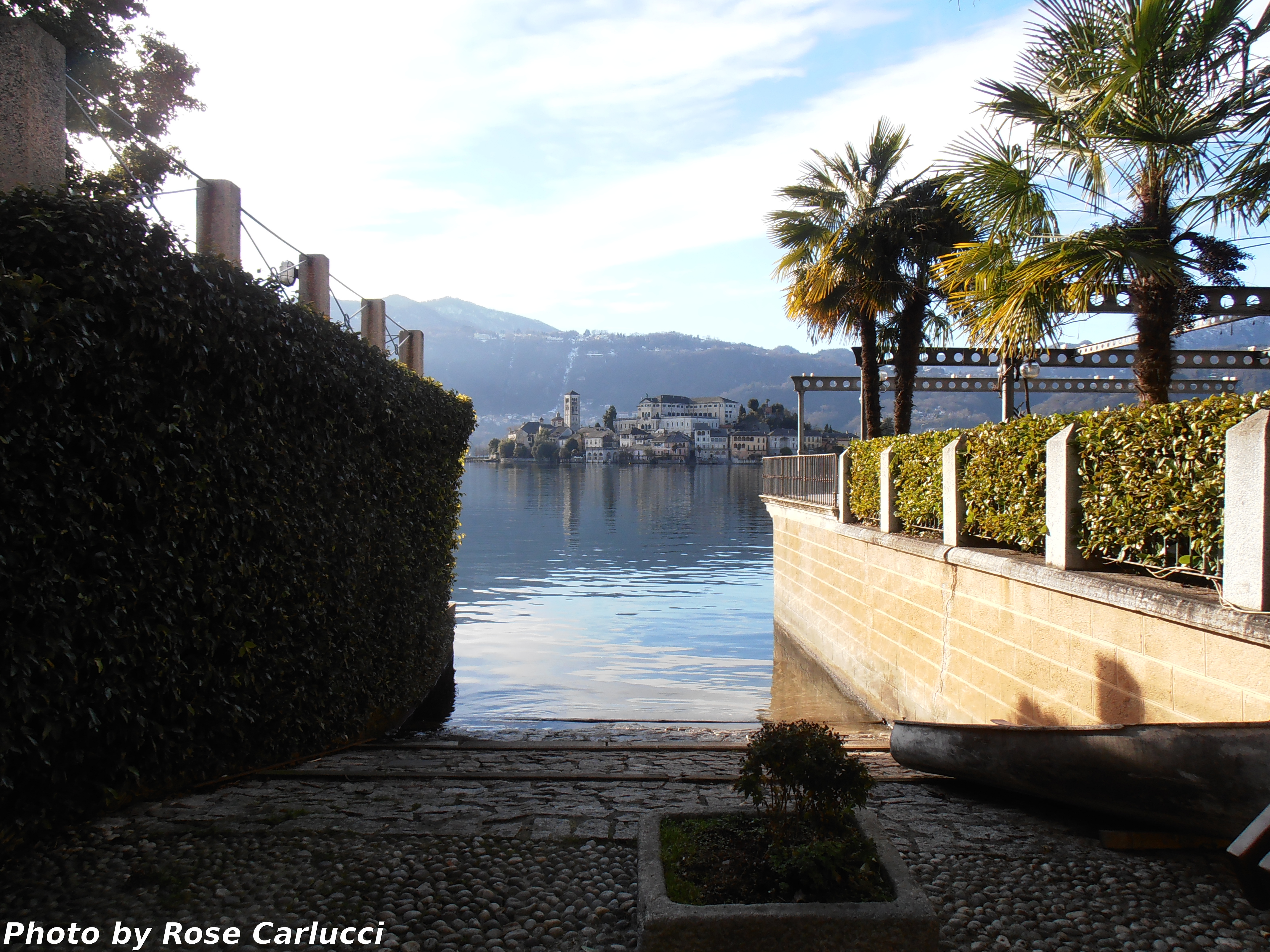
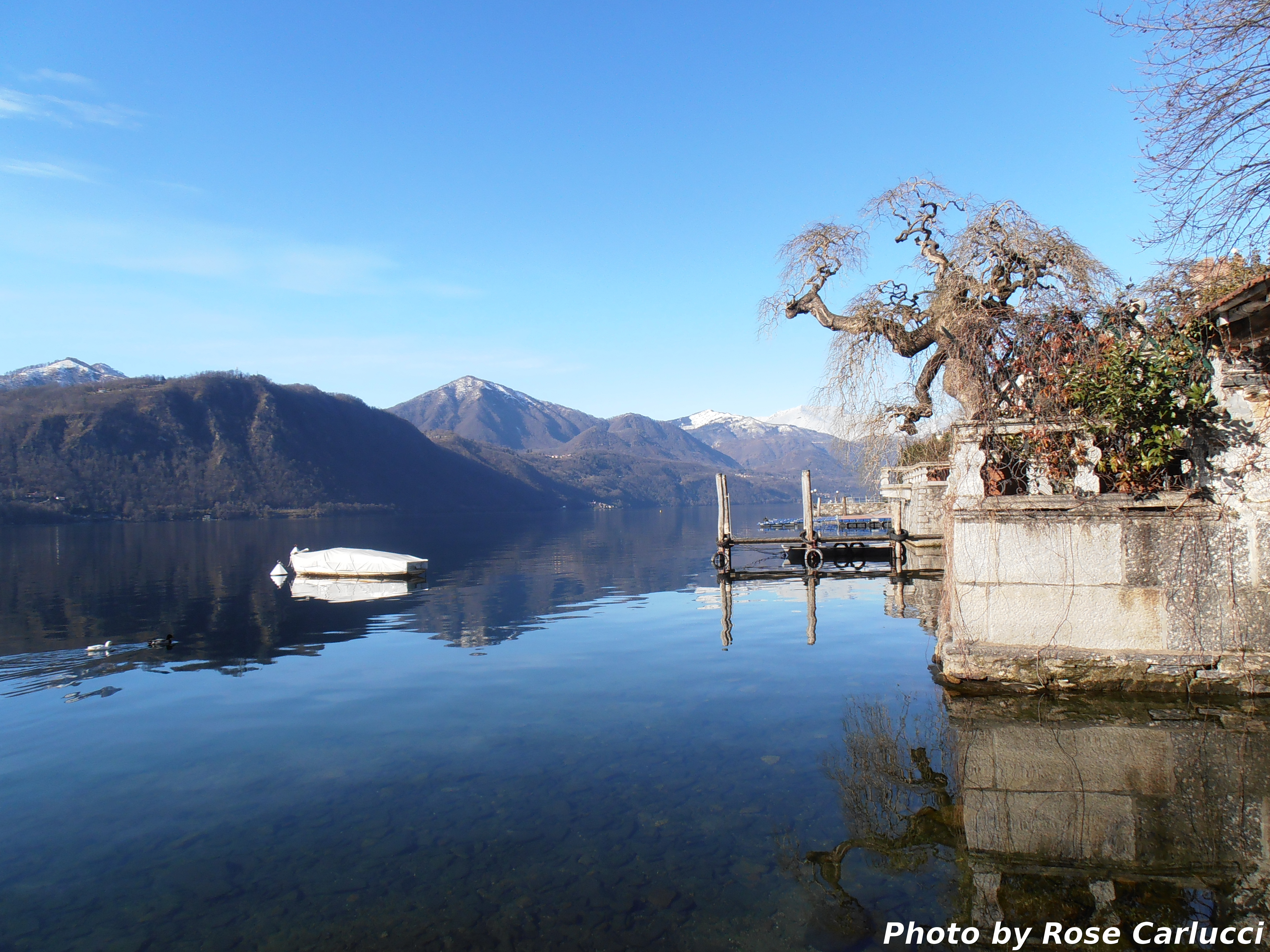
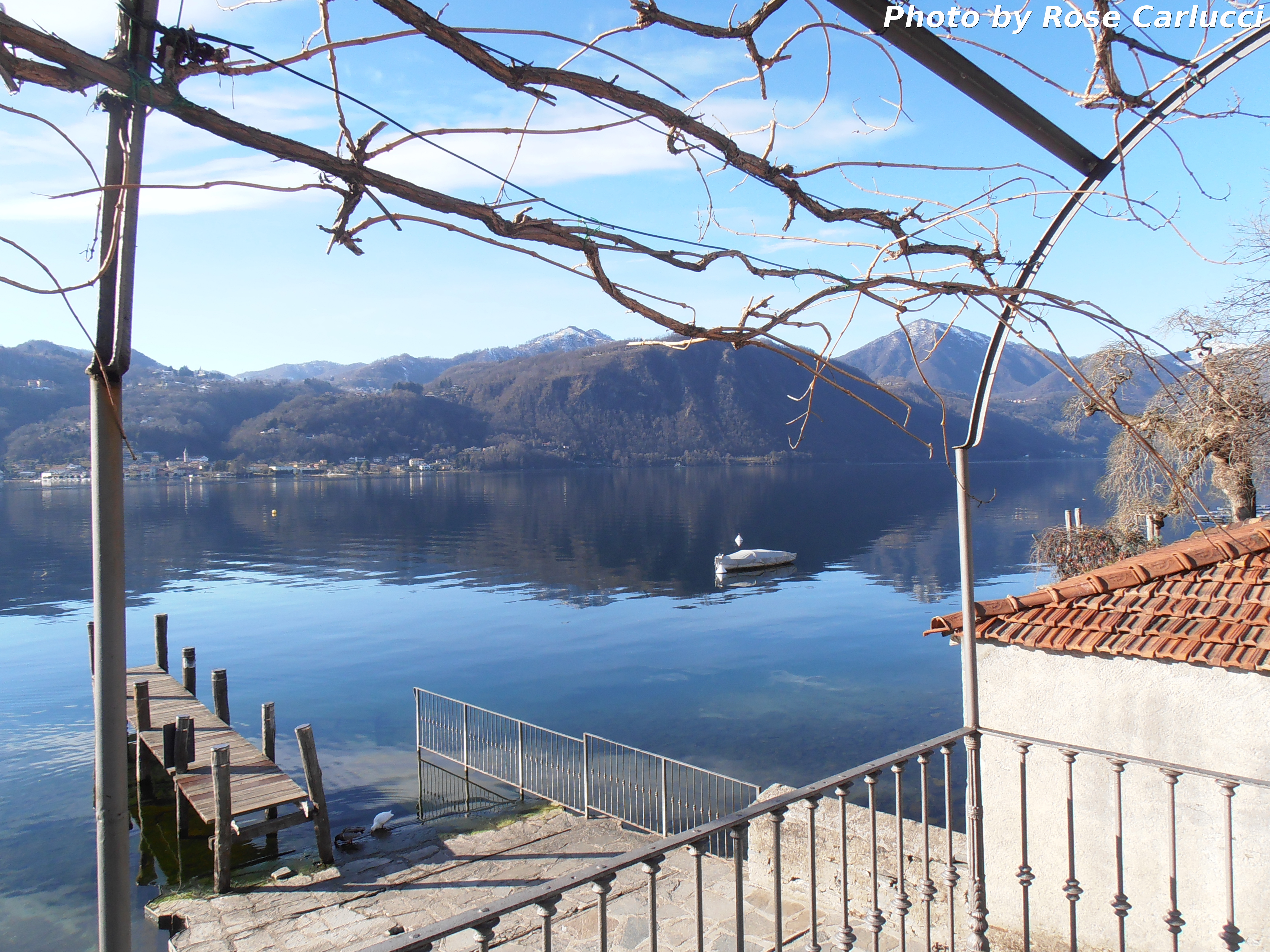
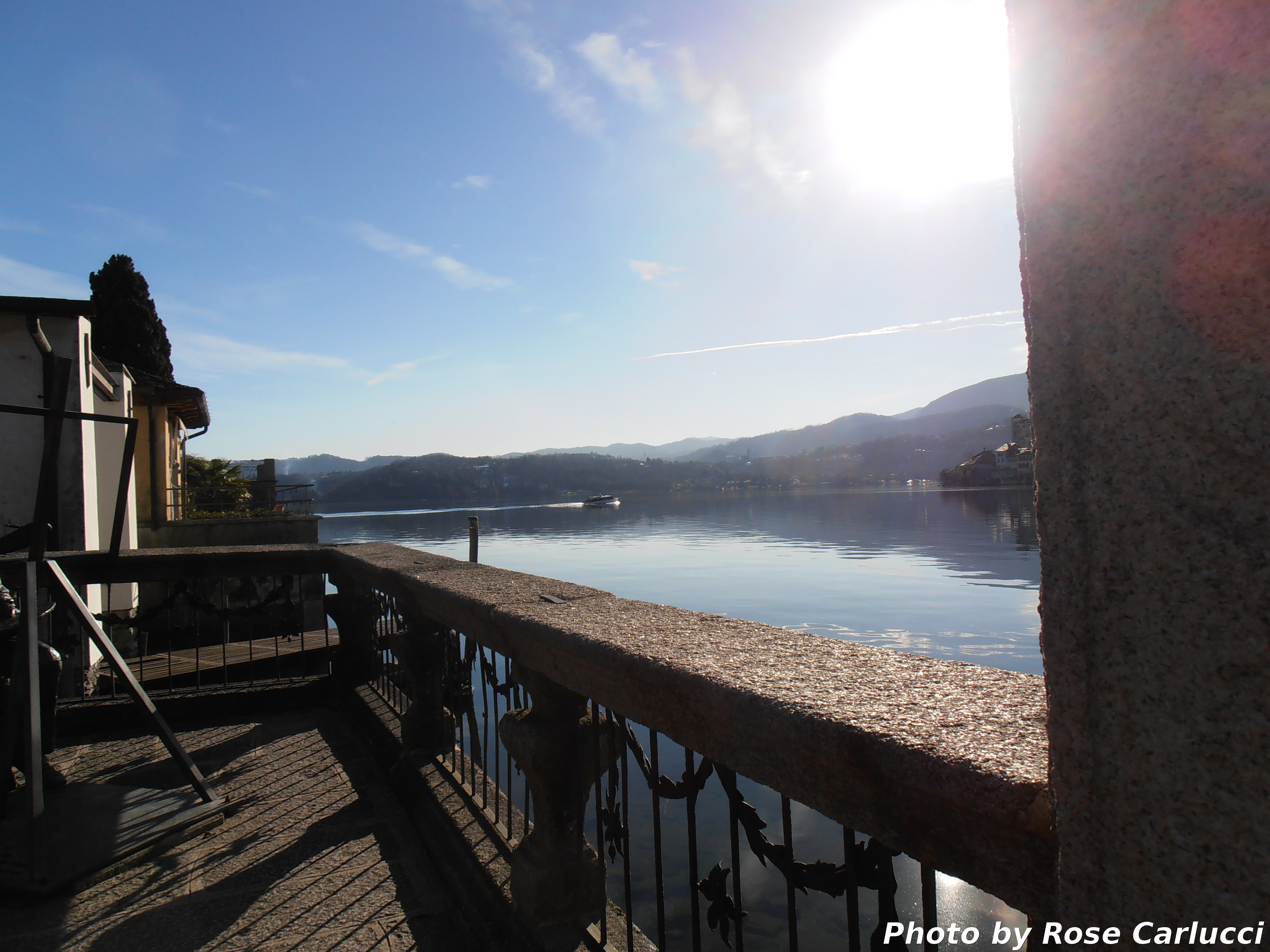
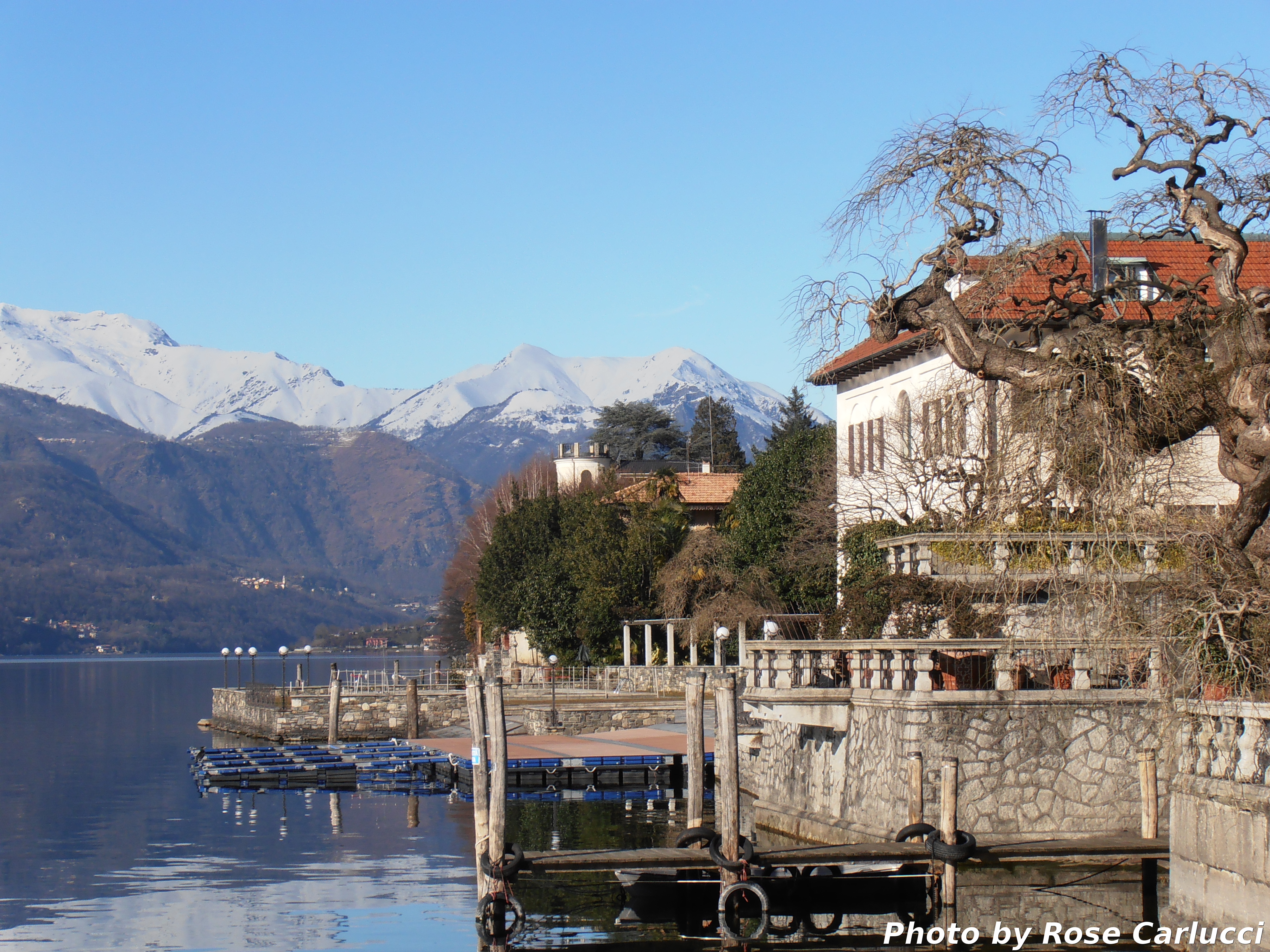
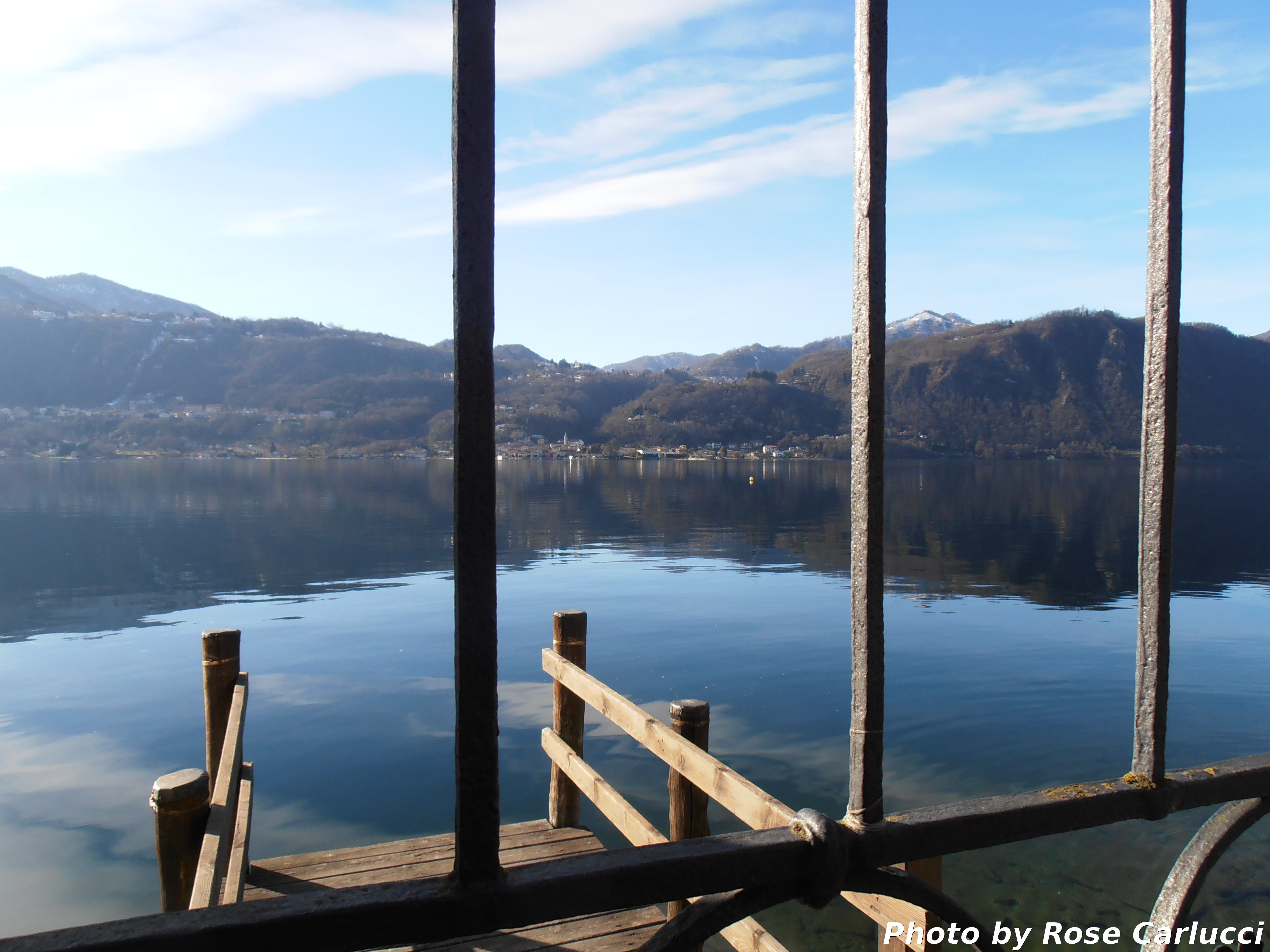
The lake of Orta or Cusio is a small Alpine lake in the province of Novara and Verbano-Cusio-Ossola, in Northern Italy. Located entirely in the region of Piedmont, Lake Orta is one of the most romantic and quiet in the plain of the Po. Lake Orta is parallel to Lake Maggiore, which is separated by the mount Mottarone (1,491 m) and is located on the road to Domodossola in Novara. It is the western most of the Alpine Lakes created by the glacier of the Simplon, its waters out to the North to join the Toce (via the Strona) then Lake Maggiore. It is 13.4 km long and 2.5 km wide with a perimeter of 33.5 km and an area of 15,15 km with a maximum depth of 143 metres. It is located at an altitude of 292 metres (100 m higher than Lake Maggiore). San Giulio island it is 400 metres from the shore where regular shuttle buses make the trip from Orta. Towns on the Lake are Omegna (important industrial center and tourist resort), Orta San Giulio (charming small medieval town) and Miasino. Since prehistoric times, it operates on its surroundings iron deposits.

Tips

If you like walking, it is the ideal place, full of charm. to visit in any season of the year because the landscape will enchant you every time. In winter, the Alps covered with snow at the background give all the beauty and majesty to the place.
A visit to the island of San Giulio, is required.
If you want to buy typical products of the region, visit the lake from Orta San Giulio, where you will find some shops that sell (different kinds of salami, sausages, cheese, beverages, etc.). You will also find several cafés, bars, restaurants and ice cream parlors, to taste something while you enjoy the natural scenery.

The hermitage of Santa Caterina del Sasso, Leggiuno, Varese, Italy

The hermitage of Santa Caterina del Sasso is a monastery built overlooking the eastern shore of Lake Maggiore in Leggiuno, Varese. The construction of the complex is from the twelfth century; Alberto Besozzi of Arolo, dealer and lender, survivor of a shipwreck during a lake crossing, vowed to St. Catherine of Alexandria to settle there for the rest of his life in prayer and solitude in a cave on this stretch of coast. He built a chapel to the saint that we can still see at the back of the church. The relics of Blessed Albert, are inside the church. In the fourteenth century there was the construction of two churches dedicated to St Mary and San Nicolas, which were added to the complex. On the church’s facade, we find four arches that are the remains of a fresco cycle and, seen from the lake, there is the bell tower of the fourteenth century. The oldest part is the chapel from 1195, located at a lower level compared to other parts of the church, which took the size of the tomb of St. Catherine in the Sinai and on the outside, near the window there are some pictures of the transfer of the body of the saint (by the angels) at Mount Sinai. The complex is considered a national monument since 1914. It was restored and reopened in eighty years. It is currently supported by some Benedictine Oblates. The present church has five parts, initially separated, are now they’re four chapels, while the fifth is the chapel where lies Alberto Besozzi. The church is covered with many beautiful frescoes. There is also an organ and a statue of the Virgin and Child (seventeenth century). The hermitage is accessible by foot through a staircase that connects the Quicchio on one side, small group of houses, with parking for cars and a place to eat something, with the other, recently completed, that gives service from the navigation of Lago Maggiore.

Tips

If you can not take the stairs, there is a lift ($), built into the rock, which brings you to the church.
The place is very nice for a walk and to take wonderful photos of its beautiful surroundings.
In summer, there is a direct bus from Laveno. The nearest train station is Sangiano on the Luino-Milan line (3km). You can also reach the place with the lake navigation service.