Carmen Convent, Padron, La Coruna, Spain

The Carmen Convent is located in Padron, La Coruna, Spain, on the way to Santiago de Compostela, 22 km from the city of Santiago. The building was built between 1717 and 1752 with a neoclassical style on a promontory next to the river Sar, under the leadership of the Discalced Carmelites Brother Peter of the Mother of God. Alonso de la Peña y Montenegro, Bishop of Quito, had donated a sum of money for its construction. The convent was opened in 1752, belonging to the religious community of the Discalced Carmelites, but in the twentieth century, the building was taken over by the Dominicans who occupied it until the early 80s of this century, but as the building was in very poor condition and the community did not have enough resources to repair it, they had to move. Only a Dominican remains on site to direct and supervise the restoration work carried out by trade schools, with the provision of various public institutions, the students here found their center of learning and work. Carpenters, masons, locksmiths, in fact, young people around the city who are learning a trade, are part of this great work.

Tips

You can reach the monastery by bus, train, car or simply on foot.
The only Dominican who lives in the monastery continues to give the mass in the usual schedule.
On the convent site, you can get great photos of the place.


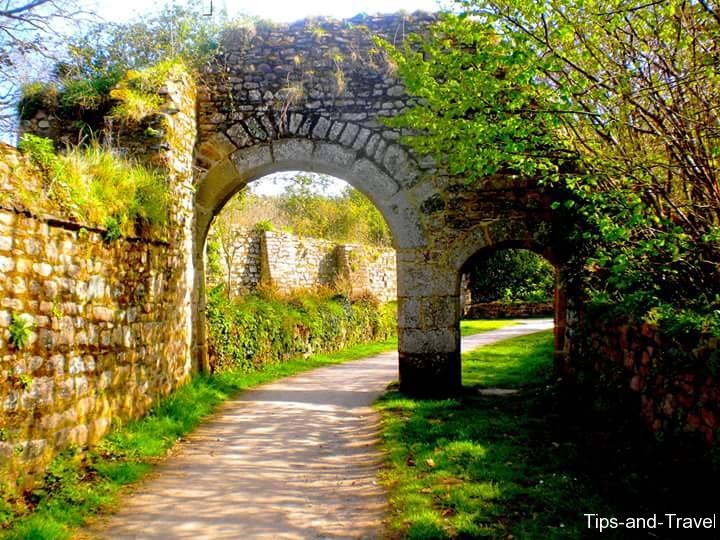
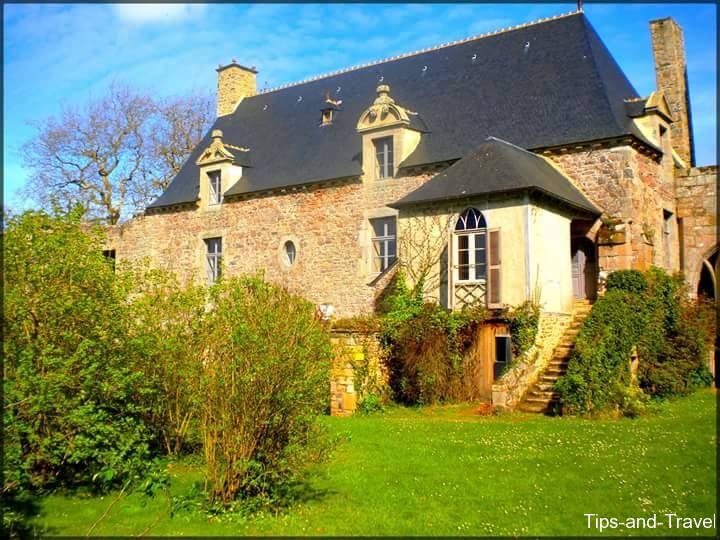
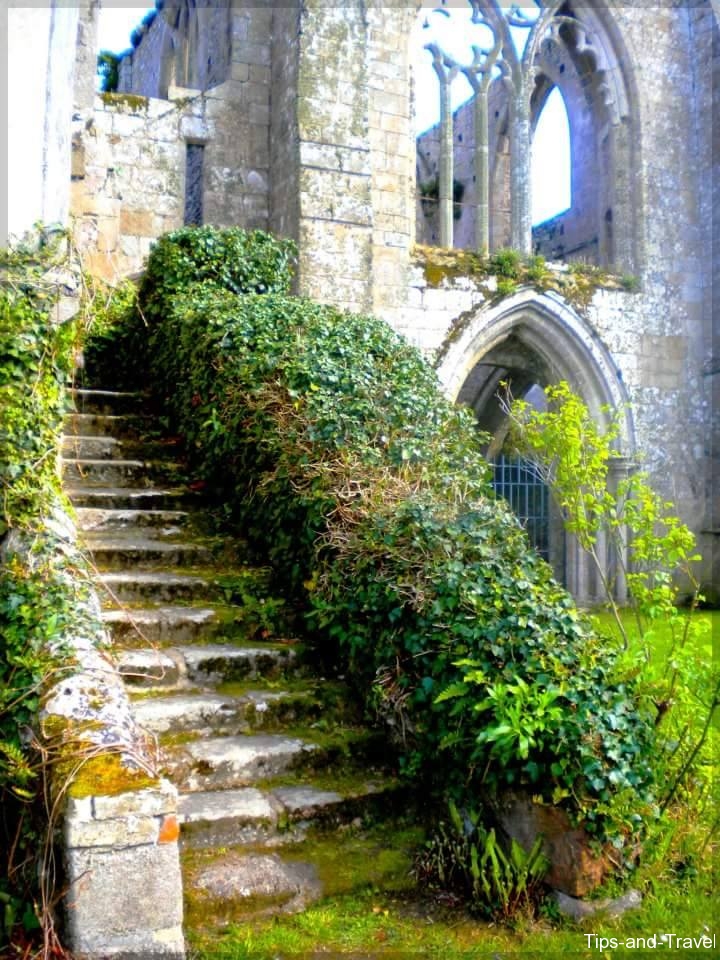
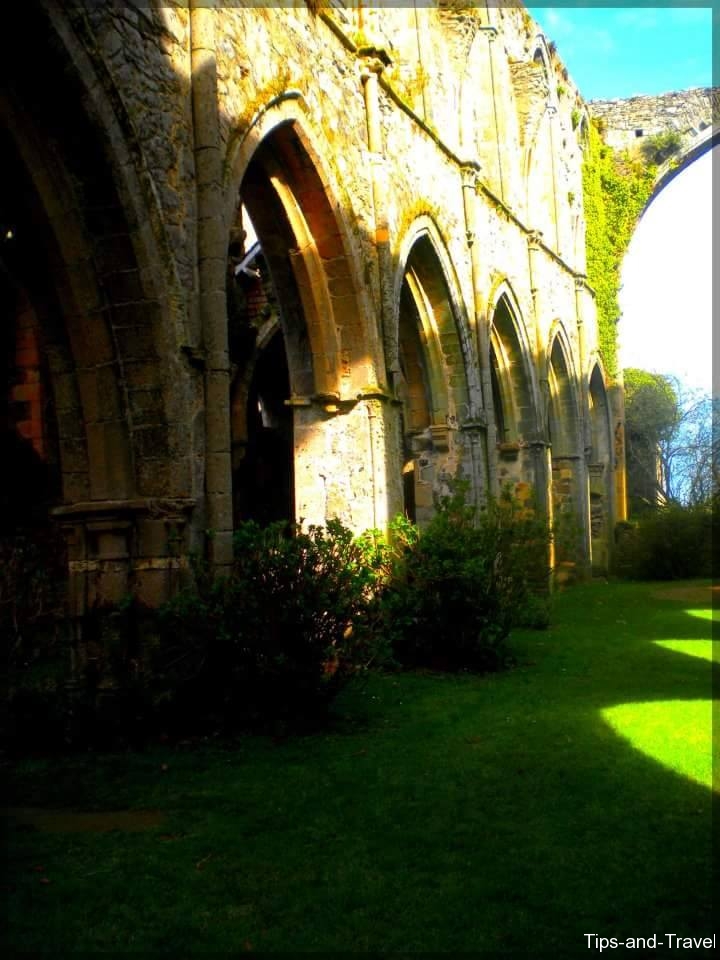
Abbey of Beauport, Paimpol, Côtes-d’Armor, Bretagna, France

The Abbey of Beauport is located in the municipality of Paimpol (at a place called Kérity) in Côtes-d’Armor, Bretagne. From here you can find a point zero for the road to Santiago de Compostela. Founded in 1202 with the help of Alain d’Avangour and Goëlo who had appealed the canons regular Premonstratensian community installed at the Abbey of the Holy Trinity of Lucerne, in Normandy. The Premonstratensian Abbey (founded around 1120) included nearly 600 homes from Ireland to Cyprus and from Sweden to Italy. A general abbot ran with a hard hand this multinational company with a mission set by its creator, Saint Norbert, serving the parishes. To create an abbey they need money and land to build the monastery so Goëlo agreed to give to the order a ground on a bedrock between the mouth of the creek of Correc and a marshy area. They built the buildings with a Papal bull. The abbey was very prosperous until the early 18th century but after 1750 it was plundered and destroyed by the revolutionaries, then closed in 1790. Louis Morand bought a part in 1797. The rest became the property of the commune of Kerity. In 1962, it was classified Historical Monument. In 1993, the site became the property of the ‘Conservatoire du littoral’. Important restorations were conducted, the craftsmen, David Puech, Julie Malegol. Gilles Malegol, Alain Plesse, Jean-Claude Motte, took part. From the church built in the 13th century, it remains the façade, the nave under open heaven, the north aisle and the left arm of the transept. Today, the abbey is one of the major tourist places in Bretagne.

Tips

The site offers a wide range of animations, you can inquire at the local authority or the Abbey for what is happening in the period where you plan the visit.
Open every day from June 15th to September 15th from 10:00 to 19:00 and the rest of the year from 10:00 to 12:00 and 14:00 to 17:00.

Royal Palace of La Granja de San Ildefonso, Madrid, Spain

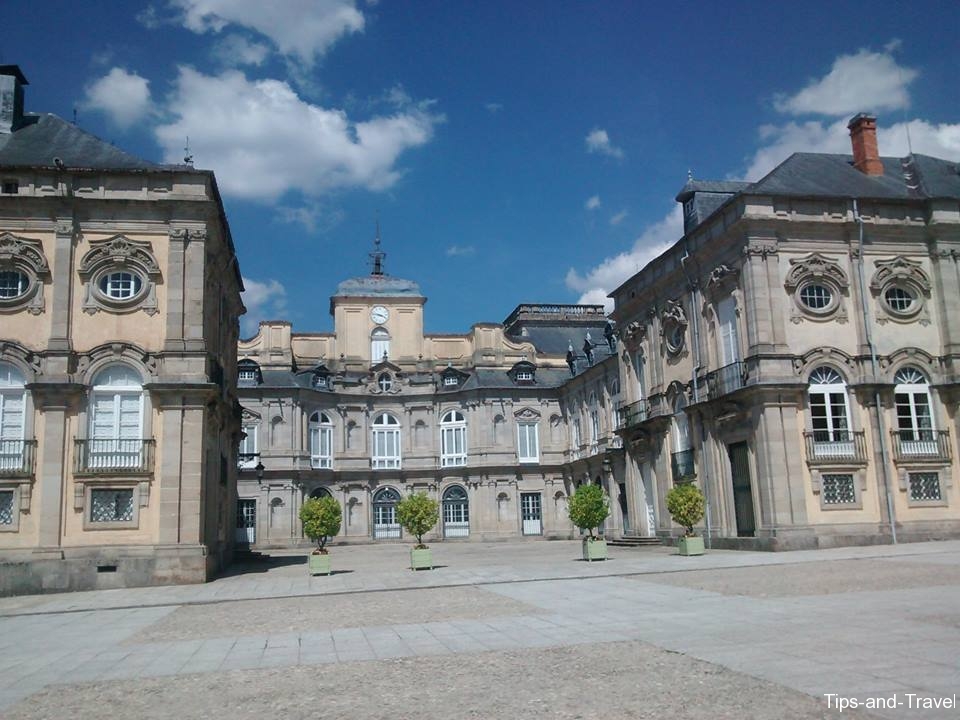
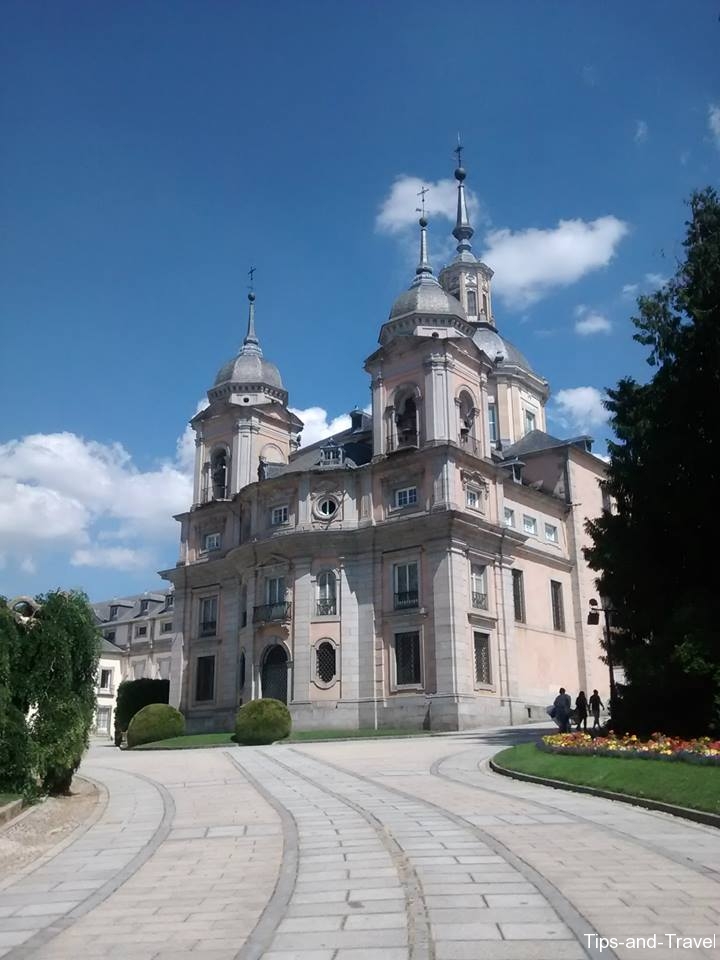
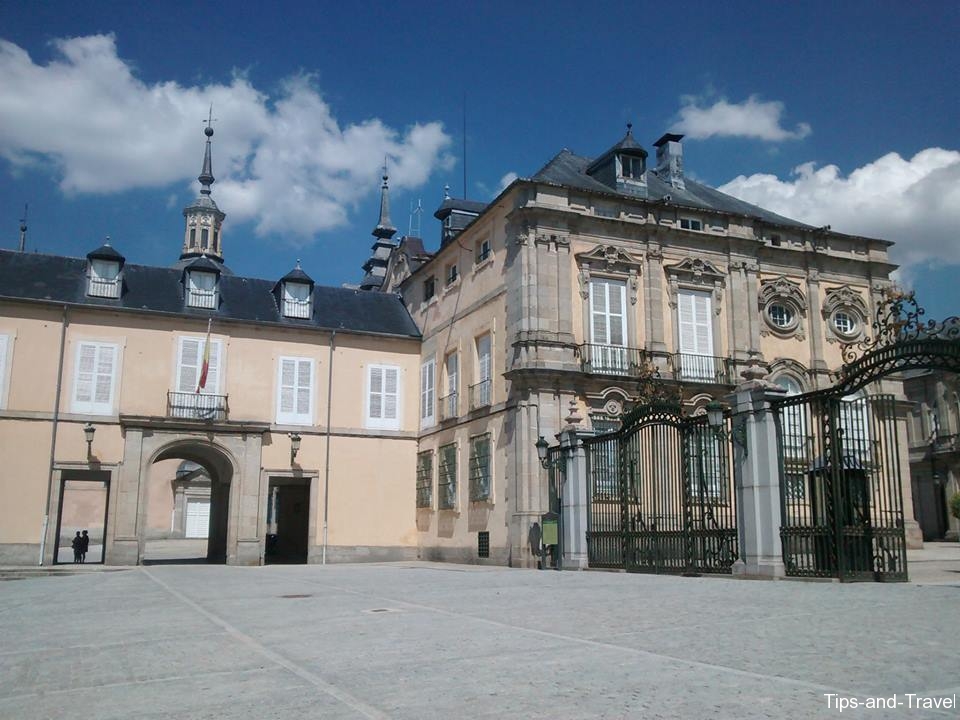
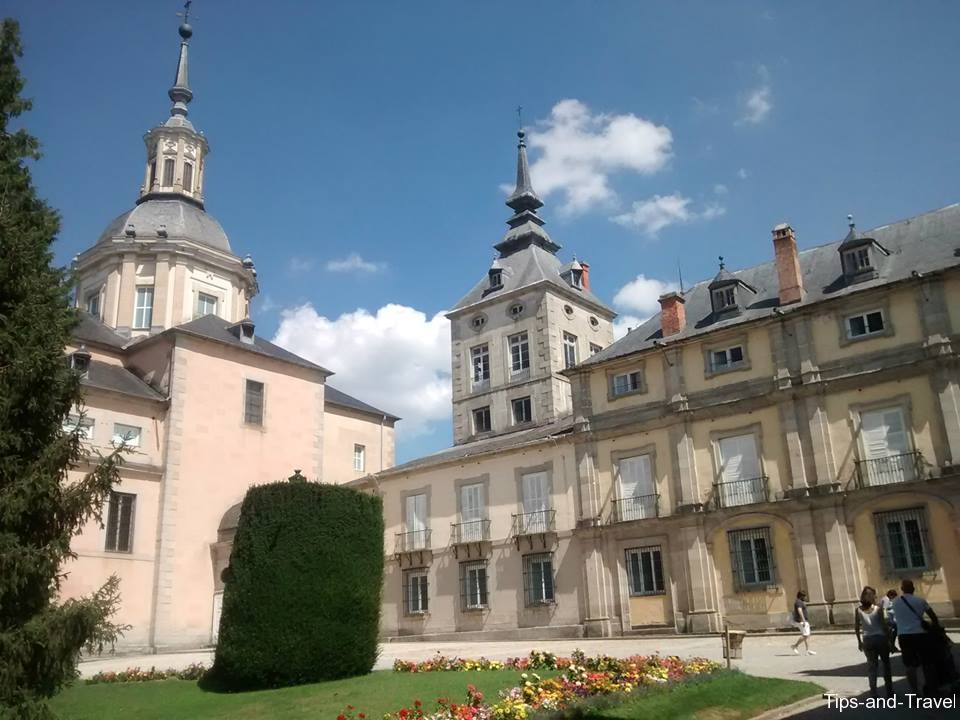
The Royal Palace of La Granja de San Ildefonso is one of the residences of the Spanish royal family, in the Sierra de Guadarrama, 13 km from Segovia and 80 km from Madrid. The name comes from an old farm of Hieronymite monks who were nearby. Henry III built the first refuge and Henry IV built a shelter and a small chapel dedicated to Saint Ildefonso Bishop and the Catholic Monarchs in 1477 gave it to the monks who used the rural place to pray and to rest giving origin to the village taking the same name. It was Philip II who converted it into a sumptuous palace. In 1718, Felipe V, in love with the place, bought it from the monks and built a palace like Versailles and its gardens. The palace became the summer residence of the Spanish king and his court. Felipe V and his second wife are buried in the collegiate church. Several important episodes in Spanish history took place in the palace. The palace and its addictions are in U-shaped and in its gardens there are trees that are over 300 years. There are two terraces and a chapel (the Collegiate Church of the Holy Trinity). Inside, the palace is deeply baroque with beautiful frescoed ceilings and gold painted wood moldings with imposing glass lamps.
Tips

The palace is open to the public. It is advisable to wear comfortable shoes to visit the gardens because it is worth it not only for its plants and flowers but also for its fountains and monuments. From Thursday Saint they put the fountains on work at 17:30 on Wednesdays, Saturdays, Sundays and public holidays. The eight large fountains are operated alternately, but on May, 30th, July, 25th and August, 25th they work all at once. You have to pay an entrance fee, but on August 25 the admission is free.