Florianópolis, Santa Catarina, Brazil

Florianópolis is a Brazilian city, capital of the state of Santa Catarina and the second largest city in terms of population (after Joinville), located on the island of Santa Catarina; renowned tourist destination in southern Brazil, especially because of its many beaches. The island has a length of 54 km and an average width of 18 km, located parallel to the mainland, which it is separated by a narrow channel. Its climate is humid subtropical with distinct seasons and significant precipitation. To see: Hercilio Luz suspension bridge that connects it to the mainland, the Cruz e Sousa Palace (former residence of the governor of the state, now a museum), the Public Market, the Metropolitan Cathedral, Place Fifteen of November and his fig tree centenary, among others. It has over 40 beaches, among the best known can be mentioned Jurere, Daniela, Fort Beach, Canasvieiras, Ponta das Canas, English’s Beach, Santinho Beach, Cacupe Beach, Barra da Lagoa, Joaquina, just to name a few of them.

Tips

It is an ideal place to spend the summer holidays and also the Carnival that is one of the best known in Brazilian south. You will find great beaches for everyone but there are several very famous for surfers.
From January to March (summer), you will find significant rainfall due to the high temperatures and humidity but generally you can enjoy the beach every day because when the rain ends, extreme high temperatures and the sun are back.
There are many hotels and apartments to rent to tourists, every taste, price and possibilities.
Do not forget to dedicate an evening to see the illuminated bridge Hercilio Luz, it is worth it.

Invalid Displayed Gallery
Salta, Argentina

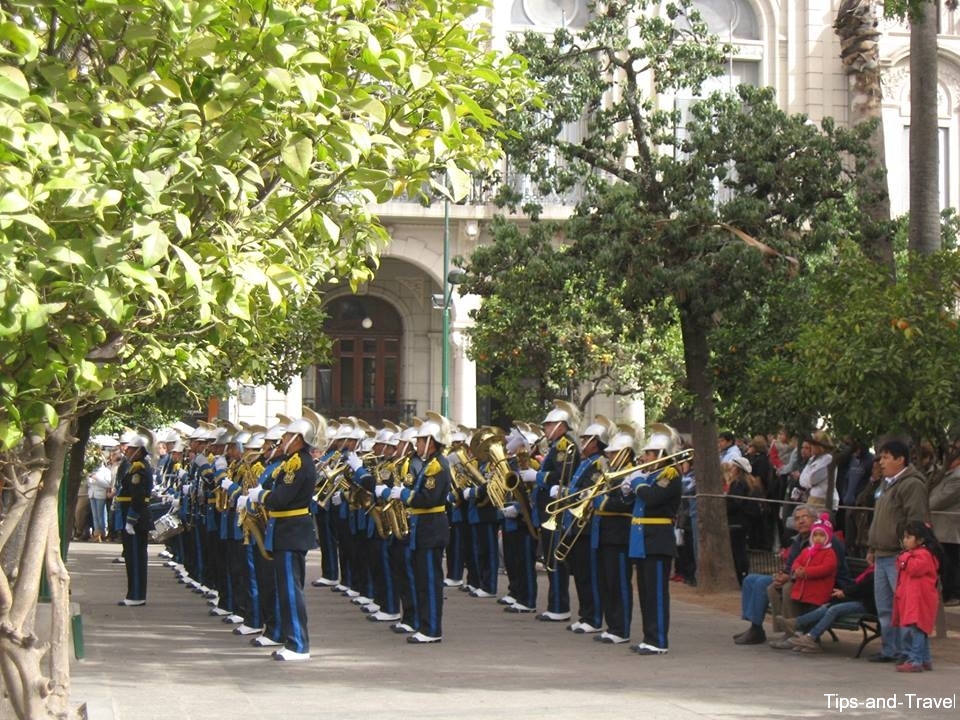
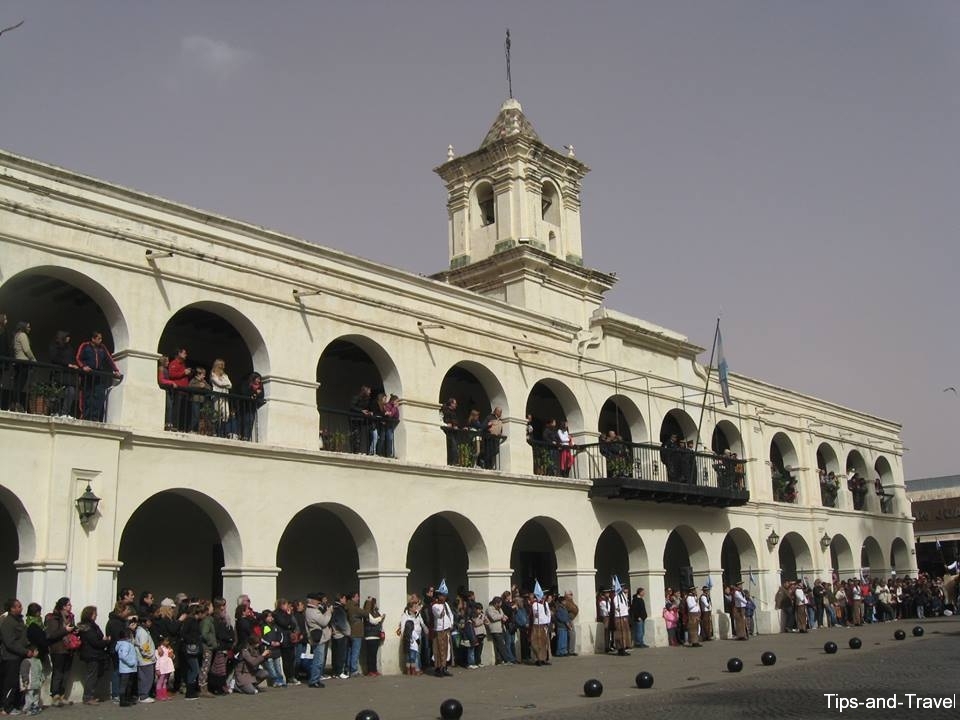
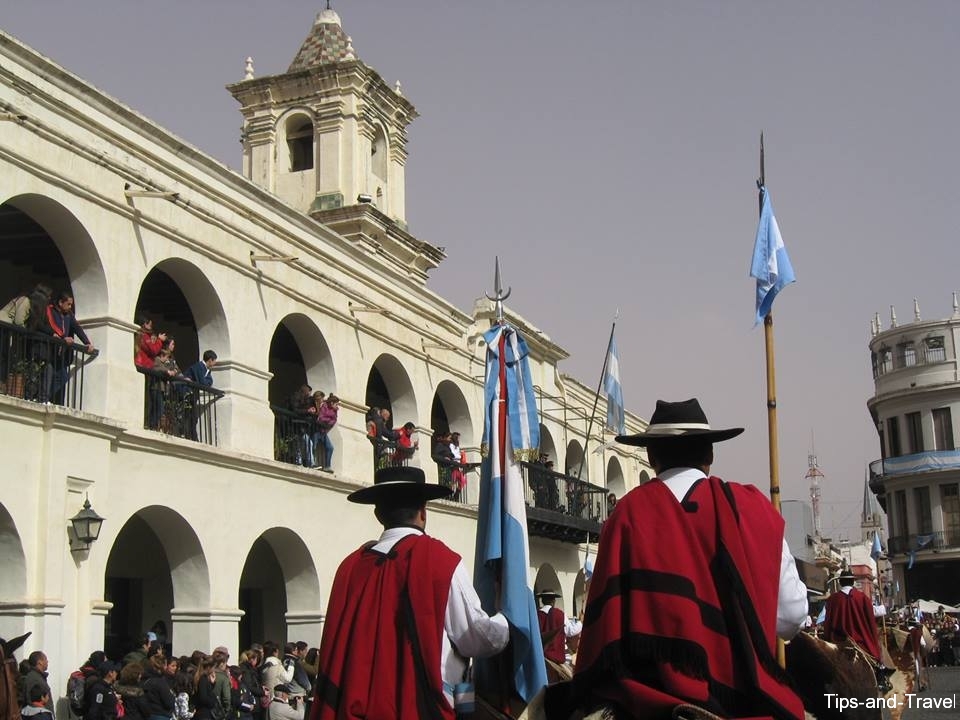
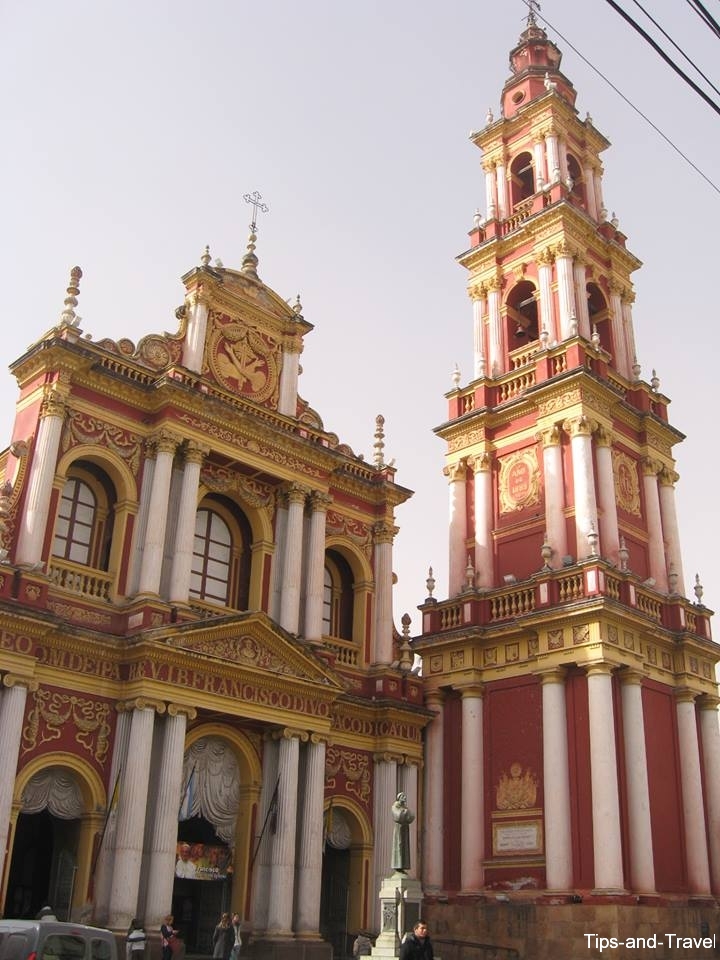
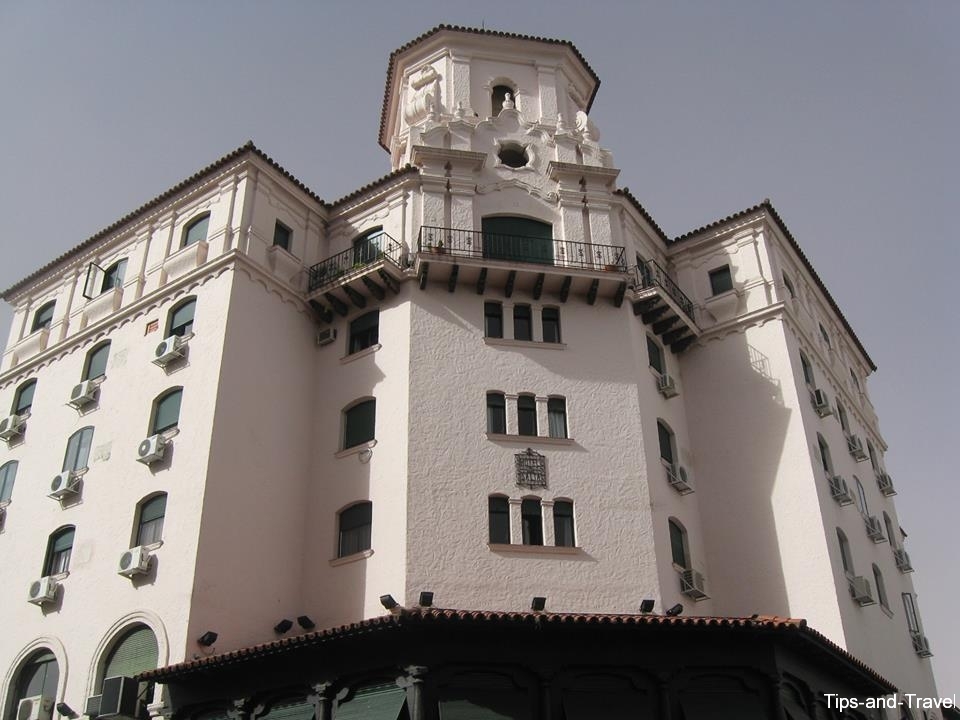
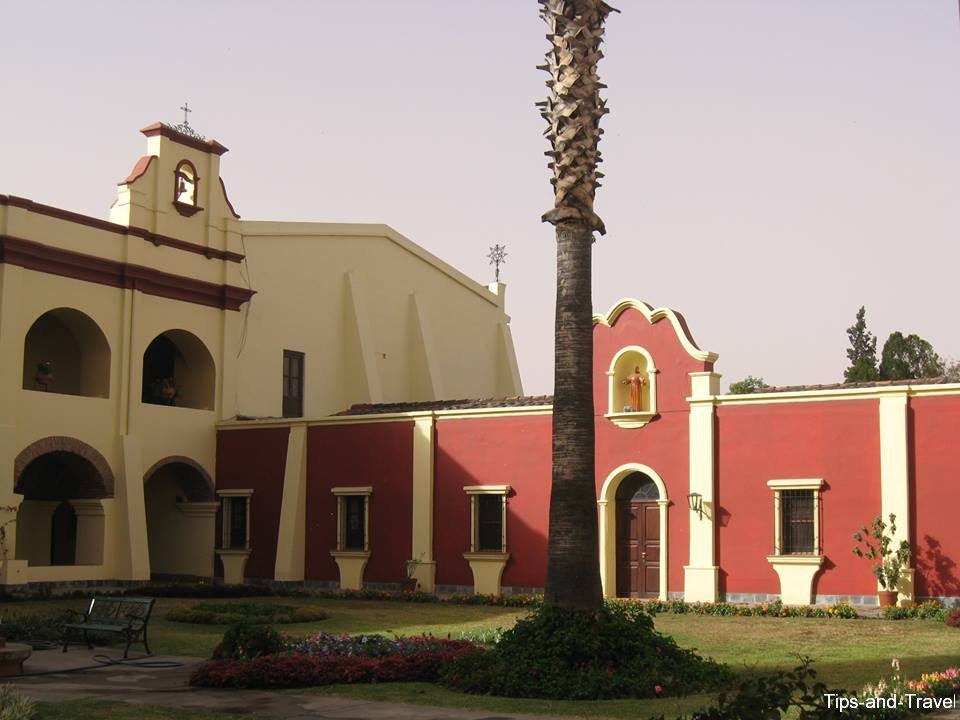
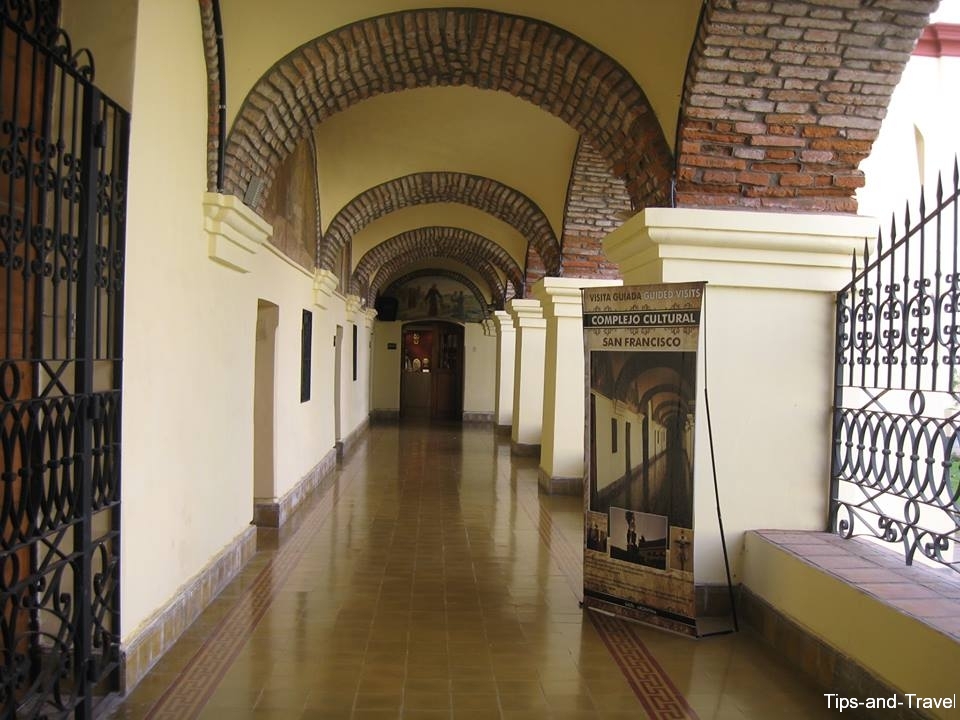
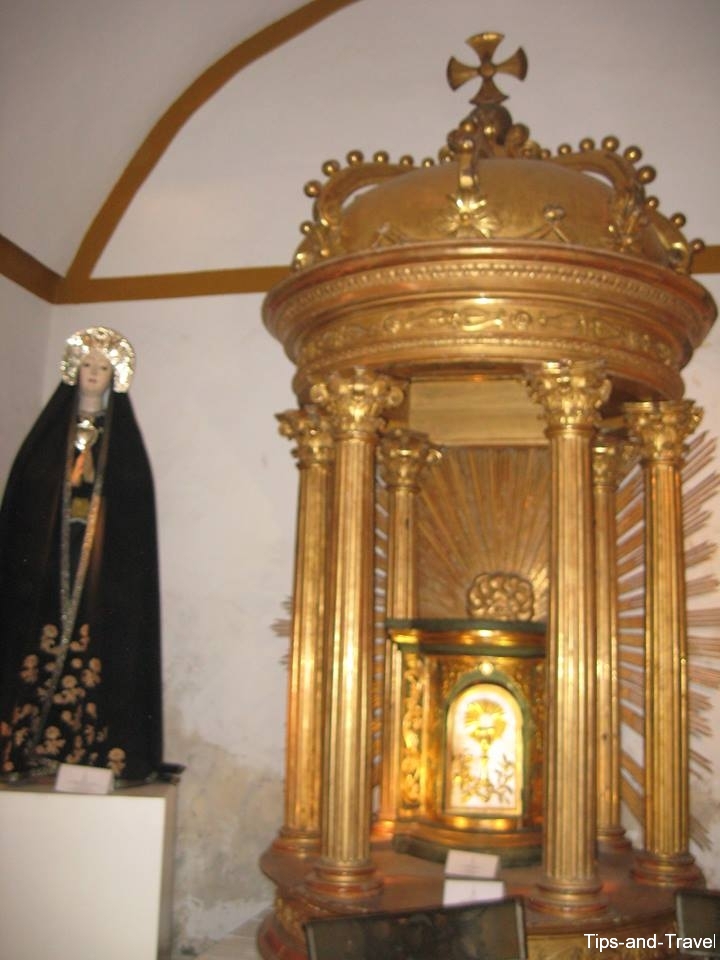
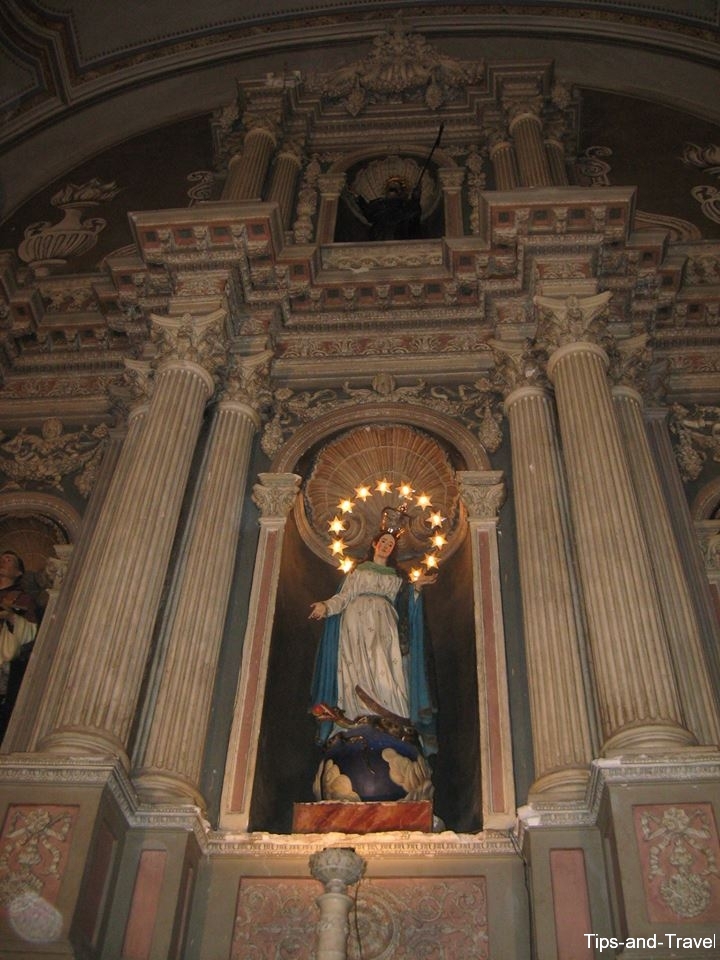
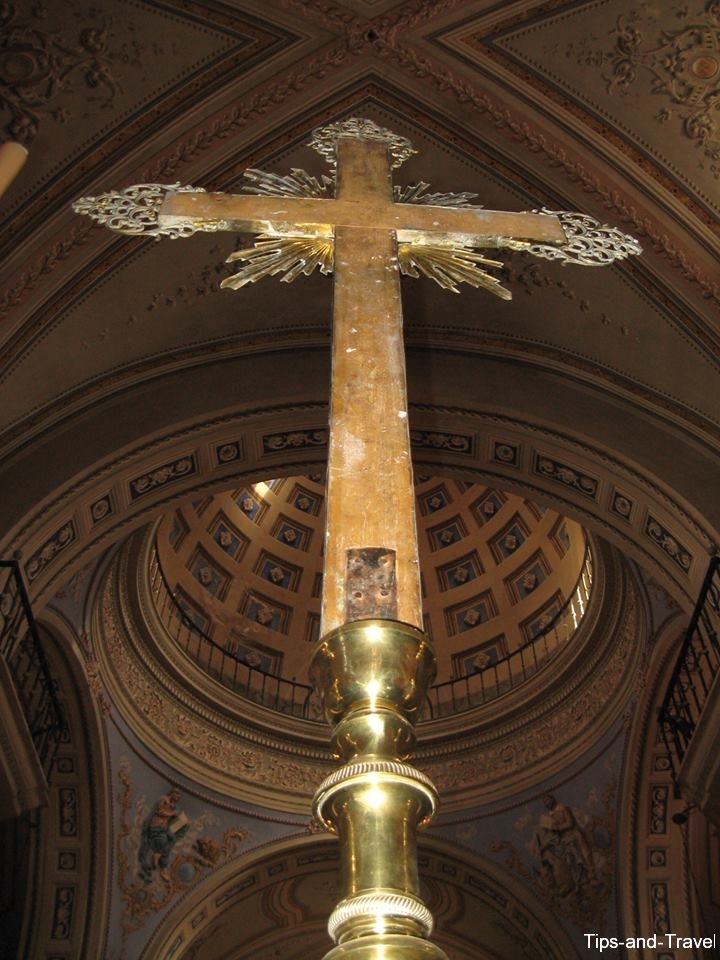
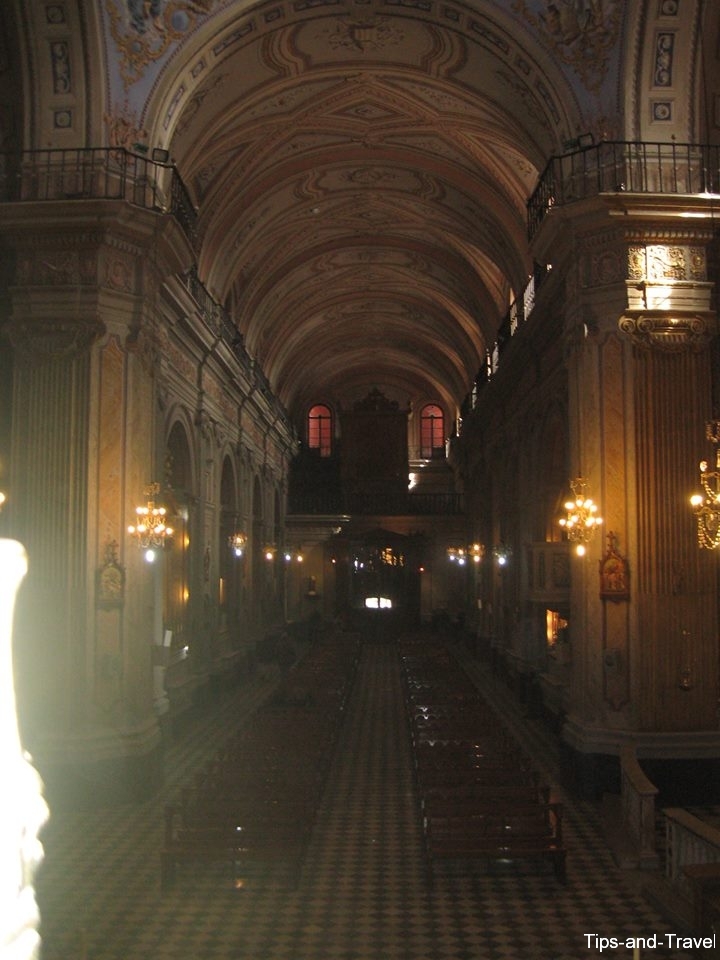
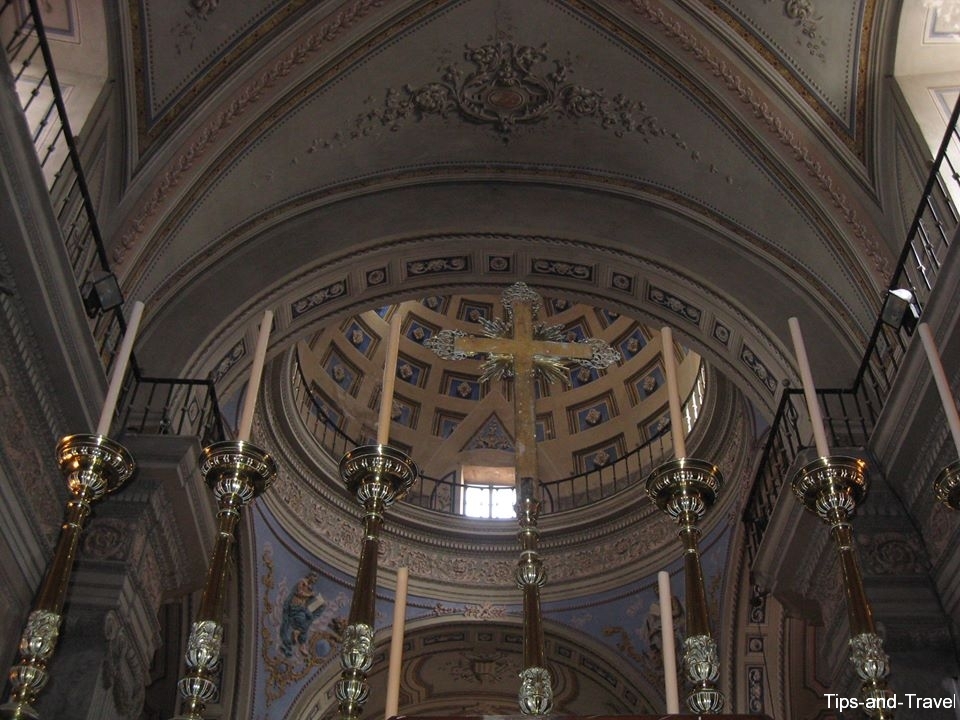
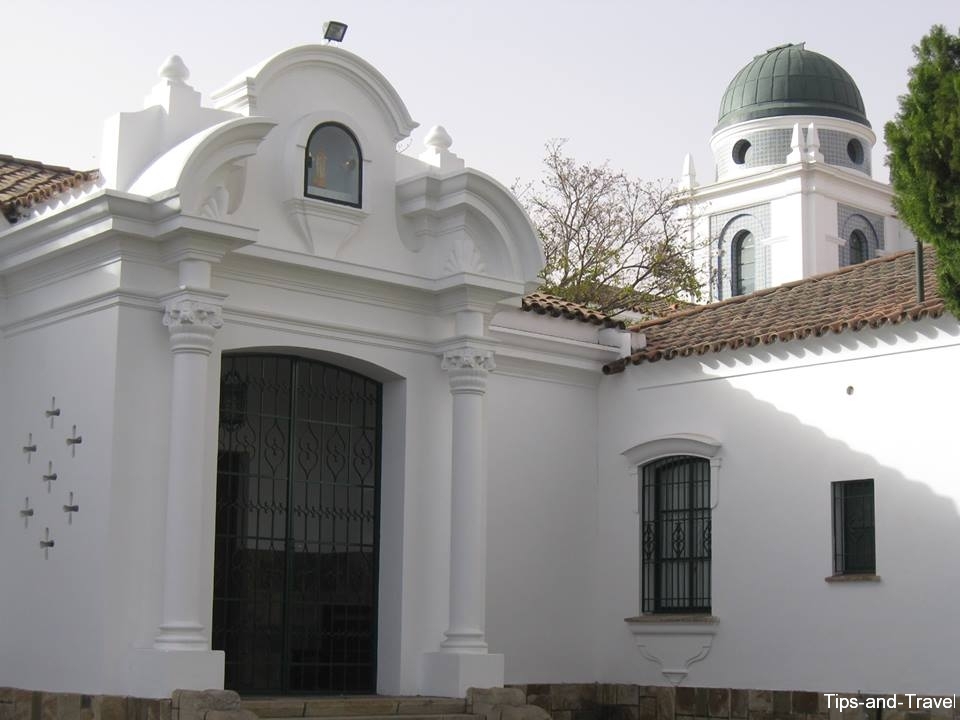
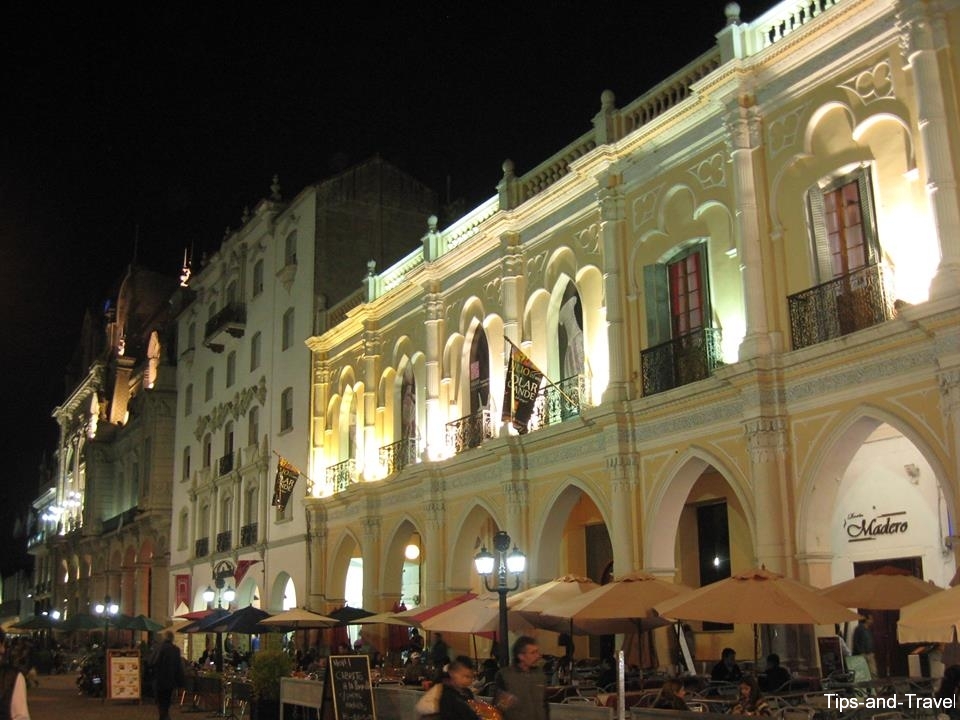
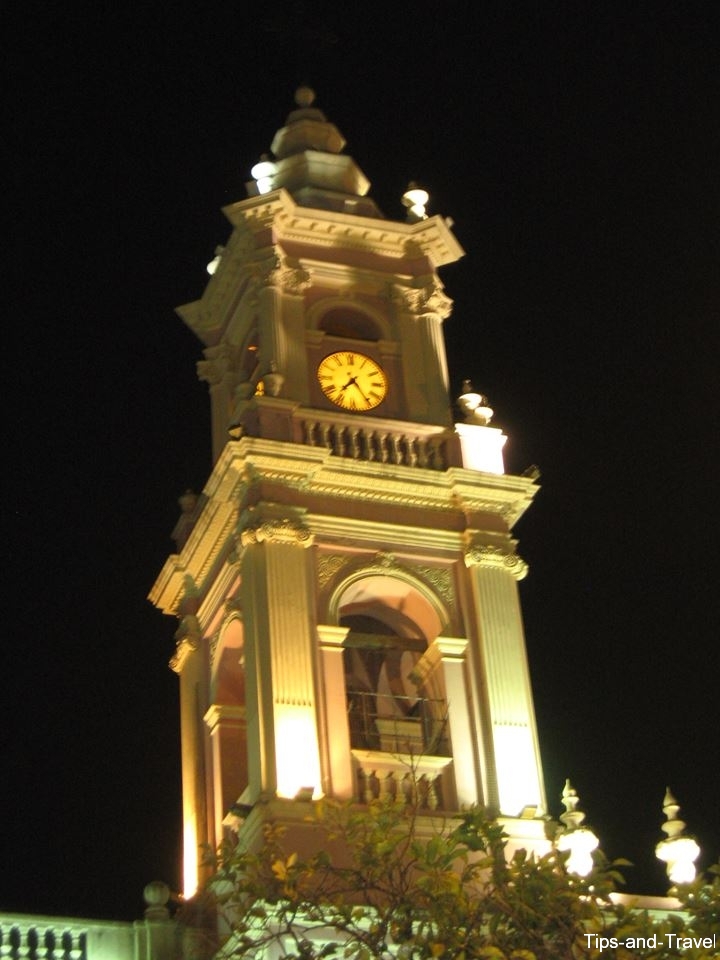
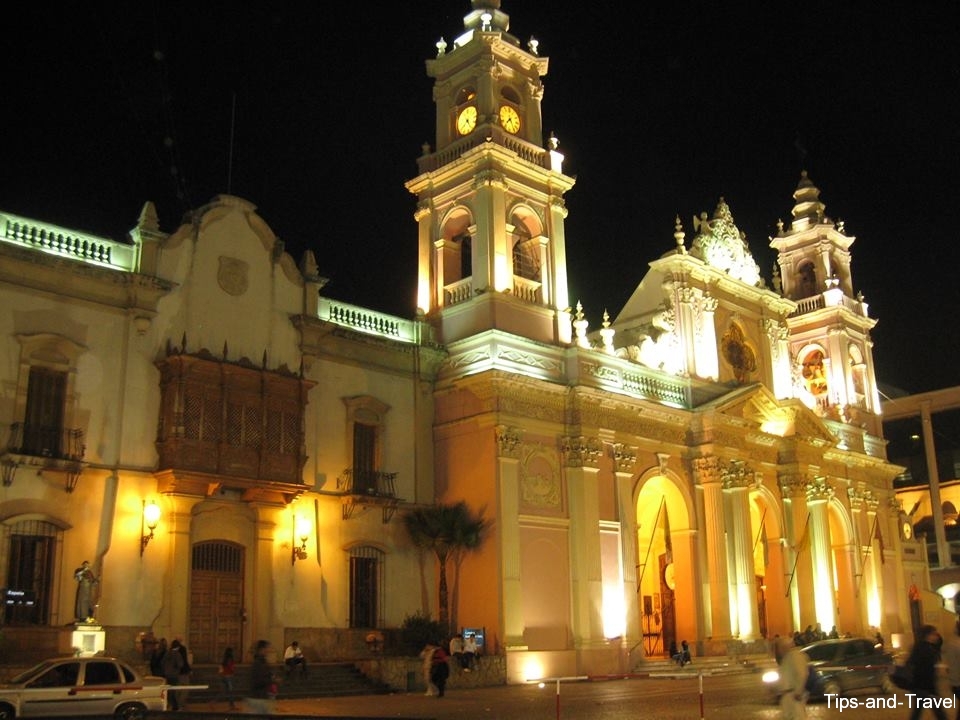
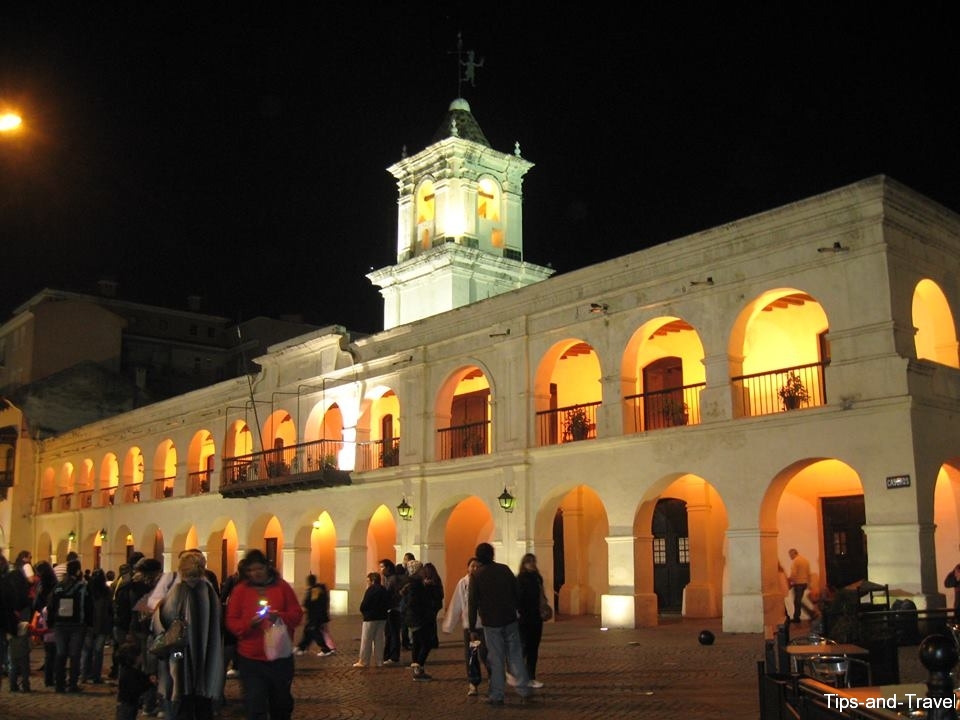
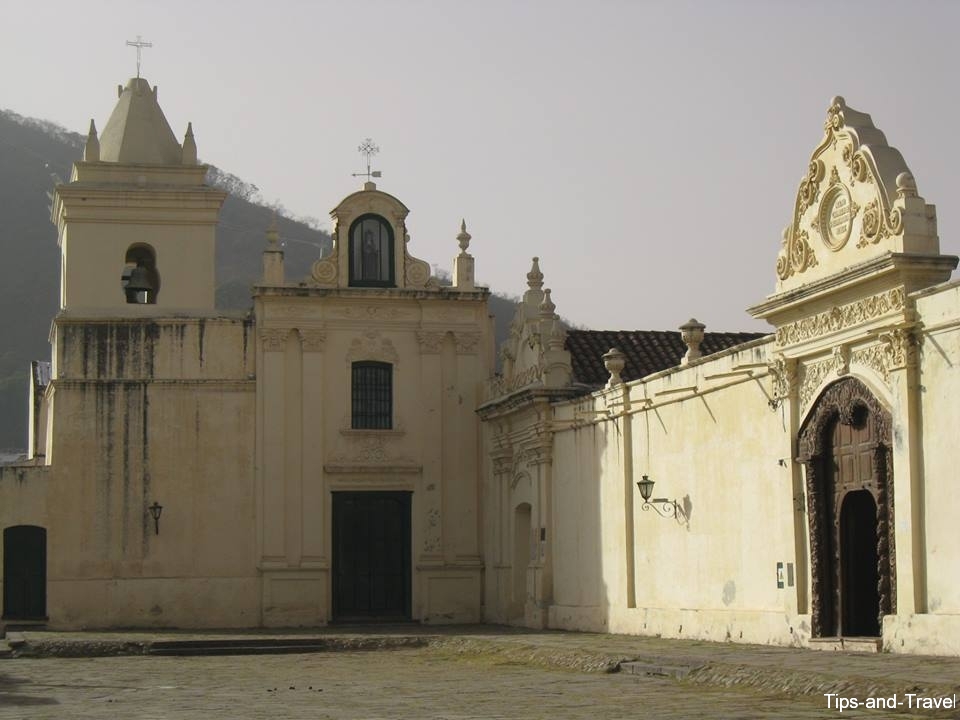
Salta is a city in Argentina, capital of the province of the same name, located at the foot of the Andes in the fertile Lerma Valley at 1187 m. Thanks to its location, the city is well communicated with Bolivia and northern Chile. There is even a weekly flight that connects it to Santa Cruz de la Sierra (Bolivia). It is also an important agricultural region with several export products (cereals, sugar cane, tobacco, etc.). The city is an episcopal seat. There are two universities, museums and libraries. Renowned for its colonial architecture, known as Salta la linda (Salta the Beautiful). It is a tourist place of course. To see: the Cabildo (City Council building), the Cathedral and San Francisco Church.

Tips

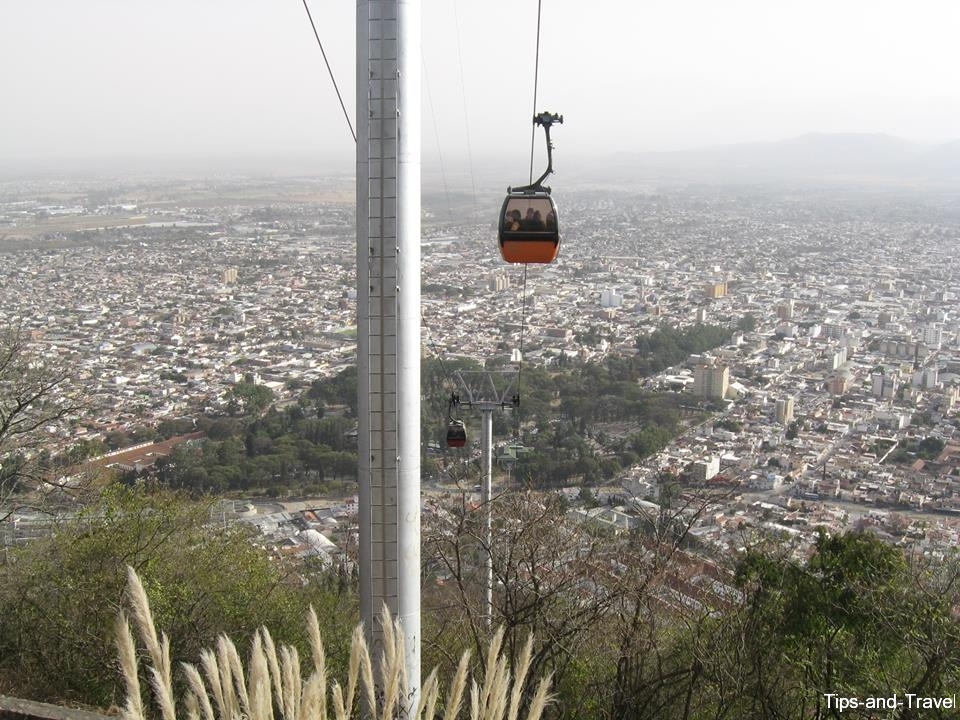
If you want to get a spectacular view of the city and the Lerma Valley, go to the Cerro San Bernardo (Mount St-Bernard, 200m). If you are going to spend a few days in the city, do not miss the opportunity to take the Train of the Clouds which climbs the Andes Cordillera in the province of Salta, on a railroad with sections that exceed 4000 meters of altitude, a rather special walk in the area of the Puna arriving at the small village of San Antonio de los Cobres located at more than 3500m. If you have heart problems, breathing problems or are pregnant, this is not recommended. If you like grills, you will find restaurants called Asador where you can taste all the parts of the cow by eating excellent Argentinian meat. Do not leave without having tasted the typical empanadas that according to the region from which they come, change a little the recipe and their ingredients. The empanadas of Salta are among the most famous of the country.


Salinas Grandes, Jujuy and Salta, Argentina

The Salinas Grandes in Jujuy and Salta, Argentina, are a small salar or salt desert located on the high plateau of the provinces of Jujuy and Salta. The salar extends in fact to the southwest of the ‘Laguna de Guayatayoc’. It is an expanse area of salt in the form of hard crust, with a thickness of 30 centimetres. You can drive by car on its surface. It is dazzling whiteness, and almost always forms with the blue sky, a landscape of stunning beauty. A nice asphalt road leads directly onto 190 kilometers departing from San Salvador de Jujuy (national road 52). This road (Paso de Jama to Chile) passes through Purmamarca. It takes two hours in total. The Salinas Grandes is located at the small town of Abra de Potrerillo. It is the third salar in importance in South America. Their origin dates back to about 5-10 million years when the place had been covered completely by waters of a volcano. The evaporation of the liquid and its components through the time formed the salar.

Tips

You can visit the Salinas Grandes by yourself or through a local tourism operator. You will find tours departing from the cities of Jujuy and Salta and they generally make a stop to visit Purmamarca and see the ‘Cerro de siete colores’ (mountain of the seven colors) and to take advantage of its market of craft products.
If you decide to go by yourself by car, remember that it is an isolated area with very little villages on the way so have your tank full and carry water and food. Once there, you will find a restaurant.
Don’t forget to bring sunglasses to protect your eyes from so much brightness. Comfortable shoes are recommended.
If you go by yourself, you will have the explanation from the workers working on the spot. They are very friendly and welcoming as all the people of the region.

Invalid Displayed Gallery