Brasilia, Brazil

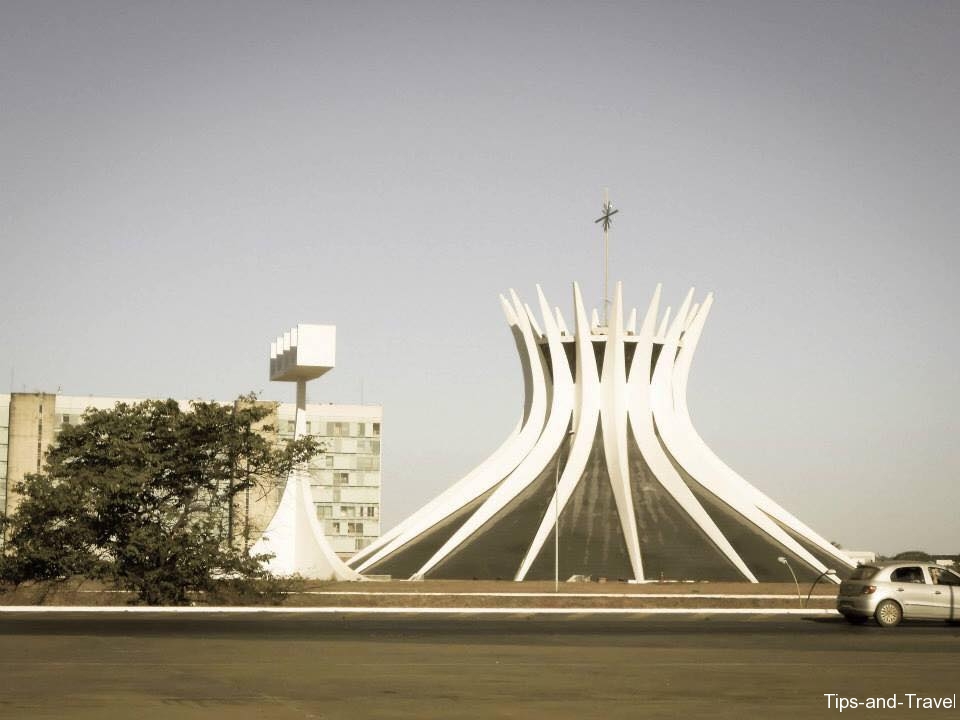
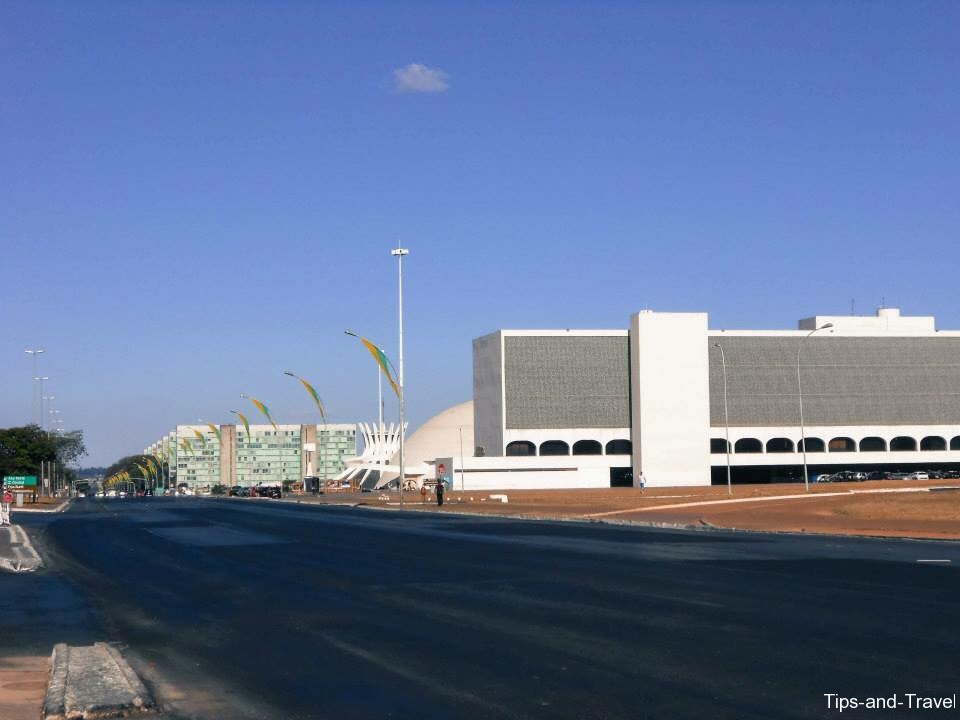
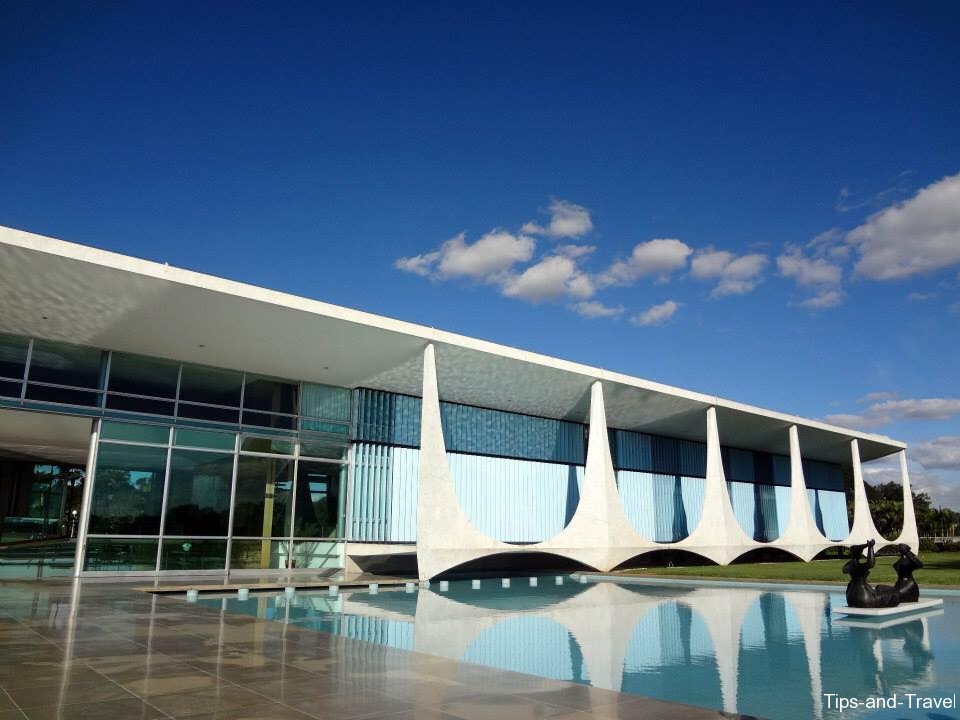
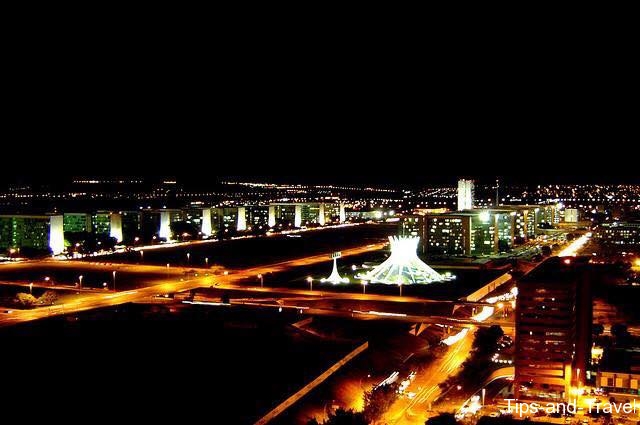
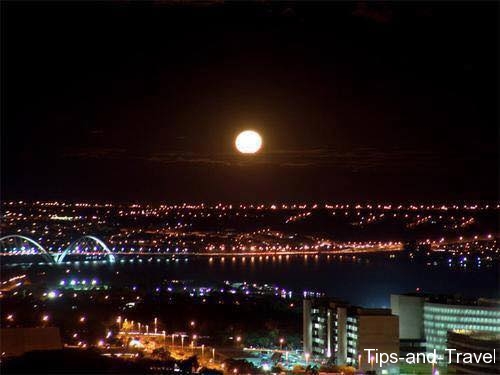
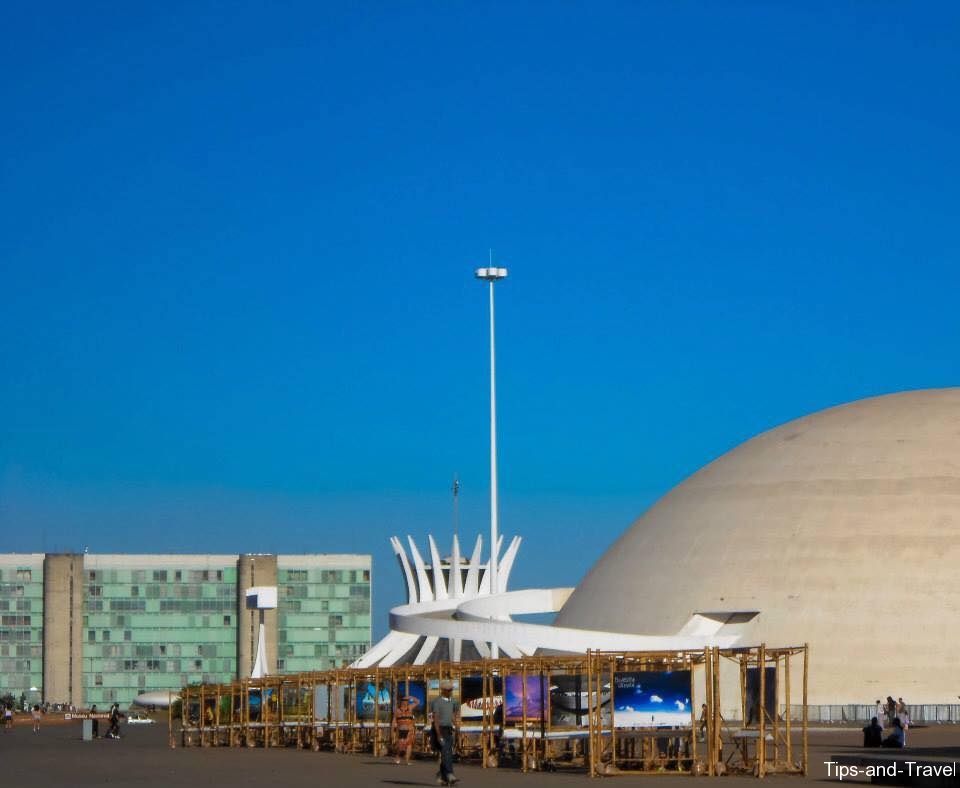
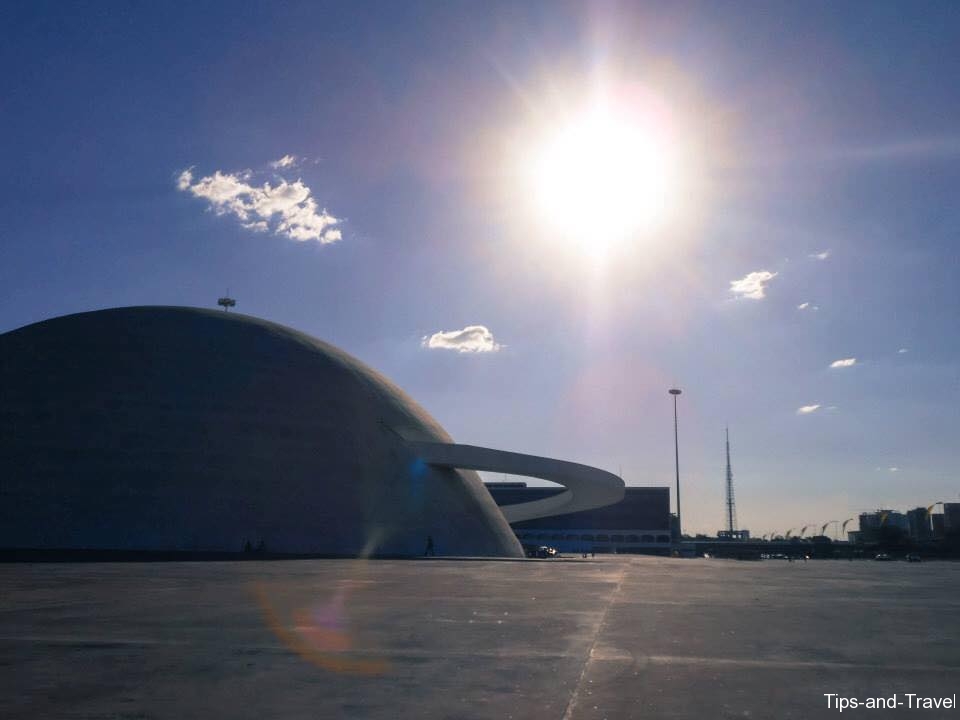
Brasilia is the capital of the federative Republic of Brazil and the seat of Government of the federal District, fourth most populous city in Brazil. Its construction dates from the 1960s and was born through the project to create a new capital inland to better distribute the wealth and population, largely concentrated on the sides, and put an end to the rivalry between Rio de Janeiro and São Paulo. She became one of the capitals most recently built in the world but also one of the cities more quickly built (2000 days), under the guidance of visionary President Juscelino Kubitschek, architect Oscar Niemeyer, urban planner Lucio Costa and architect Roberto Burle Marx. View from the sky, Brasilia design evokes the shape of a plane (or of a hummingbird), with each of its strategically arranged architectural wonders and its residential and commercial blocks. Administrations and major state agencies leave Rio de Janeiro to settle in the new capital. The move was not easy because some officials refused their mutation. Brazil had even threaten some states of a rupture of diplomatic relations if they didn’t move their embassies. The ideal plan was to accommodate 500,000 people but today there are just over two and a half million inhabitants. They also built satellite towns and it is inhabiting the vast majority of the population. The city is bordered by the Paranoá Lake, which is water artificially created together with Brasilia. Masterpiece of modern architecture, Brasilia was declared world heritage of humanity by UNESCO. The residential areas are functional and self-sufficient with shopping malls, schools and parks nearby. To see: the Cathedral, the National Congress, the square of the three powers, the Memorial JF, Dom Bosco sanctuary, among others.

Tips

The city can be visited by car or bus because it is large enough. You must make sure to book your hotel in advance because half of room is already occupied by people who work in the Government or who have to do with him.
One of the most popular attractions is Lake Paranoá and its activities: surfing, kitesurfing, kayaking, etc. You can also make ideal swimming for warm, dry days. Another option to refresh is visiting the National Park with its two swimming pools and plenty of green space to walk (30 km) and enjoy to see the typical vegetation of the region with beautiful flowers and hear the birds; the park is home to a number of threatened species, including deer, Anteaters, the giant Armadillo and maned wolves. nice place to relax. You can go by bus.
If you visit the Don Bosco sanctuary, you can also take advantage of the small nearby on lake beaches or green areas for a picnic.
If you want to have a beautiful view of the city visit the television tower, which has a terrace of observation at 75 metres.
The surroundings of the capital are also to explore and if you stay several days there, you can visit the waterfall of Itiquira (about 100 km), 168 metres high, it is the second largest in Brazil. Sites are protected from development and therefore offer outstanding natural beauty.
Puerto Madero, Buenos Aires, Argentina

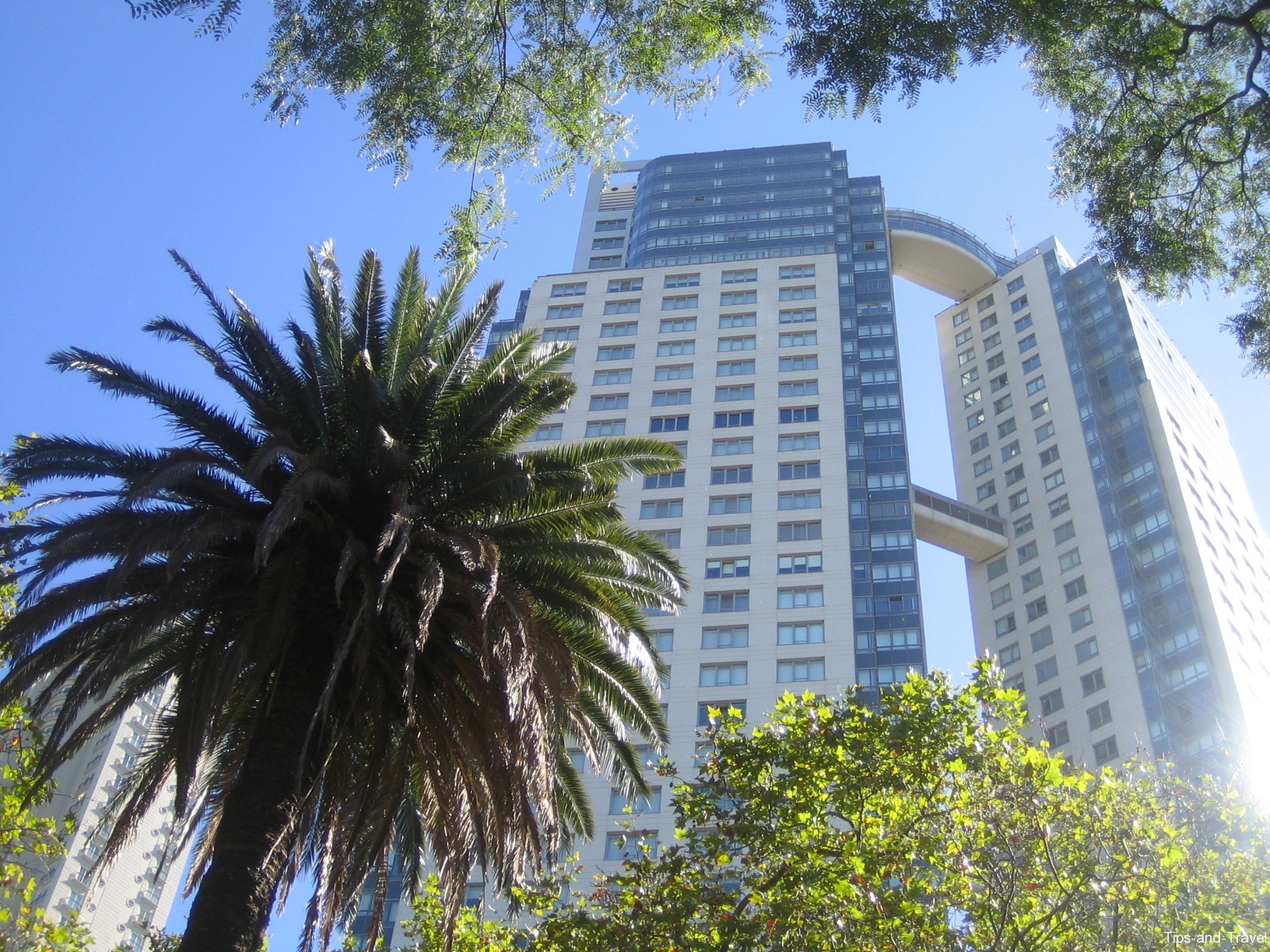
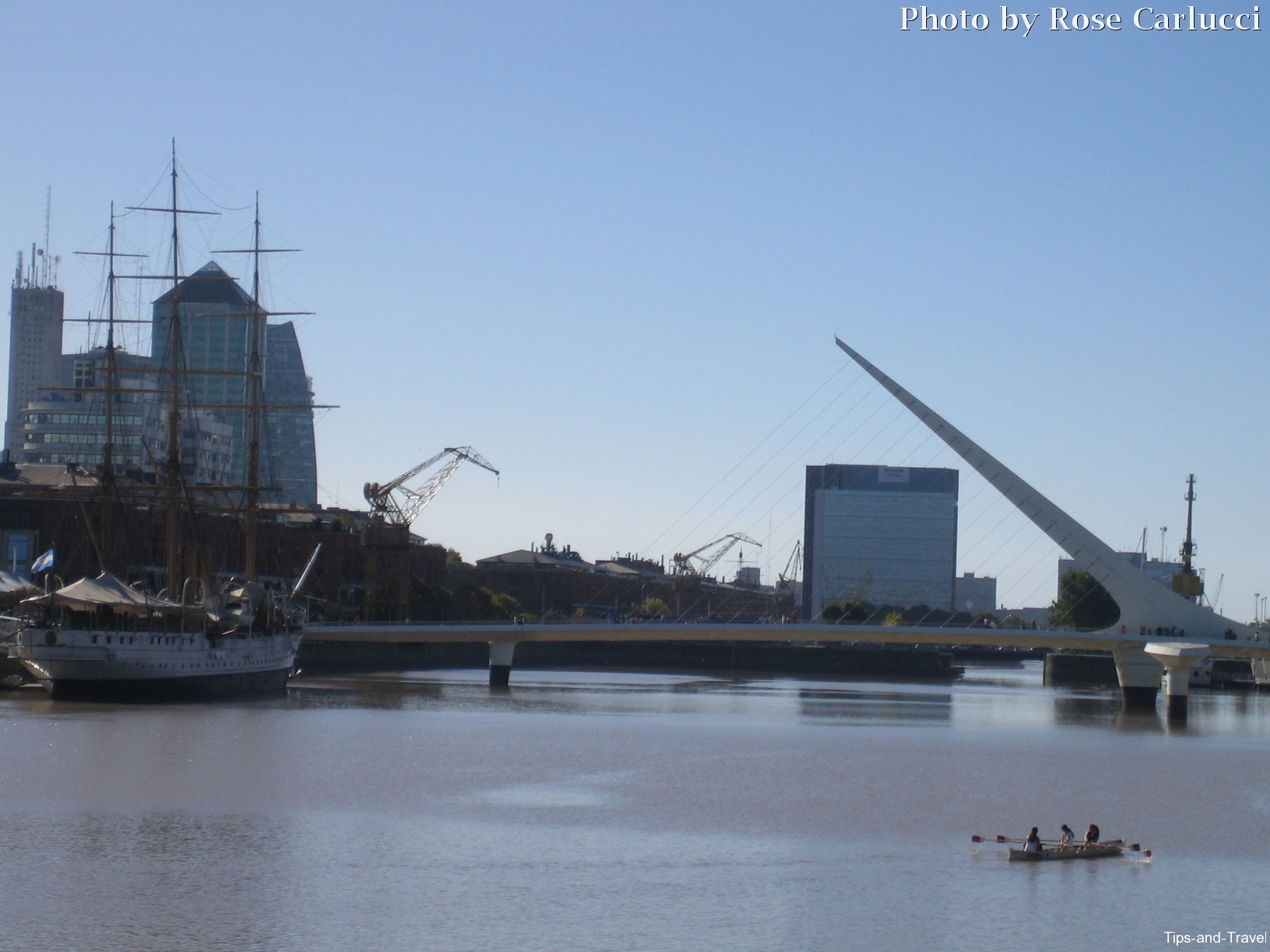
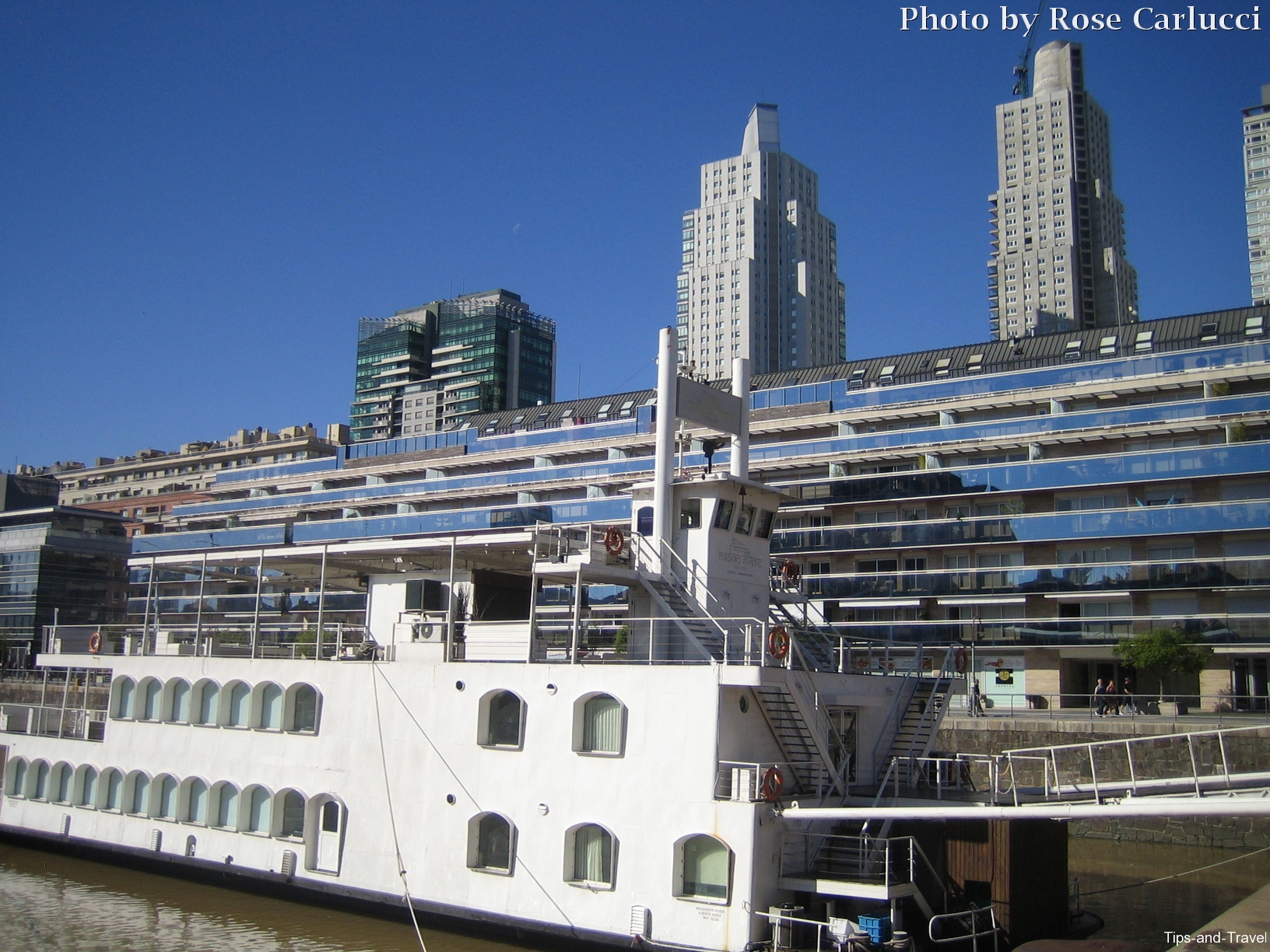
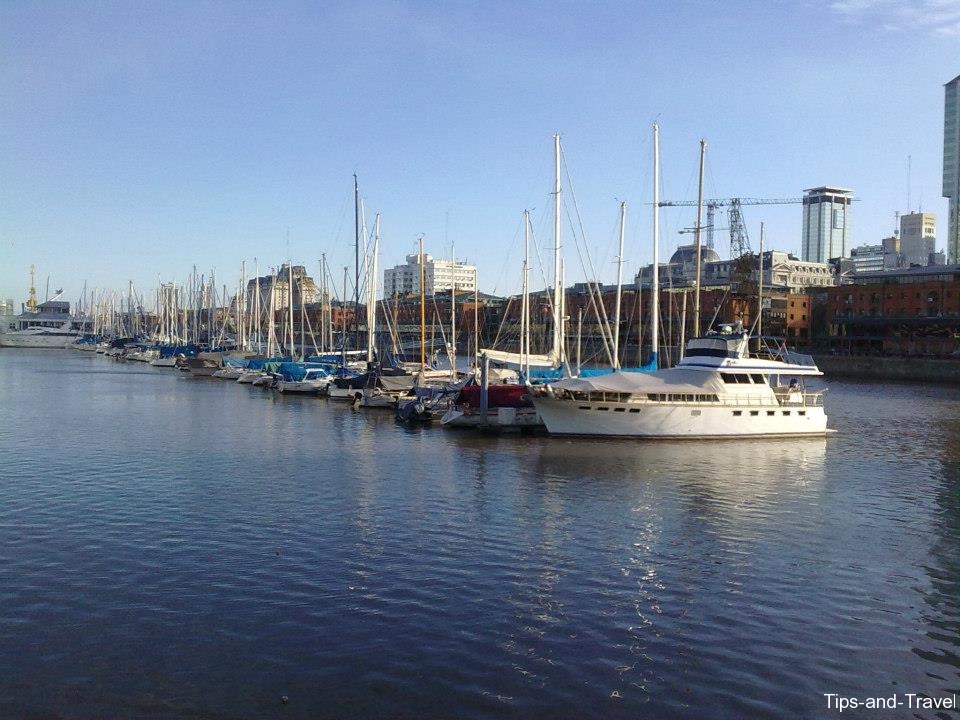
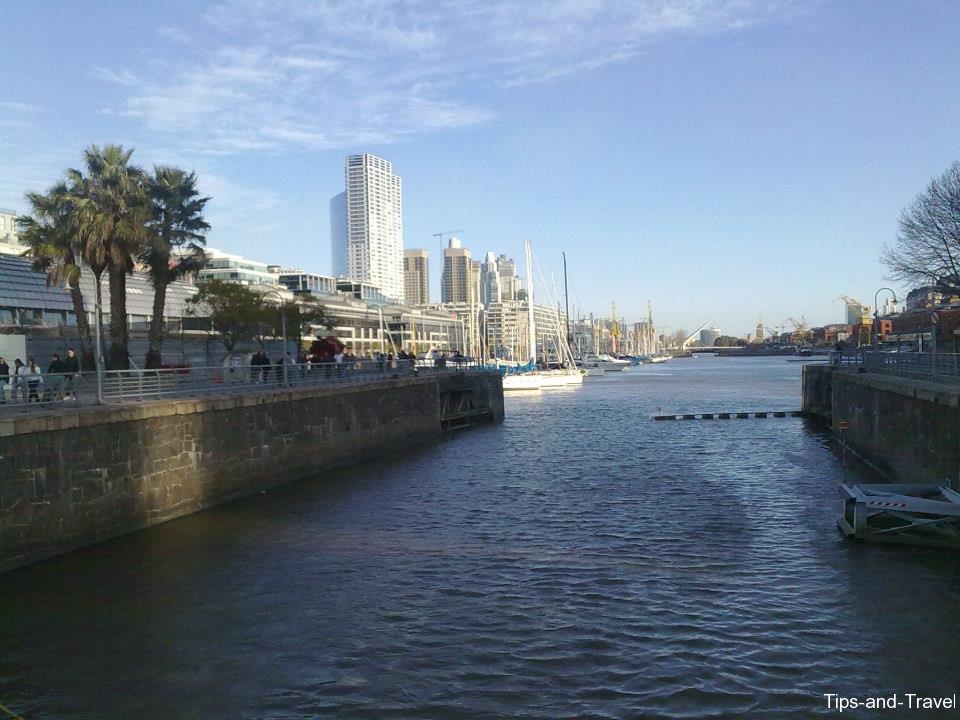
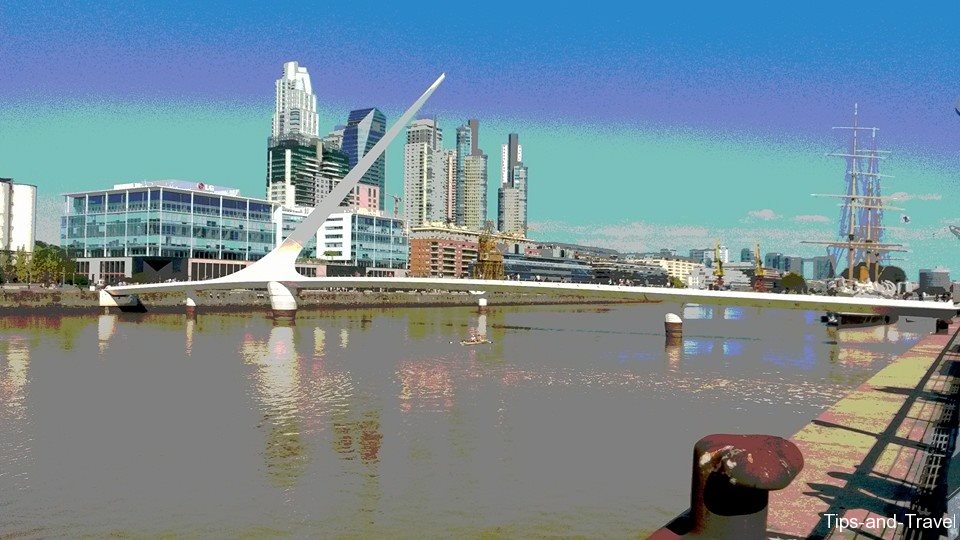
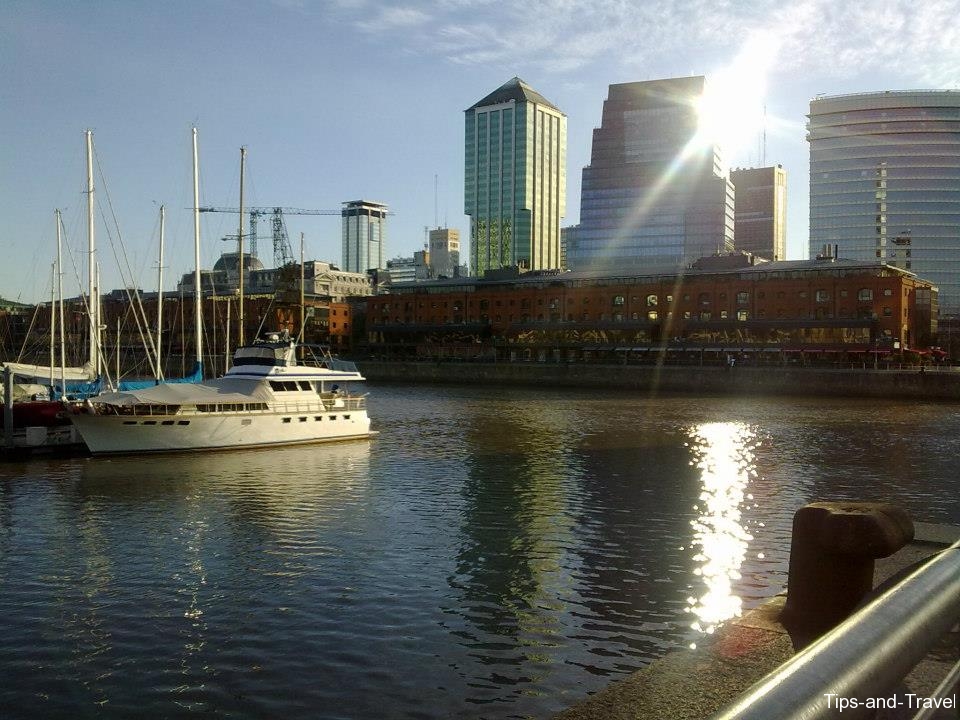
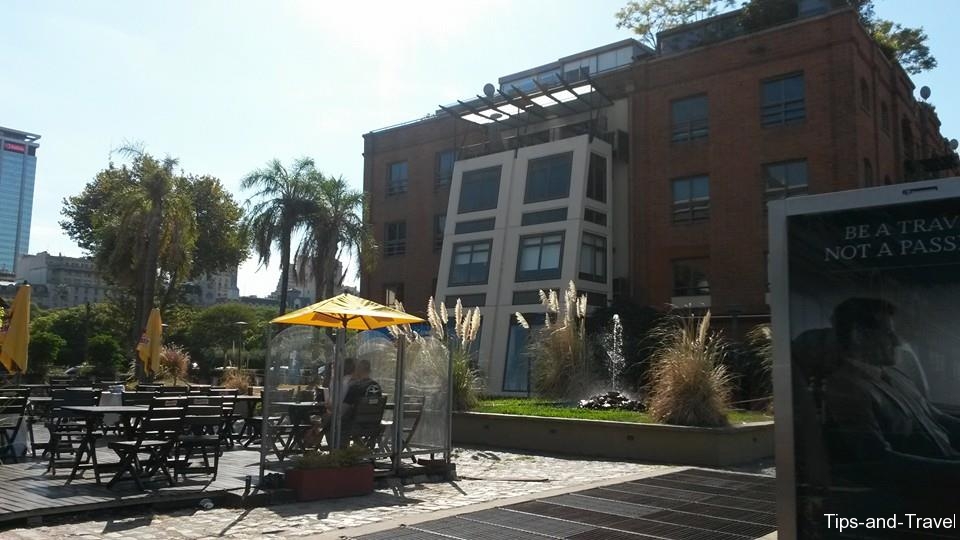
Puerto Madero is the youngest area of the city of Buenos Aires. Its location close to the city center, the major expansion of its surface and its view of the La Plata River makes this area one of the most special and loved of the city. It is named after Eduardo Madero, shopkeeper in town who presented three port projects, the last of which was approved by the then president of Argentina (1882) Julio Argentino Roca. Unfortunately, 10 years after its construction it was already obsolete because of the size of the time boats, so the industry went into decline and became one of the most degraded areas of the capital. In 1989 the Puerto Madero Old Corporation had the agreement to deal with the sector to develop a new neighborhood. They traced the streets, avenues, they created the parks, squares, they installed the monuments and restored the existing historical infrastructure. There was the construction of cultural centers and many offices and family homes settled there. Restaurants, a university and the sports field of the National College completed the new sector. Numerous towers were built in a second time raising real estate prices to the point that Puerto Madero has become the most expensive neighborhood in the capital. The Woman’s Bridge also beautifies the area. Hotels (3 five-star) and other stores were added to the project also making it a very touristy area. In the district there is also the Costanera Sur Ecological Reserve (located on land reclaimed from the river La Plata) which is covered with native vegetation.
Tips

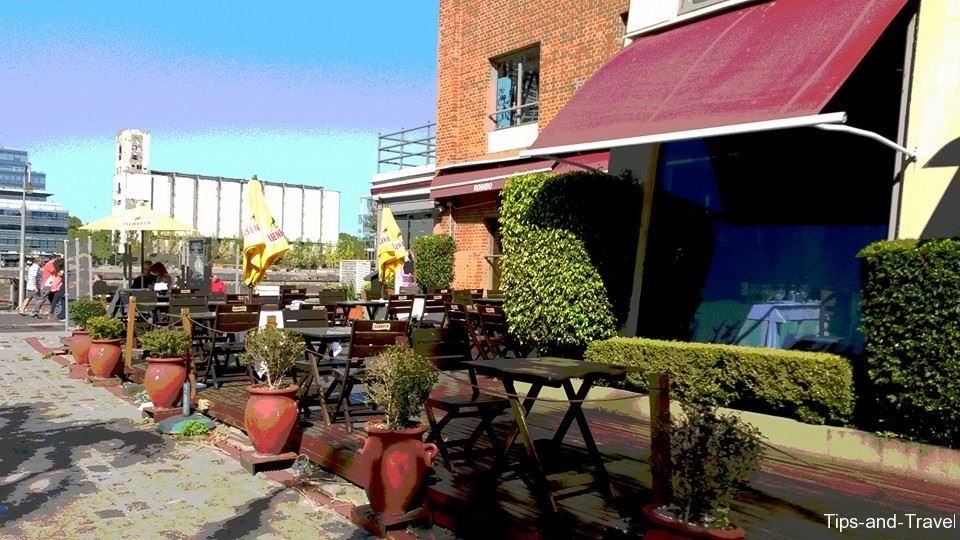
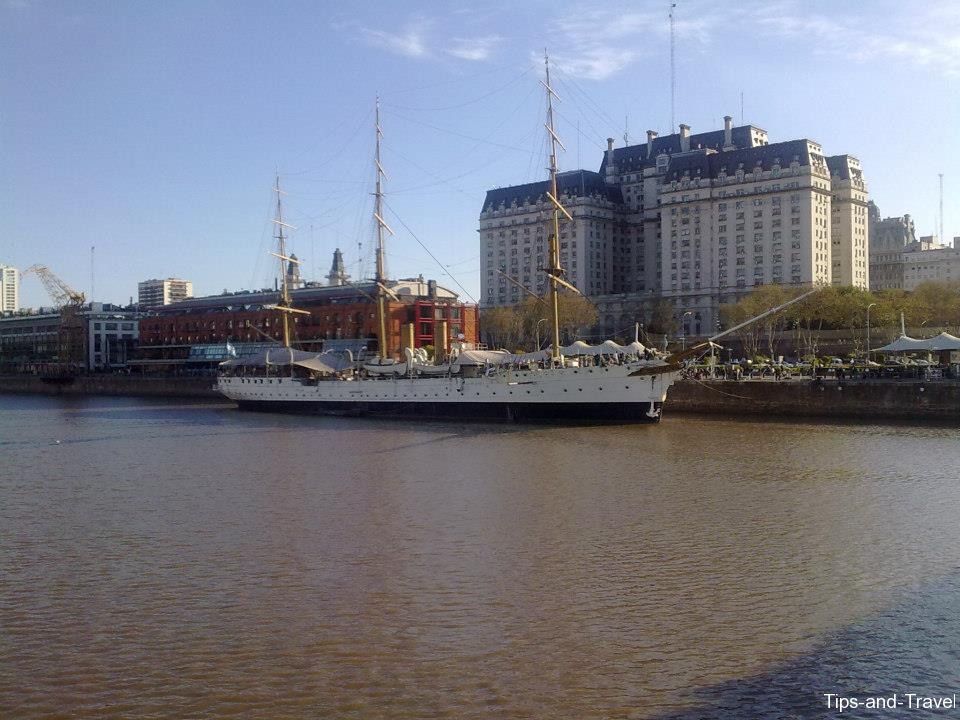
The area is the ideal place to spend a day full to walk around, especially enjoy the famous Argentinian beef with good Argentinian wine in a restaurant on the harbor promenade, as a sweet end, have an artisanal ice cream in one of its dairies and also enjoy visiting the first Argentine training ship; the frigate Presidente Sarmiento who is currently a museum.
You will also find street posts where to buy a meat or sausage sandwich with a drink on the way to the ecological reserve.

The Marques de Sapucai Sambódromo, Rio de Janeiro, Brazil

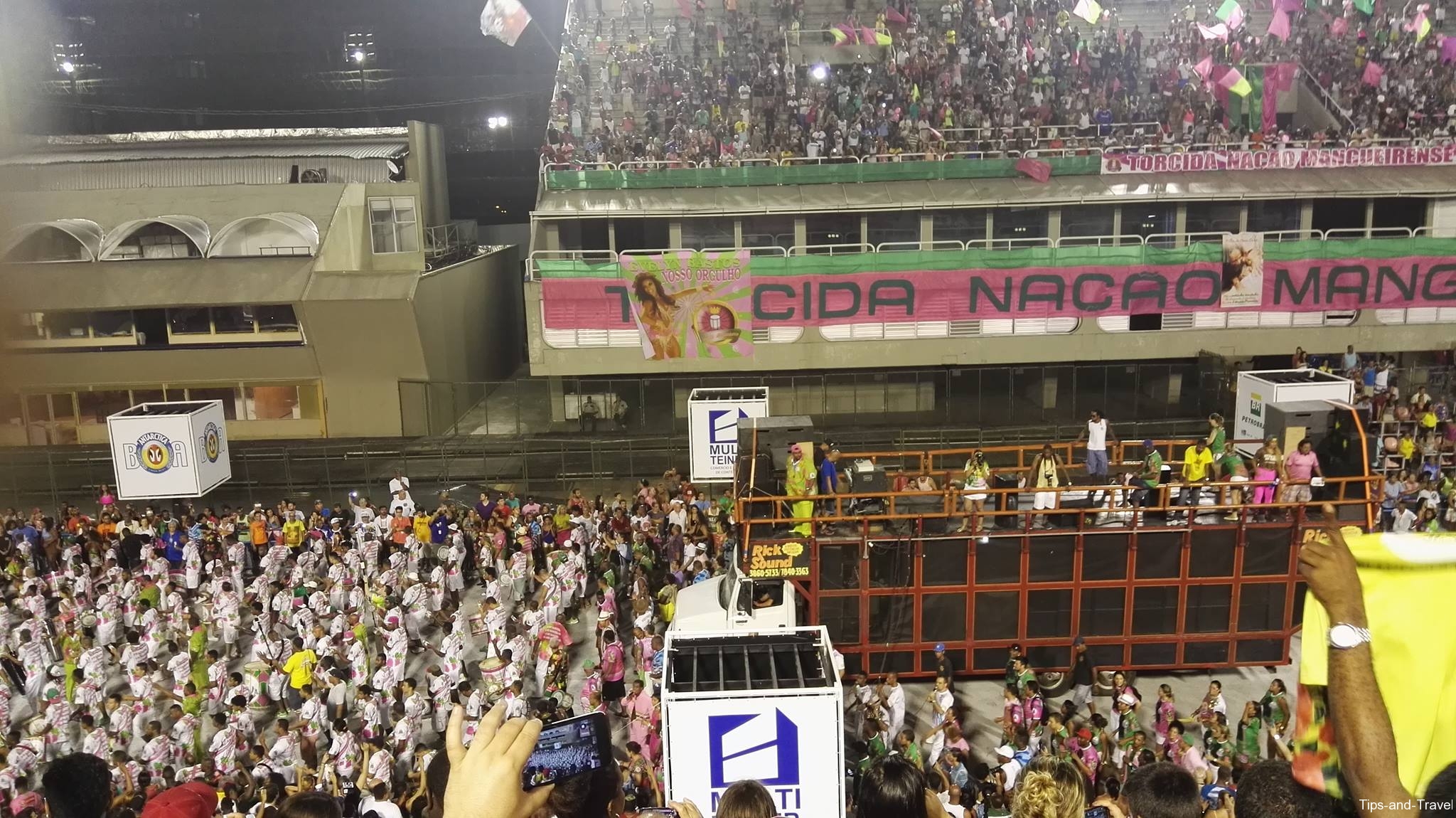
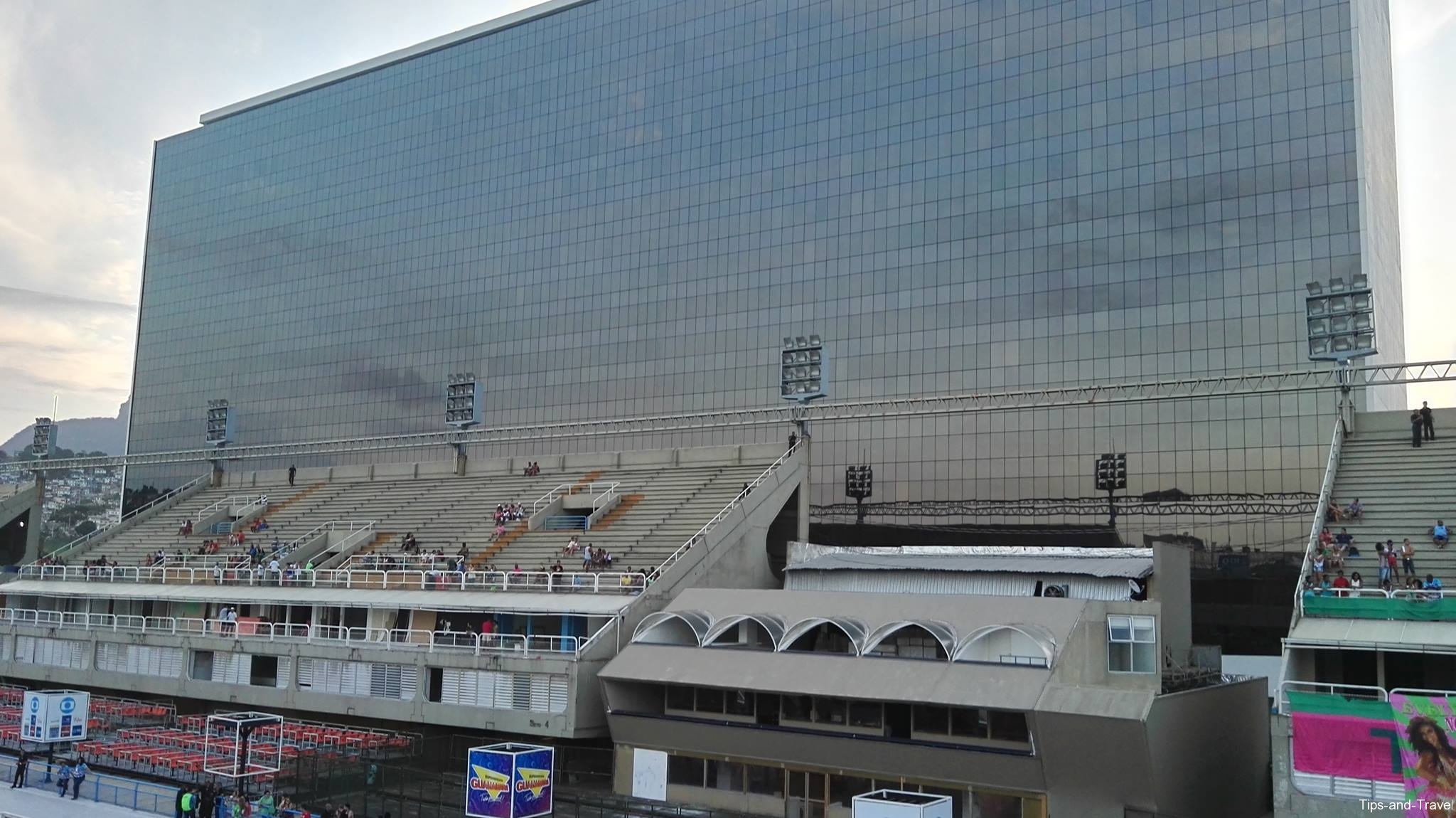
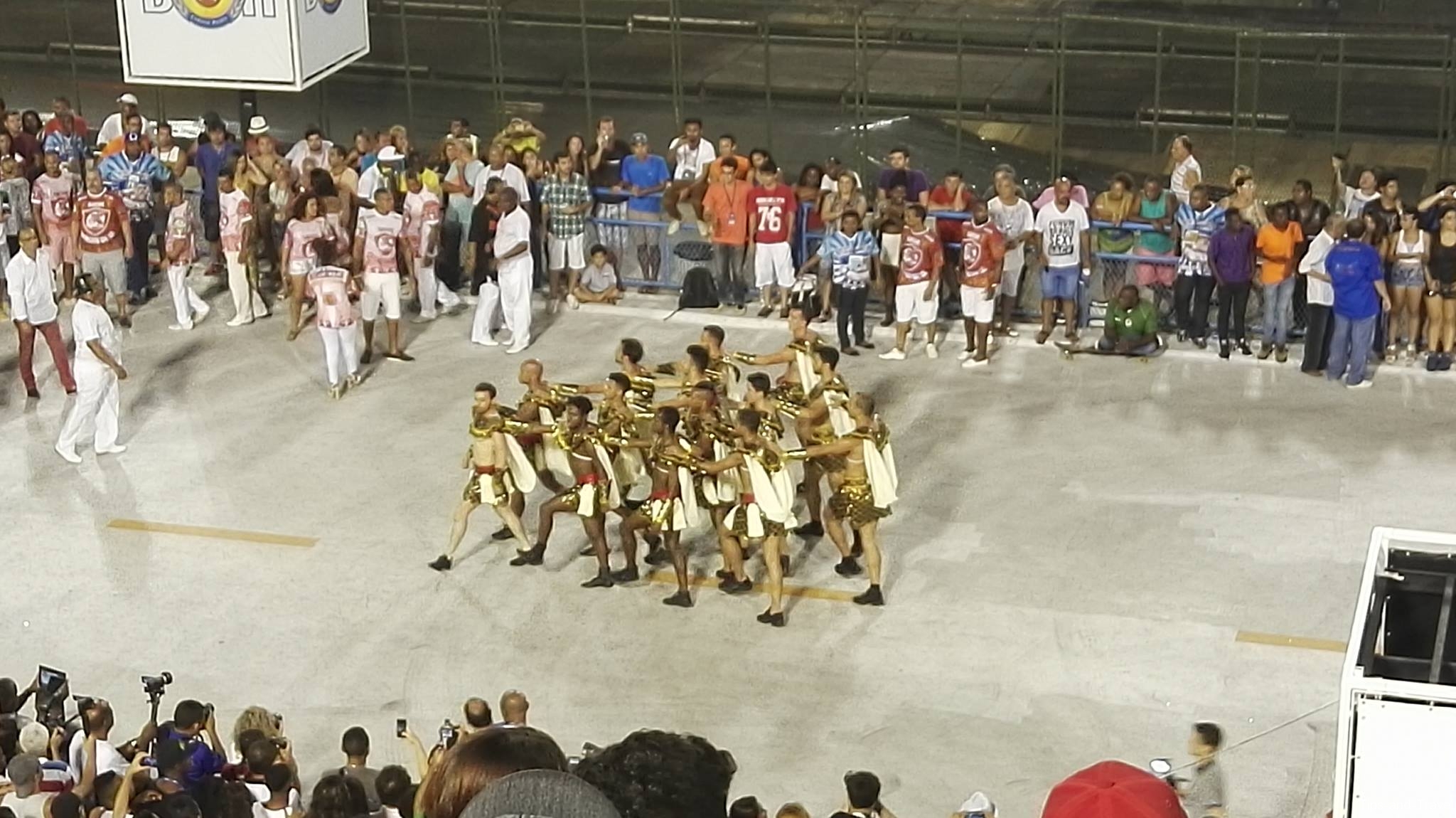
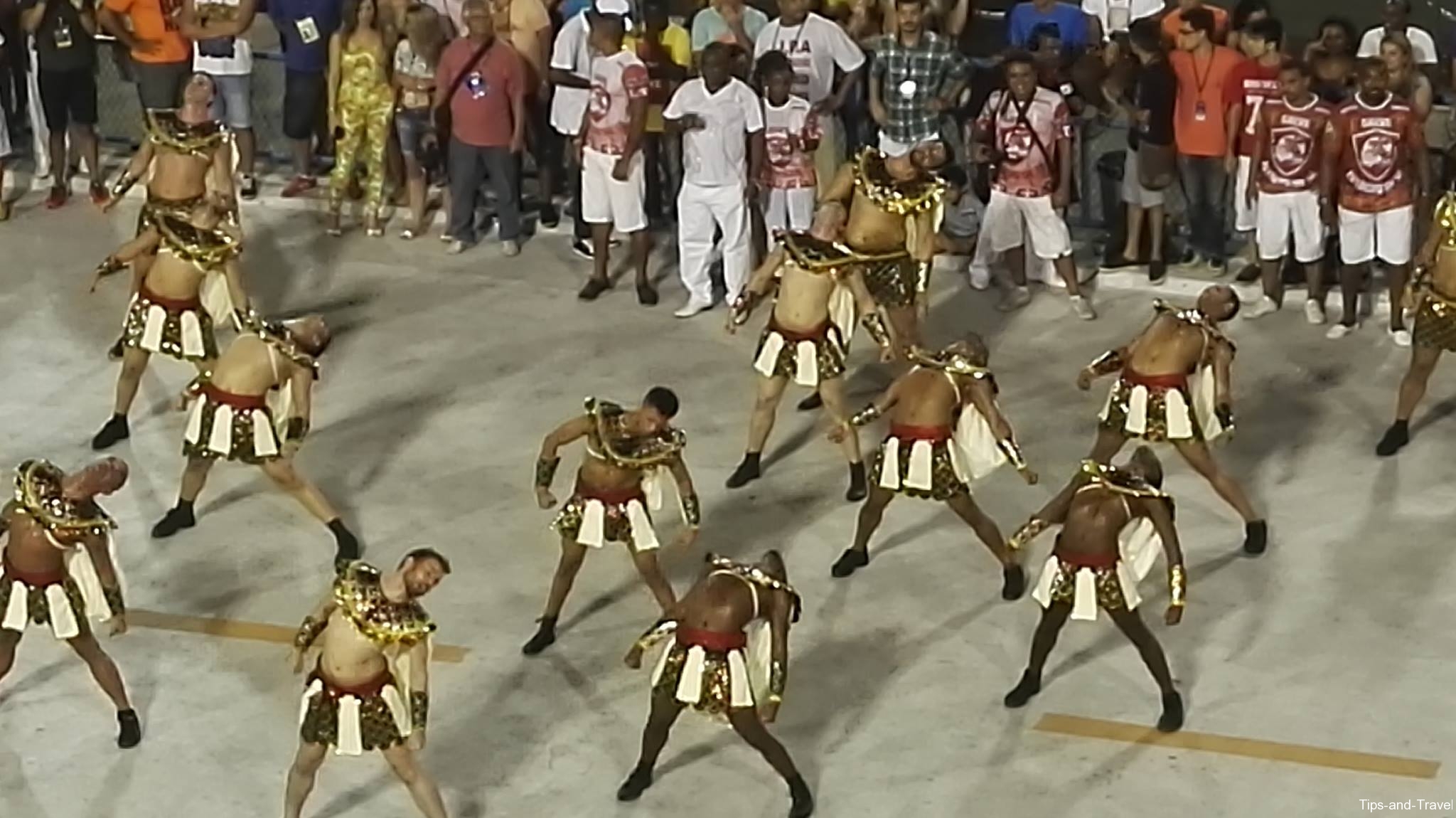
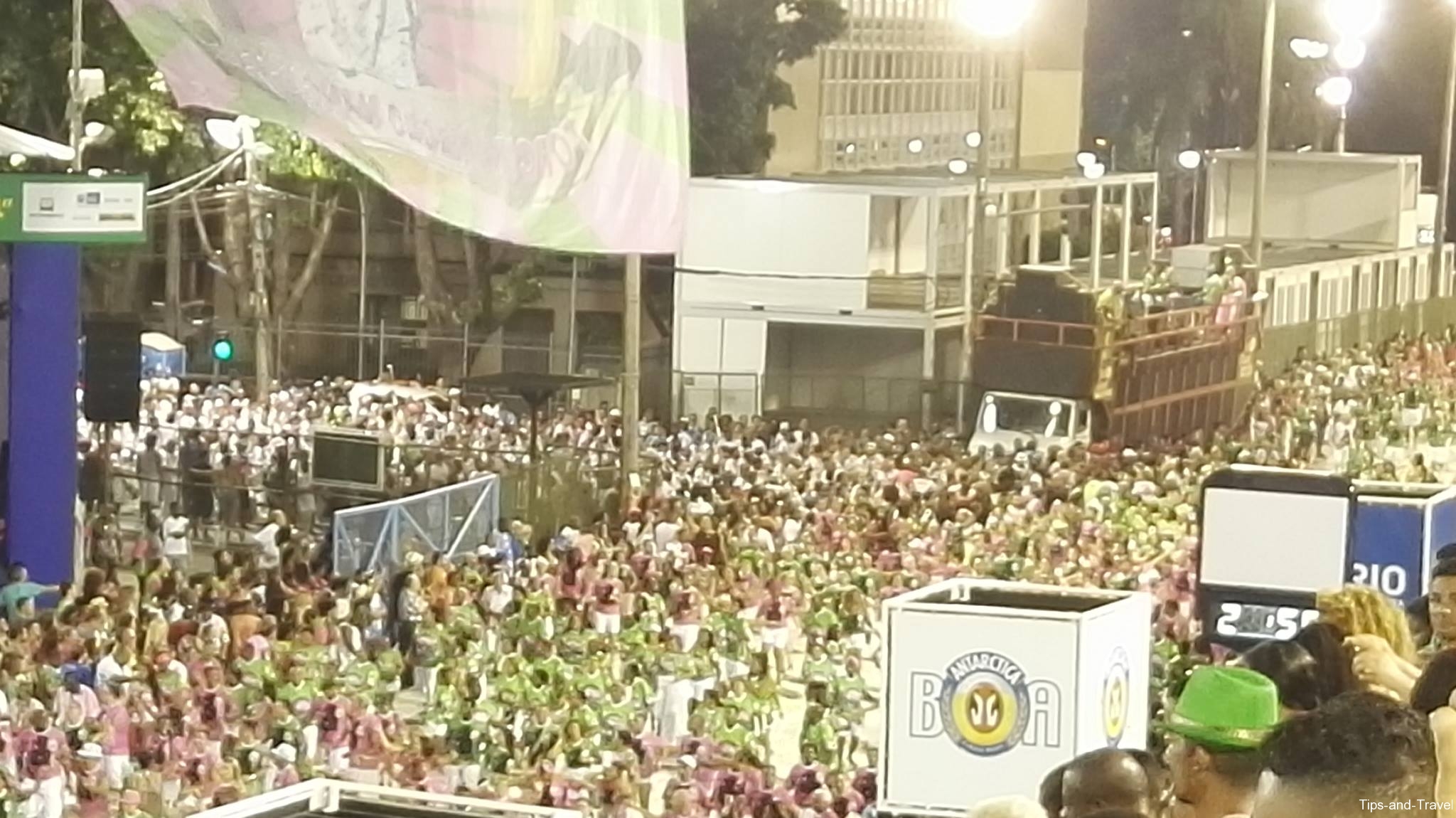
The Marques de Sapucai Sambódromo or Avenida Marques de Sapucai or Passarela do Samba is an avenue surrounded by bleachers of the carnival parade of the best samba schools of Rio de Janeiro, Brazil. It is located west of downtown Rio de Janeiro. The avenue has just a dozen meters wide for about 800 meters long and there are bleachers which sides are open and there are boxes on three levels and the capacity is just over 80,000 people. The samba schools that parade are judged each year to choose which one will be best for 1 year. At each end, there is a place for preparation of dancers, floats, costumes and musical instruments. The parade of each school finished at Square of Apotheosis where there is also the museum of the samba. Before the existence of the Sambodromo (1984), the stands were to be assembled and disassembled every year and there wasn’t a specific place to do it. The avenue has a lot of traffic during the year but during the carnival is completely closed. Oscar Niemeyer was the architect who directed the project. The place will be used for the Summer Olympic Games this year for the marathon and archery.

Tips

Before buying tickets, learn much about the place cause you have to be able to see the parade. The best seats are in the middle or at the end of the avenue.
You have bars, places to eat something and toilets in each sector of the sambodromo. Behind the stands, there is another street with fast food, ice cream, souvenir shops and other toilets. Bring toilet paper in case it would be finished due to the length of the parade that usually ends up with the sunrise.
You can bring your own camera but professional cameras are prohibited.
Check for the Sambodromo Transfer that will give you the security of travel. In the sambodromo, there is no problem, there is security everywhere.