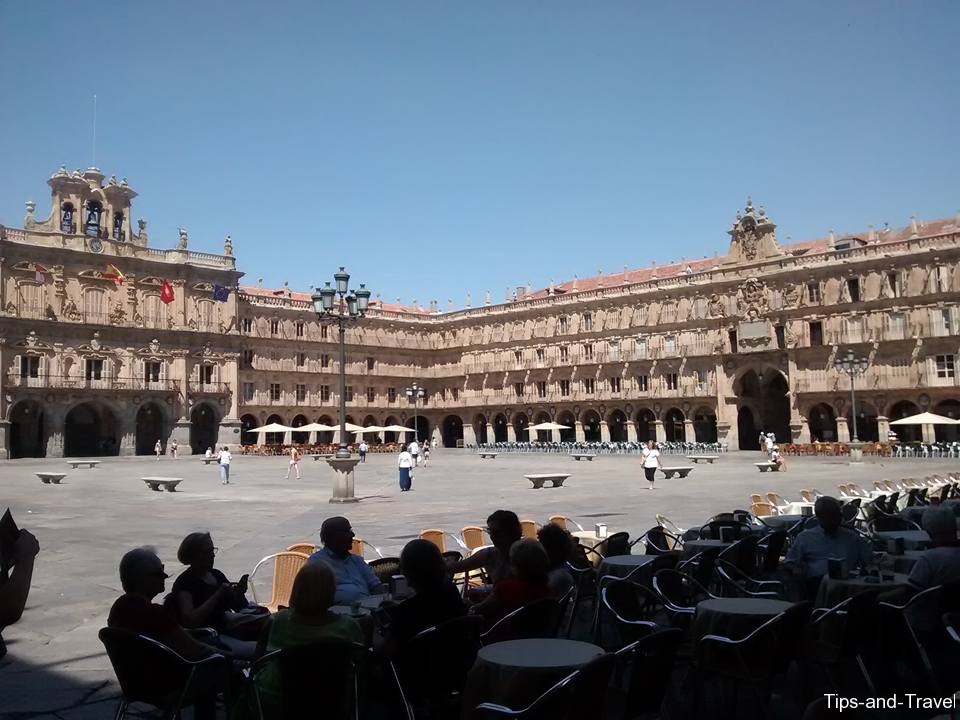
The Plaza Mayor, Salamanca, Spain

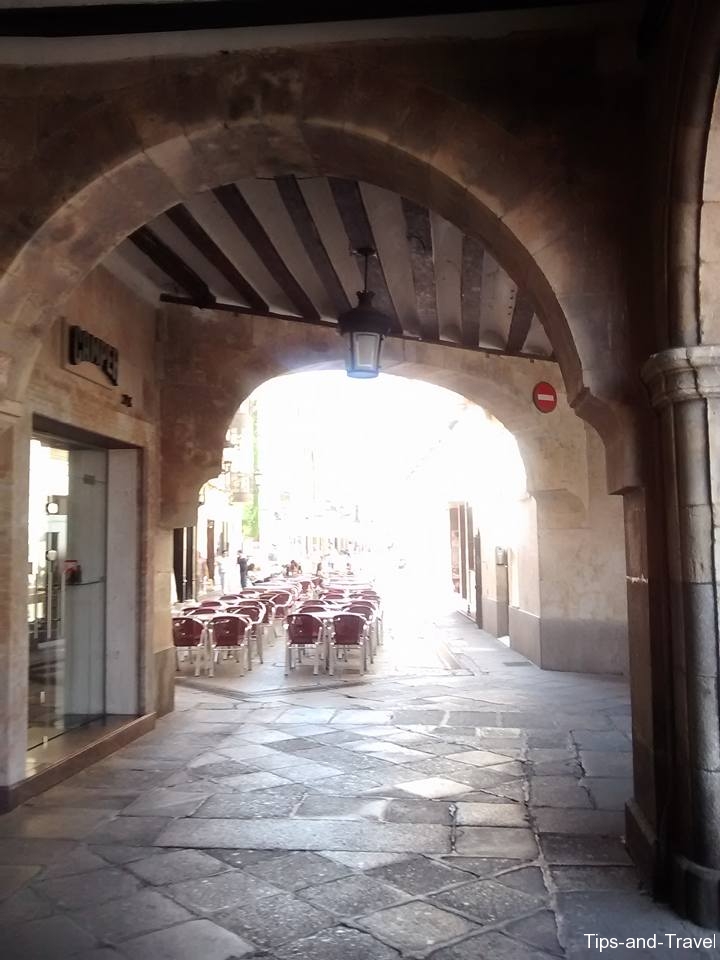
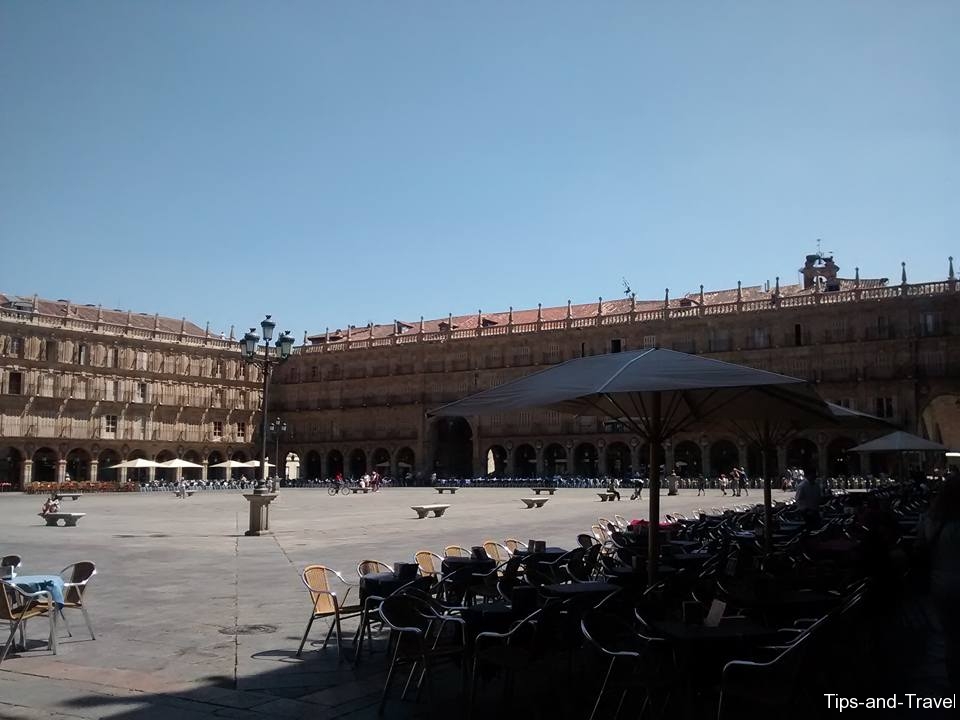
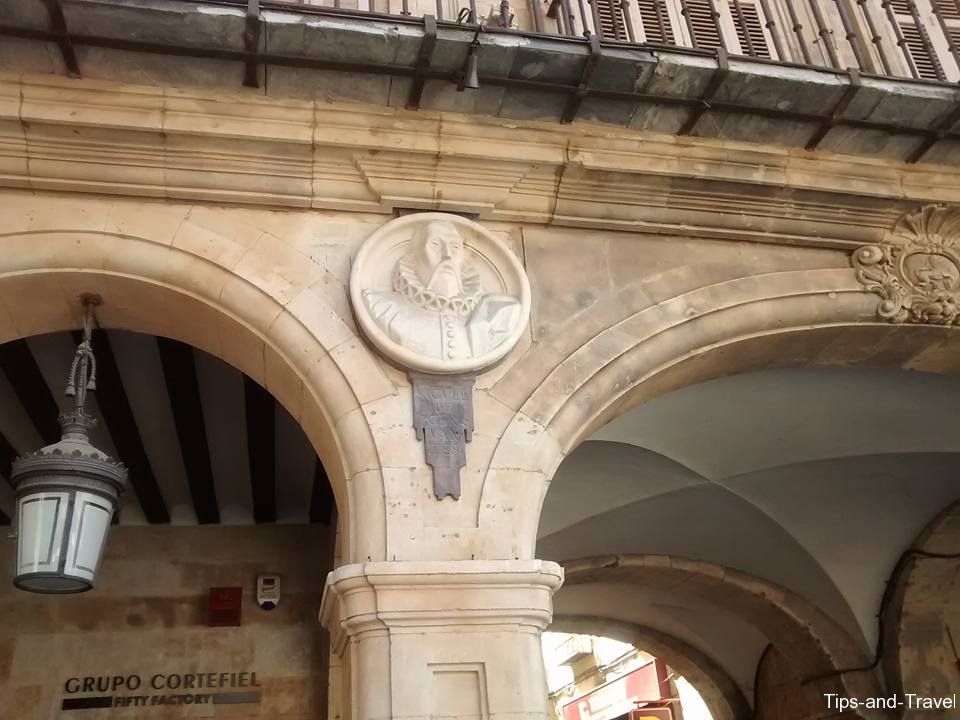
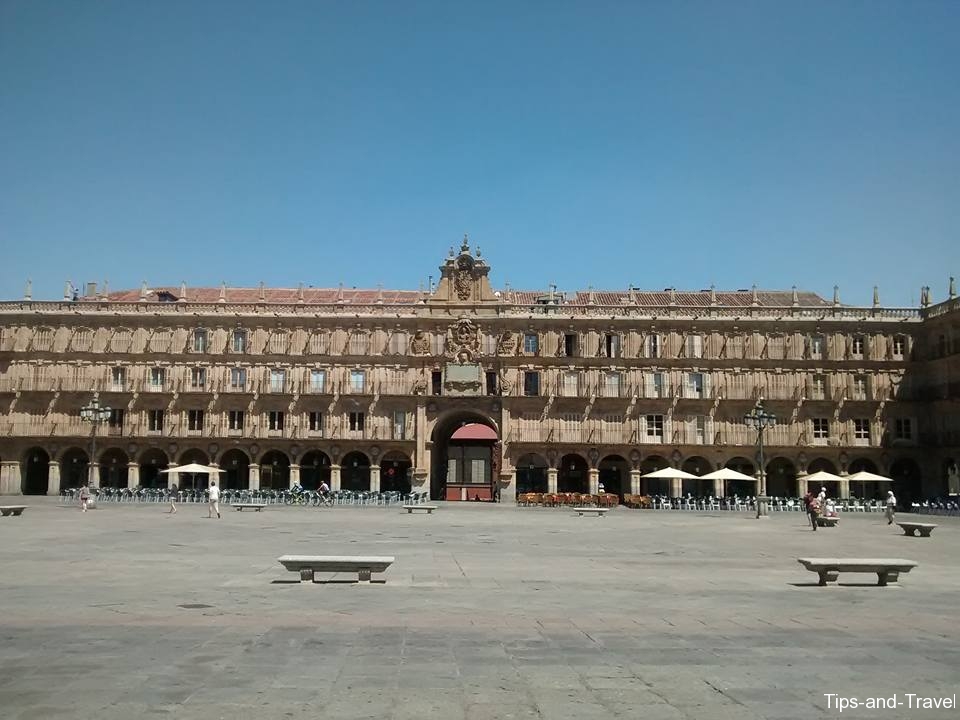
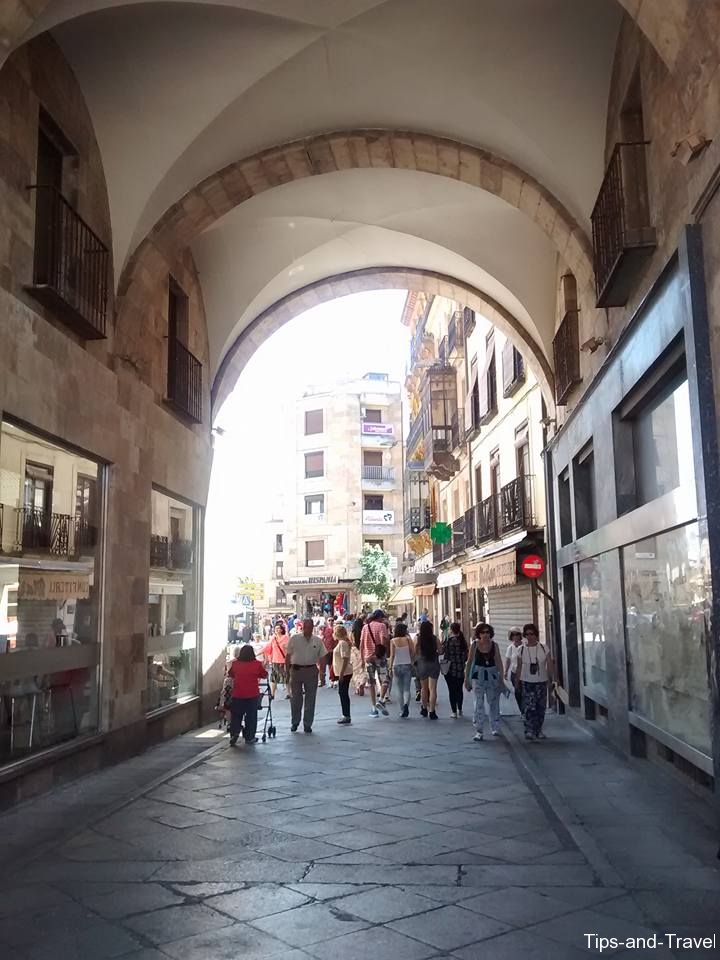
The Plaza Mayor is in the heart of Salamanca, Spain, and is the most characteristic monument of the city. It is an urban space built as a Castilian Big Square, trapezoidal, which, with the time, became the center of social life of the city; cultural festivals and religious ceremonies are held there regularly. It was built in Baroque style between 1729 and 1756; Andrew II De Salamanca City decided to build it to reward the loyalty of the city during the War of Spanish Succession. It has galleries with arches in the center, medallions on arches, bearing the likeness of famous people such as the Catholic Monarchs, Christopher Columbus, Miguel de Cervantes among others. You can also observe the coat of arms on the arches of the great arches in the balconies and other architectural elements.

Tips

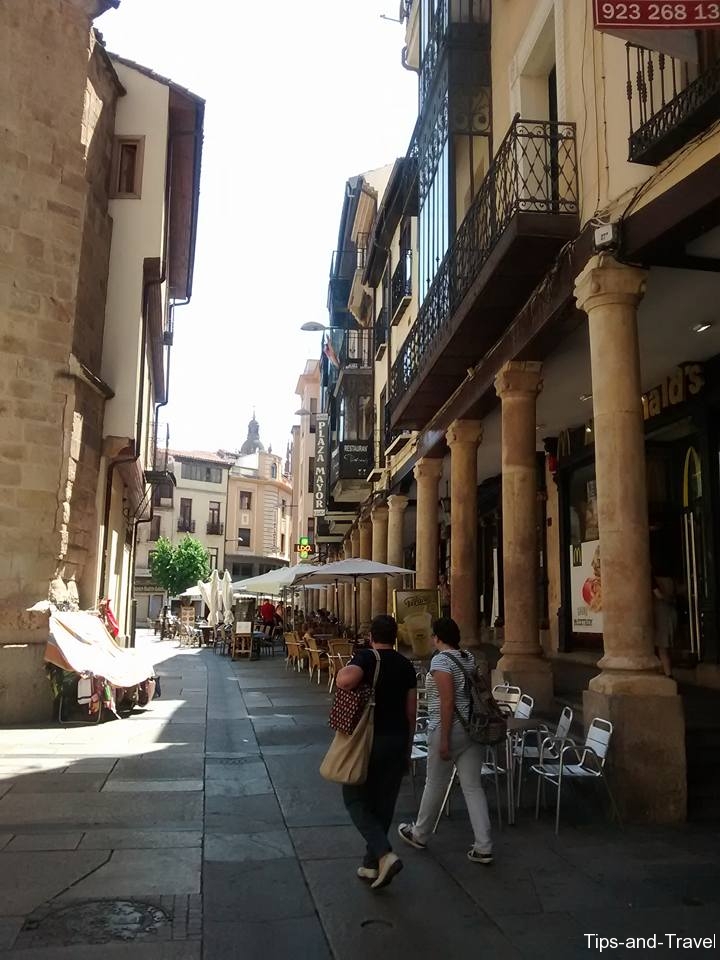
The square is the perfect place to go for a walk, to meet with friends and share a coffee or a drink in a local around there.

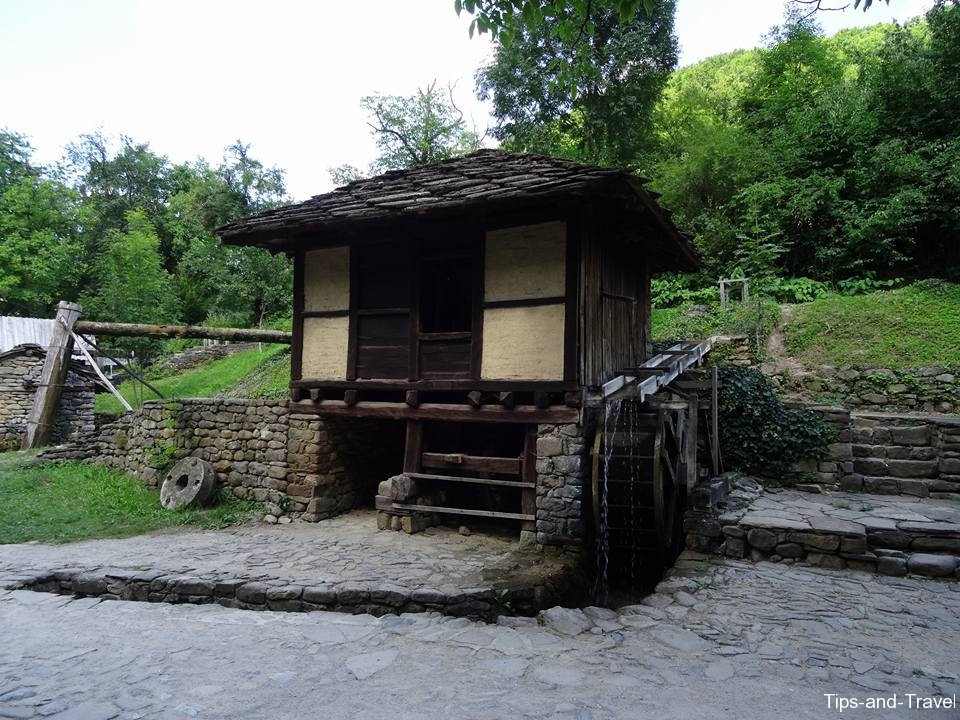
Etar Architectural-Ethnographic Complex, Gabrovo, Bulgaria

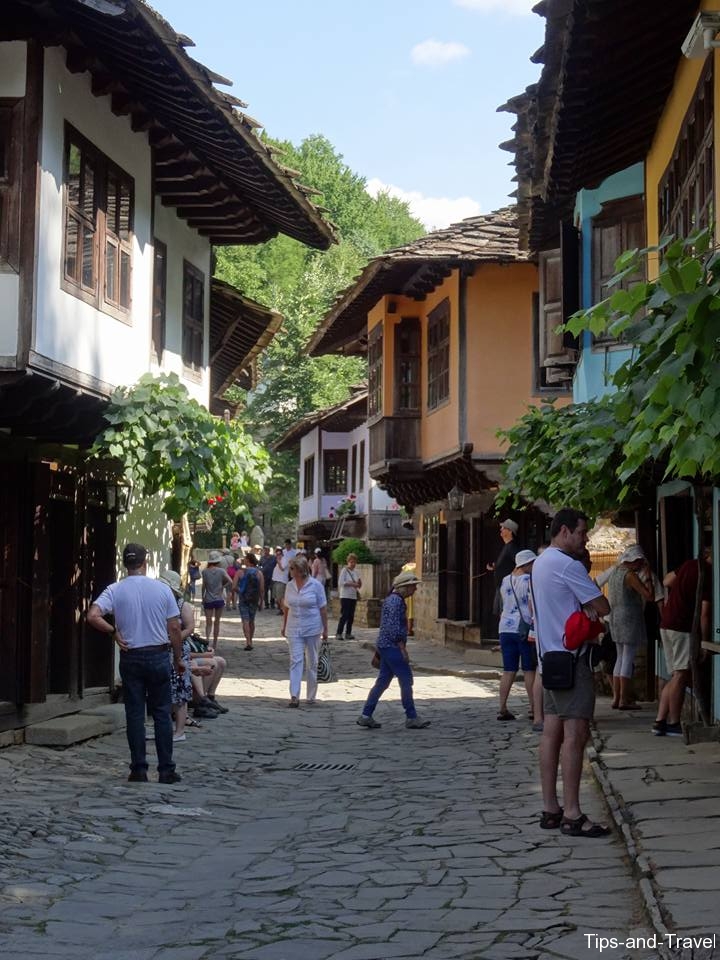
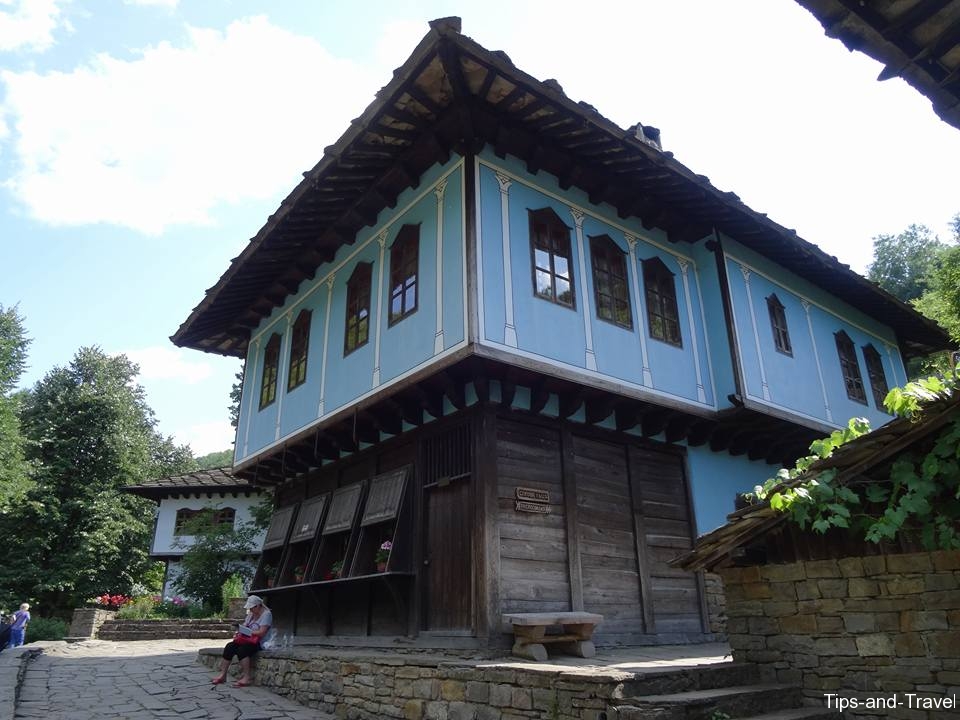
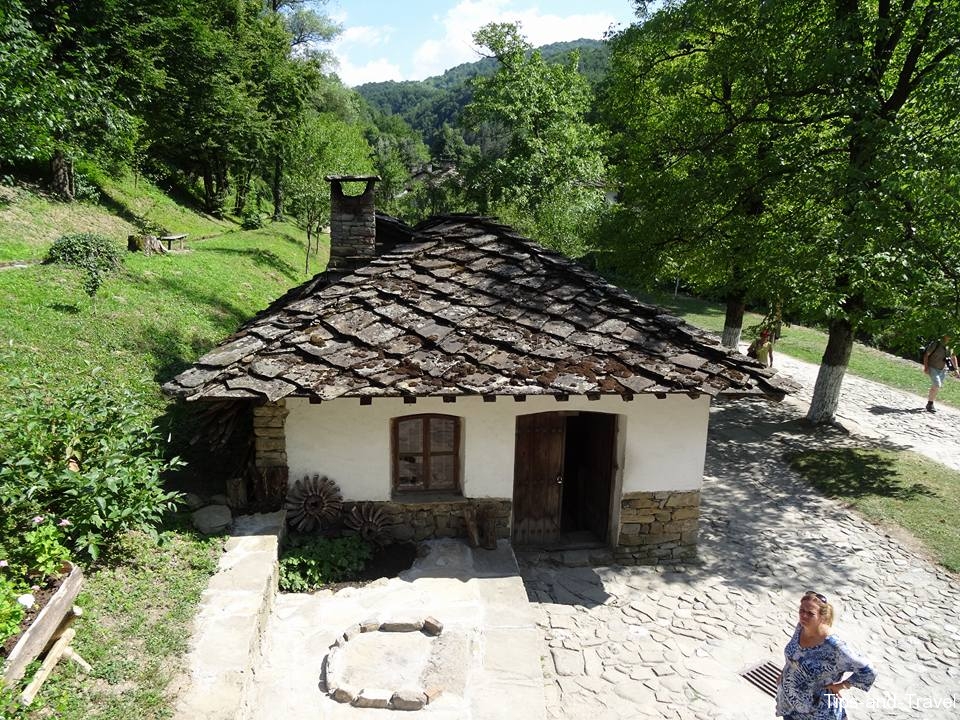
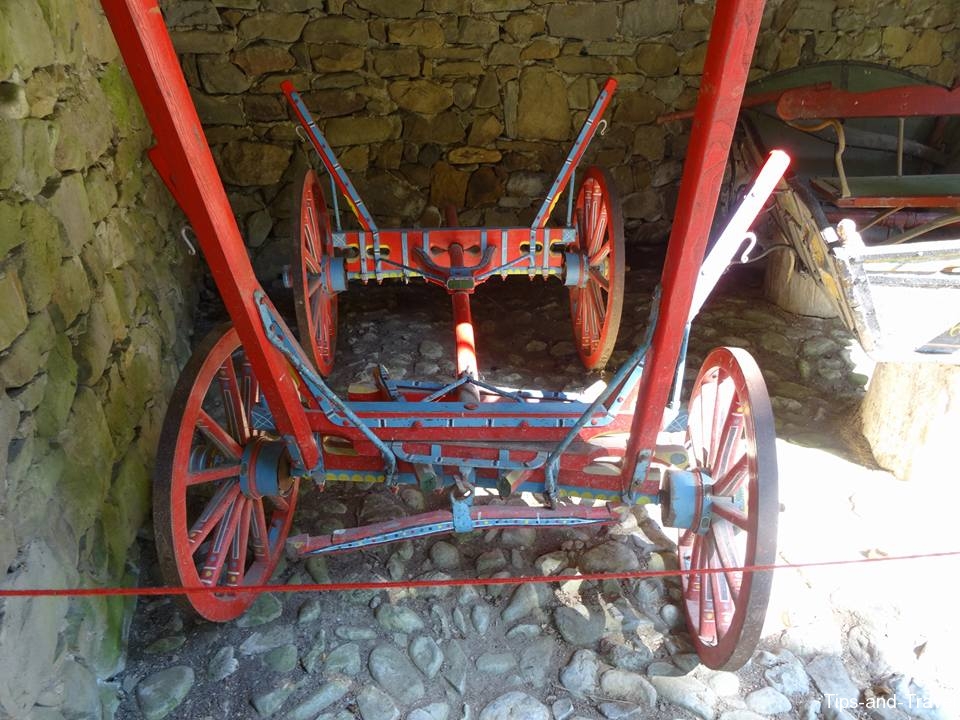
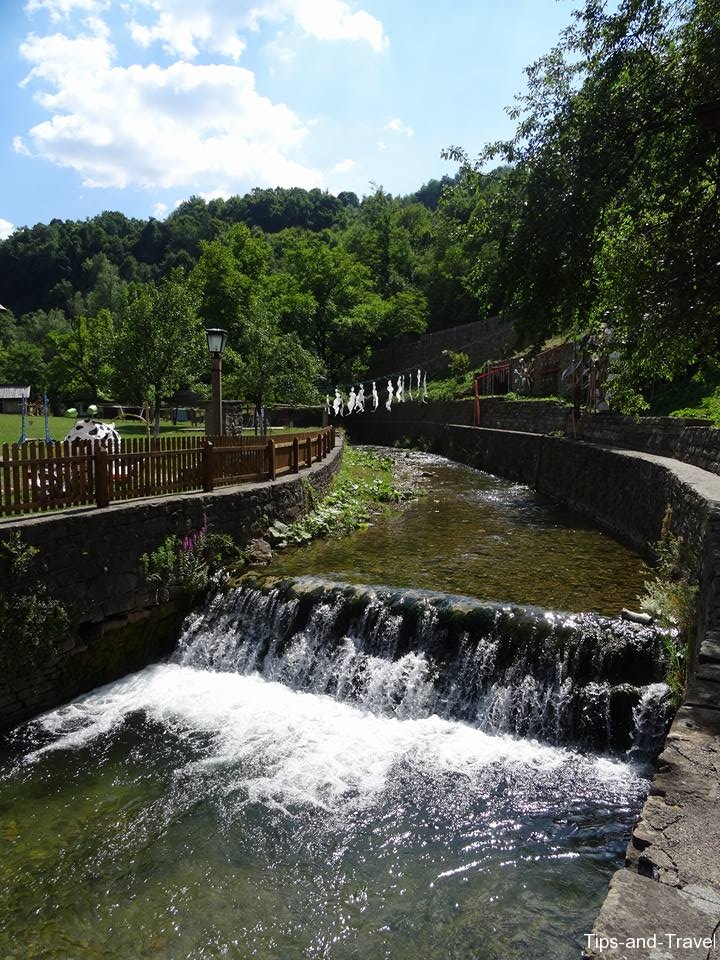
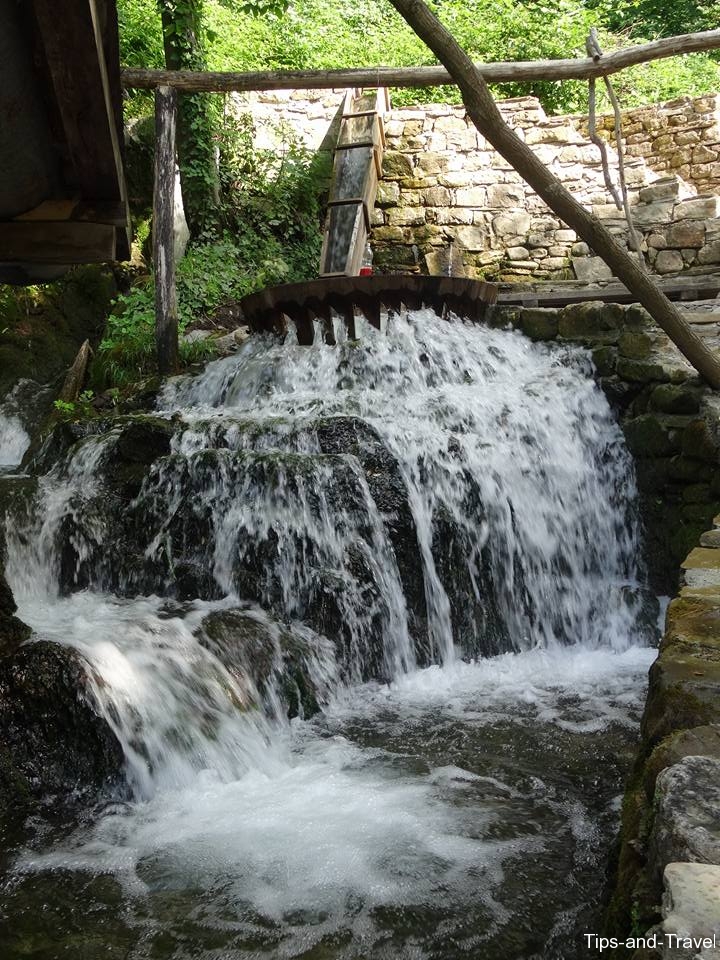
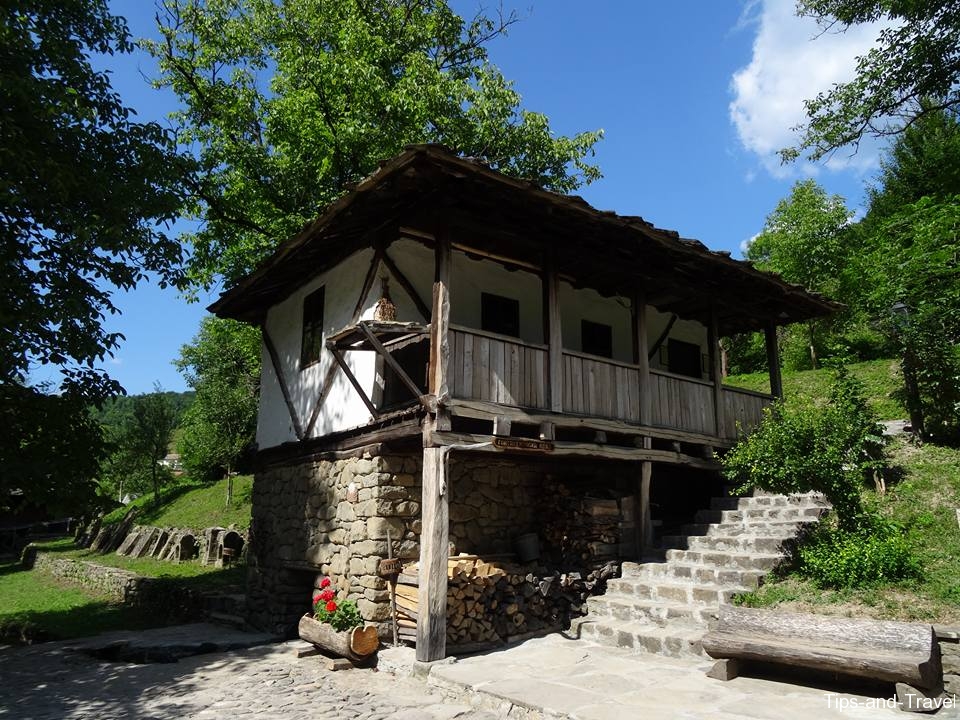
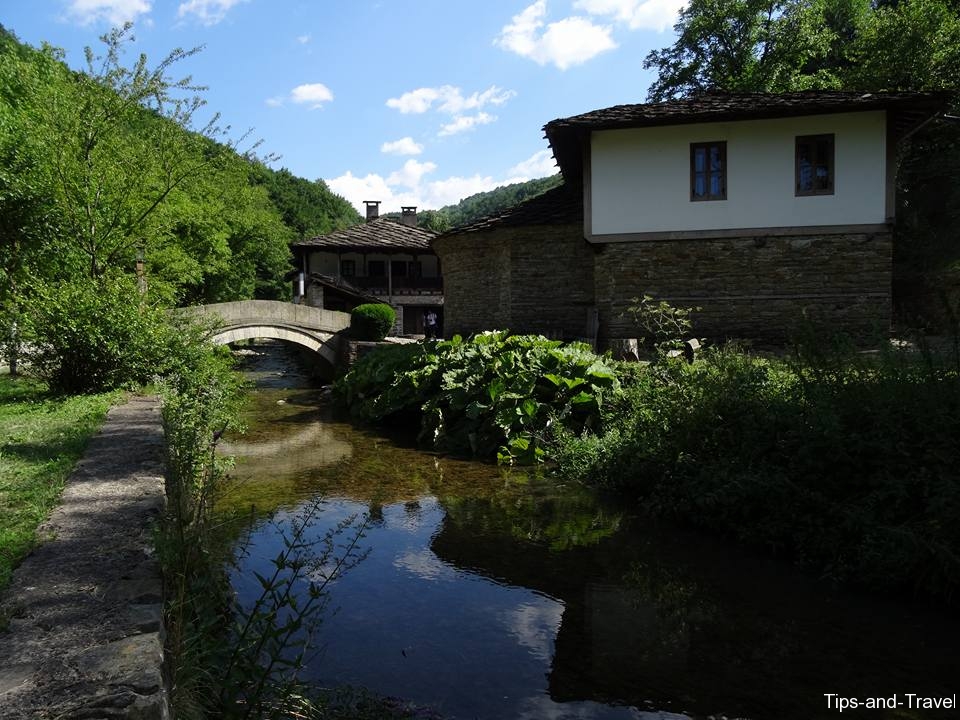
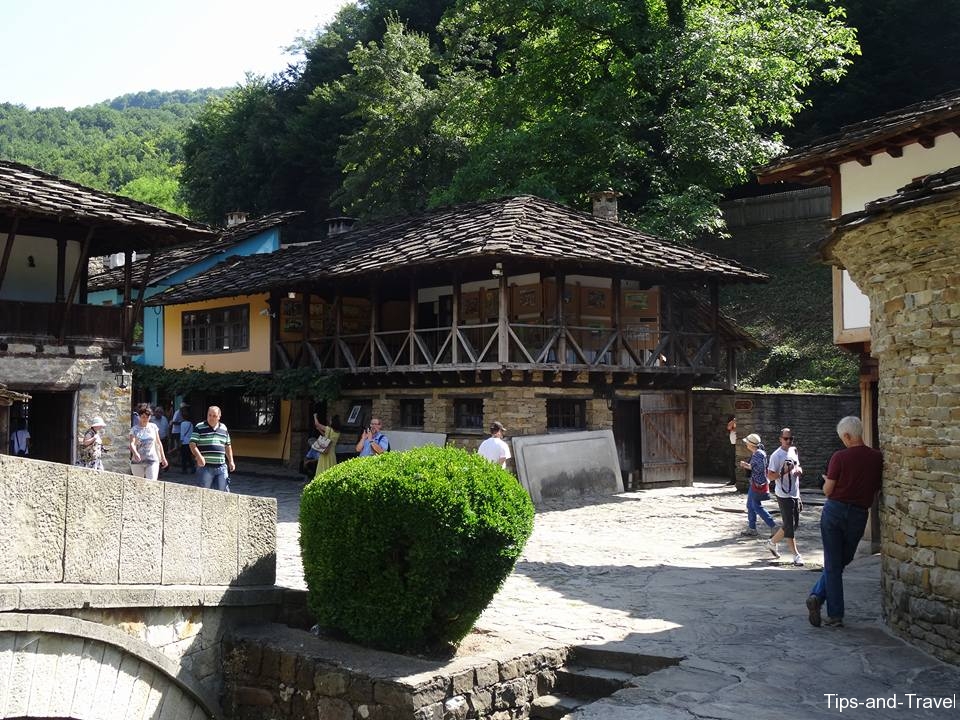
The Etar Architectural-Ethnographic Complex is an open-air museum and a neighbourhood of Gabrovo (8 km south of its center) in northern Bulgaria; on the northern edge of the Bulgarka Nature Park, between the park and the city of Gabrovo. They started buildin it in 1963 and opened in 1964. There you can see the culture, customs and craftsmanship of Bulgarian people. You’ll find about 50 items including water installations and houses with craftsmen’s workshops attached, houses with two floors, a clock tower, pottery, cutlery, needlework, etc. All the items had been made respecting original instruments and the old traditions.
Tips

You can find many restaurants in the park so you can taste and enjoy Bulgarian cuisine.
You can also find shops for souvenirs.
If you visit the place during Easter or Palm Sunday, you can assist to the annual Christian festivals celebrated in the park.

Royal Palace of La Granja de San Ildefonso, Segovia, Spain

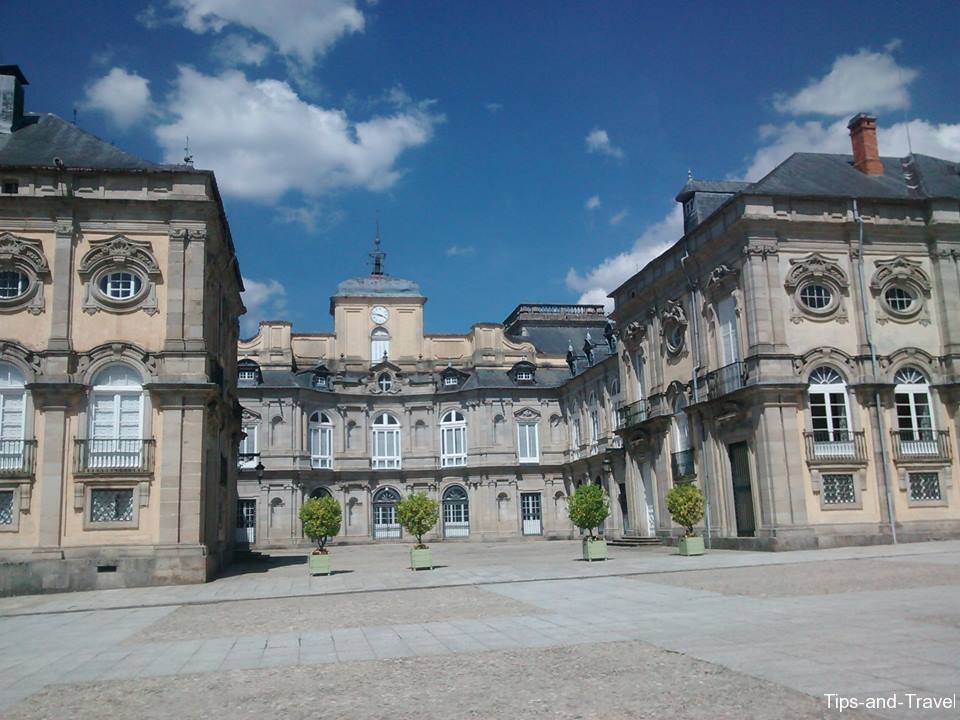
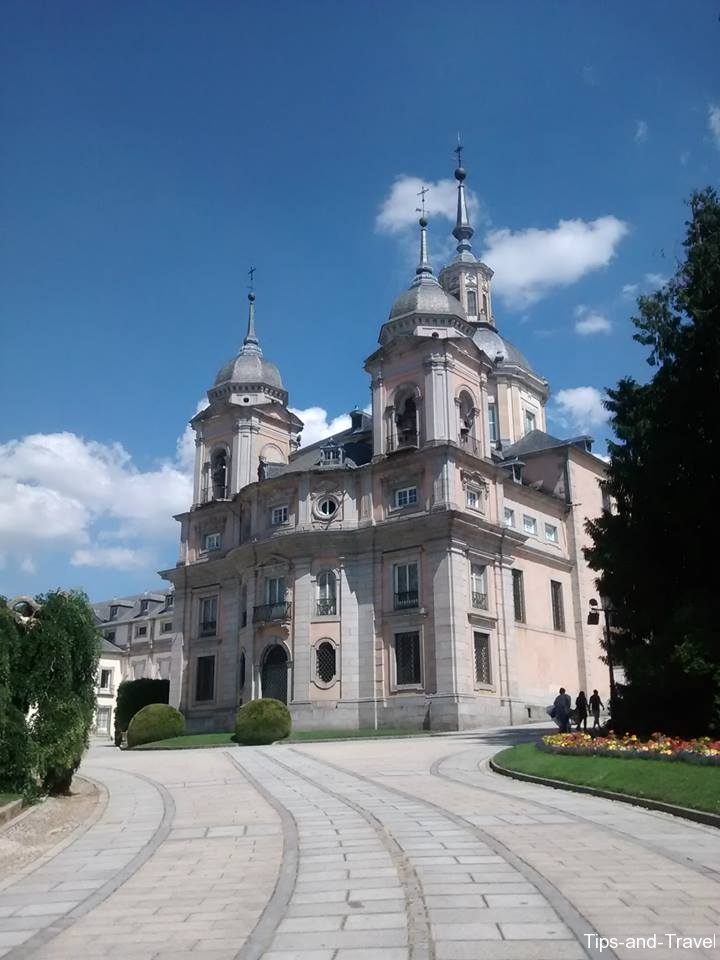
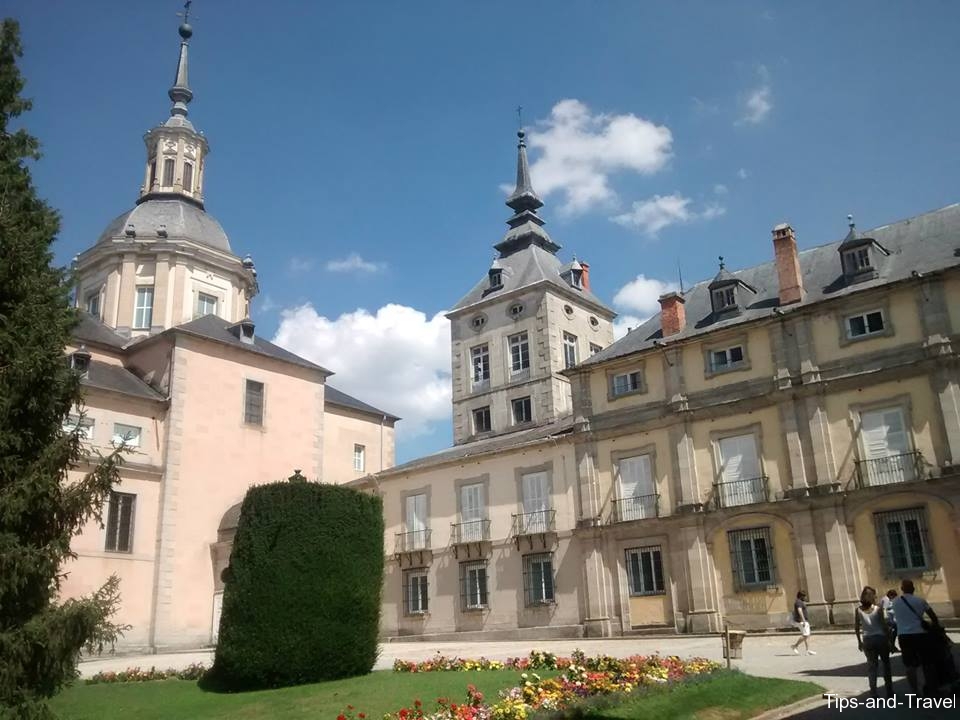
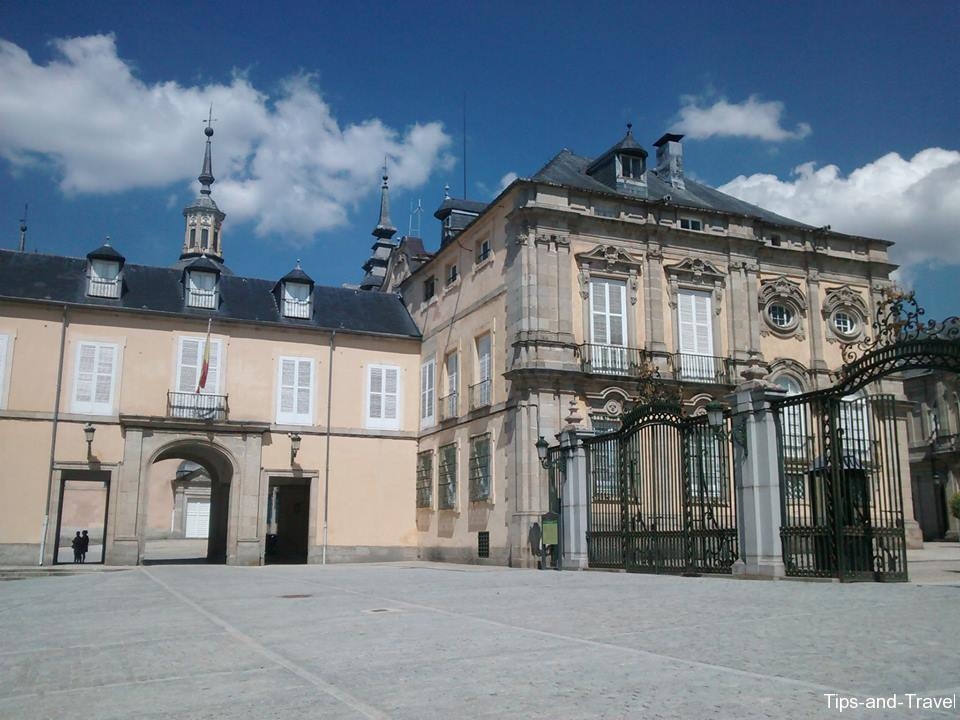
The Royal Palace of La Granja de San Ildefonso is one of the residences of the Spanish royal family, in the Sierra de Guadarrama, 13 km from Segovia and 80 km from Madrid. The name comes from an old farm of Hieronymite monks who were nearby. Henry III built the first refuge and Henry IV built a shelter and a small chapel dedicated to Saint Ildefonso Bishop and the Catholic Monarchs in 1477 gave it to the monks who used the rural place to pray and to rest giving origin to the village taking the same name. It was Philip II who converted it into a sumptuous palace. In 1718, Felipe V, in love with the place, bought it from the monks and built a palace like Versailles and its gardens. The palace became the summer residence of the Spanish king and his court. Felipe V and his second wife are buried in the collegiate church. Several important episodes in Spanish history took place in the palace. The palace and its addictions are in U-shaped and in its gardens there are trees that are over 300 years. There are two terraces and a chapel (the Collegiate Church of the Holy Trinity). Inside, the palace is deeply baroque with beautiful frescoed ceilings and gold painted wood moldings with imposing glass lamps.

Tips

The palace is open to the public. It is advisable to wear comfortable shoes to visit the gardens because it is worth it not only for its plants and flowers but also for its fountains and monuments. From Thursday Saint they put the fountains on work at 17:30 on Wednesdays, Saturdays, Sundays and public holidays. The eight large fountains are operated alternately, but on May, 30th, July, 25th and August, 25th they work all at once. You have to pay an entrance fee, but on August 25 the admission is free.