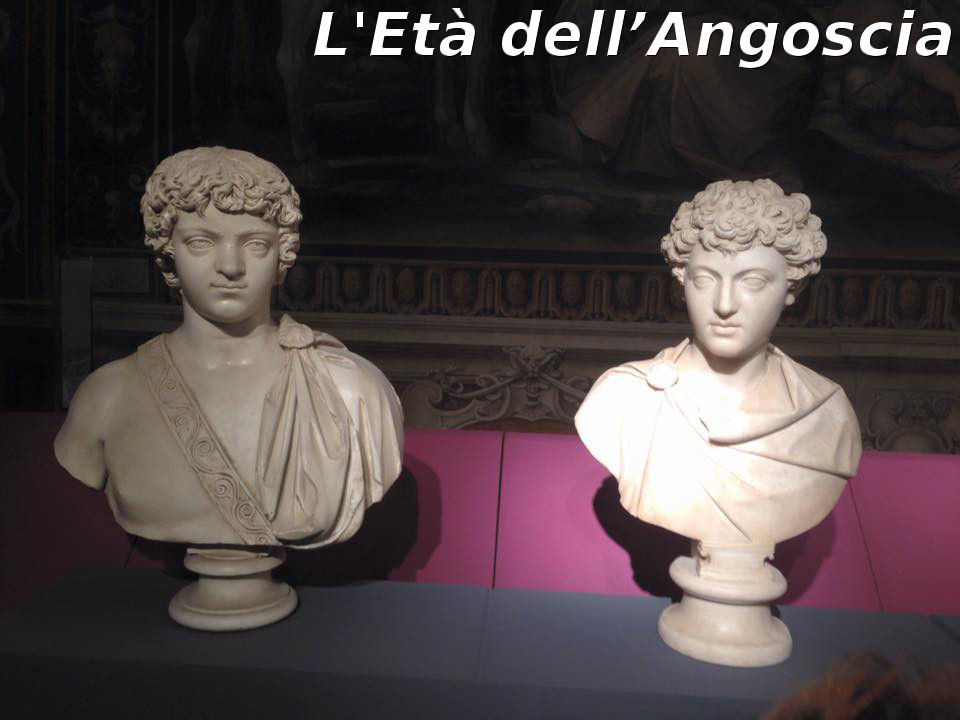
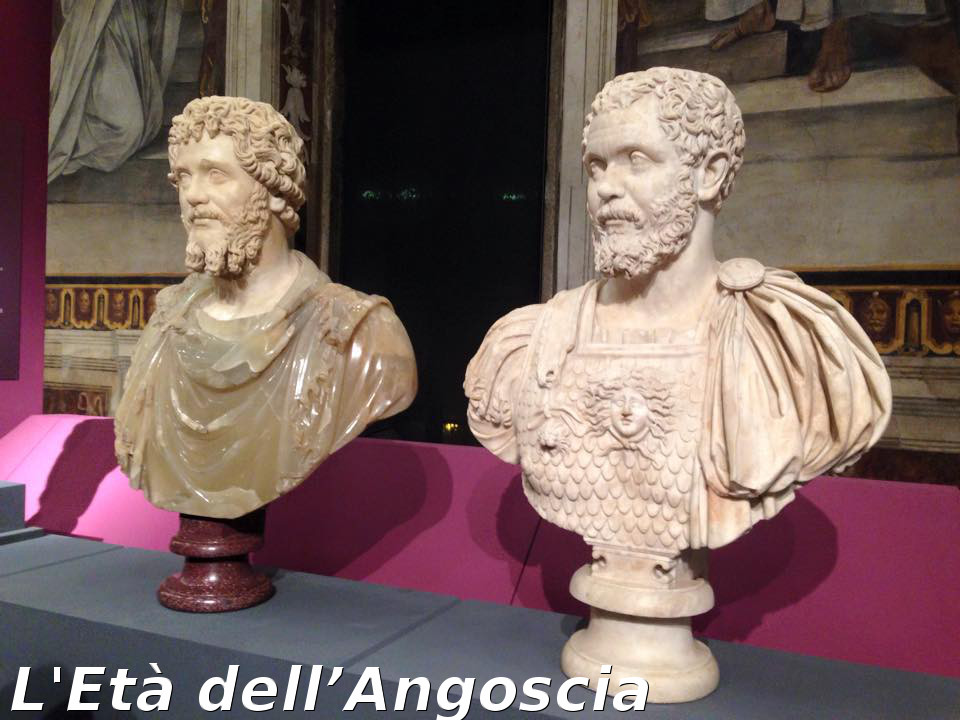
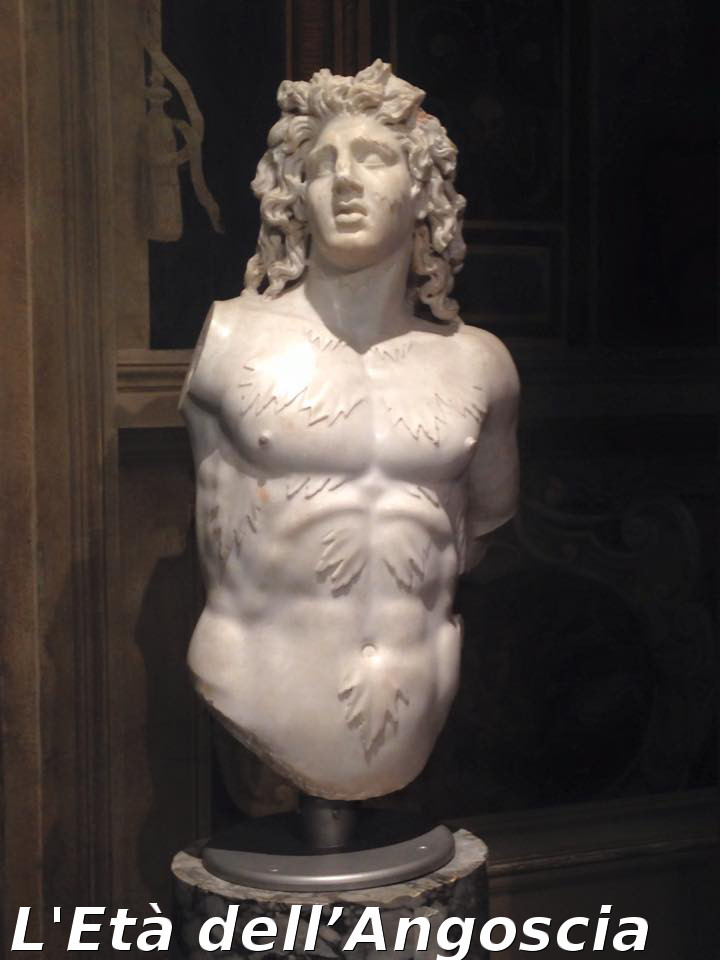
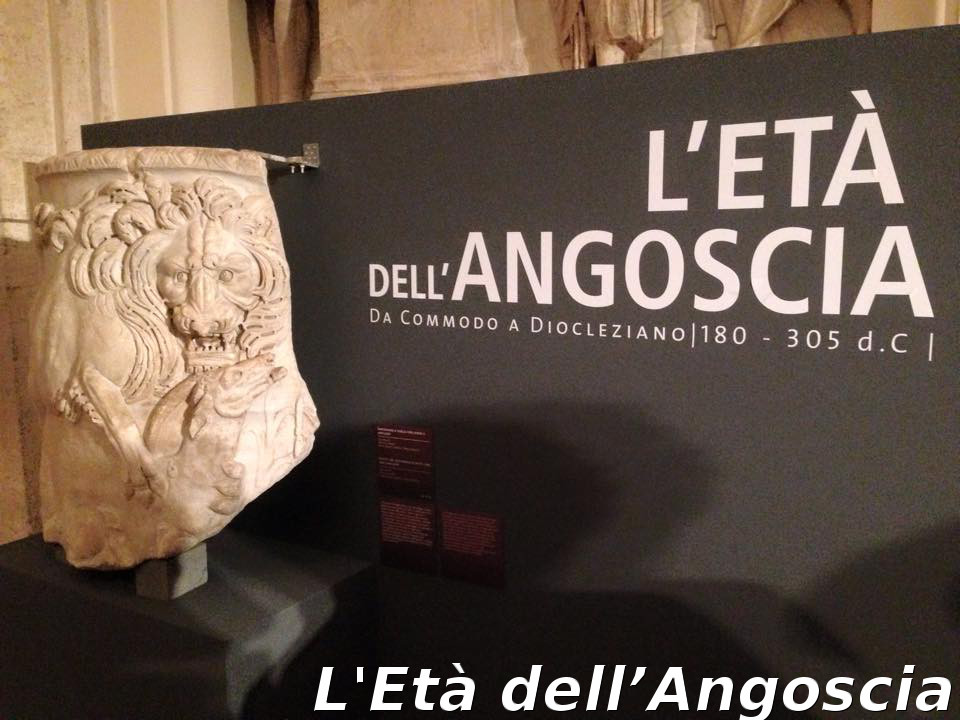
The exhibition ‘the age of anxiety’, fourth round of the ‘Days of Rome”, wants to offer the opportunity to illustrate the major changes that have marked the era between the reign of Commodus (180-192 ac) and that of Diocletian (284-305 ac).
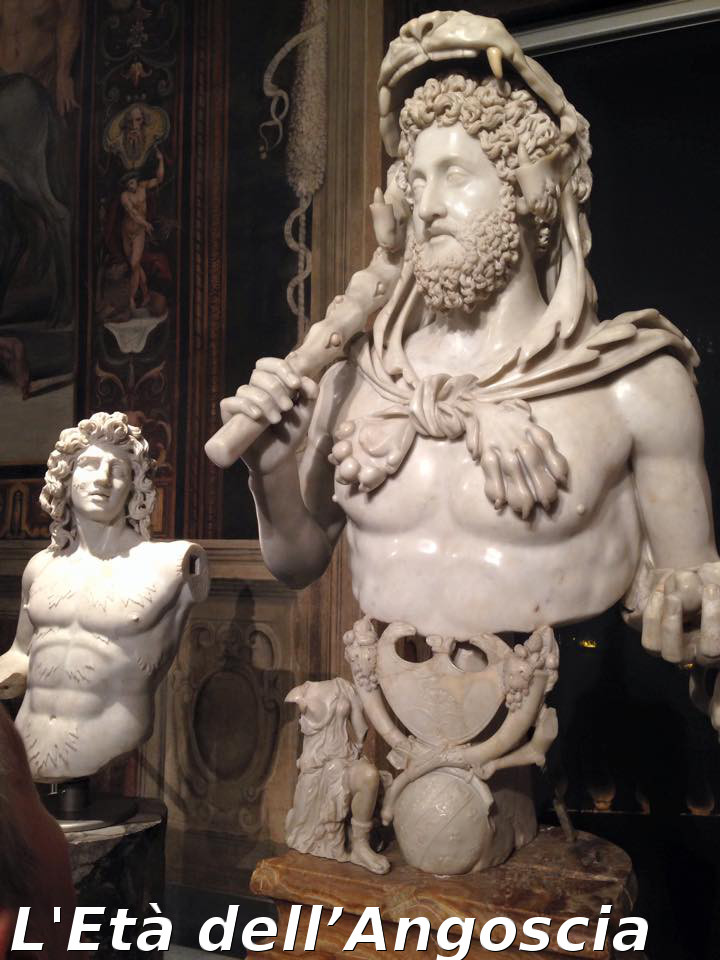
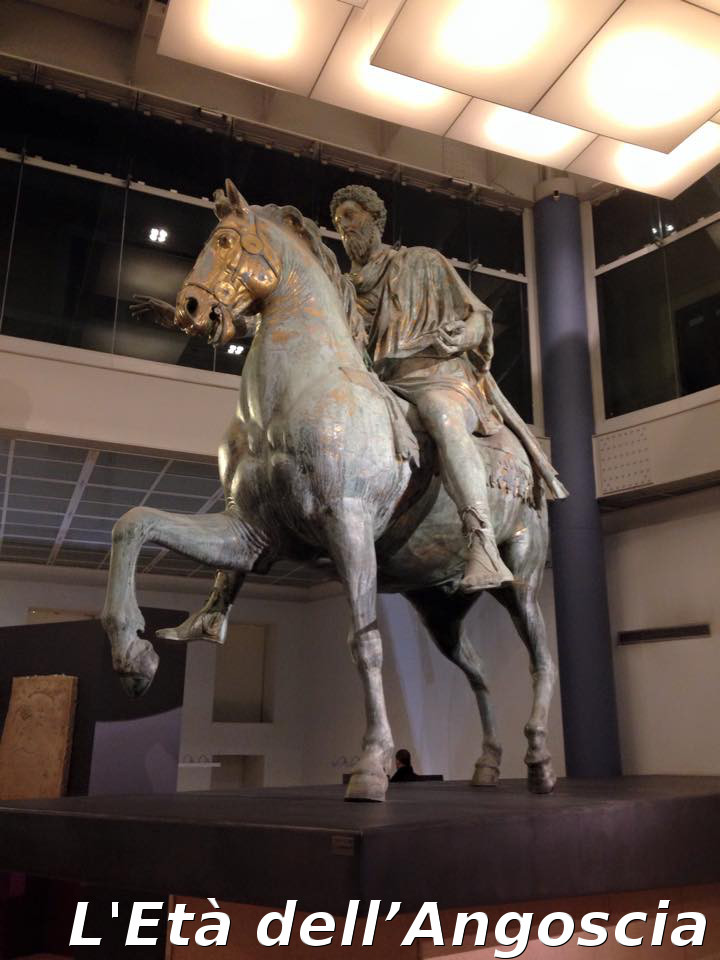
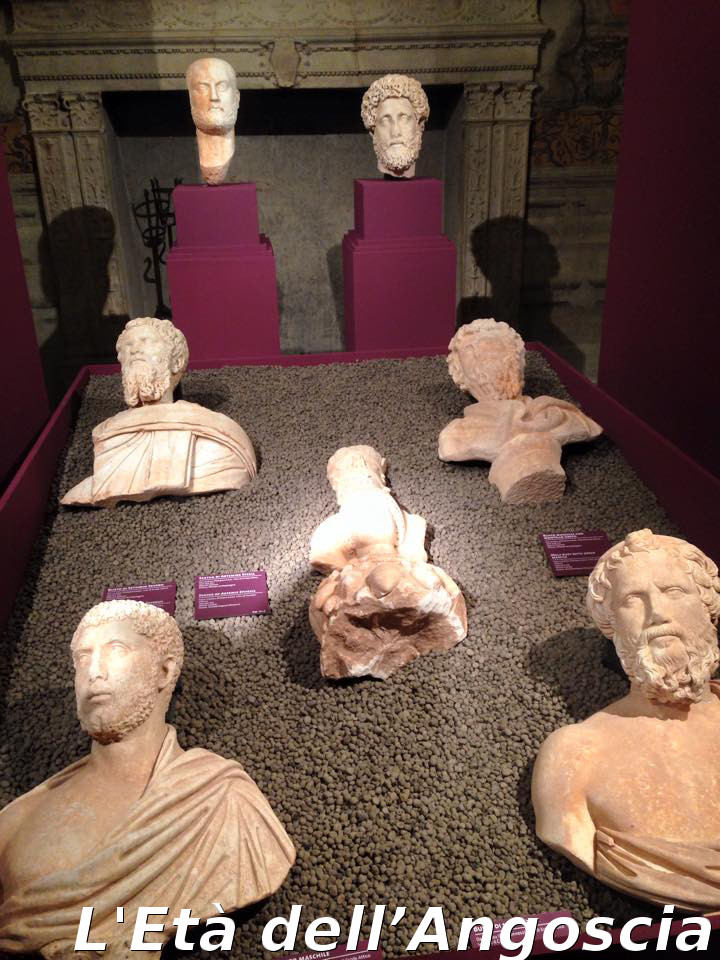
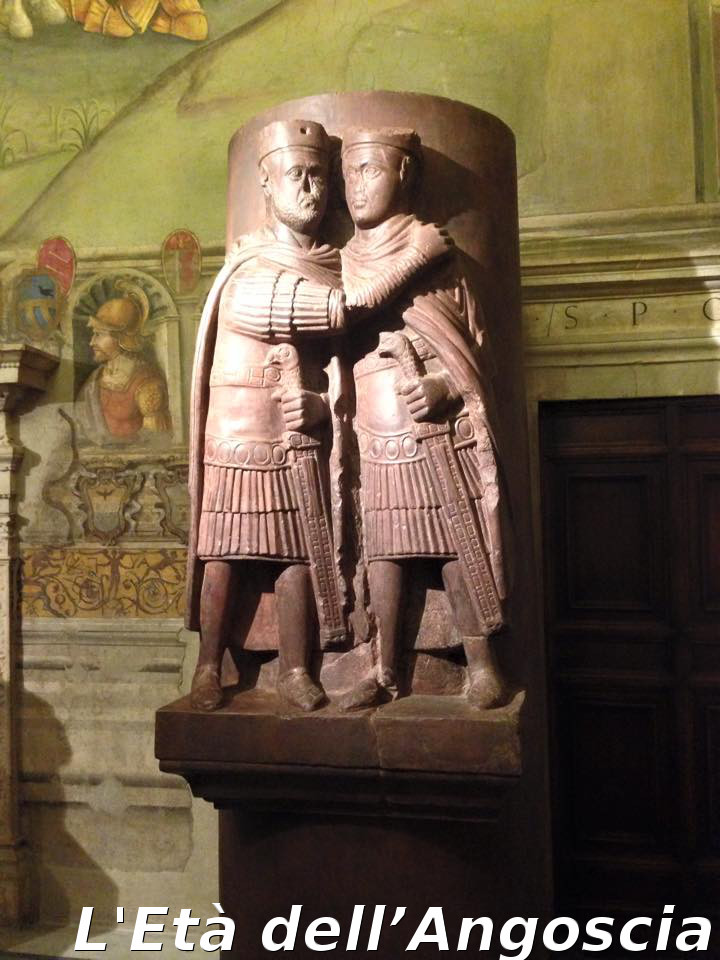
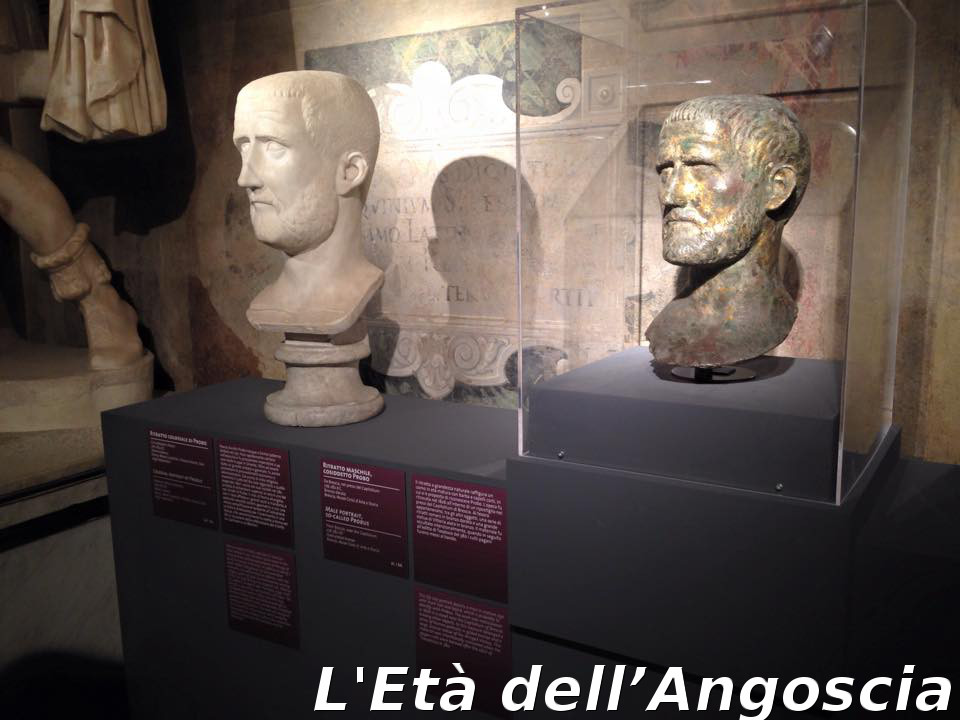
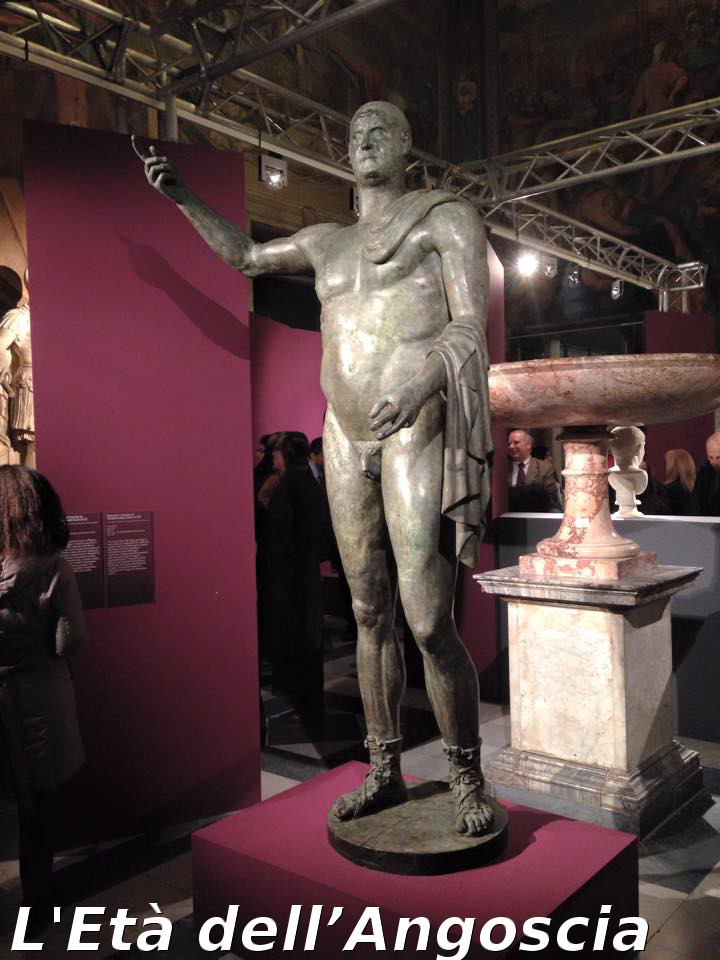
The exhibition focuses on the profound changes that have marked the 3rd century ac., century traditionally considered ‘crisis’ of the Empire, but containing some of the most fruitful buds actually intended to change forever the next era and to open the doors to late ancient society. The title of the exhibition is inspired by a work of Eric Dodds, entitled “the pagans and christians in an age of anxiety”, published in 1965, dedicated specifically to the 3rd century a.c. Dodds was a friend of the Anglo-American poet W.H. Auden, who had published the age of anxiety in ‘ 47, poem able to highlight the void of existence during the period of the second world, characterized the conversion or return to Christianity and the willingness to adhere to a religious belief of a ‘leap of faith ‘. The exhibition tells the religious and spiritual crisis generalized that in a climate of generalized anxiety has led to an abandonment of traditional religions and more massive adherence to the worship of the gods of the East: Isis, Cybele and Mithras, Sabazio. In addition to them, of course, Christ. Anxiety derived from some concrete problems and materials: civil wars, financial and economic crisis, famine, epidemics and perennial pressure of the barbarians on the frontiers. The hope of a secure future was so widespread and urgent to feed those which ancient historians call an expectation of security. relating mainly to the figure of the Emperor, in theory, the guarantor of justice, the military security of the Empire and also the supreme religious authority. The collapse of the social and economic benchmarks have always had as main effect the daily life of the people, who so quickly and gradually, face the anguish of the real. Among the most significant works of this era are included the ‘colossal portrait of Probus’ or ‘bust of Decius’ of the Capitoline Museums, the extraordinary «statue in bronze of Trebonianus Gallus» from the Metropolitan Museum of Art in New York, the statues of individuals like the philosophers of the Villa of Dionysos at Dion; the three statues male at full length, beautiful, dating from the 17th century which are housed in the Casino del Bel Respiro della Villa Doria Pamphilj in Rome (statue of “Toga”, statue of “Hunter” and statue of “nudity”). In private portraits continues the fashion of portraits of individuals or the emperors in ideal bodies, referring to female as Venus, Demeter, Fortuna, as in “statue of Omphale” deities or heroes such as Hercules, which allow an improvement of clear quality and the exploits of the victim by the assimilation of their heroic virtues: see the “bust of Commodus as Hercules” or “the statue private as March”. Exposed for the first time together, works of extraordinary artistic level, amounted to about two hundred. Imposing statues in marble and bronze, life-size, in some case of colossal size, busts and portraits, marble reliefs, sarcophagi, urns, decorations in mosaics and murals, as well as of the precious silverware table, architectural elements and altars, allowing you to enjoy the taste of an era full of reflect on the formal evolution and the figurative themes presented by objects decorating urban spaces and private ones (houses and tombs).
Tips
The exhibition takes place from January 28th to October 4th 2015 in the Capitoline Museums, from Tuesday to Sunday; Piazza del Campidoglio 1-00186 Rome.
Open from 9:00 to 20:00; the ticket office closes one hour before and it is closed on Mondays.
You can make a visit with audio guide that you can find in different languages.