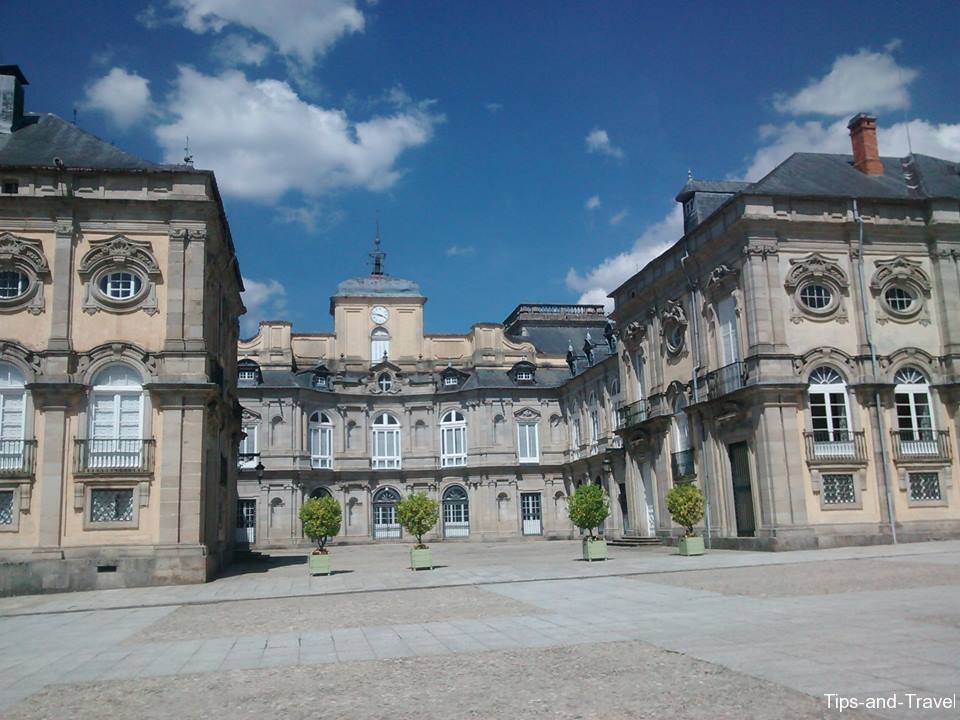
Royal Palace of La Granja de San Ildefonso, Segovia, Spain

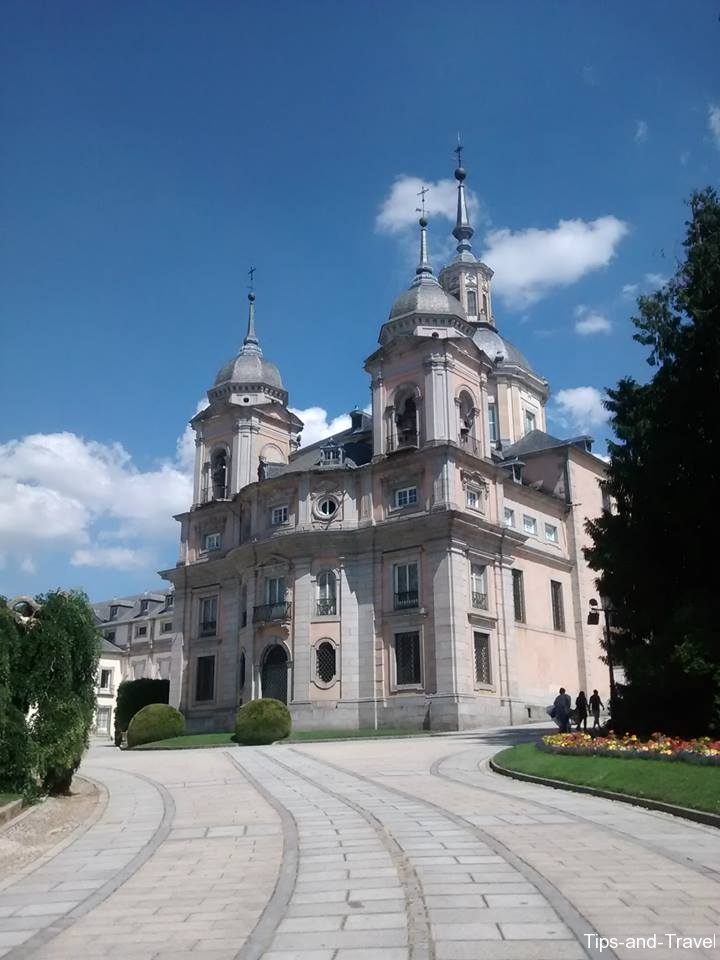
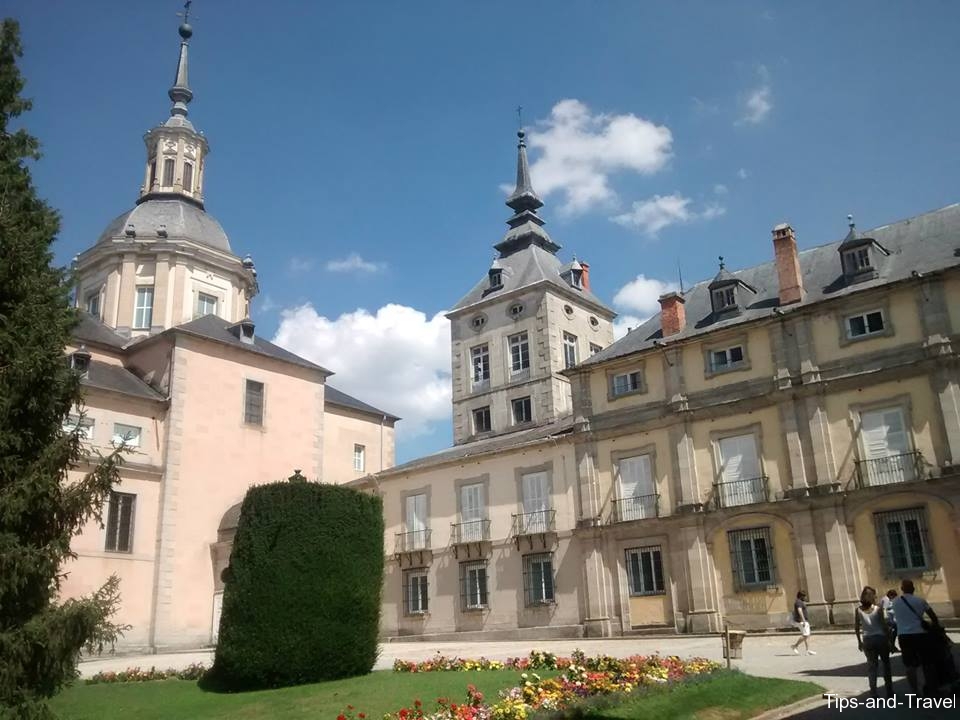
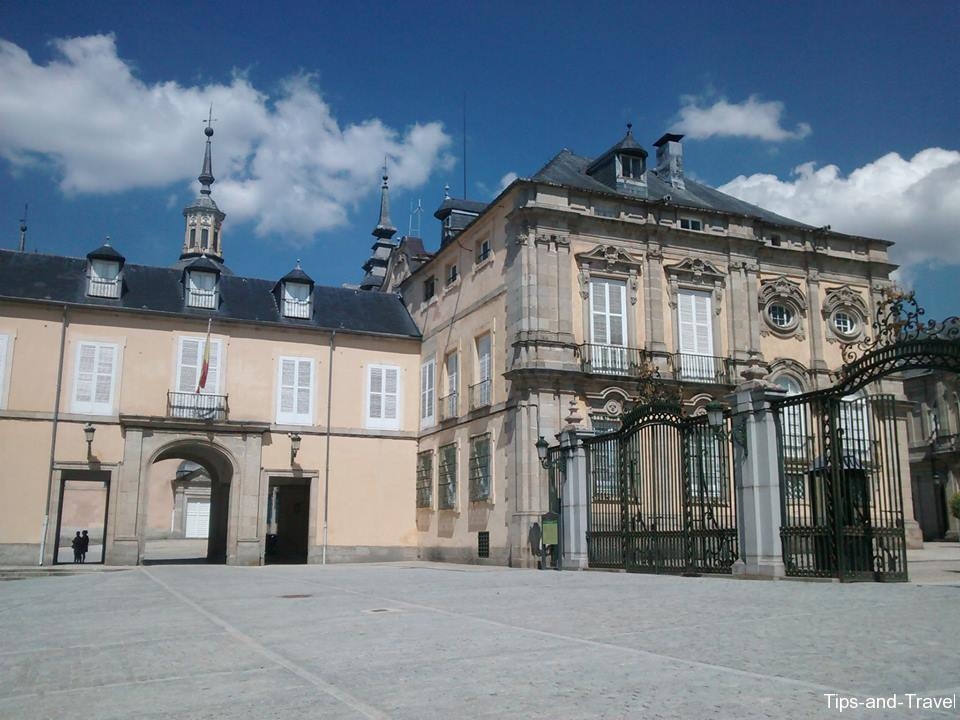
The Royal Palace of La Granja de San Ildefonso is one of the residences of the Spanish royal family, in the Sierra de Guadarrama, 13 km from Segovia and 80 km from Madrid. The name comes from an old farm of Hieronymite monks who were nearby. Henry III built the first refuge and Henry IV built a shelter and a small chapel dedicated to Saint Ildefonso Bishop and the Catholic Monarchs in 1477 gave it to the monks who used the rural place to pray and to rest giving origin to the village taking the same name. It was Philip II who converted it into a sumptuous palace. In 1718, Felipe V, in love with the place, bought it from the monks and built a palace like Versailles and its gardens. The palace became the summer residence of the Spanish king and his court. Felipe V and his second wife are buried in the collegiate church. Several important episodes in Spanish history took place in the palace. The palace and its addictions are in U-shaped and in its gardens there are trees that are over 300 years. There are two terraces and a chapel (the Collegiate Church of the Holy Trinity). Inside, the palace is deeply baroque with beautiful frescoed ceilings and gold painted wood moldings with imposing glass lamps.

Tips

The palace is open to the public. It is advisable to wear comfortable shoes to visit the gardens because it is worth it not only for its plants and flowers but also for its fountains and monuments. From Thursday Saint they put the fountains on work at 17:30 on Wednesdays, Saturdays, Sundays and public holidays. The eight large fountains are operated alternately, but on May, 30th, July, 25th and August, 25th they work all at once. You have to pay an entrance fee, but on August 25 the admission is free.

Church of San Miguel Archangel, Pedrezuela, Madrid, Spain

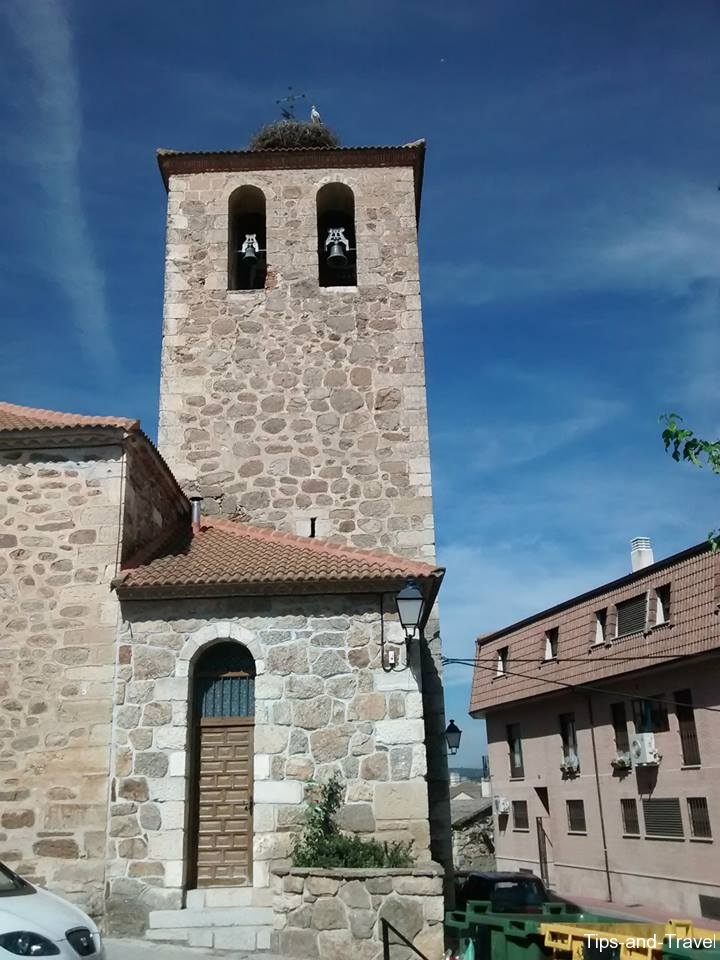
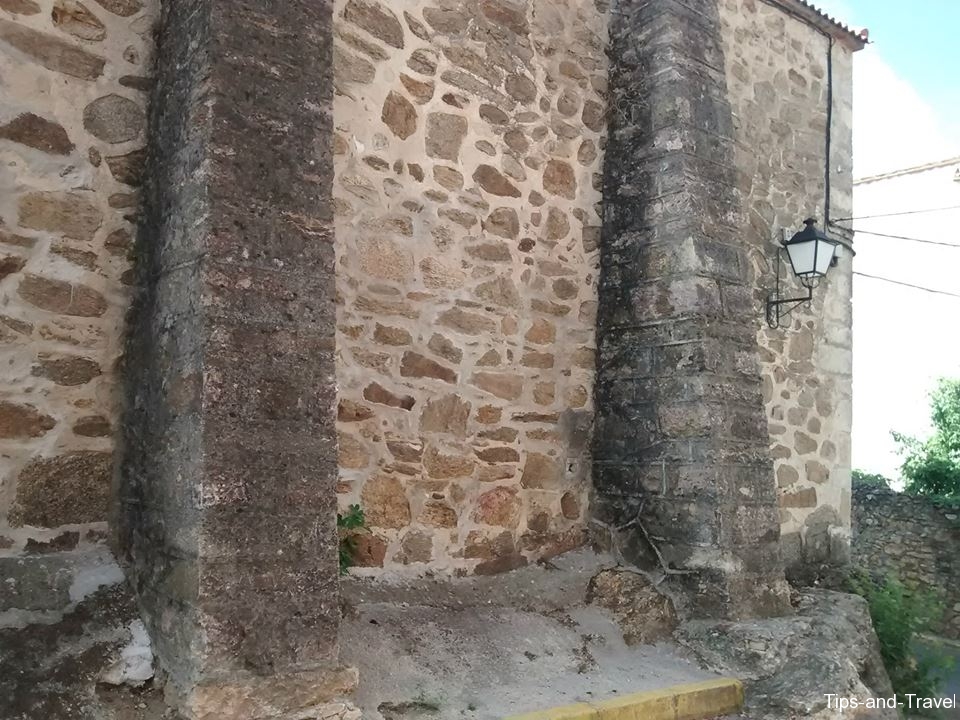
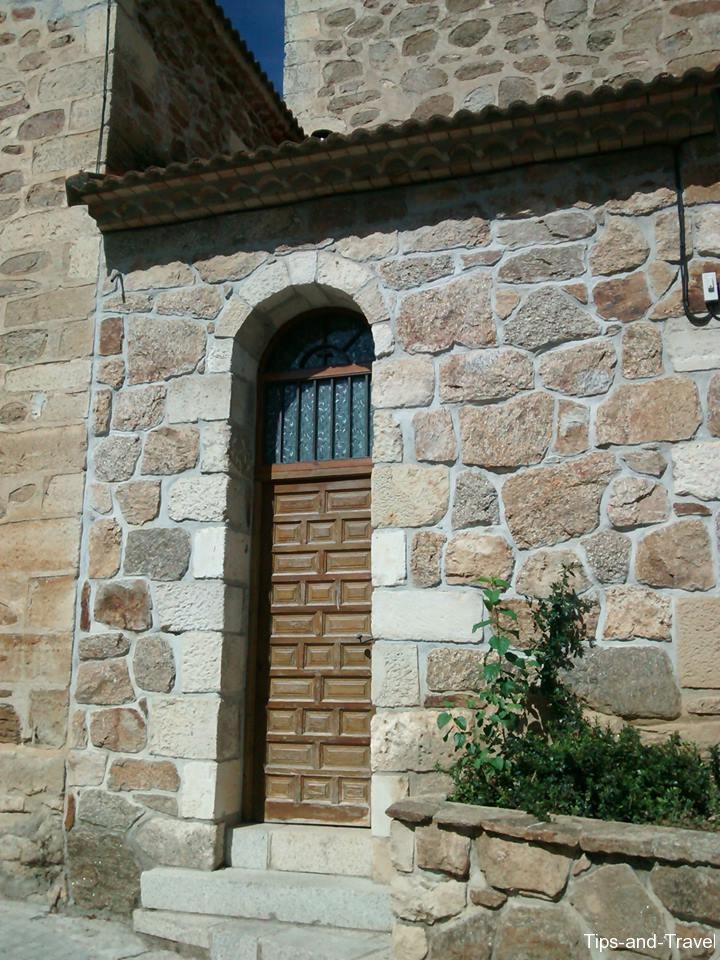
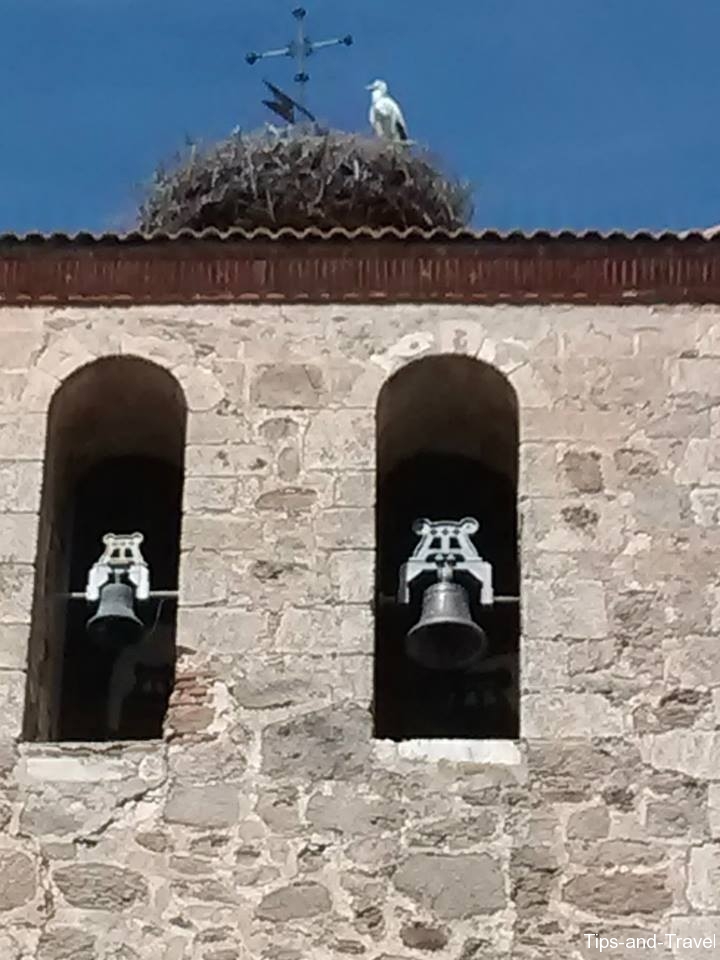
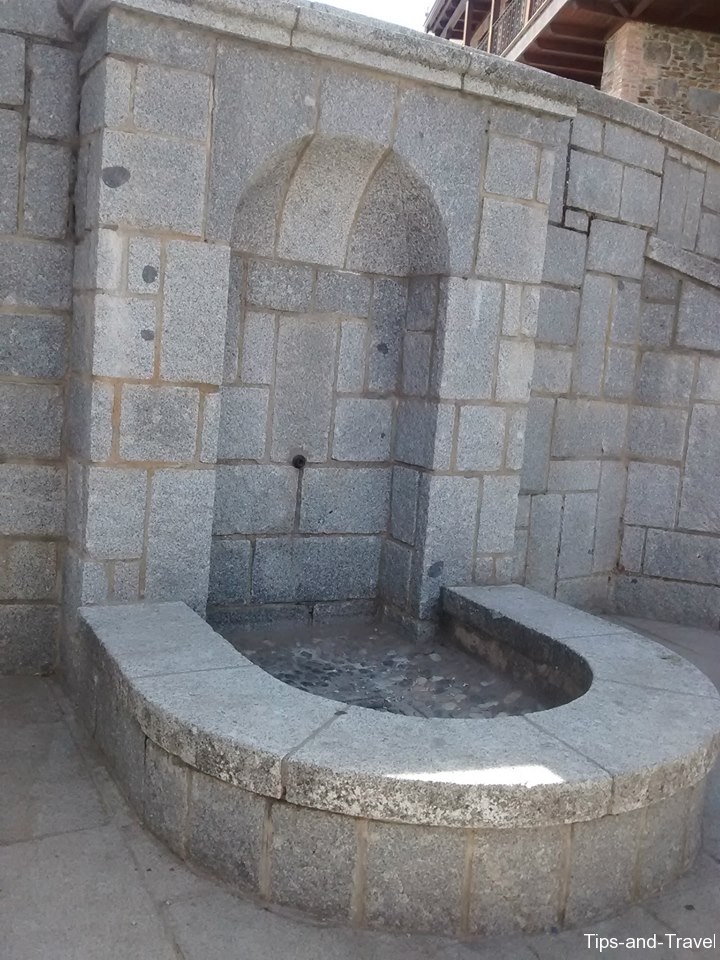
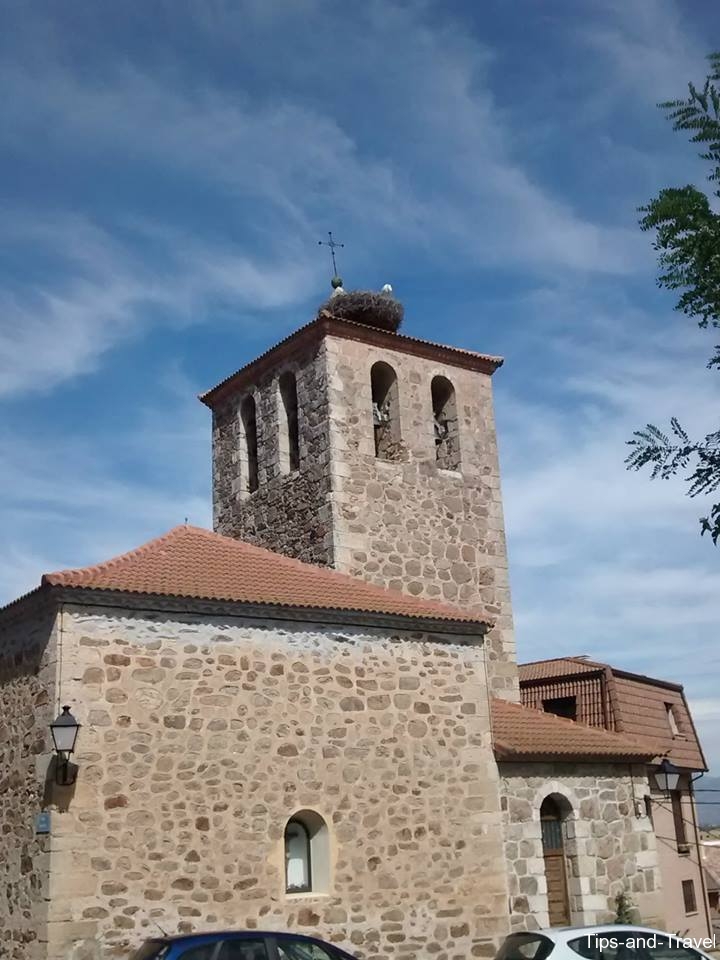
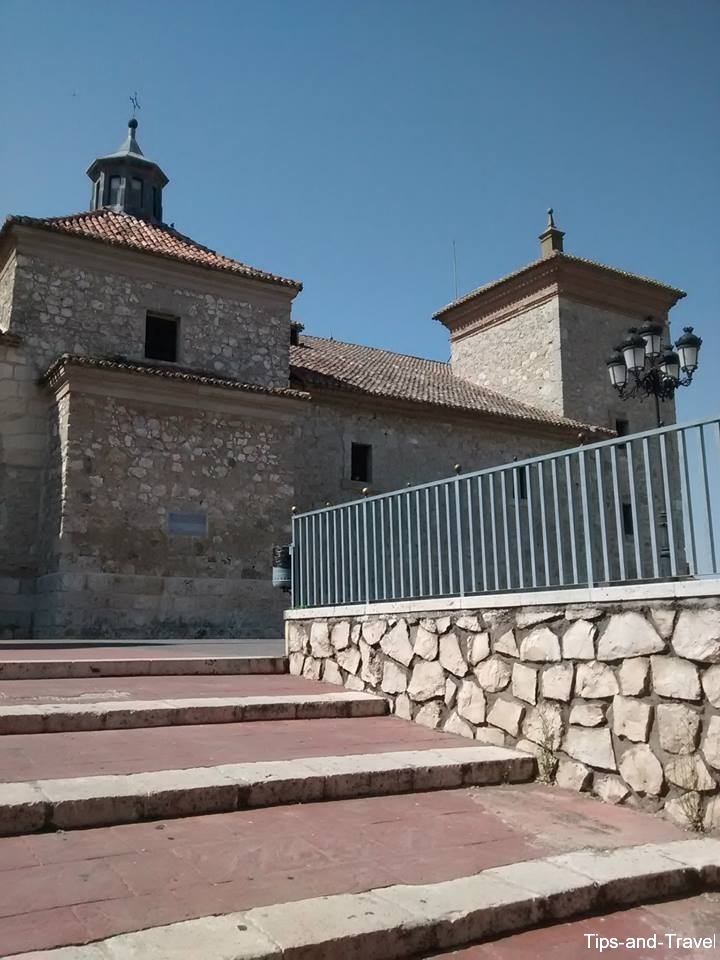
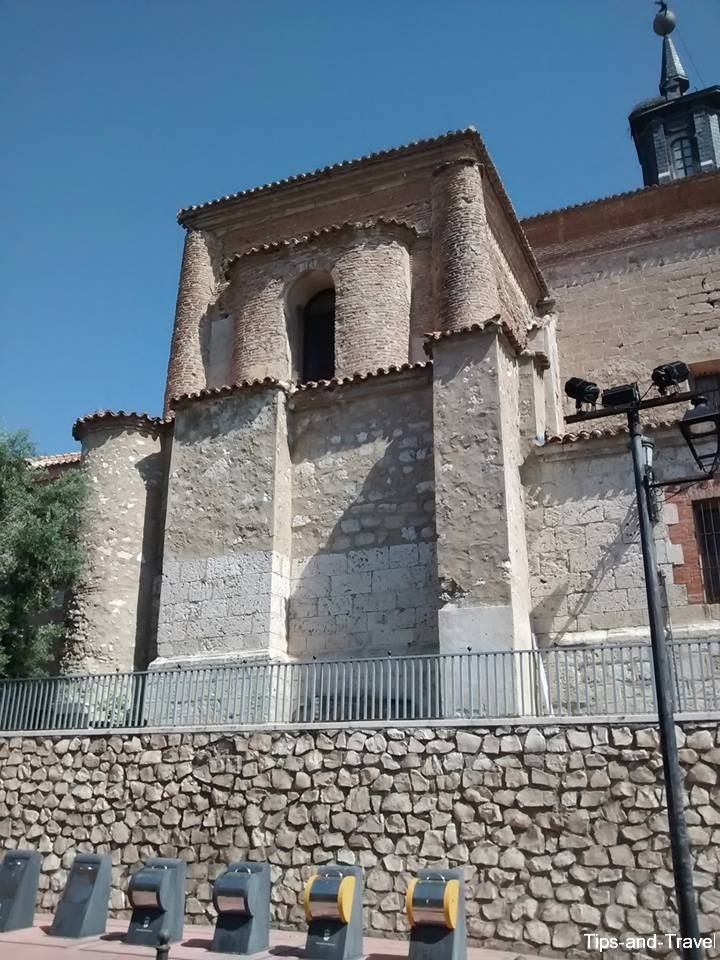
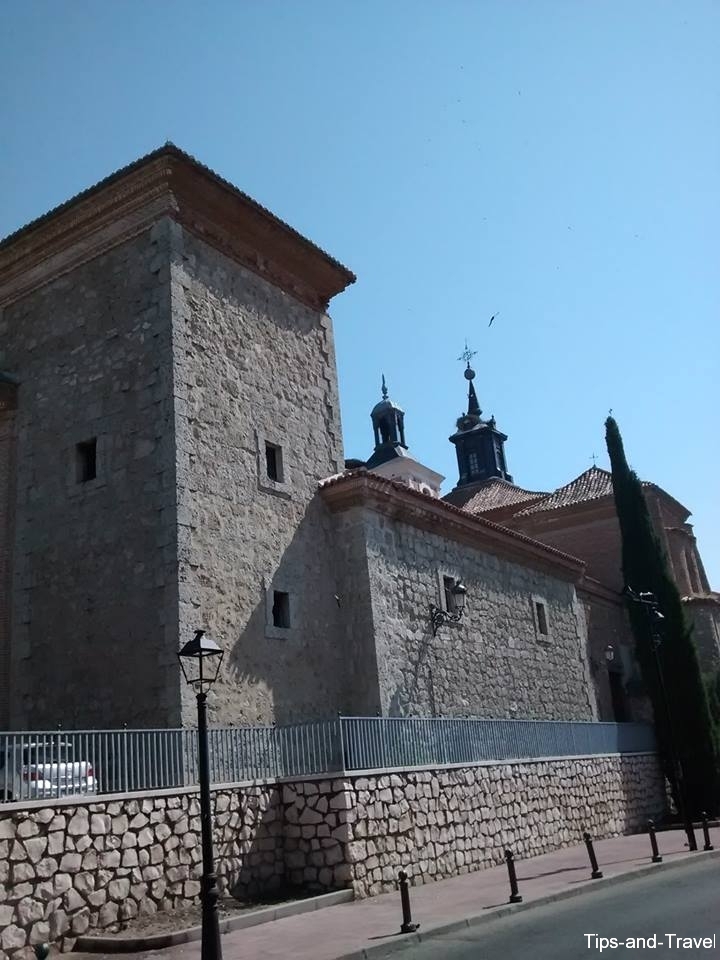
The church of San Miguel Archangel in Pedrezuela, Madrid, was built in the late Gothic style of the sixteenth century, on a rectangular plan. It has two naves separated by semicircular arcs. The use of stone in the outside is remarkable. The windows are high and very narrow and the very square tower is imposing. The church has two fonts from the late fifteenth century. From September 20th to 30th, is celebrated the feast of San Miguel Archangel with daily organized masses culminating with a procession through the village streets and on October 1st, a special mass is celebrated in honor of the dead. The parish offers masses and services throughout the year.

Tips

You can see the schedule of celebrations and masses in the parish website and the calendar of activities throughout the year.
You can reach it by bus; the bus stop is at the exchanger of Plaza Castilla in Madrid.

Parish church of Our Lady of the Assumption, Valdemoro, Madrid

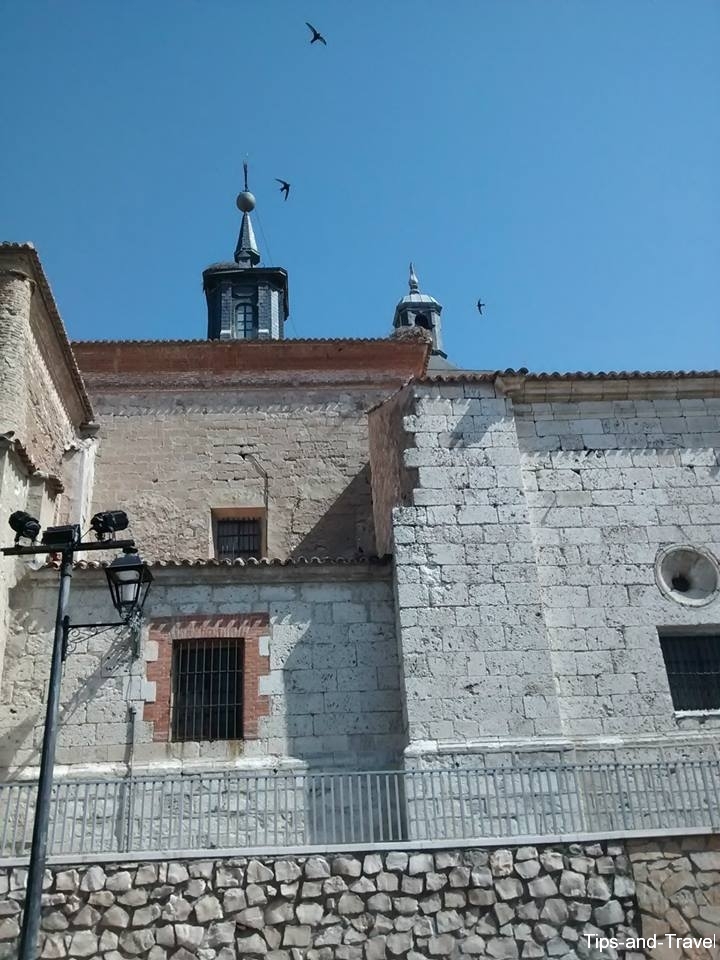
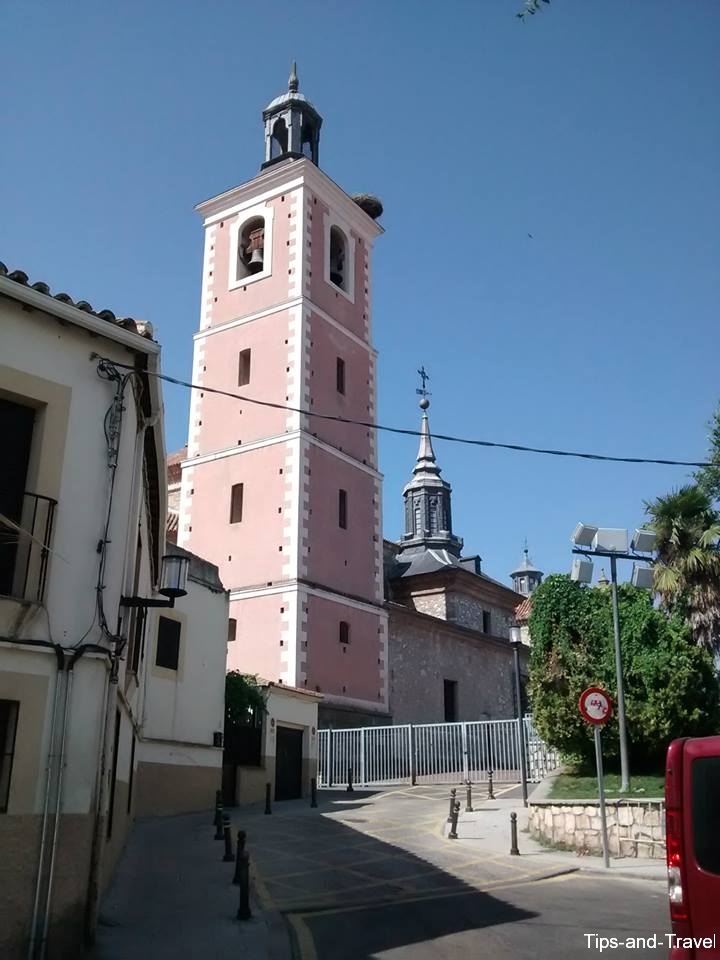
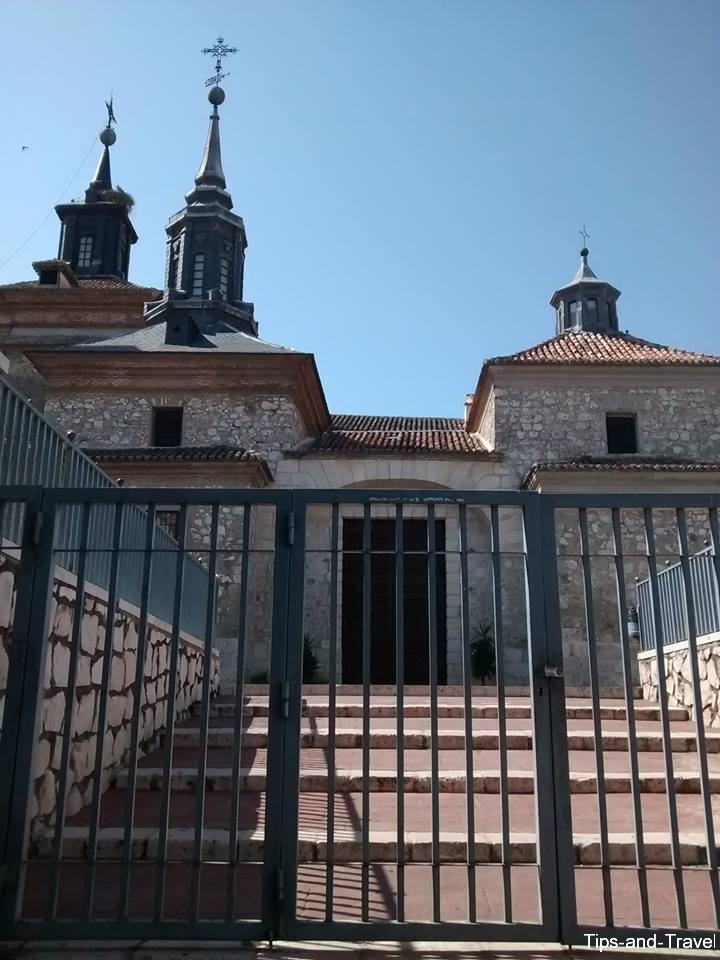
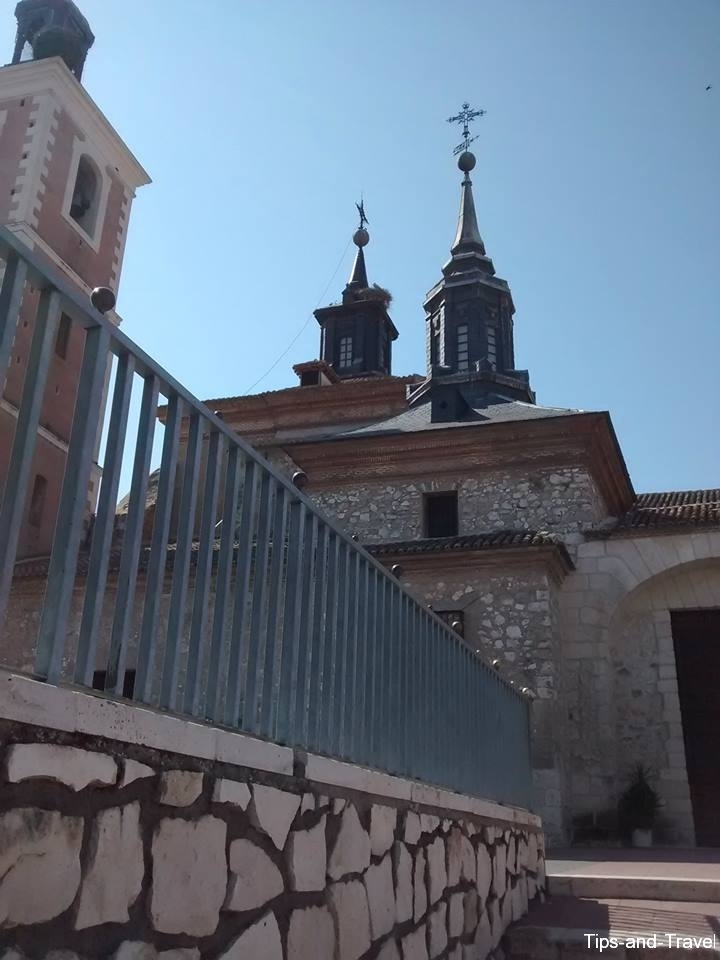
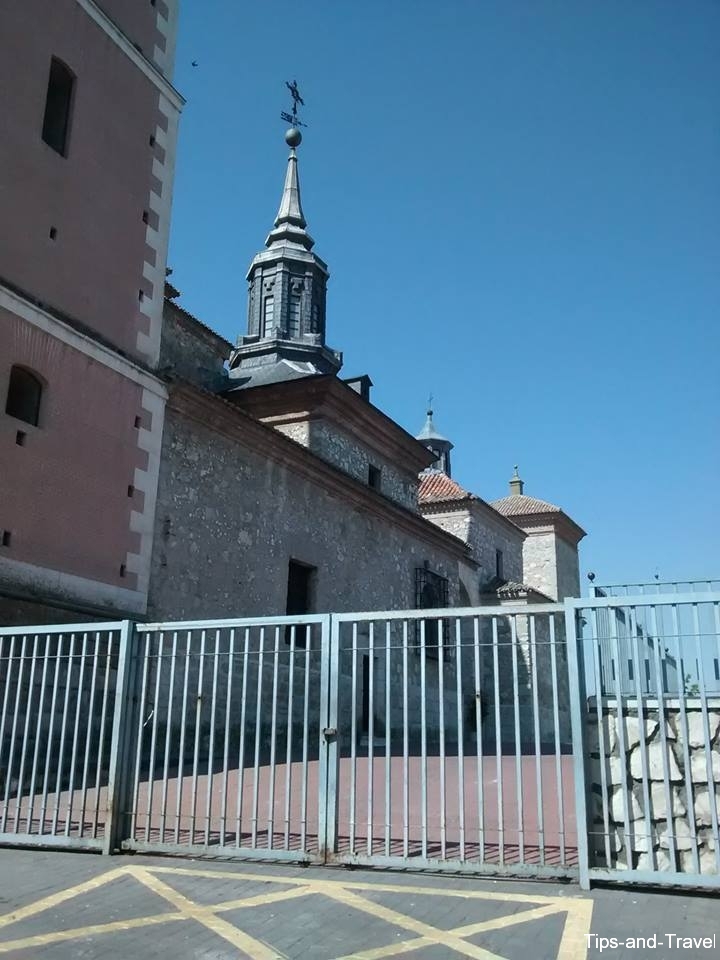
The parish church of Our Lady of the Assumption is located in Valdemoro, Madrid. It is Baroque and was built in the second half of the seventeenth century on the remains of former buildings and is considered the most important monument of the complex of buildings of the municipality. It has a central nave of 60 m long and 28 m wide, with eight side chapels on each side. There are three entrances, one located west of the nave, with three arches and two square towers. The tower was completed in 1764 and its bell tower has four bronze bells; its pink color is due to the recent reform that was made. The exterior walls are made of brick and stone. In the main altar there is a painting by Francisco de Goya: the Apparition of the Virgin to St-Julien, bishop of Cuenca, with two other paintings, The Assumption by Francisco Bayeu and St. Peter Martyr by Ramon Bayeu. We also find two other paintings by Claudio Coello and several frescoes by Antonio Van Pere. The parish has an important archive with documents dating from the fifteenth century. The organ is from 1737.


Tips
The parish functions as such and the calendar of the masses are available on its website.