Griffith Observatory, Los Angeles’ Griffith Park, California, USA

Griffith Observatory is in Los Angeles’ Griffith Park, California, sitting on the south-facing slope of Mount Hollywood. It opened in 1935 with a free admission, according with Griffith’s will because he wanted to make astronomy accessible to the public and it included a planetarium under the large central dome. During World War II the planetarium was used to train pilots in celestial navigation and it was again used for this purpose in the 1960s to train Apollo program astronauts for the first lunar missions. They renovated it in 2002 and it was closes for 4 years. They built an underground expansion too with a café, a gift shop and a theater. One wall inside the building is covered with the largest astronomically accurate image ever constructed “The Big Picture” 150 feet (46 m) by 20 feet (6.1 m) depicting the Virgo Cluster of galaxies; visitors can explore the highly detailed image from within arm’s reach or through telescopes 60 feet (18 m) away. The observatory has six sections: The Wilder Hall of the Eye, the Ahmanson Hall of the Sky, the W.M. Keck Foundation Central Rotunda, the Cosmic Connection, the Gunther Depths of Space Hall, and the Edge of Space Mezzanine and you can see different exhibitions in each part.

Tips

The observatory is closed on Mondays. The entrance is free but you must pay the shows in the planetarium.
There’s a small free parking next to the Observatory, but you can also leave your car along the steep road leading up to the observatory.
You also have a public bus leaving from the Vermont-Sunset Metro station at weekends.
It’s a very good spot to make photos of the Pacific Ocean, the Hollywood Sign and Downtown Los Angeles.

Invalid Displayed Gallery
Salta, Argentina

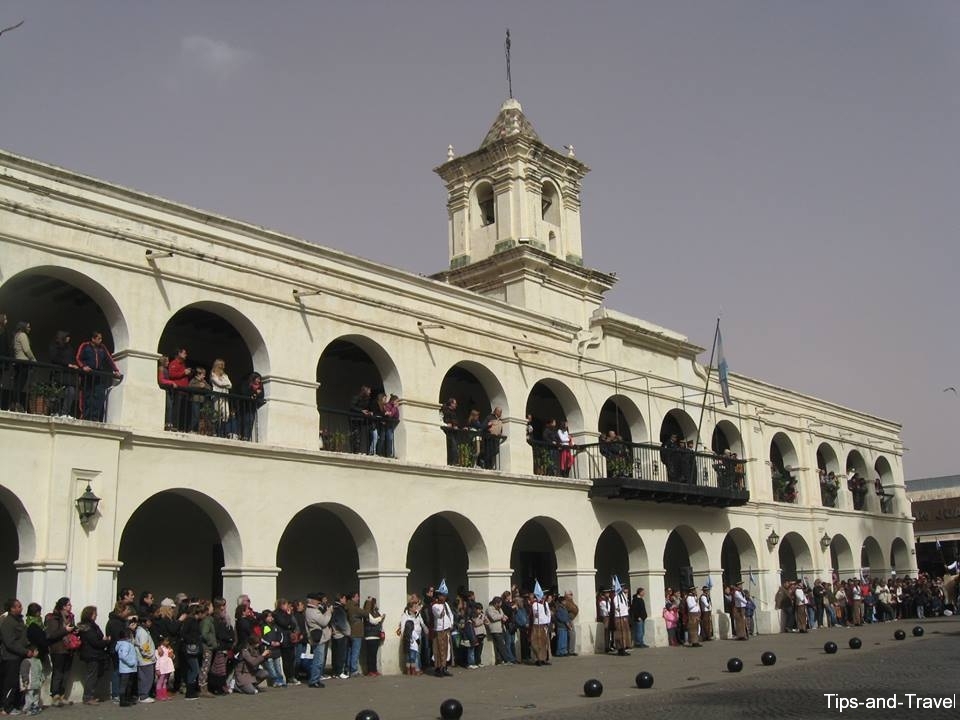
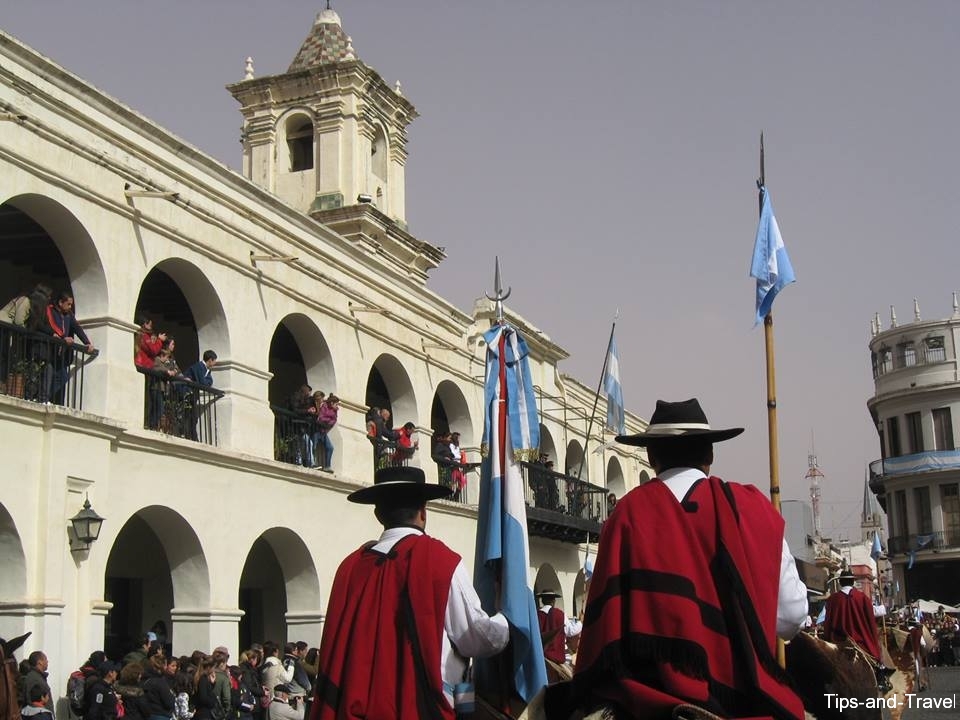
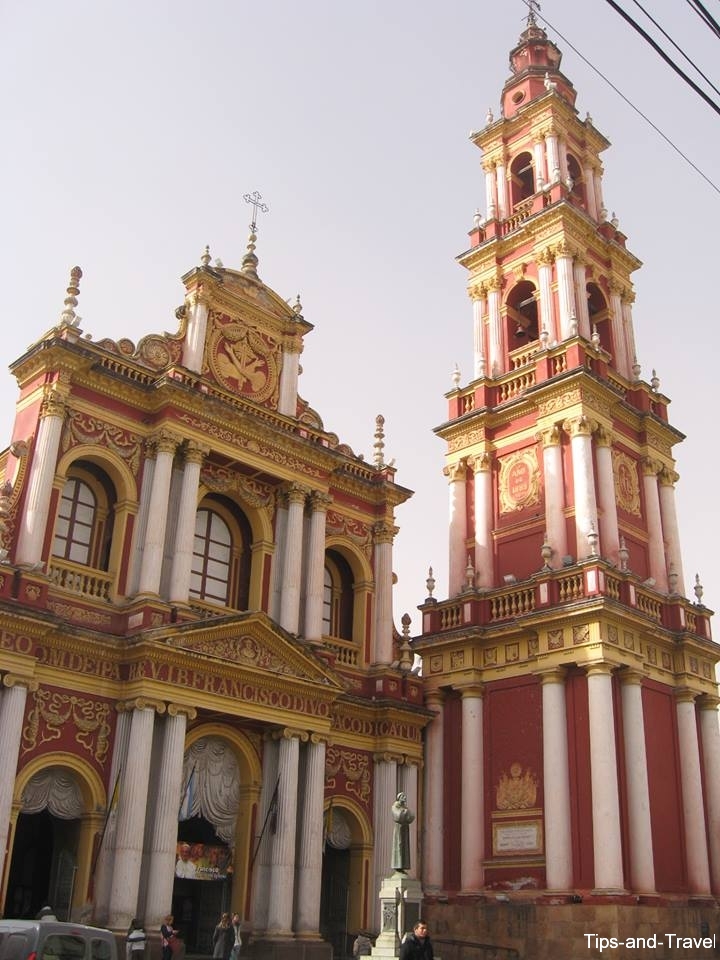
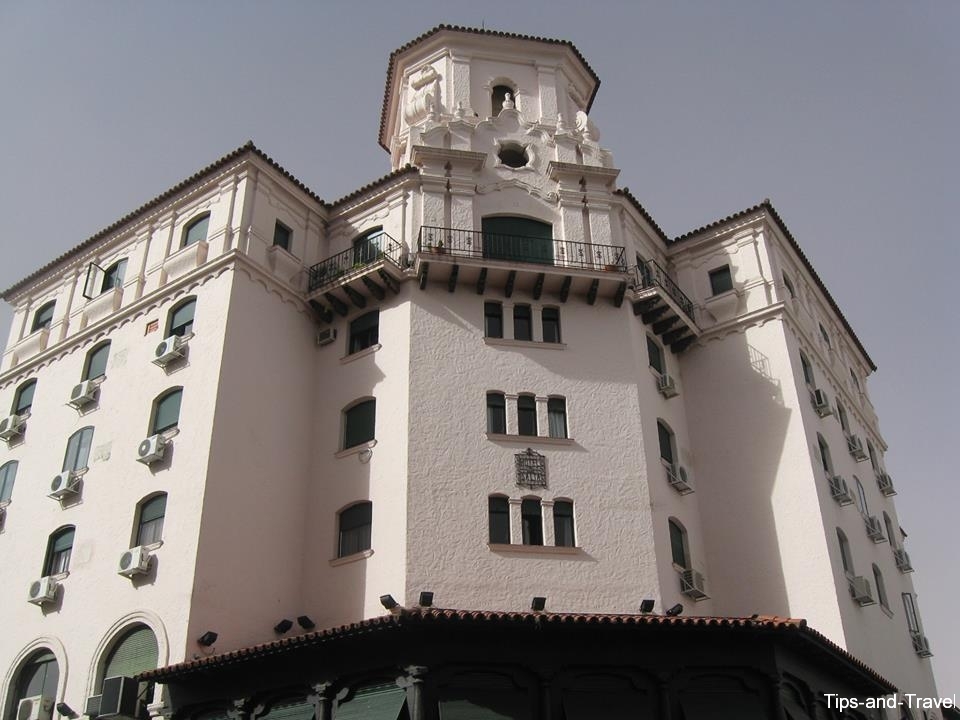
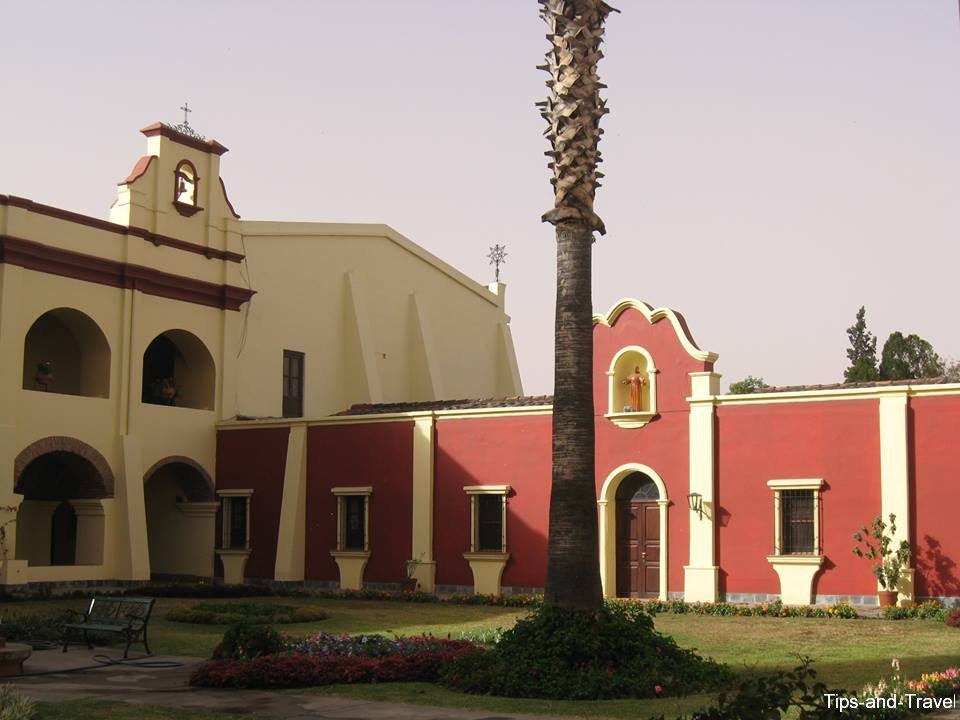
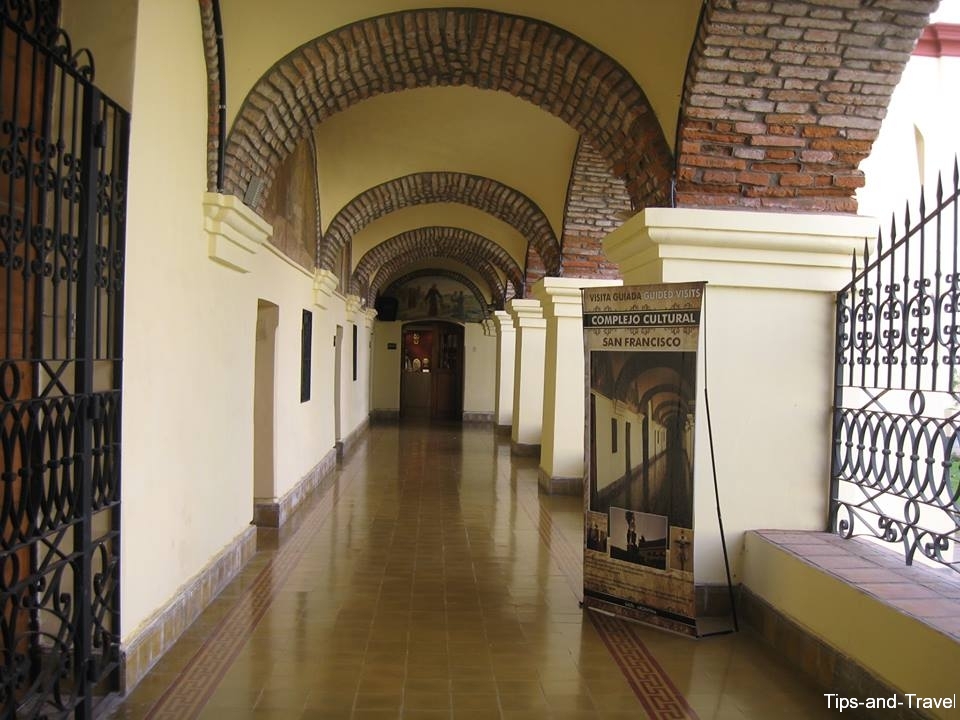
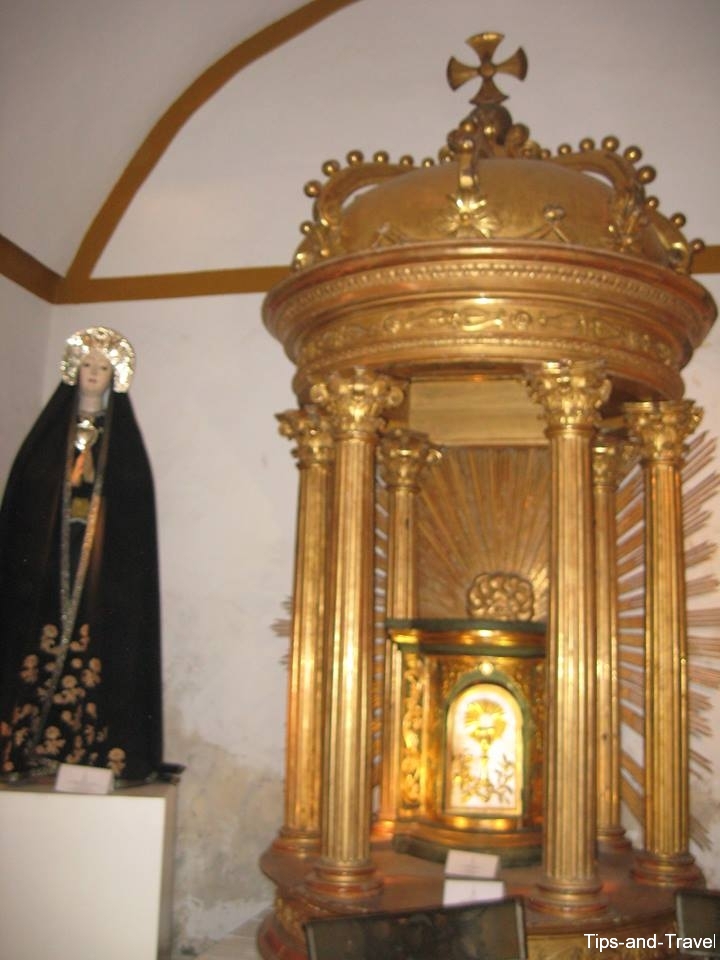
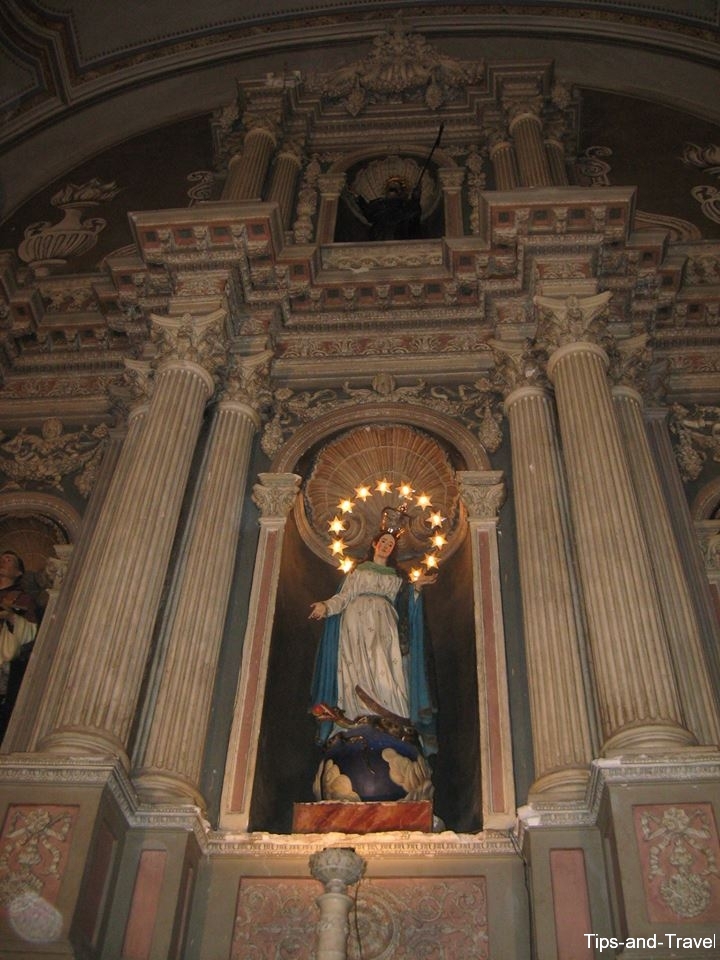
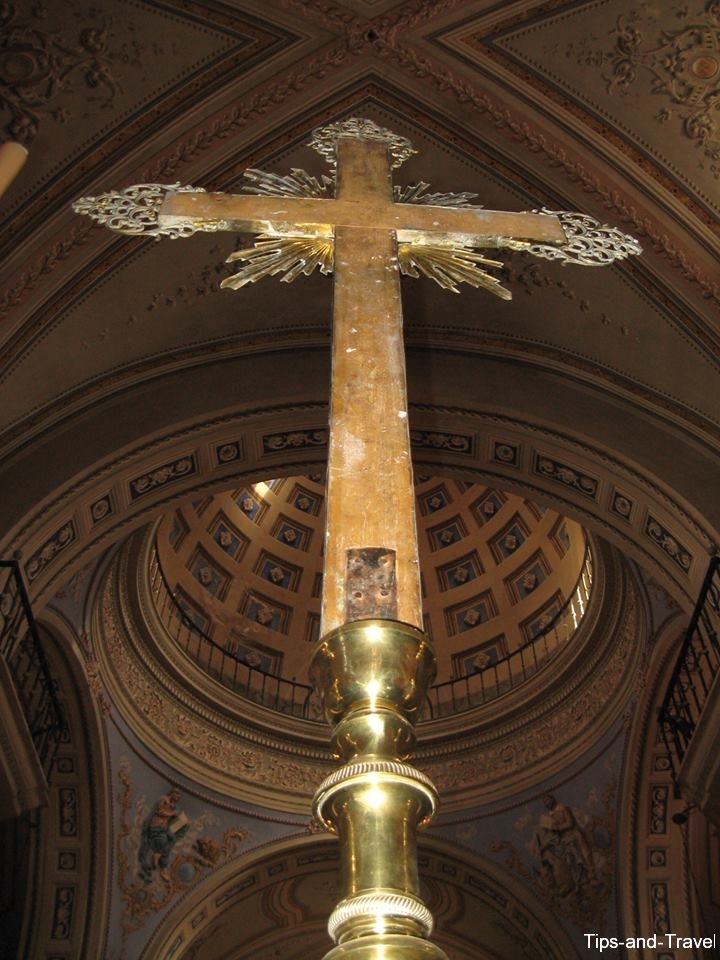
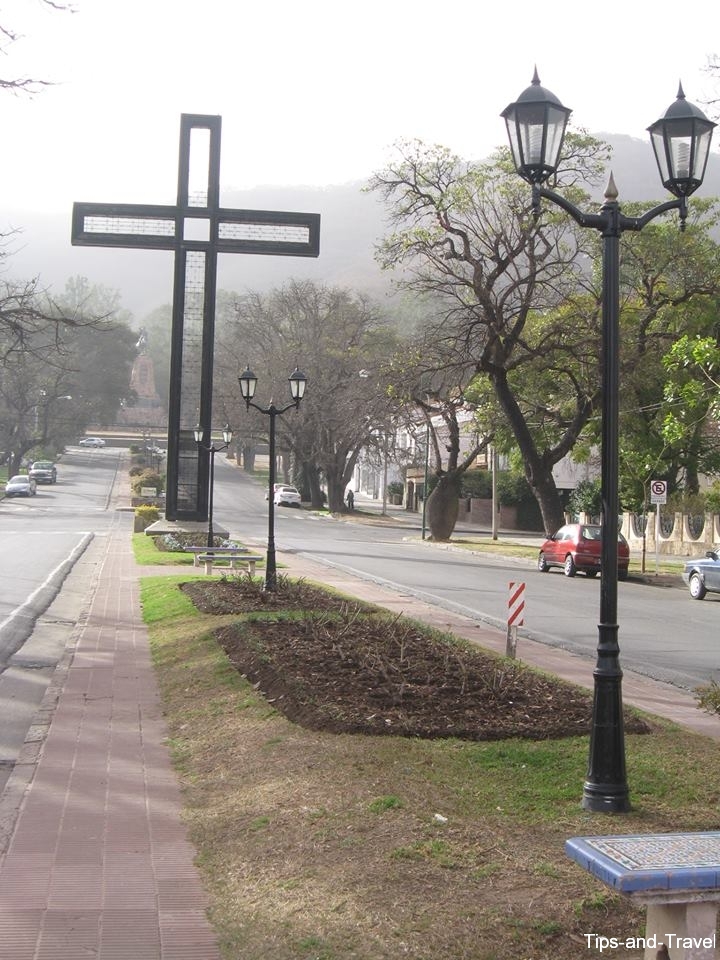
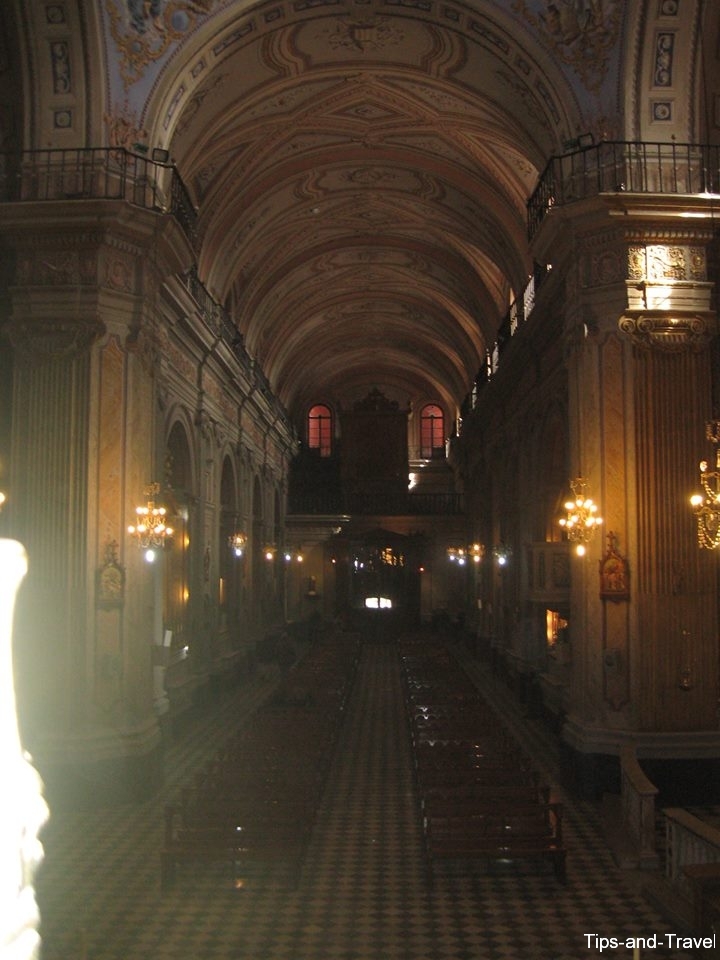
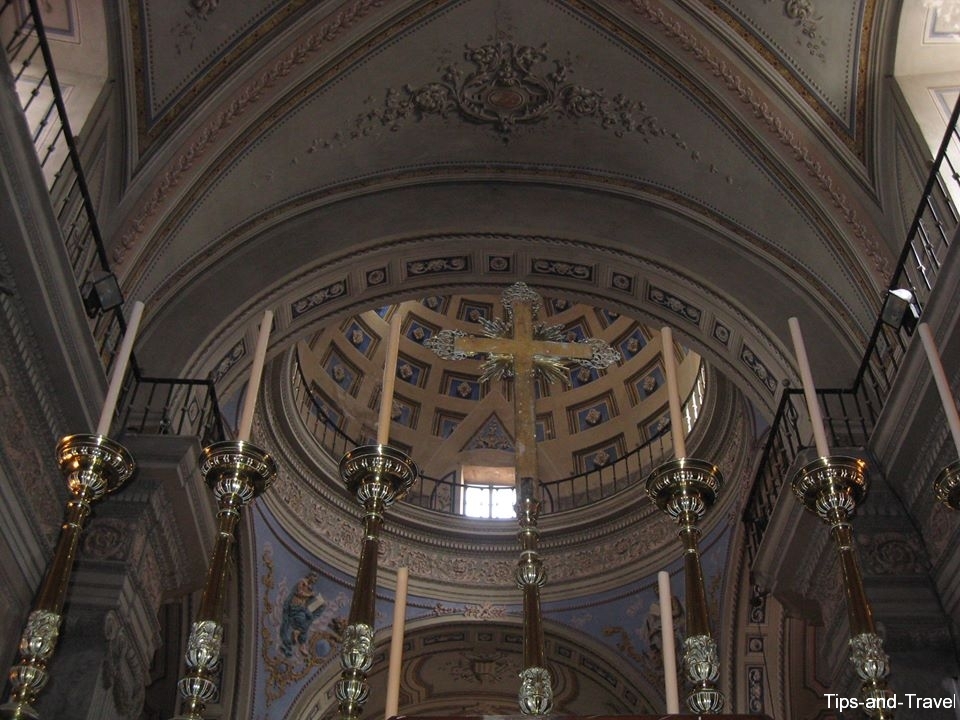
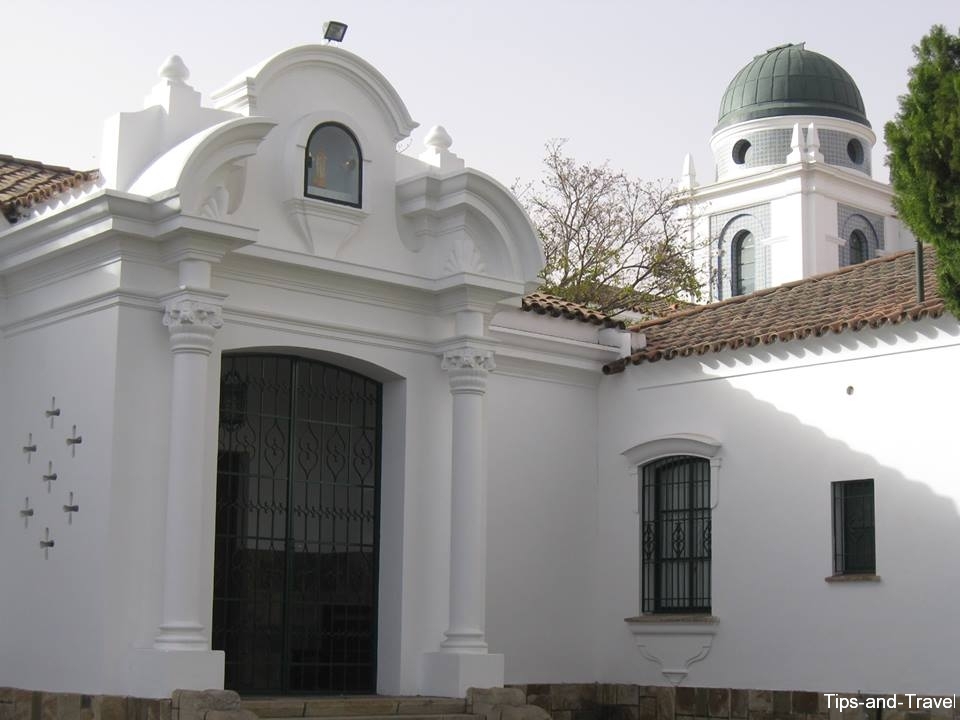
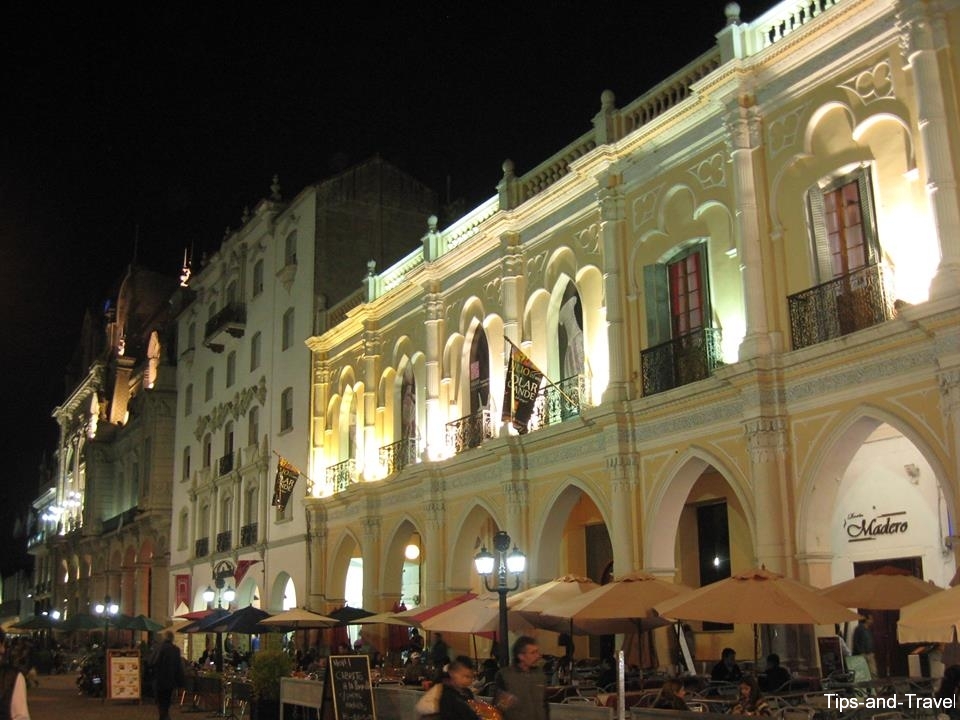
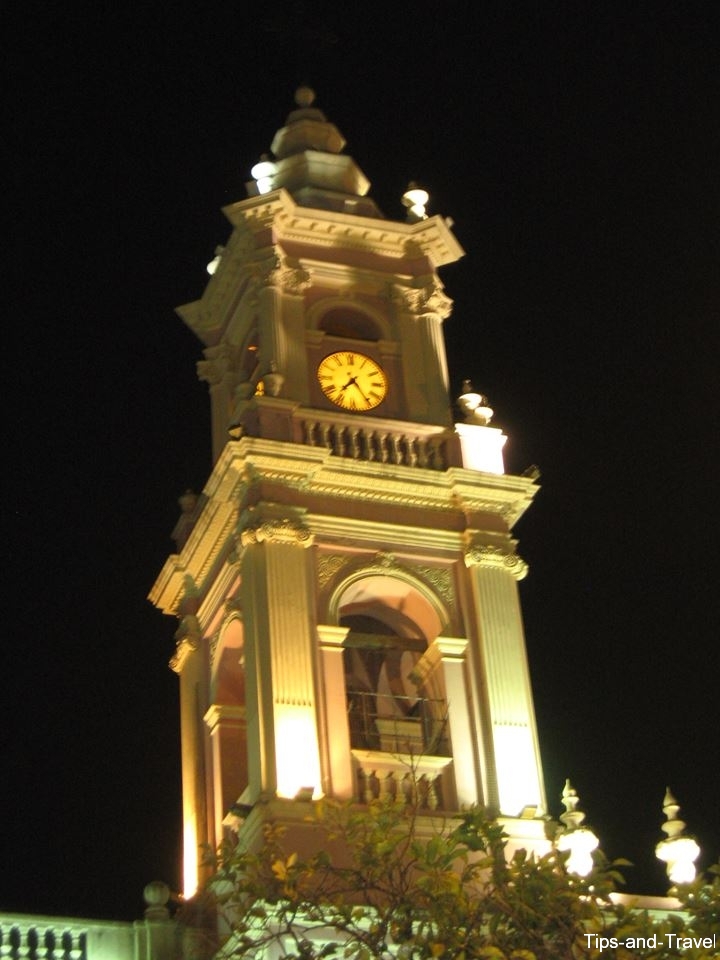
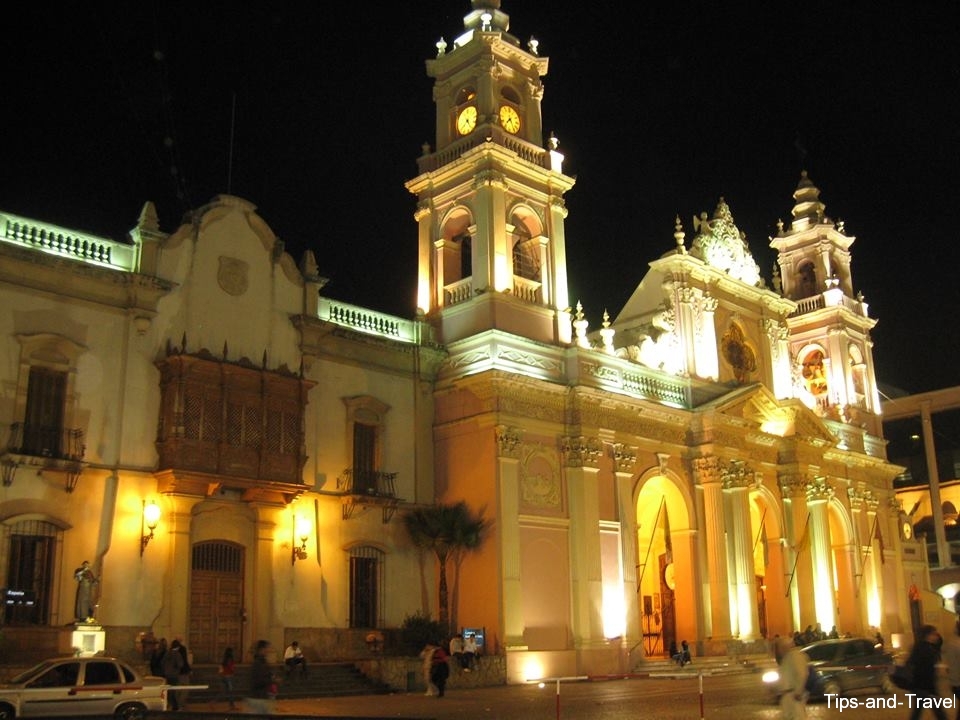
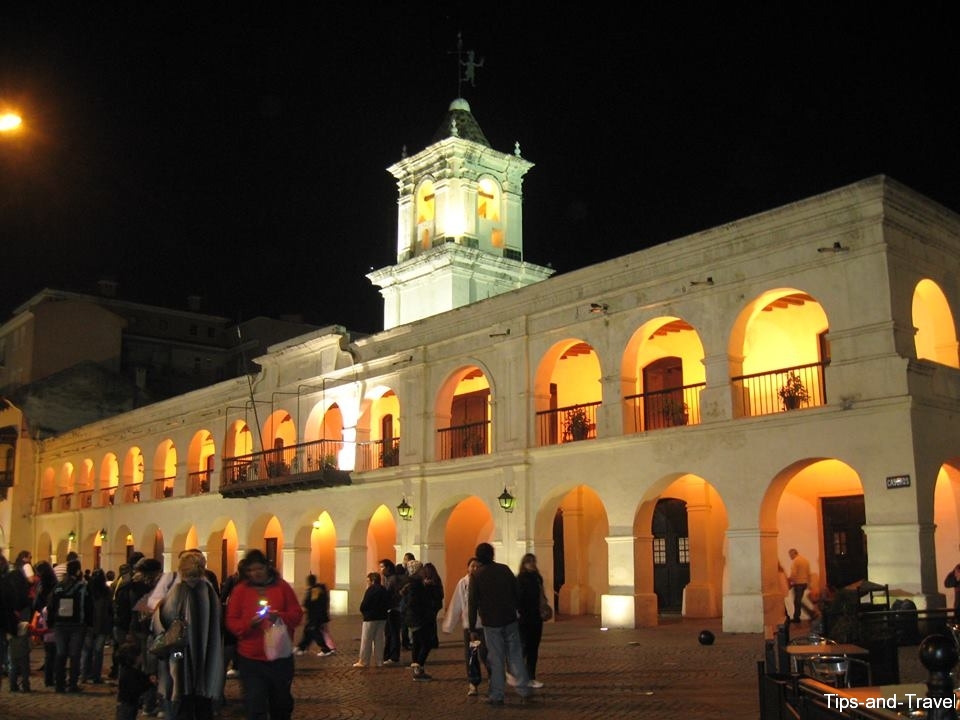
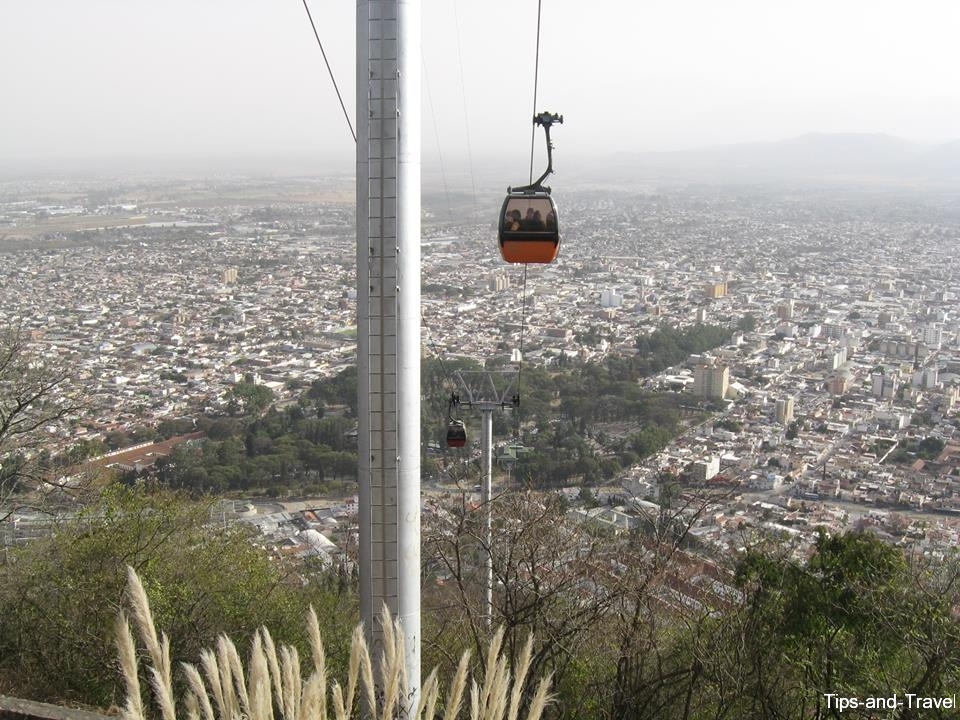
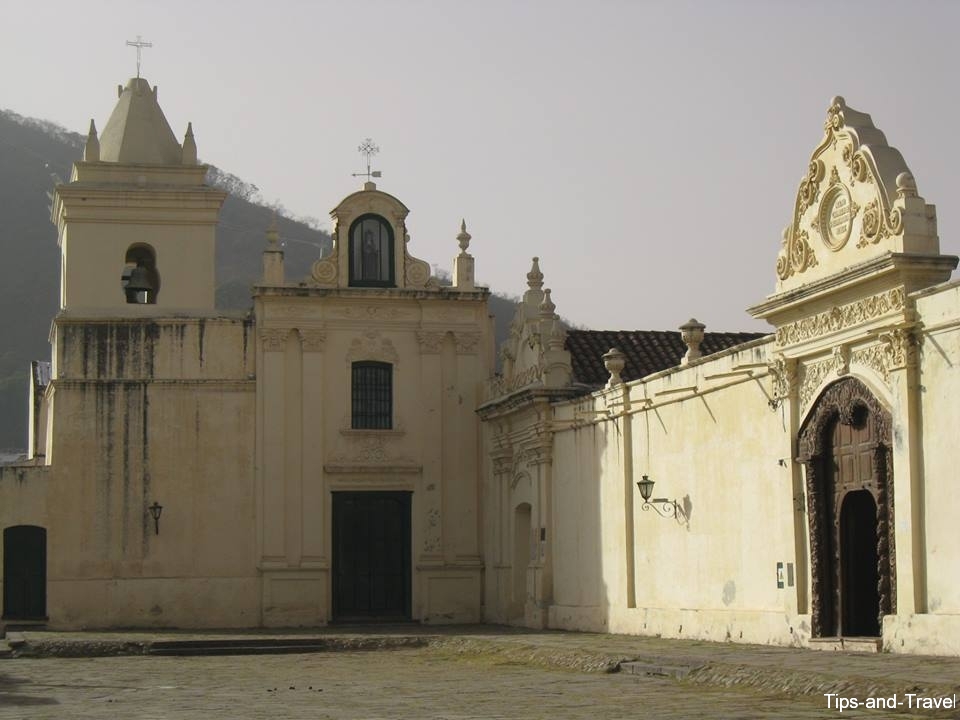
Salta is a city in Argentina, capital of the province of the same name, located at the foot of the Andes in the fertile Lerma Valley at 1187 m. Thanks to its location, the city is well communicated with Bolivia and northern Chile. There is even a weekly flight that connects it to Santa Cruz de la Sierra (Bolivia). It is also an important agricultural region with several export products (cereals, sugar cane, tobacco, etc.). The city is an episcopal seat. There are two universities, museums and libraries. Renowned for its colonial architecture, known as Salta la linda (Salta the Beautiful). It is a tourist place of course. To see: the Cabildo (City Council building), the Cathedral and San Francisco Church.

Tips

If you want to get a spectacular view of the city and the Lerma Valley, go to the Cerro San Bernardo (Mount St-Bernard, 200m). If you are going to spend a few days in the city, do not miss the opportunity to take the Train of the Clouds which climbs the Andes Cordillera in the province of Salta, on a railroad with sections that exceed 4000 meters of altitude, a rather special walk in the area of the Puna arriving at the small village of San Antonio de los Cobres located at more than 3500m. If you have heart problems, breathing problems or are pregnant, this is not recommended. If you like grills, you will find restaurants called Asador where you can taste all the parts of the cow by eating excellent Argentinian meat. Do not leave without having tasted the typical empanadas that according to the region from which they come, change a little the recipe and their ingredients. The empanadas of Salta are among the most famous of the country.


Ljubljana, Slovenia

Ljubljana also named Lubiana, is the main city and the capital of Slovenia at 298m altitude in the valley of the river Ljubljanica. Its central position between Austria, Hungary, the Venetian region in Italy and Croatia have influenced its history having different cultures: Germanic, Latin and Slavic. In 1991, she became independent of Yugoslavia. Located 140 km west of Zagreb, 250 km northeast of Venice, 350 km southwest of Vienna and 400 km southwest of Budapest. Its historical centre is intact and we find baroque and art nouveau styles, strongly influenced by Austrian cities like Salzburg. There is a headquarter of town district with the main architectural buildings and the headquarter of the Knights of the Cross where we find the Cankar House, the Church of the Ursulines and the building of the society Philharmonic (1702). Unfortunately, the city is in a seismic zone and it has experienced several earthquake quite important spetially one in 1511 and another in 1895 who forced to rebuild the city fthat’s why we found different styles. To see: the Ljubljana Castle (12th century), which dominates the hill, Saint Nicolas Cathedral, Saint Pierre church, the Franciscan church of the Annunciation, the Robba fountain, the Dragon bridge, the Triple bridge, Cobblers bridge, the National Gallery and the Museum of Modern Art among others.

Tips

To visit the Castle you have a funicular. Alternatively, you can consult the calendar of cultural events that take place in the castle to enjoy your visit twice.
A nice stroll throughout the market of Plecknik is nice. It is built on two floors, one of them dedicated to the stores, the other just to stroll beside the river. On Sundays in the old town there is an antique market.
There is also a zoo of about 20 hectares.
Depending on the season of your visit, you will find excursions on boats who go on the Ljubljanica River, giving you the possibility to see the city from another angle. There are also terraces with cafés, bars, restaurants that invite you to take a pleasant break.

Invalid Displayed Gallery