Cartagena de Indias, Bolívar, Colombia

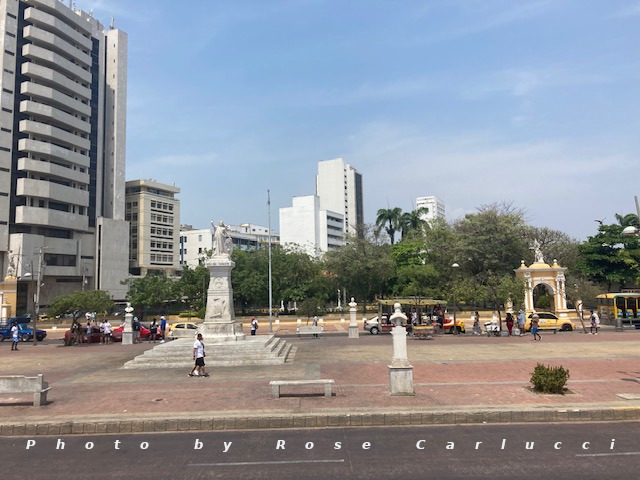
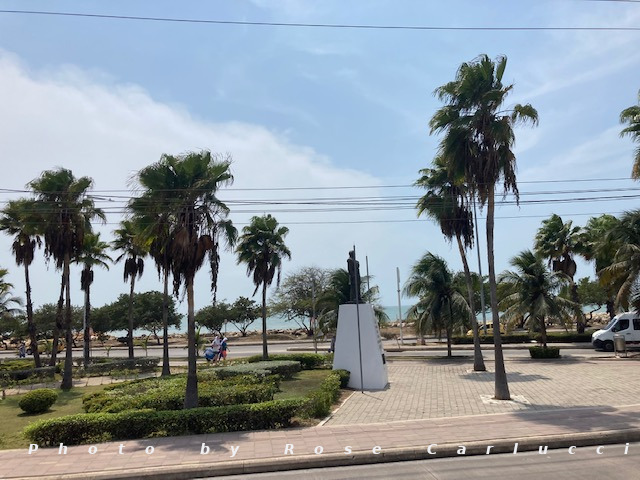
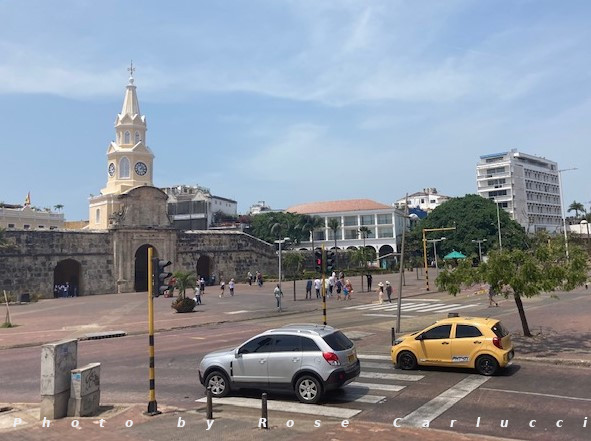
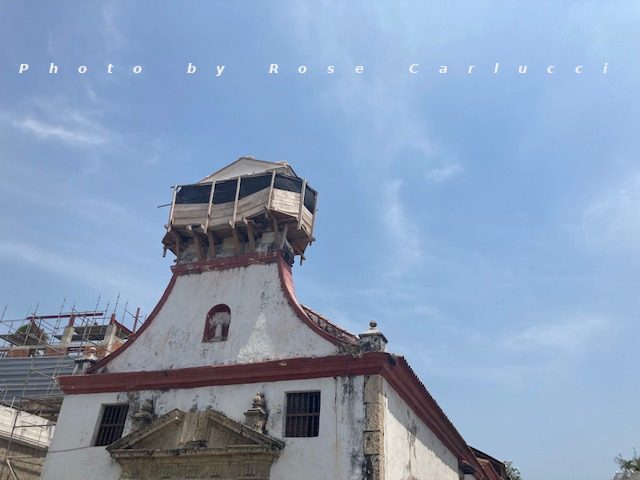
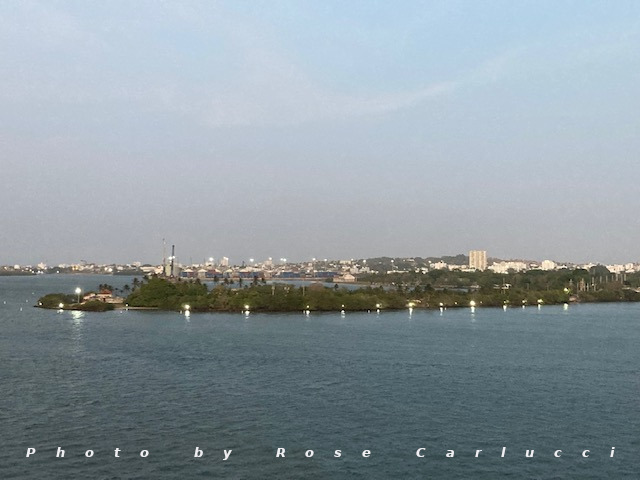
Cartagena de Indias is a port city and the capital of Bolívar Department, Colombia. It is located on the northern coast of the country, at the edge of the Caribbean Sea, about 120 km from Barranquilla. It has been very important to the Spanish Empire for almost three centuries; it was also a center for the slave trade itself as well as the transit of gold from looting destined for Spain. The city and its fortress are classified as World Heritage by UNESCO. There are several fortifications such as the fortress of San Felipe de Barajas and its twelve kilometers of ramparts. The historic center is inside the ramparts. It has a semi-arid tropical climate. To see: the San José Bastion, the San Fernando Fort of Bocachica, the Church of Santo Domingo, the Cathedral of Saint Catherine of Alexandria, the Gold Museum, the Church of Saint Peter Claver and the sanctuary with the relics of the saint. It is a very touristy city and it also receives a lot of people thanks to the cruise ships. Most hotels, restaurants and shops are located in the Bocagrande area.

Tips

Avoid traveling in May-June or October-November as rain will be present.

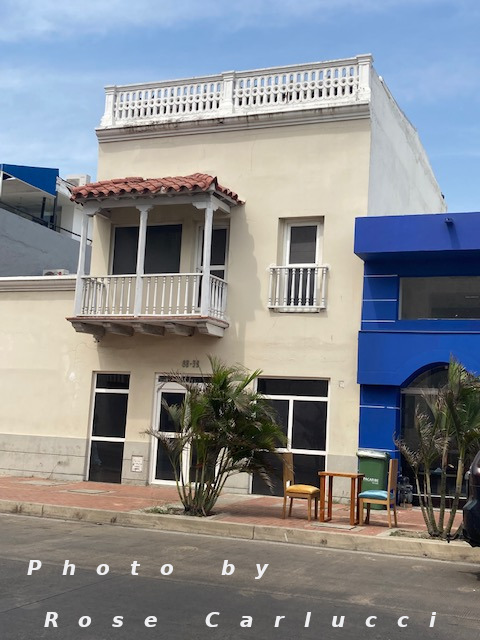
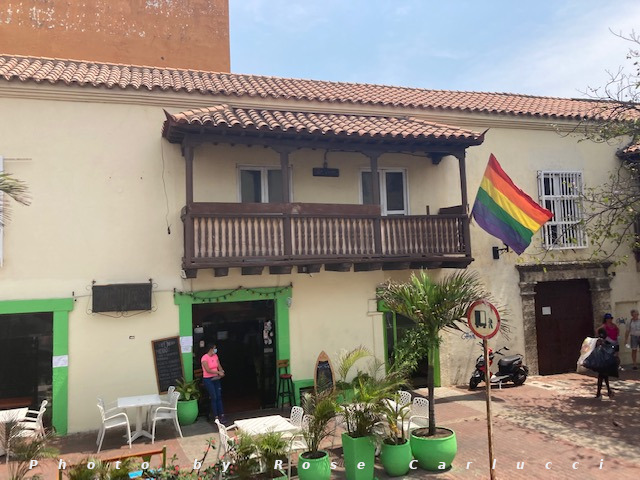
Let yourself be charmed by the old colonial city, you will find many colorful and flowery balconies, monuments, even churches as small restaurants very pleasant.

For a lively night out, go to Santo Domingo Square, the perfect place to have a drink and mix with the city’s residents. You will also find a famous statue of Botero, the Gorda Gertrudis (the fat Gertrude).

If you like the beach, ask about visiting nearby islands either by land or with small excursion boats.

Turks and Caicos, Antilles, Northern Caribbean

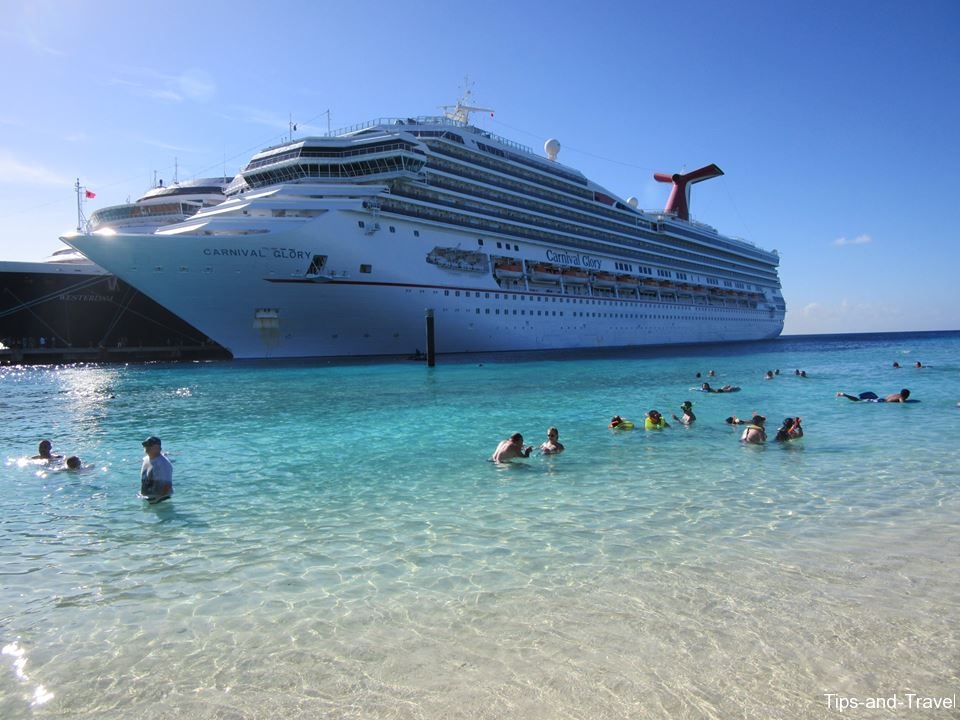
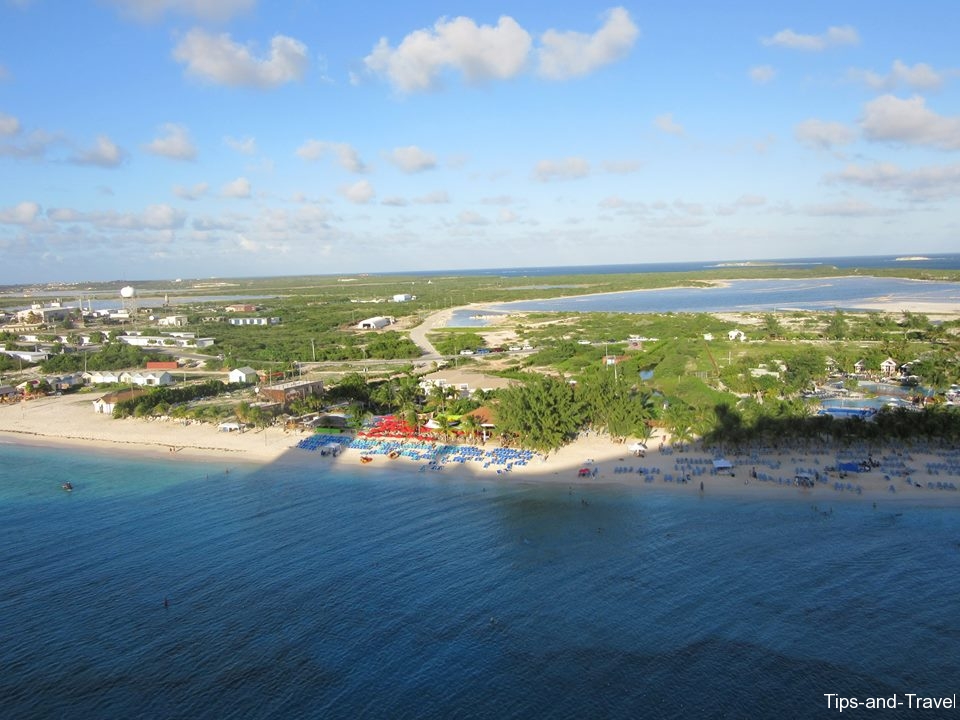
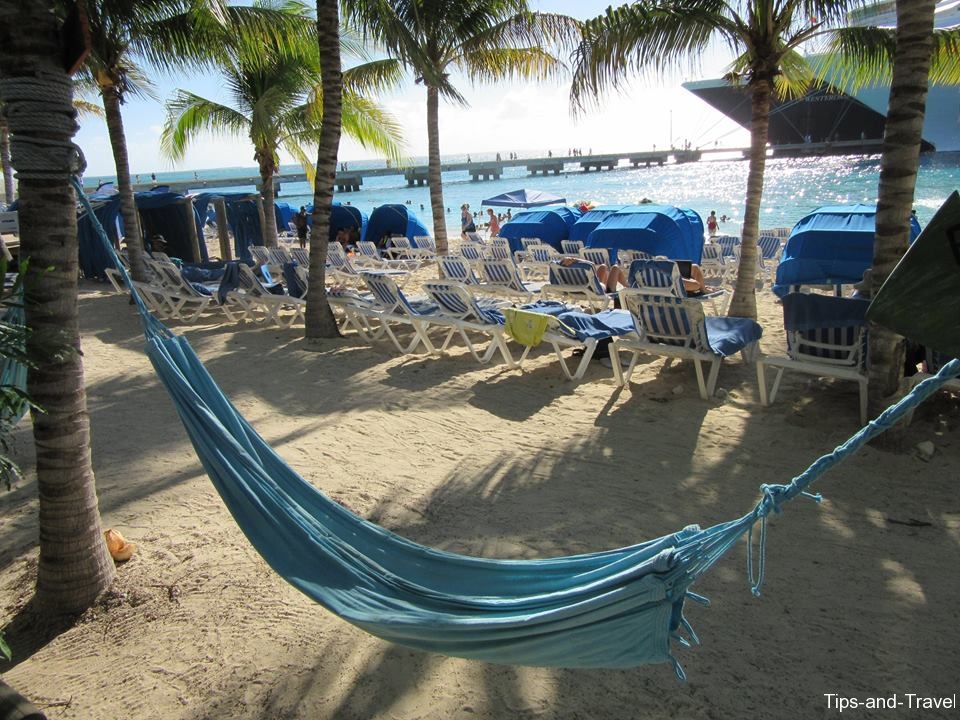
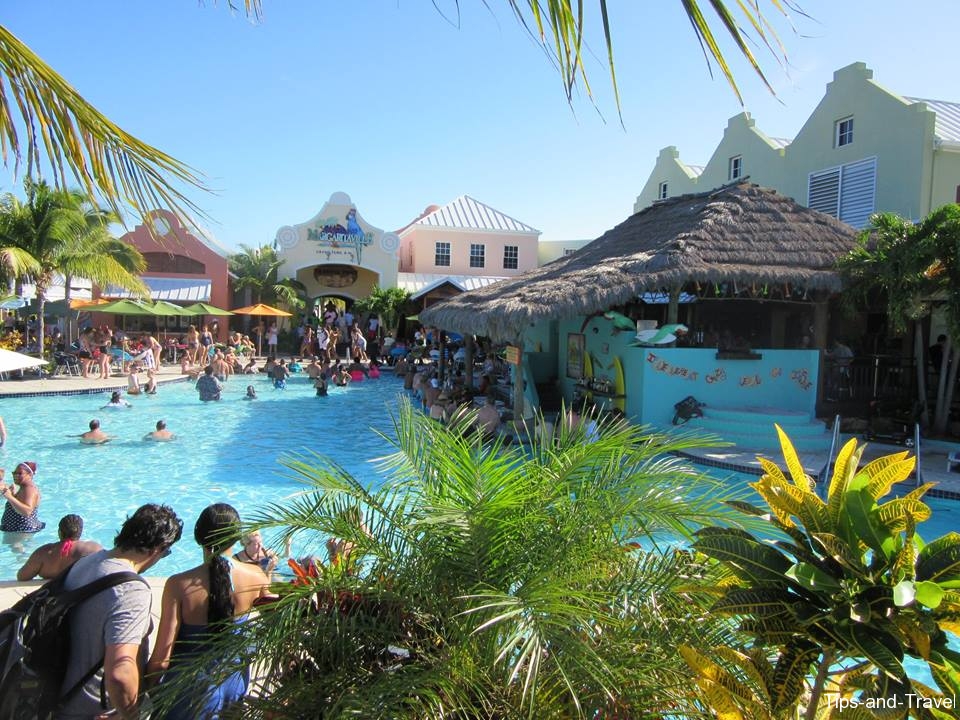
Turks and Caicos also known as the Turquoises Islands; are an archipelago of the Antilles, in the southeast of Bahamas, in the Northern Caribbean. They are about 40 islands but only 8 are inhabited. Since 1973, they are a British overseas territory. Their climate is hot and dry with very little rain and hurricanes are frequent in the region. The wet season is short, from October to December and little marked. The archipelago has limited amounts of water so the inhabitants are used to install tanks to collect rainwater for diary use.Their plant environment consists of marshes and mangroves on a calcareous soil. The average temperature is 29 °C. Tourism, fishing and offshore financial services are the main economic activities of the archipelago. Its main economic resources are lobster and conch. There are beautiful beaches. Among the activities, golf and water sports are held.
Since 1917, Canada is trying to annex the Islands but in 2014, the Foreign Minister John Baird, says that his Government is not interested in annexing the Islands but the minister Peter Goldring continues to pressure while the Prime Minister of the Islands Rufus Ewing maintains its position of wanting to strengthen the ties between its territory and Canada.

Tips

It is a beautiful place to dive, there are catamarans which organize tours to do it.
If you like fishing it is possible to do it.
You can also rent a scooter to know the different beaches.
We recommend you to visit the islands between February to April, it’s the ideal time because the temperatures are pleasant and there are less tourist crowds.
If you visit the Grand Turk Island, you can visit the Museum to know about the history of the Islands.
You can also visit Salt Cay, with its infrastructure recalling salt as the island of Providenciales with its plantations of cotton, its beautiful beaches and its coral reef.

Bellver Castle, Mallorca, Spain

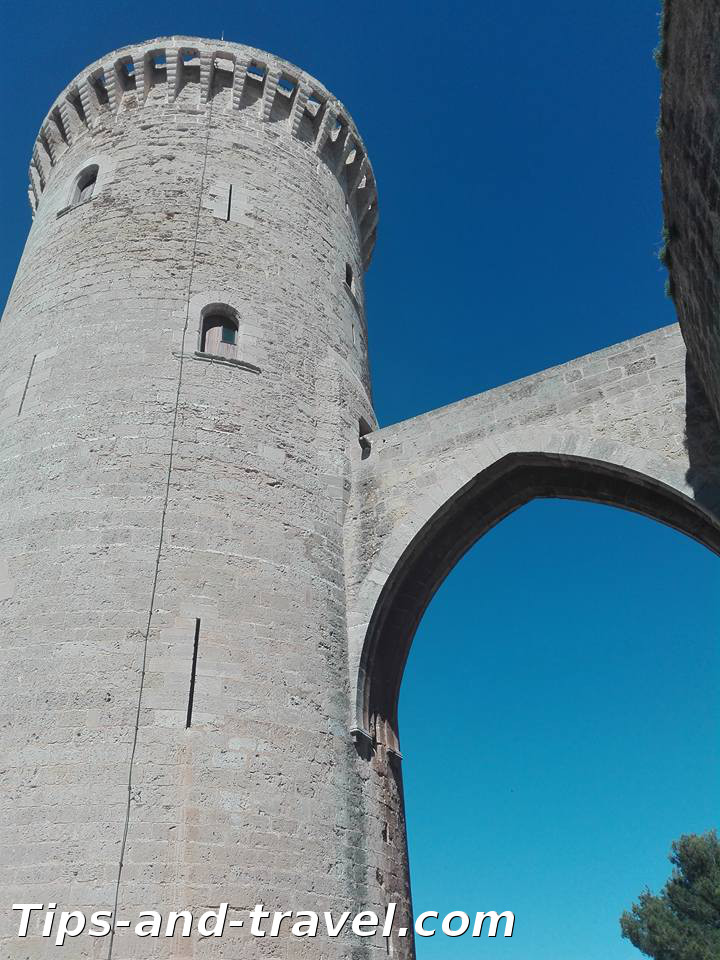
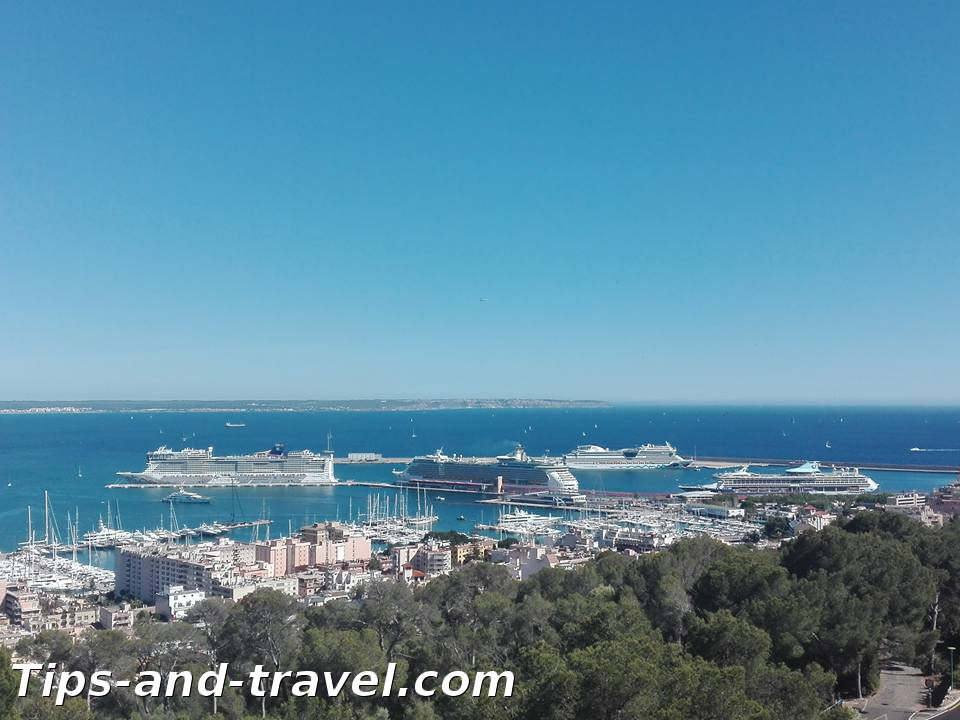
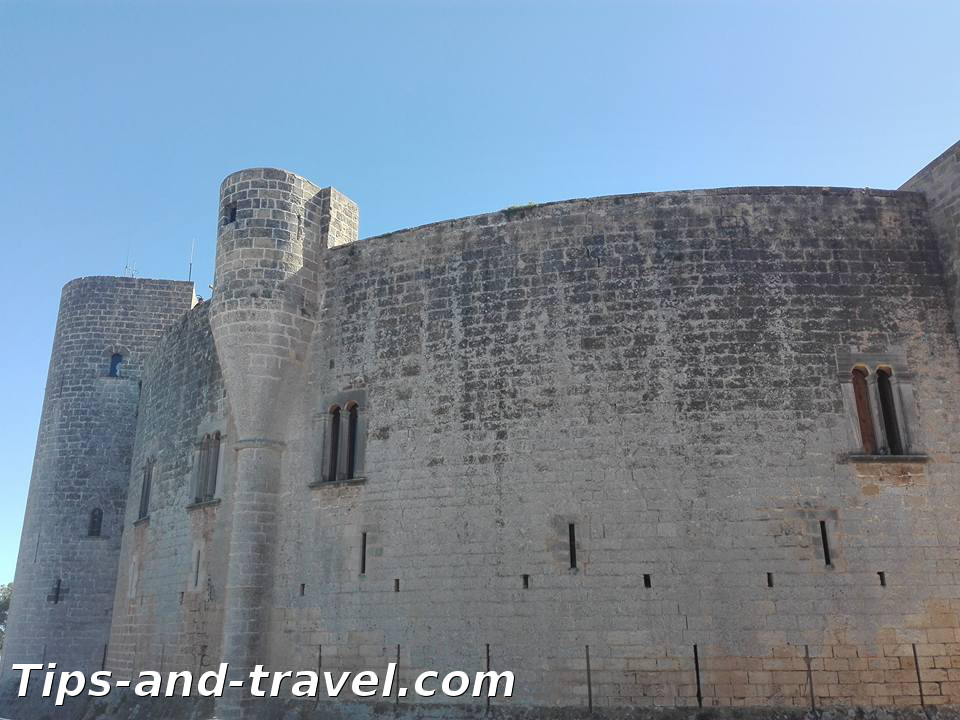
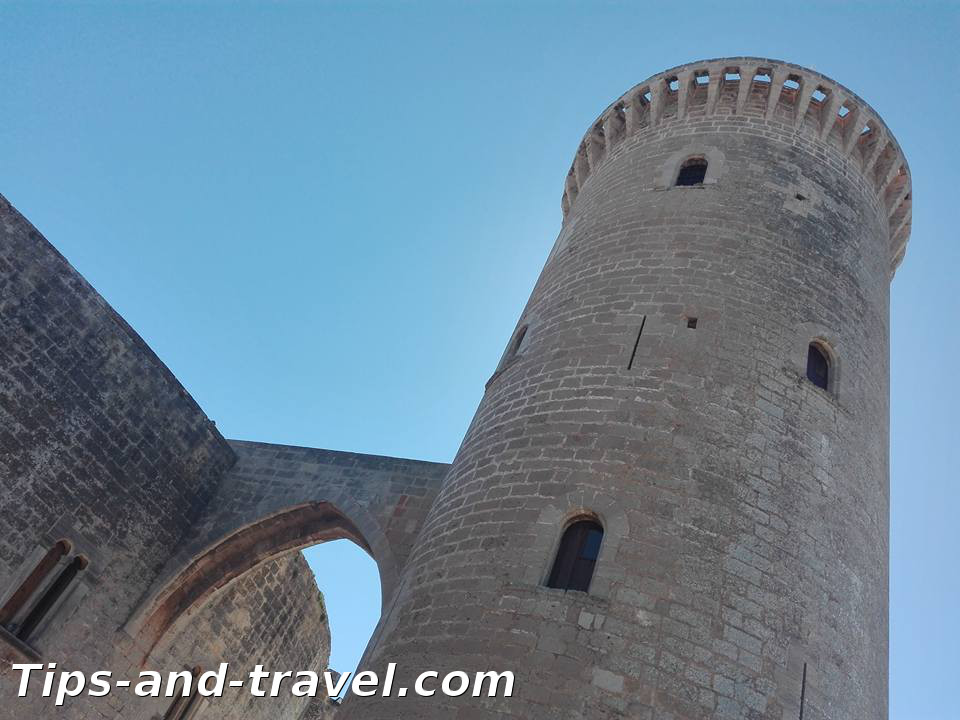
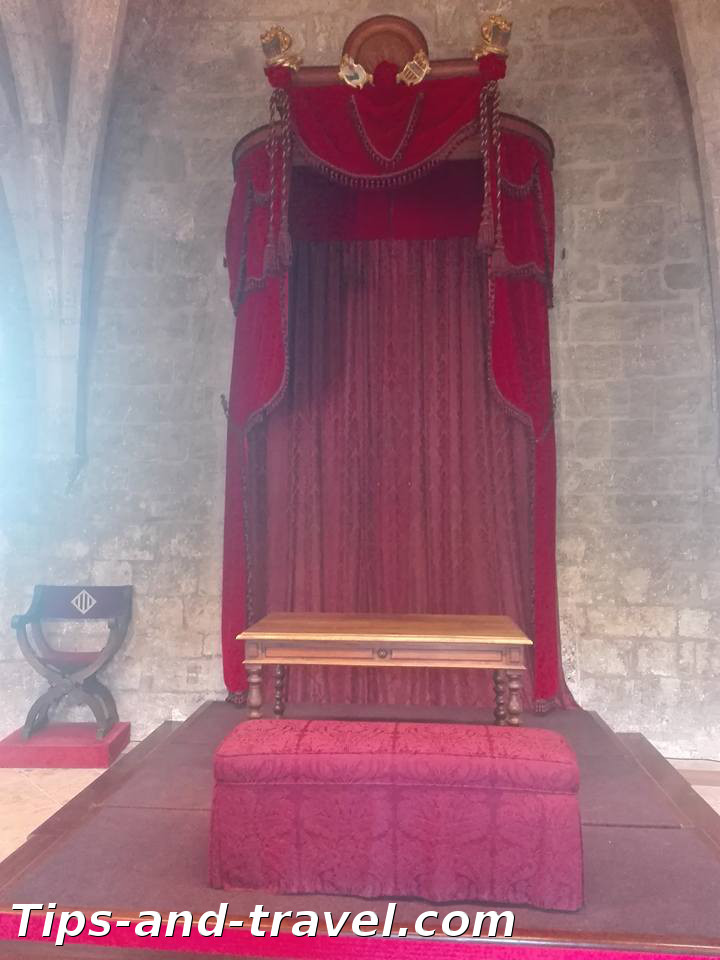
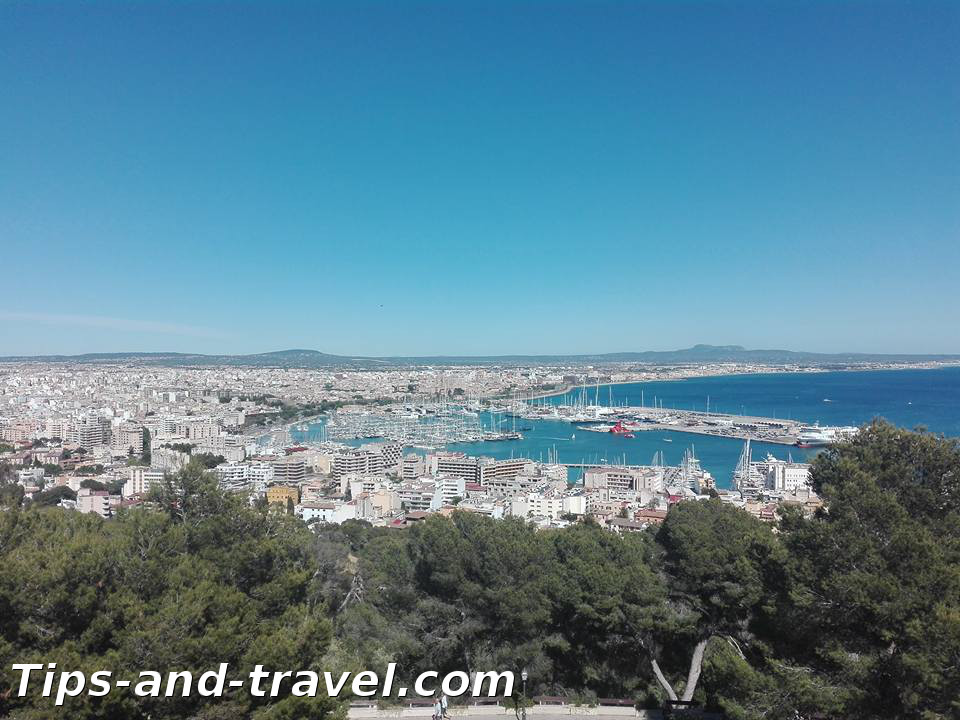
Bellver Castle (14th century) is located on the island of Mallorca, Spain; three kilometers from the historic center of Palma de Mallorca, on a pine-covered hill of 112 meters, at Bellver wood. Its name comes from ancient Catalan and means beautiful sight. King James II ordered his construction to live there and the architect Pedro Salva directed this construction which took almost 40 years. It is of Mediterranean Gothic style in circular form with rounded towers; also in circular form. The castle was occupied by the kings of the island but it also served as a prison. From 1947, being already owned by the Municipality of Palma, they began to reform it to be able to use it as a cultural building and it was in 1976 that it was inaugurated as the Museum of History of Palma. The castle has a patio in the center and all the facilities on the two floors of the building overlook it, with a gallery of Gothic arches. Since it is visible from the sea and from the city, it is considered one of the symbols of Palma.

Tips

There is an indoor cafeteria open according to public visiting times.

Consult the calendar during your visit as there are concerts or civil weddings taking place on the castle’s patio.