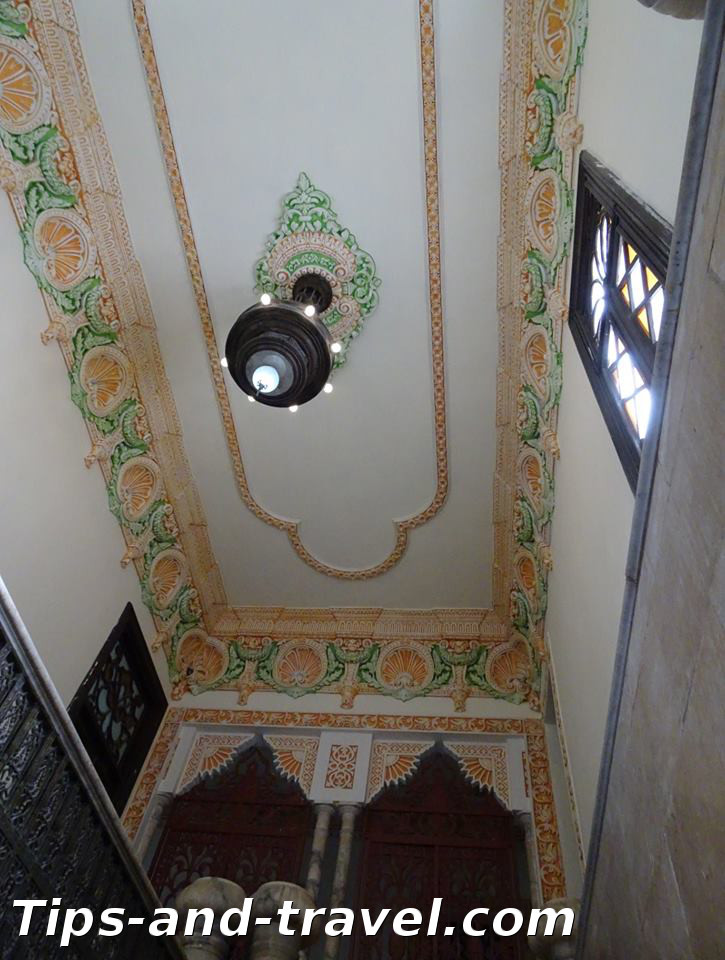
Bilbao, Biscay, Spain

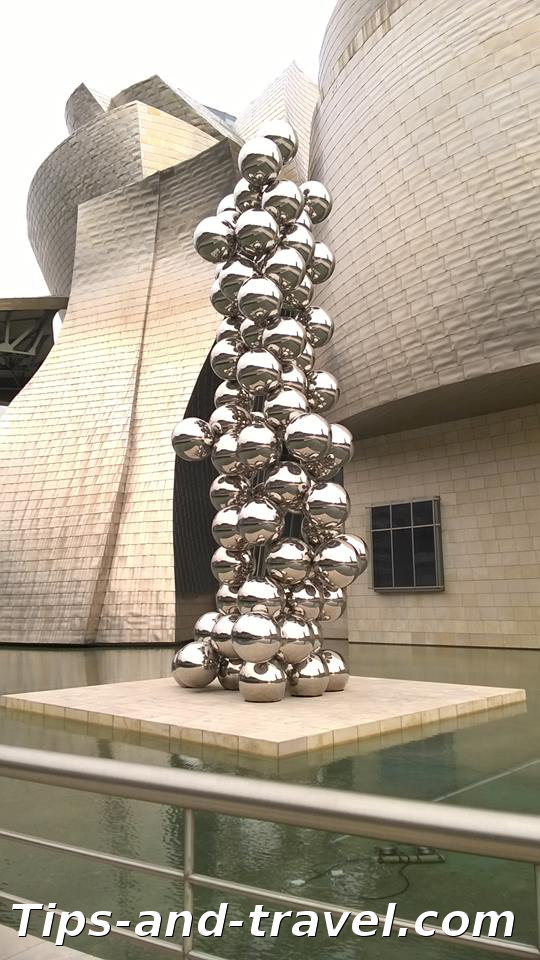
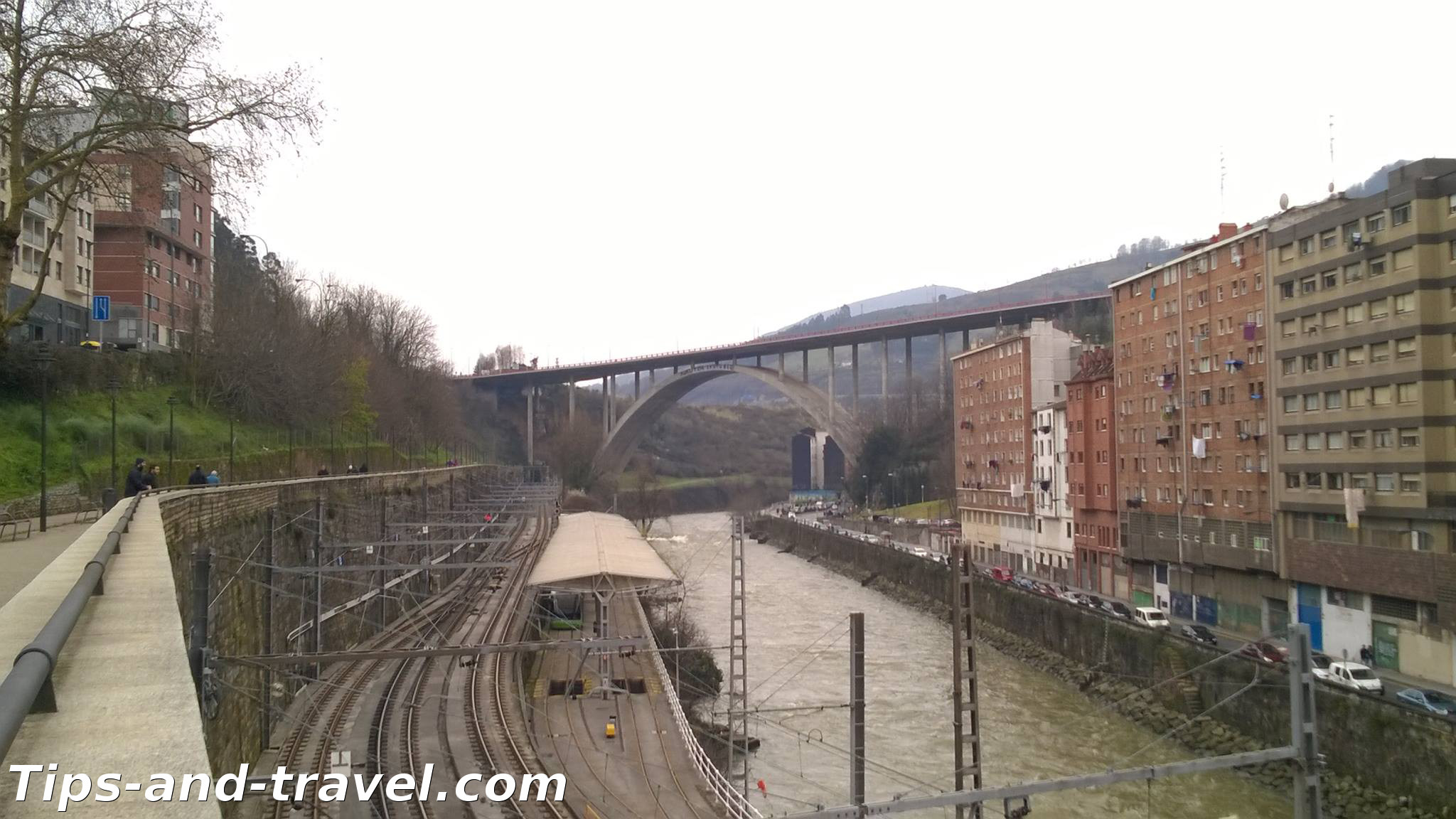
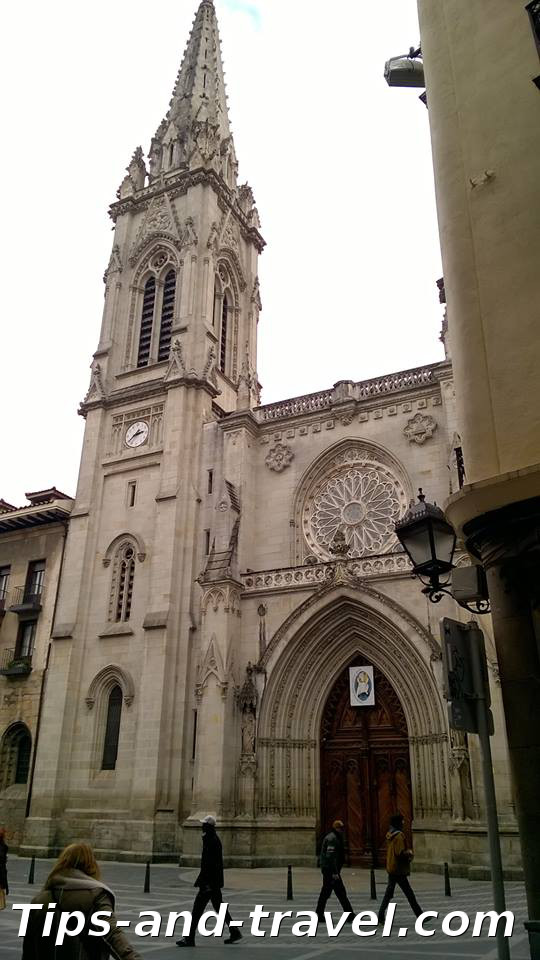
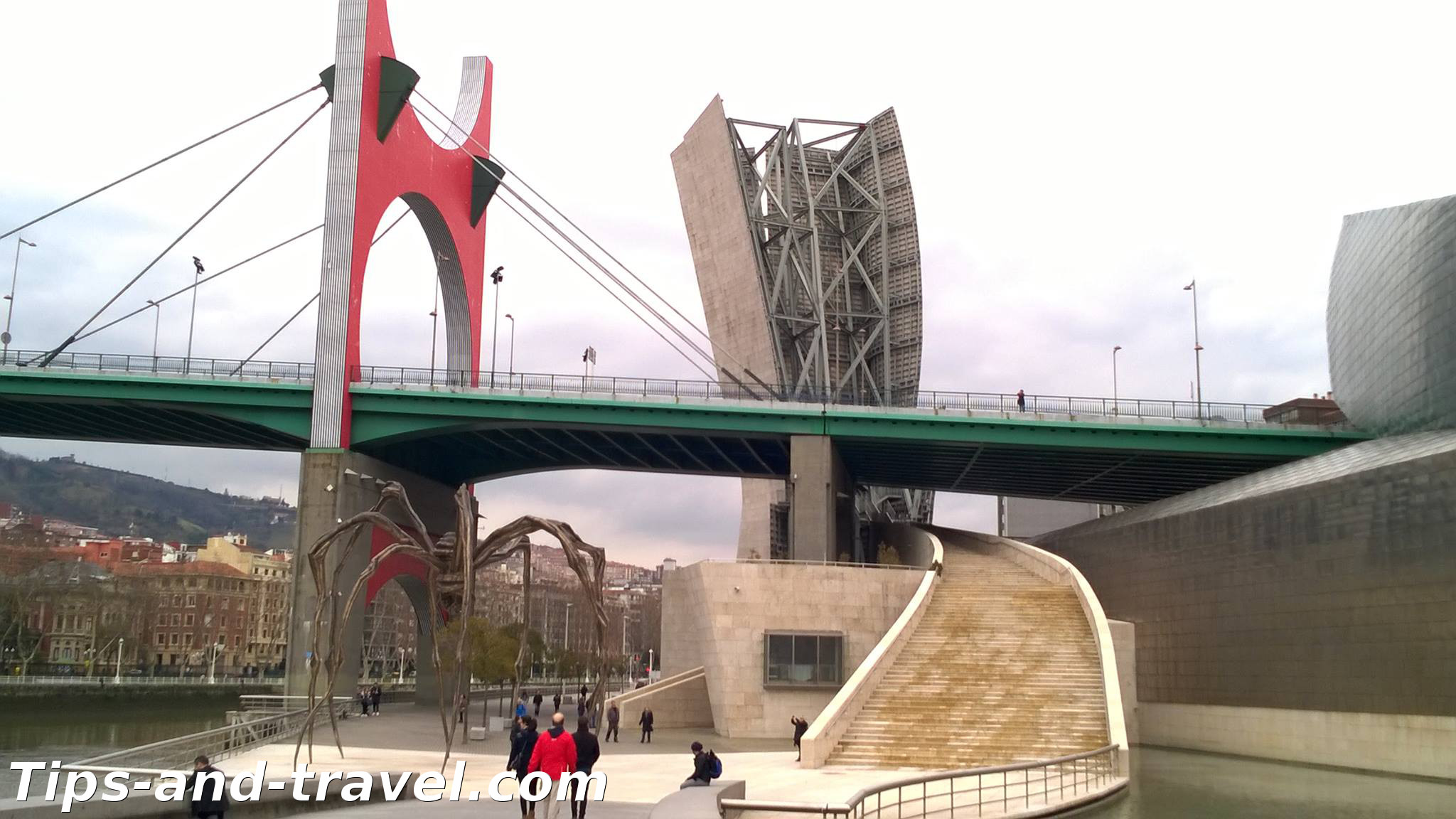
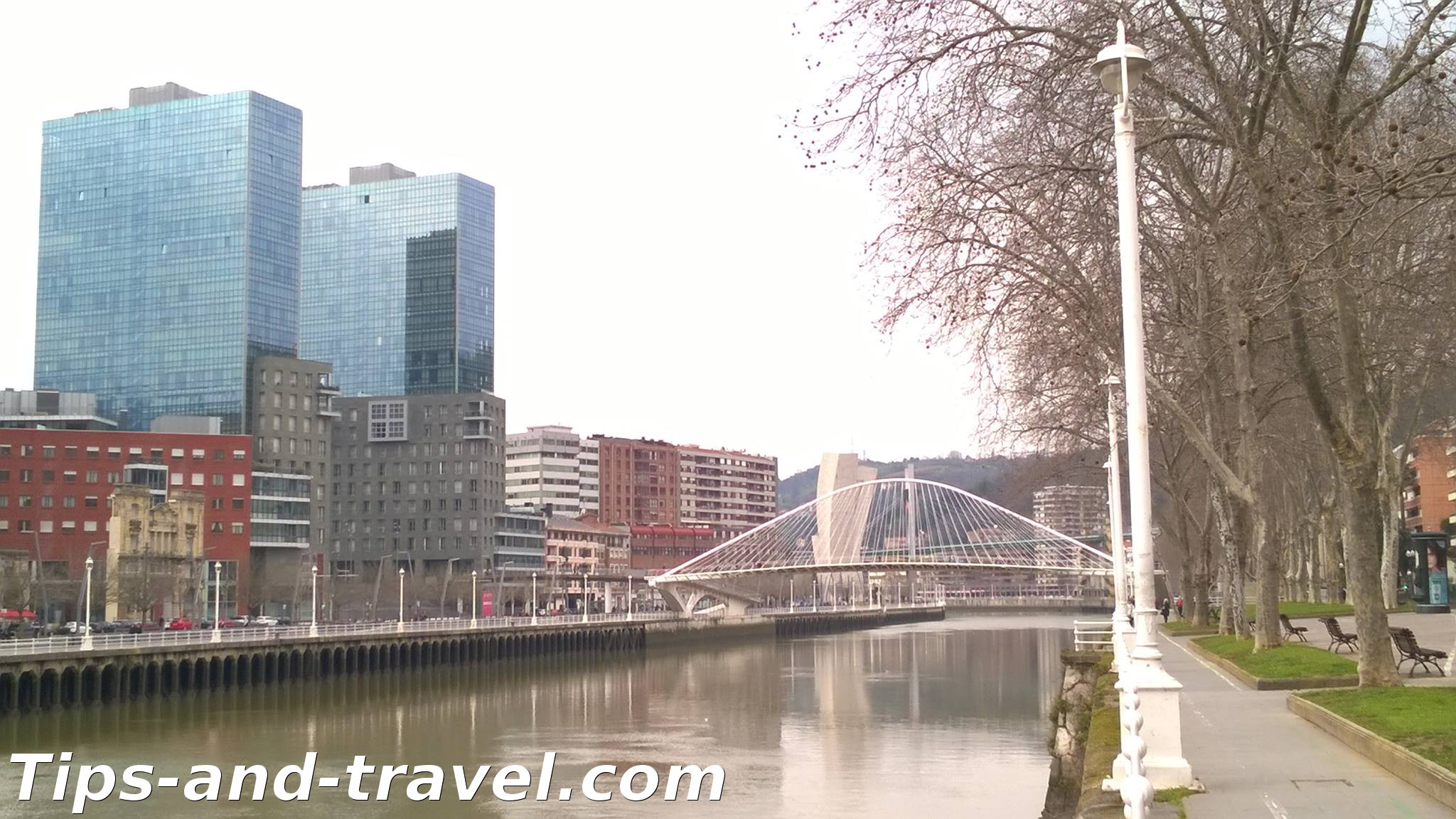
Bilbao is the capital of the province of Biscay and the comarca of the Greater Bilbao located at the estuary of the river Nervion, in the north of Spain. This is a city that has gone through a lot of development, being other times a harbor and industrial city, with a lot of pollution. Today is a city considered as an example for several other cities that would like to change their urban planning problems. The urbanized part of the city is limited by two small mountains; Pagasarri to the south and Artxanda to the north. The old town has a medieval and Renaissance style, with seven streets leading to the Market Square of La Ribera. To see: the Cathedral of Santiago (14th and 15th century), the Basilica of Begonia (1620), the Convent of the Incarnation, the Academy of the Basque Language, the Guggenheim Museum, the Arriaga Theater (1890), the Town Hall (1892), among others.

Tips

The best time to visit the city and find it full of activities is during the celebration of the Great Week that takes place for 9 days and 8 nights, starting on the first Saturday after August, 15th. Spectacles of street, fairs, concerts, everything is there for the occasion. To get around the city by public transport, get the Creditrans which is a standardized pass that allows you to travel through the different fare zones. To get a nice view of the city, take the funicular that will take you to the mountain of Artxanda where you will also find a park. There are also two metro lines and a tram with which you can reach the Guggenheim Museum.

Saint Thomas, United States Virgin Islands

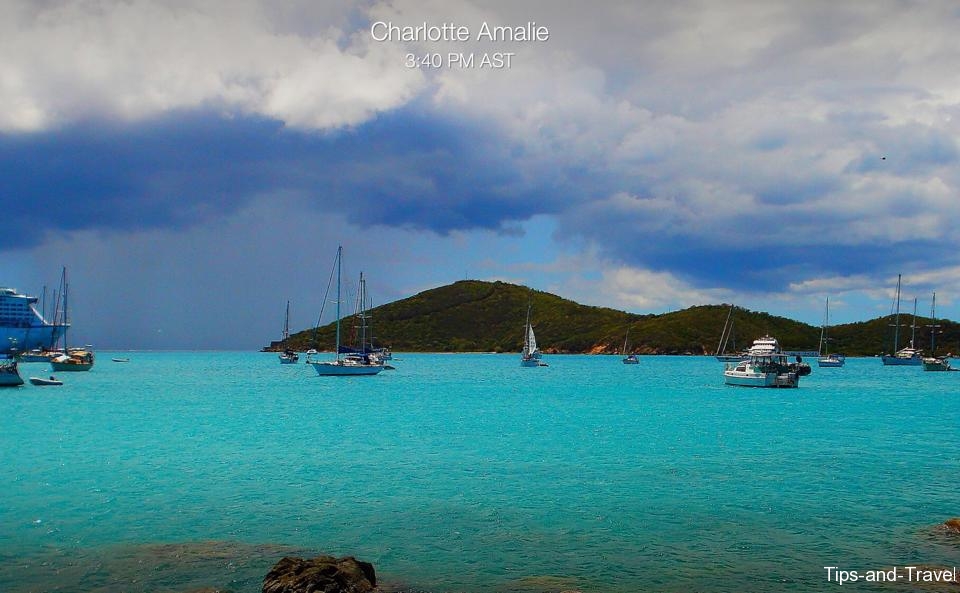
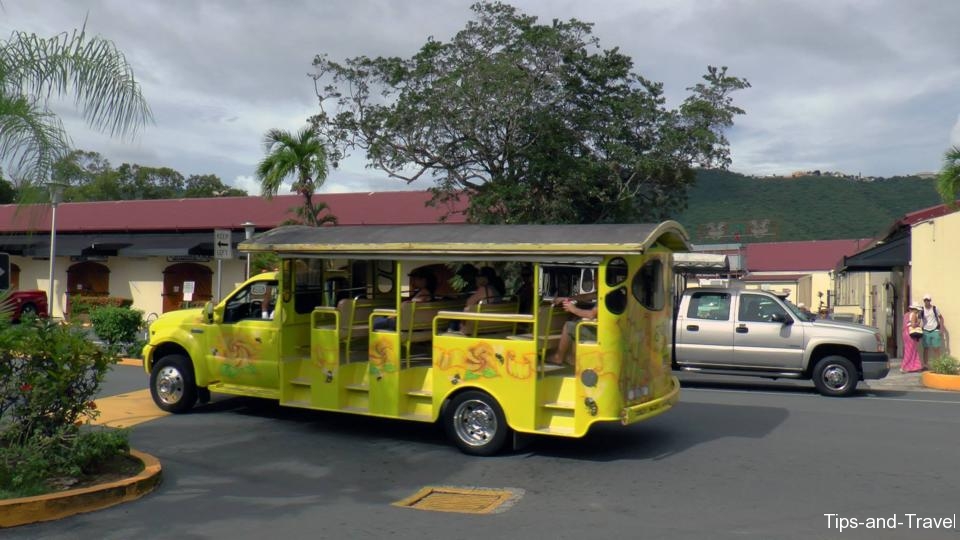
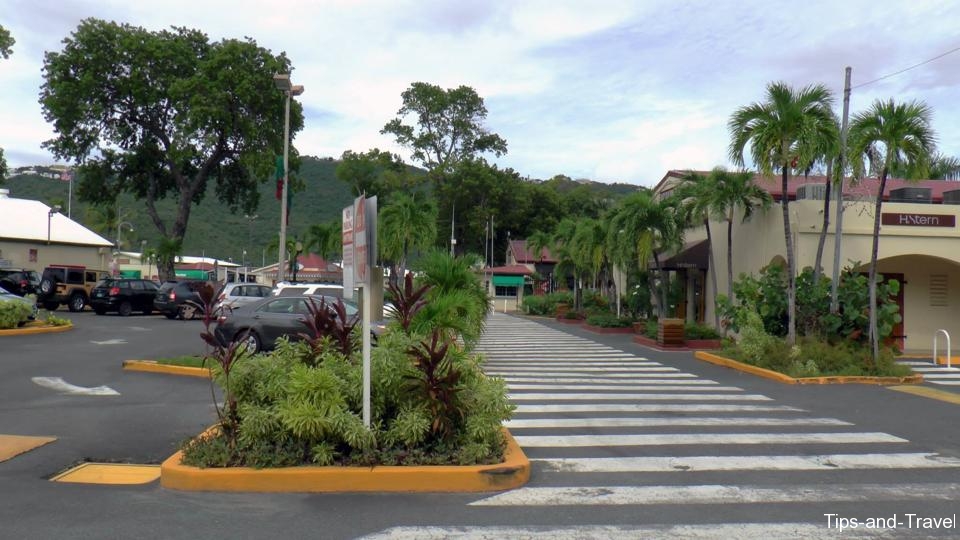
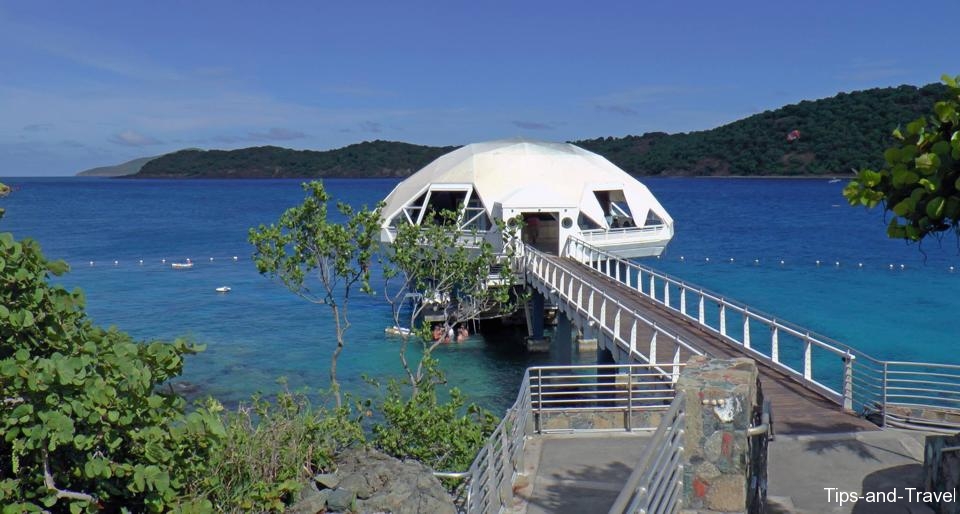
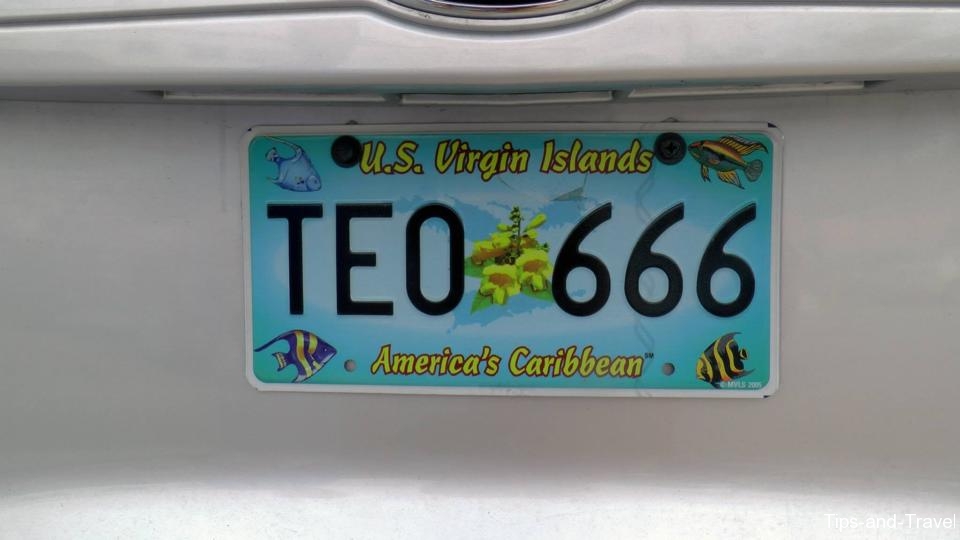
Saint Thomas forms a county and constituent district of the United States Virgin Islands, an unincorporated territory of the United States. Located on the island is the territorial capital and port of Charlotte Amalie. In 1917, St. Thomas was purchased (along with Saint John and Saint Croix) for $25 million in gold, as part of a defensive strategy to maintain control over the Caribbean and the Panama Canal during the First World War. The post-war era also saw the rise of tourism on the island, with relatively cheap air travel and the American embargo on Cuba, the numbers of visitors greatly increased. Passenger and limited car-ferry services to neighboring islands such as Water Island, St. John, St. Croix, and the British Virgin Islands run regularly out of the Red Hook Terminal, Charlotte Amalie, and Crown Bay Marina. This is the only place under American jurisdiction where you must drive on the left. However, because St. Thomas is a U.S. territory, most cars are imported from the mainland United States and therefore the steering column is located on the left side of the vehicle. The island has many regular taxis from compact size to large vans, as well as open-air, covered trucks called “safari cabs” with bench seats. To visit : the second-oldest synagogue in the Western Hemisphere; Fort Christian (built in 1680), the childhood home of Camille Pissarro, one of the best-known French Impressionists, the Cathedral Church of All Saints; built in 1848 from stone quarried on the island, this church has thick, arched window frames lined with yellow brick that was used as ballast aboard ships. Merchants left the brick on the waterfront to make room aboard their boats for molasses, sugar, mahogany, and rum for the return voyage. The church was built in celebration of the end of slavery. You can also take the 700-foot skylift to the top of Charlotte Amalie; it could be good specially if you want to take photos from there.

Tips 

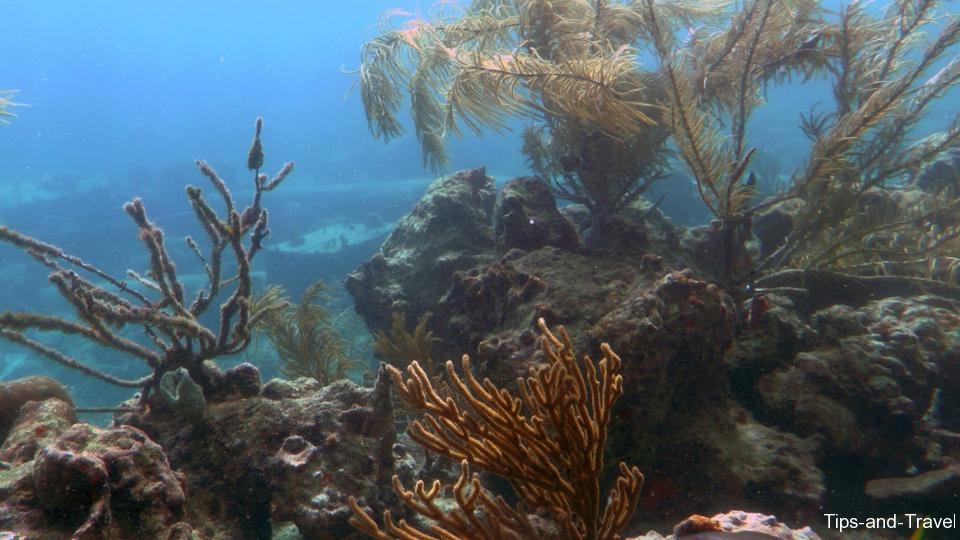
You have a lot of activites to do on the island specially if you like sports : sailing, snorkeling, diving, swimming, golf. You can do it by yourself or on a tour.
If you like shopping, take advantage of duty-free shopping, the stores offer a range of high-quality products available for significantly less than on the mainland.
If you are on a cruise and you only have the day to visit the island, you can do it going on the safari cabs with other people from the cruise. It’s the cheapest way to know the island and the driver will show you the best spots. Don’t forget to ask for the price before getting on because you can be badly surprised at the time of paying. Take a photo of yourdriver’s license to have a proof with you in case he isn’t honest.

Cienfuegos, Cuba

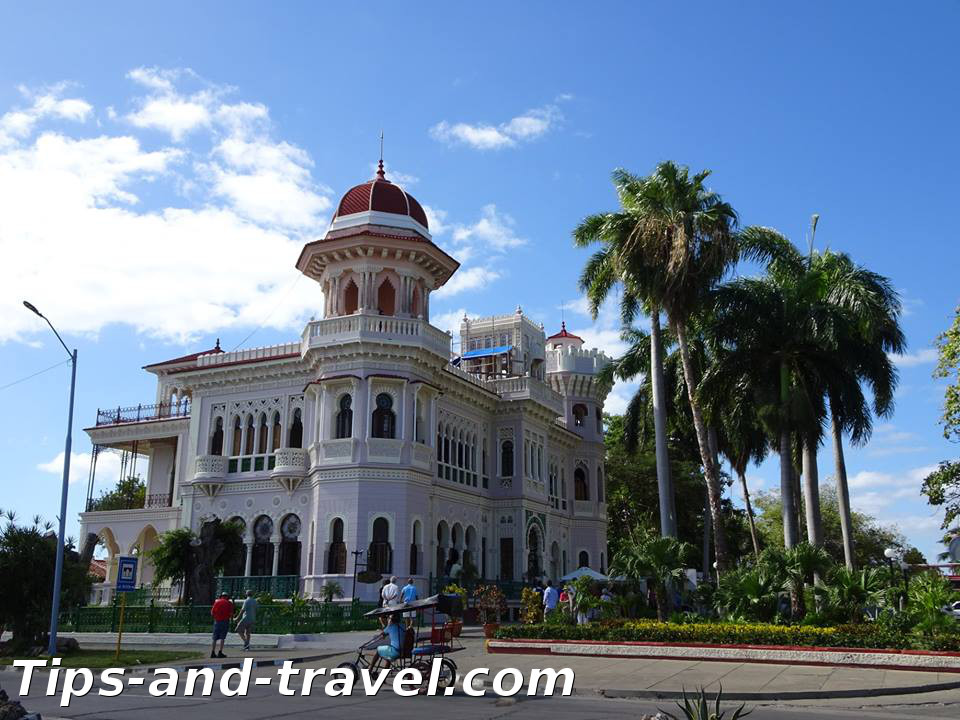
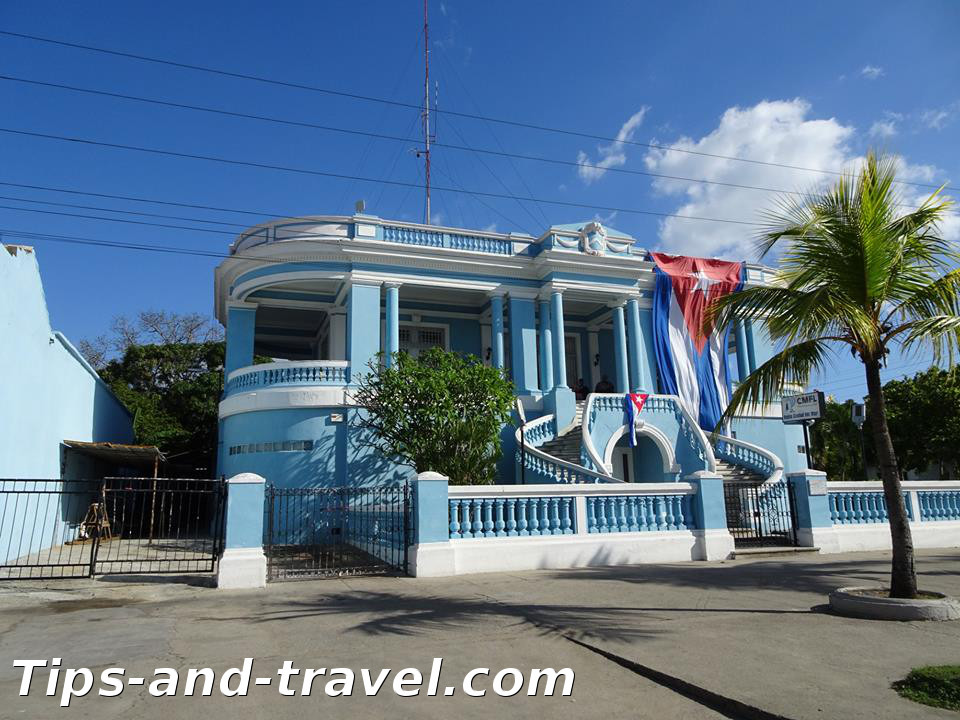
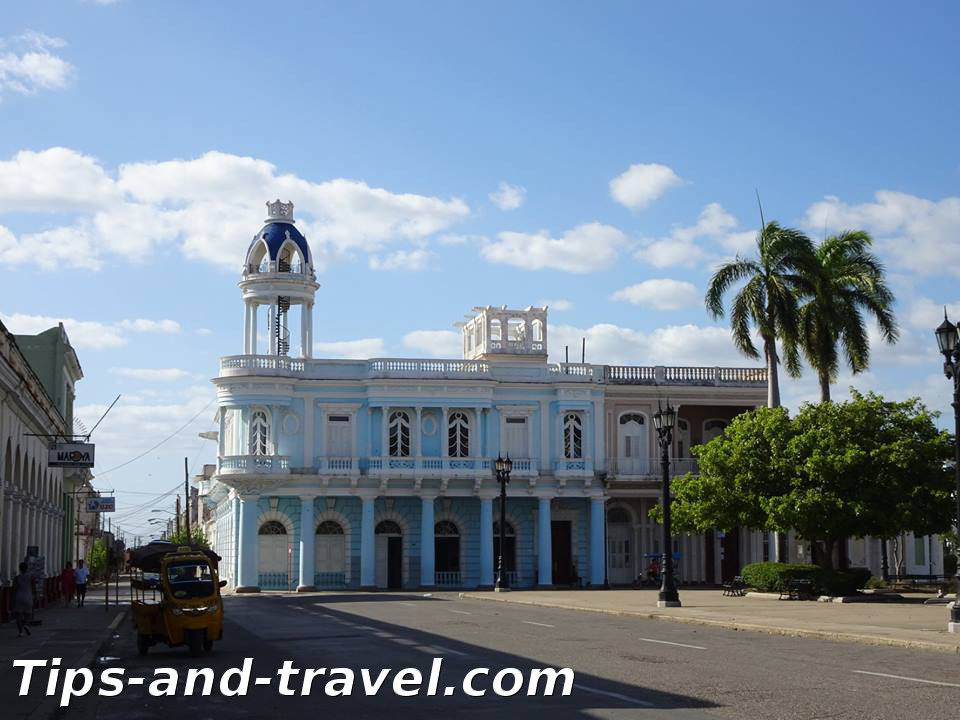
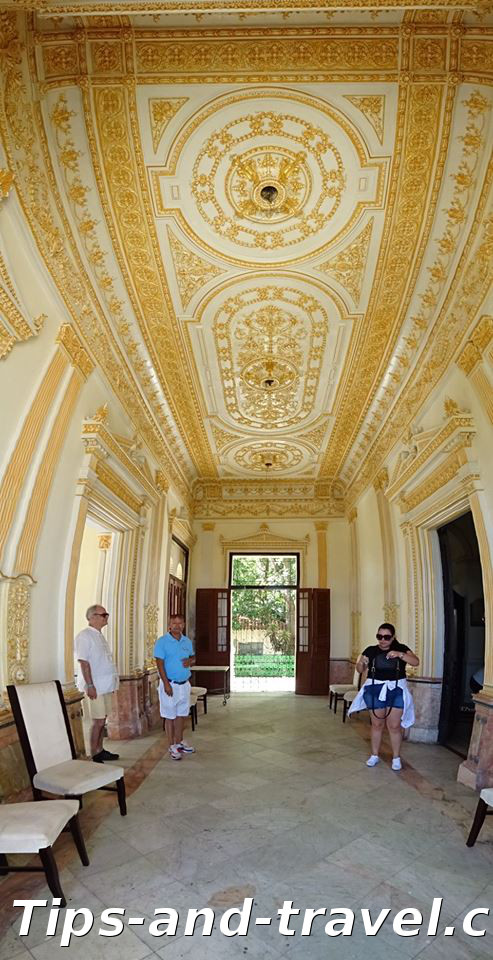
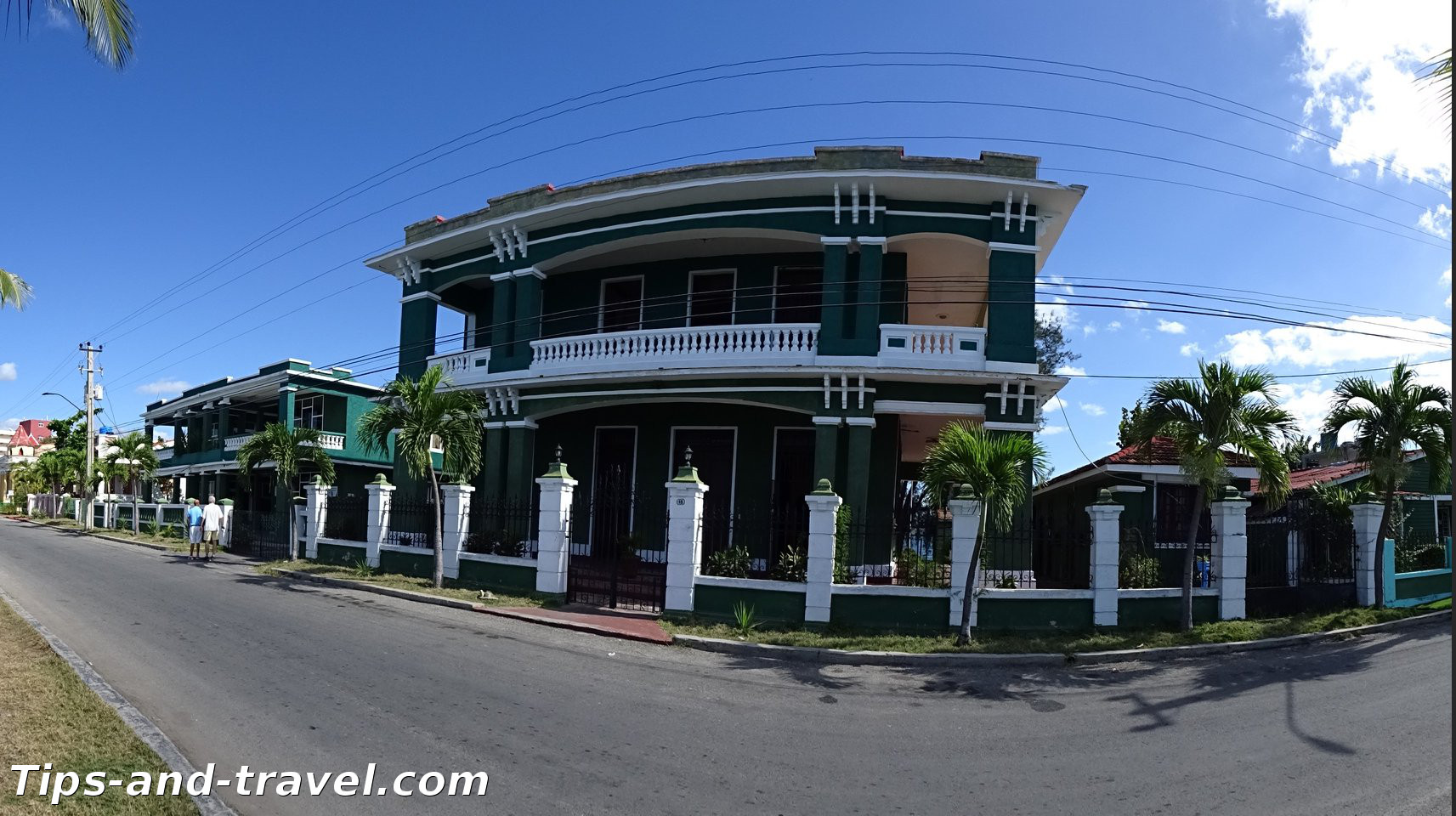
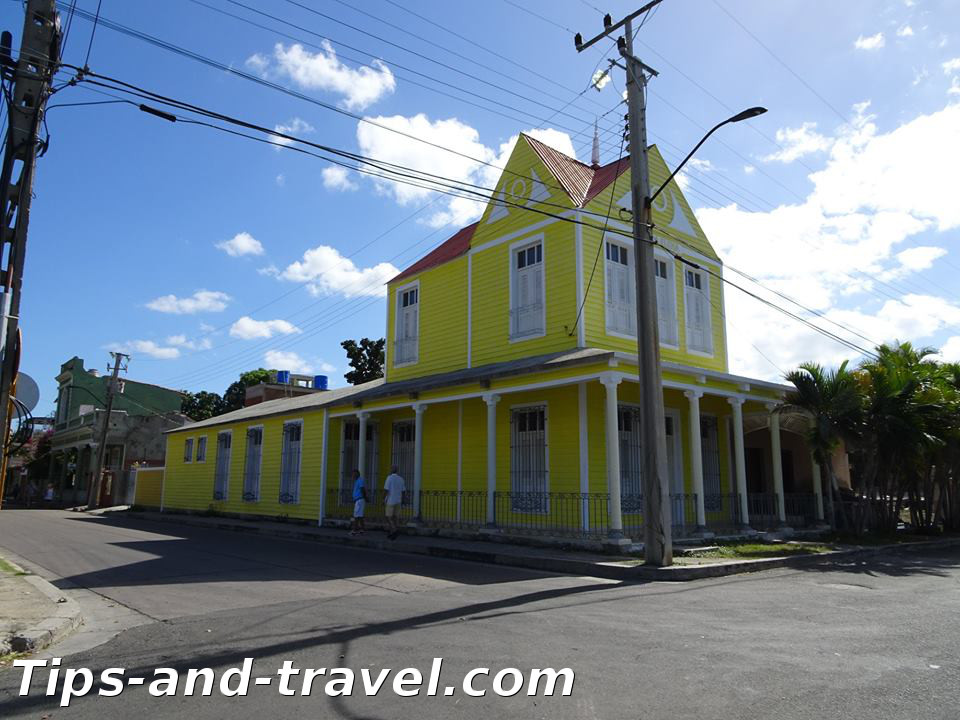
Cienfuegos is a port city on the south coast of Cuba, capital of the province of the same name. The bay on which is located, has the same name too and is 228 km from Havana. It was founded by French immigrants from Bordeaux and Louisiana in 1819 (although it was dominated by the Spanish) under the name of Colonia Fernandina de Jagua but 10 years later, it took the name of the general Cuban governor at that time, José Cienfuegos. It has a very well preserved colonial-style historic center with imposing buildings around the central square, Parque José Martí, which is UNESCO heritage. You will find very beautiful buildings of that period like Tomás Terry theater with its frescoed ceilings and its mosaics; the Government Palace (City Hall); Ferrer Palace; the former Lycée; San Lorenzo School; among others.

Tips

There are other attractions to visit not far from the city like the Soledad Botanic Garden, 14 km away, with a huge variety of species and the Jagua Castle, an eighteenth century fortress that can be reached by ferry.

There are two important events in the city: the Carnival and the Benny Moré Music Festival (September).