Neuschwanstein Castle, Allgäu, Germany

Neuschwanstein Castle is located on a high rocky outcrop 200 meters near Füssen, in the Allgäu, Germany. Louis II of Bavaria order to build it in the 19th century, at the site of two ancient castles. He asked Richard Wagner, his friend, to come to live with him. In 1884, Louis II stablished in the Palace but died two years later. After his mysterious death, the castle was opened to the public, although it was not yet finished. The initial project was more ambitious, but the Bavarian State decided not to pursue the work after the death of the King. It was built largely in the late Romanesque style from the beginning of the 13th century. Noted in the construction of the building as well as in its ornamentation: portals arches, arcades of windows and towers, the position of columns and pinnacles. The housing of the king rooms and rooms of pageantry of the third and fourth floors were more or less completed at his death. The rooms on the second floor are always bare brick and are not visited. The castle is an example of eclectic architecture of the romantic era. Walt Disney is inspired by this castle to create the castle at the first Disneyland opened in California in 1955, becoming also the logo of Walt Disney Studios and its subsidiaries. It receives over one million three hundred thousand visitors per year.

Tips

Before going to the Castle, you will need to get the tickets in Hohenschwangau castle below. The ticket you will make a guided tour (only way to be able to visit it) has the right time you must respect, in case of delay, you may not participate.

If you like taking pictures, you can just do it outside the Castle, even for video-films.

Big bags, luggage, strollers-children, are not allowed in the Castle.You should leave your belongings in a small space but nobody assumes responsibility for these objects.

Children and young people under the age of 18, do not pay.

If you like castles, there are annual or multi-year tickets that will allow you to visit more than 40 places of Bavaria.

If you wish, you can see a film about the life of the King at the end of your visit.

Invalid Displayed Gallery

Panama City, Panama

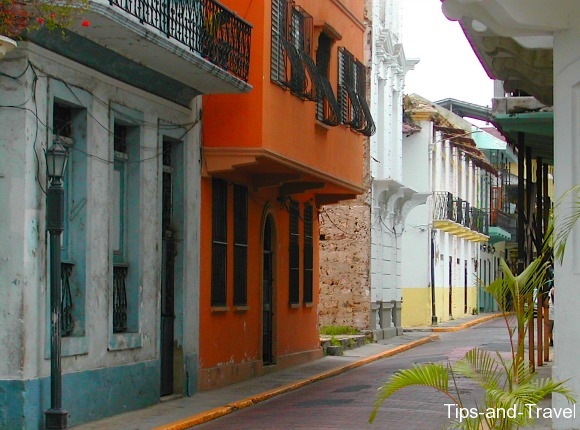
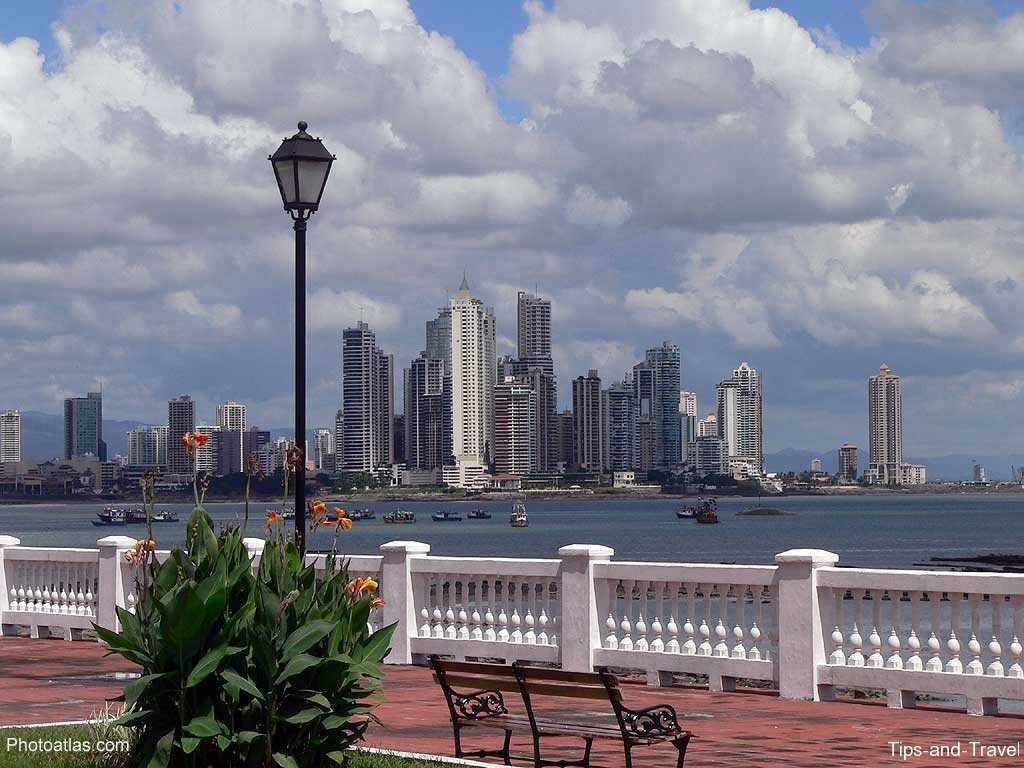
Panama City is the capital and largest city of the Republic of Panama, It has a population of 880,691, with a total metro population of 1,440,381 and is located at the Pacific entrance of the Panama Canal, in the province of Panama. The city is the political and administrative center of the country, as well as a hub for international banking and commerce.

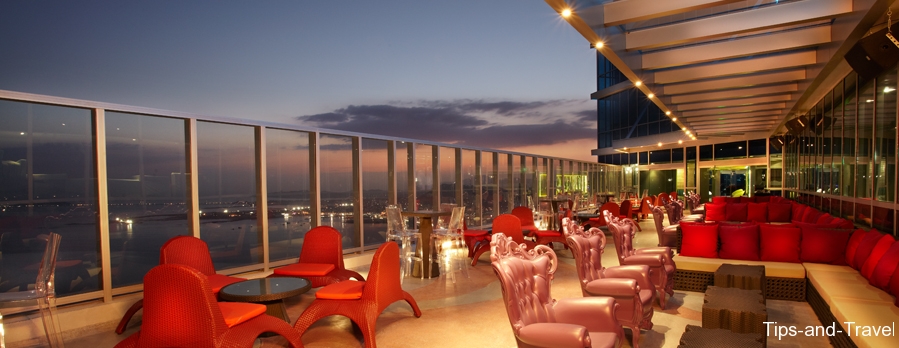
The city of Panama has a dense skyline of mostly high-rise buildings, and it is surrounded by a large belt of tropical rainforest. Panama’s Tocumen International Airport is the largest and busiest airport in Central America, offers daily flights to major international destinations. Panama was chosen as the 2003 American Capital of Culture jointly with Curitiba, Brazil. It is among the top five places for retirement in the world, according to International Living magazine.

Tips

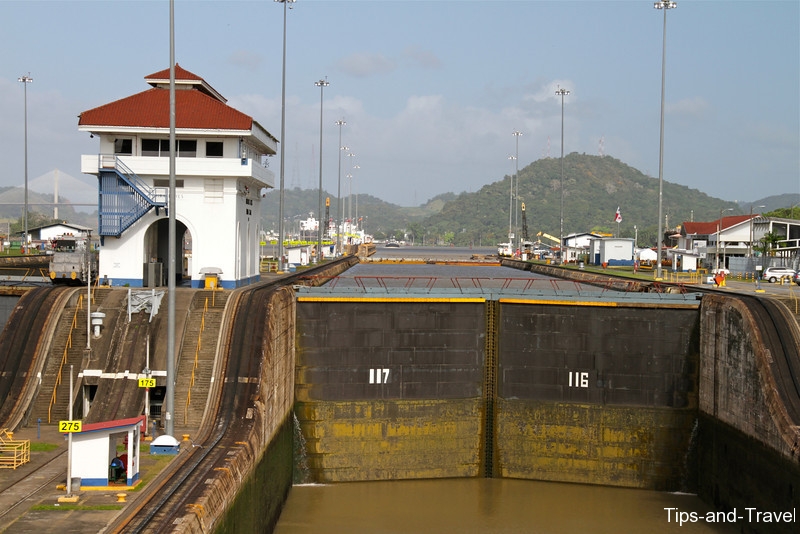
The Canal Zone is impressive, it offers many possibilities for excursions. We recommend the trans-isthmus train, this charming train runs along the Canal for great views of the locks, Gatun Lake, and the rainforest.

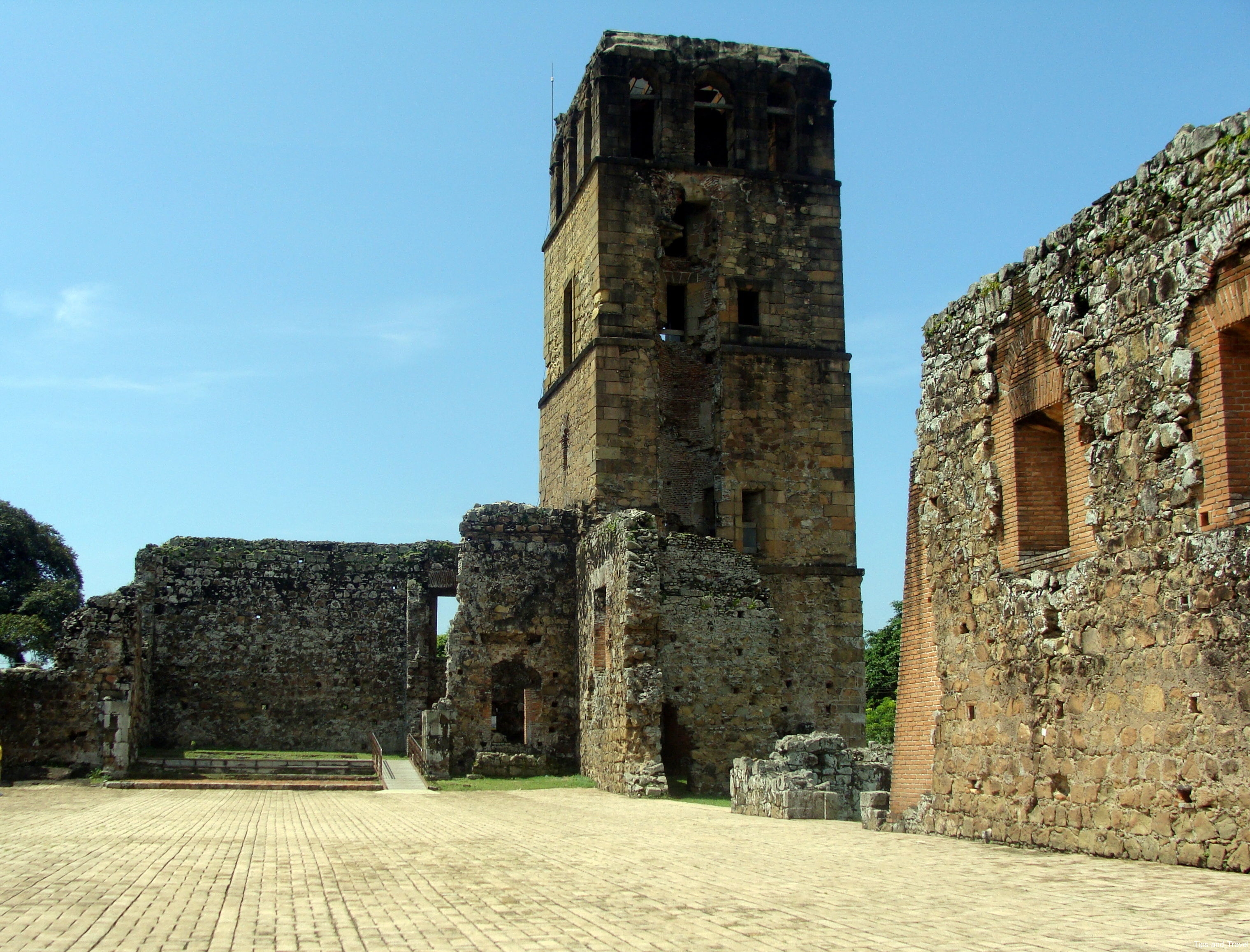
Panamá Viejo (“Old Panama”) is the name used for the architectural vestiges of the Monumental Historic Complex of the first Spanish city founded on the Pacific coast of the Americas by Pedro Arias de Avila on August 15, 1519. This city was the starting point for the expeditions that conquered the Inca Empire in Peru in 1532. It was a stopover point on one of the most important trade routes in the history of the American continent, leading to the famous fairs of Nombre de Dios and Portobelo, where most of the gold and silver that Spain took from the Americas passed through.

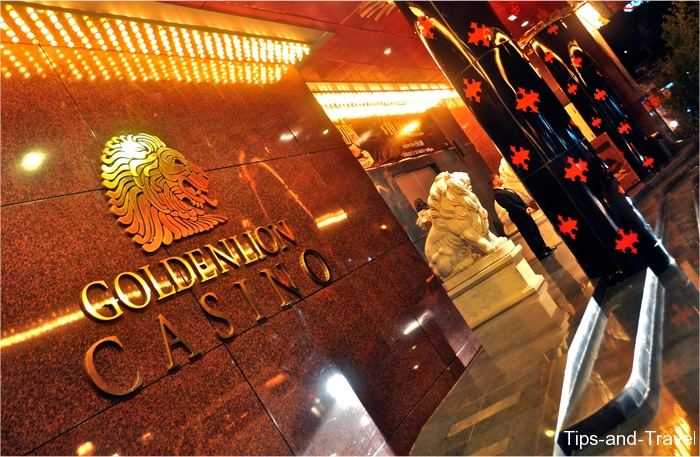
Panama City is known as the Las Vegas of the Central America whit 22 superb casinos all offering great restaurants and shows.

The town have many museums we recommend the Biomuseo (Biodiversity Museum) the architecture is surprising on a multicolored metallic structure, the museum presents the Latin American biodiversity and threats to it.

Cachi, Salta, Argentina

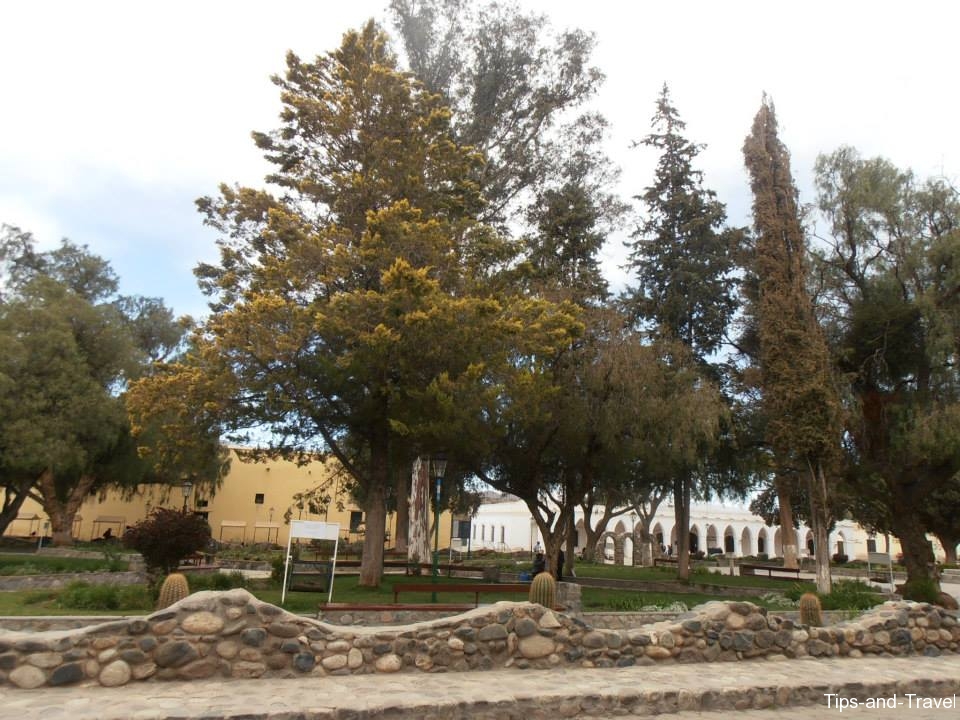
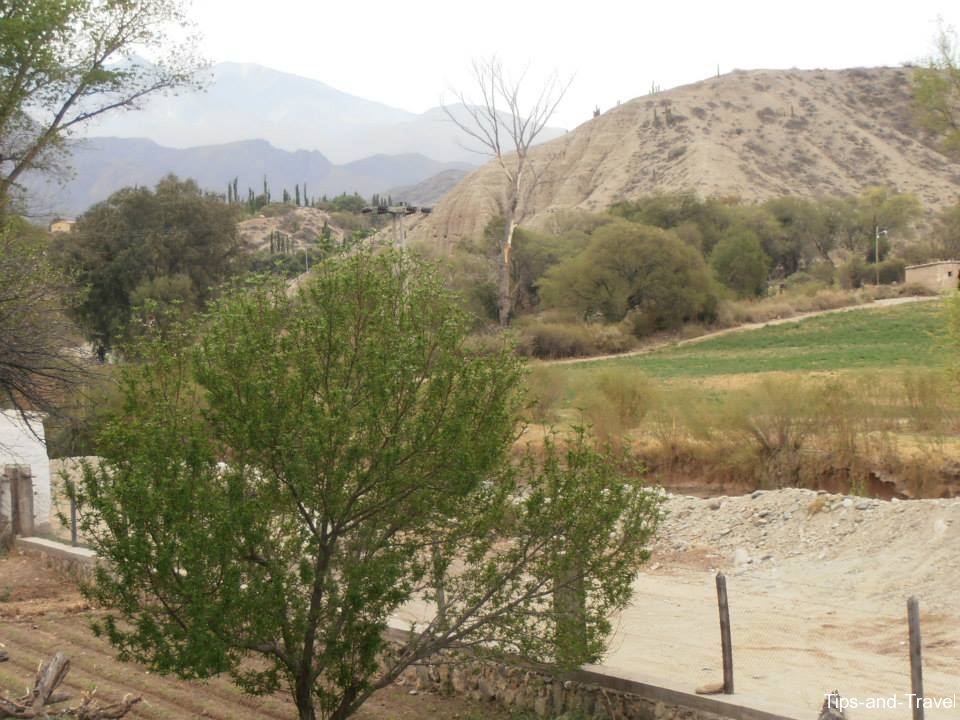
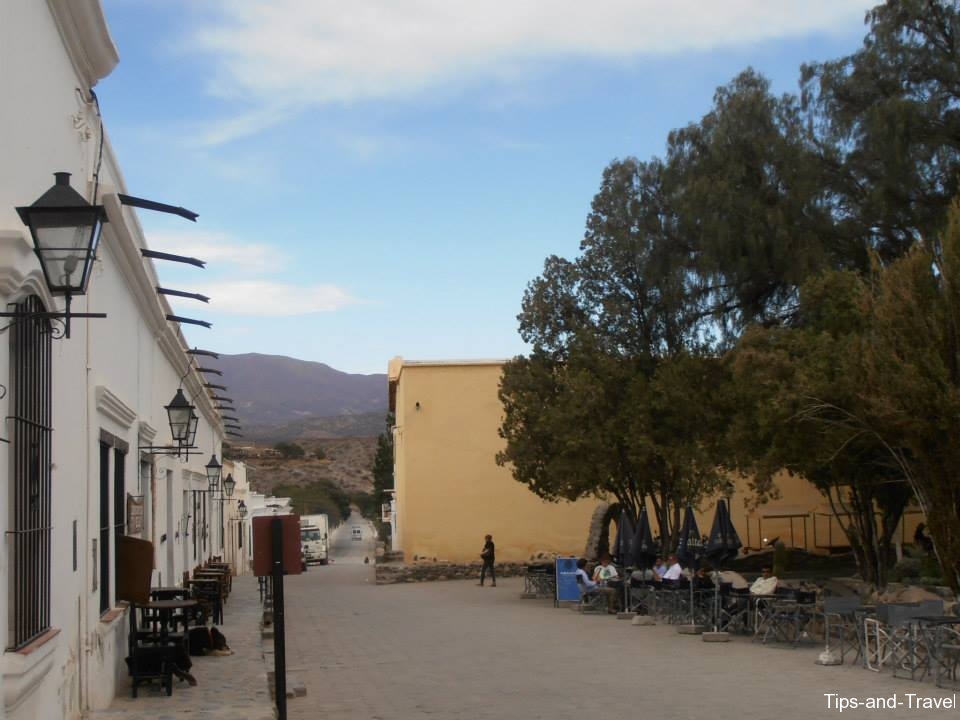
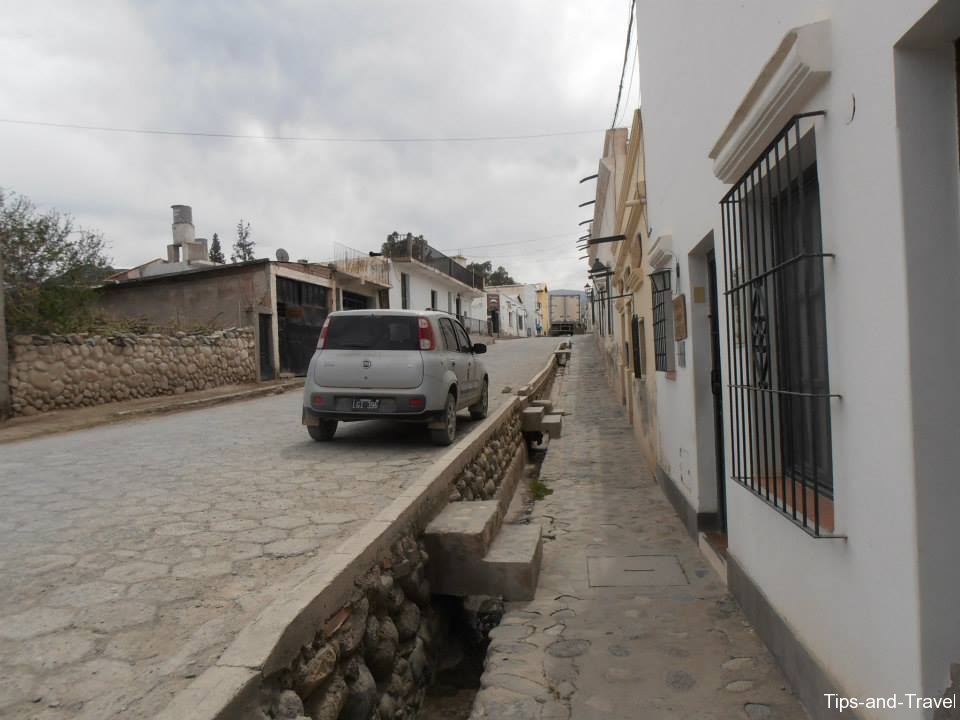
Cachi is a small town in northwestern Argentina, located in the province of Salta at an altitude of 2,280 meters, on the banks of the Calchaqui River. The town is located in a mountainous setting dominated by the Nevado peak of Cachi which culminates at 6,320 meters. The mountains are red, gray, pink, green with a few touches of different colors depending on the position of the sun and the minerals that contain; they seem to be the work of an artist … Part of the town is colonial style, with white houses built of clay on a stone base, with straw roofs. The windows are decorated with wrought iron gates. To see, the Central Square with its two monuments: the church of Cachi, nineteenth century neo-Gothic style with some parts that were built of cactus wood, including the roof, altar and confessionals and the Archaeological Museum Pio Pablo Diaz which houses more than 5,000 pieces that go mainly from 800 BC to 1600 AC. The square of July, 9th is surrounded by stones that reproduce the ancestral meeting center of the Chicoanas Indians with entrances in triple arches.

Tips

If you like to taste the local food, there are very good dishes to be enjoyed starting with empanadas with meat cut with knife and fat, fried; a total delight but make attention because they contain juice. You can continue with humita which is a cream corn and there are even empanadas stuffed with. Another specialty of the region are the tamales (a kind of pancake that is covered with a corn leaf). A visit to Pio Pablo Diaz Museum is very interesting because you will have the opportunity to see a mummified body covered with leather, wrapped in straws, tied with a rope made of vegetable fibers and wool; a symbol of the cult of the dead. In addition, it costs only a few cents. If you stay a few days, visit Los Cardones Park. It is a unique place where you will find giant cactus, there are even some that arrive at 9 meters in height. This park was on the road that the Incas crossed from the Bolivian valley to the Argentine lands. If you like adventure tourism but organized and safe, there are excursions in a kind of glass truck, which will allow you to know the area with experienced guides. You can find yourself suddenly in the clouds, in the middle of nature and with landscapes that will really charm you.