Lake of Orta, Novara, Italy

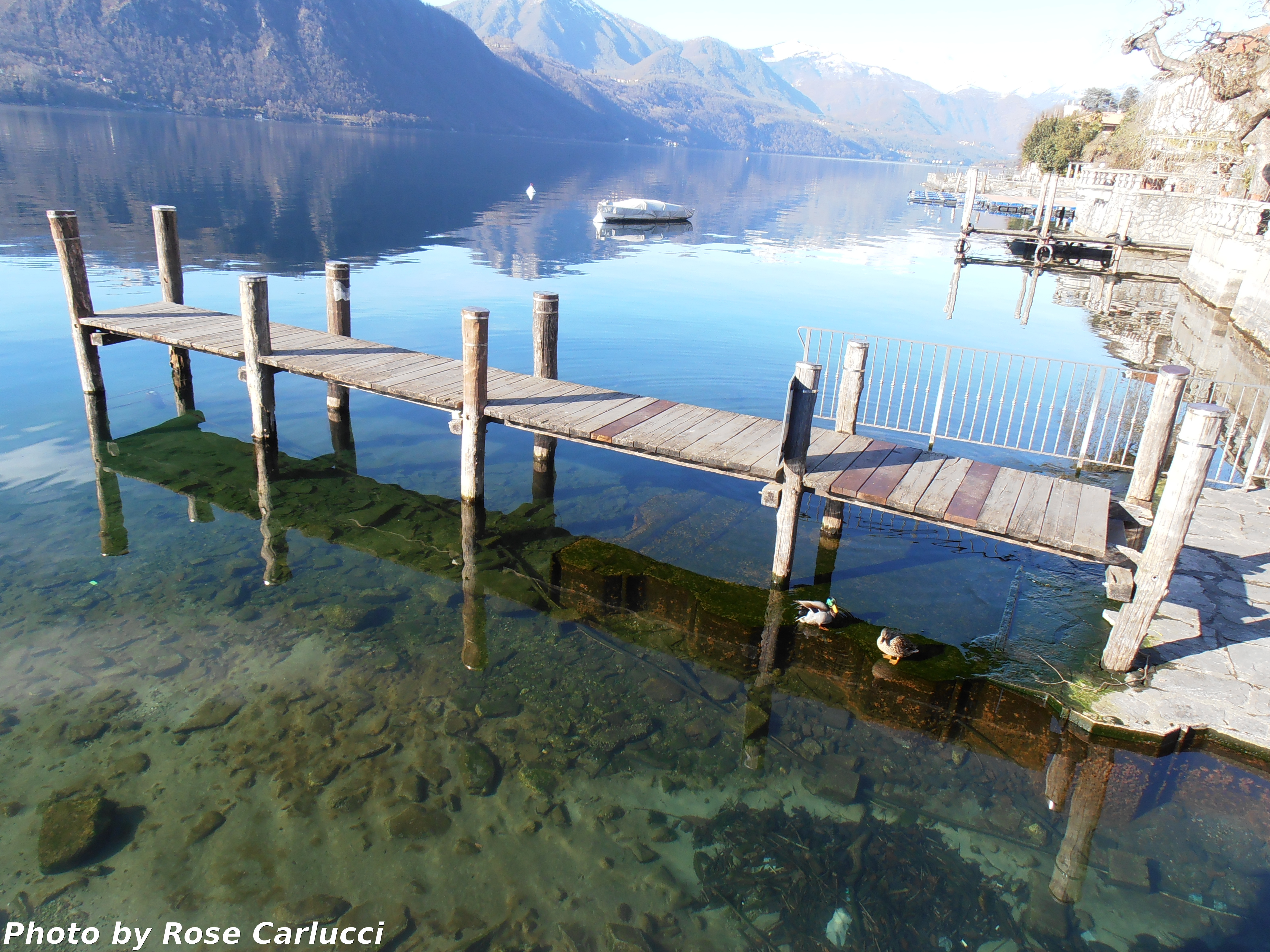
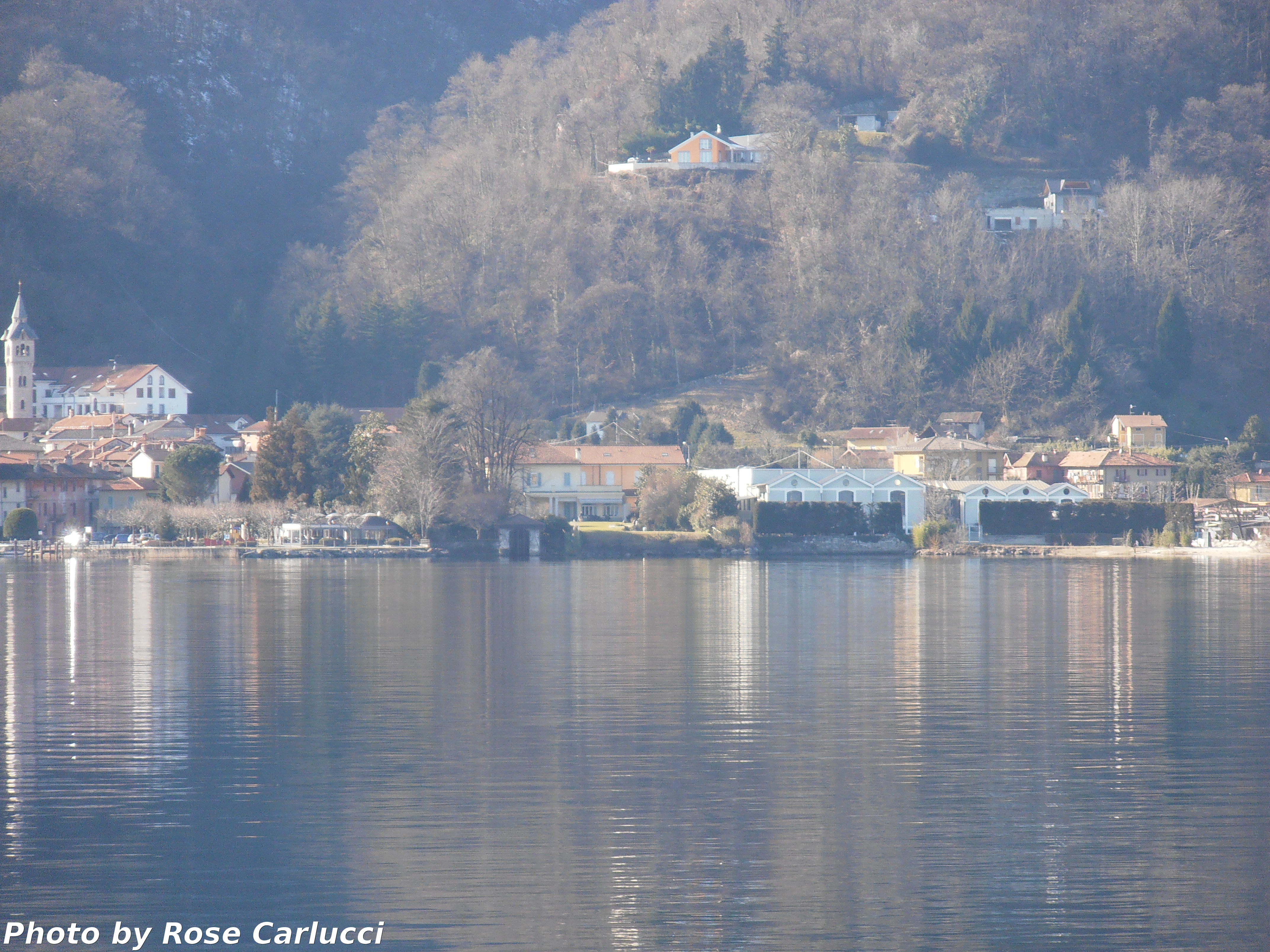
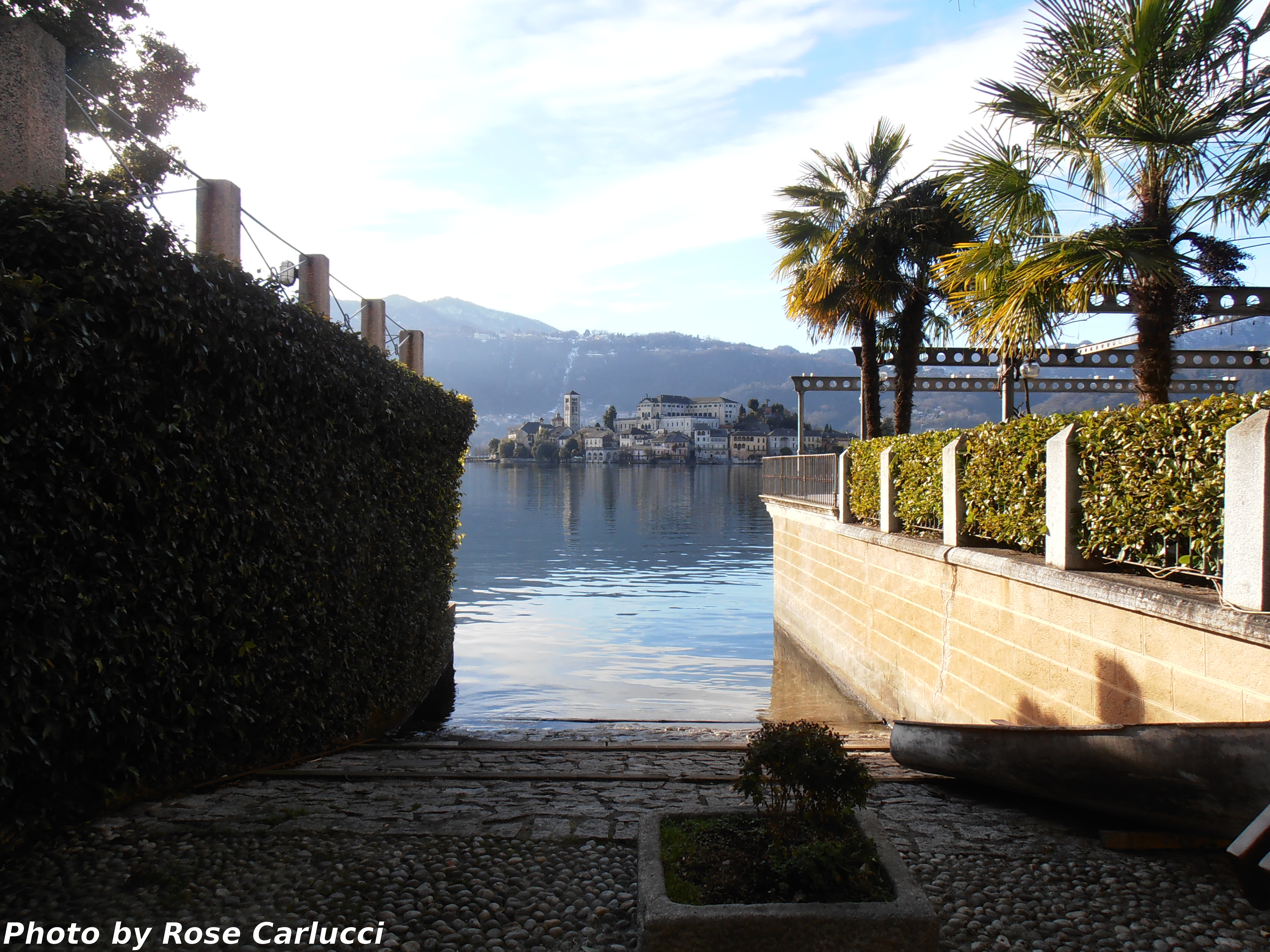
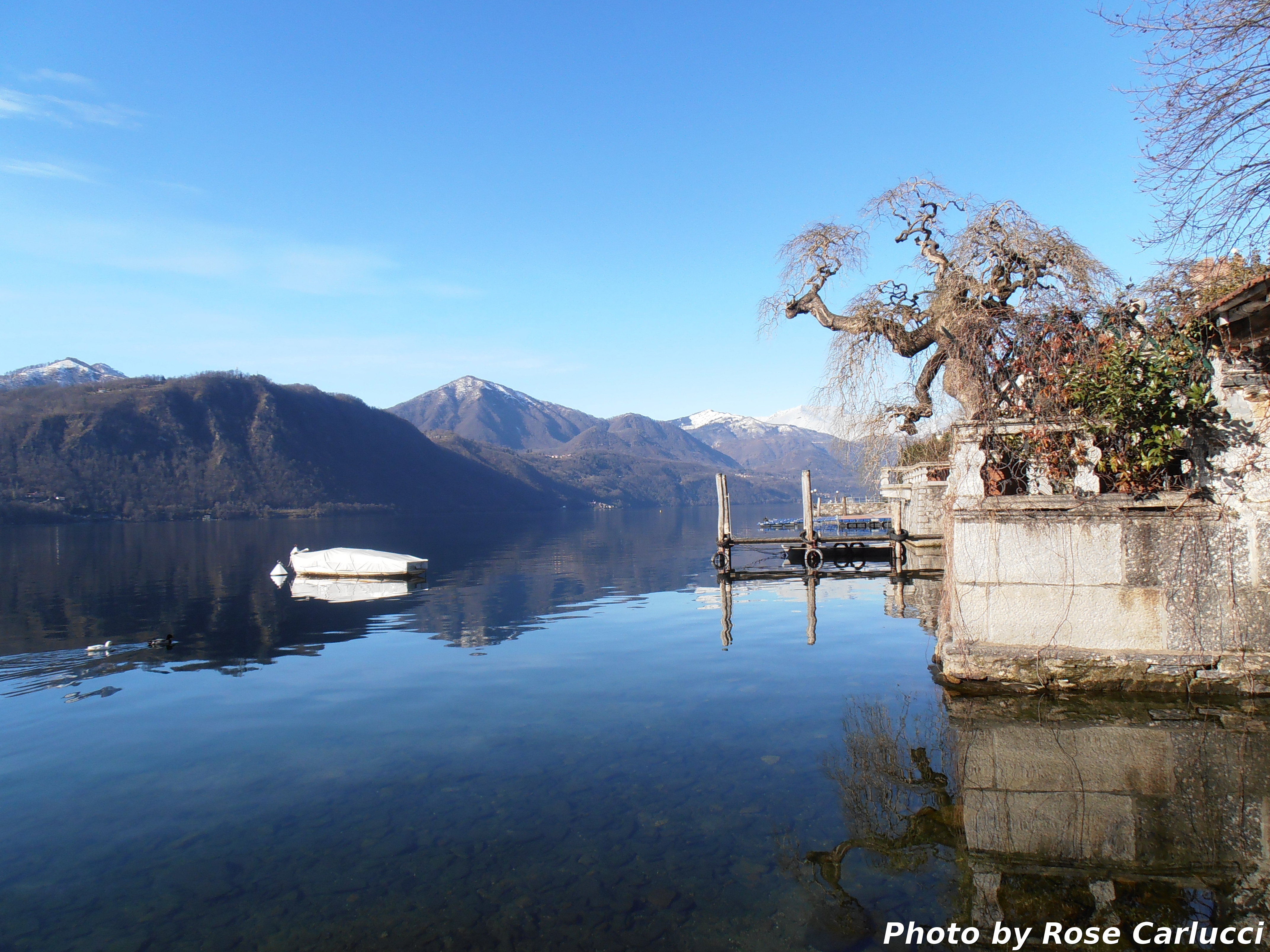
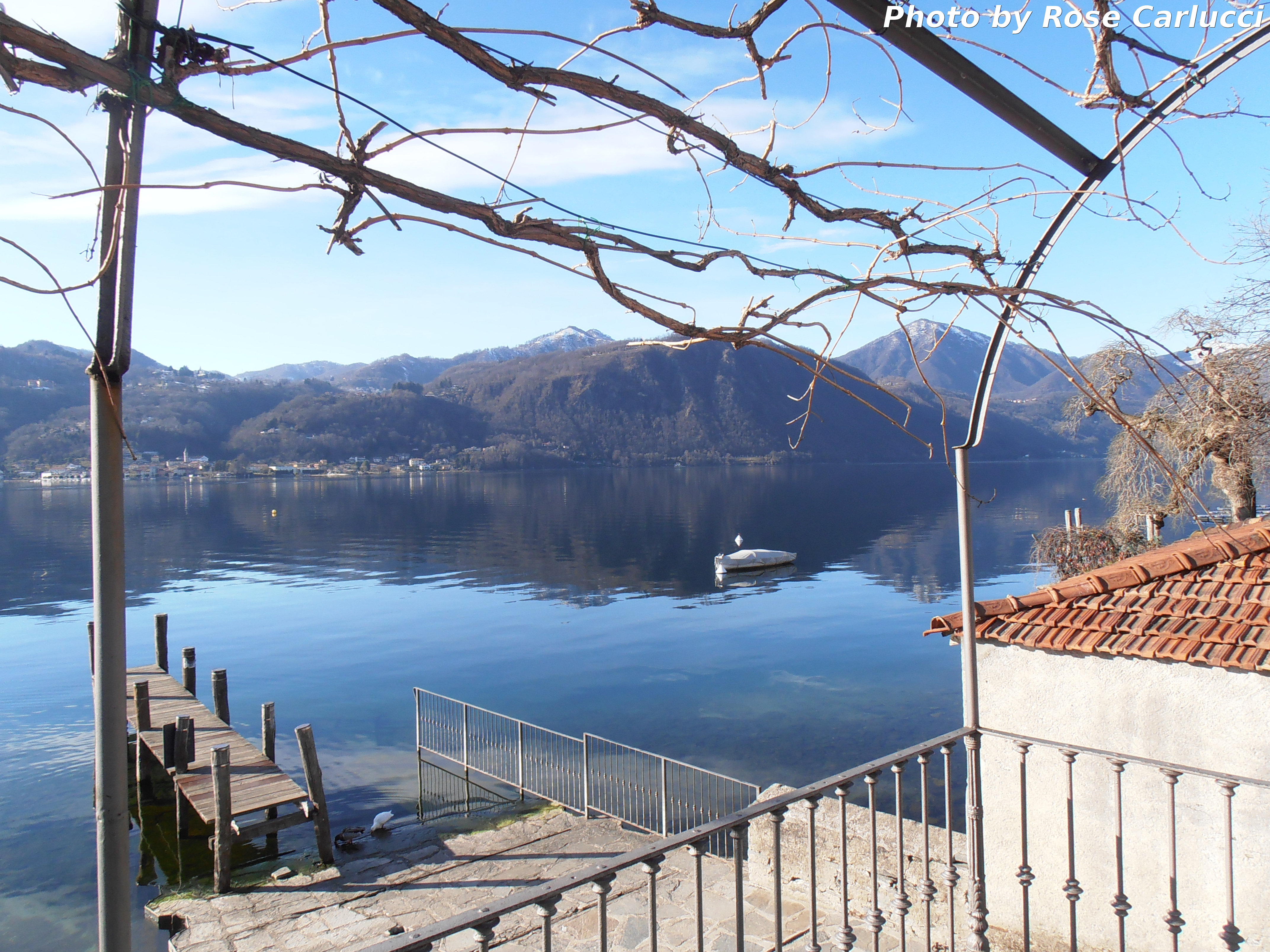
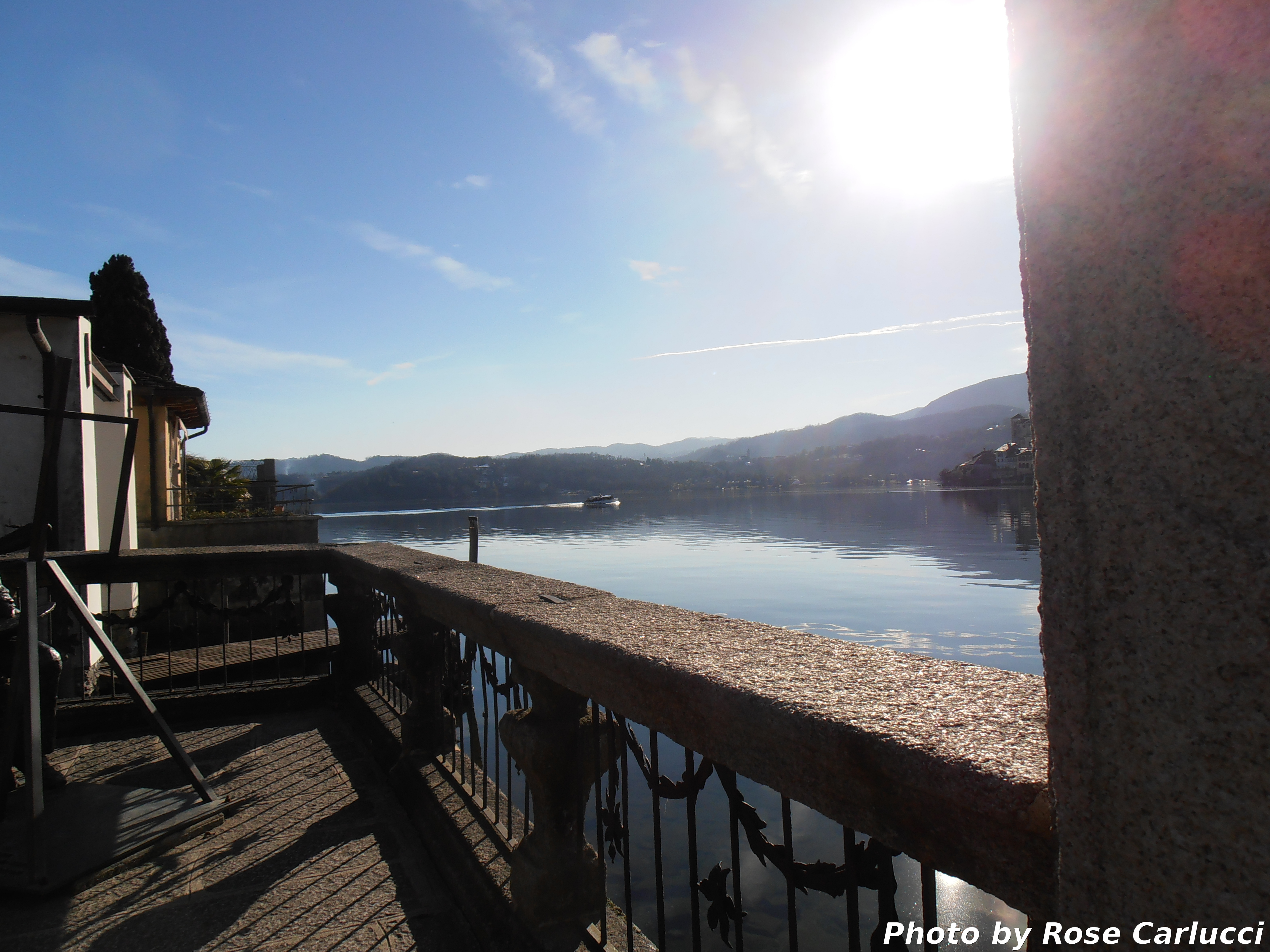
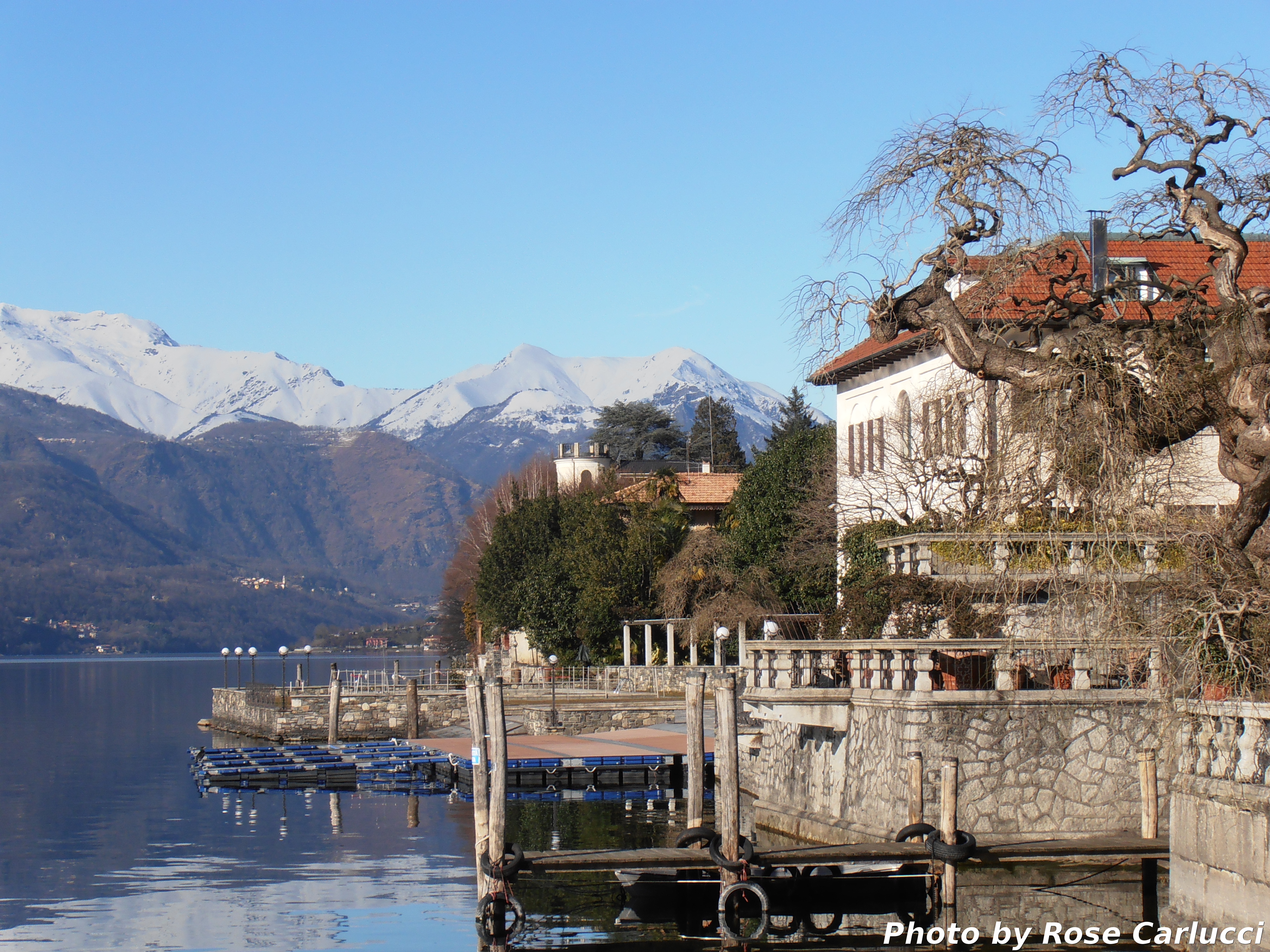
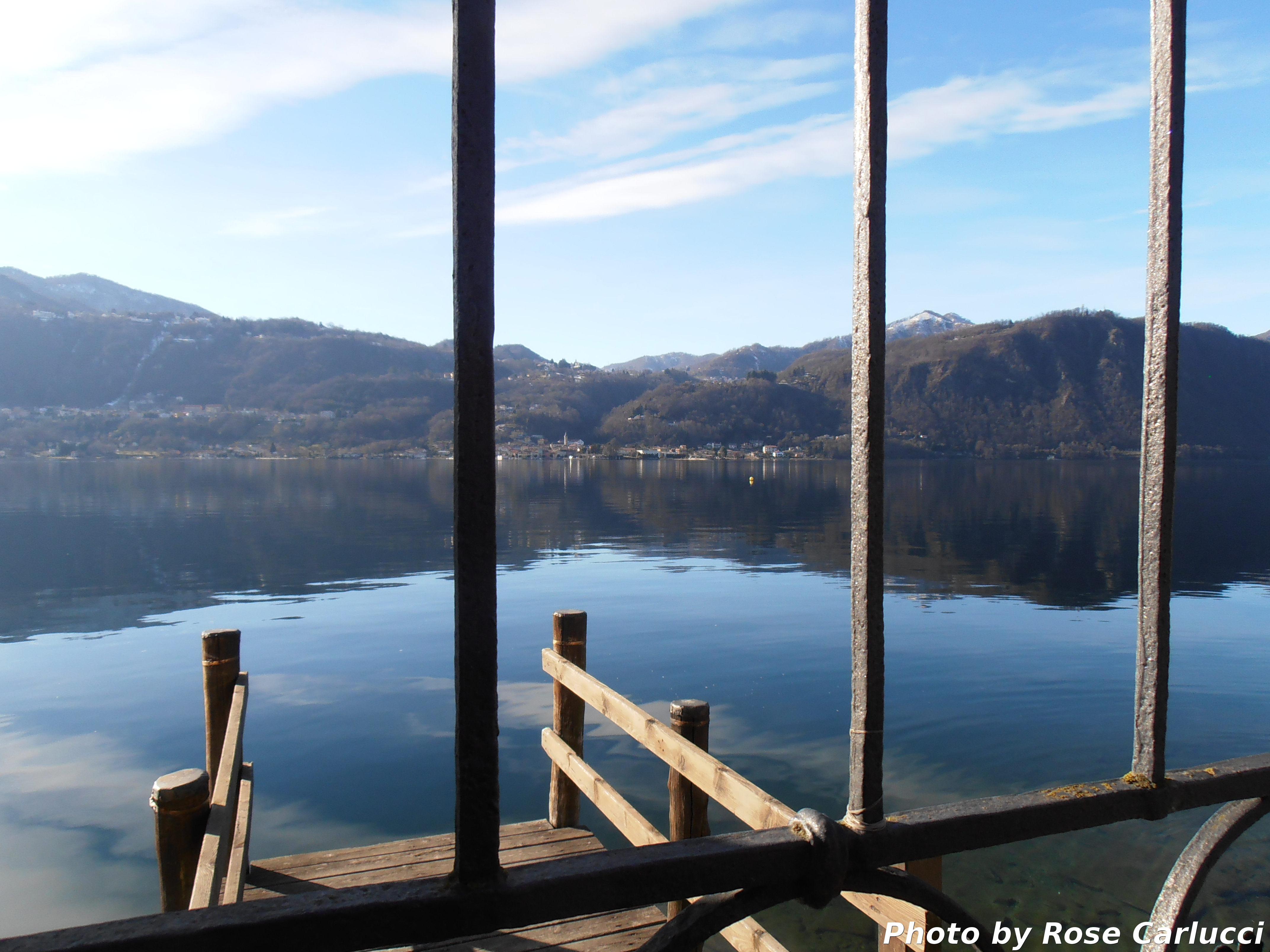
The lake of Orta or Cusio is a small Alpine lake in the province of Novara and Verbano-Cusio-Ossola, in Northern Italy. Located entirely in the region of Piedmont, Lake Orta is one of the most romantic and quiet in the plain of the Po. Lake Orta is parallel to Lake Maggiore, which is separated by the mount Mottarone (1,491 m) and is located on the road to Domodossola in Novara. It is the western most of the Alpine Lakes created by the glacier of the Simplon, its waters out to the North to join the Toce (via the Strona) then Lake Maggiore. It is 13.4 km long and 2.5 km wide with a perimeter of 33.5 km and an area of 15,15 km with a maximum depth of 143 metres. It is located at an altitude of 292 metres (100 m higher than Lake Maggiore). San Giulio island it is 400 metres from the shore where regular shuttle buses make the trip from Orta. Towns on the Lake are Omegna (important industrial center and tourist resort), Orta San Giulio (charming small medieval town) and Miasino. Since prehistoric times, it operates on its surroundings iron deposits.

Tips

If you like walking, it is the ideal place, full of charm. to visit in any season of the year because the landscape will enchant you every time. In winter, the Alps covered with snow at the background give all the beauty and majesty to the place.
A visit to the island of San Giulio, is required.
If you want to buy typical products of the region, visit the lake from Orta San Giulio, where you will find some shops that sell (different kinds of salami, sausages, cheese, beverages, etc.). You will also find several cafés, bars, restaurants and ice cream parlors, to taste something while you enjoy the natural scenery.


Portofino, Liguria, Italy

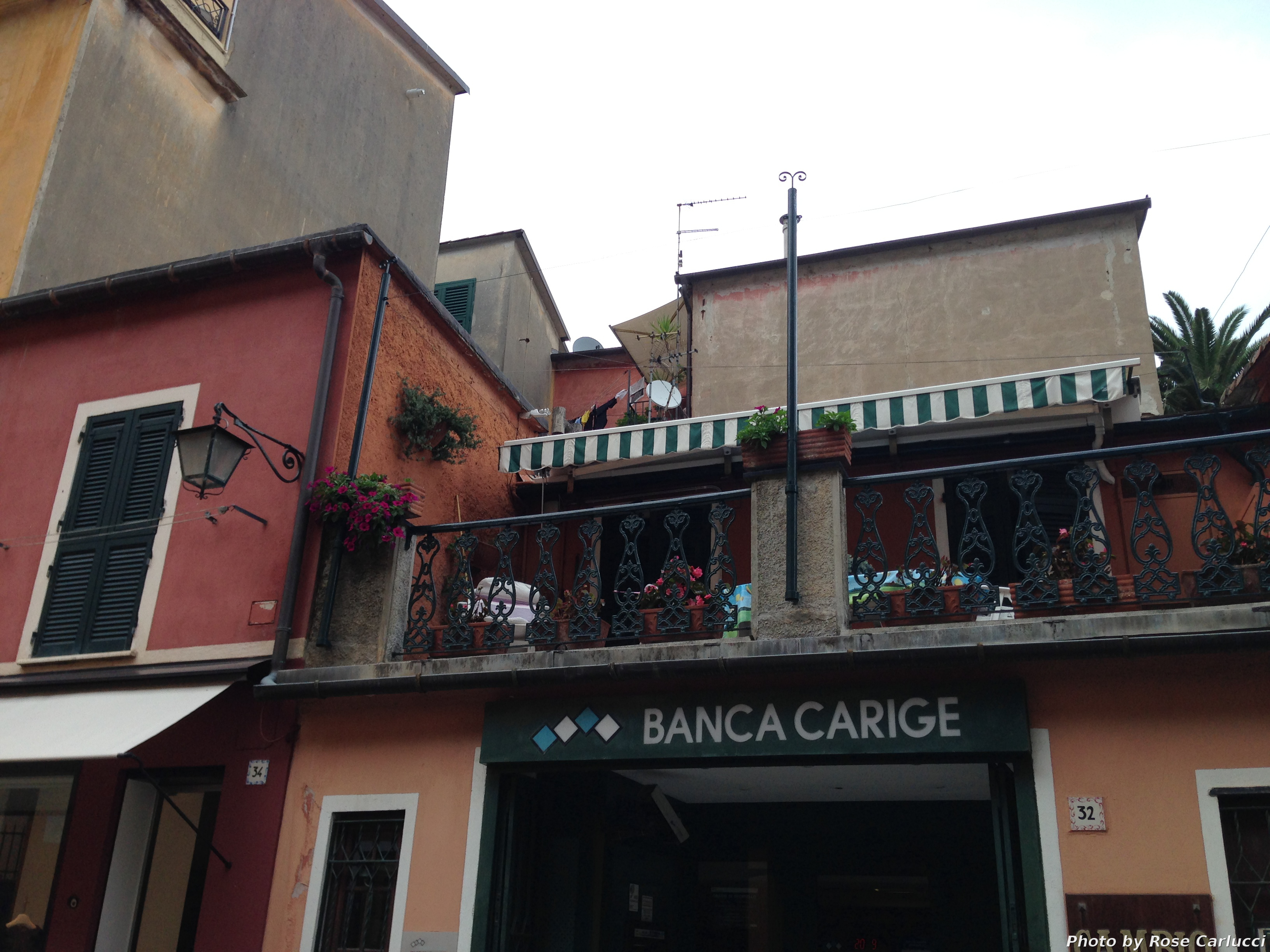
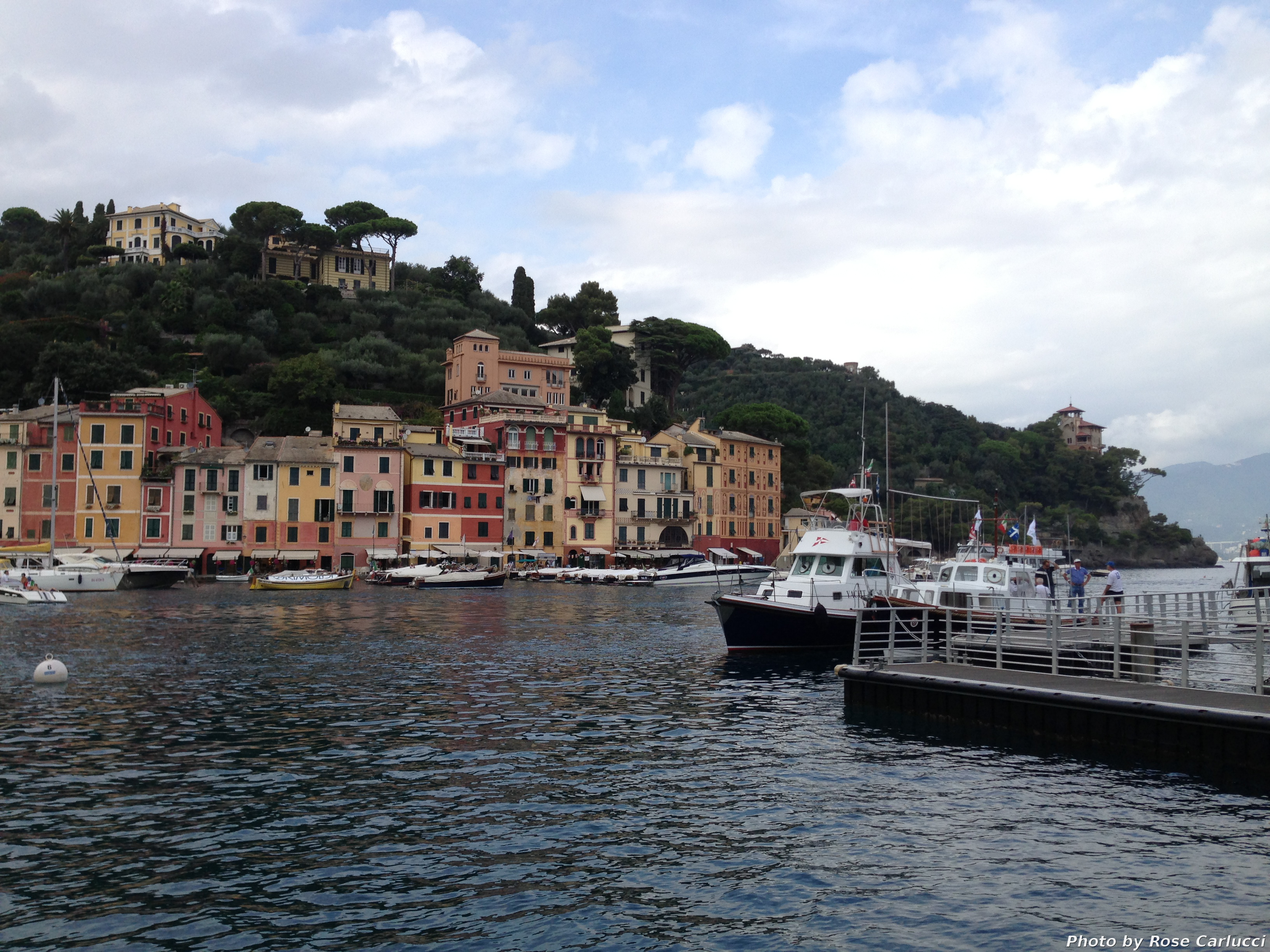
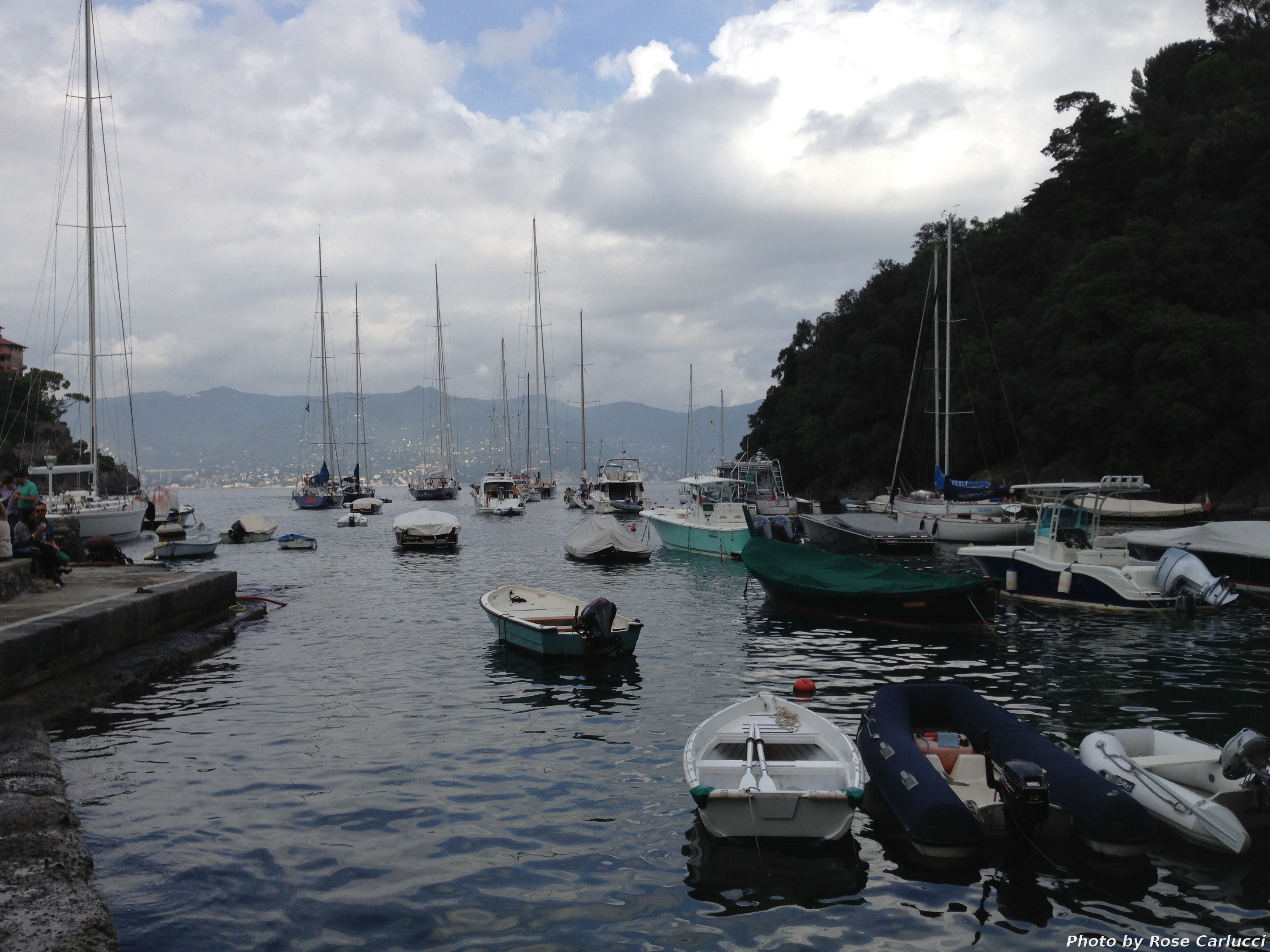
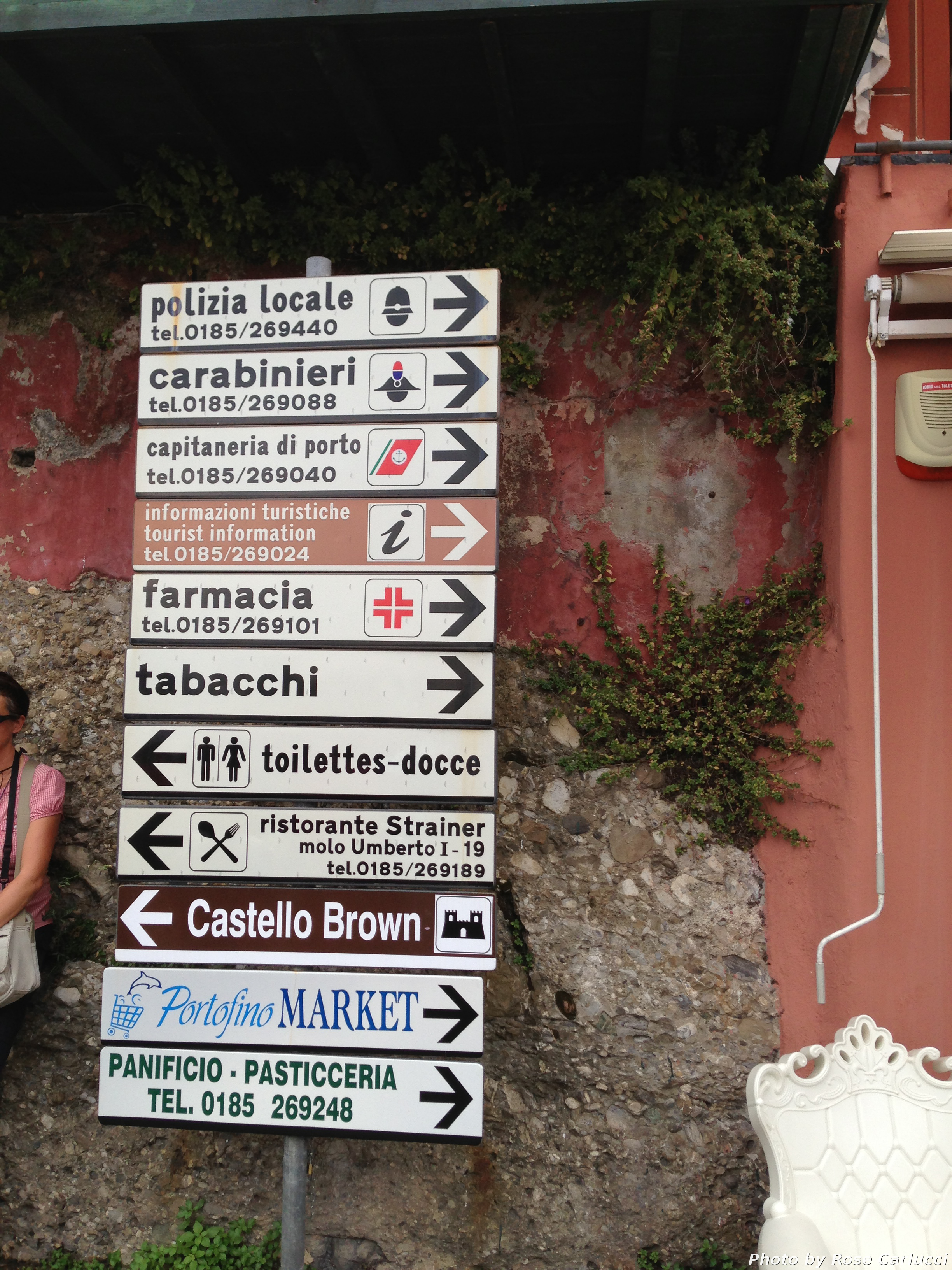
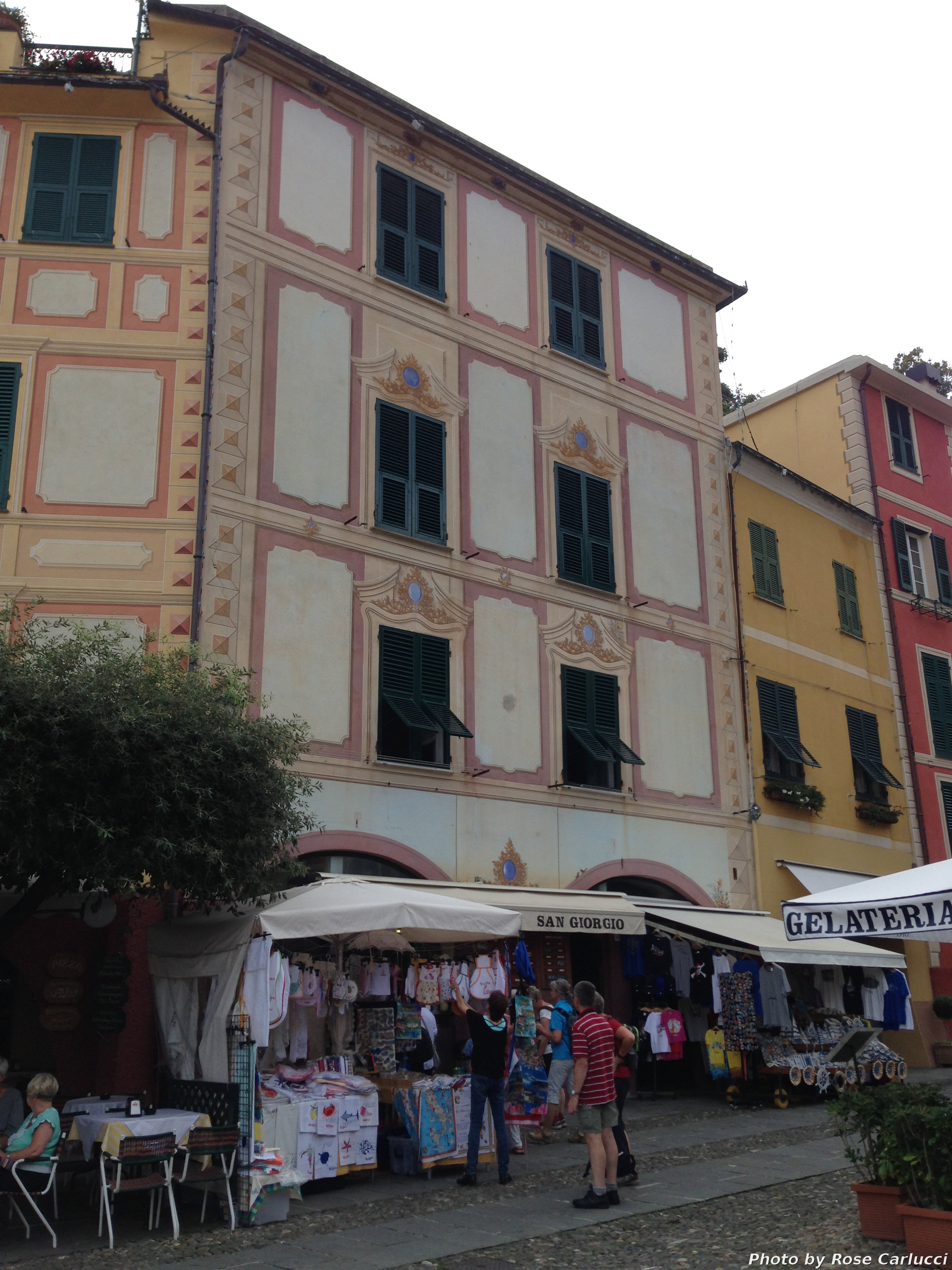
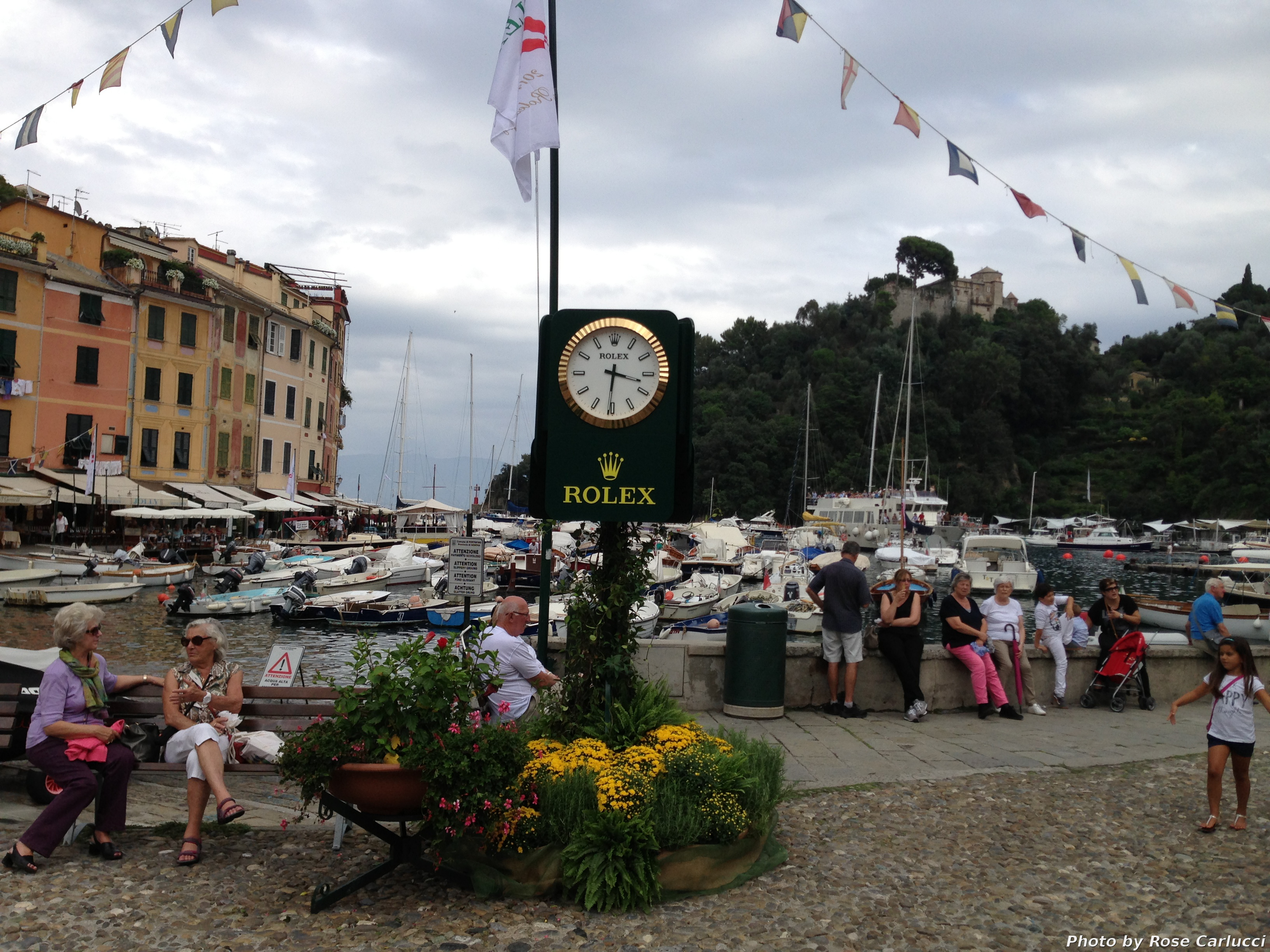
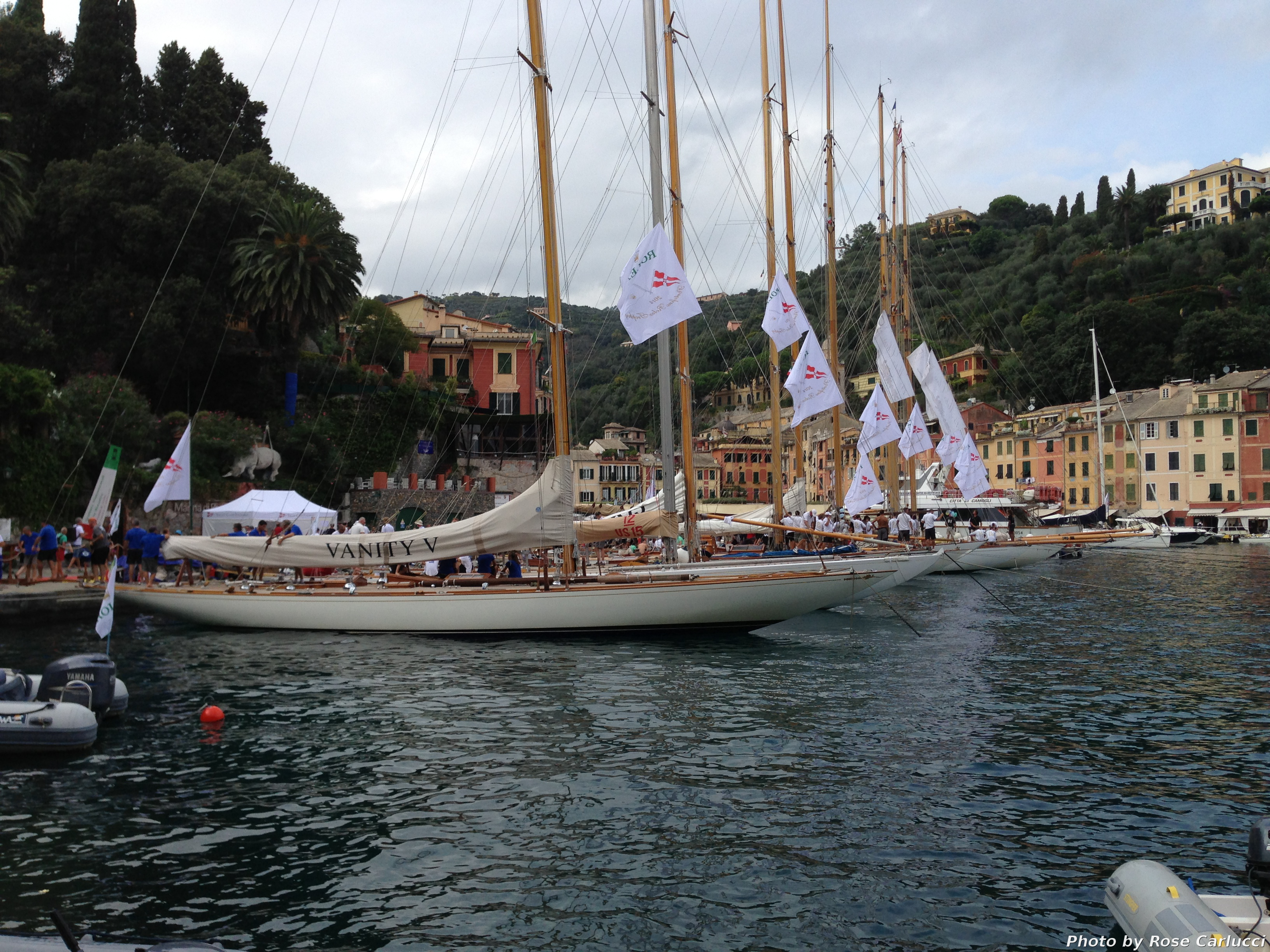
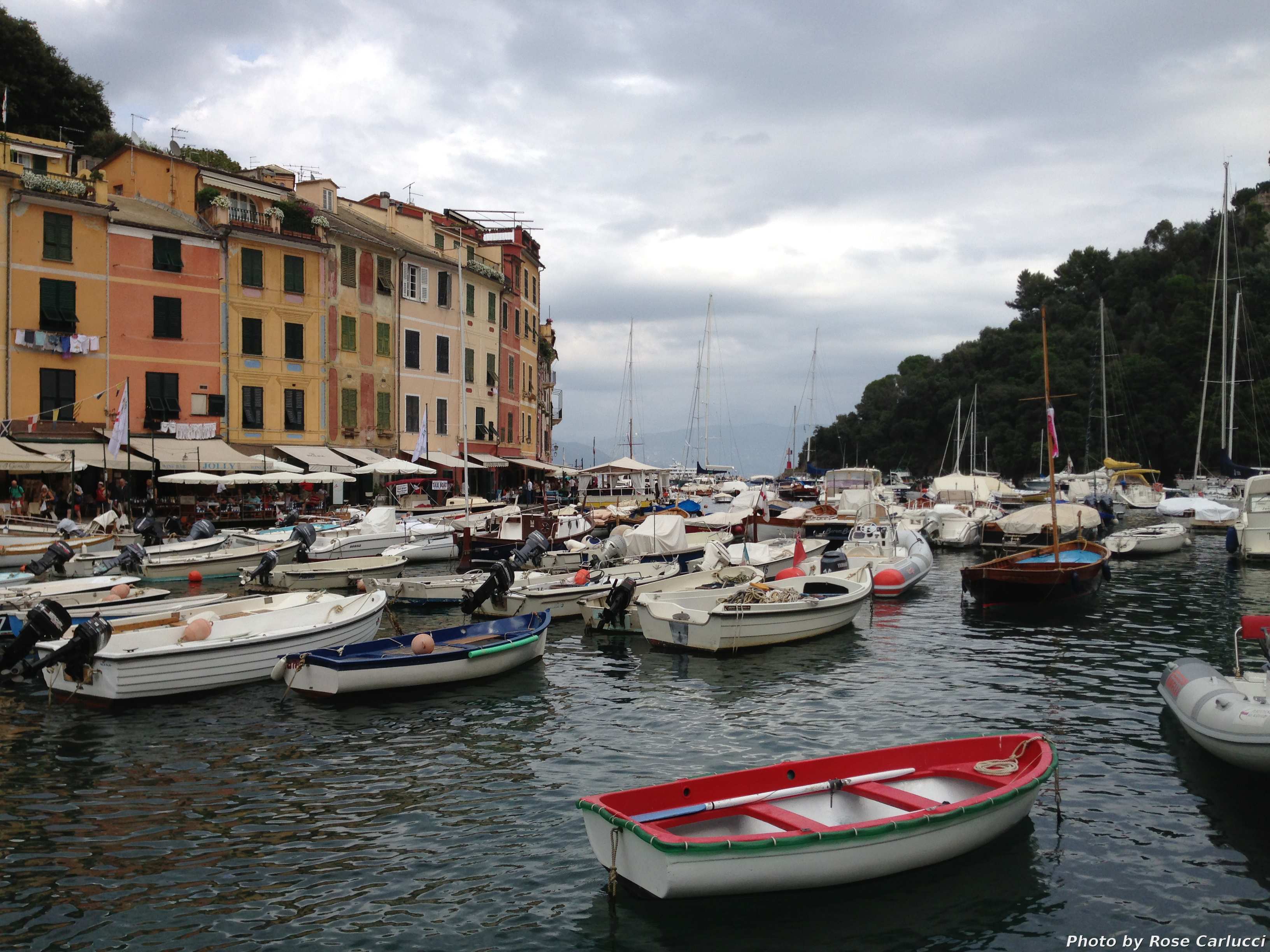
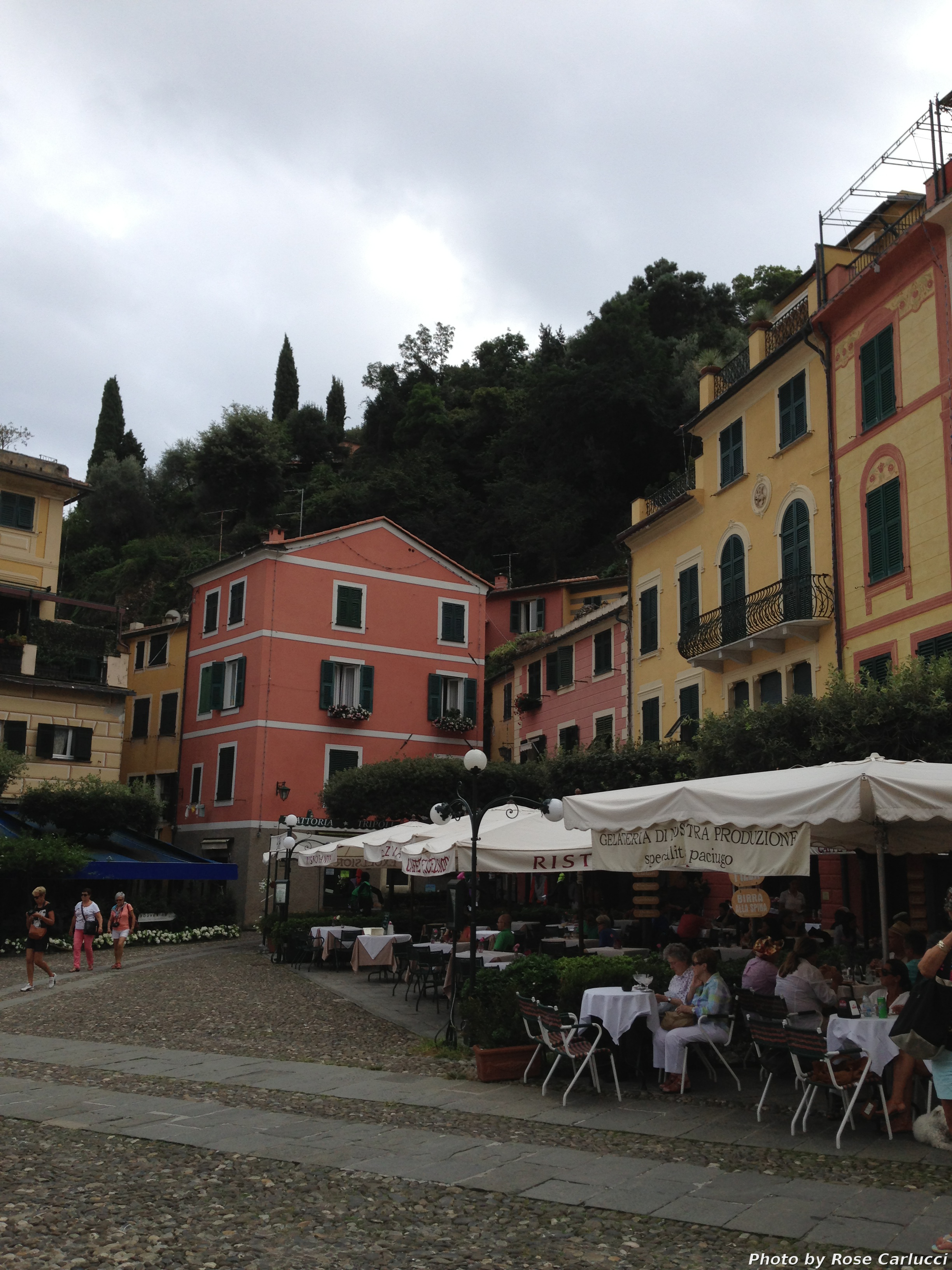
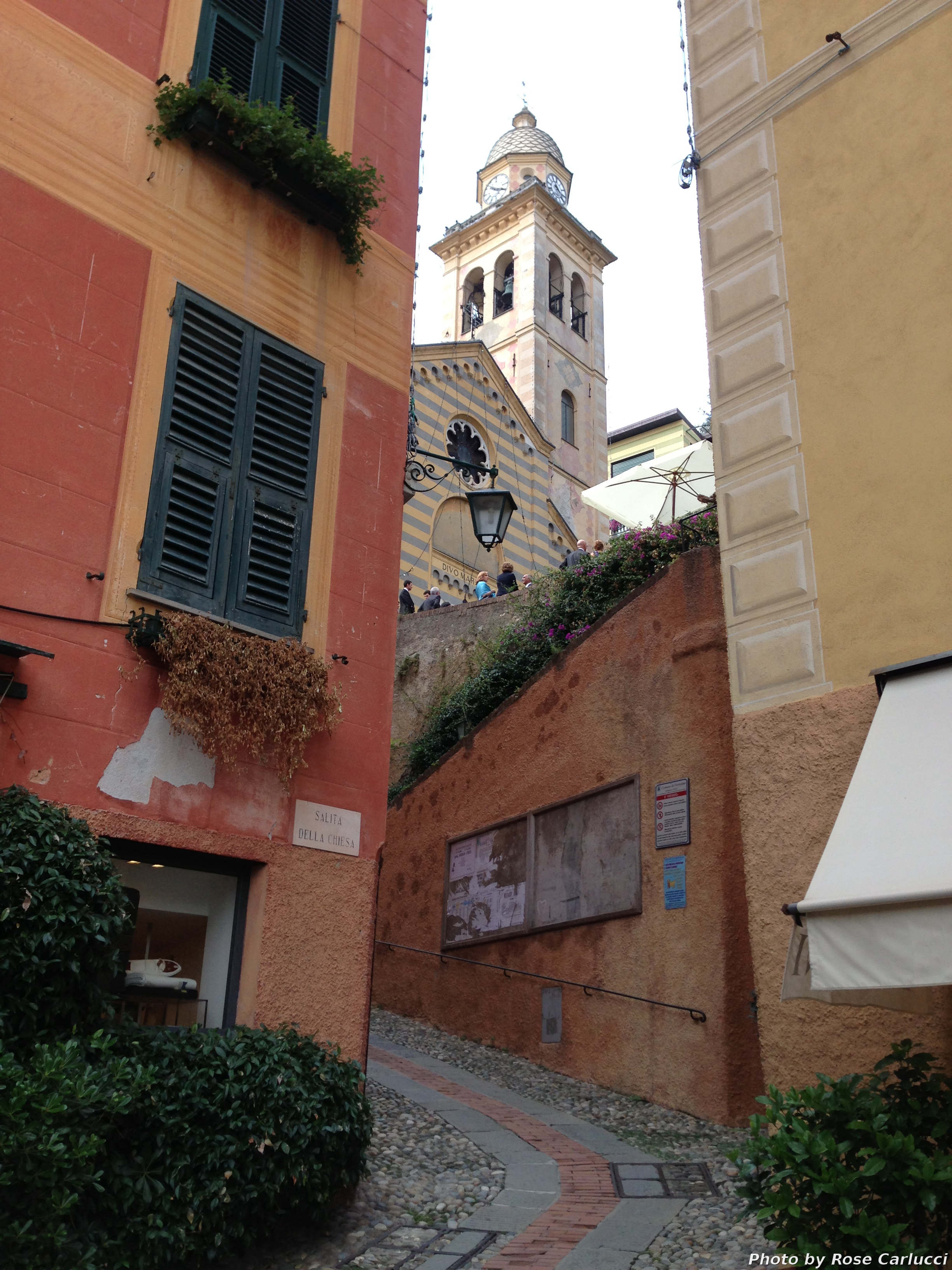
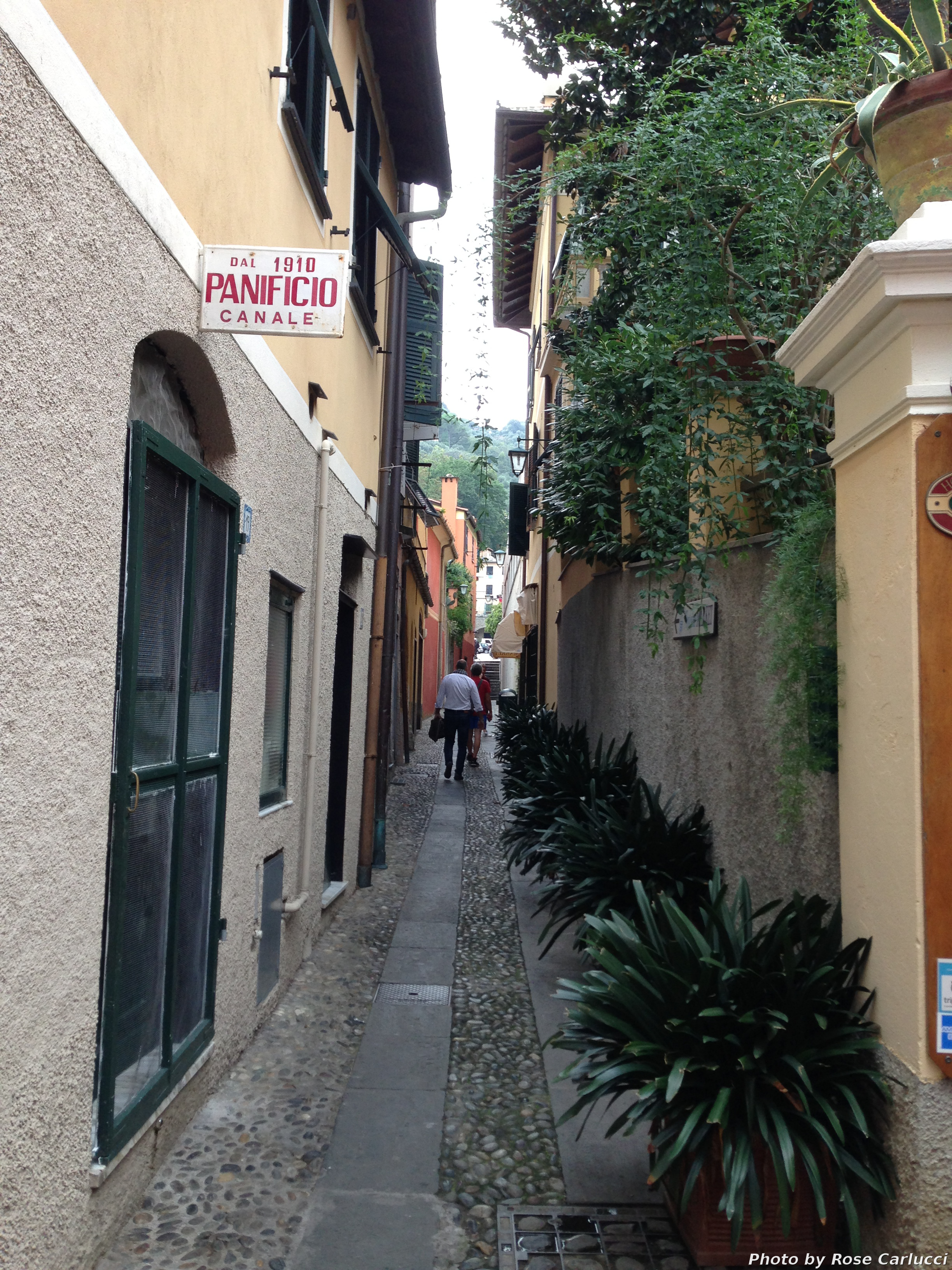
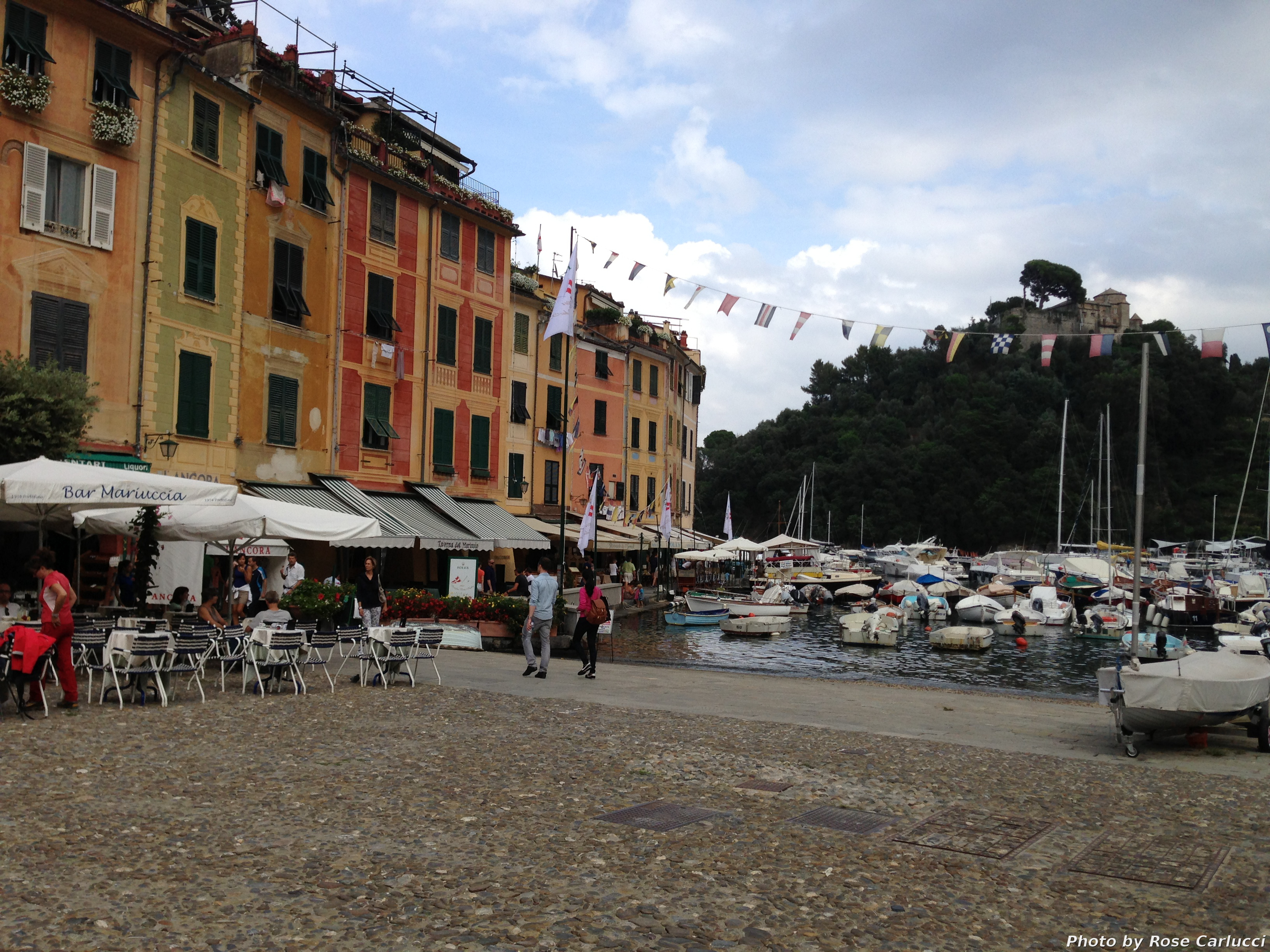
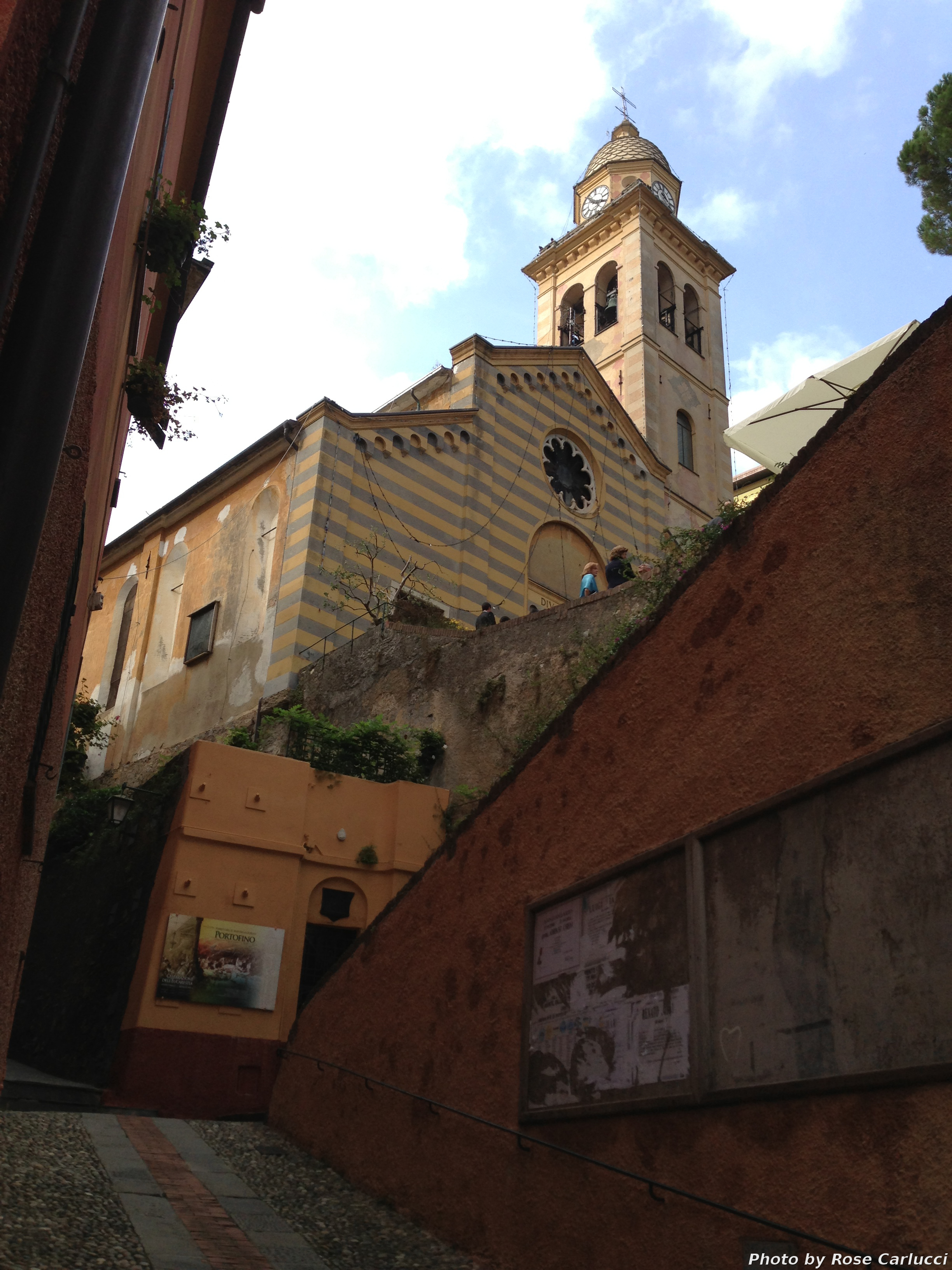
Portofino is a town with about 500 inhabitants in the province of Genoa in Liguria. For its administration, it is the smallest area of the municipality of the province. It is considered one of the most typical and most picturesque villages of the world. It is located in the western part of Tigullio, in a bay at the foot of the promontory of the same name, 36 km from Genoa. The entire municipality is in the Regional Natural Park of Portofino and the natural marine protected area. You can walk its safe paths because they are all appropriately marked. Several films have been shot in Portofino and it is a major tourist attraction and there are frequently cultural events with the participation of personalities from the world of culture and entertainment.

Tips

If you like shopping, you’ll find expensive boutiques, economic souvenir shops and even small artisan shops.
If you prefer walking, Via Roma is the busiest street; you can take it at the port and continue upward.
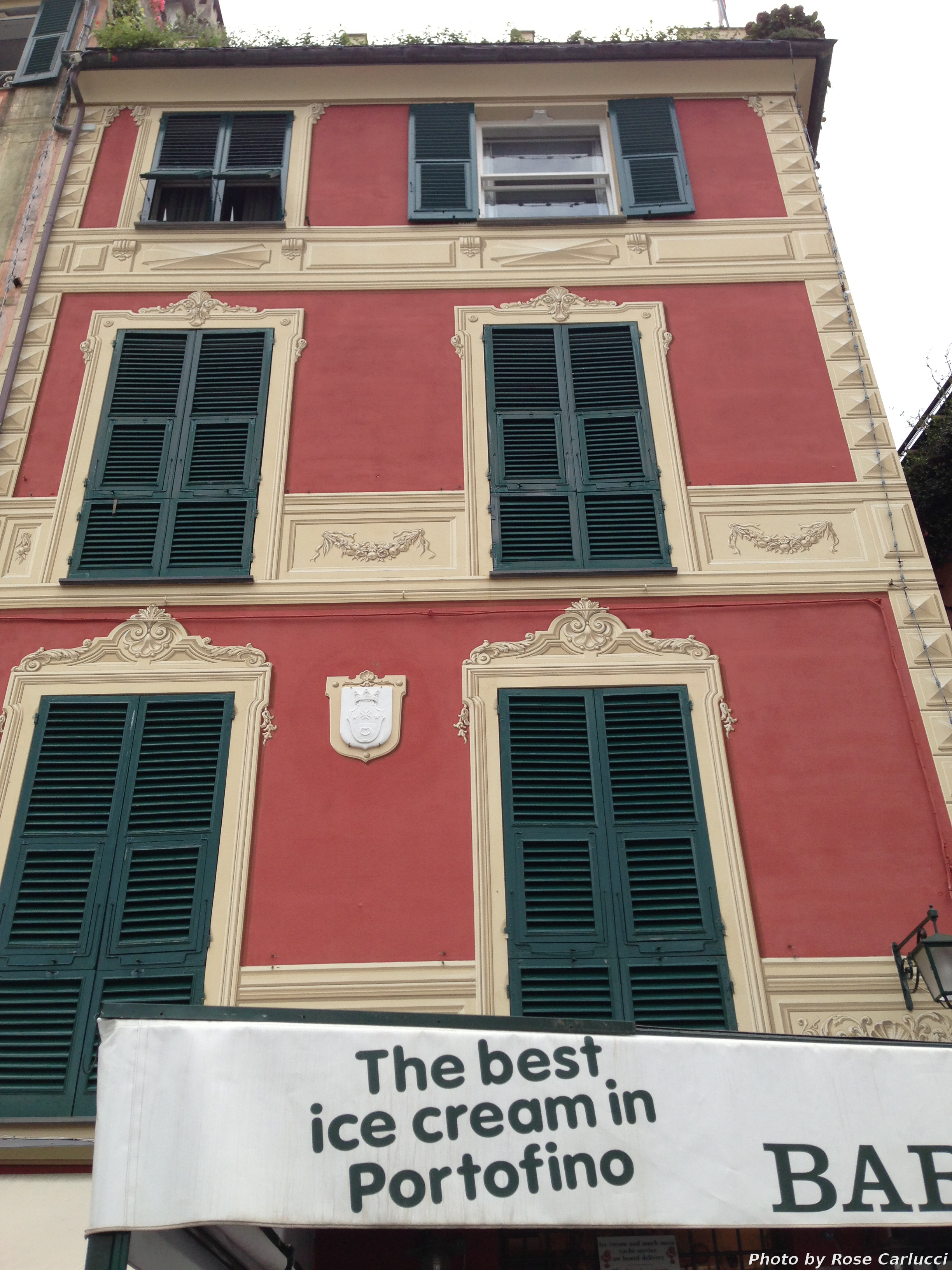
If you want to relax, there is nothing better than walking in the Piazzetta harbor and take a good ice cream or just a coffee or something to eat at an outdoor table watching the activity of the port.
Another great way to reach Portofino is by sea aboard a boat with these tourist trips organized by several neighboring localities.
For the best views of the village, visit the Brown Castle also known as the Fortress of San Giorgio; the church of San Giorgio and Punta Portofino with its romantic lighthouse.

Algae (seaweed) Sargassum, Caribbean

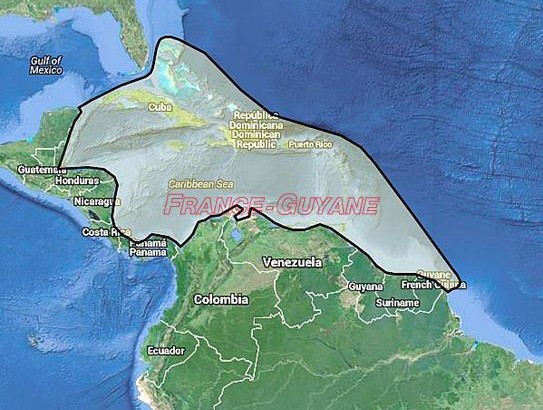
Since 2011 these two varieties of seaweed called Sargassum – Sargassum fluitans and Sargassum natans- gradually take possession of the arc Caribbean, from the Dominican Republic to Barbados through the Mexican coast. This year, the number of the banks affected by the invasion of algae is so high that more and more tourists have decided to cancel their summer vacations.
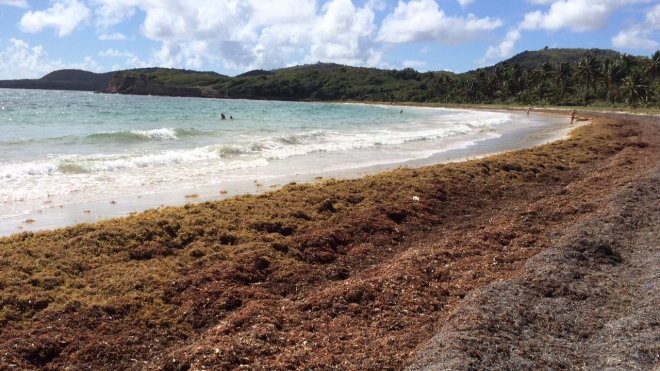
Many countries affected by the phenomenon were forced to release emergency funds for cleaning and removing these huge piles of stinky seaweed, which can reach up to three meters high on some beaches. On the island of Tobago, the authorities have even declared a state of “natural disaster”.
A few months before the peak tourist season, some leaders in the region called for an emergency meeting of the Caribbean Community, group of 15 countries. They fear that the worsening of this phenomenon strongly hits the economy of the region, the most tourism-dependent in the world.


sargasses1

“Sargassum seaweed rotting and strong odors”


Where do these algae come from?

According to a note prepared for the leadership of the Environment, Planning and Housing (DEAL) of Guadeloupe, the Sargassum are unsavory fruit of the land-based pollution that contaminates the oceans combined with climate change that could influence some marine currents.
For marine biologist, these large “rafts” of several centimeters thick does not come directly from the Sargasso Sea, contrary to what the name indicates. They circulate in the Atlantic before coming to feed in northern Brazil nitrates and phosphates carried down by the rivers of the Amazon.

Tips

Take your holidays on the Pacific side to be a little bit sure.


Affected area

carte

Valorisation

sargasses-filet

This French company is the first in the world to completely replace plastic by algae. This is the solution without plastic, 100% algae-based oil excluding any derivative use in its composition. An alternative to reduce pollution from plastics at sea and on land.
“All projects are designed to remove algae from our shores”
For s Expédition 7ème Continent the issue of alternatives to plastic is fundamental. Moreover, CNRS scientists have wondered whether Sargassum use plastic waste to proliferate. This issue will be considered at the next expedition that will start on May, 15th from the Port of Marin in Martinique.
Deixonne Patrick (Head of Expédition 7ème Continent) and Remy Lucas (Founder of Algopack) announced: “We are pleased to have found a solution that can replace plastic as much as possible and limit its spread in nature we can encourage economic pickup of this invasive alga and create jobs locally. The application areas are numerous: telephony, packaging materials for the food supply, garden items, stationery: like USB, decorative items, lamps, panel signs. “