Agropoli, Salerno, Campania, Cilento, Italy

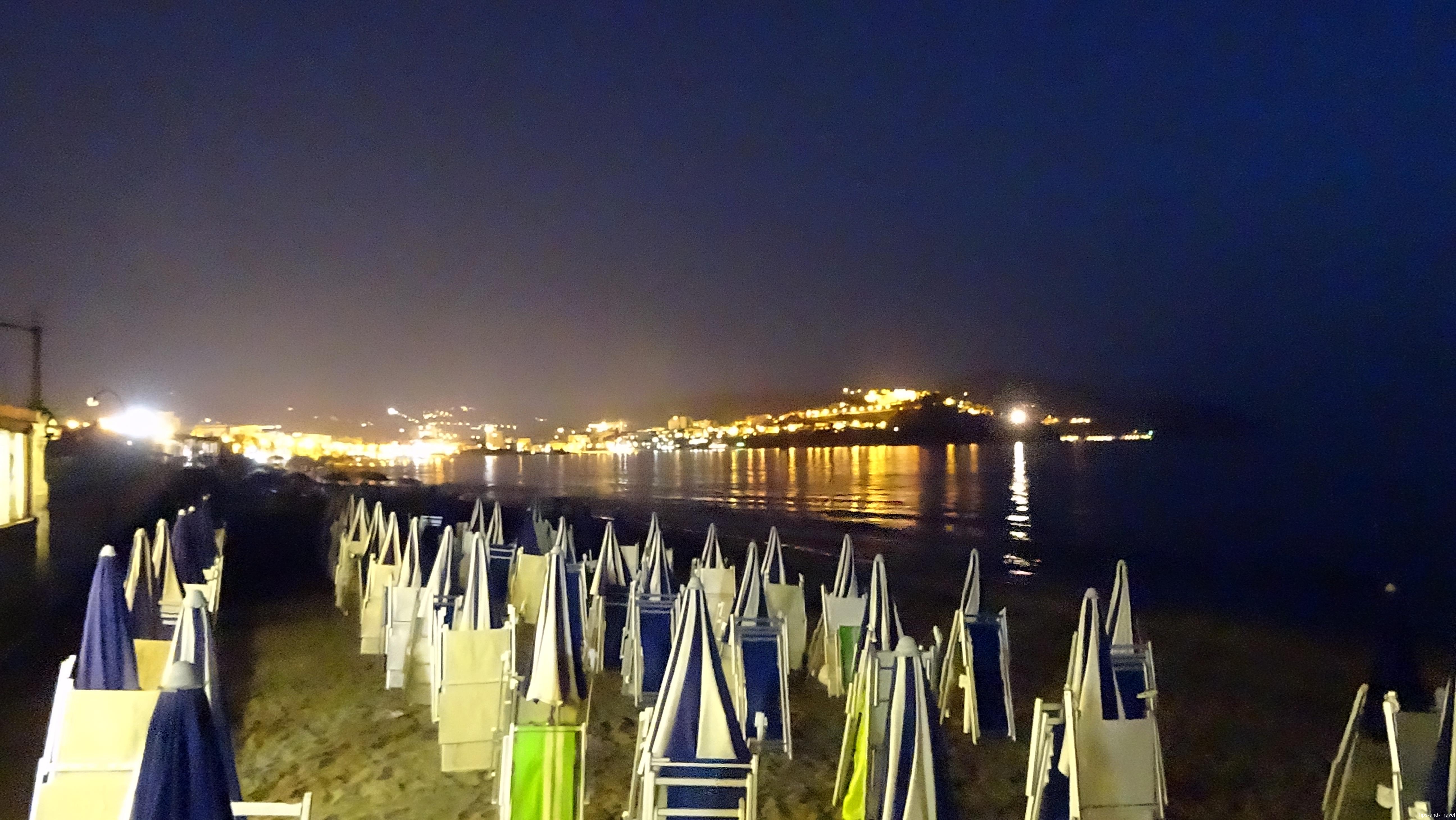
Agropoli is a town in the Italian province of Salerno in Campania; coastal and tourist town in the Cilento, on the outskirts of the national park of western Cilento, Diano and Alburni Valley, the Tyrrhenian Sea, at the southern end of the Gulf of Salerno and the south of the plain of Sele.
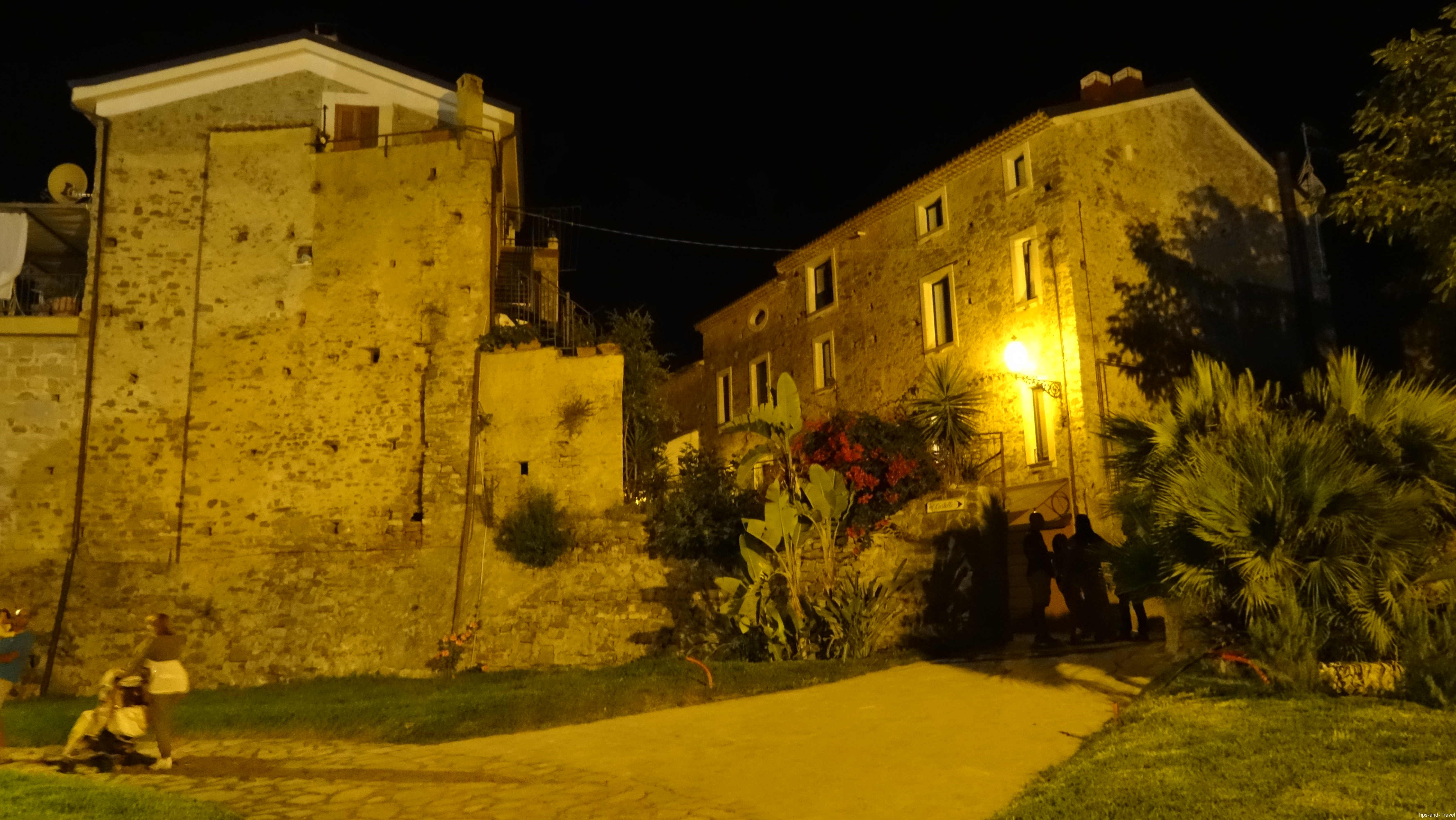
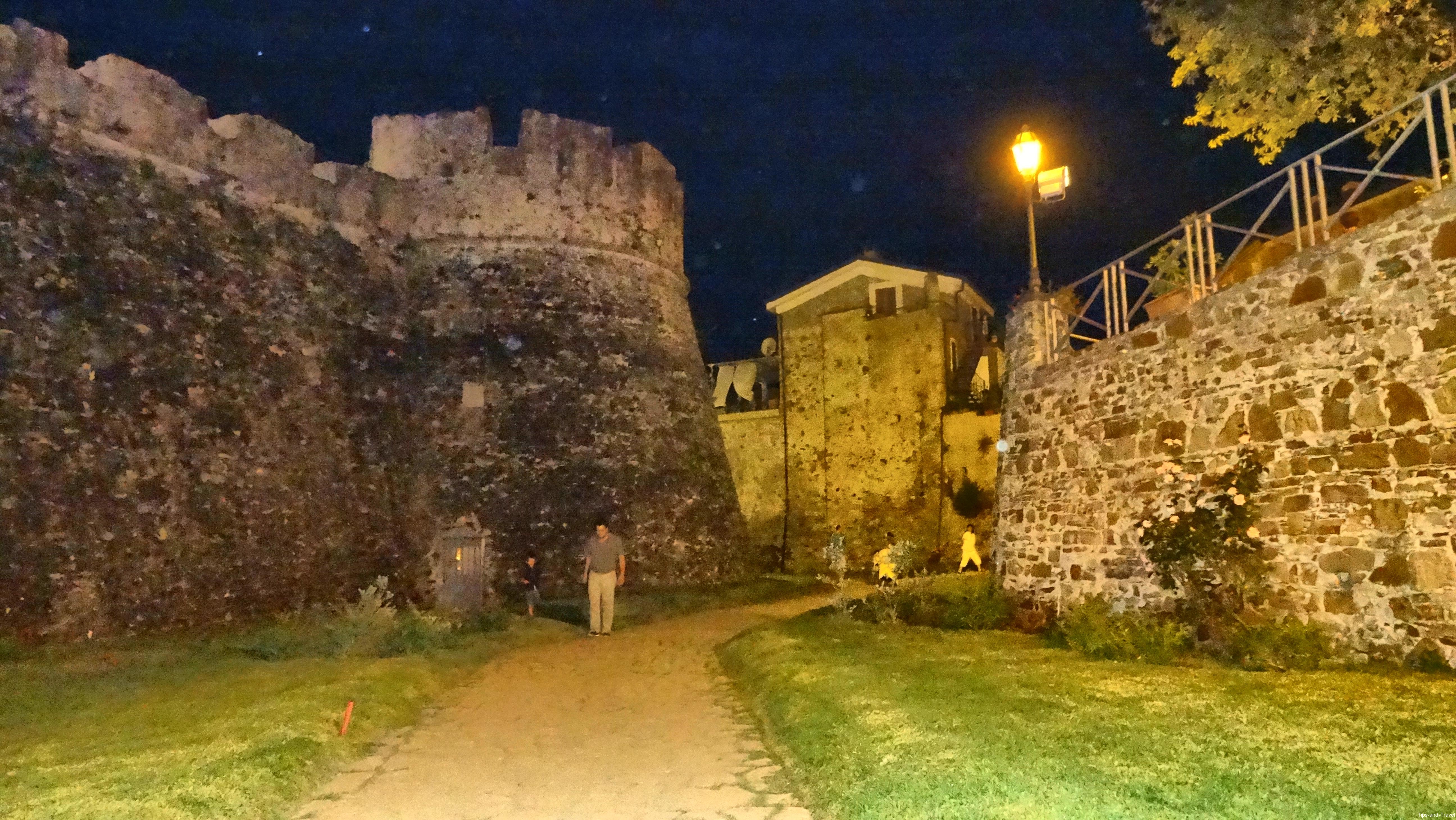
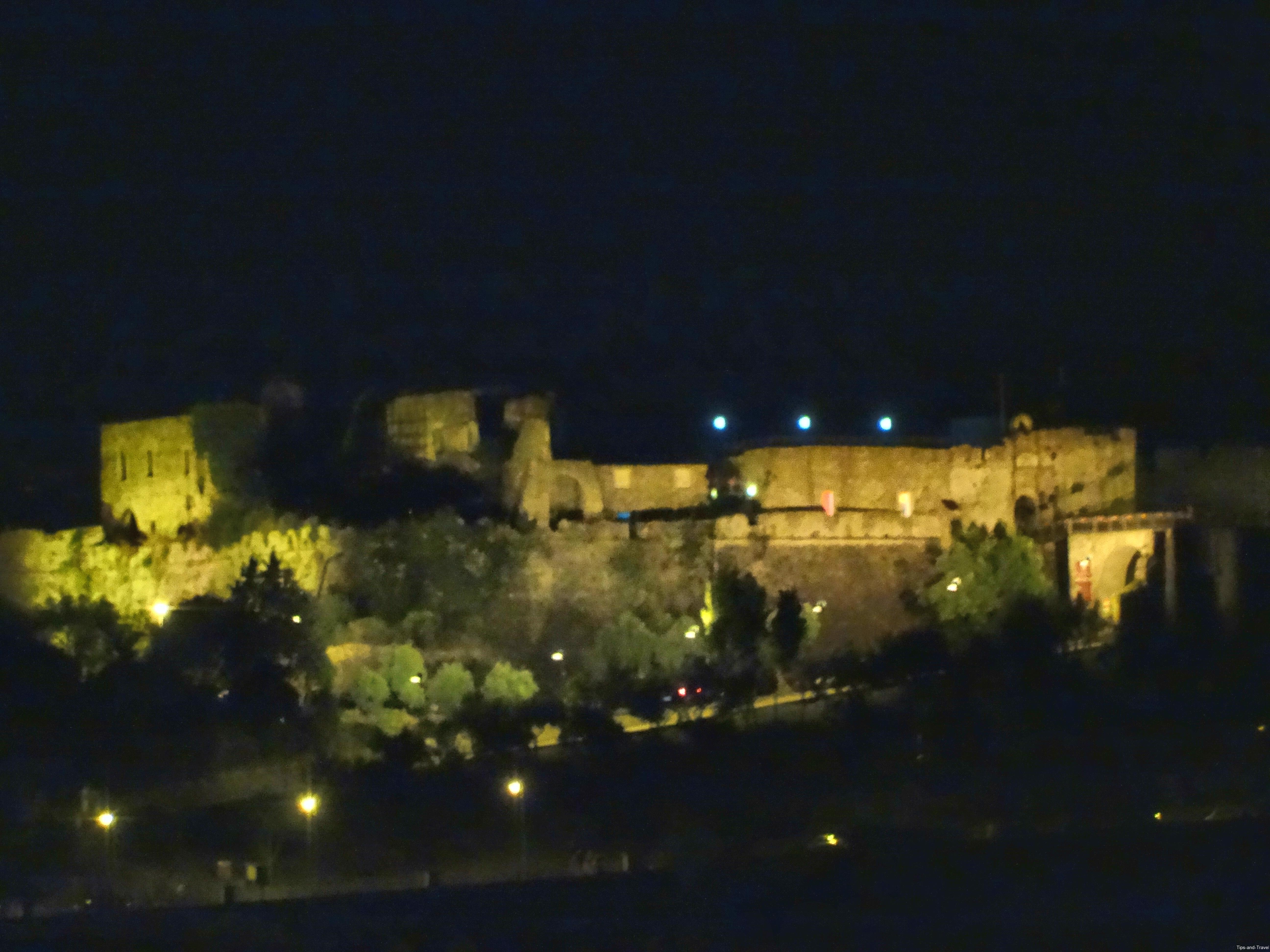
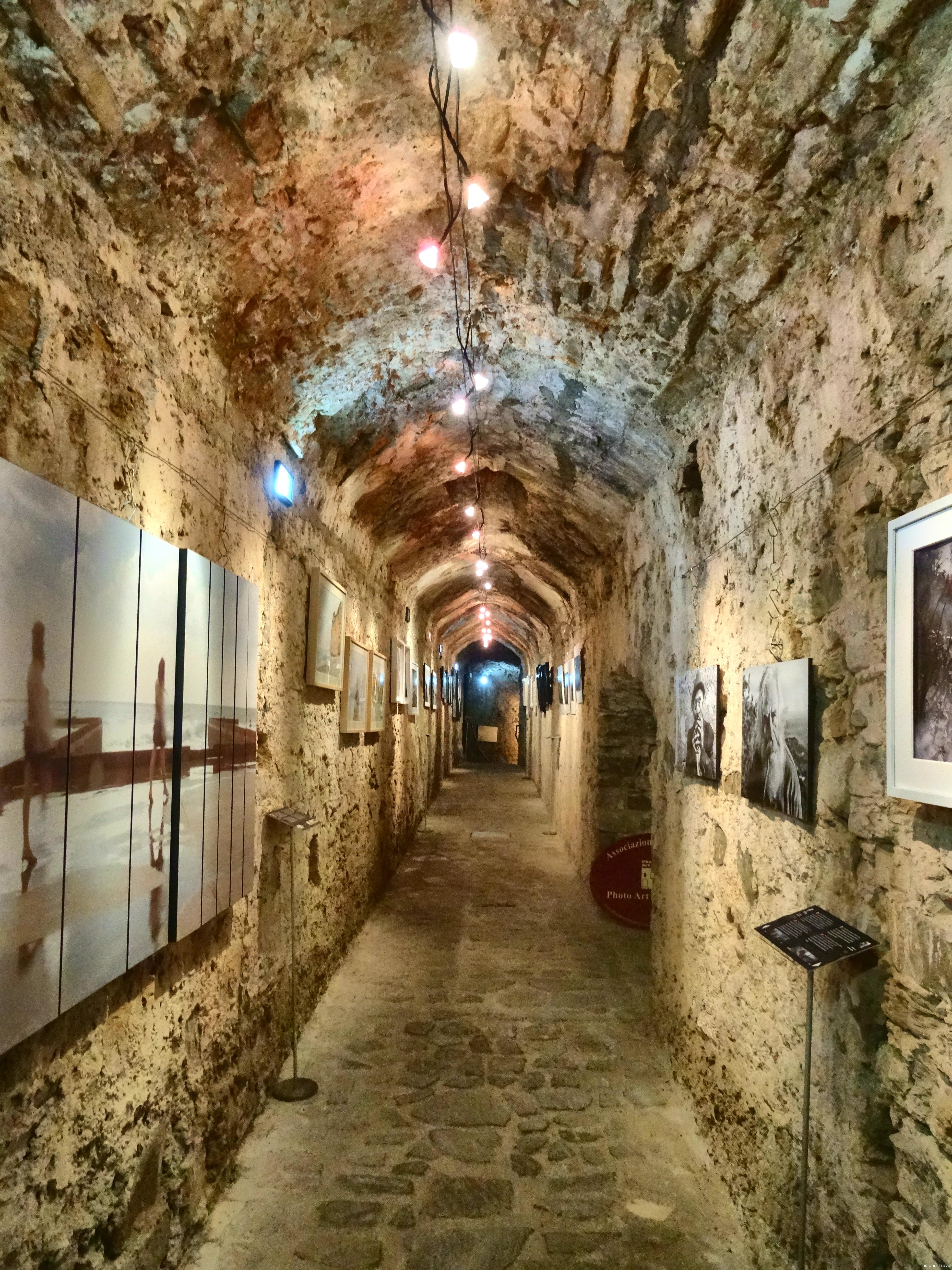
The city is crowned by the historical center, which houses the old city, most of the walls and the seventeenth-century portal. Along many streets and among the monuments, there are shops, bars and clubs that serve local cuisine, including agropolese pizza served in a wicker basket. It is reached by the slope characteristic of stairs, one of the few examples of steps to climb (characterized by wide shallow steps, for centuries the only access to the village) and the monumental gate that is well preserved. The door is topped with five slots, two of which support so many stone balls alternating with other cement and there is an iron cross indicating the year 1909, in memory of the sacred missions, decorating the wall on the edge of the cliff. Above the front door you will notice the marble emblem of the Dukes of Monti Sanfelice, the last feudal owners of the city. For local residents there is a street behind, a driveway with limited traffic. To see: the castle, the lighthouse Punta Fortino, the towers, the oven, the mother church of Peter and Paul, St. Mary of Constantinople church, the statue of St. Francis, among others.

Tips

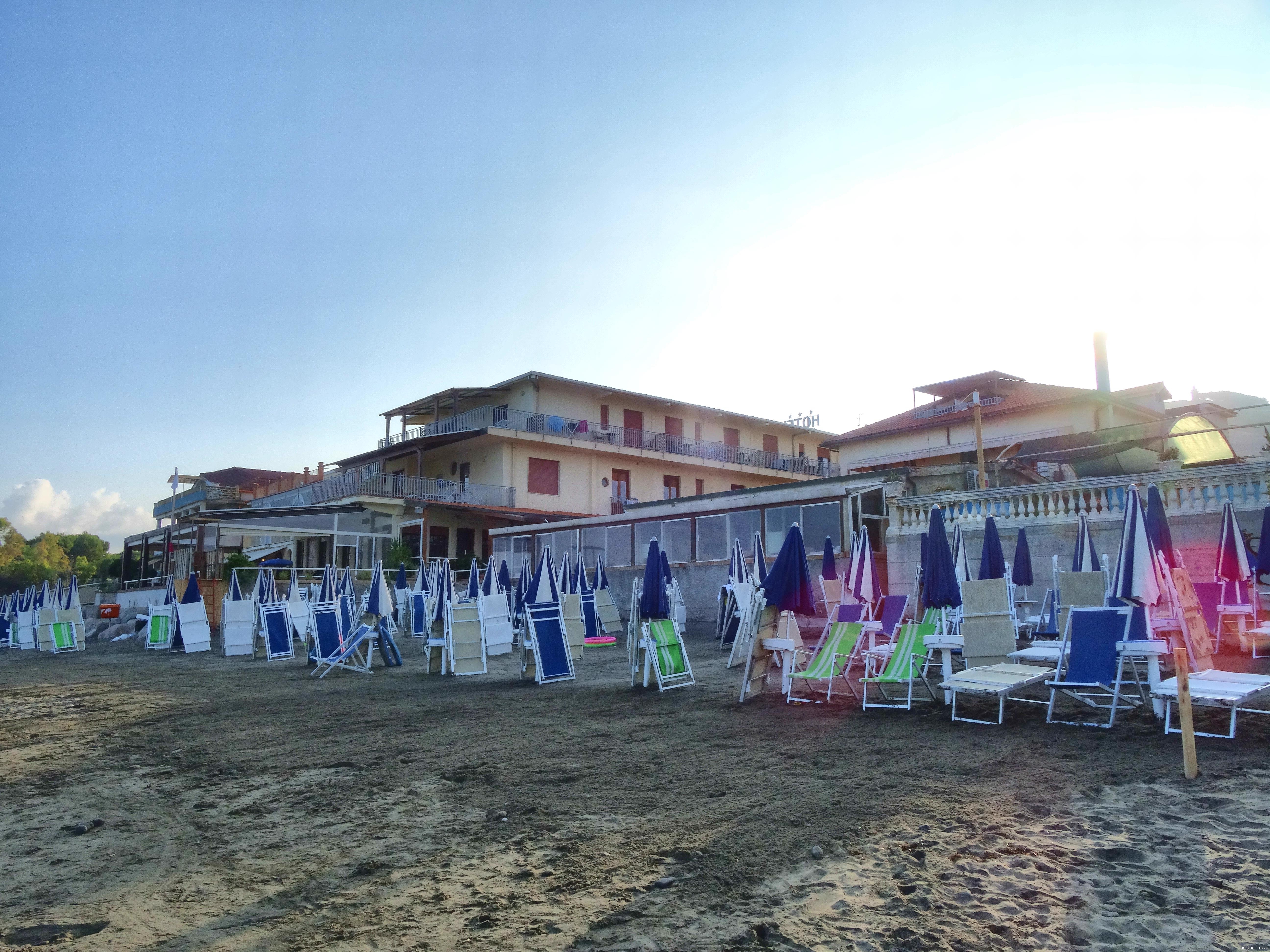
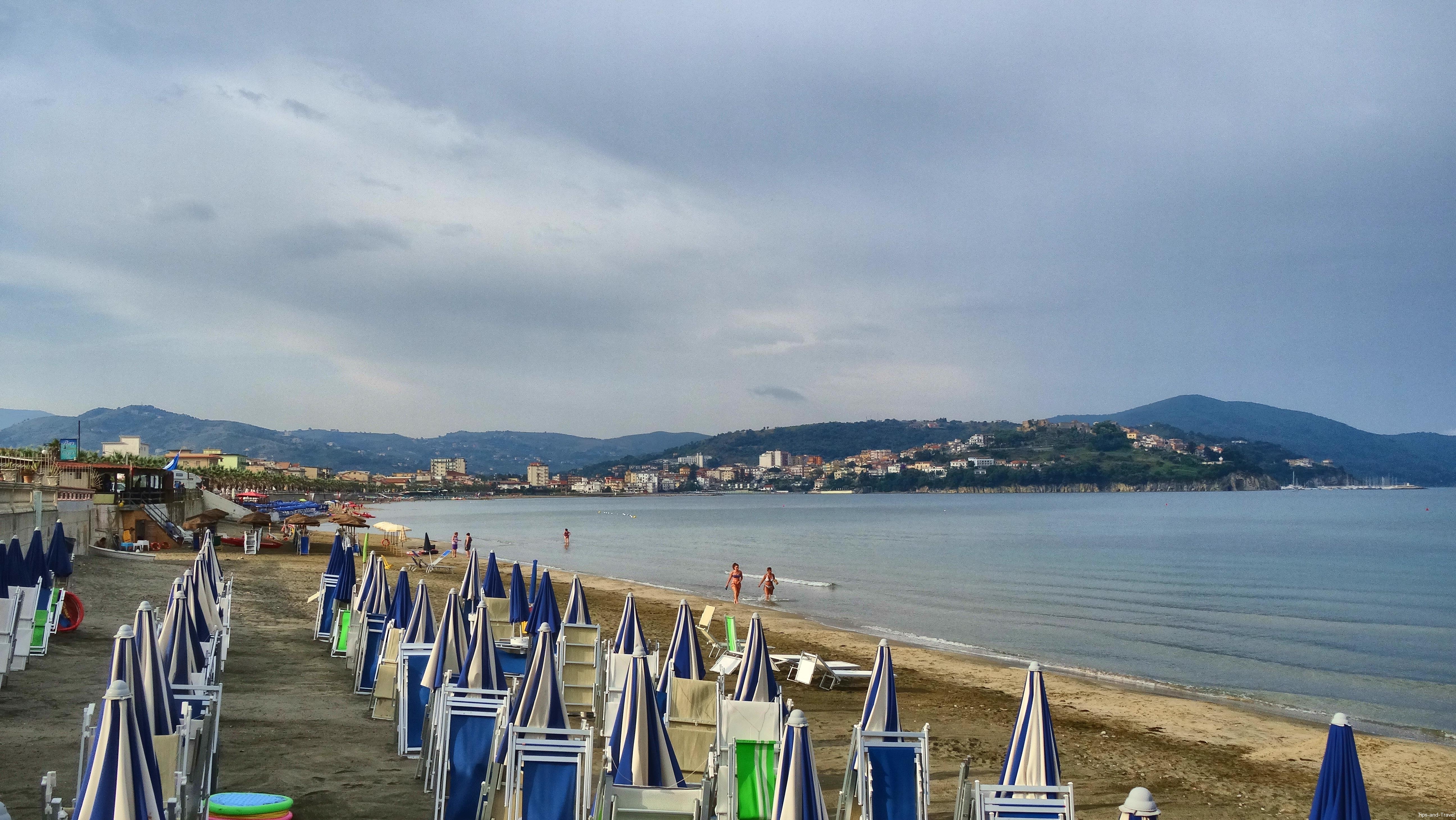
The coastal zone to visit extends over a length of about 3 km which includes rock Trentova, known for the panoramic view that let see the connection to the mainland by a thin strip of land, the rock of St. Francis and a series of small coves which continue to the beautiful beach of Vallone. Wear comfortable shoes or sport shoes. On the coast there are bars, beaches and tourist facilities.
If you like the beach, there is a very long and beautiful one that arrives to the archaeological site of Paestum.

Treviso, Veneto, Italy

Treviso is an Italian city, capital of the province of the same name in the Veneto region and is situated in a water-rich region. In the same municipality where born many rivers; the most important is Botteniga which is divided into several branches, called ‘Cagnani’ (channels) that characterize the historic center. The main river is Sile. The city is bathed by several channels. The old town is still partially enclosed by walls (1509) with 3 large gates; San Tomasso Gate which is entirely covered with Istrian stone; Santi Quaranta Gate and Altinia Gate. The city has been linked to a long religious and monastic tradition and kept the walls of churches and the oldest monasteries. To see: the Church of St. Francis, where you will find inside the graves of a son of Dante Alighieri and a daughter of Francesco Petrarca; the Cathedral with the Baptistery and the episcopate; St. Nicolas church with important frescoes; Dei Signori Square (cultural center and heart of the city) and the Palace of Trecento; Mount of Mercy and the chapel of Rectors; the Lodge of the Knights; Pria Bridge (leaning against the walls, where Botteniga river comes into the city and is divided into several channel)s; among others.

Tips

The city is very beautiful to see and to walk, then it is best to stay 2-3 days to be able to see everything you can.
Treviso is 41.7 kilometers from Venice, you can easily arrive by highway or by public transport (50 minutes).

Piazza Unità d’Italia, Trieste, Italy

Piazza Unità d’Italia is the main public square of the city of Trieste, Italy, and is therefore, as such, also called Piazza Grande. It lies at the foot of the hill of San Giusto in the downtown; rectangular, it is bordered on three sides of neoclassical and baroque buildings, having as fourth side, the Gulf of Trieste (on the Adriatic). It is considered the most important place of all Europe among those that open onto the sea. In 1918 it changed the name of Piazza Grande by Piazza Unità when the town was annexed to the kingdom of Italy but in 1955, it takes its current name because the independent territory of Trieste was dissolved and the city made part of Italy. The palaces that line were restored between 2001 and 2005 and they replaced the asphalt pavement by sandstone slabs. The main palace is the building of the Town Hall (built in 1875 by Giuseppe Bruni) with a tower in its center to which we find the fountain of four continents and a lighting system was added to the edge of the sea. The tower or campanile has two figures (Michael and Jack) ringing all the time fifteen minutes on the municipal bell. The figures are a true copy of the originals which are preserved in the museum of the city.

Tips

The square is a meeting place, to make an appointment with friends or to have something to eat or drink in cafés, bars and restaurants nearby. There are also many other shops in the area.
It is also a landmark for the inhabitants of the city, for events, demonstrations, etc.
You can often see couples of newlyweds who make their first wedding photos in this place.