Poros, Greece

Poros, at 31 nautical miles from Piraeus, is a Greek island, near Argolis. It is separated from the Peloponnese by a narrow channel (pass or poros in Greek) 250m, 400m wide. The crossing takes place throughout the day by taxi boats or boats equipped for vehicles. Poros is actually made of two islands connected by a bridge; Sphaeria; where the city and the port are located and Calauria. The islands are mountainous and green. Pine trees predominate but in cultivated areas we mainly find olive trees. The houses are built like an amphitheater on the hill. The most remarkable monument is the clock tower (1927) with the typical blue dome. There was the Temple of Poseidon (sixth century BC, Doric style) but unfortunately there is little left but the excavations are still going on. At the west of the island, you can see the ruins of ancient deposits of the Russian Navy dating back to 1834. These buildings were used as reserves for the Russian fleet sailing in the Aegean whose remains were declared historical monument. At the east of the island of Calauria we find the monastery of Zoodochos Pigi with a source with therapeutic properties at the entry.

Tips

Poros is accessible through the port of Piraeus daily with hydrofoils or speed boats (1 hour) or ferry (2h30, with 2 stops).
It is also connected by hydrofoils and ferries with other islands and towns of the Peloponnese depending the seasons.

Invalid Displayed Gallery

Cathedral of Christ the Savior, Avila, Castilla y León, Spain

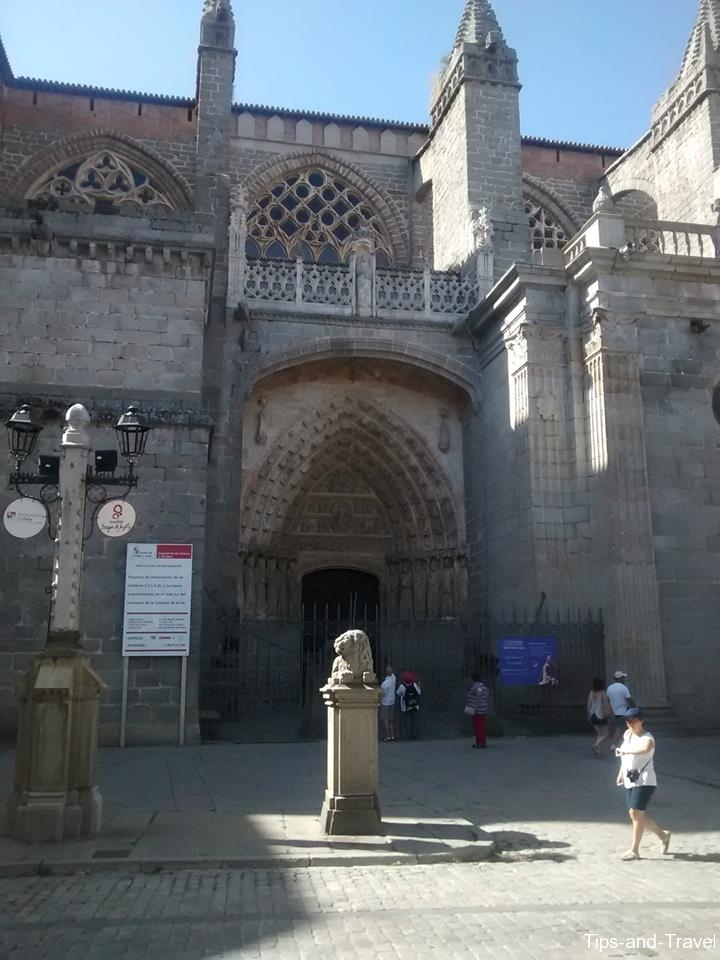
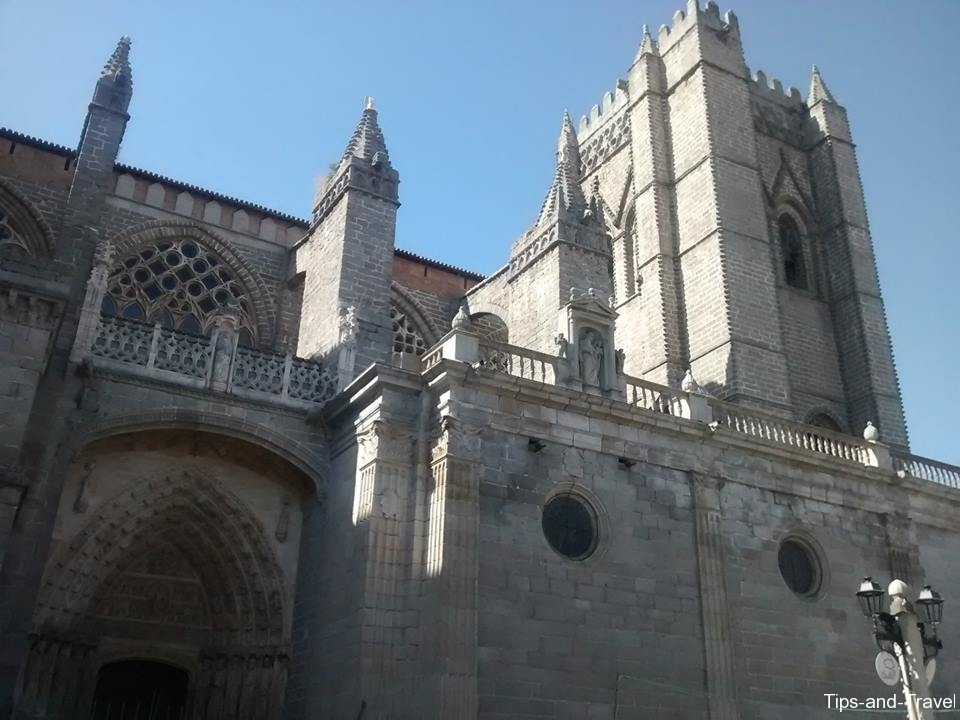
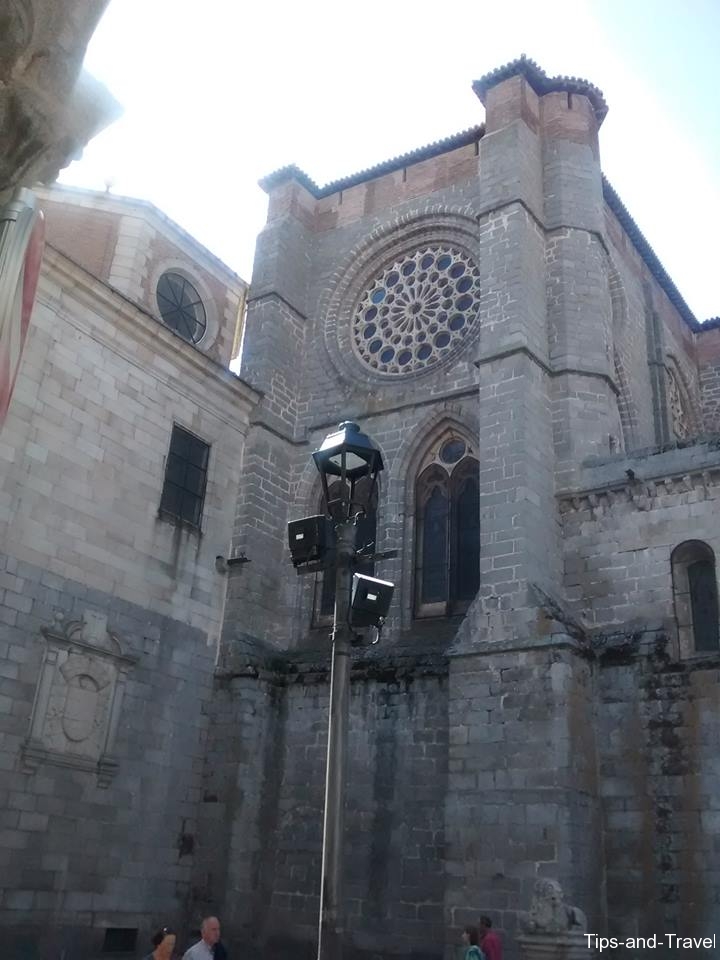
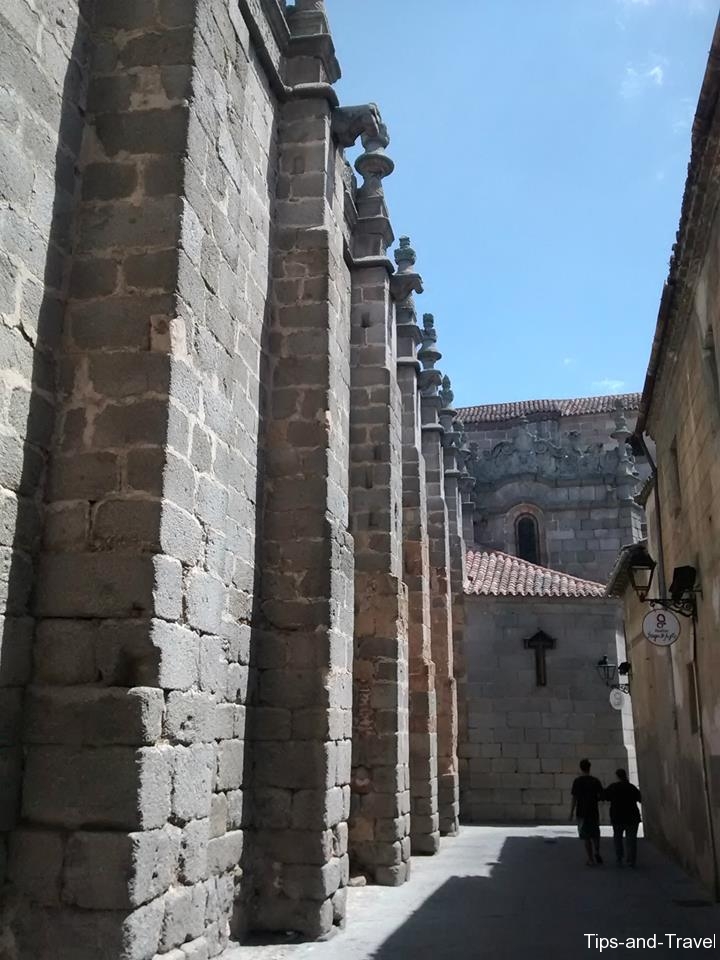
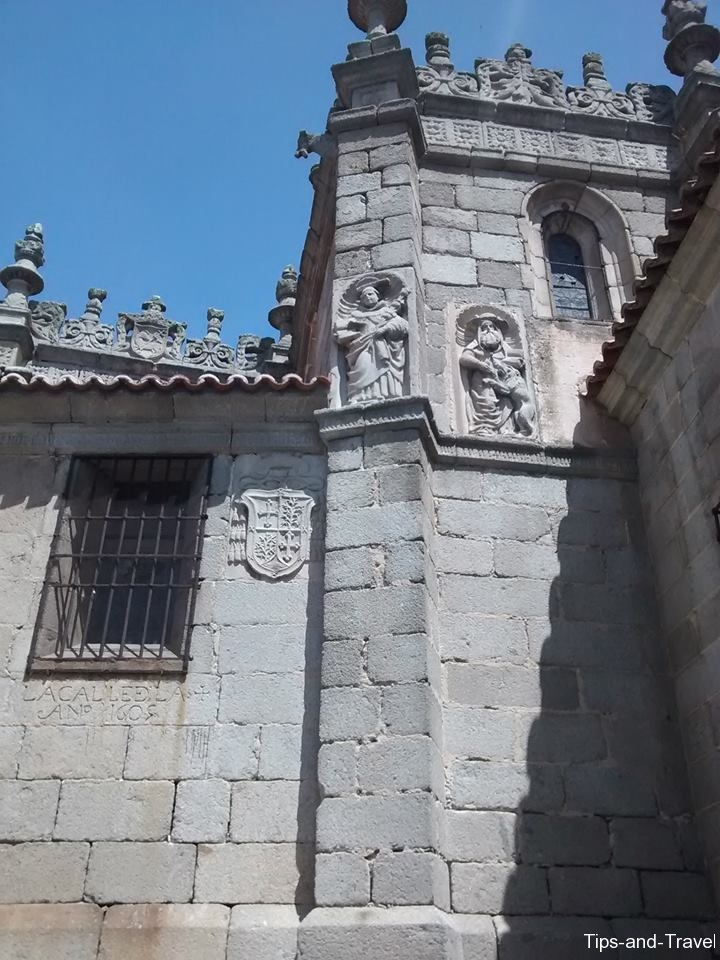
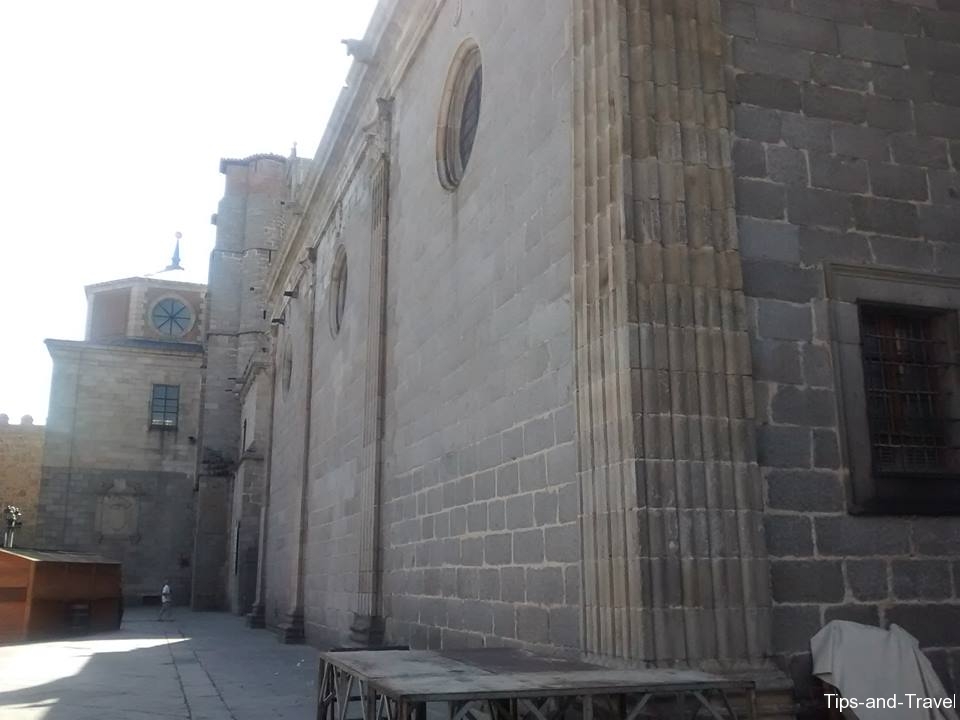
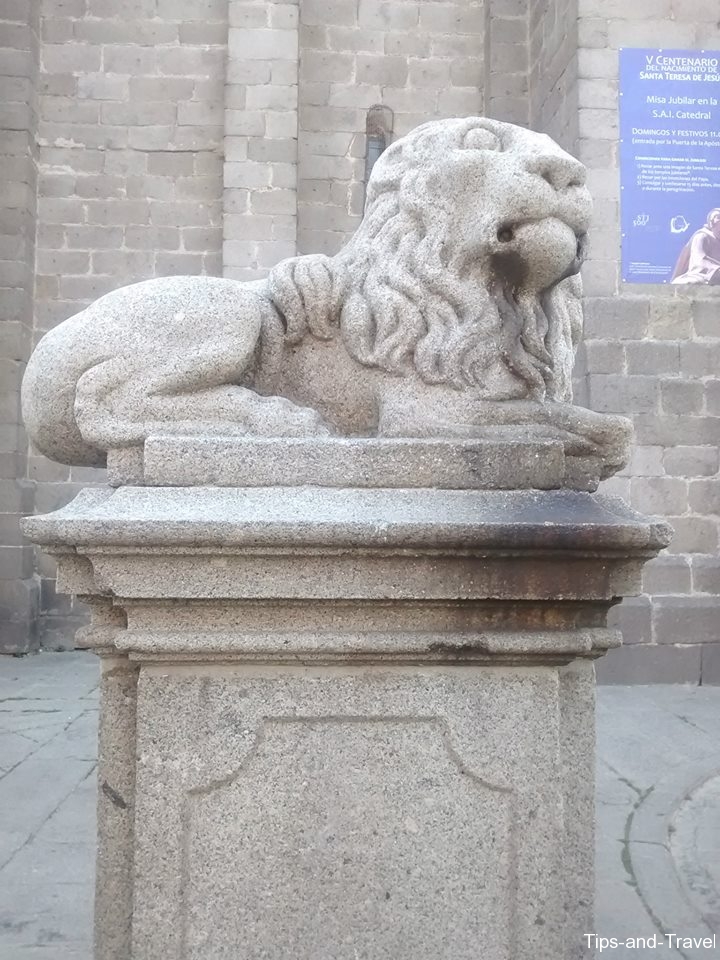
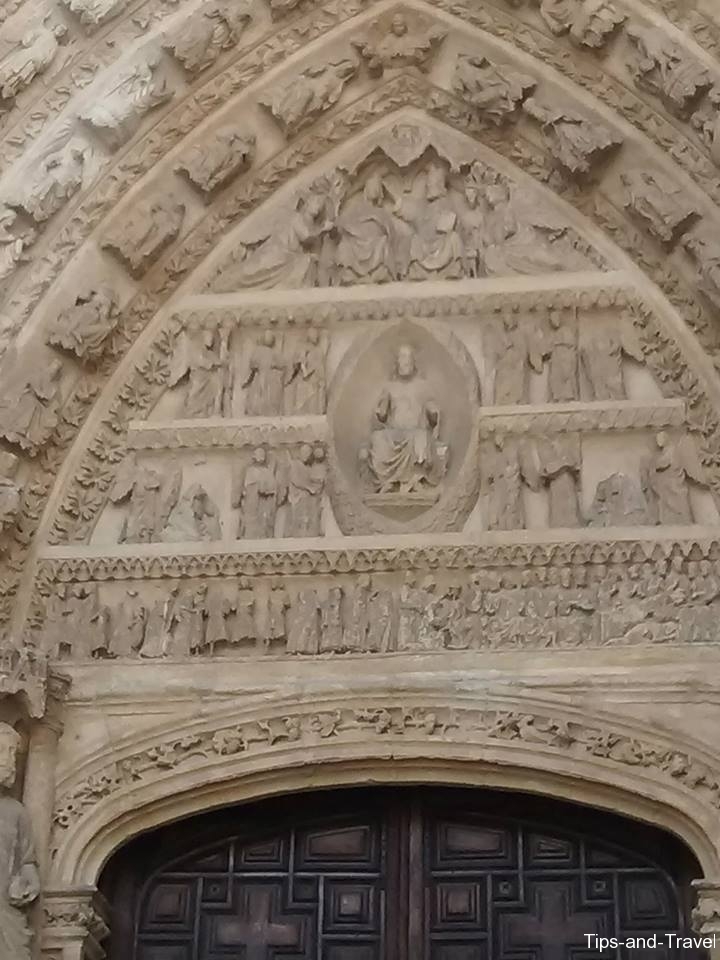
The Cathedral of Christ the Savior in Avila, the first Gothic cathedral in Spain, is the bishopric of the same name, in Castilla y León. It was designed as a temple and fortress, its apse being one of the hubs of the city wall. It is located alongside several houses or majestic palaces which ensured the defense of the Loyal Door or the Weight of the Flour. It is not known with certainty the date on which it was built, but most historians say it was in the twelfth century with the completion in the XVI century, except for a tower that has not been completed. The back of the choir is limestone and it is very large. We find a French influence with a resemblance to the Basilica of Saint-Denis. Outside, it is fortified, but inside its double ambulatory with thin columns and arches give it an impression of lightness and clarity, also with a very good light. The three naves are of equal width, but the central one is significantly higher, and opens with large windows to the outside. There are the remains of the penultimate historian and prime minister of the Second Republic in exile, Claudio Sanchez Albornoz and those of the Spanish President Adolfo Suarez (1977-1981) and his wife.

Tips

The cathedral is open daily, but you should consult the daily schedule.
You have to pay an entrance fee for sightseeing, but children under 12 years old and people with disabilities do not pay.

Aghia Efimia, Kefalonia, Greece

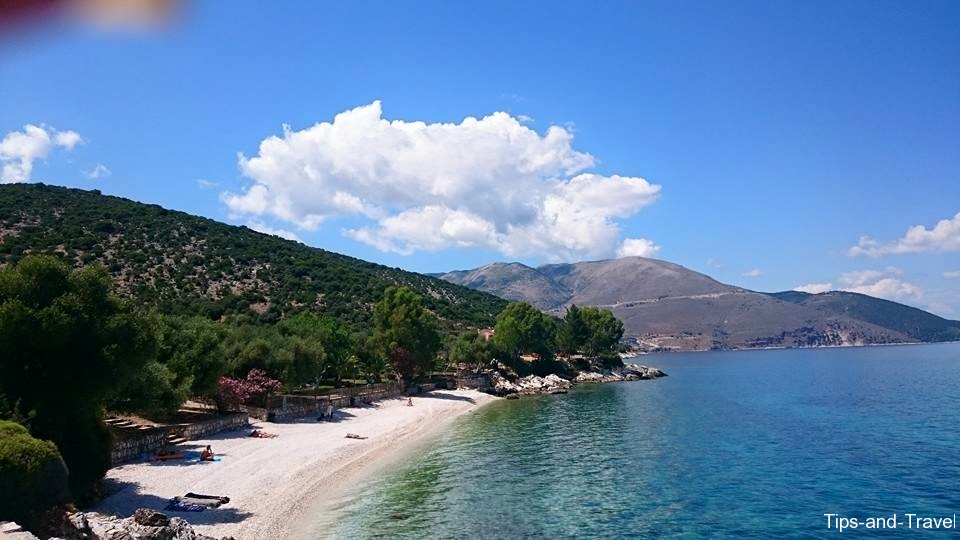
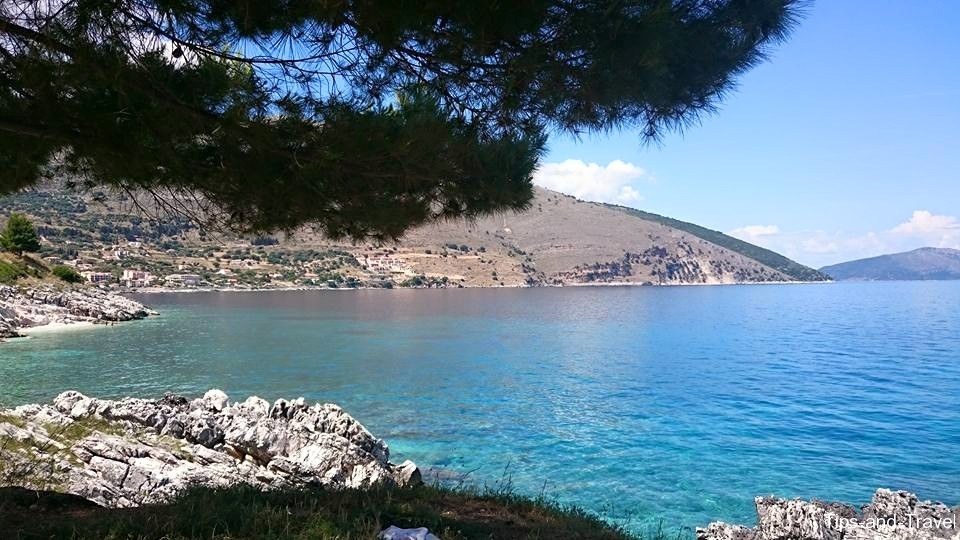
Aghia Efimia, situated 7 km north of Sami and 30 km from Argostoli, is a little fishing village on the east-coast of Kefalonia Island, surrounded by mountains to the north, west and south, which form the Pyllaros Valley. It was once one of the island’s more important centres of trade with stately homes and mansions but unluckily there was an earthquake in 1953 that destroyed the village completely; however with the help from France, they rebuilt it. From the village to Sami, the beaches are made up of white pebbles. It has a natural bay and beach and the water is really clean so it makes snorkeling a very recommended activity. The village is so centrally located on Kefalonia island, that it is also a perfect accommodation base to explore the rest of the island. It is still a very peaceful place with very friendly people taking care of you. The village offers you all you need. There are bars, cafés and taverns where you can enjoy typical food. There is also a new walkway beyond the harbour lined with benches.

Tips

There are some small pebbly coves and some beaches where the only possibility to go is by boat. You can hire a motor boat or take a taxi boat. None of the beaches have any facilities such as loungers and umbrellas for rent so you must take anything you need with you; especially bottled water.
There’s the local church of Saint Efimia who celebrates its day with a barbeacue and dancing (July, 10th).
You can also take a water taxi to visit the neighbouring islands of Ithaca and Lefkas or book a private tour too.
There’s a bus service operating among the villages nearby or from Argostoli.