Veliko Tarnovo, Bulgaria

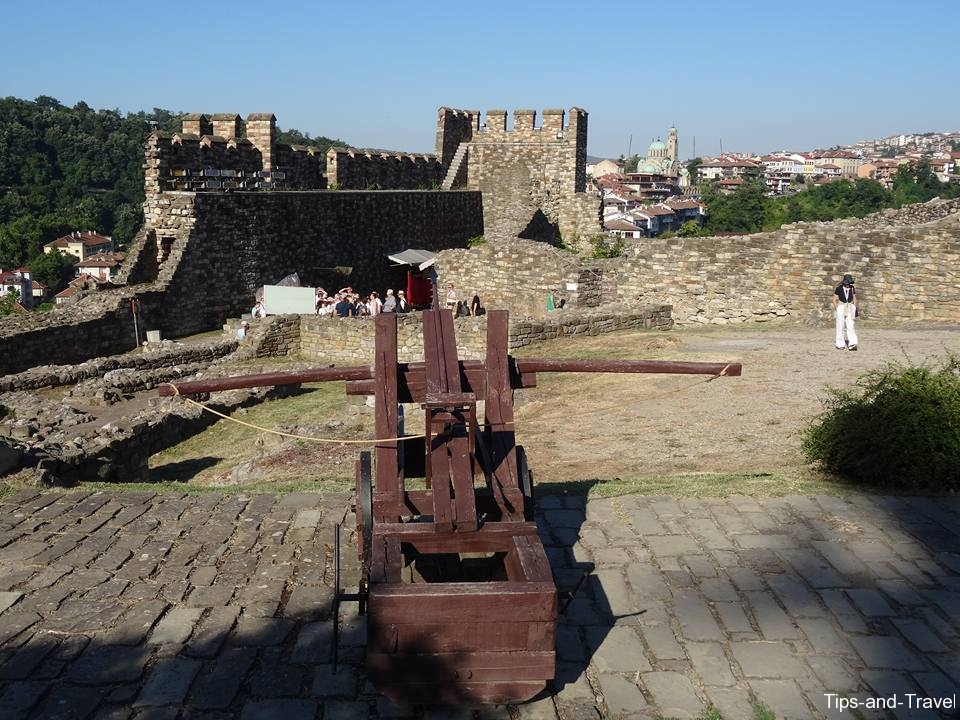
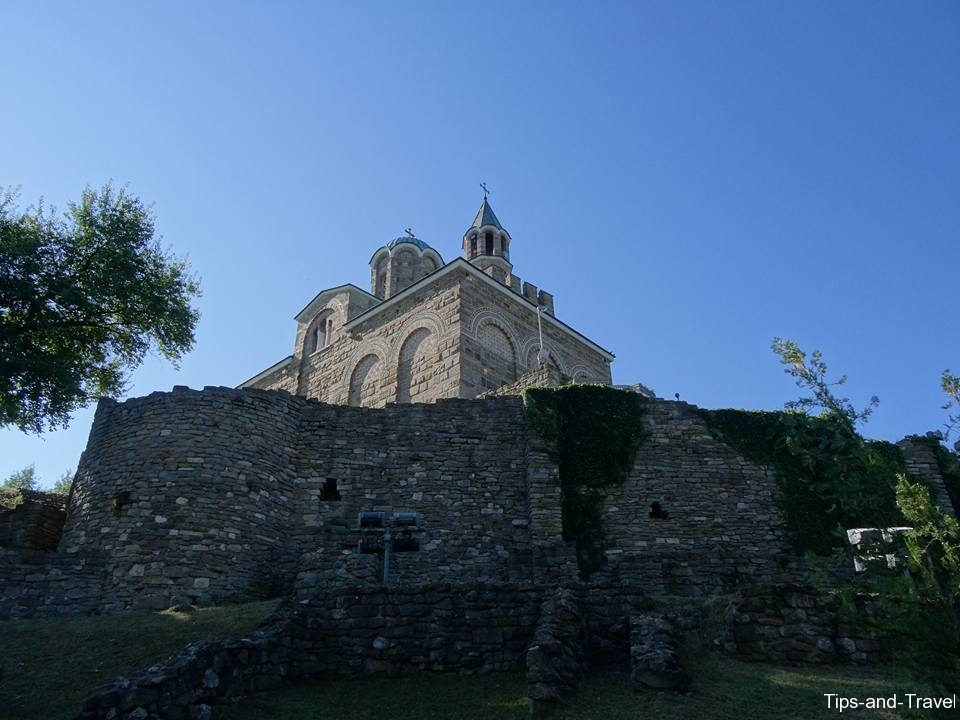
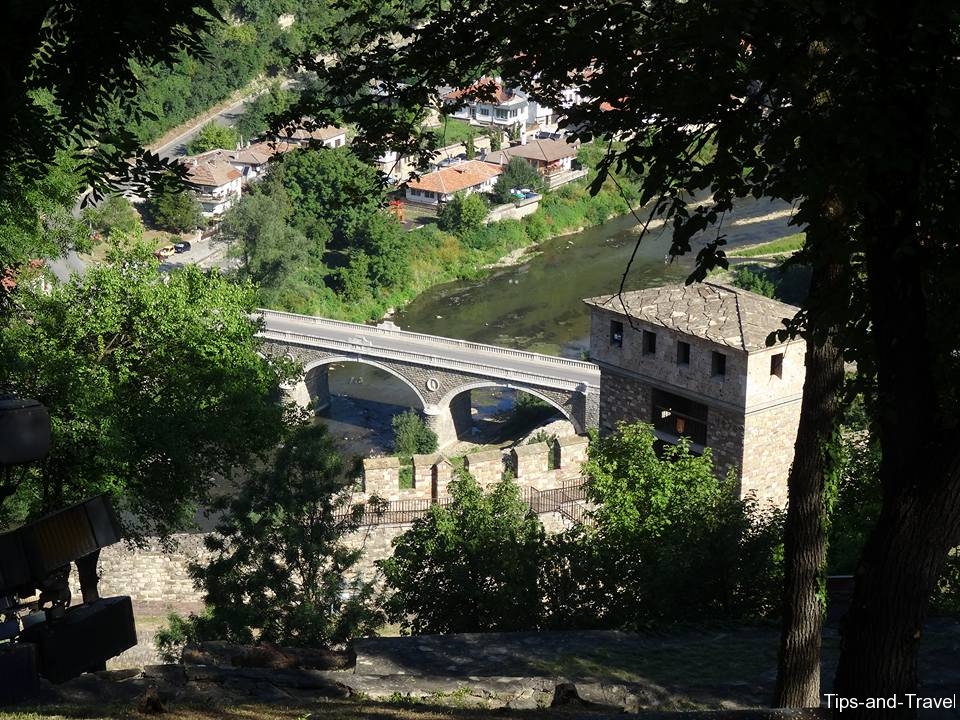
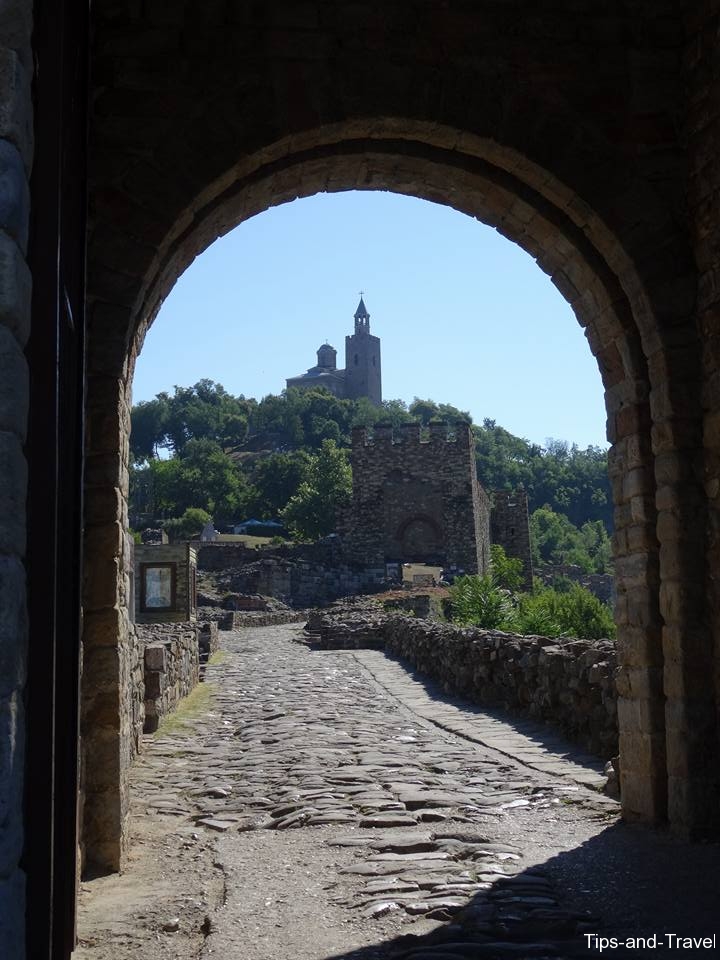
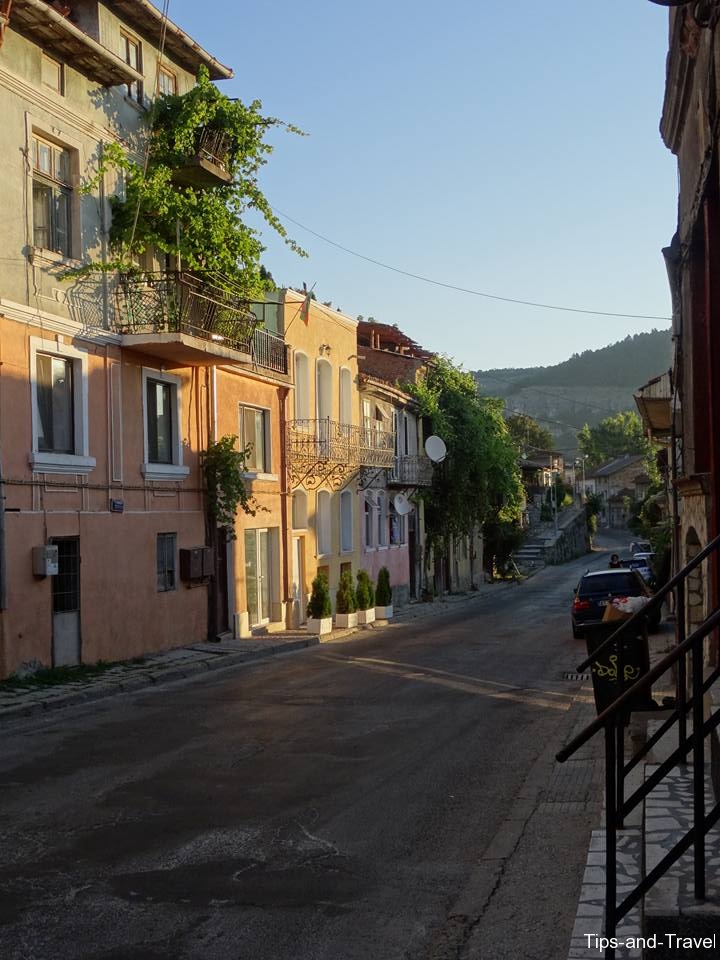
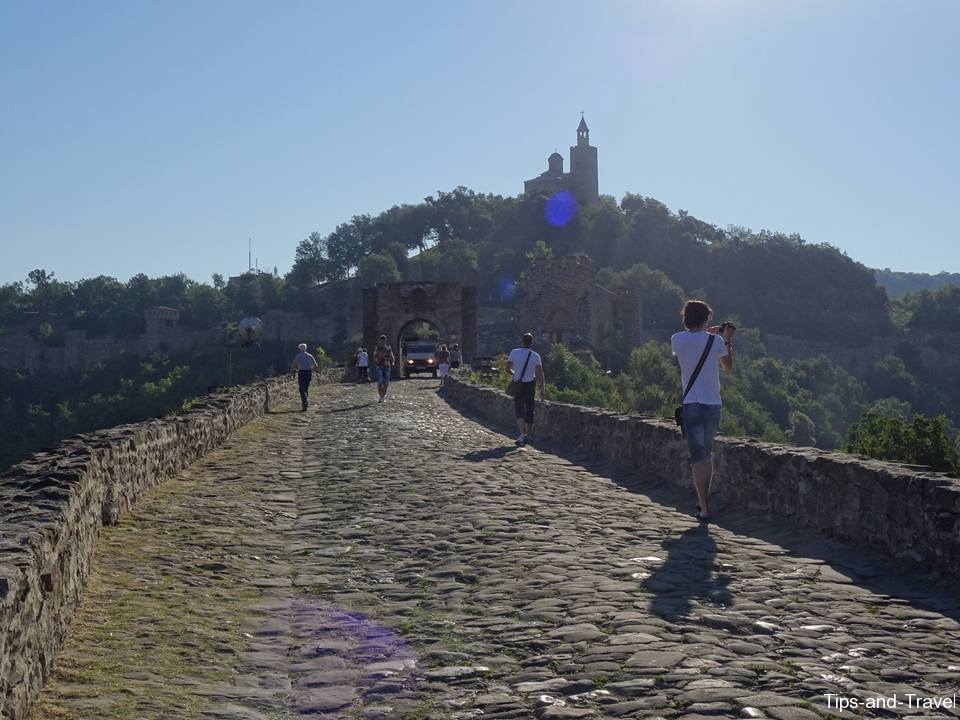
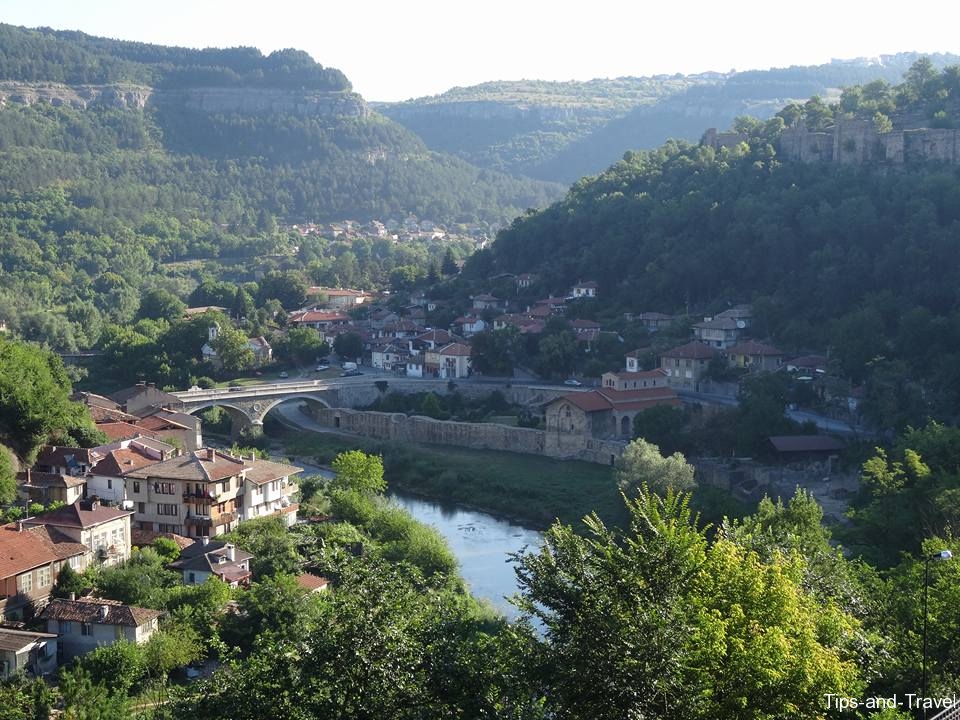
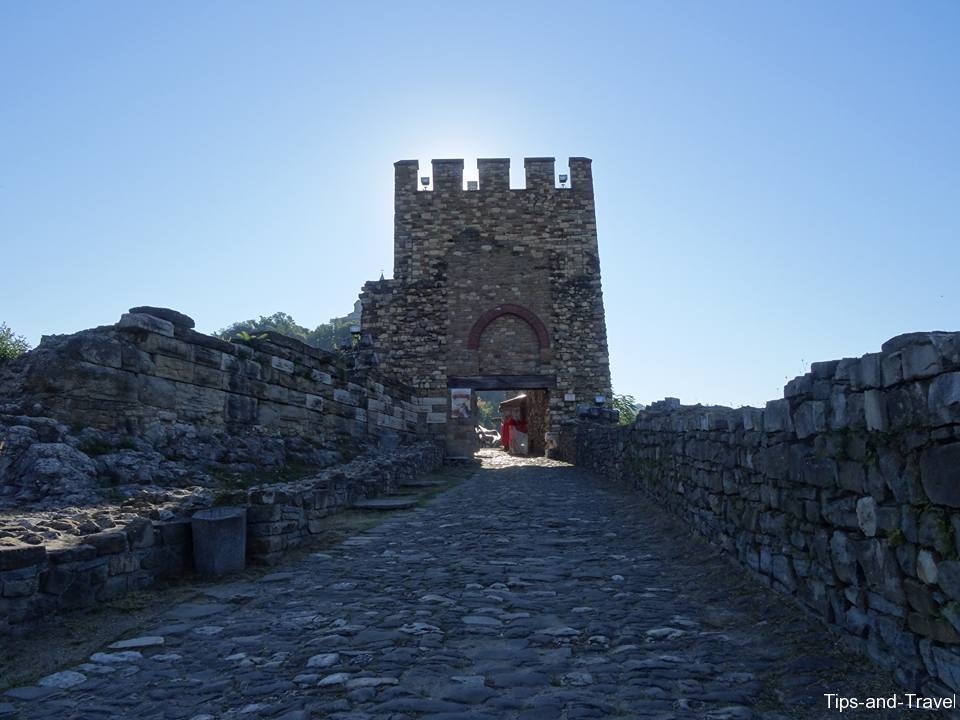
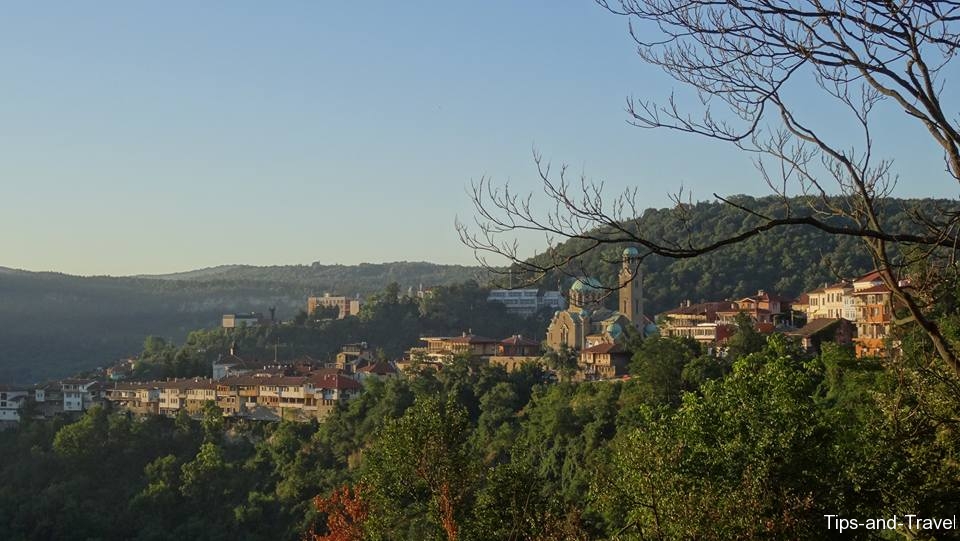
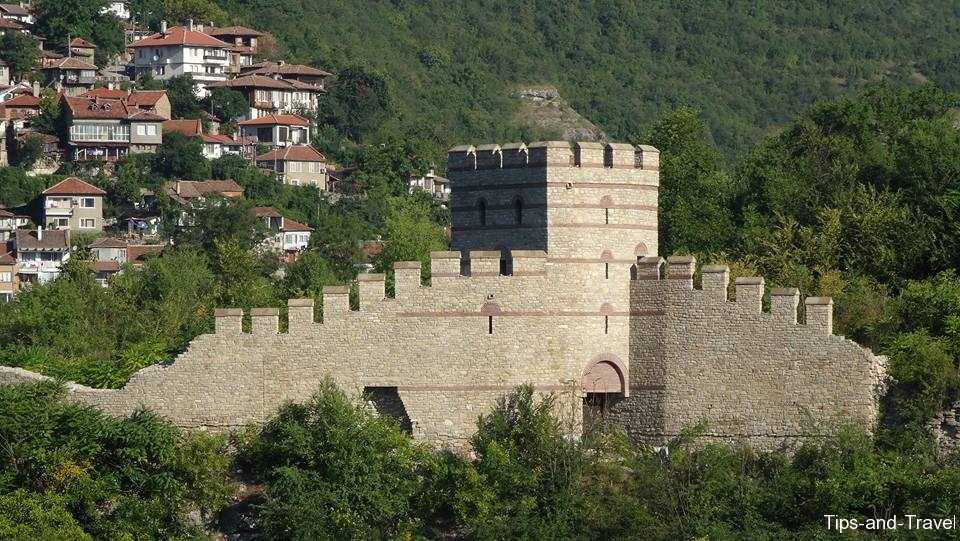
Veliko Tarnovo, known like the ‘City of the Tsars’, is a city in north central Bulgaria and the administrative centre of the province with the same name. It’s located on the Yantra River, surrounding the Balkans, famously known as the historical capital of the Second Bulgarian Empire. The old part of the city is situated on the three hills, Tsarevets, Trapezitsa, and Sveta Gora. The palaces of the Bulgarian emperors and the Patriarchate, the Patriarchal Cathedral and some administrative and residential edifices surrounded by thick walls are on Tsarevets. Trapezitsa is known for its many churches and as the former main residence of the nobility. During the Middle Ages, the city was among the main European centres of culture, it has an important architecture that attracts lots of tourists. It was a very important city with foreign merchants (Jewish, Roman Catholic, Armenian) but in 1393, the Ottoman Empire captured it. The city and the rest of present-day Bulgaria, remained under Ottoman rule until the 19th century, when national identity and culture reasserted themselves as a strengthening resistance movement (480 years under Ottoman rules). It was at Holy Martyrs Church in Veliko Tarnovo where Tsar Ferdinand declare the complete independence of Bulgaria in 1908. Today, Veliko Tarnovo is the center of one of the largest urban areas in Bulgaria and is one of the few cities in the country with a growing population.

Tips

It’s a city with a rich and interesting history, so a good way to know more about it, is to take a guided tour or a private guide. You’ll discover beautiful monuments and churches.
There are other important cities and naturals places to see near the city. You can rent a car to discover it by yourself but make attention because you’ll find people that only speak local language so if you don’t understand the signs, you’ll be in a problem. Make sure you have good maps and indications.
Palace House of Verdugo, Avila, Spain

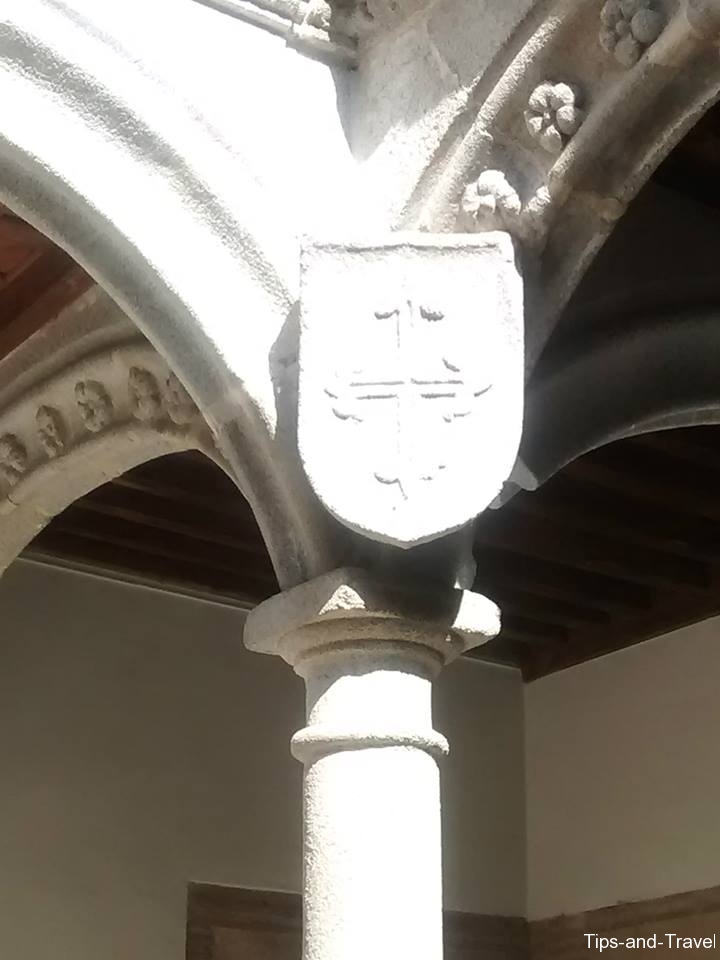
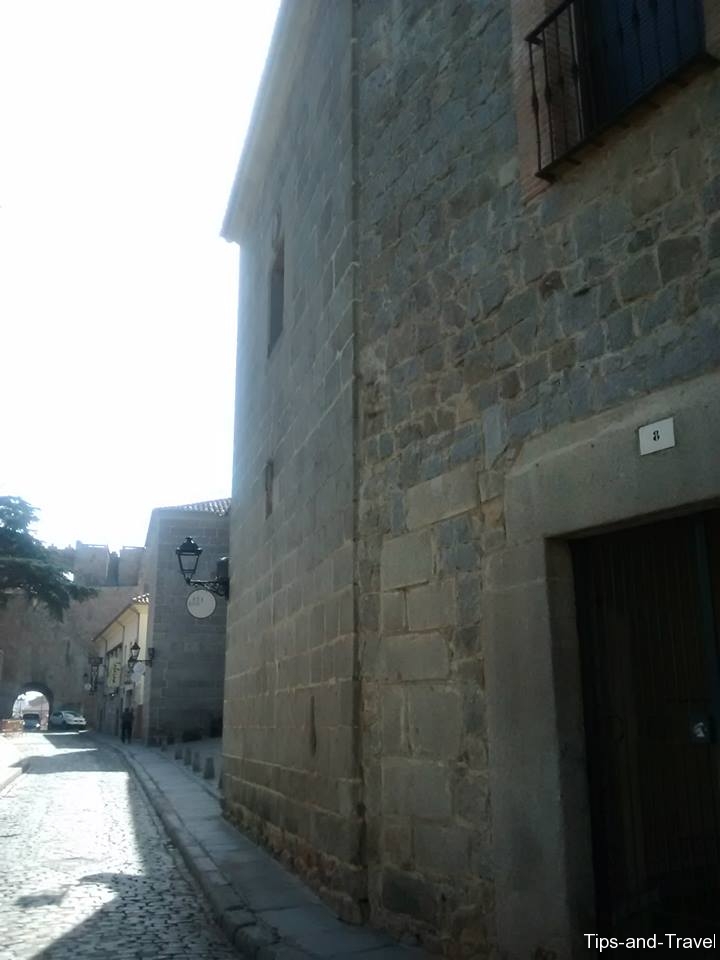
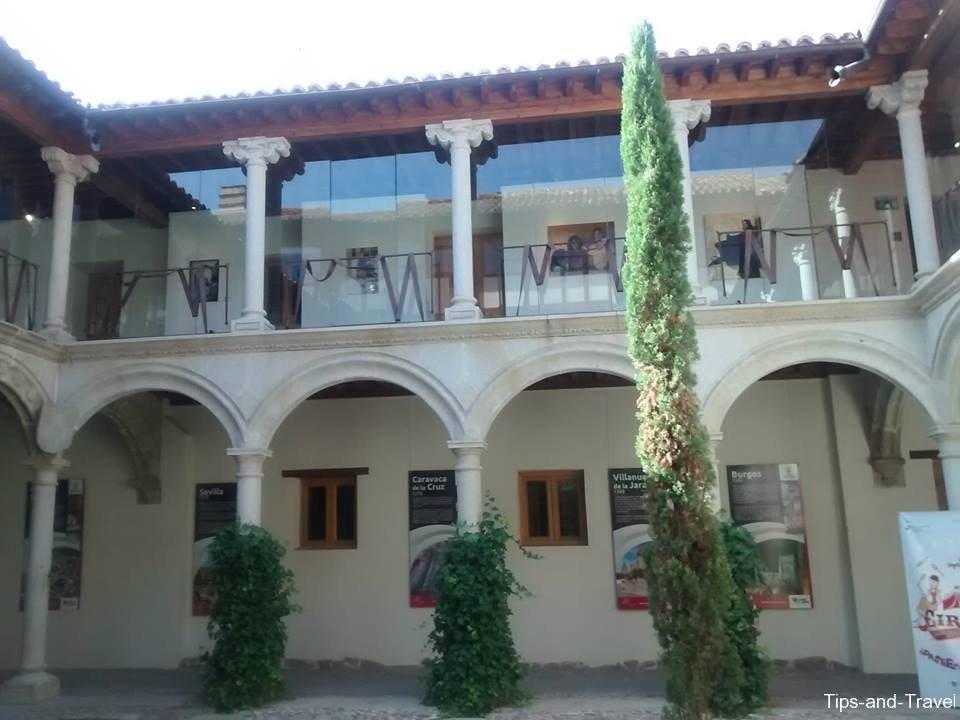
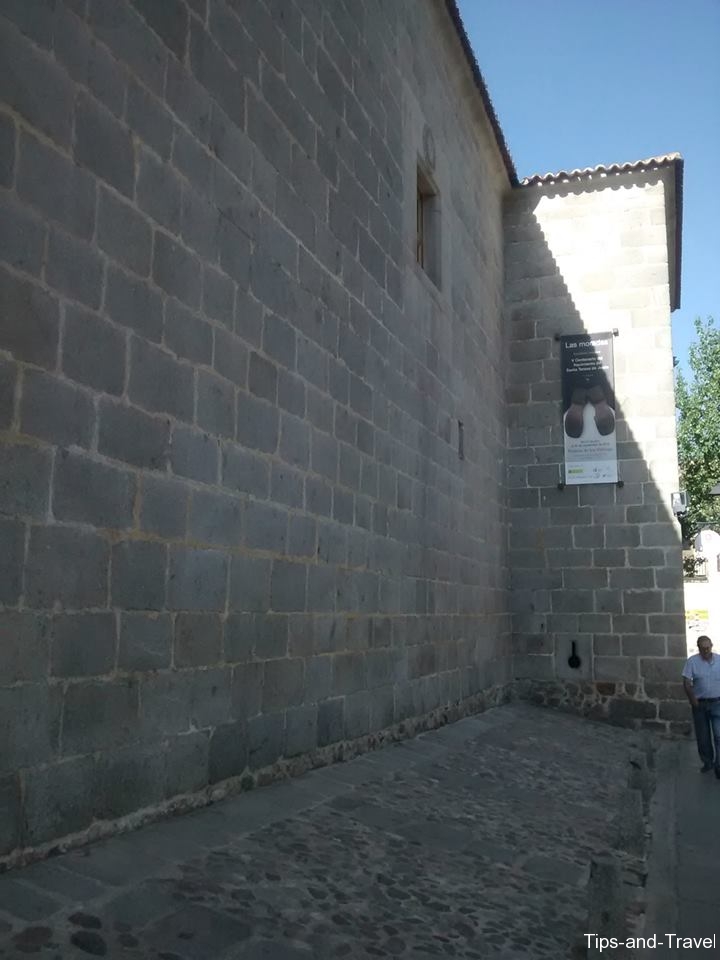
The Palace House of  Verdugo is located in Avila, Spain, inside the fortified area of the city. Don Suero del Águila had ordered tobuild it in 1531 at Lomo Street which is now called Lopez Nunez. In the sixteenth century, the city of Avila was booming thanks to the growth of the wool textile industry, the construction of churches and convents and religious thrust Saint Teresa of Avila and Saint John of the Cross . The house was designed as the home of Don Suero del Aguila and their descendants; in 1536 Don Suero decided to bequeath it to his son, but on the condition that if there were no more descendants, the house would pass into the hands of the Order of the Jeronimos and this has been accomplished in 1606, after the death of his little son, who was the last descendent. When the Jeronimos took it, the palace became a monastery, but ten years later they swapped it by the College of San Gil. The palace then passed to the Jesuits and they kept it until they were expelled from Spain (1.737) and in the eighteenth century, the house was abandoned. Its stone façade has a defensive character; windowless, low-level and two towers on each side of the door and on the door there is the noble coat of arms of Verdugo. It has a very large central courtyard with arches with floral decoration and shields.

Tips

In the vicinity of the palace there are other important monuments of the city that you can access by walking. For more information, visit the city of Avila.


Venice, Italy

Venice is a port city in the northeast of Italy, on the shores of the Adriatic Sea, which extends over a set of 118 small islands separated by a network of channels, connected by bridges. It lies between the estuaries of the Po and the Piave rivers all off the Venetian lagoon. Many times called as the floating city, it was built on piles of oak and alder installed in the sandy soil. Of its 177 channels, the most important is the Big Canal and the main islands are the Lido, Burano, Murano, Torcello and San Michele that is the island cemetery of the city. Venice has six districts, the most important, San Marco, is the center of the city and the second largest is Cannareggio where we find the railway station and it continues to the Rialto. The city is known as pedestrian and channels are the road with many boats and famous gondolas that give the city a special feature known worldwide. To see: Piazza San Marco and its campanile, Doges Palace, the Academy Galleries, the Campanile of Saint George Maggiore, the Rialto Bridge, the Bridge of Sighs, the Bridge of freedom, Piazzale Roma, the Camp Saint Stephen, among others.

Tips

Arriving at Venice Marco Polo Airport, which is located on the mainland at the edge of the lagoon, you have buses, water taxis and water buses to get into town. If you arrive by car, there is an ample parking on the artificial island of Tronchetto where you can take the shuttle monorail (People Mover) that takes you to Piazzale Roma. Another option is to leave the car in Mestre or Marghera and take the bus to Venice (15 minutes approximately). Enjoy your stay to visit some of its most important islands like Murano, Burano e Lido. You can do this by taking public transport like the vaporetto (water bus). If you want a gondola ride, it’s better to do it in a group because it is quite expensive.