Stresa, Verbano-Cusio-Ossola, Piedmont, Italy

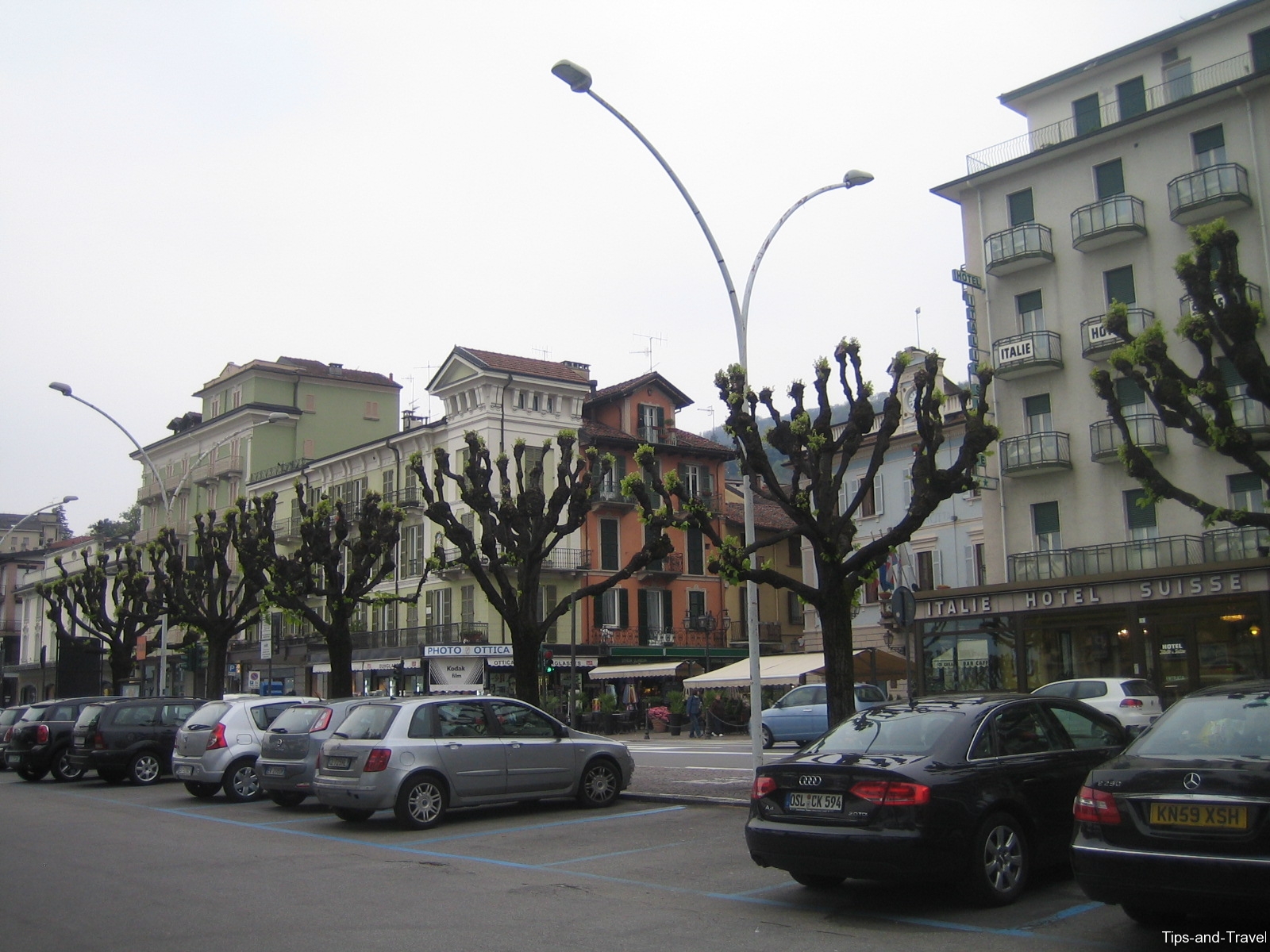
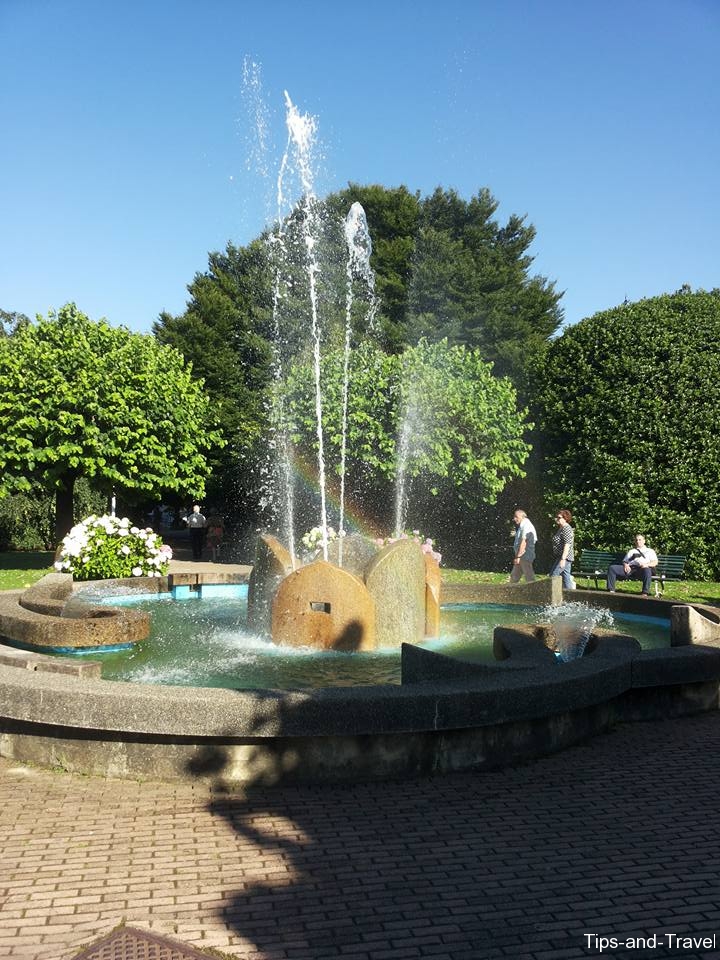
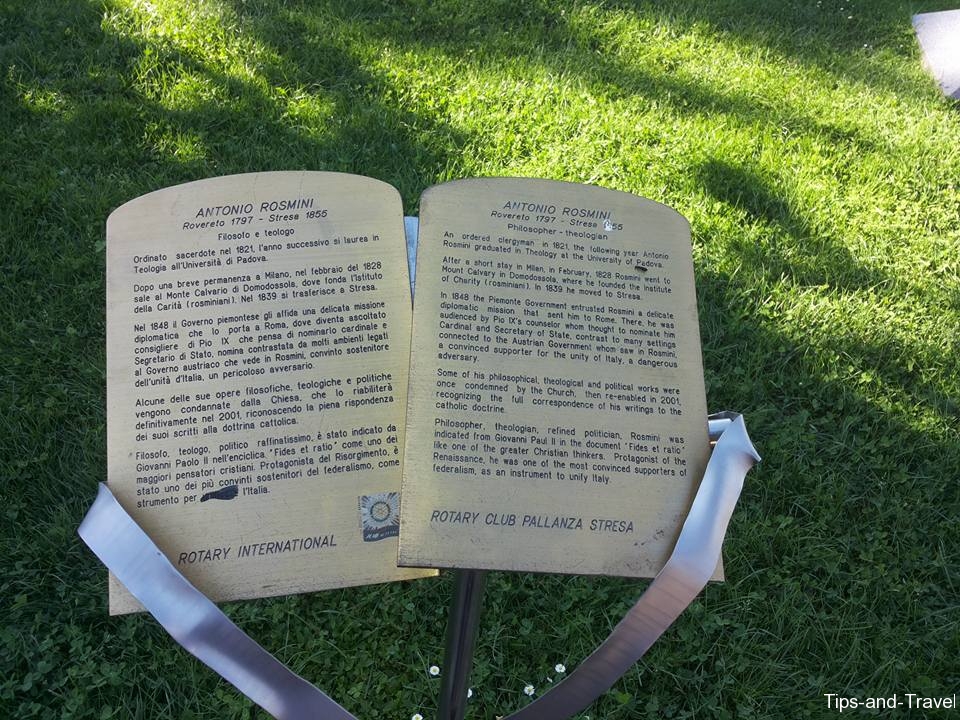
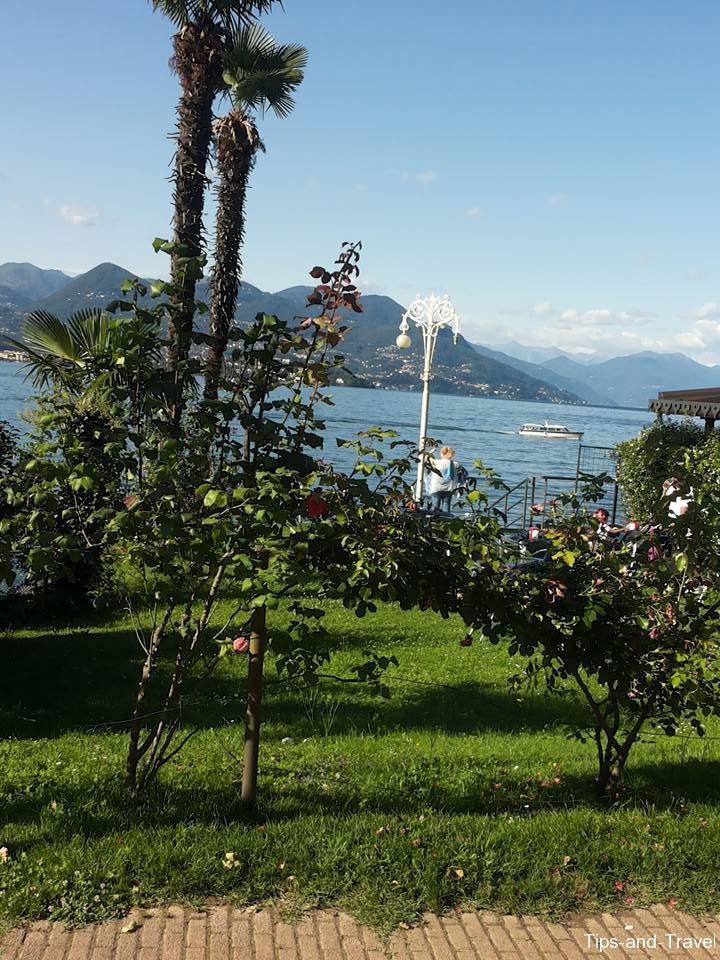
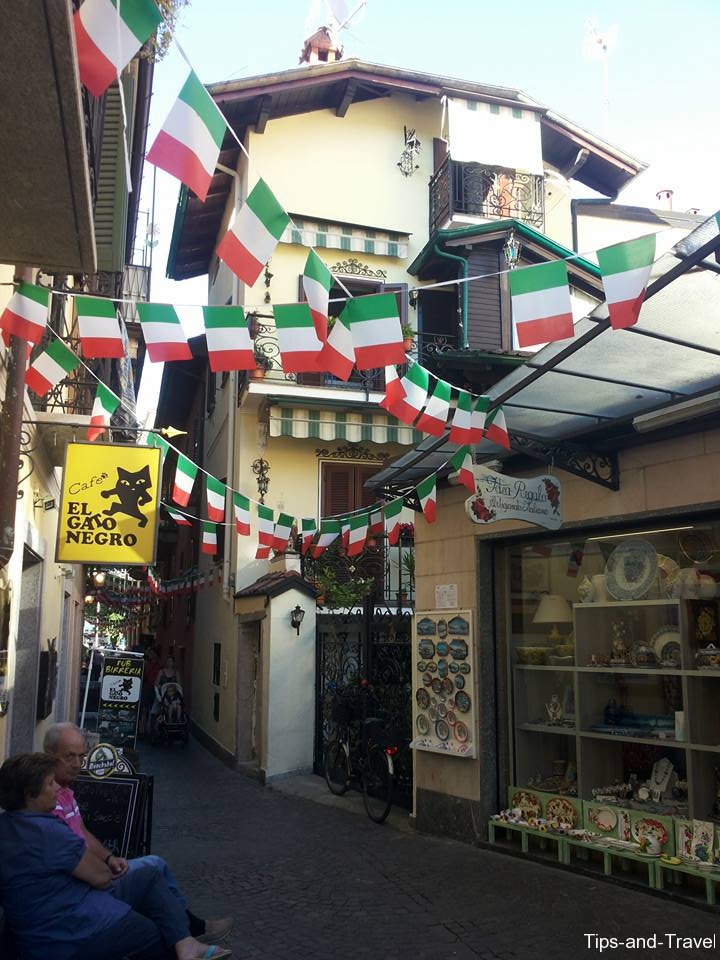
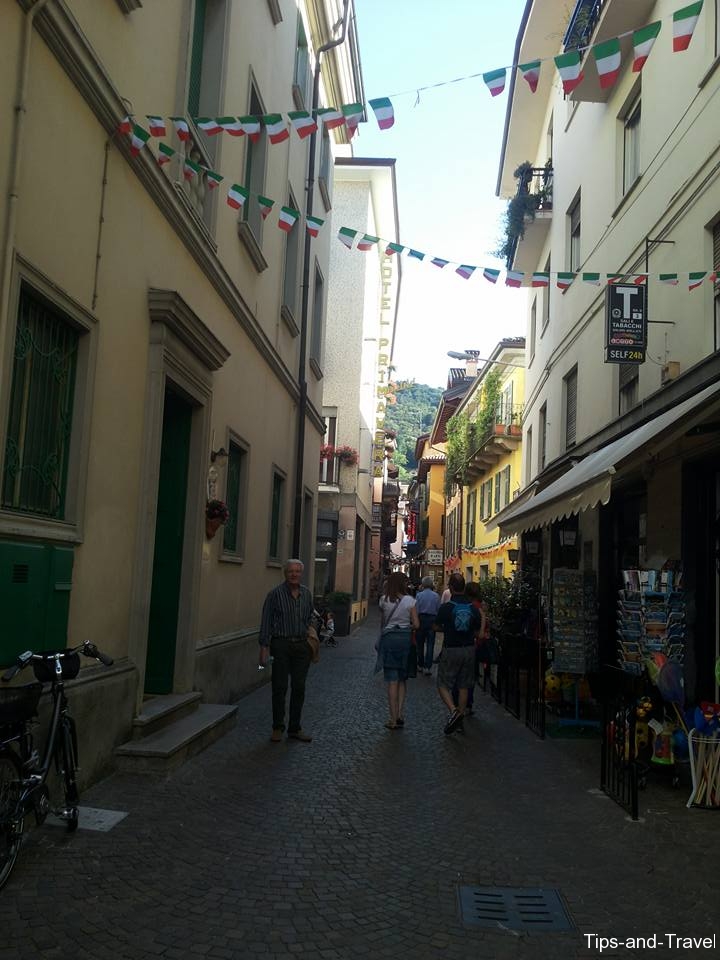
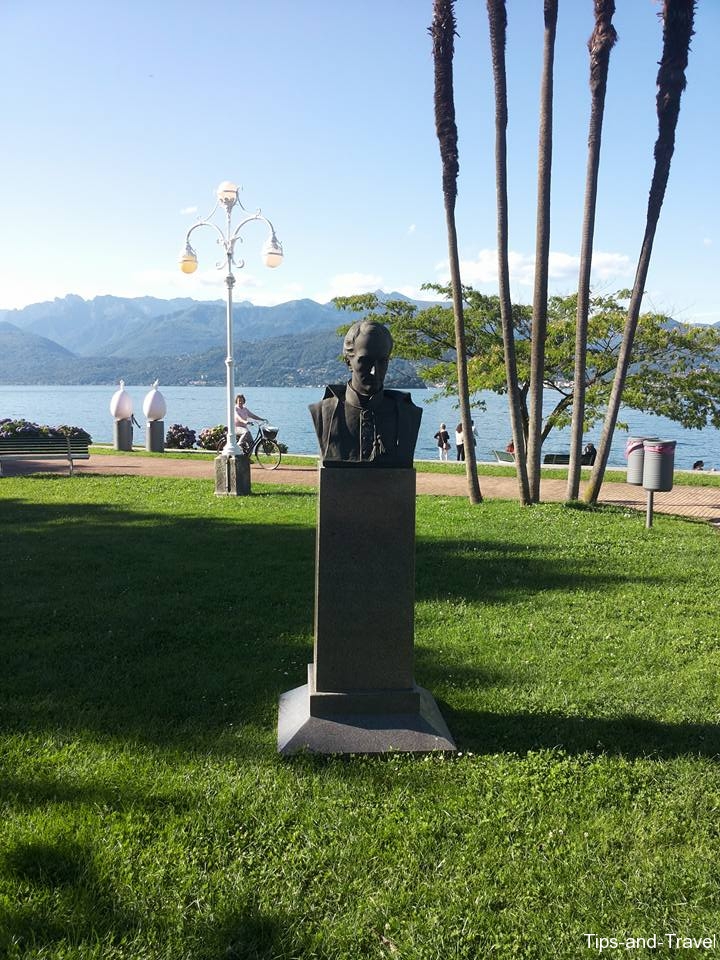
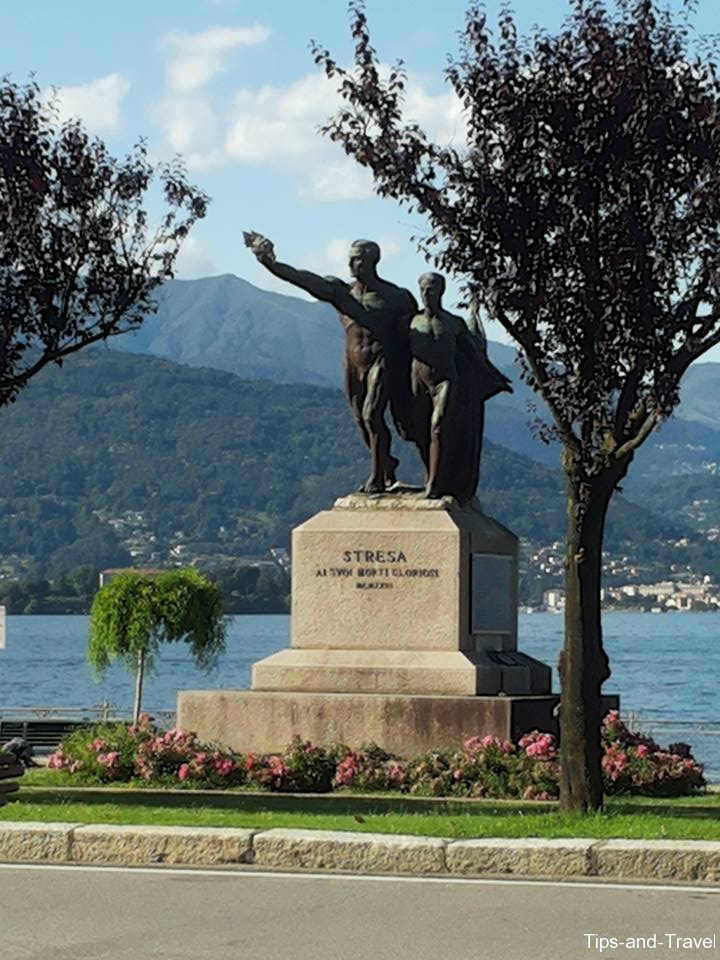
Stresa is a town in the province of Verbano-Cusio-Ossola in Piedmont, the Po Plain, Italy. The town, situated 200 meters above sea level, is an important touristic village on the west shore of Lake Maggiore, owes its fame to the nearby Borromean Islands (in front) and is quite famous for its luxury hotels. The Grand Hotel in Borromees Islands is the oldest of them (1861); famous for having hosted Ernest Hemingway. This is an original medieval city that attracts tourism especially from early spring to late fall. Its proximity to Switzerland, also makes it for easy access. Its hills are decorated with beautiful and wealthy mansions further that the luxury hotels that line the lake shore. It also has the starting point for shuttle boats leading to the islands and major cities around the lake. Mount Mottarone is known as a ski resort as busy as the city, in addition, from there you have a magnificent view of the lake and the Alps. The city has two important events; the evening procession and celebreation of the Virgin for Easter and the Musical Week of Stressa and Lake Maggiore which takes place mainly in the city but that counts with some rooms in nearby locations. It is a classical music festival.

Tips

You can arrive there by train, the city is communicated with the line connecting Milan to Lausanne. There is a beautiful walk at the lake with cafes, restaurants and bars. To taste some typical thing, try the Margheritine, flower shaped cookies that were created in 1857 in occasion of the First Communion of Princess Margaret of Savoy who lived in Stresa. Another typical cookie is Reborino, created in honor of the poet Clemente Rebora, with ingredients that had quoted him in his poem. To accompany these delights, nothing like the Stresa Tea, made with herbs and flowers of the region.

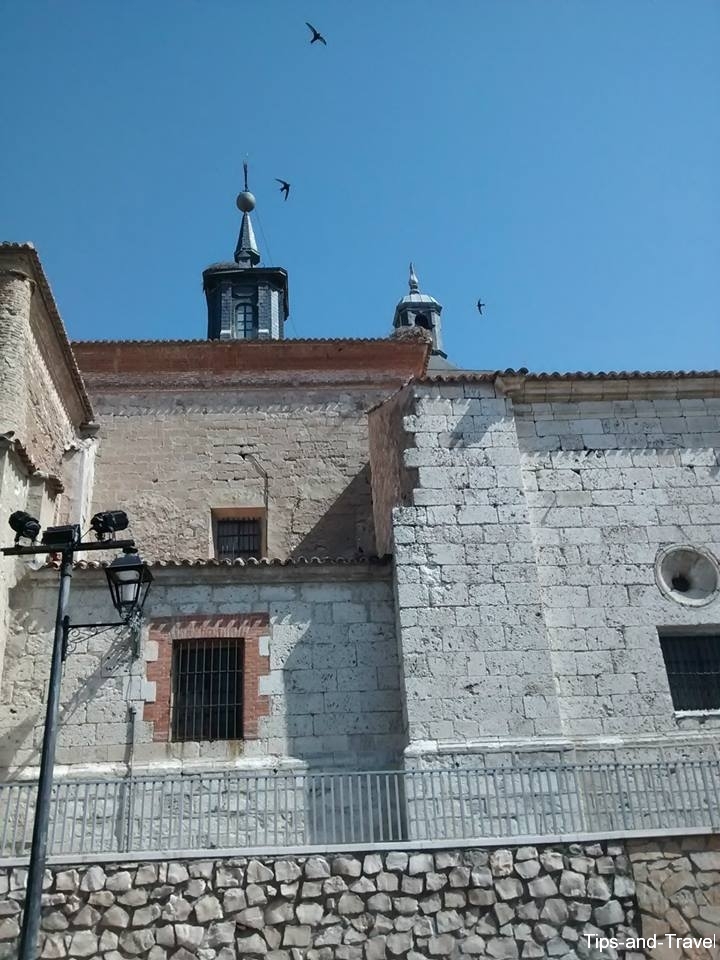
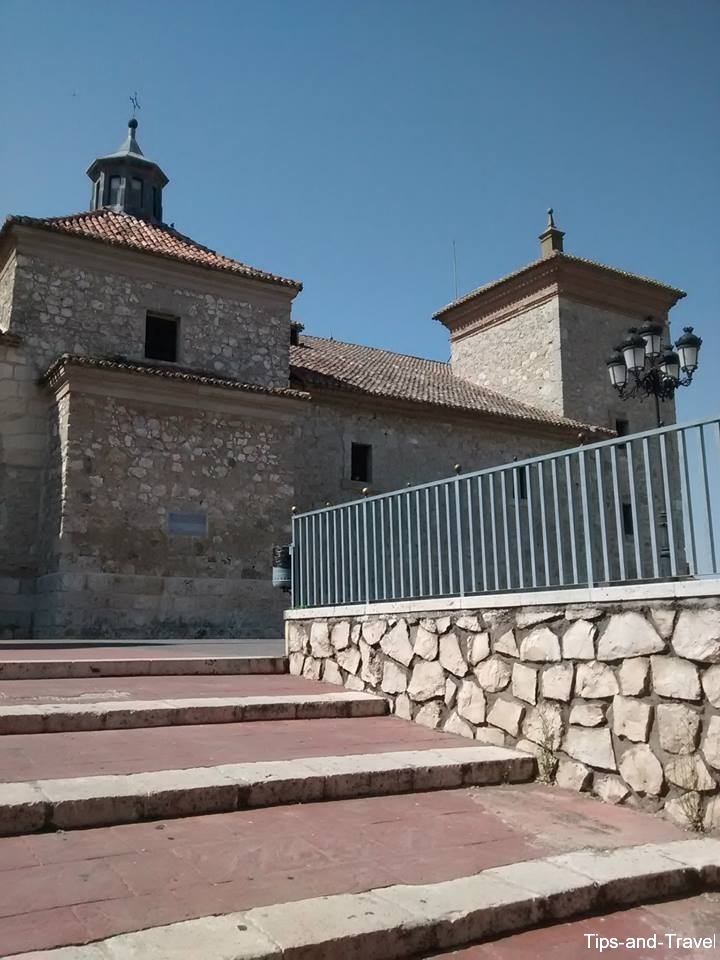
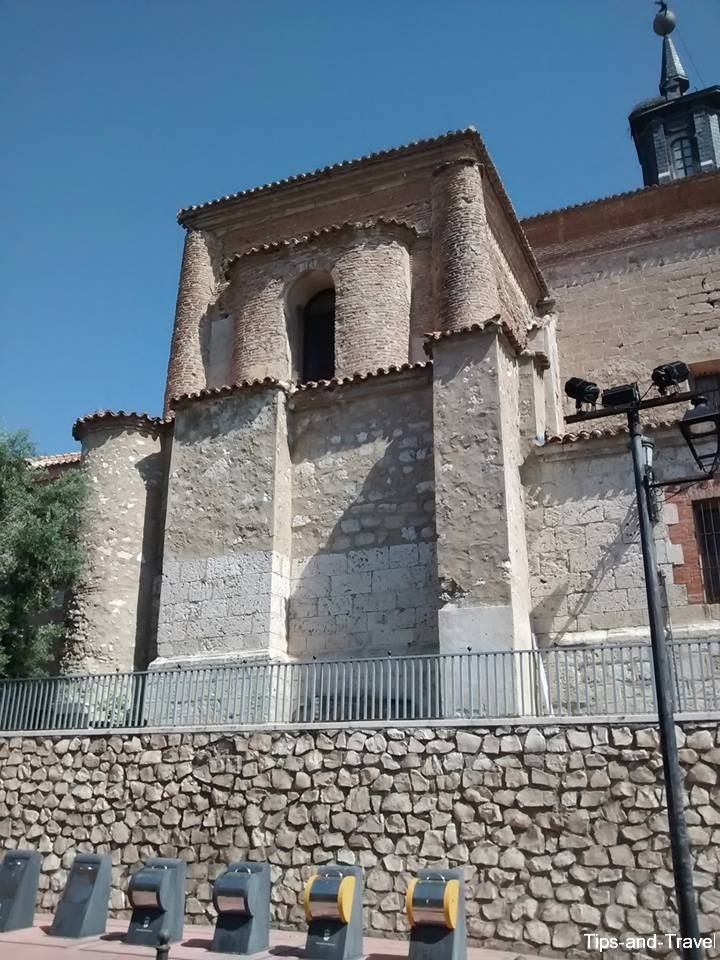
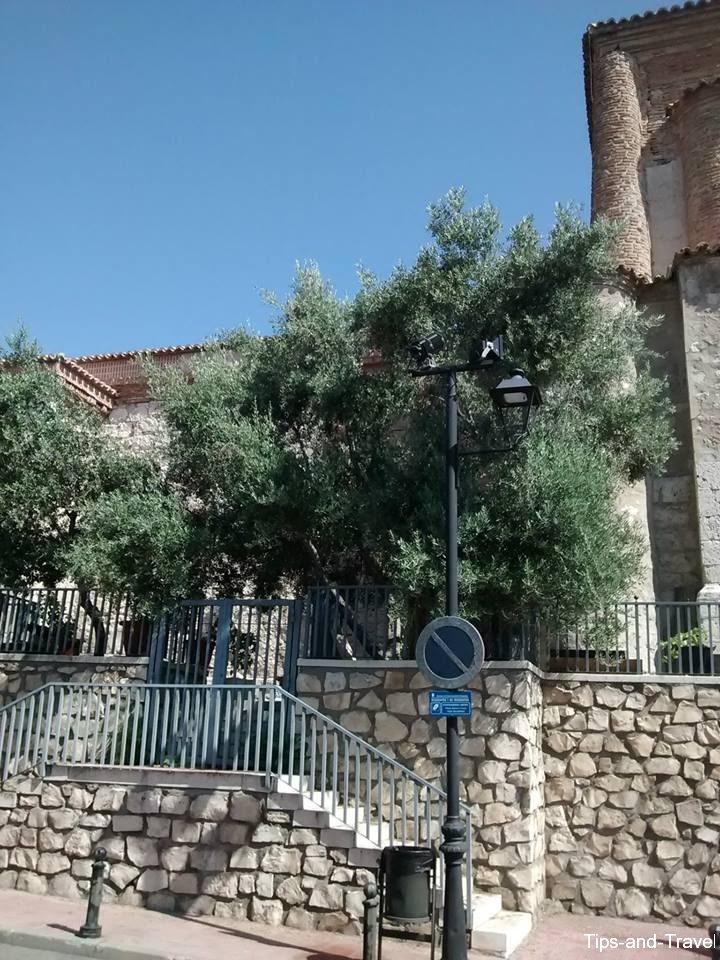
Church of San Miguel Archangel, Pedrezuela, Madrid, Spain

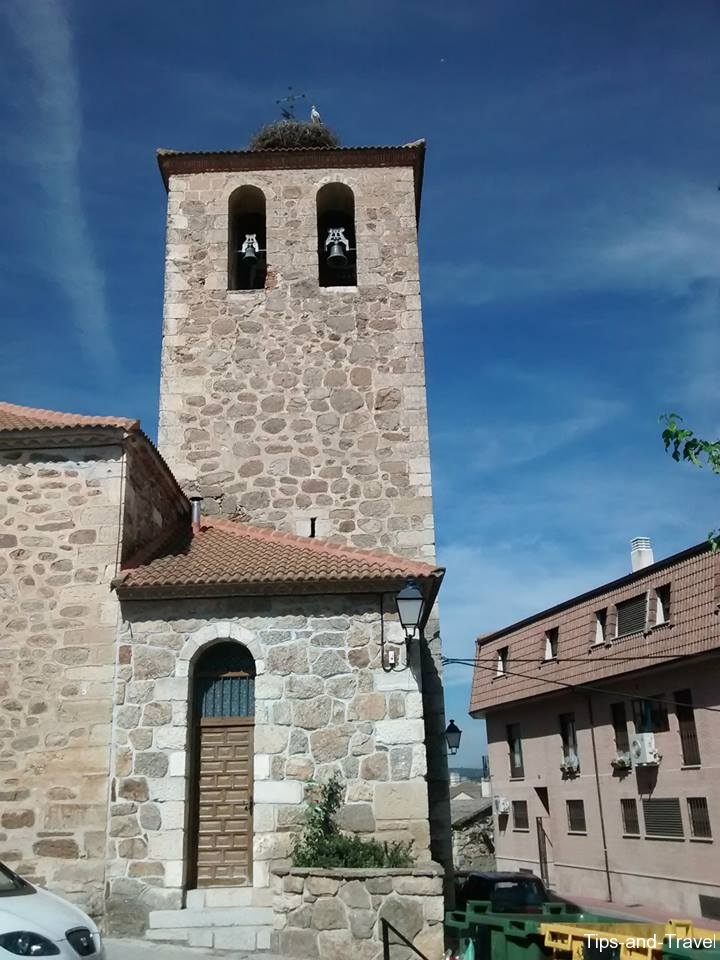
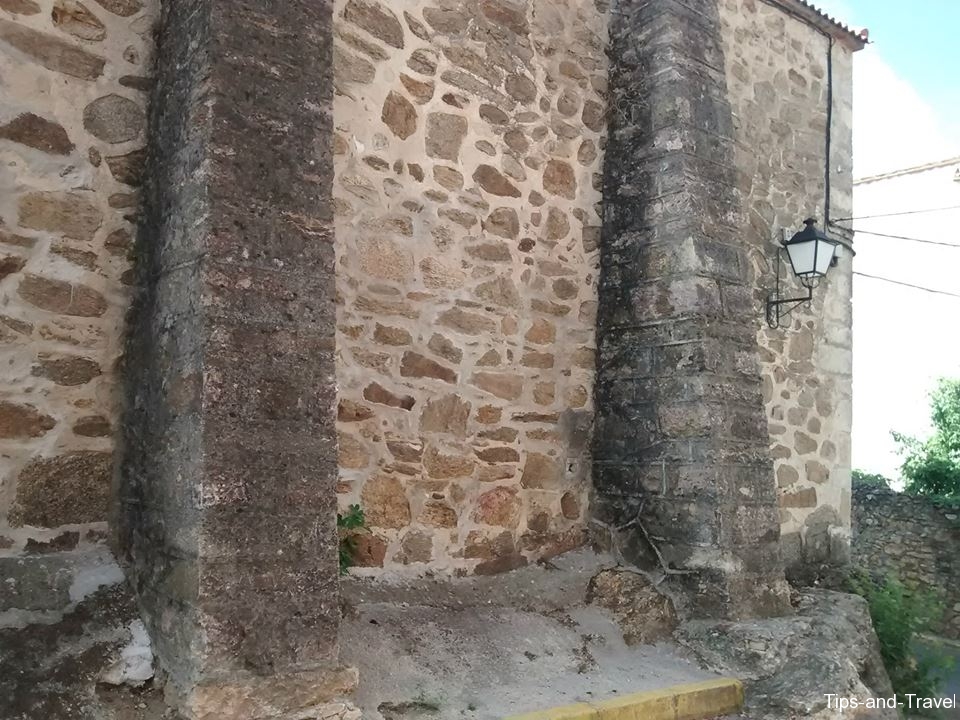
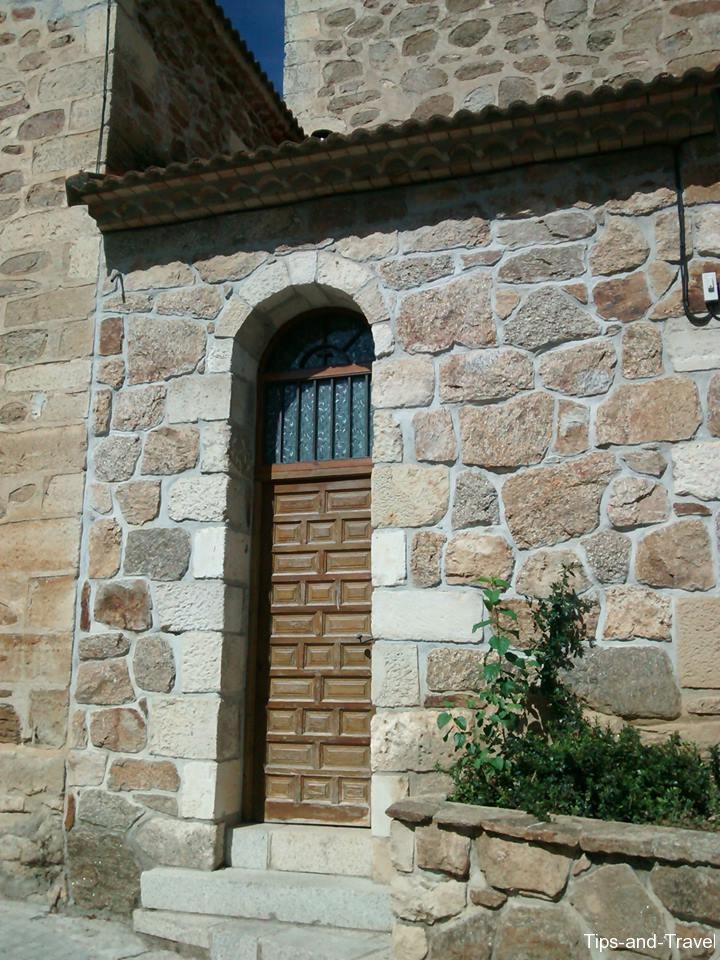
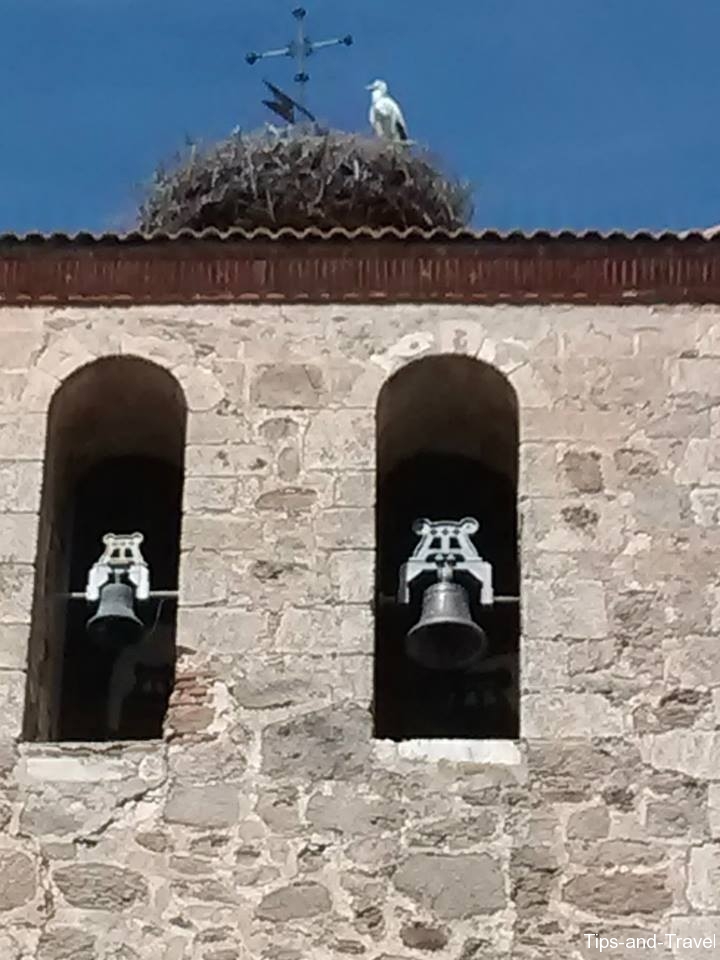
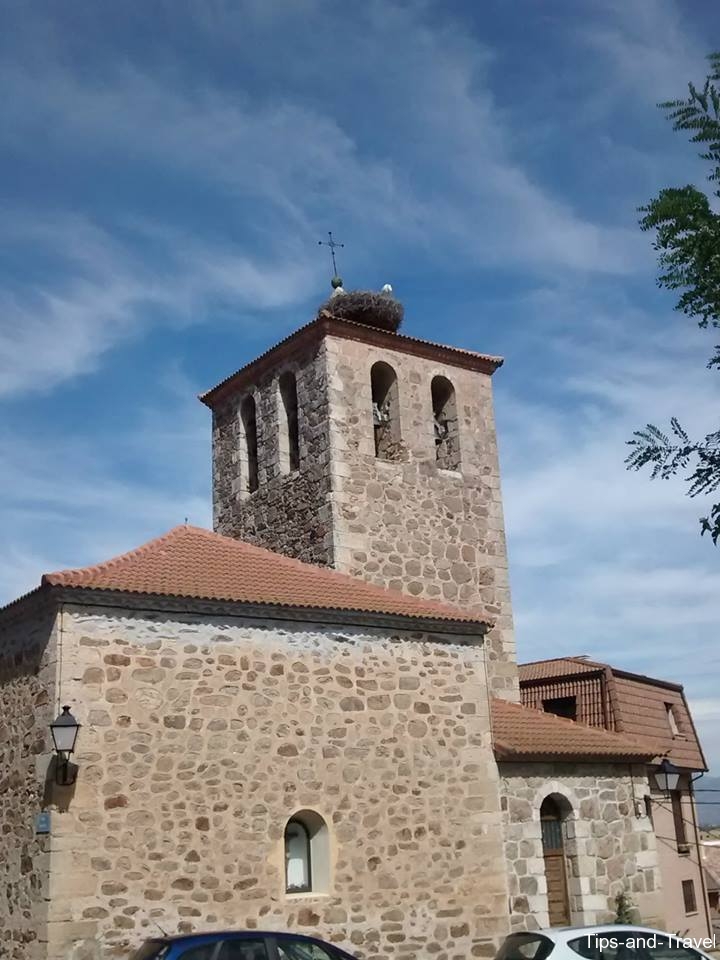
The church of San Miguel Archangel in Pedrezuela, Madrid, was built in the late Gothic style of the sixteenth century, on a rectangular plan. It has two naves separated by semicircular arcs. The use of stone in the outside is remarkable. The windows are high and very narrow and the very square tower is imposing. The church has two fonts from the late fifteenth century. From September 20th to 30th, is celebrated the feast of San Miguel Archangel with daily organized masses culminating with a procession through the village streets and on October 1st, a special mass is celebrated in honor of the dead. The parish offers masses and services throughout the year.

Tips

You can see the schedule of celebrations and masses in the parish website and the calendar of activities throughout the year.
You can reach it by bus; the bus stop is at the exchanger of Plaza Castilla in Madrid.

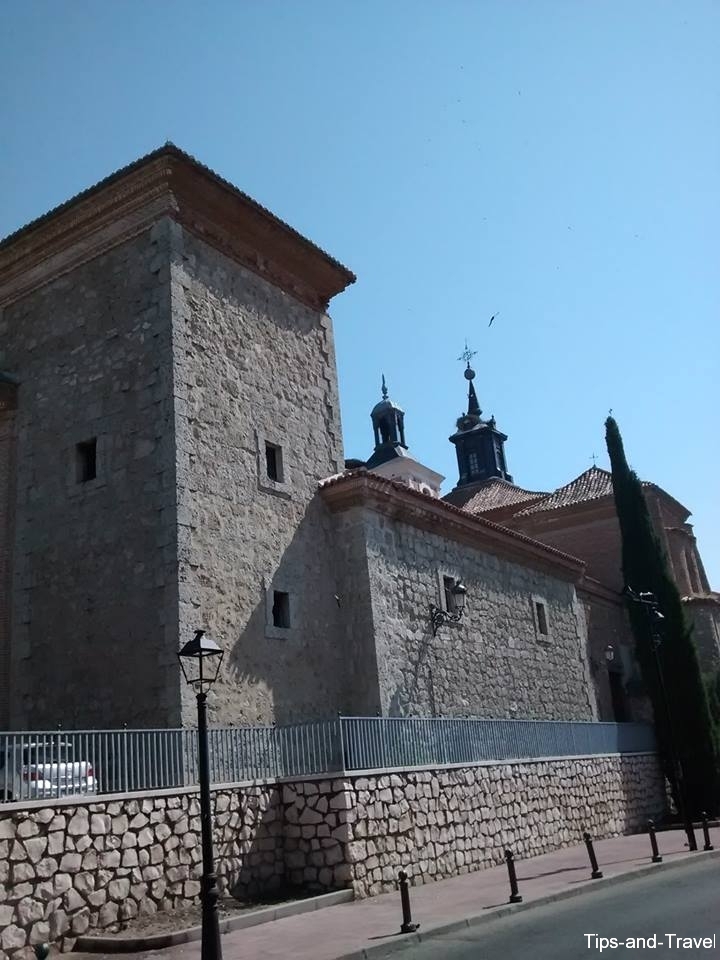
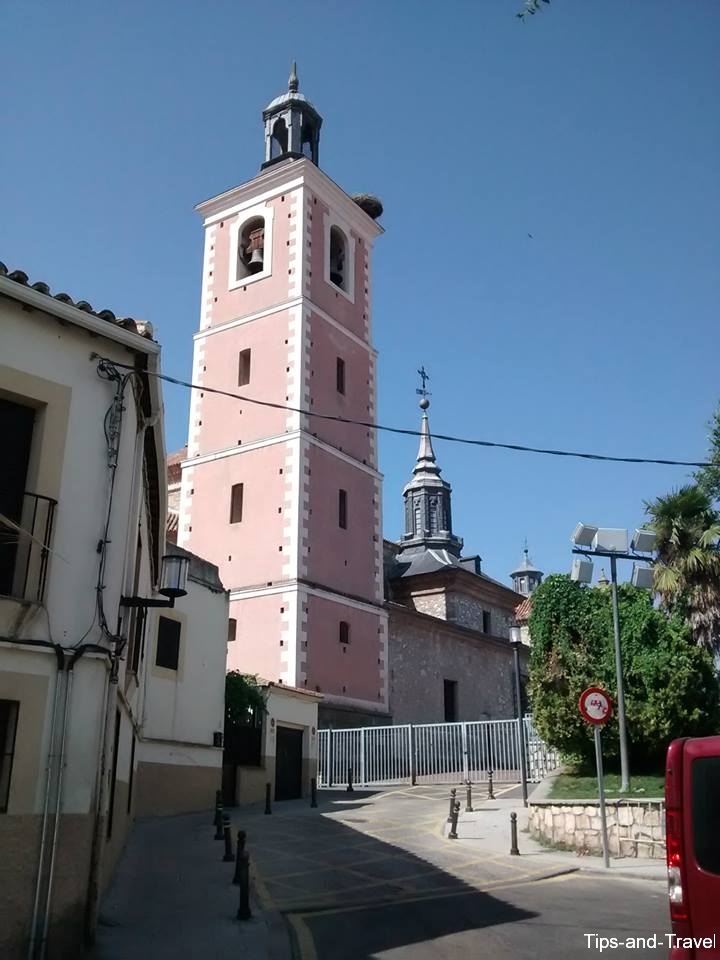
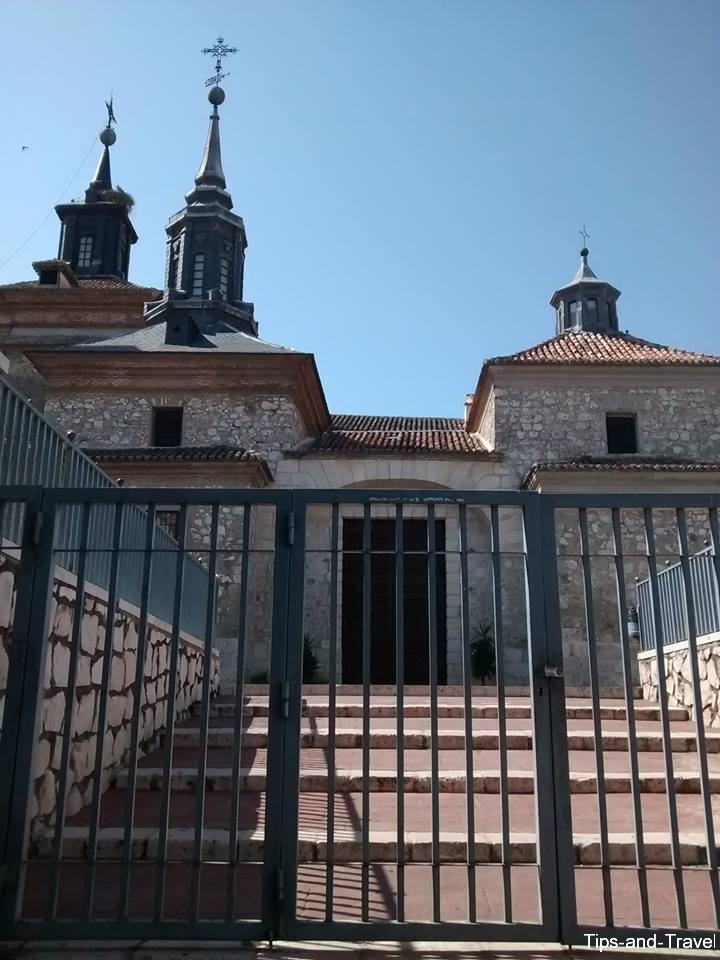
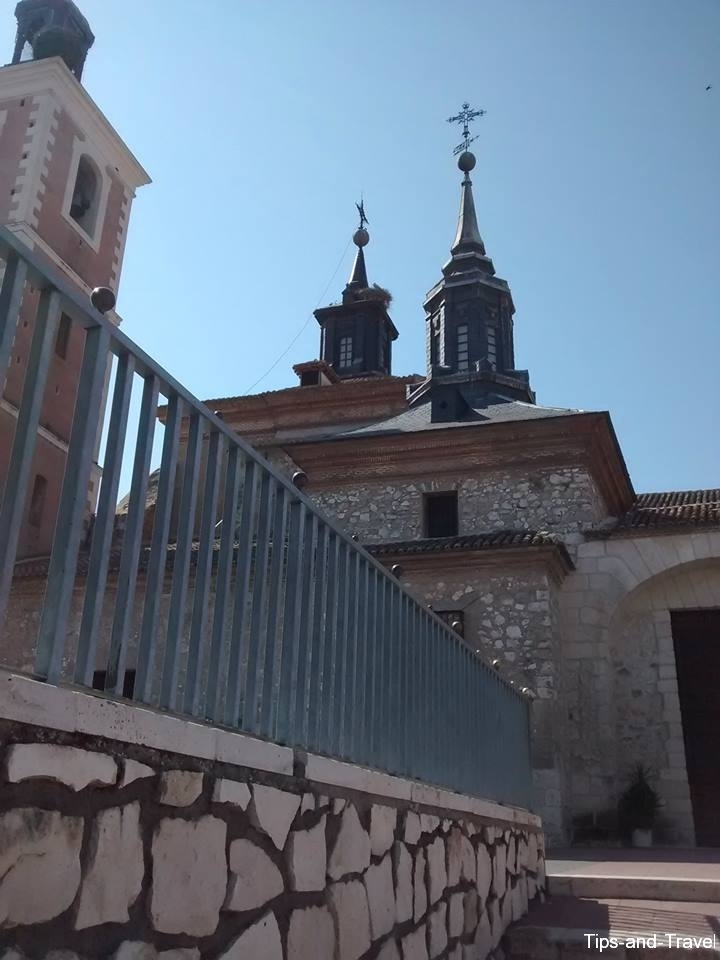
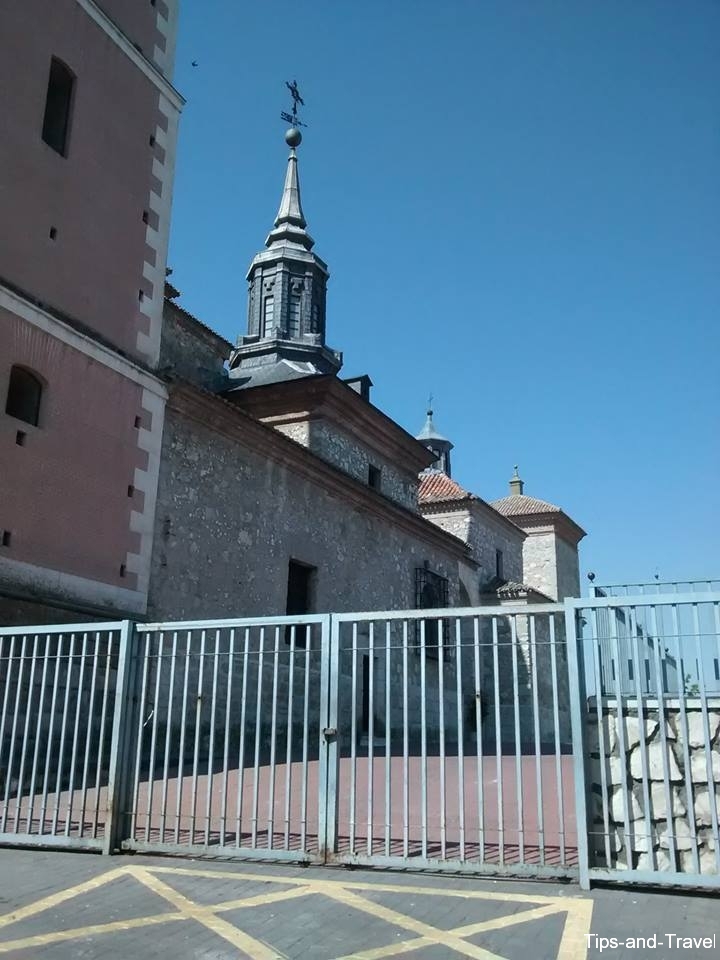
Parish church of Our Lady of the Assumption, Valdemoro, Madrid

The parish church of Our Lady of the Assumption is located in Valdemoro, Madrid. It is Baroque and was built in the second half of the seventeenth century on the remains of former buildings and is considered the most important monument of the complex of buildings of the municipality. It has a central nave of 60 m long and 28 m wide, with eight side chapels on each side. There are three entrances, one located west of the nave, with three arches and two square towers. The tower was completed in 1764 and its bell tower has four bronze bells; its pink color is due to the recent reform that was made. The exterior walls are made of brick and stone. In the main altar there is a painting by Francisco de Goya: the Apparition of the Virgin to St-Julien, bishop of Cuenca, with two other paintings, The Assumption by Francisco Bayeu and St. Peter Martyr by Ramon Bayeu. We also find two other paintings by Claudio Coello and several frescoes by Antonio Van Pere. The parish has an important archive with documents dating from the fifteenth century. The organ is from 1737.


Tips
The parish functions as such and the calendar of the masses are available on its website.