The history of samba in the interior of São Paulo, Brasil

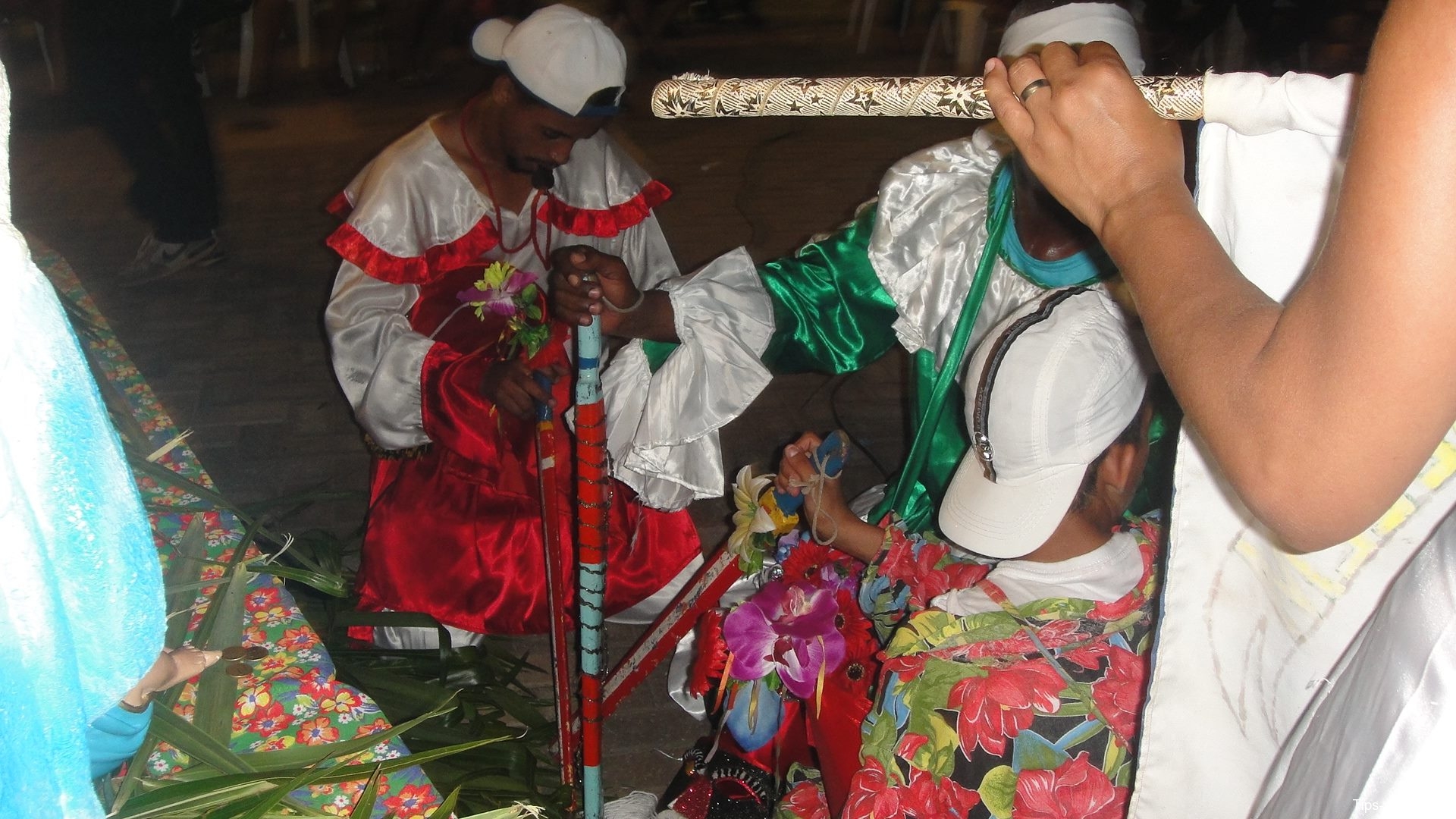
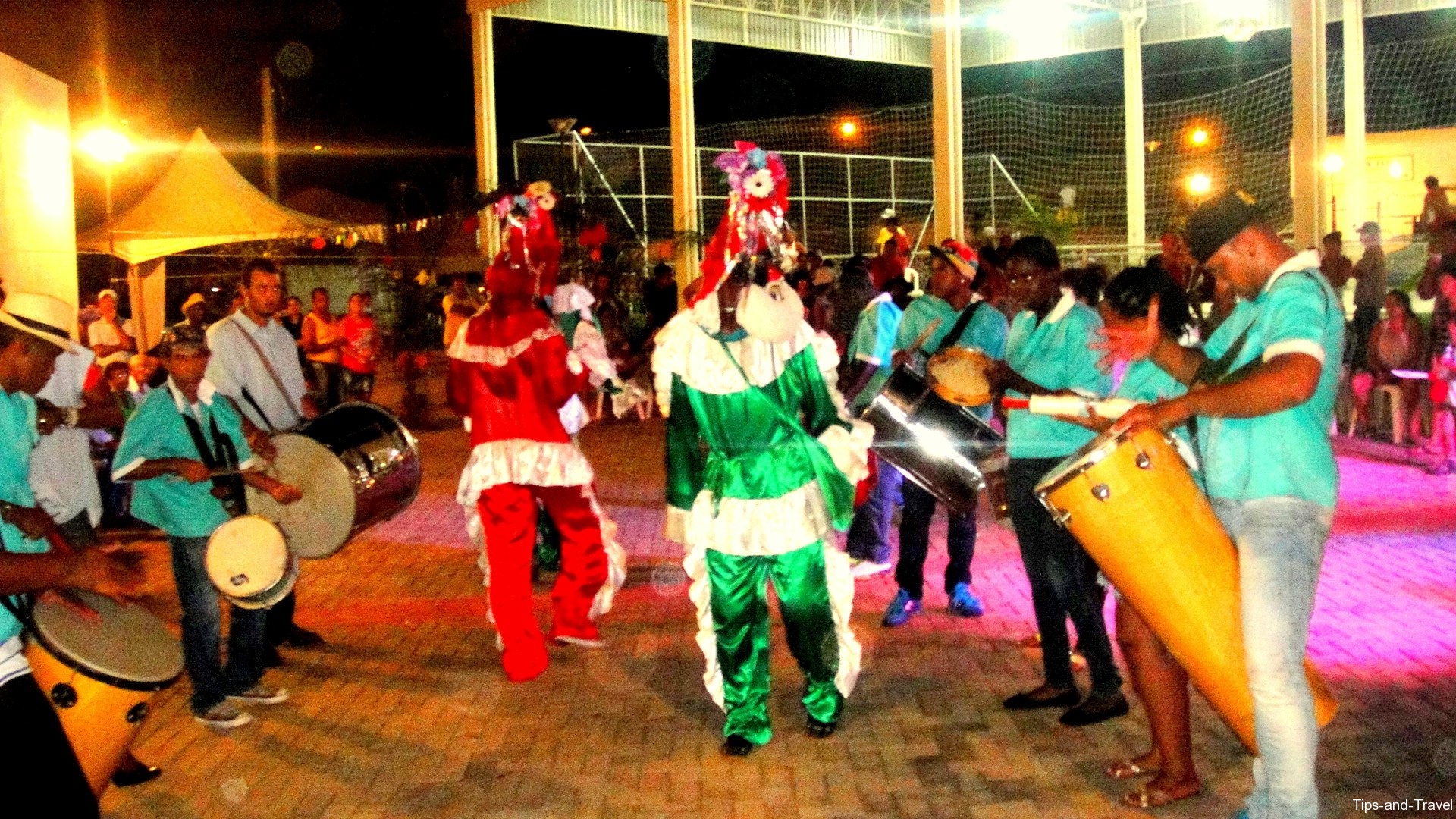
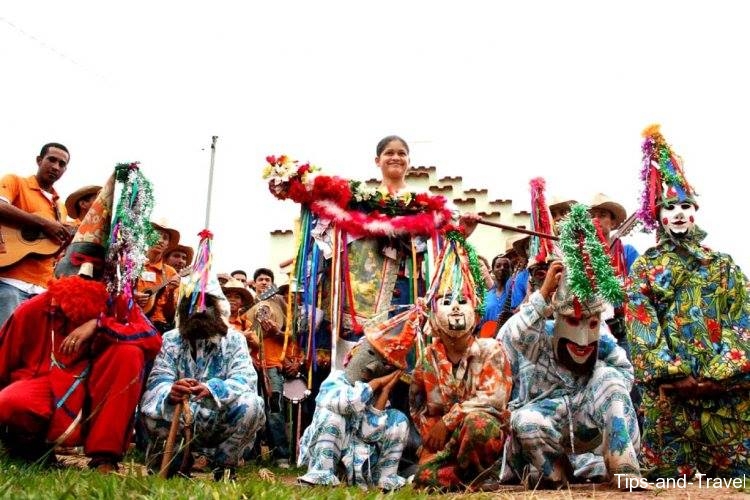
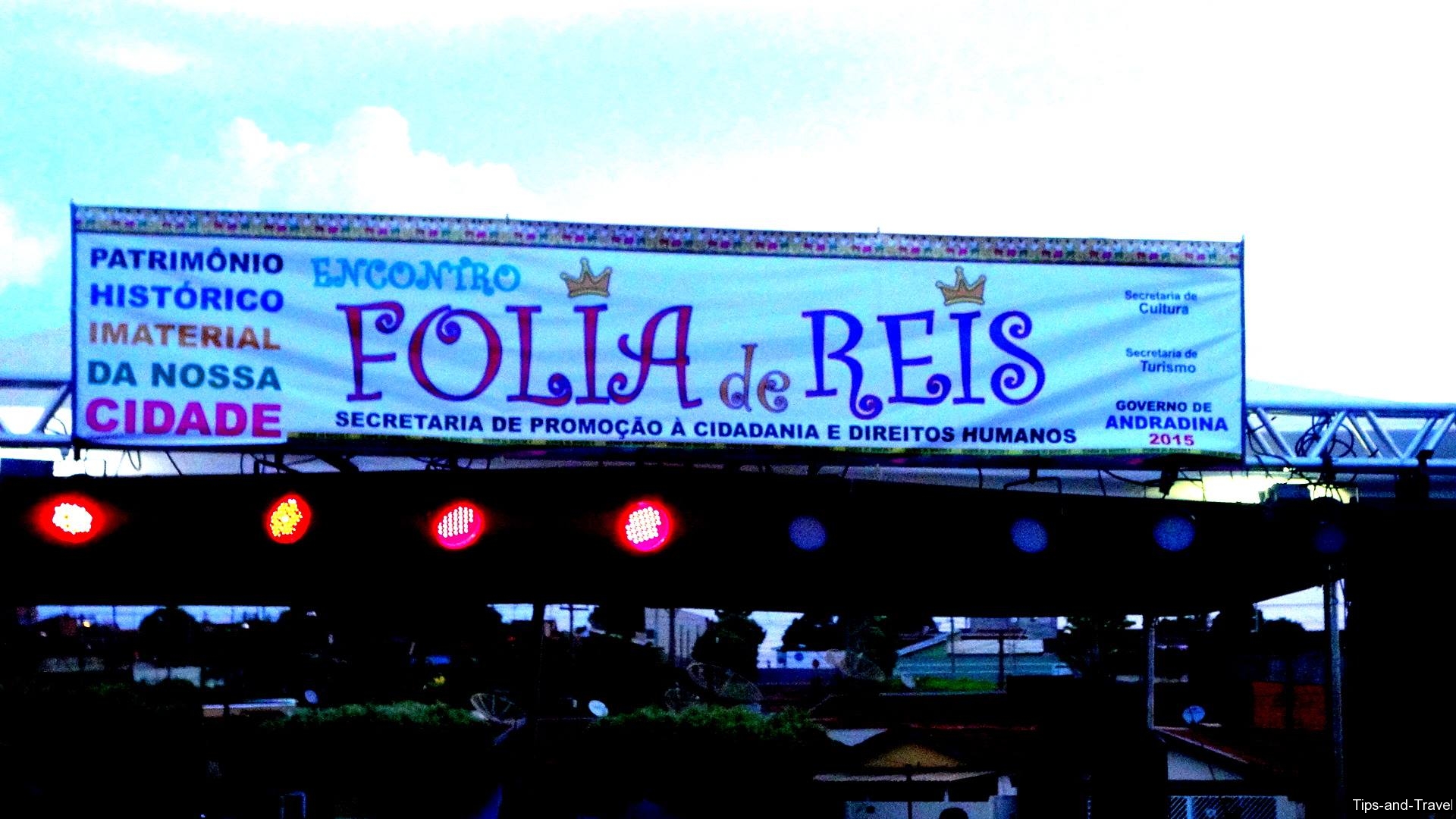
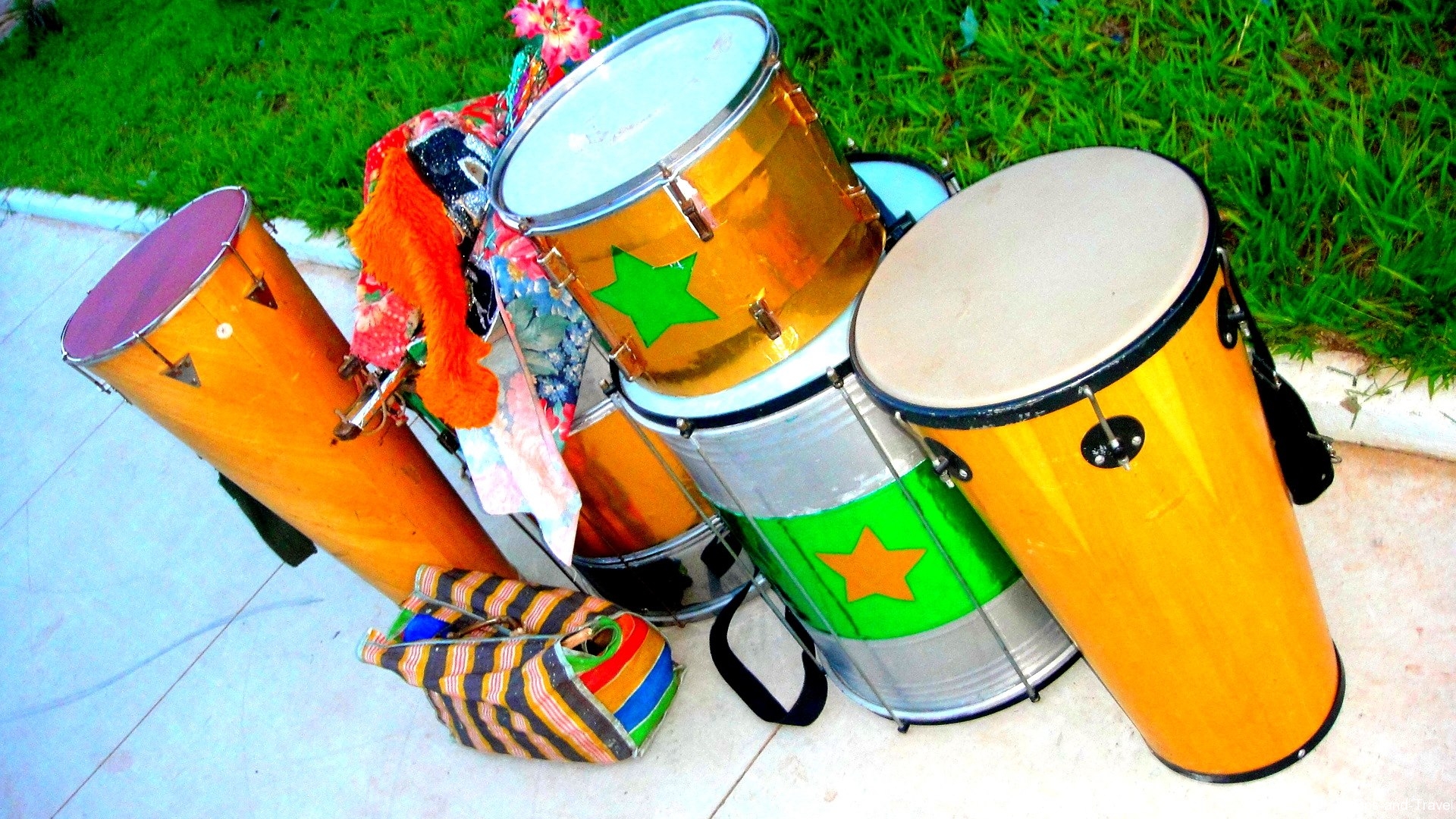
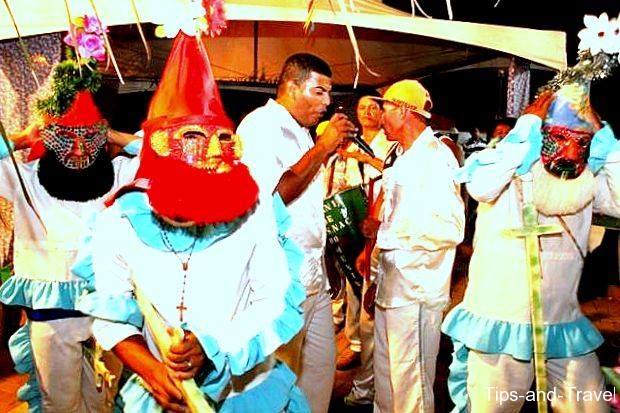
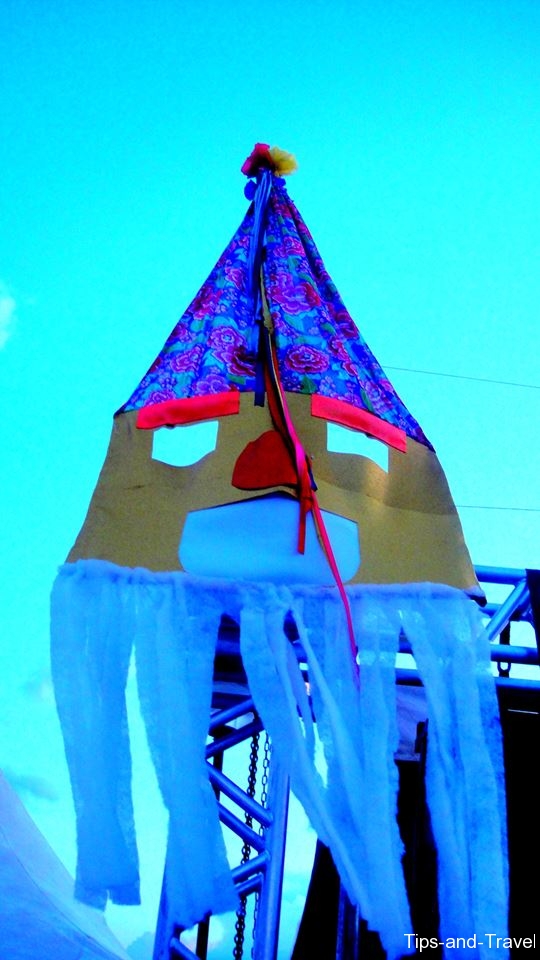
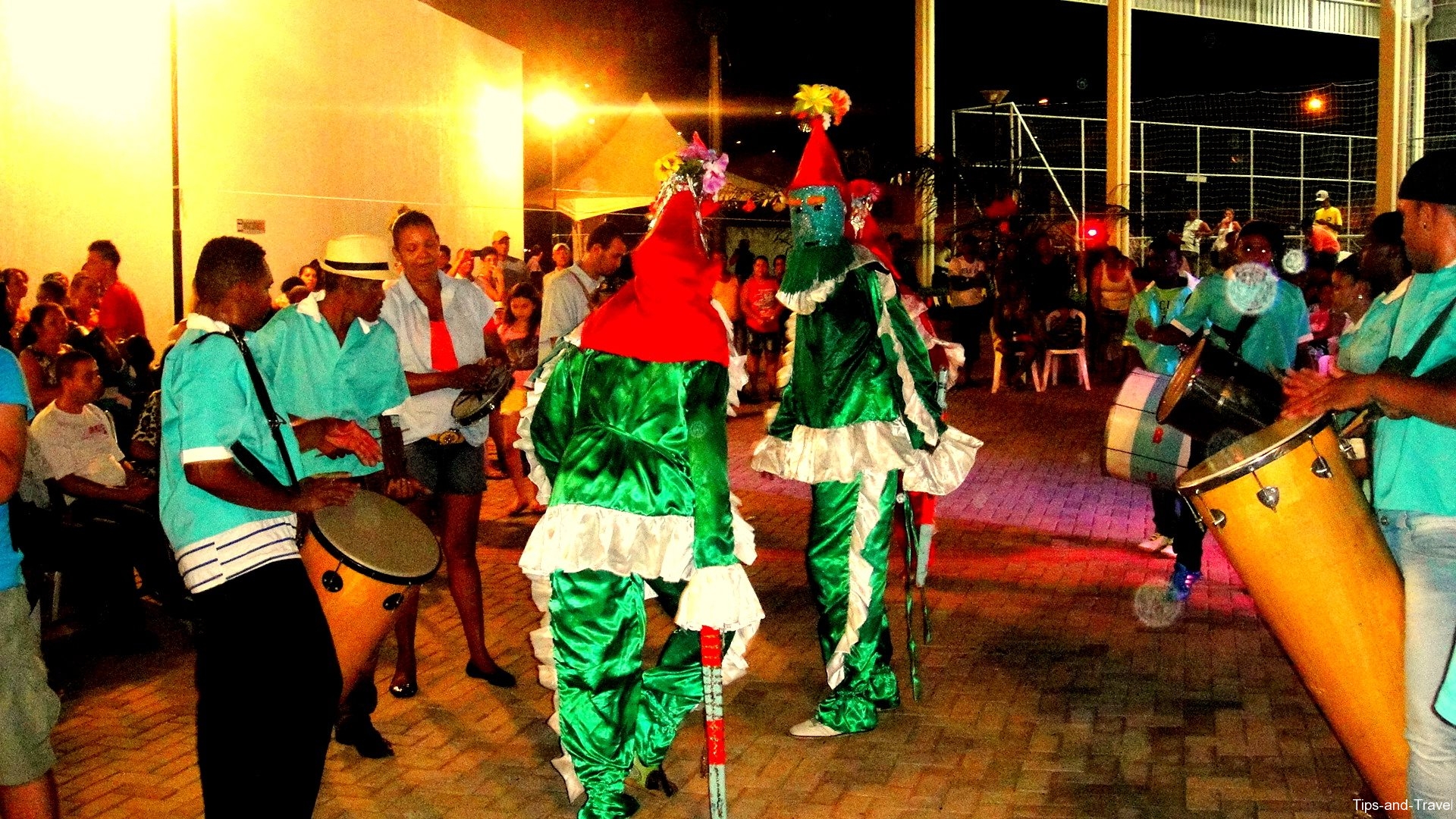
For a long time, the samba’s roots have remained highly rural, it was called ‘samba de roda’, ‘ samba de bumbo’, ‘samba de lenço’ or even ‘samba rural’, according to the intellectuals who have studied it in the 1930s. People just called it ‘batuque’. At the beginning, in the said province of São Paulo, it was structured and strengthened in large farms where blacks were taken as slaves to plant first sugarcane and then in increasingly large number, to develop the profitable cultivation of coffee. There it was danced in the districts of slaves and on the terraces, to the sound of the large ‘bumboes’ dug out on fire of trunks of huge trees. Samba has begun to win urban territory taking its place in the cities of the interior of São Paulo, in secular religious celebrations. It was this samba of rural origin (which flourished in many inland cities like in one of them, President Epitácio) and the samba wins therefore a characteristic of integration because the characters through music and dance, these new Brazilian, also poor and immigrants, found their place in the economic field, but also in the cultural space and leisure of the cities that were growing. Today, the current tourist town of President Epitácio is on the border of the State of São Paulo, with Mato Grosso do Sul, one of the best destinations to enjoy the ‘ Folia de rua’ (street madness). The Carnival of the city is considered to be one of the top events in the State of São Paulo.

Tips

Staying in the West of the state, the municipality offers a pleasant and conducive climate to enjoy the Carnival.
It is advisable to make the reservation for your stay there for being sure you’ll have your place for the event.

Cerro San Cristóbal, Santiago, Chile

The Cerro San Cristóbal is a hill located in Santiago, the capital of Chile. It is the second highest point of the city, 880 metres and is located between the municipalities of Providencia and Recoleta, at their feet we found the district of Bellavista. It is part of a set of mountains, alongside Chacarillas, the Twins and the Pyramid forming the Santiago metropolitan park, the largest in Chile and one of the largest urban parks in the world (722 hectares). It owes its name to the patron saint of travelers, San Cristóbal de Licia. During the colonial era, its stones were used for the construction and to pave the streets of Santiago. At the top of the hill, there is the shrine of the Immaculate Conception with its great statue, considered a symbol of Santiago. In 1925 the funicular and Zoo have been built. John Paul II celebrated a mass in 1987 at the amphitheatre that sits at the top. Broadcasters TV antennas are installed there too. It is possible to go up by car or cable car.

Tips

If you like walking or riding a bike, you can climb the hill in a more sporty way. The view that you will have of the city and the Andes mountains worth the effort.
Don’t forget to bring your camera, it is the ideal place to make panoramic photos.
In addition to visiting the Zoo or sanctuary, there are also two swimming pools for hot days.

Invalid Displayed Gallery

Iguazú Falls, Argentina

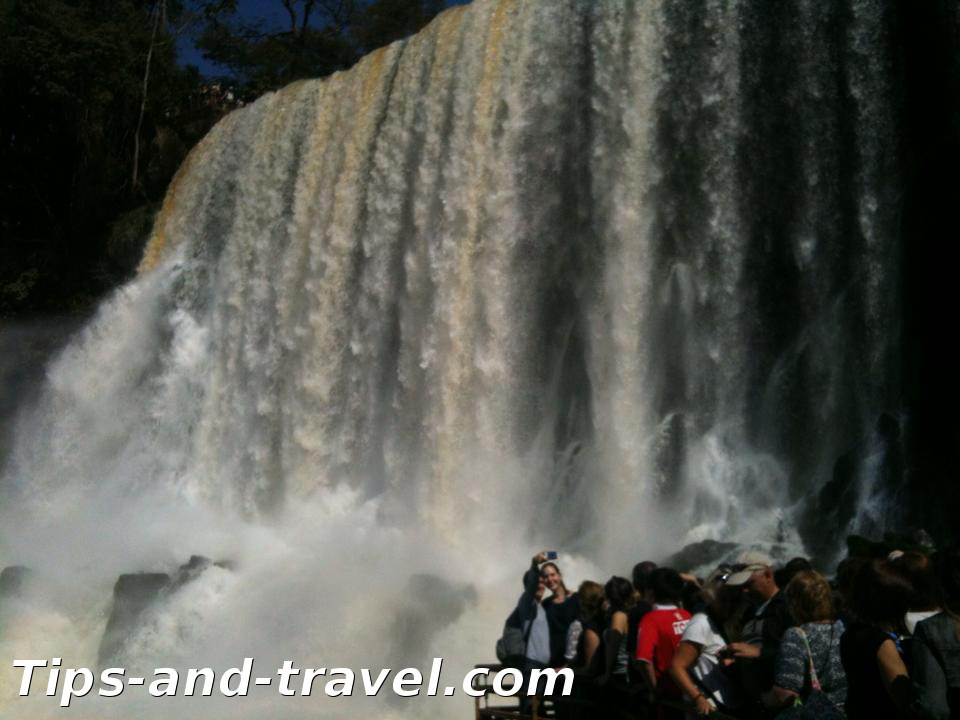
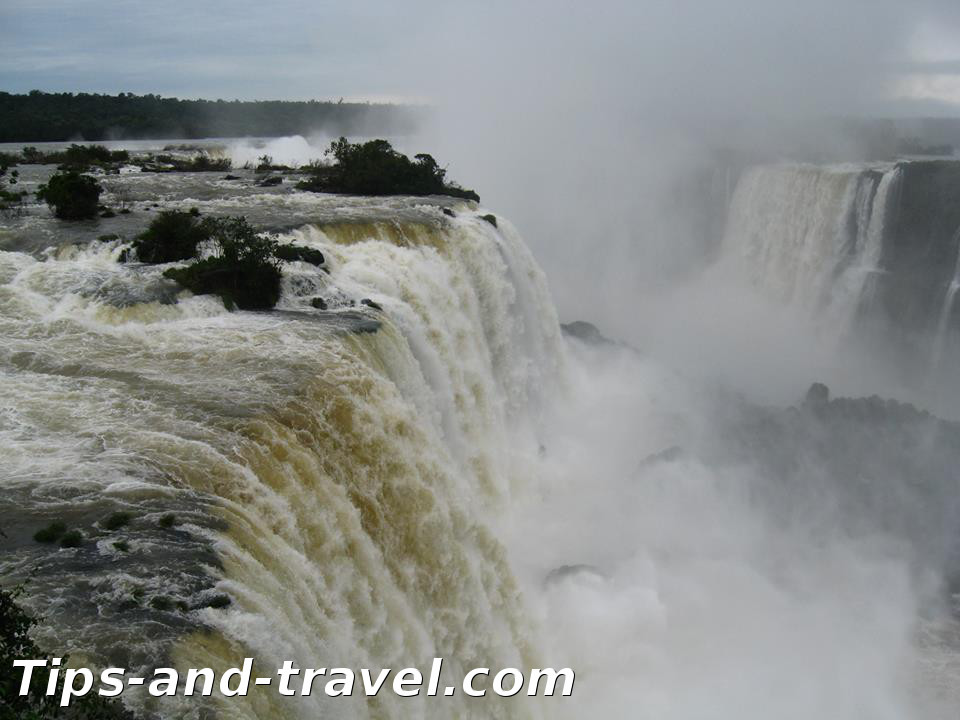
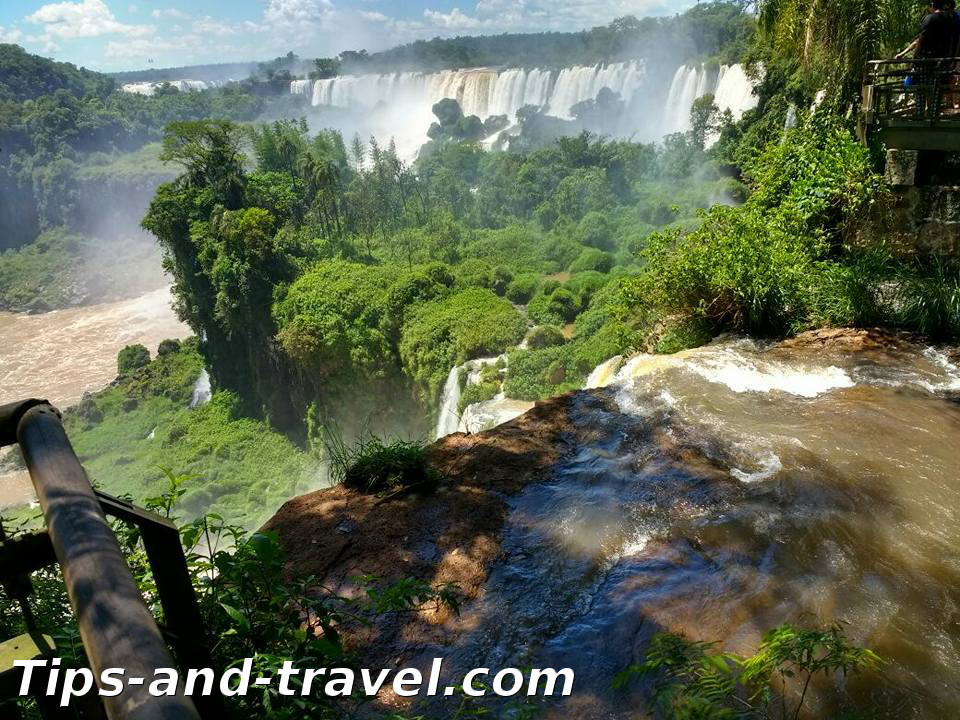
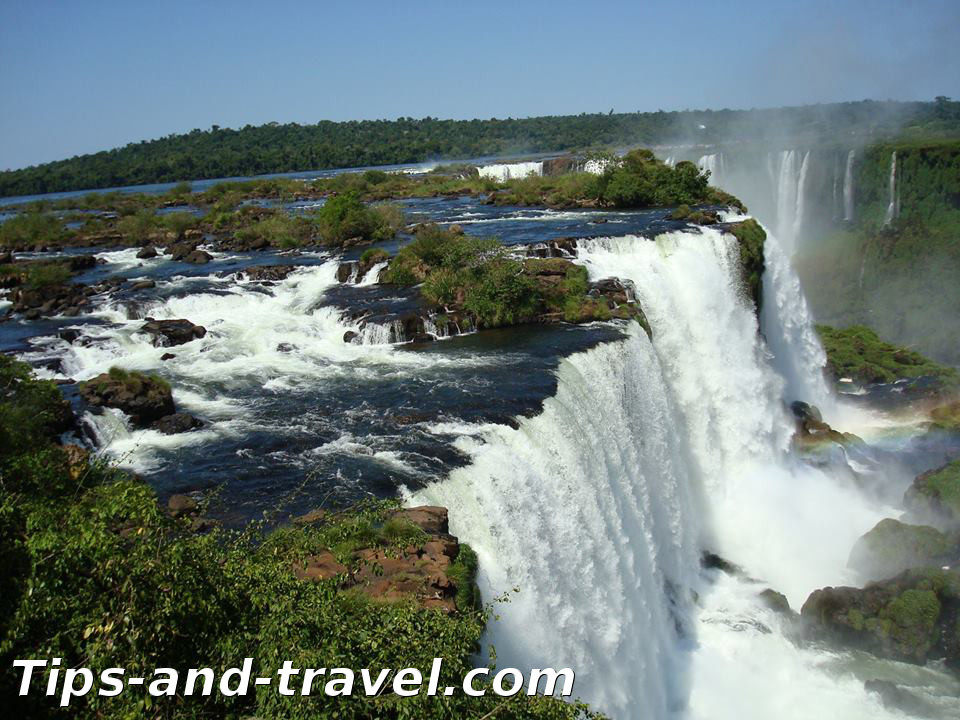
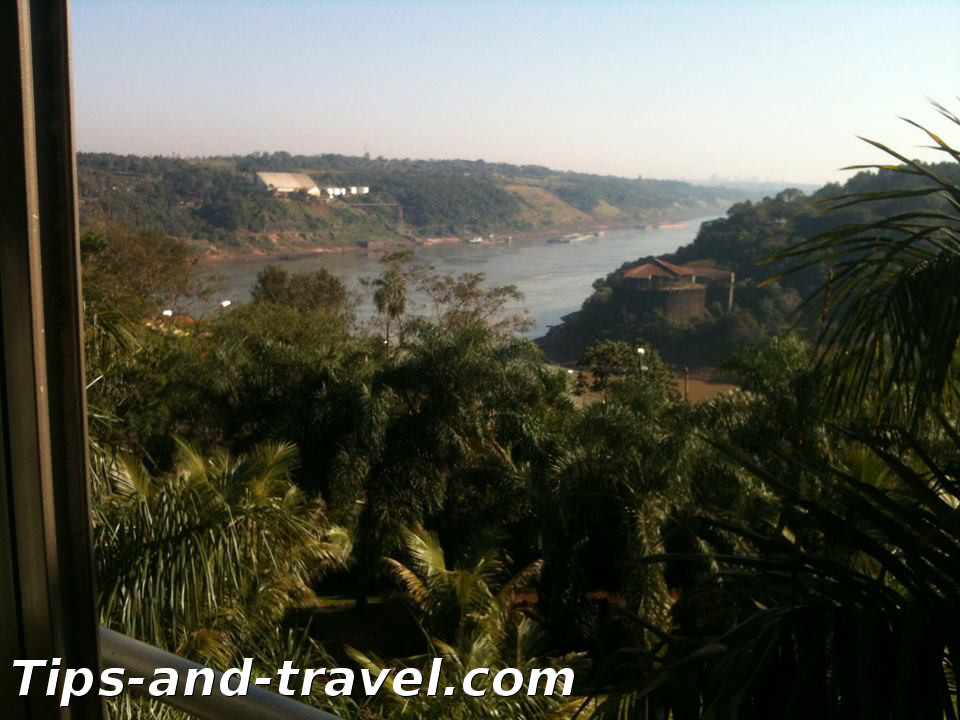
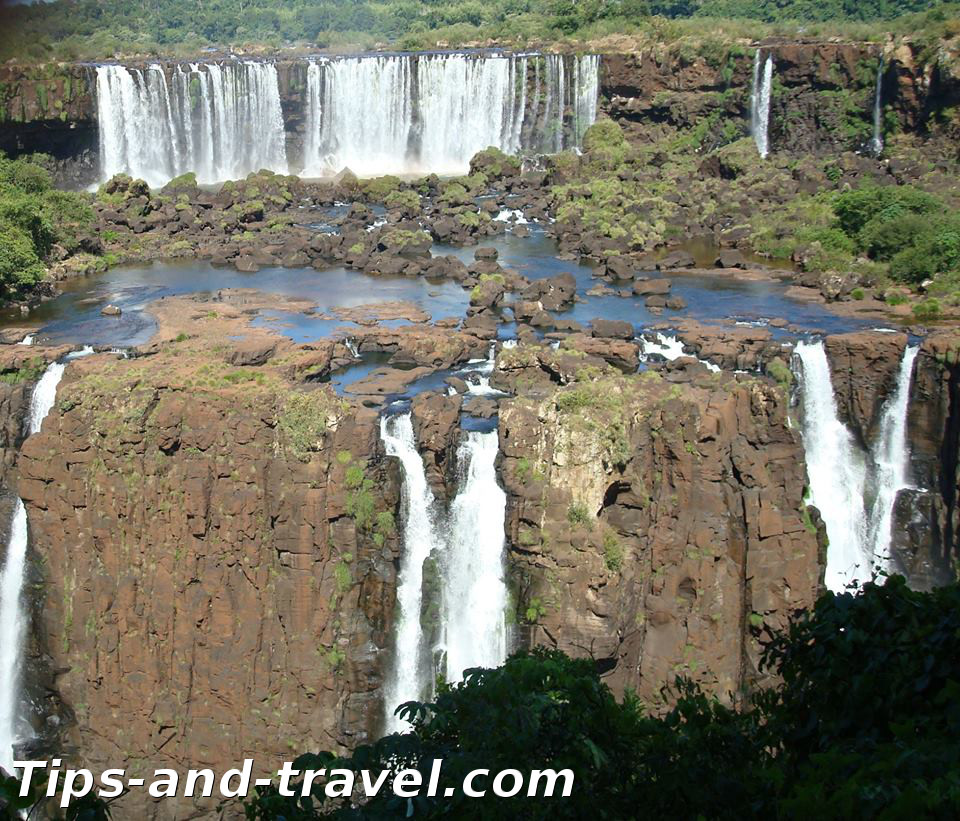
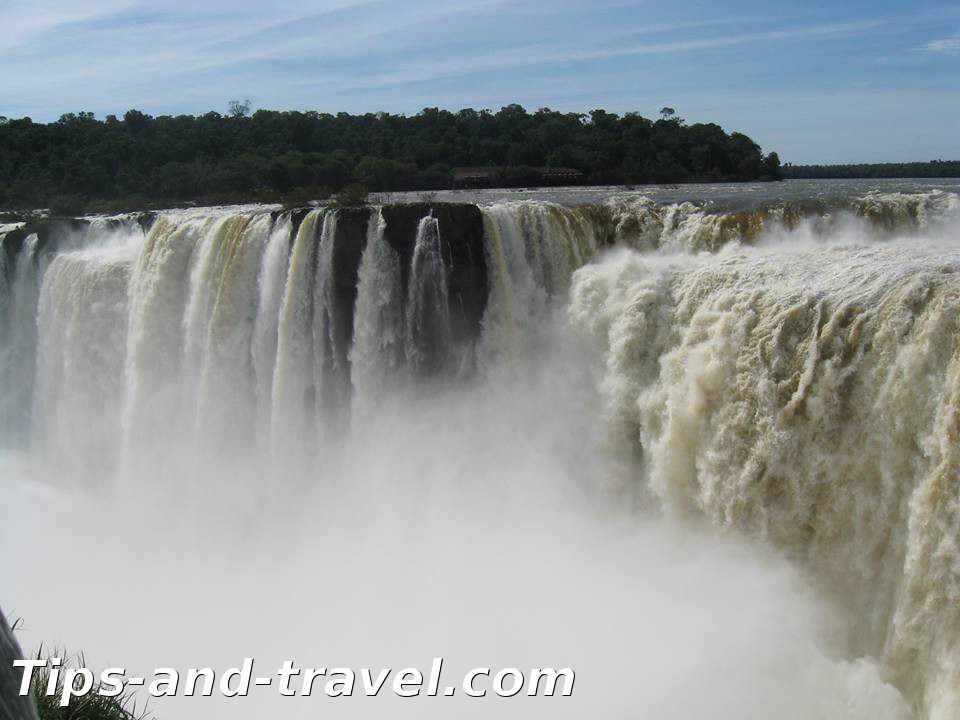
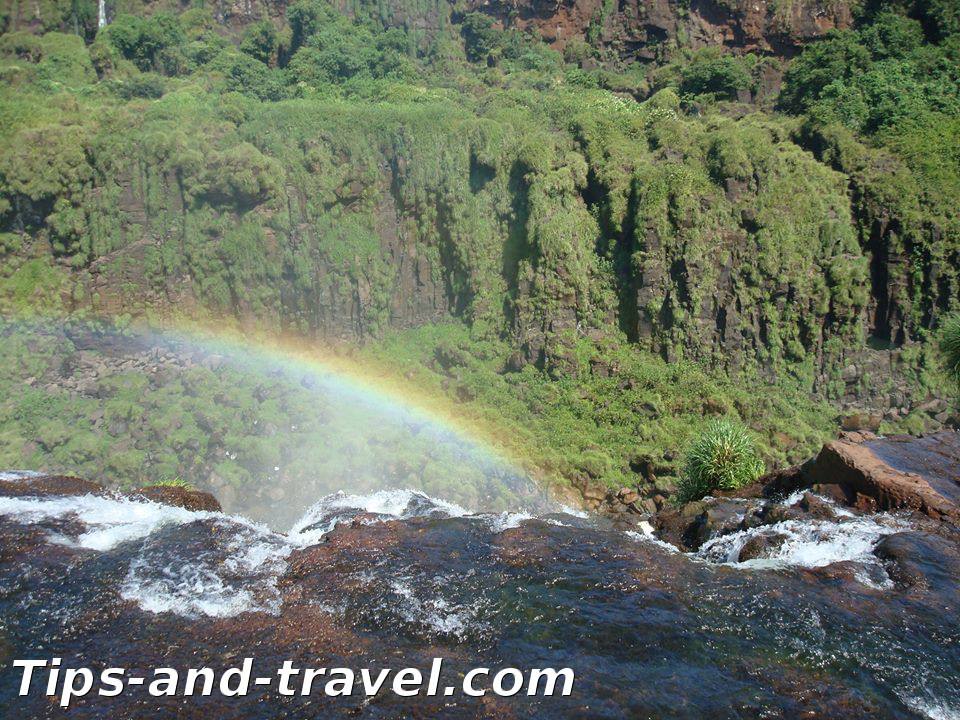
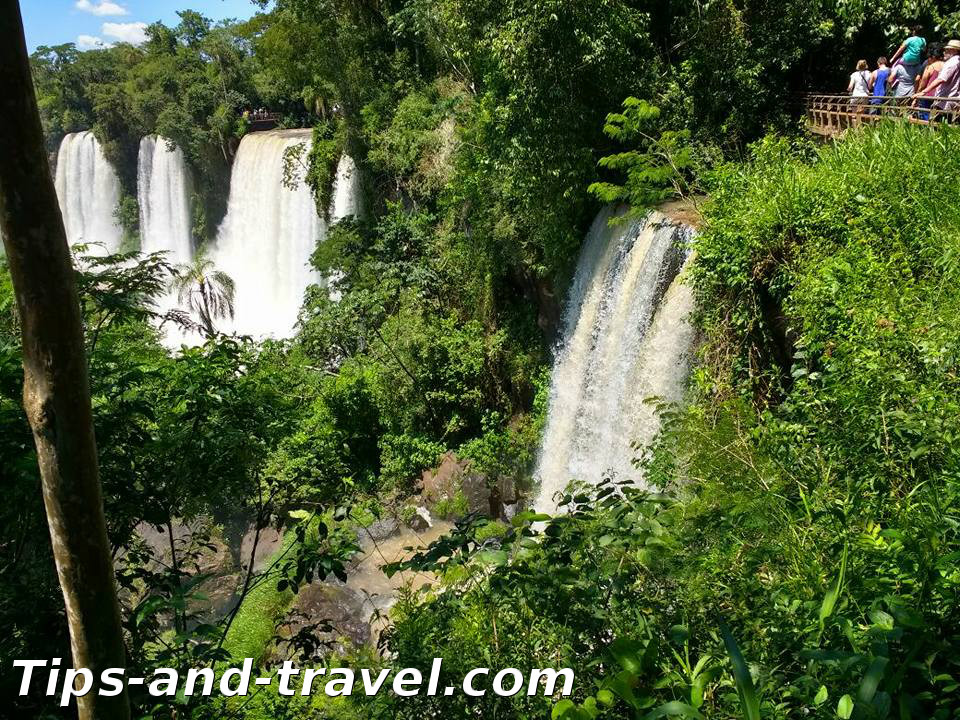
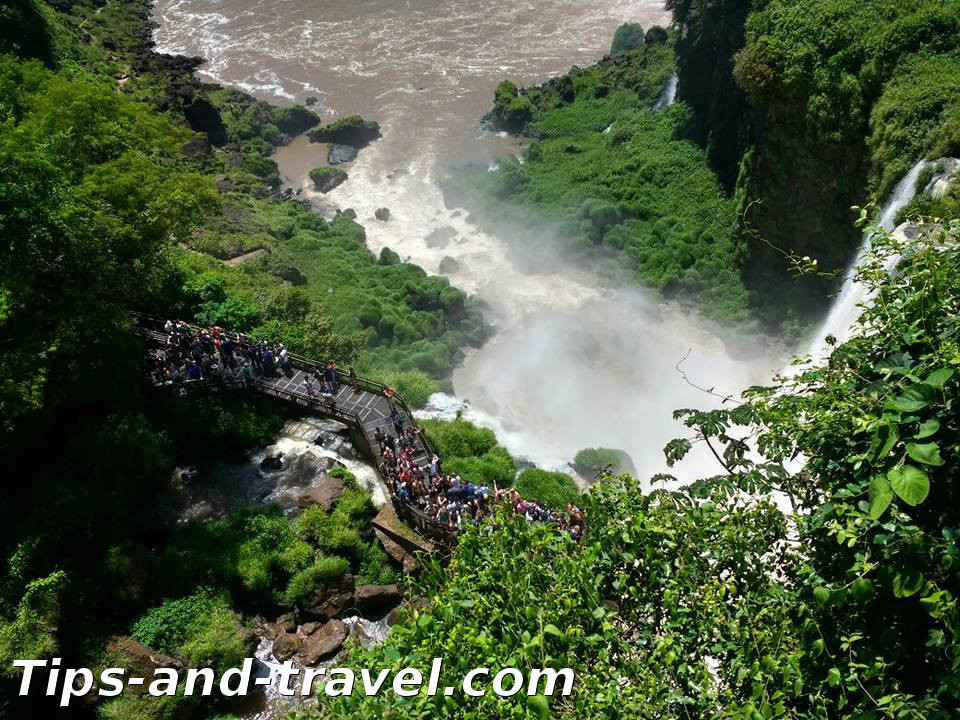
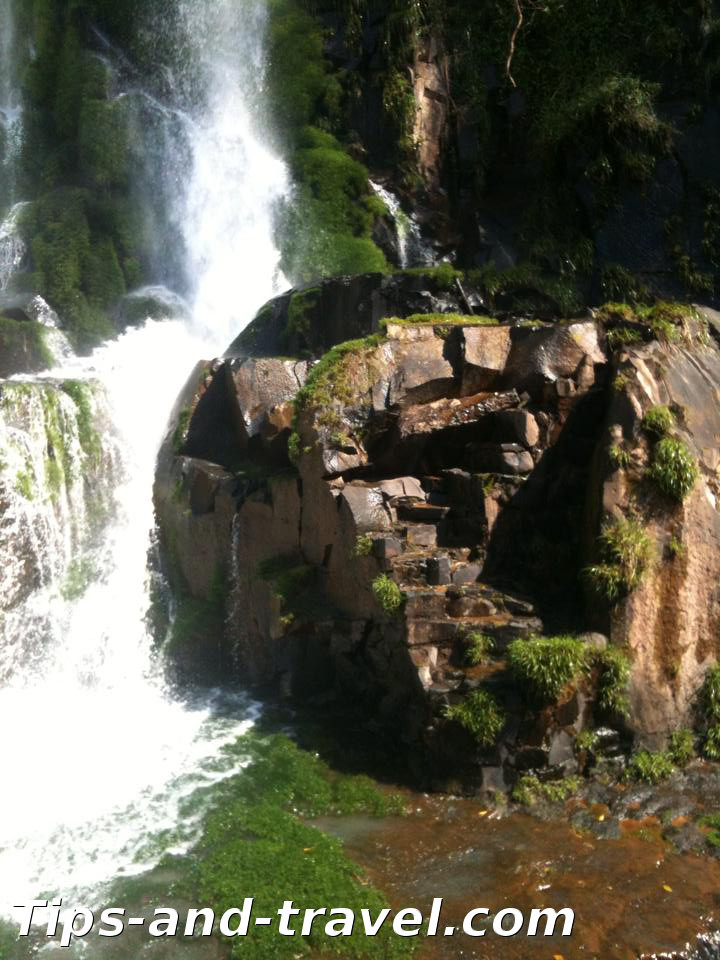
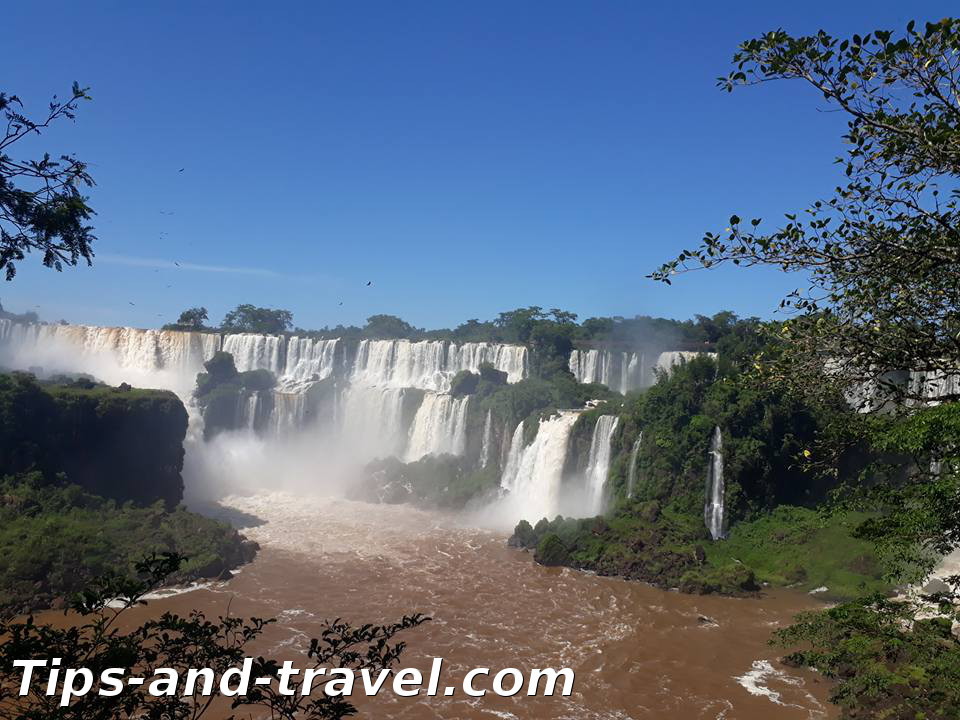
The Iguazú Falls, located in the middle of the rainforest, on the border between Argentina and Brazil, very close to the junction with Paraguay, is a UNESCO World Heritage natural wonder. In Guaraní, Iguazú means ‘great waters’. They are 17km north of Port Iguazú and 1350km from Buenos Aires. There is a national park on the Argentine side and another park on the Brazilian side. It is a set of 275 waterfalls of about 3 km, the best known is ‘The Garganta del diablo’ (Devil’s Throat) which is U-shaped and 700 meters long, 150m wide and 82 m high. The set of cascades pours up to 6 million liters of water per second. The majority of the falls are on the Argentine side and there are several tours that allow us to approach up to a few meters from the falls. The circuits were built in the middle of the forest and below the branches of the river (Paranà river whose Iguazú river is a tributary). A train takes you to different points of visit. In the parks there are over 2000 floral species, 400 bird species, and a wide variety of mammals, reptiles and insects. Many filmmakers from around the world have chosen this wonderful place to shoot their films.

Tips

It is a great place to visit in a long weekend but if you can not take several days, at least dedicated 2 full days to the falls to have the opportunity to visit both sides, it’s worth it! The bigger park is in Argentina since the falls are almost all in Argentina but the vision you can have of the whole Brazilian side is simply breathtaking.

Do not miss the boat trip to get even closer to the falls. Of course you are going to get wet but it is a beautiful feeling and the sound of the falls is sometimes deafening. You will not regret for a second this experience.

If you are allergic to insects, wear a long-sleeved shirt and pants but a cool fabric because it is almost always warm and it is quite humid. It’s best to wear sport shoes to better walk the circuits and not to slide in wet places.

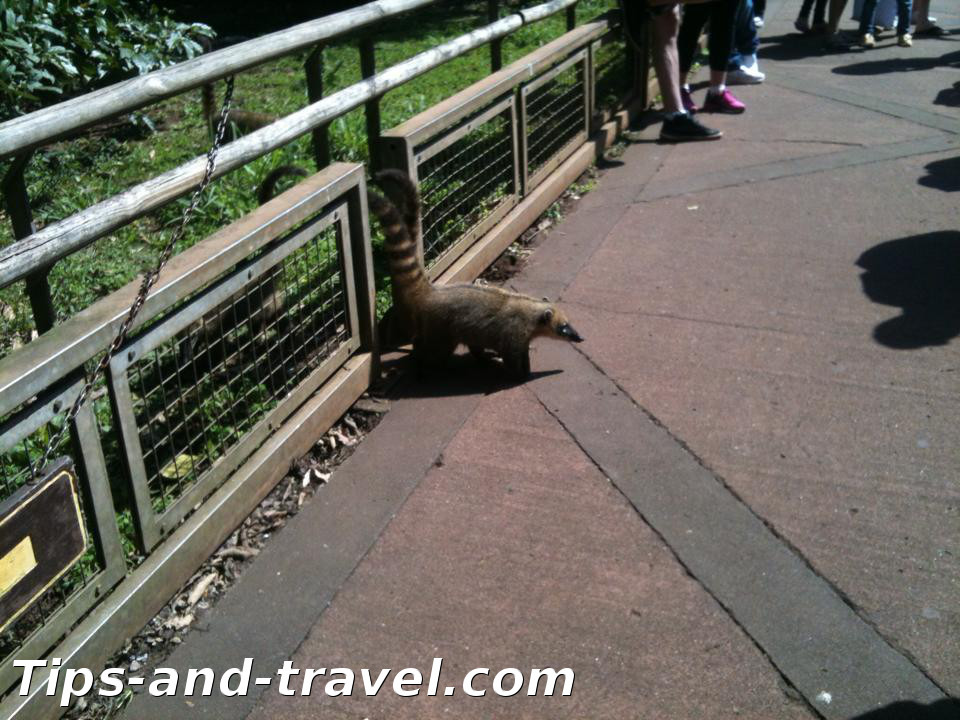
It is not recommended to feed the animals. One of them; the coati, who is quite accustomed to the tourist and always approaches knowing that people always tend to give them something. Try not to change their natural habitat.