Cachi, Salta, Argentina

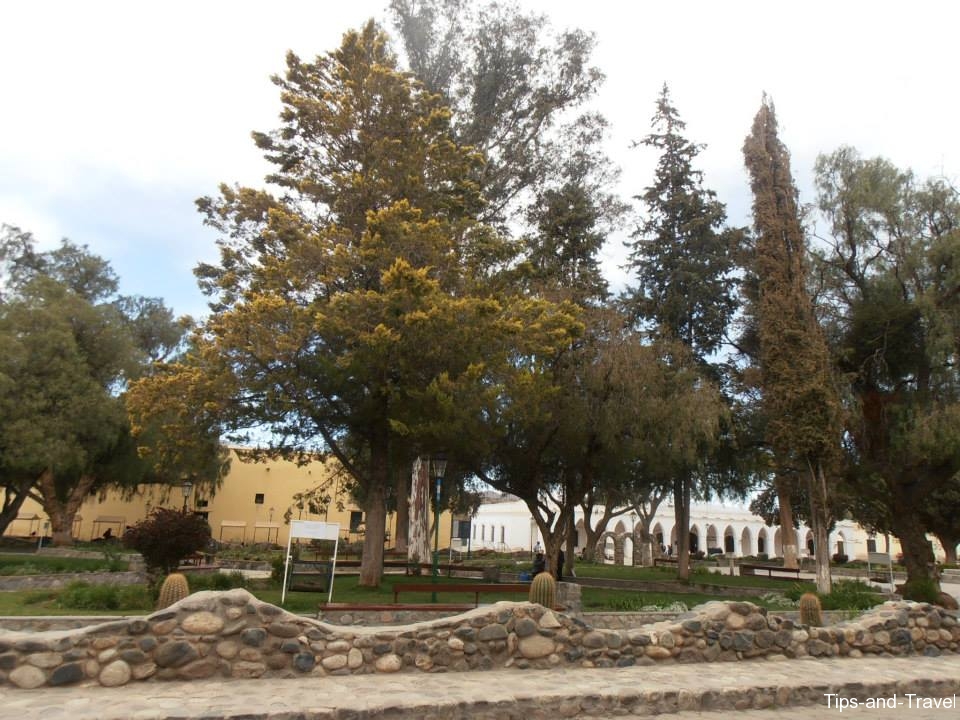
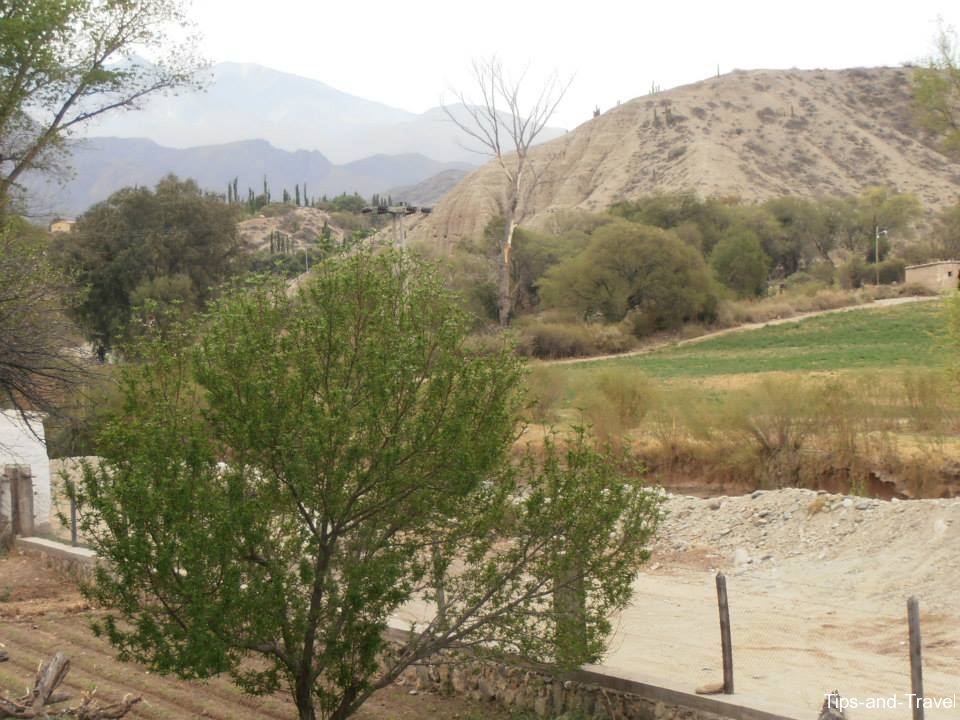
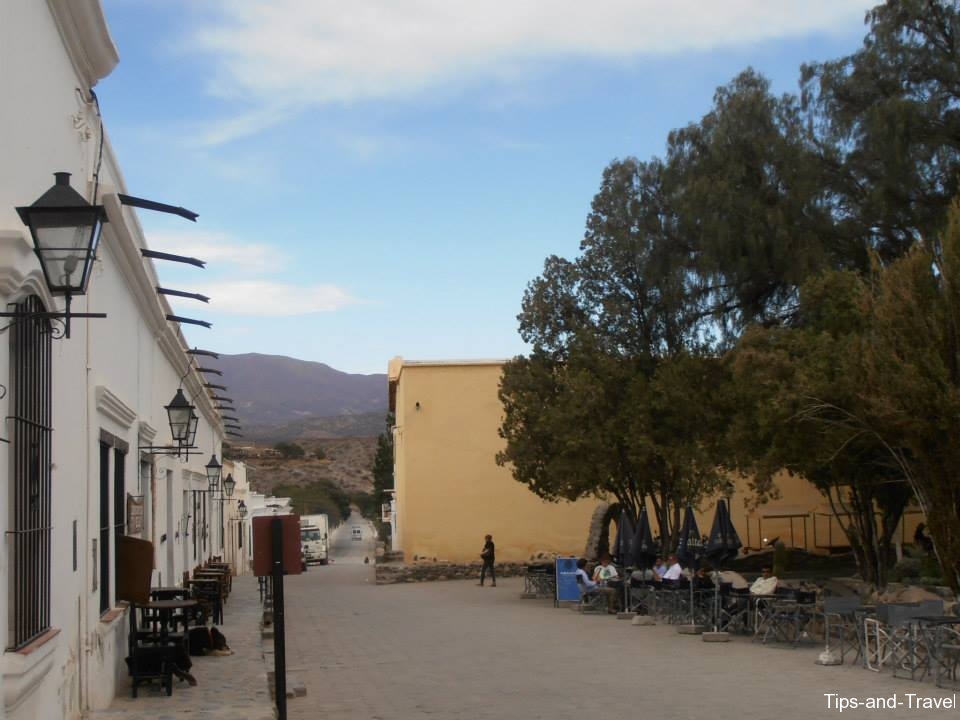
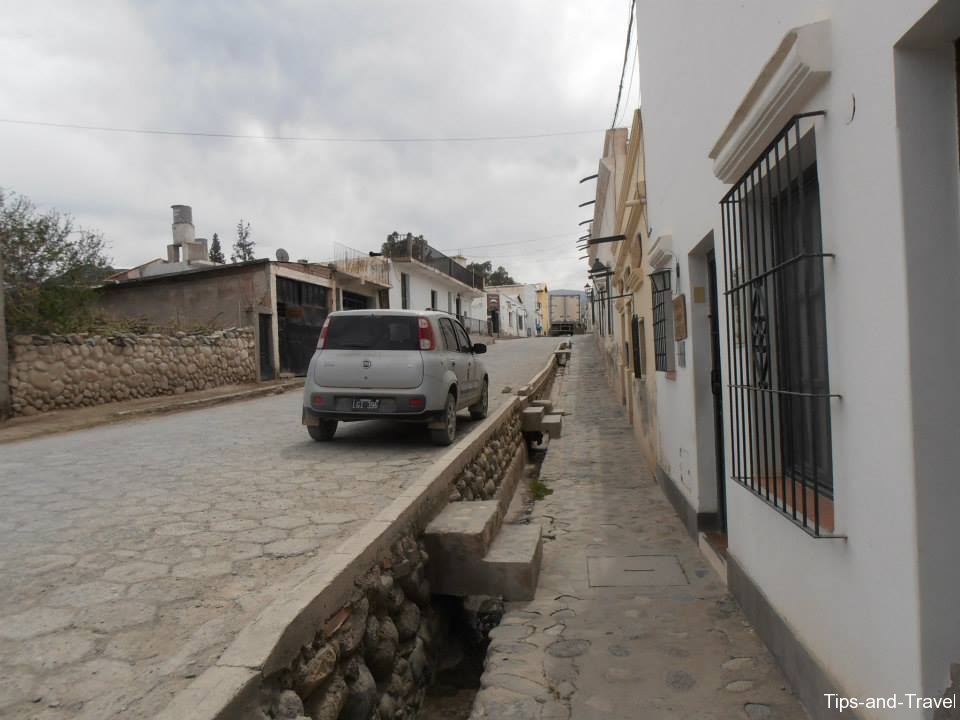
Cachi is a small town in northwestern Argentina, located in the province of Salta at an altitude of 2,280 meters, on the banks of the Calchaqui River. The town is located in a mountainous setting dominated by the Nevado peak of Cachi which culminates at 6,320 meters. The mountains are red, gray, pink, green with a few touches of different colors depending on the position of the sun and the minerals that contain; they seem to be the work of an artist … Part of the town is colonial style, with white houses built of clay on a stone base, with straw roofs. The windows are decorated with wrought iron gates. To see, the Central Square with its two monuments: the church of Cachi, nineteenth century neo-Gothic style with some parts that were built of cactus wood, including the roof, altar and confessionals and the Archaeological Museum Pio Pablo Diaz which houses more than 5,000 pieces that go mainly from 800 BC to 1600 AC. The square of July, 9th is surrounded by stones that reproduce the ancestral meeting center of the Chicoanas Indians with entrances in triple arches.

Tips

If you like to taste the local food, there are very good dishes to be enjoyed starting with empanadas with meat cut with knife and fat, fried; a total delight but make attention because they contain juice. You can continue with humita which is a cream corn and there are even empanadas stuffed with. Another specialty of the region are the tamales (a kind of pancake that is covered with a corn leaf). A visit to Pio Pablo Diaz Museum is very interesting because you will have the opportunity to see a mummified body covered with leather, wrapped in straws, tied with a rope made of vegetable fibers and wool; a symbol of the cult of the dead. In addition, it costs only a few cents. If you stay a few days, visit Los Cardones Park. It is a unique place where you will find giant cactus, there are even some that arrive at 9 meters in height. This park was on the road that the Incas crossed from the Bolivian valley to the Argentine lands. If you like adventure tourism but organized and safe, there are excursions in a kind of glass truck, which will allow you to know the area with experienced guides. You can find yourself suddenly in the clouds, in the middle of nature and with landscapes that will really charm you.

The Sacred Valley of the Incas, Peru

The Sacred Valley of the Incas or Urubamba Valley is located in the Andes of Peru, near the capital of the Inca Empire, Cuzco, and over the sacred city of Machu Picchu; it includes all that is between Pisac and Ollantaytambo, parallel to the Urubamba River (sacred river that runs through this valley). It is fed by numerous rivers that descend from the adjoining valleys and gorges and includes many archaeological sites and villages. The Incas had chosen this place for its geographical and climatic characteristics; it was one of the main points for the extraction of natural resources, and there they found the Peruvian corn increased production. “Little Cusco” overlooks the Sacred Valley above the village of Lamay and the town of Calca. It was a former residence of the Inca rulers that can be reached on foot. You can also visit the site of Yucay; summer residence of the Sapa Inca. There is a great system of terraces and irrigation canals. There are the remains of the palace of the last Inca, consisting of a ‘cancha’ (enclosure surrounded by a stone wall and adobe) and several individual houses separated by courtyards and interior partition walls, the traditional Inca palace may cover several hectares. In addition of Ollantaytambo, the communities of Huilloc and Patacancha are the most accessible and welcome some tourists each year. There are also other small communities that live in the mountains that lead to the path of the Incas.

Tips

The best way to visit the Sacred Valley is taking a tour with a guide in your language to also experience the rich history of the Incas. On the same day they will show you 3 or 4 sites depending on what you would like to see. You can also visit the sites taking public transport but at that time, you will do your best and take directions and go with a map. Taking a taxi is another option, a little more expensive but you can agree with the driver for a fixed price of return.
Wear comfortable shoes or sports ones, take water, sunglasses, sunscreen and of course your camera.

Invalid Displayed Gallery

Viña del Mar, Valparaiso, Chile

Viña del Mar is a town near Valparaíso, in the region of Valparaiso in Chile. It is located 120 kilometers from Santiago by road 68. It’s a seaside town surrounded by the cities of Valparaiso, Quilpué and Concon,; also known by its International Song Festival that was born in 1962 and takes place in February each year. The most famous beach is Reñaca. The city has hotels for all budgets even as a Casino. To see: the Botanical Garden, the clock of flowers, the natural park Gomez Carreño, the Vergara dock (which is being repaired), the open-air museum, the Fonck Museum (with a genuine Moai brought from the Easter Island), the Presidential Palace, the Wulff Castle, among others.

Tips

Although Viña del Mar is a seaside city, it is worthwhile to visit at any time of the year because it is a very rich cultural city with many museums, theaters, shopping malls and other interesting places.
You can stay in the city or just arrive by subway, bus or rental car if your destination is Valparaiso. If instead you are staying in Vina del Mar, a trip to Valparaiso would worth it.

Invalid Displayed Gallery