The history of samba in the interior of São Paulo, Brasil

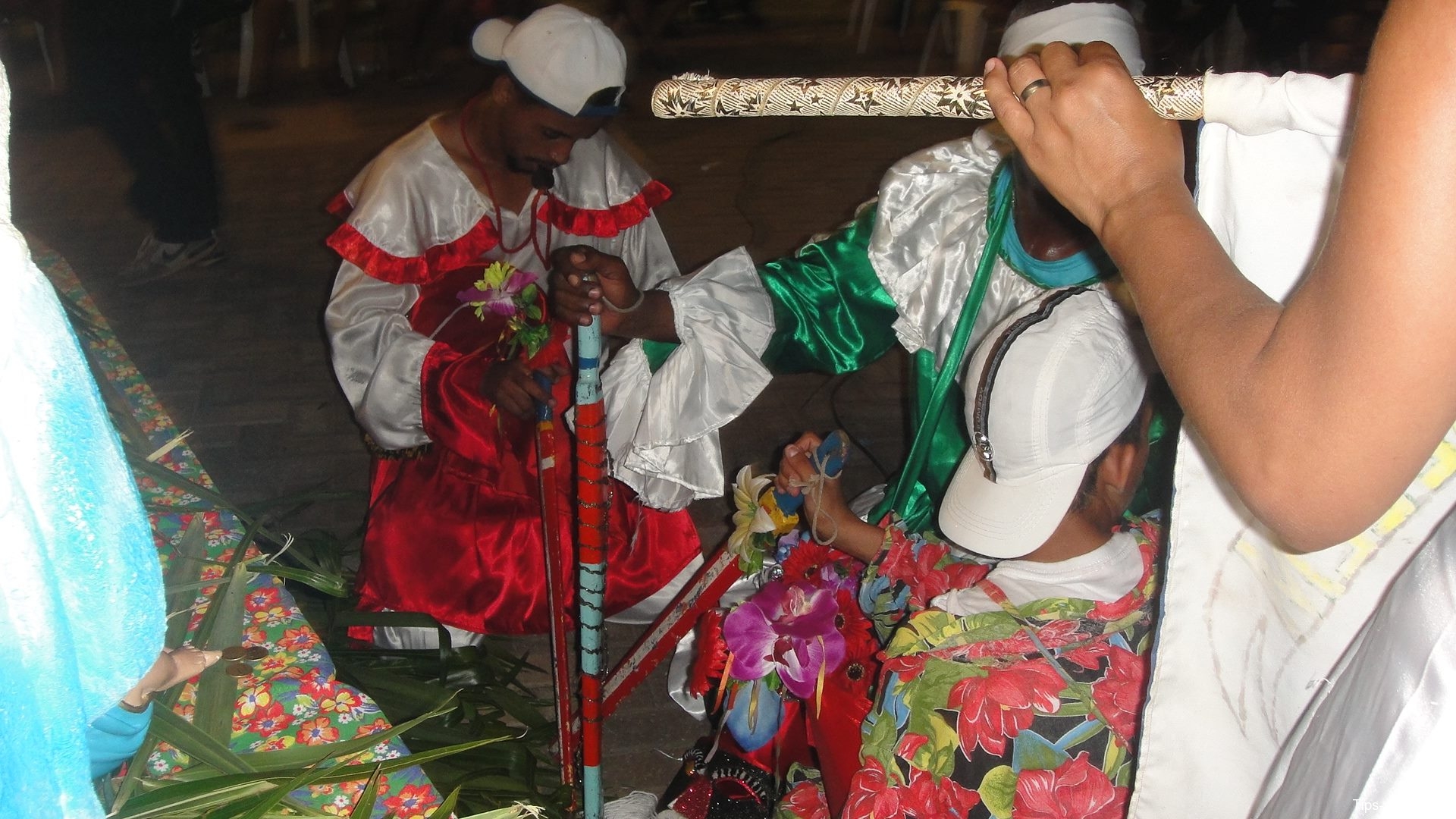
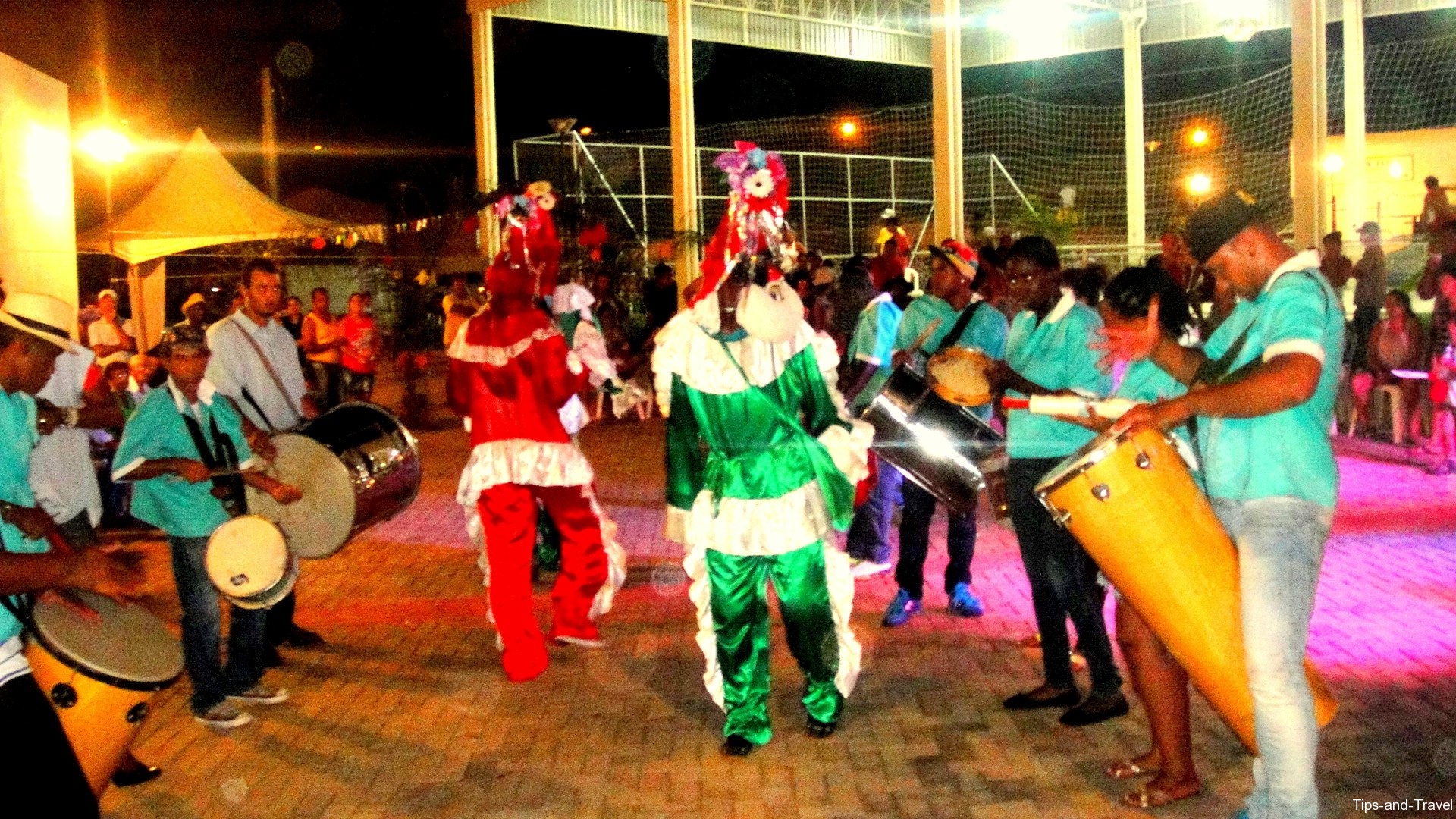
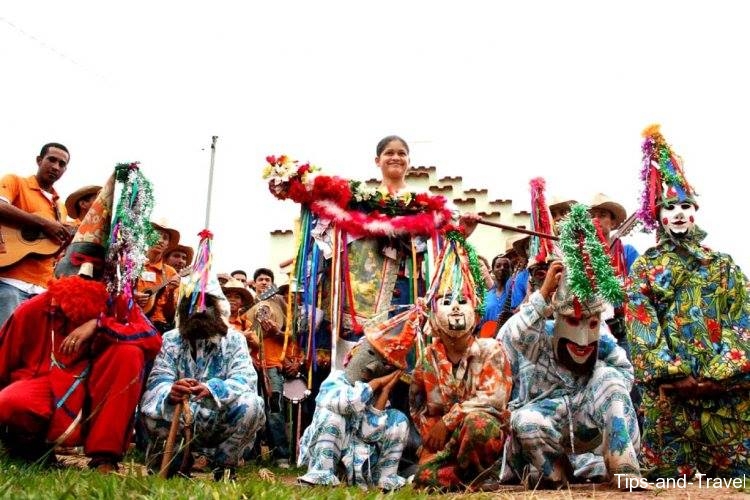
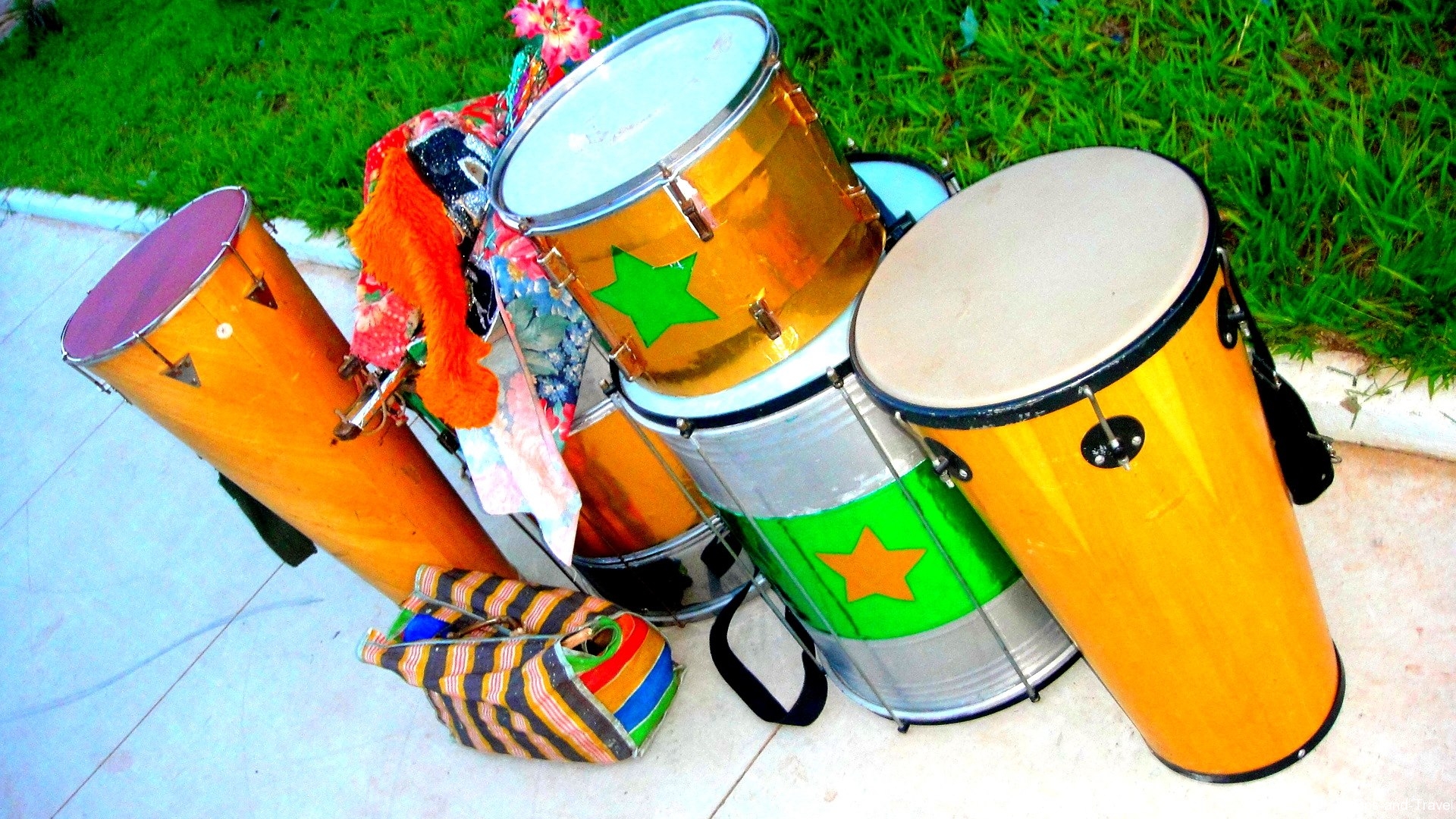
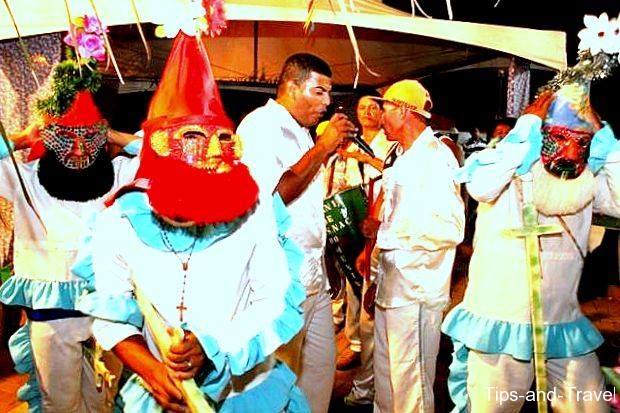
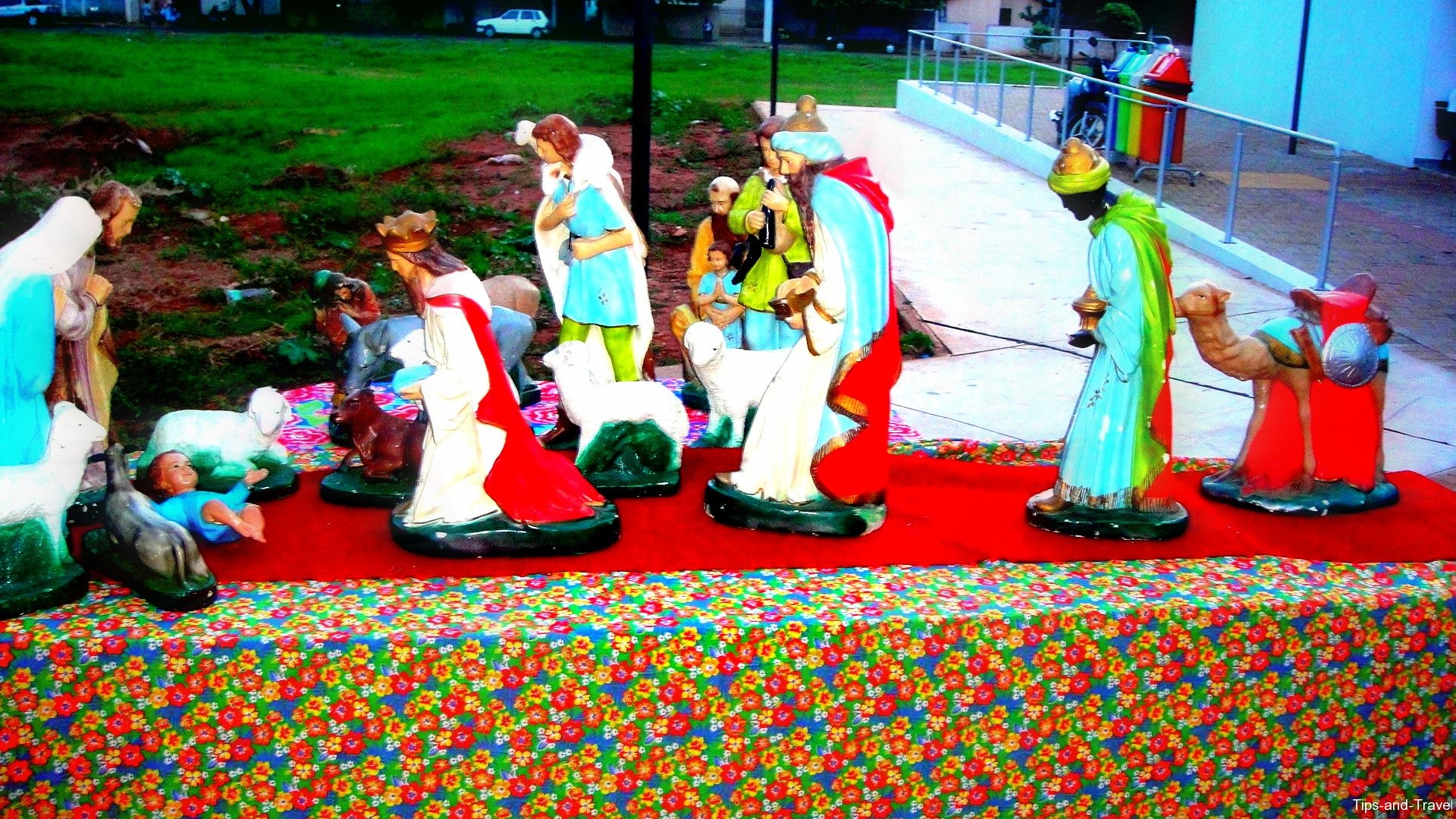
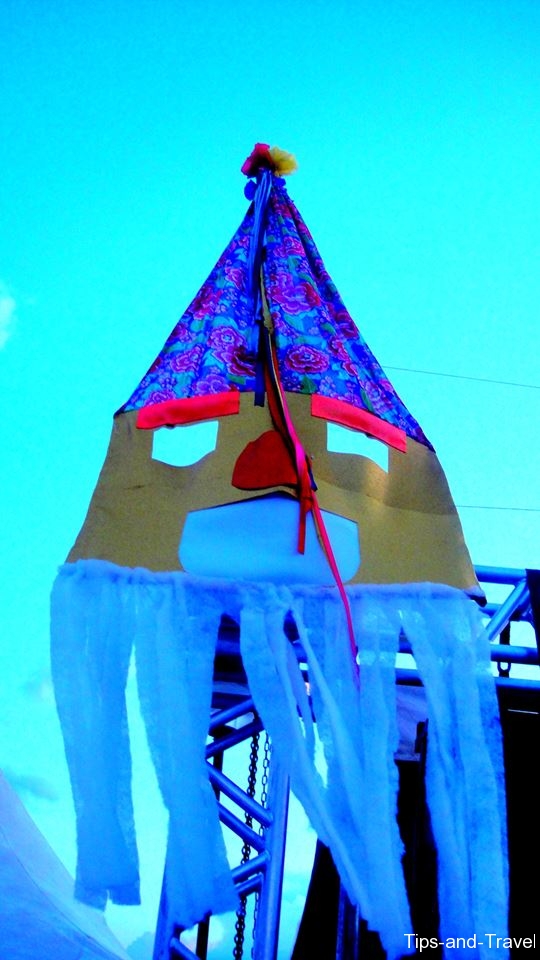
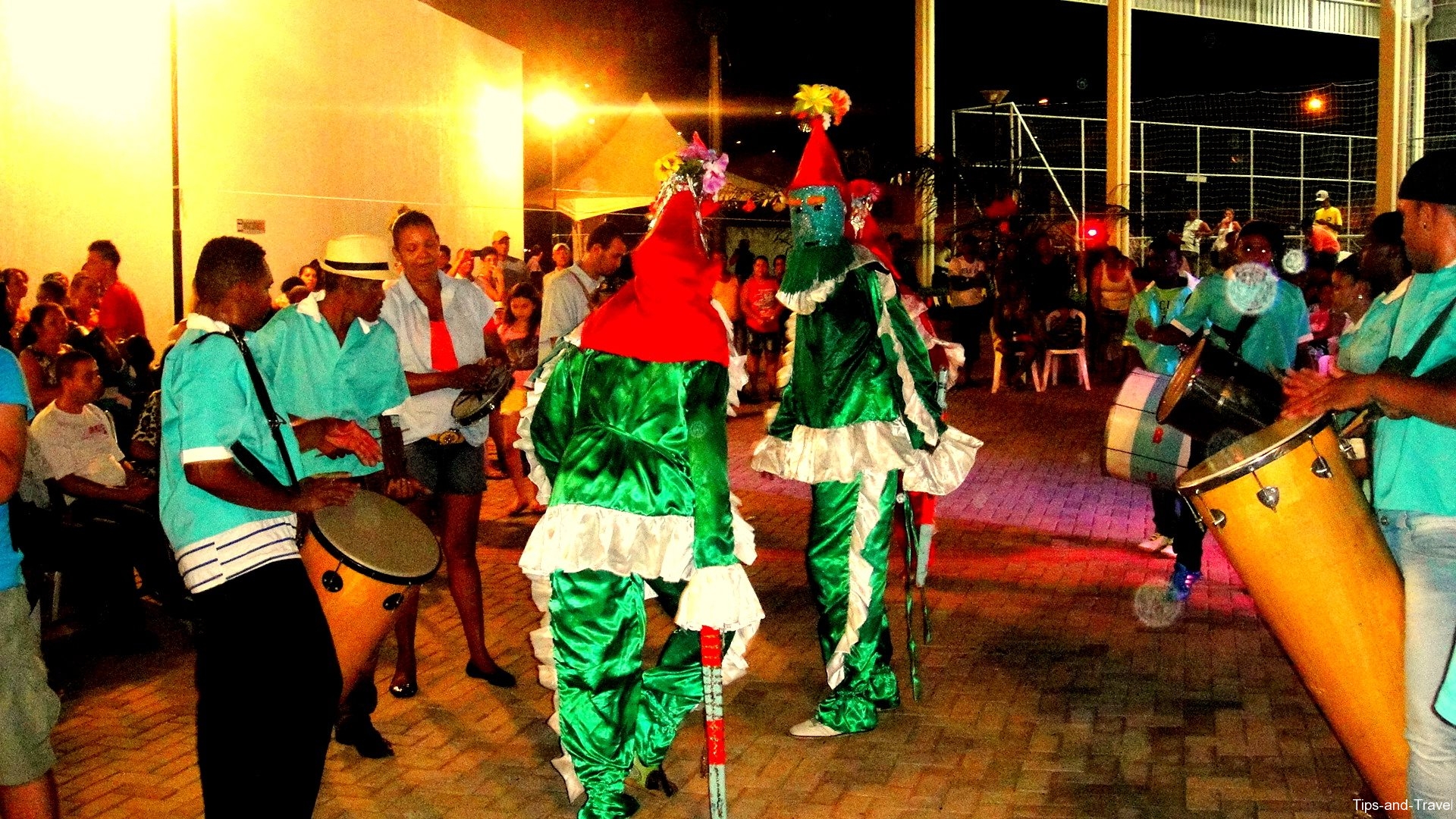
For a long time, the samba’s roots have remained highly rural, it was called ‘samba de roda’, ‘ samba de bumbo’, ‘samba de lenço’ or even ‘samba rural’, according to the intellectuals who have studied it in the 1930s. People just called it ‘batuque’. At the beginning, in the said province of São Paulo, it was structured and strengthened in large farms where blacks were taken as slaves to plant first sugarcane and then in increasingly large number, to develop the profitable cultivation of coffee. There it was danced in the districts of slaves and on the terraces, to the sound of the large ‘bumboes’ dug out on fire of trunks of huge trees. Samba has begun to win urban territory taking its place in the cities of the interior of São Paulo, in secular religious celebrations. It was this samba of rural origin (which flourished in many inland cities like in one of them, President Epitácio) and the samba wins therefore a characteristic of integration because the characters through music and dance, these new Brazilian, also poor and immigrants, found their place in the economic field, but also in the cultural space and leisure of the cities that were growing. Today, the current tourist town of President Epitácio is on the border of the State of São Paulo, with Mato Grosso do Sul, one of the best destinations to enjoy the ‘ Folia de rua’ (street madness). The Carnival of the city is considered to be one of the top events in the State of São Paulo.

Tips

Staying in the West of the state, the municipality offers a pleasant and conducive climate to enjoy the Carnival.
It is advisable to make the reservation for your stay there for being sure you’ll have your place for the event.

The Hermitage Museum, St. Petersburg, Russia
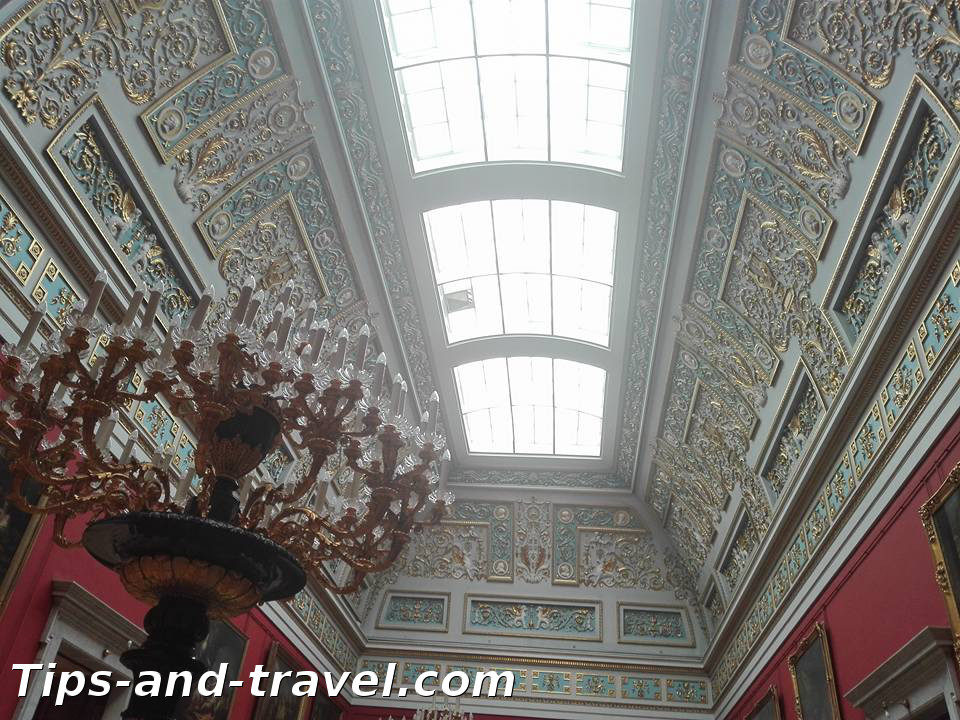
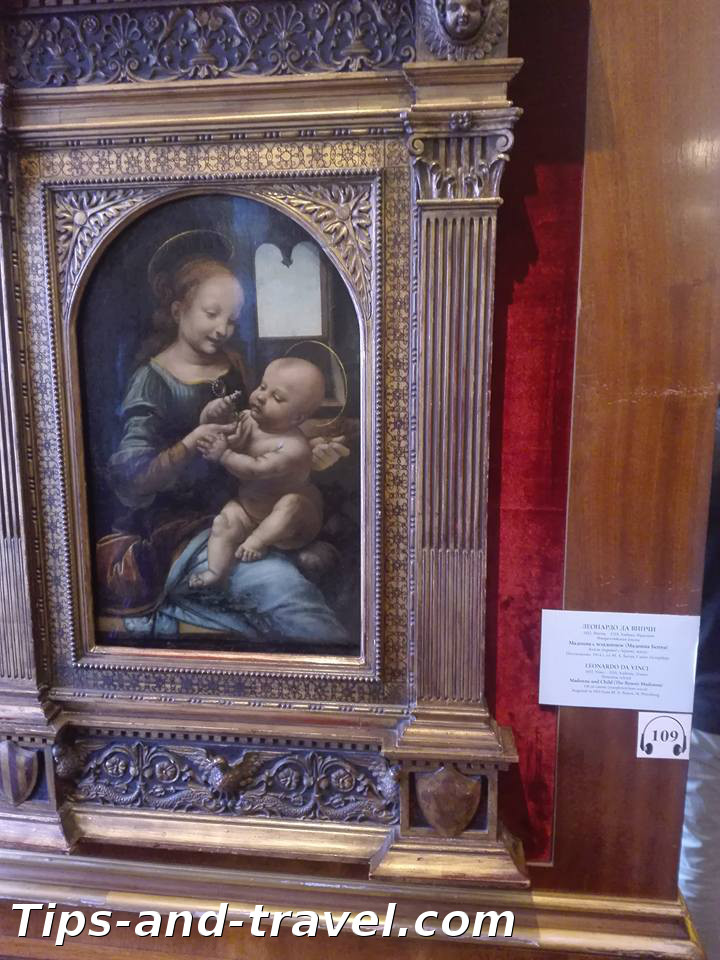
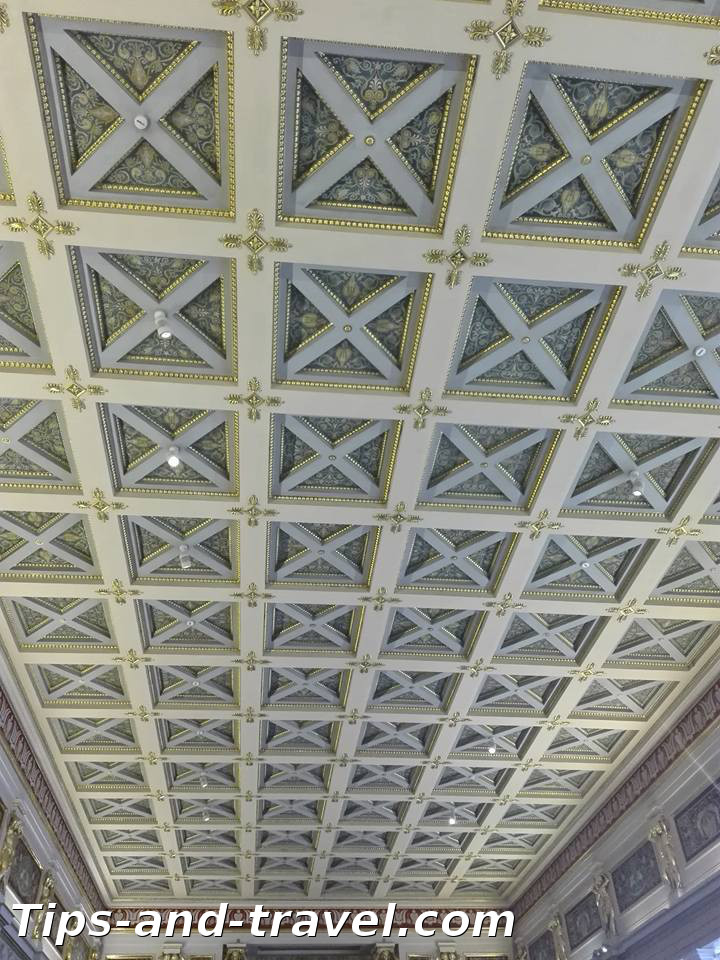
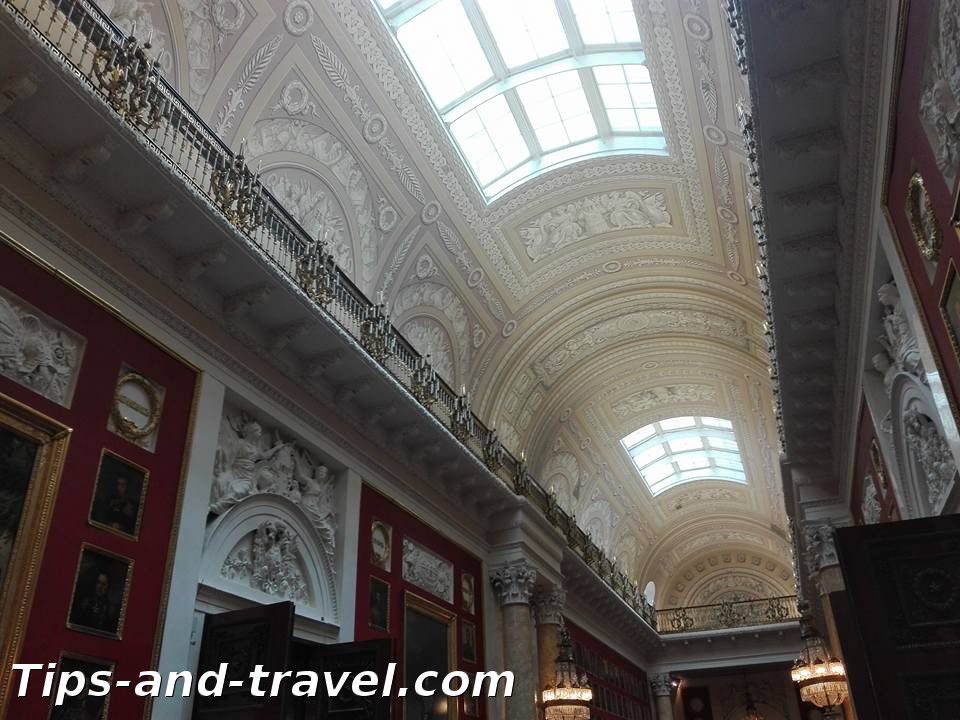
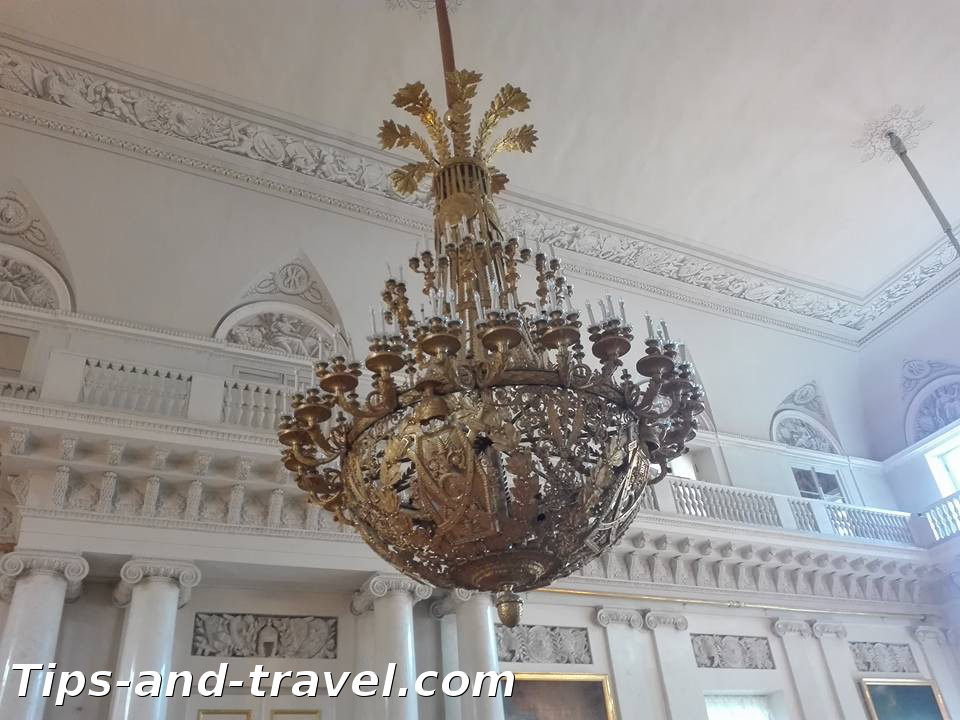
The Hermitage Museum is located in St. Petersburg, on the Neva River. It is considered one of the most famous, oldest and most important art museums in the world. There are more than 60,000 exhibits in nearly 1,000 rooms with nearly three million items kept in the reserves. Apart from the pieces of antiquity, there is an excellent collection of paintings with the names of remarkable artists such as Rembrandt, Matisse, Gauguin, Leonardo Da Vinci and Picasso among others. Several buildings, classified as World Heritage by UNESCO, built between XVIII and XIX centuries, form the museum (Small Hermitage, Old Hermitage, Theater Hermitage, New Hermitage and the Winter Palace). Part of the State Palace (on the other side of the Palace Square) and the Menshikov Palace have been added to the Hermitage complex. The museum was born thanks to the empress Catherine the Great and her collections of paintings that she began to place in the Winter Palace. Originally the Hermitage was exclusive to family members and loved ones but in 1922 was opened to the public with free admission for the first five years. Since the opening of Russia, the Hermitage has become for foreign tourists the main attraction of the country. It still has annexes in Amsterdam and Las Vegas.
Tips

You can take photos for private, non-profit purposes.

It is possible to visit the Hermitage without a guide with the existing smartphone app (Russian or English only).

The cats of the Hermitage are well known and in the spring the Party of the guardian cats takes place. For the occasion, there is an exhibition of art representing cats, visits to cat areas, games for children and adults, etc. This event is a way of collecting money to feed cats and their maintenance because this expense is not part of the museum’s budget.

On Wednesdays and Fridays, the museum has more opening hours and on the first Thursday of each month, admission is free.

The fastest way to buy the tickets is online or on the automatic machines on site. Note that children and students (regardless of age or nationality), do not pay but students will have to queue for get their entry with a student card.

Ice Hotel, Saint-Gabriel-de-Valcartier, Quebec, Canada

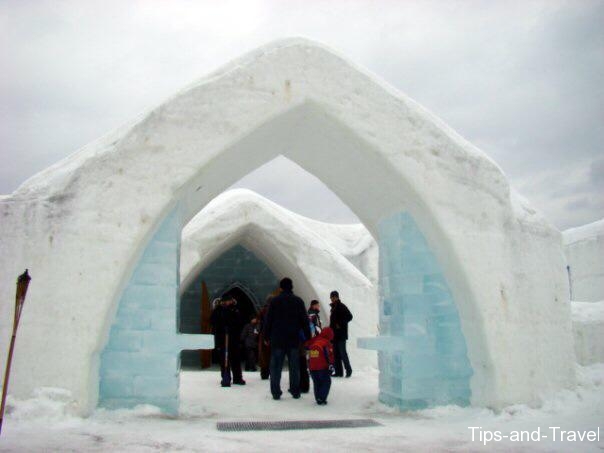
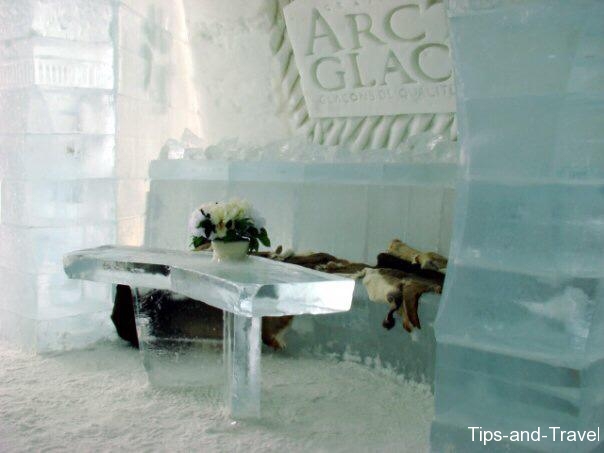
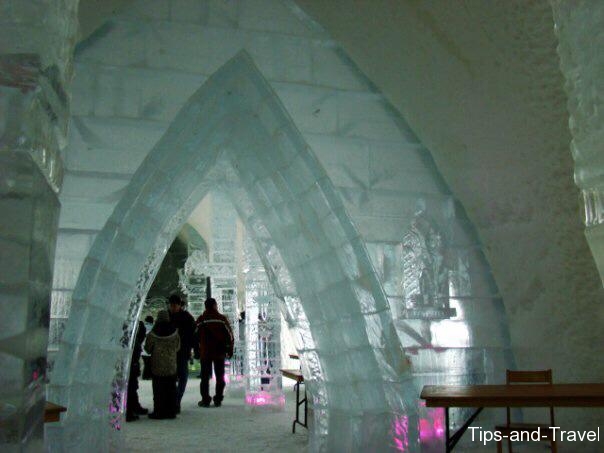
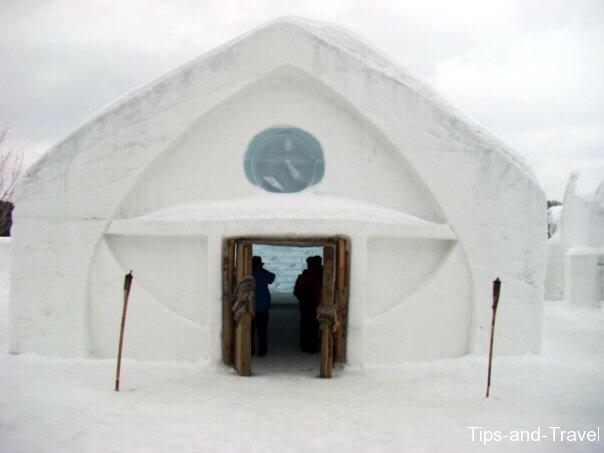
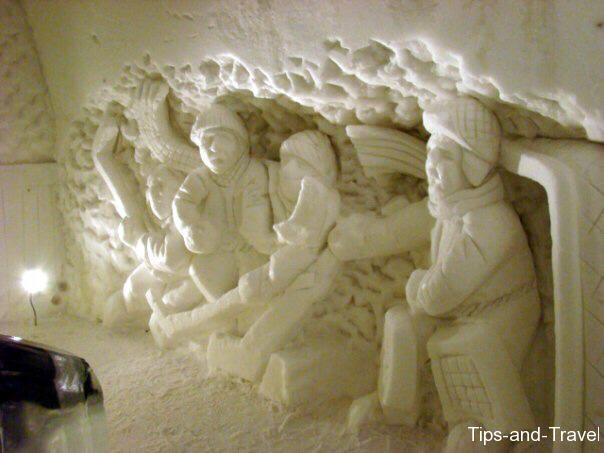
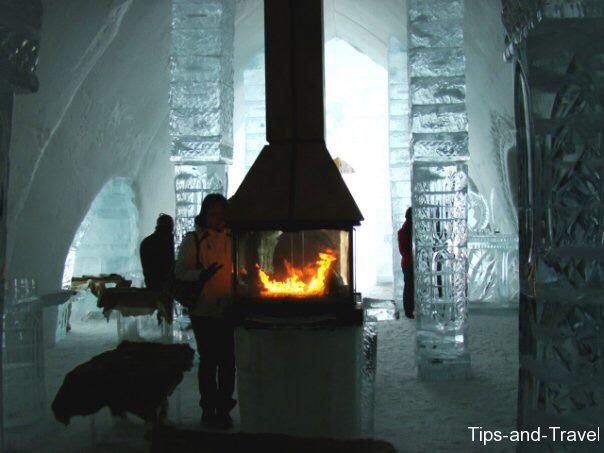
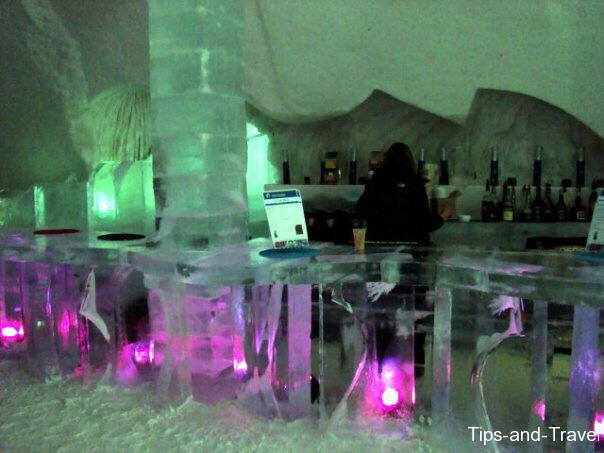
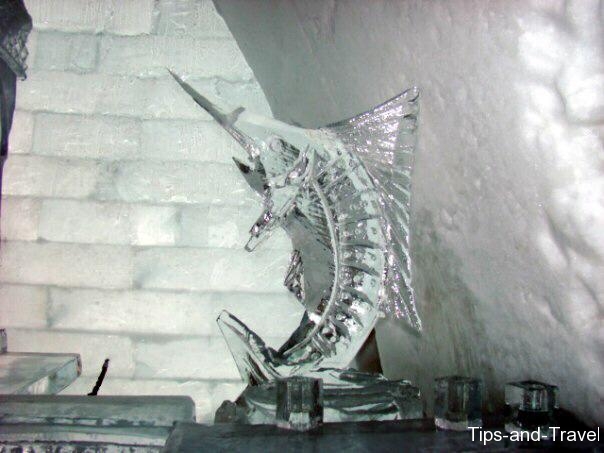
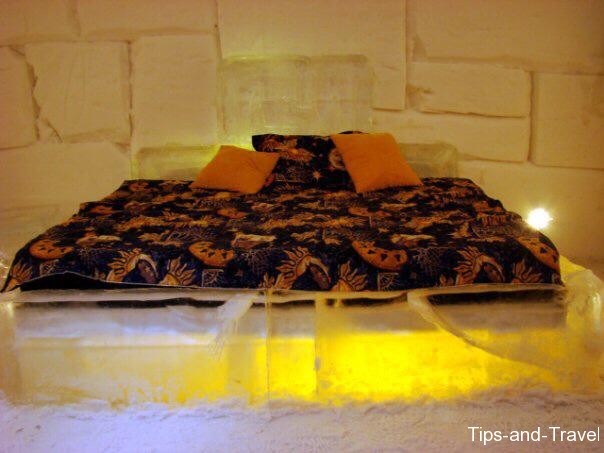
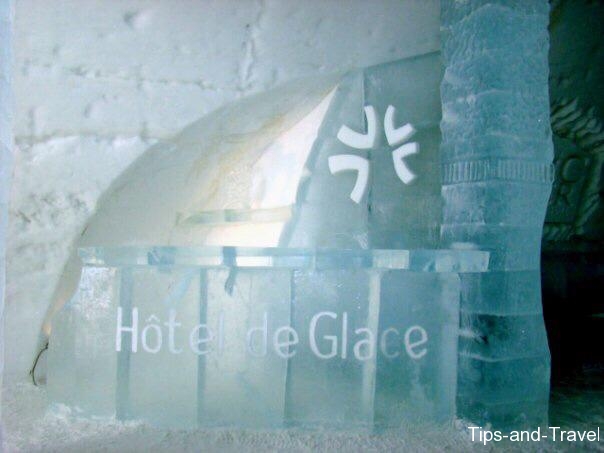
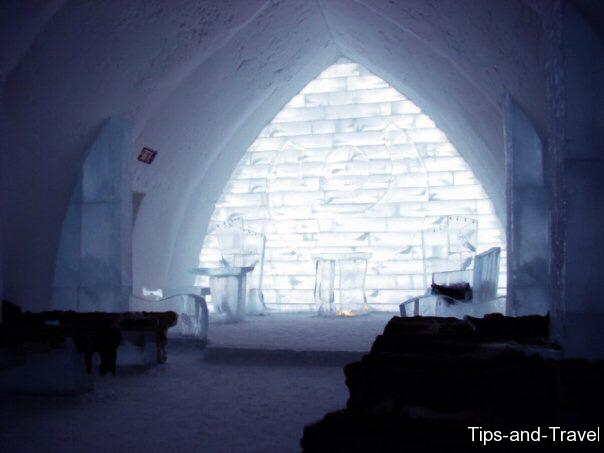
The Ice Hotel is located for the 1st time on the site of Village Vacances Valcartier in St-Gabriel-de-Valcartier, north of Quebec City, in the Province of Quebec, Canada. It is designed each year entirely in ice and snow with beautiful scenery. There are themed rooms and suites with beautiful sculptures. It is a unique concept hotel where you can spend a magical night and enjoy a cocktail in one of its famous ice glasses. This is a non-smoking hotel with an inside fireplace, a reception room, meeting, conference, a common lounge, sauna and indoor spa with free outdoor parking.

Tips

To get there, you have a shuttle service from Quebec City. Take it at the Place d’Armes. You will get a discount if you buy your ticket at the same time as the entrance to visit the hotel. You must buy it online on the Old Quebec Tours site.

If you go with your family, there is a family pass (2 adults, 3 children). There is also a discount for age 55 and over and children under one meter  enter without paying.

There are also  interesting packages: visit with a guided tour or not, guided tour with a cocktail or visit ‘Backstage’ in which in addition to the guided tour you will discover the secrets and procedures for the construction and maintenance of the hotel, visit the workshop where you can make your ice glass with which you will end the visit to the hotel bar drinking a cocktail served in your own glass.