Palazzo Roberti Bookstore, Bassano del Grappa, Italy

The Palazzo Roberti Bookstore, considered one of the most beautiful bookstores in Italy, is owned by the Manfrotto family, who oversaw the restoration of the building. It is located in the historic center of Bassano del Grappa and represents an important landmark for the city that hosts it and to the surrounding area. Opened in 1998 in its ideal location, an seventeenth-century palace. There are three sisters who run the shop and the activities and there’s also a group of passionate professionals who work together with the family.
The shop is on three floors, two of which – the ground floor and the mezzanine – are for the display and sale of books. The Nobile floor, however, in addition to some rooms, has a living room whose restoration has given light to the splendid frescoes that decorate the walls. There you have the opportunity to attend meetings with authors, lectures, classical music concerts, exhibitions of photography, etc.
The reading material is organized and divided into thematic areas.
The bookstore also contains a session that combines books, tea and pastries in a complete area of relaxation; it is one of the most frequented activities.
In the adjacent wing to the garden there is the department of books for children and teenagers, a space especially designed for them.

Tips

If you need help, do not hesitate and ask a consultant from the sector who you would always find at your disposal.
To attend a relaxing moment in the field of books, tea and pastries, you should make a reservation. The access is free.
If you have the possibility of going to the  bookstore frequently, you have a loyalty card de ‘Roberti Palace fans “that provides benefit to those frequent readers as for example, to have a voucher worth 10 euro for the next purchase, when you arrive to spend 100 euro, within one year from the date of the first purchase.
Via Jacopo Da Ponte, 34
36061 Bassano del Grappa VI – Italia

Invalid Displayed Gallery
Etar Architectural-Ethnographic Complex, Gabrovo, Bulgaria

The Etar Architectural-Ethnographic Complex is an open-air museum and a neighbourhood of Gabrovo (8 km south of its center) in northern Bulgaria; on the northern edge of the Bulgarka Nature Park, between the park and the city of Gabrovo. They started buildin it in 1963 and opened in 1964. There you can see the culture, customs and craftsmanship of Bulgarian people. You’ll find about 50 items including water installations and houses with craftsmen’s workshops attached, houses with two floors, a clock tower, pottery, cutlery, needlework, etc. All the items had been made respecting original instruments and the old traditions.

Tips

You can find many restaurants in the park so you can taste and enjoy Bulgarian cuisine.
You can also find shops for souvenirs.
If you visit the place during Easter or Palm Sunday, you can assist to the annual Christian festivals celebrated in the park.

Invalid Displayed Gallery

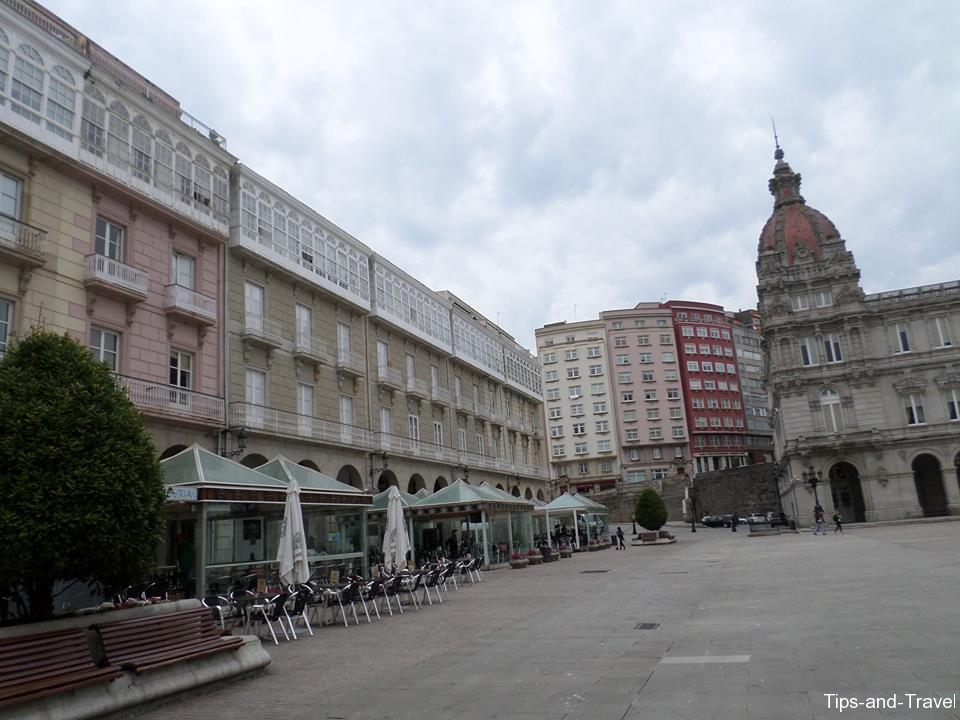
Maria Pita square, A Coruna, Galicia, Spain

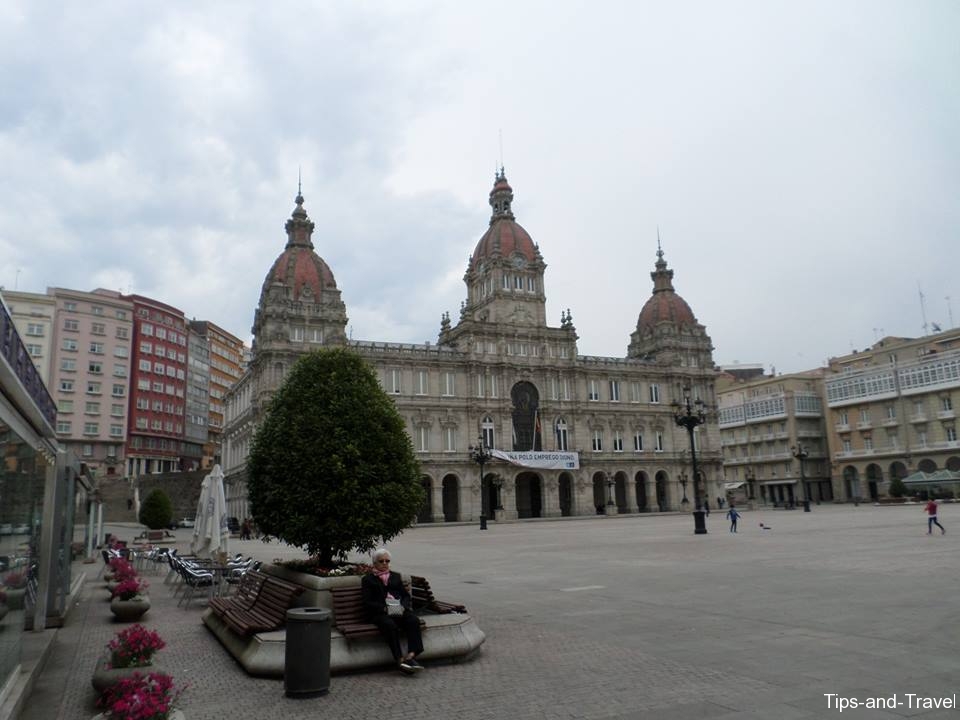
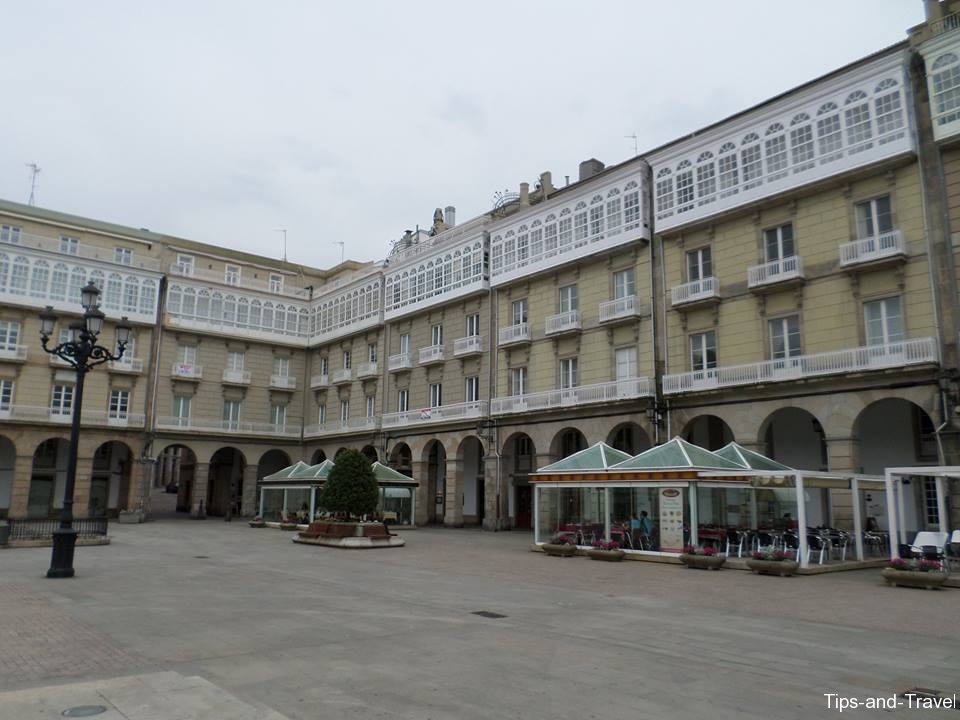
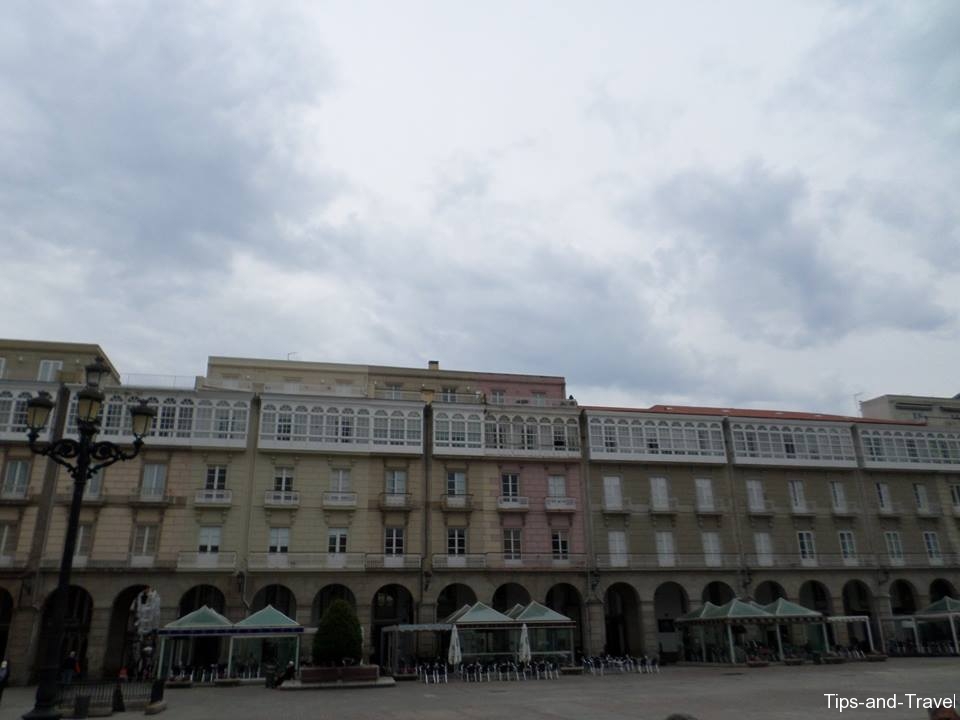
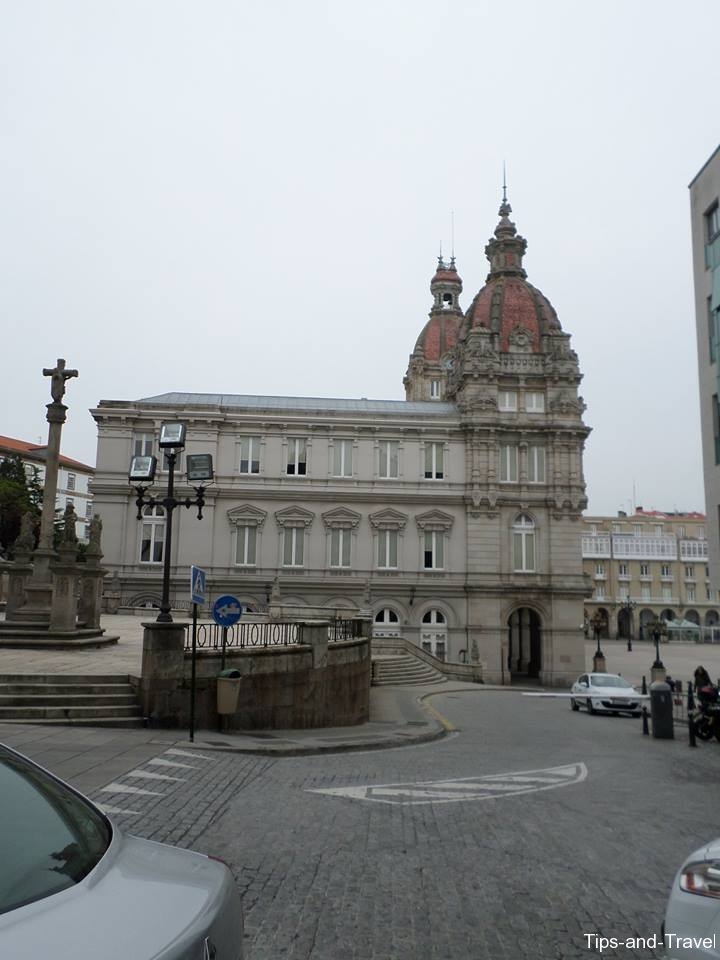
The Maria Pita square is in A Coruna. It’s the main square of the city and it has the name of the town’s heroine, Maria Pita (a kind of Jeanne D’Arc for the people of the city). The square seems a Royal court with a main entrance, the Town Hall and Council building. This building is only a little more than a hundred years. There are other buildings not as grandiose as this one but with a very good architecture typical of the village using granite as its most important component; some of them have galerias. The buildings are interconnected or very close the one to the another so they enclose the square. The facades of the buidings are very attractive. We can also find a statue of Maria Pita, bars, cafes, restaurants and also a tourist information point.

Tips

If you visit the place, check for the activities beacause there are usually concerts in the square.

You can also make a pause and have a good coffee or eat something at one of the restaurants or cafes there.

If you want to walk outside of the square, go out on the left of the Cuncil building and you can see St. George’s church (18th century).