Palace House of Verdugo, Avila, Spain

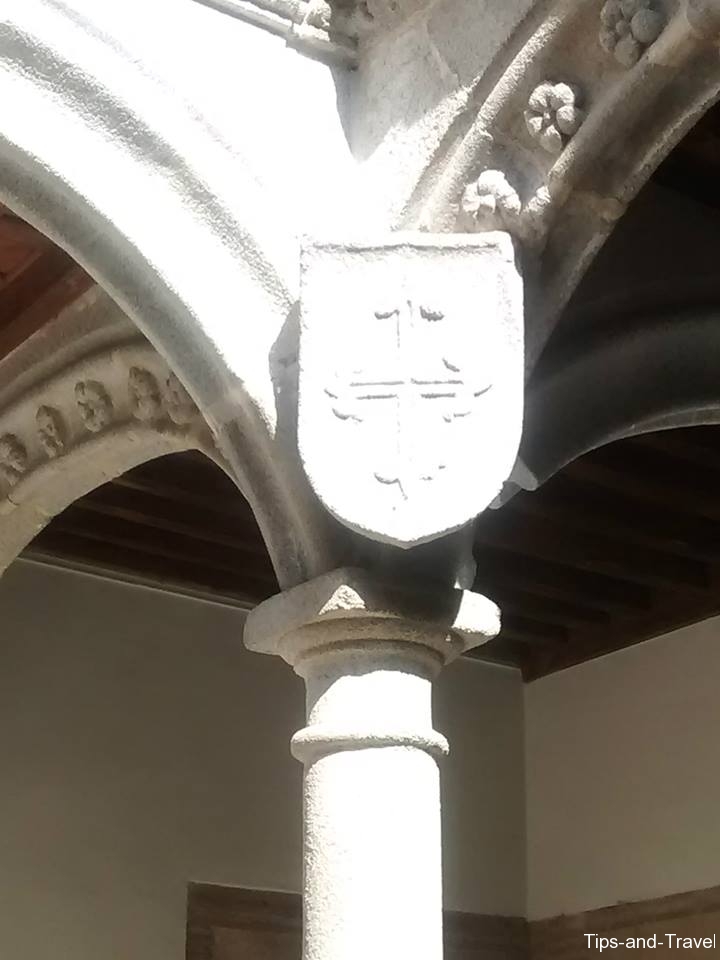
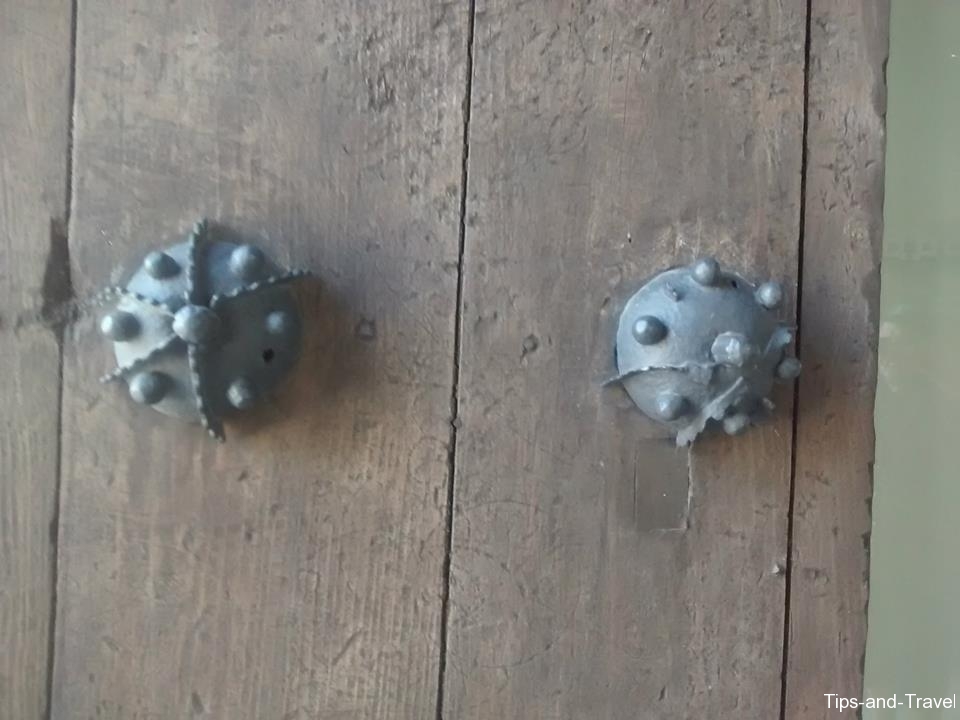
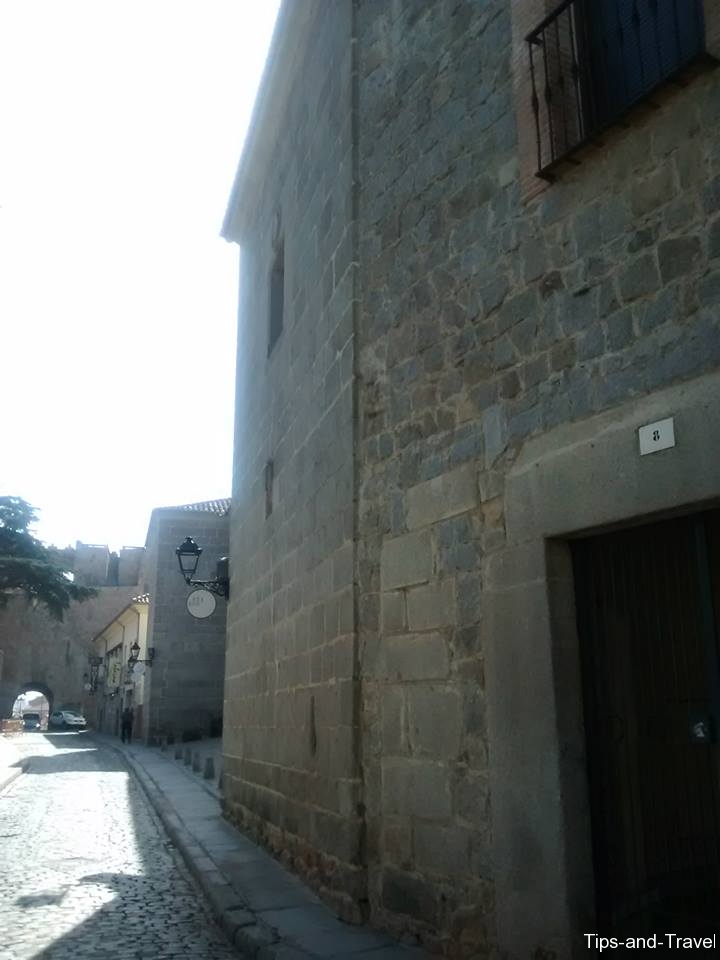
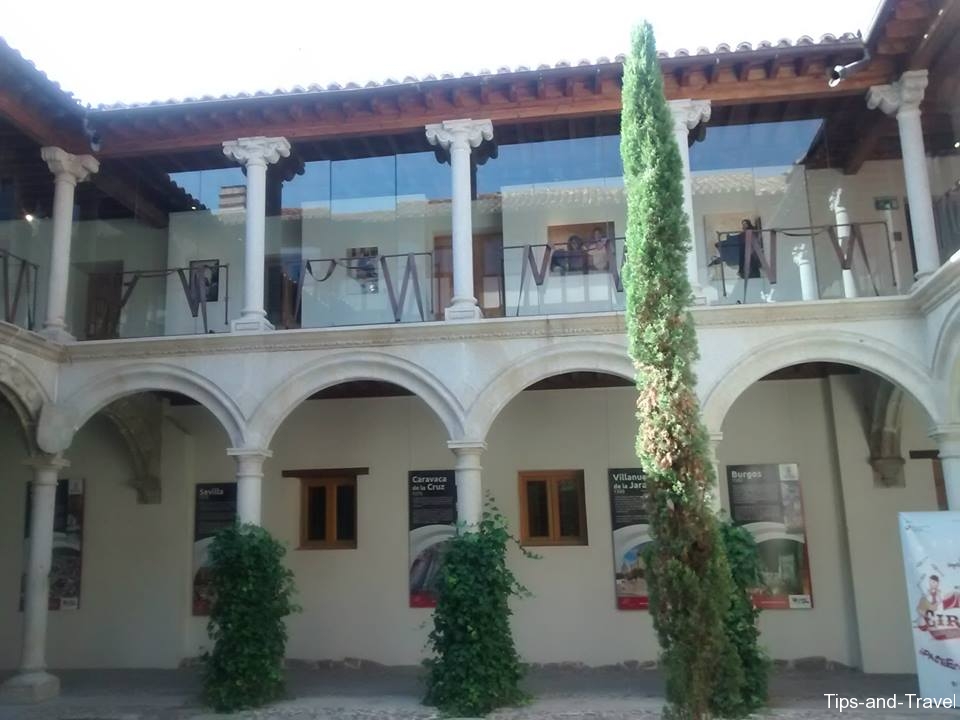
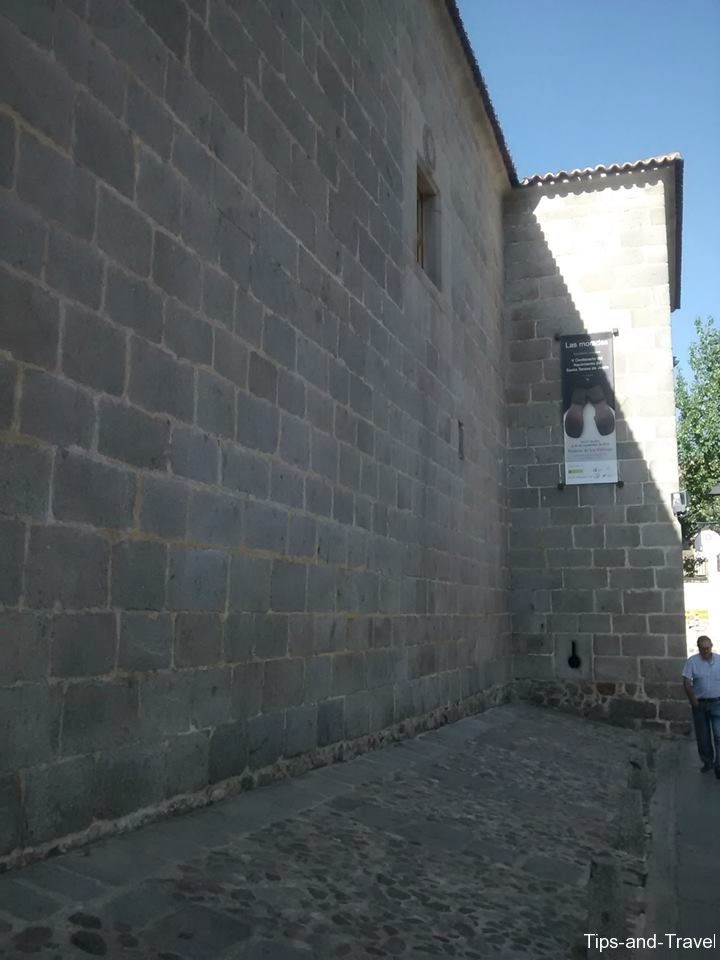
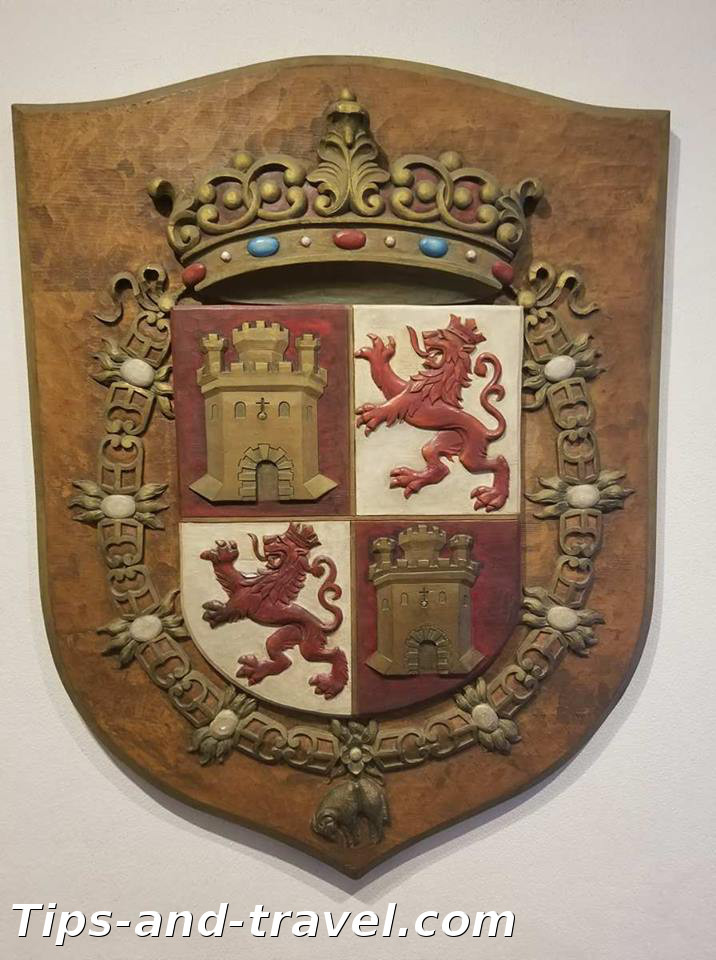
The Palace House of  Verdugo is located in Avila, Spain, inside the fortified area of the city. Don Suero del Águila had ordered tobuild it in 1531 at Lomo Street which is now called Lopez Nunez. In the sixteenth century, the city of Avila was booming thanks to the growth of the wool textile industry, the construction of churches and convents and religious thrust Saint Teresa of Avila and Saint John of the Cross . The house was designed as the home of Don Suero del Aguila and their descendants; in 1536 Don Suero decided to bequeath it to his son, but on the condition that if there were no more descendants, the house would pass into the hands of the Order of the Jeronimos and this has been accomplished in 1606, after the death of his little son, who was the last descendent. When the Jeronimos took it, the palace became a monastery, but ten years later they swapped it by the College of San Gil. The palace then passed to the Jesuits and they kept it until they were expelled from Spain (1.737) and in the eighteenth century, the house was abandoned. Its stone façade has a defensive character; windowless, low-level and two towers on each side of the door and on the door there is the noble coat of arms of Verdugo. It has a very large central courtyard with arches with floral decoration and shields.

Tips

In the vicinity of the palace there are other important monuments of the city that you can access by walking. For more information, visit the city of Avila.


Point Loma Lighthouse, San Diego, United States

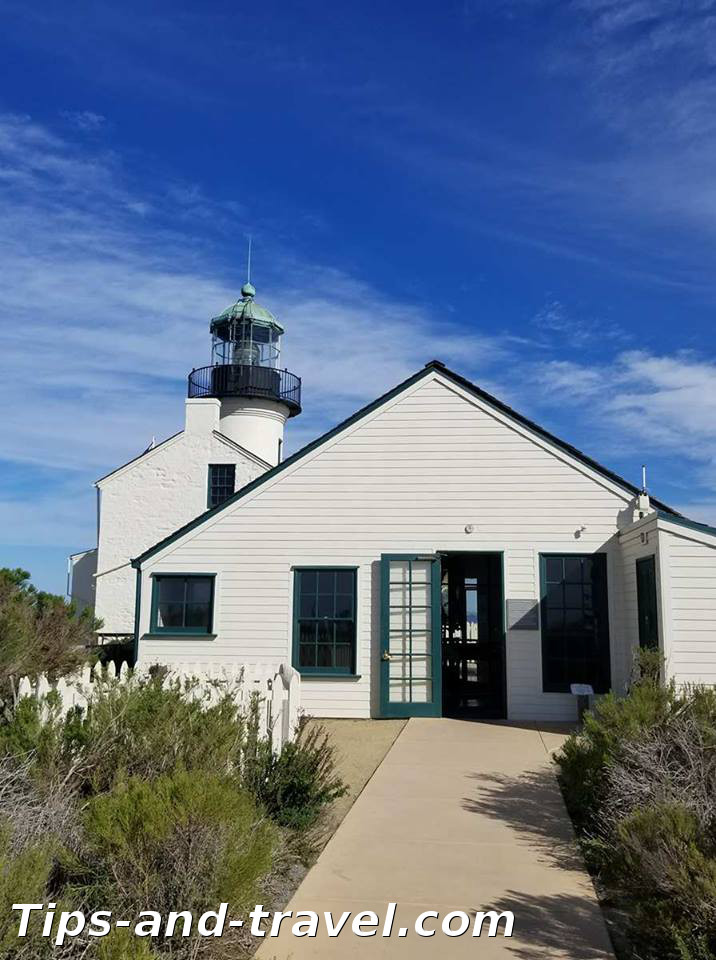
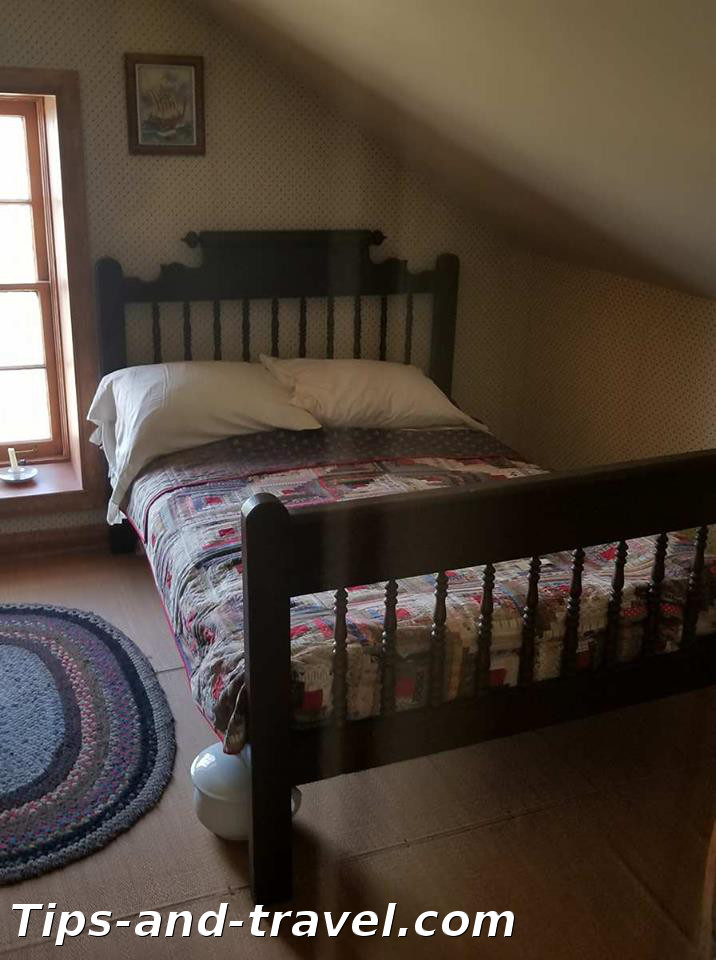
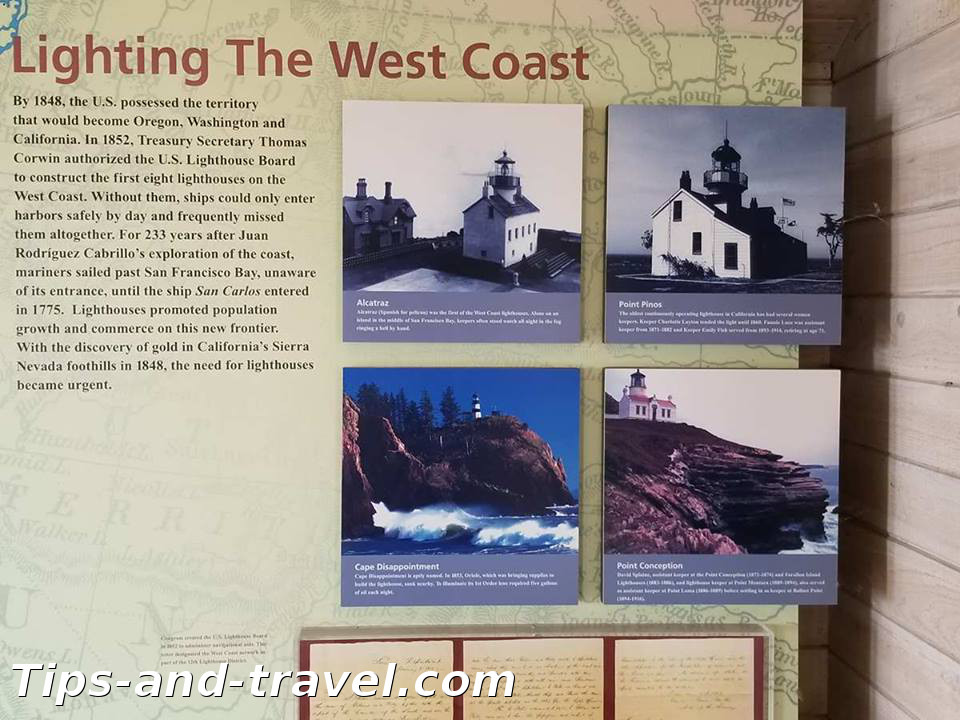
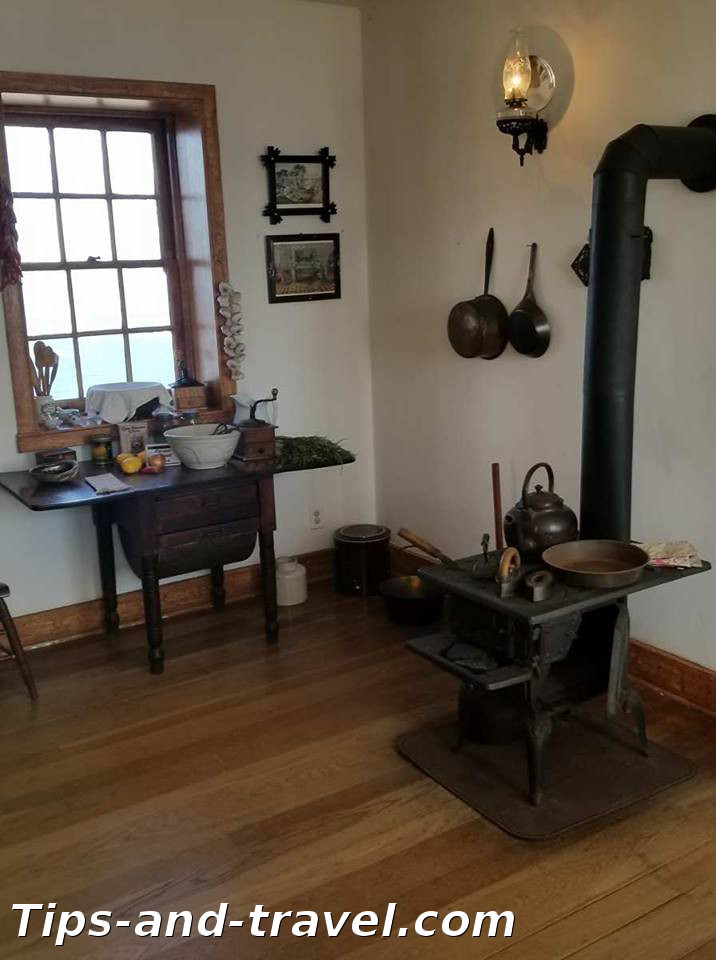
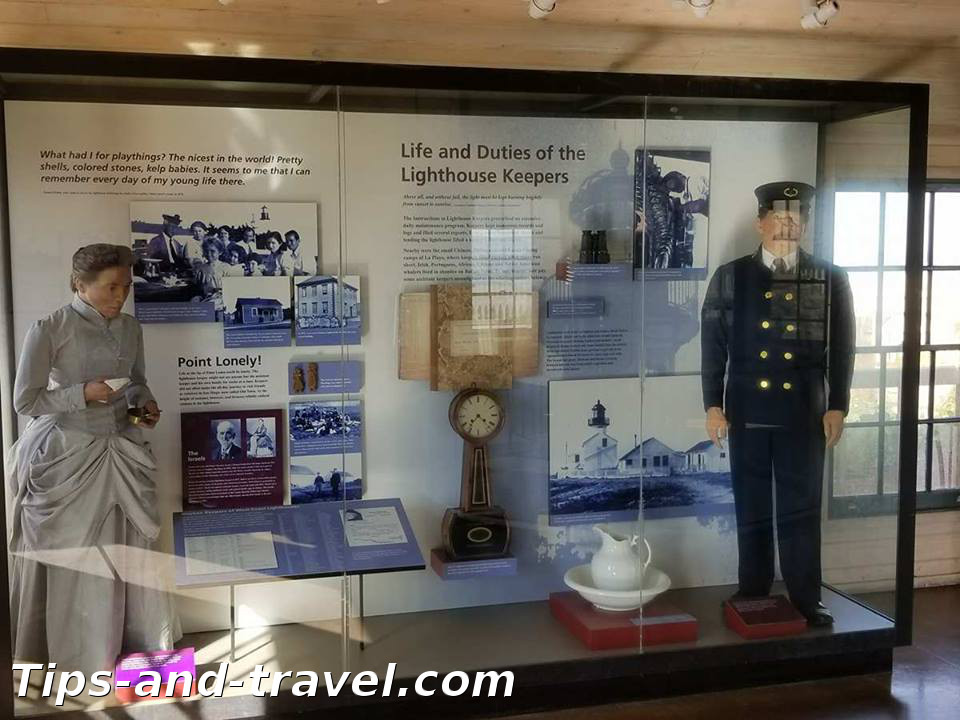
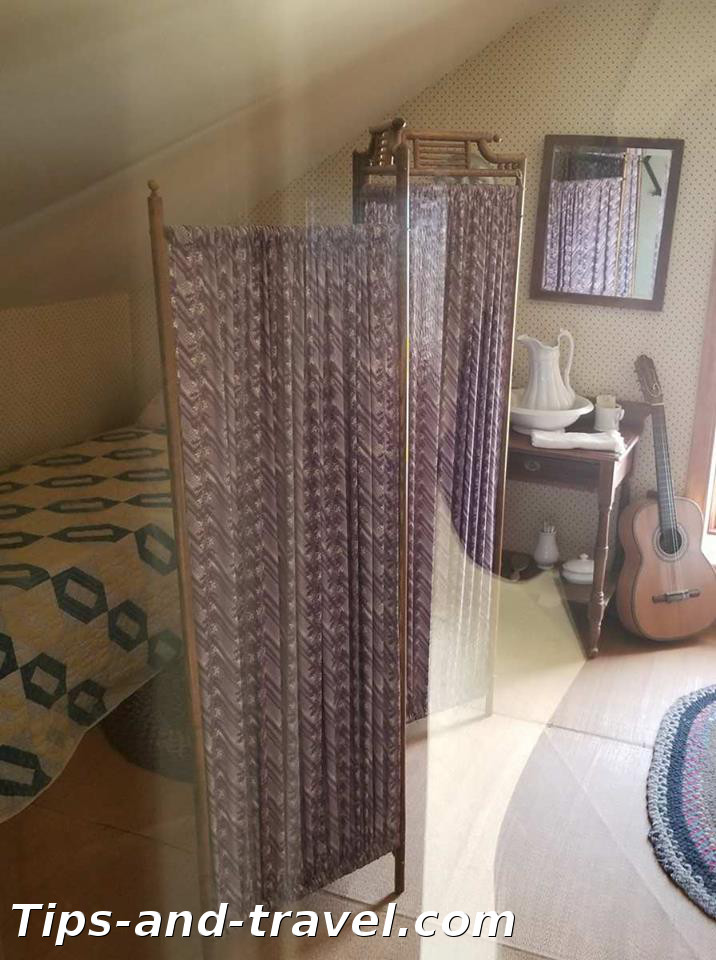
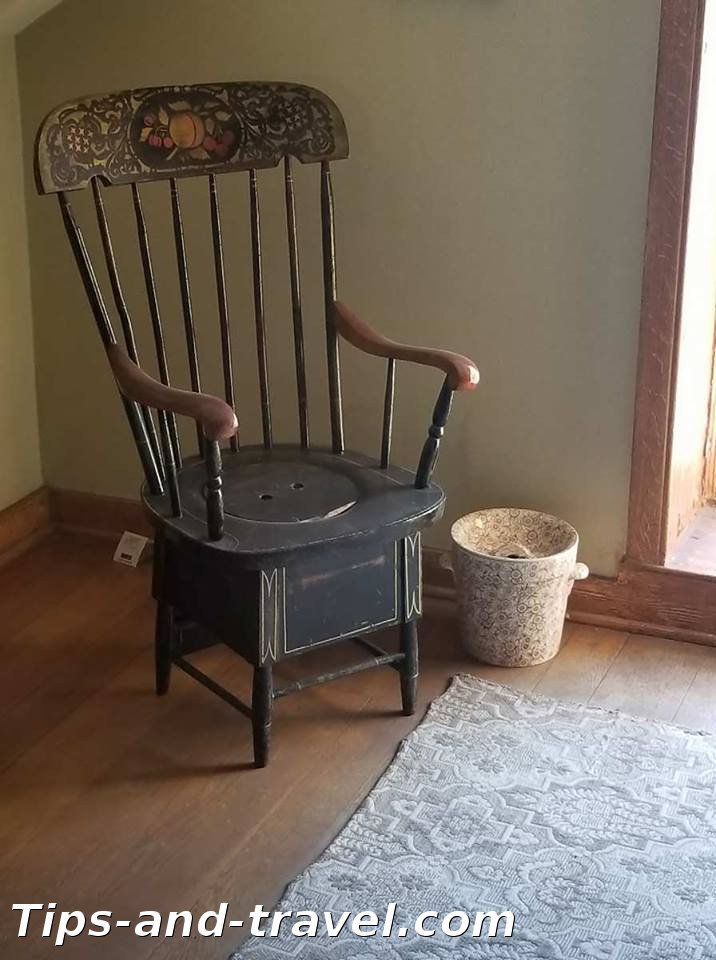
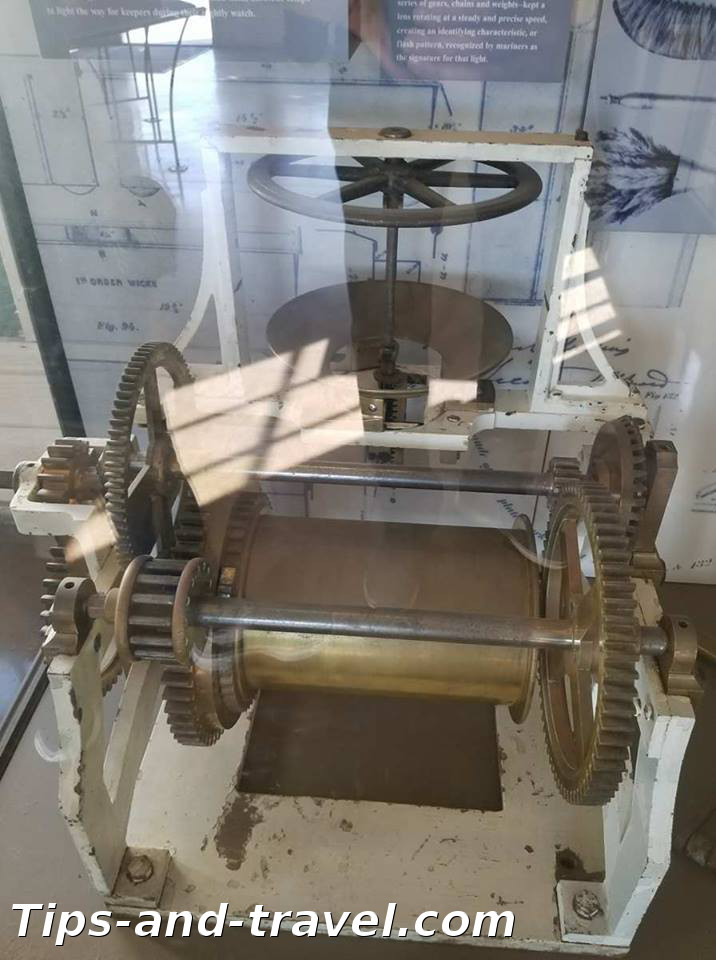
The old Point Loma Lighthouse is located on the Point Loma Peninsula at the mouth of San Diego Bay in San Diego, United States. It has not operated since 1891 as a lighthouse but is open to the public as a museum. Its construction began in 1854 on a cliff of nearly 130 meters and was finished in October 1855 but its function began only a month later. At his side, they built a small building that was used to store the wood, the oil as other supplies, but in 1875, a portion was converted into a two-room apartment for the assistant guardian of the lighthouse. In the museum you will find maps and documents about Point Loma and its history as the original objective of the lighthouse. As the lighthouse was built in height, it was not seen very often with the fog or low clouds that is why in 1891 it was replaced by another that had been built at a lower altitude. It was restored in 1980 and furniture of the time where it was used as an apartment, was put on the spot.

Tips

If you’re lucky, you’ll be greeted by volunteers representing people who worked or lived there.

The lighthouse tower is closed to the public but there are dates when you will find it open; on August 25th (anniversary of the National Park Service) and on November 15th (anniversary of the lighthouse).

If you like walking, enjoy strolling through the park and you’ll have beautiful views of the ocean and the city of San Diego.

Library of Parliament, Ottawa, Ontario, Canada

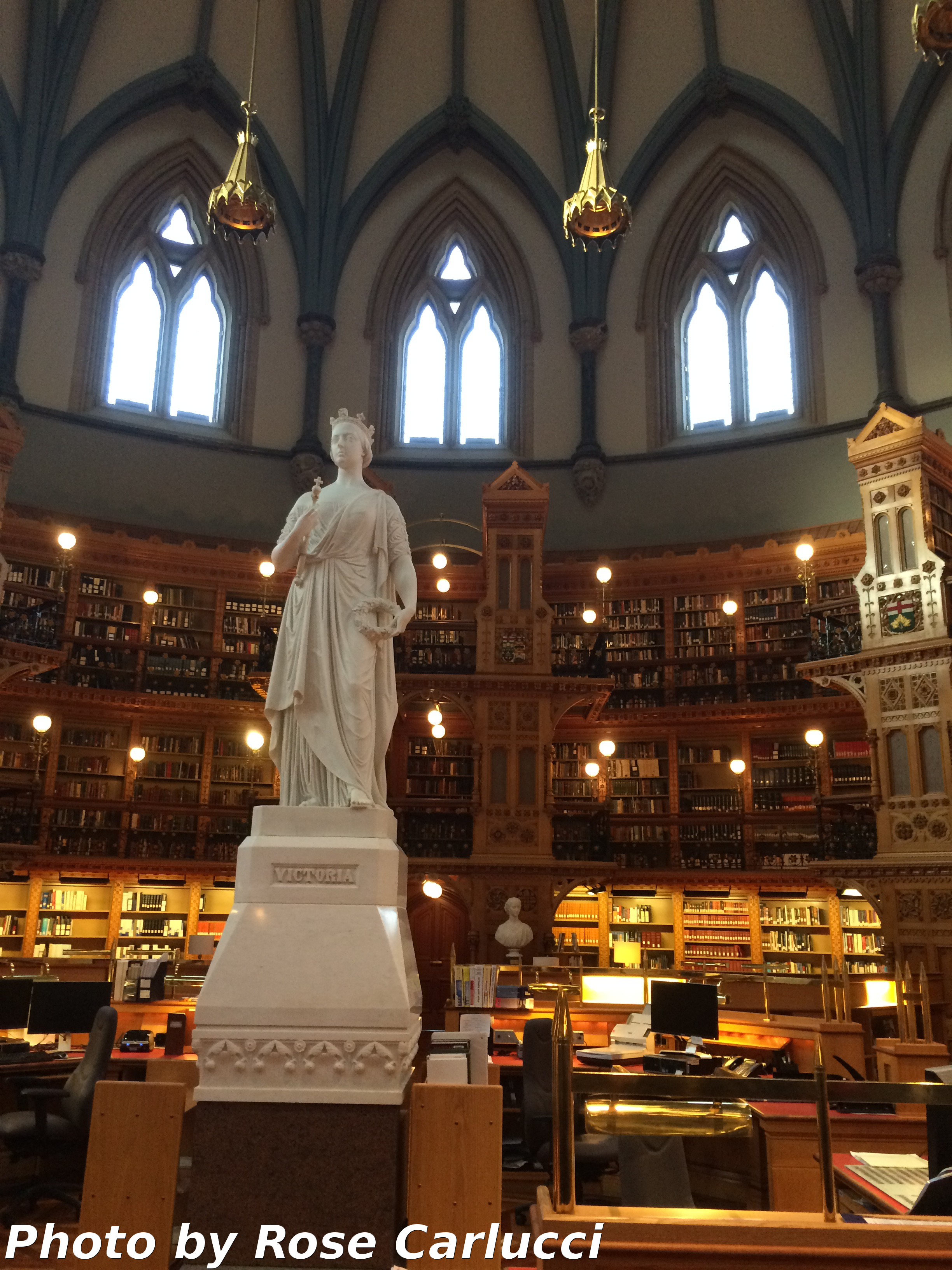
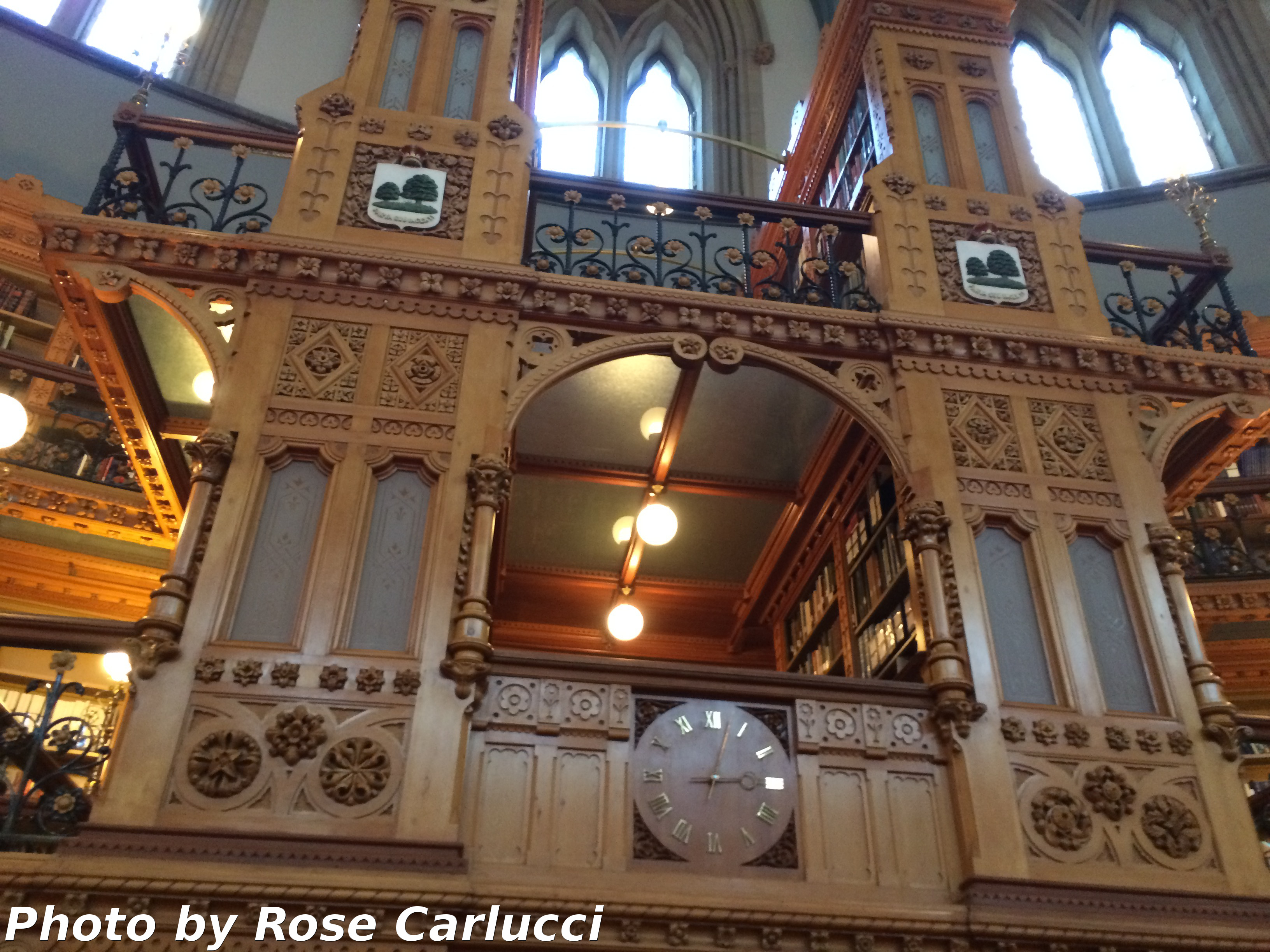
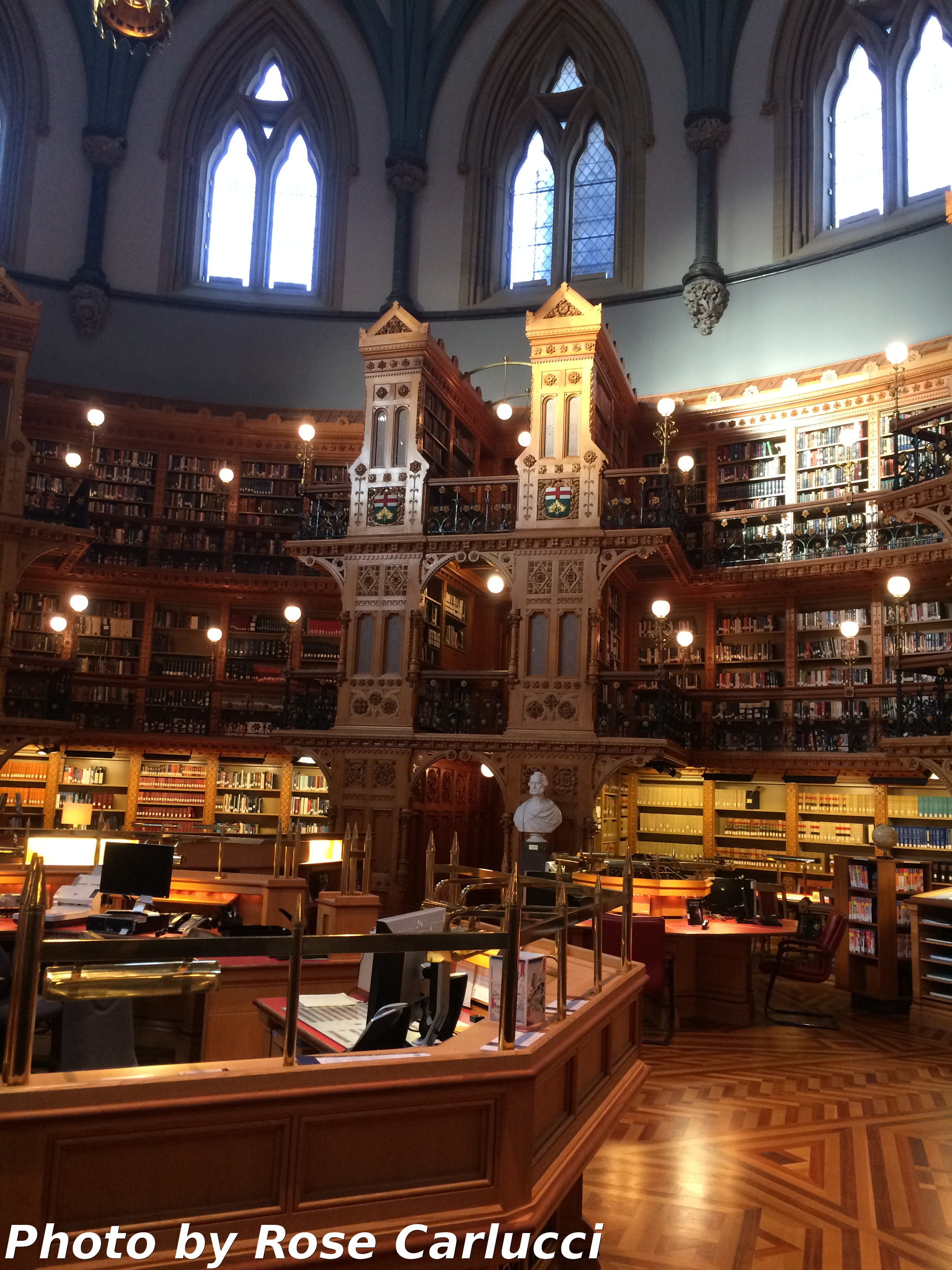
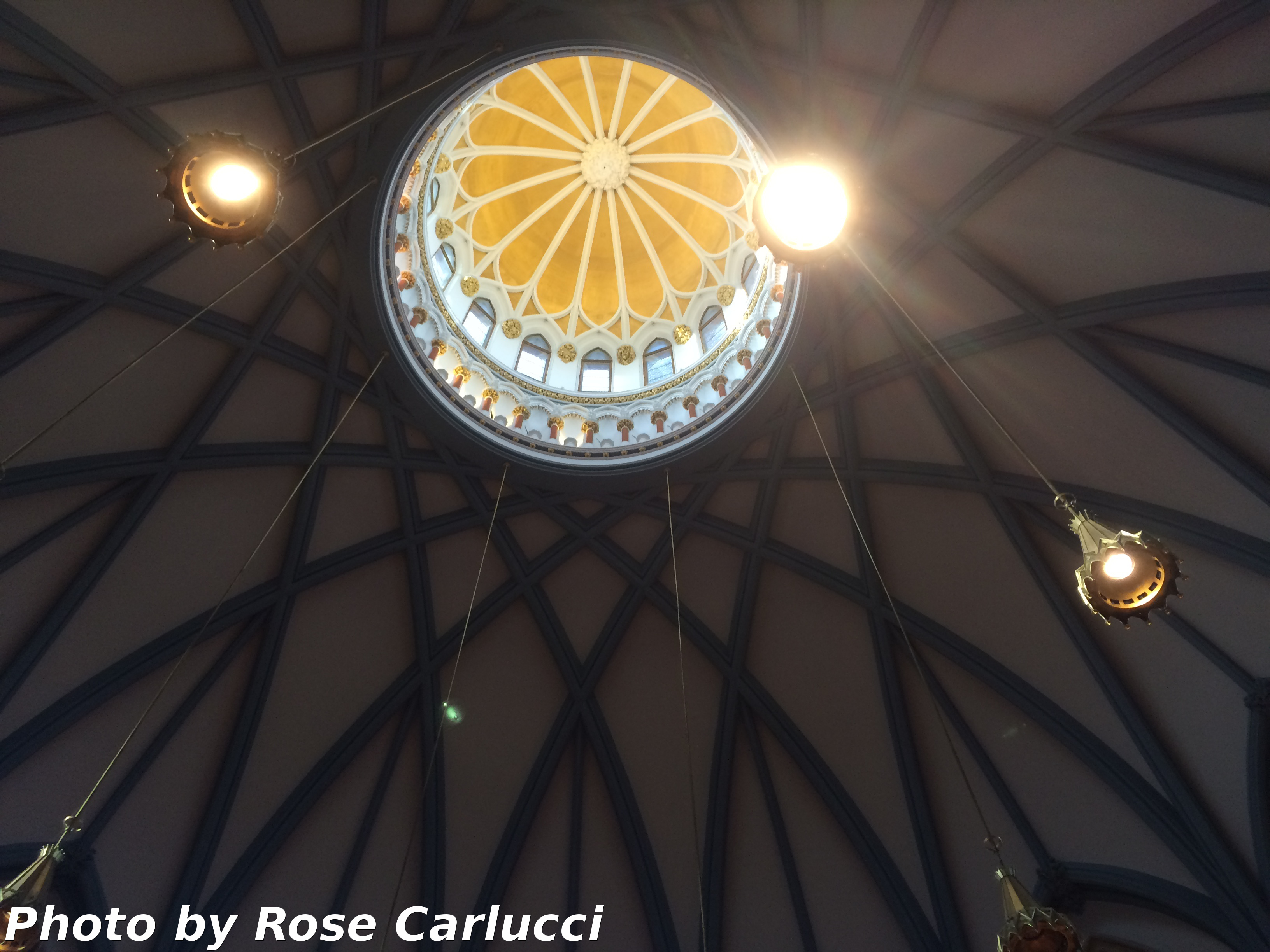
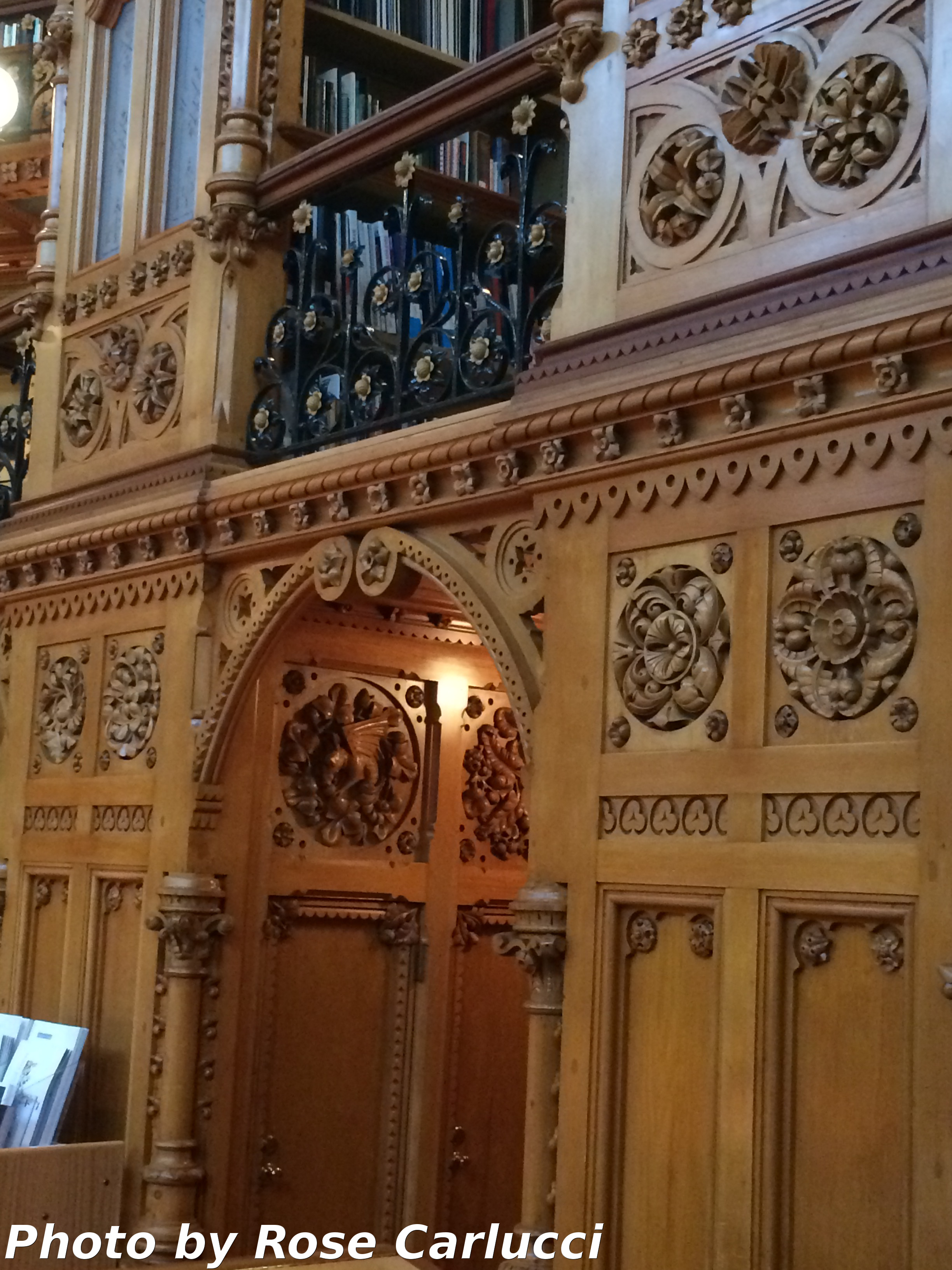
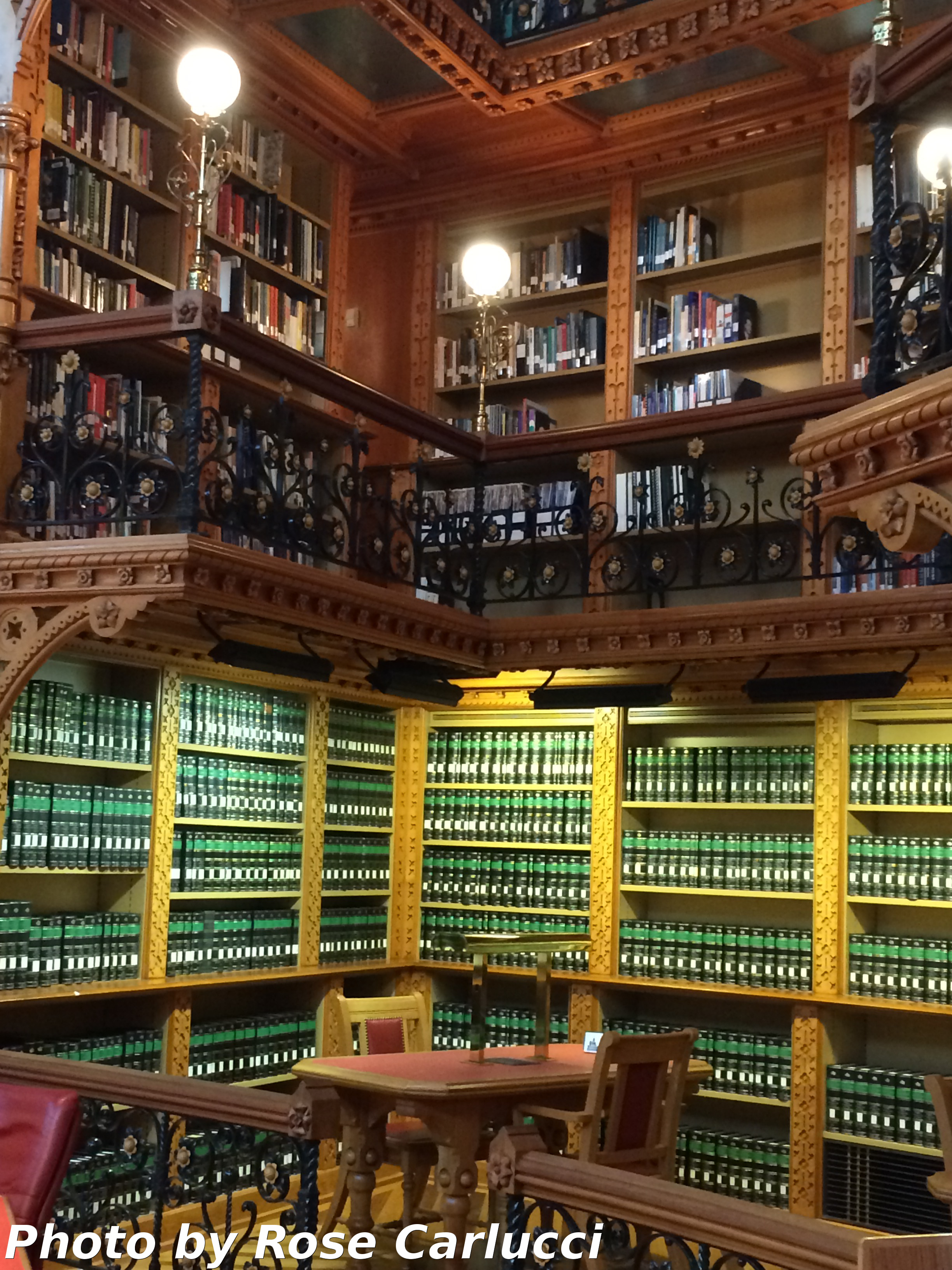
The Library of Parliament or Legislative Library serves legislators for their research and information analysis needs. It is placed in various parliamentary buildings in Ottawa. Opened in 1876, its historic seat is located at the back of the Center Block on Parliament Hill; a vestige of what has remained since the last fire of 1916. It was designed by architects Thomas Fuller and Chilion Jones on a hexadecagonal plan (16 faces) with galleries and fire doors and the corridor that separates it from the rest of the building. Between 2002 and 2006 it was completely renovated and modernized with the addition of two basements, telecommunications equipment and reconfiguration of the reading room. It has elements typical of Neo-Gothic architecture. Its walls are in blocks of sandstone, there are flying buttresses, pointed ogive windows, turrets, bell-towers and its roof is made of copper with three levels and forms a vault above the reading room. The interior of the reading room itself as well as the exterior appearance of the building that covers it have characteristics of the Victorian era. The galleries are in pine carved with floral motifs, coats of arms, masks and mythological creatures. The actual floor (reproducing the original), is in parquetry of cherry, oak and walnut. There is a statue of Queen Victoria in white marble and marble busts of the Prince of Wales (Albert Edward), Princess of Wales (Alexandra of Denmark), Sir John Sandfield Macdonald and Sir Etienne Paschal Taché.
Tips

If you wish to consult general public information materials, ask for information before you go.

If you are taking the guided tour of Parliament, you will have the opportunity to also visit the library.